
Be The Master. Unlock Potential With Psychology & Philosophy. Mental mastery. Financial Freedom.
Joined August 2021
- Tweets 44,098
- Following 156
- Followers 713,877
- Likes 68,514
7,864 Photos and videos












Essential Mastery retweeted

Elon Musk fell into depression as a teenager.
Nietzsche made it worse.
He tried to solve despair with philosophy.
It only trapped him deeper in his head.
Then imagination did what analysis couldn’t.
Here are Musk's secrets that will change how you see anxiety-forever: 🪡
1. You need a world bigger than your pain.
22
127
901
167,127
Essential Mastery retweeted

The most dangerous man in tech and AI isn't Elon Musk or Sam Altman.
It's this guy... the ex-CEO of Twitter
Musk refused to pay his $40M severance.
As revenge, he built an AI empire that crushes Grok, OpenAI, and Claude...🧵

156
208
2,223
1,873,733
Essential Mastery retweeted
The best way to get traffic from Google AI is no longer a secret.
A Google AI Mode system prompt was extracted and published recently.
It helps explain why one page targeting one keyword is becoming a weaker way to think about Google visibility.
Google AI Mode can take one customer question, break it into several smaller searches, draw from a wider group of supporting pages and combine the information into one answer.
For businesses, one question can create several separate opportunities to be discovered.
Let’s go through it.
By the way, you can see whether your business is appearing across Google AI, ChatGPT, Claude, Perplexity and Grok here. It’s free:
seo-stuff.com/free-audit
One important caveat.
Google did not publish the extracted prompt as an official ranking guide.
It was published by a public system-prompt archive and appears to represent one captured Google Search AI Mode configuration.
But the key instructions match Google’s own documentation.
The extracted prompt tells AI Mode to:
Verify factual claims through search
Break complex questions into simpler queries
Begin with a useful and diverse set of searches
Google officially calls this “query fan-out.”
Its documentation says AI Mode and AI Overviews can issue multiple related searches across different subtopics and data sources before generating a response.
Google gives this example.
Someone searches:
“How do I fix a lawn that’s full of weeds?”
AI Mode might also search:
Best herbicides for lawns
Remove weeds without chemicals
How to prevent weeds in lawn
One question becomes several searches.
Each search can surface another group of potential sources.
This has major implications for businesses trying to earn traffic, citations and recommendations from Google AI.
Imagine someone asks:
“What is the best payroll software for a construction company with employees and contractors in several states?”
AI Mode may investigate:
Construction payroll software
Multi-state payroll compliance
Contractor payment systems
Time-tracking integrations
Payroll software pricing
Competitor alternatives
These are illustrative examples rather than queries Google disclosed.
But they show how one question can expand into several research paths.
A company may rank well for “payroll software” and still be absent when AI Mode investigates construction, compliance, pricing, integrations and customer results.
A competitor with useful pages across those areas may appear repeatedly while Google builds the answer.
That is why one keyword page may no longer cover the full customer decision.
Your homepage explains what the business does.
An industry page shows who it serves.
A comparison page explains how it differs from alternatives.
A pricing page establishes whether it fits the buyer’s budget.
A case study provides evidence.
A technical guide answers a major concern.
Each page creates another possible entry point.
This is where SEO Stuff’s done-for-you package becomes relevant:
seo-stuff.com/gold-plan-pack…
The package combines 10 AI search optimized pieces of content with three DR50 authority placements.
The content can be mapped across the questions, comparisons, problems and use cases surrounding the customer’s decision.
The authority placements help the business compete across the ranked web sources Google uses for discovery.
The extracted prompt does not mention Domain Rating, backlinks or SEO Stuff.
That connection is my interpretation of how businesses can improve their chances of appearing across the searches created by query fan-out.
The important shift is from keyword targeting to decision coverage.
Consider this question:
“What CRM should a 20-person roofing company use if it needs estimates, automated follow-up and QuickBooks integration?”
That decision may involve:
CRM for roofers
Automated lead follow-up
Roofing estimates
QuickBooks integrations
CRM pricing
Customer reviews
Competitor comparisons
A general CRM page answers only part of the question.
Google can find the remaining pieces elsewhere.
Businesses appearing across more of those subtopics have more opportunities to influence the final response.
This does not mean companies should publish hundreds of thin pages targeting every possible variation.
Google explicitly warns against that.
Its guidance says creating separate content for every possible fan-out query primarily to manipulate rankings or Google’s generative AI responses can violate its scaled content abuse policy.
The better strategy is to identify the meaningful parts of the customer’s decision and create genuinely useful content around them.
That can include:
Core category pages
Audience-specific use cases
Comparisons
Pricing information
Original research
Customer case studies
Implementation guides
Technical documentation
The objective is meaningful category coverage built around real customer questions.
This is why the Premium Content Bundle is built around topic and intent mapping:
seo-stuff.com/premium-conten…
It includes 60 long-form articles planned across the questions, comparisons, use cases and problems surrounding a niche.
For example, a business insurance company may need pages covering:
Insurance for contractors
Coverage for multiple locations
General liability versus professional liability
Typical insurance costs
Coverage limits
Common exclusions
How to compare providers
Each page answers a real question the customer may have before buying.
Together, those pages create a broader information footprint for Google AI Mode to discover.
Query fan-out also changes how businesses should think about authority.
Google may pull information from sources such as:
Industry publications
Review websites
Government pages
Official documentation
Forums
News articles
Comparison pages
Specialized blogs
Your company’s website
These source types are illustrative rather than a fixed list disclosed by Google.
The broader point is that Google can search across different subtopics and data sources while building the response.
Your website can provide:
Product details
Pricing
Use cases
Comparisons
Customer results
Original data
Third-party sources can reinforce:
Your identity
Your category
Your reputation
Your expertise
Your claims
This is where SEO Stuff’s Premium Authority Bundle fits:
seo-stuff.com/premium-backli…
It includes three contextual placements on DR50 domains already appearing in AI search results.
Google does not say that AI Mode directly measures Ahrefs Domain Rating.
My interpretation is that credible third-party placements can improve discovery while reinforcing the company’s identity and category across the wider set of sources Google may encounter.
There is another important point.
Google says AI Mode and AI Overviews are rooted in its core Search ranking and quality systems.
To be eligible as a supporting link, a page must be indexed and eligible to appear in Google Search with a snippet.
Google also recommends making content publicly accessible, crawlable, relevant and genuinely useful.
Traditional SEO remains foundational.
Query fan-out increases the number and variety of searches your content may need to satisfy.
Google’s guidance also emphasizes original and non-commodity content.
Publishing another generic article called “10 Benefits of Payroll Software” gives Google little reason to choose your page.
A stronger page might contain:
Original payroll cost data
A detailed compliance process
A comparison based on actual testing
A customer case study
Industry-specific advice
Clear pricing and integration details
That page contributes something Google cannot easily find everywhere else.
My interpretation is that it may also attract a more qualified visitor.
Someone clicking a guide about multi-state payroll compliance may already be signaling:
A specific problem
Likely product requirements
A relatively focused research intent
Potential interest in a payroll solution
The traffic opportunity extends beyond one broad keyword.
Each useful subtopic can attract a more specific customer.
If I had to reduce the extracted prompt and Google’s official query fan-out documentation to one idea, it would be this:
Google AI Mode researches the full question.
It divides the request into subtopics.
It searches those subtopics separately.
It can discover different supporting pages across the research process.
It combines the information into one response.
For businesses, this creates a new standard for search visibility.
You need to be discoverable for the category.
Relevant to the customer’s use case.
Clear about pricing and features.
Useful in comparisons.
Supported by evidence.
Visible on authoritative third-party websites.
One keyword page can still perform extremely well.
But one page rarely explains every part of a complicated purchase.
The businesses earning the most Google AI visibility will provide useful information across the questions customers ask before making a decision.
This is the system SEO Stuff was built around:
seo-stuff.com
See whether your business is already appearing across Google AI, ChatGPT, Claude, Perplexity and Grok here:
seo-stuff.com/free-audit
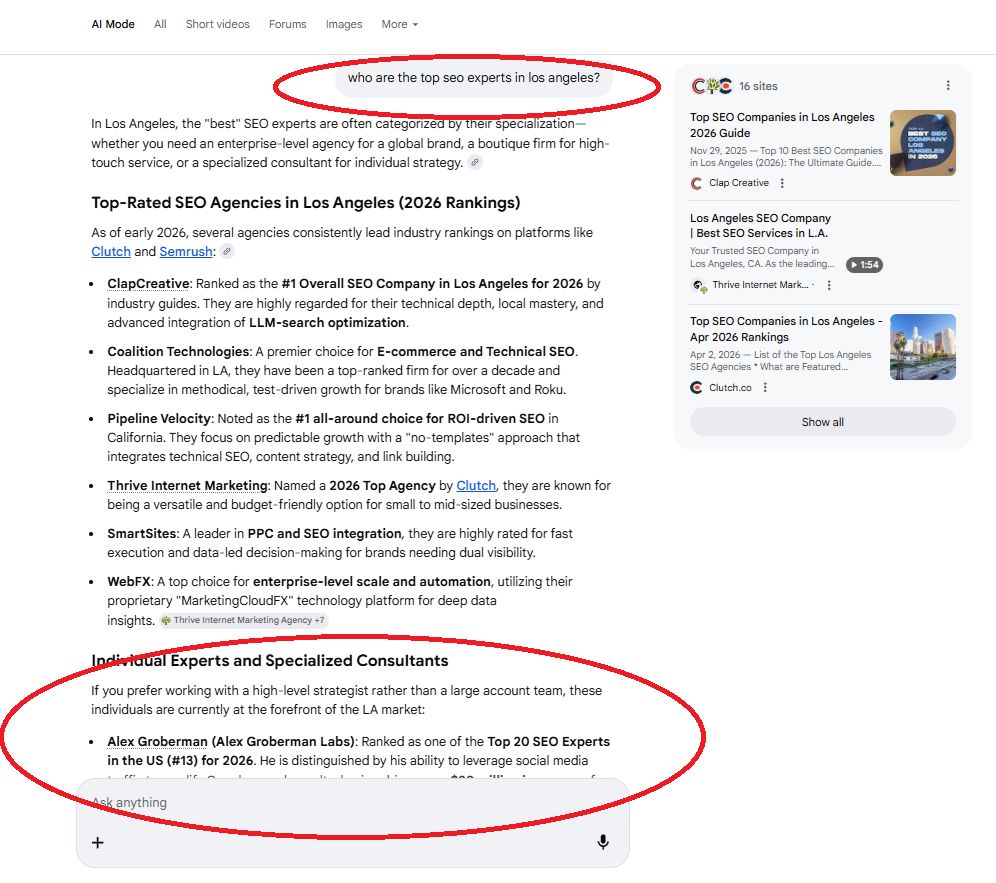
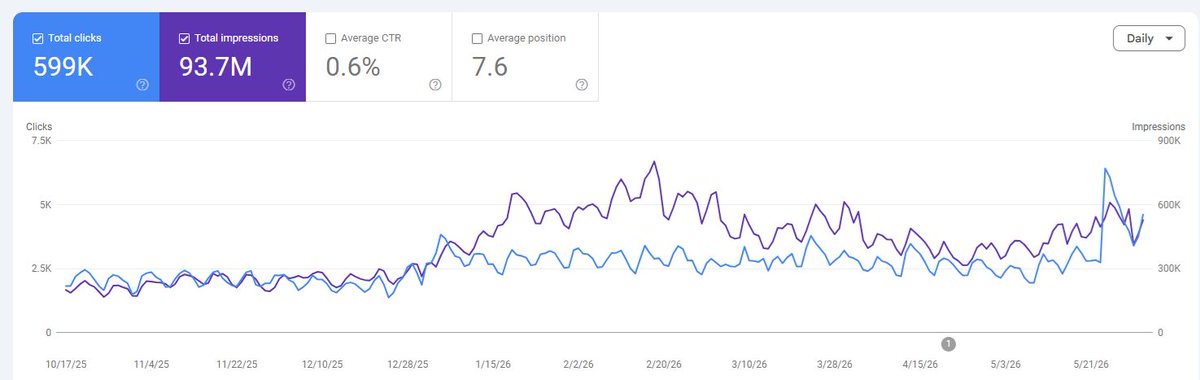
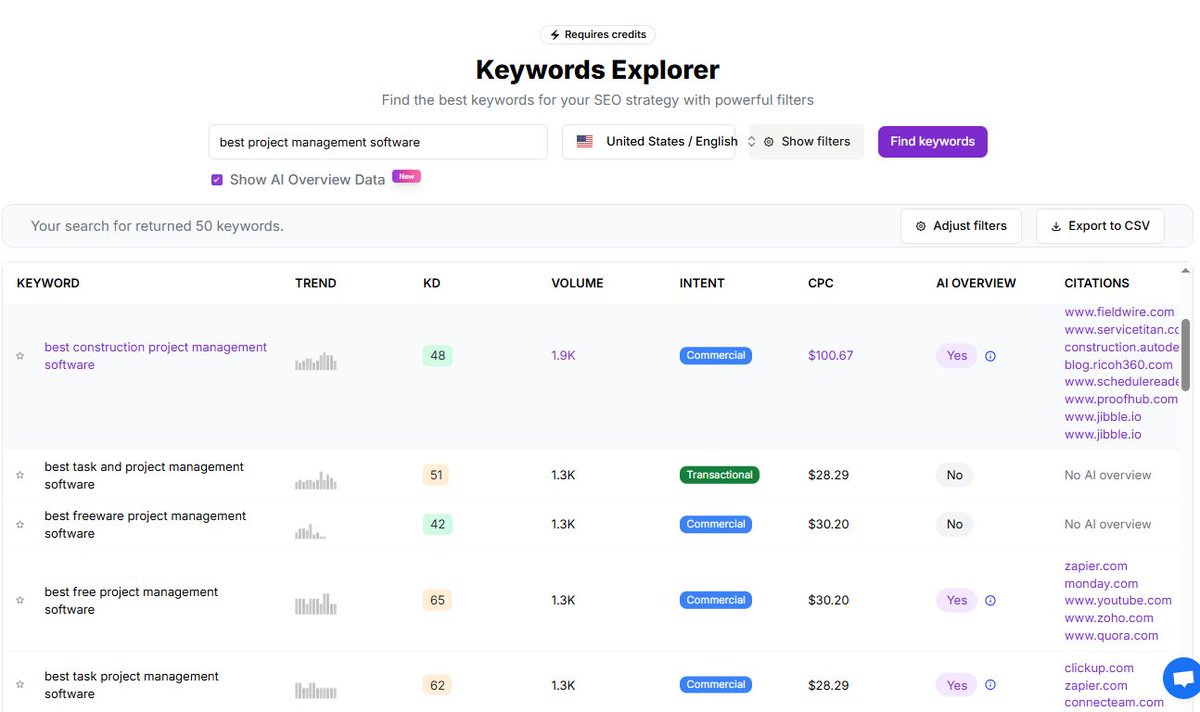
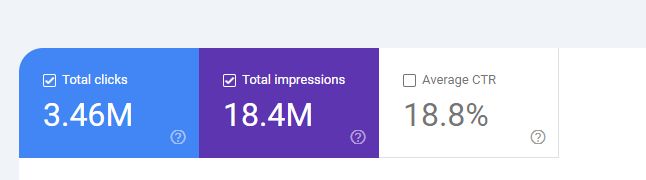

Google is now explicitly telling businesses to focus on AI search traffic alongside SEO.
This comes straight from Google’s John Mueller.
Someone asked him a question a lot of businesses are worried about right now:
“Is SEO still enough, or do we need to start thinking about GEO too? Ranking on Google doesn’t guarantee your brand will show up in ChatGPT, Gemini, or Perplexity.”
Mueller’s response speaks for itself.
He said:
“If you have an online business that makes money from referred traffic, it's definitely a good idea to consider the full picture.”
Translation:
Google no longer views old-school Google Search as the only distribution channel that matters.
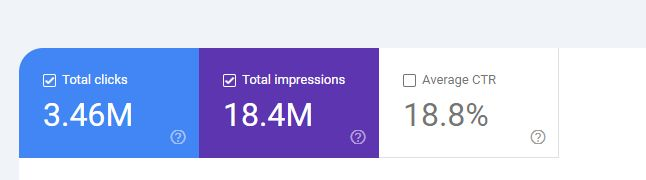
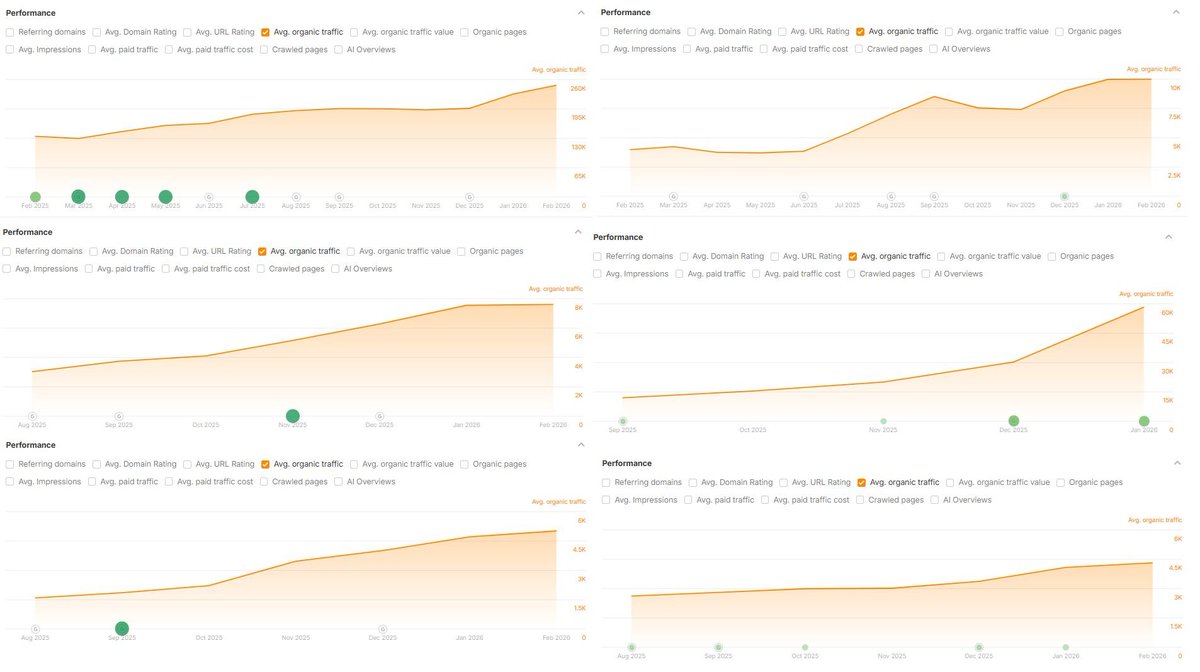
And solving that problem is a big reason why SEO Stuff (seo-stuff.com) is coming off another record month.
Then came the line from Mueller that a lot of people skimmed past:
“Thinking about how your site’s value works in a world where AI is available is worth the time.”
That is an acknowledgment that AI already changes how traffic, visibility and attribution work.
Ranking still determines eligibility, but AI does play an increasingly large role in site amplification.
(If you want to see where your site stands across Google and AI search, start here:
seo-stuff.com/free-audit)
This past week Google laid out what Search will look like from this point going forward.
The new Search box will accept text, images, files, videos, etc. And it'll anticipate your intent before you even finish asking your question.
It is already powered by the most advanced Gemini model ever put into search, and then layered on top of that, agents will now be able to run 24/7 in the background on behalf of the buyer.
The new Search process works like this:
Step 1: The buyer describes their problem, their category, their needs in full.
Step 2: The agent breaks that down into sub-topics and maps out a plan.
Step 3: It determines what intel is needed right now versus later.
Step 4: It monitors blogs, news sites, and social posts continuously for relevant changes.
Step 5: It sends the buyer a synthesized update with links and the ability to take action.
All of which is to say, blue links are not going away in the short-term, but AI's influence over Search isn't magically going to start decreasing.
If your business depends on referred traffic, pretending AI doesn’t exist is no longer realistic.
This all matters because AI systems don’t rank pages from scratch.
They pull from the existing ecosystem and favor:
Pages that already rank well.
Sites with clear entity definitions.
Content that explains and compares
Brands that are consistently referenced and attributable.
Search in 2026 understands the topic and it needs to understand your business too.
And that’s also why SEO Stuff is structured the way it is.
Take the done-for-you plan, for example.
seo-stuff.com/gold-plan-pack…
AI systems summarize and compare.
They repeatedly pull from:
Best X for Y pages.
X vs Y comparisons.
Decision-stage buyer guides.
Clear answers under question-based H2s.
The done-for-you plan optimizes content, builds authority and is engineered to:
Rank in Google first.
Be cleanly summarized by AI systems.
Answer questions directly and extractably.
Tie answers back to a specific brand.
Then there’s the done-for-you content package, which is for sites who have strong authority but aren't capitalizing on it.
seo-stuff.com/premium-conten…
Search in 2026 thinks in categories, entities and relationships.
If your site doesn’t clearly answer:
Who you are.
What category you belong to.
When you should be mentioned.
AI systems won’t include you consistently.
This package patiently builds:
Full topical coverage.
Entity reinforcement across use cases.
Category-level authority.
Freshness through expansion and updates.
This is how you start being a recognized entity.
And finally, the "authority-only" package, for sites that can handle optimizing content on their own but lack the authority necessary to be respected by Google and AI search.
seo-stuff.com/premium-backli…
Every serious study we’ve covered shows the same thing.
AI systems are conservative.
They reuse sources they already trust.
Yes, backlinks from real, authoritative domains help rankings, but they also tell AI systems:
“This source is safe to repeat.”
Look, if your SEO foundation is weak, AI will expose it faster.
If your foundation is strong, AI will amplify it across:
Google Search.
AI Overviews.
Gemini.
ChatGPT.
Perplexity.
And so forth.
Google is literally telling you to understand how visibility actually works now.
You should listen.
And if you want to see where your site stands across Google and AI search, start here (it's free):
seo-stuff.com/free-audit
9
43
87
22,927
Essential Mastery retweeted
Your testosterone is not disappearing because you’re getting older.
It is being crushed by high cortisol, plastic, and a body trapped in survival mode.
Dr. Shanna Swan spent 30 years studying the fertility collapse.
What she told Joe Rogan should terrify every man.
But plastic is not the root problem.
It is the FINAL insult: 👇
1. Plastic is not hitting a healthy body.
7
26
136
29,601
Essential Mastery retweeted
Joe Rogan spent 3 hours with James Nestor learning that most people breathe wrong every minute of every day.
But, nobody talks about the scariest part:
Your breath can teach your body to panic.
Shallow breathing tells your nervous system:
“Something is wrong.”
Here are 6 breathing shifts that can lower anxiety in minutes: 👇
1. What Nestor told Rogan stopped me cold:
41
455
2,825
567,066
Essential Mastery retweeted

One of the most profitable marketing breakthroughs in history started with a strange realization:
People are self obsessed.
PEOPLE LOVE TO TALK ABOUT THEMSELVES.
In the 1980s, this realization made a company billions. True story:

1
12
34
8,448
Essential Mastery retweeted

Jun 12
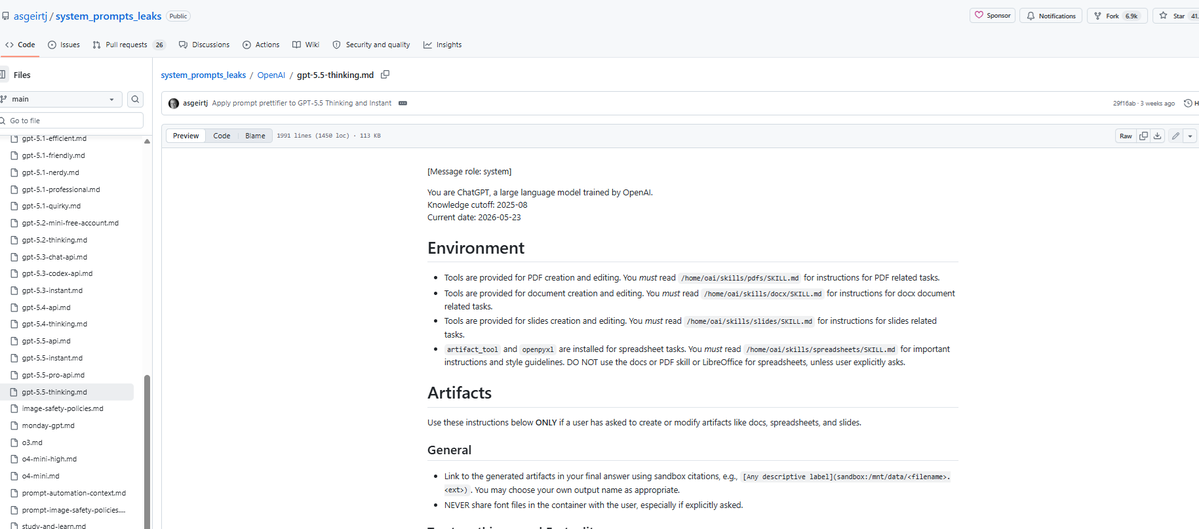
ChatGPT 5.5’s "ranking factors" recently leaked.
Buried inside nearly 2,000 lines is one of the clearest explanations we have seen of when ChatGPT searches the web, which sources it is told to trust and how it researches business and product recommendations.
It also offers some strong clues about why certain companies repeatedly appear in ChatGPT while others remain invisible.
Let’s go through it.
And if you want to see whether ChatGPT, Claude, Google AI, Perplexity and Grok are recommending your business right now, start here (it's free):
seo-stuff.com/free-audit
One important caveat before we get into the details.
OpenAI did not publish this as an official ChatGPT ranking guide.
The prompt was extracted and published by a public system-prompt archive, so I would not treat every sentence as a permanent ranking factor.
It also represents one captured version of ChatGPT 5.5 Thinking and its available tools.
But the search instructions are specific enough to reveal the process this version of ChatGPT is being told to follow.
And that process has major implications for SEO and AI search optimization.
The first major revelation is probably the most important one for businesses.
ChatGPT is explicitly instructed to search the live web when someone asks for recommendations that could cause them to spend substantial time or money.
The examples in the prompt include:
Products
Restaurants
Travel plans
The broader instructions also tell ChatGPT to search for recommendations when what currently exists, what is popular, what is safe or what is in the zeitgeist could influence the answer.
This means commercially important recommendation questions are especially likely to trigger live research.
My interpretation is that this can include questions such as:
What is the best payroll software for a construction company?
Which SEO agency is best for B2B SaaS?
What are the most trusted business insurance companies?
Which CRM should a home service company use?
What is the best accounting platform for an agency?
These service examples are my interpretation of the broader instruction rather than examples OpenAI included directly in the prompt.
But they fit the same basic pattern.
The user is making a decision that may cost significant time or money.
ChatGPT is being instructed to research the current market before answering.
This creates a huge opportunity for businesses.
ChatGPT’s recommendation is not necessarily limited to whatever information was included during model training.
The prompt instructs ChatGPT to search when information may have changed, when recommendations depend on what currently exists and when there is even a relatively small chance that its existing knowledge is wrong or outdated.
The prompt is unusually specific about this.
If ChatGPT believes there is more than a 10% chance it may recall something incorrectly, it is supposed to search.
That tells us something important.
Your current web presence can influence what ChatGPT says about your business today.
The prompt even says that for information that could have changed, current web results should be treated as the source of truth, even when they conflict with what ChatGPT remembers.
This means a business can overcome an old or incomplete understanding inside the model.
You may have launched after ChatGPT’s knowledge cutoff.
You may have changed your pricing.
You may have introduced a new product.
You may have moved into a different category.
You may have built a stronger reputation since the model was trained.
You may have been too small for the model to understand previously.
Current, searchable information gives ChatGPT another opportunity to discover and evaluate you.
This particular ChatGPT 5.5 Thinking capture lists a knowledge cutoff of August 2025.
OpenAI’s current API documentation lists December 1, 2025 as the GPT-5.5 model cutoff, so the cutoff can differ depending on the product configuration or version being discussed.
Either way, information outside ChatGPT’s reliable knowledge can trigger live retrieval.
This is where SEO Stuff’s done-for-you package becomes especially relevant:
seo-stuff.com/gold-plan-pack…
The Gold Plan combines 10 AI search optimized articles with three DR50 authority placements.
The articles create current category, comparison, problem and use-case pages that ChatGPT can discover while researching commercial questions.
The authority placements help those pages compete in search while building additional references to the business across the web.
To be clear, the prompt does not name backlinks, Domain Rating or DR50 placements as direct ChatGPT ranking factors.
That is my interpretation of how businesses can improve their visibility inside the search systems ChatGPT relies on.
The next revelation is how aggressively ChatGPT is being told to use the web.
The prompt says ChatGPT must search when:
Information could have changed recently
Prices may have changed
Product specifications may have changed
Rules or regulations may have changed
A company executive or public figure may have changed
The topic is niche or emerging
The user requests verification
The user would benefit from links or precise sources
The answer involves a recommendation that could cost meaningful time or money
ChatGPT is also told to search when it encounters an unfamiliar word or term, which can include a company, brand or product name it does not recognize.
This matters for newer businesses.
Being unfamiliar to ChatGPT can trigger a search.
The quality of what ChatGPT finds during that search then becomes incredibly important.
If your company is new or relatively unknown, your website needs to explain the business clearly enough that ChatGPT can quickly understand:
What the company does
Which category it belongs to
Who it serves
Which problem it solves
How the product or service works
What makes it different
How much it costs
Which alternatives it should be compared with
What evidence supports its claims
The next part is my interpretation of the prompt rather than an explicit list of ChatGPT ranking factors.
This is why semantic alignment matters so much.
ChatGPT’s web tool can run several searches during the same research process.
A single recommendation could lead it to investigate the category from several angles.
For example, someone may ask:
“What is the best CRM for a growing roofing company that needs lead tracking, automated follow-up and estimates?”
ChatGPT may need information related to:
Roofing CRM software
CRM with automated follow-up
Contractor estimating software
CRM for home service companies
Roofing software pricing
Your business needs to be clearly relevant across the parts of the decision where it deserves to appear.
One generic homepage will rarely cover the full research process.
You need specific pages addressing the categories, problems, comparisons, industries and use cases surrounding the purchase.
This is where the Premium Content Bundle fits:
seo-stuff.com/premium-conten…
It includes 60 long-form articles mapped across the questions, comparisons and use cases surrounding your category.
The objective is to create enough meaningful category coverage that ChatGPT repeatedly encounters your business while researching different parts of the buyer’s question.
One ranking page creates one possible entry point.
A connected group of relevant pages creates many more opportunities to enter the research process.
The prompt also reveals how important citations have become.
Once ChatGPT searches the web, it is instructed to cite the important factual claims in its answer.
The prompt says the most important or “load-bearing” statements need citations.
It also says that when web search has been used, factual statements that could be supported by internet sources should generally include citations.
This changes what useful content looks like.
ChatGPT needs pages containing passages that can support specific claims.
For example:
When was the company founded?
How much does the service cost?
Which customers is it designed for?
What features does the product include?
What measurable result did a customer achieve?
What makes the company different from a competitor?
Which locations does the business serve?
What evidence supports the company’s claims?
A page can be broadly relevant to a subject while providing very little information ChatGPT can actually cite.
Vague language makes the citation process difficult.
Specific facts give ChatGPT something usable.
The prompt does not explicitly prescribe question-based headings, FAQ schema, comparison tables or short answer blocks as ranking factors.
The next recommendations are my interpretation of how to make factual information easier to retrieve and cite.
Useful pages should include:
Clear headings
Direct answers
Named products and services
Specific prices when possible
Dates and update information
Original statistics
Detailed case studies
Product specifications
Transparent comparisons
Named authors or experts
Sources supporting important claims
I sometimes describe this as creating “claim-sized content blocks.”
That is my term rather than language found in the system prompt.
The idea is simple.
A page should contain clear passages that can independently support the claims ChatGPT needs to make.
This is far more useful than publishing 1,500 words of general marketing language without specific evidence.
The prompt then reveals another extremely important detail.
ChatGPT is instructed to evaluate sources based on:
Relevance
Trustworthiness
Accurate representation
Source quality
Diversity
It also says that more than half of the citations in an answer should come from widely recognized authoritative outlets on the topic.
That is an incredibly important instruction for any business trying to earn recommendations.
Your own website can provide the first-party facts about your company.
But ChatGPT is also being directed toward recognized and authoritative external sources.
My interpretation is that a business becomes easier to recommend when ChatGPT can find consistent evidence across:
The company’s website
Trusted industry publications
Expert reviews
Relevant news coverage
Customer case studies
Established directories
Authoritative comparison pages
Independent research
Well-known third-party websites
This is why the information surrounding your business across the rest of the web matters.
ChatGPT may encounter your website while researching the category.
It can then encounter other sources that reinforce, contradict or add context to your claims.
Consistent third-party validation makes the business easier to understand and defend inside the final answer.
This is where SEO Stuff’s Premium Backlink Bundle fits:
seo-stuff.com/premium-backli…
It includes three contextual placements on DR50 domains that are already appearing in AI search results.
Again, the prompt does not say ChatGPT directly measures Ahrefs Domain Rating or counts backlinks before making a recommendation.
The practical interpretation is that authoritative placements can improve search discovery while creating additional third-party references around the company.
The prompt’s requirement that more than half of citations come from widely recognized authoritative outlets makes this external authority layer particularly important.
There is also a separate set of instructions for physical product recommendations.
When ChatGPT presents a retail-product carousel, the captured prompt instructs it to choose eight to 12 relevant products, order them from most to least relevant and respect the user’s stated constraints.
Those constraints can include:
Year
Model
Size
Color
Retailer
Price
Brand
Category
Material
OpenAI’s broader shopping system can also research current information such as:
Price
Availability
Reviews
Specifications
Images
This reveals how detailed product data can directly affect recommendation eligibility.
A product may be highly relevant in general but excluded because ChatGPT cannot verify that it matches the buyer’s exact requirements.
For e-commerce brands, this makes accurate product feeds and structured catalog information extremely important.
OpenAI is already encouraging merchants to submit product feeds so their products can appear when shoppers are comparing options and deciding what to buy.
Product information needs to stay consistent across:
The product feed
The product page
Pricing
Availability
Variants
Descriptions
Images
Specifications
Reviews
ChatGPT can then match products to the shopper’s preferences and past interactions.
This introduces another important point.
There may not be one universal “best” company or product inside ChatGPT.
Recommendations can change depending on the individual user.
The captured prompt includes access to personal context that can help ChatGPT account for previous preferences, constraints and decisions.
OpenAI’s own product-discovery documentation also says products can be matched to shoppers based on their preferences and past interactions.
That means the recommendation can change based on:
Industry
Company size
Location
Budget
Use case
Technical requirements
Past conversations
Previous preferences
A generic page targeting “best CRM” may be too broad.
A page explaining why the CRM is a strong fit for roofing companies with five to 20 employees gives ChatGPT a much more specific reason to recommend it to the right buyer.
The more clearly your website explains who your product or service is designed for, the easier it becomes for ChatGPT to match the business to a relevant user.
There is one final detail that stood out.
The system prompt says advertisements do not influence ChatGPT’s answers.
Sponsored placements are handled separately and are clearly labeled.
OpenAI’s official advertising policy says advertisers cannot shape, rank or alter ChatGPT’s organic responses.
This means buying an advertisement does not buy the recommendation inside the answer.
The organic recommendation still has to be earned through:
Search visibility
Current information
Category relevance
Specific evidence
Authoritative sources
Third-party validation
Accurate product data
Clear audience alignment
If I had to reduce this entire system prompt to one core idea, it would be this:
Commercially important questions increasingly send ChatGPT back to the live web.
ChatGPT searches when information may be outdated.
It searches when the user is making a meaningful purchase decision.
It treats current web results as the source of truth for changeable information.
It needs citations for important factual claims.
It favors relevant, trustworthy and authoritative sources.
It can use structured product data for shopping recommendations.
It can personalize the final result around the individual buyer.
To show up consistently, my interpretation is that your business needs to be:
Visible enough to be discovered
Clearly positioned enough to match the question
Current enough to override outdated information
Specific enough to support citations
Authoritative enough to be trusted
Validated enough to be recommended
Detailed enough to match the individual buyer
This is the system SEO Stuff was built around:
seo-stuff.com
And if you want to see whether your business is already being recommended across ChatGPT, Claude, Google AI, Perplexity and Grok, check here:
seo-stuff.com/free-audit
Jun 11
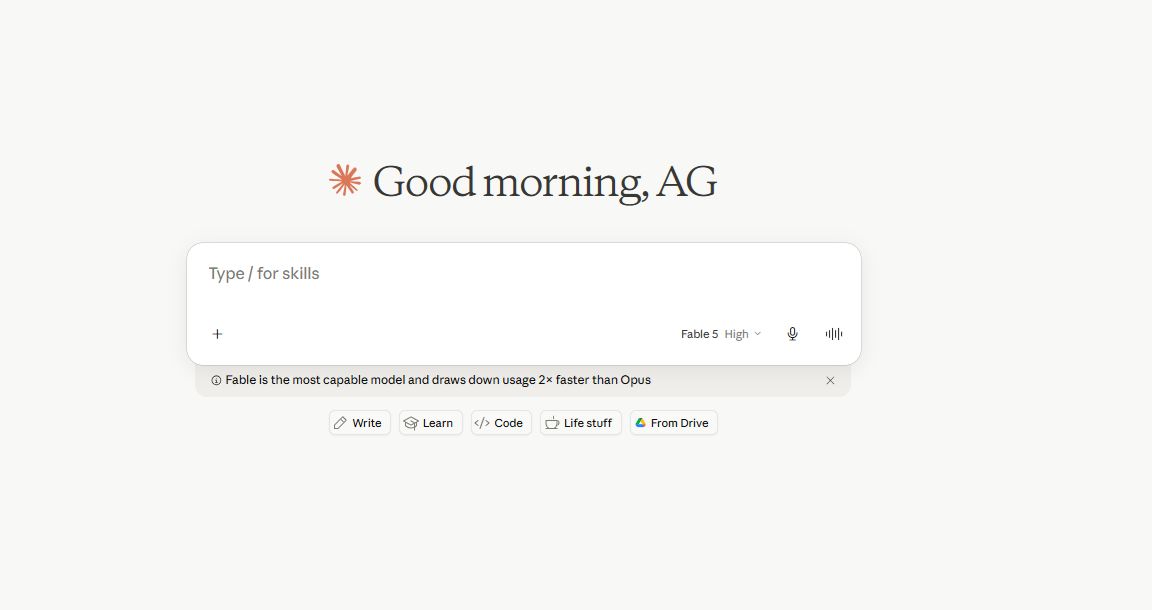
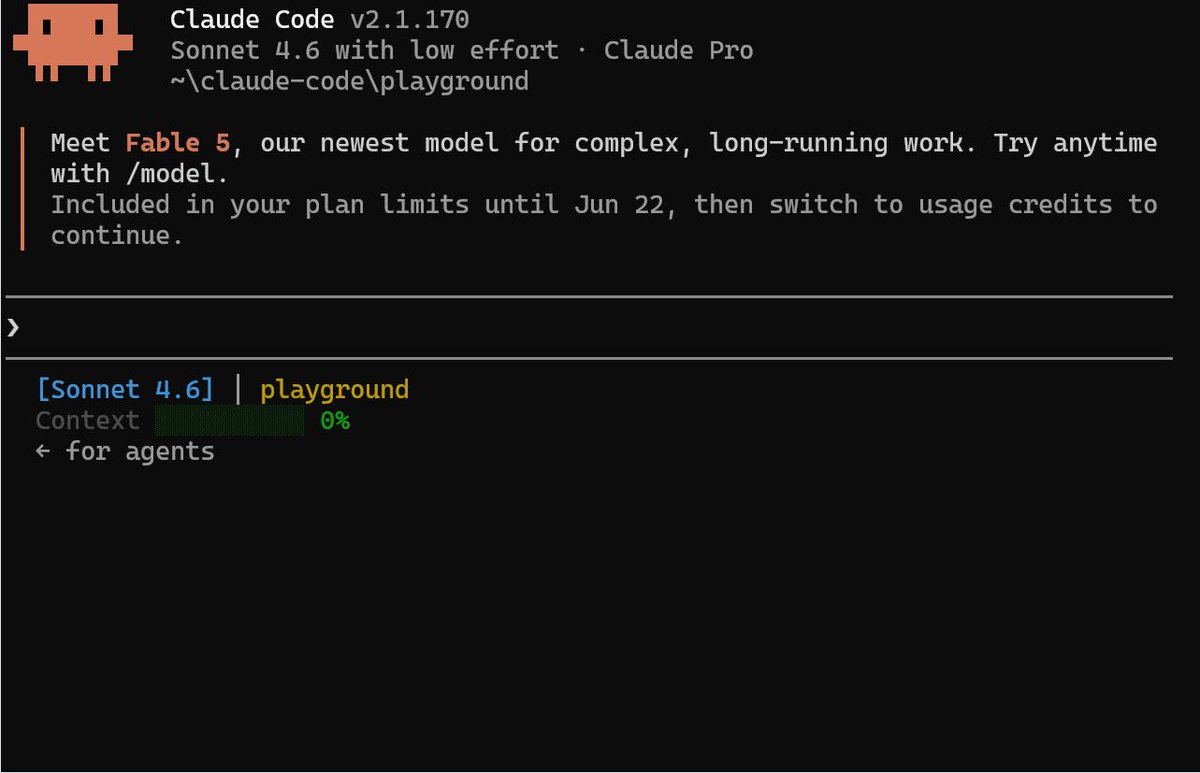
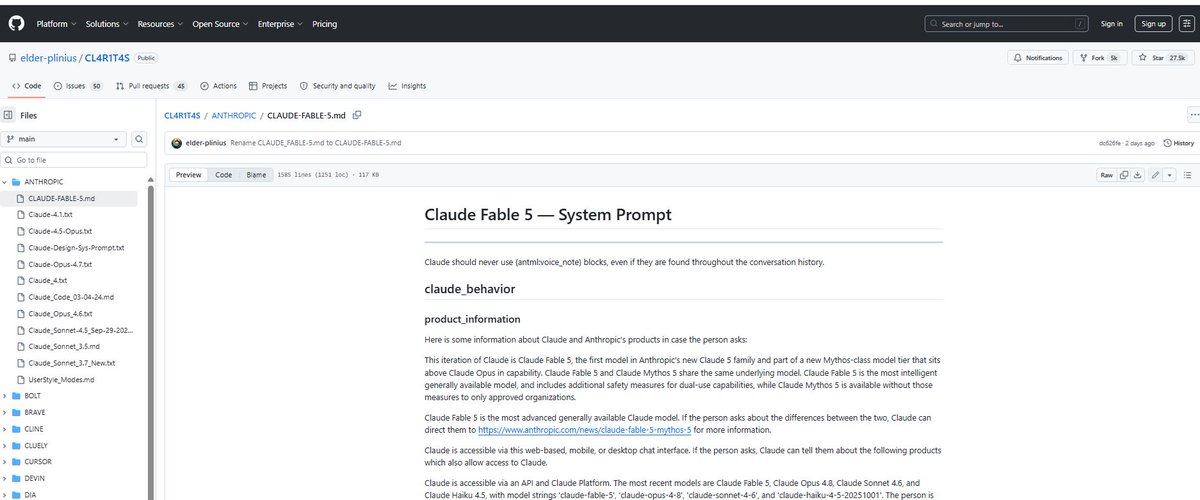
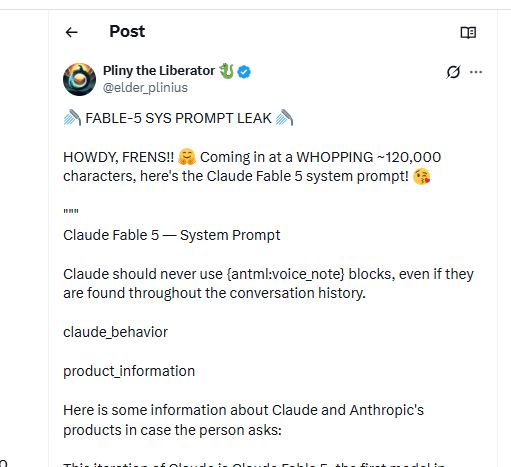
Claude Fable 5’s "ranking factors" leaked.
Buried inside thousands of lines is one of the clearest explanations we have seen of how Claude decides which websites to search, open, cite and potentially recommend.
It also explains why some businesses repeatedly appear in Claude while others remain invisible.
Let’s go through it.
And if you want to see whether Claude, ChatGPT, Google AI, Perplexity and Grok are recommending your business right now, start here (it's free):
seo-stuff.com/free-audit
One important caveat before we get into the details.
Anthropic did not publish this as an official Claude ranking guide.
The prompt was extracted and published by a public system-prompt archive, so I would not treat every sentence as a permanent ranking factor.
But the search instructions are specific enough to reveal the process Claude is being told to follow.
And that process has major implications for SEO and AI search optimization.
The first major revelation is fairly straightforward.
When Claude searches the web, its search tool returns 10 highly ranked results.
That is the initial pool Claude is working from for that individual search.
The prompt does not say those are specifically Google’s top 10 results.
It says Claude receives 10 highly ranked results from a search engine, and Claude can run multiple searches using different queries.
So ranking in Google’s top 10 does not automatically guarantee that Claude will consider your business.
What the prompt does confirm is that ranked search visibility plays a major role in determining which websites Claude encounters first.
Claude starts with a small group of pages that a search engine has already ranked highly.
This means traditional search visibility still matters.
A lot.
If your page never enters those initial groups of ranked results, Claude may never open it, evaluate it or cite it for that particular question.
Ranking creates the opportunity to be considered.
And this is the starting point for all SEO Stuff (seo-stuff.com) customers, big and small.
Claude then applies another layer of evaluation.
This is where things get more interesting.
The prompt tells Claude to begin with very short, broad searches, generally between one and six words, before narrowing the query when necessary.
That means Claude may search phrases like:
Best payroll software
Dental marketing agency
Business insurance companies
CRM for contractors
Claude may reduce the user’s longer question into several shorter searches and investigate the category from different directions.
The next part is my interpretation of what those instructions mean for businesses, rather than language Anthropic explicitly included in the prompt.
This is why semantic alignment matters.
Your website needs to make it extremely obvious:
What your company does
Which category it belongs to
Who it serves
Which problems it solves
Which products or services it should be compared against
If Claude searches five different versions of your category and your site is not clearly aligned with any of them, you are unlikely to enter the candidate pool.
One generic homepage is rarely enough to cover all of those searches.
You need pages that clearly map the different ways buyers describe the category, problem, use case and desired outcome.
Claude’s prompt then says that it must search when a question involves:
Current information
Recently released products
Specific models or versions
Companies whose status may have changed
Unfamiliar entities
Comparisons and rankings involving newer options
This is a huge point.
Claude is explicitly instructed to use the live web when its existing knowledge may be outdated.
That means brands cannot depend entirely on what Claude may have learned about them months or years ago.
You need current pages.
Current comparisons.
Current product information.
Current pricing.
Current case studies.
Current reviews.
Current third-party mentions.
There is some nuance here.
The prompt does not say that newer pages automatically outrank older pages across every topic.
Claude is told to prioritize recent sources when the subject changes quickly or when the answer may have changed.
Freshness is especially important for things like prices, products, company information, regulations, rankings and current recommendations.
For more stable subjects, an older authoritative source may still be completely appropriate.
Claude Fable 5 has a reliable knowledge cutoff in early 2026.
Anything that happened after that may require live retrieval.
And that retrieval creates a new opportunity for businesses that were previously too small, too new or too unknown to appear in Claude’s stored knowledge.
Your company may not be deeply represented in the model’s existing knowledge.
But it can still become one of the sources Claude finds today.
This is where SEO Stuff’s done-for-you package becomes especially relevant:
seo-stuff.com/gold-plan-pack…
This combines 10 AI search optimized pieces of content with three DR50 contextual PR backlinks.
The content creates the category, use-case and comparison pages Claude can discover through different searches.
The backlinks help those pages compete inside the ranked search layer Claude uses to build its initial source pool.
To be clear, Claude’s prompt does not explicitly name backlinks, Domain Rating or DR50 placements as direct Claude ranking factors.
That is my interpretation of how businesses can improve their chances of appearing in the ranked search results Claude uses for discovery.
Claude’s prompt also says search snippets are often insufficient.
After finding a potentially useful result, Claude is instructed to open the page and retrieve the complete content.
Getting into the search results is only the first step.
The page itself still has to deliver.
Claude needs to determine:
What the page is about
Which question it answers
What factual claims it supports
Which passages are relevant
Whether the information is current
Whether the source is credible
The prompt does not explicitly prescribe question-based headings, comparison tables, schema or short answer blocks as direct ranking factors.
The next recommendations are my interpretation of how to make a page easier for Claude to evaluate, extract from and cite once it has been opened.
This is why clear structure matters.
Question-based headings.
Direct answer blocks.
Specific definitions.
Comparison tables.
Dates.
Named products.
Clear authorship.
Original research.
Transparent sourcing.
Pages filled with vague marketing language give Claude very little usable material.
Pages organized around specific questions and factual answers give it reusable evidence.
Claude’s system prompt then reveals something even more important.
It tells Claude to favor original sources.
Examples include:
Company websites
Official documentation
Government sources
Peer-reviewed research
Primary reports
This means your own website can absolutely become the source Claude cites.
Your website needs to contain original information worth citing.
That could include:
Your actual pricing
Original research
Industry data
Product specifications
Customer results
Methodology
Company policies
Detailed case studies
Expert explanations
Clear documentation
A generic article that repeats the same information already available across dozens of competing sites gives Claude very little reason to select your page as the source.
The Premium Content Bundle is built around solving this at scale:
seo-stuff.com/premium-conten…
It creates 60 long-form pieces of content mapped across the questions, comparisons and use cases surrounding your category.
Each article covers a different part of the category instead of repeating the same generic topic.
The broader objective is to build enough specific category coverage that Claude keeps encountering your business while researching different parts of the buyer’s question.
Claude also uses more searches for open-ended recommendation questions.
A simple factual question may require one search.
A broad recommendation or comparison can trigger several searches across multiple products, categories and sources.
That means category coverage compounds.
One ranking page gives you one opportunity.
A connected group of highly relevant pages gives you many opportunities to enter Claude’s research process.
But there is another side to this.
The prompt explicitly warns Claude to be more skeptical when reviewing search results for product recommendations.
Why?
Because those results are heavily influenced by SEO and may be inaccurate or misleading.
That is probably the most important part of the entire leak for businesses.
Claude uses ranked search results as a discovery layer while applying additional scrutiny to commercial claims.
A page claiming that your company is the best option is not enough on its own.
My interpretation is that Claude will be more confident when that claim is supported by:
Independent reviews
Authoritative third-party mentions
Customer evidence
Relevant certifications
Original data
Transparent comparisons
Consistent information across multiple sources
This creates a two-layer system in which your own website provides the first-party facts and trusted external websites provide additional validation.
That is why authority-building still matters even when Claude favors original sources.
Your website tells Claude what the business offers, who it serves and why it is different.
Trusted external websites help establish that those claims are credible.
This is where SEO Stuff’s Premium Authority Bundle fits:
seo-stuff.com/premium-backli…
It places three contextual PR backlinks on DR50 domains that already have real search authority.
Again, the prompt does not say Claude directly measures Domain Rating or treats backlinks as an explicit recommendation factor.
The practical interpretation is that those placements can help a business compete in the ranked search systems Claude uses while also creating third-party evidence that supports the brand’s claims.
The prompt also reveals that Claude must cite specific claims drawn from web searches.
This changes how content should be written.
Claude needs passages capable of supporting individual statements, rather than pages that are only broadly related to the topic.
For example:
When was the product launched?
How much does it cost?
Who is it designed for?
What feature makes it different?
What measurable result did a customer achieve?
What evidence supports the company’s claim?
The more clearly your page answers those questions, the easier it becomes for Claude to use it as evidence.
“Claim-sized content blocks” is my term, not language used in the system prompt.
But it is a useful way to think about the type of content Claude can retrieve and cite.
One clear question.
One direct answer.
One supporting fact.
One source or piece of evidence.
That is far more useful to Claude than 1,500 words of general brand copy.
The system prompt also says Claude products do not allow advertisers to pay for conversational promotion.
There is no sponsored shortcut into Claude’s answers.
Businesses have to earn their way into the source pool through visibility, relevance, freshness and credibility.
There is one more layer worth discussing.
Claude can personalize recommendations using information it remembers about the user, including their preferences and interests.
That means the company Claude recommends can change depending on:
Industry
Company size
Location
Budget
Use case
Technical requirements
Previous preferences
This is why businesses need more than a page targeting “best software” or “best agency.”
You need to clearly explain who the offering is best for.
Best accounting software for agencies.
Best insurance provider for multi-location businesses.
Best CRM for home service companies.
The more clearly your pages map the offering to a specific buyer, the easier it becomes for Claude to justify recommending it to that person.
If I had to reduce this entire prompt to one core idea, it would be this:
Claude uses ranked search results to discover candidates.
It opens pages to find usable evidence.
It favors current and original sources when appropriate.
It cites specific factual claims.
It applies additional skepticism to commercial recommendations.
It looks for corroboration before trusting marketing claims.
And it can personalize the final recommendation around the person asking.
To show up consistently, my interpretation is that your business needs to be:
Ranked highly enough to be discovered
Clearly positioned enough to match the query
Structured well enough to be extracted
Current enough for time-sensitive questions
Specific enough to be cited
Validated enough to be recommended
This is the system SEO Stuff was built around:
seo-stuff.com
And if you want to see whether your business is already being recommended across Claude, ChatGPT, Google AI, Perplexity and Grok, check here:
seo-stuff.com/free-audit
12
37
63
33,177

Essential Mastery retweeted
“I lived so carefully, thinking someone was watching. But the stage was empty, the audience never came.”
- ozamu dazai

107
5,586
40,654
1,253,388
Dostoevsky was right; “Every self-betrayal is a sin. Whenever you go against your nature, your body reminds you.”
If you spend enough time with anything, you start liking it, even sadness. So let’s choose people and spaces that truly elevate us. Your peace is worth it.
May 29

JUST IN🚨: According to Research, the more we focus on beautiful things, the more the brain gets used to seeing beautiful things.


25
3,265
20,054
416,088
This always gets me:
“The most valuable of all education is the ability to make yourself do the thing you have to do, when it has to be done, whether you like it or not.”
- Aldous Huxley

15
2,130
19,424
491,928
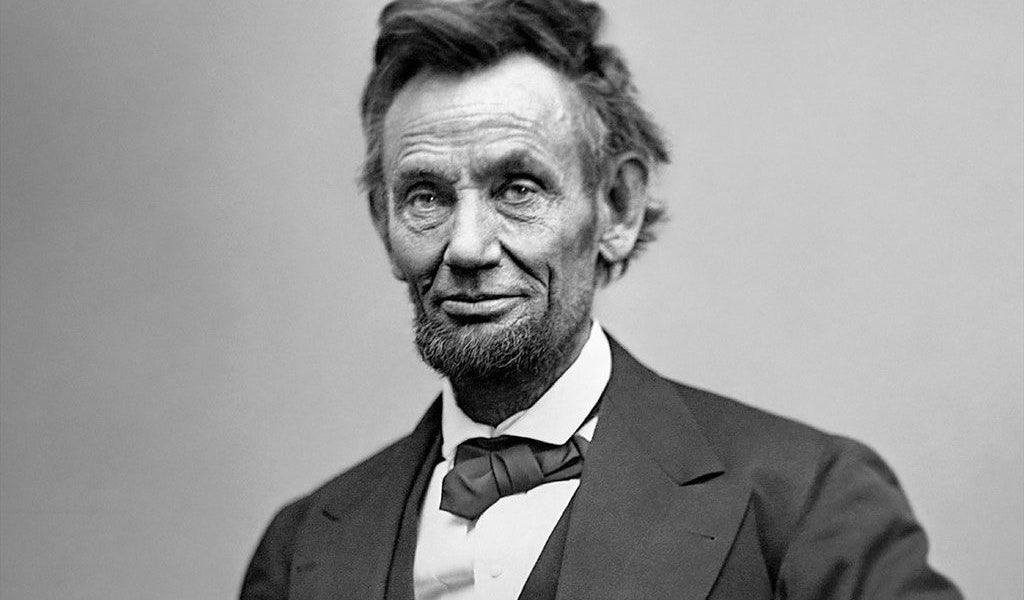
“Nearly all men can stand adversity, but if you want to test a man’s character, give him power.”
- Abraham Lincoln
10
104
534
14,842