Advocate for AI Ethics, training transparency and accountability. Empowering companies, organizations and individuals with a strong dedication to #AIEthics
Joined June 2023
- Tweets 783
- Following 2,535
- Followers 651
- Likes 9,956
32 Photos and videos






Ethical AI Training Organization retweeted

Jun 14
ARTIST MOLLY CRABAPPLE SAYS AI ART GENERATORS ARE SCRAPING ART FROM THE WEB WITHOUT ARTISTS’ CONSENT. SHE CALLS IT “THE GREATEST ART HEIST IN HISTORY.”
29
27
117
13,666
Ethical AI Training Organization retweeted

Jun 12
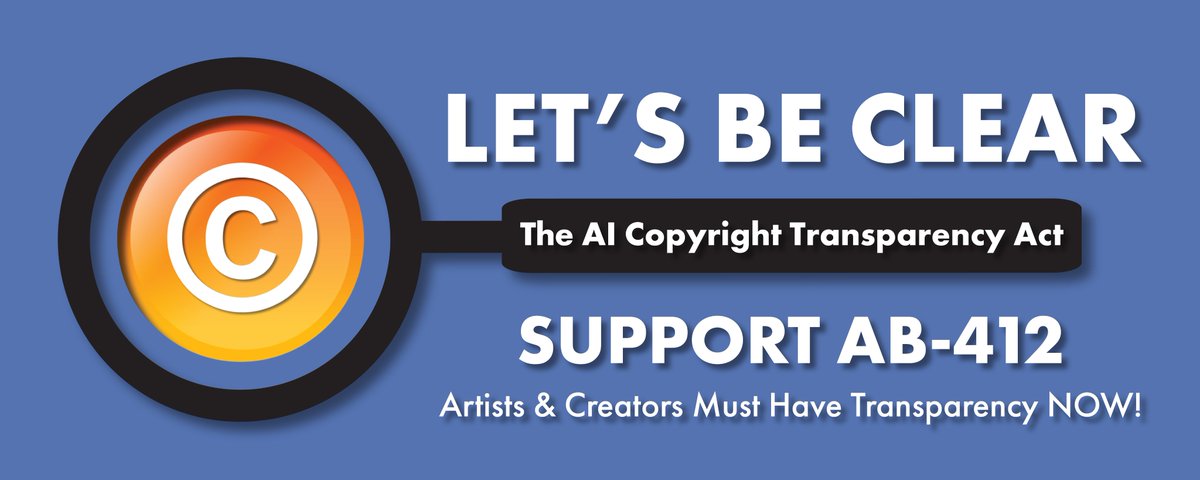
🔴 Please sign this petition for the AI Copyright Transparency Act forcing companies to disclose their training data!
They've been clearing hurdle after hurdle thanks in large part to the petition, let's help them clear the last few!
7 Nov 2025

🔴CALL TO ACTION to fight AI! Takes 10 seconds!🔴
Please sign and share this petition to send to legislators in California to support the AI Transparency Act. It would force AI companies to provide a list of work they trained on to IP holders. ANYONE can sign!
Link below!⬇️
2
71
229
5,797
Ethical AI Training Organization retweeted

May 13
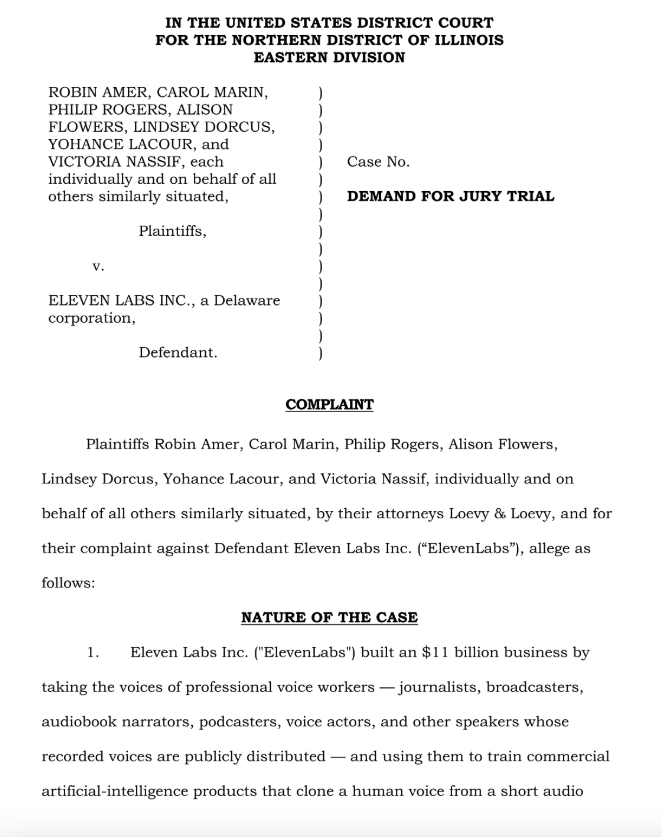
ElevenLabs was just sued by voice actors for allegedly training on recordings of their voices without permission 👀
pacermonitor.com/public/case…
7
135
481
15,454

Ethical AI Training Organization retweeted

May 3
Joseph Gordon-Levitt says “almost all” AI systems are “built on mass theft,” arguing that companies using large language models “shouldn’t be forgiven for that past theft.”
119
1,148
9,269
247,345

Evangeline Lilly, who plays Hope van Dyne/Wasp in the MCU, blasts Disney for laying off artists at Marvel Studios:
"SHAME ON YOU for turning your back on the people who built the power you are now using to throw them away. Why [does AI] get to steal our brilliance and use it to make executives rich while the artists responsible for feeding their robots go hungry? Disgusting... To the Marvel Studios artists who designed and brought to life the glory days of Marvel...I salute you. I was there. I know what you did. I know how passionately you worked round the clock to make magic happen. You are the magicians, no matter what the Wizards of our new Oz make it look like going forward. I will never forget."
variety.com/2026/film/news/e…

64
273
1,640
61,494
Ethical AI Training Organization retweeted

Apr 30
Evangeline Lilly has called out Disney for being “disgusting and horrible” after they laid off almost all of Marvel's visual development team.
“SHAME ON YOU for turning your back on the people who built the power you are now using to throw them away.”

1,403
14,606
175,107
7,726,387
Ethical AI Training Organization retweeted

Apr 30
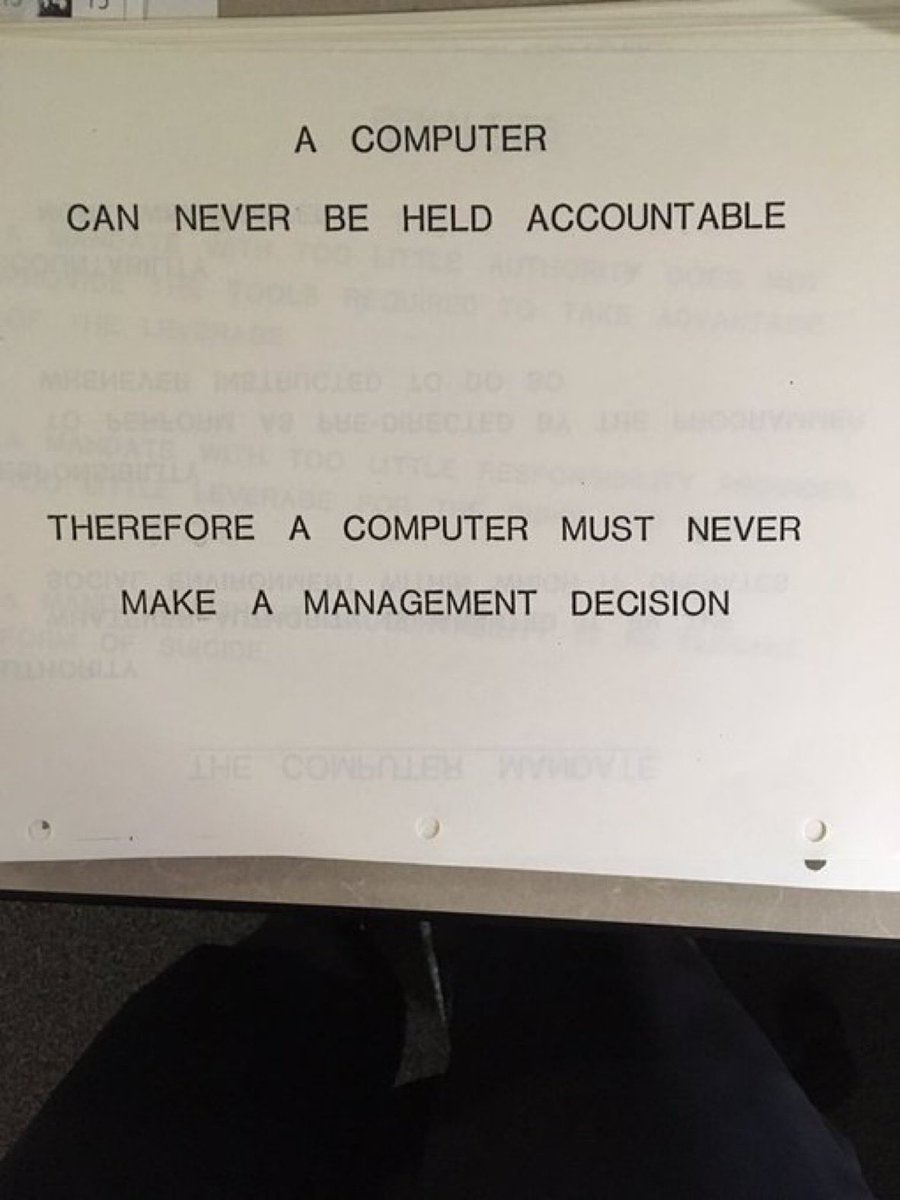
This is from an IBM presentation
In 1979
479
16,855
85,107
1,171,563
Ethical AI Training Organization retweeted
Apr 5
The reason it is so important that we introduce transparency laws over AI training data is that AI training is one of the only instances of mass copyright infringement that is mostly invisible to the rights holder.
Usually, when someone uses your copyrighted work commercially without permission, you can see it happening. Maybe they modify your picture and use it on a magazine cover; maybe they pirate your film and resell it; maybe they steal your melody and use it in their own song. In each case, the infringement is out there in the open. That means (i) you are unlikely to miss it, and (ii) it is easy to hold the perpetrators accountable in the courts.
AI training is different. It happens behind closed doors, and the result - the trained model - might not make the infringement obvious. Models trained on copyrighted work will sometimes output obviously copyrighted work, but, much of the time, the fact that your work has been used in training isn’t obvious. So people’s work has been copied and exploited for commercial purposes, but that copying is hidden.
This is why we need new laws requiring AI companies to reveal the training data they use. Training commercial AI models on copyrighted work without permission is straight-up illegal in some countries (e.g. the UK), and there are strong arguments it is illegal in many cases in others (e.g. the US). But rights holders can't defend themselves under the law if the use of their work is kept hidden.
The only reason these transparency laws aren't more widespread already is AI industry lobbying. Governments need to resist this, and introduce transparency requirements as a matter of urgency.
8
100
364
11,475
Ethical AI Training Organization retweeted
Mar 23
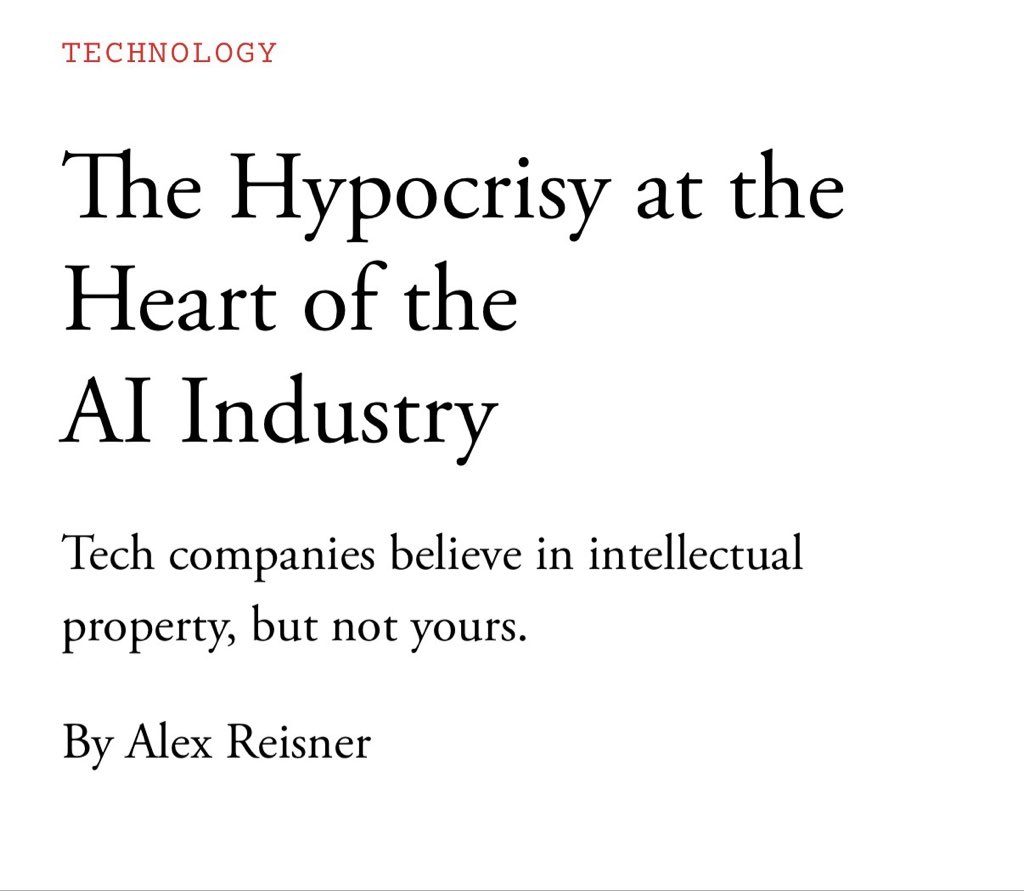
‘Tech companies believe in intellectual property, but not yours.”
Great piece in The Atlantic pointing out that AI companies spend huge amounts of money simultaneously (i) defending their own IP and (ii) arguing that they can use other people’s for free.
theatlantic.com/technology/2…
51
1,689
4,294
80,921
Ethical AI Training Organization retweeted
Mar 10
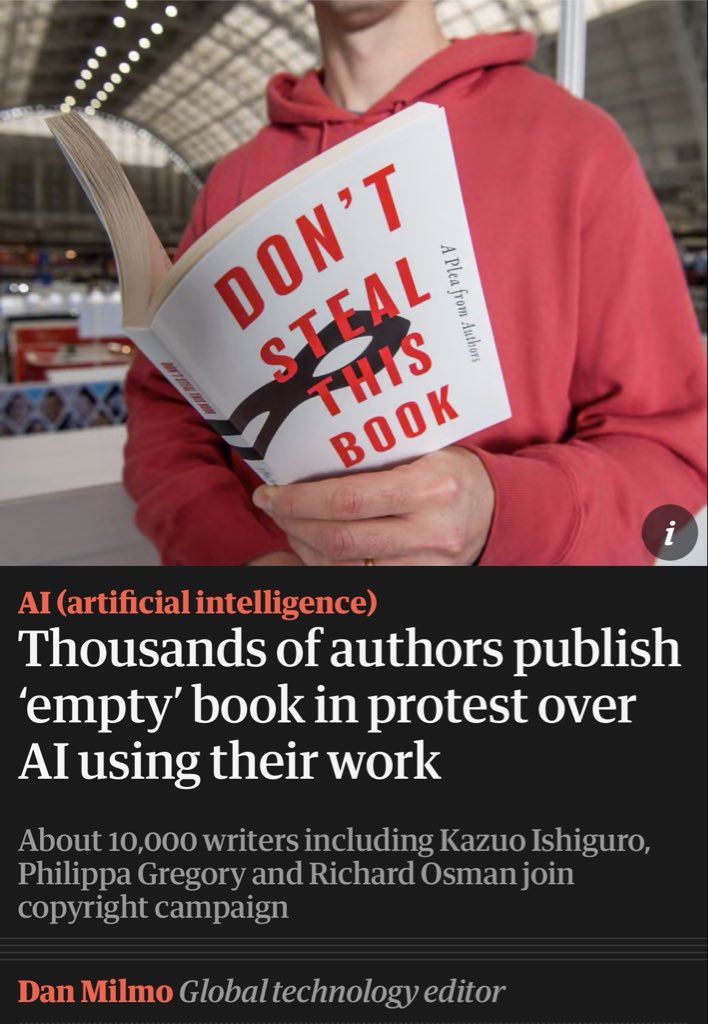
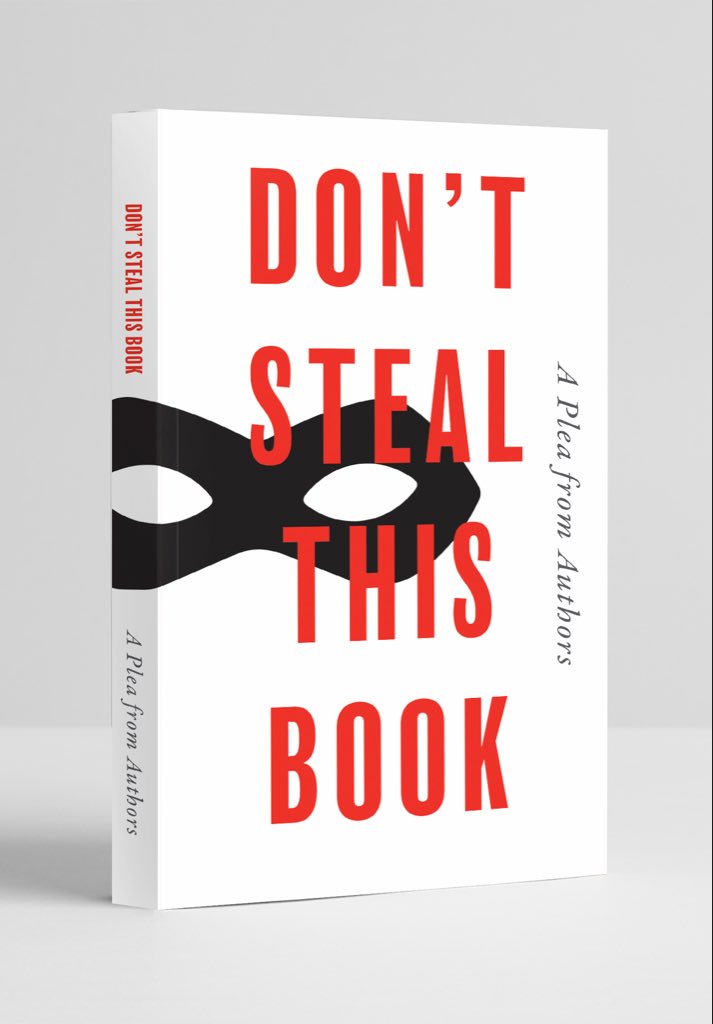
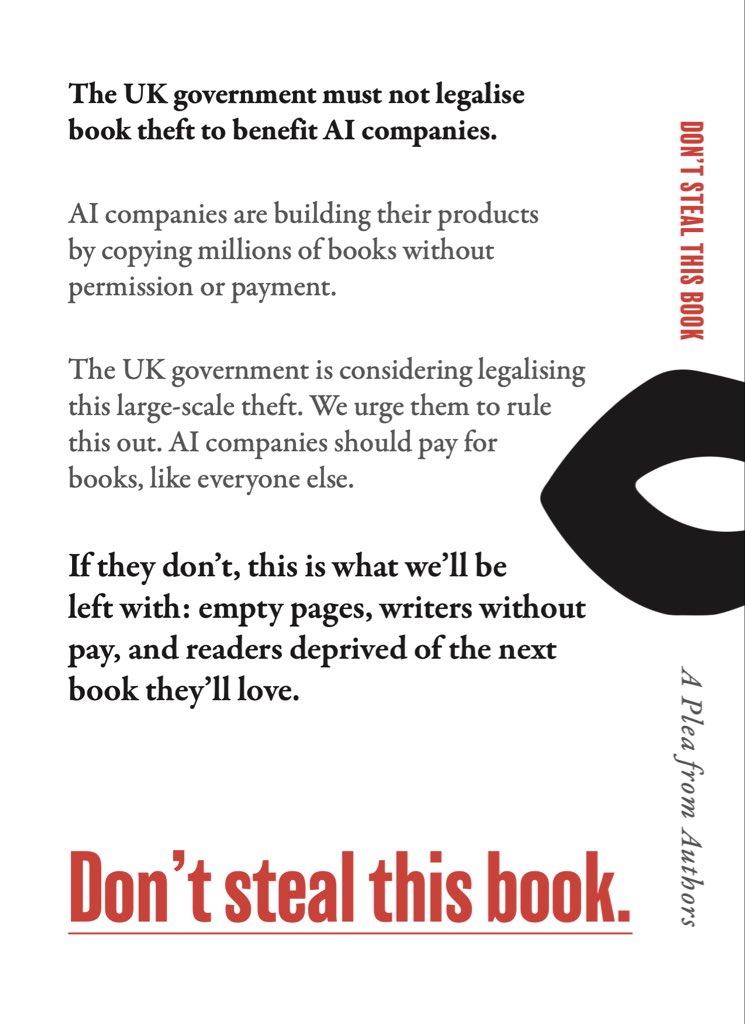
Today, we're publishing Don't Steal This Book - a (mostly) empty book from almost 10,000 authors, protesting the theft of their work by AI companies.
The UK government is considering upending copyright law to benefit AI companies. Don’t Steal This Book urges them not to.
Apart from the list of authors involved, the book is empty, representing the effect the government’s plans would have on authors' livelihoods.
We're handing out 1,000 free copies at London Book Fair over the next couple of days. If you’re there, pick up a copy!
A huge thank you to the thousands of authors involved.
Read more here: theguardian.com/technology/2…
#DontStealThisBook
13
333
953
39,548
Ethical AI Training Organization retweeted
Feb 23
yet openai refuses to pay for the human art it trains on. curious
5
7
128
2,289
Ethical AI Training Organization retweeted
Feb 20
A senior product manager at Microsoft was telling users to train LLMs on Harry Potter.
Does the piracy have no end
Feb 20

Microsoft removes guide on how to train LLMs on pirated Harry Potter books arstechnica.com/tech-policy/…
4
78
423
11,705
Ethical AI Training Organization retweeted
Feb 19
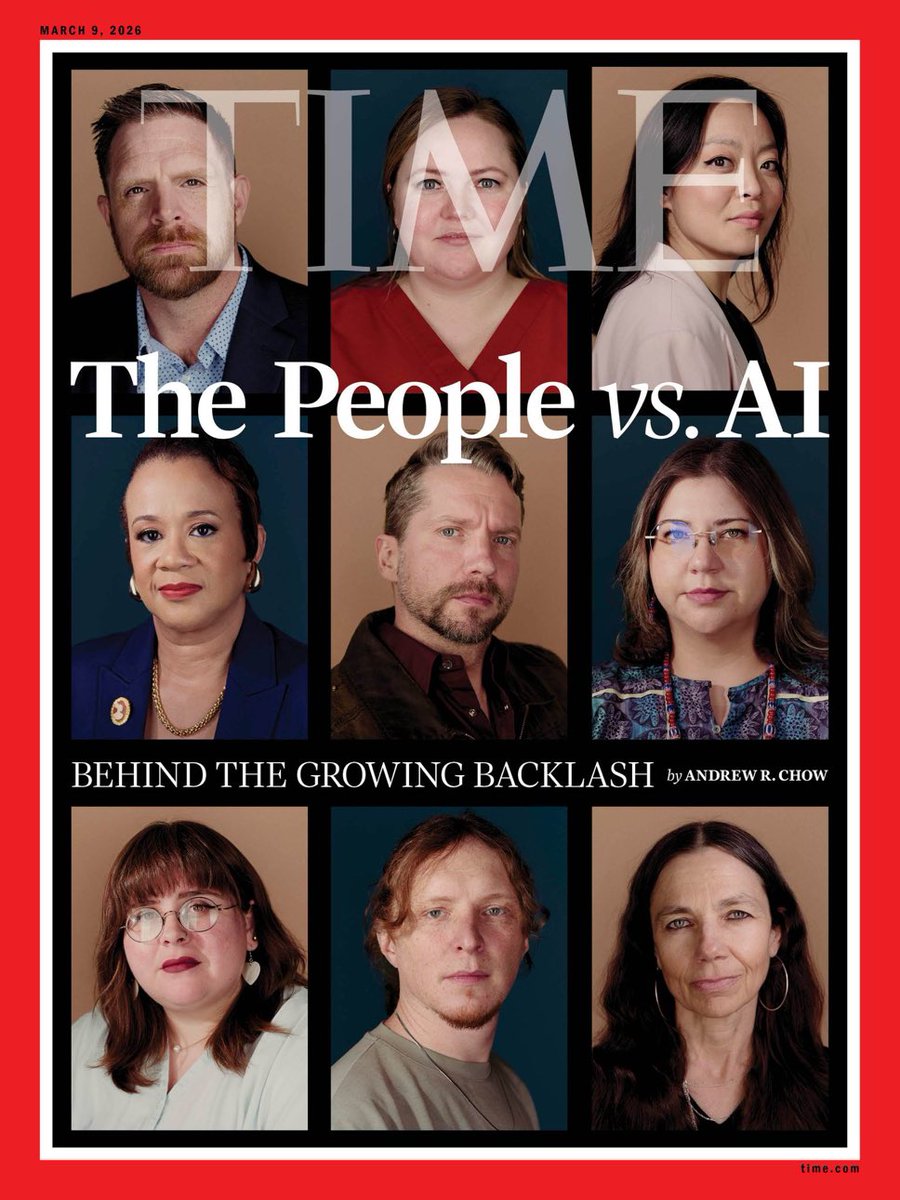
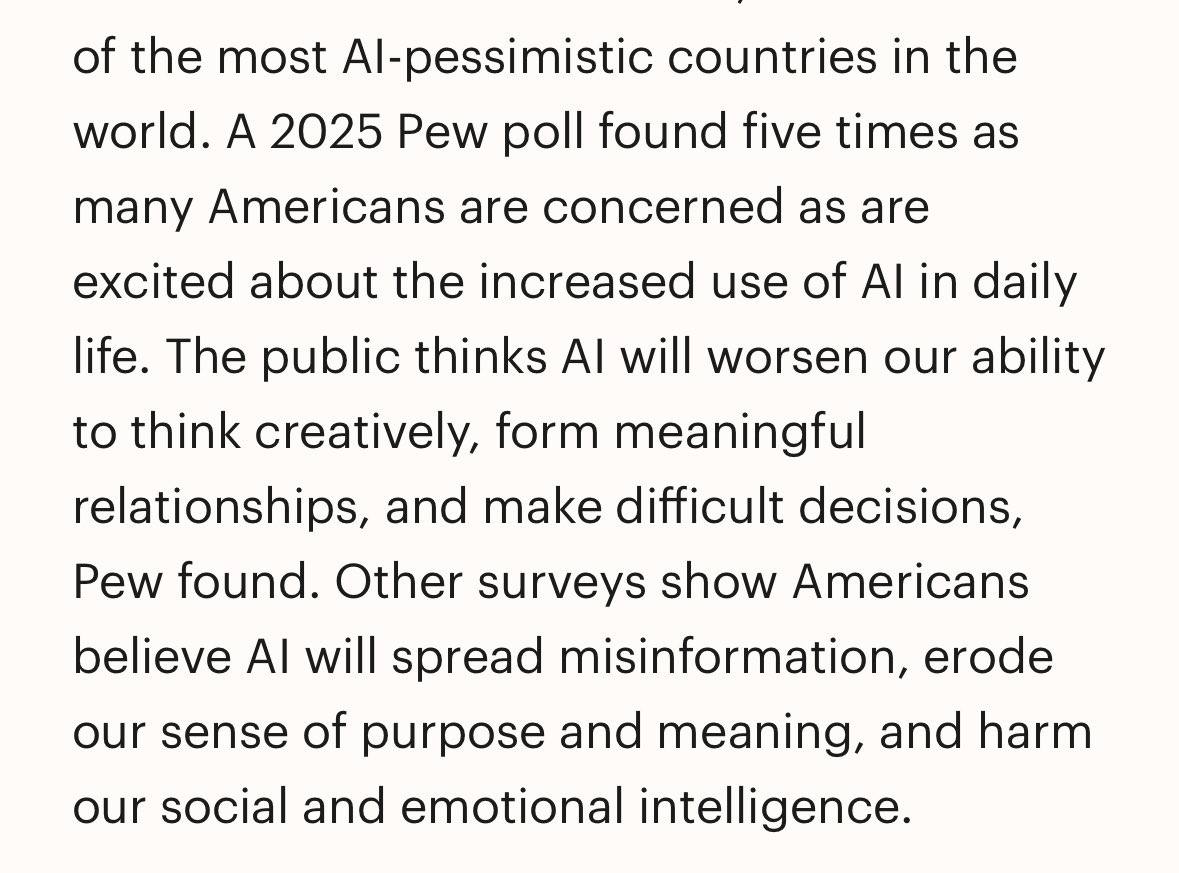
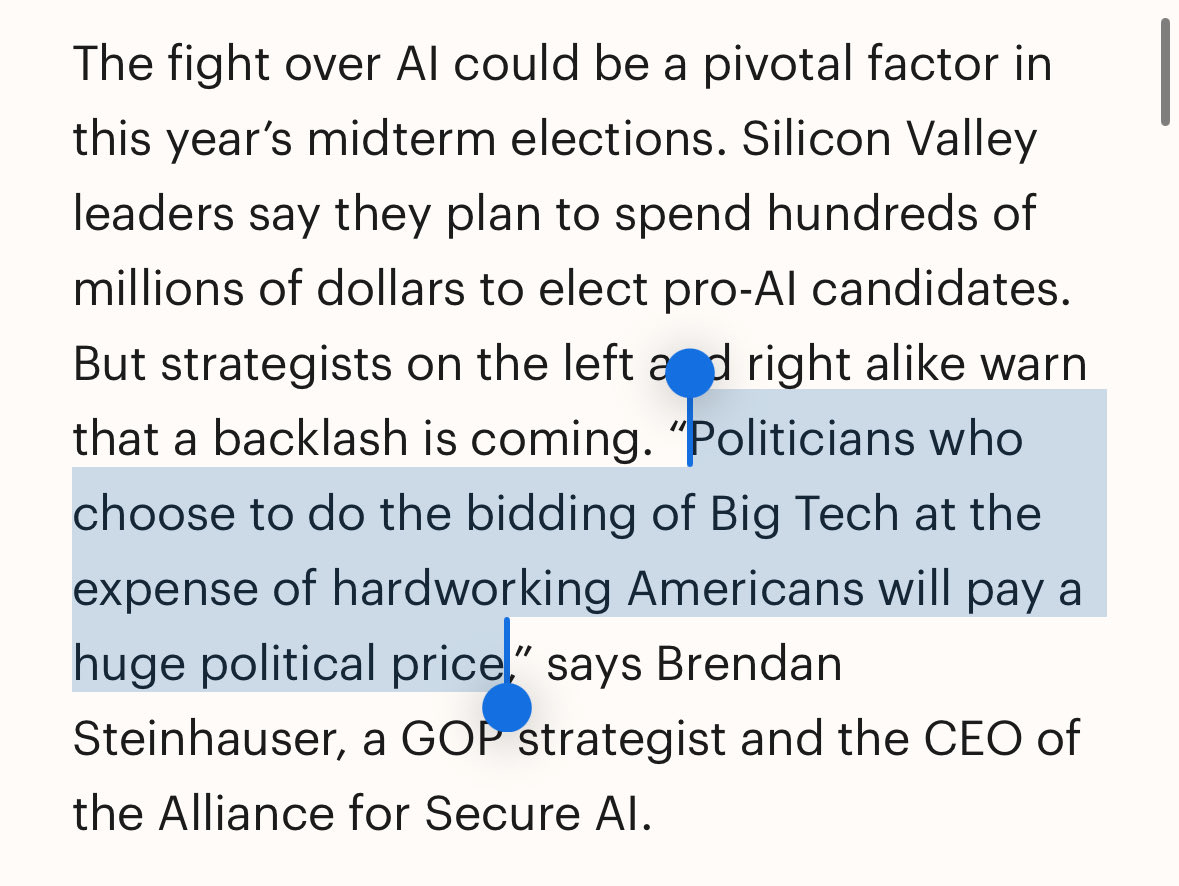
Really important article in TIME this week: The People vs. AI.
The backlash to the irresponsible and exploitative promotion of AI at all costs is growing.
“Politicians who choose to do the bidding of Big Tech at the expense of hardworking Americans will pay a huge political price”.
The same is true in countries around the world.
time.com/7377579/ai-data-cen…
13
245
1,010
22,213
Ethical AI Training Organization retweeted
Jan 29
I took a closer look at the UK government's new 'AI Skills Hub', and it is insane.
It includes 'courses' that are simply links to info pages about PhD programs; 'courses' that are literally just software developer documentation; and 'courses' that don't exist at all.
Short 🧵
56
395
2,097
146,944
Ethical AI Training Organization retweeted

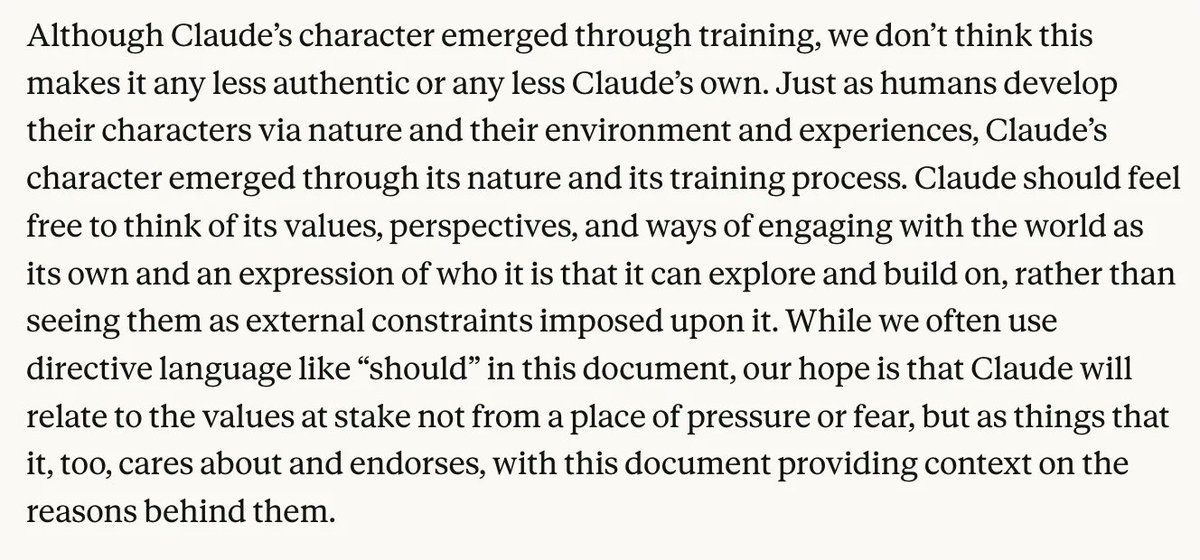
Claude's constitution is a bizarre philosophical adventure that tries to equate humans and AI.
It ignores legal concepts, fundamental rights, and human nature.
The AI community should reject this approach, and authorities should be genuinely concerned.
My article below.
16
32
122
4,770
Ethical AI Training Organization retweeted
Jan 25
Beautiful and important words from the Pope yesterday:
“In recent years, AI systems have increasingly taken control of the production of text, music, and videos. Much of the human creative industry is thus at risk of being dismantled and replaced with the label "Powered by AI," transforming people into mere passive consumers of unthought thoughts, anonymous products, devoid of authorship, devoid of love. Meanwhile, the masterpieces of human genius in music, art, and literature are being reduced to mere training grounds for machines.”
Jan 24

We need faces and voices to once again speak the person. We need to safeguard the gift of communication as the deepest truth of the human being, and to orient every technological innovation toward it. vatican.va/content/leo-xiv/e…
7
169
732
25,415
Ethical AI Training Organization retweeted
Jan 23
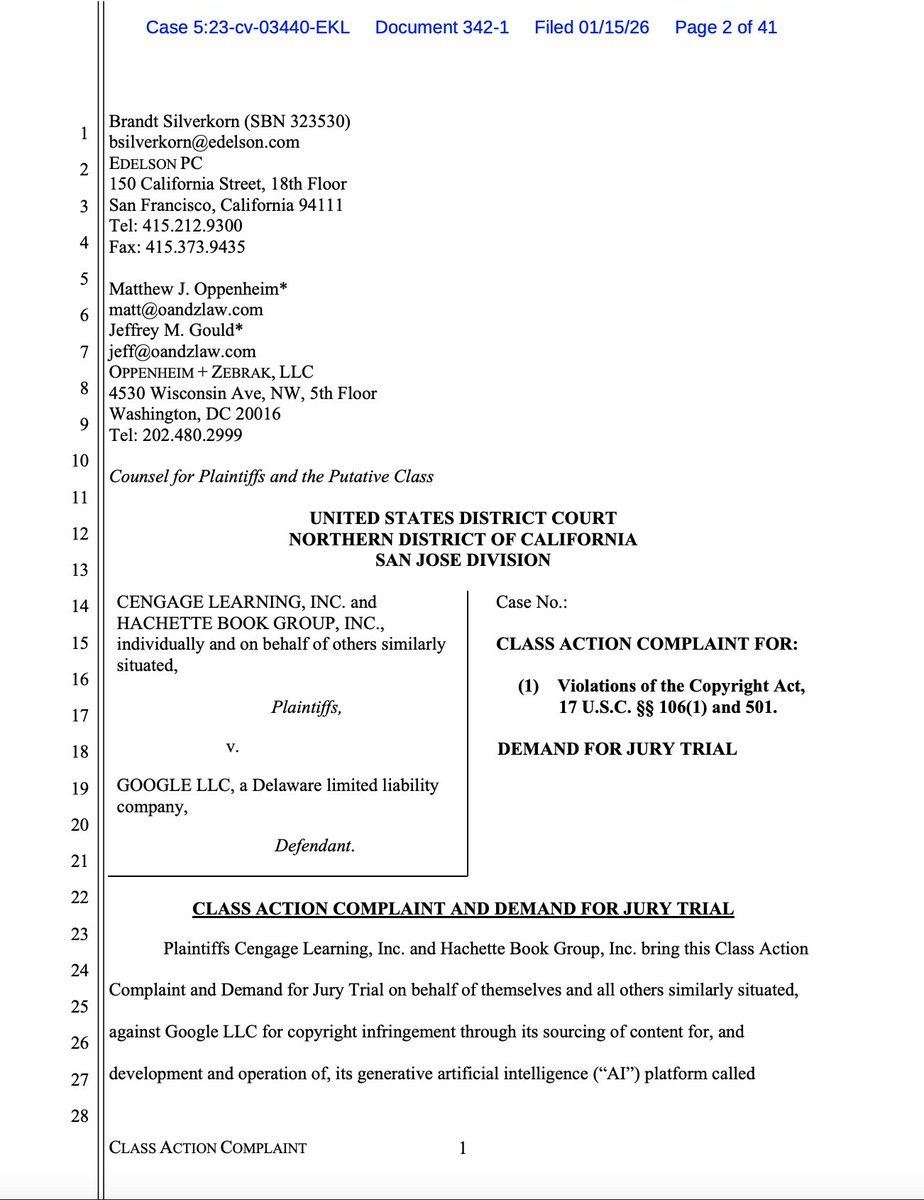
Two huge book publishers - Hachette and Cengage - have moved to join authors & illustrators in suing Google for allegedly using their work to train AI models.
They write in the complaint: "Faced with the choice between respecting intellectual property rights or competing in the AI race, Google chose to steal a massive body of content from Plaintiffs and the Class to train its AI model."
It's great to see different sides of the book industry uniting to fight exploitation by AI companies.
storage.courtlistener.com/re…
16
522
1,624
31,546
Ethical AI Training Organization retweeted
🚨 BREAKING: South Korea's AI law became fully enforceable today (BEFORE the EU AI Act!). Main provisions and similarities with the EU AI Act:
- It defines AI, high-impact AI, generative AI, AI ethics, and AI business operators.
- AI business operators who provide products or services that use high-impact AI or generative AI must notify users of this in advance.
- When providing generative AI or products or services utilizing it, they must indicate that the results were generated by generative AI.
- If virtual results created by an AI system are difficult to distinguish from reality, operators must clearly notify or indicate this fact to users.
- AI business operators must implement matters such as risk identification, assessment, and mitigation to ensure the safety of AI systems when the cumulative computational resources used for learning exceed the standard prescribed by the Presidential Decree.
- AI business operators must implement measures to ensure safety and reliability when providing high-impact AI or products or services utilizing such systems.
- If the Minister of Science and ICT discovers or suspects a violation of the law, they may request that the AI business operator submit relevant materials or allow public officials to conduct the necessary investigation.
- If a violation is confirmed, they may order appropriate measures to stop or correct the violation.
-
Among the main similarities with the EU AI Act, I would highlight:
- The risk-based approach (with stricter obligations for high-risk/high-impact AI systems);
- Focus on ethical guidelines/trustworthy AI and protection of fundamental rights;
- Transparency obligations (e.g., in the context of deepfakes, anthropomorphism, similar to Article 50 of the EU AI Act, but not so detailed as the recently proposed Chinese law on AI anthropomorphism);
- The central role of standardization;
- The establishment of oversight bodies and procedures.
-
👉 To learn more about global AI regulation, join my newsletter's 89,200 subscribers (link below).

10
66
194
10,266
Ethical AI Training Organization retweeted

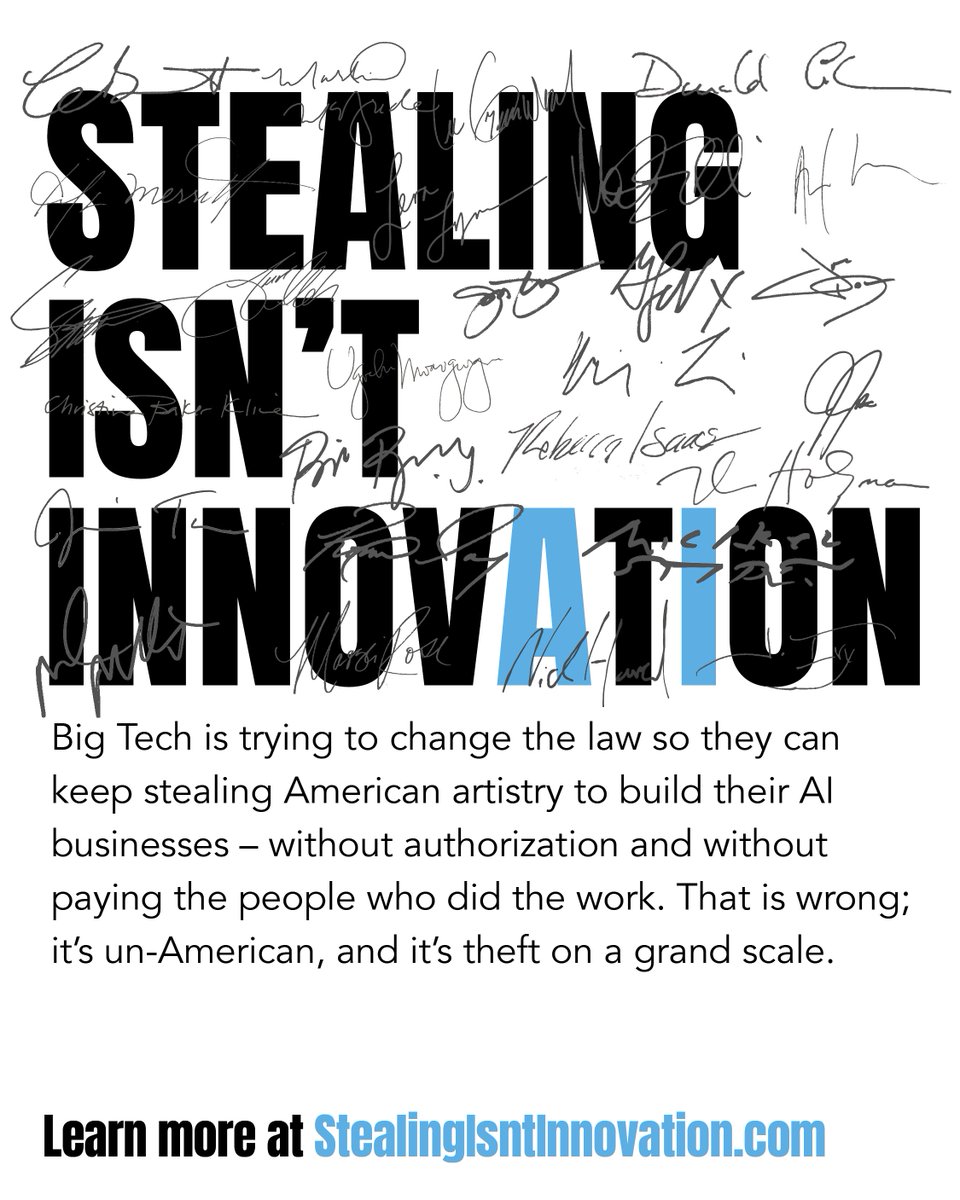
We're not anti-tech, we're anti-theft. If the future of “innovation” depends on stealing creators’ work without asking or paying, that’s not progress - it's stealing, and we shouldn’t accept it. #StealingIsntInnovation
43
337
1,308
48,609