European Symposium on Usable Security
Joined January 2020
- Tweets 504
- Following 74
- Followers 341
- Likes 74
188 Photos and videos
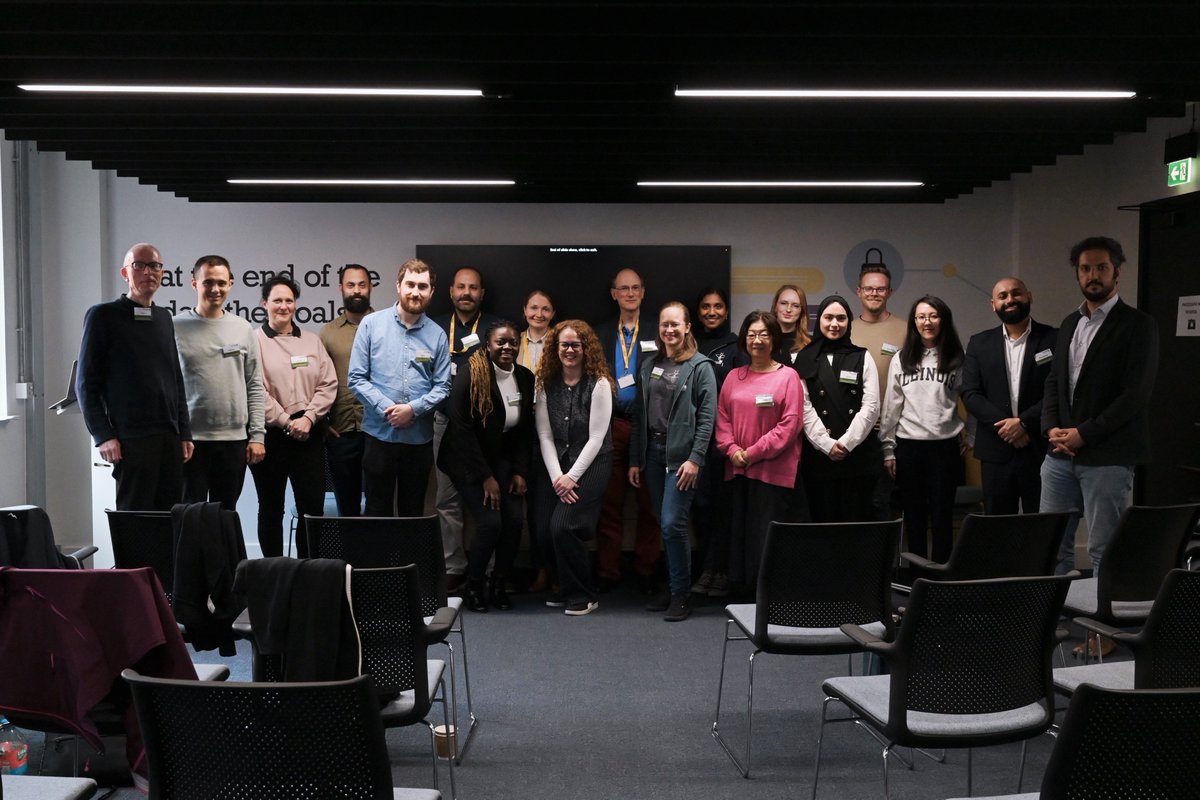





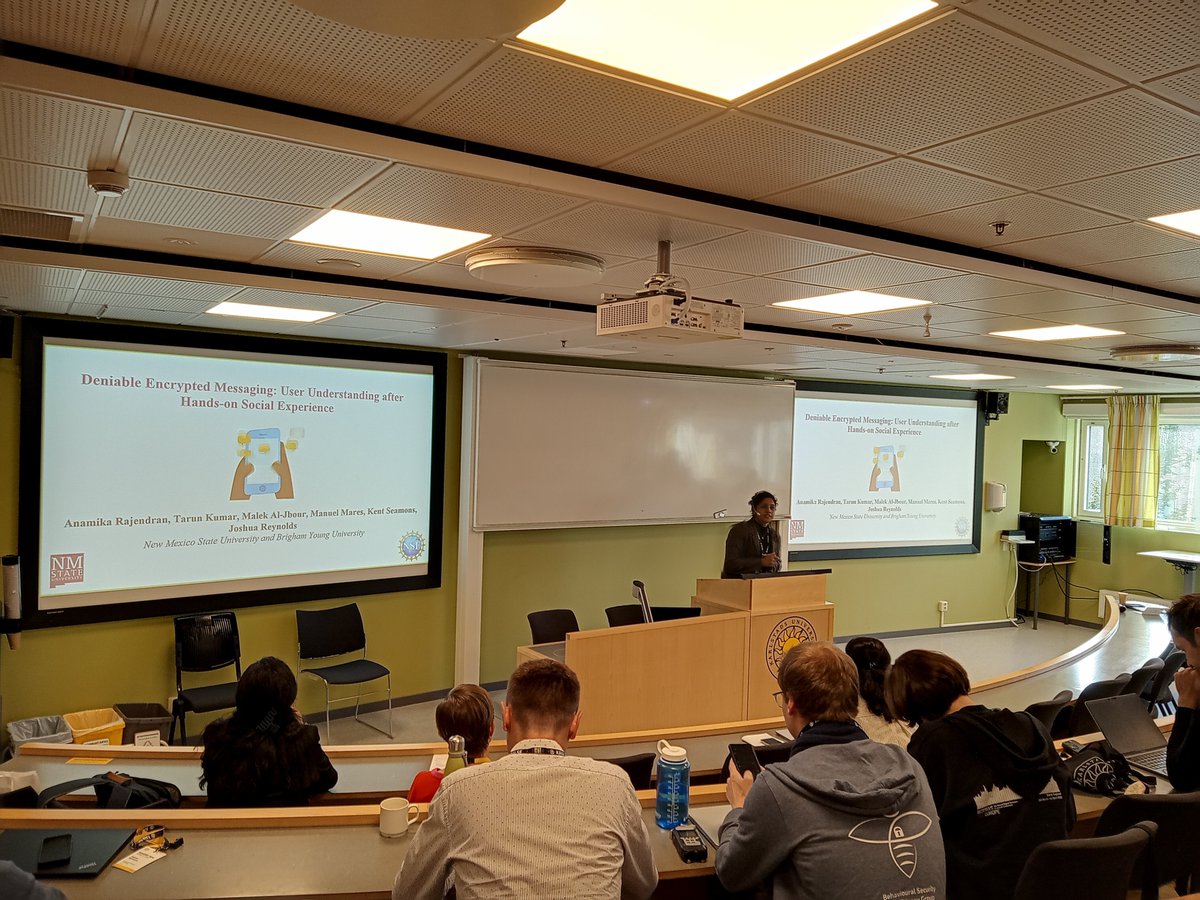
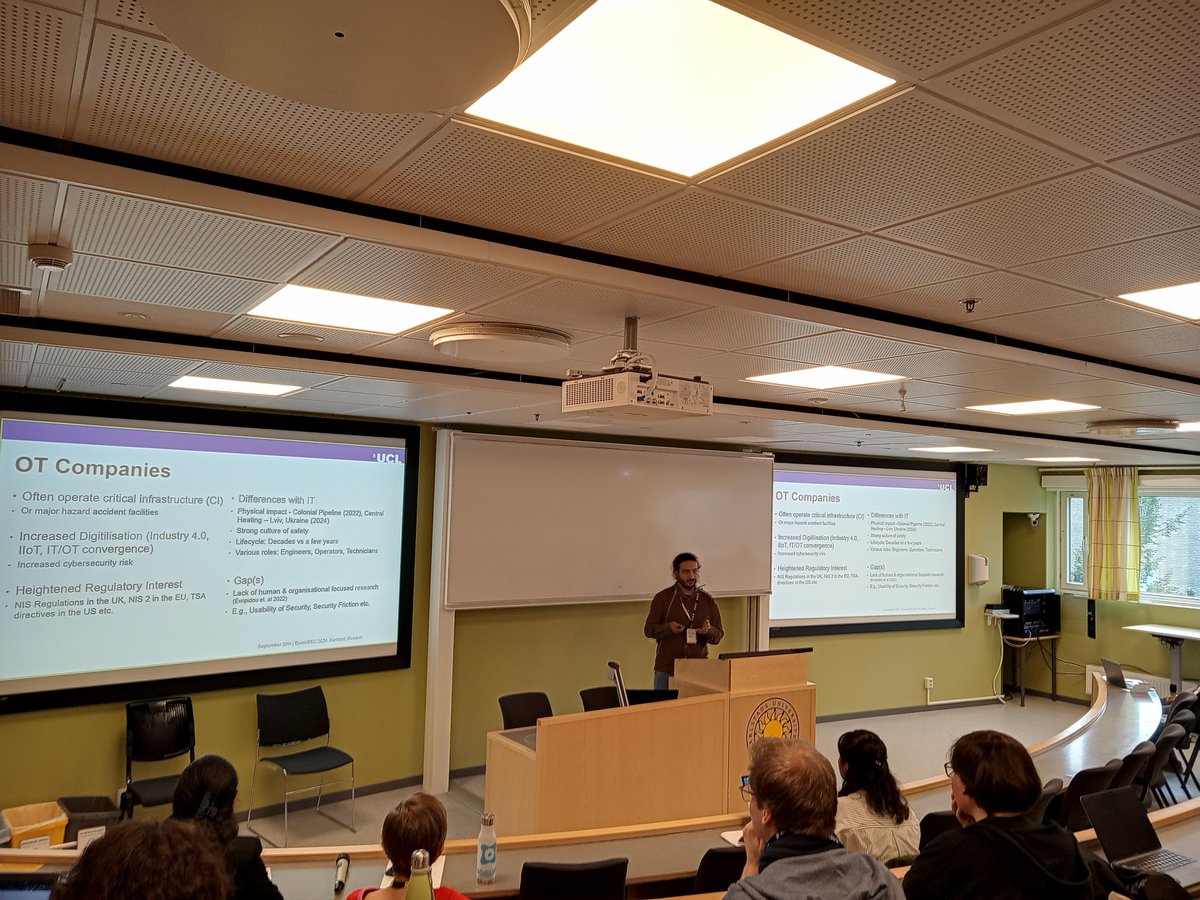
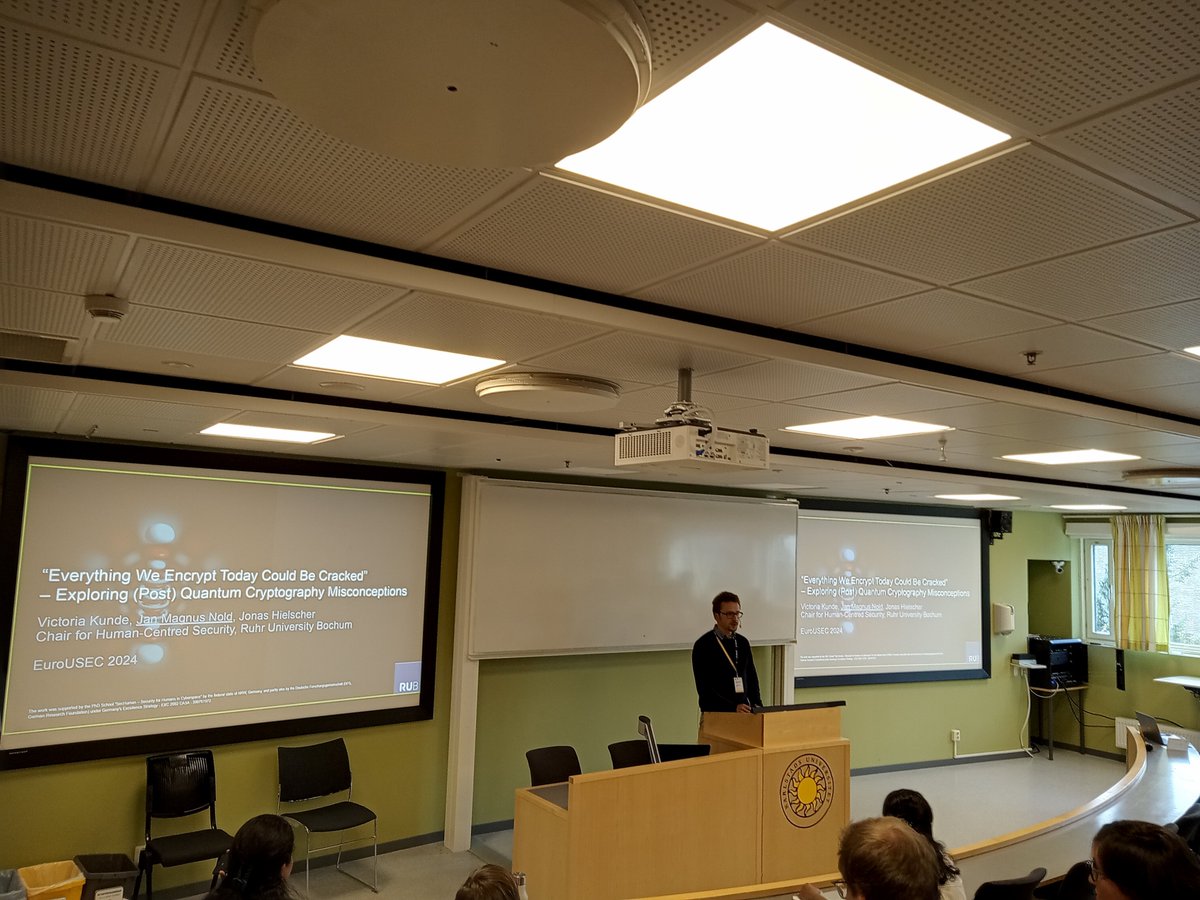
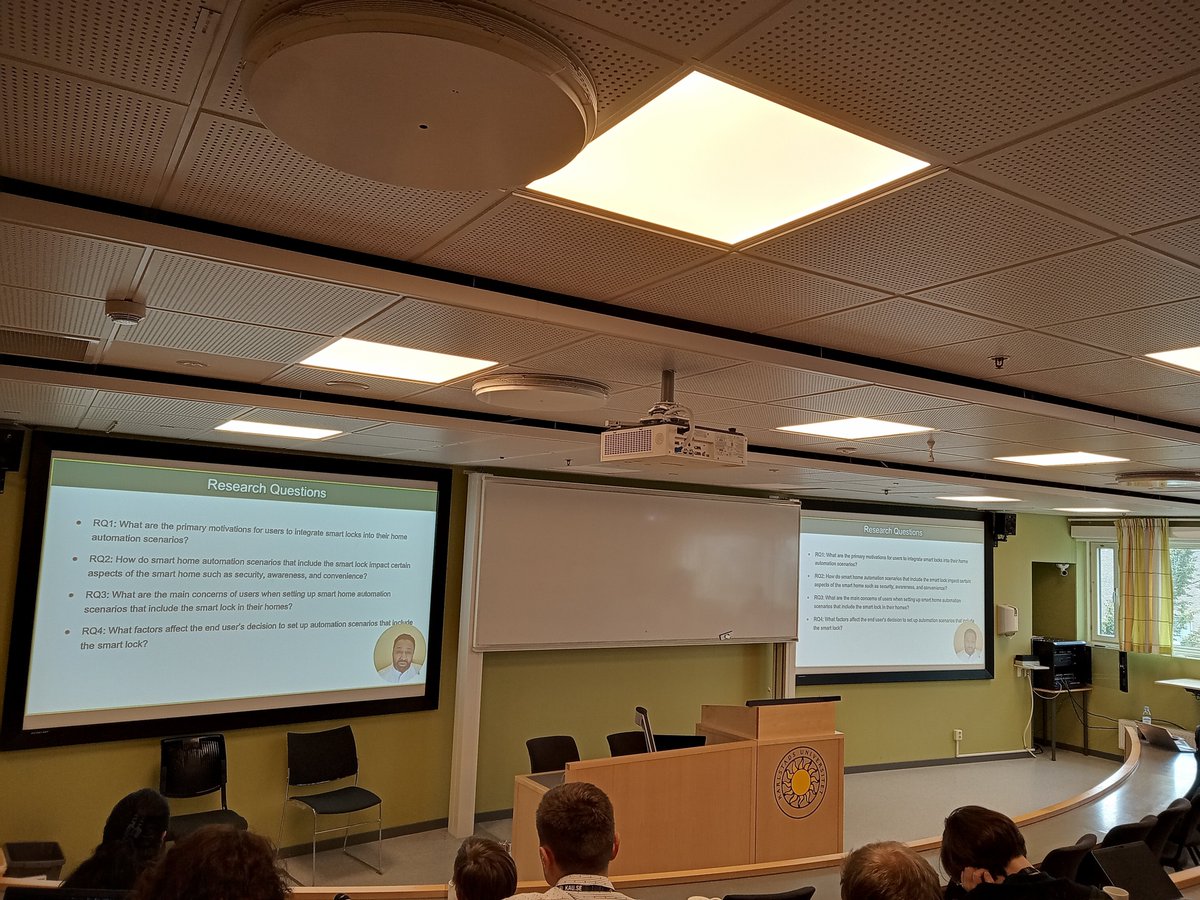
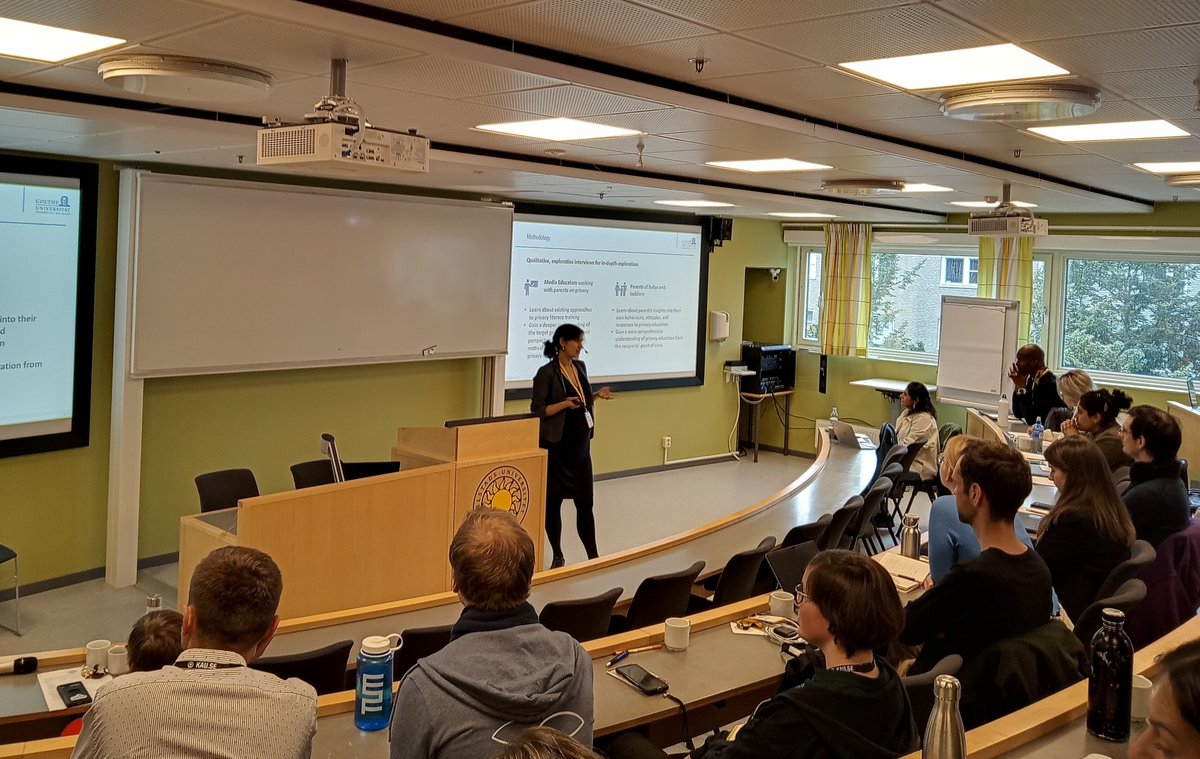
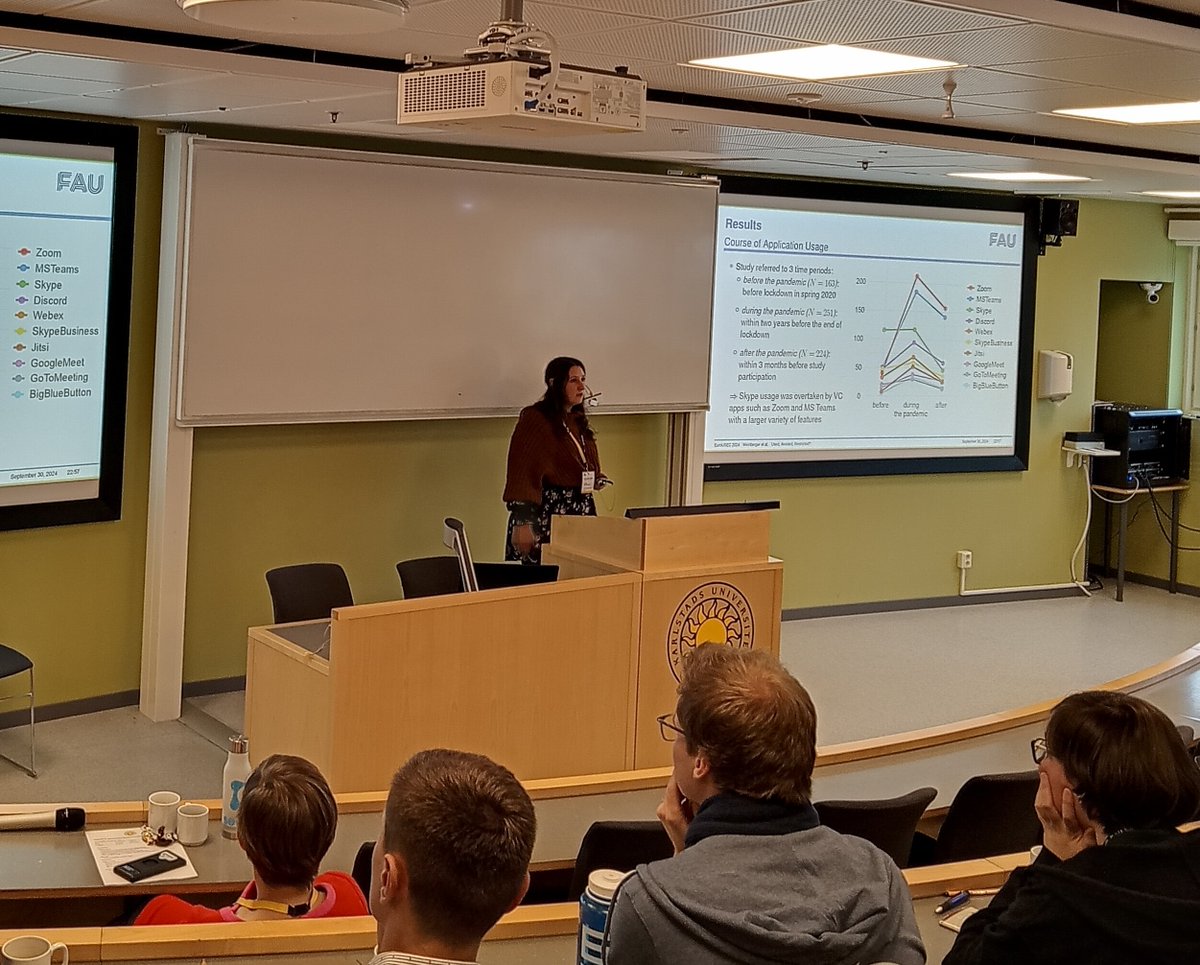
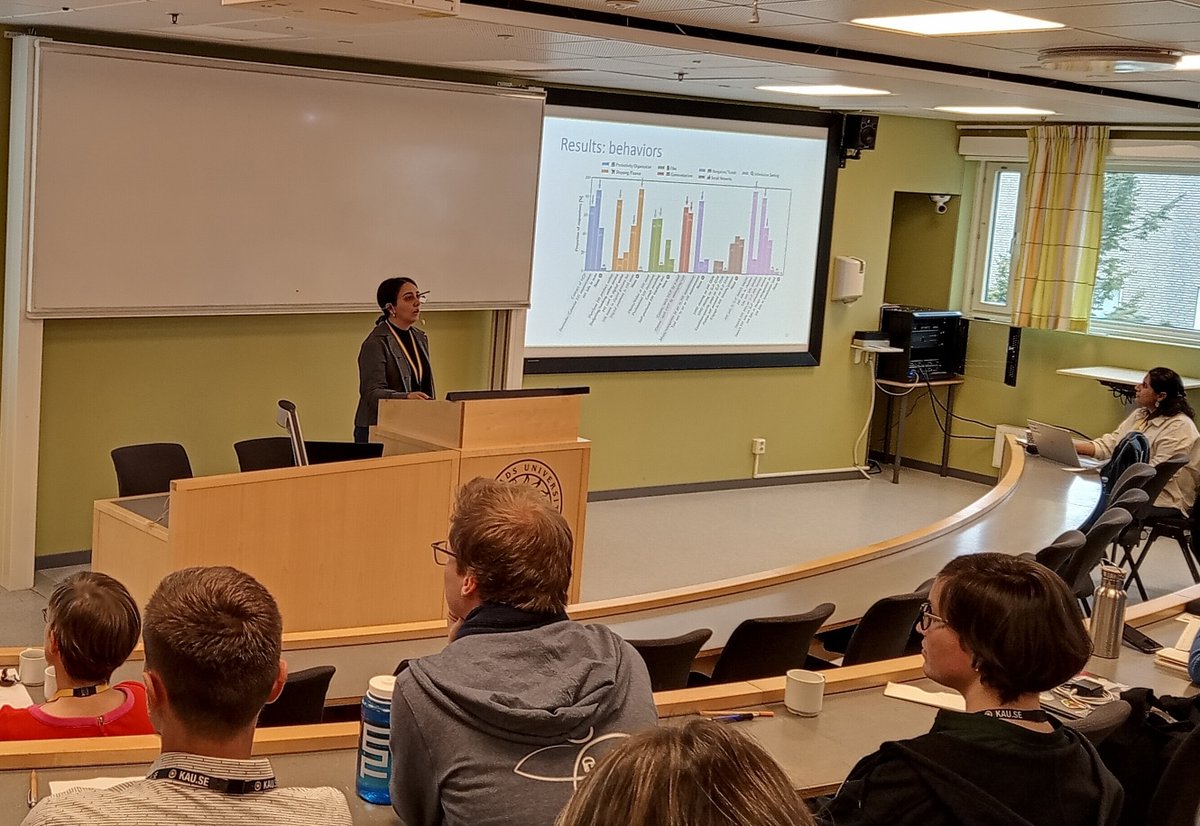
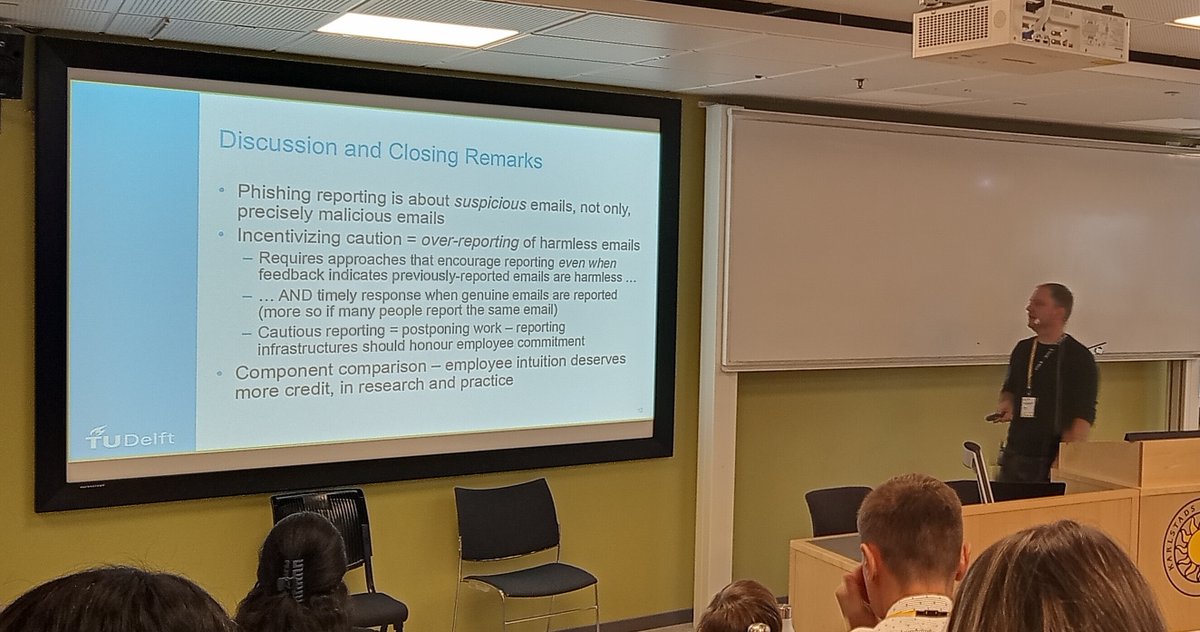
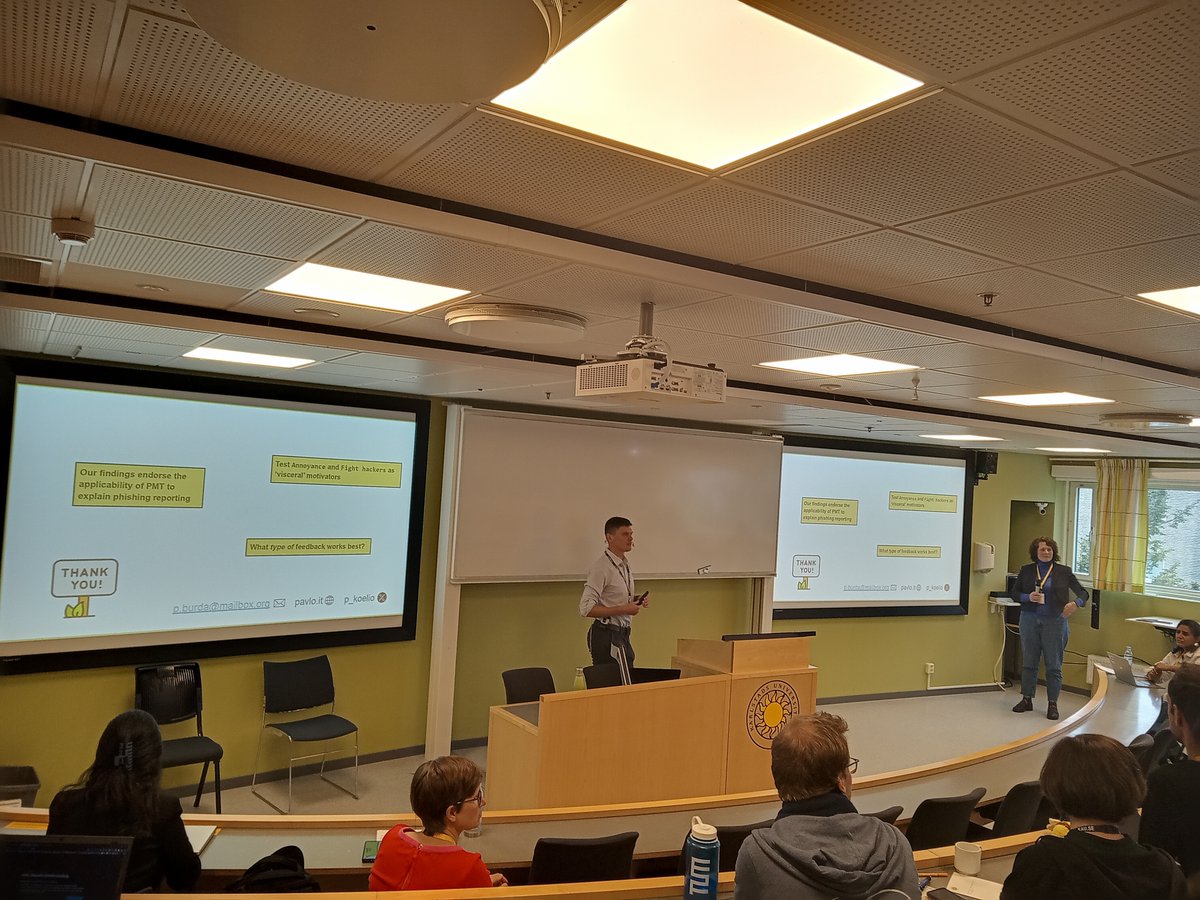
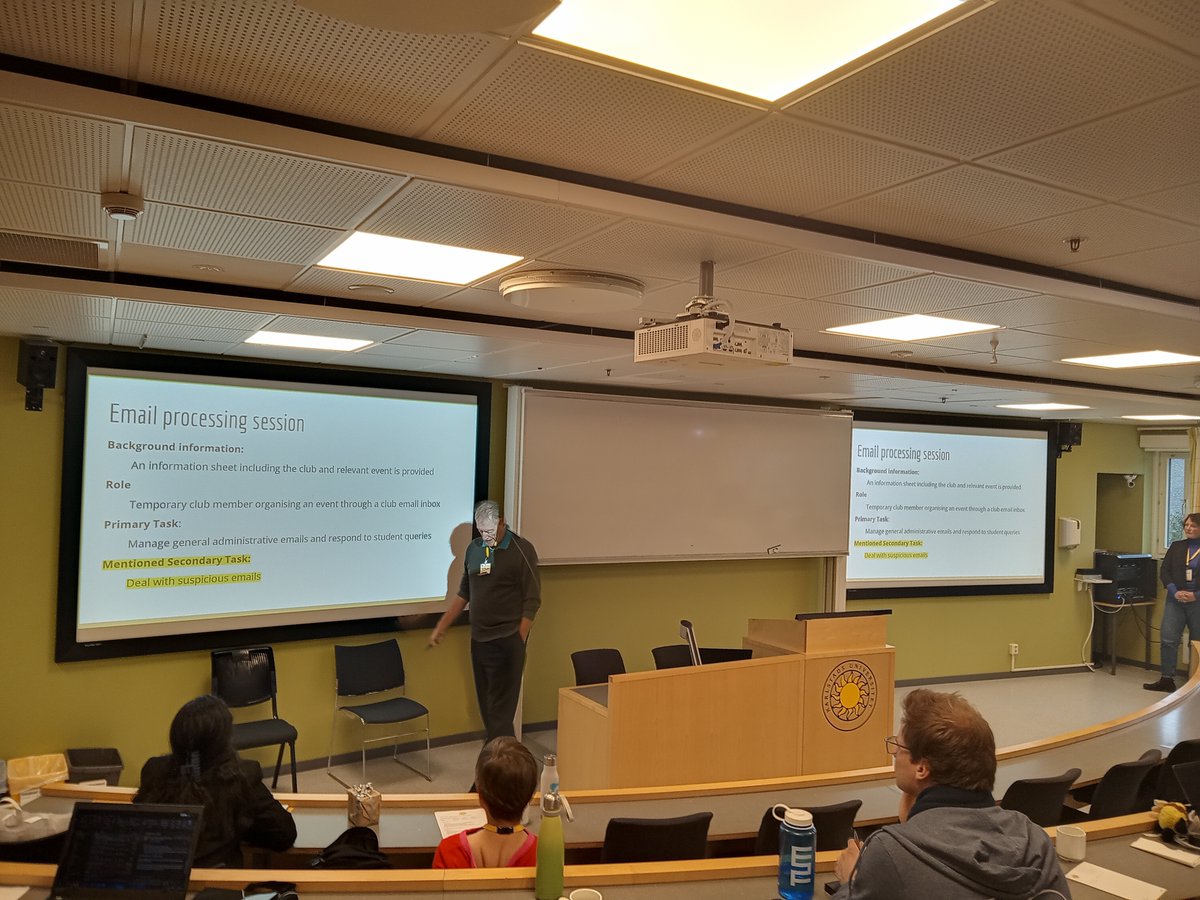

📢 Thank you to everyone who attended #EuroUSEC2025 🥳
Your presence and engagement helped make this event a real success!
We hope you left as inspired as we are to continue exploring the human and usability dimensions of security and privacy 🔐
@UniStrathclyde @uni_lu
1
54
📢Another piece of work will be presented tomorrow at #EuroUSEC2025.
“Between Privacy and Transparency: Communicating Credibility Assessments on Encrypted Platforms”
by Huiyun Tang, Björn Rohles, Yuwei CHUAI, Gabriele Lenzini and Anastasia Sergeeva
1
617
23
👀 Another exciting work will be presented at #EuroUSEC2025
“When Trust Overrides Caution: Investigating Spear Phishing in Personal Contexts Among Young and Older Adults”
Rhian Lukins, Neeranjan Chitare, Nalin Arachchilage, Lynne Coventry, James Nicholson
1
45
Are Passkeys the Key: Older adults preferred passkeys for usability but cited adoption concerns. Despite positive attitudes, they’d only use passkeys for important accounts due to hardware requirements and setup hassles. A missed opportunity given their poor password practices.
1
26
21
We hope everyone is as excited as we are for #EuroUSEC2025 later this week!
We'll hear about amazing work like:
"SoK: AI Support for Analyst Situation Awareness in Security Operation Centres"
Navodika Karunasingha, Mohan Baruwal Chhetri, Surya Nepal, Cecile Paris, Salil Kanhere
1
38
This SoK paper reviews 90 studies to assess how AI tools support SOC analyst CSA across decision-making modes, incident types, and CSA levels. It finds strong research emphasis on automation and perception, with major gaps in augmentation and collaborative exploration.
26
📢 Another fantastic piece of work we'll hear all about at #EuroUSEC2025:
"SOK: Cognitive Dissonance Theory in the Cybersecurity Domain"
by:
Karen Renaud, Paul van Schaik
1
31
37
👂We're excited to hear more about this study as part of our 'Organizational Cybersecurity Practices' Session at #EuroUSEC2025:
"Towards an Employee-Centric Framework of Cybersecurity"
by:
Alexandra von Preuschen, Roman Henke, Manpreet Kaur, Julian Nickel, Monika Schuhmacher
1
43
📢 More exciting work to look forward to next week at #EuroUSEC2025 👀
"Measuring and Benchmarking Incident Response Readiness"
Written by:
Montii A. and Dr. Priyadarsi Nanda
1
36
This paper introduces the Incident Response Readiness Score (IRRS), a risk-weighted, scenario-based framework for organisations. IRRS provides structured simulations, maturity mapping, and comparative benchmarks to measure and strengthen cyber incident response capabilities.
1
20
📢Highlighting another fantastic paper to be presented at #EuroUSEC2025:
"IoT labels’ impact on security and privacy concerns"
Written by:
@yschiangg, Pardis Emami-naeini, Camille Cobb
1
46
This study provides empirical evidence to guide policy choices for IoT cybersecurity label programs. The authors find that the presence of IoT labels alleviates security and privacy concerns! They provide recommendations for future programs and discuss potential societal impacts.
23