Joined September 2019
- Tweets 1,927
- Following 149
- Followers 687
- Likes 854
531 Photos and videos



ExeterPSC retweeted

BREAKING: The Court of Appeal ruled in the government's favour, stating that the Palestine Action ban is lawful.
We will not stop fighting for the ban to be lifted, the end of the use of terror legislation against us, and crucially, for a free Palestine.
201
820
2,171
167,212
ExeterPSC retweeted

🚨 Tell your MP: Cancel the Israeli Real Estate event
A ‘Great Israeli Real Estate’ event is planned to take place in London this weekend, involving the brazen sale of land stolen from Palestinians.
Write to your MP to demand the event is cancelled: palestinecampaign.eaction.or…

19
173
204
3,912

May 18
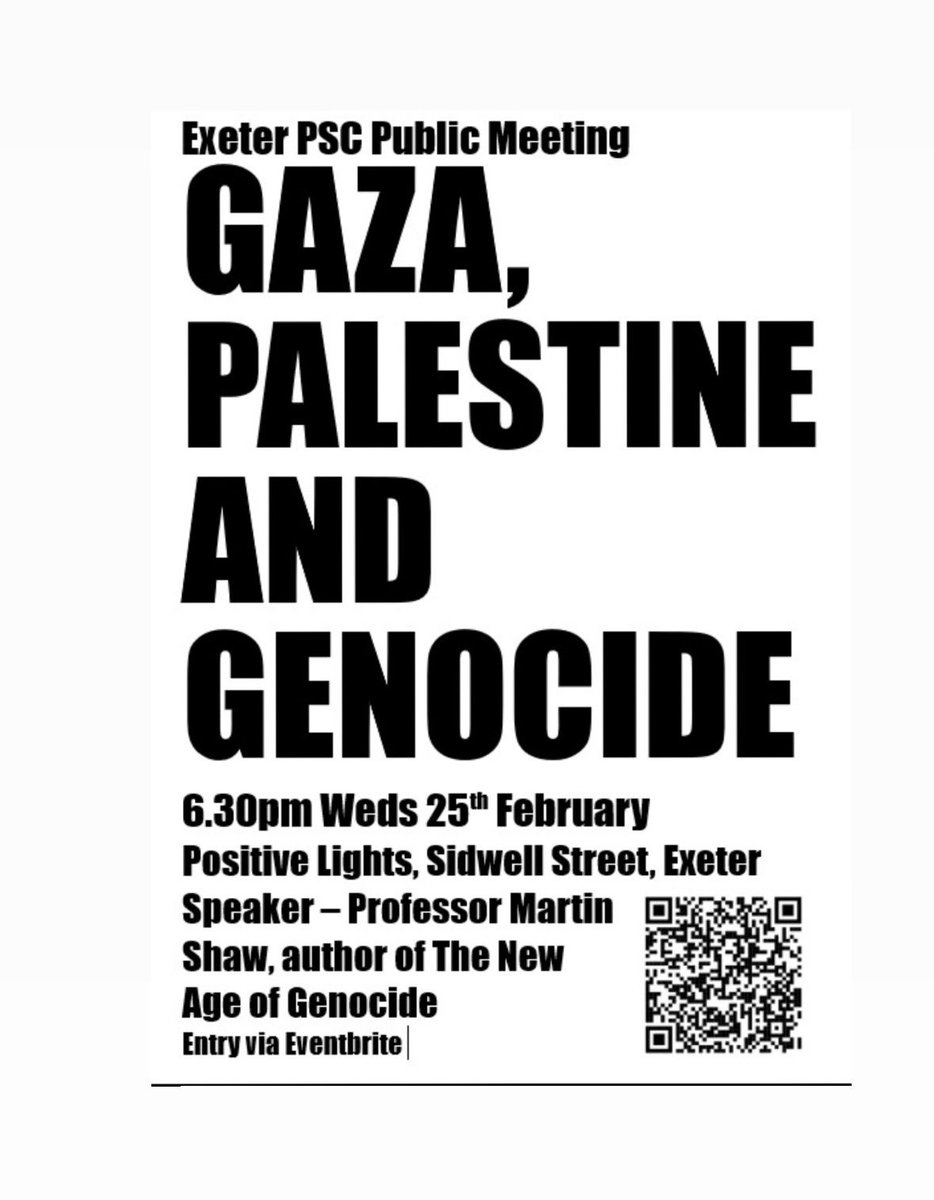
Join Exeter PSC and Devon Jewish Palestine Solidarity Group for a meeting to hear the voices of Jewish people often sidelined and silenced by the main stream media . Entry only via free Eventbrite ticket registration .
Use QR code or follow the link
eventbrite.co.uk/e/jewish-vo…
1
49
ExeterPSC retweeted
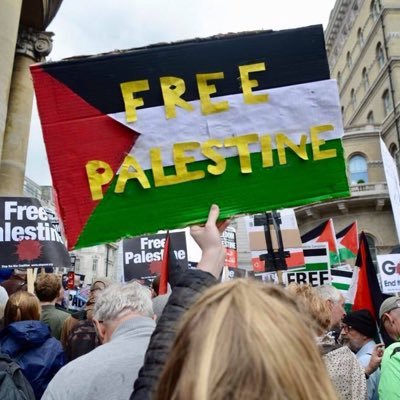
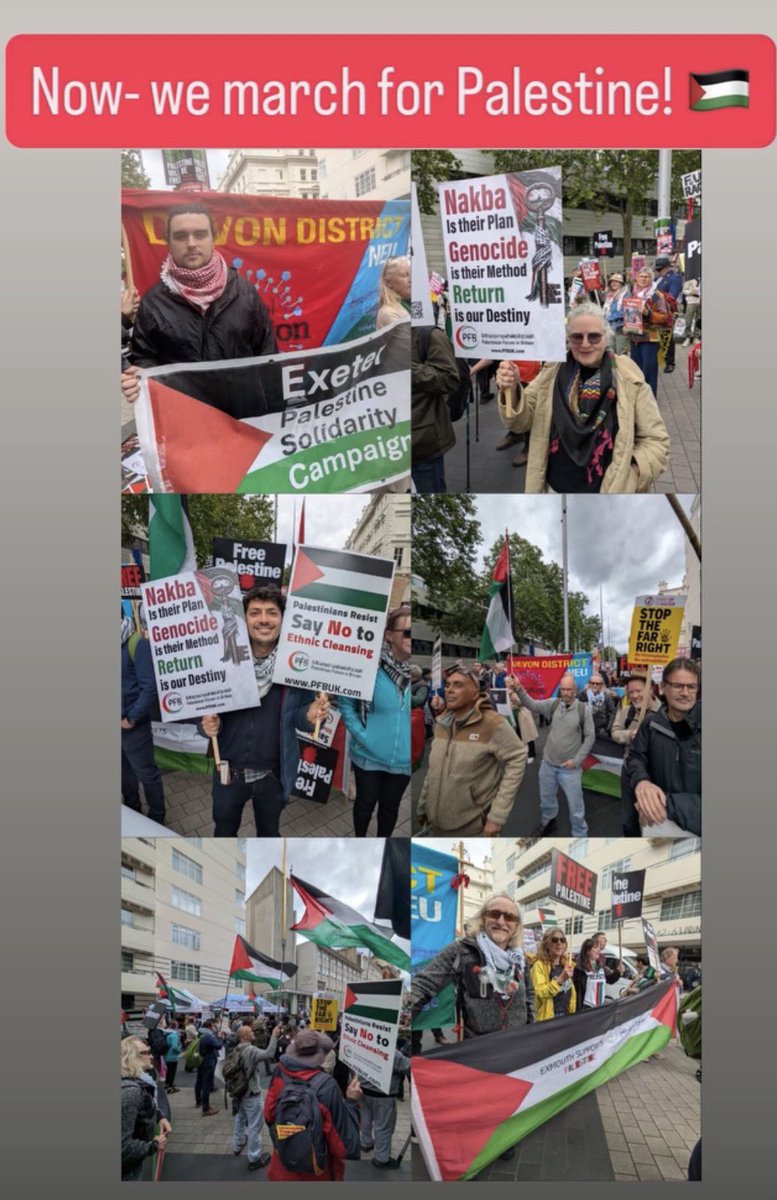
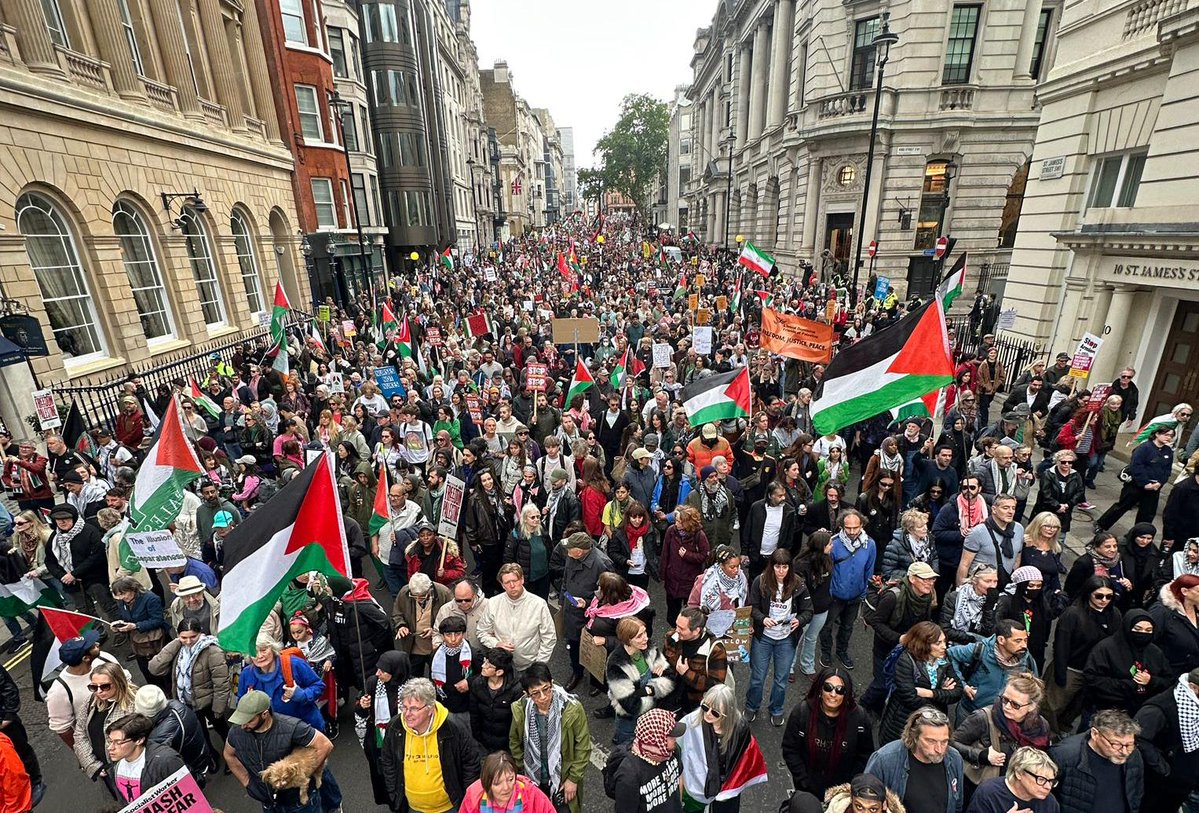
250 000 on the streets of London for Palestine and against the far right! Nakba 78
152
454
1,207
19,073
ExeterPSC retweeted
Hundreds of thousands gather to march for Palestine 🇵🇸
729
870
2,510
193,699
May 10
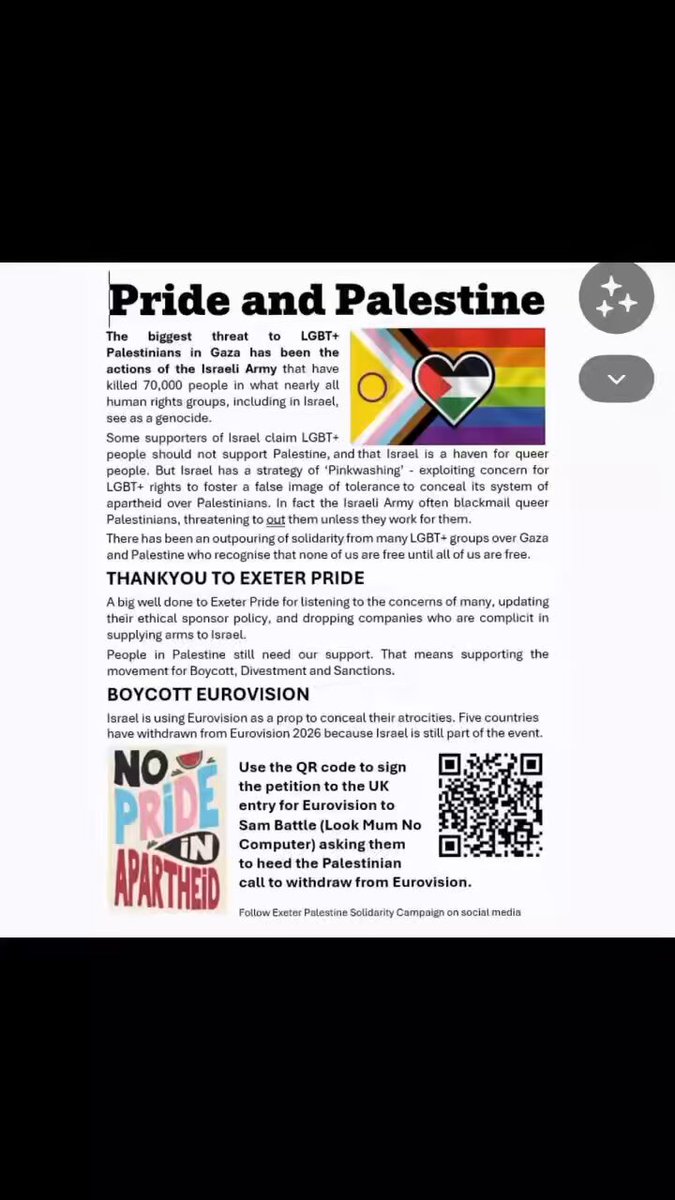
Were you @ExeterPride yesterday? Did you get a ‘No Pride in Genocide’ or ‘Queers for Palestine’ stickers … You might be on here then… the love and support for Palestine was strong. We keep marching until Palestine is free 🇵🇸 @PSCupdates @LGBTQ4Palestine
1
60
ExeterPSC retweeted
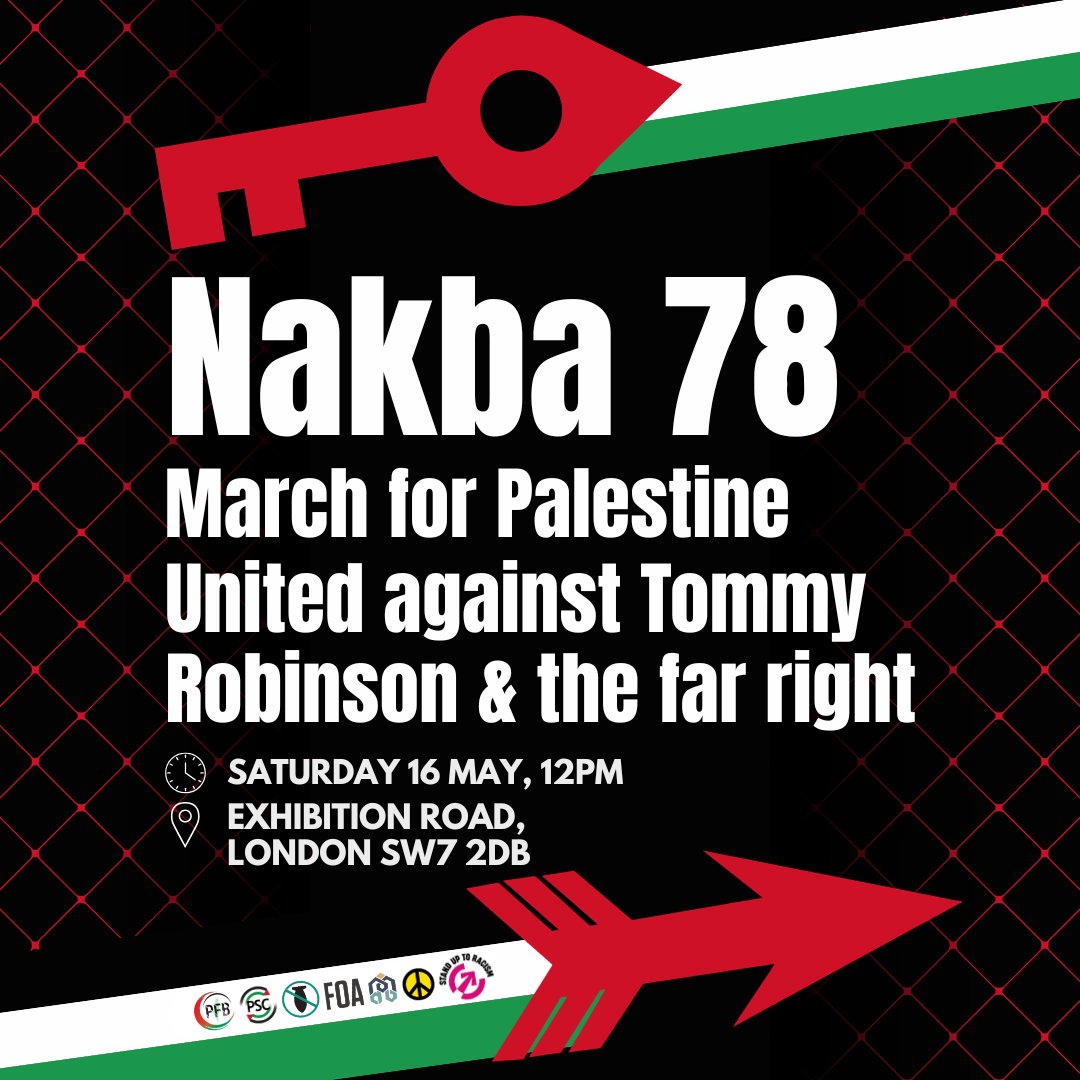
🚨 START POINT ANNOUNCED - NAKBA 78 - March for Palestine United against the Far Right
⏰ Sat, 16 May, 12PM
📍 Exhibition Road, London
On Saturday May 16th we need everyone who can make it to be in London for this crucial demonstration. We will march to commemorate the Nakba – for 78 years, Palestinians have been subjected to a racist system of oppression including ethnic cleansing, settler-colonialism, apartheid and genocide.
We march to reaffirm our commitment to the inalienable rights of the Palestinian people, including the refugees’ right to return home. We march against the far right in Britain who glorify Israel’s racism and brutality.
Our unity and solidarity is stronger than their hatred and division. Stand with the Palestinian people whose demand for justice is as important now as ever before.
154
495
669
64,863
ExeterPSC retweeted
🚨Sign our petition calling on the UK’s Eurovision contestant to withdraw.
@LOOKMUMNOCMPUTR must heed the call from Palestinians, and refuse to be part of an event providing Israel with a stage to conceal its genocide and apartheid.
Sign here: palestinecampaign.eaction.or…

16
188
290
5,609
ExeterPSC retweeted
Our movement will not be silenced.
PSC Director @BenJamalpsc speaks outside court after he and @ChrisNineham were found guilty for organising a peaceful protest for Palestine. This decision is shocking and a huge attack on civil liberties in Britain. The fight is not over 🇵🇸
108
599
1,164
93,866
ExeterPSC retweeted

Mar 30
Alarming to see police officers using face coverings, emulating ICE agents in the US.
If officers are acting lawfully, why should they fear being identified?

BREAKING: Filton 24 defendant Qesser Zuhrah was arrested this morning for "encouraging crime" and "encouraging terrorism" for a social media post which said "take direct action".
She was released from prison just over a month ago after 15 months on remand without a conviction.
52
1,060
2,265
38,838
ExeterPSC retweeted

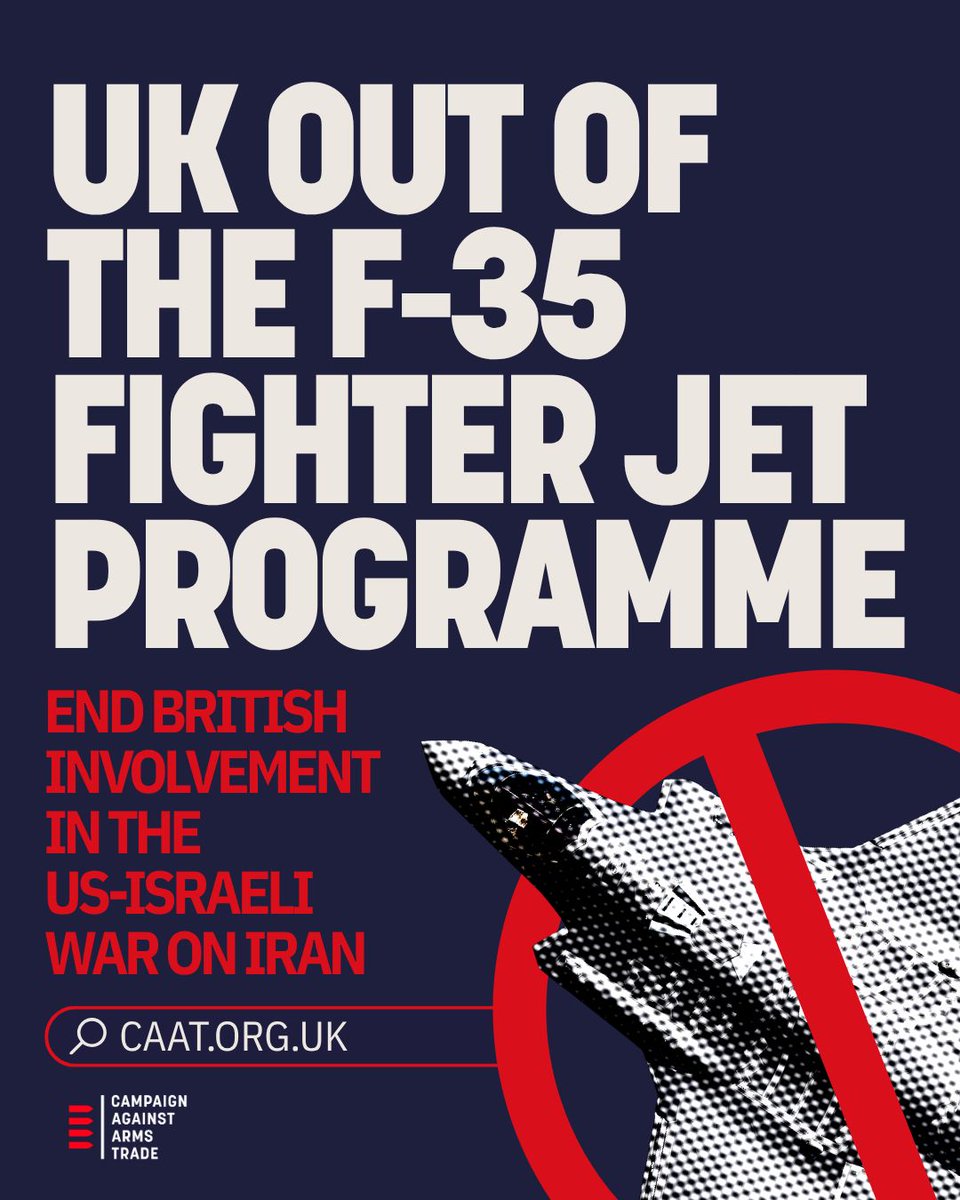
F-35s, of which 15% is produced in the UK, are playing a critical role in the US-Israeli war on Iran.
Tell your MP - UK out of the F-35 fighter jet programme!
🔗 caat.org.uk/take-action/camp…
11
19
786
ExeterPSC retweeted
Today, hundreds joined our 5 regional protests at arms factories involved in supplying components for weapons used by Israel to commit genocide in the Gaza Strip, and atrocities in the West Bank.
We can’t stop now. Stay on the streets for Palestine, join our feeder march to the important Together demonstration this Saturday.
7
58
106
2,106
ExeterPSC retweeted
🚨 The trial of PSC Director Ben Jamal and Stop the War vice-chair Chris Nineham has concluded today and the judge will announce his verdict on April 1st. Defence barrister Mark Summers KC said the case was a “ludicrous invitation to criminalise legitimate protected political speech about the misuse of state power against people’s civil liberties."
He described their actions in the run up to the 18 January 2025 Palestine protest as nothing more than those of civic organisations engaging in political campaigning in a democracy. The police imposed conditions which had created widespread public criticism. On previous marches this had led to compromise with the police, but in this instance the police rejected that approach. Letters in support of the protest signed by members of Jewish organisations, Holocaust survivors, journalists, judges, politicians and others were disregarded.
Mr Summers emphasised that Chris and Ben were both highly respected movement leaders with a long and extraordinary record of successfully organising some of the biggest demonstrations ever seen in this country. These were all managed in cooperation with the police and in accordance with conditions, even when there was disagreement about them.
The court heard again how officers in the control room and on the ground were operating in complete ignorance of the flower delegation plan announced from the stage - that a small group would walk to the BBC to lay flowers or if stopped by police, lay them at the feet of police. This was a sensible, symbolic proposal to go some way towards achieving the original objective of the protest. It could only have succeeded with police permission and was not an unlawful intention.
At the police cordons the delegation clearly understood they had been permitted to proceed through police lines, being told on one police bodycam “You’ve got to filter through.” There was no communication to the contrary and no reason to to believe that the police were instructing them to do something unlawful. Met Commander Slonecki acknowledged in his evidence that existing police conditions were subject to ad hoc changes on the ground as necessary.
On the incitement charge against Ben Jamal, Mr Summers said that he “engaged in the very opposite of inciting people into a criminal breach of the conditions imposed by the police”. His criticism of the repression of the right to protest by the police was entirely legitimate and not an encouragement to break the law. The flower delegation represented “legitimate grievances channeled into a powerful, lawful act of political expression and symbolism.” Mr Summers ended by saying that the incitement charge was “utterly hopeless and you must acquit”.
6
61
105
3,628
Feb 19
Sign up quickly if you want to join us on Wednesday - free tickets on eventbrite going quickly
eventbrite.co.uk/e/gaza-pale…
4
6
689
ExeterPSC retweeted
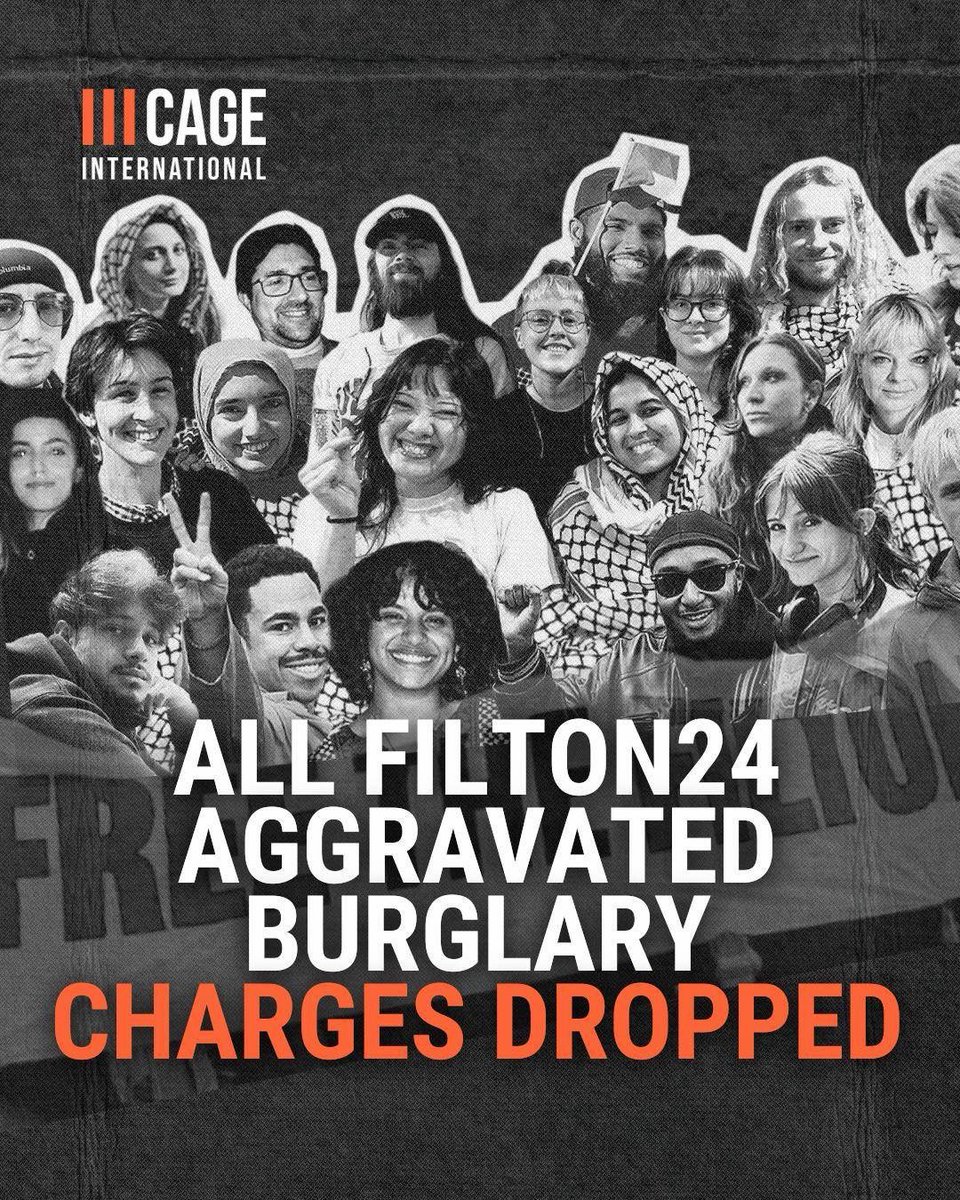
Fantastic news that ALL of the Filton 24 have now been acquitted of aggravated burglary - the most serious charge they faced. They must all be granted immediate bail. It is genocide enablers like Elbit Systems and the British government that should be in the dock.
Feb 18

🚨BREAKING -- All of the Filton 24, who broke into an Elbit Systems factory in August 2024, have been acquitted of the most serious charge of aggravated burglary.
This comes after a jury acquitted the first 6 Filton defendants of aggravated burglary two weeks ago.

7
135
258
4,730
ExeterPSC retweeted

Feb 18
🏆VICTORY: ALL FILTON24 AQUITTED OF AGGRAVATED BURGLARY
The Filton24 are a group of Palestine Action activists accused of causing £2 million worth of damage when they allegedly destroyed weapons destined for Gaza at an Elbit Systems factory in Bristol.
They were held on remand for 18 months, facing a charge that carries a MAXIMUM sentence of life in prison.
But today, they were acquitted when the CPS offered no evidence on the aggravated burglary charge.
At the first trial, all six defendants were found not guilty of aggravated burglary.
The jury rejected the claim that they entered the factory intending to harm anyone.
Instead, the defence argued their intention was to use tools to disarm weapons and “prevent violence” against Palestinians.
Now, with the charge dropped, we hope it will pave the way for the remaining defendants to be released on bail after spending 18 months in prison without a single conviction!
2
51
89
1,406
ExeterPSC retweeted
This is a disgraceful move from the British Museum.
Denying Palestinians historic connection to their land as they face down Israel’s genocide is deeply dangerous. It is collusion with Israel’s project to erase and annihilate the Palestinian people.
middleeasteye.net/news/briti…
30
149
302
4,366
ExeterPSC retweeted
The government is handing lucrative contracts to Palantir, a notorious US corporation providing AI and surveillance technology used as an essential part of Israel’s genocide in Gaza.
TAKE ACTION: Write to Starmer to demand all contracts with Palantir are cancelled: palestinecampaign.eaction.or…

28
531
741
8,272