
Archives of 10 years blogging from South America. The new chapter (and the book) is happening over at @colinpost. Follow me there for the latest.
Joined September 2011
- Tweets 2,455
- Following 107
- Followers 1,219
- Likes 87
211 Photos and videos





Pinned Tweet

Apr 26
Expat Chronicles is now on Substack 🌎
Real talk on the Expat Life: the wins, the headaches, & the raw truth to life in LATAM
Link here: substack.com/@expatchronicle…

1
1
3,903
"Colombian taxes hit my pension hard"
On my blog, I remember a comment a reader left a year or two ago saying the same thing
An American in Texas who finds Colombian taxes to be brutal
Prefers spending months in Colombia instead of living there to avoid those taxes on his pension
It's something a lot of gringos don't give enough thought to
There are some who even don't pay taxes and live somewhere in Latin America more informally
Could it bite them in the butt?
Someday maybe. Maybe not
But it's something to consider before moving down there
19
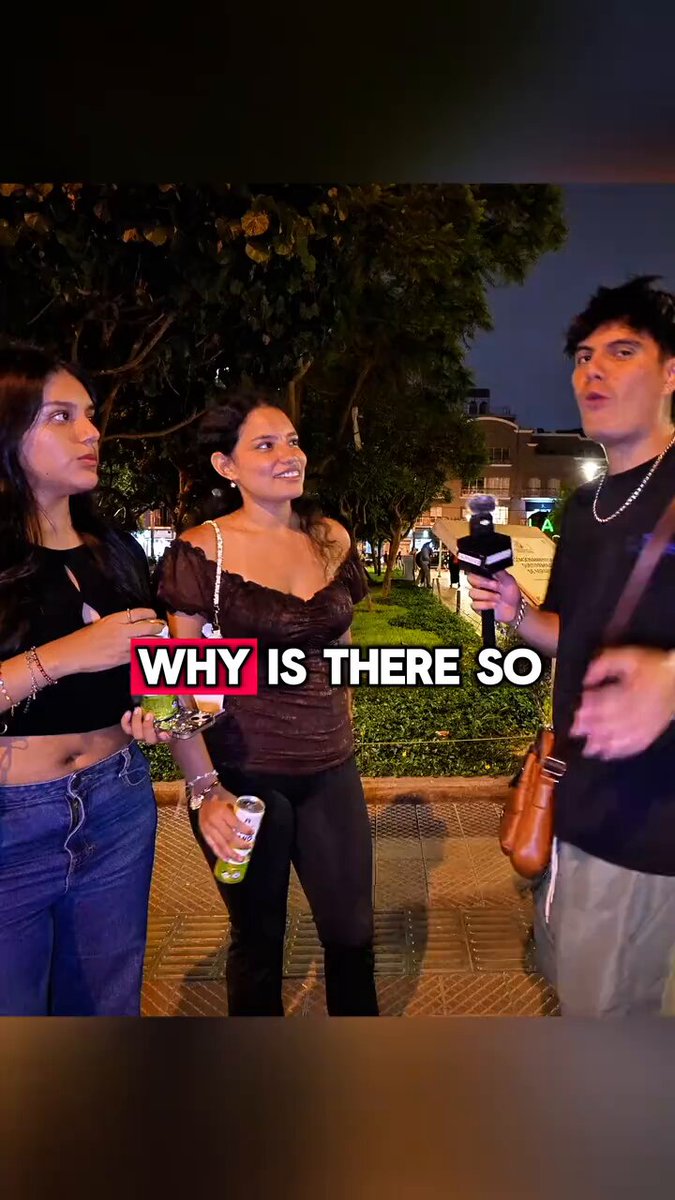
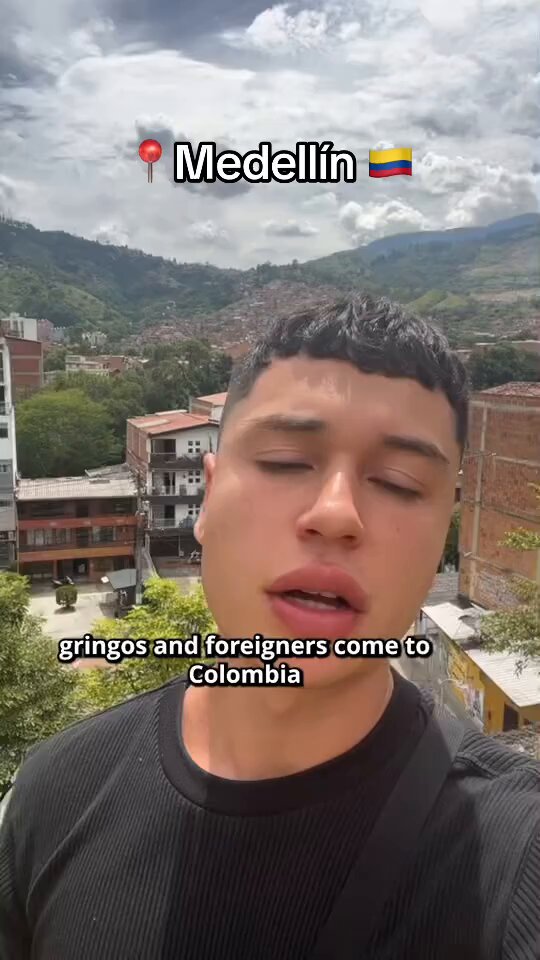
"Why is Colombian food abroad only from Medellin"
You notice this about Colombia's representation internationally
Similar to when gringos think of Colombian women and they only think of paisa women with that "mi amooooor" accent
Or how Colombia's crime situation is represented mostly by Pablo Escobar and Medellin Cartel
Medellin is the Face of Colombia abroad 🇨🇴
1
82
Jun 15
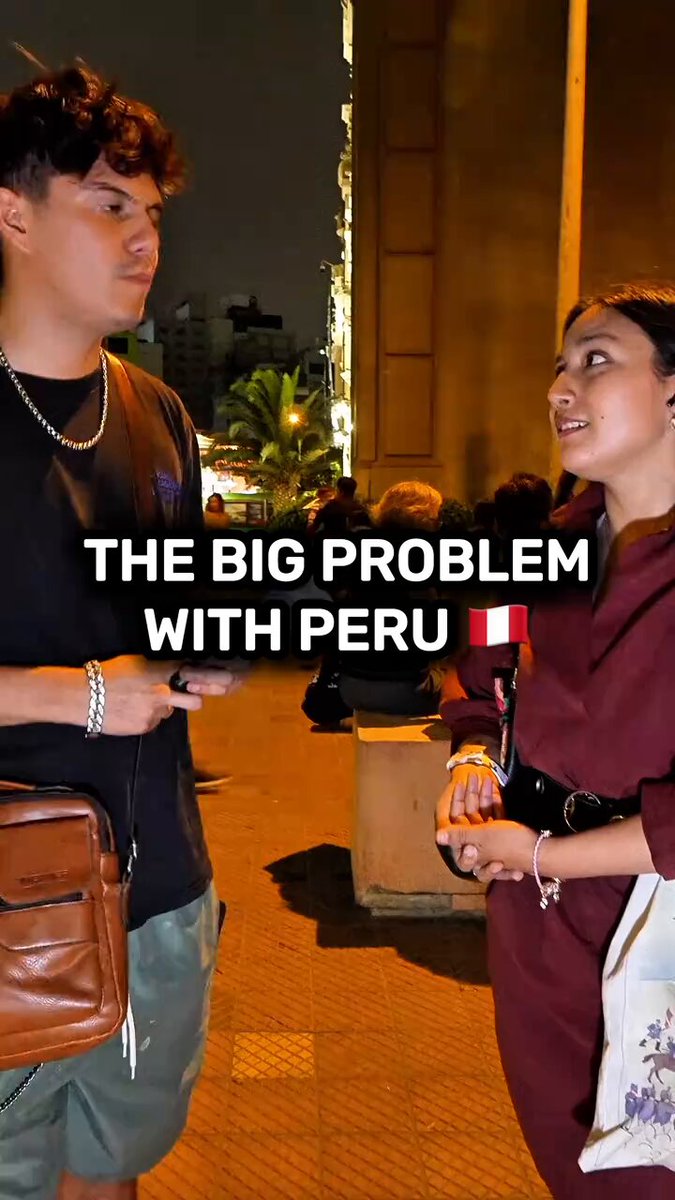
In Latin America, some countries can be very centralized around the capital
And that creates problems
Here's a look into it in Peru 🇵🇪
1
126
Jun 14
Hidden Costs for property buyers in Medellin, Colombia 🇨🇴
1
4
303
Jun 14
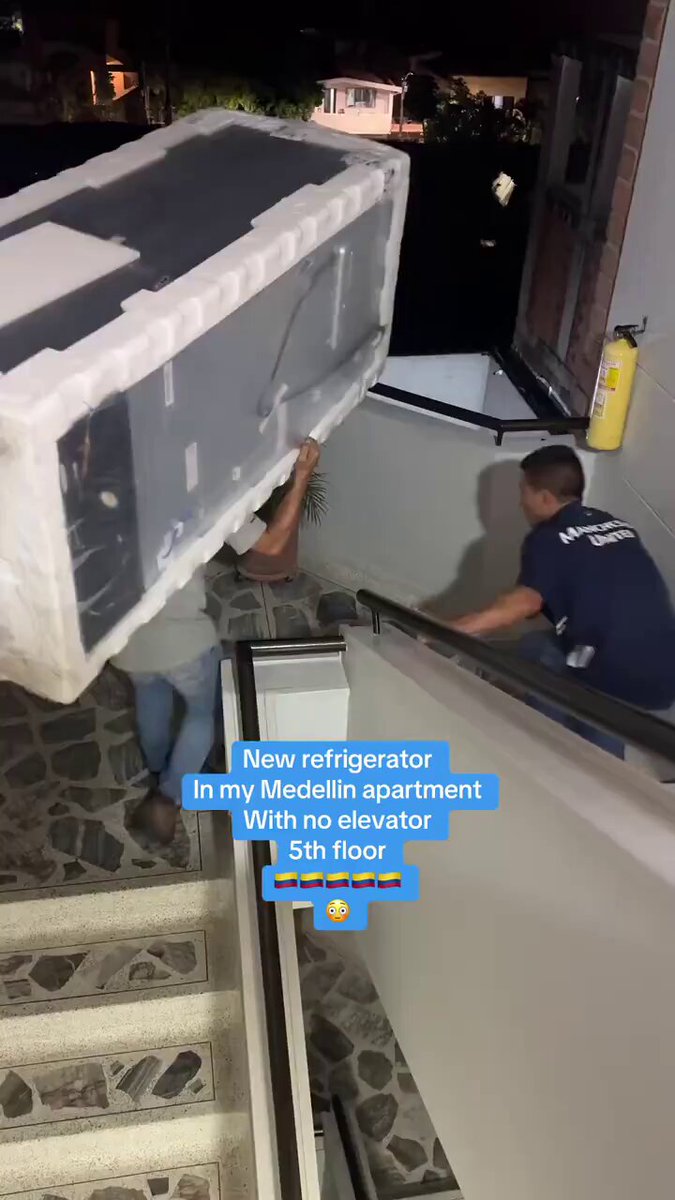
When living in Latin America, you'll see eventually locals do crazy things to move household stuff 🤪
1
1
761
Jun 14
"You can't be Black & Colombian"
You see Americans say something similar about White Latinos
"White Latinos don't exist"
Be it Black or White, I think it's because some Americans aren't deeply exposed to Latinos/Latin Americans to know otherwise
And others think Latino is a race and that's why they can't be Black or White also
5
1
16
2,045
Jun 13
When I lived in Colombia, I met locals who were deported from the US
Many were great, friendly people 💯
5
4
81
4,729
Jun 13
Violence in Colombia has left so many victims unfortunately
It's a great country that deserves better 🇨🇴
2
1
294
Jun 13
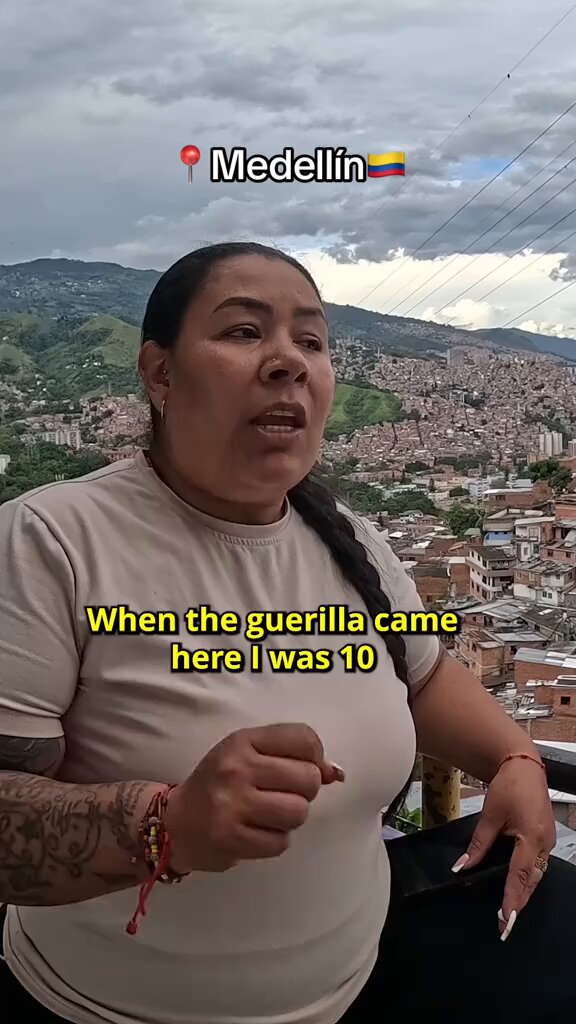
The Violence in Colombia is crazy
Here's one woman's story 🇨🇴
1
164
Jun 13
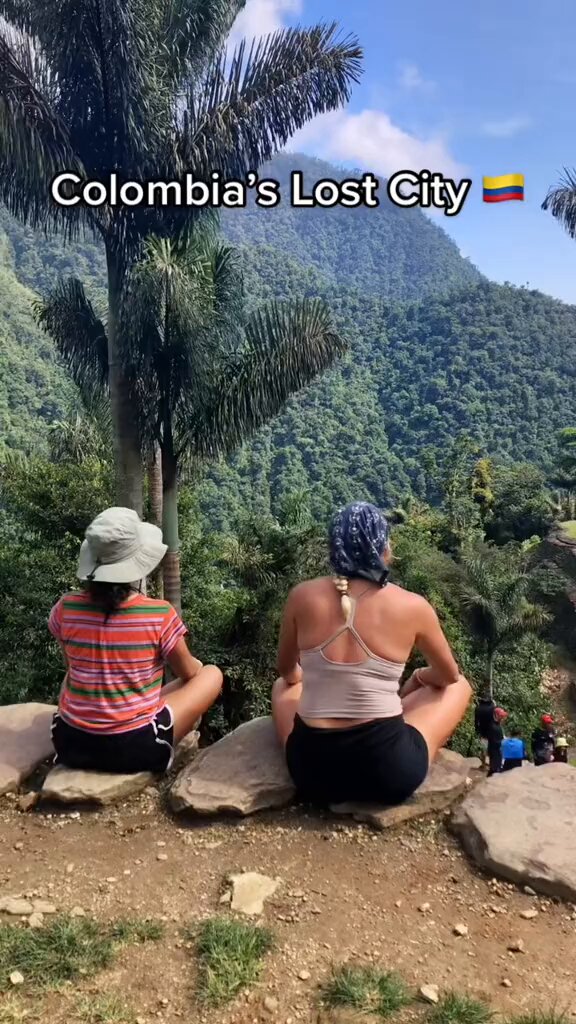
When people think of ancient ruins in South America, they think of Machu Picchu 🇵🇪
But Colombia also has a cool spot: Ciudad Perdida 🔥
1
5
264
Jun 12
It's a common stereotype among xenophobic locals in Latin America to say
"All expats are losers back home"
But many had good lives back home and were successful.
1
159
Jun 12
When you move as an expat to Latin America
Some people back home will think you're crazy because "it's dangerous"
And others will think it's an awesome idea because "traveling is fun"
1
108
Jun 12
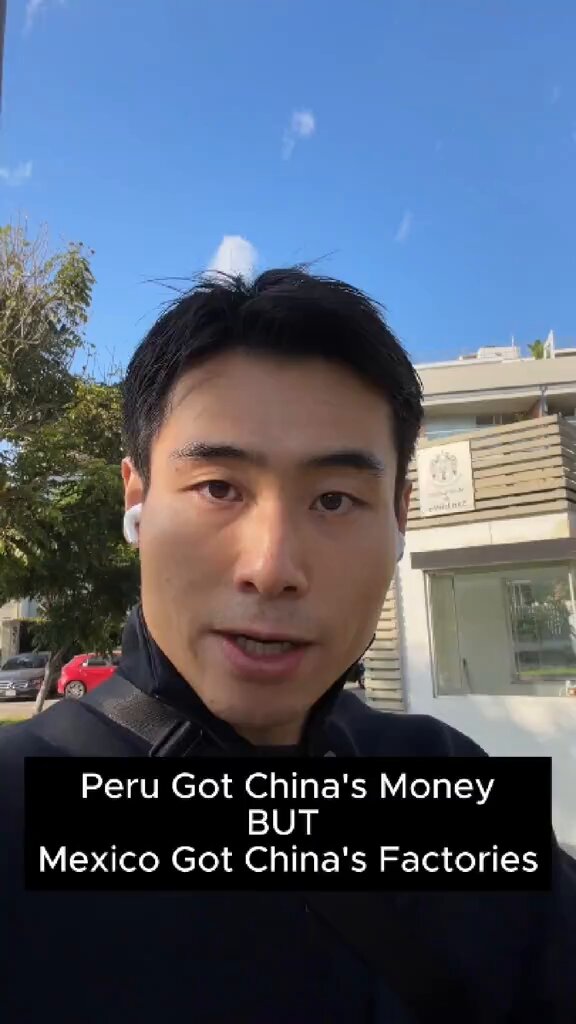
China has made a lot of investments in Latin America, including Peru and Mexico
Here's a quick look 👇
102
Jun 9
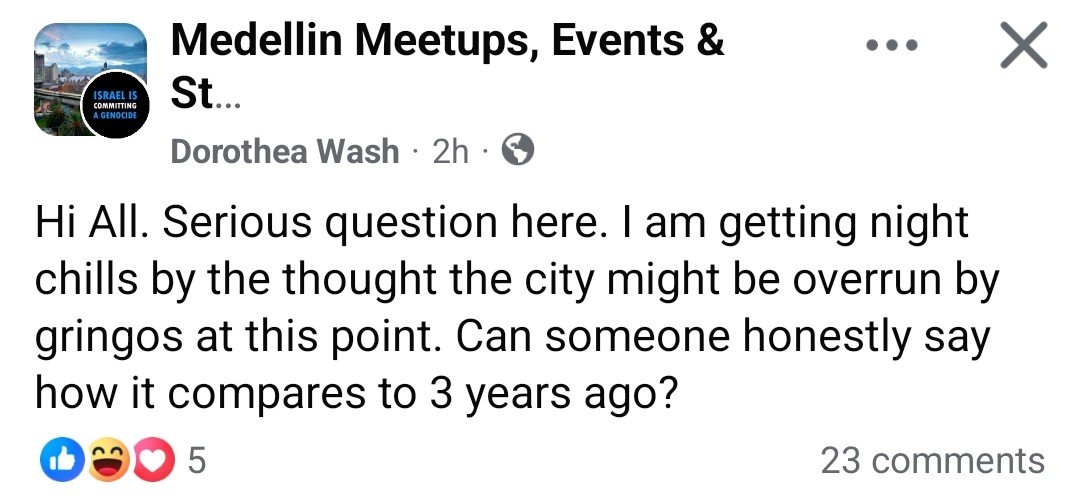
There's something ironic about gringos being worried about "Medellin is overrun by gringos"
When they are gringos themselves but yet think they're above or different from other gringos
Plus the fact that Medellin has been loved by gringos for longer than just the last year or two.
And finally how most of Medellin is not full of gringos. It's just a few select areas, not the whole city
7
9
1,680
Jun 9
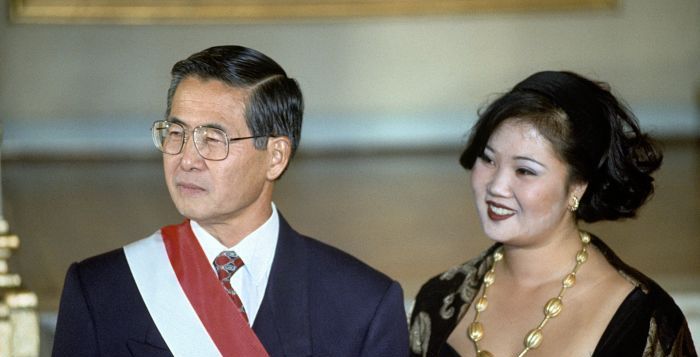
In light of Peru's election, let me explain the significance of Fujimorismo, as someone who lived in Peru for years and had a family and business in Peru 🇵🇪
Here's the basics 👇
Peru in 1989 was a disaster.
Hyperinflation, economic collapse (no oil, plus brutal Shining Path guerrillas) 💀
Statist policies had wrecked the country.
The Leader of Peru, Alberto Fujimori, crushed the insurgency, stabilized security, ditched failed socialism for market reforms/privatizations, and kicked off Peru’s boom 💰
Fujimori also did direct aid/patronage for the rural poor (food, appliances). Effective in a corrupt system, aka old-school vote buying.
Poverty plunged, Lima became a regional hotspot. Many voters say: “Change started in 1990.”
BUT he was authoritarian (dissolved Congress, controlled courts), authorized killings, embezzled millions, and ran forced sterilizations.
He was a dictator who did a lot of bad things but helped stabilize the country 💯
The man ultimately was sent to prison afterwards and died after being released
Now we have his daughter, Keiko
Her party dominated Congress. Supporters saw her as continuing dad’s legacy of results over purity.
Opponents of her would say: “Never again.”
She ran for and lost the Presidential election 3 times in Peru with 48 to 49% of the vote
Given how unstable Peruvian politics is, some of those who beat her in past elections were ousted from power not long after
Now Keiko took her 4th shot at running for the Presidency 🔥
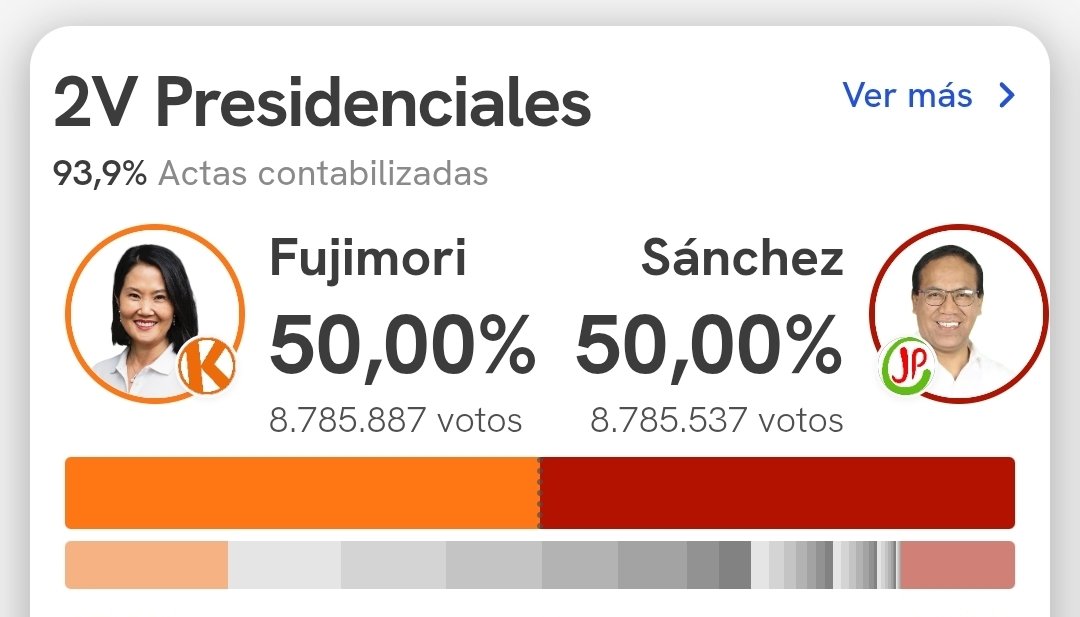
It's a tight election. 50-50, with most analysts predicting she'll win narrowly due to the votes from Peruvians living abroad
There's of course way more that could be said but those are the basics
If she really does win, it'll be a continuation of a trend we're currently seeing: Latin America leaning Right for the moment 🌎
Jun 9

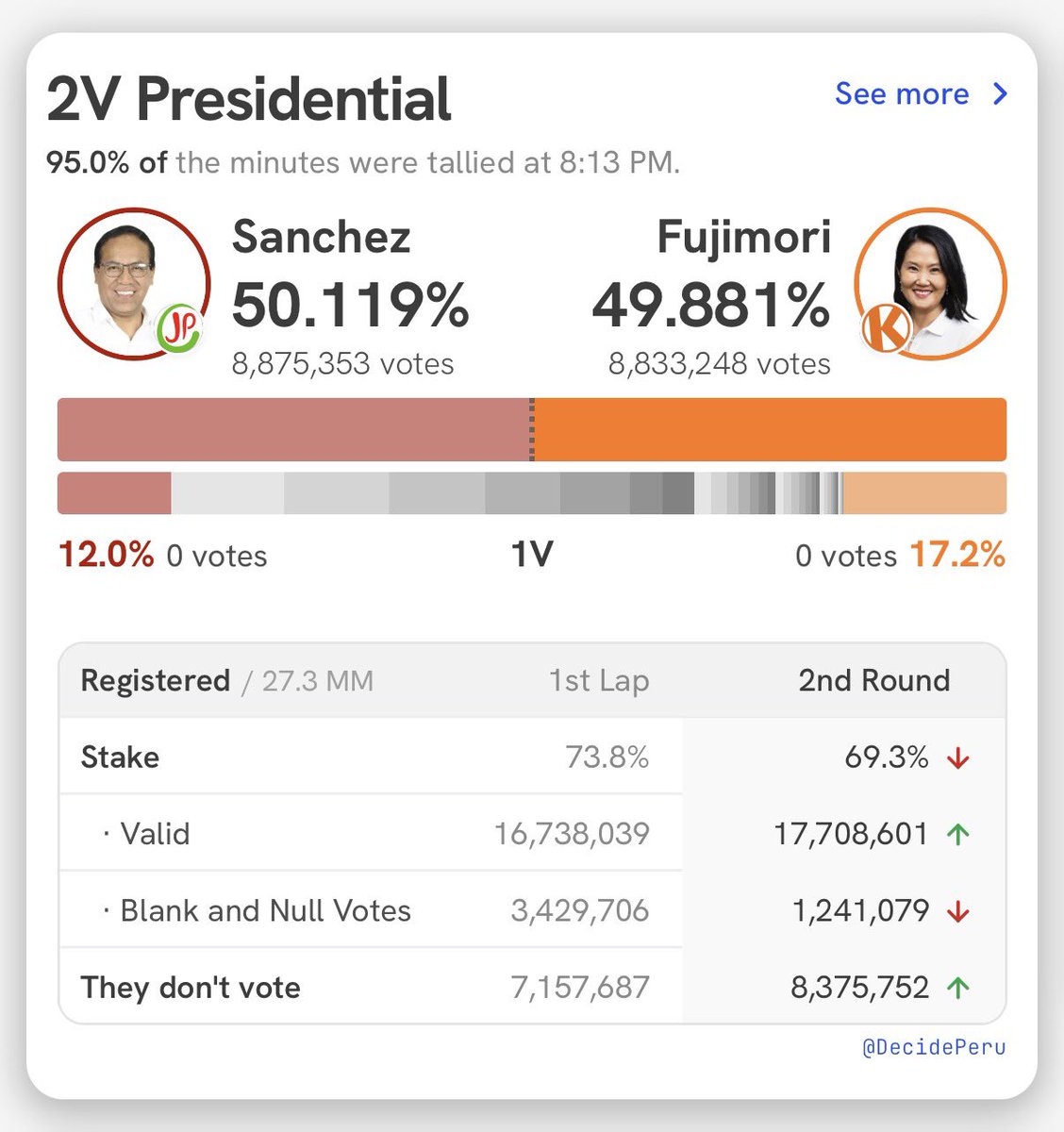
Results from Peru’s presidential election are nearly tied 50-50, with 95% of votes already counted.
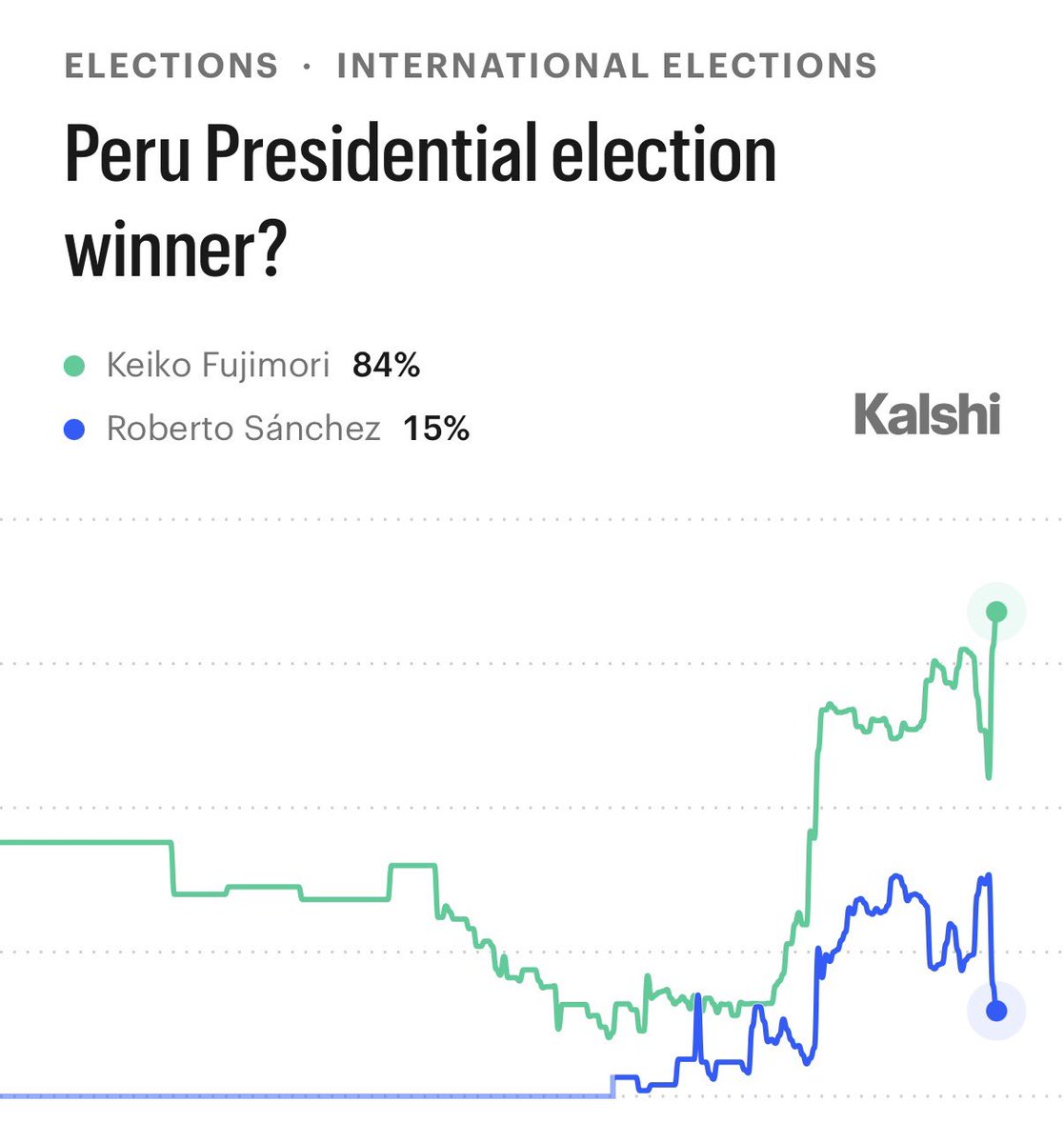
Keiko Fujimori, while currently behind, is expected to win the election, according to @Kalshi.
13
45
391
140,476
Jun 8
An image that speaks a thousand words for the politics in Peru 🇵🇪
2
281