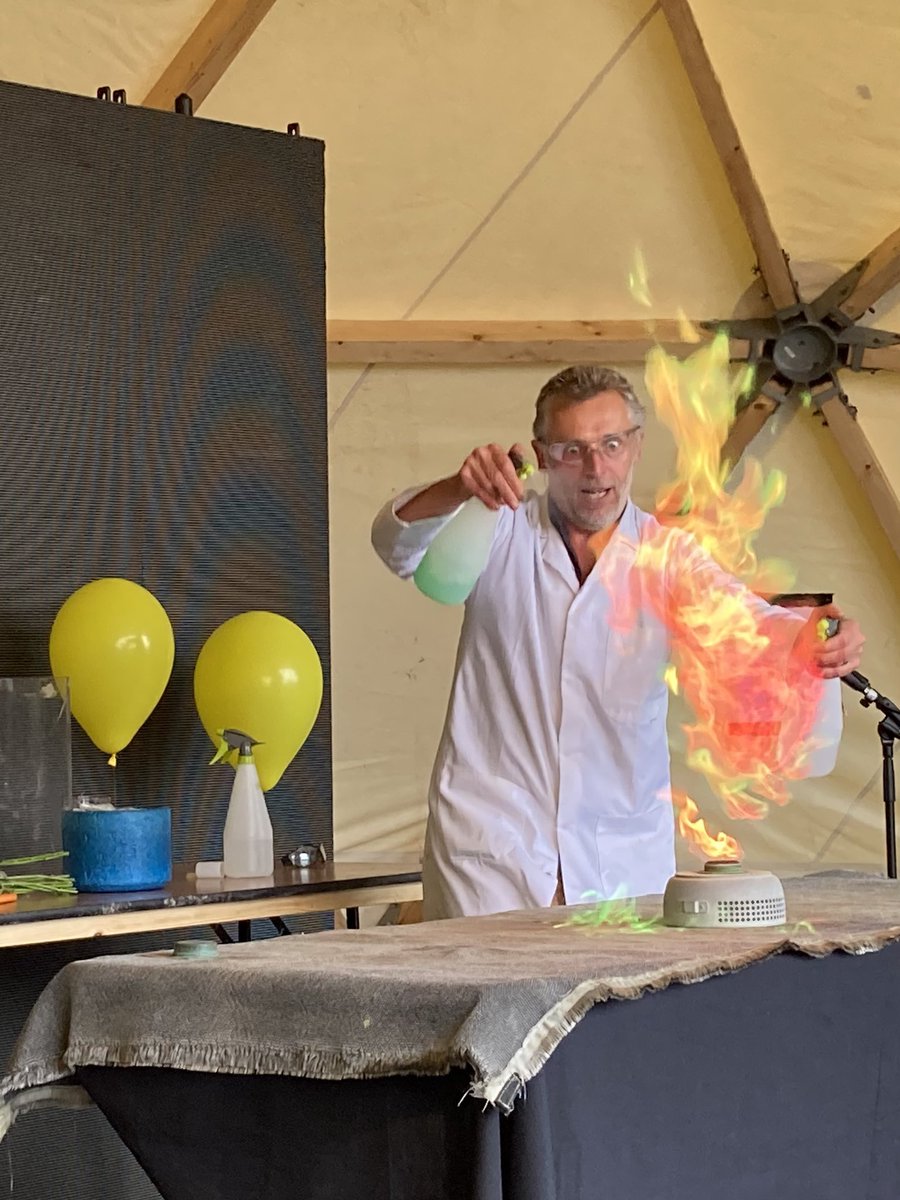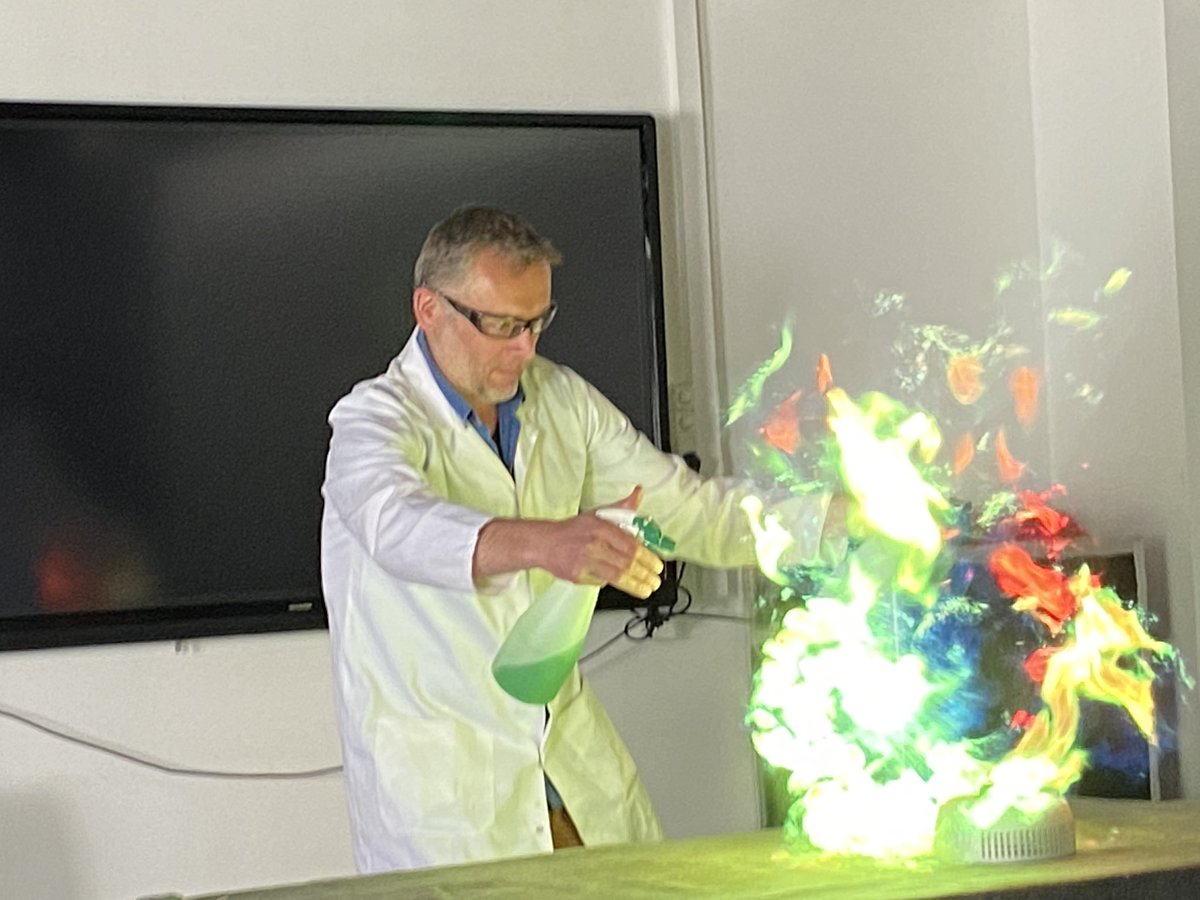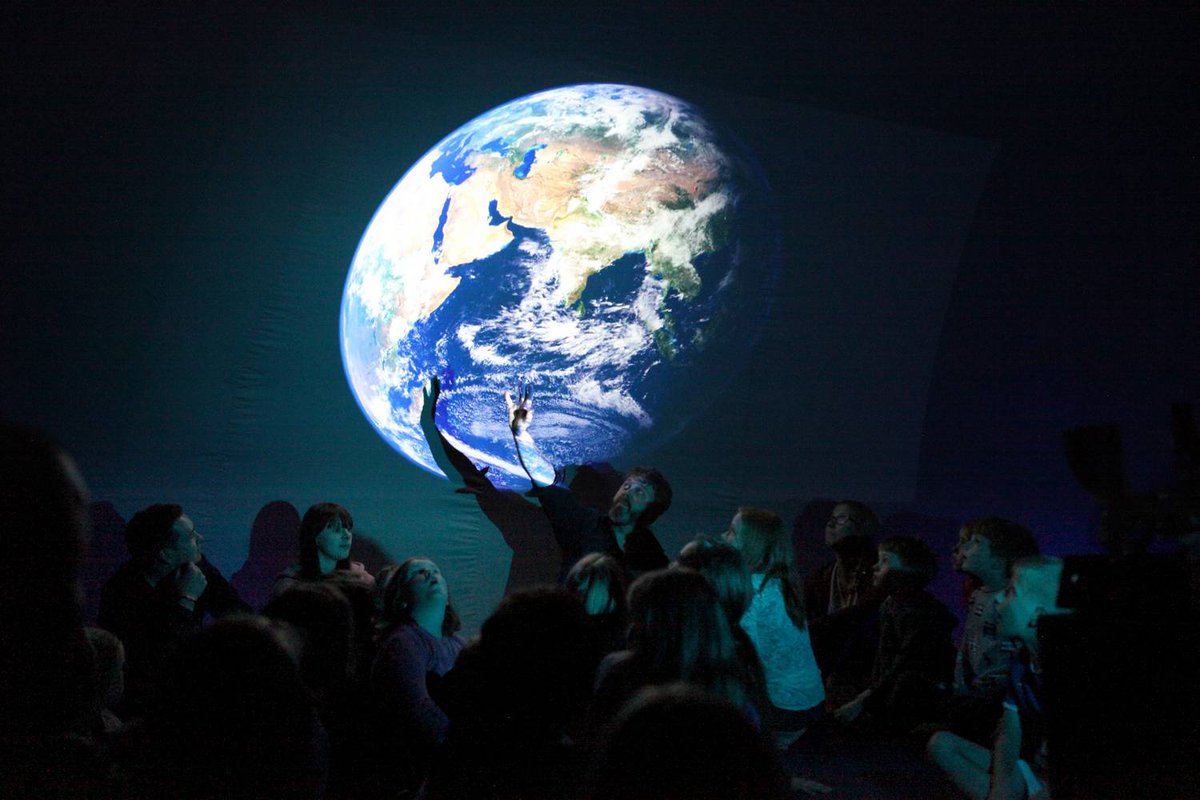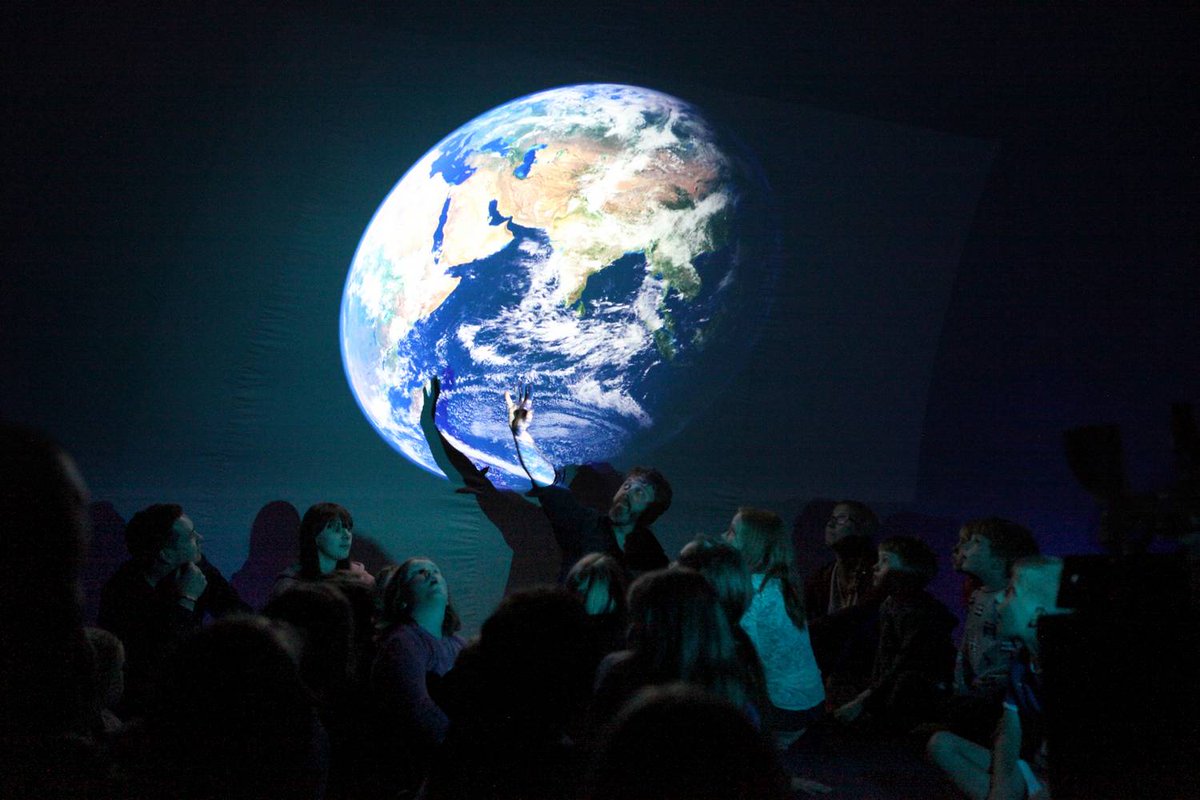
Lively, interactive science shows brought to you in our inflatable planetarium dome. We bring science to life to over 50,000 children young & old every year.
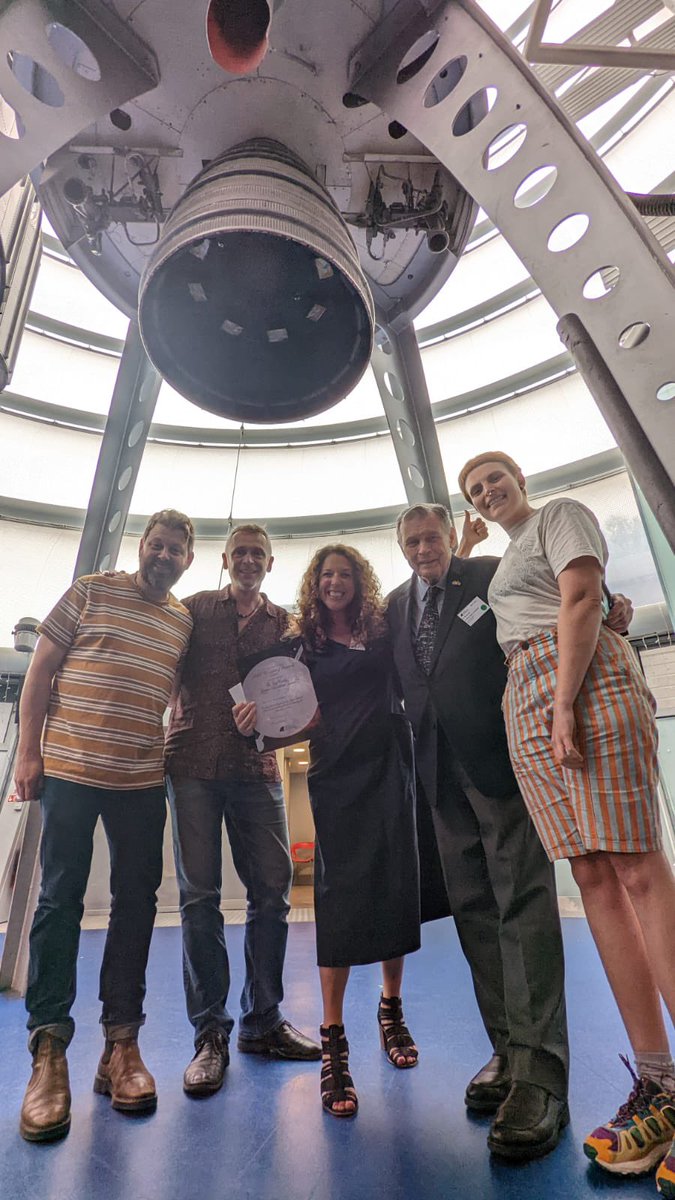
Proud of our co-founder @SLeverment receiving a lifetime achievement award from our wonderful UK @BAP_Planetarium community 🎉🎉 Time for a retirement party!?
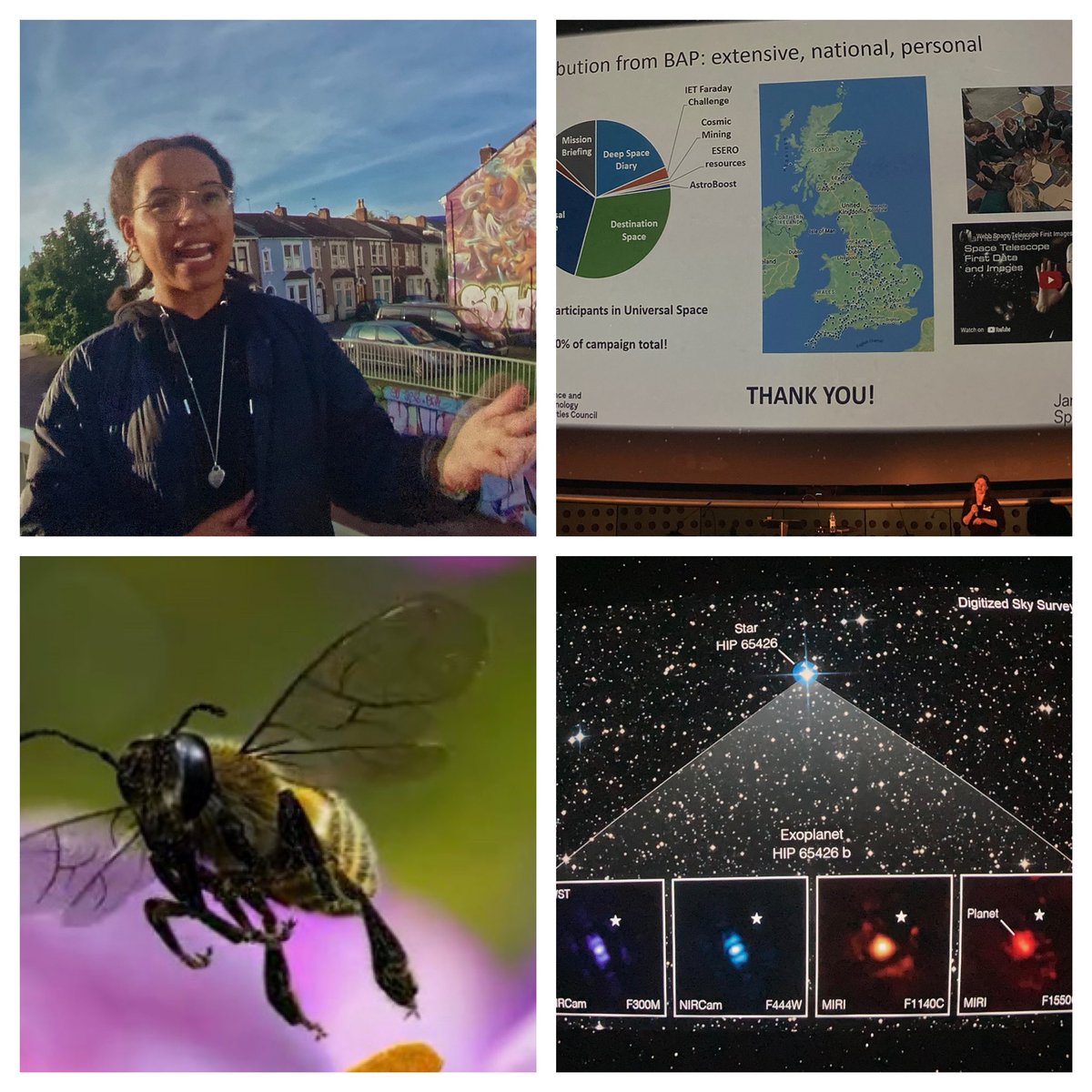
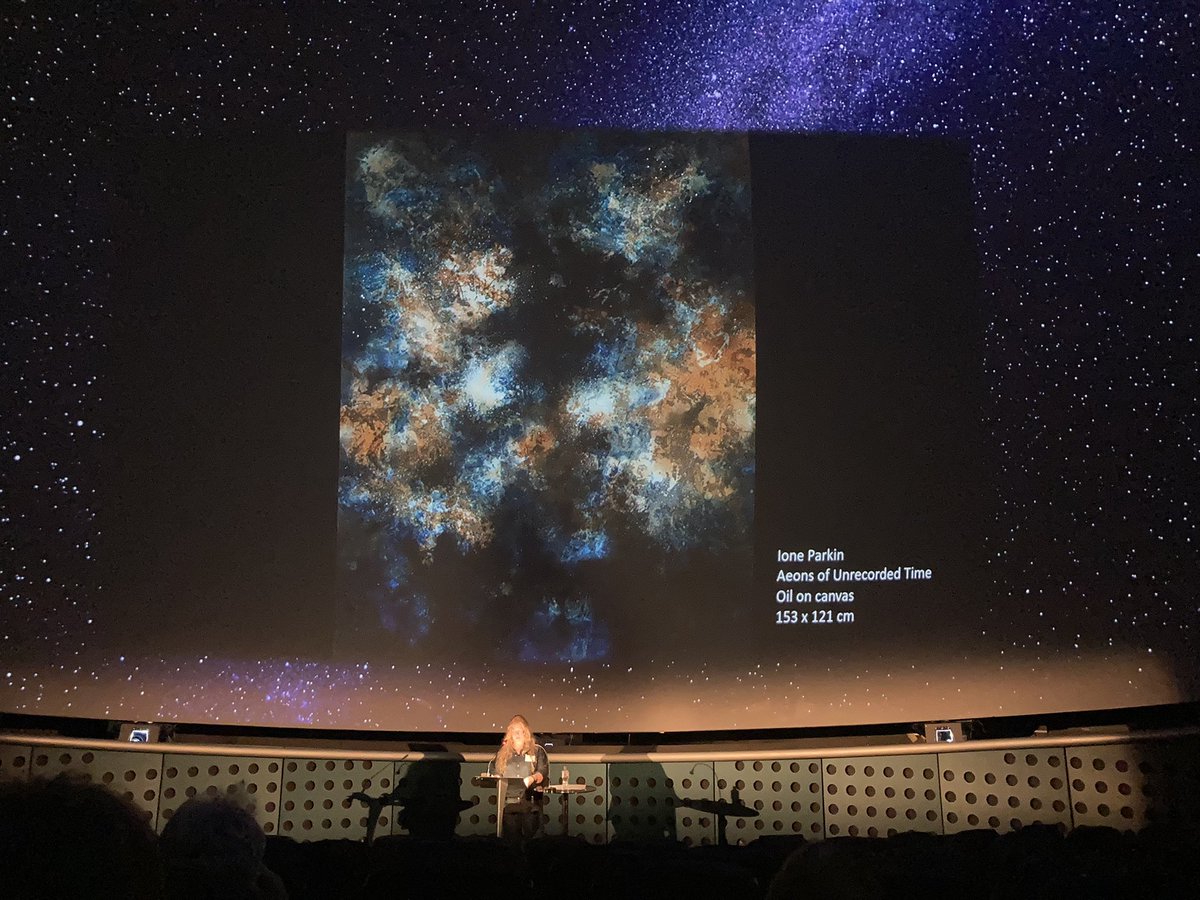
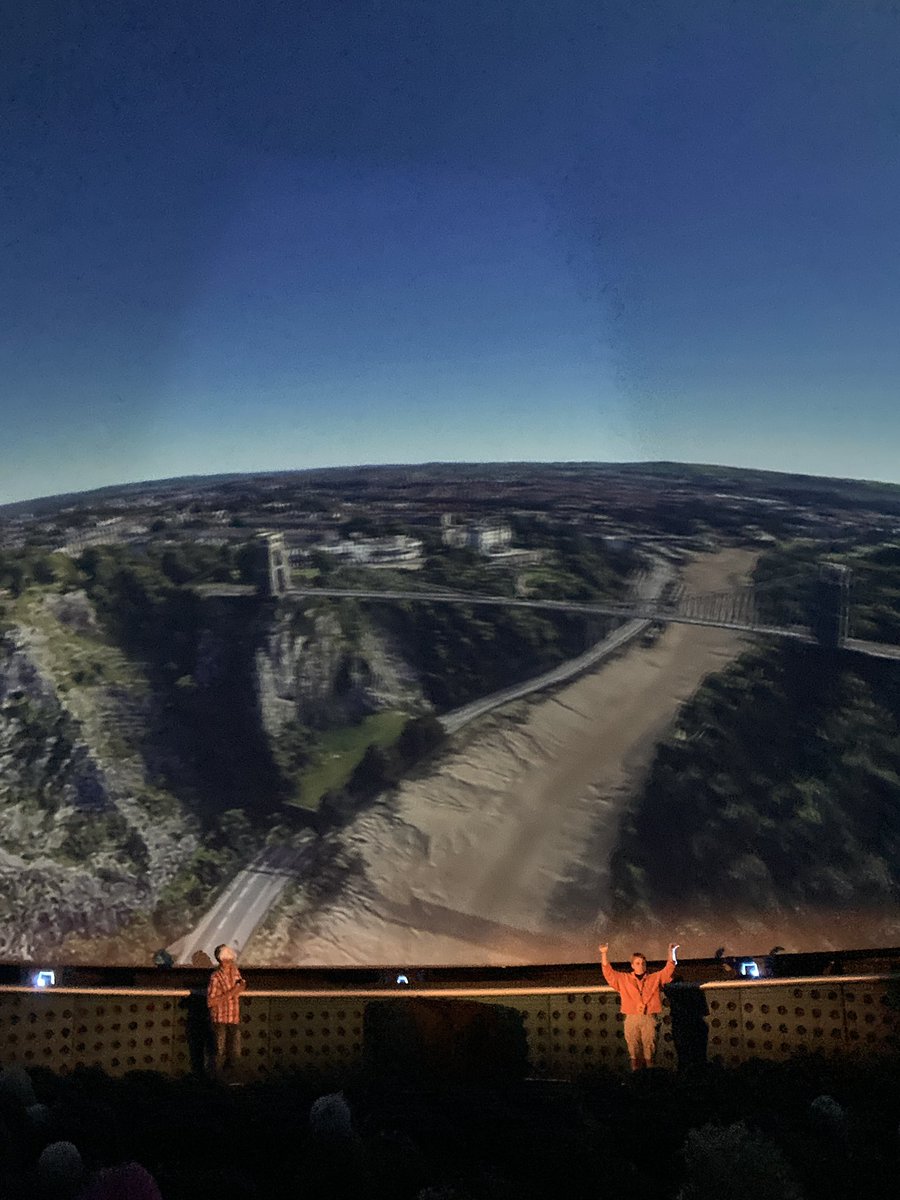
BAP 2022 🤩 Thankyou @ninaneedsspace @cosmosplntarium@spacecentre & all for an epic @BAP_Planetarium conference. Highlights: 🙌COMMUNITY!!!🙌 art/digital engineering/Webb/worms/bees/climate/@MartinABarstow in the dome! And receiving a RayWorthy Lifetime achievement award😍😱😭
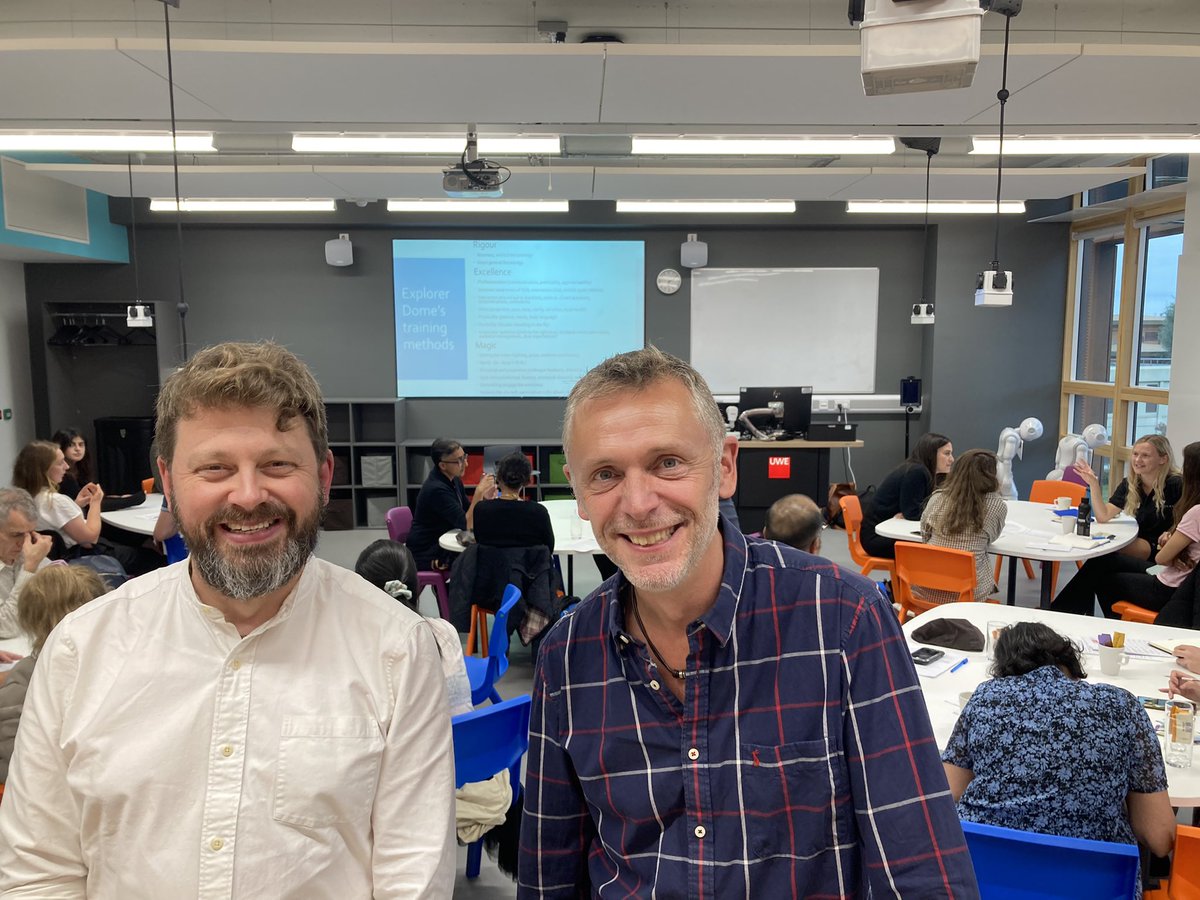
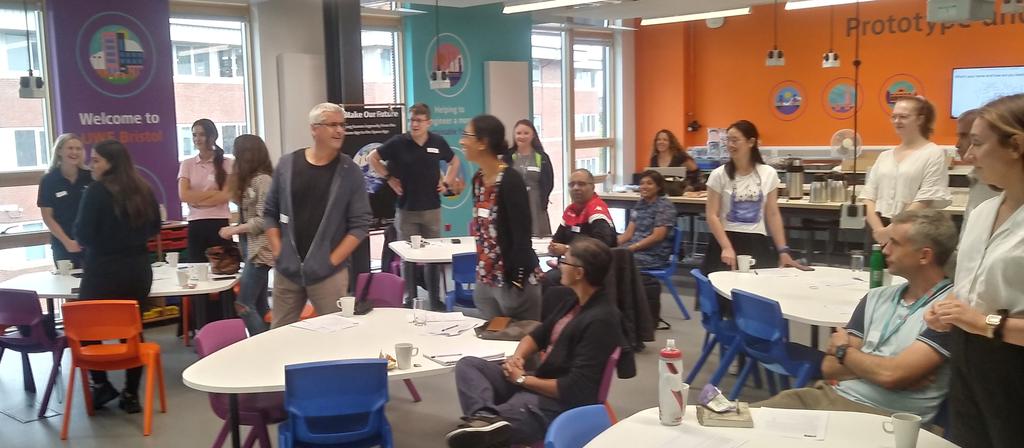
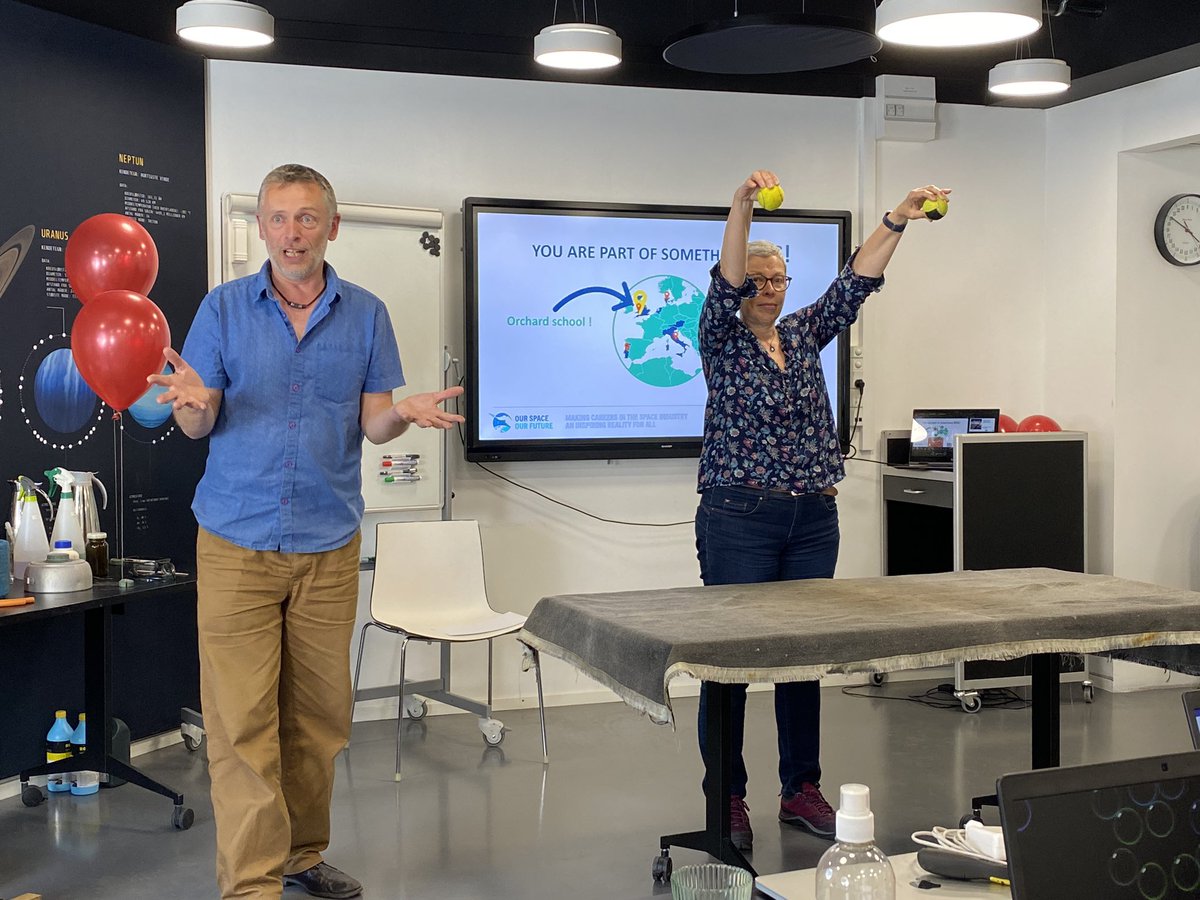
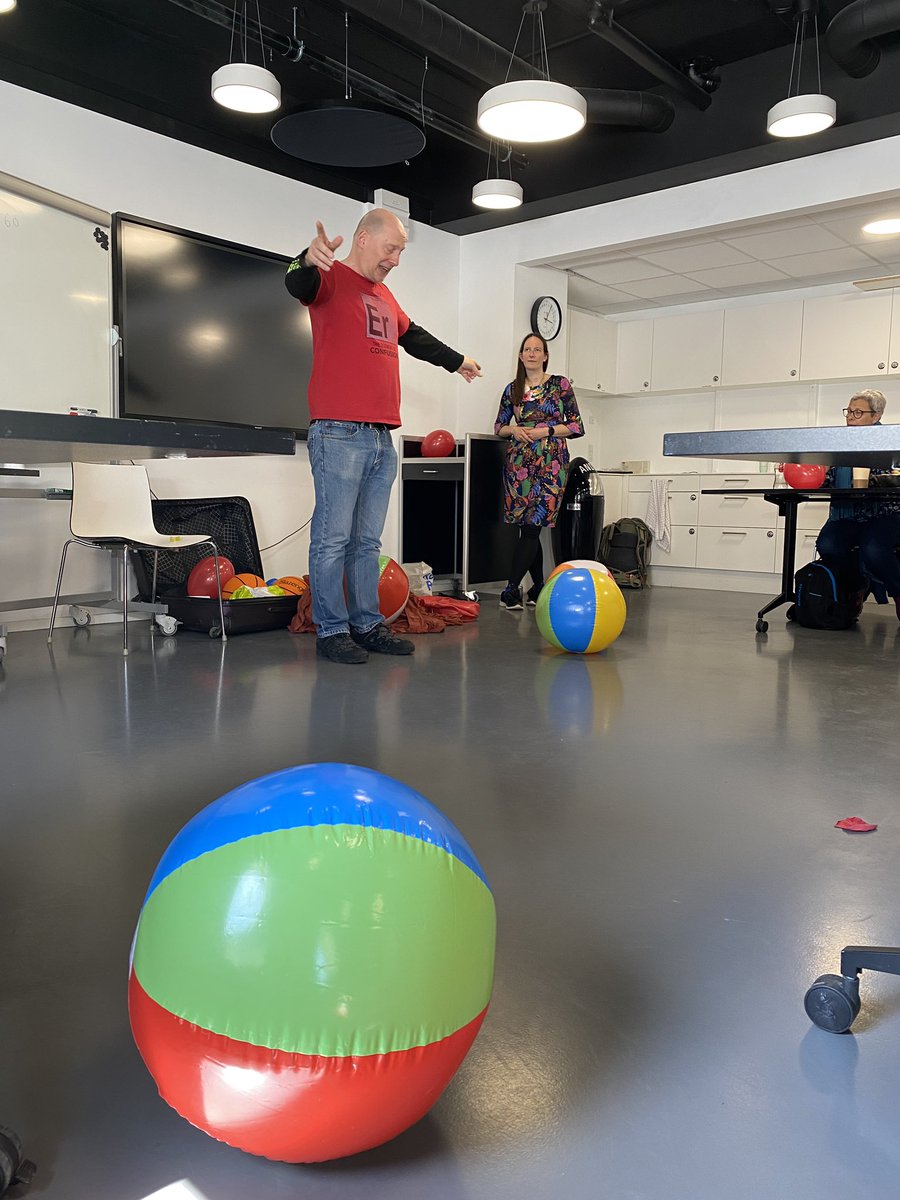
A privilege to be part of this training evening - with such diversity of stories, areas of expertise and paths into engineering! Inspiring for us and for our future engineers 🤩 #Engineering#STEM#EngineeringABetterWorld
Great to have Engineers gathered today for training to 'Inspire Young People in Engineering'. Thanks to our funders @RAEngNews@EduRAEng & the sci com experts @ExplorerDome for leading the session. Lots of local engineers from @GKNAero @AirbusintheUK @UWEBristol@NCCUKinfo@DCMS
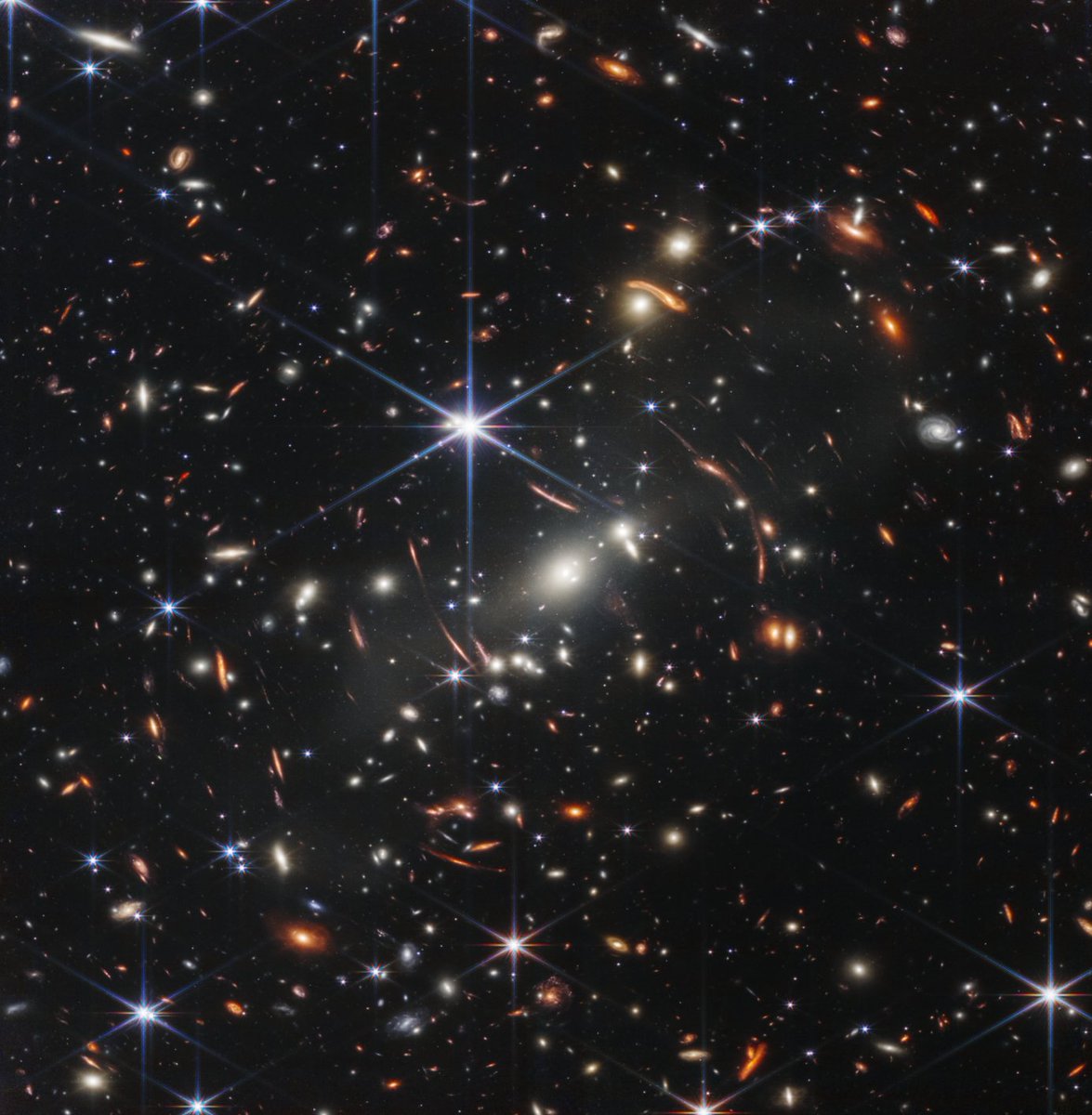
👀 Sneak a peek at the deepest & sharpest infrared image of the early universe ever taken — all in a day’s work for the Webb telescope. (Literally, capturing it took less than a day!) This is Webb’s first image released as we begin to #UnfoldTheUniverse: nasa.gov/webbfirstimages/
ALT The background of space is black. Thousands of galaxies appear all across the view. Their shapes and colors vary. Some are various shades of orange, others are white. Most stars appear blue, and are sometimes as large as more distant galaxies that appear next to them. A very bright star is just above and left of center. It has eight bright blue, long diffraction spikes. Between 4 o’clock and 6 o’clock in its spikes are several very bright galaxies. A group of three are in the middle, and two are closer to 4 o’clock. These galaxies are part of the galaxy cluster SMACS 0723, and they are warping the appearances of galaxies seen around them. Long orange arcs appear at left and right toward the center.
👀 Sneak a peek at the deepest & sharpest infrared image of the early universe ever taken — all in a day’s work for the Webb telescope. (Literally, capturing it took less than a day!) This is Webb’s first image released as we begin to #UnfoldTheUniverse: nasa.gov/webbfirstimages/
ALT The background of space is black. Thousands of galaxies appear all across the view. Their shapes and colors vary. Some are various shades of orange, others are white. Most stars appear blue, and are sometimes as large as more distant galaxies that appear next to them. A very bright star is just above and left of center. It has eight bright blue, long diffraction spikes. Between 4 o’clock and 6 o’clock in its spikes are several very bright galaxies. A group of three are in the middle, and two are closer to 4 o’clock. These galaxies are part of the galaxy cluster SMACS 0723, and they are warping the appearances of galaxies seen around them. Long orange arcs appear at left and right toward the center.
Are you neurodiverse and an engineer?
Help us develop a Framework for Neurodiversity Inclusion in Engineering! We're looking at Autism, ADHD, dyspraxia, dyslexia etc
Take part in the survey (15 mins) or email lucy.downes at uwe to book in an interview!
uwe.eu.qualtrics.com/jfe/for…
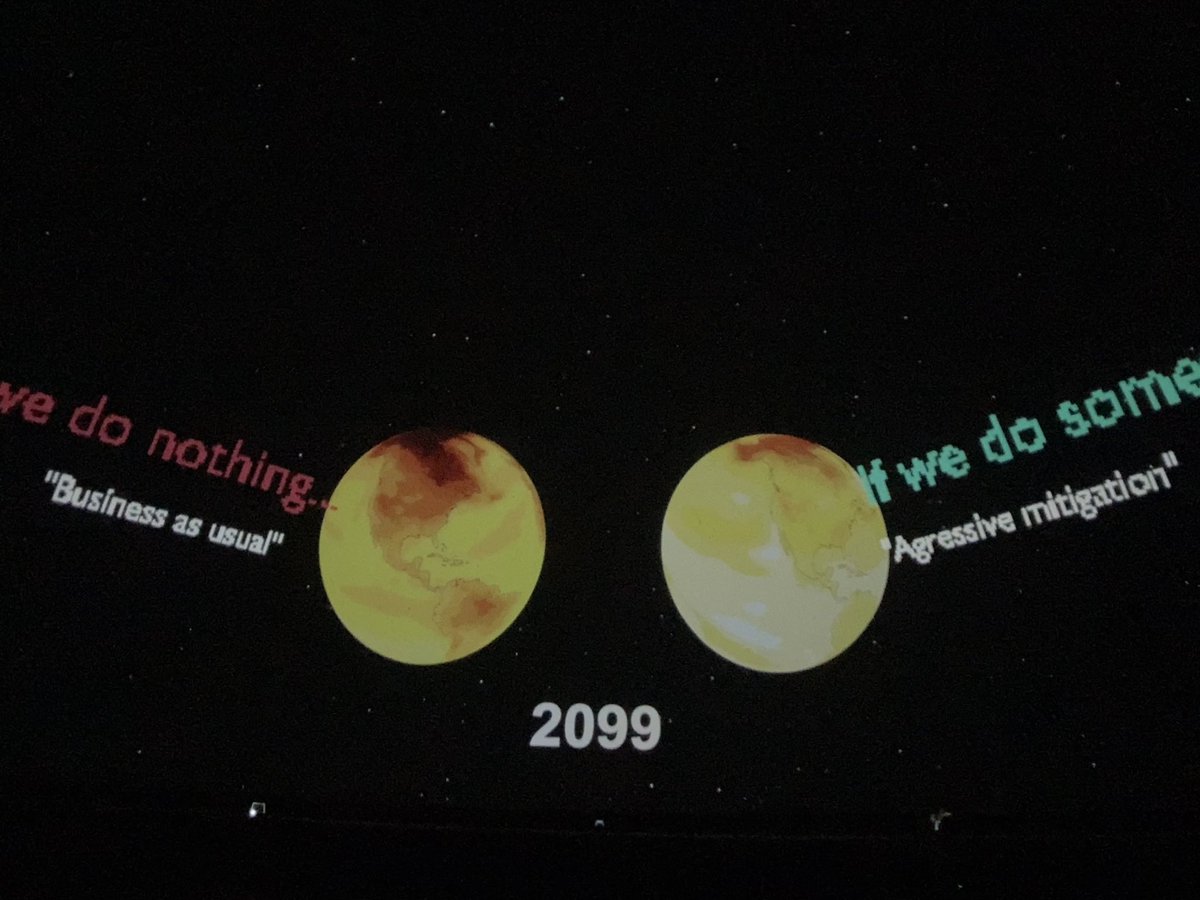
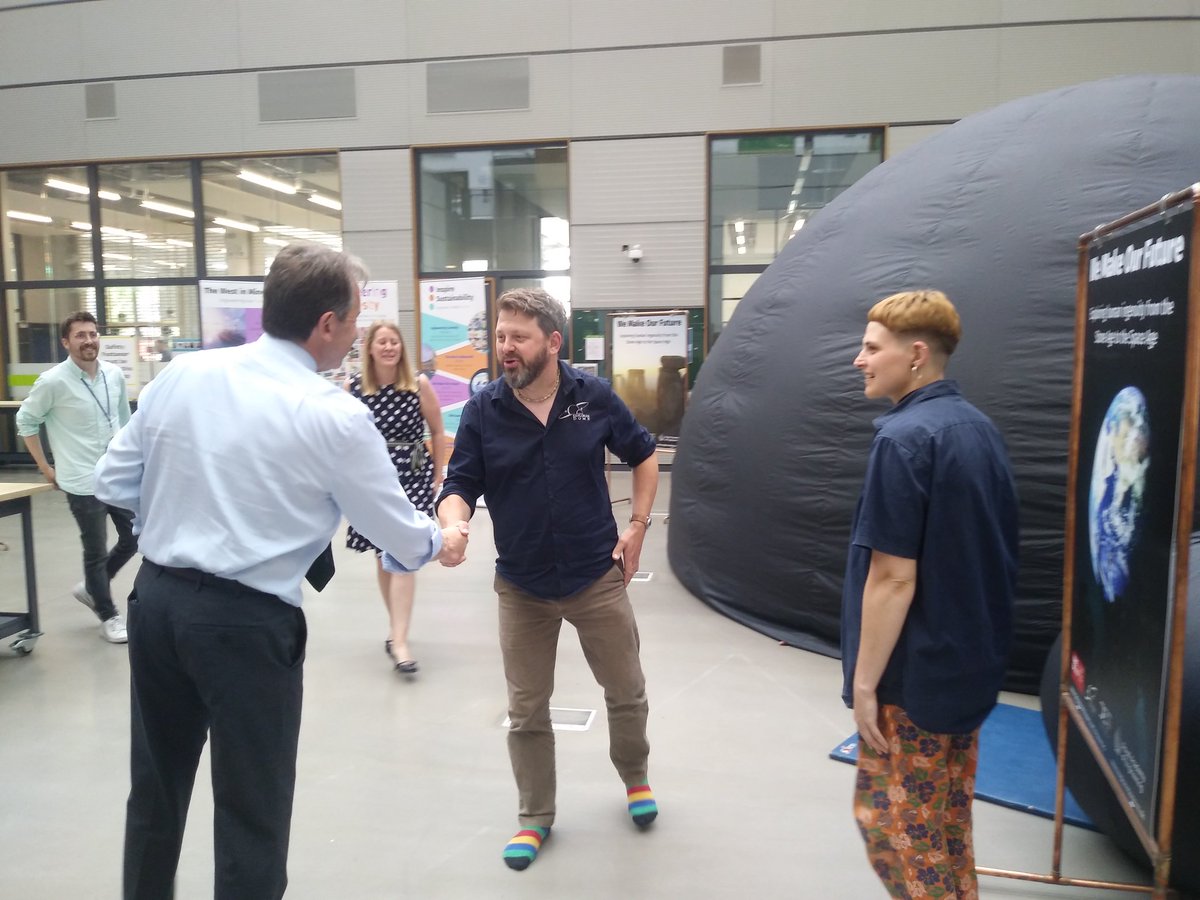
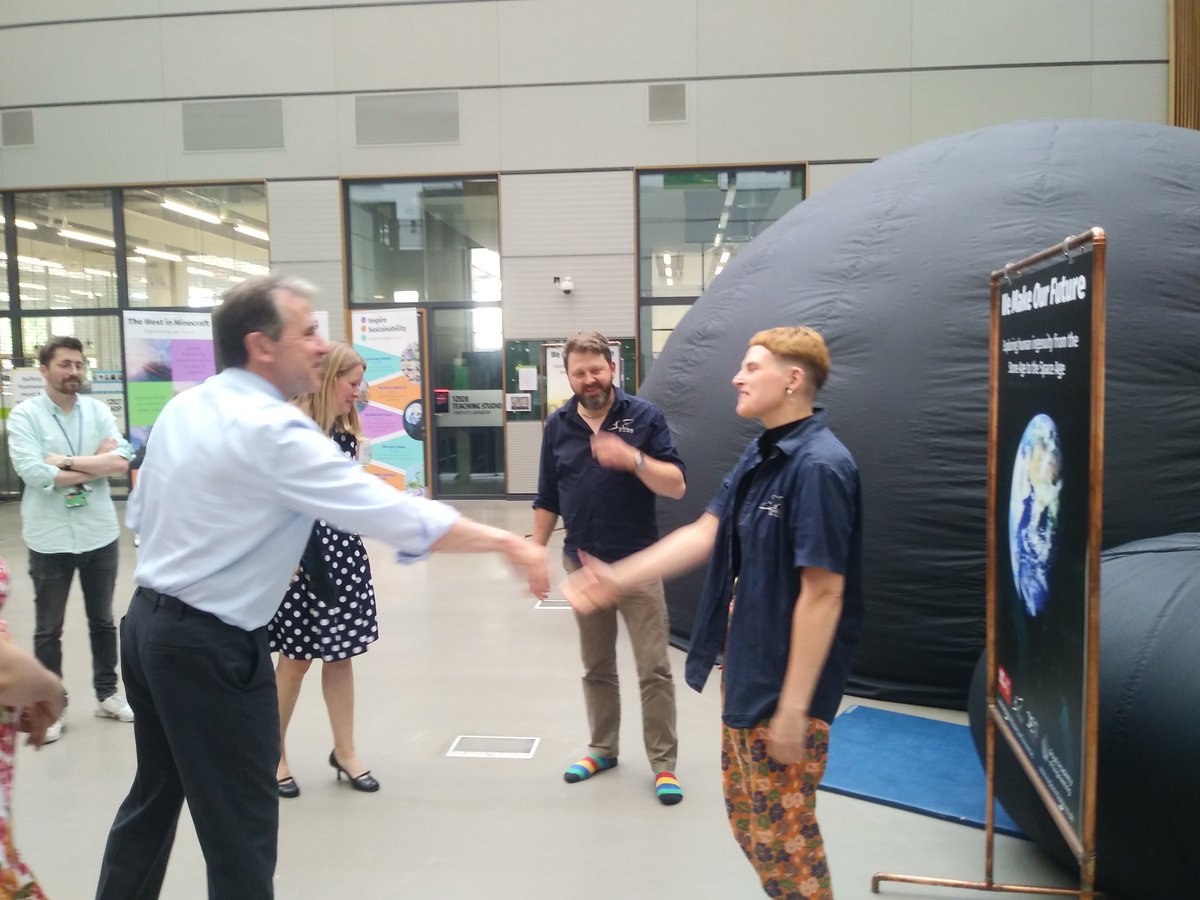
@WestofEnglandCA mayor @votedannorris meeting @ExplorerDome's Ellie and Josh today @UWEBristol's Green Skills showcase. Just going into the dome to watch a snip-it of @DigitalDeti funded We Make Our Future show - inspiring children engineer a better future @UWE_Research