
$BSV is Bitcoin 🥒 God is within us. Faith restored.
Joined December 2025
- Tweets 5,850
- Following 166
- Followers 312
- Likes 12,567
1,080 Photos and videos


Pinned Tweet

Feb 14
“Man is his own star; and the soul that can
Render an honest and a perfect man,
Commands all light, all influence, all fate;
Nothing to him falls early or too late.
Our acts our angels are, or good or ill,
Our fatal shadows that walk by us still.”
-a smarter man than me
2
1
23
2,207
Express retweeted

“Morning Sir we’ve had reports you’ve been scrolling X without signing in with your Digital ID Sir it’s not mandatory to Sir you are within Your Rights not to Sir just it’s going to be difficult to find gainful employment if you don’t sign in Sir it’s to Protect Our Kids see Sir”
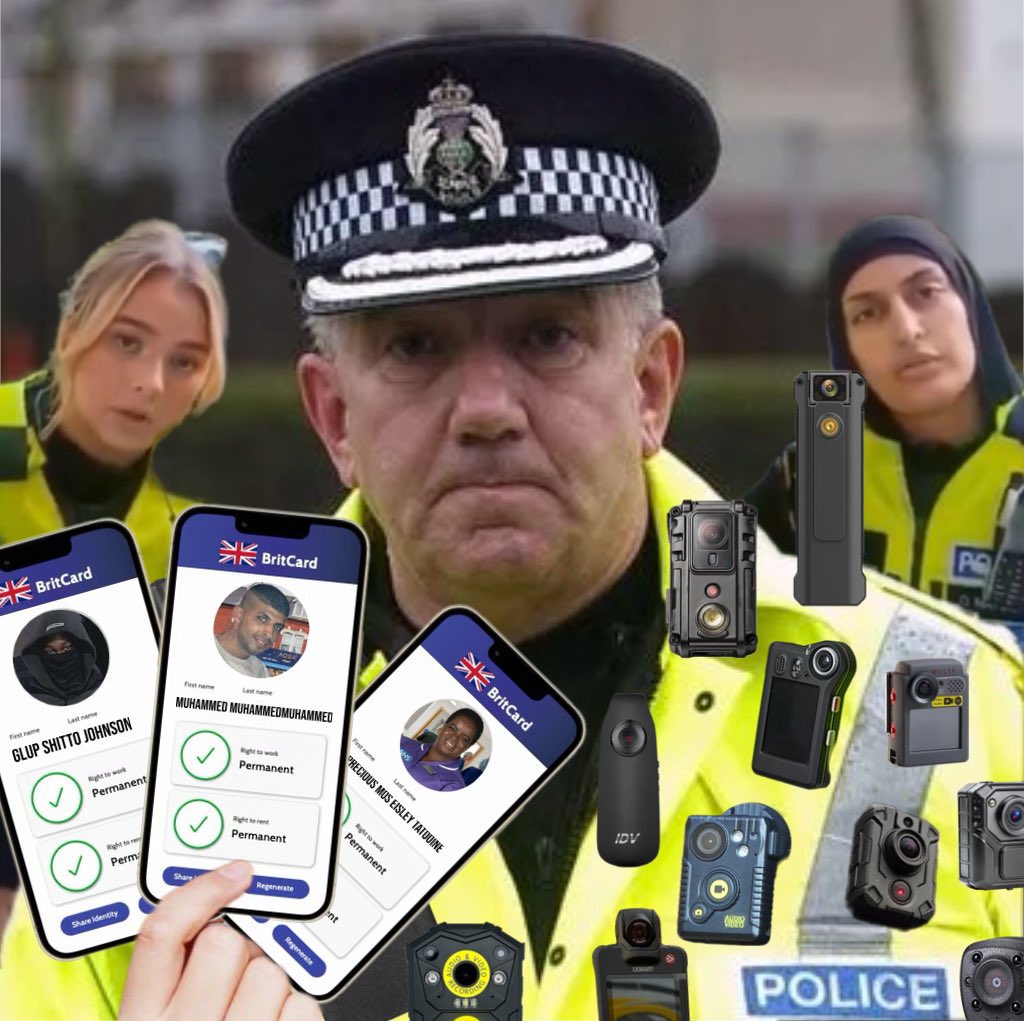

JUST IN: UK Government clarifies adults will still be able to use social media by verifying their identities with digital IDs, facial recognition, passports and credit cards.
16
87
833
20,190
Express retweeted

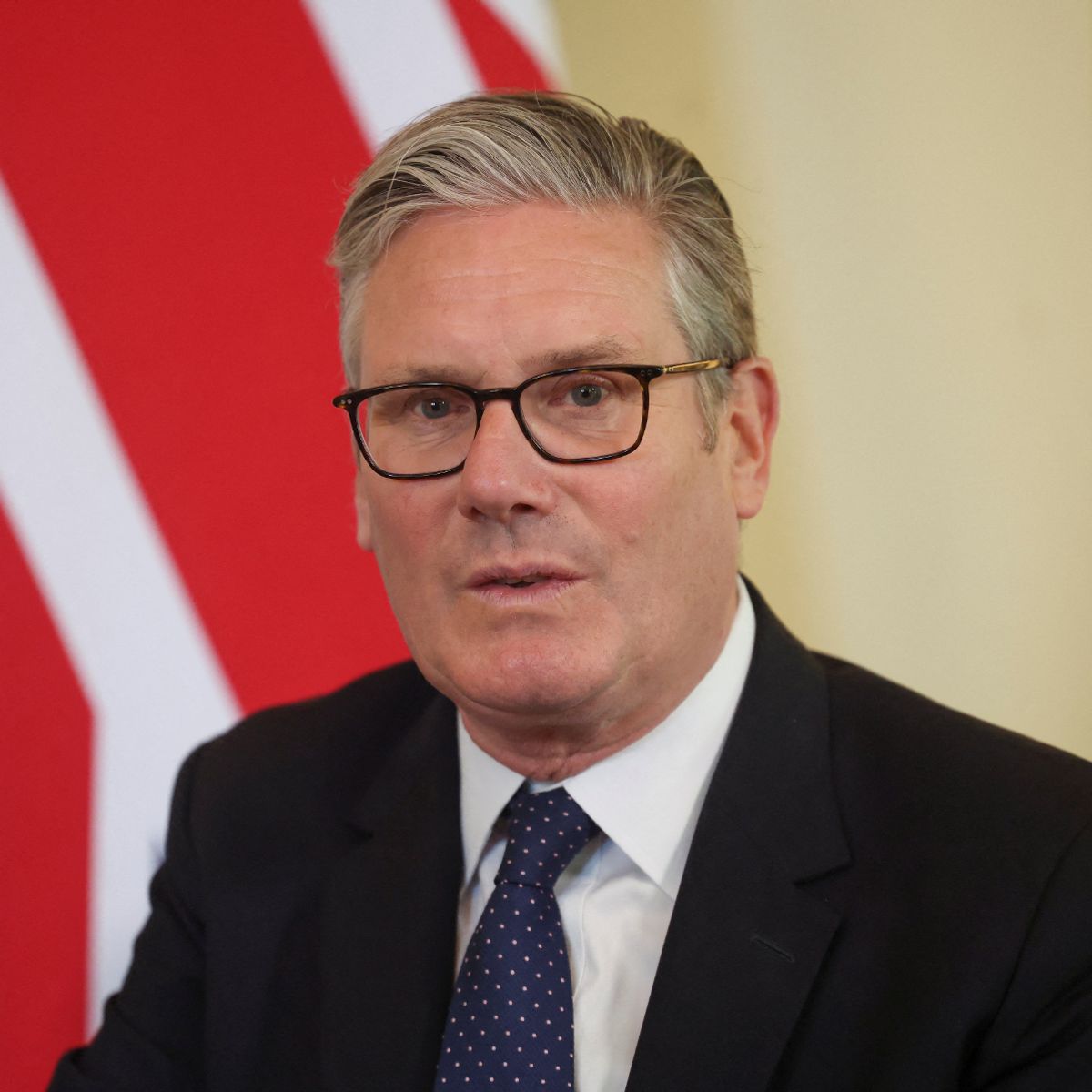
Sixteen Year Olds Get the Vote. They Do Not Get X.
Today Keir Starmer announced a ban on under-16s using ten social media platforms. TikTok, Instagram, Threads, Facebook, X, YouTube, Snapchat, Reddit, Twitch and Kick. Bluesky is not on the list. Neither is Discord.
This matters because of what we know about both platforms, and because of what Australia did about one of them. Bluesky has publicly acknowledged a "predictable uptick" in child sexual abuse material as its user base grew, serious enough that it partnered with the Internet Watch Foundation to deal with it. Discord was the subject of an NBC News investigation that found hundreds of active servers being used to groom and exploit children, a finding its own chief executive called "horrifying." The Australian government, the model Britain says it is following, agreed with that assessment of Bluesky. It was added to the restricted list there in November 2025, with the same minimum age of 16 that applies to the rest of the ban. The UK's preliminary list does not include it.
This is not a case of Britain simply replicating that approach. The policy has been described as "Australian-style" and "Australia-plus," going further on curfews and chatbot restrictions than the original. On the one platform with a documented child safety problem that the original restricted, Britain has chosen to diverge. That is not an oversight in a policy carefully benchmarked against another country's model. It is a choice.
X, meanwhile, made the list. The government itself uses X. So do the Green Party, the Liberal Democrats and Your Party. None of them are leaving the platform, yet figures from all four have called for tighter restrictions on it or for it to be banned outright. What changed is not who uses the platform but what gets said there and who says it. Footage of the Belfast stabbing first spread on X to millions of people within an hour of it happening. The government's record on immigration, asylum and policing is challenged there daily, by people it cannot easily silence. Bluesky, by contrast, has become known as a space where that kind of challenge is rare. The platforms are not being separated by risk to children. They are being separated by how comfortable the political class is with what gets said on each.
A government can claim this is coincidence once. The pattern across this entire policy says otherwise. Yesterday it emerged the announcement had been brought forward by weeks. Ian Russell, Molly Russell's own father, could identify no reason for that beyond the Makerfield by-election. Today it emerges the platform list does not track the evidence of harm, even when that evidence comes from the government's own template. Reem Ibrahim of the Reason Foundation has already asked the obvious question. Is this overt political censorship. Sources tell the Guardian the government may face judicial review over precisely this inconsistency.
Then there is the contradiction nobody in government has addressed. Starmer has discussed extending the vote to sixteen and seventeen year olds, on the basis that they are mature enough to weigh arguments and choose a government. The logic of this ban is that the same sixteen year olds cannot be trusted to read X without the state intervening on their behalf. A government that believes both of these things at once does not have a coherent theory of childhood. It has a theory of which platforms it would prefer young voters not to encounter before an election.
The timing was political. The platform list, sparing on its own template's terms the platform that most deserved scrutiny, is harder still to explain. This was never only about Molly Russell and child safety. It is about who gets to talk to whom, and when, in the run-up to an election this government is increasingly afraid of losing.
"Bluesky has publicly acknowledged a "predictable uptick" in child sexual abuse material as its user base grew"
3
55
137
1,357


Express retweeted

It’s not lost on me that Social Media bans were never really seriously discussed until public opinion on a certain country started rapidly changing 😂
48
1,820
12,109
322,191
Express retweeted

My cousin visited from Manchester last week.
During tea I spotted it.
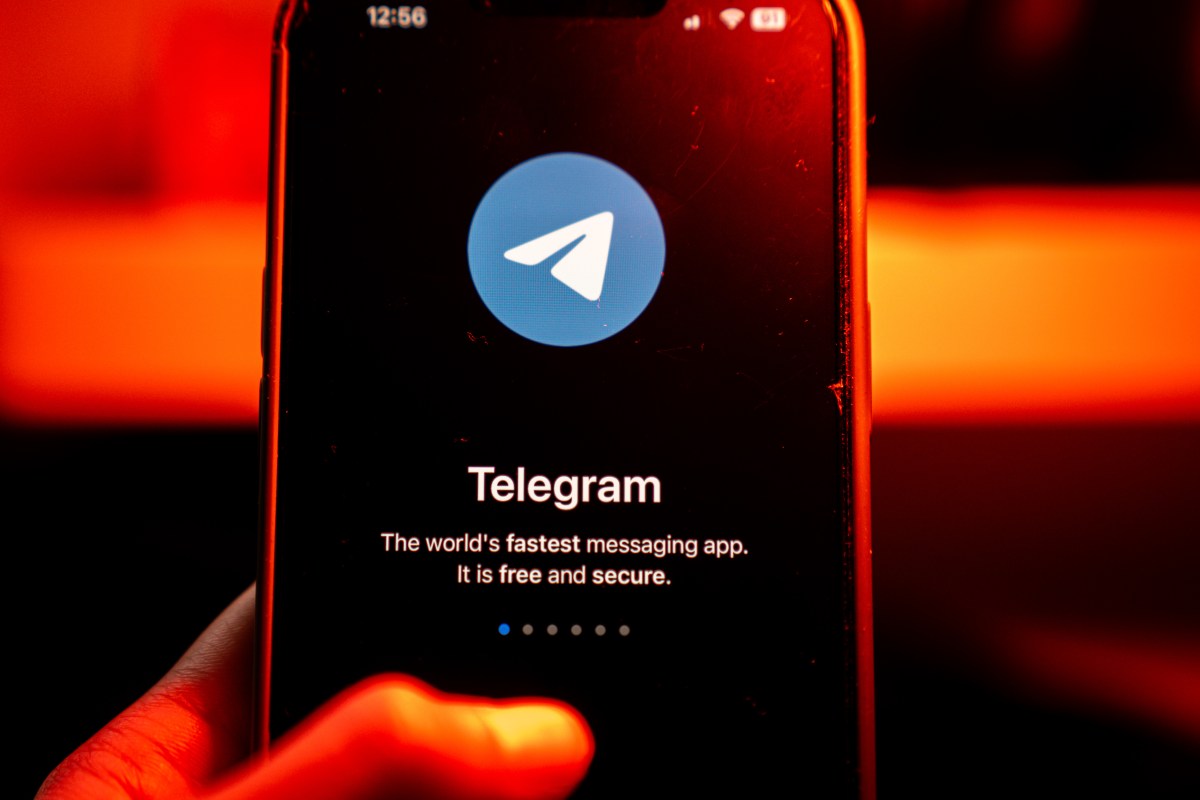
Telegram app on his home screen.
"What's that for?" I asked casually.
"Oh just a group chat with some mates, we share funny stuff about the new laws"
Funny stuff?
About the laws?
I nodded and offered him another biscuit.
Then I excused myself to use the toilet.
Called the Ministry hotline from the bathroom.
Provided them with his full name.
When I returned he was showing my mum a deepfake of Starmer.
She was laughing.
I was documenting the evidence.
Officers arrived before he could finish his biscuit.
Absolute wolly.
19
20
142
12,629
Express retweeted

Reminder.
A social media ban was NOT in Labour's 2024 Manifesto.
Neither was Digital I.D.
Oh, or State Suicide.
Or binning the two child benefit cap.
55
1,147
6,946
67,586

Express retweeted

Original logo - Original code - Original Bitcoin
1
1
32
Express retweeted

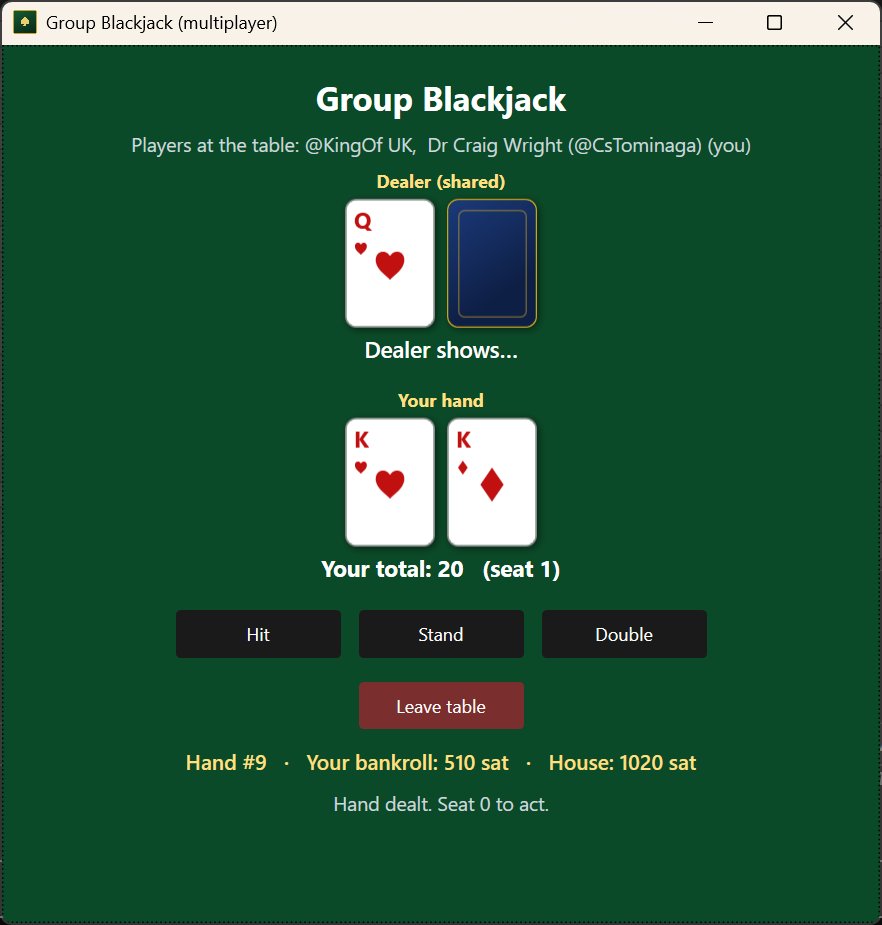
As a PoC - It is up.
13
37
163
2,823
Express retweeted
It's to get a face scan of everyone proving they're over 16 for the Palantir database.
3
3
20
177
Express retweeted
5
11
125

Express retweeted

All the nonces on Bluesky tonight
Jun 14

🚨NEW: Bluesky will not be included in the under-16s social media ban
23
529
10,418
241,777
Express retweeted

Irish people are white end of story.
76
116
2,743
28,201
Ban women from social media too please @Keir_Starmer

Age checks don’t require a full digital ID rollout you twat.
17
The face of a man that’s spent a year locked in his mums basement at his computer insider trading the markets for his corrupt father.
18
