
Eycore is a Polish deep-tech company designing & manufacturing advanced SAR payloads and satellites for governments and private sector clients worldwide.
Joined April 2026
- Tweets 29
- Following 51
- Followers 333
- Likes 26
17 Photos and videos

Eycore retweeted

Jun 11
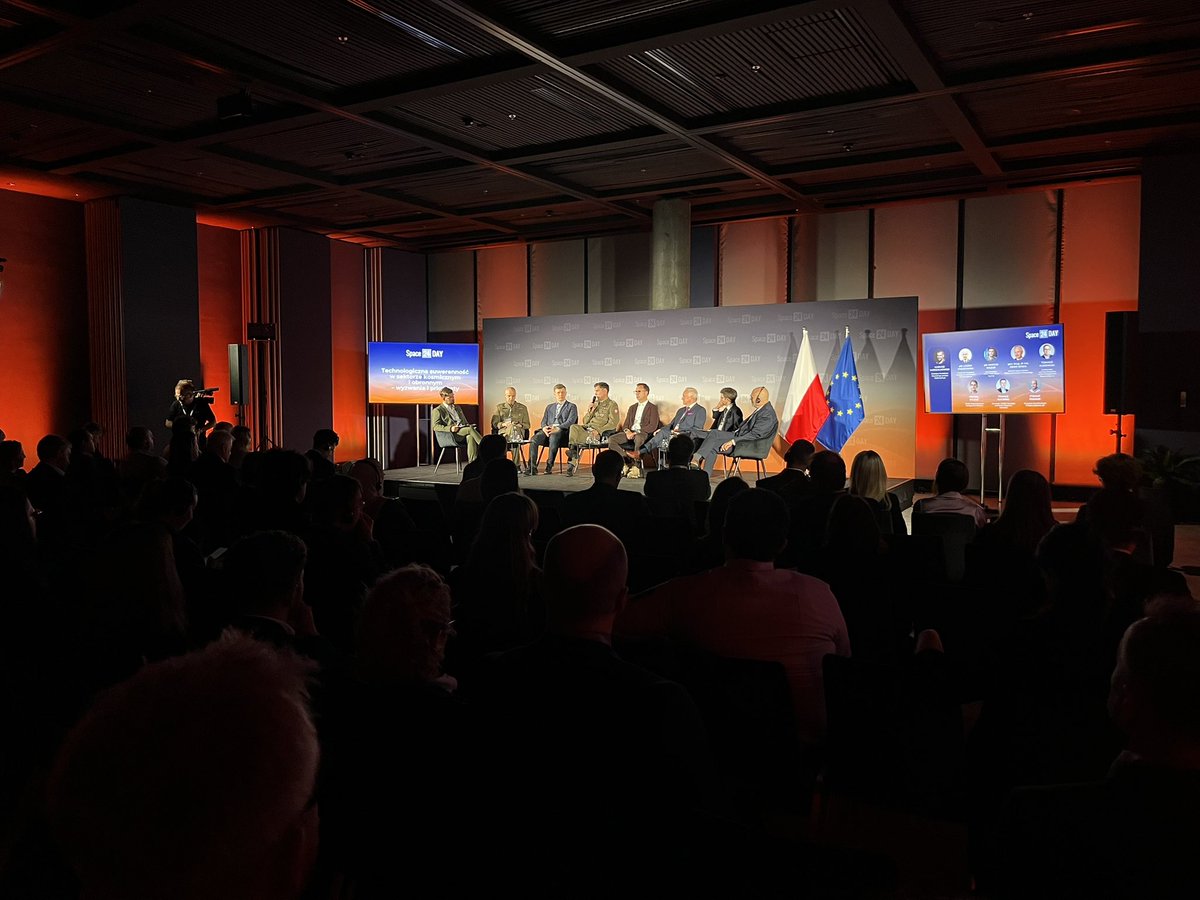
Na #Space24Day rozpoczął się II panel dyskusyjny poświęcony technologicznej suwerenności w sektorze kosmicznym i obronnym. Eksperci będą rozmawiać o kluczowych wyzwaniach oraz priorytetach dla rozwoju krajowych kompetencji i technologii.
W dyskusji moderowanej przez red. @MJMarszalkowski biorą udział:
• Płk Marcin Mazur, Wiceprezes @POLSA_GOV_PL
• Michał Bylicki, @CloudFerro
• Tomasz Kuciński, @astronika_space
• Tomasz Kusowski, @Eycore_PL
• Płk Leszek Paszkowski, Agencja Rozpoznania Geoprzestrzennego i Usług Satelitarnych
• Gen. bryg. dr inż. Adam Sowa, @WAT_edu
• Itamar Shahar, Chief Programs Officer, @ImageSatIntl

1
7
15
2,407

Jun 11
Core values of European space sovereignty in action! 🌌🛰️
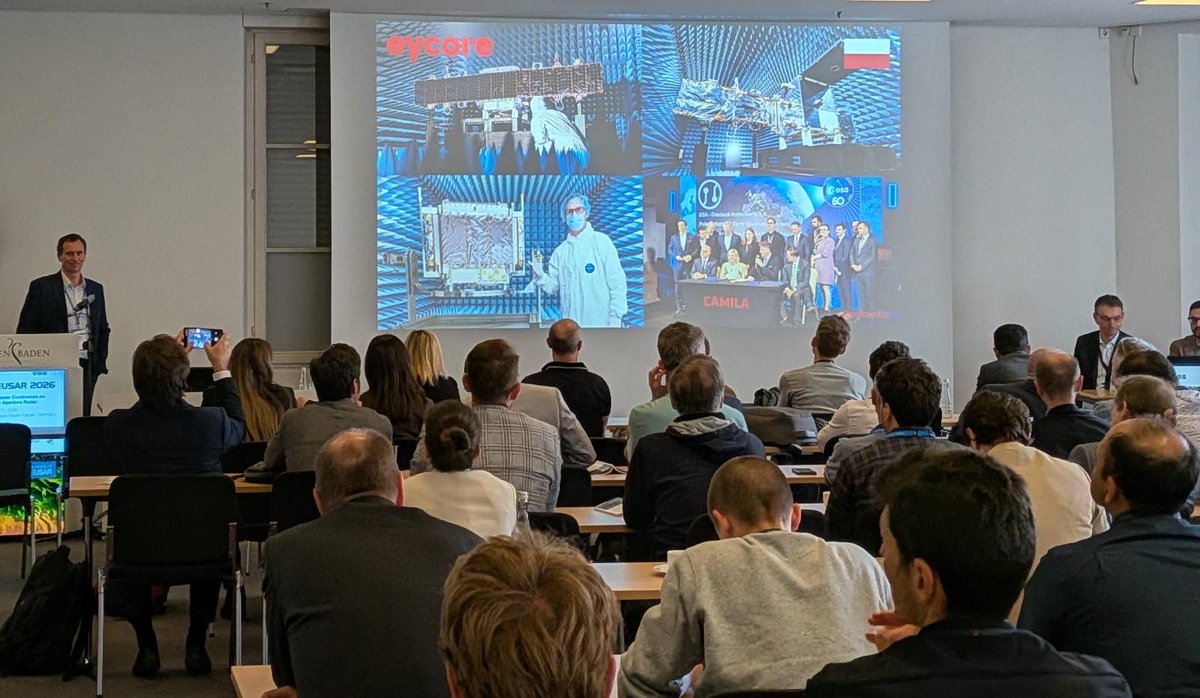
On June 9, 2026 at #EUSAR2026 in Baden-Baden, #Eycore's co-founder and CEO Maciej Klemm presented “SAR Mission & Payload for the Polish Camila Programme” - showcasing our latest advanced radar innovations for #Newspace .🚀
2
8
705
Eycore retweeted
Jun 9
Już za dwa dni spotykamy się na Space24 Day 🚀
Wśród tematów dyskusji znajdą się kluczowe wyzwania i priorytety związane z budowaniem suwerenności technologicznej w sektorach kosmicznym i obronnym - temat, który dziś nabiera szczególnego znaczenia.
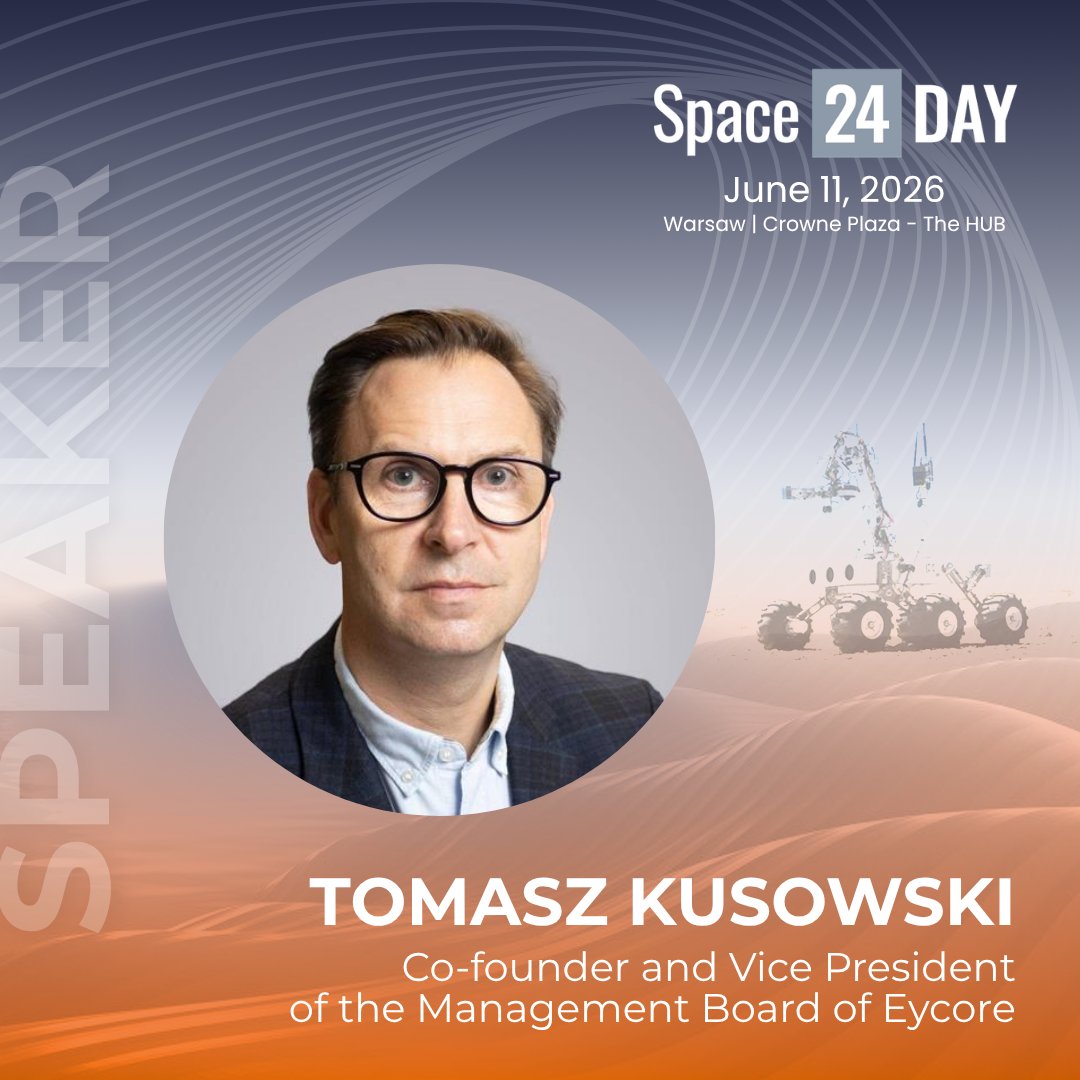
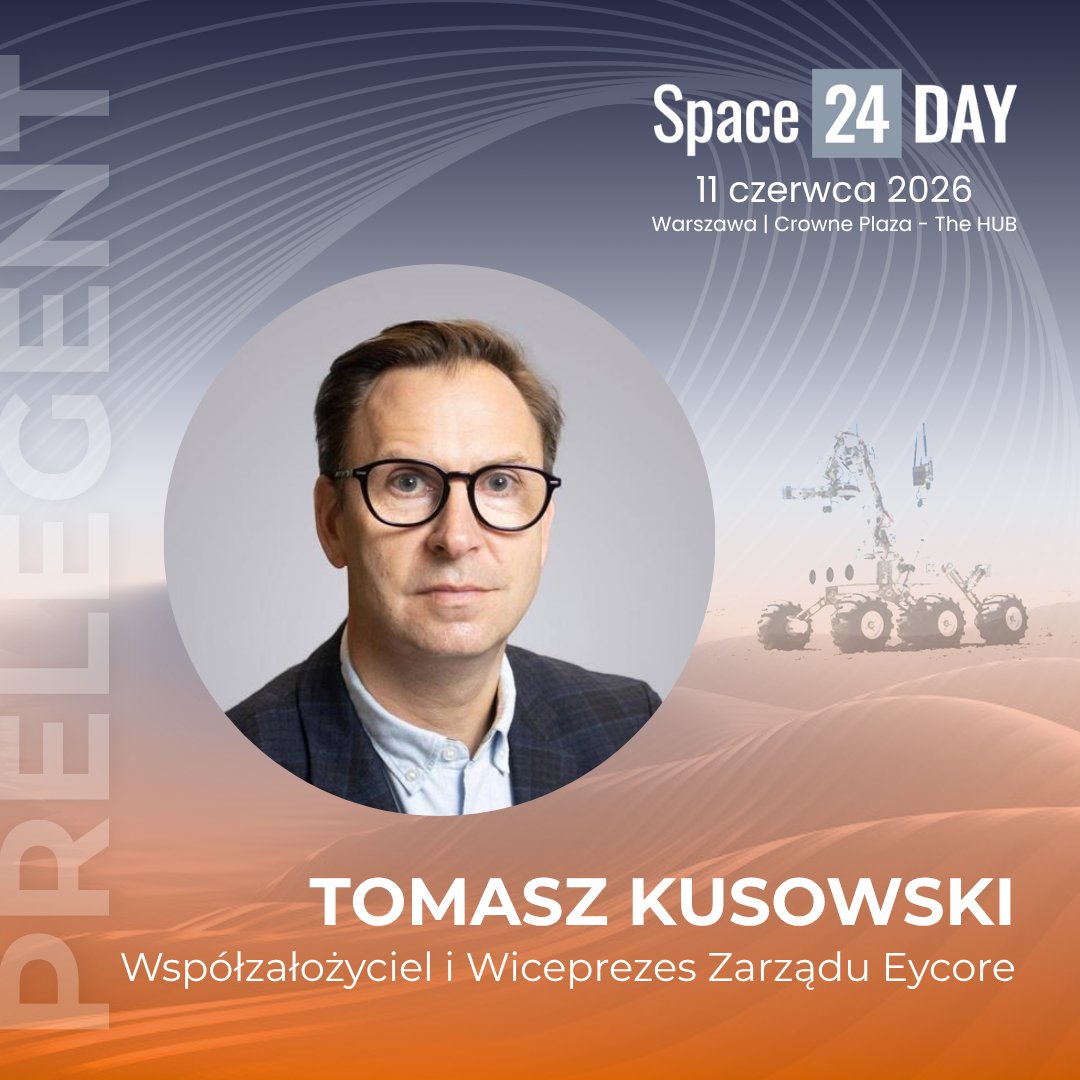
W panelu udział weźmie Tomasz Kusowski, Współzałożyciel i Wiceprezes Zarządu @Eycore_PL .
Do zobaczenia na Space24 Day!👋
2
8
577
Jun 10
The inaugural edition of #Space24Day is happening on June 11❗️🌍 👉 Tomasz Kusowski, Co-Founder and #VP of @Eycore_PL , will participate in sessions on technological sovereignty and the strategic priorities of the space sector 🚀
#SpaceTech #DefenceTech
1
3
197
May 27
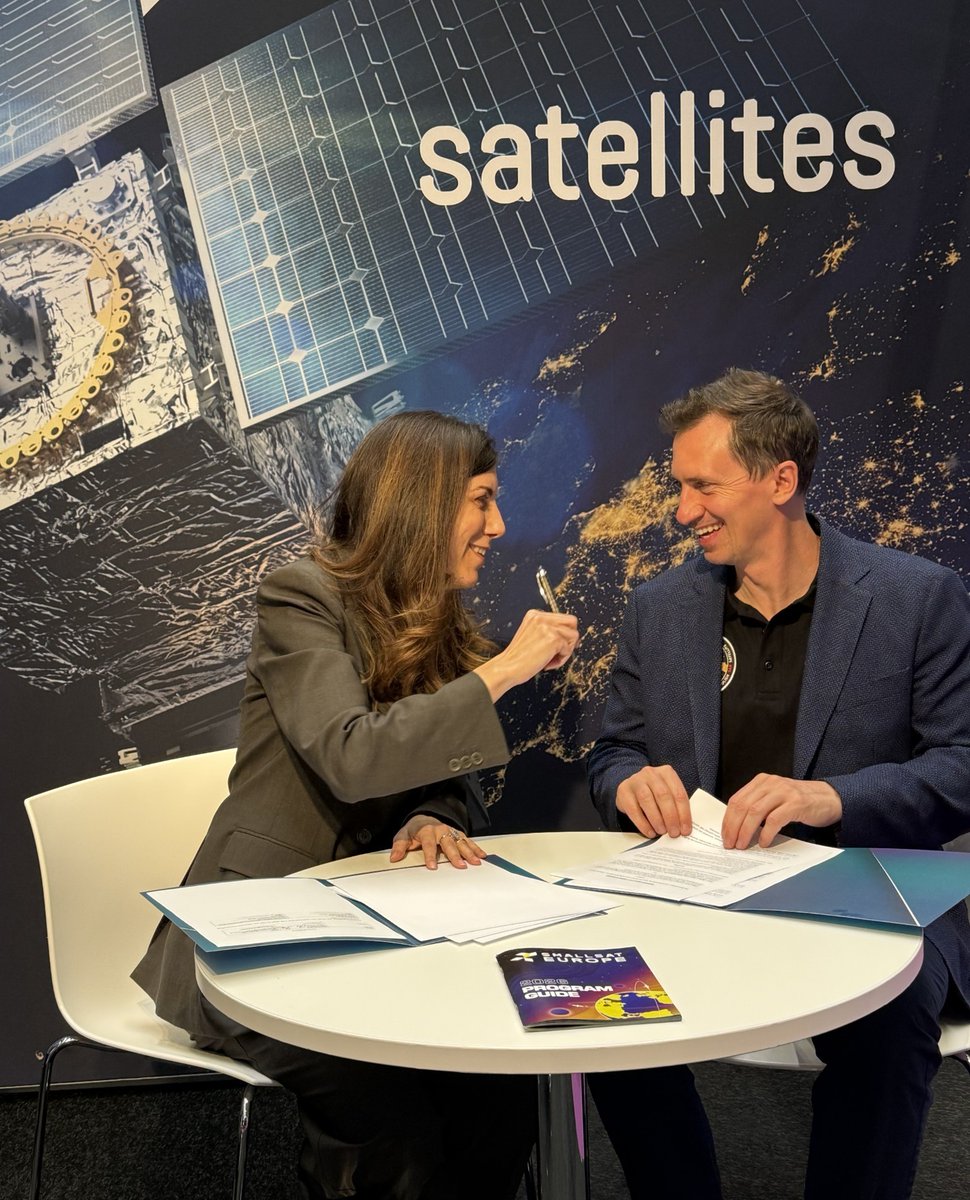
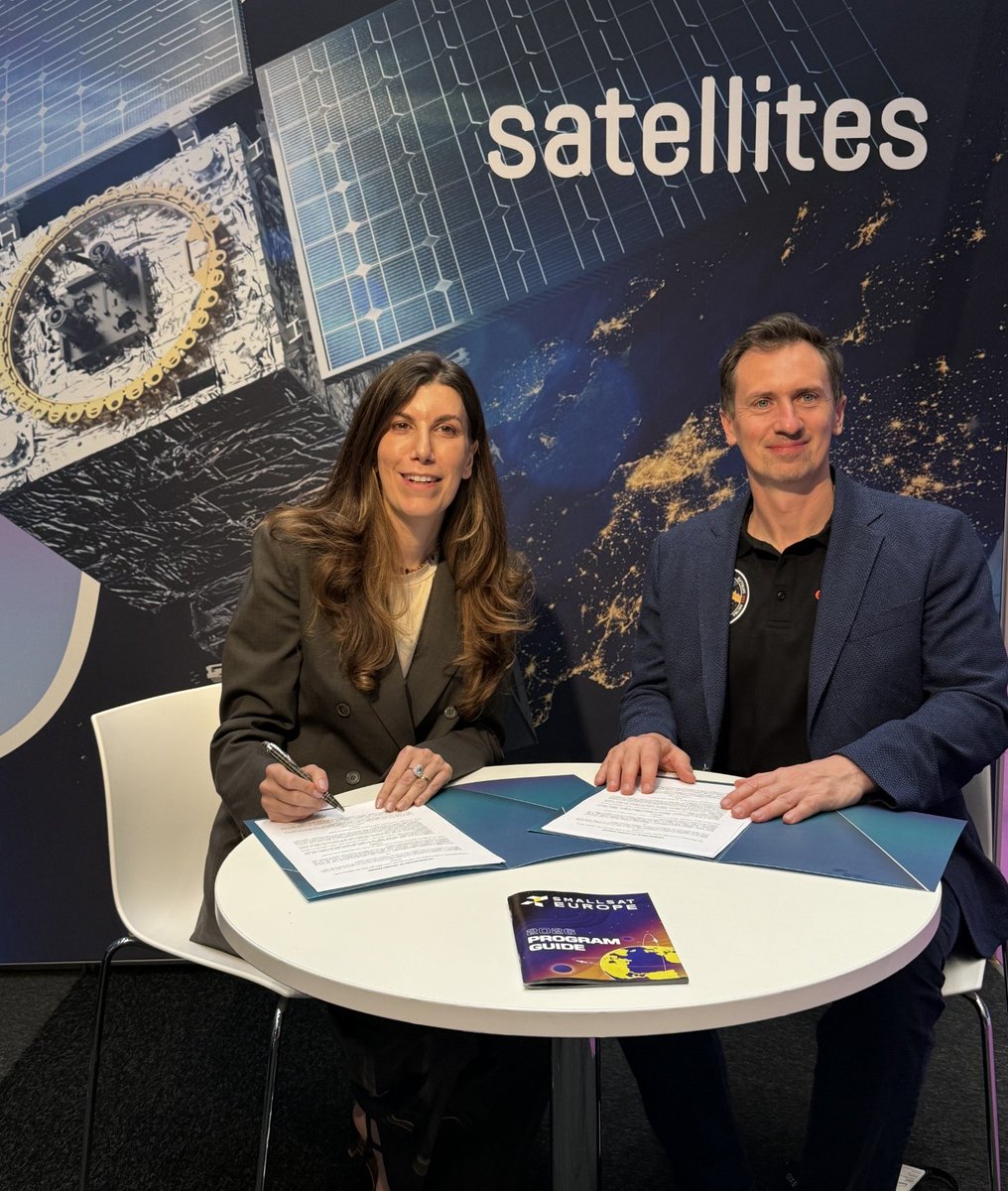
🚀 #EYCORE at #SmallSat2026 in Amsterdam❗️
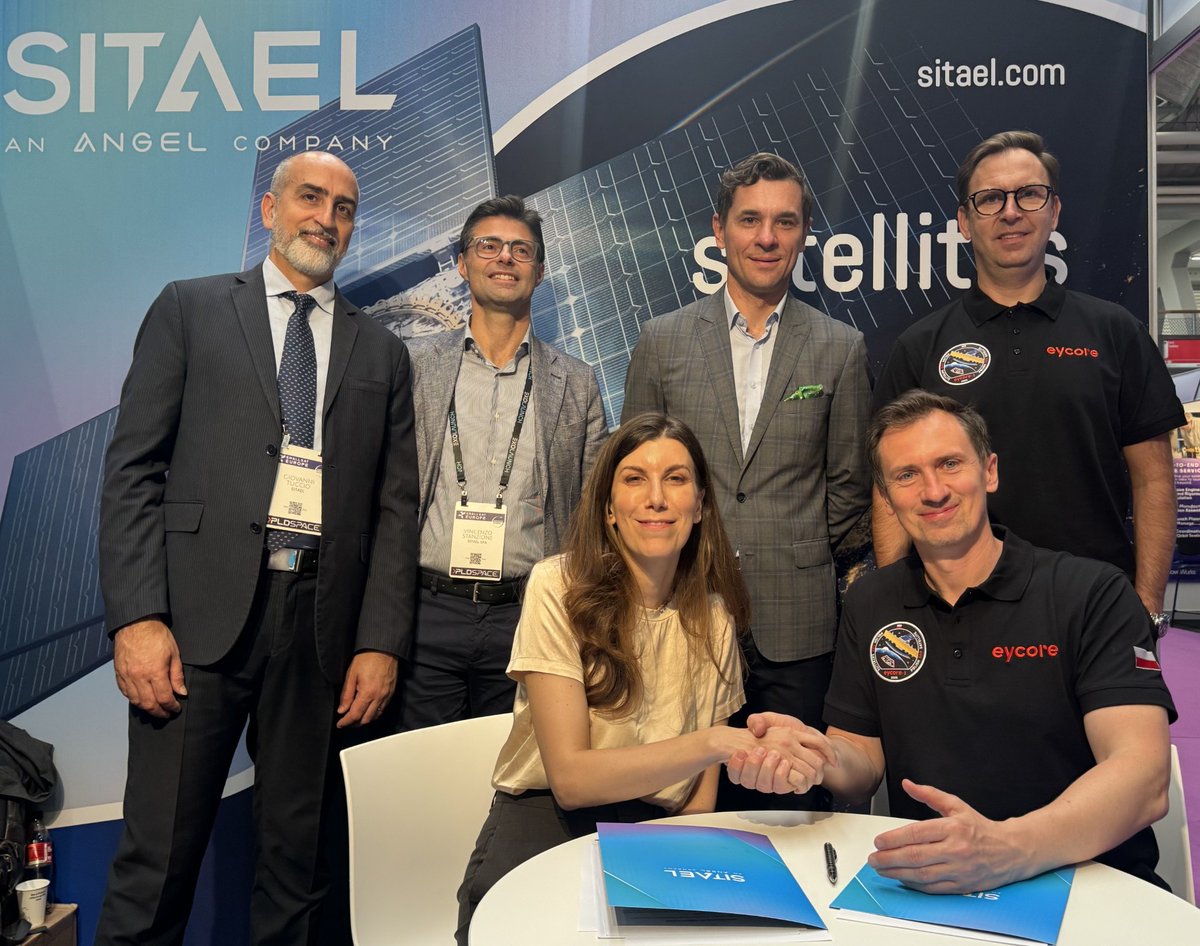
Our presence resulted in a new MoU with the Italian company @SITAELspa 🤝 Together, we will explore opportunities for joint development of integrated #SAR satellite systems and comprehensive “end-to-end” solutions.
#SpaceTech #SAR
1
4
251
Eycore retweeted
May 27
Technologie przyszłości spotykają się na Space24 DAY 🚀
🇵🇱@Eycore_PL to polska firma rozwijająca zaawansowane technologie radarowe SAR wykorzystywane w obserwacji Ziemi oraz sektorze kosmicznym🛰️
Cieszymy się, że #Eycore dołącza do grona partnerów #Space24Day. Witamy na pokładzie 🤝
2
10
370
May 25
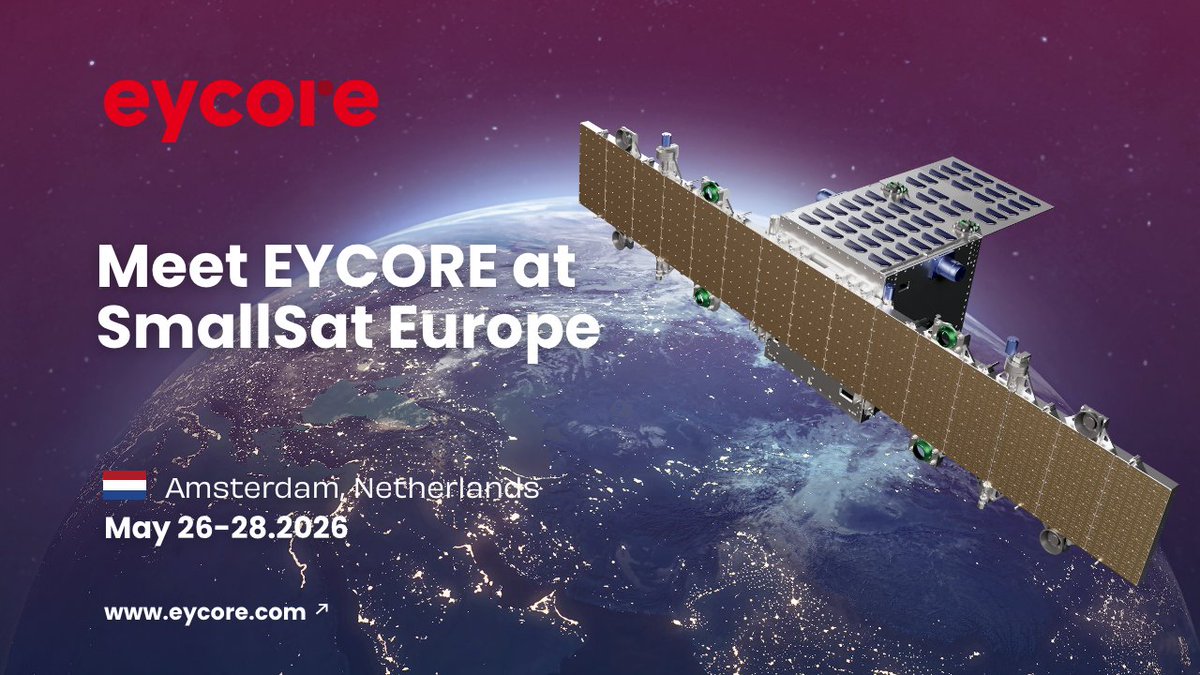
🚀#Eycore is heading to #SmallSatEurope2026 in Amsterdam 🇳🇱, May 26-28!
Our co-founders & board members Maciej Klemm and Tomasz Kusowski will be on-site to discuss the future of all-weather #SAR radar imaging for satellites. 🛰️
Let's connect & explore new partnerships
#SmallSat
1
5
426
May 21
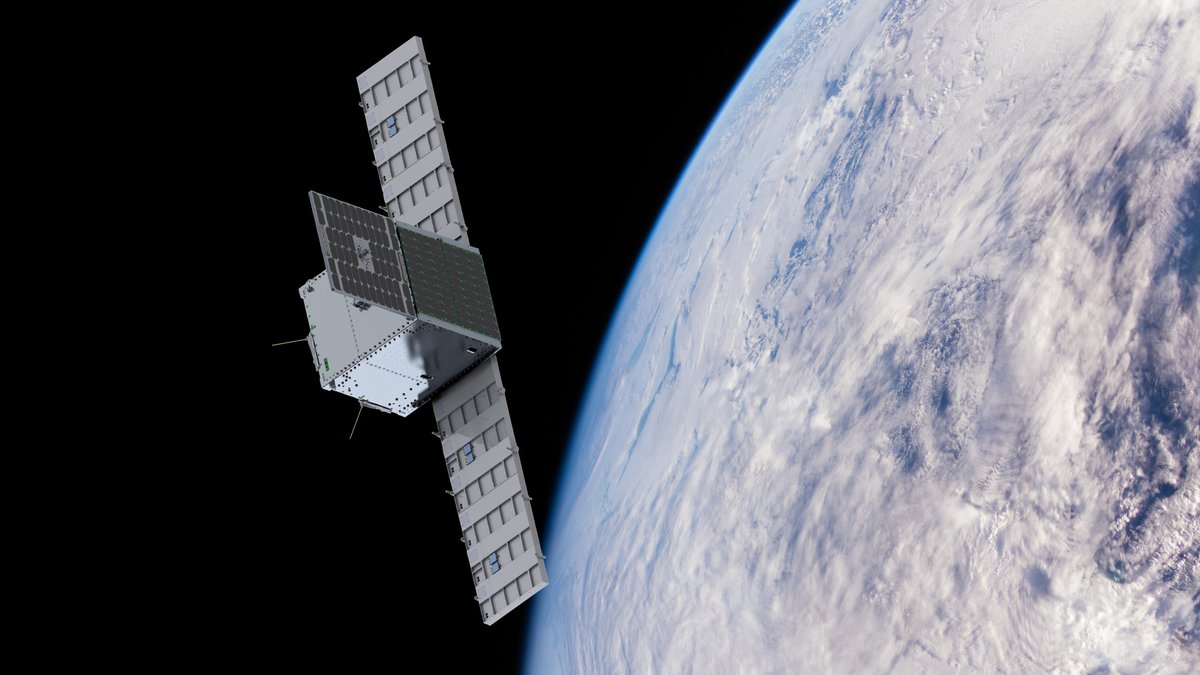
🛰️ EYCORE-1 mission update: Our #SAR antenna deployment sequence was initiated at 07:29 UTC.
Telemetry confirms both wings successfully deployed & latched!
🦾 Huge thanks to @NanoAvionics & @ARQUIMEACenter. Next stop: SAR imaging! 🚀
1
9
28
1,608
May 21
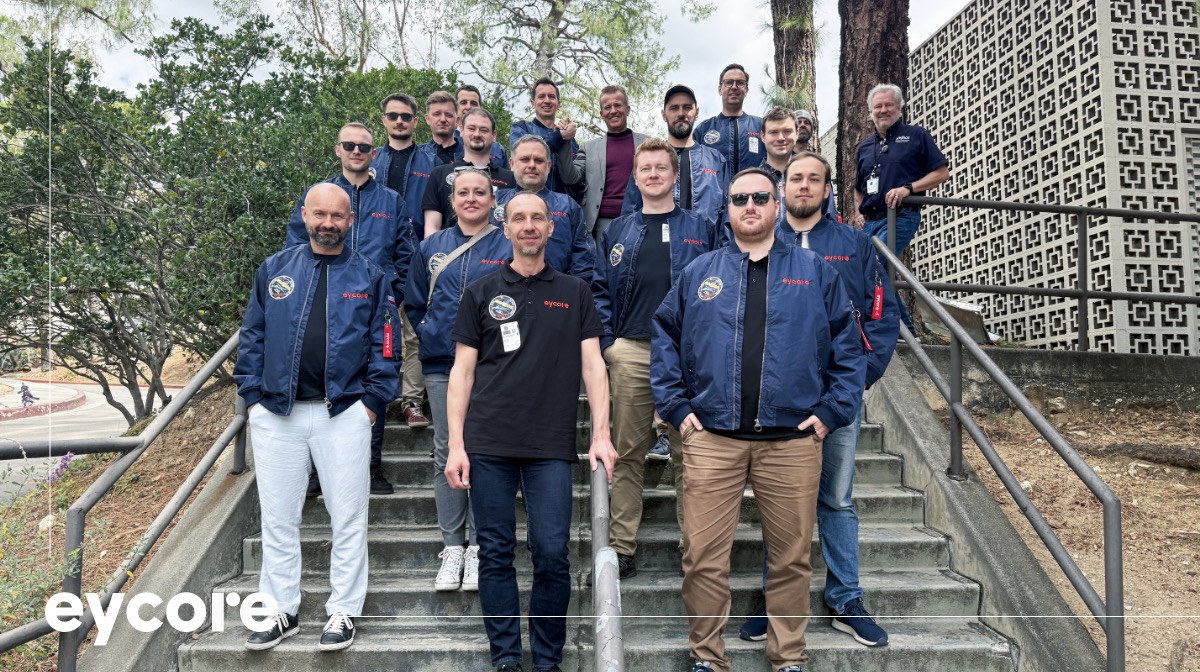
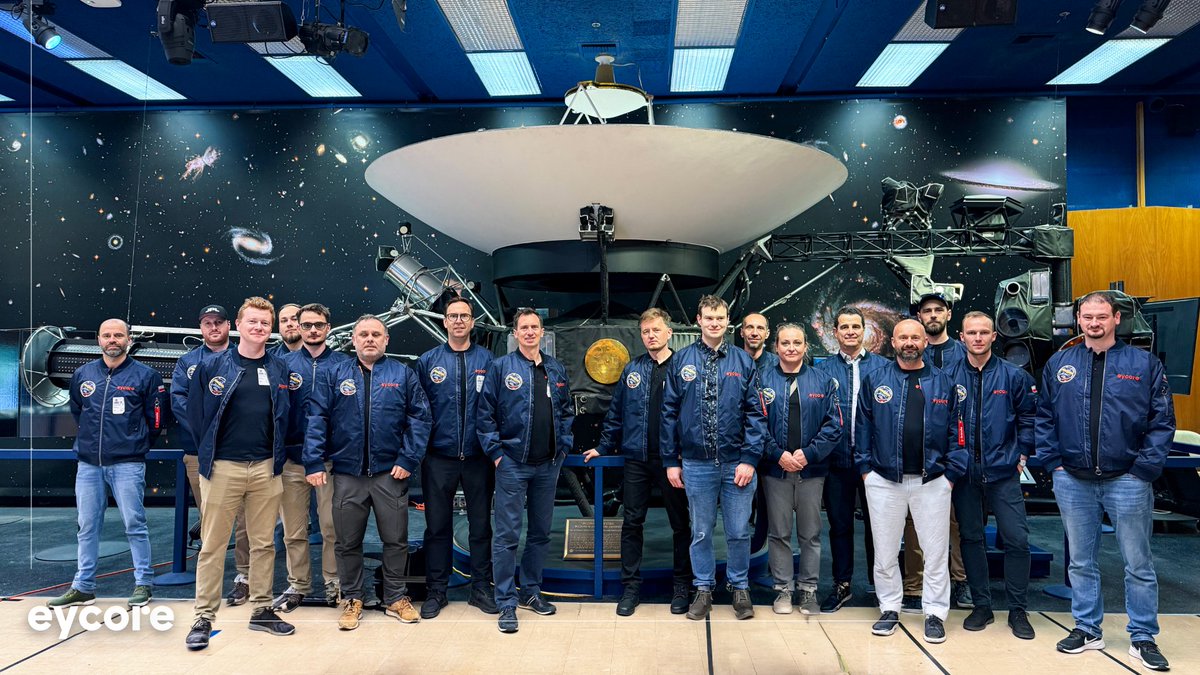
Recently in the USA, where our first #SAR satellite 👉 #EYCORE-1 was launched into orbit, we visited @NASAJPL , where #ArturChmielewski works.
His work inspired the space adventures of #TytusRomekATomek ✍️
#EYCORE #Satellite #NASA #Innovation #Space #SAR
1
1
14
708
May 11
📍Vilnius | #VilniusSpaceDays2026
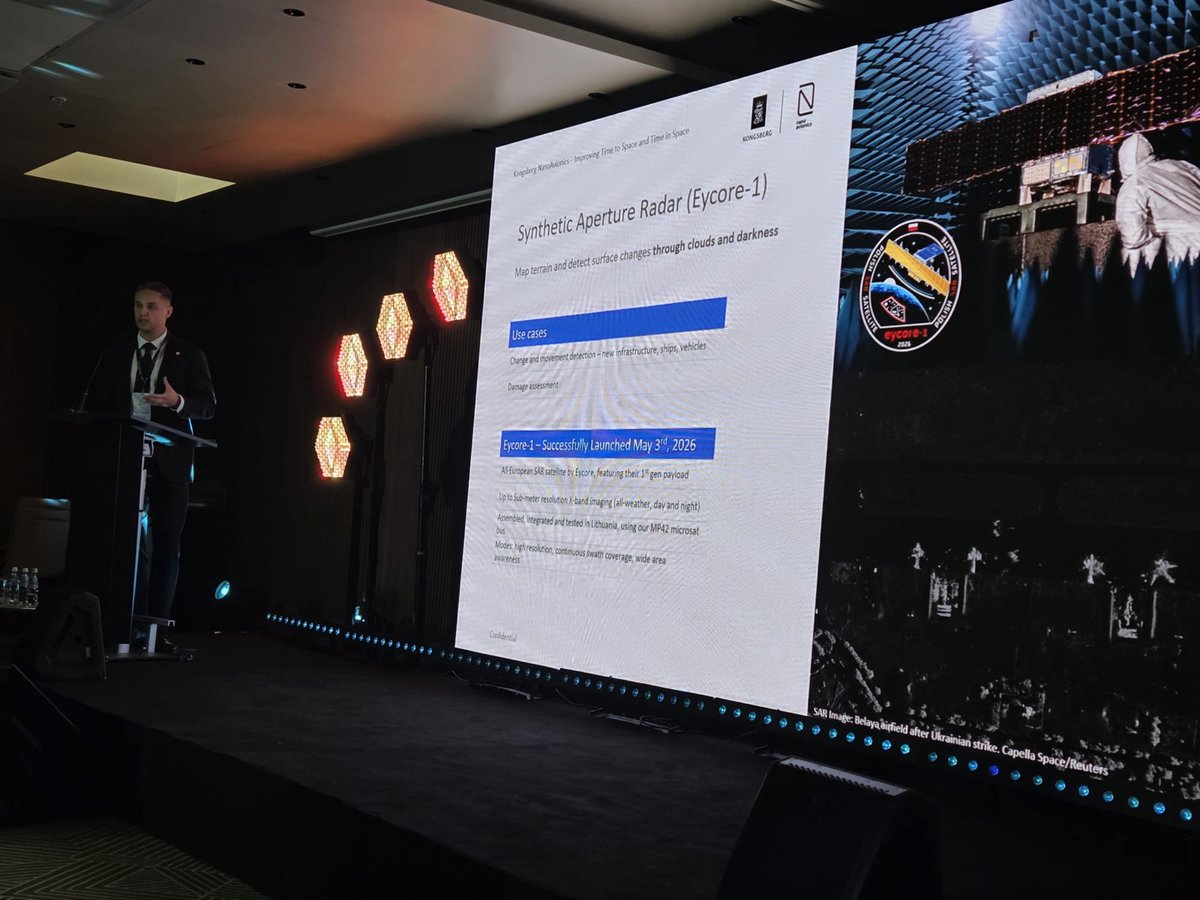
Poland as Guest of Honour, and #EYCORE-1 among the key topics! Together with @NanoAvionics we combine @Eycore_PL 's #SAR technology with a proven satellite platform – a complete market-ready solution in one place.
#EYCORE1 in orbit since May 3

1
4
26
2,548
May 7
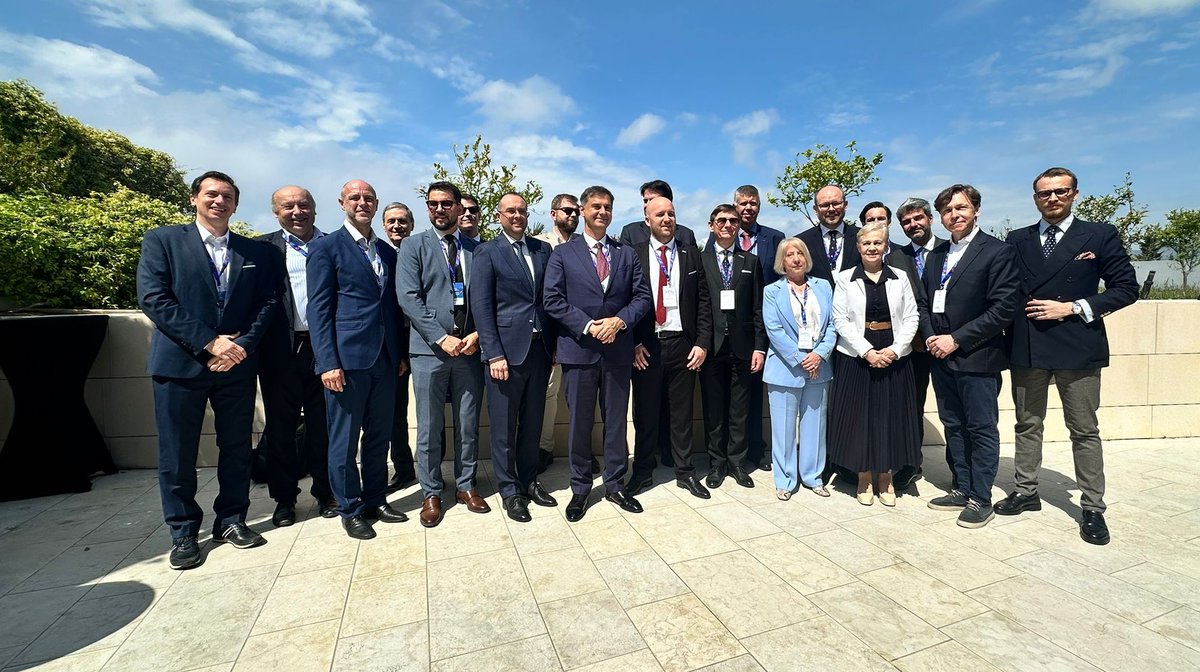
@Eycore_PL is promoting its solutions in Athens in connection with the spending of #SAFE funds by #EU member states. We were part of @magdasobkowiak delegation ❗️
1
9
427
May 6
🚀@Eycore_PL joins a strategic initiative to build a hybrid satellite constellation for the Three Seas region
🛰️Together with partners from six countries, we are strengthening the region’s security 🌍🛡️#EYCORE #SpaceTech #ThreeSeas #EarthObservation #Innovation
1
7
39
722
May 6
Join us at @Defence24Days , the largest defense conference in #CEE, where we are showcasing our #SAR offer 🇵🇱
Come meet our representatives and discuss the #EYCORE1 satellite and our #DualUse technology solutions
#SpaceTech #SAR #Defence24Days #DualUse #Innovation #Defense
2
19
502
Eycore retweeted

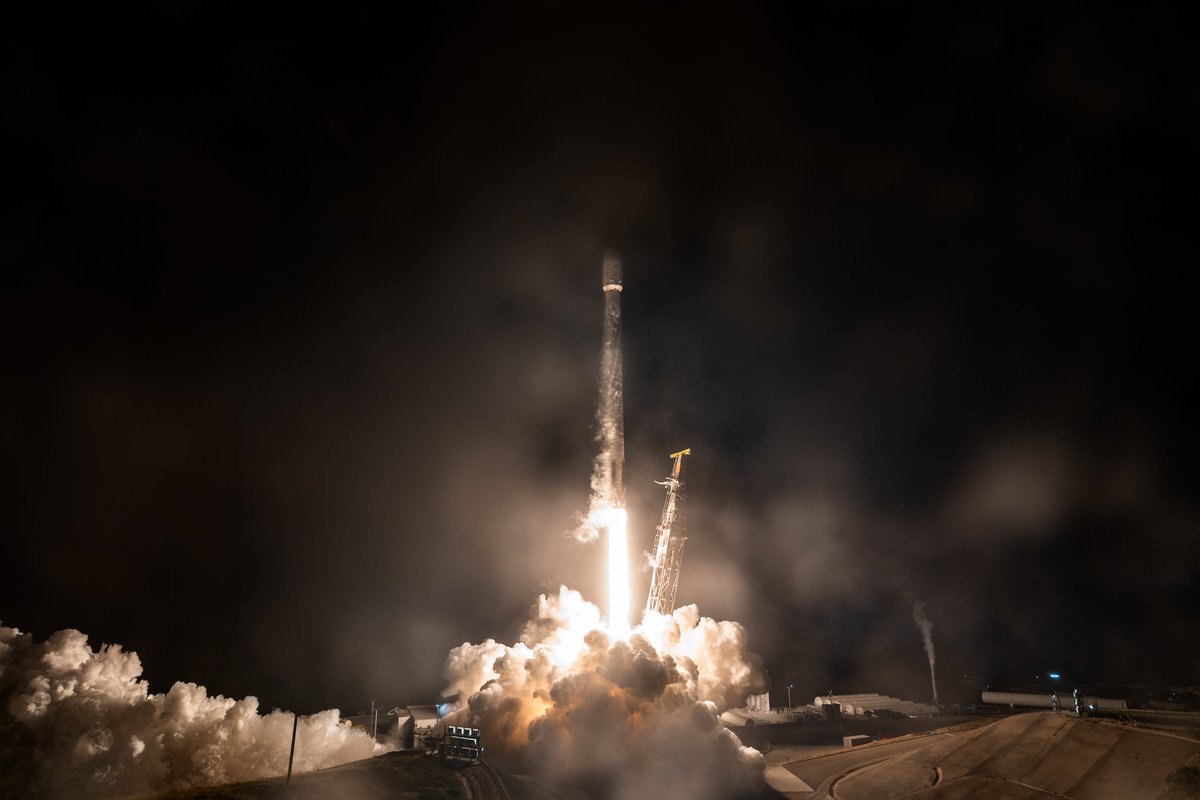
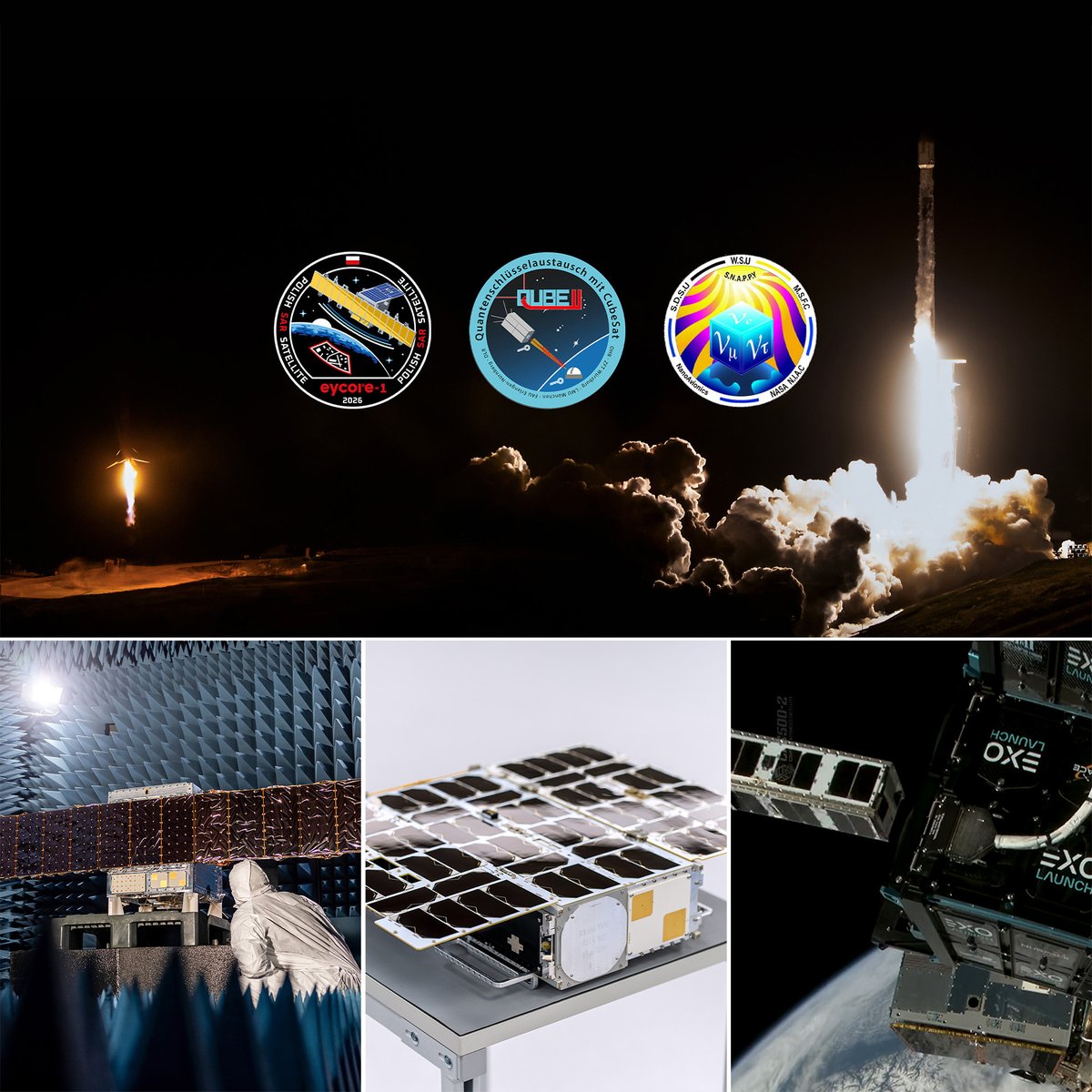
✅ 4th successful launch of the year with 3 customer satellites:
🛰️ Poland’s 1st domestic SAR satellite
🛰️ World’s 1st quantum key distribution CubeSat
🛰️ World’s 1st neutrino detector in space
Following a successful launch on May 3rd, NanoAvionics' mission control established contact with all satellites under its operations on the first attempt.
This continued our 100% first-contact success rate and brought the total number of NanoAvionics-built satellites launched to more than 60.
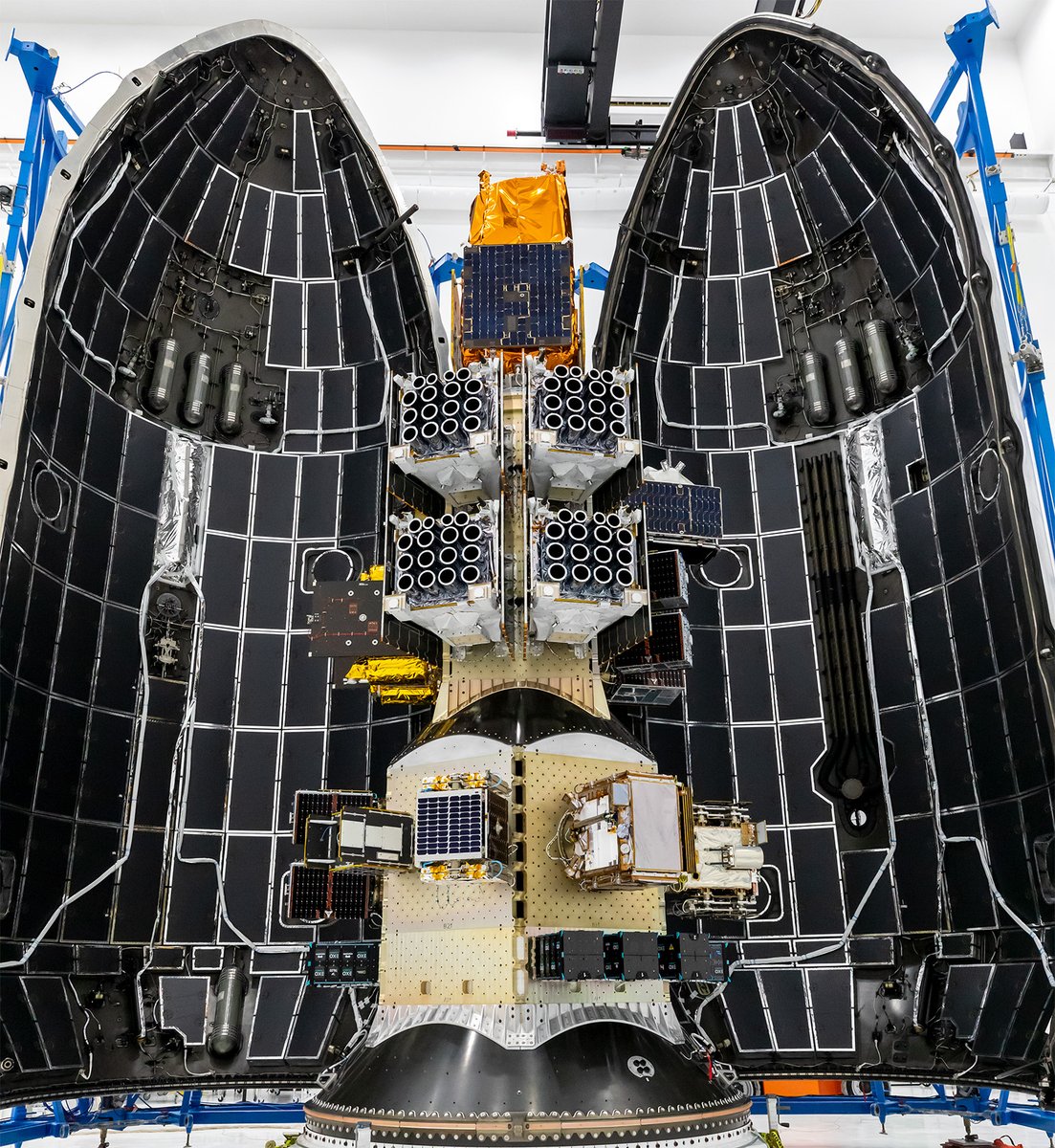
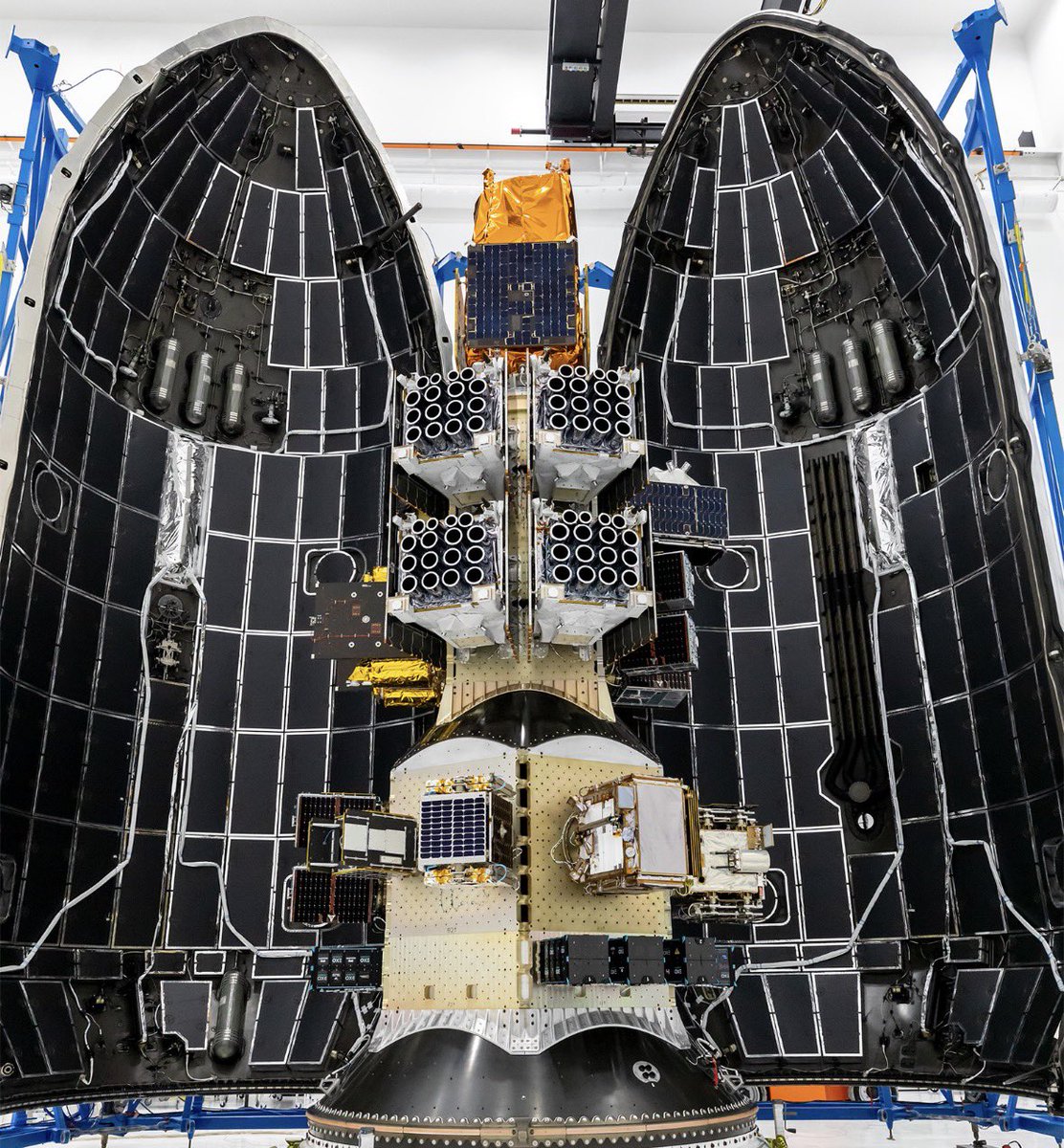
Satellites aboard the CAS500-2 using NanoAvionics satellite buses include:
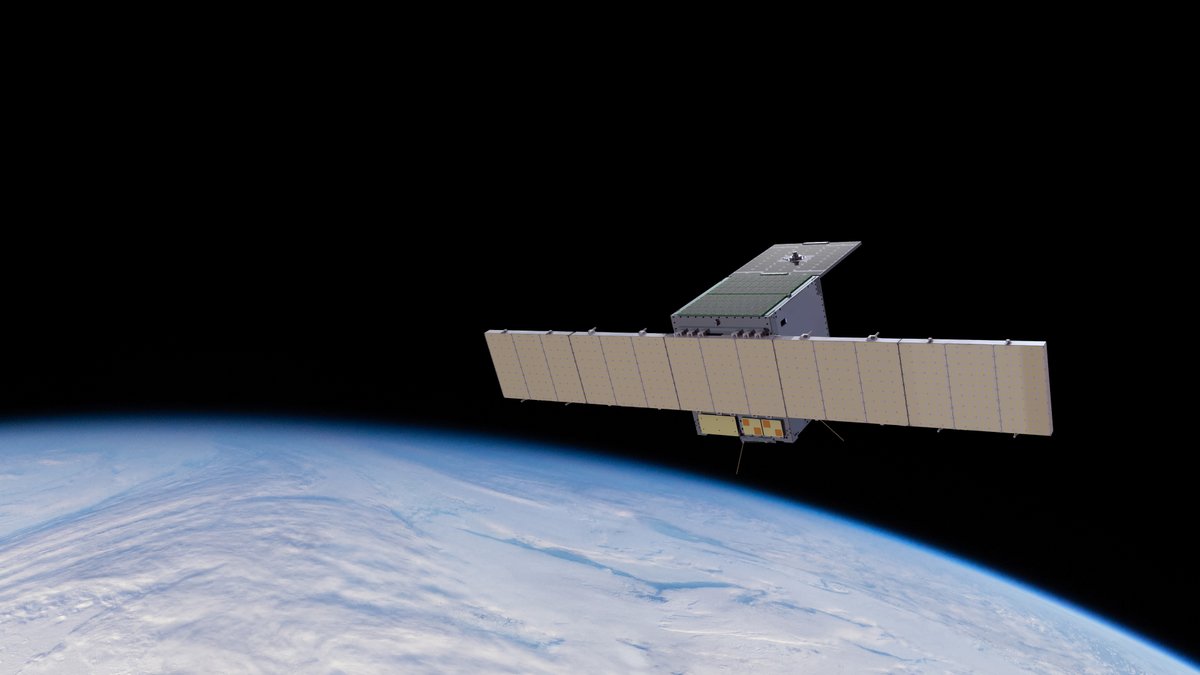
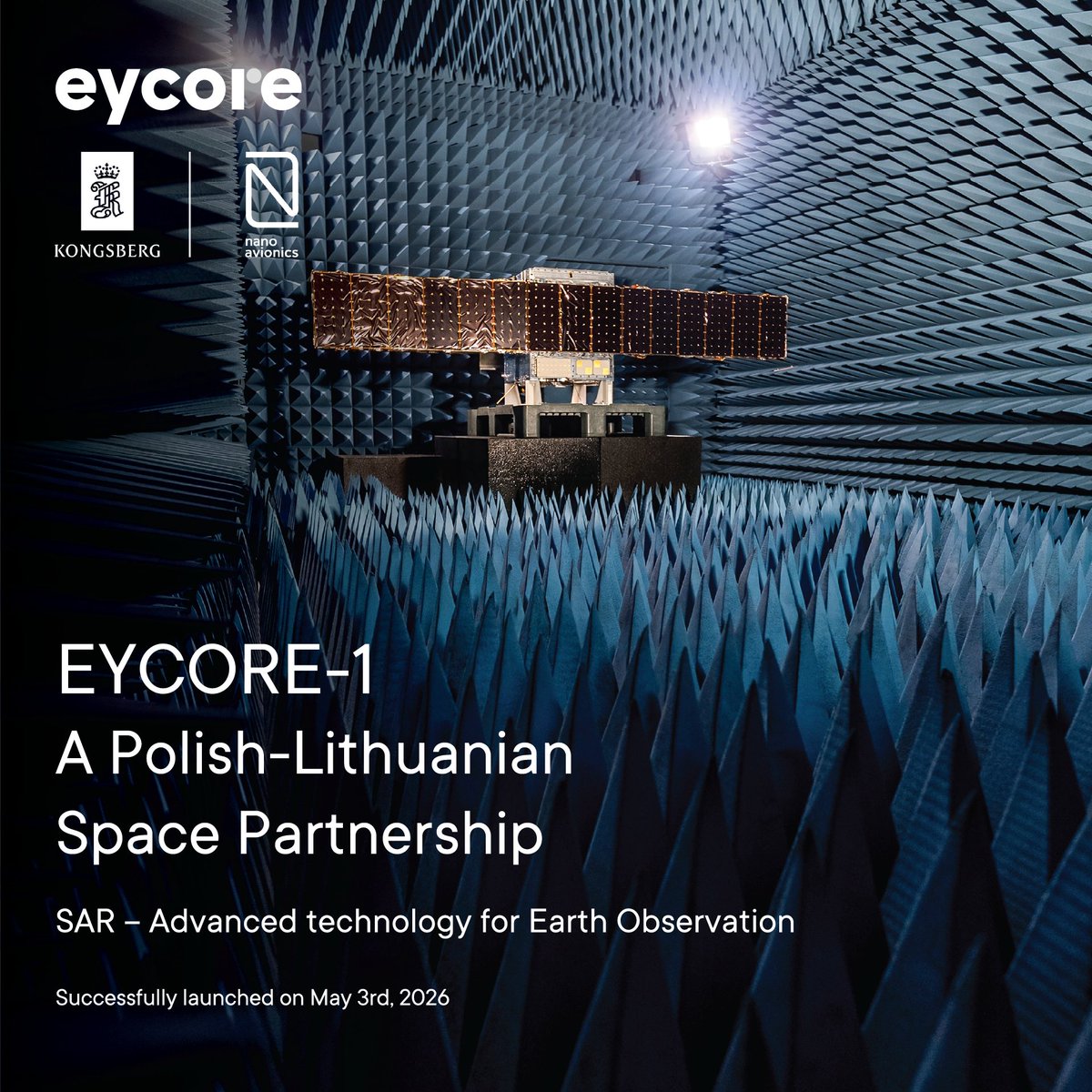
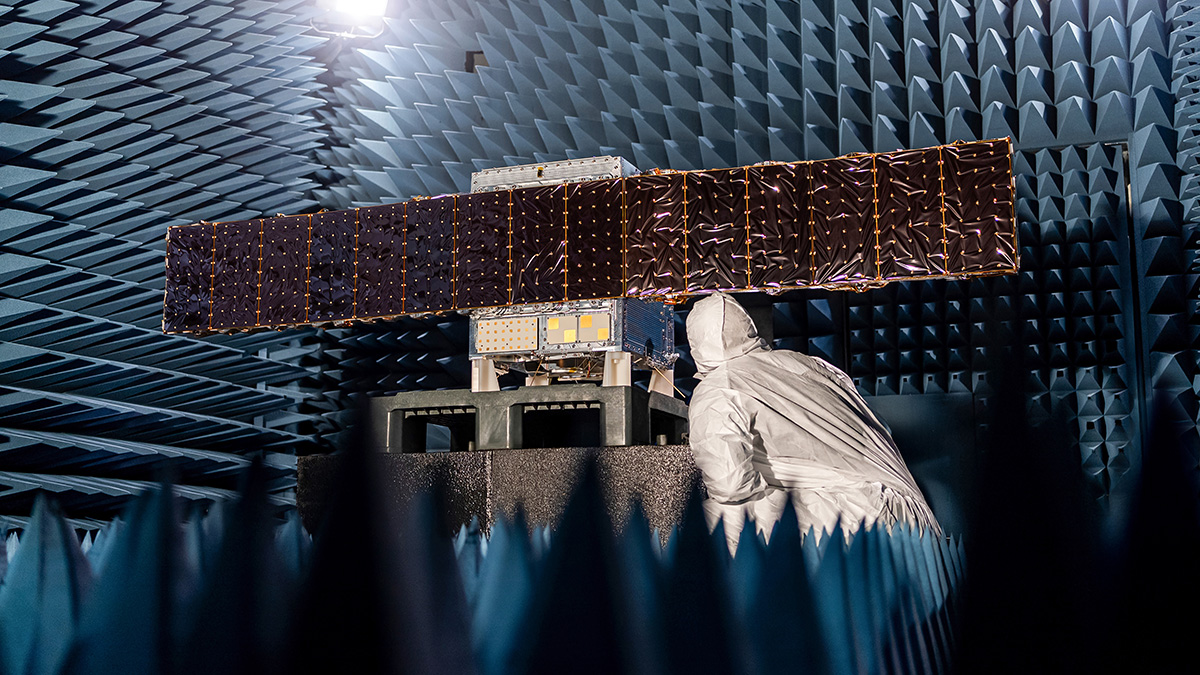
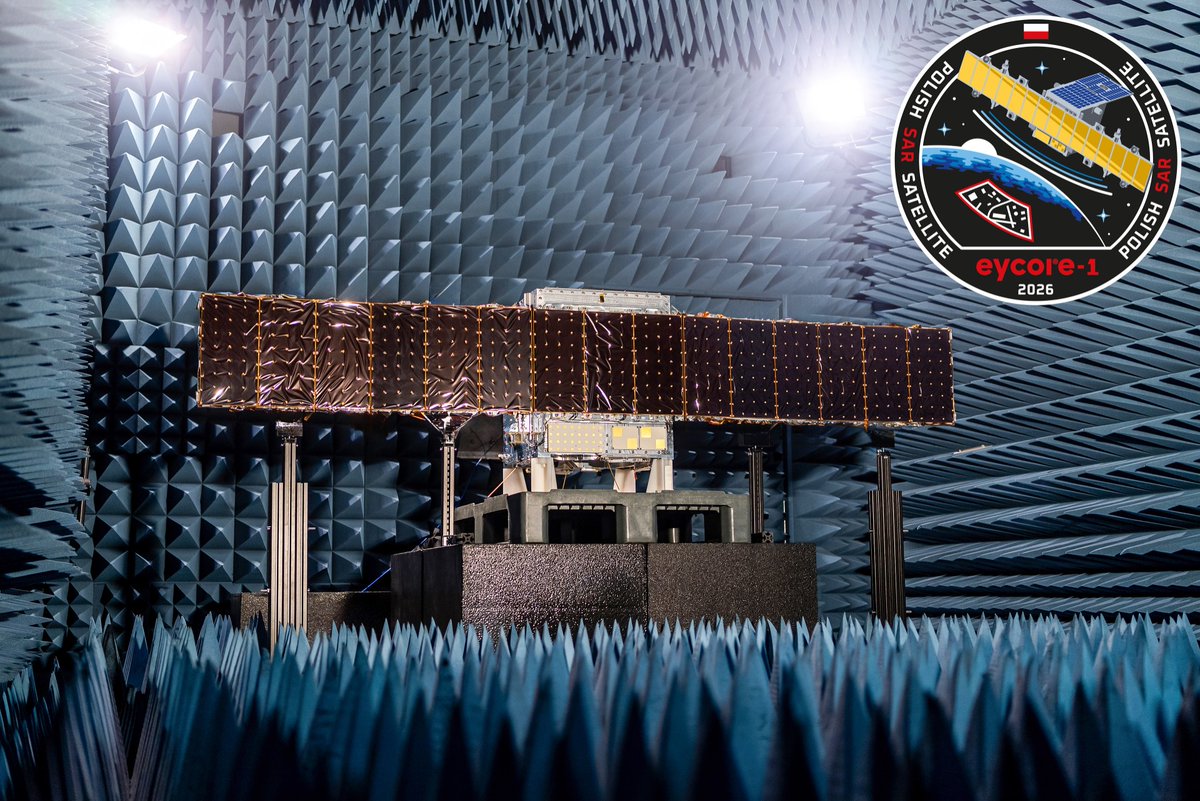
🛰️ Eycore-1: an all-European Synthetic Aperture Radar (SAR) satellite, built by @Eycore_PL and featuring our flight-proven MP42 microsatellite bus.
It will validate Eycore’s X-band SAR payload and lay the groundwork for an all-European, military-grade SAR solution that will provide governments with rapid, sovereign access to sub-meter, day-night, all-weather imagery.
-
🛰️ QUBE-II: the world's first quantum key distribution (QKD) CubeSat, built on our 8U CubeSat bus, by the @BMFTR_bund Quantum Communication initiative.
It will demonstrate the first-ever quantum key exchange between a CubeSat and a ground station, setting the stage for cost-effective, unhackable global communications using a compact, lightweight optical terminal.
Zentrum für Telematik Würzburg (ZfT) is the QUBE-II satellite system responsible, while @OHB_SE coordinates the overall system, including payloads from Deutsches Zentrum für Luft- und Raumfahrt (DLR), @LMU_Muenchen, and @UniFAU.
-
🛰️ SNAPPY: the world’s first space-based neutrino detector, built on our 3U CubeSat bus, carrying a @WichitaState University-designed prototype neutrino detector.
It will prove the detector can operate in space and measure background rates relevant to solar neutrino detection via a double-pulsed signature that cleanly identifies true solar neutrino interactions. The mission will gather critical data to support future solar neutrino research closer to the sun.
Learn more about the missions on our blog below.
Launch and deployment images: SpaceX
1
6
24
1,310
Eycore retweeted

May 3
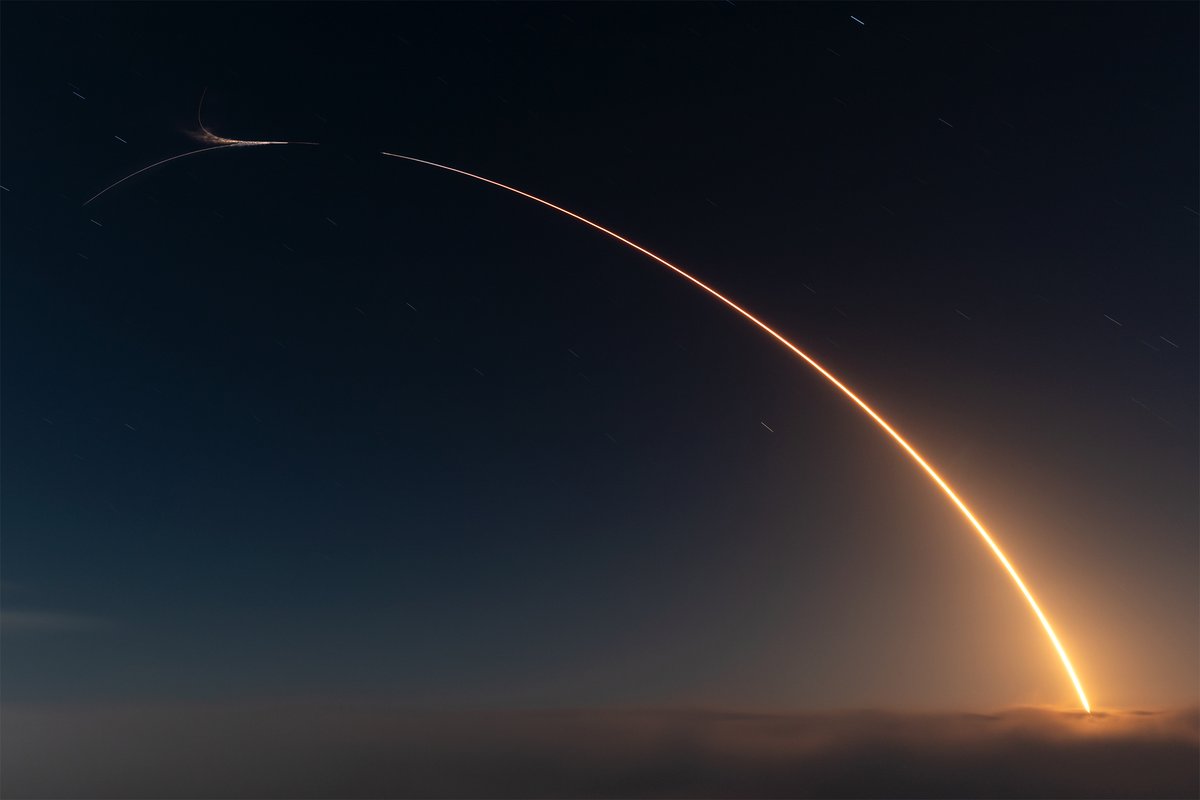
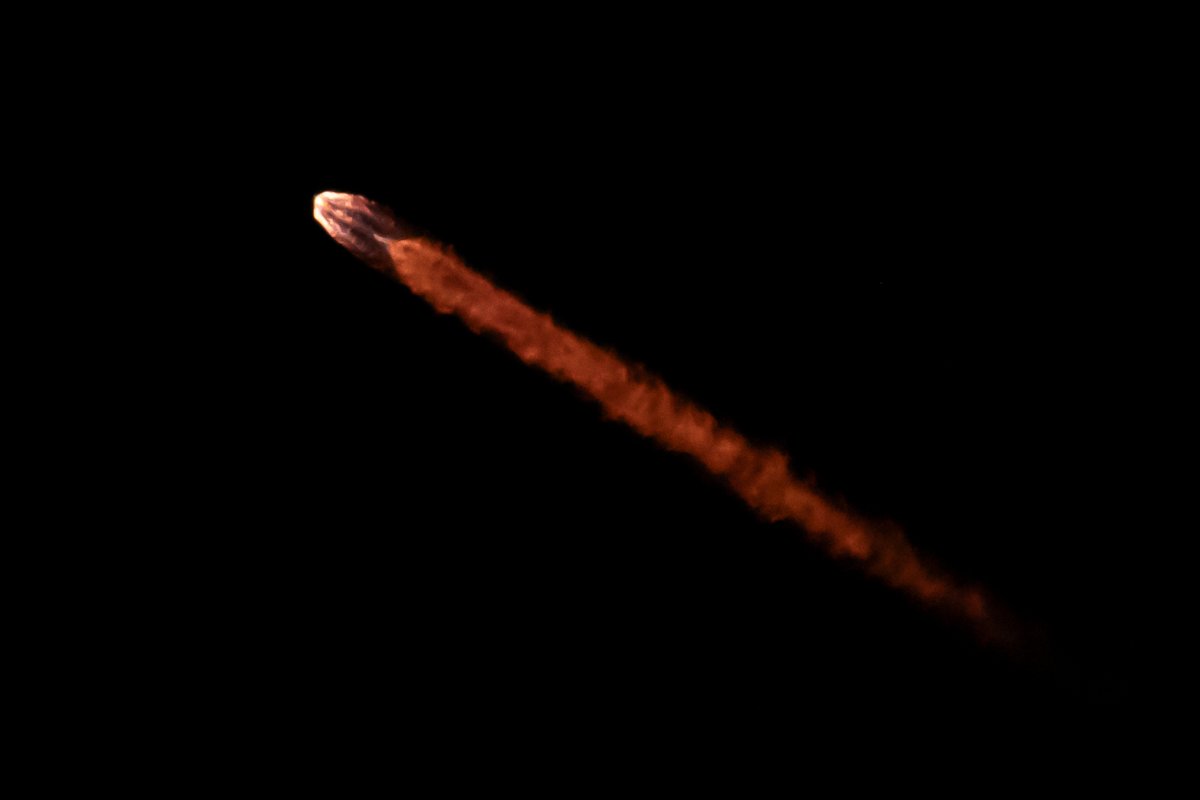
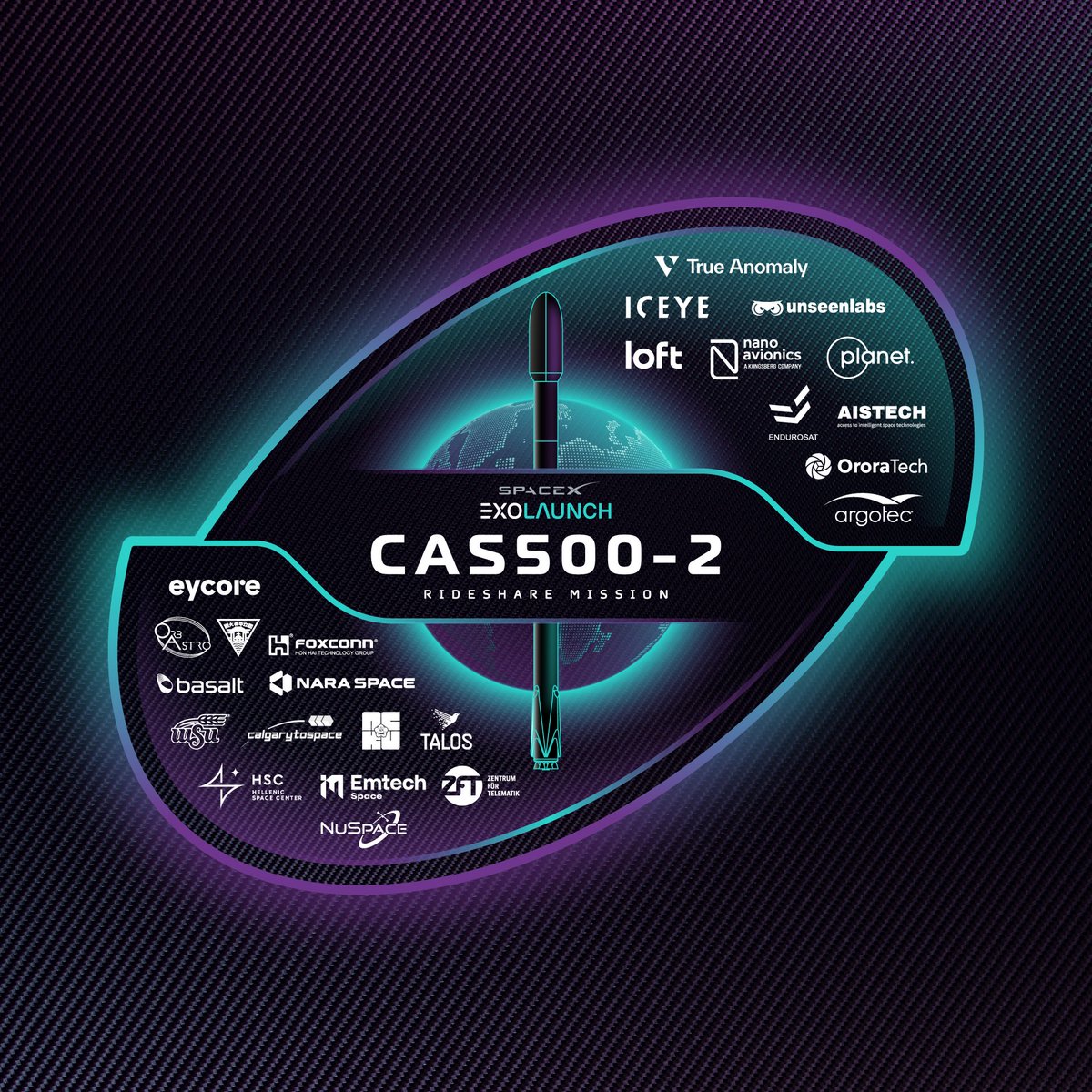
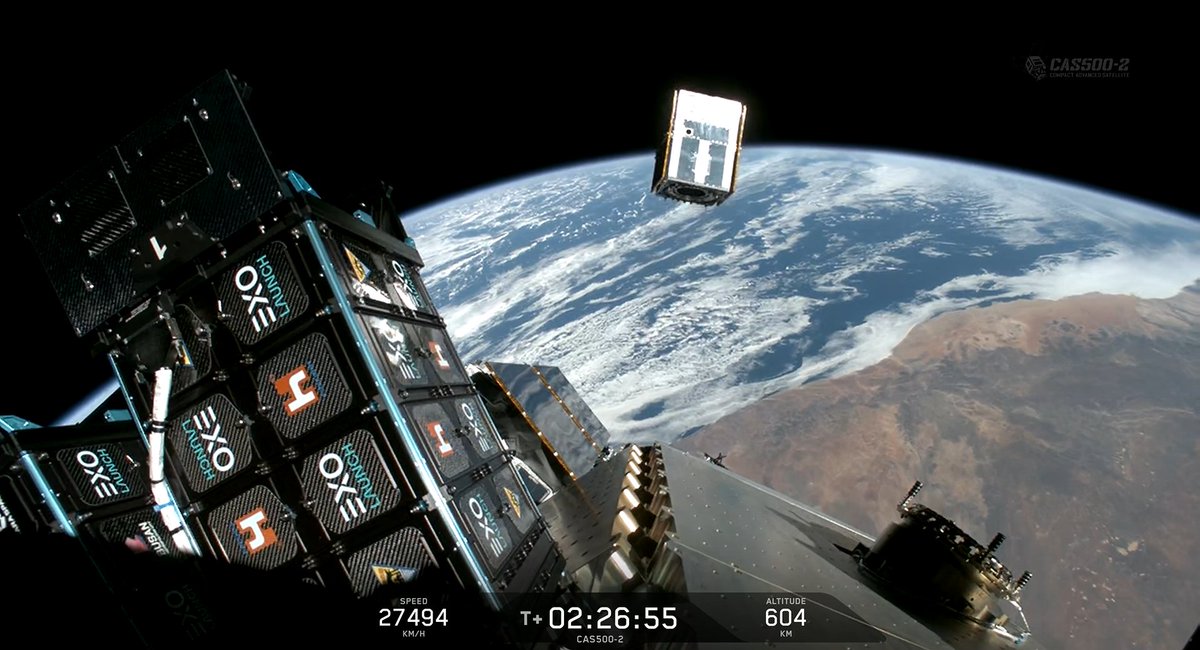
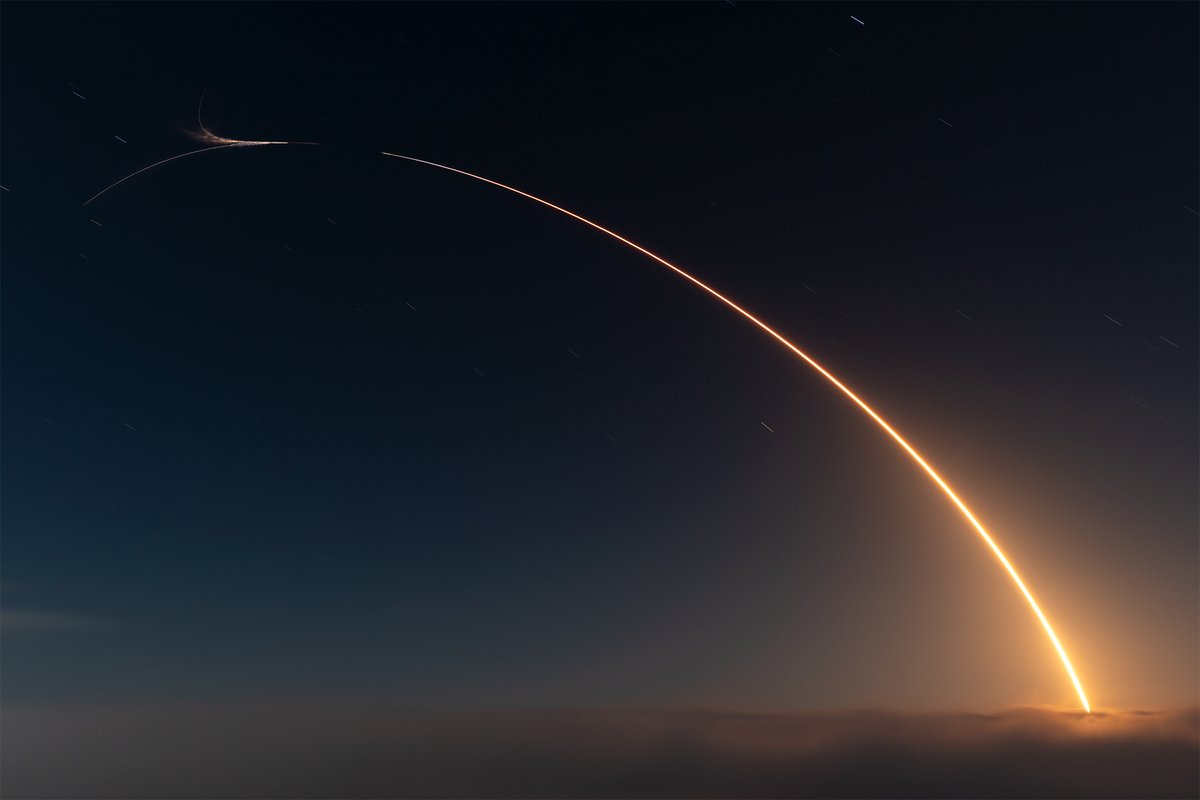
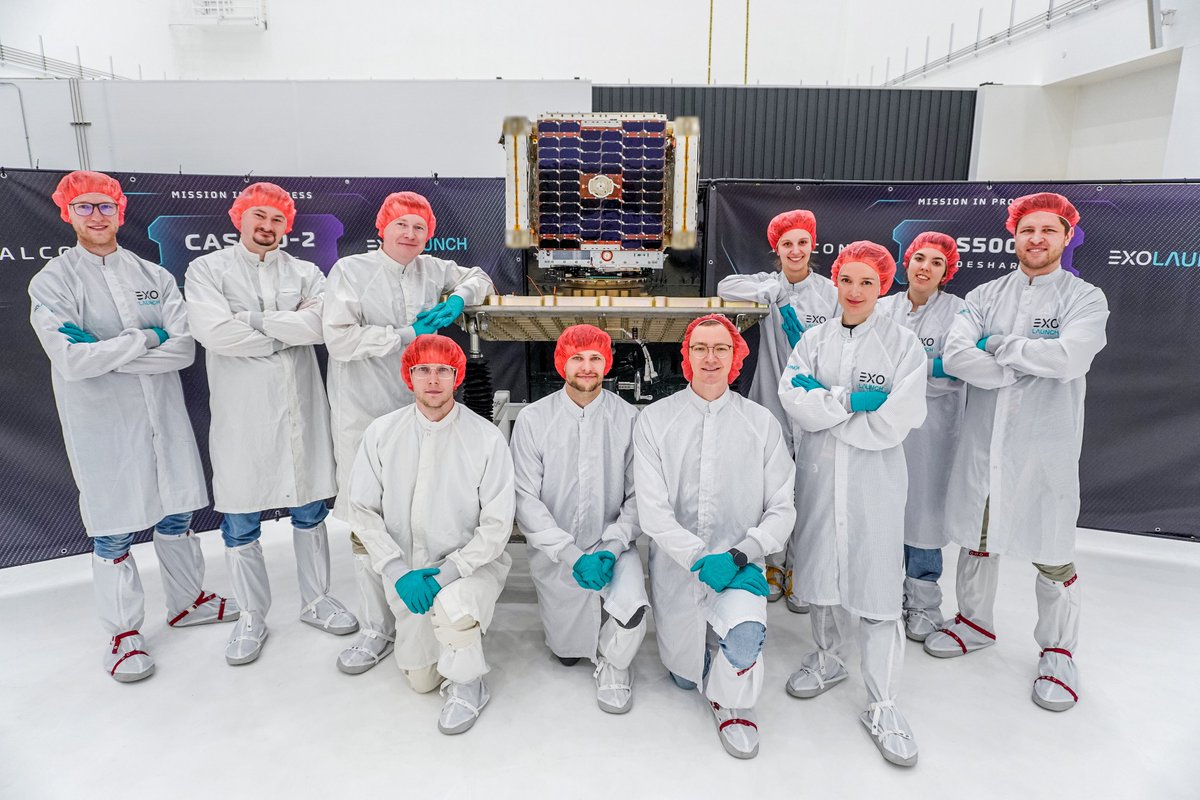
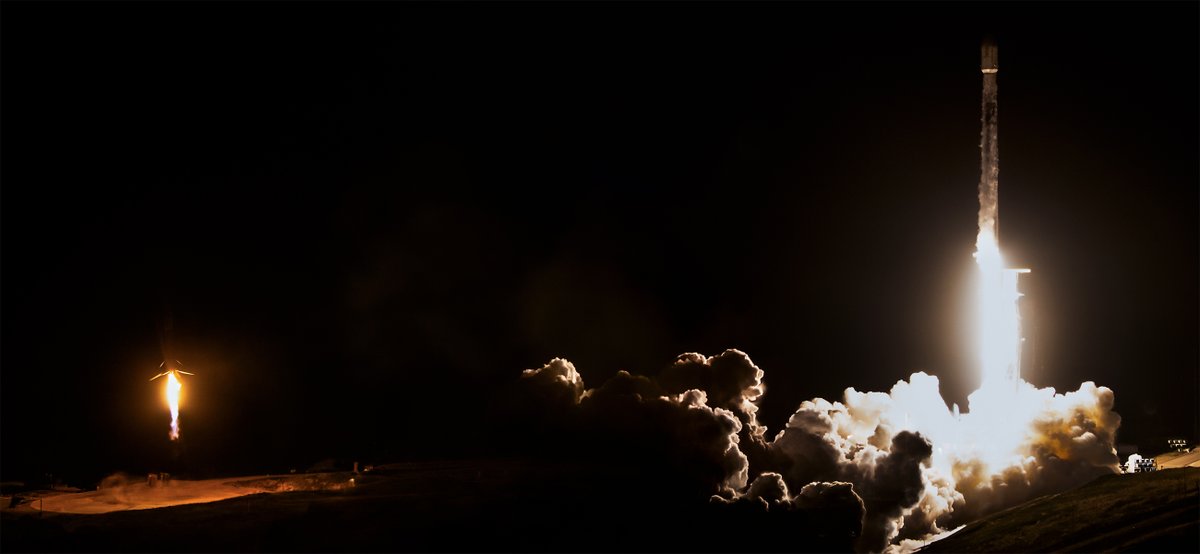
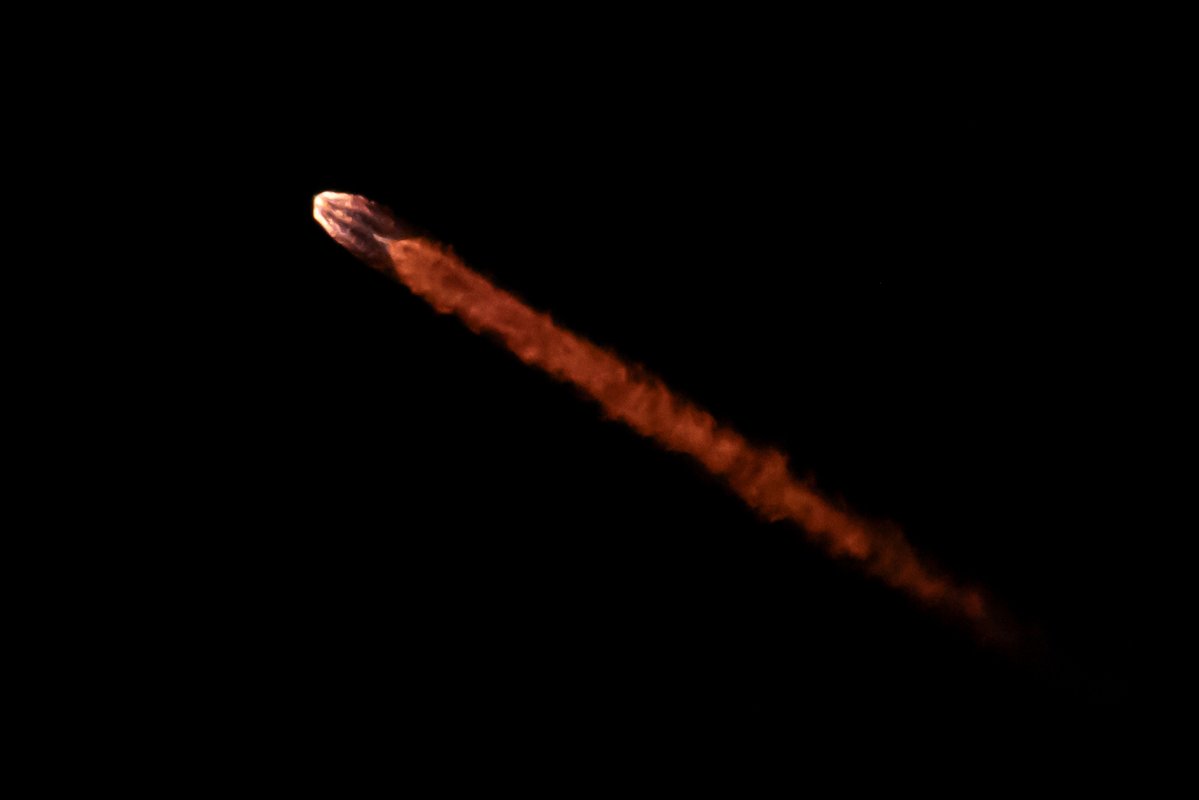
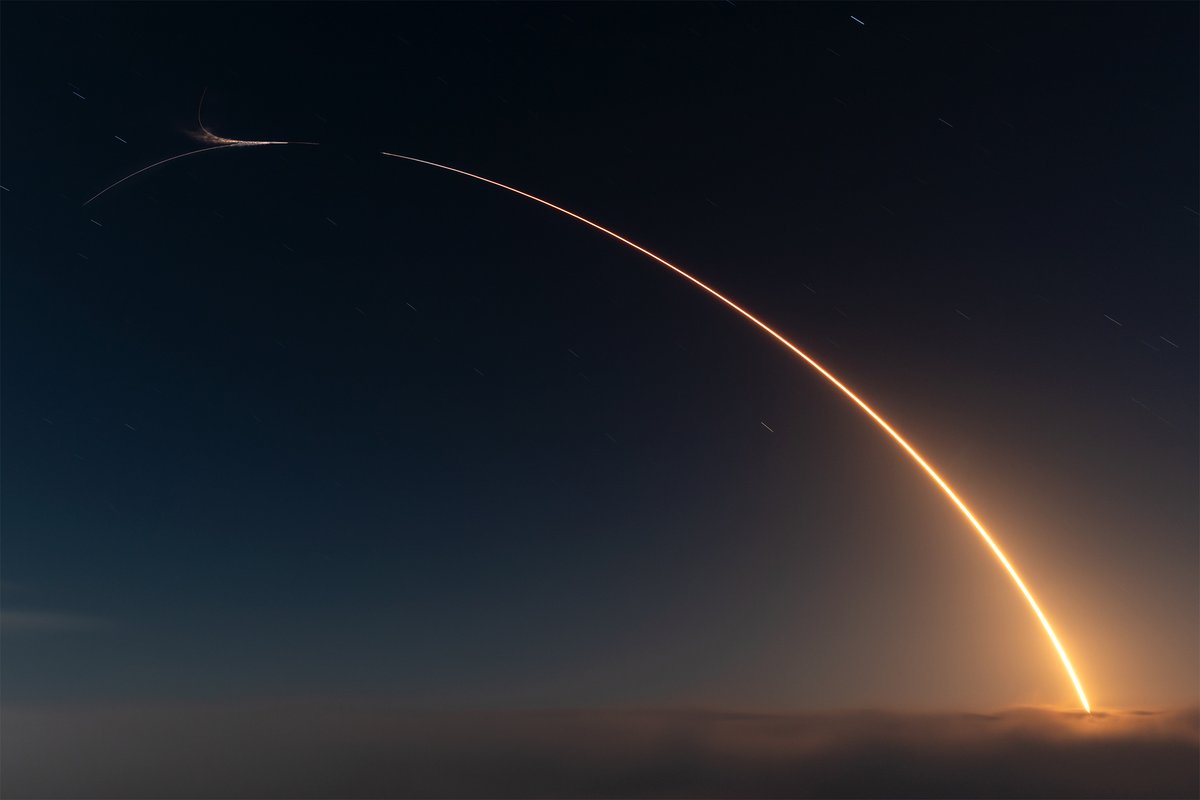
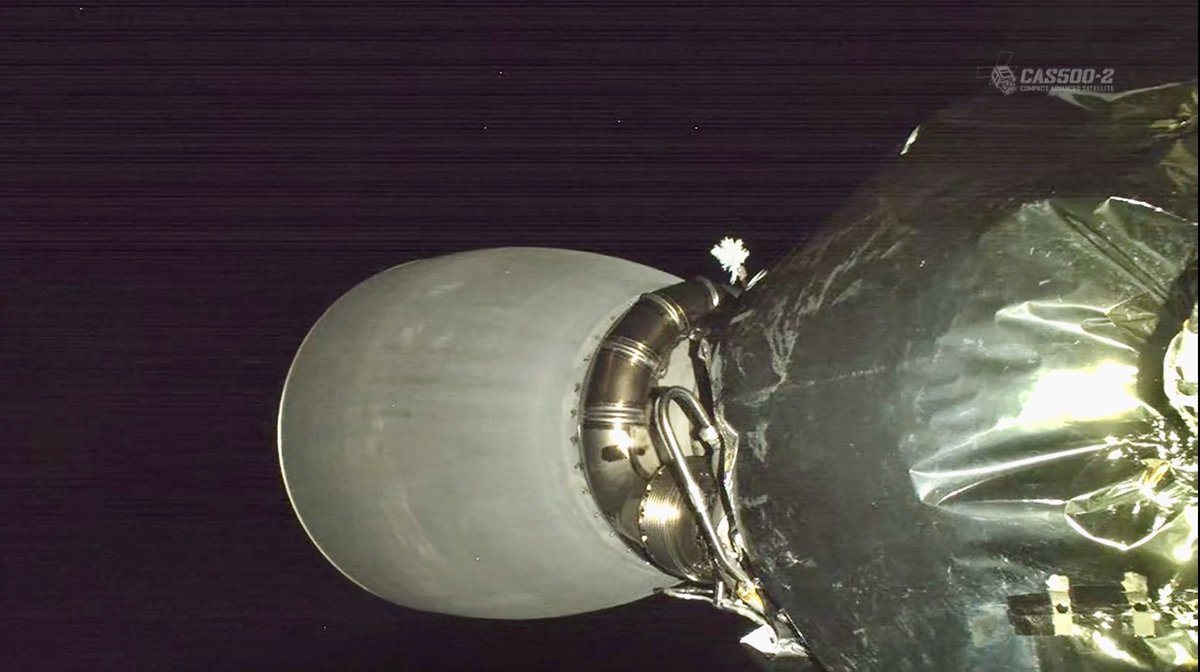
CAS500-2: Mission Accomplished 🚀 All 41 customer satellites have been successfully delivered into orbit 👏
As always, we thank @SpaceX for the flawless ride to space and we congratulate our customers on the successful deployment of their satellites.
📸: SpaceX, Exolaunch
3
22
104
5,853


Eycore retweeted

🇵🇱 Dziś, w Święto 3 maja, #Kaszubia sięga jeszcze dalej, aż po kosmos🚀
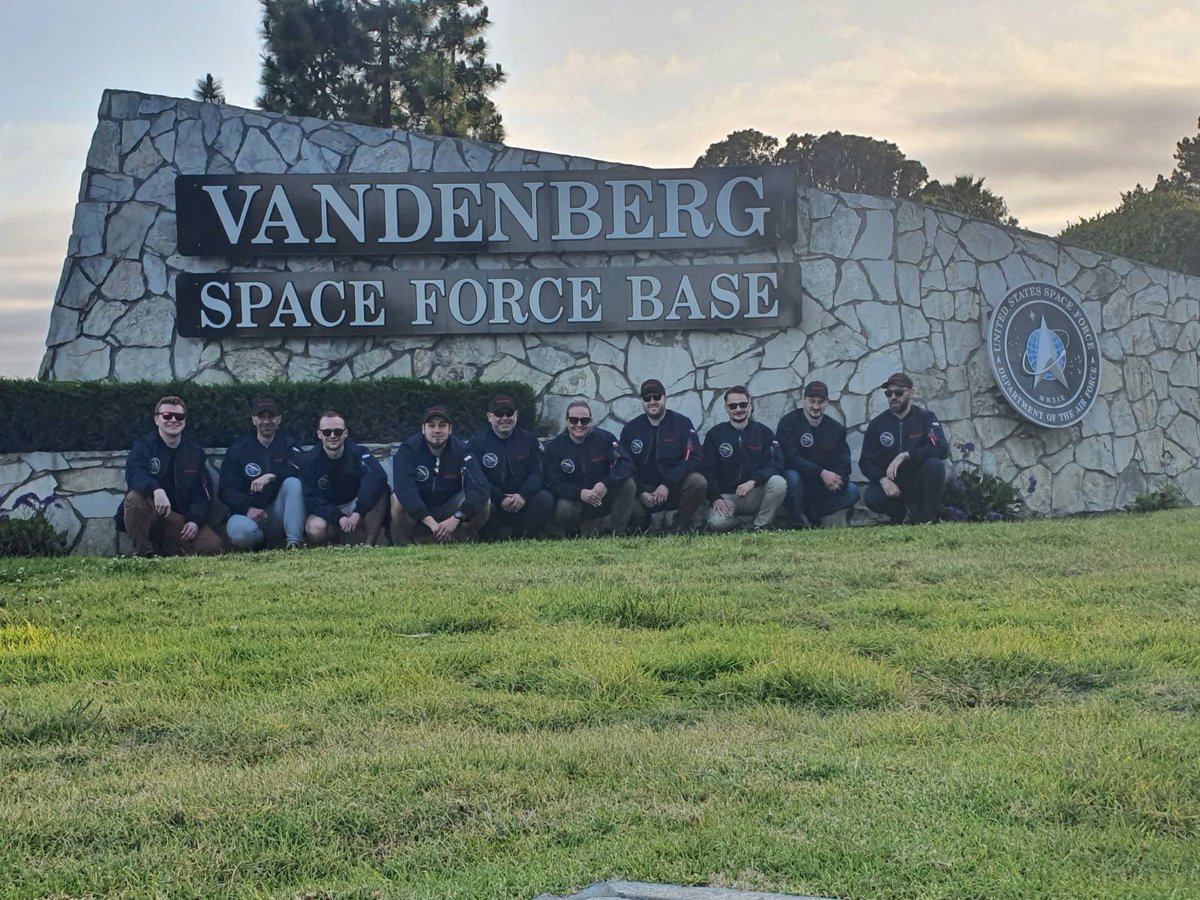
🇵🇱 Dzięki spółce @Eycore_PL, inwestującej w ramach Zielonego Okręgu Przemysłowego Kaszubia na terenie @MiastoGdynia, na orbitę wyniesiony został pierwszy satelita EYCORE-1, wyposażony w radar SAR własnego projektu. Start odbył się z amerykańskiej Bazy Lotniczej Vandenberg na pokładzie rakiety #Falcon9 w ramach misji realizowanej przez @SpaceX i @elonmusk
🇵🇱 W tej samej misji wyniesiony został również nasz czwarty satelita wojskowy programu #POLSARIS #MikroSAR, przygotowany przez @iceye_global.
🇵🇱 Wzmacniamy nasze możliwości rozpoznania, skutecznie, niezależnie od pory dnia i warunków pogodowych 🌎🛰️
@MON_GOV_PL
@KosiniakKamysz
@nowePSL
@PSLGdynia
#kosmos #Polska #USA #3maja #space
2
18
108
19,859