
Story teller, Writing and Crafting stories that make you feel something|Faith|History|kindness|Fiction| Humanity| I post what your heart needs. Christ is King!
Joined June 2024
- Tweets 26,038
- Following 19
- Followers 6,802
- Likes 2,066
22,716 Photos and videos











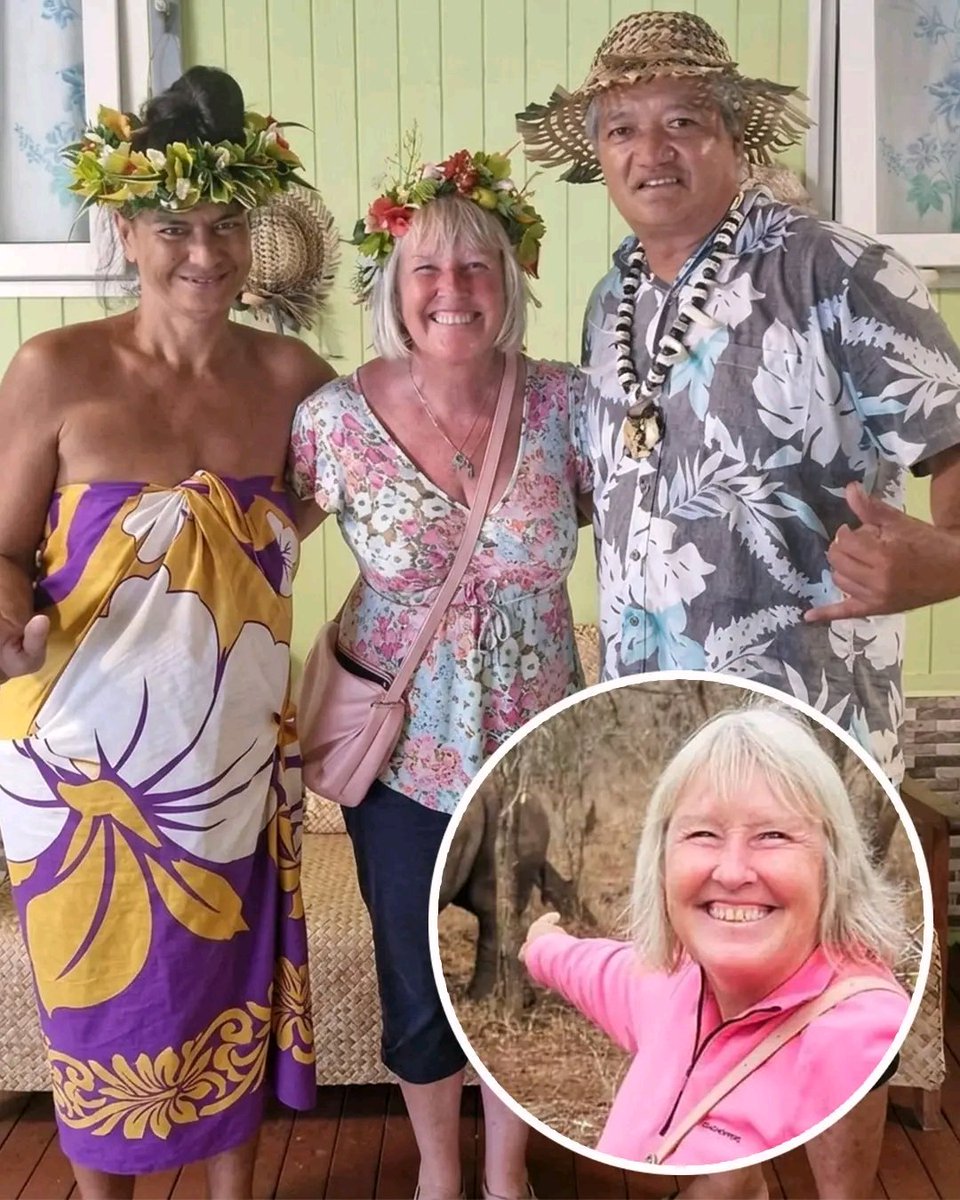
She was 60 years old. She had never owned a passport stamp from more than a handful of countries. And in November 2022, after decades behind a desk as an office administrator, Lynn Stephenson from Carlton, Nottingham did something that made her family hold their breath.
She sold her home.
After paying off her mortgage, she had $173,000 left. No backup plan. No safety net. No house to come back to.
She bought a bag and a plane ticket instead.
Not for a holiday. Not for a gap year. Lynn decided she was going to visit every single country on Earth.
Think about that for a moment. A retired office worker from a quiet English town, no corporate sponsor, no TV crew, no tour guide, setting off alone to see the entire world.
Country after country, stamp after stamp. The mountains of Central Asia. The islands of the South Pacific. Places most people couldn't find on a map, Lynn was standing in them, breathing them in, sharing them with the thousands of followers who fell in love with her adventures online.
By age 62, she had visited 168 countries.
168.
She still had 27 to go. And she wasn't slowing down for a second.
When people ask if she misses her old life, the cottage, the routine, the comfort of knowing what comes next, Lynn doesn't hesitate.
"I absolutely love it. Every day is an adventure."
Most of us spend our whole lives waiting for the right moment to really live. Lynn just decided the moment was now. 🌏
🧳
168 countries down.
27 to go. At 62. Alone. No regrets.
72
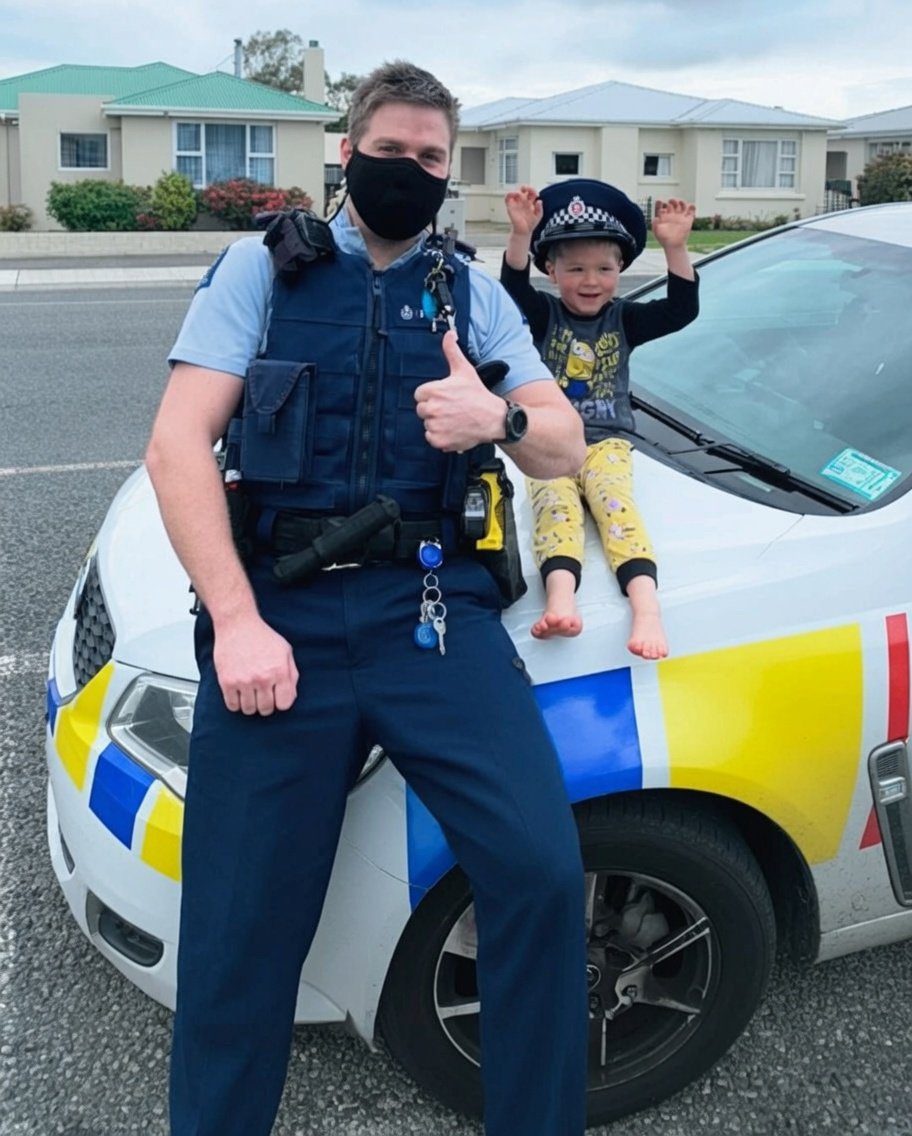
A 4-year-old called 111. He had something important the police needed to see.
The dispatcher picked up the line.
On the other end, small breathing, the particular background noise of a home in the middle of a Tuesday, and a four-year-old boy with something urgent to report.
He had toys.
He wanted the police to see them.
An adult came to the phone shortly after, apologized, explained there was no emergency, and hung up. Happens all the time. Curious children, unattended phones, accidental calls. The dispatcher logs it and moves on.
But something about it caught the attention of Constable Kurt.
So later that day, he drove to the house.
He knocked on the door. Met the boy. Sat down and looked at the toys, really looked, the way the child needed him to, and declared his verdict with the full authority of a uniformed officer of the law.
Then he took the boy outside and turned on the lights.
Before he left, he knelt down and explained, gently, that 111 was for real emergencies. The boy listened with the solemn attention of someone filing this information away carefully for future reference.
Constable Kurt got back in his vehicle. Radioed dispatch. Delivered his official update to the New Zealand Police communications network.
"He did have some cool toys."
The radio crackled. Someone laughed. Then someone shared it. Then the whole country heard it, and then the world, a one-line dispatch report that spread further than most breaking news stories, because it reminded people of something they hadn't realized they needed reminding of.
That the people we trust to show up for emergencies showed up for a four-year-old with a toy collection.
Not because they had to.
Because Constable Kurt understood something that doesn't appear in any training manual, that a small boy who calls the police because he wants to share something he loves isn't making a mistake.
He's just not afraid of them yet.
And the best thing you can do with that trust is show up, look at the toys, turn on the lights, and leave him with a reason to keep it. 🤍
9
59
331
4,755
A ferry worker's shift was over. His job was done. Then he heard she was stranded, and everything changed. 🧡
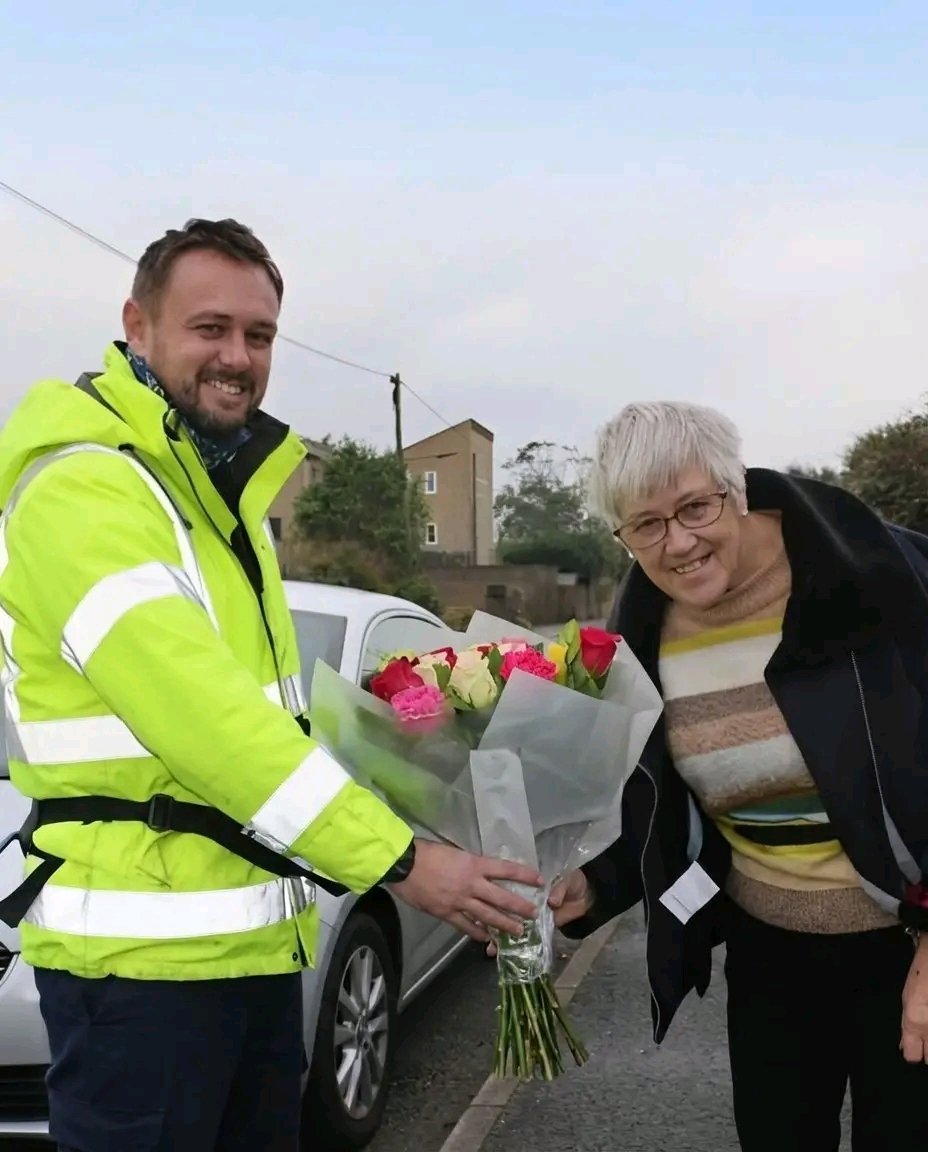
Hilary Spink had one simple wish: to spend the holidays with her family.
She made it to Portsmouth. She made it to the ferry. She even made it off the water safely. But then, the connecting coach pulled away. Gone. And suddenly, Hilary was alone in a city she didn't know, with no way forward and nowhere to turn.
Most people would have called it a sign to give up.
Mark Mitchell didn't see it that way.
He was a ferry worker. He'd spoken to Hilary briefly during the crossing, just one of hundreds of passengers he helped that day. His shift was finished. He'd clocked out. He had every reason to go home, sit down, and forget about her entirely.
But something wouldn't let him.
Mark went home, then turned around, got his car, and drove back. Then he drove some more. Over 500 miles round trip. Hours behind the wheel, in the dark, on roads that were never part of his plan, just so a stranger wouldn't miss her Christmas.
He didn't post about it. He didn't ask for anything. He just made sure she got there.
When someone later asked him why he did it, Mark shrugged it off the way only truly good people do.
"She just needed to get home. I had a car. It wasn't complicated."
But Hilary knows different. For her, it wasn't just a ride. It was proof that there are still people in this world who will go an extraordinary distance, literally, for a complete stranger.
1
143
Investigators found that a Japanese train driver had once been disciplined over delays measured in seconds.
On April 25, 2005, he was running about 90 seconds behind schedule on a JR West commuter train near Amagasaki.
According to the official investigation, he accelerated while trying to recover lost time.
The train entered a curve at excessive speed and derailed into an apartment building.
A total of 107 people died and more than 500 others were injured.
Later inquiries pointed not only to driver error, but also to a company culture that placed intense pressure on punctuality and discipline.
The crash led to major changes in railway safety practices across Japan.
It remains a reminder that even small amounts of time can carry a surprising amount of weight.

1
2
127
In 1983, my dad sold the most beautiful car he'd ever owned, a Marina Blue 1967 Chevrolet Camaro, because his family needed to eat.
I was the reason. A new baby on the way, and diapers don't pay for themselves. He handed over the keys to that car he loved more than almost anything, and he never looked back. Not once did he make me feel like a burden for it. Instead, for the rest of my childhood, he turned it into a running joke.
"Son, you know what I traded that car for? Diaper money."
He'd laugh every single time. But I watched his eyes. And I knew.
Years passed. I grew up. I worked hard, got lucky in business, and one day I realized there was something I needed to do before I did anything else with that success.
I needed to find that car. His car. Not a replica. Not a look-alike. The exact vehicle, same VIN, same history, same soul. People told me it was impossible. Cars from 1967 don't just turn up after four decades.
It took two years of searching. Then, miraculously, I found it sitting in Oklahoma.
I bought it without blinking. Then I spent the next three years restoring it, every bolt, every detail, every spec exactly the way my dad used to describe it from memory. Marina Blue. Just like it was the day he gave it up for me.
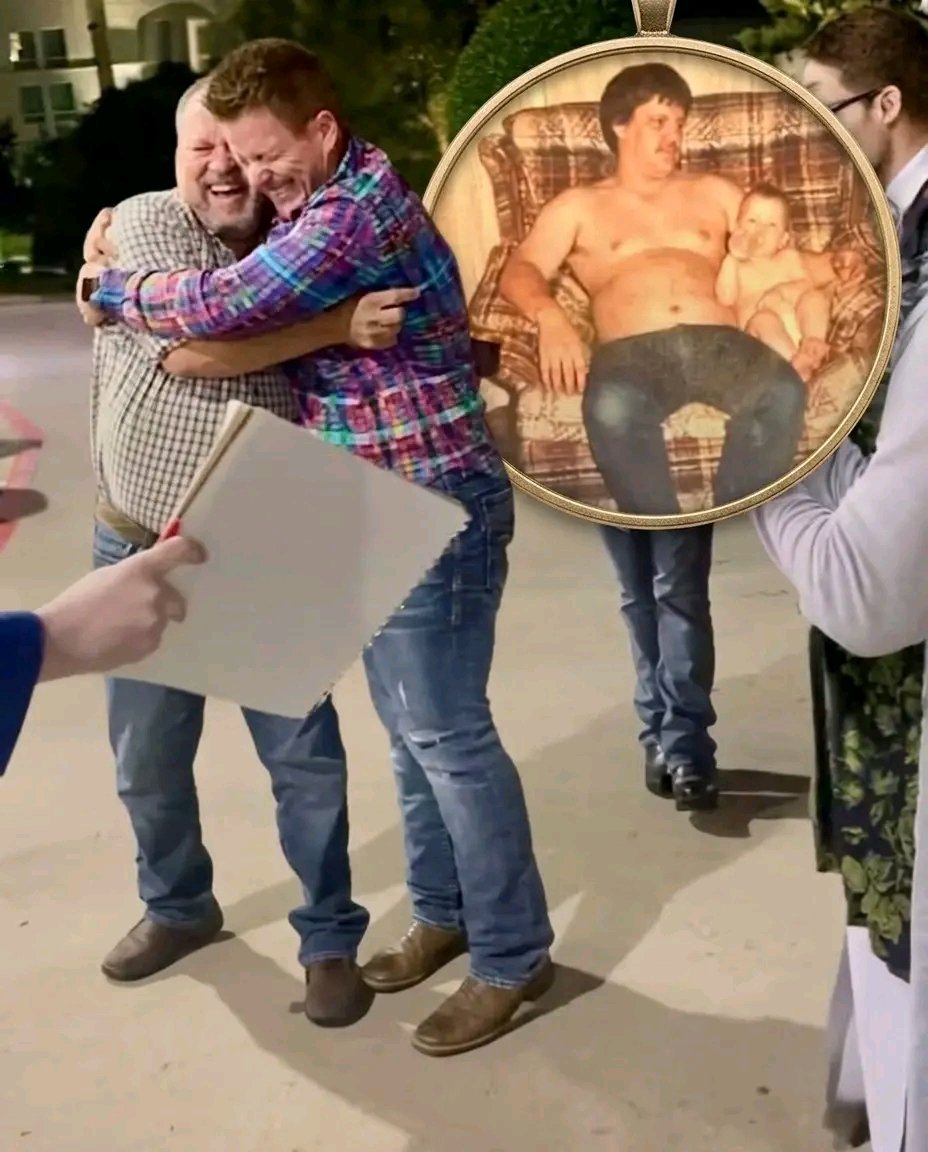
For his 65th birthday, in October 2024, I pulled up in that car.
He didn't understand at first. Then he walked closer. His hand touched the hood. And then Earl Guynes, a man I have never once seen cry, completely broke down.
He stood there with tears streaming down his face, shaking, staring at a car he'd said goodbye to before I was even born.
I walked over, put the keys in his hand, and said the only thing that felt right:
"Thanks for the diaper money, Dad."
He couldn't speak for a full minute. Neither could I.
Some parents sacrifice quietly, without fanfare, without ever asking to be remembered for it. If yours did, find your way to say thank you. It's never too late. ❤️
22
184
784
9,233
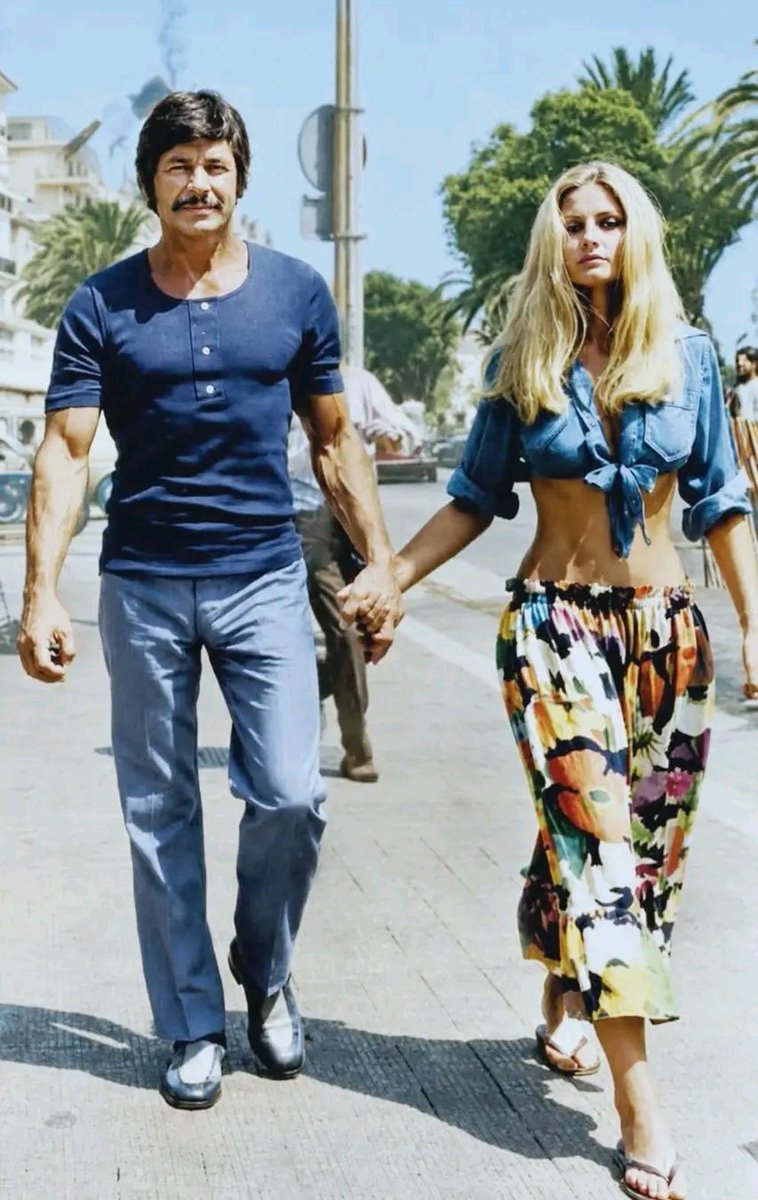
Charles Bronson and Jill Ireland had one of those Hollywood love stories that still gets people talking.
They met in 1962, while Jill was still married to actor David McCallum. Bronson was not the kind of man who wasted words, but when he cared about something, he meant it.
And with Jill, he meant it.
Years later, Charles Bronson and Jill Ireland married in 1968, beginning a love story that would last until her death from cancer in 1990.
It was not just a Hollywood romance.
It was loyalty.
It was devotion.
It was two people building a life through fame, family, illness, and heartbreak.
Bronson was known on screen as one of the toughest men in cinema, but those who knew his story with Jill saw another side of him. Behind that hard stare was a man capable of deep love, quiet commitment, and extraordinary loyalty.
When Jill became ill, Bronson stood by her.
Not for headlines.
Not for sympathy.
Not for attention.
Because that was who he was.
In an age when so much feels temporary, their story still feels powerful. It reminds people of a different kind of love — complicated, imperfect, but deeply human.
Charles Bronson was a tough man on screen.
But with Jill Ireland, he showed the world that real strength can also mean staying, caring, and refusing to let go.
A love story from another Hollywood era.
2
11
155
5,168
It was Memorial Day at SunTrust Park in Atlanta.
The Braves were preparing to play. The crowd filled the seats. The flags hung still in the heavy spring air. And then, before the first pitch, the stadium grew quiet for the part of the day that mattered more than the game.
Near home plate stood a small white table.
A single place setting. An empty chair. A folded napkin. A glass turned upside down. A slice of lemon. A pinch of salt. A single rose.
The POW/MIA table, set the same way at military events across America. Each item carries meaning. The empty chair is for the service members who never came home. The lemon for their bitter fate. The salt for the tears of their families. The inverted glass because they cannot toast with us tonight.
That table represents the more than 81,000 American soldiers still missing, scattered across battlefields, oceans, and jungles from World War II to today.
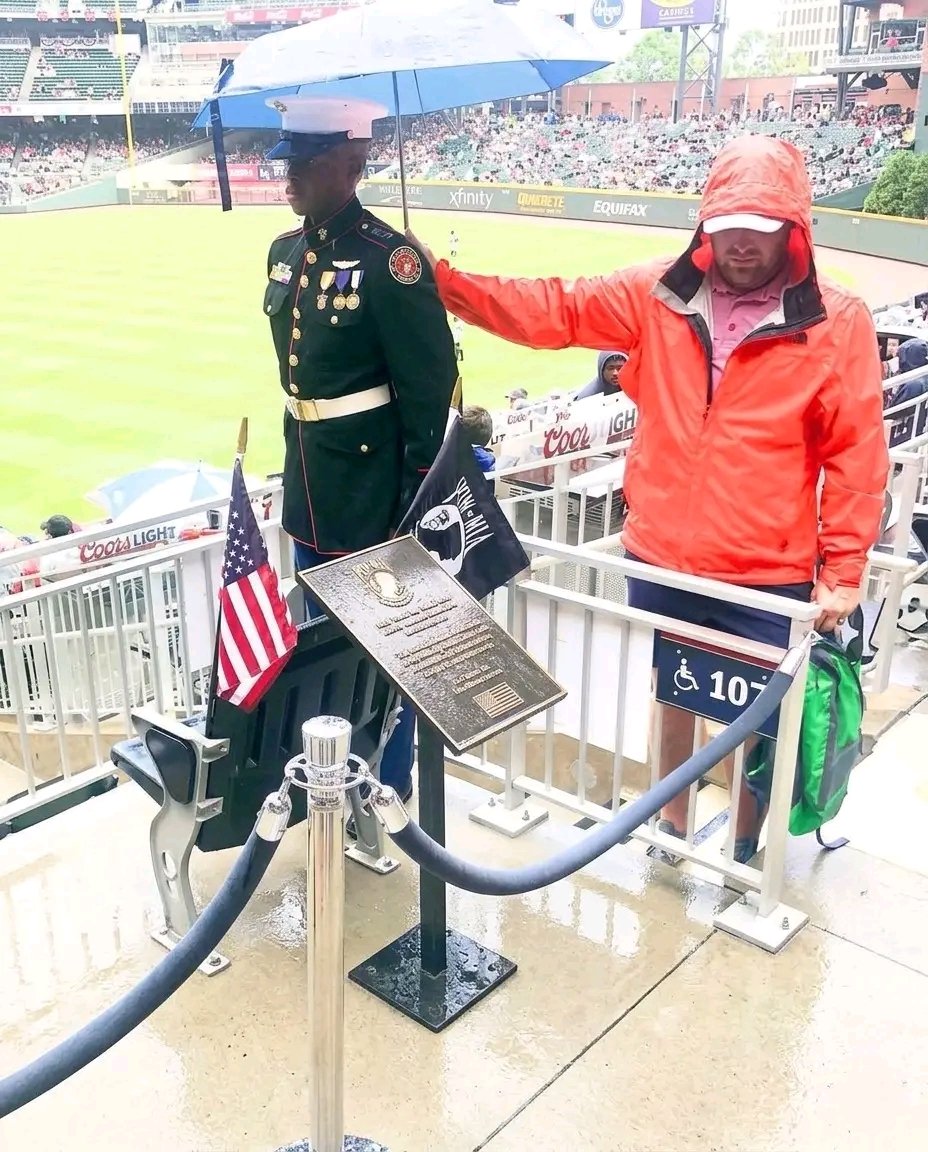
Standing beside that table was a seventeen-year-old Junior ROTC cadet. Crisp uniform. White gloves. Posture perfect. He had volunteered for the honor of standing watch over the empty chair.
Then the sky opened.
The rain came down in sheets. Fans pulled up hoods. Players jogged for cover. Officials rushed to protect equipment.
The cadet did not move.
He stood at attention, eyes forward, hands at his sides, the rain soaking through his uniform, dripping from the brim of his cap, running down his face like tears he was too disciplined to wipe away.
He had a duty. You do not abandon the post for weather.
In the stands, one man noticed what everyone else was too busy to see. An older fan, just there to watch baseball. He looked at the boy in the rain. He looked at the empty chair beside him. And he understood something most people miss.
That cadet wasn't just standing for ceremony. He was standing for every soldier who could not stand anymore.
The man stood up.
He climbed down from his seat. He walked across the wet stadium floor. He carried a simple umbrella. And without a word, without seeking attention, without a single glance toward the cameras, he stepped beside the cadet and quietly raised the umbrella over the boy's head.
He stood there with him.
Two strangers. Two generations. One umbrella. One unspoken understanding that some things are bigger than getting wet.
The cadet never broke posture. Never turned his head. Never even smiled.
But the man stayed. Through the rest of the ceremony, through the national anthem, through every moment that mattered, he stood beside that boy and held the umbrella steady.
Someone in the crowd took a photograph.
By the next morning, it had traveled around the world. Millions of people stopped scrolling to look. Veterans wrote that it made them cry. Parents showed it to their children. Strangers shared it with strangers. In a country that often feels divided, here was an image that did not ask anyone to choose a side.
It just asked people to remember.
REMEMBER
🕯 The empty chair, and who it's for.
🌧 The boy who stood in the rain because someone had to.
☂️ The man who walked down from the stands because someone had to do that too.
We often think heroism looks like grand speeches and great battles. We look for it on stages and in headlines.
But sometimes heroism is quieter than that. Sometimes it is a teenager refusing to flinch. Sometimes it is an older man with an umbrella who decided that today, this stranger's dignity was worth getting wet for.
You do not need a uniform to honor service. You do not need a microphone to show respect. You do not need permission to do the right thing when you see it.
You just need to stand up.
Walk down the steps.
And hold the umbrella.
24
196
545
6,091
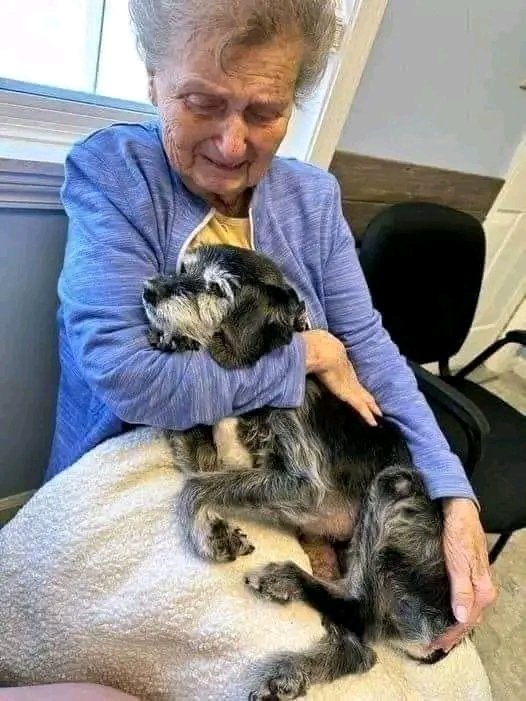
Mom's voice, thick with tears: "Oh, Bailey, my sweet boy. Don't you fight it, honey. It's okay to let go."
Bailey whines softly, nuzzling closer. His once bright eyes are clouded, but a flicker of recognition seems to pass through them.
Mom: "Remember all those squirrels you chased in the park? And that time you ate a whole roll of toilet paper? We were so mad, but you looked so darn proud of yourself." (A watery chuckle escapes her lips)
Bailey (in a weak voice): Woof...those were the good times.
Mom: "They were the best, Bailey-bear. You were the best dog a girl could ask for. You were there for my first heartbreak, every birthday, and every lonely night. You never judged."
A tear rolls down Bailey's fur.
Mom: "I don't know what I'm going to do without you, Bailey-bear. But I promise, you'll always be in my heart."
She tightens her hug, burying her face in his fur. In a choked sob, she whispers, "Thank you. Thank you for everything."
Bailey (with a weak wag of his tail): You're welcome...Mom. Love you...forever.
Mom: "I love you too, Bailey. More than words can say."
A heavy silence falls between them, punctuated only by Bailey's shallow breaths.
Mom: "Is there anything you want me to do for you, Bailey?"
Bailey (barely a whisper): Just...stay with me...
Mom: "I'll never leave your side, my boy. Not ever."
She continues to hold him close, whispering stories of their life together, filling the room with their love. As Bailey's breaths slow and weaken, she speaks softly.
Mom: "Go chase the squirrels in the sky now, Bailey. Run free and be happy."
A weak thump of his tail, a final sigh, and Bailey is gone. Mom cries harder, clinging to him, the warmth of his fur slowly fading.
In the quiet room, filled with love and grief, a loyal friend takes his last breath, safe and loved in his forever home.
27
37
211
2,494
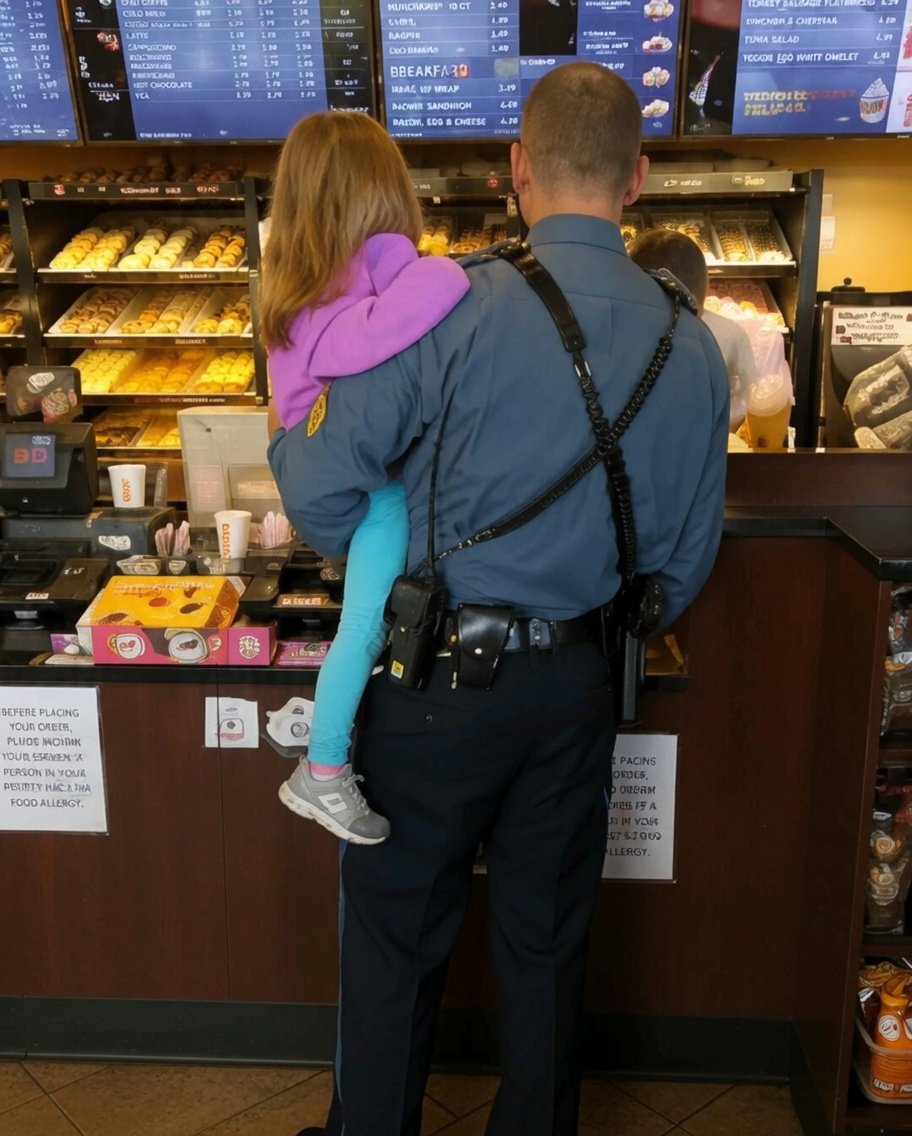
She saw him through the window and didn't wait for permission.
It was just a Dunkin' run. A Tuesday morning kind of errand, the sort that doesn't make it into anyone's memory past noon.
Then Alyssa walked through the door.
She was small enough that the state trooper didn't notice her at first. He was standing at the front of a long line, uniform pressed, just a man waiting for his coffee like everyone else.
Alyssa saw him and ran.
Not toward the doughnuts. Not toward her mother's hand. Straight to him, arms already open before she even got there, and wrapped herself around him with the full, unguarded conviction of a child who hadn't yet learned to be cautious about kindness.
Then she looked up and thanked him.
For protecting people. Just like that. Out loud, in a Dunkin', on an ordinary morning, in front of a line full of strangers who suddenly forgot they were in a hurry.
The trooper looked down at this small person who had just walked through a crowd to tell him he mattered.
He picked her up.
Bought her a doughnut.
The line didn't move, not because it was stuck, but because nobody wanted to break the moment. Customers smiled at each other the way strangers rarely do. Someone made room so Alyssa's mother could get the photo. A Dunkin' at breakfast rush went quiet in the best possible way.
Before he left, the trooper crouched down and told her something.
If she ever wanted to see a police car up close, she could come by the station and ask for him.
He'd be there.
Alyssa's mother didn't teach her daughter to perform that moment. She taught her something quieter and harder, that people who show up for others deserve to be seen. That gratitude isn't weakness. That a hug given freely costs nothing and can mean everything.
Alyssa already knew the rest.
She just ran toward it. 🤍
1
1
2
287
She went to bed a model and woke up fighting for her life.
What she did next left the whole world speechless.
In 2012, Lauren Wasser was 24 years old, a Division I college basketball player, and a model in Los Angeles. She had her mother's cheekbones and her whole life ahead of her.
One night she went to bed feeling like she had the flu.
She woke up in a hospital with no memory of how she got there. Doctors told her family she had Toxic Shock Syndrome, a rare, life-threatening condition linked to tampon use. Her organs were shutting down. She was 10 minutes from death.
To save her life, they amputated her right leg below the knee.
For most people, that would have been the end of the story. For Lauren, it was just the beginning of the fight.
For six more years, her left leg never healed. Specialist after specialist. Surgery after surgery. Nothing worked. In 2018, at just 29 years old, she made the most heartbreaking decision imaginable: she asked doctors to remove her second leg too.
A model. A former athlete. Now a double amputee at 29.
She could have hidden. Nobody would have blamed her.
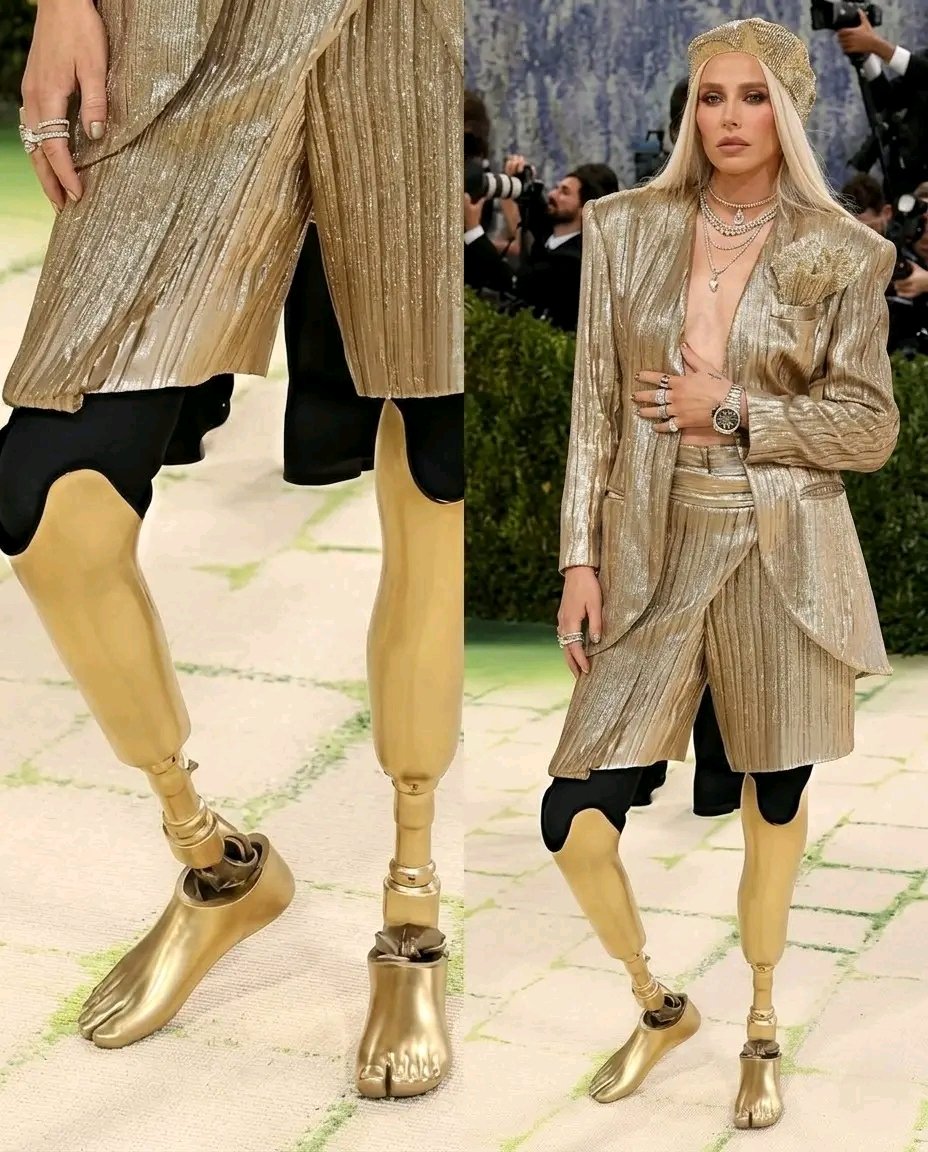
Instead, Lauren chose two gold prosthetic legs. Not flesh-toned. Not metal. Gold. Shining, unapologetic gold. She said she wanted to walk into rooms and own the moment, to show every woman who ever felt broken that broken doesn't mean invisible.
"True beauty is not perfection. True beauty is courage you can see."
She walked runways. She graced magazine covers. She fought for laws requiring safety testing on the products millions of women use every single month, and the world finally started to listen.
Then on May 4, 2026, Lauren walked the Met Gala red carpet, not as a guest, but as a host. Gold blazer. Gold turban. Platinum hair. And her gold legs, fully visible, fully proud, for every camera on earth to see.
She didn't cover them.
She didn't apologize for them.
She let the world see exactly who she is.
Most of us will never lose what Lauren lost.
But all of us have something we've been hiding.
What if today, we stopped?
6
420
Every day for three years, Xie Xu arrived at his friend's dorm before sunrise.
Not to hang out. Not because he had nothing else to do.
Because Zhang Chi couldn't walk to class alone.
Zhang had muscular dystrophy, a condition that steals muscle strength slowly, quietly, until stairs become walls and hallways become mountains. At 16, he was already losing the battle with his own body.
But Xie wasn't ready to lose his best friend.
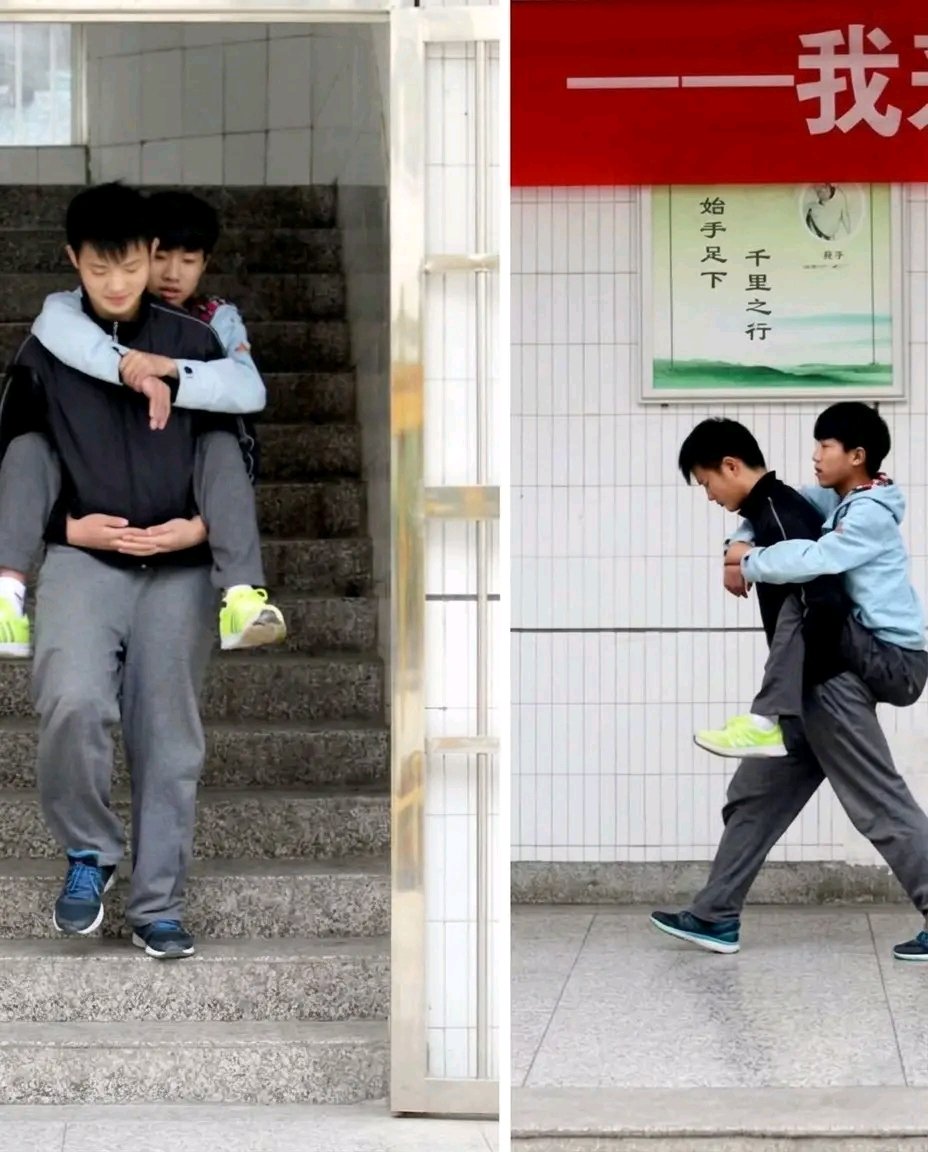
So he made a decision most adults wouldn't make, and he was still a teenager. Every morning, every afternoon, every trip to meals and back: he knelt down, lifted Zhang onto his back, and walked.
Up four flights of stairs.
Down again.
Twice a day. Then three times. Then more.
While classmates sprinted past, Xie moved slowly, carrying 130 pounds of friend, textbooks, and stubborn, quiet love.
He didn't post about it. He didn't ask for anything. On days when his legs ached and his back burned, he showed up anyway.
Because of that, Zhang never missed a single class. Not one. He sat in the front row. He took his exams. He graduated.
They both did, as top students.
When a reporter asked Xie why he did it for so long, he looked genuinely confused by the question.
"He's my friend," he said. "What else would I do?"
2
5
20
967
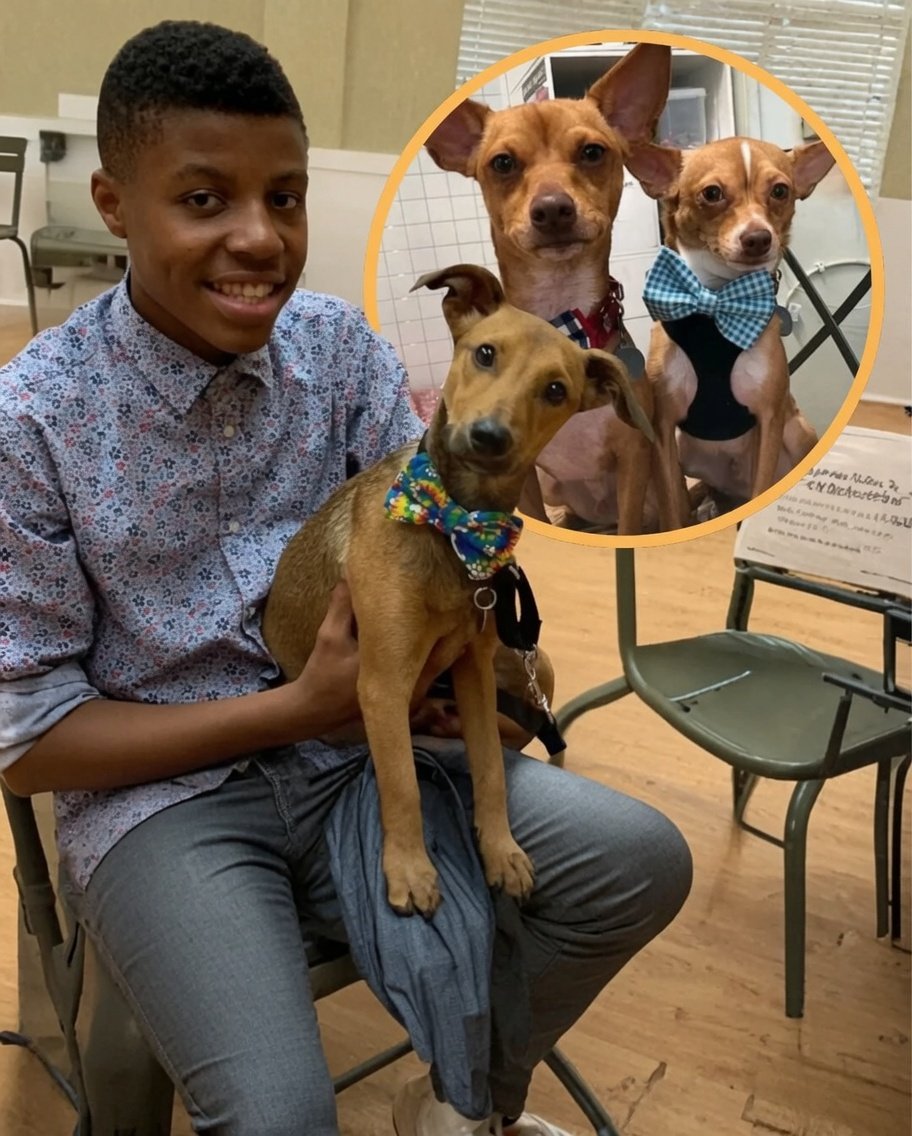
He was 11. He had a needle, some fabric, and an idea nobody else had thought of.
Darius Brown learned to sew because his hands needed the practice.
Fine motor skills. That's how it started, a therapy of sorts, a quiet discipline, a child working through a challenge one stitch at a time. Nobody handed him that skill for a reason. It was just something he built, slowly, because he had to.
Then Hurricanes Harvey and Irma came.
He watched the news the way children do, absorbing it, sitting with it, letting it land heavier than adults expect. Thousands of dogs and cats displaced. Shelters overflowing. Animals waiting in kennels for someone to choose them, with nothing to offer but a pair of eyes looking through a cage.
Darius thought about that.
Then he went to his sewing kit.
His idea wasn't complicated. It was almost too simple. If a dog wore a bow tie in his shelter photo, something colorful, something that made him look like somebody, maybe a family scrolling past would stop. Maybe they'd look twice. Maybe that would be enough.
He made the first one. Then another. Then he started sending them to shelters.
Then shelters started asking for more.
What began as one boy's quiet response to a news report became Beaux & Paws, a project that sent handmade bow ties to rescue organizations across the country and eventually around the world. Thousands of them. Each one cut and stitched by the same hands that once struggled with the needle.
Animal welfare groups took notice. Communities celebrated him. And one day, a letter arrived from Barack Obama, telling an eleven-year-old from Newark that what he was doing mattered.
It did.
But here's what stays with you.
Darius didn't discover some extraordinary talent the world had been waiting for. He took the skill he built through struggle, the one that existed only because something was hard for him, and turned it outward.
He didn't wait until he was older. Didn't wait until he had more. Didn't wait for someone to tell him his idea was worth trying.
He just sewed.
And somewhere, in a shelter in a city he'd never visited, a dog in a bow tie caught someone's eye.
And went home. 🤍
6
16
49
699
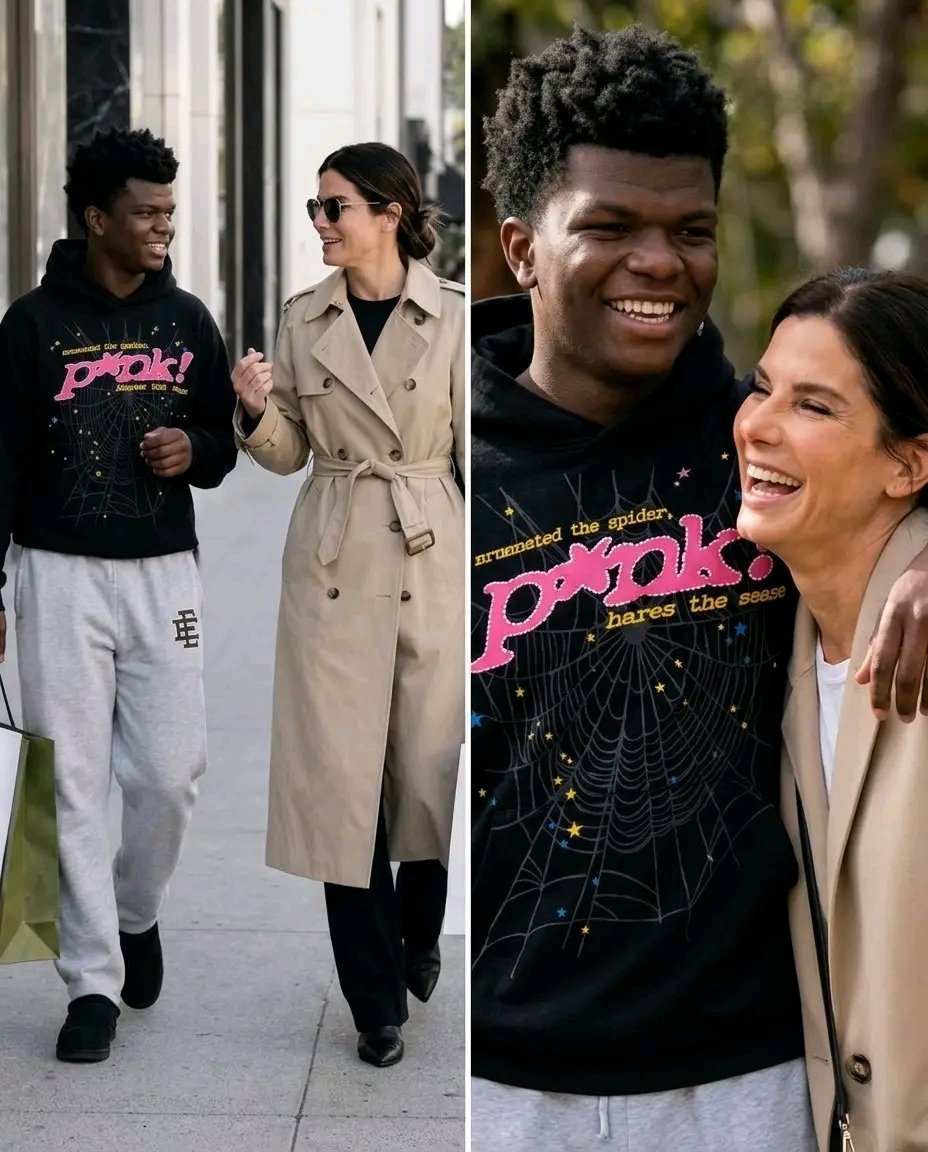
She stepped away from Hollywood to hold her family together. Now the world is watching her walk down a quiet street in LA, and it says everything.
No red carpets. No cameras. No entourage.
Just Sandra Bullock, 61, and her two kids Louis, 16, and Laila, 13, walking down an ordinary street in Los Angeles on an ordinary afternoon.
Louis was in dark denim shorts and a white tee. Laila matched her mom's athleisure. Sandra wore Birkenstocks.
And something about that photo hit people right in the chest.
Because behind those casual outfits is a story of love, loss, and the kind of quiet strength that never makes headlines.
Sandra adopted Louis in January 2010, when he was just three months old, born in New Orleans in the years after Hurricane Katrina. She has always said something deep inside her told her that her son was waiting for her there. She adopted Laila in 2015, also from Louisiana, through foster care. Laila was three years old.
Both children call her mom.
For years, she raised them alongside her partner, photographer Bryan Randall, who she met in 2015 when she hired him to shoot photos at Louis's birthday party. They fell in love quietly, away from cameras, and stayed together for eight years.
Then in August 2023, after a private three-year battle with ALS, Bryan passed away.
Sandra had cared for him until the very end. She stepped back from acting. She didn't give interviews. She didn't seek sympathy. She simply did what partners do, and what mothers do.
She loved him through it.
"Family is what you fight for. Family is what you protect."
After his passing, she went quiet. For nearly two years. Fans wondered if she'd ever return. Now, slowly, carefully, she is. Practical Magic 2, the long-awaited sequel to her beloved 1998 film, is set to open in September 2026, with Nicole Kidman, Stockard Channing, and Dianne Wiest. For fans, it feels like a homecoming.
But what people admire most about Sandra Bullock isn't the films.
It's that she kept her kids in regular schools. She kept them out of paparazzi shots. She kept them at family dinners and in ordinary routines. She chose quiet over noise, again and again and again.
Through Hollywood pressure. Through grief. Through loss. Through becoming the only parent at the dinner table.
She kept showing up.
Stardom can buy many things.
It cannot buy a happy childhood.
It cannot buy peace after loss.
Those things are built in small moments, by parents who choose their kids over the spotlight, every single day.
Sandra Bullock has chosen them again and again.
And in those simple sneakers, on that quiet afternoon walk, you can see exactly what that looks like.
Three people. Still standing. Still together. Still healing. Still home. 🤍
4
20
278
24,908
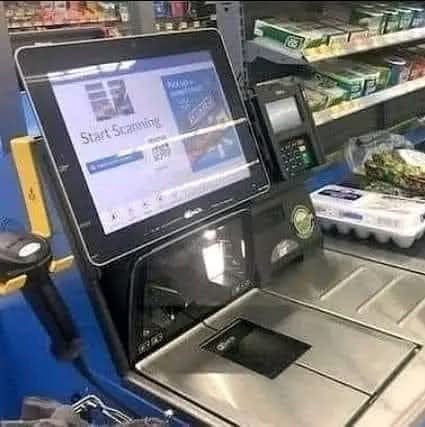
So I am at Walmart scanning and bagging my almost $300 worth of groceries while the employee that wants $15 an hour "monitors" and then this happened.
Her - why are you double bagging all of your groceries?
Me - excuse me?
Her - you are wasting our bags!
Me - if you don't like the way I'm bagging the groceries, feel free to come on over here and bag them yourself.
Her - that's not my job!
Me - okay, then I will bag my groceries how I please if that's all right with you.
Her - why are you using two bags?!
Me - because the bags are weak and I don't want the handles to break or the bottoms to rip out.
Her - well that's because you are putting too much stuff in the bag. If you took half of that stuff out and put it in a different bag then you wouldn't need to double bag.
*10 seconds of me just staring at her.
Me - so you want me to split these items in half and put half of them in a different bag so that I don't have to double bag.
Her - exactly.
Me - so I would still be using two bags to hold the same number of items.
Her - no because you wouldn't be double bagging.
*me pressing two fingers to my left eye in an attempt to make it stop twitching.
Me - okay so here I have a jug of milk and a bottle of juice double bagged. If I take the milk out and remove the double bagging and just put the milk in the single bag and the juice in that single bag I'm still using two bags for these two items.
Her- no because you are not double bagging them so it's not the same number of bags.
*me looking around at about 10 other customers who at this point are enjoying the show.
Me- is this like that Common Core math stuff I keep hearing about?
Her- never mind you just don't get it.
And with that, she returned to her small Podium to resume texting or playing games on her phone or whatever she was occupied with before she opted to come over and criticize my bagging abilities.😂😂
960
1,153
8,295
872,453
June 10 · Center Point, Alabama
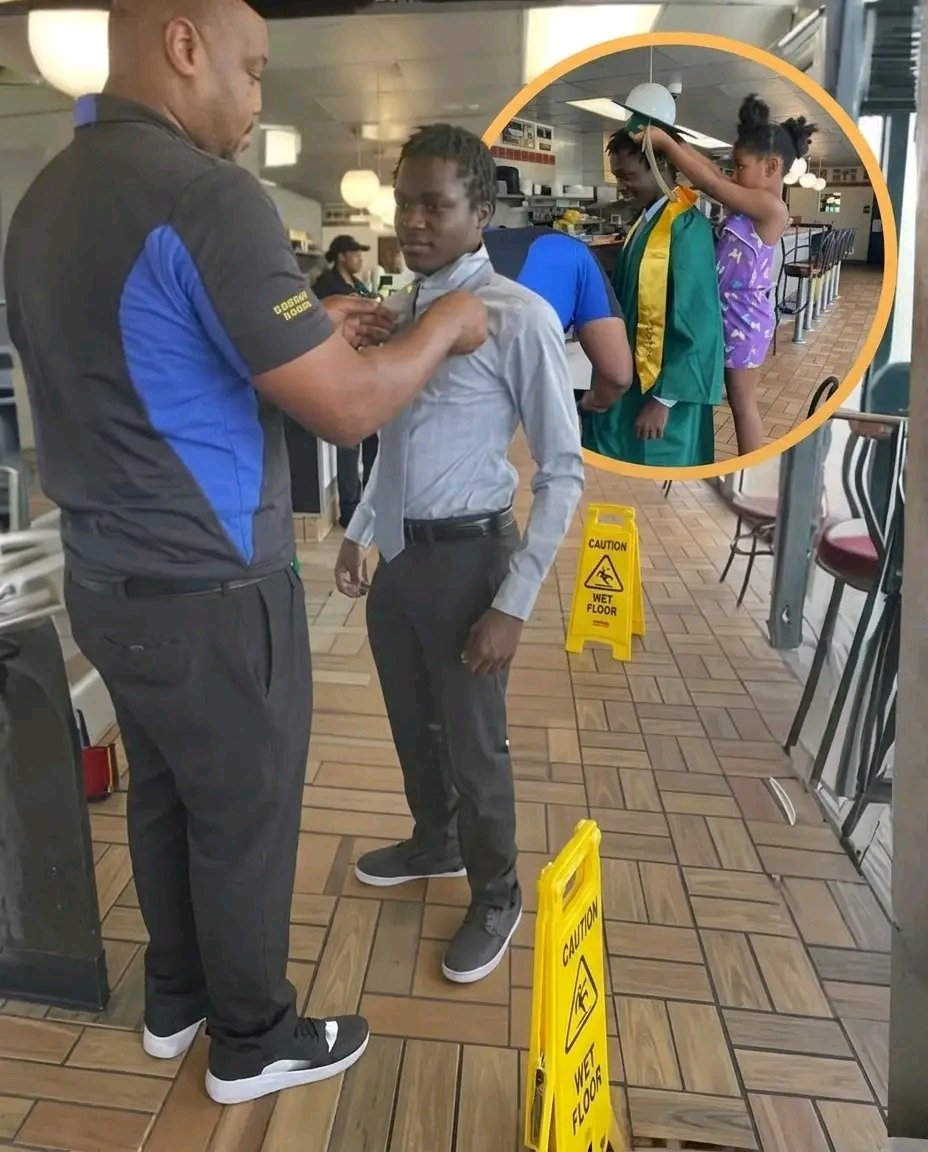
He showed up to work in his uniform on the day he was supposed to walk across a stage.
Timothy Harrison was 18 years old. It was graduation day at Woodlawn High School. And instead of getting ready with his classmates, he clocked into his shift at the Waffle House in Center Point, Alabama, because the cap and gown pickup had passed him by, and he had no ride to the ceremony, and at some point he had quietly decided that today just wasn't going to be his day.
His manager, Cedric Hampton, saw him walk in and stopped.
Timothy had the day off. Why was he here?
When Cedric heard the answer, he made a decision in about three seconds: not on my watch.
What happened next, in a Waffle House in Alabama, was something you don't forget.
Staff scrambled to track down a cap and gown. Coworkers passed around cash, for a dress shirt, a tie, pants, shoes. Customers sitting at the counter overheard what was happening and reached into their wallets without being asked. Within a few hours, Timothy Harrison was standing in that restaurant fully dressed for graduation, looking like someone who had planned this all along.
A coworker drove him across town. They arrived just in time. Timothy took his seat with his graduating class.
He walked.
After the story spread, Lawson State Community College offered him a full scholarship, a future that hadn't existed that morning when he'd quietly given up on his own day.
"I just came in to work. I wasn't expecting any of that."
— Timothy Harrison
Some people decide a moment is over. And then there are the people who refuse to let them.
Tag someone who would have been in that Waffle House passing the hat. 🎓
207
1,297
5,554
47,585
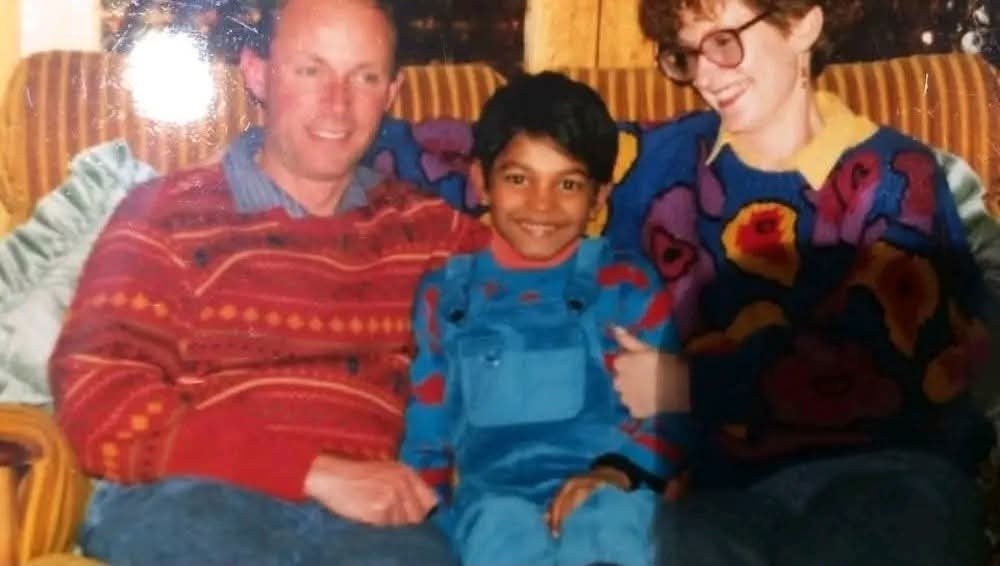
At just five years old, Saroo fell asleep on a bench at a quiet railway station in central India. He had been waiting there with his older brother, Guddu, who told him to stay put for a few minutes. When he woke up, his brother was gone.
Confused and frightened, Saroo searched for Guddu, calling his name, but couldn’t find him. Spotting a train at the platform, he believed his brother might be inside. He climbed aboard and soon fell asleep again. When he awoke, the train was already moving. The doors were locked, the carriages almost empty, and there was no one to help him. For two full days, the train carried him across India with no food or water.
When it finally stopped, he was in Kolkata, more than 1,000 kilometers from home.
He didn’t know the name of his village, couldn’t read, and didn’t even remember his own surname. All he had were a few faint memories: a water tower, a bridge, and a river. For weeks, he survived on the streets of Kolkata, sleeping under benches and eating scraps from rubbish bins, always staying away from strangers.
Eventually, he was taken to an orphanage. When no one could trace his family, he was adopted by a kind Australian couple and brought to Tasmania. There, he learned a new language, went to school, and started a new life. Yet the memories of his Indian home never faded.
As a young adult, he began a determined search. Using Google Earth, he calculated how far the train could have traveled in two days and slowly explored the vast area station by station. Night after night, for years, he scanned satellite images.
Then, in 2011, everything changed. He spotted a familiar water tower, followed by a road and a bridge. The location was Ganesh Talai, near the town of Khandwa.
He traveled there with little certainty. As he walked the streets, long-buried memories came rushing back. He stopped in front of a house, and a woman stepped out. It was his mother.
Twenty-five years after he disappeared, Saroo had finally come home.
That day, he also learned the tragic fate of his brother Guddu. On the same night they were separated, Guddu had been killed by a train while looking for him. In a single day, their family had lost both sons, only for one to return a quarter of a century later.
Saroo now lives between two worlds: the Australian life he built and the Indian roots he rediscovered. His incredible journey was later shared in the book and the film Lion.
1
2
396
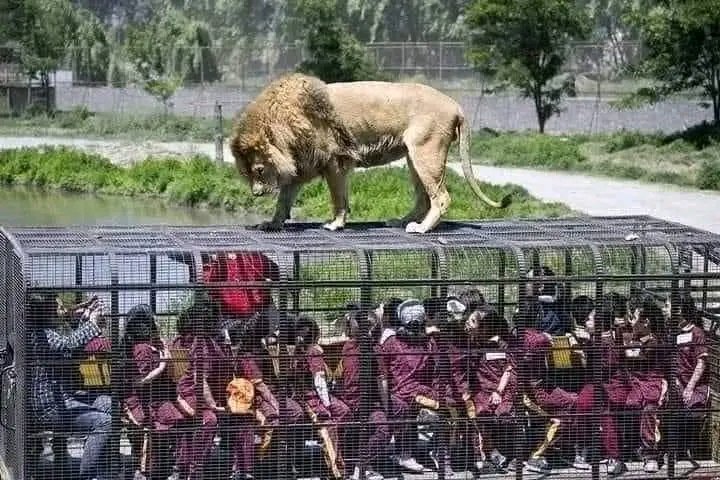
A man established a zoo and made the entrance fee $300 but no one went there. He reduced it to $200 but still no one came.
He then reduced the fee to 10$ but still people didn't come.
Finally, he made it FREE entrance and soon, the zoo was filled with people. Then he quietly locked the gate of the zoo, set the lions free and made the exit fee $500 and everyone paid.
1
1
198