
23 | 🏆x3 VCL OCE ;🏆x1 VCL JP | agency @Riocompany_kr
Joined May 2022
- Tweets 2,111
- Following 786
- Followers 5,091
- Likes 16,334
163 Photos and videos






Fadezis retweeted

Jun 13
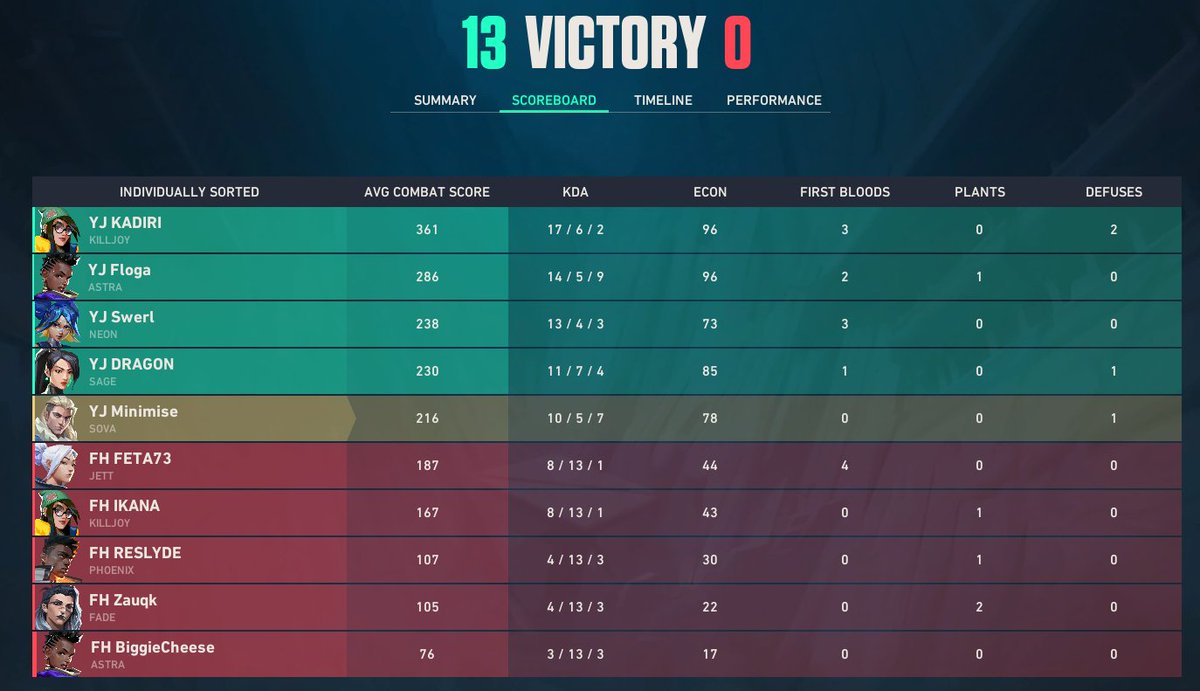
We go 3-0 in fortress groups, playoffs next week to qualify for SEA LCQ
7
2
94
5,538

Fadezis retweeted

Jun 5
I think the best way to do this is with a sequential pick phase and then you can bring in bans when the game is more ready
If you can select agents one by one in turn with your opponent, it will give the option to be more flexible. For example changing your last pick sentinel to counter the duelists your opponent’s have already picked
Equally teams are still allowed to approach the game as they do now (one comp and per map). They are not punished and their strats are as solid as ever, they’re just not rewarded for creativity
This would raise the skill ceiling in pro play in my mind and take the game in good direction for bans down the line

at what point in VALORANT do we entertain agent bans?
to clarify: agents bans =/= draft. i've played in draft tourneys and, while fun, imo it would just make pro play too random
i think 1 agent ban would force just enough agent mastery w/o completely throwing VCT into chaos
3
3
104
15,340

Fadezis retweeted

May 31
Funny how EMEA VCL has included regions as LTR/eligible for their leagues. Those players competed without any issues last split, yet for LCQ there's suddenly a rule that you can't play with over 60 ping. (Our player averages 65-70 on the server, for reference.)
To add to it, LCQ requires you to retain 3/5 of the core roster from that same split, where the ping was apparently acceptable.
How can they add a rule that sidelines multiple countries from their shot at the biggest opportunity in VCL (a chance to compete for a VCT EMEA spot) and then turn around and say “if you’re from these regions and can’t get good ping to Frankfurt, you’re out of luck mate”?
This isn’t just affecting my team. It looks like it impacts pretty much every MENA and Turkish team, all averaging well over 60 ping. So only the orgs that can afford to send their roster to a bootcamp closer to Frankfurt actually get to compete.
Kind of wild how weeks or months of work can get thrown out the window like this!

6
5
72
20,919
Fadezis retweeted

May 28
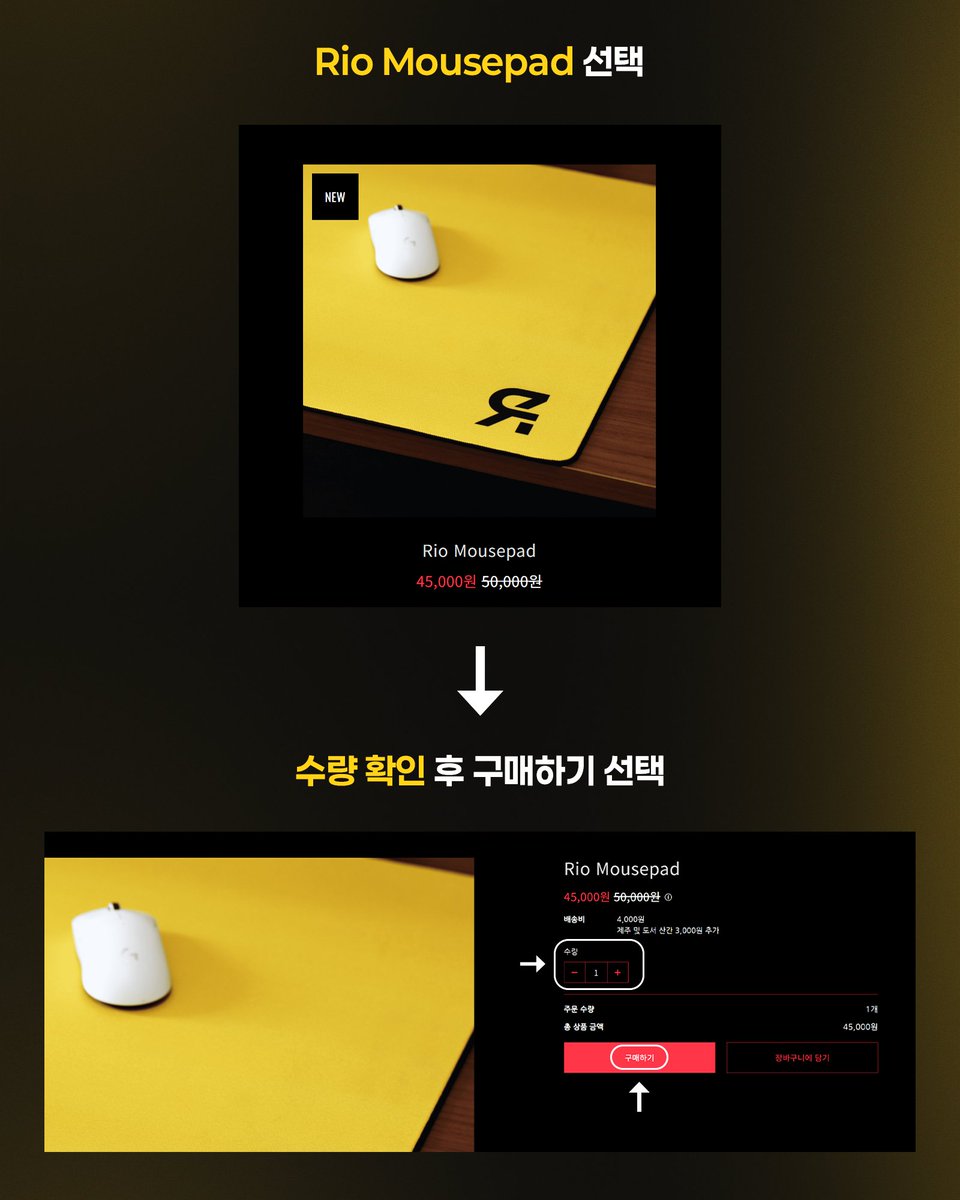
리오 마우스패드, 드디어 출시 🎉
극한의 슬라이딩도, 극한의 브레이킹도 아닌 — 밸런스 슬라이딩.
FPS 입문자부터 베테랑까지, 누구에게나 맞는 범용 컨트롤.
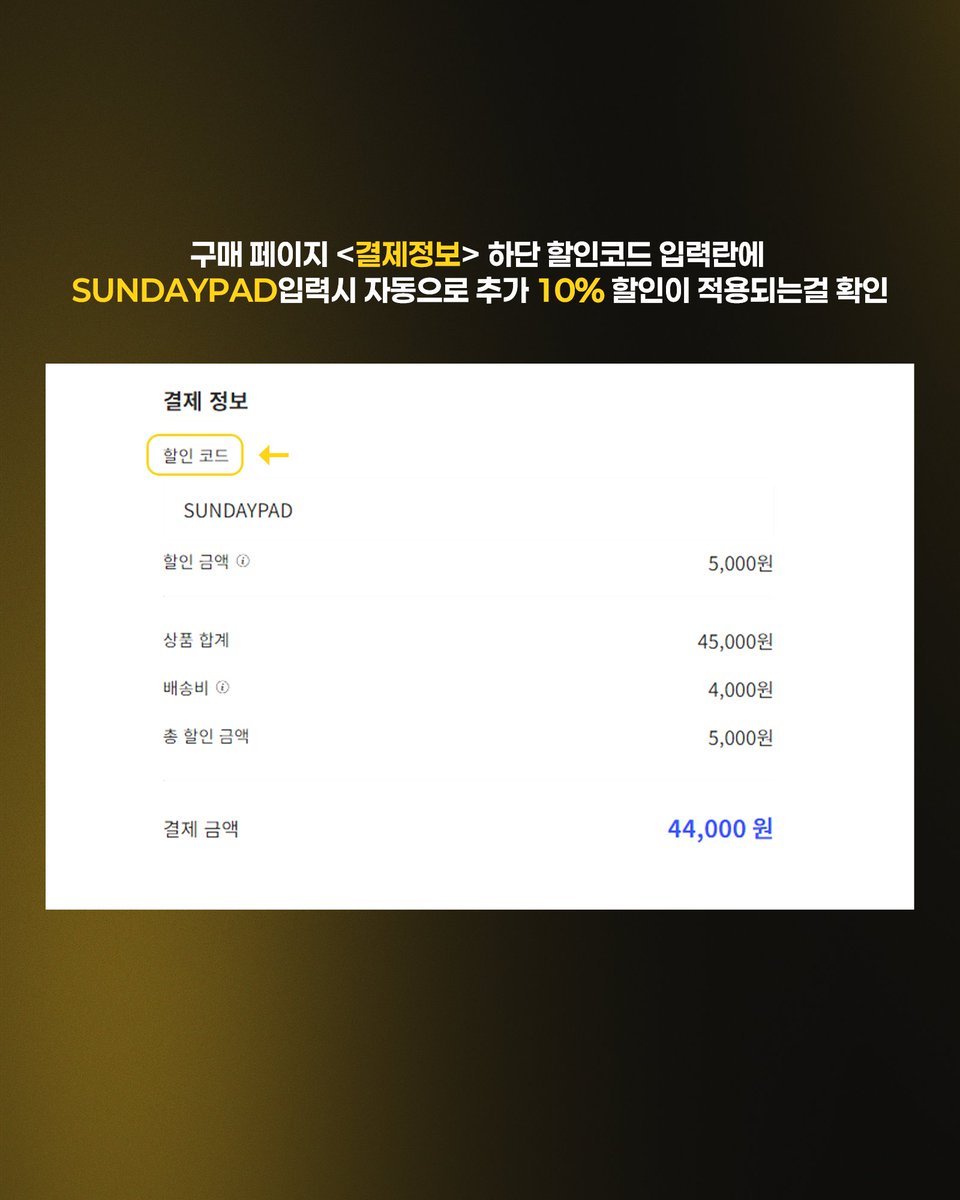
초도 한정 수량 | 런칭 할인 10% 적용 중!
👉 riocompany.co.kr
#리오마우스패드 #FPS #리오컴퍼니


10
32
10,084
Fadezis retweeted

May 4
OCE’s path to VCT Pacific is here!
From Premier to LAN qualifiers, the Fortress (touch)Grassroots Ecosystem offers multiple ways for OCE teams to fight for a spot in the Pacific LCQ.
12
60
366
84,288

Team Spiritアカデミーの遅刻ペナルティ
「Team Spiritアカデミーでは、5分以上遅刻すると罰金(給料の10%)と、BOT撃ち1万回のペナルティを課せられます。BOT撃ち1万体は、約1時間相当ですね。
中には50,000体のBOTを撃ったアカデミー生もいました。
ブートキャンプの時は、たまった罰金でバーベキューをします。
結構な額が集まるので、エビや牛肉になりました。」
TEAM SPIRIT STORIES: SOUL3
youtube.com/watch?v=DEA9kwTi…
31
344
155,394

Fadezis retweeted

Mar 5
I got a lot of messages, and I got to know a lot of things thanks to you. Thank you.
So I'm going to talk a little bit about the Korean VALLORANT structure that I know.
🇰🇷 Important of Education: The Architecture of South Korean Valorant eSports
Intro: Growth Driven by Educational Infrastructure
The growth of South Korean eSports is fundamentally rooted in the scale and sophistication of its educational infrastructure. The proliferation of high-quality coaching and physical opportunities for professional training has led to an "upward equalization" of the amateur scene. I believe the core differentiator of the Korean model lies in the synergy between advanced academy systems and agency-led talent debuts.
1. Tier 3: The Grassroots and the KOV Community
At the grassroots and lower Tier 3 levels, the ecosystem is centered around 'KOV' (Korea Valorant), the largest Discord community in the country.
The Hub: It serves as the primary marketplace for players, coaches, and teams to find one another.
League Structure: The Premier 'Invite Division' (Tier 3) is largely managed and operated through this community hub.
2. Tier 2 & High Tier 3: The Agency-Driven Era
Moving up to Tier 2 and elite Tier 3, the structure shifts from community-based to Agency-driven.
Dual Powerhouses: The market is largely bifurcated by Rio Company and Shadow Corporation. Their insights and management capabilities exert a massive influence on the scene.
The Talent Trend: The current VCL Korea (Tier 2) trend has shifted away from veteran experience toward an insatiable hunger for young, raw talent.
The 1,000 RR Standard: The entry bar has become incredibly high; currently, it is extremely rare to find a player in the league with less than 1,000 RR (Radiant) on the APAC server.
Talent Pre-emption: Both major agencies are aggressively scouting and "pre-empting" amateur talent. Consequently, while the Tier 2 level is surging, the general Tier 3 scene is experiencing a slight decline in overall skill because Tier 2 is "draining" the talent pool as soon as prospects emerge.
3. Academy & Tier 1: From Revenue Stream to R&D Centers
The role of Tier 1 Organization Academies has evolved from mere revenue generators to Talent Scouting and Research Hubs.
The Big Three: T1, Gen.G, and DRX are actively utilizing their academy systems to scout and secure talented players early.
Support System: These academies provide professional-grade resources, allowing rookie players to perform with the maturity and tactical depth of veterans.
Innovation in Education: Models like Gen.G Global Academy are integrating with international universities to address parental concerns regarding career stability.
R&D Integration: Academies now serve as R&D labs. Data gathered from academy training is analyzed and fed back to Tier 1 teams to refine their tactical completion and overall performance.
Conclusion: The Korean Competitive Advantage
Ultimately, the evolution of Korean eSports is a byproduct of its educational business scale. The increase in physical opportunities for professional education has raised the floor of the entire amateur scene. This, combined with an agency-led system that guarantees debut opportunities for elite talent, constitutes the unique competitive advantage of the Korean eSports model.
#VALORANT #VCL #VCK #eSports
2
8
63
17,356
Fadezis retweeted

27 Dec 2025
ScrimSense Is Officially Live!
You can now get full access to the application through our discord server linked bellow.
Everyone who participated in our trial periods has helped shape ScrimSense, and we truly appreciate it.
Thank you for the support, this is just the beginning

2
2
13
9,943
I made a server for APAC scrims
You can look here for opponent to practice certain specific scenarios or raw ideas as well for normal scrims
Welcome to teams of all skill levels (amateur teams, VCL, VCT) and across all regions (JP, KR, CN, SEA, SA,OCE)
discord.gg/WVnRjX4rb5
8
57
371
65,554
Big thanks for @puddingmanse @mossCSGO @Senpai_vlr @Axe1vlrt @Xiaonuo_valo for helping to correct and translate everything to 🇯🇵🇺🇸🇰🇷 and thanks for @toska_dusha for helping with small server stuff
1
3
19
5,429