
An official journal of @FEBSnews devoted to original articles and reviews in the molecular life sciences. Posts by the editors.
Joined November 2010
- Tweets 6,159
- Following 1,640
- Followers 3,511
- Likes 3,434
2,609 Photos and videos
Pinned Tweet

25 Sep 2025
Our Disease Mechanisms Focus Issue is out now 📗🪰
Articles in this issue combine fundamental structural insight with mechanistic implications for disease.
Read the issue here ➡️ febs.onlinelibrary.wiley.com…
1
880
Jun 10
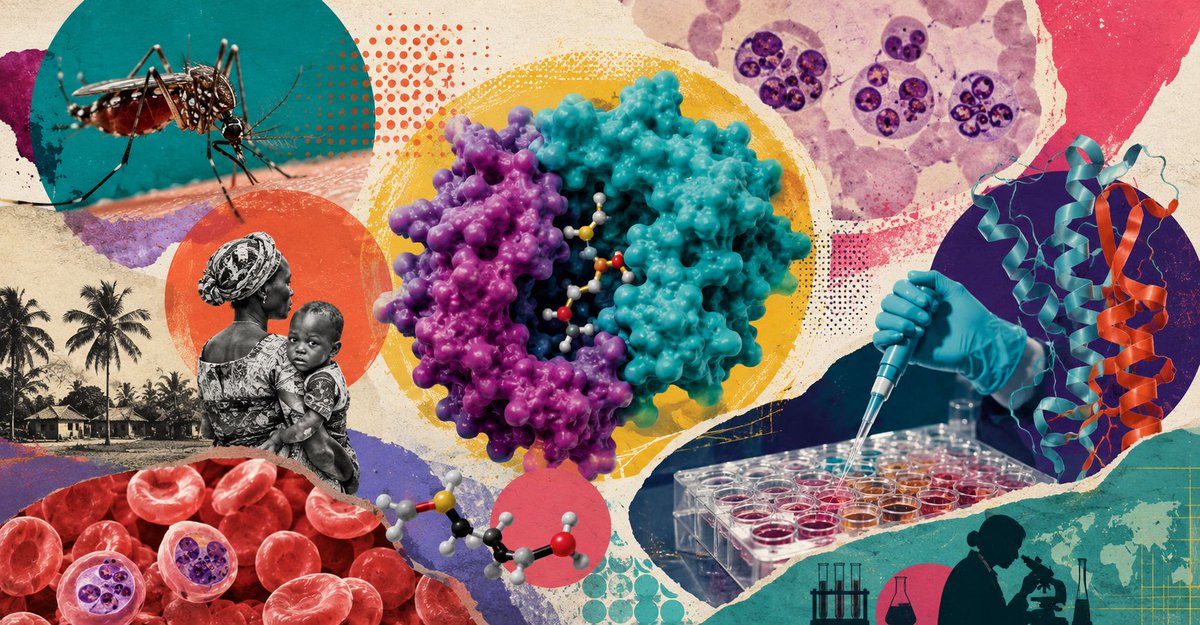
🩸 Despite decades of advances in prevention and treatment strategies, malaria continues to be one of the world's most significant health challenges.
💉 Recent research highlights the importance of Falcipain-2, an enzyme that enables the malaria parasite to digest human hemoglobin. In their study published in our journal, Nath et al. uncover the molecular basis of Falcipain-2 binding to hemoglobin and provide insights into its regulation.
🌟 For further reading, dive into our FEBS Network post, here ➡️ buff.ly/EOR9yBa
📕 Read the full study here, where the authors uncover an unprecedented mechanistic basis that could guide the development of PEG derivatives with potent antimalarial efficacy ➡️ buff.ly/171bEj5
#malaria #Falcipain #PEG400 #FP2 #hemoglobin
86
Jun 8
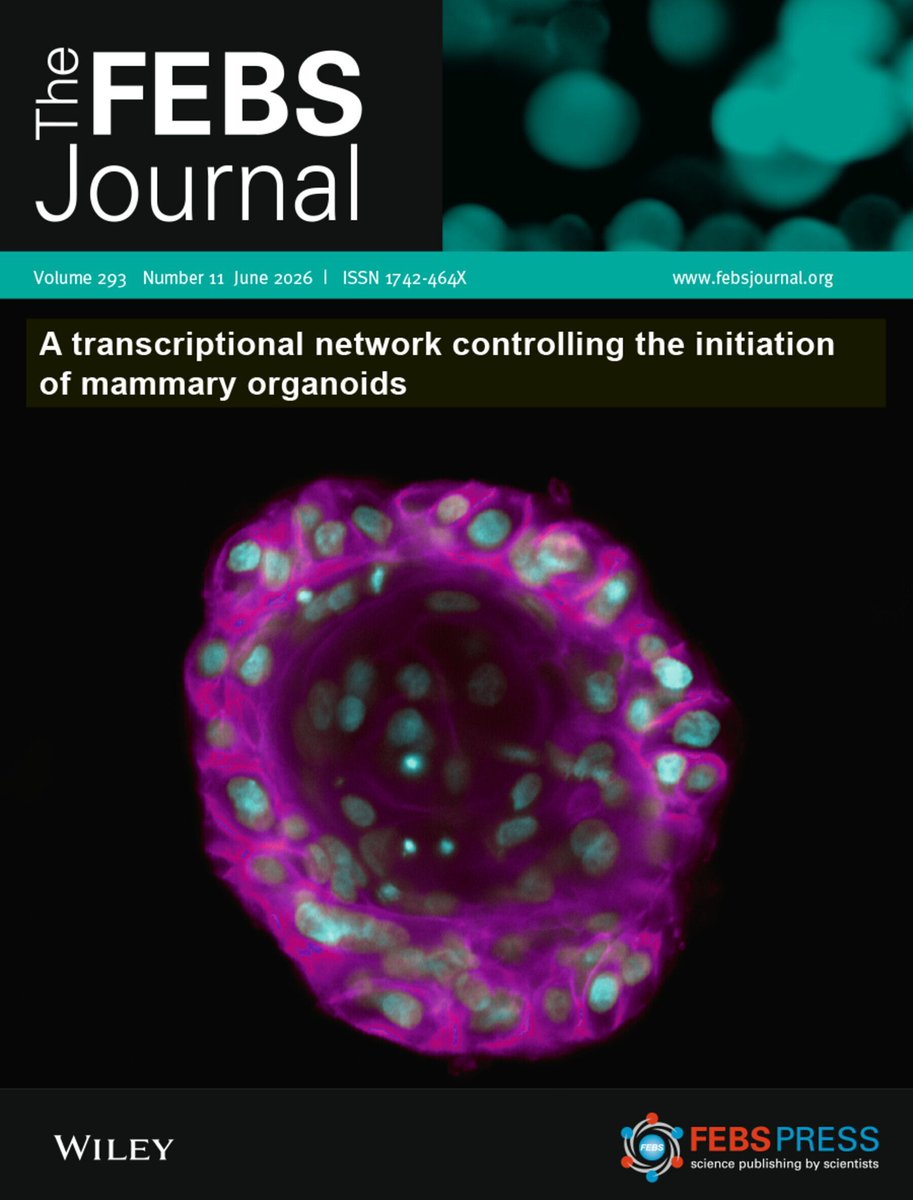
🚀 Our Issue 11 is now online!
In this issue, you'll find:
🌟 A mini-review focusing on Nedd4 ligases, offering an in-depth look at its regulation and wide-ranging effects on diverse cellular pathways.
🌟 A Viewpoint article bringing a thorough, fresh perspective on metabolic thermodynamics.
🌟 Our new Hidden Gems collection highlighting standout original research articles published in our journal in 2024.
🌟 An Editor's Choice article featuring a newly uncovered role for the oxygen-independent expression of HIF-1α in hepatocellular carcinoma, accompanied by an expert commentary.
🌟 And several original research articles advancing our understanding of key mechanisms in the life sciences.
Explore our newest issue, here ➡️ buff.ly/X6Smt3W
#nedd4 #metabolicthermodynamics #hiddengems #hif1 #yeast
1
65
Jun 3
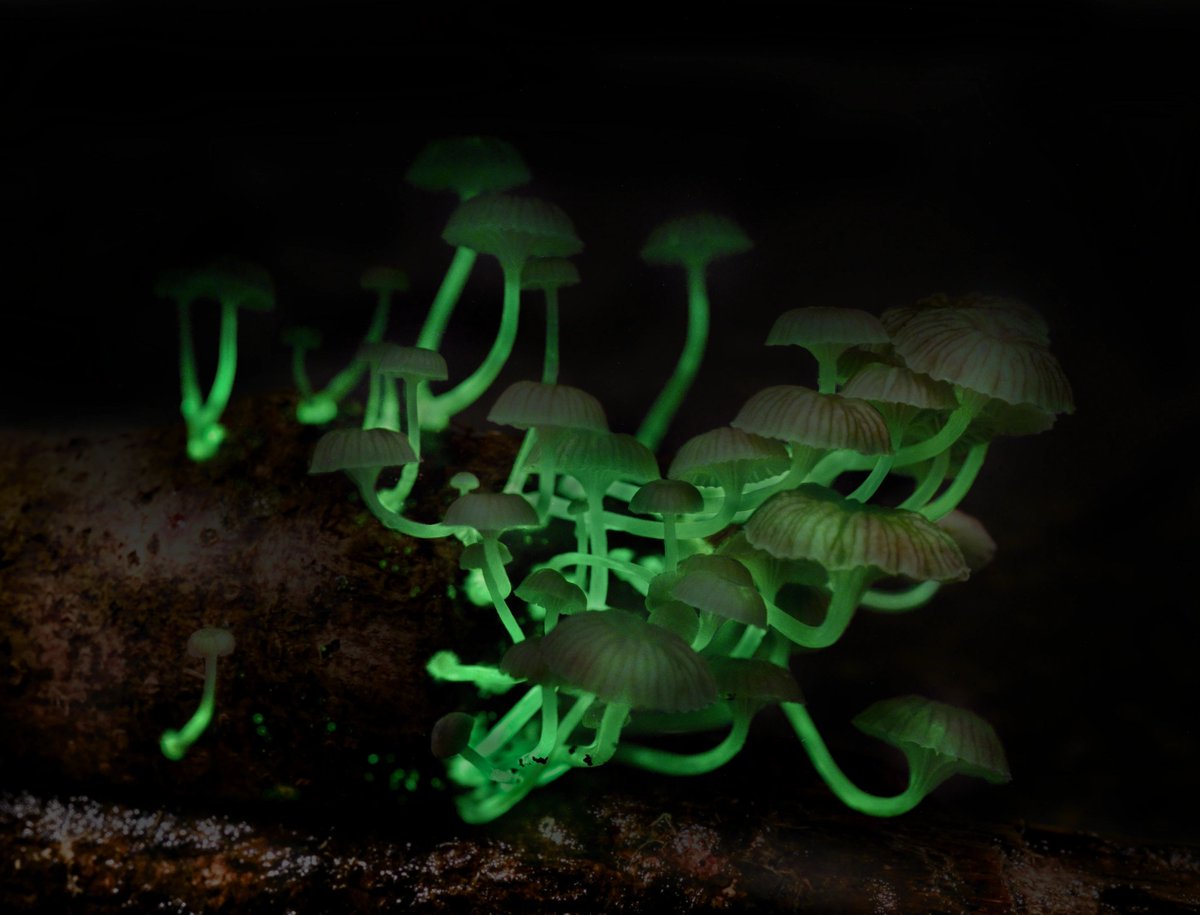
💡 Bioluminescence is more than just a pretty glow! By adapting bioluminescence for the lab, scientists worldwide can visualize complex cellular processes, track cancer cells, or map brain activity everyday.
🌟 Our two recent publications bring valuable new insights into the fungal bioluminescence pathway, confirming the exact role that caffeylpyruvate hydrolase (CPH) plays in making fungi glow.
For further reading, check out our FEBS Network post here ➡️ buff.ly/G5KBw3p
📖 You can also dive deeper into the full studies, here:
- Caffeylpyruvate hydrolase from the bioluminescent fungus Neonothopanus gardneri is the key recycling enzyme in the fungal bioluminescence pathway ➡️ buff.ly/DU9DRYh
- Fungal oxyluciferin is recycled by caffeylpyruvate hydrolases ➡️ buff.ly/5fkY7fj
🍄Isn't it stunning that some of our most advanced scientific tools come directly from the brilliance of the natural world? We’d love to hear your thoughts, drop them in the comments below!
#bioluminescence #fungi #caffeylpyruvatehydrolase #bioluminescencepathway
80
Jun 1
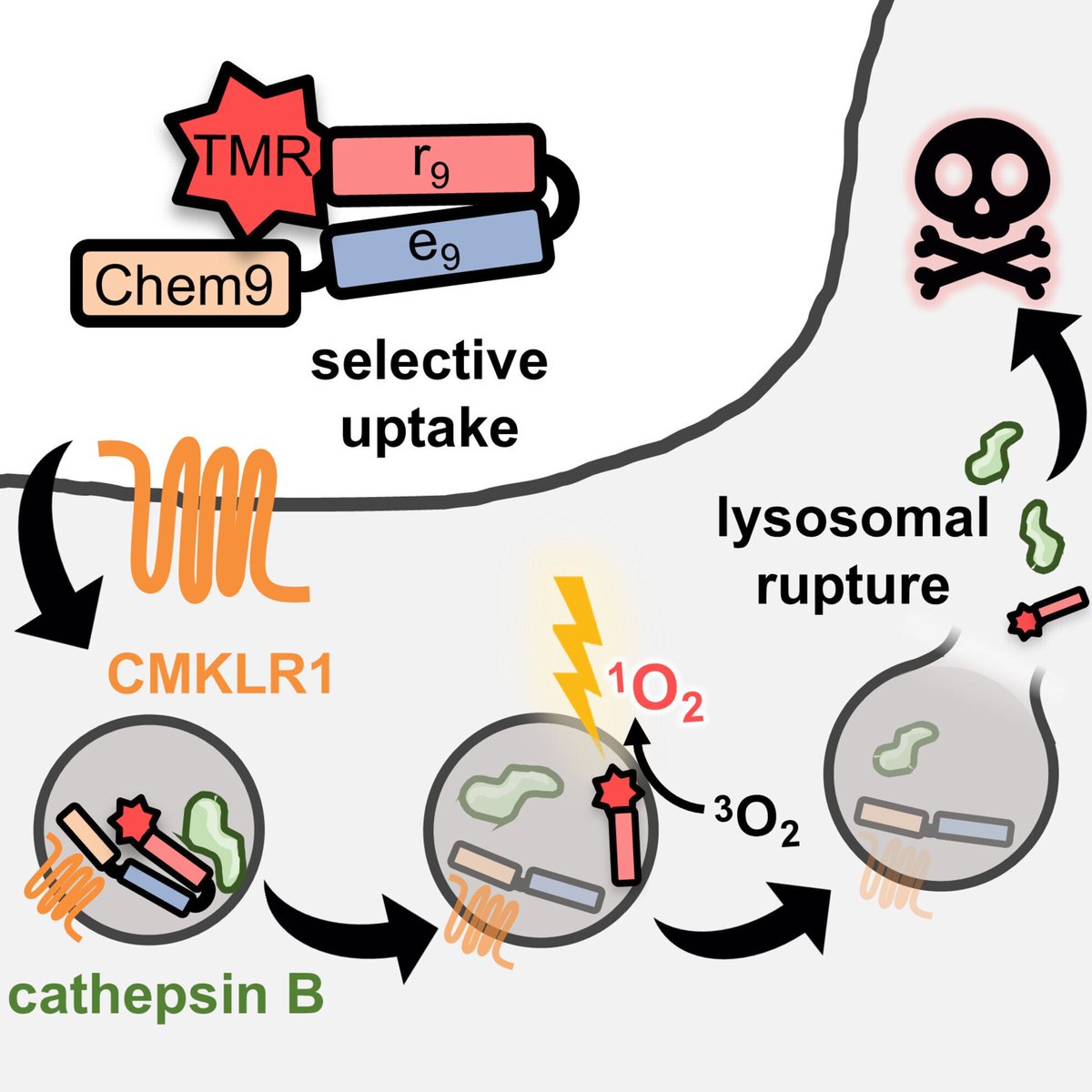
🚀 We're thrilled to start the week by featuring an exciting new study from the Beck-Sickinger Lab, which presents an innovative approach to a targeted phototoxic peptide.
📕 Targeted, receptor-mediated delivery of a masked d-amino acid cell-penetrating peptide for cell-specific phototoxicity
📖 A targeted phototoxic peptide selectively accumulates in cells expressing chemokine-like receptor 1 (CMKLR1). Phototoxicity of the native peptide is low, but cleavage by lysosomal protease cathepsin B releases a 6-tetramethylrhodamine (TMR) labeled nona-ᴅ-arginine which mediates lysosomal rupture and cell death upon irradiation.
✍ Moritz List, Eva-Maria Jülke, Annette Beck-Sickinger
Access to the full article, here ➡️ buff.ly/r0CuVqs
#peptides #cancer #receptors #sensitizers #drugdelivery
111
Jun 1
🧬 We look forward to attending the EMBO-EMBL Symposium ‘Mechanobiology across the tree of life’ in Heidelberg next week.
💬 Please come and meet The FEBS Journal Managing Editor, Julija Hmeljak. We'd be delighted to connect and discuss great science with you!
#EESMechanobiology #EMBLEvents #FEBSPress
1
64
May 29
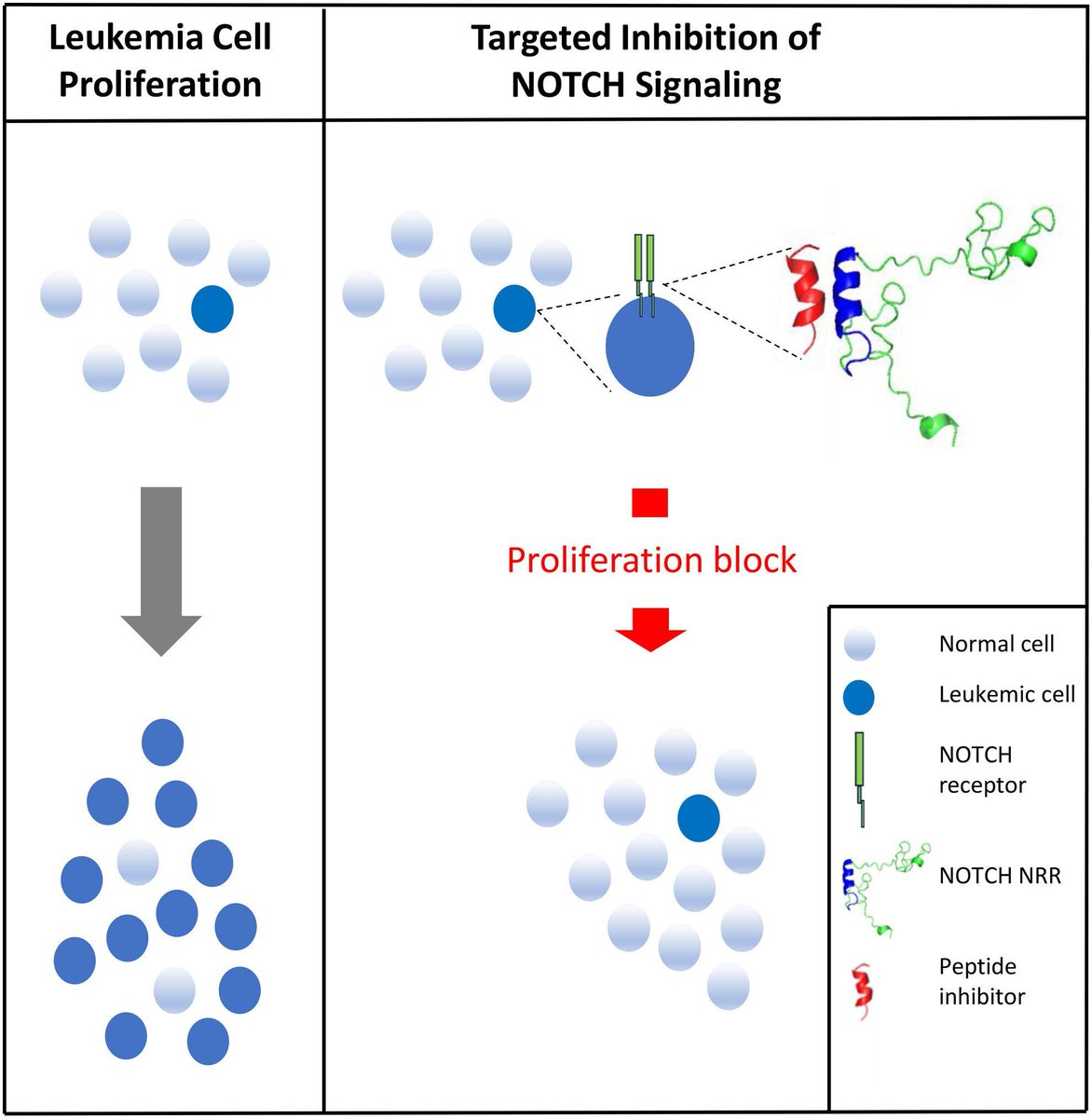
💊 To date, Notch signalling has been thought to occur via ligand and receptor homomers. In this recent study, which led to the discovery of a unique class of NOTCH signalling inhibitors, Liu et al. proposed that NOTCH receptor dimerization/oligomerization is essential for the transactivation of receptor signalling.
📕 Dimerization-dependent NOTCH receptor transactivation unveils a class of highly selective NOTCH signalling inhibitors
📖 NOTCH signalling is indispensable for tissue homeostasis and, consequently, corruption of its normal function promotes numerous diseases, including cancer. However, the development of targeted therapies has been hampered by inefficacy and overt toxicity. Here, we show that NOTCH receptor dimerization is necessary for receptor transactivation, which has enabled the discovery of a previously unknown class of highly selective NOTCH signalling inhibitors that could underpin novel therapeutic approaches to treating NOTCH-driven pathologies.
Access the full article, here 👉 buff.ly/RkOv8Ja
✍ Star Xinxin Liu, Haijiang Wang, Gunja Mishra, Lin-Ting Wu, Chao Li, Maarten van Dinther, Jin Liu, Manuel Gonçalves, Peter ten Dijke, David Baker
🌟 You may also read an excellent Commentary article on this study, ✍by Gerard Hoyne 👉buff.ly/8M9Vfwo
#notch #receptor #dimerization #therapeutics #signalling
2
2
96
May 27
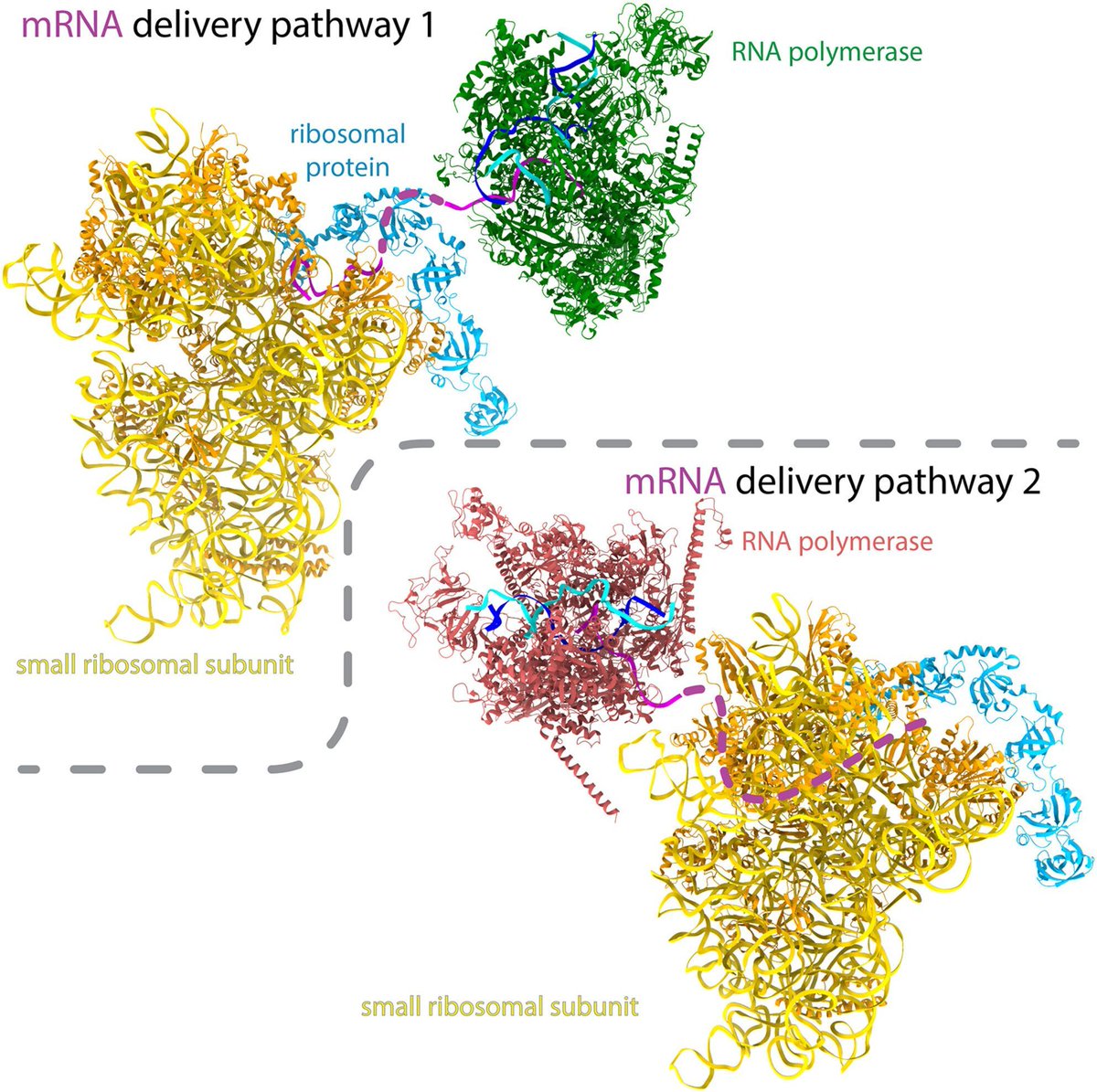
🧬 The Structural Snapshot article in our Issue 10, ✍ by Huma Rahil and Albert Weixlbaumer, delivers a thorough analysis of transcription-translation coupling!
📕 Bridging the gap: When transcription meets translation
📖 Gene expression comprises mRNA transcription from DNA by RNA polymerase, and translation to protein by the ribosome. Bacterial RNA polymerase cooperates with the ribosome in a supramolecular assembly line, which provides new functions. Recently, formation of this complex was visualized, providing insights into mRNA recruitment. RNA polymerase delivers nascent mRNA either directly or via ribosomal protein bS1, which captures and guides mRNA for proper positioning and initiation of translation.
Get the comprehensive look, here 👉 buff.ly/F6UDZ6n
#transcription #translation #mRNA #polymerase #ribosome
82
May 20
🚨 New issue alert 🚨
🥽 Dive into our latest Issue 10, featuring significant advances across the molecular life sciences:
🧬 A Viewpoint article exploring RNA methylation with a biophysical perspective,
🧩 A Structural Snapshot focusing on the bridge between transcription and translation,
‼️ A compelling study on NOTCH receptor dimerization, revealing a previously unknown class of highly selective NOTCH signaling inhibitors, accompanied by a Commentary article,
✨️ An Editor's Choice article featuring an insightful look at the little-known Iota-class GSTs (GSTIs) and their crucial functions in redox homeostasis and stress tolerance in the model cyanobacterium Synechocystis.
Explore the full issue for these and many more exceptional research articles, here ➡️
buff.ly/5Un8Zcj
#methylation #notch #transcription #glutathionetransferases #malaria #myofibershape
3
171
May 15
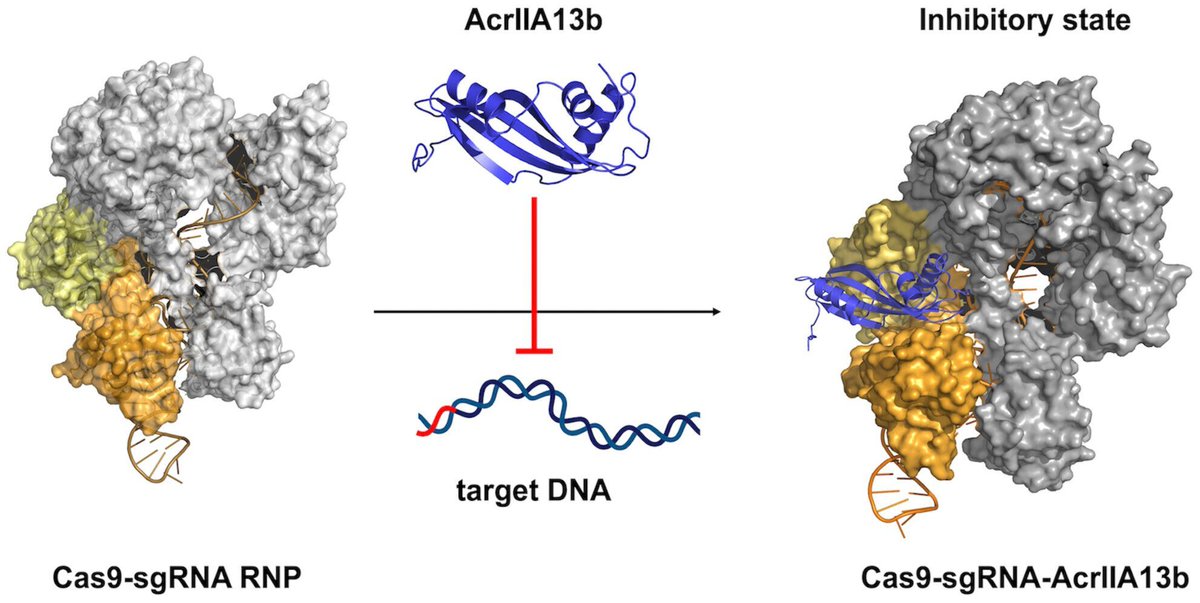
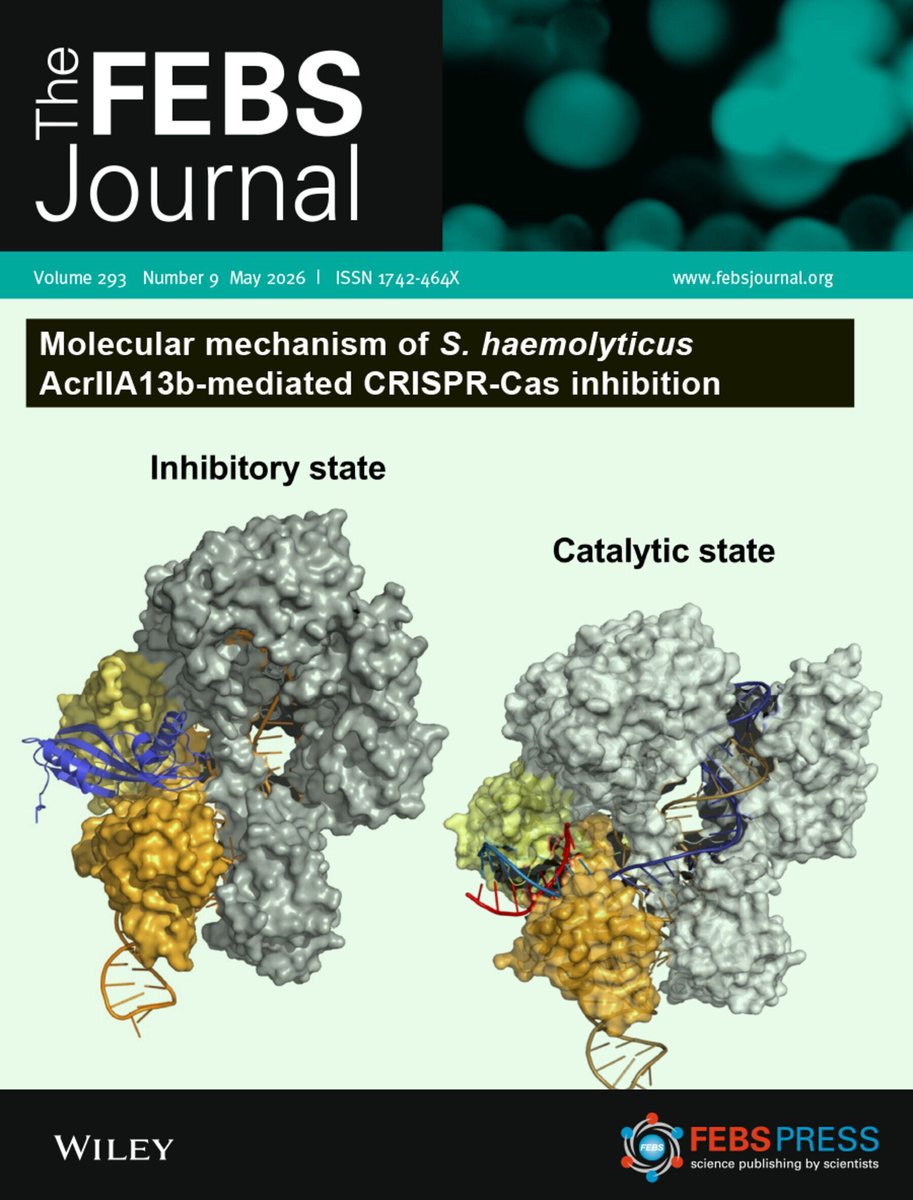
✂️ Have you heard of anti-CRISPR proteins? In our latest Issue 9, Lee and Park reveal the structural mechanisms behind how anti-CRISPR protein AcrIIA13b inhibits CRISPR–Cas9 function. This article is also accompanied by an insightful Commentary ✍ Tomas Šinkūnas, Giedre Tamulaitiene
📕 Investigating the molecular mechanisms underlying the anti-CRISPR function of AcrIIA13b protein
📖 Anti-CRISPR protein AcrIIA13b inhibits CRISPR–Cas9 function by preventing target DNA engagement. The Cas9–sgRNA ribonucleoprotein (RNP) normally recognizes the protospacer adjacent motif (PAM) duplex to initiate DNA cleavage. AcrIIA13b binding to the PAM-interacting WED–PI domain blocks this recognition, leaving the target DNA intact. This structural mechanism explains how AcrIIA13b suppresses Cas9-mediated genome interference and highlights its role as a molecular inhibitor of CRISPR–Cas9 activity.
Discover the study, here ➡️ buff.ly/RFnBo0i
✍ So Yeon Lee, Hyun Ho Park
Discover the Commentary article, here ➡️ buff.ly/USc4b6k
#CRISPR #antiCRISPR #structuralbiology #ribonucleoprotein
121
May 13
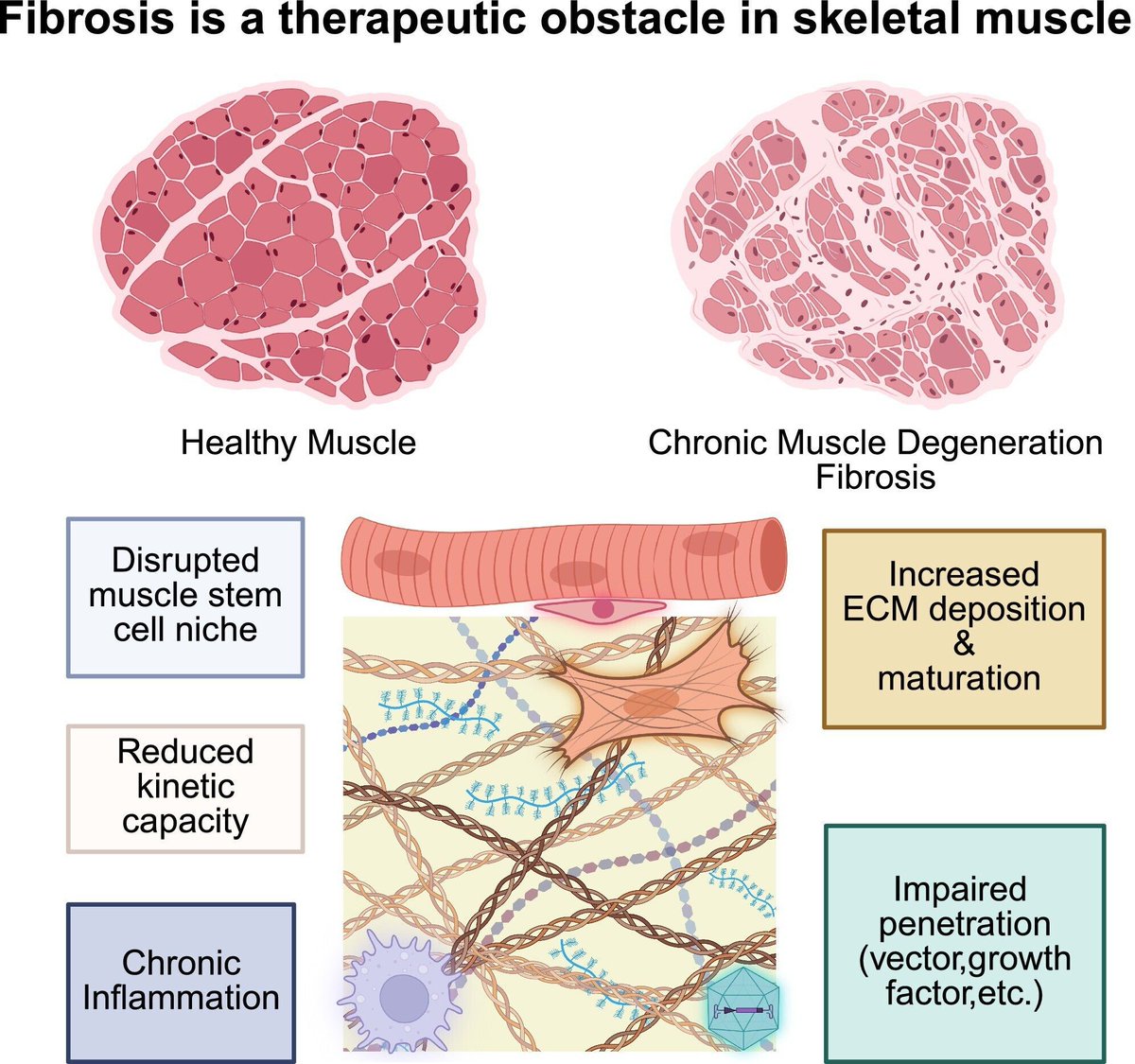
💉 In this Viewpoint article, Kilic and Kocaefe discuss current therapeutic strategies for skeletal muscle dystrophies, focusing on fibrosis as a primary impediment to gene and regenerative medicine. They highlight the significant potential of fibrosis modulators in the development of next-generation therapies.
📕 Reframing fibrosis as a barrier to regeneration and gene delivery in muscular diseases
📖 Fibrosis impairs skeletal muscle function and regeneration by disrupting the satellite cell niche. Increased ECM stiffness reduces kinetic capacity, promoting atrophy alongside hindering the activation and migration of myoblasts required for regeneration. This fibrotic barrier blocks growth factors and gene therapy vectors from reaching their targets. Without addressing fibrosis, effective treatment of muscle degeneration remains unattainable.
Discover the Viewpoint, here ➡️ buff.ly/TszvRLr
✍ Hasan Basri KILIÇ, Çetin Kocaefe
#fibrosis #muscledegeneration #therapy #regeneration #skeletalmuscledystrophy
72
The FEBS Journal retweeted

We have pusblished @DelaCruzLab1 a Commentary on a paper by Gao et al. in @FEBSJournal
You can have a look following the link
onlinelibrary.wiley.com/shar…
3
4
157
May 12
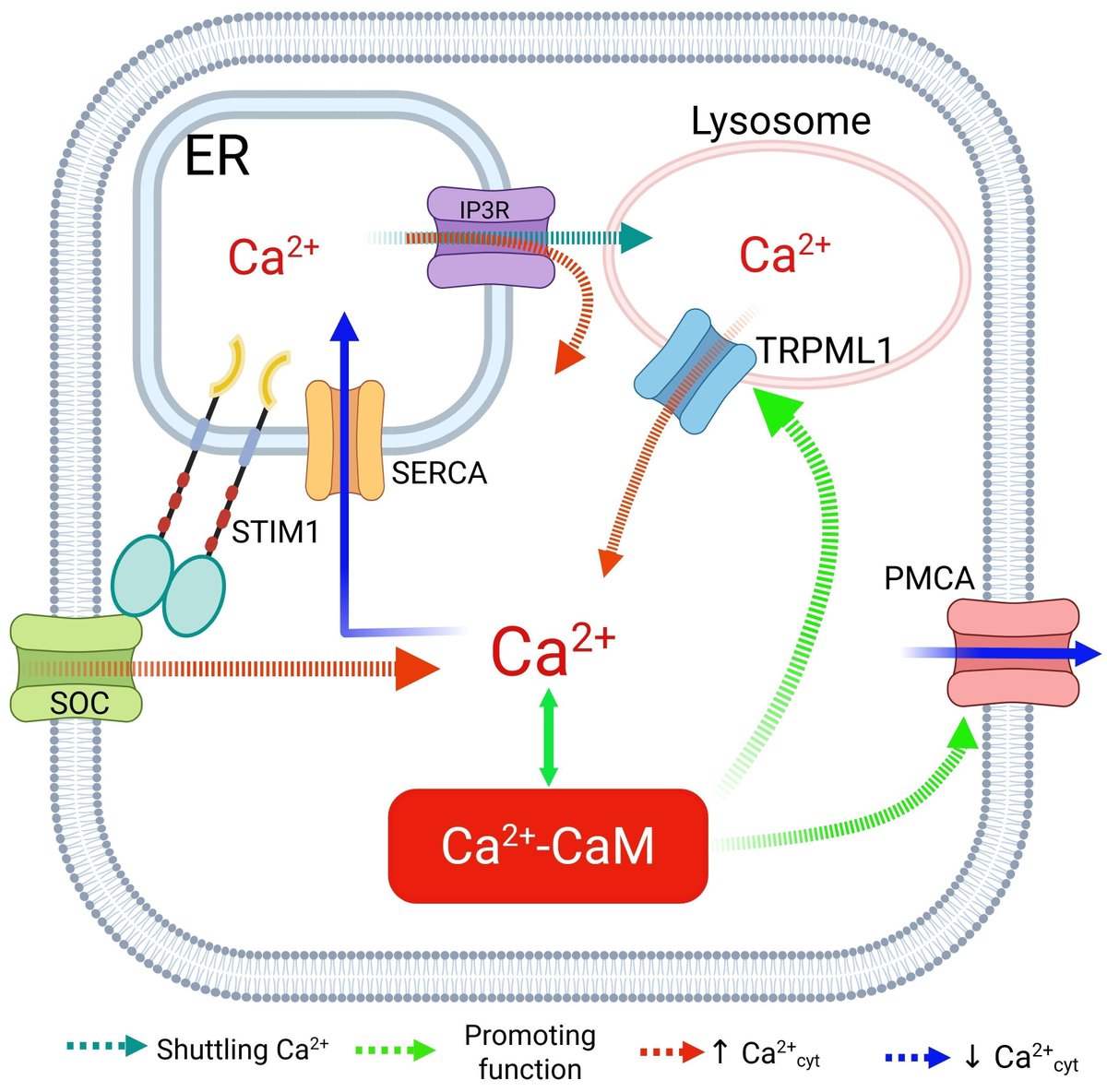
🔦 We're delighted to highlight this brilliant study shedding light on a new mechanism in starvation-induced calcium signaling.
📕 A perilysosomal feedforward mechanism regulates starvation-induced calcium signaling
📖 When cells are starved of nutrients, they generate a starvation-induced calcium signal (SICS), however, its underlying mechanism was poorly understood. Giles et al. explored SICS components and their regulation by the Ca2 sensor calmodulin (CaM). SICS was shown to involve sequential Ca2 release from the lysosome and ER, followed by store-operated Ca2 entry (SOCE). The calcium sensor calmodulin was identified to control the speed and strength of SICS by managing cytoplasmic Ca2 clearance and a perilysosomal feedforward loop that boosts TRPML1 channel activity.
Read the full study, here ➡️ buff.ly/Zsyhj0c
✍ Jennifer Giles, Abbie Sesker, Marcos Gonzalez, Abel Ferow, Elizabeth Danielle McConnaha, Quang-Kim Tran
#starvation #calciumsignaling #perilysosome #TRPML1 #SICS
93
May 11
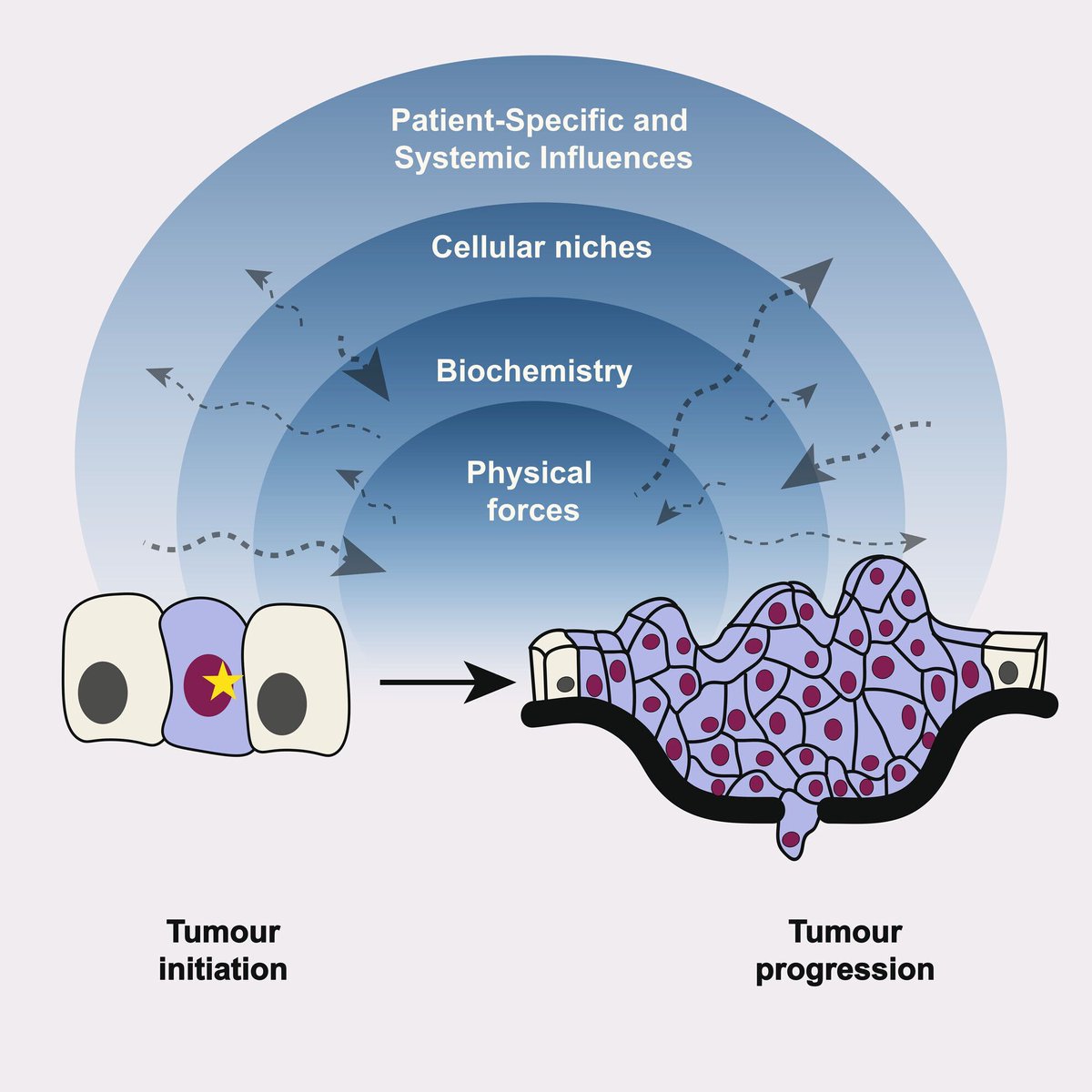
🧩 We invite you to discover our latest State-of-the-Art Review, which examines how cellular collaborations orchestrate tumour initiation and progression, framing the microenvironment not as a passive scaffold, but as the central architect of tumour behaviour.
📕 Beyond the chaos: How architecture structures tumour biology
📖 Tissue architecture shapes tumour initiation and progression through multiple interconnected layers continuously remodelled over time. This review outlines how physical forces, biochemical cues, cellular niches and systemic influences contribute to tumour evolution. We describe how these layers promote or restrain transformation during initiation within physiological architecture, how they change as tumours progress and how dynamic, multi-directional crosstalk between these layers guides cancer behaviour, offering a structured perspective on tumour complexity.
Discover this excellent Review, here ➡️ buff.ly/aApPQ59
✍ Lea Dörner, Catrin Lutz, Stefan Prekovic, Ph.D., Hendrik Messal
#tissuearchitecture #cellularniche #tumourbiology #cancer #scaffold
81
May 7
🔔 Our Issue 9 is now online 🔔
In this new issue, dive into:
🔎State-of-the-Art Review discussing how tissue architecture shapes tumour biology
💪 A Viewpoint offering fresh insights into fibrosis within muscular diseases
✂️ A compelling study on anti-CRISPR protein AcrIIA13b, accompanied by a Commentary
🧬 An Editor's Choice article investigating how SARS-CoV-2 nucleocapsid protein variants have differential RNA chaperone activity
⭐️ Several original research studies spanning a diverse range of life-science topics
Discover our new issue, here ➡️ buff.ly/VtdqUqc
#tumourbiology #fibrosis #CRISPR #SARSCoV2 #CryoEM #HCC
1
75
May 6
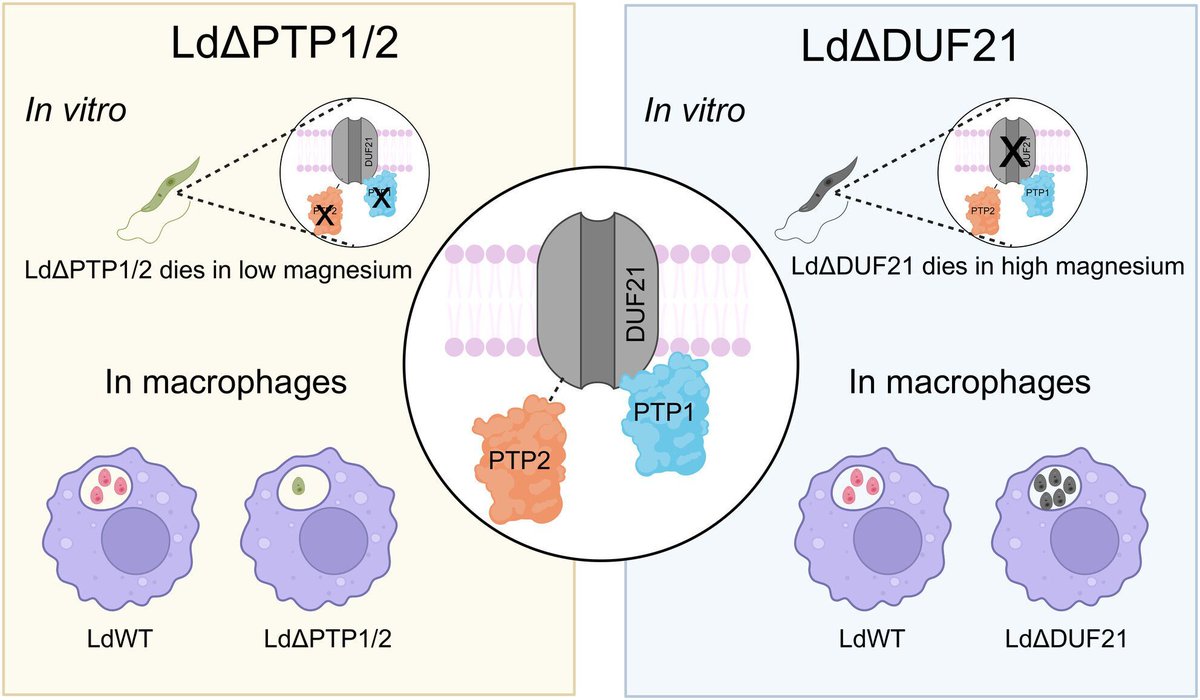
🔓 Furthering our Focus Issue on Molecular Microbiology, we highlight a new study on visceral leishmaniasis. This research explores how Leishmania donovani PTP (homologous to human phosphatases of regenerating liver) and DUF21 (homologous to human cyclin M family) play a role in responding to changes in environmental magnesium levels and alter the parasite's survival.
📕 Leishmania donovani's protein tyrosine phosphatases interact with DUF21 and respond to environmental magnesium
📖 The Leishmania phosphatase PTP1, and possibly the genetically similar PTP2, interacts with the Leishmania transmembrane protein DUF21. When both ptp1 and ptp2 are knocked out of Leishmania (LdΔPTP1/2), the parasite can no longer survive without magnesium in vitro and has reduced viability in the host macrophage. Conversely, in duf21 knockout (LdΔDUF21), the parasite cannot survive in excessive magnesium in vitro but has a growth advantage in the host macrophage.
Discover the study, here ➡️ buff.ly/Q3uHI8I
✍ Kayla Paulini, Hira Khursheed, Wen Wei Zhang, Isabelle Aubry, Greg Matlashewski, Michel L Tremblay, Patrick Lypaczewski, Ph.D.
hashtag#Leishmania hashtag#parasite hashtag#magnesium hashtag#macrophage
94
May 5
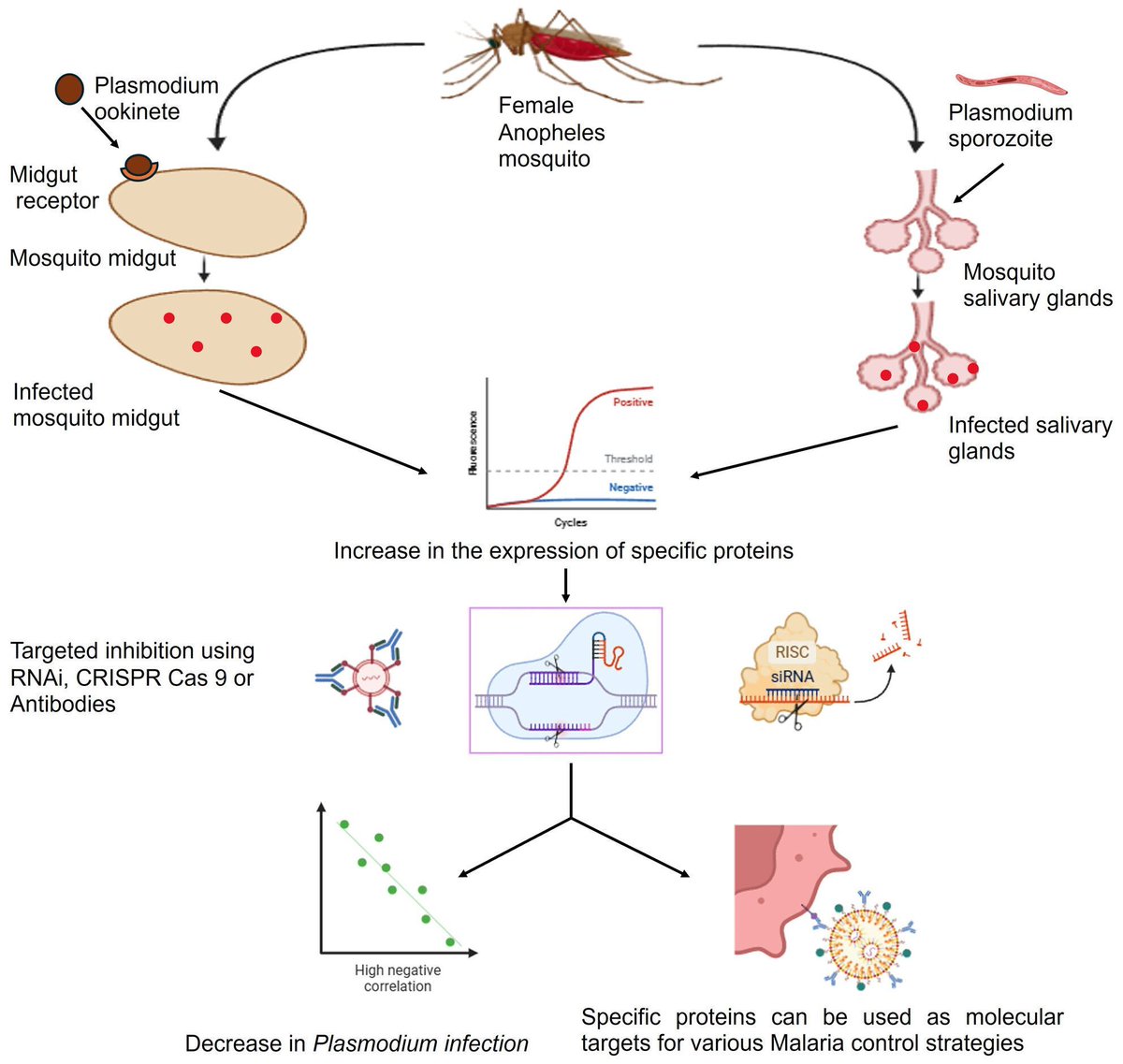
🦟 While preventable and treatable, malaria remains a significant global health challenge. In our recent Molecular Microbiology Focus Issue, Janjoter et al. discussed the interaction of Plasmodium genes with the mosquito genes that facilitate parasite invasion, and how the mosquito immune system defends itself from the invading parasite.
📕 Deciphering the molecular targets of Plasmodium and Anopheline interactions for malaria control
📖 Malaria, caused by Plasmodium and transmitted by female Anopheles mosquitoes, involves parasitic invasion of the mosquito midgut and salivary glands. These processes rely on interactions between parasite and mosquito proteins that aid immune evasion. Disrupting these proteins significantly reduces infection, suggesting their potential as targets for malaria control. This review highlights key proteins involved in transmission and gametogenesis, and their molecular interactions, to highlight effective malaria intervention strategies.
Discover this brilliant Review, here ➡️ buff.ly/pXx0pJ3
✍ Sangeeta Janjoter, Divya Kataria, Nisha Dahiya, Mahima Yadav, Hitesh Singh, Shilpi Garg, Neelam Sehrawat
#malaria #plasmodium #mosquito #transmission #gametogenesis
1
90
May 1
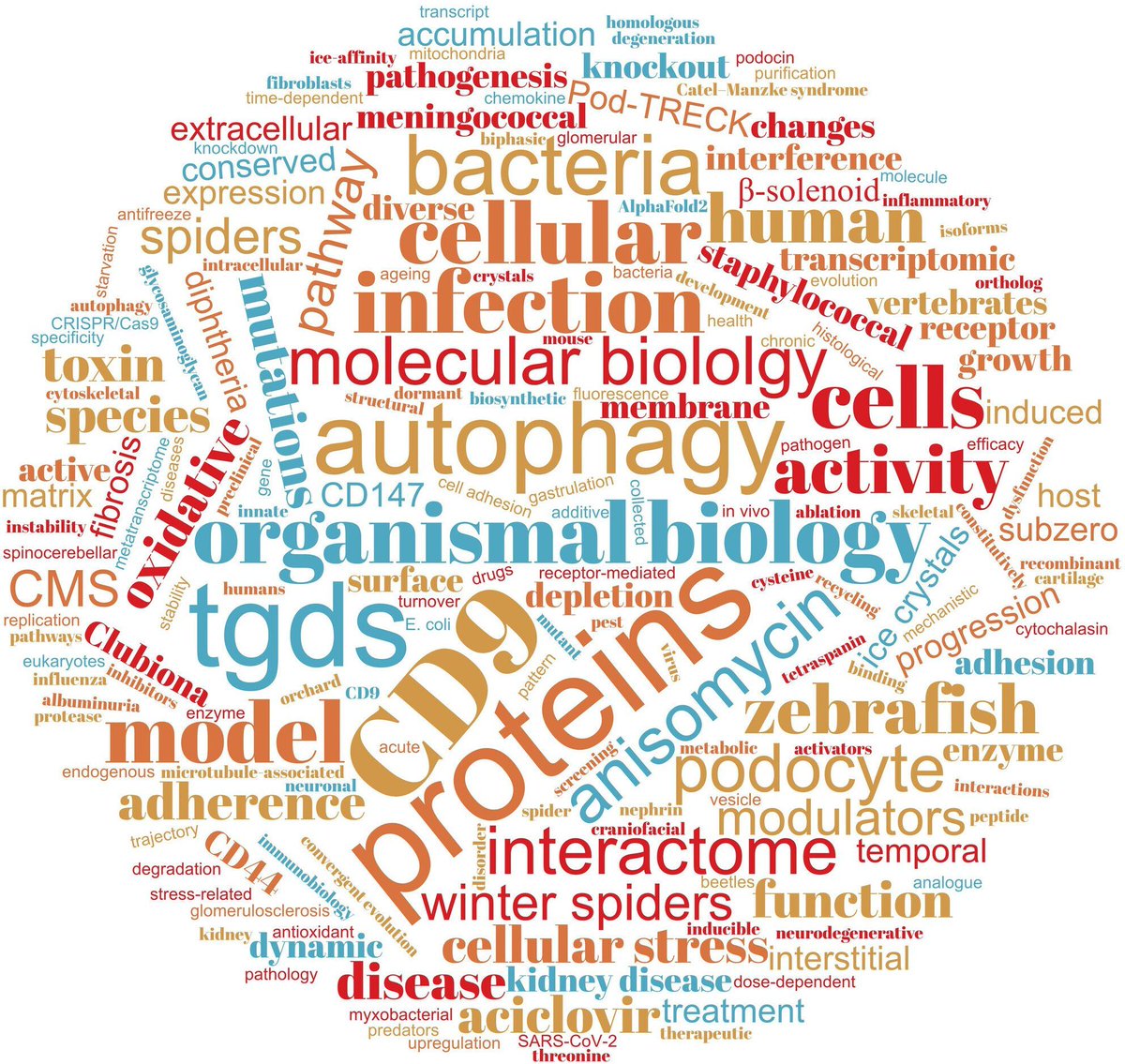
📌 In this issue of The FEBS Journal, we highlight work by Wolverson et al., who developed a proximity labelling assay to investigate the CD9 interactome, a report by Graham and colleagues exploring antifreeze proteins in Clubiona spiders, and a study by Fitchner and co-authors, who created a fluorescence-based screening approach to investigate modulators of autophagy. We also feature promising studies by Coppola and co-authors and Watanabe et al., exploring the role of tgds in Catel–Manzke syndrome, and a new ‘Pod-TRECK’ mouse model to study chronic kidney disease, respectively.
☕ For a perfect weekend read, explore our Research Highlights for a glimpse into the brilliant work in Issue 8, featured by our Editorial Office.
➡️ buff.ly/0hKsR7s
#proximitylabeling #antifreeze #autophagy #Catel–Manzkesyndrome #chronickidneydisease
1
121
Apr 30
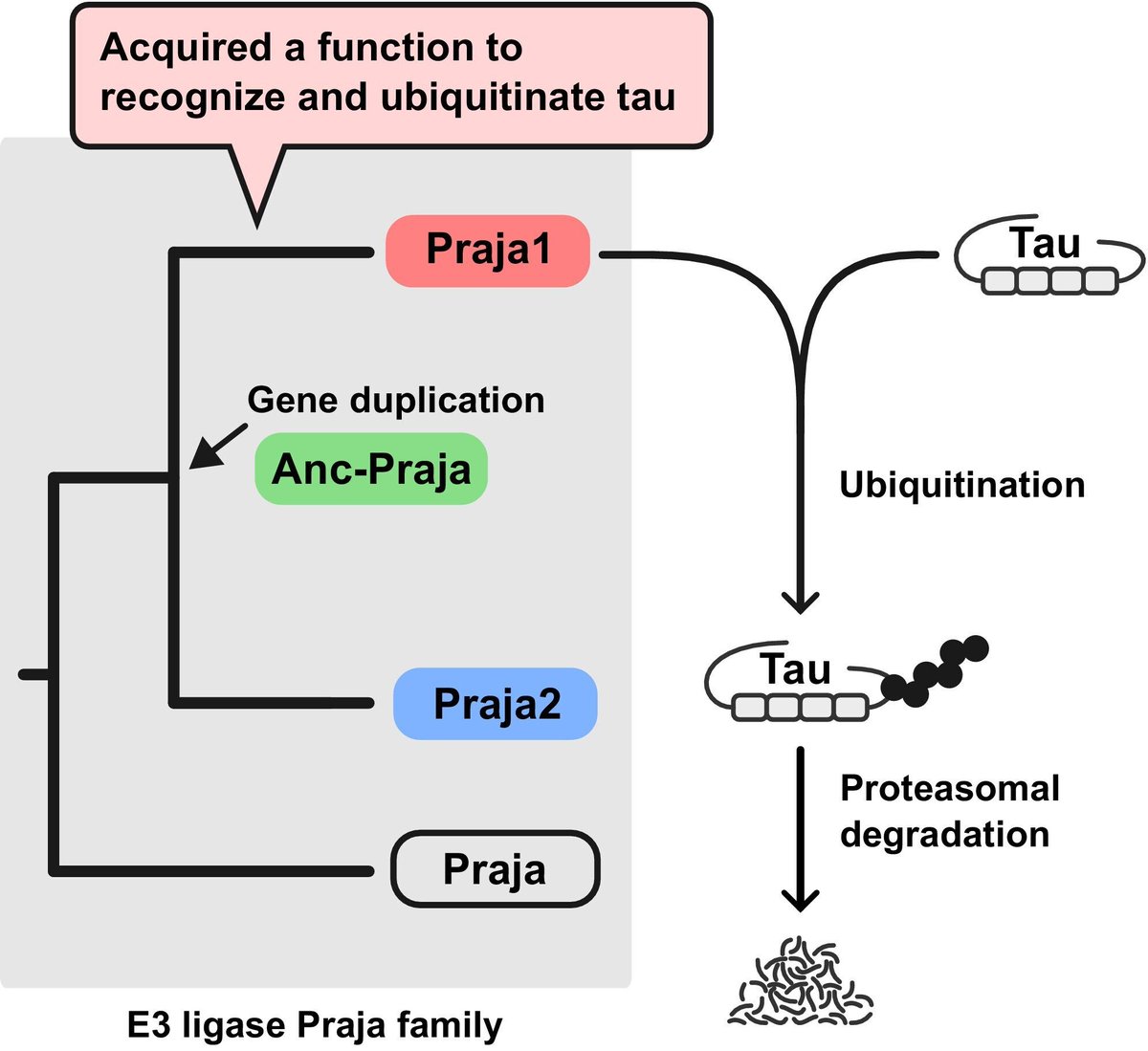
🧠 We invite you to discover our latest Editor's Choice article and accompanying Commentary exploring the E3 ubiquitin ligase Praja and its critical role in neurodegeneration.
📕 E3 ligase Praja1 mediates ubiquitination and degradation of microtubule-associated protein tau
📖 The Praja family of RING-H2 type E3 ligases is composed of E3 ubiquitin–protein ligases Praja1 and Praja2, which promote the degradation of substrates through the ubiquitin–proteasome system. We show that Praja1, but not its paralogue Praja2, recognizes and ubiquitinates tau protein for proteasomal degradation. Efficient proteasomal degradation of aggregation-prone proteins, such as tau, is essential for neuroprotection. This newly identified function of Praja1 in tau degradation suggests its role in protein quality control, which may provide insights into the pathogenesis of tauopathies.
Discover the article, here➡️ buff.ly/uCPcTnw
✍ Shiho Aoki, Wataru Onodera (小野寺 航), Akihiko Takashima, Kotaro Kawasaki, Kazuki Imadegawa, Hikaru Kurahashi, Mizuho Oishi, Toru ASAHI, Yoshiyuki Soeda
Discover the related Commentary✍ Kazuhiko Watabe, here ➡️ buff.ly/1yXS184
#Praja #E3ligase #Tau #neurodegeneration #ubiquitination
95
The FEBS Journal retweeted

Apr 24
@lukas_blaas and I wrote a commentary for the @FEBSJournal on the recent paper by Veliova et al. of the @OrianShirihai & @maroliufrj Labs.
Fast & fuelious: the malate–aspartate shuttle in brown adipocyte lipid metabolism
febs.onlinelibrary.wiley.com…
2
5
147
Apr 28
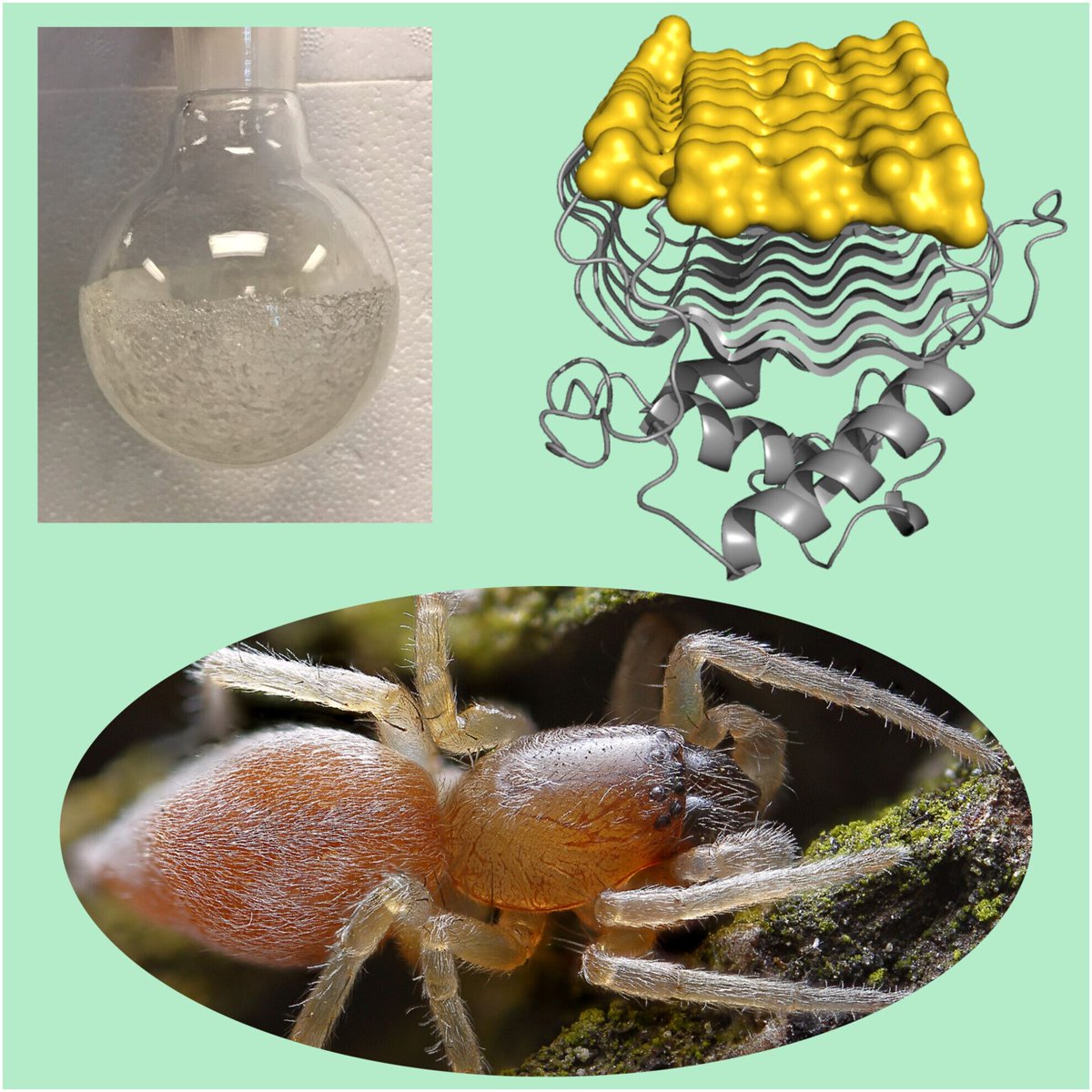
🕷️ Have you ever wondered how some spiders survive the subzero temperatures? We're excited to highlight this compelling study on winter-active spiders from our latest Issue 8.
📕 Winter-active spiders (Clubiona) have a hyperactive antifreeze protein with a unique beta-solenoid fold
📖 Antifreeze proteins from winter-active spiders were purified using their affinity for ice. After LC–MSMS characterization, corresponding transcripts were identified. The antifreeze protein folds as a β-solenoid with a large flat ice-binding site on one surface and can bind to ice crystals and prevent their growth at −4 °C. Although some other antifreeze proteins also fold as β-solenoids, the spider protein is unique, indicating that it arose by convergent evolution.
✍ Laurie Graham, Stano Pekár, Ina M. Hainer, Peter L. Davies
🕸️ Discover more on 🕷️ , here ➡️ buff.ly/wxJfC2w
#winteractivespiders #antifreeze #betasolenoids #crystal #clubiona
127