
Building Safety & Evacuation Teams
Joined November 2021
- Tweets 617
- Following 823
- Followers 222
- Likes 68
19 Photos and videos






F&ES retweeted

28 Sep 2024
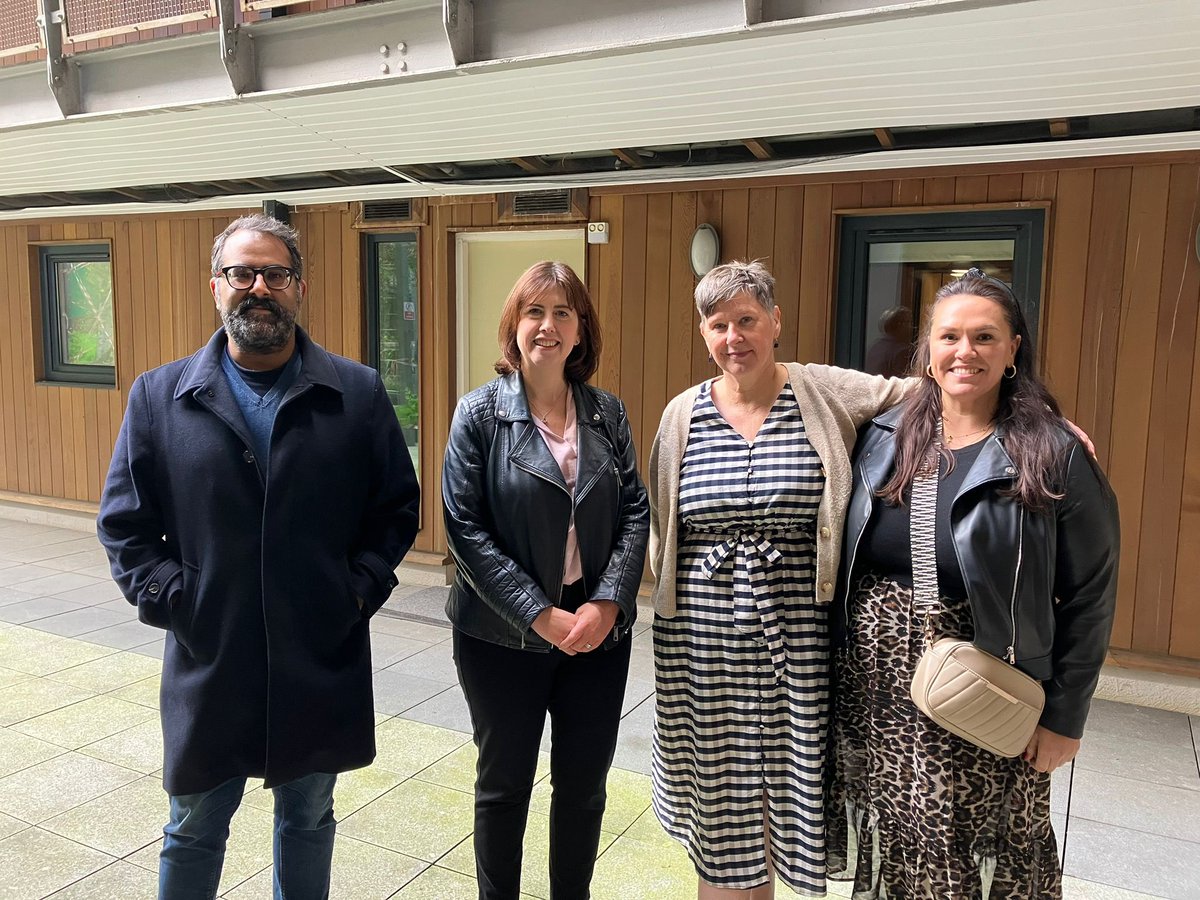
Thanks for coming and for listening. I know you are determined to help residents and leaseholders move on from the building safety crisis which has blighted their lives for too long. @McrCladiators
27 Sep 2024

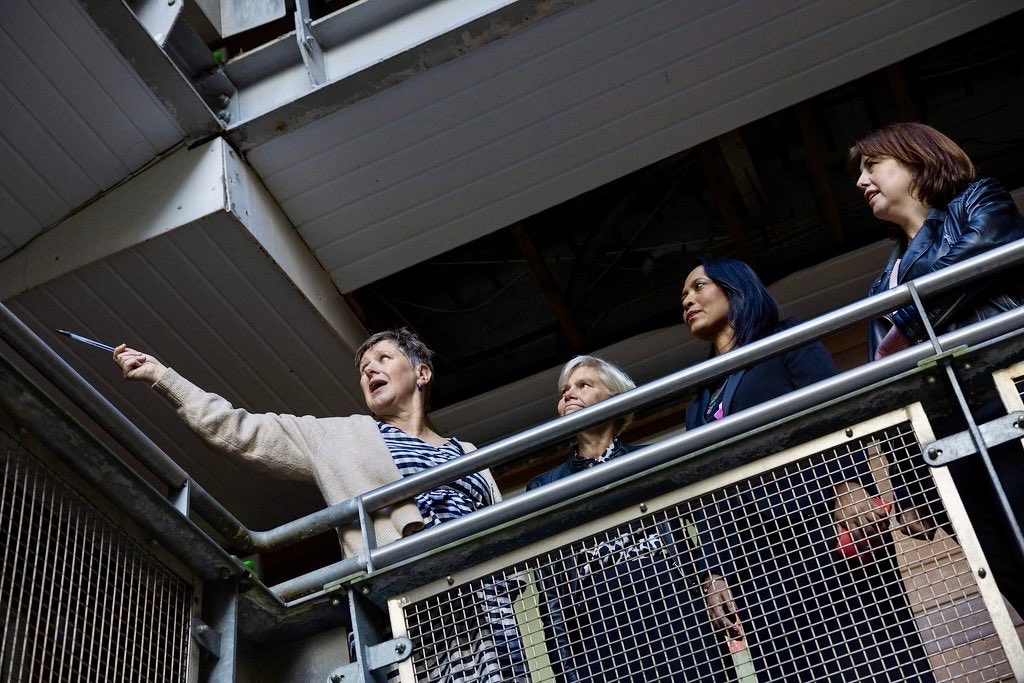
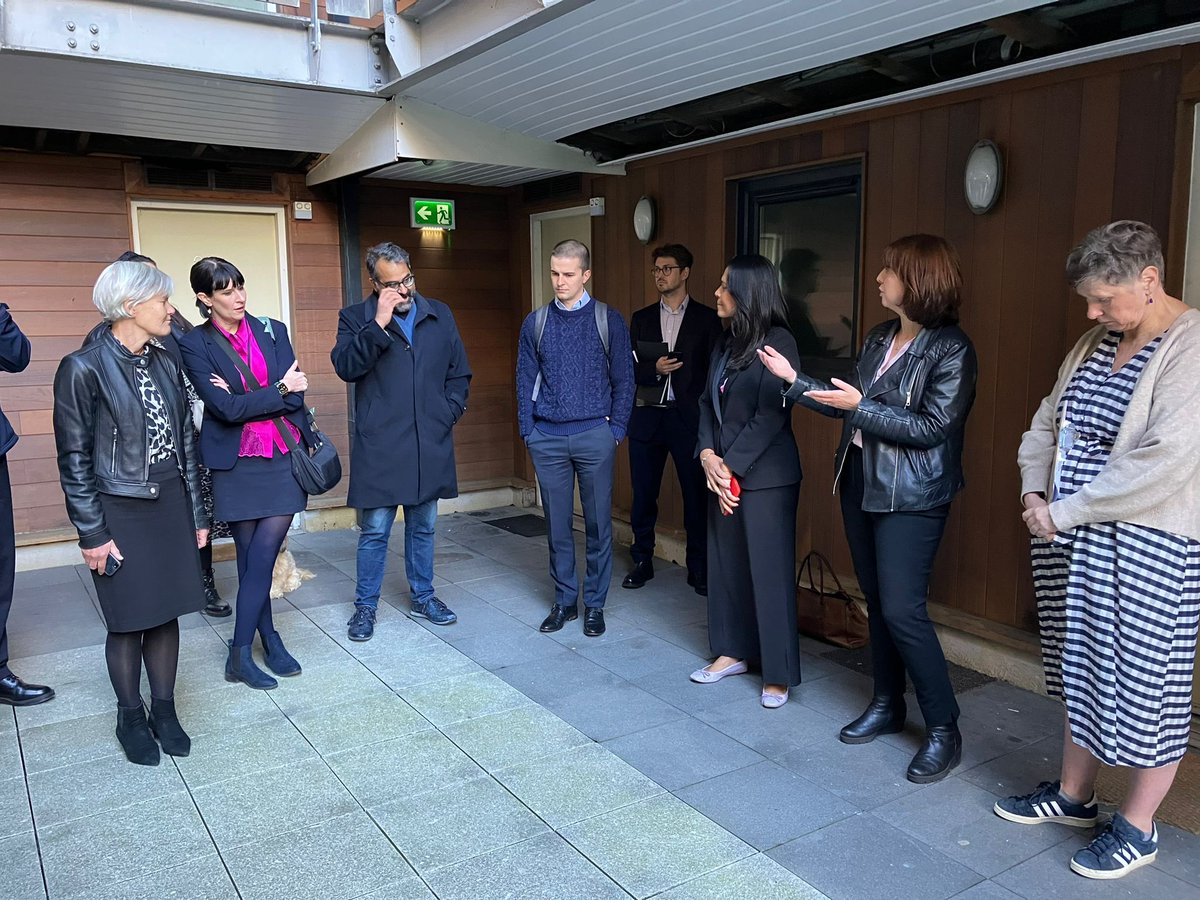
In Manchester today and saw first-hand the work that needs doing to ensure safe and secure homes for all. We won't hesitate to take further action if those responsible don't get on and fix their buildings. We will set out further measures to speed up remediation this autumn.
15
10
46
6,136
F&ES retweeted
27 Sep 2024
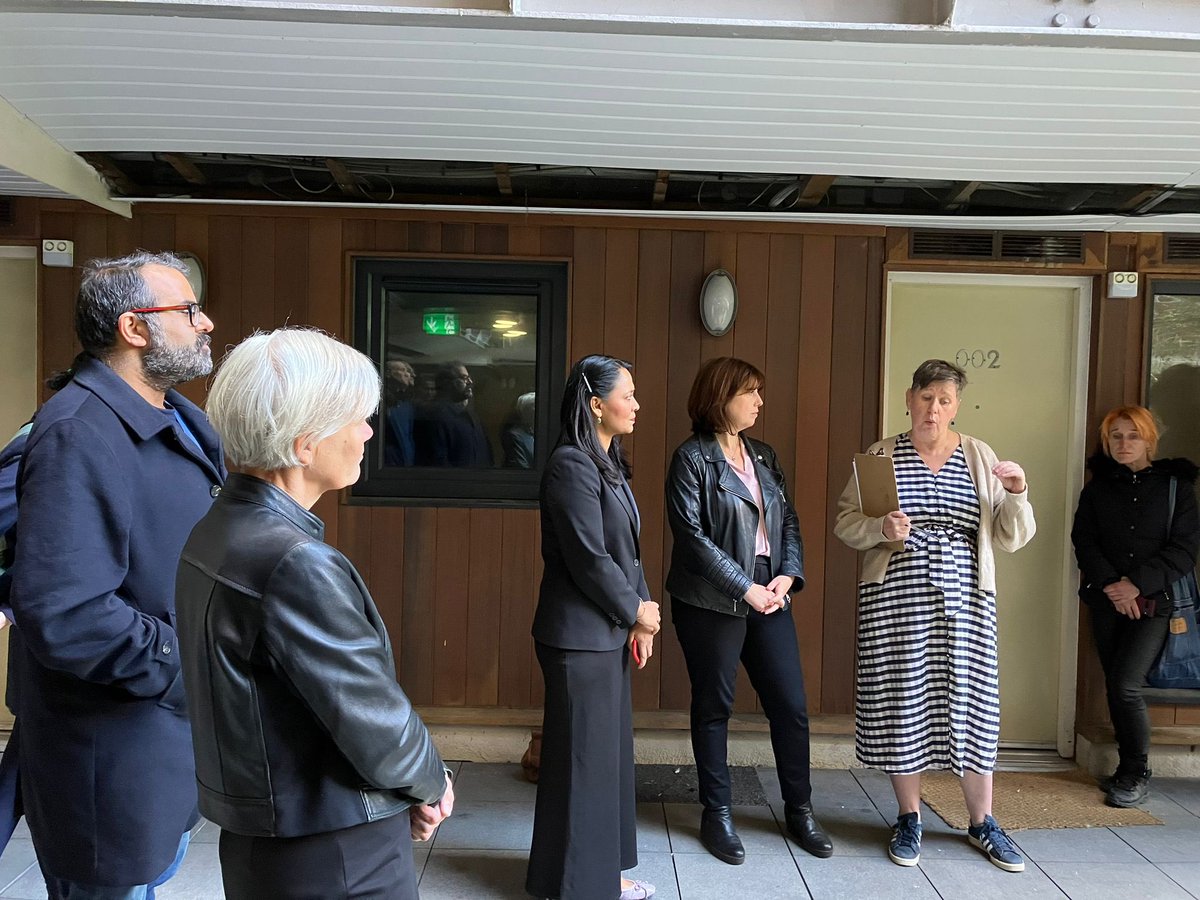
A much appreciated visit from Building Safety Minister @rushanaraali to Mcr today & the Linx Building, to hear first hand of all the difficulties with remediation works, soaring insurance costs, lack of transparency & more.
Thanks to Ruth from Linx and @McrCladiators as ever
24
31
67
10,784
F&ES retweeted

27 Sep 2024
Thank you Lucy and Rushanara and all who joined today's visit.
Thank you especially to Ruth for sharing her lived experience of the range of issues faced over the years just so she and her neighbours can have a safe home.
We remain hopeful that we will see meaningful change and an end to this scandal quickly.
27 Sep 2024

A much appreciated visit from Building Safety Minister @rushanaraali to Mcr today & the Linx Building, to hear first hand of all the difficulties with remediation works, soaring insurance costs, lack of transparency & more.
Thanks to Ruth from Linx and @McrCladiators as ever
2
25
29
4,849
F&ES retweeted

27 Sep 2024
In Manchester today and saw first-hand the work that needs doing to ensure safe and secure homes for all. We won't hesitate to take further action if those responsible don't get on and fix their buildings. We will set out further measures to speed up remediation this autumn.
25
23
73
17,897
F&ES retweeted

2 Sep 2024
Today’s BBC news report will have made difficult watching for UK house builders, in particular, @Barrattplc executives.
Hopefully, the @BBCNews piece, along with Wednesday’s publication of the Phase 2 Grenfell Inquiry report, will cause government and industry to rethink current remediation policy and come to a new agreement that removes all combustible material from peoples’ homes, leaving them with flats that are insurable, mortgageable and sellable.
The percentage of buildings assessed as needing remediation constructed by the UK’s leading developers is absolutely lamentable—35% for @Barrattplc ; 43% for Bellway; 69% for @CrestNicholson and 77% for @TaylorWimpey and a great deal of work is needed to restore customer trust.
In the case of @BarrattHomes, the big question is how domestic and overseas buyers will react to a developer doggedly determined to keep some panels containing combustible material in place at all costs, even though their exact composition is unknown.
Barratt executives will be more aware than most of the grave dangers to the survival of the business that a catastrophic loss of trust can have. In 1983 and 1984 Barratt was hit by two successive ITV World in Action programmes, the first criticising timber framed housing and the latter, starter homes. Questions were even raised in the House [api.parliament.uk/historic-h…] Within two years, sales had more than halved and it took more than twenty years before Barratt surpassed its June 1983 high of 16,500 completions.
Barratt’s London projects are most at risk. With domestic demand flagging, the company has turned to Asian and middle eastern buyers to support its projects in the capital. A loss of confidence from overseas buyers could delay projects and even make some unviable. Clearly it is in Barratt’s interest to practically demonstrate that it has learned from past mistakes and will ensure that legacy customers are left with flats that are insurable, mortgageable and sellable.
#BuildingSafetyCrisis #Grenfell @PhilH23 @TedBaillieu
6
37
53
72,355

23 Jul 2024
First high-rise in Scotland has highly flammable cladding removed after Grenfell news.stv.tv/north/first-high…
47
7 Mar 2024
73
16 Jan 2024
ACM and LPS blocks to be prioritised for inspection under new safety regime insidehousing.co.uk/news/acm…
1
103
F&ES retweeted
11 Jan 2024
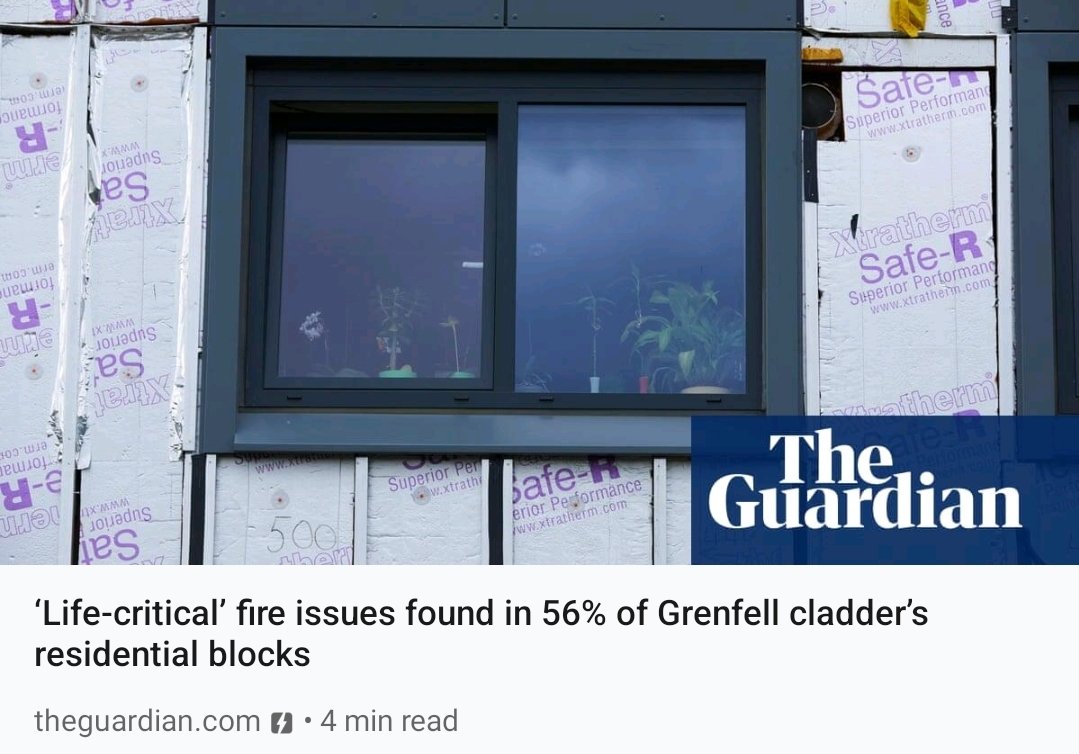
With the #Grenfell fire, 10,000 full evacuations of blocks of flats due to fire safety and structural defects, it's clear that consumer protection for flat owners is long overdue. There is widespread evidence of the construction industry cutting corners with internal firestopping and external wall system installations and a government that still thinks innocent flat owners should pay instead of the industry that caused the problem.
Despite this widespread evidence, the UK government has excluded 1.7 million leaseholders from protection from paying for expensive remediation. It's time for the construction industry to be held accountable without the need for costly court battles or a tax payer bailout.
The Earl of Lytton's buildingsafetyscheme.org legislation provides permanent joint and several liability on developers and lead contractors, with a quasi-judicial scheme to ensure compliance. There is also a levy backstop to protect every leaseholder in the country from bailing out the construction industry for their defective buildings both historic and in the future.
Read more about this critical issue and the proposed solution at buildingsafetyscheme.org
#BuildingSafetyCrisis #EndOurCladdingScandal @TedBaillieu @ahillslegal @drfsawtell @DgLimited
1
17
17
1,239
29 Dec 2023
Cladding crisis latest: Nearly 10,000 people evicted due to safety concerns since Grenfell | UK News | Sky News news.sky.com/story/cladding-…
87
F&ES retweeted

30 Nov 2023
Building Safety Regulator reveals 2026 target for checking ‘higher-risk’ blocks dlvr.it/SzW9VB #ukhousing

2
2
5,414
F&ES retweeted

27 Nov 2023
HSE inspector Phil Redman served a prohibition notice to a rendering firm in Manchester for unsafe scaffolding.
However, they showed a blatant disregard to it and carried on working. Putting lives at risk.
Read the full press release: press.hse.gov.uk/2023/11/27/…
3
9
33
9,925
F&ES retweeted

23 Nov 2023
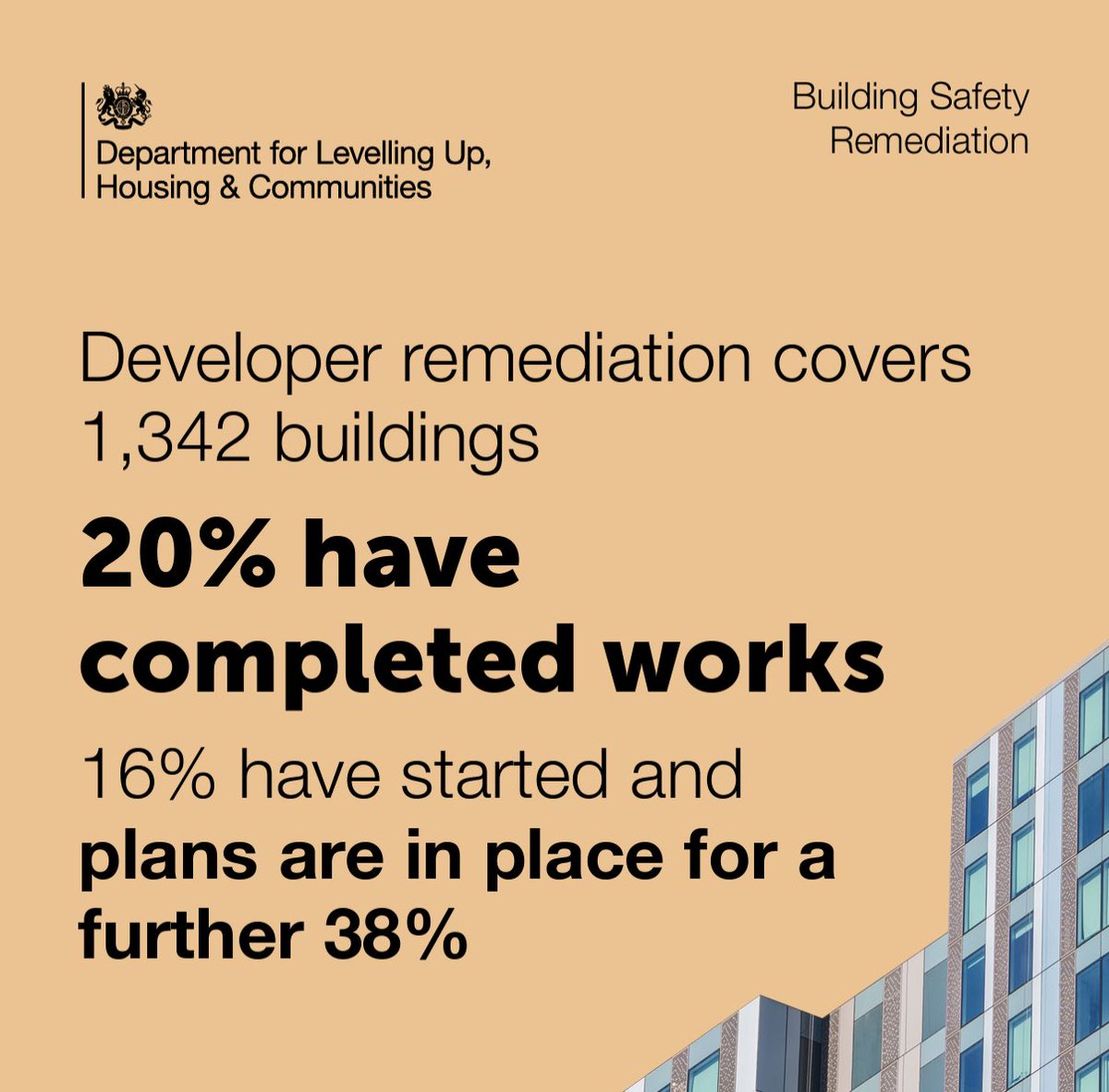
Last week some developer remediation data was published for the first time 👇
We will be following up with @luhc as naturally we want to ensure the reporting is robust, complete, consistent so comparisons can be made between developers, and that double-counting is removed.
🧵1/
16 Nov 2023

This is also the first time we are publishing data showing the progress developers are making in fixing their own buildings. They too must do better.
2
32
39
10,358