The Food Fortification Initiative advocates for and supports fortification of industrially milled cereal grains by collaborating with multi-sector partners.
Joined September 2010
- Tweets 5,657
- Following 422
- Followers 1,226
- Likes 472
2,266 Photos and videos





Pinned Tweet

25 Sep 2025
FFI’s 2024 Annual Report is hot off the presses! 🍞
In 2024, we supported 27 countries across 5 regions, reducing the risk of micronutrient deficiencies for approximately 1.3 billion people.
Read about our work to strengthen nutrition worldwide → ffinetwork.org/annual-report…
72
Jun 12
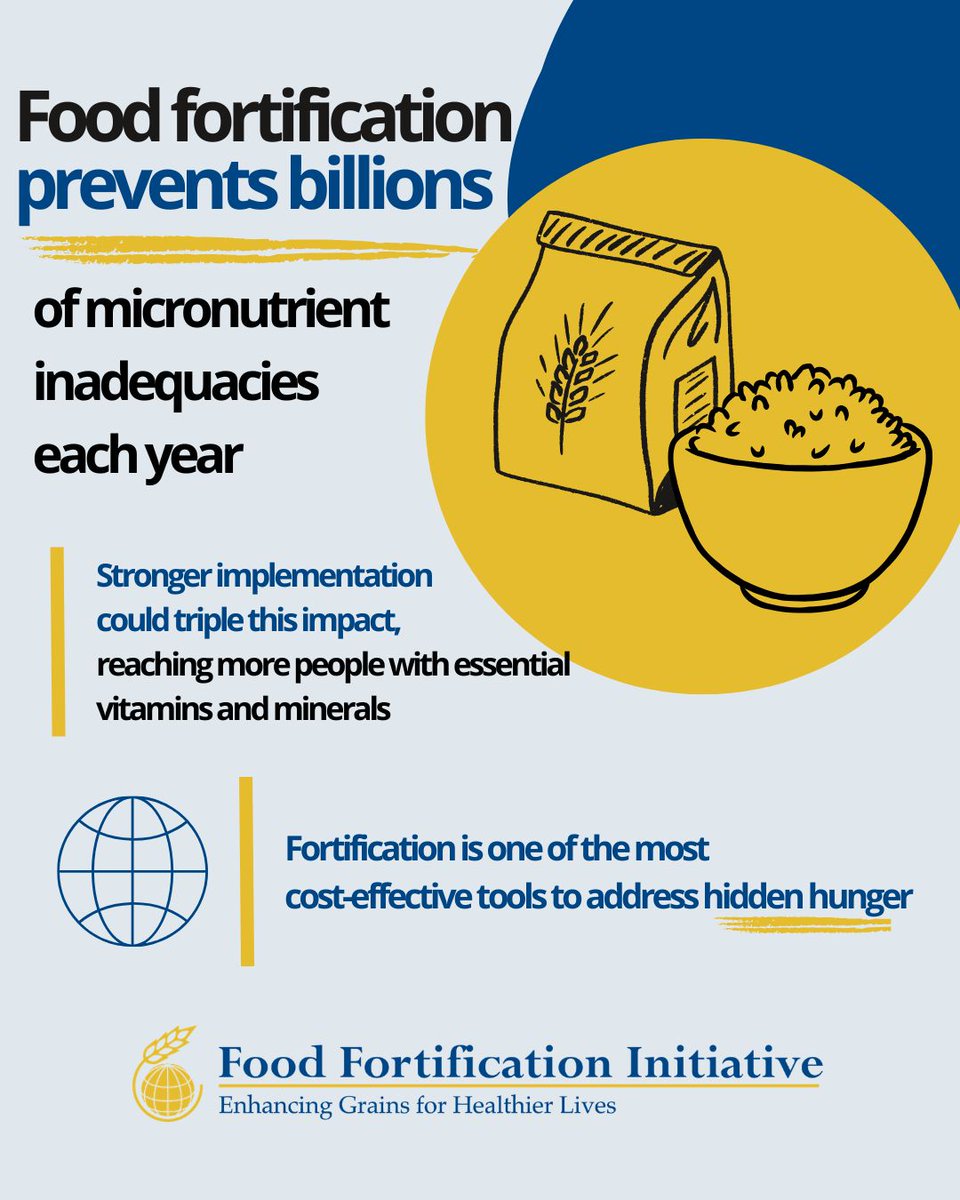
Food fortification helps prevent 7 billion micronutrient inadequacies each year, and stronger implementation can expand its impact. Fortification remains a cost-effective tool to address hidden hunger.
Read more:
buff.ly/TvgpgY2
buff.ly/3a9YI37
#Nutrition
2
5
65
Jun 11
FFI is excited to join #BDRP2026 in Washington, DC!
We'll be sharing two posters:
📊 The global impact of folic acid fortification in preventing spina bifida and anencephaly
📊 The effects of mandatory folic acid fortification on major congenital anomalies
#BirthDefectsPrevention
14
Jun 9
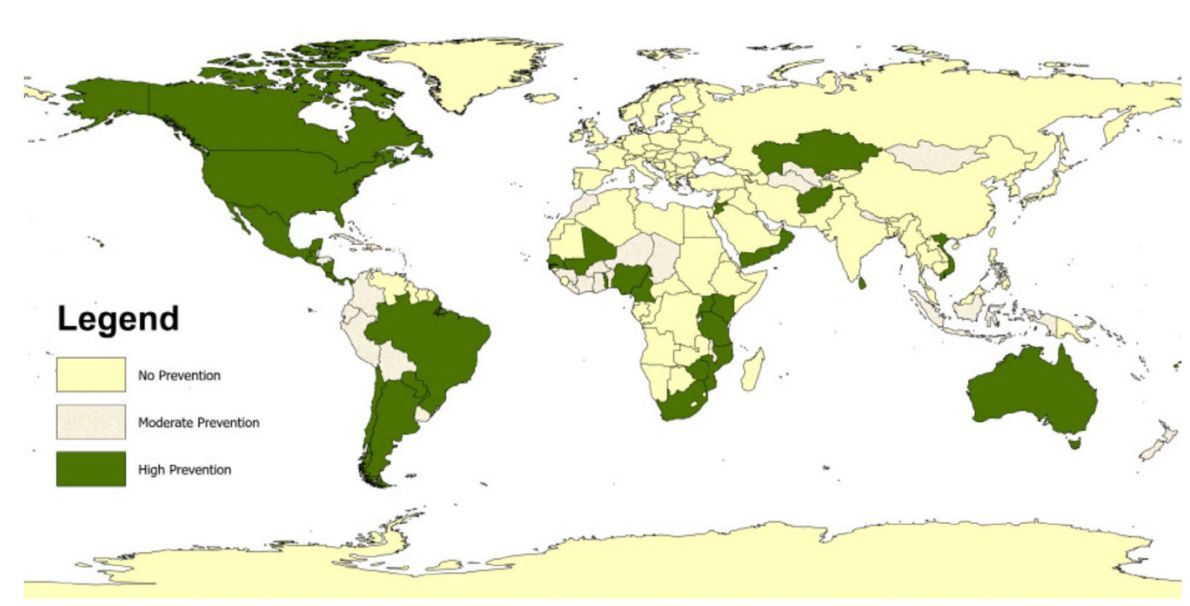
Folic acid fortification prevented an estimated 63,600 cases of spina bifida and anencephaly in a single year.
But 200,000 preventable cases still occurred where fortification is not mandatory.
There's more work to do.
Read more: buff.ly/zUwvUsU
#FoodFortification
1
1
21
Jun 7
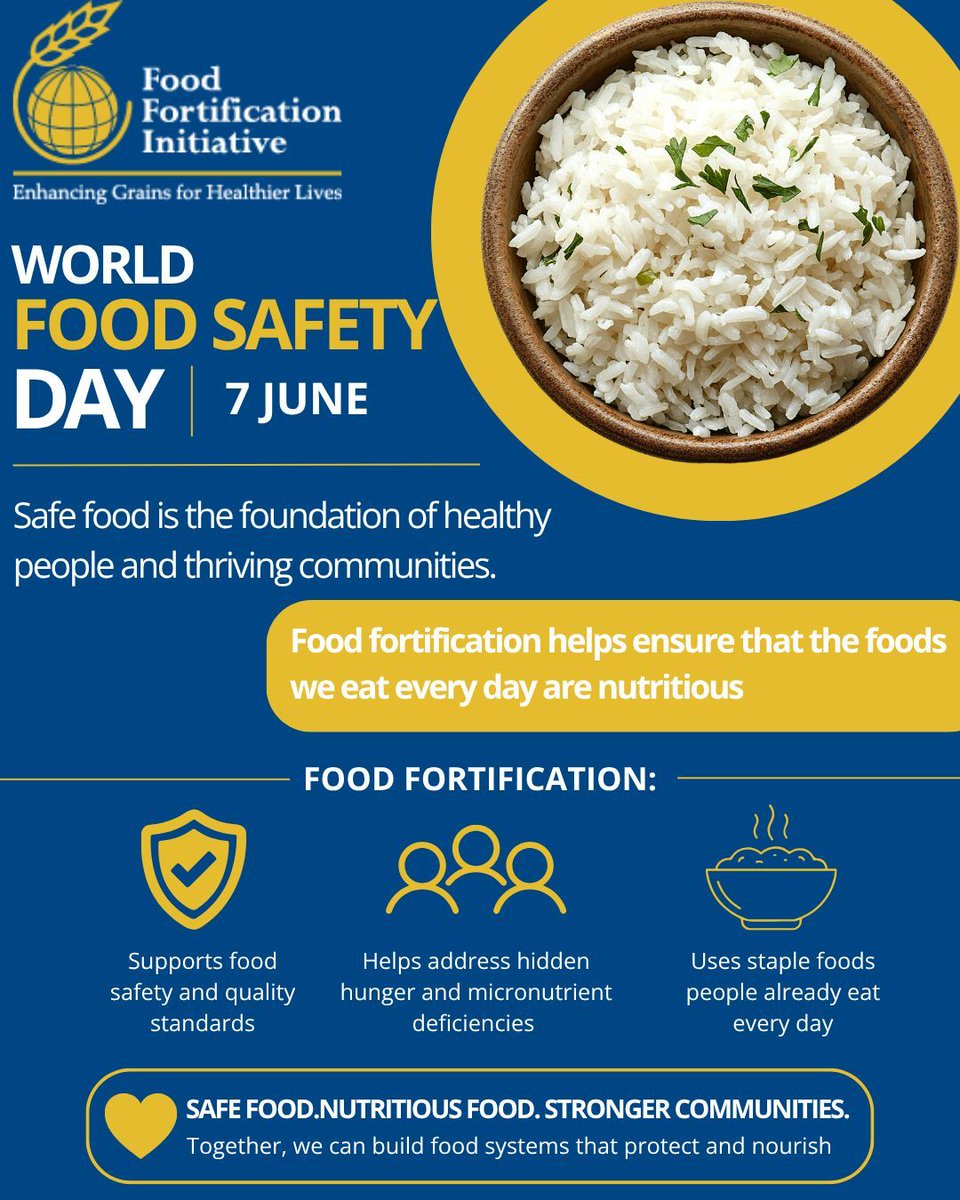
Safe food should also be nutritious food. 🌍
Food fortification helps deliver essential vitamins and minerals through everyday foods while supporting safe food systems.
On #WorldFoodSafetyDay, we recognize food systems that protect and nourish communities worldwide.
#Nutrition
1
4
54
Jun 5
Women and adolescent girls in humanitarian settings face higher risks of malnutrition and hidden hunger.
UNICEF highlights how food fortification can help deliver essential vitamins and minerals at scale.
Read more: buff.ly/DQgHzmT
#FoodFortification #MaternalHealth
1
8
Jun 2
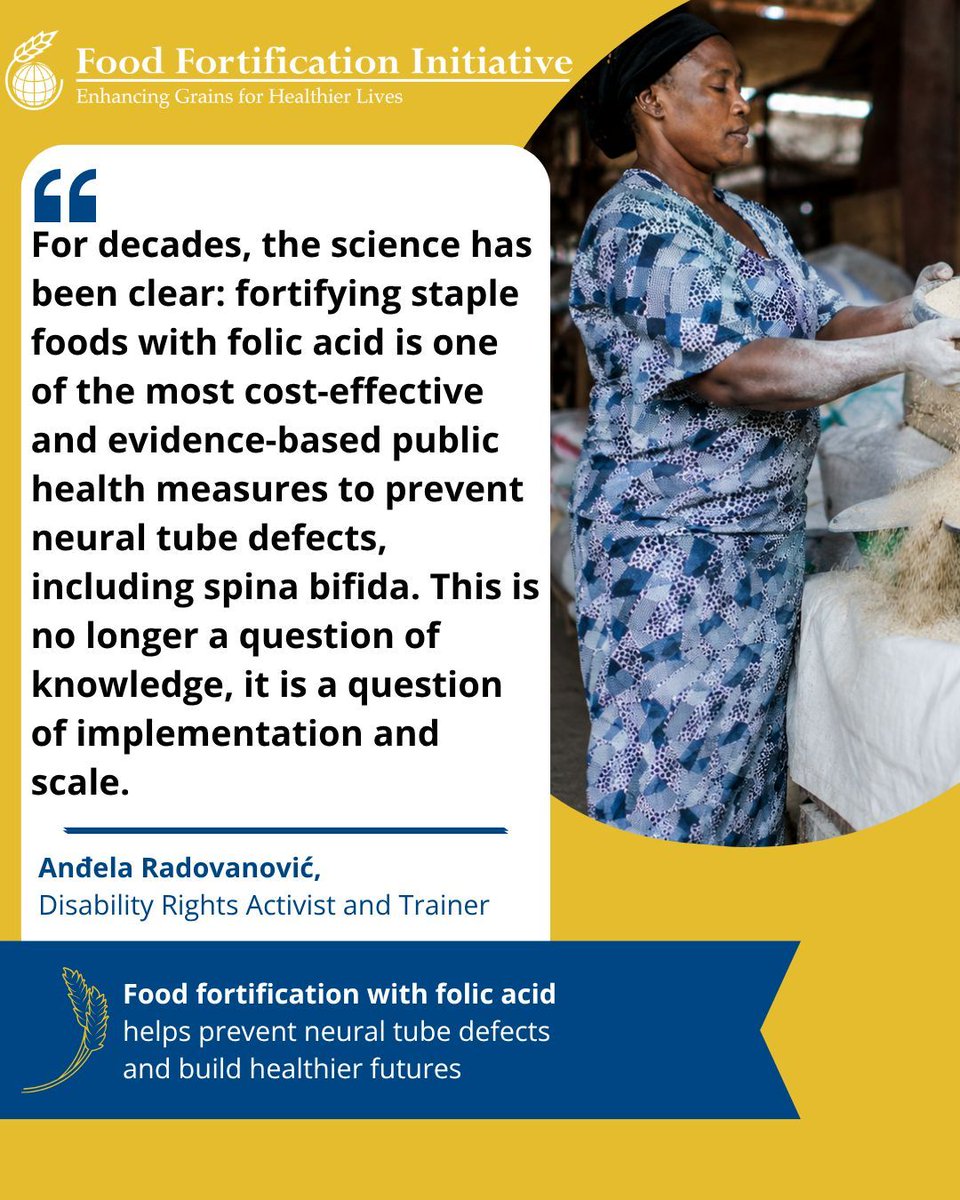
"For decades, the science has been clear: fortifying staple foods with folic acid is one of the most cost-effective and evidence-based public health measures to prevent neural tube defects, including spina bifida."
At #WHA79, Anđela Radovanović called for action.
1
22
Jun 1
Three years after WHA 76.19, countries are advancing food fortification to prevent micronutrient deficiencies. The new Nourishing Progress report highlights policy, implementation, and partnership progress across 29 countries.
Read more: buff.ly/8plRDh1
#WHA79 #Nutrition
20
May 31
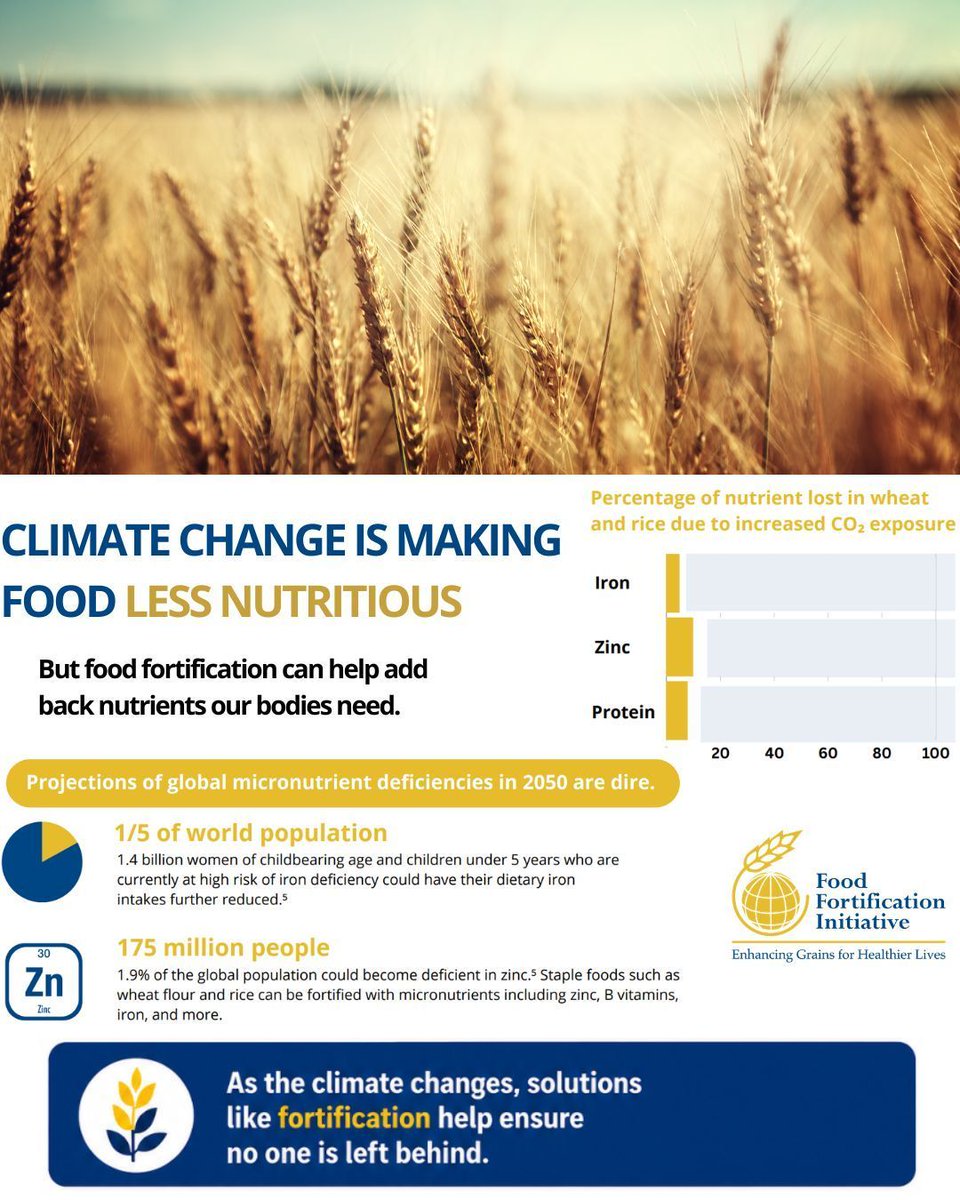
Climate change may reduce nutrients in staple crops, but food fortification can help restore essential vitamins and minerals to foods people eat every day.
A changing climate requires proven nutrition solutions.
Read more: buff.ly/UdOHJnH
#FoodFortification #ClimateChange
13
May 30
“Hidden hunger” affects millions in India and worldwide.
Food fortification helps by adding essential vitamins and minerals to everyday foods — a proven way to improve health outcomes and build healthier futures.
Read more: buff.ly/MchQe5m
#FoodFortification #HiddenHunger
9
May 28
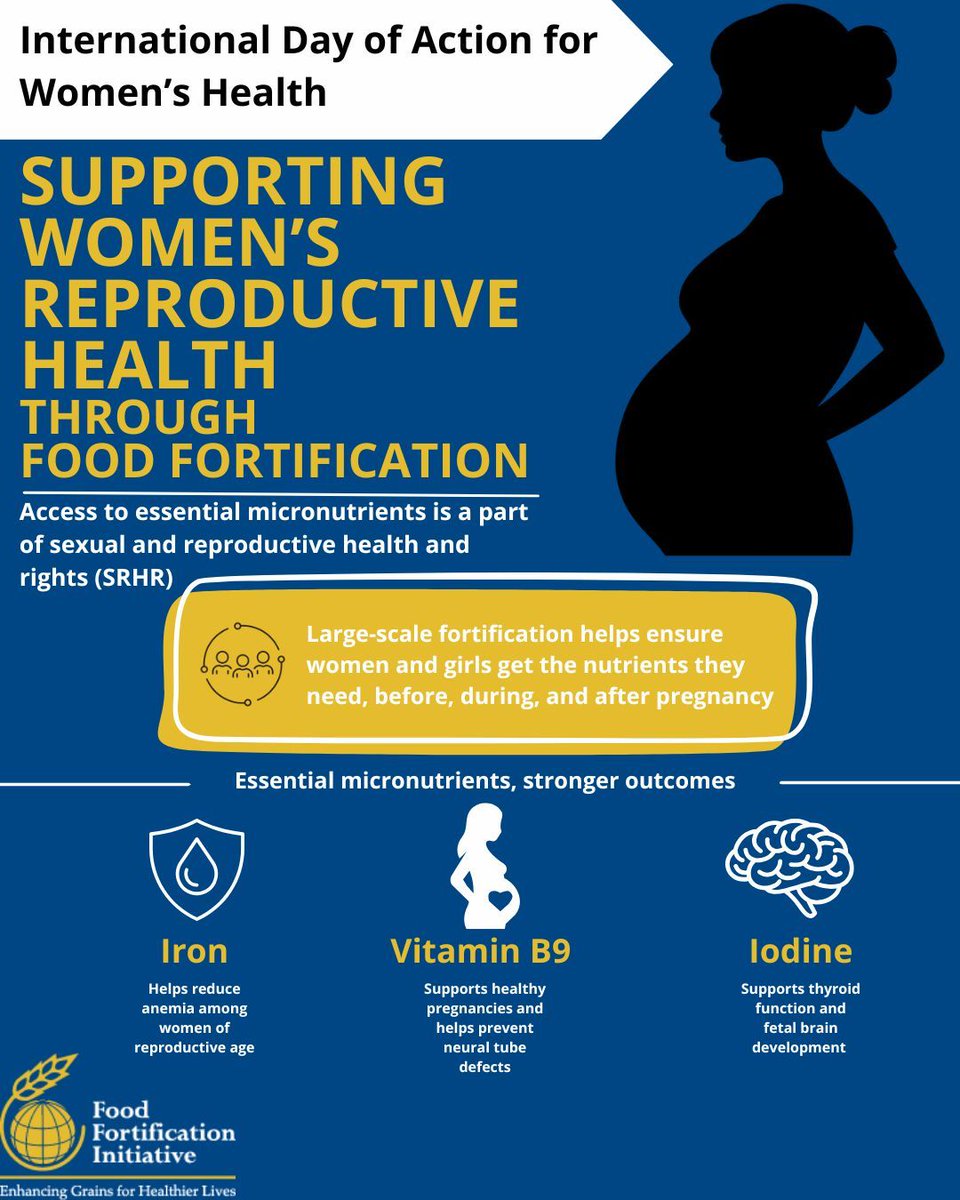
On #InternationalDayofActionforWomensHealth, we’re highlighting how micronutrients support women’s health.
Large-scale #FoodFortification delivers nutrients like iron, vitamin B9, and iodine to support health before, during, and after pregnancy.
#WomensHealth #Micronutrients
21
May 26
#NowReading: buff.ly/9VfQ2P3
Mandatory vitamin B9 fortification works. Countries with mandatory policies have:
✔️Higher folate levels
✔️~50% lower neural tube defects
Voluntary fortification leaves many at risk. We support fortification globally.
#FoodFortification
1
15
May 21
Are you a delegate at #WHA79? Interested in scaling large-scale food fortification in your country?
Join our official WHA side event in Geneva, supplemented by practical insights and opportunities to accelerate impact. 🌍
#FoodFortification #NutritionForAll
1
24
May 17
As leaders prepare for #WHA79, malnutrition remains urgent.
Large-scale food fortification and multiple micronutrient programs are proven, cost-effective solutions ready to scale.
FFI is proud to support partners advancing these efforts.
#GlobalHealth #FoodFortification
19
May 15
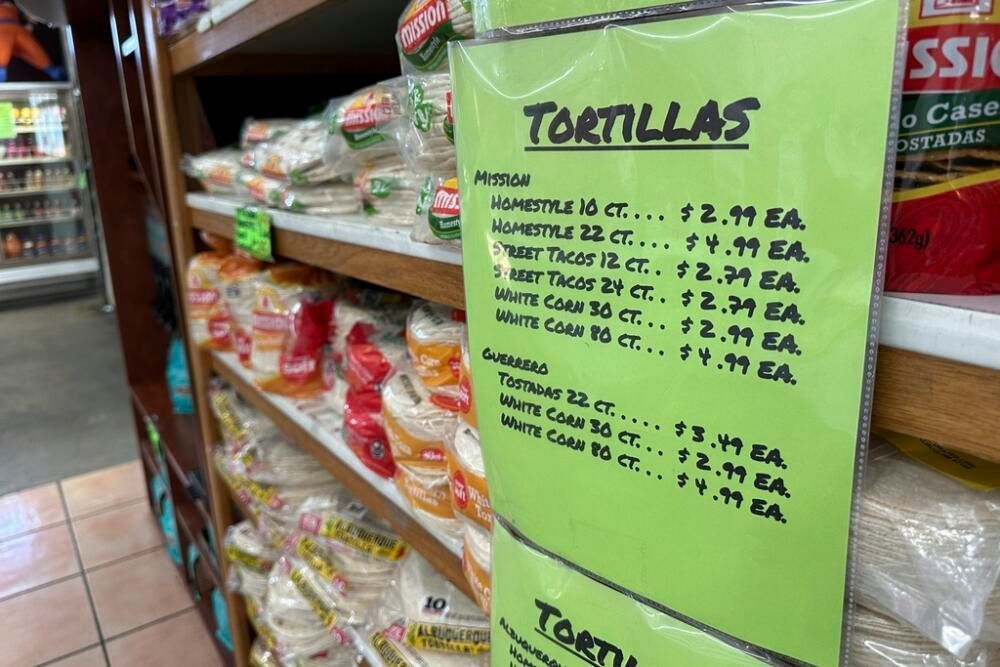
Why does vitamin B9 fortification matter? Since 1998, neural tube defects in the U.S. have declined significantly—but corn masa products were left out. California’s new law is helping change that.
🎧 buff.ly/MfDBPEF
#FoodFortification #FolicAcid #PublicHealth
47
May 14
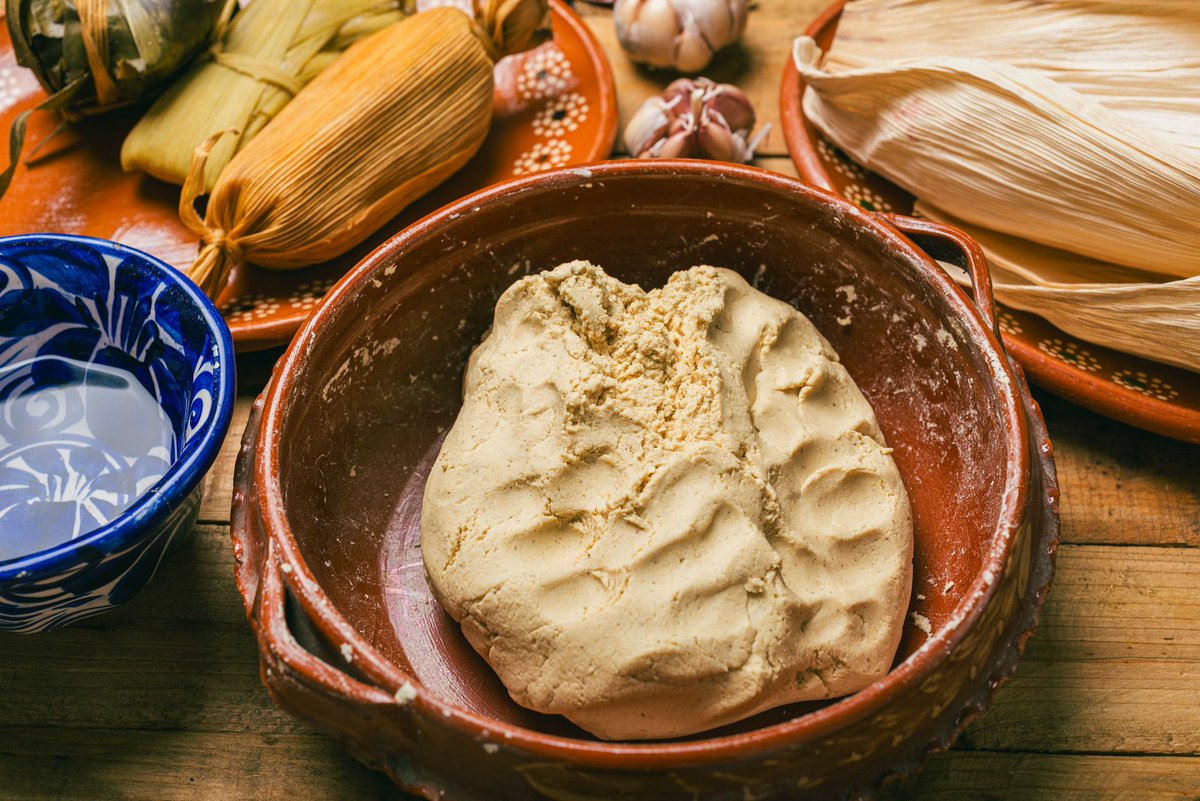
California is the first U.S. state to require vitamin B9 in corn masa flour—a major step to help prevent neural tube defects like spina bifida. Proud to have helped shape this legislation to support public health.
🎧
NPR: buff.ly/1ENMDZY
KQED: buff.ly/9Hpy8lc
27
Apr 23
Earth Day reminds us everything starts with the earth—including the foods we rely on daily. 🌍
Staples like wheat, rice, and maize feed billions, but fortification helps make them more nutritious, especially as challenges like soil degradation mean fewer nutrients in crops.
1
30
Mar 31
"It's such a small effort for such a tremendous impact," says Andrea Lopez of fortification with folic acid. "There is very little that I wouldn’t do to spare anybody this heartache."
Read the article: buff.ly/AJpO5u6
177
Mar 30
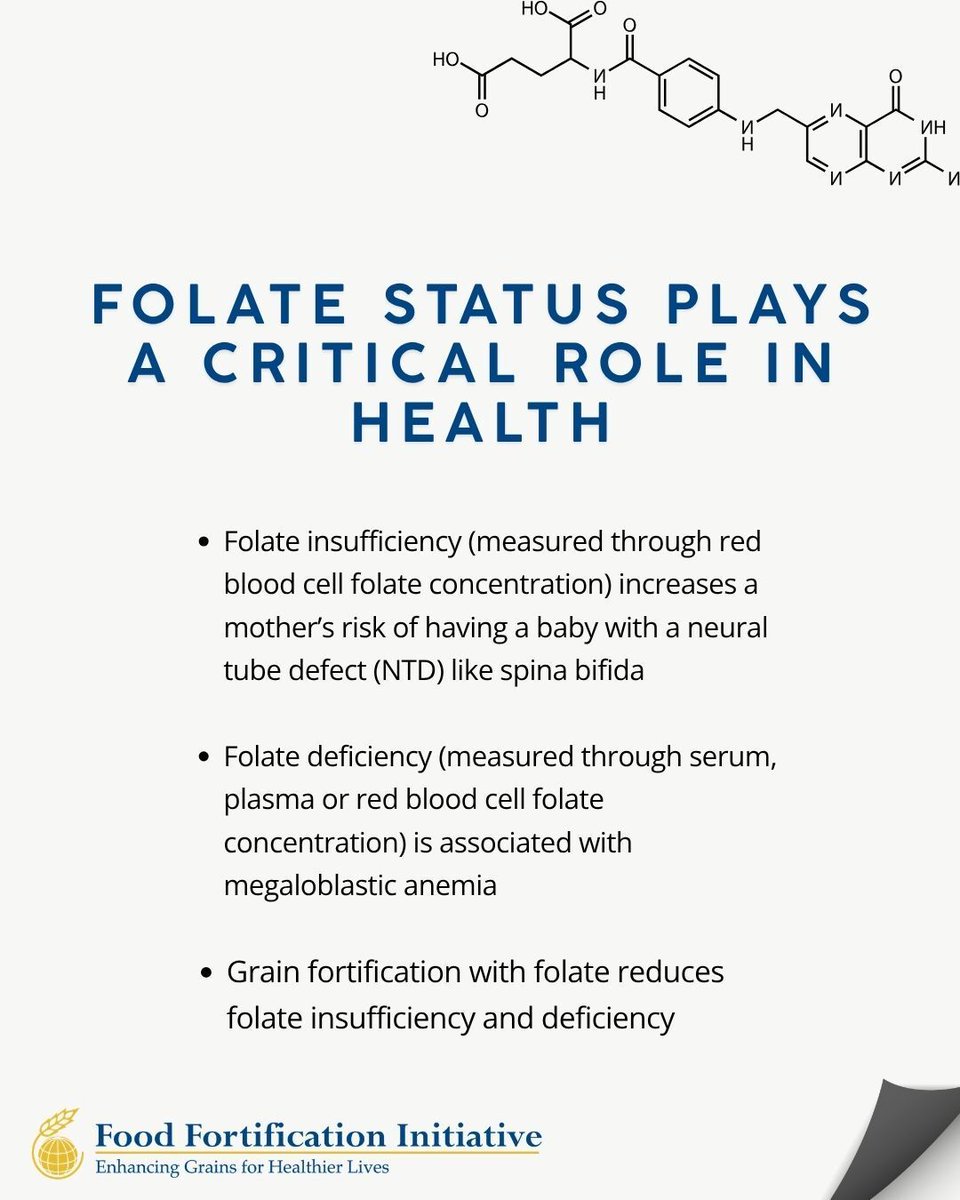
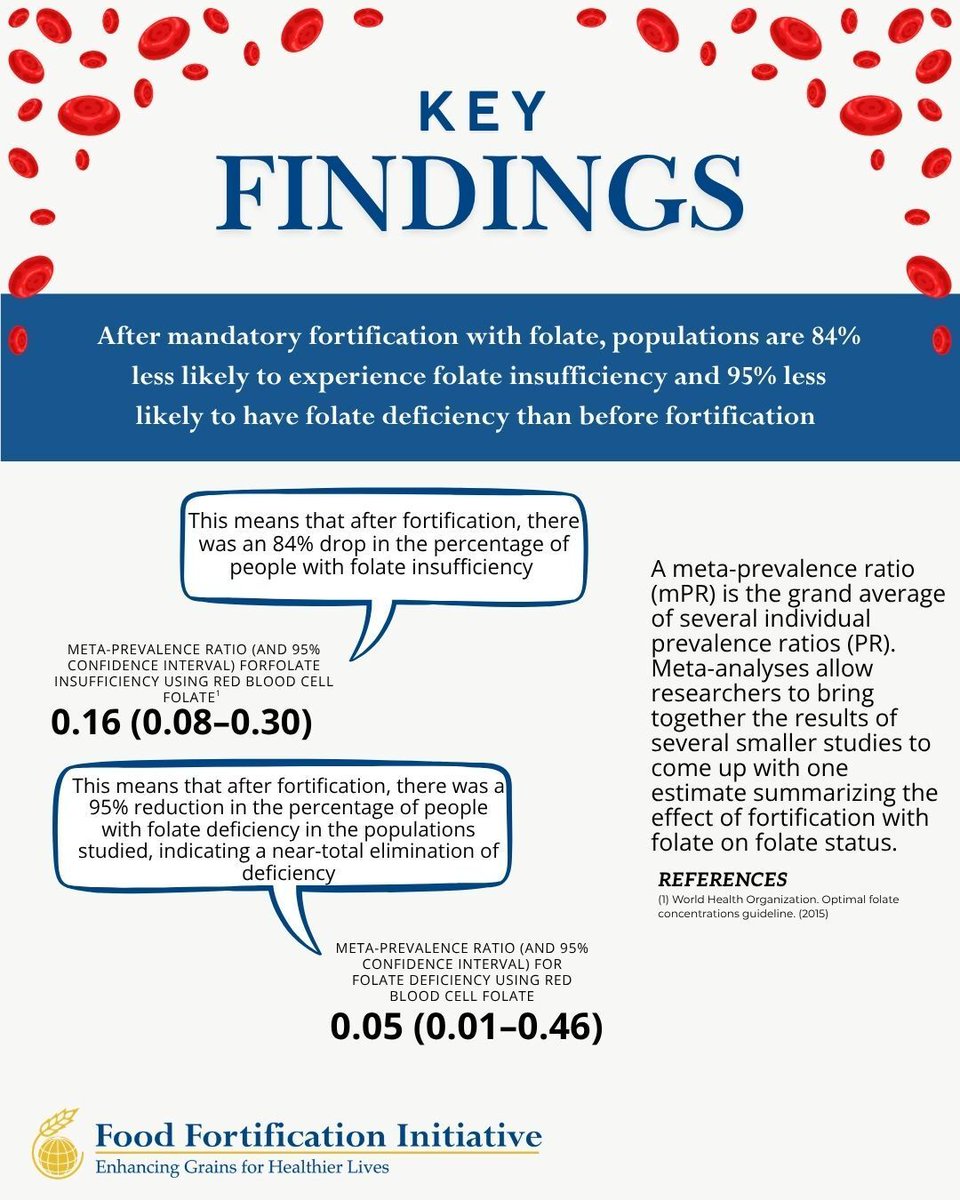
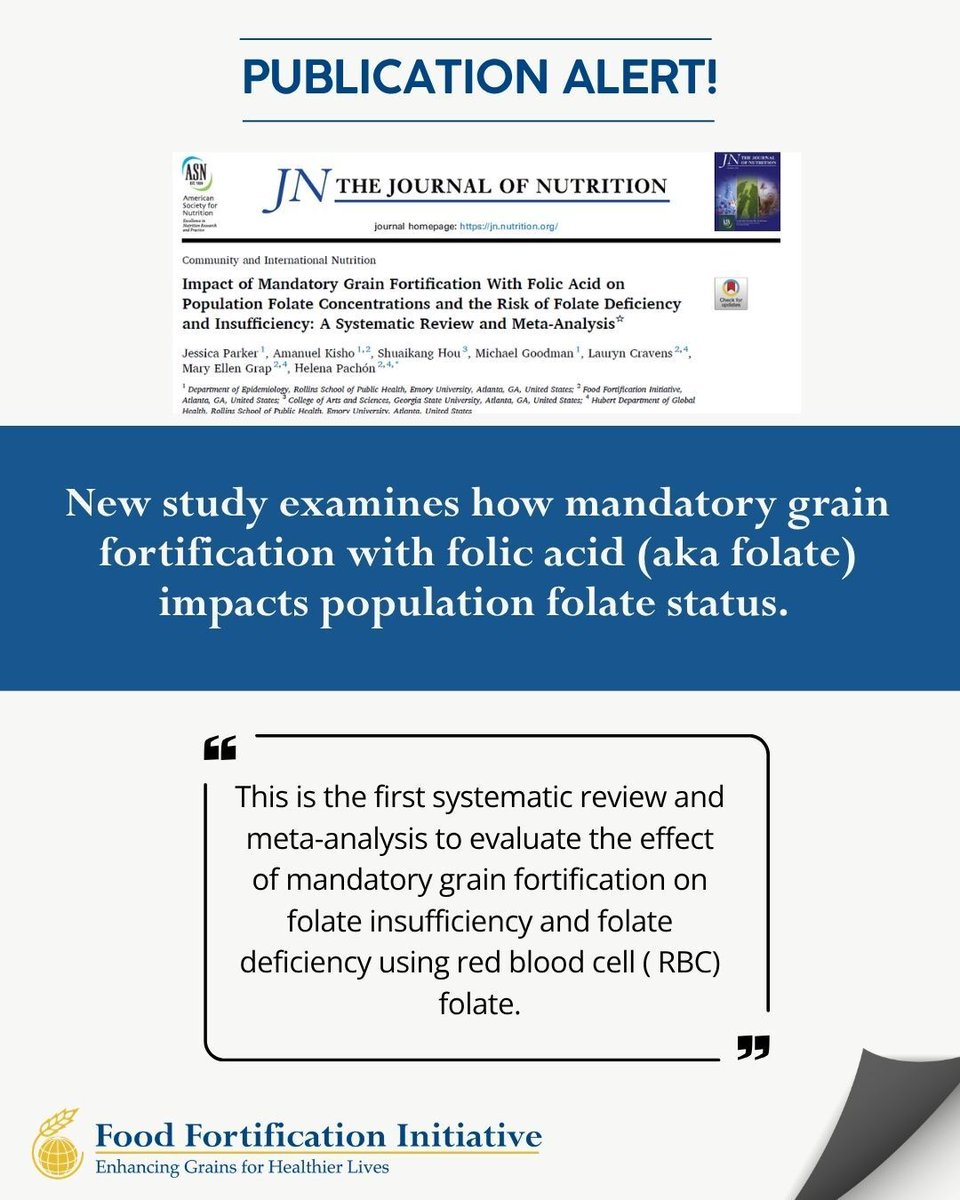
📘New global systematic review and meta-analysis reaffirms mandatory fortification of wheat flour, maize flour, and rice w/ folate gives us the vitamin B9 that our bodies need to be healthy.
@FFInetwork @EmoryRollins @GSUArtSci
1
37