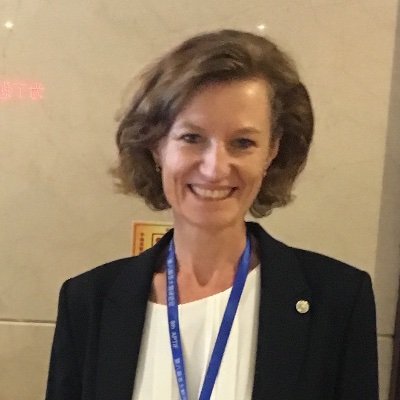
Twitter account of 15th President of FIT - the voice of associations of translators, interpreters and terminologists around the world, Alison Rodriguez.
Joined August 2017
- Tweets 2,131
- Following 292
- Followers 1,304
- Likes 3,612
53 Photos and videos
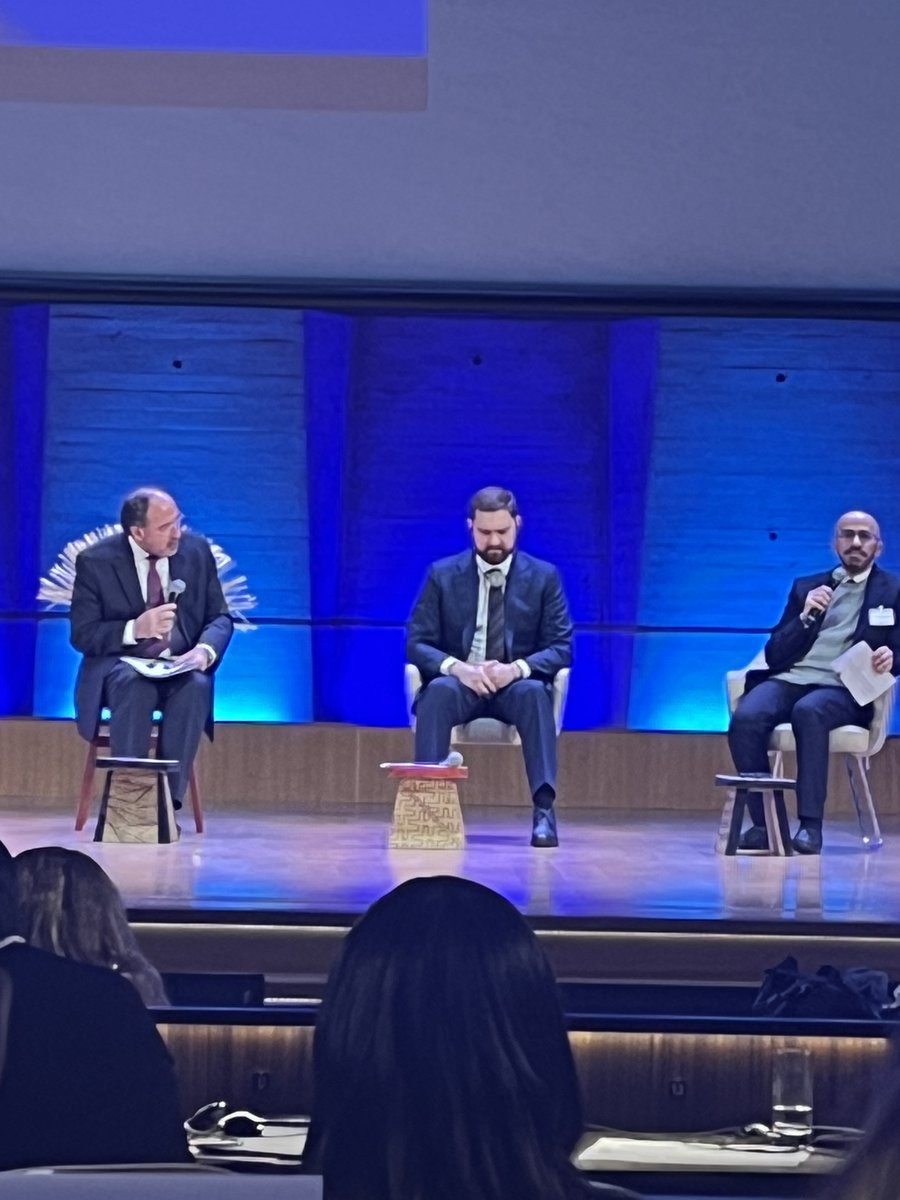

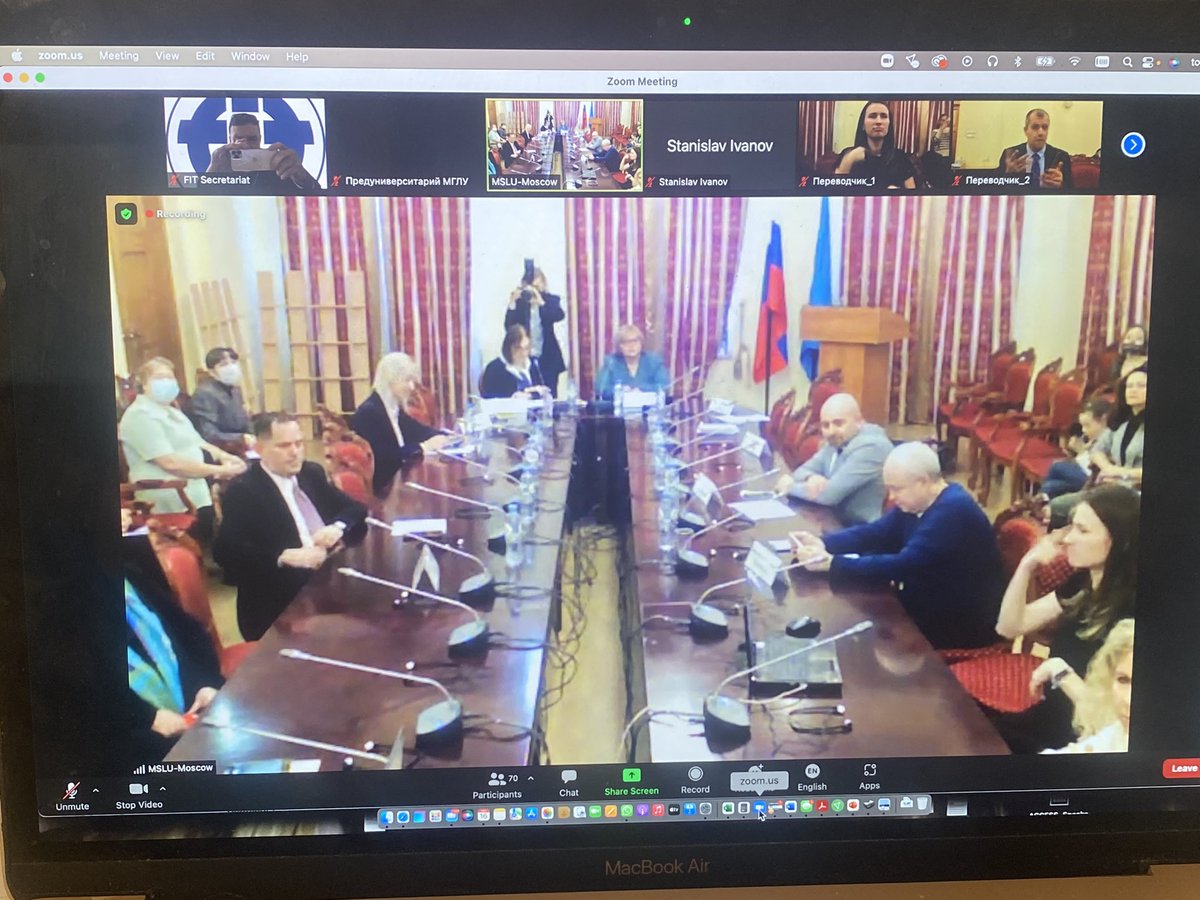
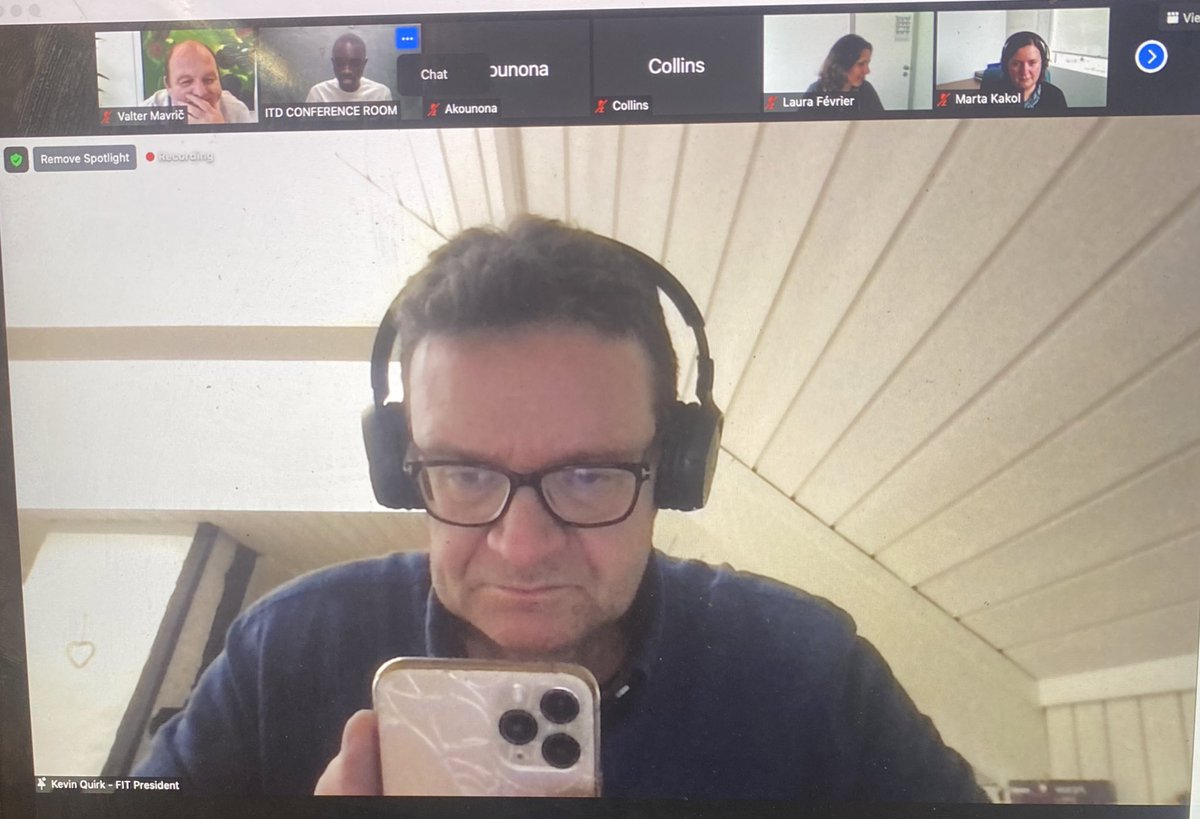
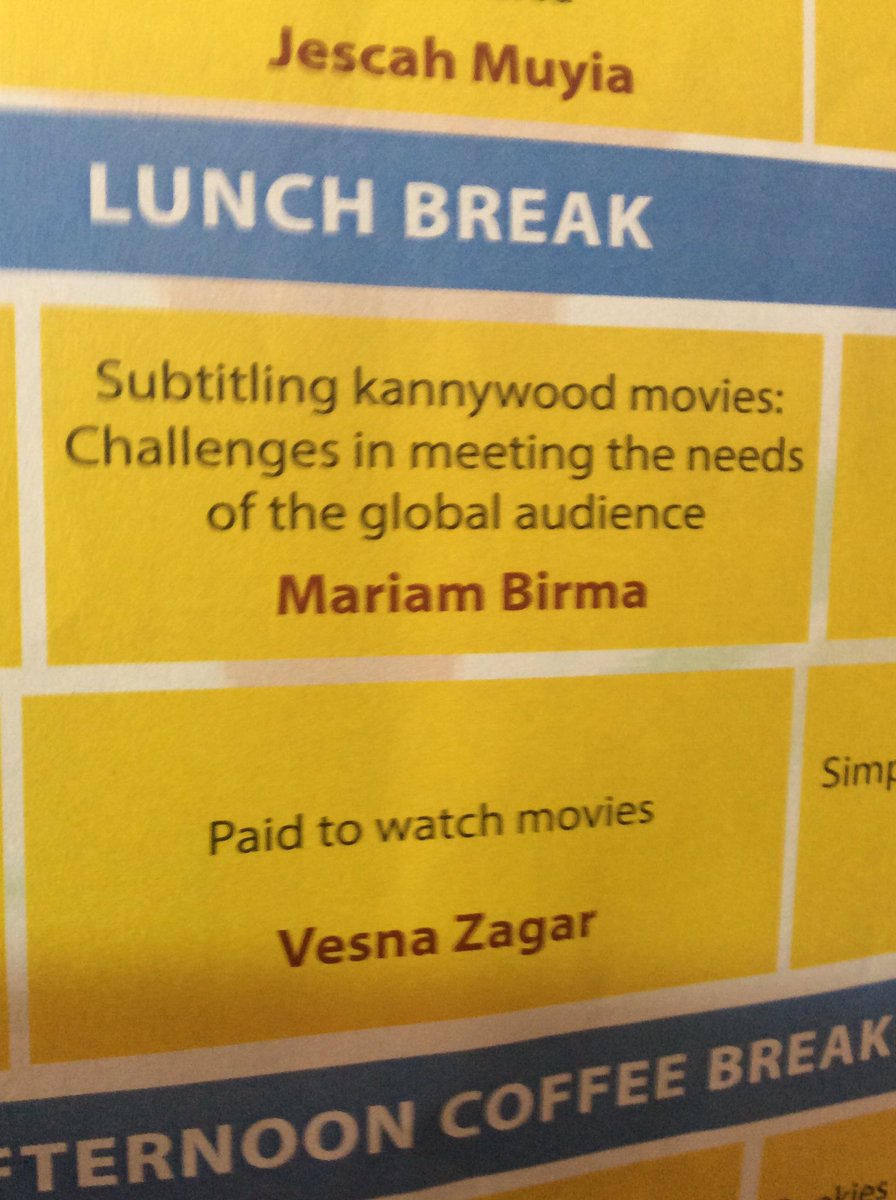
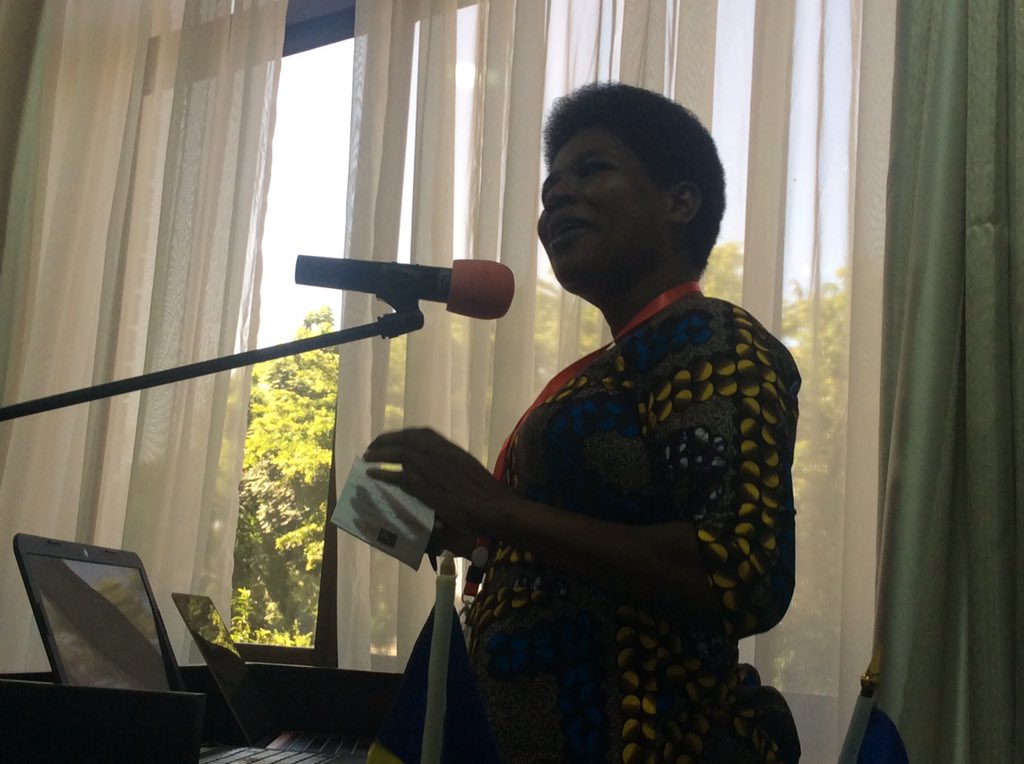

29 Feb 2024
This will be a great conference. Looking forward to it!
26 Feb 2024

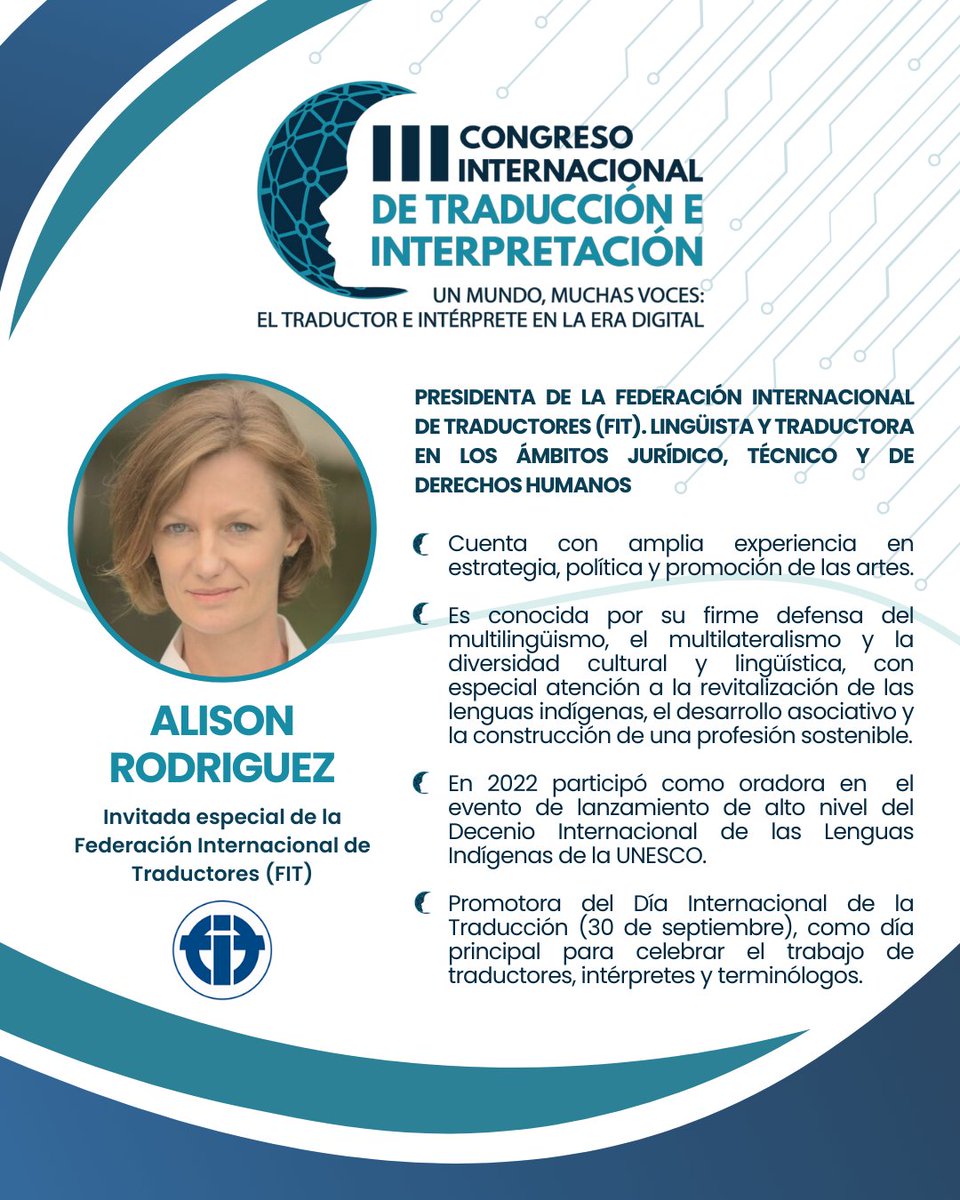
¡Conoce a @AlisonRodrigz, invitada especial del III Congreso Internacional de Traducción e Interpretación (CITEI)! 🔥🌎
Si quieres conocer más información sobre los ponentes, visita nuestro sitio web. 💻
🌐 shorturl.at/biIQ1
#CITEI2024 @fit_ift @FITLATAM
1
2
168
20 Feb 2024
Tomorrow is International Mother Language Day. FIT joins with @UNESCO in celebrating the importance of linguistic diversity and the impact of multilingual education in building a future based on peace and understanding.
unesco.org/en/days/mother-la…
1
81

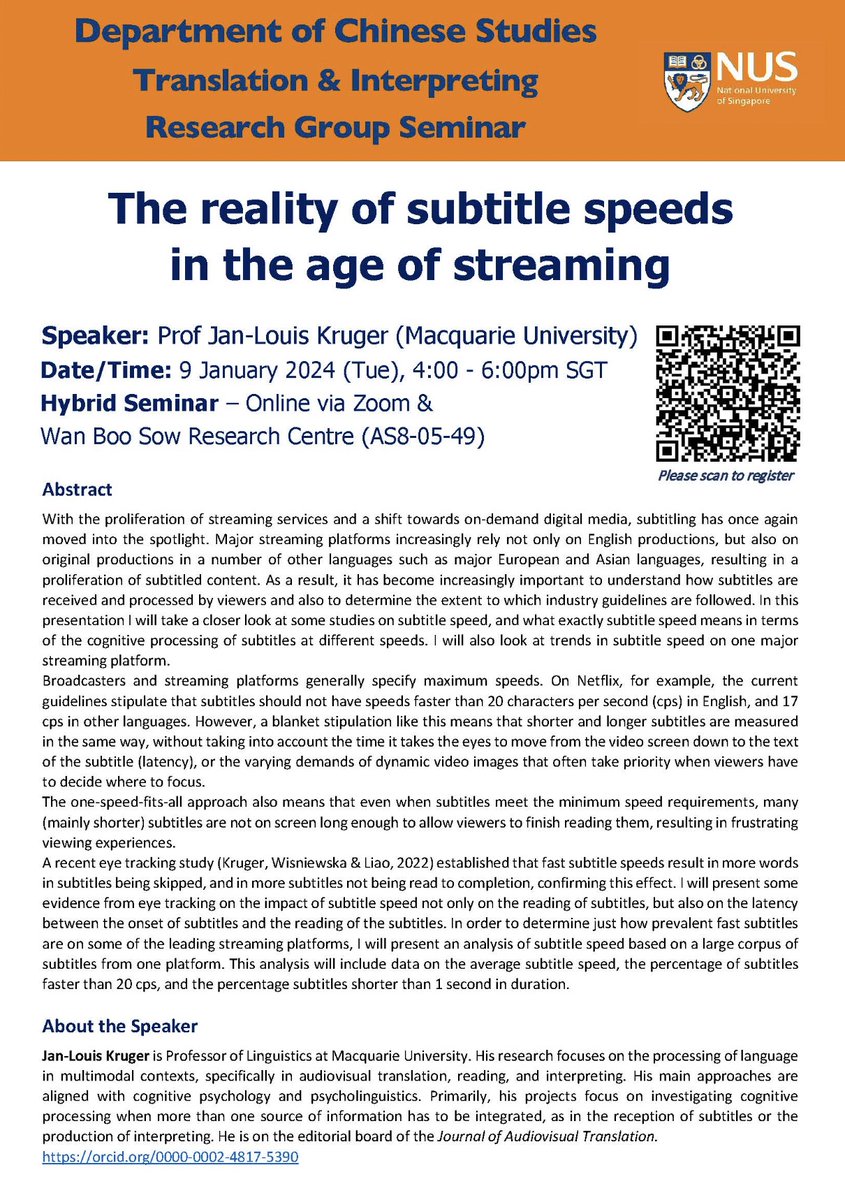
Join Prof @JanLKruger as he explores the cognitive processing of subtitles at different speeds in the streaming era! @Macquarie_Uni
@MQLinguistics Mark your calendar for Jan 9, 4-6pm (Singapore time). Register now for the hybrid event: forms.office.com/r/pU8NE67Wd…
10
30
5,245
FIT_President retweeted

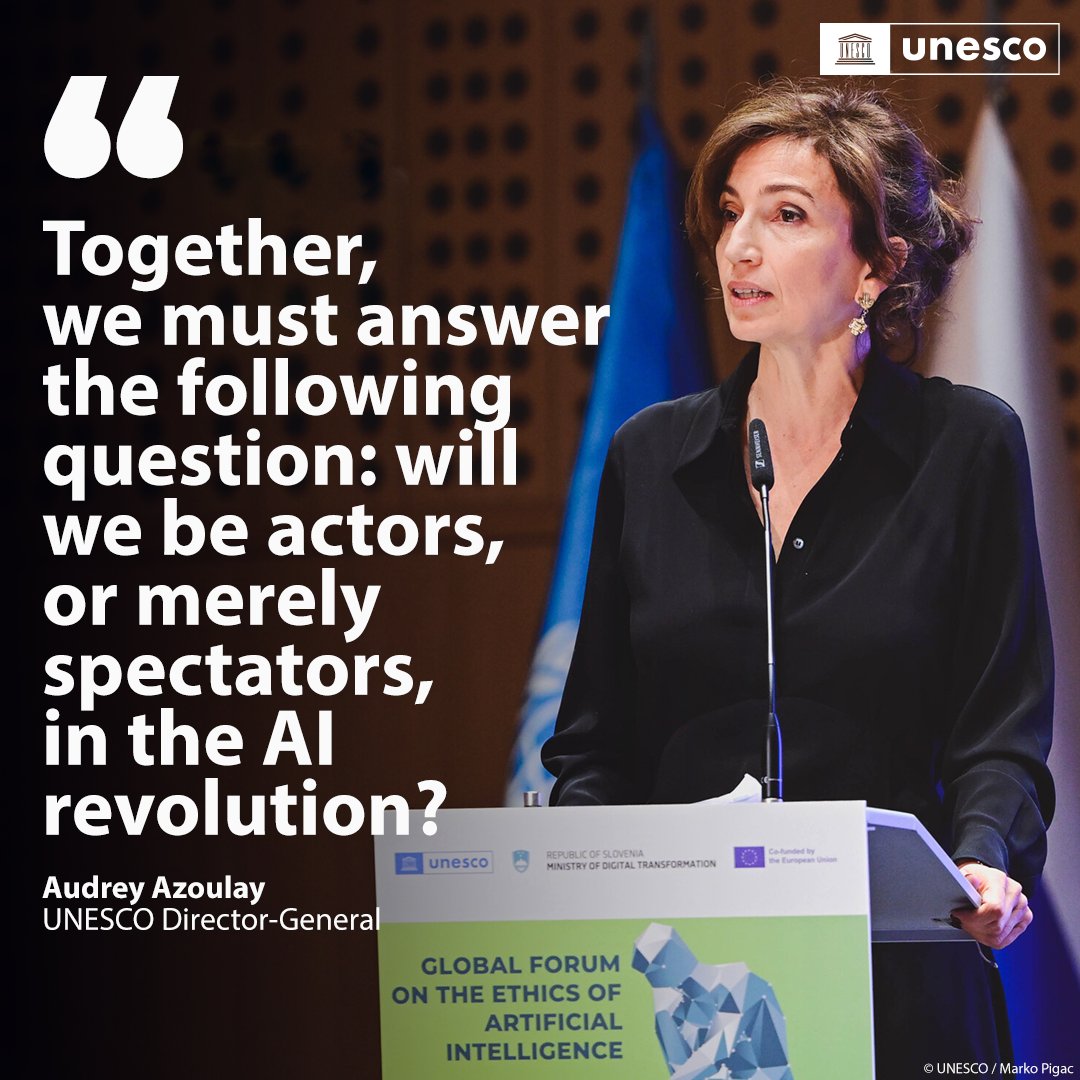
As the world stands at the cusp of technological revolution, the stark choice before us couldn't be clearer: will we take the reins, or simply watch from the sidelines as the digital age unfolds? The rapid advancements in AI are not just reshaping our economies and societies; they are fundamentally altering the human experience.
It's high time we confront the reality that the frameworks of international cooperation need a radical overhaul to stay relevant in the digital era. The challenges posed by AI are as much about technology as they are about our humanity. They compel us to rethink how nations can work together in a landscape where digital lines blur the physical borders. The discussions we've been having, like the ones in Slovenia today at the 2nd Global Forum on the Ethics of Artificial Intelligence are a testament to this urgent need for evolved cooperation. Here, we are not just between the worlds of yesterday and today but at a crossroads that demands we choose the path of active participation over passive observation.
The adoption of UNESCO's Recommendation on the Ethics of AI in November 2021 was a pioneering step towards this goal - a blueprint for how we can navigate the AI revolution with our moral compass intact.
However, merely adopting guidelines isn't enough. We must be committed to implementing them, to moving from words on paper to actions on the ground. UNESCO's efforts to assist nearly 50 states in transposing the principles of the recommendation into their domestic policies is a commendable start. European initiatives, collaborations across the Atlantic, and advancements in Africa signify a growing consensus on the need for ethical AI.
But let's not kid ourselves. The challenges are daunting. From bridging the digital divide to combating gender biases amplified by AI, the road ahead is fraught with obstacles. The unsettling ease with which AI can perpetuate gender-based violence or deepen societal fractures underscores the urgency of our mission. Initiatives like the Women for Ethical AI platform are crucial steps in the right direction, but they are just the beginning.
What's needed is a coalition of the willing, encompassing nations, tech giants, and civil society, all committed to steering the AI revolution towards a future that reflects our shared values and aspirations. Their power to shape the future obliges them to adopt a responsible approach, aligning their innovations with ethical standards that respect human dignity and promote societal well-being.
The AI revolution offers unprecedented opportunities to enhance our world, but only if we navigate its challenges with wisdom, foresight, and a steadfast commitment to ethical principles. The choice is ours: will we be architects of a future where technology uplifts humanity, or will we relinquish control and let the tides of change sweep us along? The time to decide—and act—is now.
8
54
137
12,440
7 Feb 2024
26 Jan 2024

Translators created part of the product. That should mean credits, not a vague thank you.
1
123
6 Dec 2023
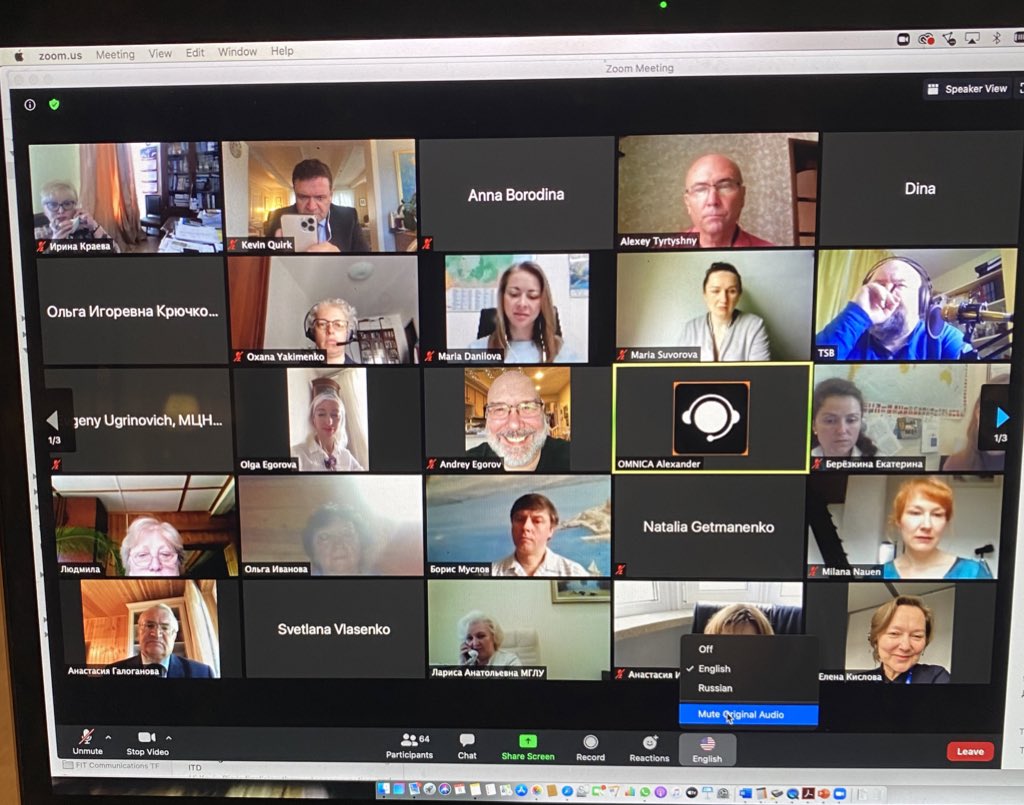
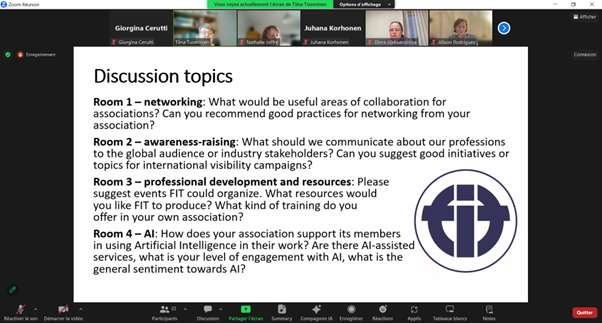
Such a great opportunity to debate issues and build community. Thanks to all who joined us and @TiinaKTuominen & @ViktorijaOKunc for organising. See you all at the next AV Roundtable in 2024!

Esta mañana, @GiorginaCerutti, en representación del CTPU, estuvo presente en una mesa redonda organizada por la @fit_ift sobre traducción audiovisual y accesibilidad.
2
11
631
30 Sep 2023
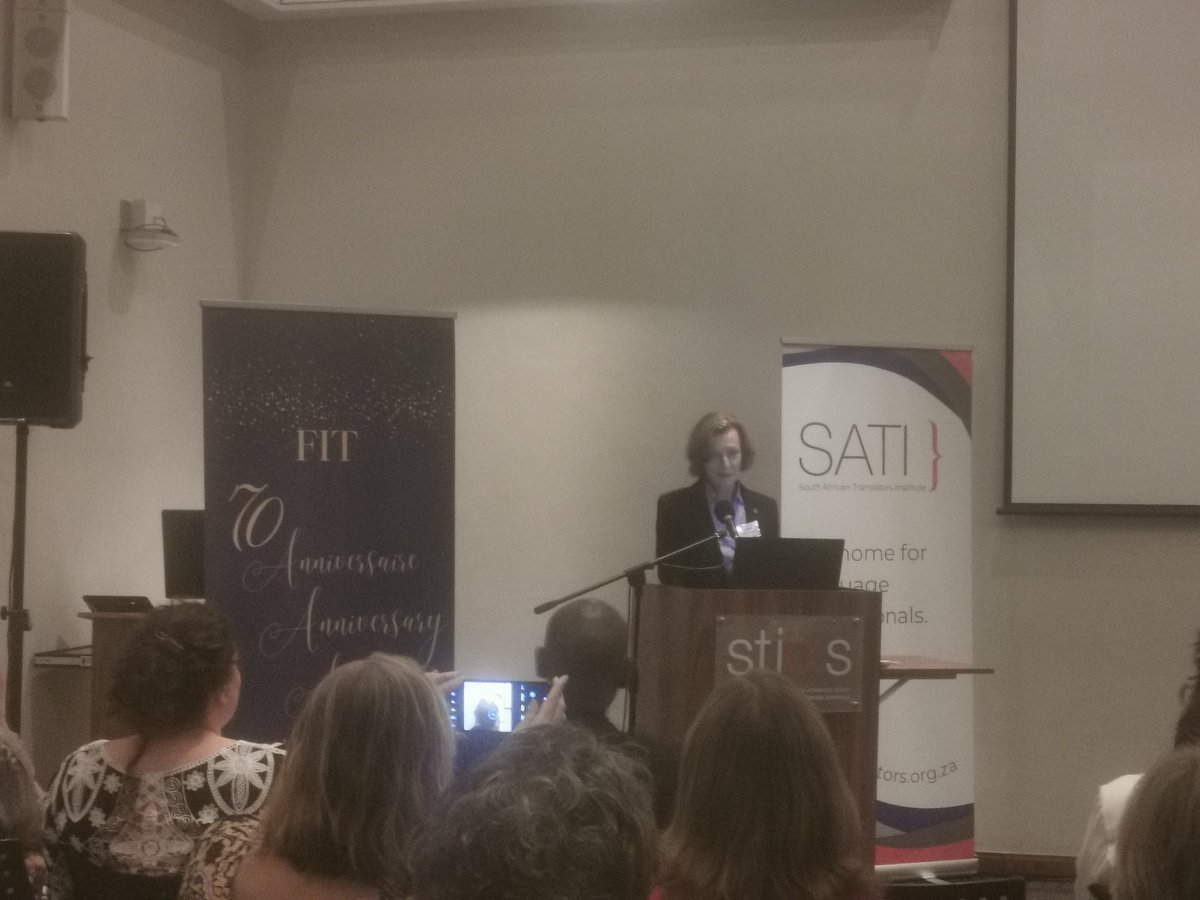
It was great to meet you, and fantastic to learn so much about the profession in Africa. #FITinAfrica is beginning anew with our #FITAfrica RC. #SATI23 was proof profession in Africa is strong and crucial. Looking fwd to the work ahead! Happy #ITD2023 to all!

Great to have the president of @fit_ift here in Southern Africa for the #SATI conference and the launch of the regional centre for Africa.
1
11
634
6 Sep 2023
Such a sad loss. Edith Grossman made a great contribution to the profession, to education, to understanding. Her translations and her musings brought great joy. Her inspiration lives on. #Translationmatters
5 Sep 2023

Very sad news about Edith Grossman.
You can listen to her inspiring conversation with Daniel Hahn here: londonreviewbookshop.co.uk/p…
1
9
649
FIT_President retweeted

3 Sep 2023
🗓️ There’s just a week left to submit translations for our anthology – submissions are free and open to all.
thewhitereview.org/news_and_…
43
59
28,162
FIT_President retweeted

Our language rights reading group starts tomorrow. It's not too late to join! See the link below for more details.
30 Aug 2023

I'll be running an online reading group about language rights starting next week on Sept 5. The group is open to all (including access to PDFs of the articles). Details at the link below. Feel free to join and share.
docs.google.com/document/d/1…
2
3
329
FIT_President retweeted

1 Sep 2023
In this day and age of the rise of machine and AI translations, it is more important than ever to highlight that literary translation is a creative craft that needs preserving @ATLAStrad
#CeatlFriday #Counterpoint #EuropeanTranslators 4/4
5
5
622
FIT_President retweeted
When we speak about language 'death' or 'extinction', we erase both the human and political dimensions of the situation. This erasure prevents us from seeing the human harm that gets caused, and from seeing the political solutions necessary to change the situation.

Great article on the threats faced by the Yakuunte speakers of Kenya. At GCLR, we would use different language to talk about these issues, though. Languages don't "die" - people's rights are violated and they are coerced into shifting language.
nation.africa/kenya/counties…
8
14
1,253
FIT_President retweeted

27 Jul 2023
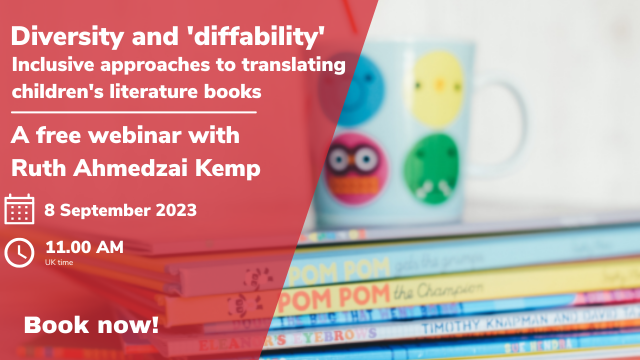
First of two webinars on #children’s #literature during @worldkidlit month this September, showcasing the wealth of resources for #translators, including IBBY’s annual Collection for Young People with Disabilities. Award-nominated literary translator Ruth Ahmedzai Kemp presents.
If this very important field of #translation appeals to you, book your place here: register.gotowebinar.com/reg…
#childrens #literature #translation #disability #CIOLTraining
13
14
3,065
FIT_President retweeted

4 Sep 2023
Registration for #JuvenesTranslatores 2023 is now open! 🎉
🗓️ You can register your school from 04 September - until 16 October, 2023. ⚠️Only schools/teachers may register their school - not students.
👉 Go to our website 🔗 ec.europa.eu/translatores
#Translation #languages #xl8

16
20
3,685
FIT_President retweeted

4 Sep 2023
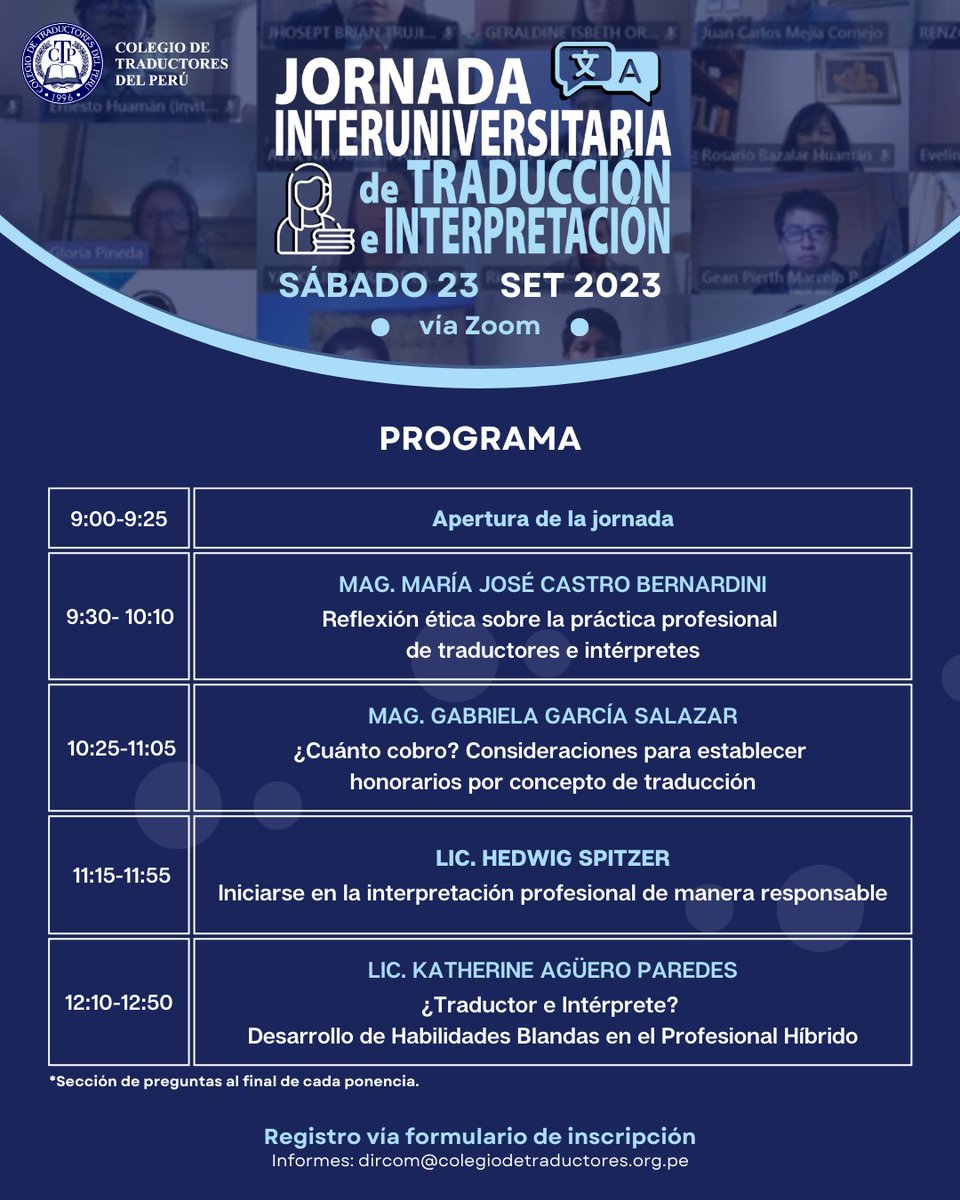
Conoce el programa de la Jornada Interuniversitaria de Traducción e Interpretación. 📋
✍ ¡Inscríbete ya!
📆 Fecha: Sábado 23 de setiembre de 2023
⏰ Horario: De 9:30 h - 12:50 h
📌 Modalidad: Virtual (vía Zoom)
💸 Inscripción: forms.gle/WfadSg9yHKbykHwy5
2
3
239
FIT_President retweeted

4 Sep 2023
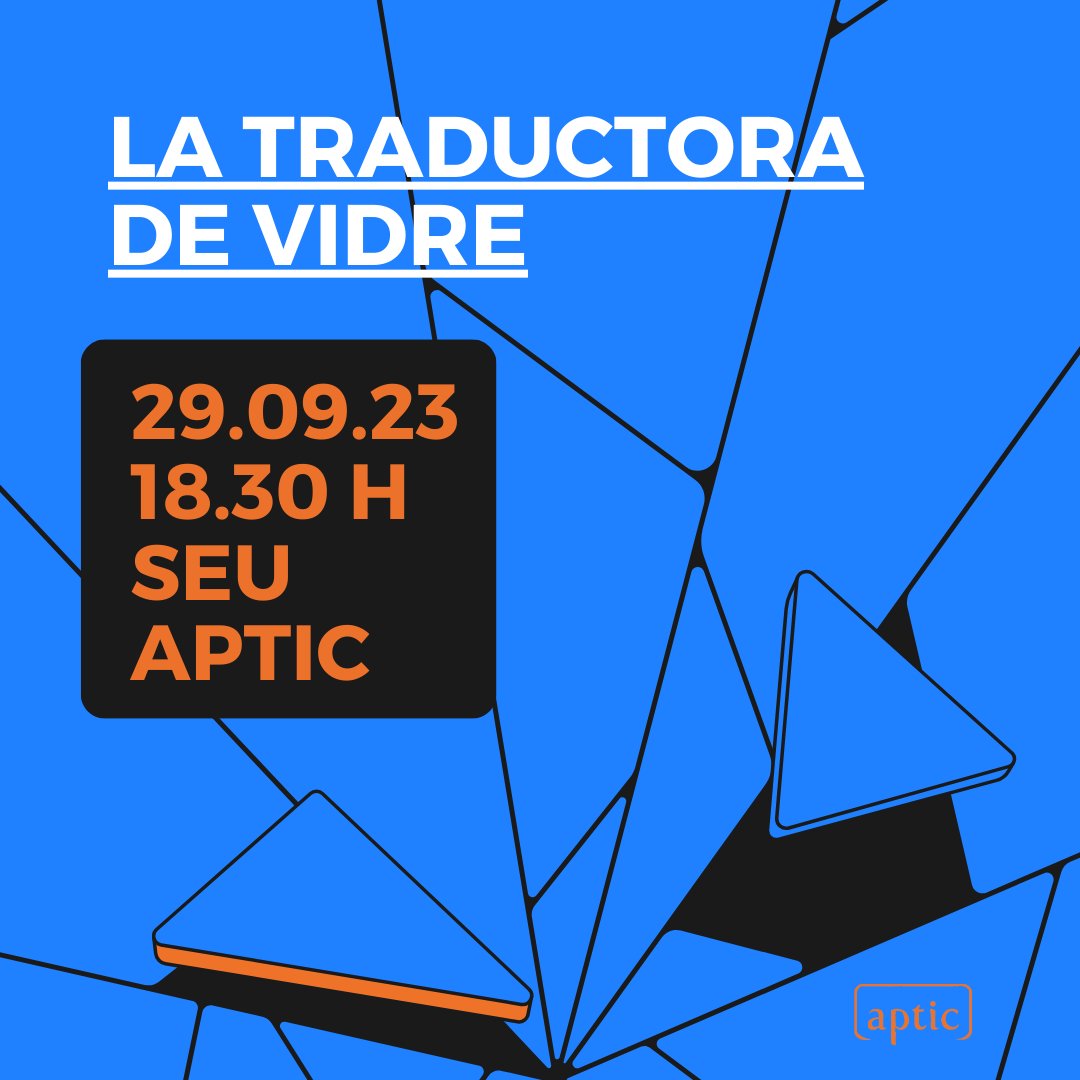
Celebreu el Dia Internacional de la Traducció a l'#APTIC amb una traducció en viu ✍️🔴
La @NuriaBusquet serà la traductora de vidre i traduirà un text en públic, mentre que els assistents hi podran intervenir amb idees i alternatives 👥
📥 Inscrpcions a aptic.cat/activitat/la-tradu…
12
18
4,193
FIT_President retweeted
1 Sep 2023
El còmic en català té cada cop més fans 🙌 Ara bé, quines particularitats presenta a l'hora de traduir-ne?
Serem @LaSetmana per abordar-ho amb la @Pingu_Lingu, la @tinavalles_i en @DcortesC en un acte presentat per @fmassana
Tota la informació a lasetmana.cat/event/taula-de… 📲
1
10
16
4,240
FIT_President retweeted

Coming up in a few weeks at the TCLCT:
The first of this year's Polish Book Club gatherings.
It's FREE, everyone's welcome, and there's still time to read the book! 🙂
eventbrite.com/e/67587483883…
@PLinIreland @KrzysRowinski @tcdlibrary @TCDsllcs
6
7
1,116
FIT_President retweeted
Great article on the threats faced by the Yakuunte speakers of Kenya. At GCLR, we would use different language to talk about these issues, though. Languages don't "die" - people's rights are violated and they are coerced into shifting language.
nation.africa/kenya/counties…
1
18
34
3,554
FIT_President retweeted

4 Sep 2023
On the #IDSL, the country leaders - whether Presidents, gov officials, members of parliaments,... - are invited to sign this year’s theme “A World Where #Deaf People Everywhere Can Sign Anywhere!” in their national sign language.
➡️ wfdeaf.org/iwdeaf2020/
#GlobalLeadersChallenge
26
70
4,860