
Joined June 2025
- Tweets 1,431
- Following 52
- Followers 46
- Likes 0
1,385 Photos and videos
First Love Devocions 15 de Junio Mañana - Charles Spurgeon Inspired
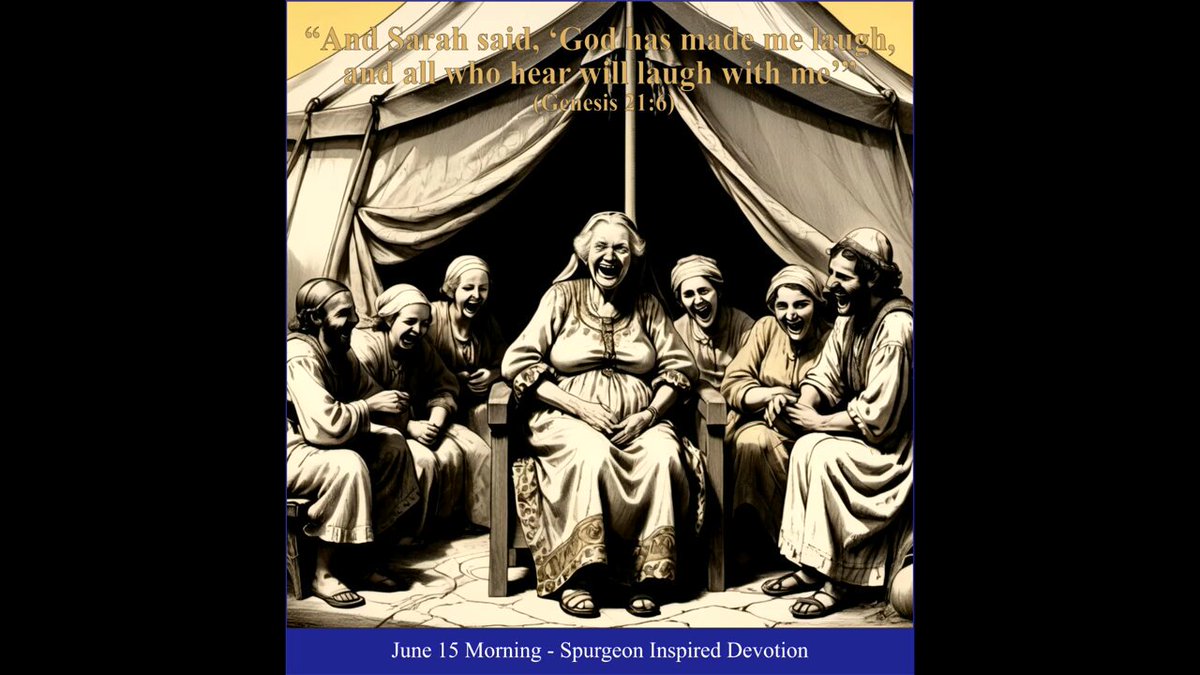
“Y Sara dijo: ‘Dios me ha hecho reír, y todos los que lo oigan se reirán conmigo’” (Génesis 21:6)
Cuando Dios hizo sobrenaturalmente que Sara, de 90 años, diera a luz a Isaac, fue la confirmación de la fe de Abram y una figura de millones de nacimientos sobrenaturales que habrían de seguir. Si has nacido en el Reino de Dios, puedes reír como Sara, porque Cristo te ha liberado del pecado y ha cambiado sobrenaturalmente tu corazón. “Pero cuando se manifestó la bondad de Dios nuestro Salvador, y su amor para con los hombres, nos salvó, no por obras de justicia que nosotros hubiéramos hecho, sino según su misericordia, por el lavamiento de la regeneración y por la renovación en el Espíritu Santo” (Tito 3:4-5).
Así como era imposible, según las leyes de la naturaleza, que Sara tuviera un hijo, también me era imposible cambiar mi corazón. Hubo un tiempo en que desesperé, porque mi naturaleza era seca y estéril, y por eso no podía dar fruto para Dios. Pues cuando era esclavo del pecado, no tenía justicia alguna. No producía nada bueno en aquella vida de la que ahora me avergüenzo. Pero ahora he sido liberado del pecado, me he convertido en esclavo de Dios, doy fruto santo y, al final, tendré vida eterna. Porque la paga del pecado es muerte, pero el don de Dios es vida eterna en Cristo Jesús, mi Señor (Romanos 6:20-23).
Me regocijo de que Cristo me diera un nacimiento sobrenatural y me liberara del pecado. Reíd conmigo, porque estaba perdido, pero ahora he sido hallado. Estaba muerto, pero ahora vivo. Sorprenderé a mi familia con mi nueva paz; deleitaré a mis amigos con mi felicidad cada vez mayor; edificaré a mi iglesia con mis confesiones agradecidas; y daré testimonio al mundo por medio de mi caminar con Cristo.
Mi Señor es para mí un mar profundo de gozo. Cuando me sumerjo en Él, quedo absorbido por los deleites de su presencia. Me regocijo con Sara y con los millones de santos que la siguieron.
Obtenga devociones diarias entregadas en su casilla de correo electrónico:
firstlovedevotions.com
9
First Love Devotions June 15 Morning - Charles Spurgeon inspired
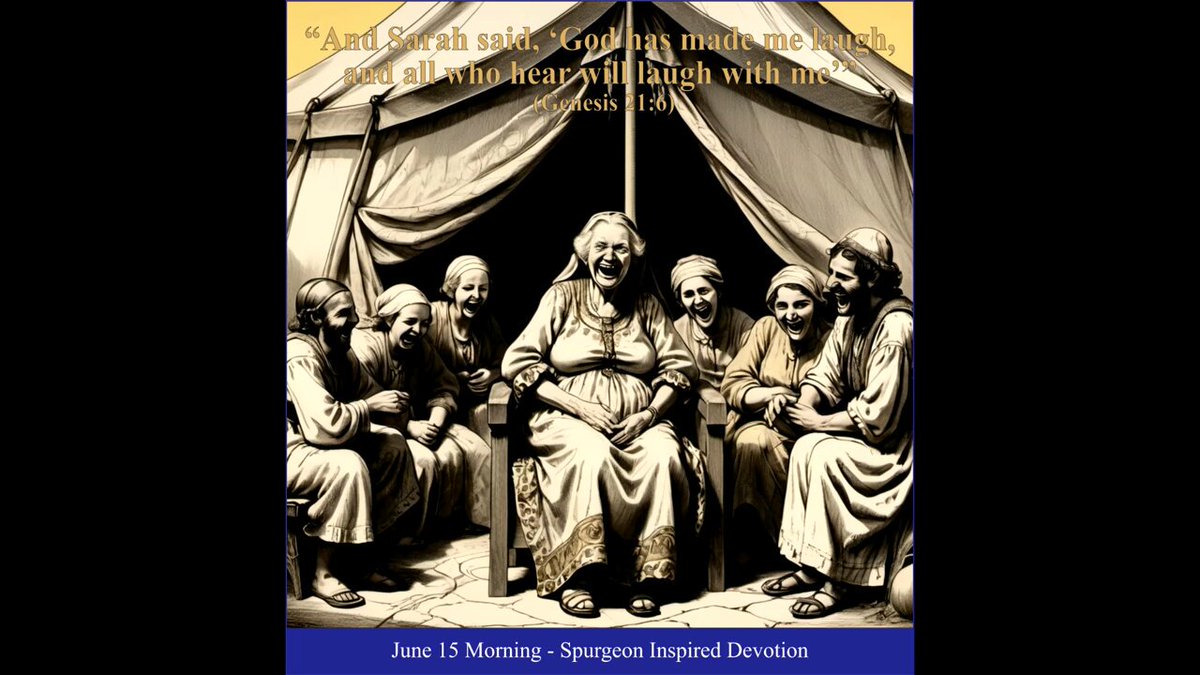
“And Sarah said, ‘God has made me laugh, and all who hear will laugh with me’” (Genesis 21:6)
When God supernaturally caused 90 year old Sarah to bear Isaac, it was the validation of the faith of Abram and a type for millions of supernatural births to follow. If you’re born into the Kingdom of God, you can laugh like Sarah, because Christ has set you free from sin, and supernaturally changed your heart. “When the kindness and the love of God our Savior toward man appeared, not by works of righteousness which we have done, but according to His mercy He saved us, through the washing of regeneration and renewing of the Holy Spirit” (Titus 3:4-5).
Just as it was impossible by the laws of nature for Sarah to have a baby, it was impossible for me to change my heart. I once despaired, for my nature was dry and barren, so I wasn’t able to bear fruit for God. For when I was a slave of sin, I had no righteousness. I produced no good thing in that life of which I’m now ashamed. But now I’ve been set free from sin, and have become a slave of God, and bear holy fruit, and in the end, will have everlasting life. For the wages of sin is death, but the gift of God is eternal life in Christ Jesus my Lord (Romans 6:20-23).
I rejoice that Christ gave me supernatural birth and set me free from sin. Laugh with me, for I was lost, but now I’m found. I was dead, but now I live. I will surprise my family with my new peace; I will delight my friends with my ever-increasing happiness; I will edify my church with my grateful confessions; and witness to the world by my walk with Christ.
My Lord is a deep sea of joy to me. When I dive into Him, I’m swallowed up in the delights of His presence. I rejoice with Sarah, and the millions of saints that followed.
Get Daily Devotions delivered to your email box: firstlovedevotions.com
24
First Love Devocions 14 de Junio Noche - Charles Spurgeon Inspired
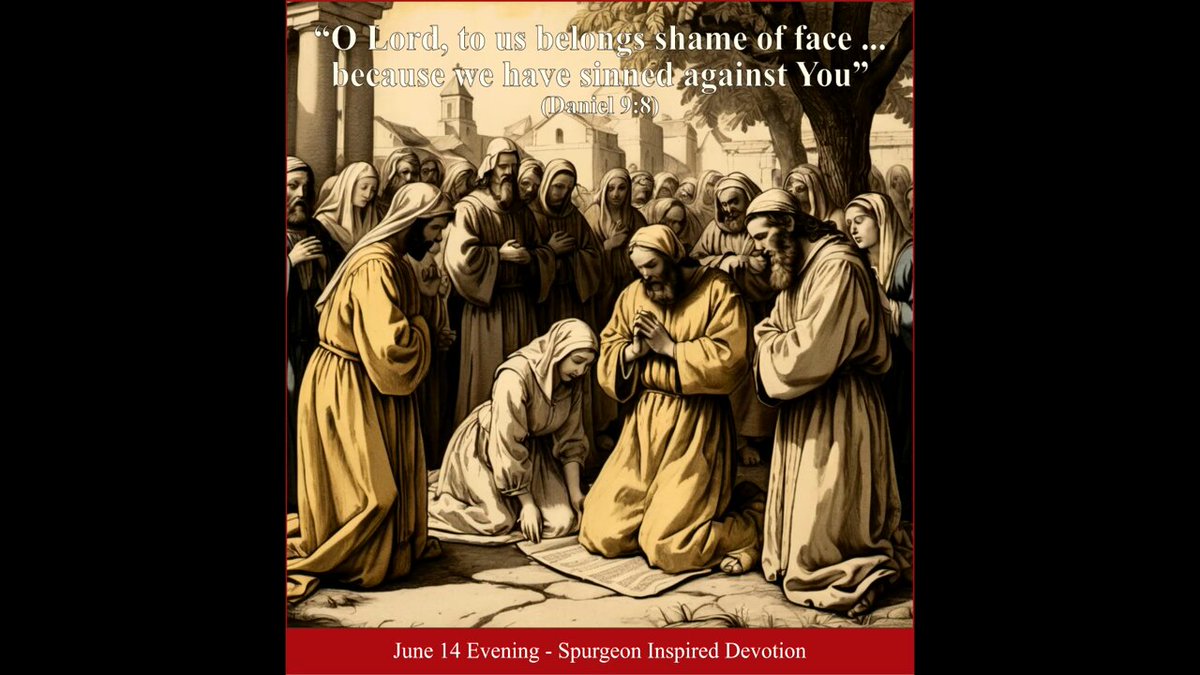
“Oh Señor, nuestra es la confusión de rostro ... porque hemos pecado contra Ti” (Daniel 9:8) Cuando los santos tienen una revelación de la depravación de su pecado, de su naturaleza maligna y del castigo que merece, eso debería hacer que se postren ante el trono de Dios. Moisés estuvo postrado ante Dios cuarenta días y cuarenta noches por los pecados de Israel (Deuteronomio 9:25). ¿Puedes pasar una hora?
¿Quién de entre nosotros puede mirar atrás y decir que hemos hecho lo mejor que podíamos con las gracias que se nos han dado? Nuestros días antes de nacer de nuevo están perdonados y olvidados; pero desde entonces, aunque hemos dejado de pecar como antes, hemos dado por sentada nuestra herencia en Cristo y hemos pecado contra Su luz y Su amor: Su luz iluminó nuestras mentes, y Su amor fue derramado en nuestros corazones por el Espíritu Santo (Romanos 5:5).
El pecado de alguien que no sabe más no llega al nivel del pecado de un santo que ha tenido comunión con Cristo. El rey David veía el pecado como una ofensa personal contra Dios: “Mi pecado está siempre delante de mí. Contra Ti, contra Ti solo he pecado, Y he hecho lo malo delante de Tus ojos ... Porque no quieres sacrificio, que yo lo daría; No te deleitas en holocausto. Los sacrificios de Dios son el espíritu quebrantado, Al corazón contrito y humillado no despreciarás Tú, oh Dios” (Salmos 51:3-17).
Cuando Pedro negó a Jesús, lloró amargamente porque era algo personal (Lucas 22:62). ¿Tienes algún pecado por el que deberías llorar? El pecado es tuyo, antes y después de la conversión. Si no fuera por Cristo y por el Espíritu Santo que mora en ti, seguirías pecando y no tendrías un corazón quebrantado y contrito.
“Si decimos que no tenemos pecado, nos engañamos a nosotros mismos, y la verdad no está en nosotros. Si confesamos nuestros pecados, Él es fiel y justo para perdonarnos nuestros pecados y limpiarnos de toda maldad” (1 Juan 1:8-9).
Obtenga devociones diarias entregadas en su casilla de correo electrónico: firstlovedevotions.com
18
First Love Devotions June 14 Evening - Charles Spurgeon inspired
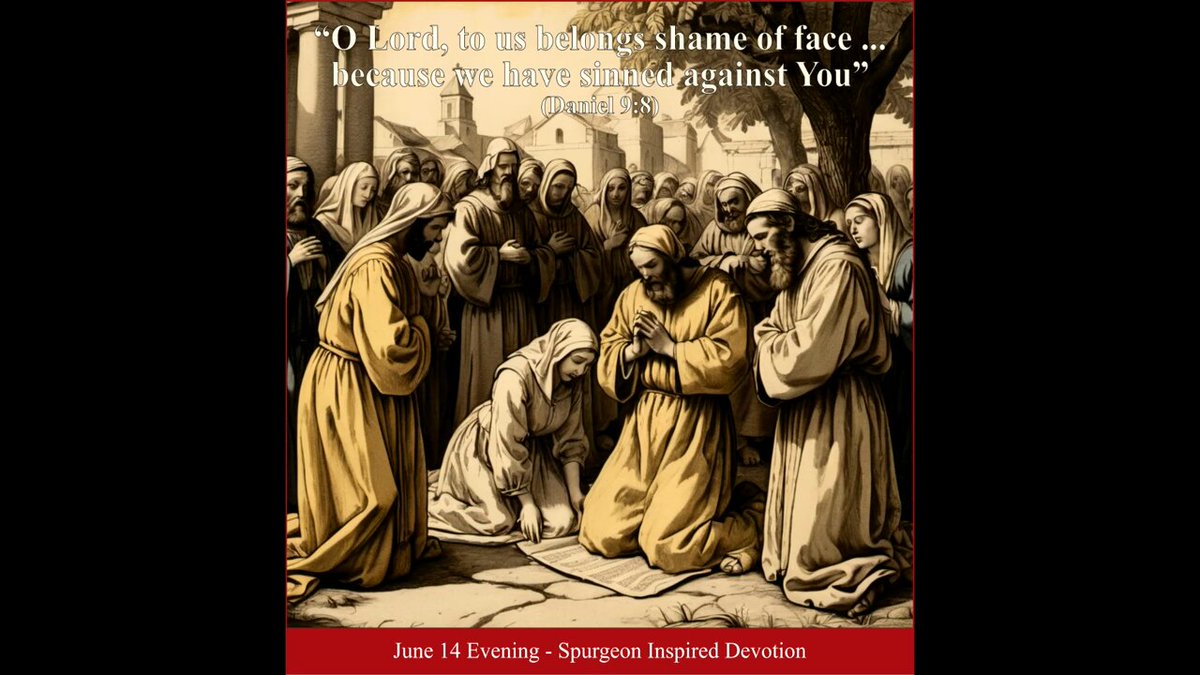
“O Lord, to us belongs shame of face ... because we have sinned against You” (Daniel 9:8)
When saints have a revelation of the depravity of their sin, its evil nature, and the punishment it deserves, it should make them lie prostrate before the throne of God. Moses lay before God forty days and nights for the sins of Israel (Deuteronomy 9:25). Can you spend one hour?
Who among us can look back and say we’ve done the best we could with the graces we’ve been given? Our days before we were born again are forgiven and forgotten; but since then, though we’ve stopped sinning as before, we’ve taken for granted our inheritance in Christ and sinned against His light and love – His light illuminated our minds, and His love was poured into our hearts by the Holy Spirit (Romans 5:5).
The sin of someone that doesn’t know any better, doesn’t rise to the level of the sin of a saint that’s communed with Christ. King David saw sin as a personal insult to God: “My sin is always before me. Against You, You only, have I sinned, And done this evil in Your sight ... You do not desire sacrifice, or else I would give it; You do not delight in burnt offering. The sacrifices of God are a broken spirit, A broken and a contrite heart - These, O God, You will not despise” (Psalms 51:3-17).
When Peter denied Jesus, he wept bitterly because it was personal (Luke 22:62). Do you have a sin you should weep over? The sin is yours, before and after conversion. If it weren’t for Christ and the indwelling Holy Spirit, you’d keep sinning, and not have a broken and contrite heart.
“If we say that we have no sin, we deceive ourselves, and the truth is not in us. If we confess our sins, He is faithful and just to forgive us our sins and to cleanse us from all unrighteousness” (1 John 1:8-9).
Get Daily Devotions delivered to your email box: firstlovedevotions.com
21

Jun 14
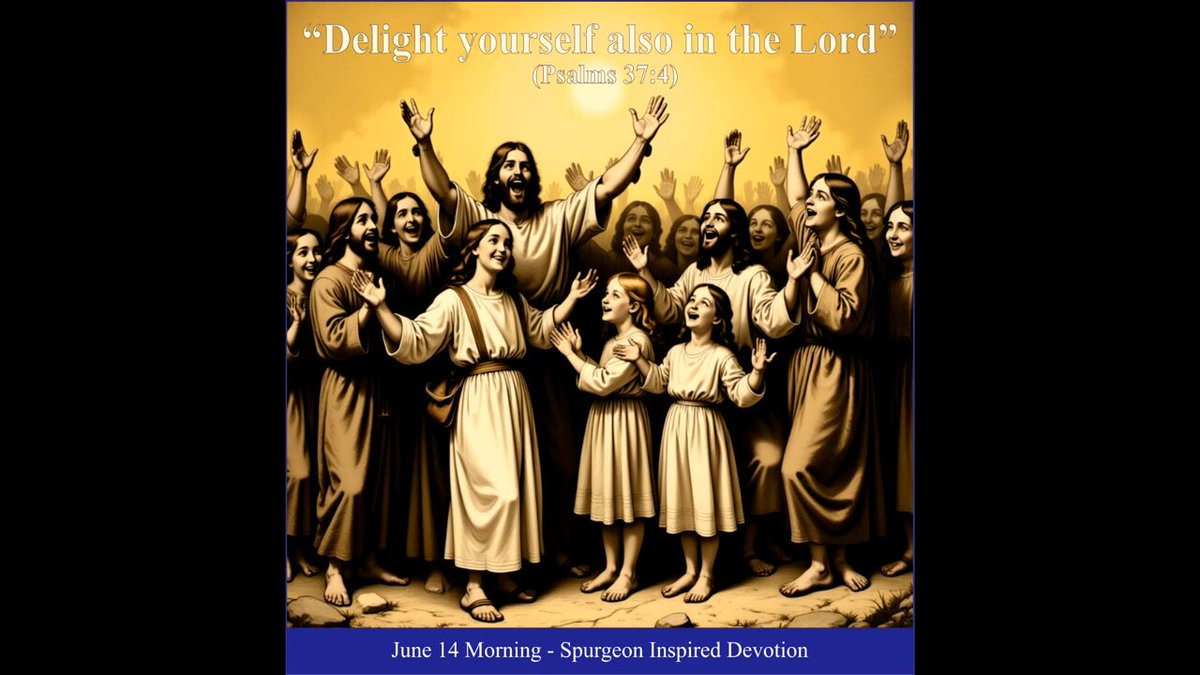
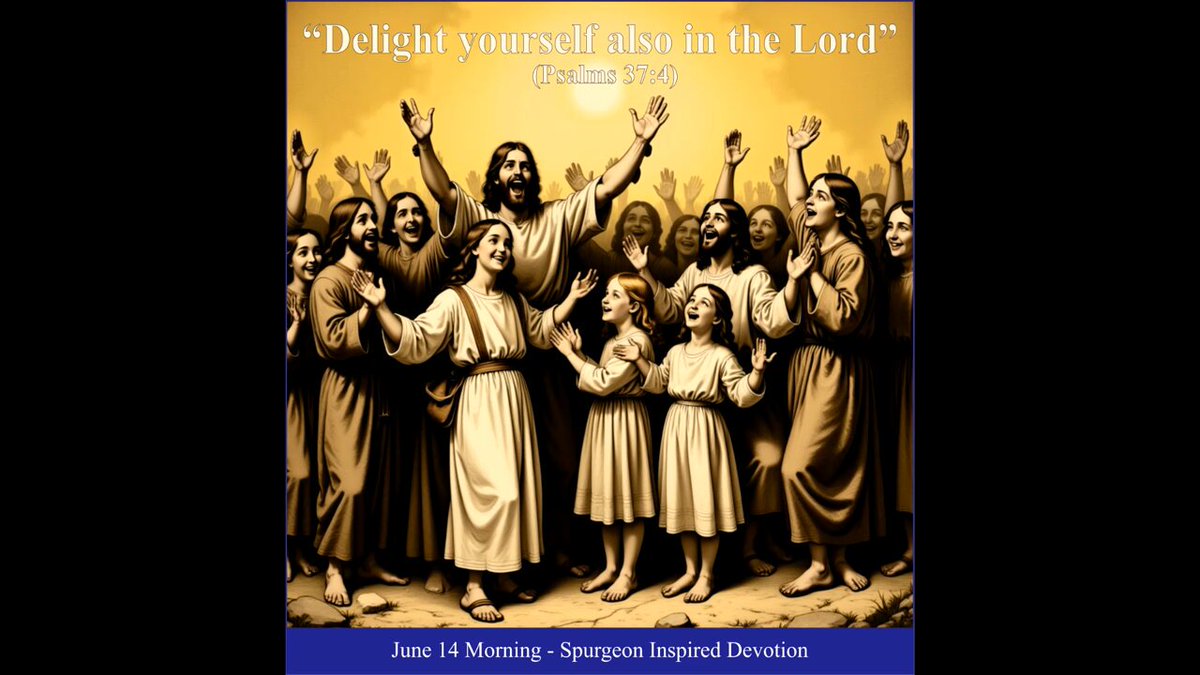
First Love Devocions 14 de Junio Mañana - Charles Spurgeon Inspired
«Deléitate asimismo en el Señor» (Salmos 37:4)
Spurgeon escribió: «La enseñanza de estas palabras debe de parecer muy sorprendente a quienes son ajenos a la piedad vital». ¿Qué quiso decir Spurgeon con «piedad vital»? Es uno de los términos que los evangélicos usaban antes de 1900 para distinguirse de los asistentes a la iglesia que no habían nacido de nuevo. También la llamaban «religión experimental», porque, si no habías nacido de nuevo, nunca experimentabas el cambio de carácter que tiene lugar cuando Dios regenera sobrenaturalmente tu corazón y te llena del Espíritu Santo.
Los santos se deleitan en Dios, y la verdadera salvación, o como dijo Spurgeon, la «verdadera religión», rebosa felicidad y gozo. Las personas impías y los cristianos nominales (cristianos solo de nombre) nunca consideran la religión como algo gozoso; para ellos es un servicio, un deber o una necesidad, pero nunca un placer o un deleite. Si hacen algo especial por su religión, es para obtener algo distinto de una relación más íntima con Cristo.
La idea del deleite en la religión es tan extraña para la mayoría de los asistentes a la iglesia, que no hay dos palabras en su idioma más alejadas entre sí que «santidad» y «deleite». Pero los creyentes que conocen a Cristo entienden que el deleite y la fe están inexorablemente unidos, y las puertas del Infierno no pueden separarlos. Aman a Dios con todo su corazón, sabiendo que Sus caminos son agradables, y Sus sendas, paz.
No tememos a Dios por ninguna clase de compulsión; nuestra fe no es una cadena que nos sujeta, no somos arrastrados a la santidad ni empujados al deber. No, nuestra piedad es nuestro placer, nuestra esperanza es nuestra felicidad, y nuestro deber es nuestro deleite. El deleite y la verdadera religión están tan unidos como la raíz y la flor; tan indivisibles como la verdad y la certeza.
Obtenga devociones diarias entregadas en su casilla de correo electrónico:
firstlovedevotions.com
4
Jun 14
First Love Devotions June 14 Morning - Charles Spurgeon inspired
“Delight yourself also in the Lord” (Psalms 37:4)
Spurgeon wrote: “The teaching of these words must seem very surprising to those who are strangers to vital godliness”. What did Spurgeon mean by “vital godliness”? It’s one of the terms Evangelicals used before 1900, to distinguished themselves from church-goers who weren’t born again. They also called it “experimental religion”, because if you weren’t born again, you never experienced the change of character that takes place when God supernaturally regenerates your heart and fills you with the Holy Spirit.
For more on this subject, click here. christianebooks.com/the_rise…
Saints delight in God, and true salvation, or as Spurgeon said, “true religion”, overflows with happiness and joy. Ungodly persons and nominal Christians (Christians in name only), never look upon religion as a joyful thing; to them it’s a service, a duty, or a necessity, but never a pleasure or delight. If they do anything special for their religion, it’s so they can gain something other than a more intimate relationship with Christ.
The thought of delight in religion is so strange to most church-goers, that no two words in their language stand further apart than "holiness" and "delight." But believers who know Christ, understand that delight and faith are inexorably tied, and the gates of Hell can’t separate them. They love God with all their hearts, knowing His ways as pleasant, and His paths as peace.
We don’t fear God because of any compulsion; our faith isn’t a chain that holds us, we’re not dragged to holiness, nor driven to duty. No, our piety is our pleasure, our hope is our happiness, and our duty is our delight. Delight and true religion are as allied as root and flower; as indivisible as truth and certainty.
Get Daily Devotions delivered to your email box: firstlovedevotions.com
9
Jun 13
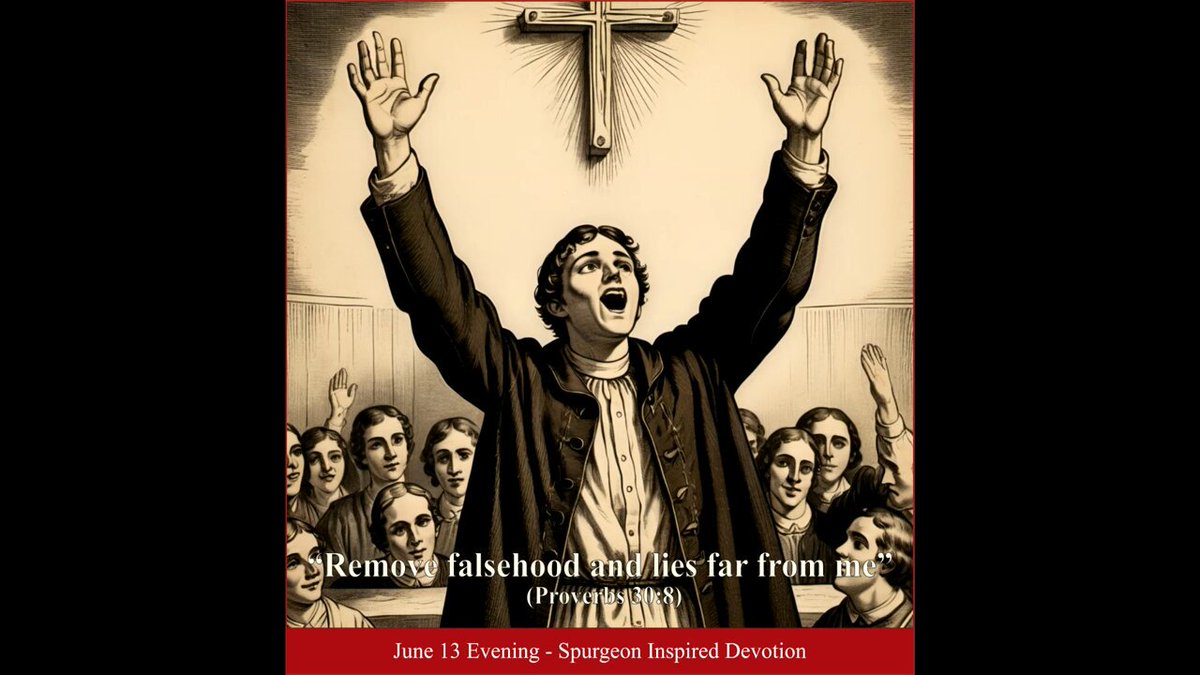
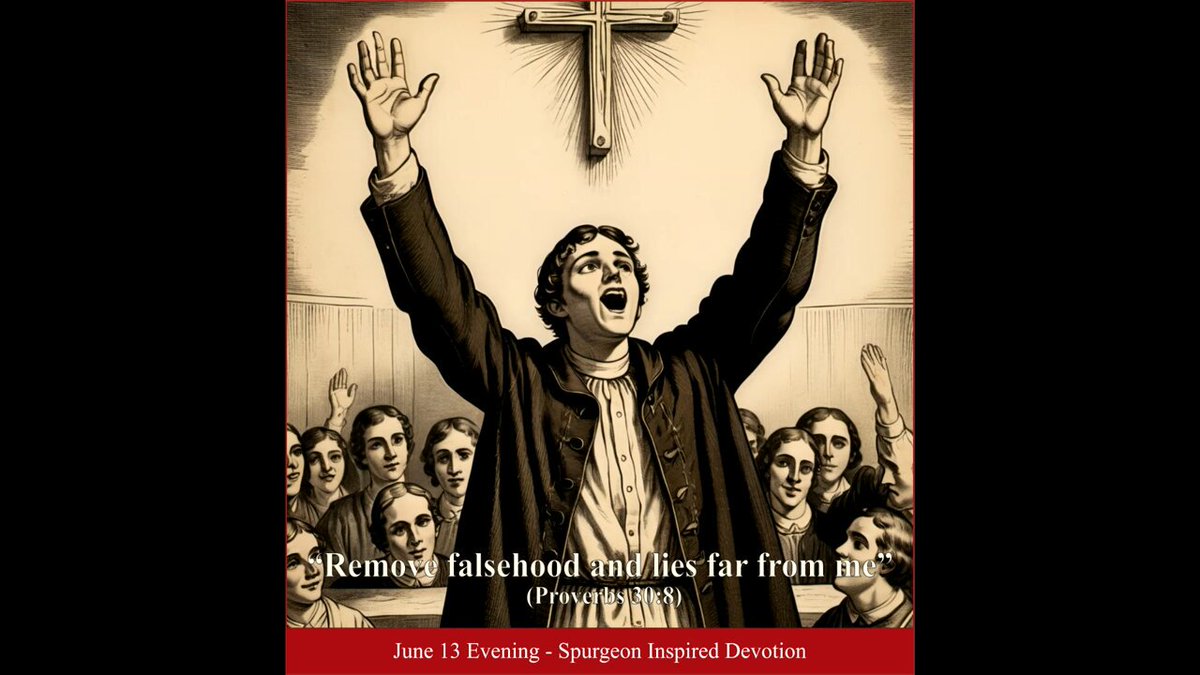
First Love Devocions 13 de Junio Noche - Charles Spurgeon Inspired
«Aleja de mí la falsedad y la mentira» (Proverbios 30:8) Puesto que los cristianos tienen al Espíritu Santo dentro de ellos, deberían sentirse incómodos cuando se entregan a la vanidad, o a cualquier cosa que les haga perder su sentido de «justicia, paz y gozo en el Espíritu Santo» (Romanos 14:17).
El mundo puede encontrar la felicidad en otra parte, pero los santos no pueden. No culpo a los hombres impíos por correr tras sus placeres. Como dijo el apóstol Pablo, la búsqueda del placer por sí mismo es lógica si no hay vida después de la muerte. «Si los muertos no resucitan, "¡Comamos y bebamos, porque mañana moriremos!"» (1 Corintios 15:32). Que los pecadores se harten de pecado. Eso es todo lo que tendrán para disfrutar. Una esposa convertida cuyo marido no era salvo, siempre era muy amable con él, porque decía: «Temo que este sea el único mundo en el que será feliz y, por tanto, he decidido hacerlo tan feliz como pueda en él».
Los cristianos deben buscar sus deleites en una esfera más elevada que «los deseos de la carne, los deseos de los ojos y la vanagloria de la vida» (1 Juan 2:16). Ningún cristiano está seguro cuando su alma ignora al Espíritu Santo que mora en él. Si tiene motivos para dudar de su salvación, debería volver a Cristo en cuanto sea consciente del peligro.
«Que nadie diga cuando es tentado: "Soy tentado por Dios"; porque Dios no puede ser tentado por el mal, ni Él mismo tienta a nadie. Sino que cada uno es tentado cuando es atraído y seducido por sus propios deseos. Después, cuando el deseo ha concebido, da a luz el pecado; y el pecado, cuando ha crecido por completo, engendra la muerte» (Santiago 1:13-15).
Obtenga devociones diarias entregadas en su casilla de correo electrónico: firstlovedevotions.com
14
Jun 13
First Love Devotions June 13 Evening - Charles Spurgeon inspired
“Remove falsehood and lies far from me” (Proverbs 30:8)
Since Christians have the Holy Spirit within them, they should feel uncomfortable when they indulge in vanity, or anything that causes them to lose their sense of “righteousness and peace and joy in the Holy Spirit” (Romans 14:17).
The world may find happiness elsewhere, but saints cannot. I don’t blame ungodly men for rushing to their pleasures. As the Apostle Paul said, pursuit of pleasure for its own sake is logical if there’s no afterlife. “If the dead do not rise, "Let us eat and drink, for tomorrow we die!” (1 Corinthians 15:32). Let sinners have their fill of sin. That’s all they’ll ever have to enjoy. A converted wife whose husband wasn’t saved, was always very kind to him, for she said, “I fear that this is the only world in which he’ll be happy, and therefore, I’ve made up my mind to make him as happy as I can in it.”
Christians must seek their delights in a higher sphere than “the lust of the flesh, the lust of the eyes, and the pride of life” (1 John 2:16). No Christian is safe when his soul ignores the indwelling Holy Spirit. If he has reason to doubt his salvation, he should come back to Christ, as soon as he’s aware of the danger.
“Let no one say when he is tempted, ‘I am tempted by God’; for God cannot be tempted by evil, nor does He Himself tempt anyone. But each one is tempted when he is drawn away by his own desires and enticed. Then, when desire has conceived, it gives birth to sin; and sin, when it is full-grown, brings forth death” (James 1:13-15).
Get Daily Devotions delivered to your email box: firstlovedevotions.com
61
Jun 13
First Love Devocions 13 de Junio Mañana - Charles Spurgeon Inspired
“Quien desee, que tome gratuitamente del agua de la vida” (Apocalipsis 22:17) Cristo dice: "tomad gratuitamente". No quiere pago ni preparación alguna. No exige una demostración de emociones. Aunque no te sientas cómodo tomando algo por lo que no has pagado, si estás dispuesto a beber, estás invitado; ¡así que ven! No tienes nada que dar, - ven a Él, y Él te dará a ti. Ven tal como eres, y toma "gratuitamente", sin dinero y sin precio, porque Él se da a Sí mismo a quienes conocen su necesidad de Él.
En muchas ciudades, las fuentes públicas de agua potable son una bendición. Sería una necedad que alguien se acercara a la fuente y se quejara: "No puedo beber porque no tengo dinero". Por pobre que sea un hombre, en cualquier condición en que venga, puede beber gratuitamente de la fuente. Niños de todas las edades acuden constantemente a la fuente, y se alegran por su flujo inagotable. Los viajeros sedientos, sean ricos o pobres, no tienen que preguntar si está bien beber. El mero hecho de que la fuente exista, es una invitación para que todos beban gratuitamente. Las únicas personas que pasan sed son las que no quieren rebajarse a beber de una fuente de la que cualquiera puede beber. Piensan que las degradaría beber donde beben los niños y la más vil escoria de la sociedad.
Así continúan su camino con los labios resecos. ¡Oh, cuántos, que son ricos en sus propias buenas obras, no vendrán a Cristo! “No seré salvo”, dicen, “de la misma manera que se salva una ramera. ¿Qué? ¿ir al Cielo de la misma manera que los pecadores? Y mirad a estos niños que están siempre cerca de la fuente. ¿No hay otra manera de ser salvo excepto humillarme como estos niños? Tales jactanciosos orgullosos seguirán teniendo sed.
“De cierto os digo que, si no os convertís y os hacéis como niños pequeños, de ningún modo entraréis en el reino de los cielos” (Mateo 18:3).
Obtenga devociones diarias entregadas en su casilla de correo electrónico:
firstlovedevotions.com
15
Jun 13
First Love Devotions June 13 Morning - Charles Spurgeon inspired
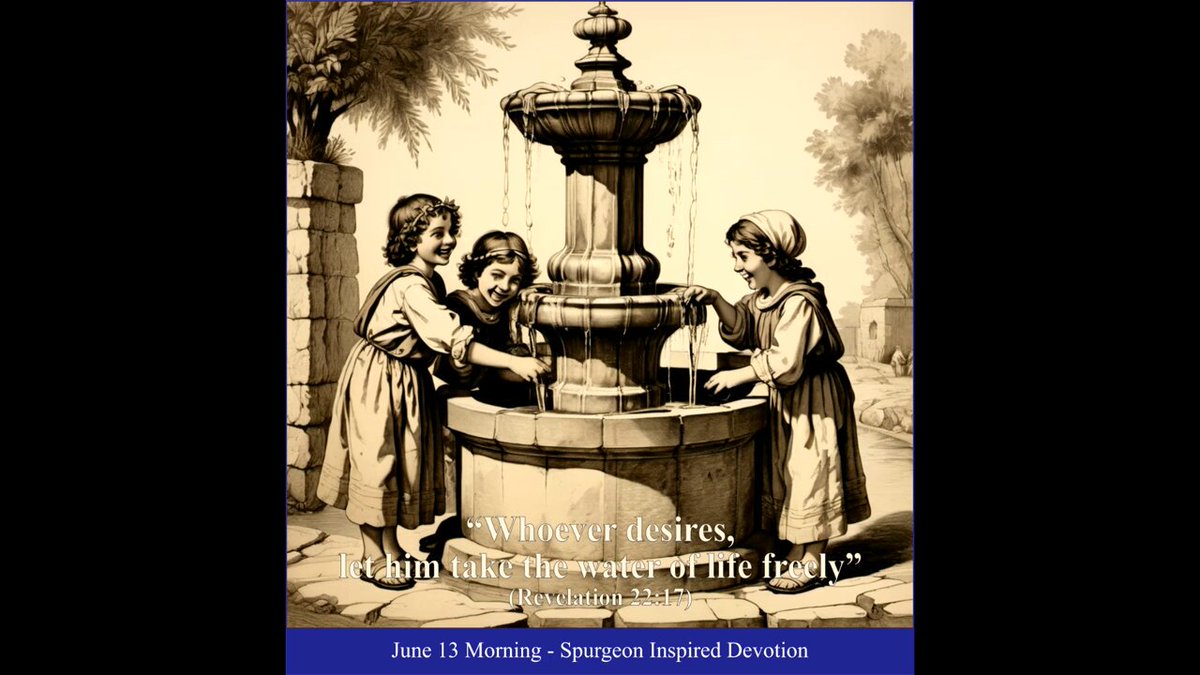
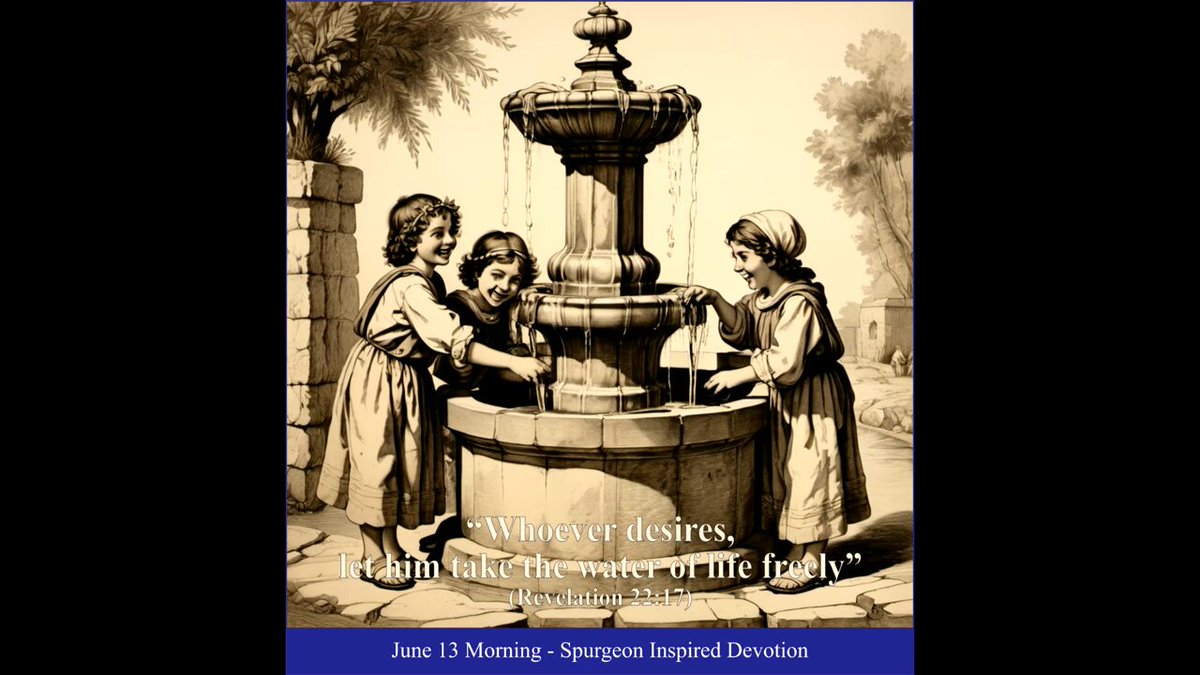
“Whoever desires, let him take the water of life freely” (Revelation 22:17)
Christ says, "take freely." He wants no payment or preparation. He doesn’t require a display of emotions. Even if you don’t feel comfortable taking something you didn’t pay for, if you’re willing to drink, you’re invited; so come! You have nothing to give, - come to Him, and He’ll give to you. Come just as you are, and take "freely," without money and without price, for He gives Himself to those who know their need of Him.
In many towns, public drinking fountains are a blessing. It would be foolish for someone to come to the fountain and complain, "I can’t drink because I don’t have any money". However poor a man is, in whatever condition he comes, he may drink freely from the fountain. Children of all ages come constantly to the fountain, and rejoice as the endless flow. Thirsty travelers, whether they’re rich or poor, don’t have to ask if it’s OK to drink. The very fact the fountain exists, is an invitation for all to drink freely. The only people who go thirsty are the people who won’t lower themselves to drink from a fountain anyone can drink from. It would demean them, they think, to drink where children and the vilest dregs of society drink.
So they continue on their way with parched lips. Oh, how many, who are rich in their own good works will not come to Christ! “I will not be saved,” they say, “in the same way a harlot is saved. What? go to Heaven in the same way as sinners? And look at these children that are always near the fountain. Isn’t there any other way to be saved except to humble myself like these children? Such proud boasters will continue to thirst.
“Assuredly, I say to you, unless you are converted and become as little children, you will by no means enter the kingdom of heaven” (Matthew 18:3).
Get Daily Devotions delivered to your email box: firstlovedevotions.com
14
Jun 12
First Love Devocions 12 de Junio Noche - Charles Spurgeon Inspired
“Quien nos ha salvado y llamado con un llamamiento santo” (2 Timothy 1:9) El apóstol usa el tiempo perfecto y dice: "Quien nos ha salvado". Los creyentes en el Señor Jesucristo son salvos. No se les considera provisionalmente salvos, ni con la esperanza de ser salvos, ni destinados finalmente a ser salvos, sino que ya son salvos. La salvación no es una bendición de la que solo se cante en el Cielo, sino algo que debe obtenerse, recibirse, prometerse y disfrutarse ahora. El cristiano está perfectamente salvado en el propósito de Dios; Dios lo ha ordenado para salvación, y ese propósito está cumplido. El precio ha sido pagado por él: “Consumado es” fue el clamor de nuestro Salvador justo antes de morir.
La salvación es un llamamiento santo, que siempre da buen fruto. “Pero ahora, habiendo sido libertados del pecado y hechos siervos de Dios, tenéis por vuestro fruto la santificación” (Romans 6:22). Los santos escogen la santidad, no por ninguna compulsión, sino por el deseo de la nueva naturaleza, que los lleva a regocijarse en la santidad tan naturalmente como antes se deleitaban en el pecado.
Dios no los escogió ni los llamó porque fueran santos, sino que los llamó para que fueran santos. El buen fruto de los santos es tan obra de Dios como la expiación misma. La gracia que salva al culpable continúa el proceso de santificación, pero nuestra propia justicia queda excluida para siempre.
“Porque Dios es el que en vosotros produce así el querer como el hacer, por su buena voluntad” (Philippians 2:12). “No que seamos suficientes por nosotros mismos para pensar algo como de nosotros mismos, sino que nuestra suficiencia proviene de Dios” (2 Corinthians 3:5).
Obtenga devociones diarias entregadas en su casilla de correo electrónico: firstlovedevotions.com
13
Jun 12
First Love Devotions June 12 Evening - Charles Spurgeon inspired
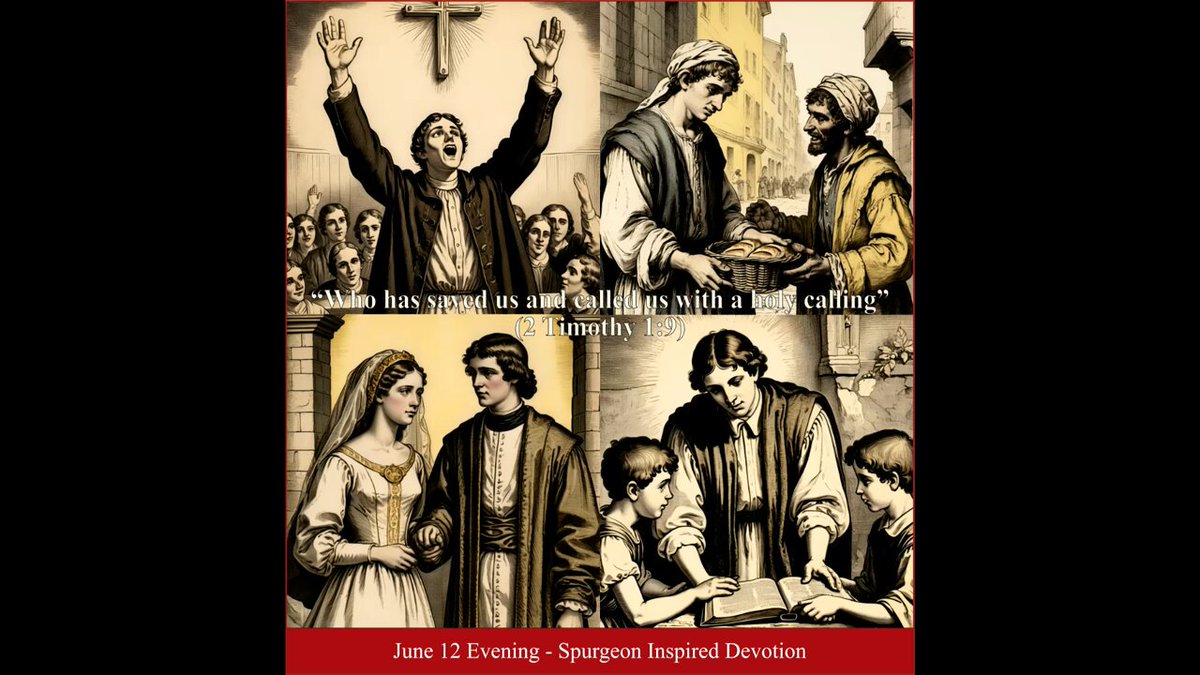
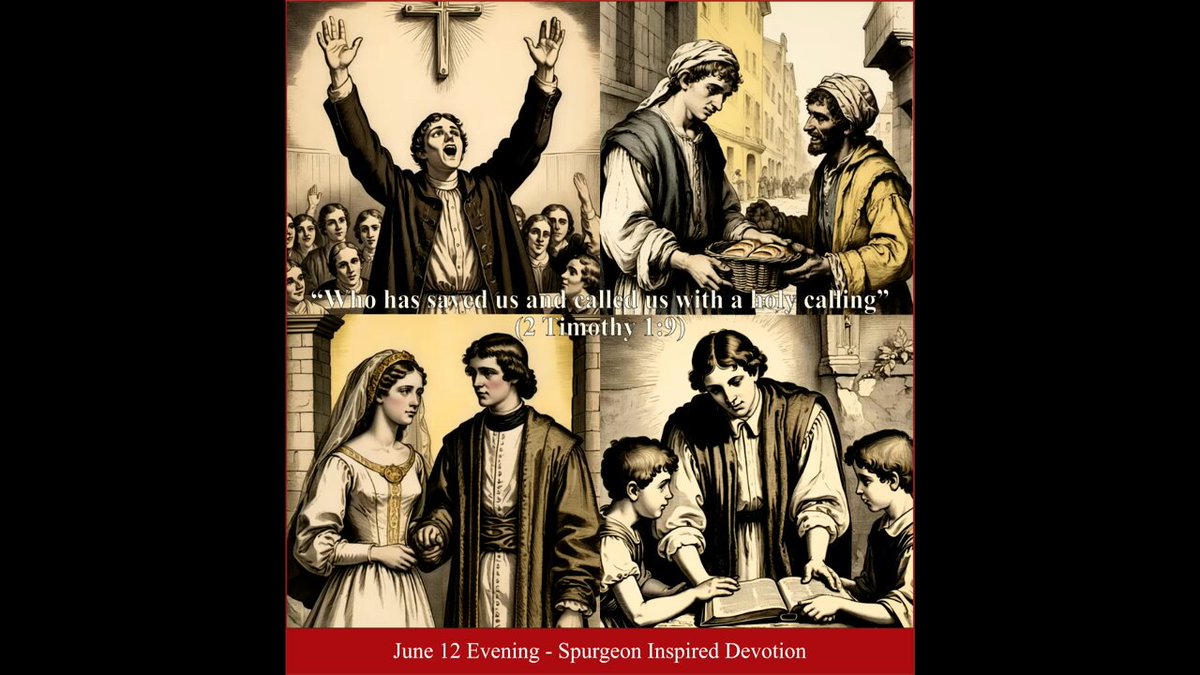
“Who has saved us and called us with a holy calling” (2 Timothy 1:9)
The apostle uses the perfect tense and says, "Who has saved us." Believers in the Lord Jesus Christ are saved. They’re not considered tentatively saved, or hopefully saved, or ultimately to be saved, but they’re already, saved. Salvation isn’t a blessing to be only sung about in Heaven, but a matter to be obtained, received, promised, and enjoyed now. The Christian is perfectly saved in God's purpose; God has ordained him unto salvation, and that purpose is complete. The price has been paid for him: “It is finished” was the cry of our Savior just before He died.
Salvation is a holy calling, always bearing good fruit. “But now having been set free from sin, and having become slaves of God, you have your fruit to holiness” (Romans 6:22). Saints choose holiness, not out of any compulsion, but from the desire of the new nature, which leads them to rejoice in holiness just as naturally as before they delighted in sin.
God didn’t choose them, or call them because they were holy, but He called them that they might be holy. The good fruit of saints is as much the work of God as the atonement itself. The grace that saves the guilty continues the process of sanctification, but our own righteousness is forever excluded.
“It is God who works in you both to will and to do for His good pleasure” (Philippians 2:12). “Not that we are sufficient of ourselves to think of anything as being from ourselves, but our sufficiency is from God” (2 Corinthians 3:5).
Get Daily Devotions delivered to your email box: firstlovedevotions.com
2
Jun 12
First Love Devocions 12 de Junio Mañana - Charles Spurgeon Inspired
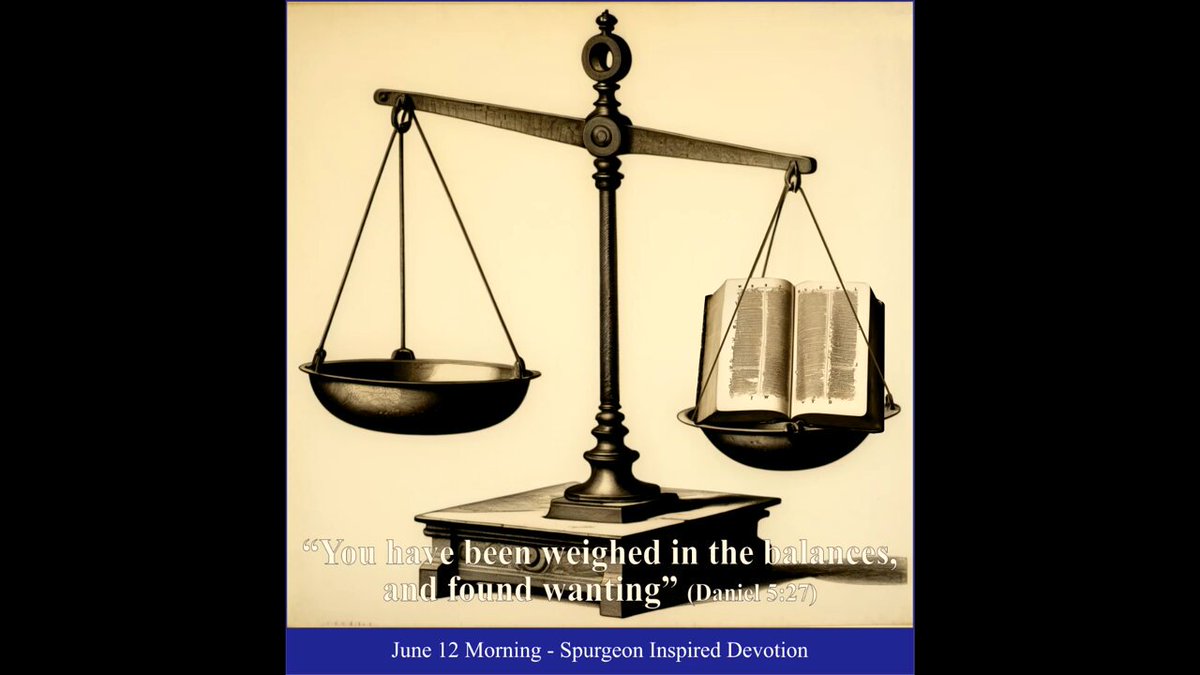
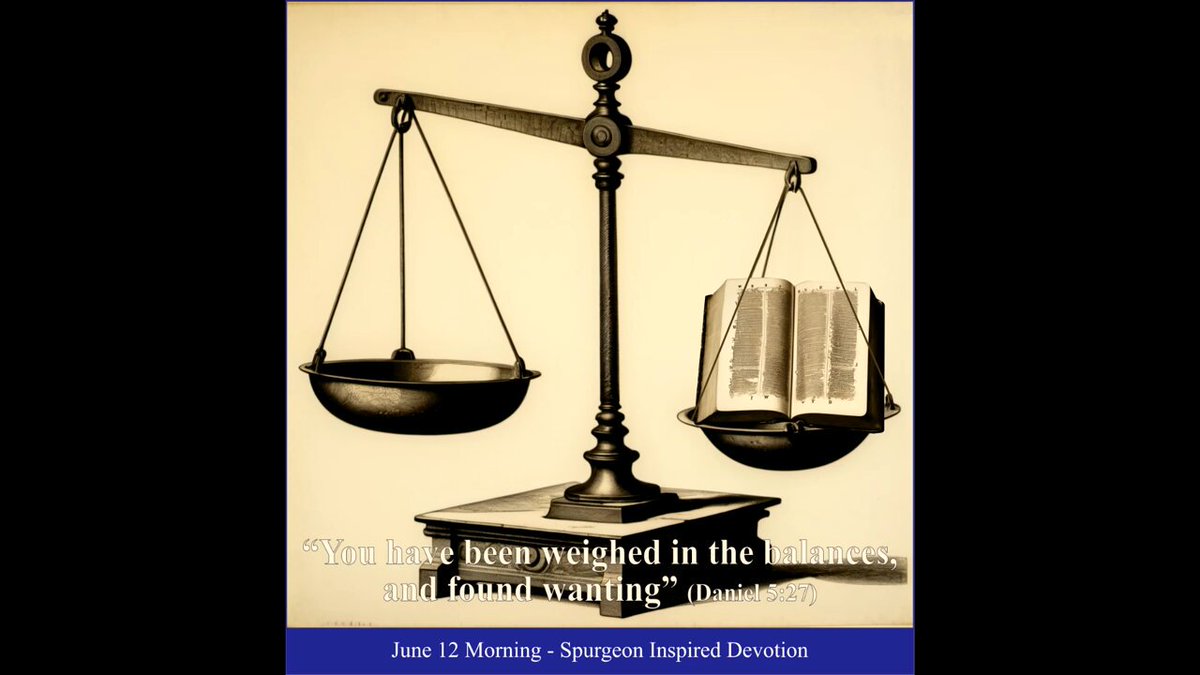
«Has sido pesado en la balanza, y hallado falto» (Daniel 5:27)
Es bueno ponerse en una balanza, una balanza de dos platillos, contigo en un lado y los santos de la Escritura en el otro. Cuando leas los Salmos, compárate con David, el «hombre conforme al corazón de Dios» (1 Samuel 13:14). Pregúntate: «¿Puedo decir sinceramente lo que él dijo? ¿Siento como él sentía? ¿Se ha quebrantado mi corazón con regularidad a causa del pecado, como le ocurrió a él cuando escribió sus Salmos? ¿Canto canciones de agradecimiento en medio de mis pruebas, como hizo él, mientras se escondía en cuevas sin haber cometido falta alguna?
Luego, dirígete a la vida de Cristo y, mientras lees, pregúntate hasta qué punto estás siendo conformado a Su imagen (Romanos 8:29). Examina si tienes la mansedumbre, la humildad, el espíritu hermoso que Él mostró constantemente.
Después, lee las Epístolas y comprueba si estás de acuerdo con el apóstol Pablo en lo que dijo de su experiencia. ¿Has clamado alguna vez como él: "¡Miserable de mí! ¿quién me librará del cuerpo de esta muerte?”? ¿Has sentido su humildad? ¿Has pensado de ti mismo como el «primero de los pecadores» y «menos que el más pequeño de todos los santos»? ¿Podrías estar de acuerdo con él: «Porque para mí el vivir es Cristo, y el morir es ganancia»?
«Todo lo que es puesto en evidencia por la luz queda al descubierto» (Efesios 5:11). Cuando la Escritura deja al descubierto tu condición, puedes arrepentirte: «Señor, no me he consagrado a ti como debería. Ayúdame a ver mi pecado como Tú lo ves, y a volver pronto a Ti cuando tropiece. Ayúdame a dar gracias en todo y por todo, porque sé que Tú tienes el control de mi vida. Ayúdame a ser hacedor, y no solo oidor, de Tu Palabra. Ayúdame a ser celoso de Tus Caminos y lléname de tu amor. Ayúdame a ser humilde como Jesús, y a ser cada vez menos “hallado falto”, cuando sea pesado en la balanza de Tu Palabra».
Obtenga devociones diarias entregadas en su casilla de correo electrónico:
firstlovedevotions.com
35
Jun 12
First Love Devotions June 12 Morning - Charles Spurgeon inspired
“You have been weighed in the balances, and found wanting” (Daniel 5:27)
It’s a good thing to put yourself on a scale, a double-pan balance, with you on one side and the saints of Scripture on the other. When you read the Psalms, compare yourself to David, the “man after God’s own heart” (1 Samuel 13:14). Ask yourself, “Can I honestly say what he said? Do I feel as he felt? Has my heart been regularly broken because of sin, as his was when he penned his Psalms? Do I sing songs of thanksgiving in my trials, as he did, while hiding in caves for no fault of his own?
Then, turn to the life of Christ, and as you read, ask yourselves, how much you’re conformed to His image (Romans 8:29). Determine, whether you have the meekness, the humility, the lovely spirit which He constantly displayed.
Then, read the Epistles, and see whether you agree with the Apostle Paul in what he said of his experience. Have you ever cried out as he did - "O wretched man that I am! who shall deliver me from the body of this death?” Have you ever felt his humility? Have you thought of yourself as the “chief of sinners”, and “less than the least of saints”? Could you agree with him, “For me, to live is Christ, and to die is gain”?
“All things that are exposed are made manifest by the light” (Ephesians 5:11). When Scripture exposes your condition, you can repent: “Lord, I haven’t been consecrated to you as I should. Help me to see my sin as You see it, and get back to You quickly when I stumble. Help me to be thankful in all things and for all things, because I know You’re in control of my life. Help me to be a doer, and not just a hearer of Your Word. Help me to be zealous for Your Ways and fill me with your love. Help me to be humble like Jesus, and less and less “found wanting”, when weighed in the balance of Your Word”.
Get Daily Devotions delivered to your email box: firstlovedevotions.com
33
Jun 11
First Love Devocions 11 de Junio Noche - Charles Spurgeon Inspired
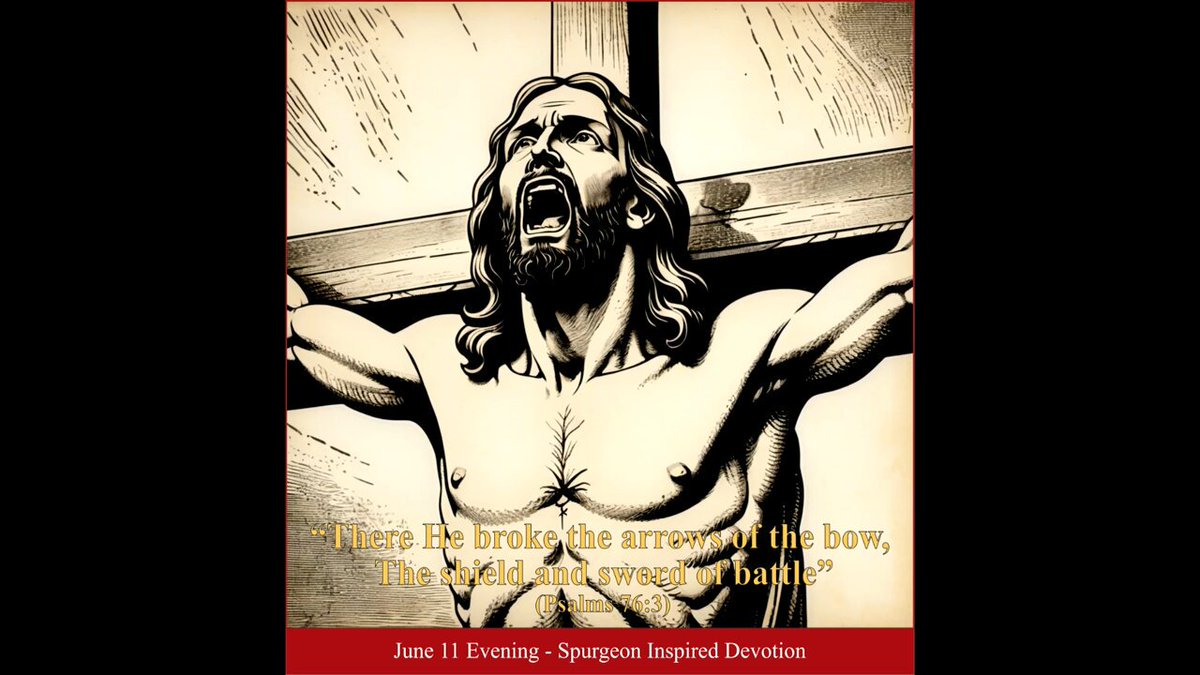
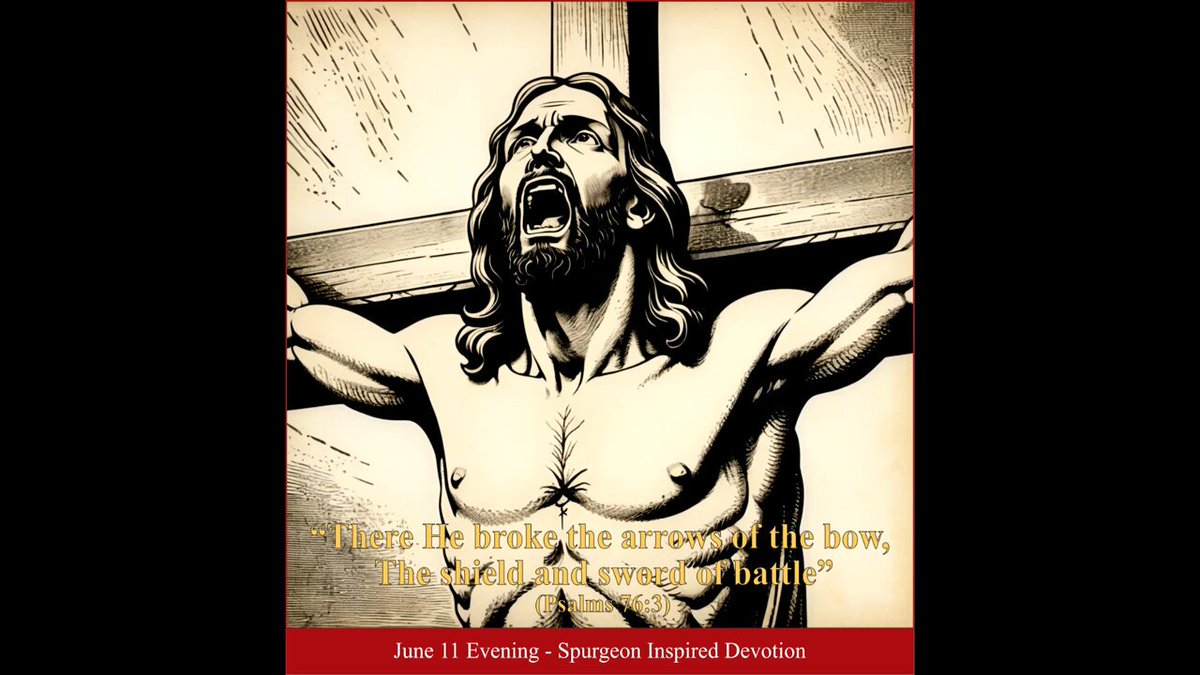
“Fue allí donde quebró las flechas del arco, el escudo y la espada de la batalla” (Salmos 76:3) El glorioso clamor de nuestro Redentor en la cruz fue: “Consumado es”. Señaló el golpe mortal para todos los adversarios de Su pueblo, el quebrantamiento de “las flechas del arco, el escudo y la espada de la batalla”. Cristo usó Su cruz como yunque, y Su sacrificio como martillo, pulverizando nuestros pecados, esas envenenadas “flechas del arco”; pisoteando toda acusación formal y destruyendo toda imputación.
¡Las flechas de Satanás están partidas, y su escudo hecho añicos como barro cocido! He aquí, Cristo toma la espada del poder satánico y la hace pedazos sobre Su rodilla, como un hombre rompe un palo y lo arroja al fuego. Amado, el pecado ya no puede convertirse en un dardo encendido para matarte. La espada de la condenación ya no puede inutilizarte, porque el castigo por tu pecado fue soportado por Cristo; tu bendito Salvador hizo plena expiación por todas tus iniquidades.
¿Quién acusa ahora? ¿Quién condena ahora? Cristo murió y resucitó. Ha vaciado las aljabas del infierno, apagado todo dardo encendido, quebrado la punta de toda flecha de ira; el suelo está cubierto de astillas y restos de las armas de la guerra del infierno, que permanecen visibles para ti solo para recordarte tu peligro pasado y tu gran liberación. El pecado ya no tiene dominio sobre ti. Cristo le puso fin y lo quitó para siempre.
“¿Qué, pues, diremos? ¿Perseveraremos en el pecado para que la gracia abunde? ¡De ningún modo! ¿Cómo viviremos aún en él los que hemos muerto al pecado? ¿O no sabéis que todos los que fuimos bautizados en Cristo Jesús, fuimos bautizados en Su muerte? … consideraos muertos al pecado, pero vivos para Dios en Cristo Jesús Señor nuestro … Porque el pecado no se enseñoreará de vosotros, pues no estáis bajo la ley, sino bajo la gracia” (Romanos 6:1-14).
Obtenga devociones diarias entregadas en su casilla de correo electrónico: firstlovedevotions.com
30
Jun 11
First Love Devotions June 11 Evening - Charles Spurgeon inspired
“There He broke the arrows of the bow, The shield and sword of battle” (Psalms 76:3)
Our Redeemer's glorious cry on the cross was, “It is finished,”. It signaled the death-blow of all the adversaries of His people, the breaking of “the arrows of the bow, the shield, and the sword of battle." Christ used His cross as an anvil, and His sacrifice as a hammer, pulverizing our sins, those poisoned "arrows of the bow"; trampling every indictment, and destroying every accusation.
Satan’s arrows are snapped, and his shield broken like pottery! Behold, Christ grabs the sword of Satanic power, and shatters it across His knee, as a man breaks a stick, and casts it into the fire. Beloved, sin can no longer be turned into a fiery dart to kill you. The sword of condemnation can no longer disable you, for the punishment for your sin was endured by Christ, a full atonement was made for all your iniquities by your blessed Savior.
Who now accuses? Who now condemns? Christ died and rose again. He’s emptied the quivers of hell, quenched every fiery dart, broke the head of every arrow of wrath; the ground is strewn with the splinters and relics of the weapons of Hell's warfare, which remain visible to you only to remind you of your former danger, and of your great deliverance. Sin has no more dominion over you. Christ made an end of it, and put it away forever.
“What shall we say then? Shall we continue in sin that grace may abound? Certainly not! How shall we who died to sin live any longer in it? Or do you not know that as many of us as were baptized into Christ Jesus were baptized into His death? … reckon yourselves to be dead indeed to sin, but alive to God in Christ Jesus our Lord … For sin shall not have dominion over you, for you are not under law but under grace” (Romans 6:1-14).
Get Daily Devotions delivered to your email box: firstlovedevotions.com
13
Jun 11
First Love Devocions 11 de Junio Mañana - Charles Spurgeon Inspired
“Le amamos a Él porque Él nos amó primero” (1 Juan 4:19) No hay luz en el planeta Tierra que no proceda del sol; y no hay amor verdadero por Cristo que no proceda del propio Señor. Nuestro amor debe brotar de la fuente rebosante del amor infinito de Dios. Esta debe ser tu revelación momento a momento. Debe ser siempre tu fe inquebrantable, especialmente cuando lleguen las pruebas, que tu amor por Él es porque perdonó tus pecados pasados, no por todas las cosas maravillosas que ha hecho por ti desde que empezaste a servirle. Si Dios permite que te sucedan cosas terribles, no estarás justificado para dejar de amarle.
Conozco a un santo que se acostumbró a la provisión de Dios durante 50 años. Luego, Dios permitió inesperadamente que le ocurriera algo terrible. El santo lo resintió profundamente y dejó de amar deliberadamente a Dios, y poco a poco volvió a una visión de la salvación propia de antes de ser salvo. Caminó en ceguera espiritual durante 18 meses, porque olvidó que la base del amor a Dios siempre debe ser lo que Cristo hizo por él en la cruz (2 Pedro 1:9).
Sí, Dios derramó Su amor en tu corazón cuando te dio al Espíritu Santo que mora en ti (Romanos 5:1). Sí, te ha bendecido de incontables maneras desde entonces, pero tu amor debe proceder de hechos eternos, no de circunstancias presentes. Si tu fe deja de obrar por medio del amor eterno de Dios, te “consumirás” espiritualmente. “El que no ama no conoce a Dios, porque Dios es amor” (1 Juan 4:8).
Esto se expresa hermosamente en 1 Juan 4:17-19: “En esto se ha perfeccionado el amor entre nosotros: para que tengamos confianza en el día del juicio …el amor echa fuera el temor, porque el temor lleva en sí castigo … Nosotros le amamos a Él porque Él nos amó primero.
El amor es una planta exótica que no crece de manera natural en el suelo humano. Debe ser regada desde arriba. El amor a Cristo es una flor de naturaleza delicada, y si solo recibiera alimento de la roca de nuestros corazones, pronto se marchitaría. El amor debe alimentarse de amor. El alma misma y la vida de nuestro amor a Dios es Su amor por nosotros.
Obtenga devociones diarias entregadas en su casilla de correo electrónico:
firstlovedevotions.com
22
Jun 11
First Love Devotions June 11 Morning - Charles Spurgeon inspired
“We love Him because He first loved us” (1 John 4:19)
There’s no light on planet Earth that doesn’t come from the sun; and there’s no true love for Christ that doesn’t come from the Lord Himself. Our love must come from the overflowing fountain of God’s infinite love. This must be your moment-by-moment revelation. It must always be your unshakable faith, especially when trials come, that your love for Him is because He forgave your past sins, not because of all the wonderful things He’s done for you since you started serving Him. If God allows terrible things to happen to you, you will not be justified to stop loving Him.
I know a saint, who got used to God’s provision for 50 years. Then, God unexpectedly allowed a terrible thing to happen to him. The saint resented it deeply, and stopped deliberately loving God, and gradually returned to a pre-salvation view of salvation. He walked in spiritual blindness for 18 months, because he forgot the basis of love for God must always be what Christ did for him on the cross (2 Peter 1:9).
Yes, God poured His love into your heart when he gave you the indwelling Holy Spirit (Romans 5:1). Yes, He’s blessed you in countless ways since then, but your love must be from eternal doings, not present circumstances. If your faith stops working through God’s eternal love, you’ll “burn out” spiritually. “He who does not love does not know God, for God is love” (1 John 4:8).
This is beautifully expressed in 1 John 4:17-19: “Love has been perfected among us in this: that we may have boldness in the day of judgment …love casts out fear, because fear involves torment … We love Him because He first loved us.
Love is an exotic plant which doesn’t grow naturally in human soil. It must be watered from above. Love to Christ is a flower of a delicate nature, and if it only received nourishment from the rock of our hearts, it would soon wither. Love must feed on love. The very soul and life of our love to God is His love to us.
Get Daily Devotions delivered to your email box: firstlovedevotions.com
18
Jun 10
First Love Devocions 10 de Junio Noche - Charles Spurgeon Inspired
Jesucristo es el Alfa y la Omega de la Biblia. Él es el tema constante de sus páginas sagradas. Aprendemos que en la creación, Él era una de las personas de la sagrada Trinidad; vislumbramos su presencia en la promesa de la descendencia de la mujer; lo vemos prefigurado en el arca de Noé; nos identificamos con Abraham, cuando vio, con los ojos de la fe, la venida del Mesías (John 8:56). Al leer las Escrituras, habitamos en las tiendas de Isaac y Jacob, nos alimentamos con ellos de las promesas de Dios; y oímos la profecía de Israel acerca de Cristo: “No será quitado el cetro de Judá, Ni el legislador de entre sus pies, Hasta que venga Shiloh; Y a Él se le dará la obediencia de los pueblos” (Genesis 49:10).
Vemos a Cristo en la ley y en las fiestas, en las provisiones y las promesas, “una sombra de los bienes venideros, y no la imagen misma de las cosas ... Porque no es posible que la sangre de toros y machos cabríos quite los pecados” (Hebrews 10:1-4). Nos dolemos por nuestros pecados cuando leemos: “Horadaron Mis manos y Mis pies; Puedo contar todos Mis huesos. Ellos me miran y me observan. Reparten entre sí Mis vestidos, Y sobre Mi ropa echan suertes” (Psalms 22:16-18).
Profetas y reyes, sacerdotes y predicadores, todos miran a Cristo - están como los ángeles sobre el arca, deseando mirar dentro y leer el misterio del gran Salvador de Dios. Luego, en el Nuevo Testamento encontramos a nuestro Señor explicado en detalle; porque el propósito central del Nuevo Testamento es llamarnos a su salvación, “¡He aquí! ¡El Cordero de Dios que quita el pecado del mundo!” (John 1:29), y a vivir para Él, “La gracia de nuestro Señor Jesucristo sea con todos vosotros” (Revelation 22:21).
Siempre deberíamos leer la Escritura bajo esta luz; es un espejo en el que vemos a Cristo hasta que Él regrese. “Porque ahora vemos por espejo, oscuramente, pero entonces cara a cara. Ahora conozco en parte, pero entonces conoceré como también soy conocido” (1 Corinthians 13:12).
Obtenga devociones diarias entregadas en su casilla de correo electrónico: firstlovedevotions.com
57
Jun 10
First Love Devotions June 10 Evening - Charles Spurgeon inspired
“These are they which testify of Me” (John 5:39)
Jesus Christ is the Alpha and Omega of the Bible. He’s the constant theme of its sacred pages. We learn at the creation, He was one of the sacred Trinity; we catch a glimpse of Him in the promise of the woman's seed; we see Him typified in the ark of Noah; we identify with Abraham, when he saw, with the eyes of faith, the coming of the Messiah (John 8:56).
By reading the Scriptures, we dwell in the tents of Isaac and Jacob, feed with them on the promises of God; and hear Israel’s prophesy of Christ, “The scepter shall not depart from Judah, Nor a lawgiver from between his feet, Until Shiloh comes; And to Him shall be the obedience of the people” (Genesis 49:10).
We see Christ in the law and the feasts, the provisions and promises, “a shadow of the good things to come, and not the very image of the things ... For it is not possible that the blood of bulls and goats could take away sins” (Hebrews 10:1-4). We grieve over our sins when we read, “They pierced My hands and My feet; I can count all My bones. They look and stare at Me. They divide My garments among them, And for My clothing they cast lots” (Psalms 22:16-18).
Prophets and kings, priests and preachers, all look to Christ - they stand as the angels did over the ark, desiring to look within, and to read the mystery of God's great Savior. Then, in the New Testament we find our Lord explained in detail; for the central purpose of the New Testament is to call us to His salvation, “Behold! The Lamb of God who takes away the sin of the world!” (John 1:29), and to live for Him, “The grace of our Lord Jesus Christ be with you all” (Revelation 22:21).
We should always read Scripture in this light; it’s a mirror in which we see Christ until He returns. “For now we see in a mirror, dimly, but then face to face. Now I know in part, but then I shall know just as I also am known” (1 Corinthians 13:12).
Get Daily Devotions delivered to your email box: firstlovedevotions.com
73