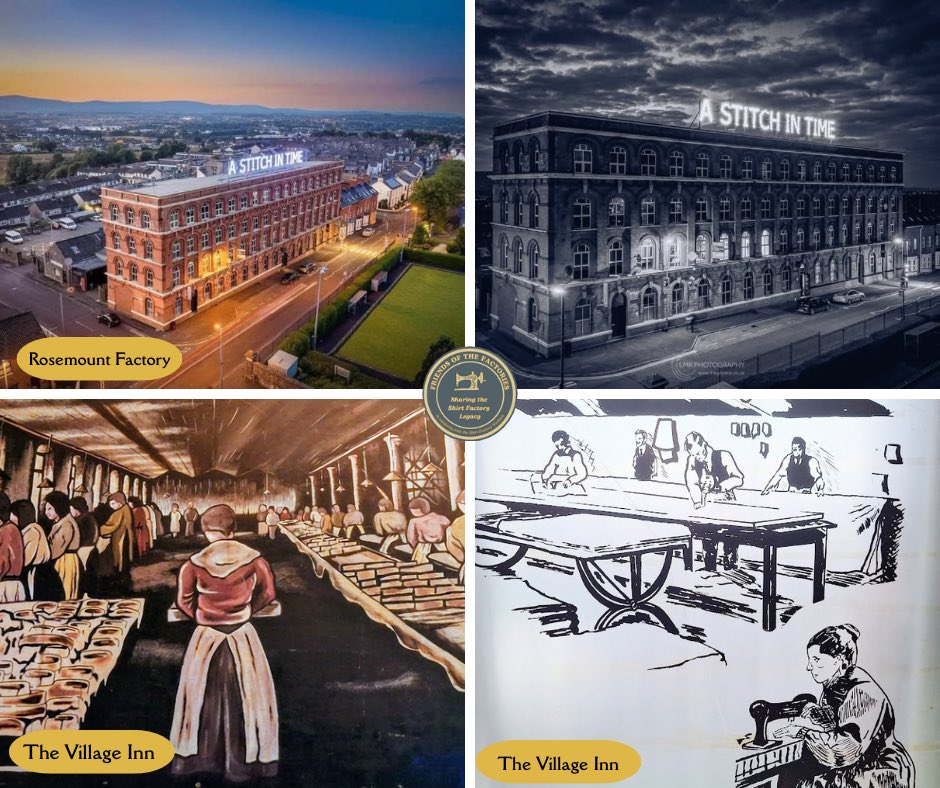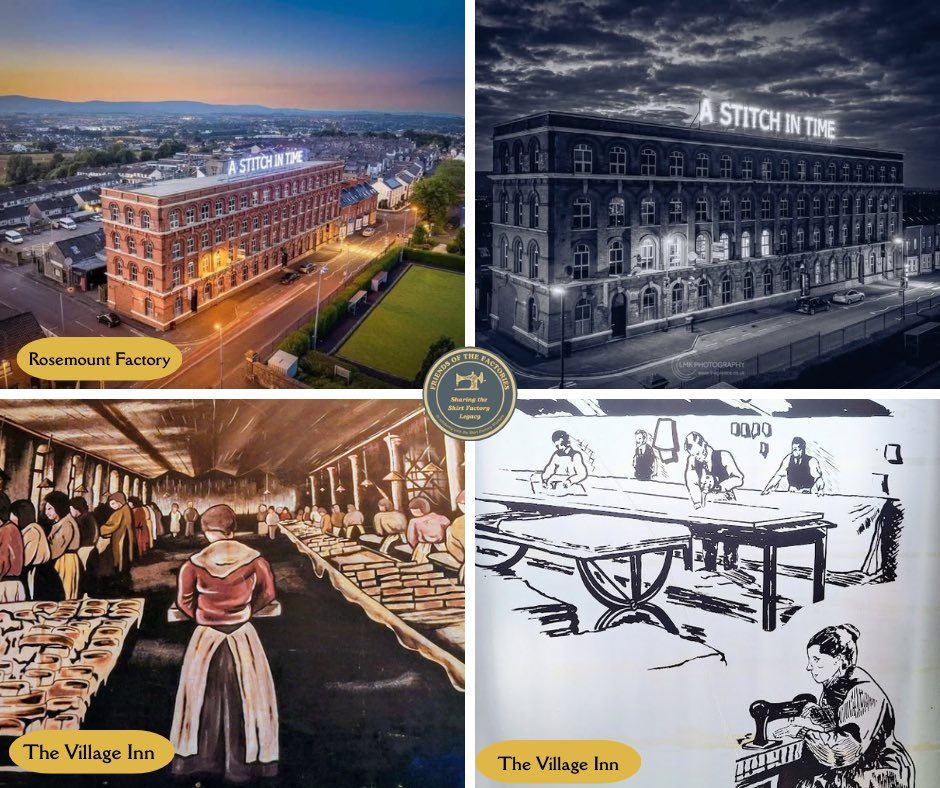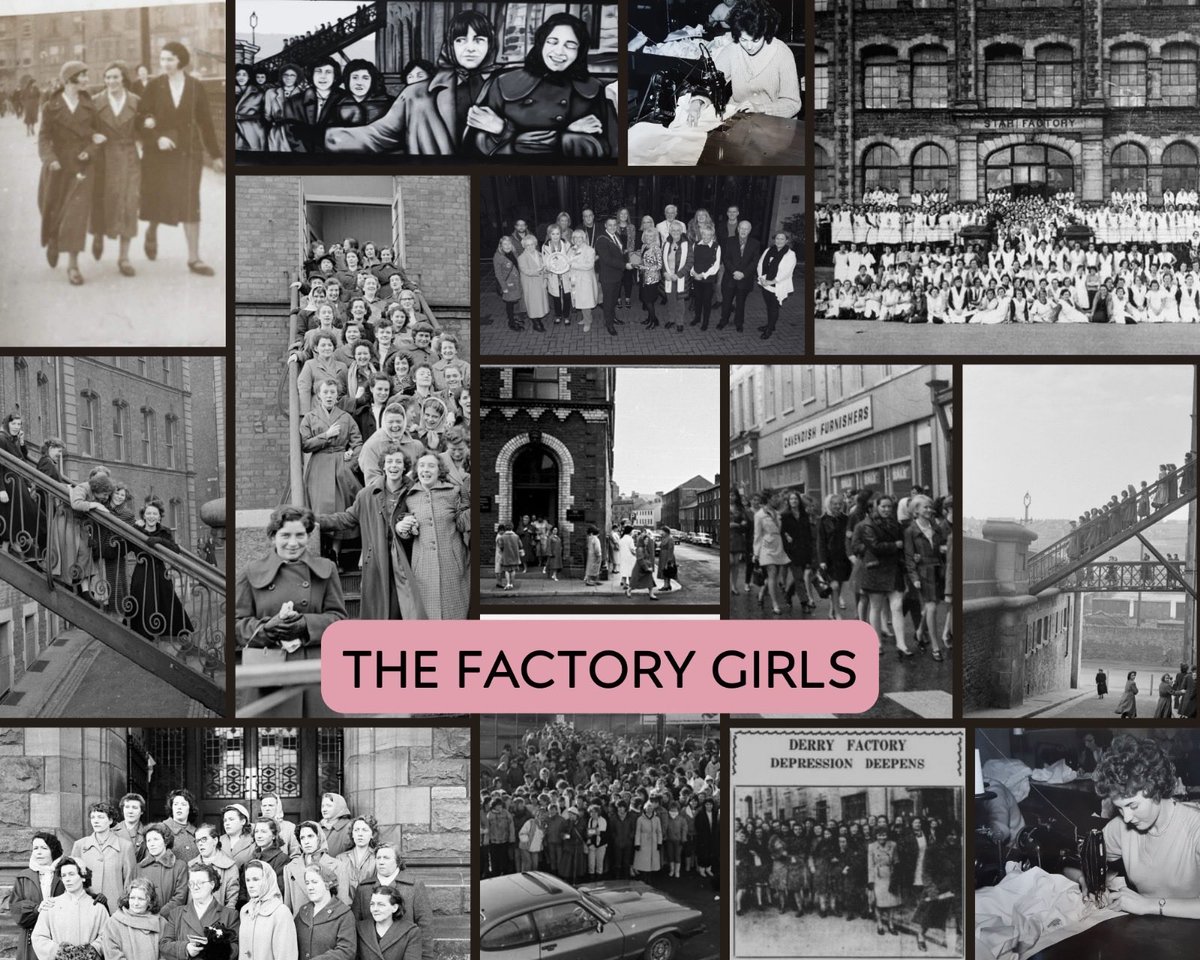
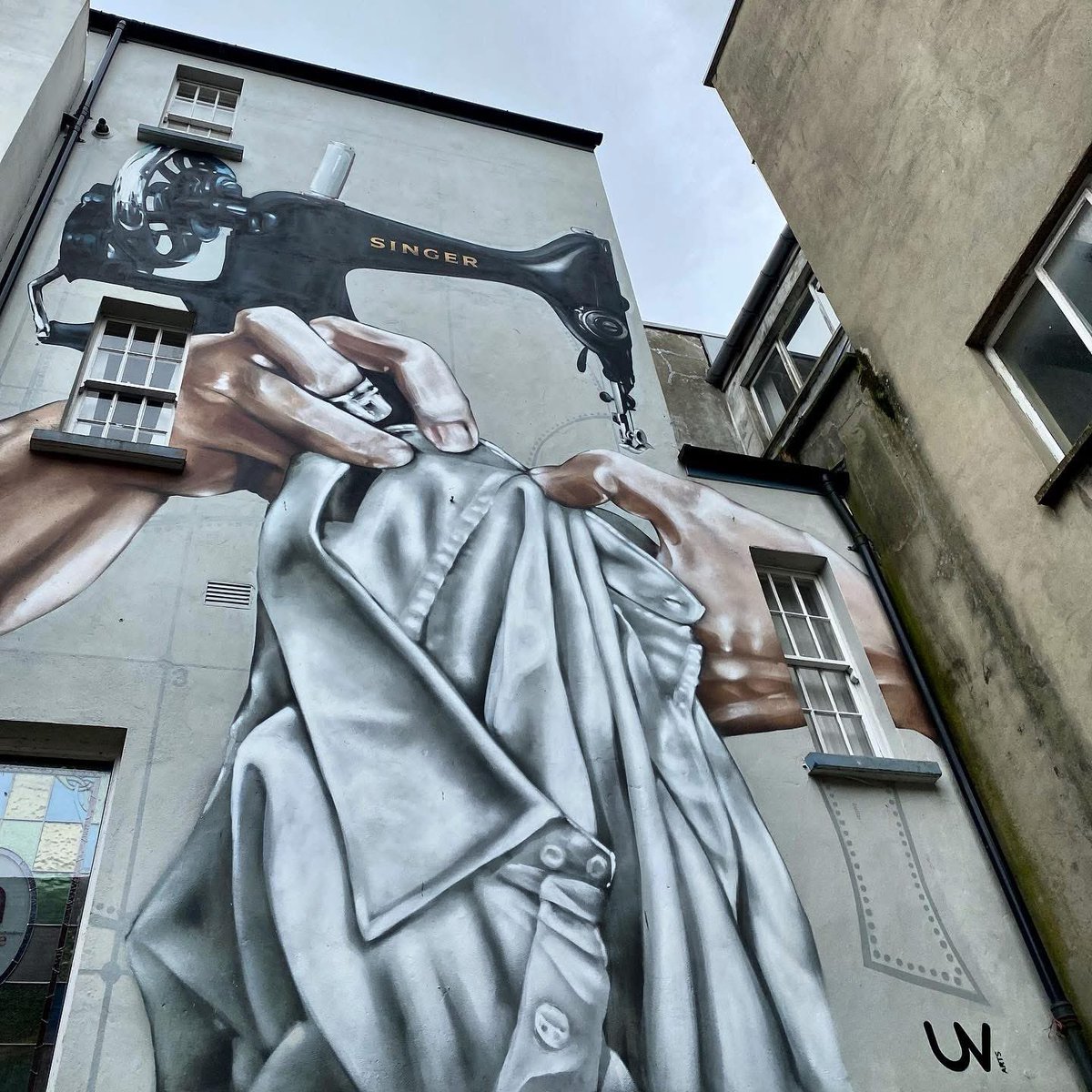
Sharing the Shirt Factory Industry legacy| WHN Award Winners ’21 |Award Finalists’22| For updates pls visit the FB group⬇️| #FactoryGirls #ShirtFactories
- Tweets 1,015
- Following 1,524
- Followers 542
- Likes 4,293

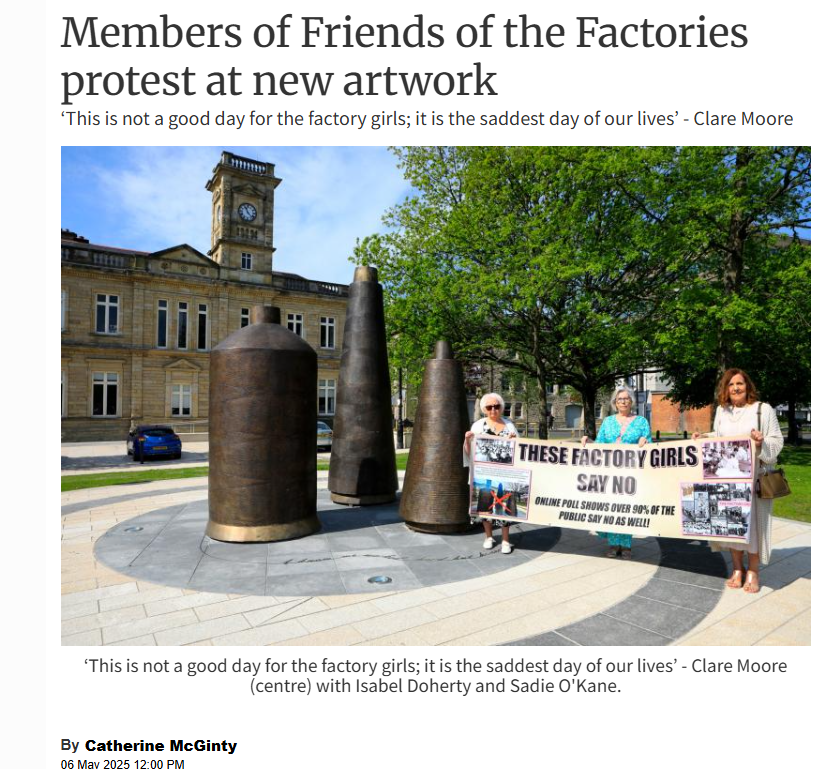

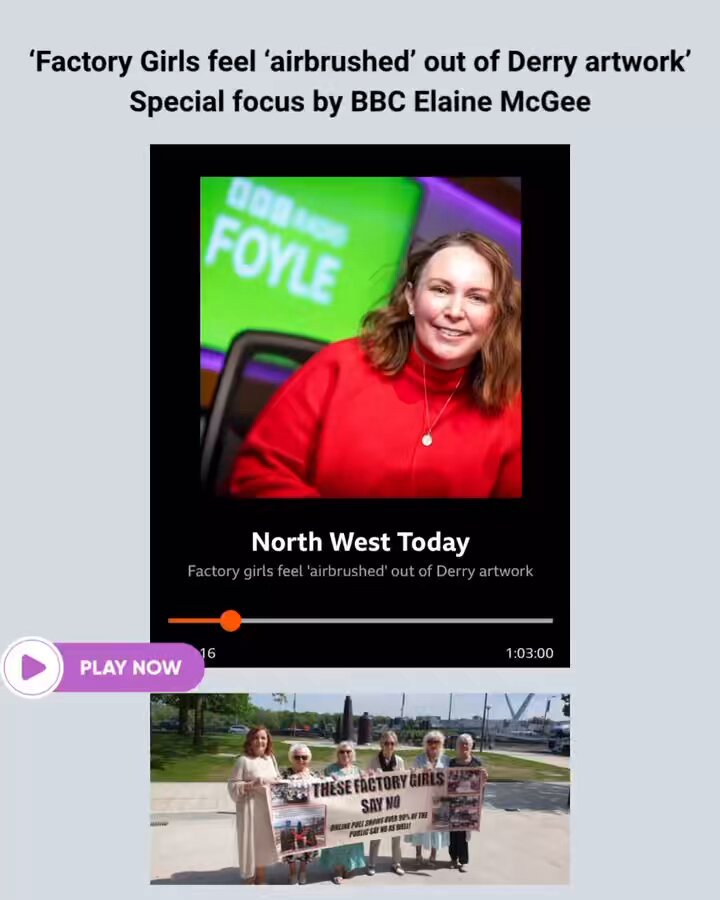

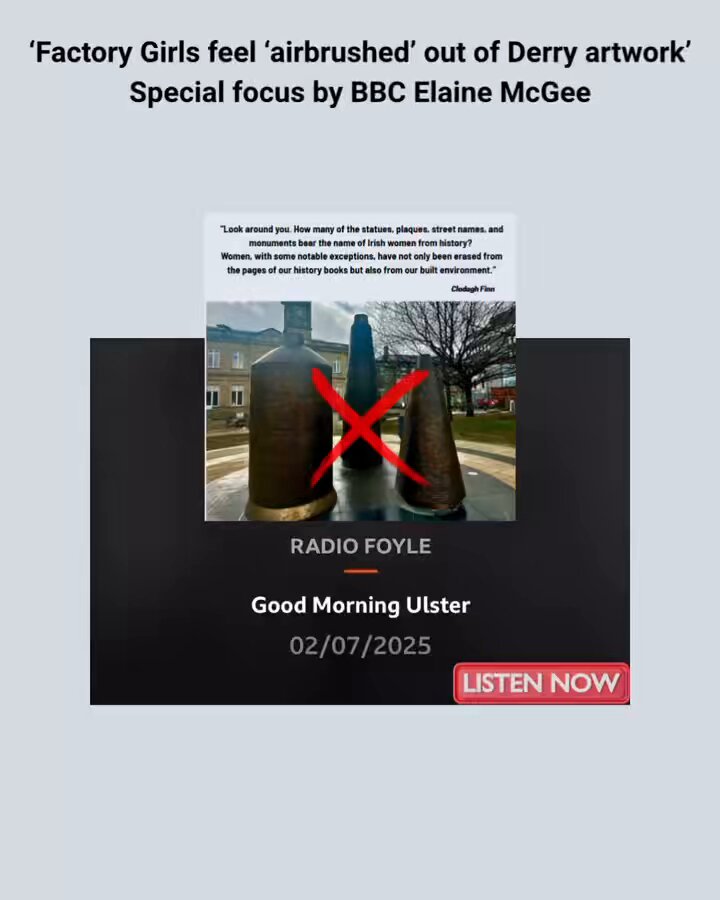





ALT Have your say on the Central Riverfront project


ALT Central Riverfront Project. Public Information Gathering event. Wednesday 25th and Thursday 26th of February 2026. Morning session: 10am to 2pm. Afternoon session: 4pm to 8pm. Guildhall, Guildhall Square. Derry - Londonderry, BT48 7BB.
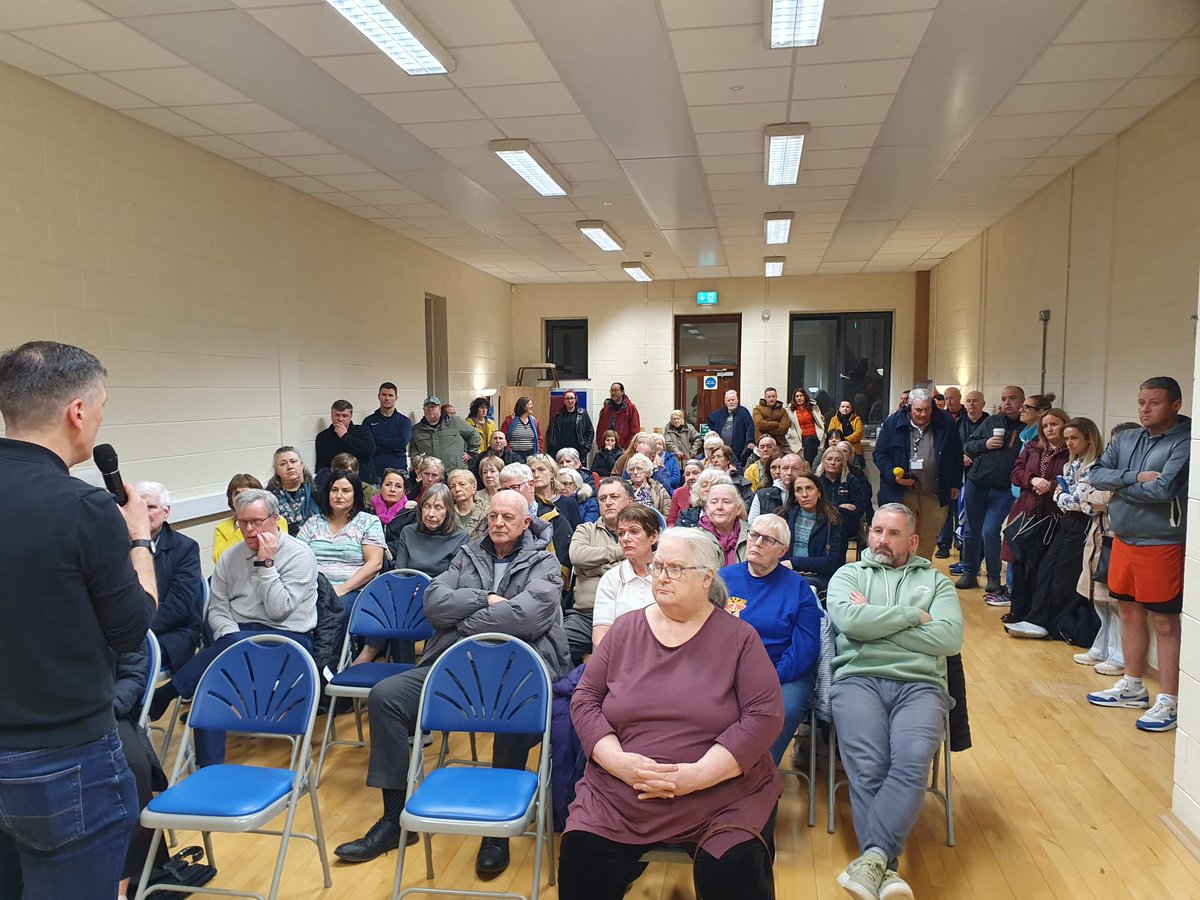
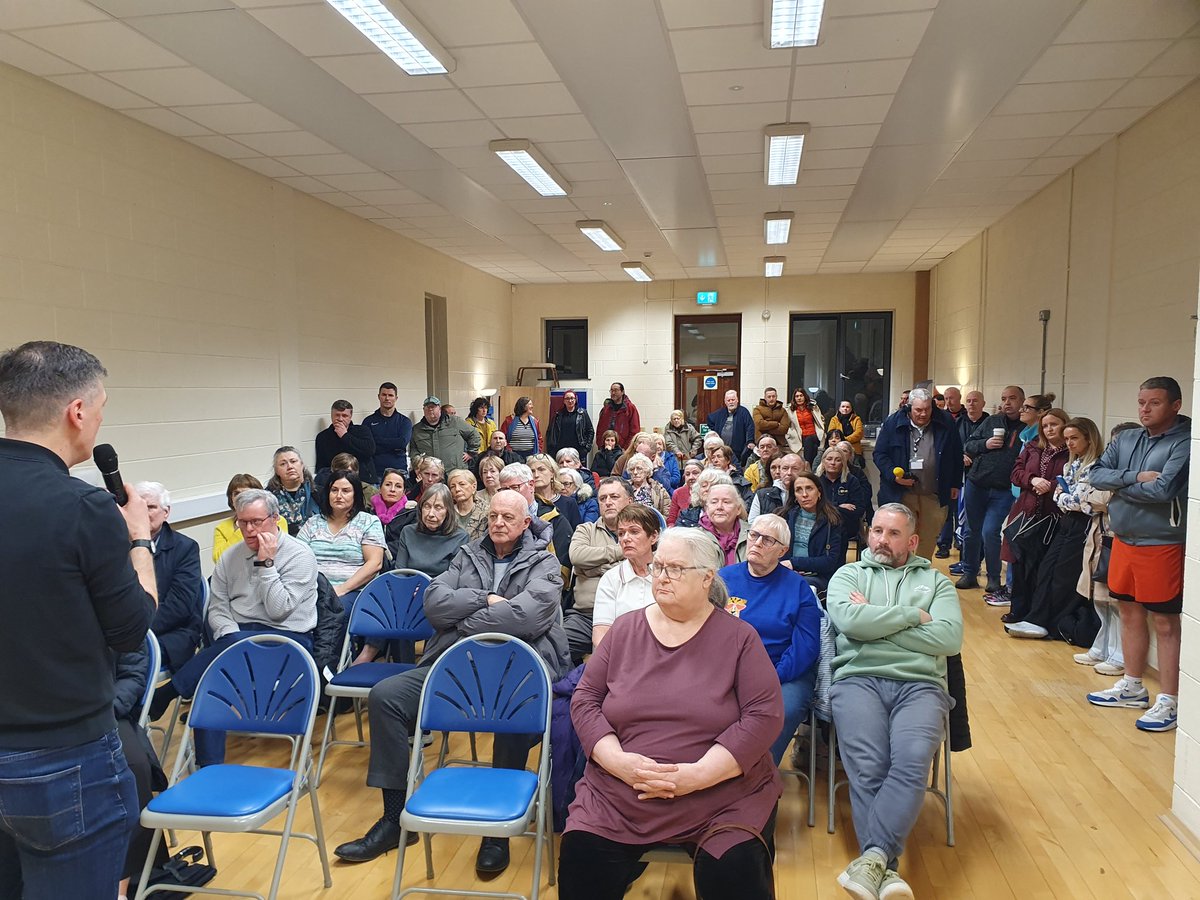
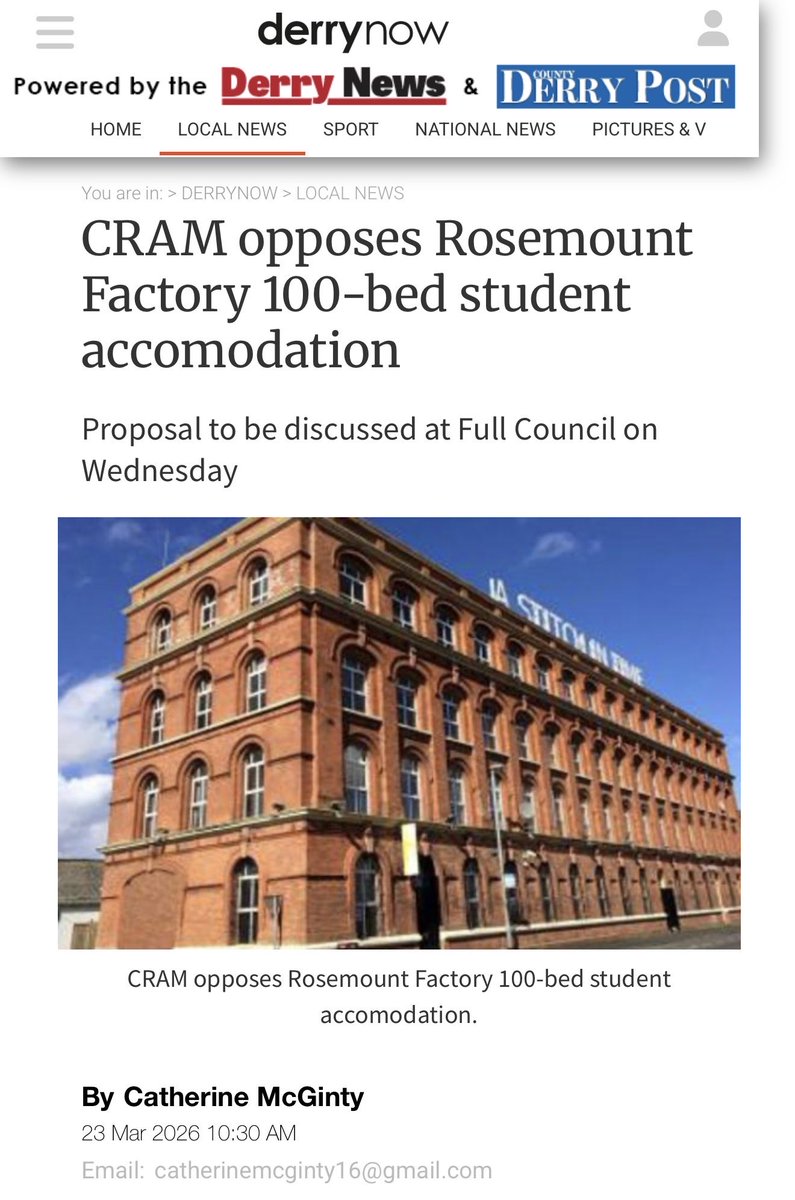
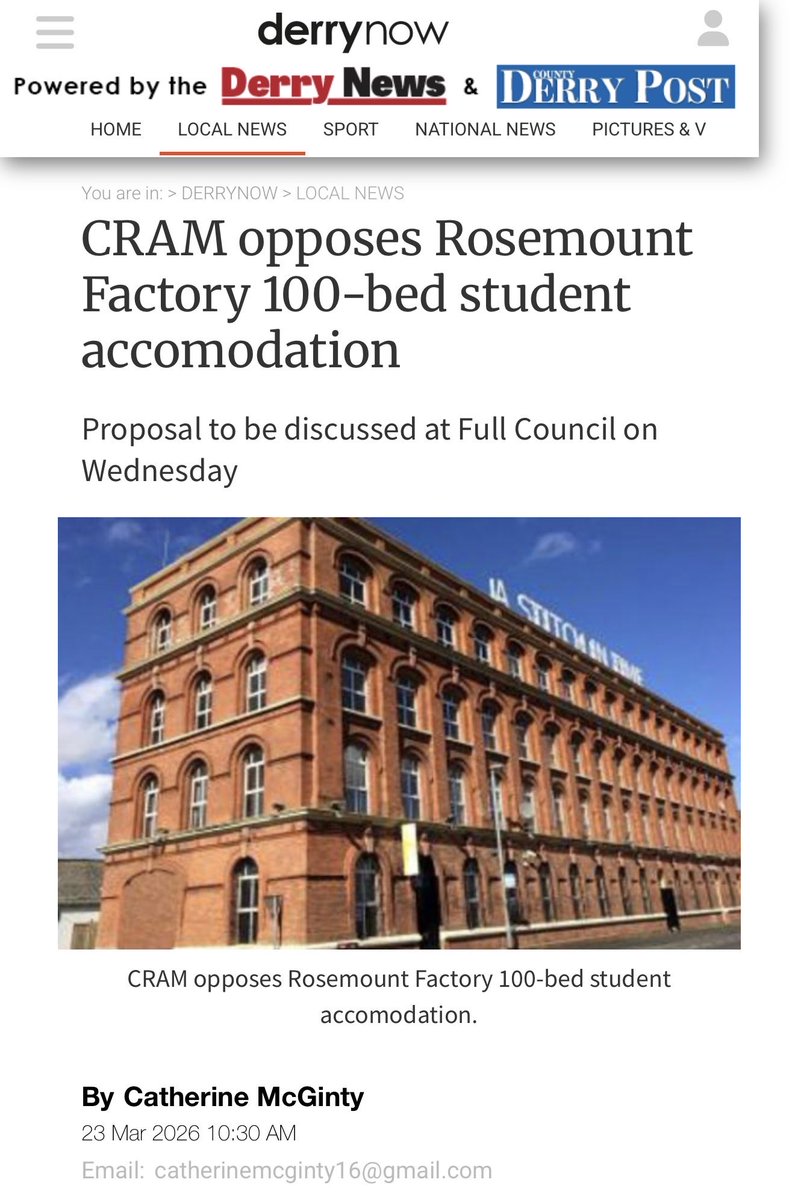
ALT Public Meeting on 100 Student Accomodation units proposed for Rosemount Factory - Derry News (@DerryNow) digital report. More than 100 residents from the Rosemount area of the city attended a public meeting in Brooke Park Leisure Centre organised by Derry City and Strabane District councillor Shaun Harkin (People Before Profit). The meeting, held to discuss the 100 student accommodation units proposed for Rosemount Factory, took place on Tuesday evening. The plan for the student accommodation forms part of the overall redevelopment of the Factory brought forward by Glen Development Initiative, The Village Hub and Ballymagroarty Hazelbank Community Partnership, and Foyleside Developments. During the meeting speakers raised concerns about what they described as the lack of consultation around the proposal; traffic congestion; and public money totalling £1.5 million being paid to a private developer to purchase the Factory. Those at the meeting also voiced opposition to 100 student a
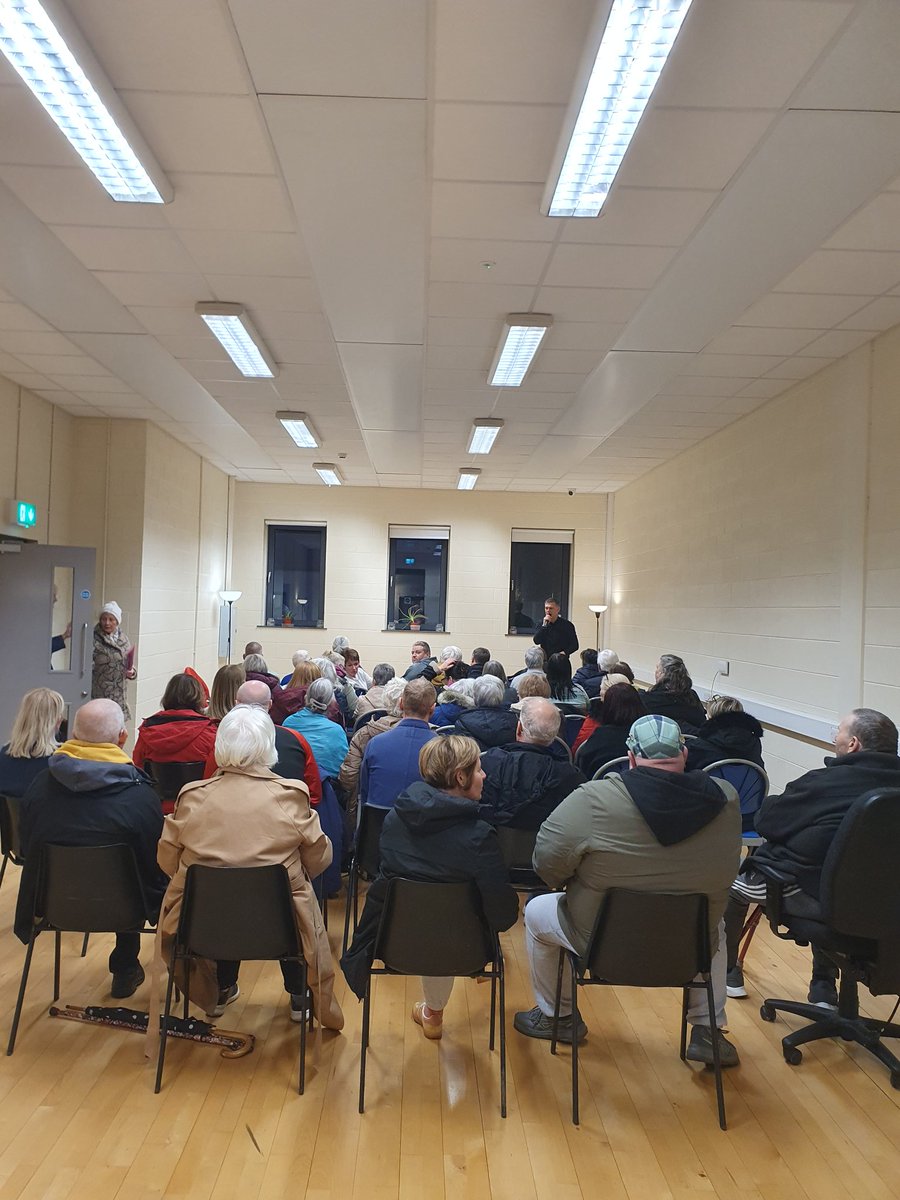
ALT View from The Derry News (@DerryNow) office tonight, at the CRAM public meeting in Brooke Park to discuss the proposal for the refurbished Rosemount Factory to contain 100-bed student accomodation.