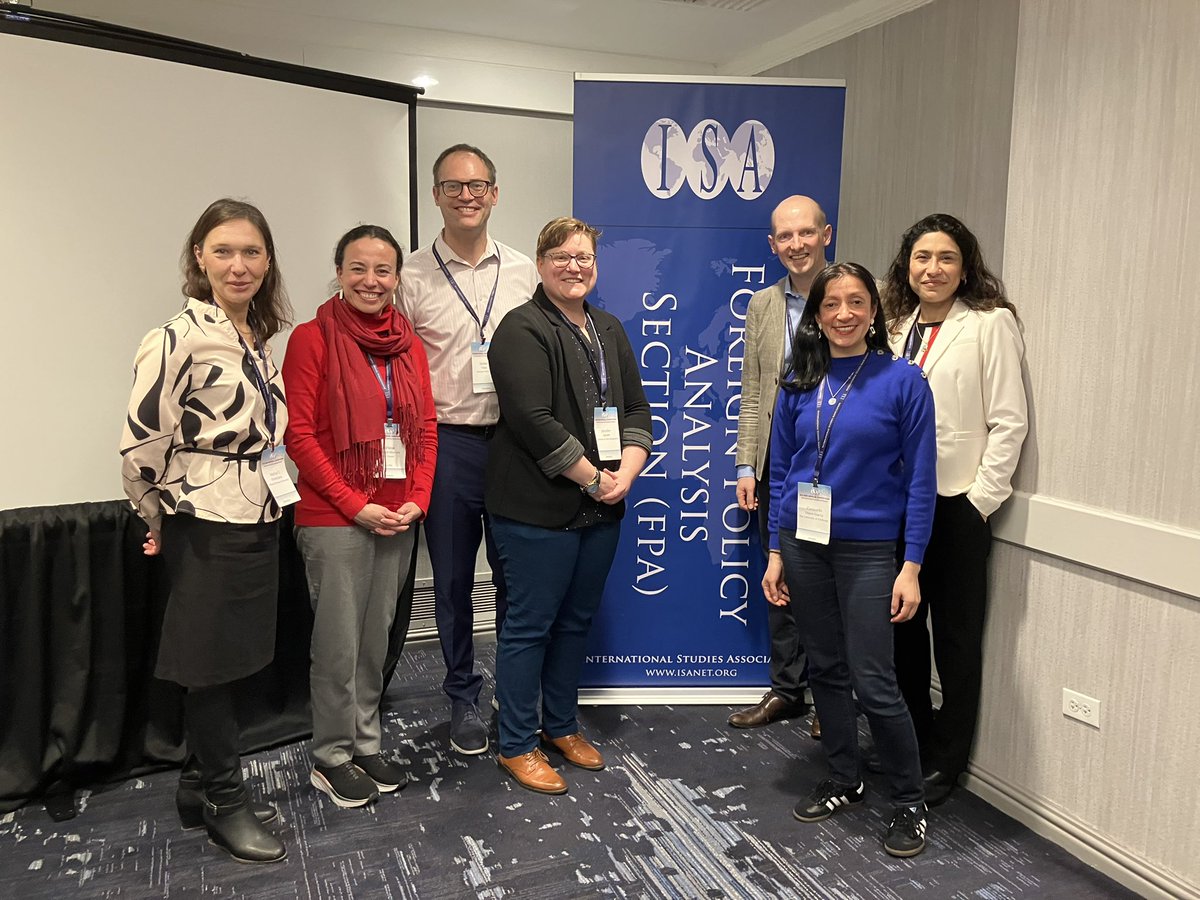
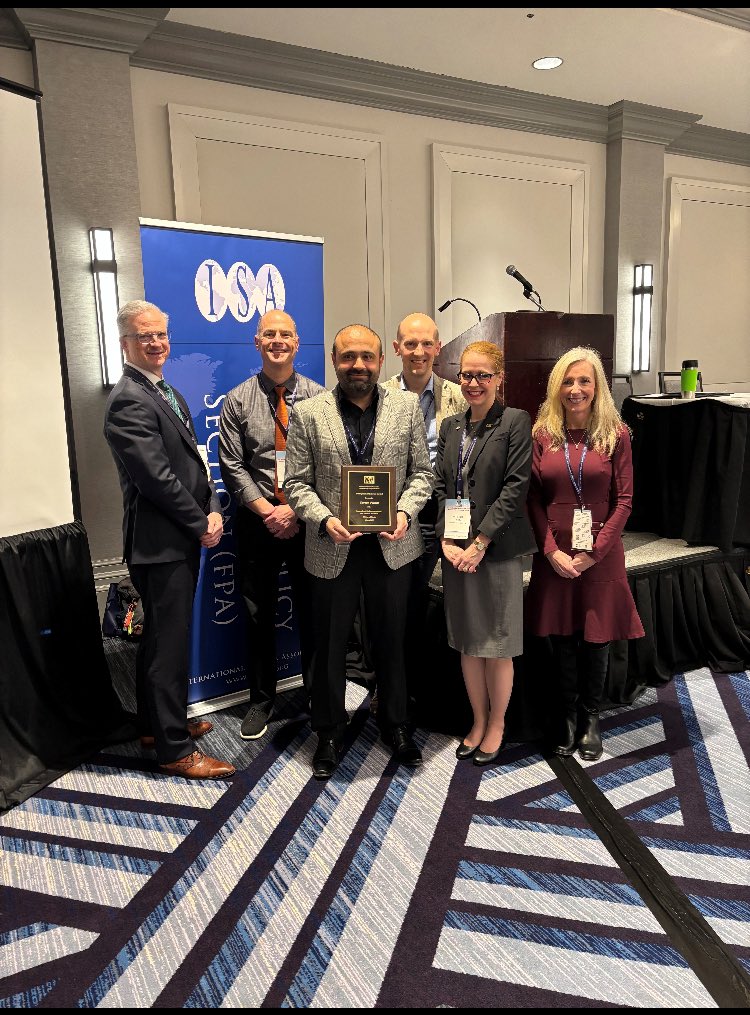
The 2026 ISA Annual Convention in Columbus is just a few weeks away. Time to celebrate some great scholarship. 🎉
We are excited to announce the 2026 FPA Section Award winners and highlight a few events you will not want to miss. 🧵
Welcome to #BISA2026! Our editor Andy made it on a banner to welcome people to the conference 🤓 Be sure to reach out to the team during the conference if you have questions about publishing with us.
Full program ➡️indico.bisa.ac.uk/event/579/…
📢 We are hiring!
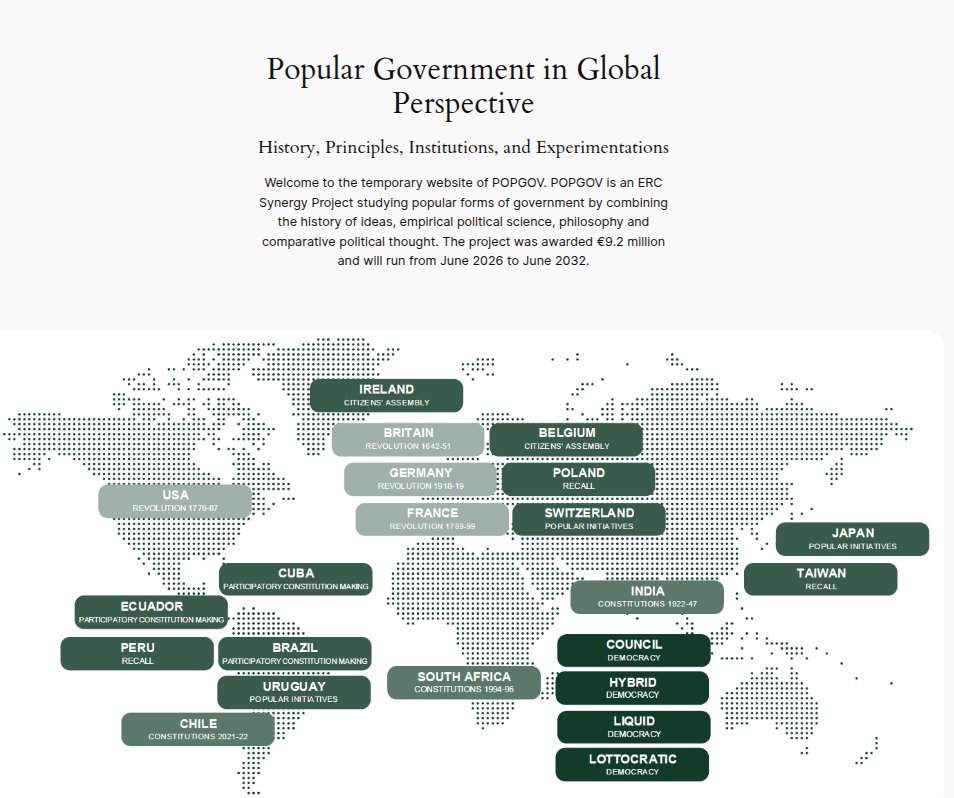
2 postdoctoral researchers at the University of Girona on:
🔹 Participatory Constitution-Making
🔹 Direct Democracy, Constitutional Change & Recall
📅 Deadline: 11 June 2026
⏳ Up to 4 years
Please share widely!
popgovproject.wordpress.com/…
🚨NEW ARTICLE🚨
Kramer (2026) explores how China manages its dual roles as leader of the Global South and global climate leader, developing a theoretical framework of role conflict management strategies in foreign policy.
doi.org/10.1093/fpa/orag015
ALT Title: Managing Role Conflict on the International Stage: How China Balances Its Dual Role in Global Climate Governance
Abstract: China has traditionally served as a leader of the Global South in global climate governance, building on its self-identification as a developing country. As expectations rose to contribute more resolutely to global climate action, China found itself confronted with a role conflict. Creating the auxiliary role of climate leader has not resolved this conflict, since the two roles are essentially associated with conflictual expectations. In this paper, I demonstrate how China sustains its dual role by employing three discursive tactics to balance the conflict: role segregation, role supplementation, and role merging. For this purpose, I develop and apply a theoretical framework of role conflict management strategies and associated tactics in foreign policy and international relations.
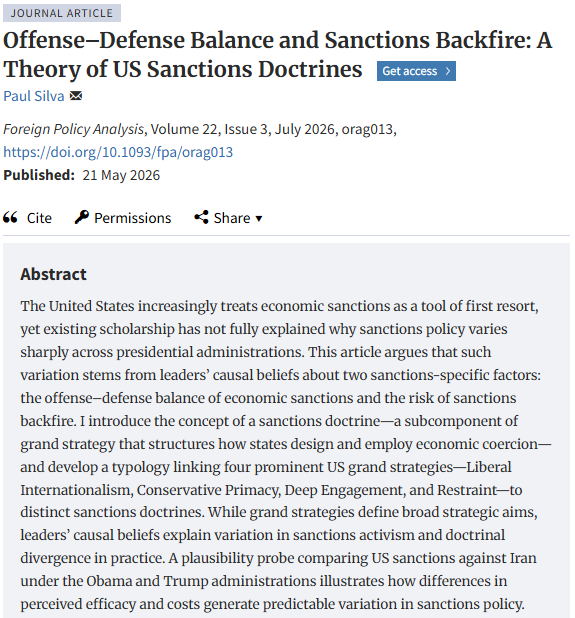
🚨NEW ARTICLE🚨
Silva (2026) argues that Presidential beliefs about defence-offense balance and sanctions backfire produce variation in US sanctions policy, and develops a typology linking US grand strategies to distinct sanctions doctrines.
doi.org/10.1093/fpa/orag013
ALT Title: Offense–Defense Balance and Sanctions Backfire: A Theory of US Sanctions Doctrines
Abstract: The United States increasingly treats economic sanctions as a tool of first resort, yet existing scholarship has not fully explained why sanctions policy varies sharply across presidential administrations. This article argues that such variation stems from leaders’ causal beliefs about two sanctions-specific factors: the offense–defense balance of economic sanctions and the risk of sanctions backfire. I introduce the concept of a sanctions doctrine—a subcomponent of grand strategy that structures how states design and employ economic coercion—and develop a typology linking four prominent US grand strategies—Liberal Internationalism, Conservative Primacy, Deep Engagement, and Restraint—to distinct sanctions doctrines. While grand strategies define broad strategic aims, leaders’ causal beliefs explain variation in sanctions activism and doctrinal divergence in practice.
At #BISA2026 we will discuss the UN at 80, but there was another milestone last year: the #WPS agenda at 25. Check out our podcast discussion on this important anniversary ⤵️
🎧 👉 buff.ly/gCZGfjm
🚨NEW ARTICLE🚨
Willis and Preble (2026) ask whether US security commitments lead to sanctions compliance, showing that greater US defence commitments reduce sanctions busting, though this effect dissapates for deployments longer than 40 years.
doi.org/10.1093/fpa/orag008
ALT Title: With Friends Like These: The Impact of US Troop Deployments on Economic Sanctions Busting
Abstract: The deployment of US troops and the maintenance of US bases abroad is a manifestation of the commitments of both the United States and its partners to their security alliance. Does security cooperation lead to greater compliance with US sanctions regimes? Our research explores trade-based sanctions busting from 1990 to 2018 to understand whether the magnitude of the US military’s presence impacts the propensity of a host nation to bust US sanctions and the magnitude of sanctions-busting trade exchanged. Using the Global Sanctions Database and US global military deployments data (1990–2018), we argue that larger and long-term deployments both reduce the probability of trade-based sanctions busting and lessen the magnitude of sanctions-busting trade for states with defense pacts with the United States...
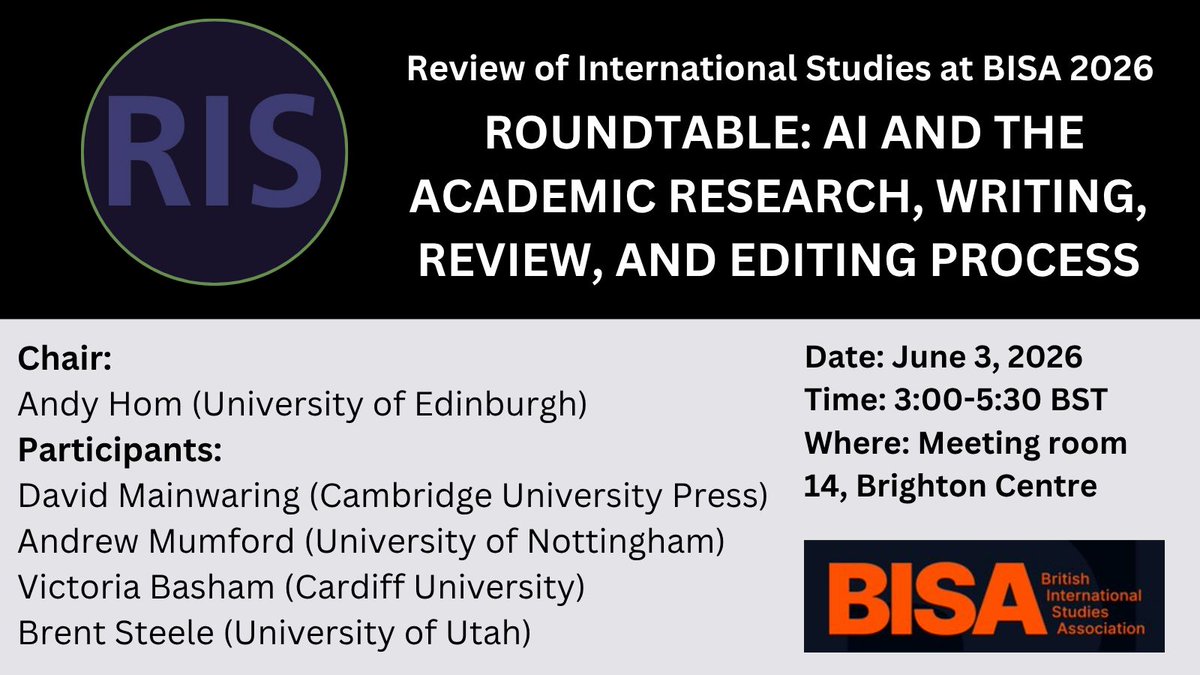
#BISA2026 is right around the corner! As you put your schedule together, consider joining us on Wednesday for a roundtable on AI and academic research. We have a fantastic group of participants!
buff.ly/y9NYr3f
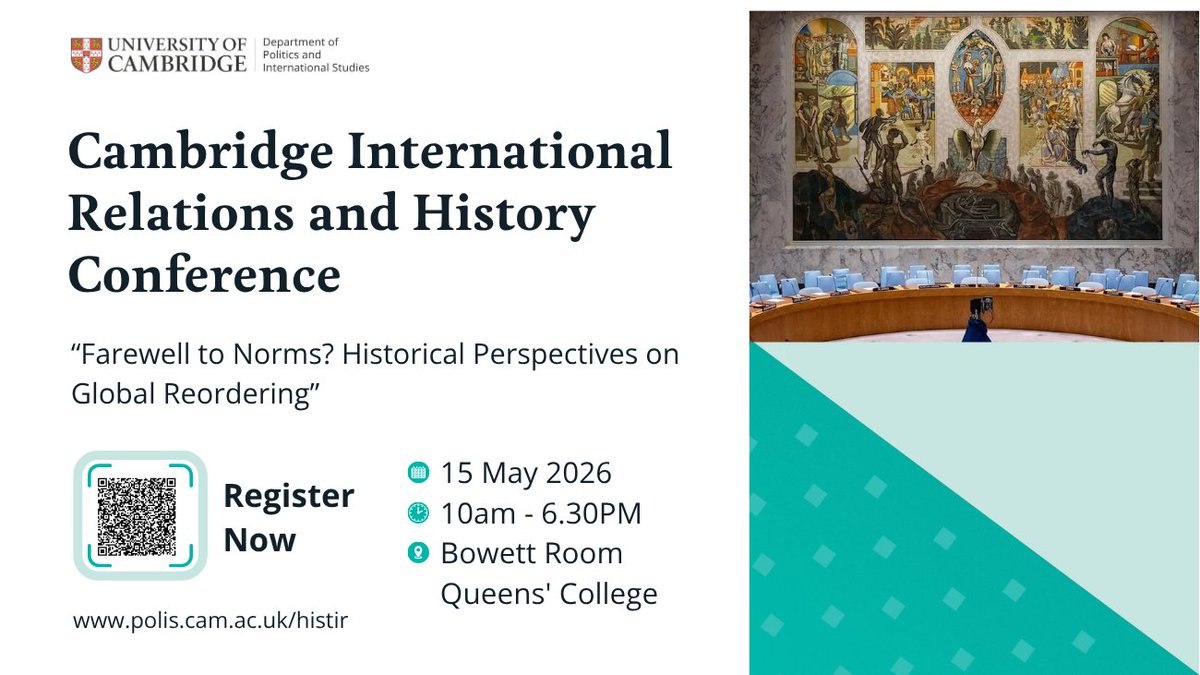
Join us for this year's Cambridge IR and History Conference will centre on past, current, and future challenges to international norms.
📅Fri 15 May 2026
🕙10am to 6.30pm
📍Bowett Room, Queens' College
Register now: eventbrite.com/e/farewell-to…
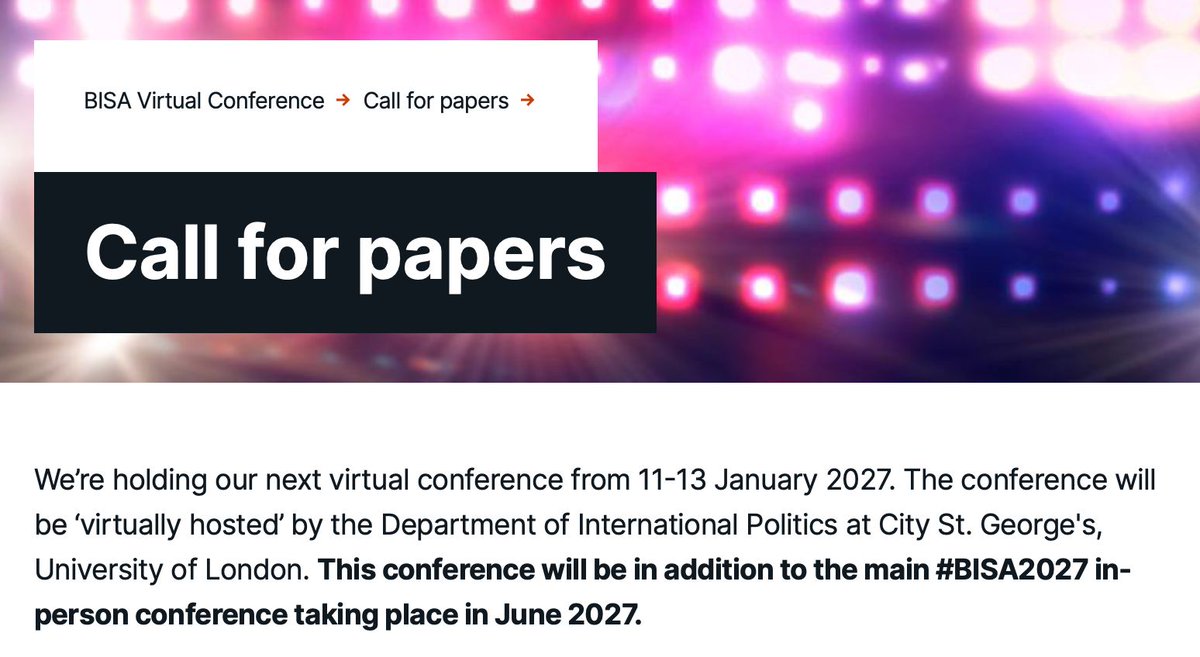
Our friends at BISA will hold a virtual conference on 1-13 January 2027!! Submissions are now open, so please consider sending in an abstract or panel.
buff.ly/36MIEzP
🚨NEW ARTICLE🚨
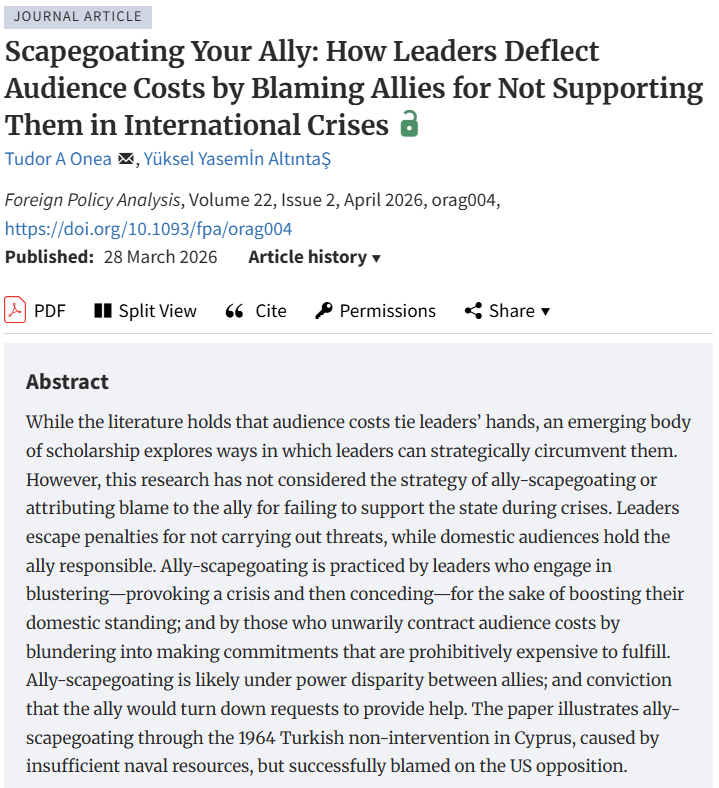
Onea and AltıntaŞ (2026) explore ally-scaping. Using Turkey's 1964 non-intervention in Cyprus, attributed to US opposition, they show how leaders blame allies for failing to support the state as they try to avoid domestic audience costs.
doi.org/10.1093/fpa/orag004
ALT Title: Scapegoating Your Ally: How Leaders Deflect Audience Costs by Blaming Allies for Not Supporting Them in International Crises
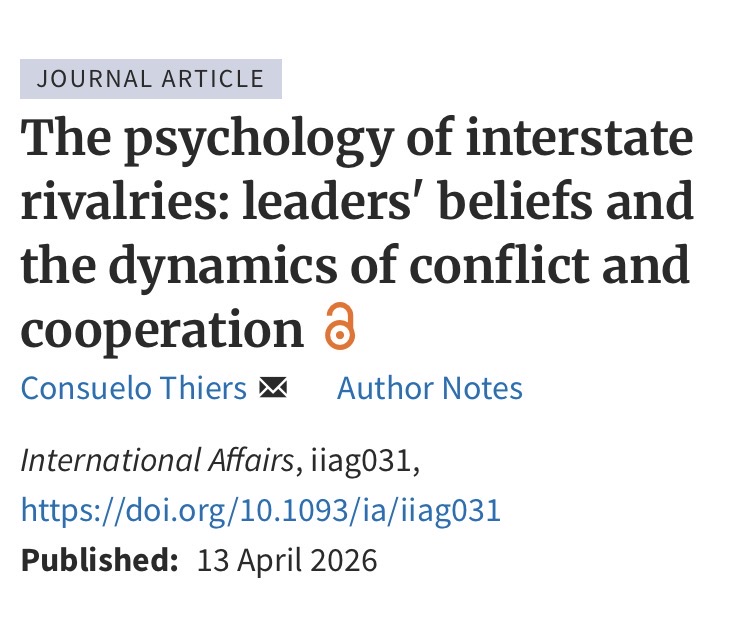
My new article, "The psychology of interstate rivalries: leaders' beliefs and the dynamics of conflict and cooperation," is out today in @IAJournal_CH: I explain why leaders' beliefs on both sides matter for understanding conflict and cooperation. academic-oup-com.eux.idm.ocl…
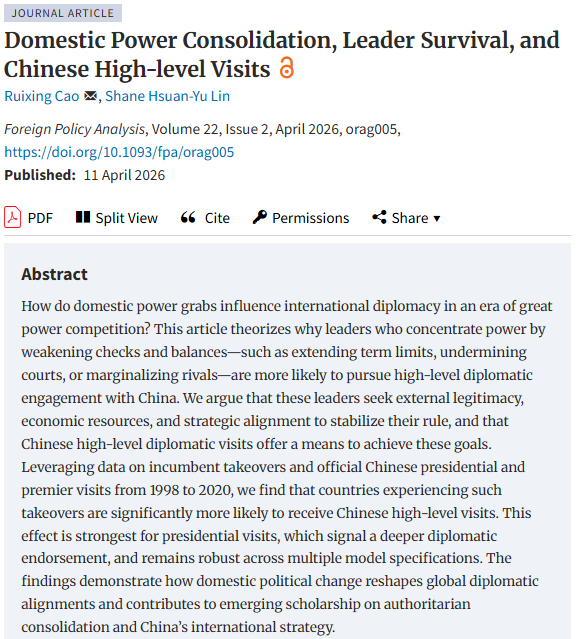
🚨NEW ARTICLE🚨
Cao and Hsuan-Yu Lin (2026) explore how domestic power grabs shape diplomacy with great powers. They find that countries that undergo leader power concentration are more likely to receive high-level diplomatic visits from China.
doi.org/10.1093/fpa/orag005
ALT Title: Domestic Power Consolidation, Leader Survival, and Chinese High-level Visits
War and the moral and legal attempts to regulate it have a long history. In an episode of podcast, editor Seb Kaempf sits down with Dr Thomas Gregory to chat about his editors collection, which is on our website now.
🎧 👉 buff.ly/kuimTWZ
📚 👉 buff.ly/NZHc0uh
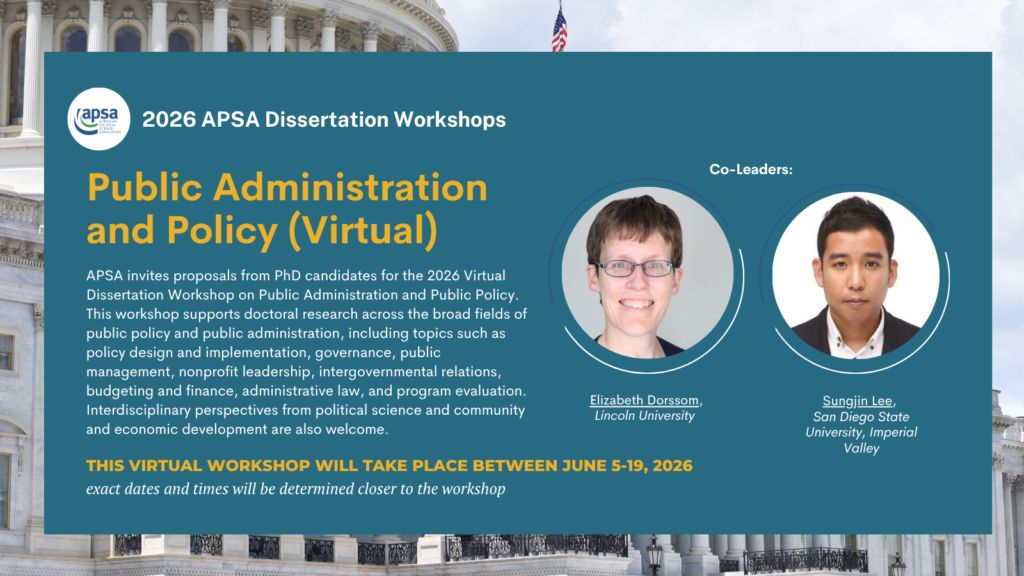
Participate in the 2026 APSA Virtual Dissertation Workshop on:
Public Administration and Policy
📅 June 5-19 (virtual)
This workshop will provide feedback to doctoral candidates pursuing degrees in #publicpolicy and/or #publicadministration.
Due 4/26! buff.ly/HskzAPa
📢 Job Opportunity:
We are hiring a Lecturer/Assistant Professor in European Comparative Politics (Temporary Fixed Term 3 Years)
🗓️ Closing Date: 12pm, 19 May 2026
Apply here: my.corehr.com/pls/coreportal…#AcademicJobs#Politics#UCD
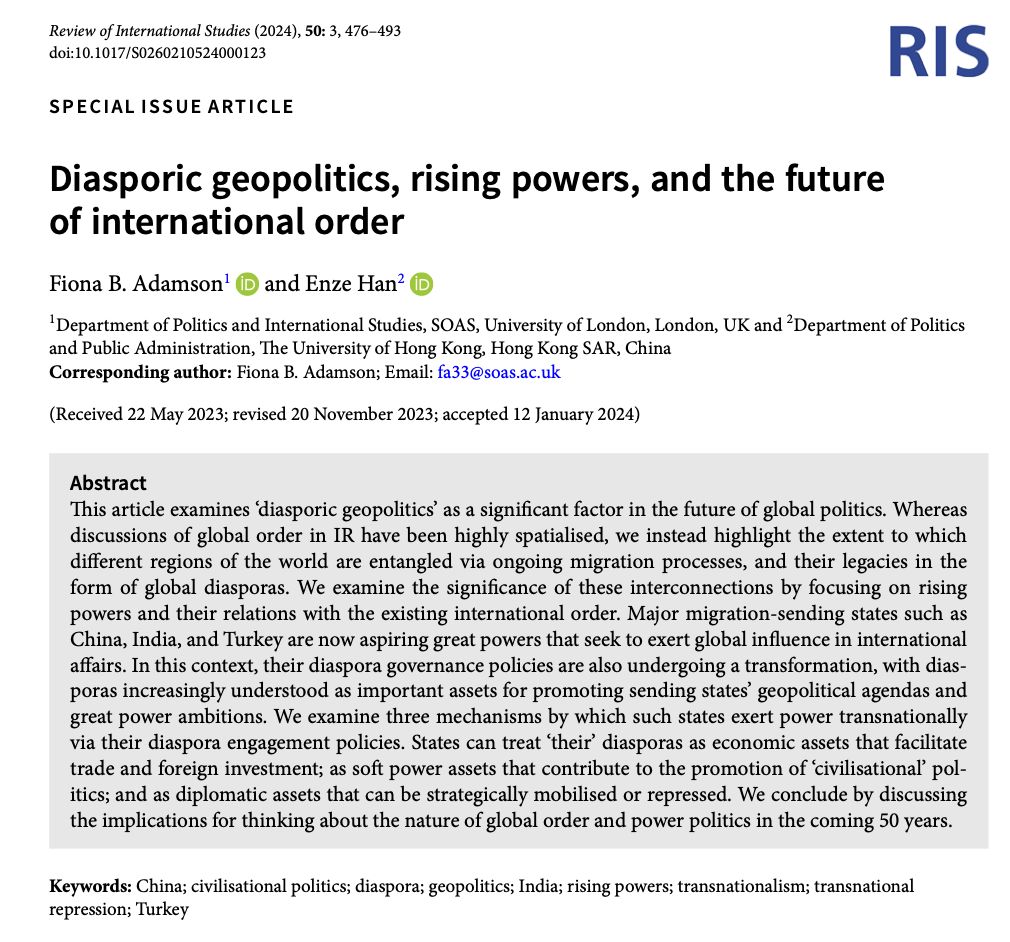
How do states engage with diaspora populations outside their borders, and how does this impact geopolitics? This question is particularly relevant now and is the subject of Fiona B. Adamson & Enze Han's 2024 RIS article 👉 buff.ly/f9Xb5dx
🚨@Kingspol_econ is looking for replacement cover for my teaching. 3-year fixed term full-time position open to political theorists. Happy to answer any queries.
jobs.ac.uk/job/DRE508/aep-le…
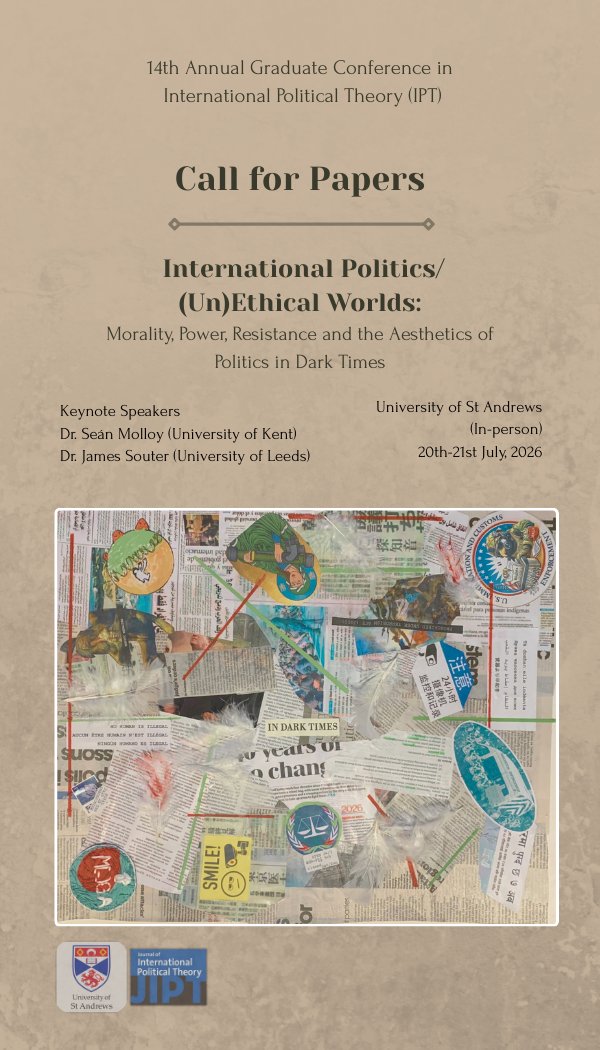
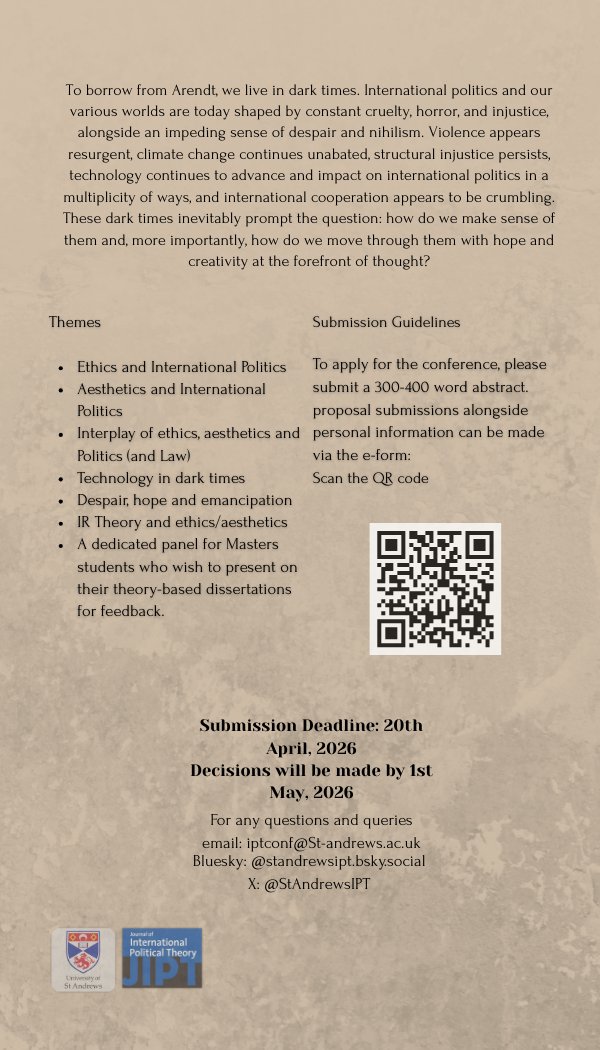
CALL FOR PAPERS - 1 WEEK LEFT!
International Politics/(Un)Ethical Worlds: Morality, Power, Resistance and the Aesthetics of Politics in Dark Times.
20th-21st July 2026│In-Person│@StAndrewsIR
Keynotes: @SeanMolloyIR @JSouter2
Call closes: 20th April 2026
forms.office.com/pages/respo…
The 2026 ISA Annual Convention in Columbus is just a few weeks away. Time to celebrate some great scholarship. 🎉
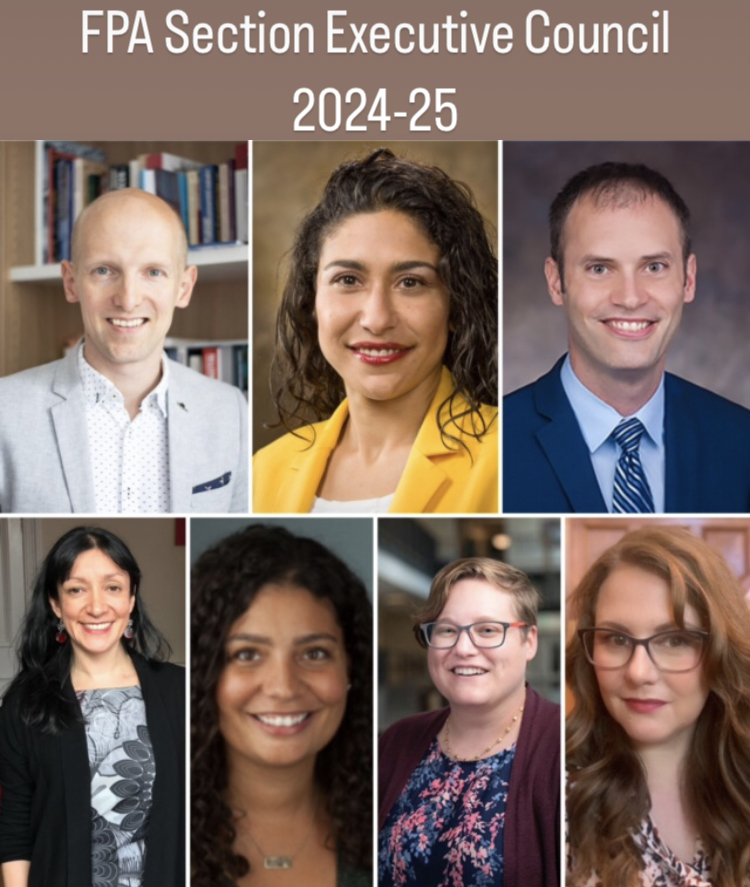
We are excited to announce the 2026 FPA Section Award winners and highlight a few events you will not want to miss. 🧵
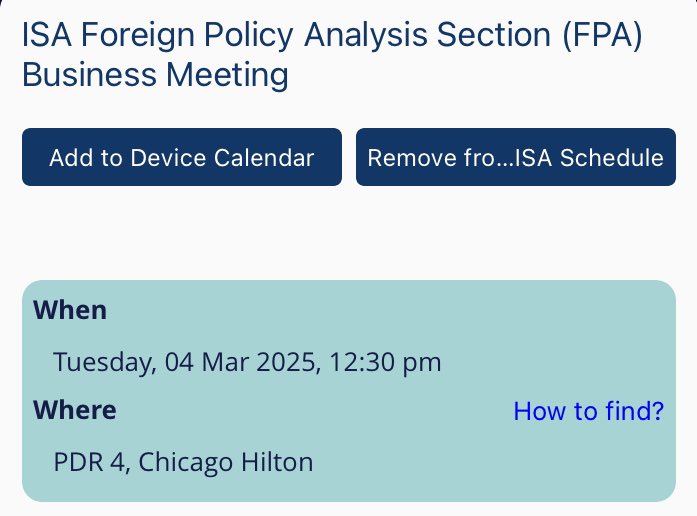
📍 Join us at the FPA Section Business Meeting
Tuesday, 12:30 to 1:30 PM, Franklin B, Hyatt.
We will present the awards and share updates on section initiatives, including the new Emerging Scholar Award.
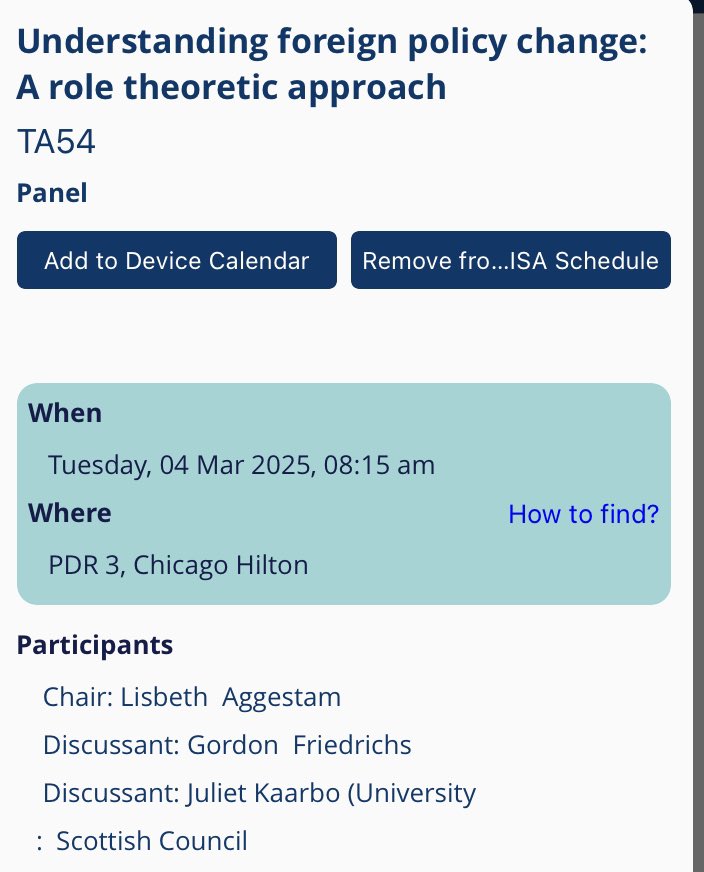
Other events to add to your schedule:
☕ FPA Methods Café
Monday, 4 to 5:45 PM, session MD40
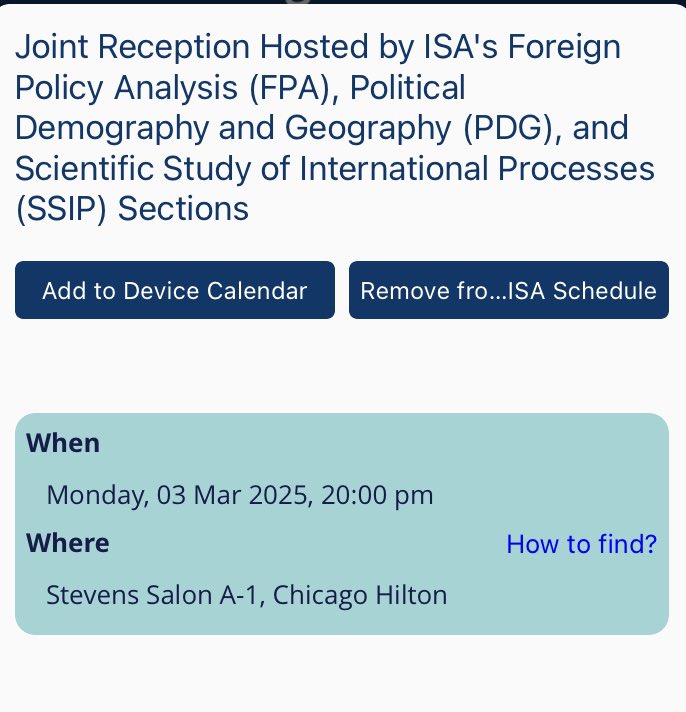
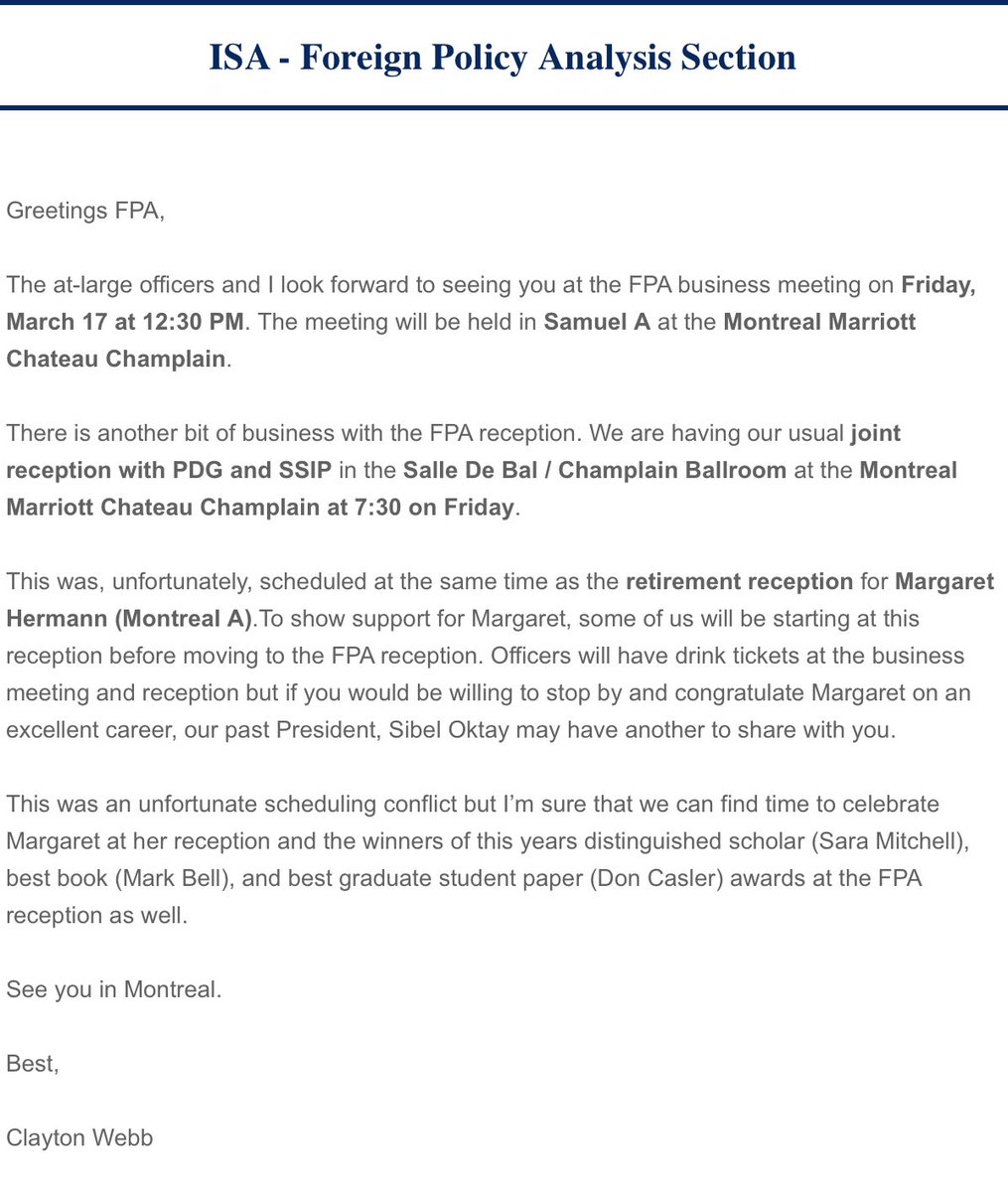
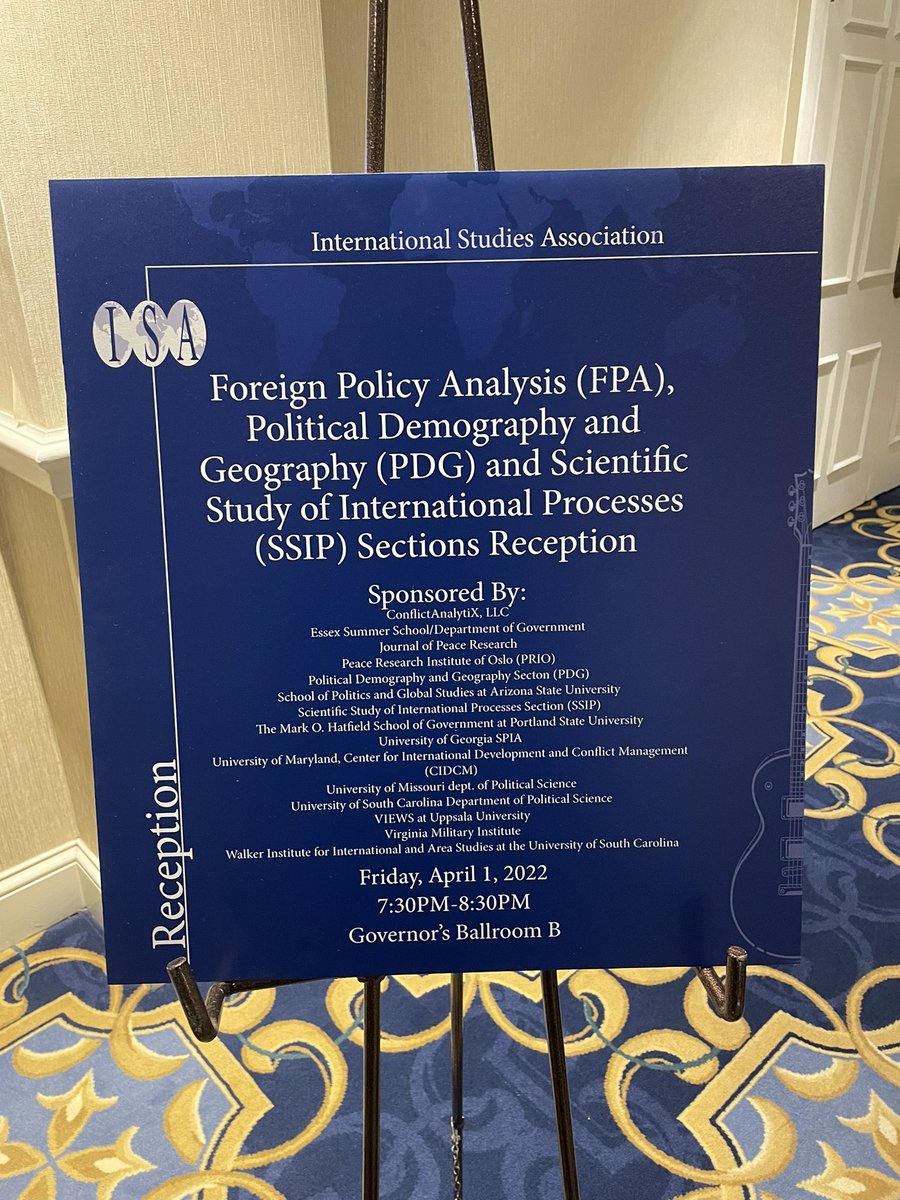
🥂 Joint reception with PDG and SSIP
Tuesday, 7:15 to 8:15 PM, Hilton.