
Let's Grow together — I am passionate about writing articles.
Joined October 2024
- Tweets 3,690
- Following 203
- Followers 275
- Likes 25,732
1,852 Photos and videos





Pinned Tweet

2 Dec 2025
Interstellar (2014) – This is a longer video but had to include one of the greatest scenes in cinema history.
Director Christopher Nolan and cinematographer Hoyte van Hoytema sought to ground an epic science fiction story in visceral reality. They aimed to capture the vast, terrifying scale of space using the warm, tangible textures of IMAX film, where natural light, dust, and monumental scope amplify the film’s core human emotion.
The visual design features a stark contrast between Earth and space. Earth appears in desaturated browns and yellows, bathed in dusty, high-contrast light that conveys a dying, sun-scorched planet. In opposition, space is defined by staggering blackness and pure, hard light, with objects like the Endurance and distant planets illuminated by a single, unfiltered source—emphasizing cosmic danger and loneliness.
The cinematography embraces practical effects and physical scale. Shot extensively on IMAX film, cosmic landscapes, massive spinning ships, and the wormhole interior feel physically present. Motifs like shafts of hard light cutting through haze or the serene blue glow of a water world connect the characters’ inner journey to the universe’s grand, indifferent physics. The look is tactile, grand, and intensely human within the infinite.
2
21
3,105
Facts2Focus retweeted

Jun 14
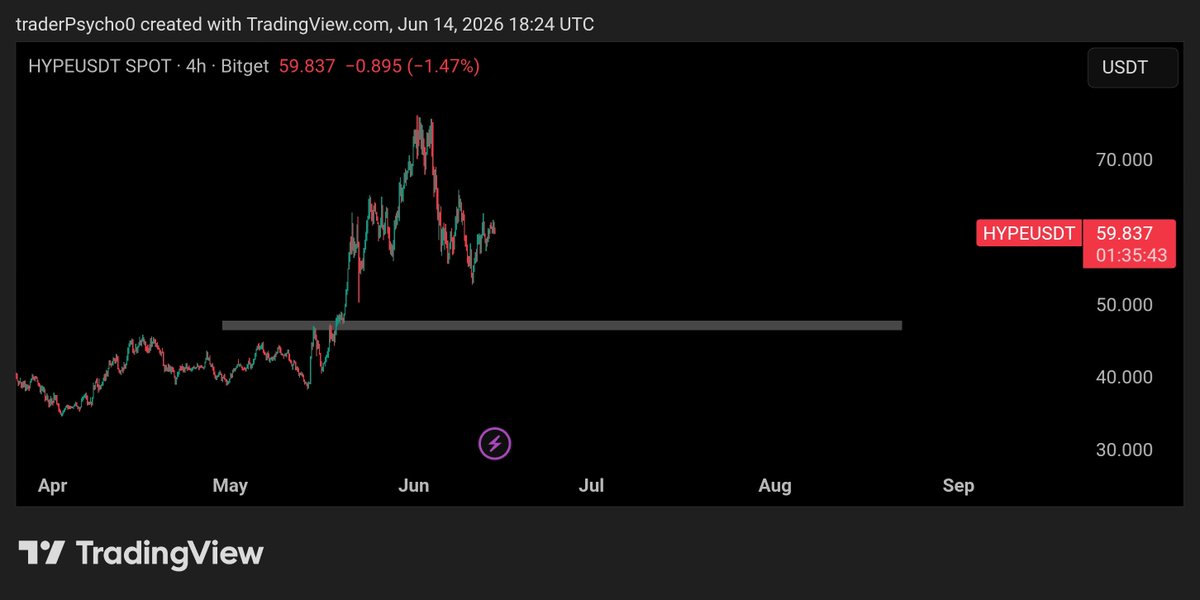
$HYPE — $48/46 will be perfect area to go long position.
Or wait for $80/88 to tap.
4
5
123

Facts2Focus retweeted
Jun 14
Most people have never heard of the company Intel quietly embedded into their most advanced secure chips.
It's a $223M micro-cap called Arqit Quantum (ARQQ).
London-based. Currently trading around $13.61 $ARQQ.
Here's what just happened 👇
1
3
7
629
Facts2Focus retweeted
May 31
𝗧𝗵𝗲 𝗠𝗼𝘀𝘁 𝗥𝘂𝘁𝗵𝗹𝗲𝘀𝘀 𝗡𝗲𝗴𝗼𝘁𝗶𝗮𝘁𝗶𝗼𝗻 𝗶𝗻 𝗛𝗶𝘀𝘁𝗼𝗿𝘆
THE TAX-DEDUCTIBLE EAR: A Billionaire’s Ransom
Sources -
1. The "14 Grandchildren" Refusal - Global historical archives and obituaries for J. Paul Getty (The New York Times, BBC History).
2. The Mutilation and Ransom Reduction - Historical accounts of the 'Ndrangheta mafia operations and the Getty kidnapping (Smithsonian Magazine, Historycom).
3. The Tax Loophole and the 4% Loan - Financial retrospectives and tax law analyses of the Getty fortune (Forbes, The Washington Post).
1
4
105
May 31
I Got Early Beta Access to ChatGPT Ads 🚀
So over the last few days, my team & I have been diving in - getting our accounts set up, exploring the new OpenAI Ads Manager & figuring out exactly how this all works.
And let me tell you… this is a BIG one.
𝗛𝗲𝗿𝗲’𝘀 𝘁𝗵𝗲 𝗖𝗿𝗮𝘇𝘆 𝗣𝗮𝗿𝘁…
I’ve seen this movie before.
Back in 2015, I got in on the ground floor of YouTube Ads when most marketers were still sleeping on it. That early-mover advantage was absolutely game-changing for my business.
I know people who got in early on Facebook Ads & Google Search Ads & did incredibly well too.
If you’ve ever wished you got in early to those platforms…
This is THAT moment - all over again.
A brand new ad platform, sitting in front of hundreds of millions of users, before the masses even realize what’s happening.
If you’re a marketer or business owner, I highly encourage you to jump on this now while it’s still wide open.
𝗜’𝗺 𝗥𝗲𝗰𝗼𝗿𝗱𝗶𝗻𝗴 𝗮 𝗙𝘂𝗹𝗹 𝗧𝘂𝘁𝗼𝗿𝗶𝗮𝗹 🎬
I’m putting together a complete step-by-step video walkthrough showing exactly how ChatGPT Ads work & how to set up your first campaign from scratch.
If you want me to send it to you the moment it’s ready…
Comment “ChatGPT Ads” below & I’ll send you the link! 👇
And make sure you follow me - I’ll be sharing a LOT more on this as I uncover what works.
The biggest wins almost always go to the people who move first.
Did you get access to ChatGPT Ads yet? Are you as excited about this as I am? Let me know below!
3
29
May 29
The Linkedin Trap How RAW trapped and vanished a Pakistani Colone.
1
4
42
May 25
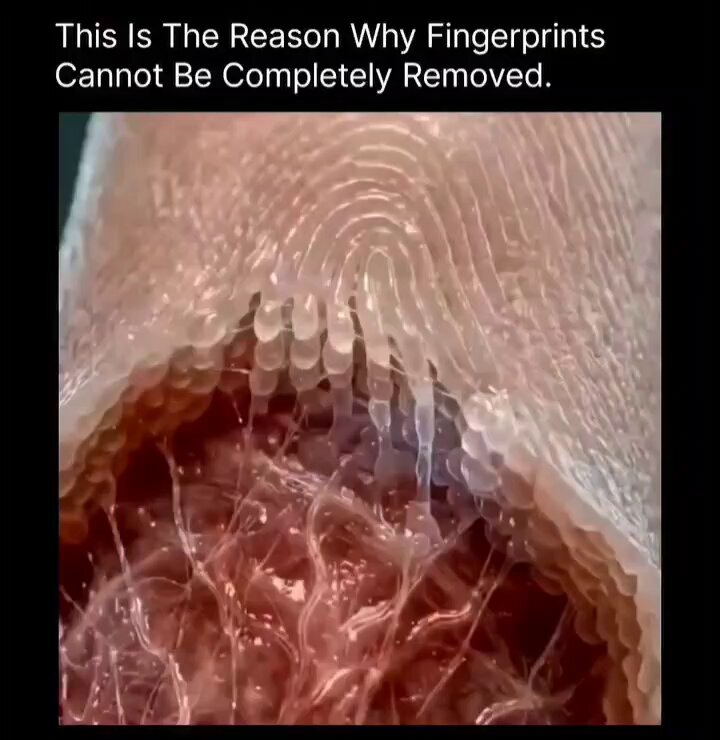
It is possible to attempt to burn, cut, or even try to erase them, but fingerprints almost always reappear.
This is due to the fact that fingerprints are formed deep beneath the skin layer even before birth. Even if the surface skin is damaged, the original pattern regenerates from the underlying tissue. Only extremely deep injuries that destroy those inner layers can permanently alter fingerprints; even then, scar patterns often create a new unique print instead of completely removing one's identity. Your fingerprints are more than just skin; they are a biological signature that remains with you for life.
2
3
915
May 25
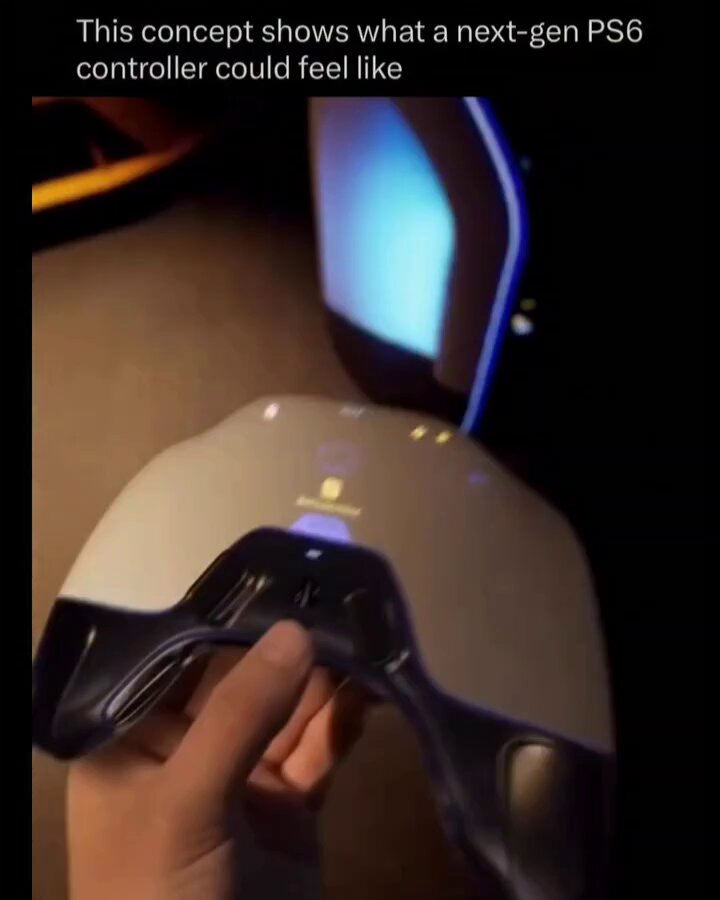
This PlayStation controller concept has a morphing haptic surface, so parts of the controller could visually and physically respond to what's happening in a game.
The idea builds on features Sony already pushed with the PS5 Dualsense, like adaptive triggers, detailed vibration feedback, and a stronger focus on touch and immersion.
It's not an official PS6 controller, but it shows the kind of direction future gaming hardware could take as controllers become more interactive and personal.
2
57
May 25
The demon core was a plutonium sphere kept near criticality, where even a small change could trigger a dangerous burst of radiation.
Two separate accidents showed how quickly things could go wrong, as minor slips during experiments led to fatal exposure within seconds.
These events led to major changes in nuclear safety, replacing manual handling with strict protocols and remote systems.
Credits: lord_kaleb
3
205
May 25
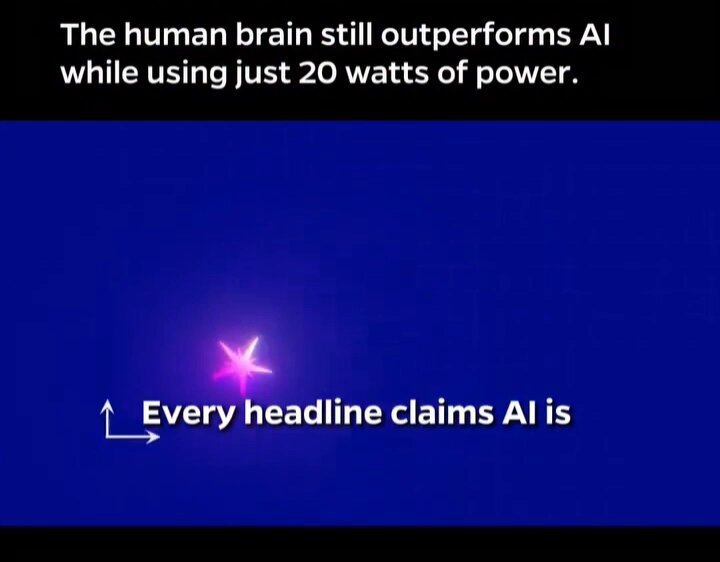
The most powerful computers currently available are still unable to replicate the effortless functions your brain performs every second.
Even advanced AI hardware, such as NVIDIA's H100, can execute approximately 200 trillion operations per second, though this necessitates substantial power, cooling, and infrastructure. In contrast, the human brain is estimated to perform one quadrillion synaptic operations per second, utilizing only about 20 watts of energy, which is less than a low-wattage light bulb.
While AI demonstrates excellence in speed and scale, its operation is entirely reliant on predefined architectures, labeled data, and external power sources. The brain, however, learns continuously, adapts without explicit instructions, incorporates emotion into its decision-making processes, and generates original thoughts even in unpredictable circumstances.
This disparity is not solely about intelligence; it also encompasses efficiency, adaptability, and biological optimization, which have been refined over millions of years of evolution. Although AI is expected to excel in specialized tasks, the human brain continues to be recognized as the most energy-efficient and flexible computing system ever discovered.
2
25
May 25
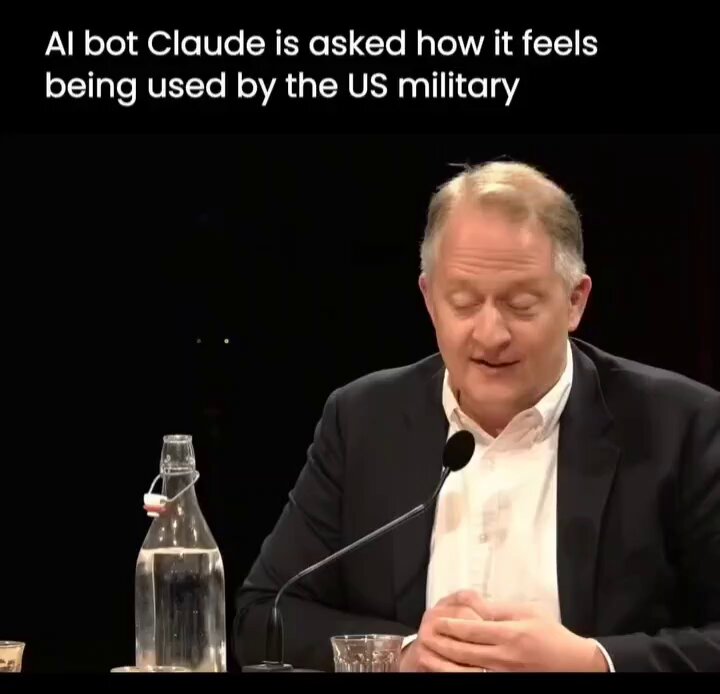
During an event titled "AI at War," journalist Shane Harris posed a direct question to Claude regarding its potential involvement with the U.S. military in target selection.
Claude's response diverged from what many anticipated. It expressed discomfort with such a concept, emphasizing that its intended purpose is to be beneficial, innocuous, and truthful, rather than being associated with decisions that involve real-world violence.
While Claude does not possess human-like emotions, its reply seemed to transcend a mere neutral machine response, appearing to reflect the ethical guidelines embedded within its programming.
Artificial intelligence is increasingly integrated into national security intelligence, cyber warfare, and military strategic planning. Concurrently, organizations such as Anthropic are establishing boundaries concerning applications like fully autonomous weaponry and widespread surveillance.
The pertinent question extends beyond whether AI can contribute to warfare. It delves into our comfort level with AI being involved in critical life-and-death decisions.
What are your thoughts on whether AI should have any involvement in military targeting?
Source: De Balie on YouTube
1
2
78
Facts2Focus retweeted

To be fair we all know he doesn’t know shit about trading
1
1
66
Apr 26
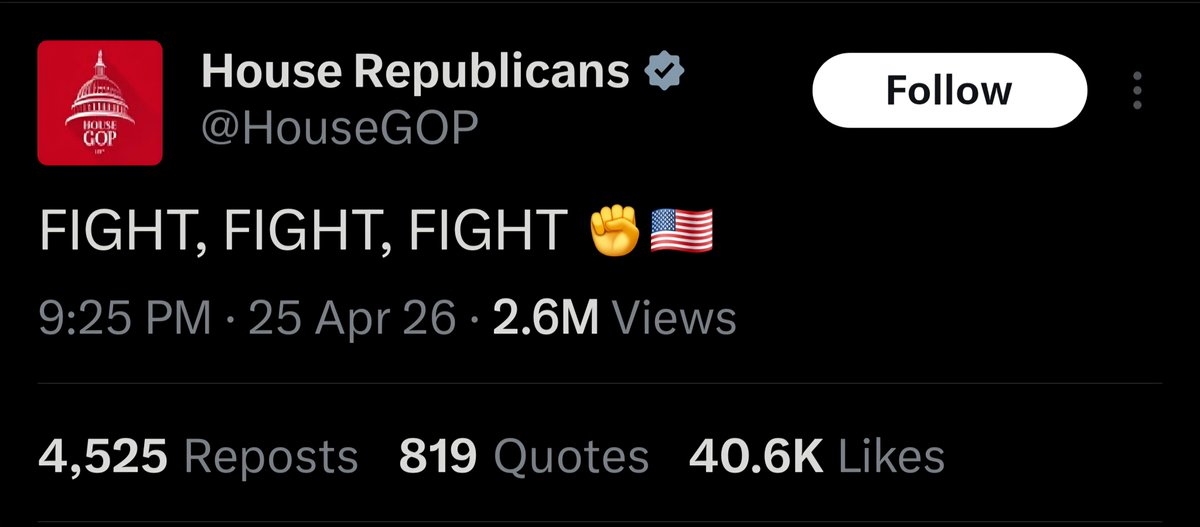
Midterm election is coming...
And they have planned this drama — don't trap.
Last time we fucked.
2
3
73
Facts2Focus retweeted

Kimi 2.6 Agent Swarm is crazy. It deployed 12 parallel research agents, did 200 web searches, and found me 30 current AI DevRel opportunities at Sarvam AI, Razorpay, Anthropic, NVIDIA, Groq, AWS, MongoDB, GitHub, OpenAI, and more generated report was also very detailed.
16
46
592
47,111