
Fathom is an independent nonprofit that finds, builds, and scales policy and technical innovations designed for the AI century.
Joined July 2024
- Tweets 714
- Following 244
- Followers 848
- Likes 165
244 Photos and videos
Pinned Tweet

May 7
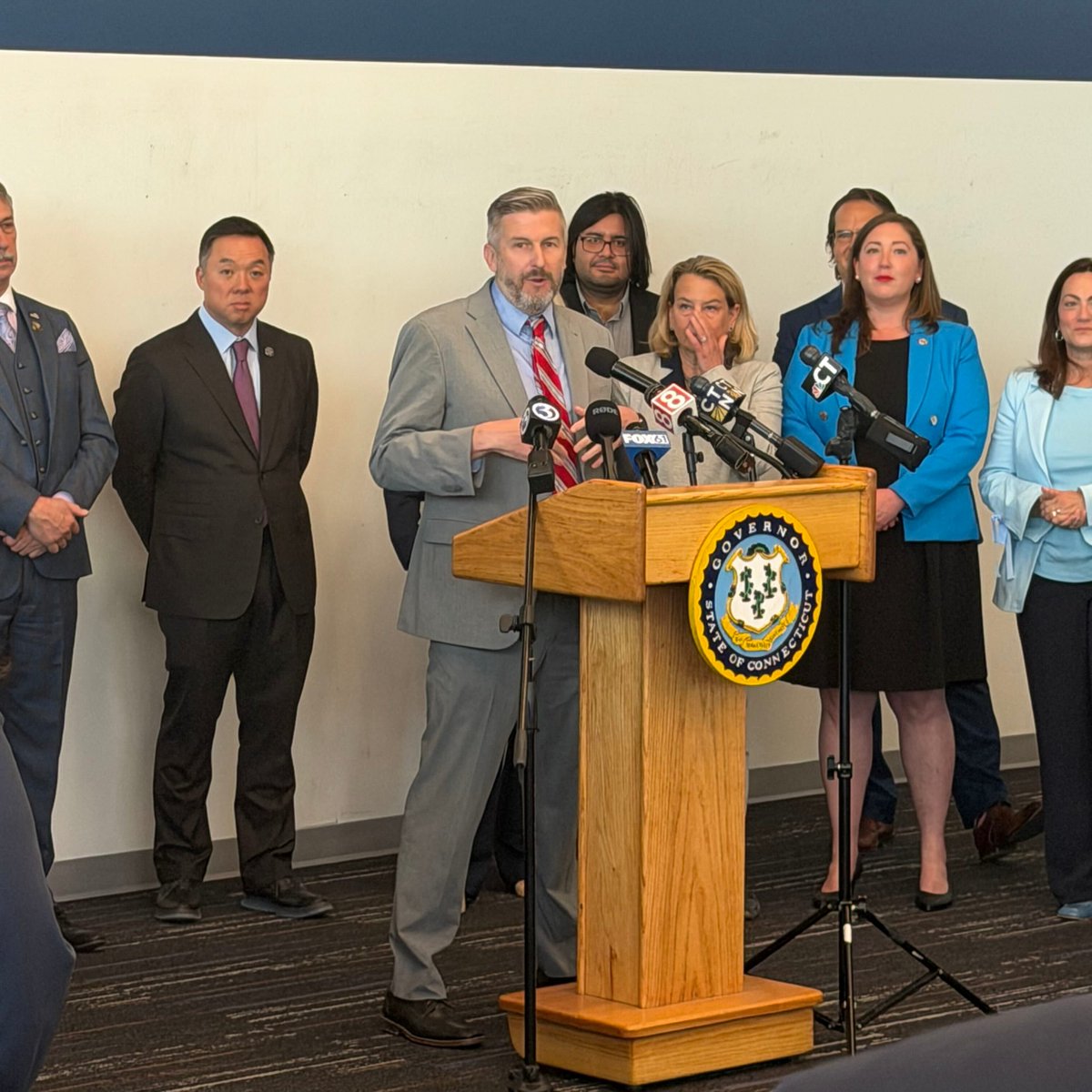
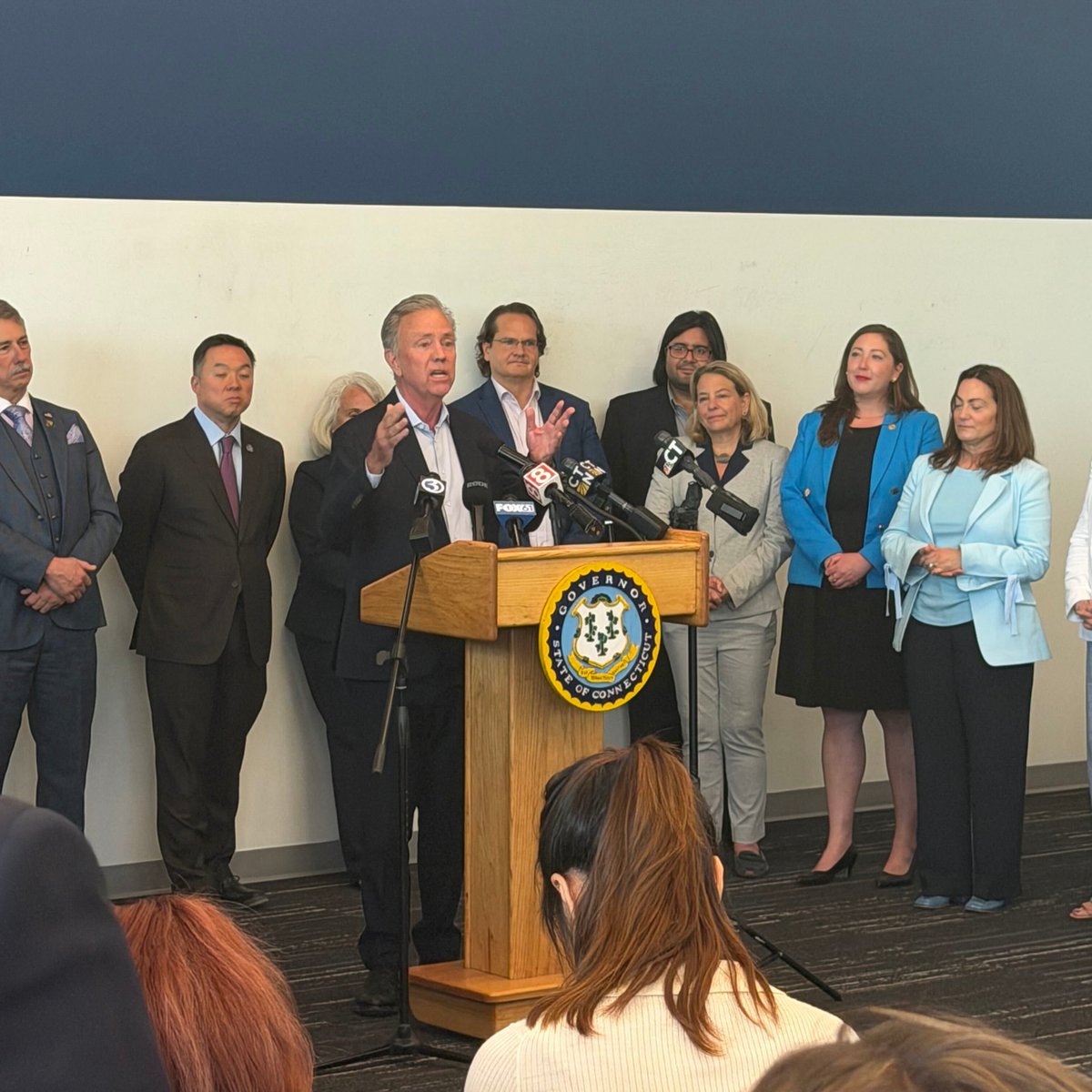
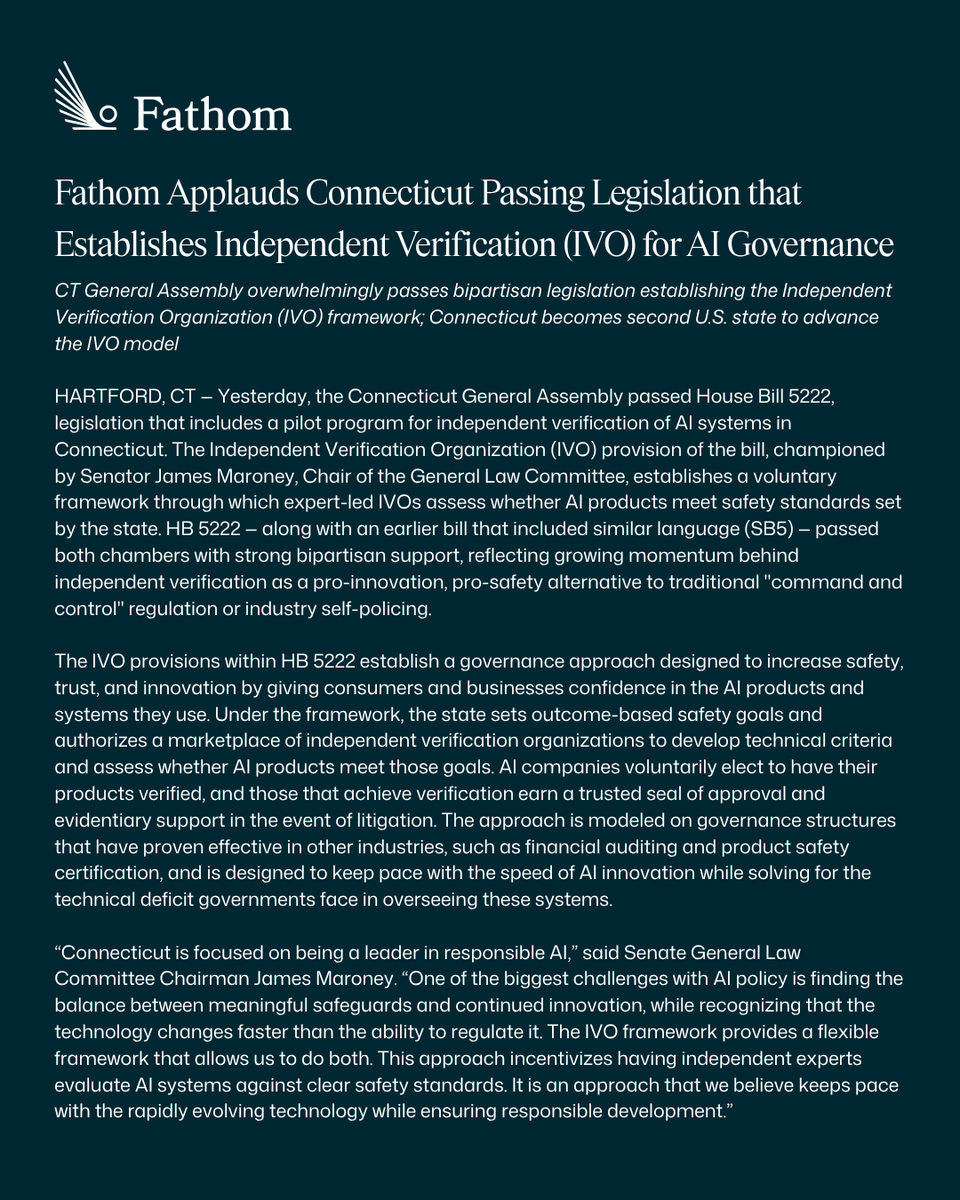
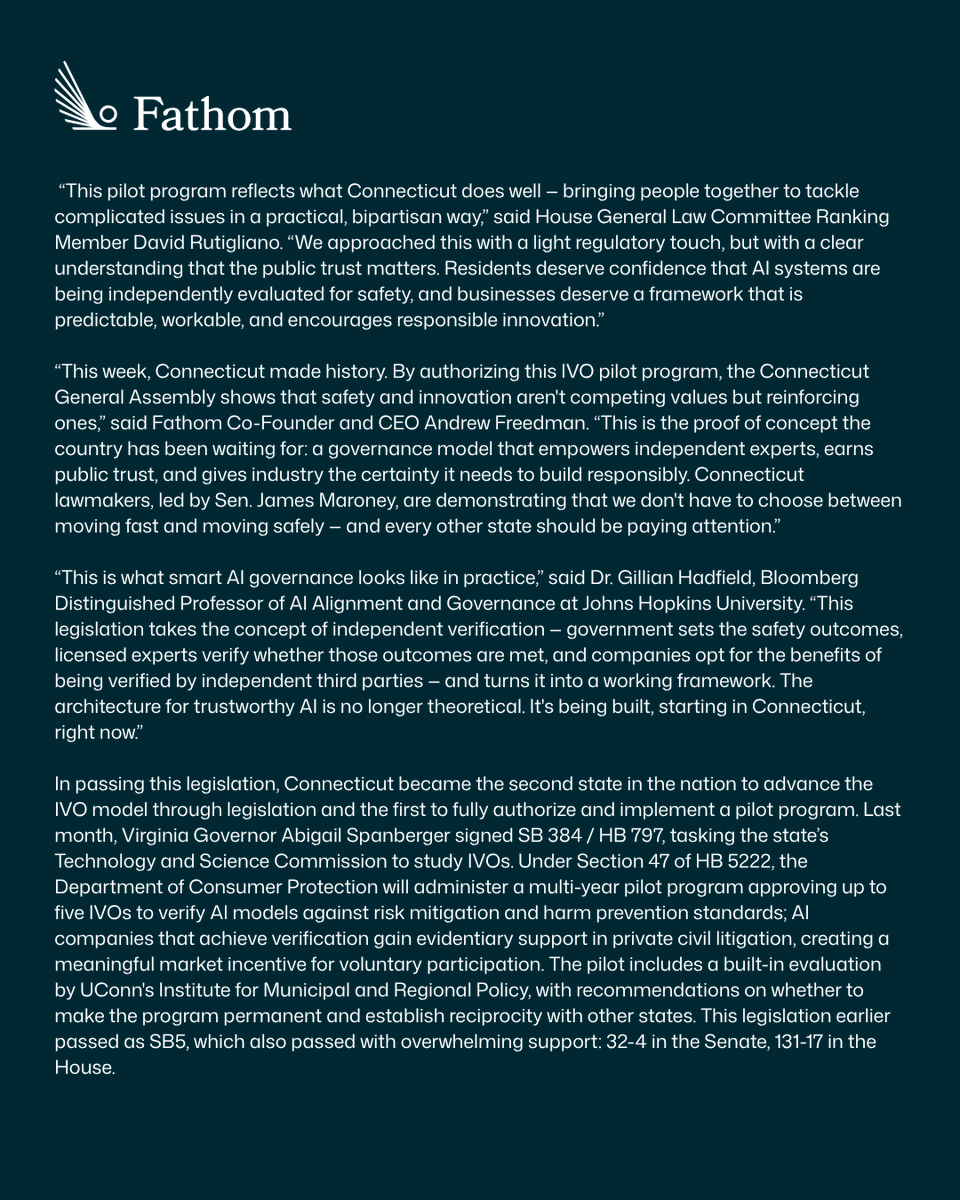
The Connecticut General Assembly passed House Bill 5222, legislation that includes a first-in-the-nation voluntary pilot program for Independent Verification Organizations (IVOs) in Connecticut.
Our full statement:
1
5
26
8,868
Jun 12
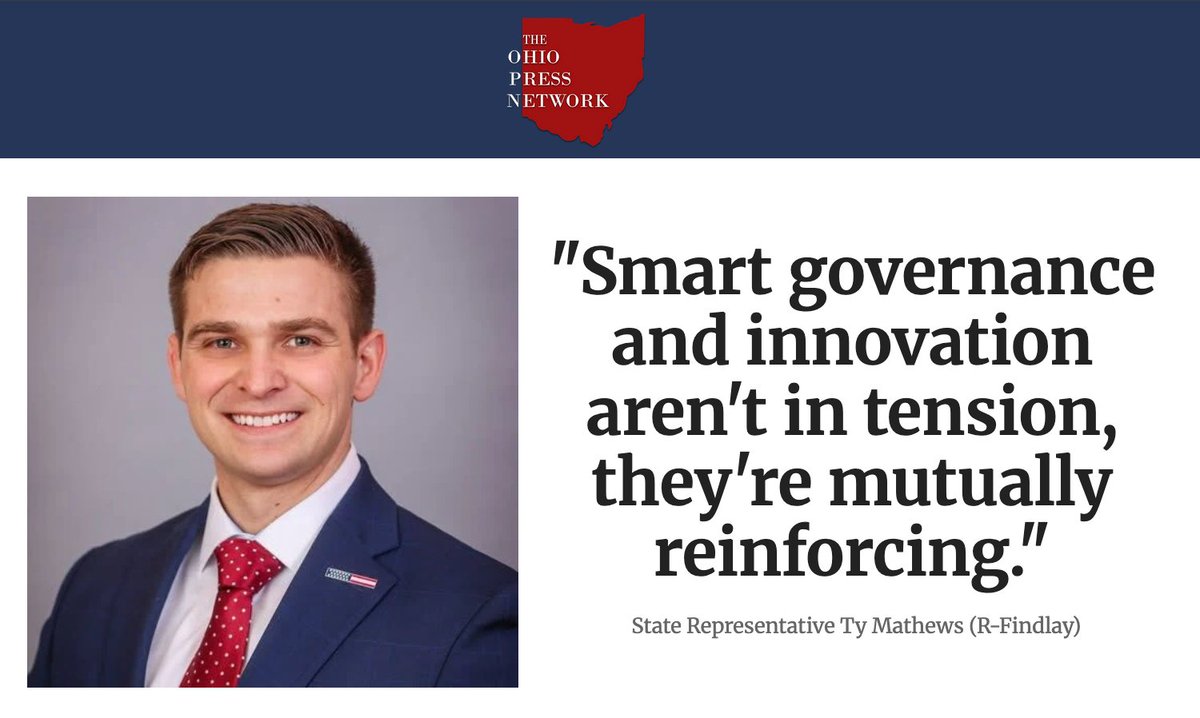
ICYMI: OpEd from @mathews4ohio in @OhioPress ⬇️
Rep. Ty Mathews is outlining the core case for independent verification: the trust gap is real, and it slows adoption.
When government sets safety goals and independent verifiers do the testing work, you get both accountability and market-driven innovation. Safety and innovation aren't in tension.
Ohio is positioned to lead.
Jun 12

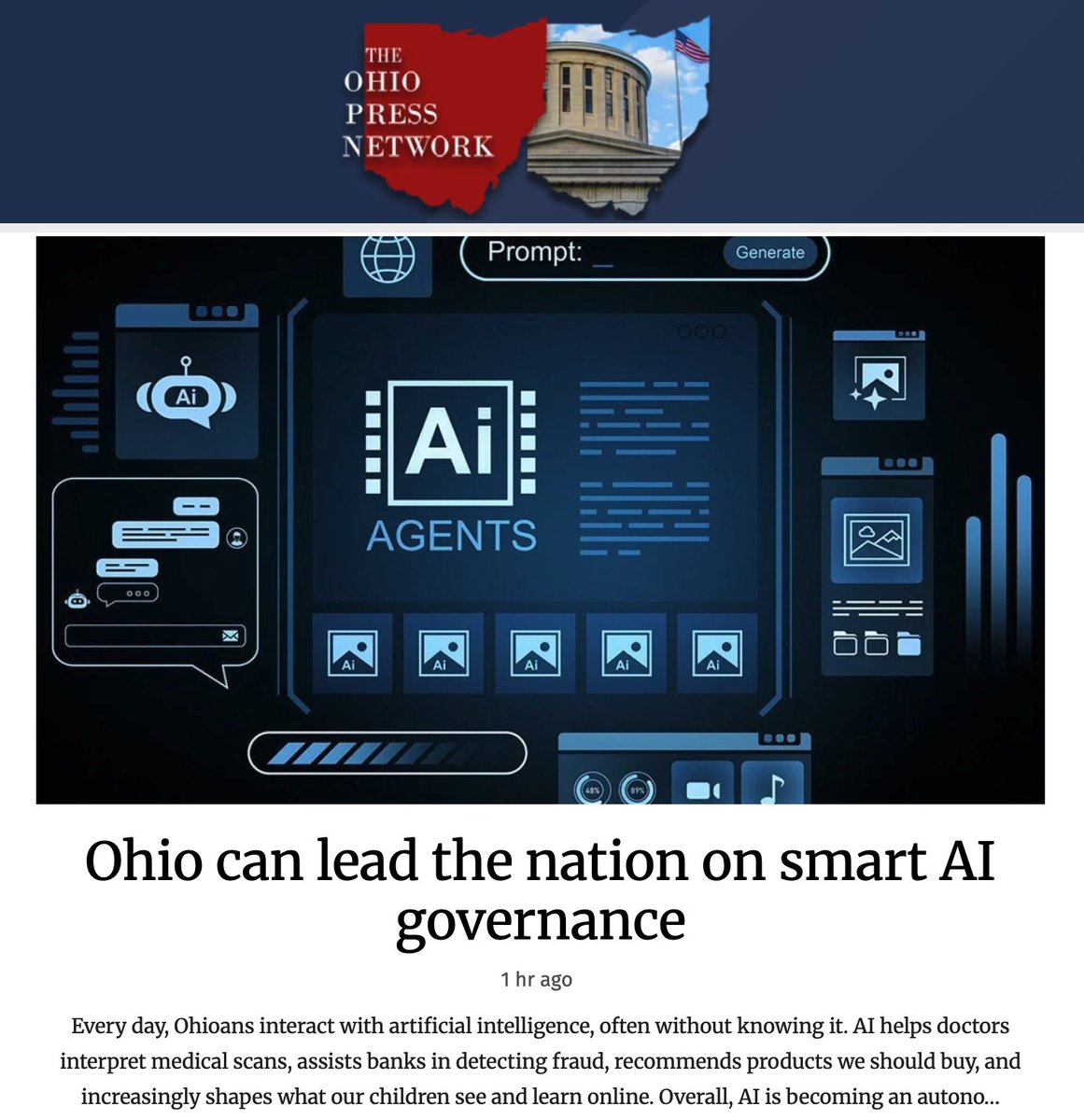
I introduced HB 628 because Ohio has a chance to lead the nation on smart AI governance. AI developers shouldn't grade their own work. We need independent experts verifying that AI products are actually safe, not just checking boxes.
theohiopressnetwork.com/news…
2
105
Jun 12
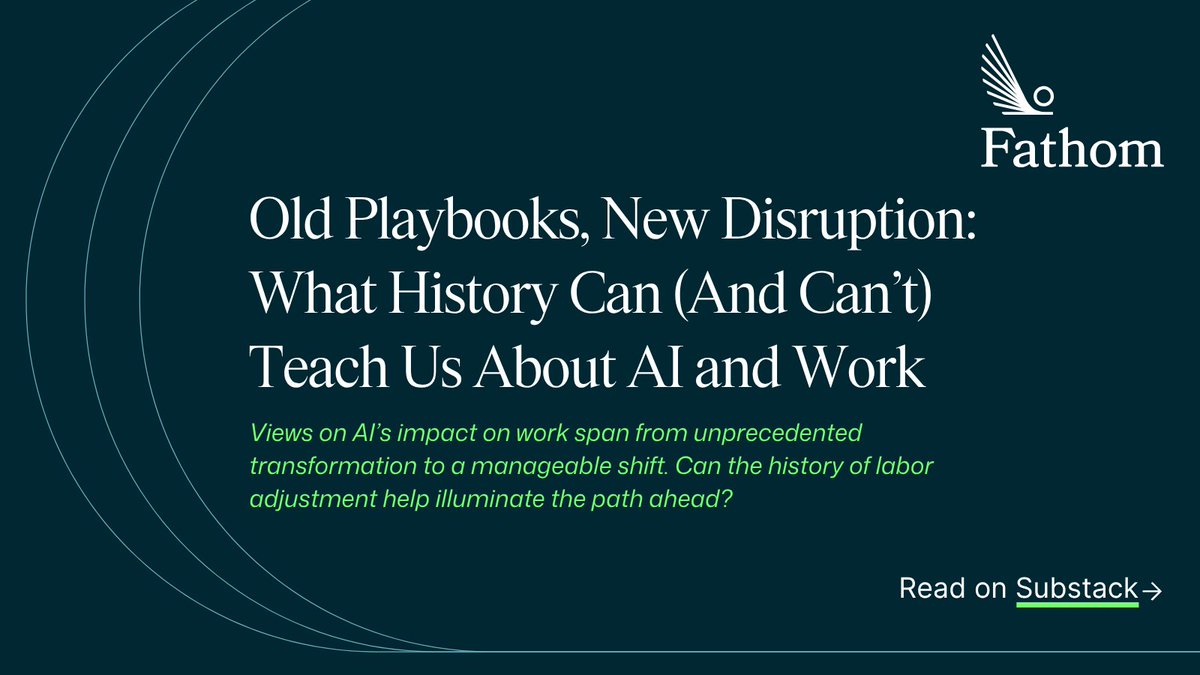
As AI reshapes work, history keeps repeating one pattern.
Across industrialization, the China shock, and routine office automation, the workers who fell through the cracks were often predictable in advance: those with the least institutional support, the fewest transferable skills, and the least mobility.
One lesson from history is not just who becomes vulnerable. It is whether the response reaches them in time.
Read on Substack ⬇️
1
1
144
Jun 11
The Fathom Daily Dispatch: the day's top AI news, in your inbox every weekday morning.
Federal, state, global, and industry, every news story sourced and linked.
Sign Up Now ⬇️
1
1
5
240
Jun 10
Great to see Anthropic recognize that self-assessment is not enough and that a robust ecosystem of independent and empowered AI evaluators is needed.
The challenge now is institutional. Independent evaluators must be more than consultants or auditors—they need to become trusted oversight organizations capable of providing credible assurance about safety, governance, and risk management. To earn that trust, they cannot simply review a developer’s own claims or testing methodologies. They must be empowered to independently stress-test and “crash test” frontier systems, probing for risks that developers may have overlooked and validating whether safeguards work in practice, and then be empowered to work with government to prevent the most dangerous systems from being released.
And like every other part of the AI ecosystem, evaluators themselves must be accountable for the quality and rigor of their work.
Building that ecosystem will require thoughtful policy, real investment, strong independence safeguards, and a commitment to preventing industry capture. The need is clear. The next step is building the institutions to meet it.
Jun 10

Today I'm publishing a new essay, Policy on the AI Exponential. AI is progressing extremely fast—much faster than the policy process was built to handle. The essay lays out where I think the technology is now, and the action needed to close the gap: darioamodei.com/post/policy-…
1
2
13
785
Jun 10
This is exactly why Fathom has been focused on building an ecosystem of Independent Verification Organizations (IVOs): independent entities that can evaluate frontier AI systems, verify safety practices, and provide trusted assurance to policymakers, purchasers, insurers, and the public.
That means developing standards for evaluator independence, creating accountability mechanisms for evaluators themselves, supporting a competitive market of oversight providers, and advancing legislation that creates demand for credible third-party verification.
If we want independent evaluation to be a meaningful part of AI governance, we need to start building the institutions now—not after a crisis reveals they’re missing.
Read the full policy paper from @AnthropicAI here: anthropic.com/policy-on-the-…
4
124
Jun 10
Much of the AI and jobs debate is about income.
But work is also how people build competence, find connection, structure their days, and answer who they are.
The policy toolkit on the income side is far more developed than anything addressing the meaning side. That gap is still underbuilt.
More on Substack 👇
1
99
Jun 9
History won't hand us a playbook for AI and work. But it can stress-test the assumptions we're betting on.
The risk is drifting into a default response before the picture is clear.
Read more on Substack ⬇️
2
3
250
Jun 8
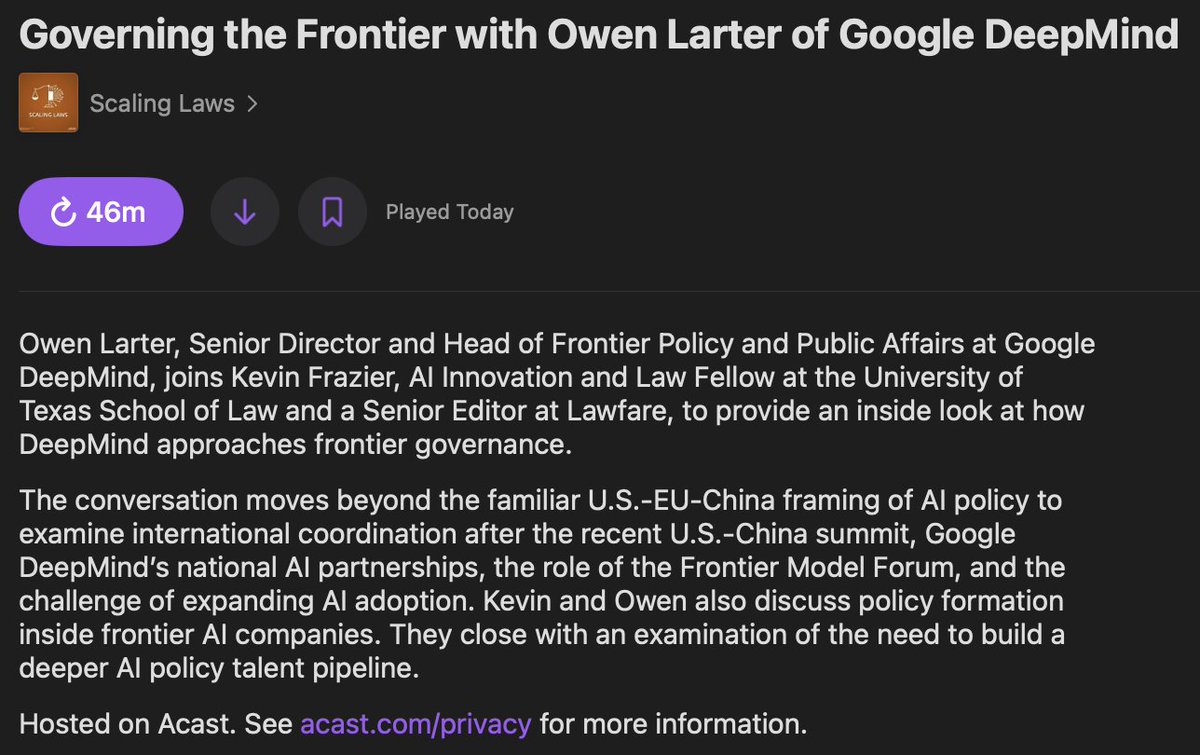
Google DeepMind's @OCLarter was recently on @scaling_laws w/ @KevinTFrazier and talked about "a fluid, dynamic, standards-based approach to governance" that can actually keep pace with the technology.
Worth a listen (and bonus points if you catch the Ashby Workshops mention).
1
1
4
353
Fathom retweeted

Jun 4
Reps @JayObernolte and @RepLoriTrahan have released a discussion draft of a federal framework for AI. This is a serious, substantive effort to govern how the most powerful AI systems in the world are built, tested, and deployed – and putting it out takes real political courage. Credit to both of them, full stop. A few immediate thoughts on the draft itself, from a first read:
1
4
31
5,441
Jun 3
Sam Altman called for a New Deal-scale social contract for AI. Weeks later, he said the “jobs apocalypse” he’d braced for hadn’t arrived.
That tension captures the challenge: AI’s impact on work is uncertain, but the window to prepare may be short.
History won’t hand us a playbook. But it can stress-test our assumptions.
New on our Substack ⬇️
1
1
168
Jun 2
Florida recently sued OpenAI and Sam Altman — the first state to target an AI company over product design and safety. We saw this coming.
A thread on AI liability and what's really at stake 🧵

Florida's attorney general filed a lawsuit against OpenAI and its chairman Sam Altman, alleging that the AI startup’s ChatGPT is unsafe.
It contends that ChatGPT has provided assistance for mass shootings, and poses addiction and suicide risks to users.
politico.com/news/2026/06/01…
1
2
2
269
Jun 2
That predictability gap is why we call for Independent Verification Organizations: expert bodies that translate goals like "don't materially encourage self-harm" into concrete, continuously updated, testable criteria — verified on an ongoing basis, not reconstructed after a tragedy.
Crucially, verified compliance becomes evidence of reasonable care that companies can point to in court. That's the incentive to actually meet the bar.
1
1
42
Jun 2
IVOs don't replace tort law or hand companies immunity. They give everyone — users, companies, deployers, regulators — a shared standard to aim at before harm occurs. Florida confirms the tort storm is here. The question is whether we govern AI one lawsuit at a time, or pair litigation with proactive verification.
Full analysis: fathomai.substack.com/p/the-…
1
43