
We offer accelerated TMS and other breakthrough mental health treatments in the New York City area. It’s About Time to Feel Well.
Joined December 2022
- Tweets 264
- Following 200
- Followers 104
- Likes 397
12 Photos and videos

Pinned Tweet

30 Oct 2023
Contact us at info@fermata.health to learn more!
30 Oct 2023

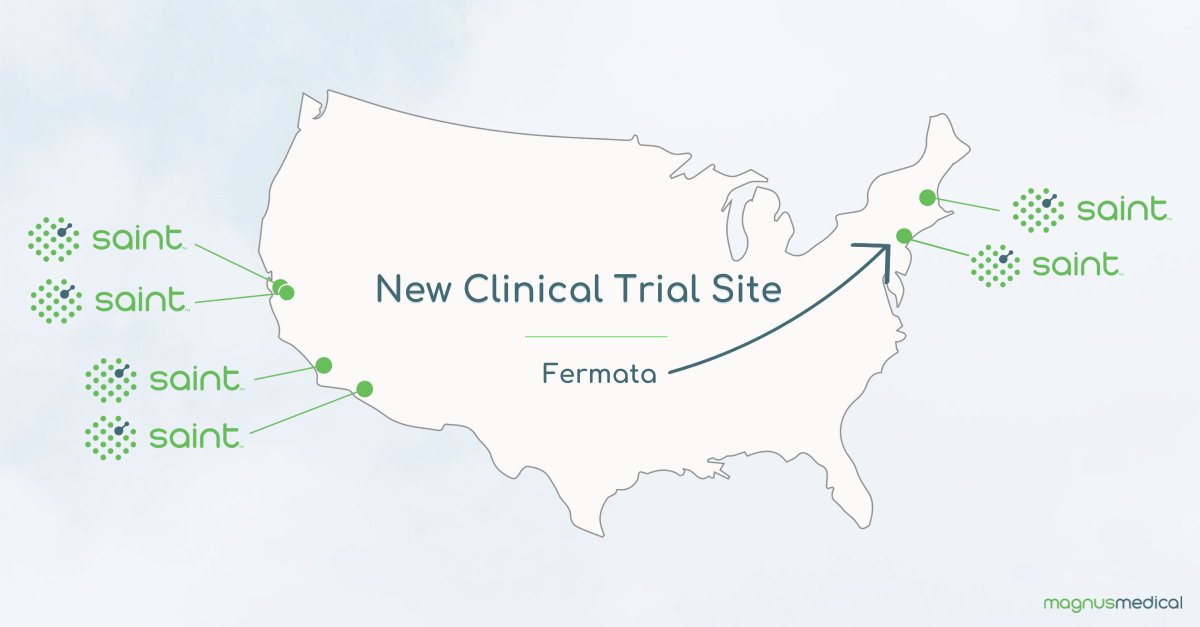
Fermata (@fermatahealth) is now enrolling eligible patients to take part in the investigational OLO Clinical Trial, which is evaluating the SAINT™ #Neuromodulation System for the Treatment of Major Depressive Disorder.
magnusmed.com/clinical-trial…
@scottmuirmd #MDD
2
570
Fermata retweeted

13 Jul 2024
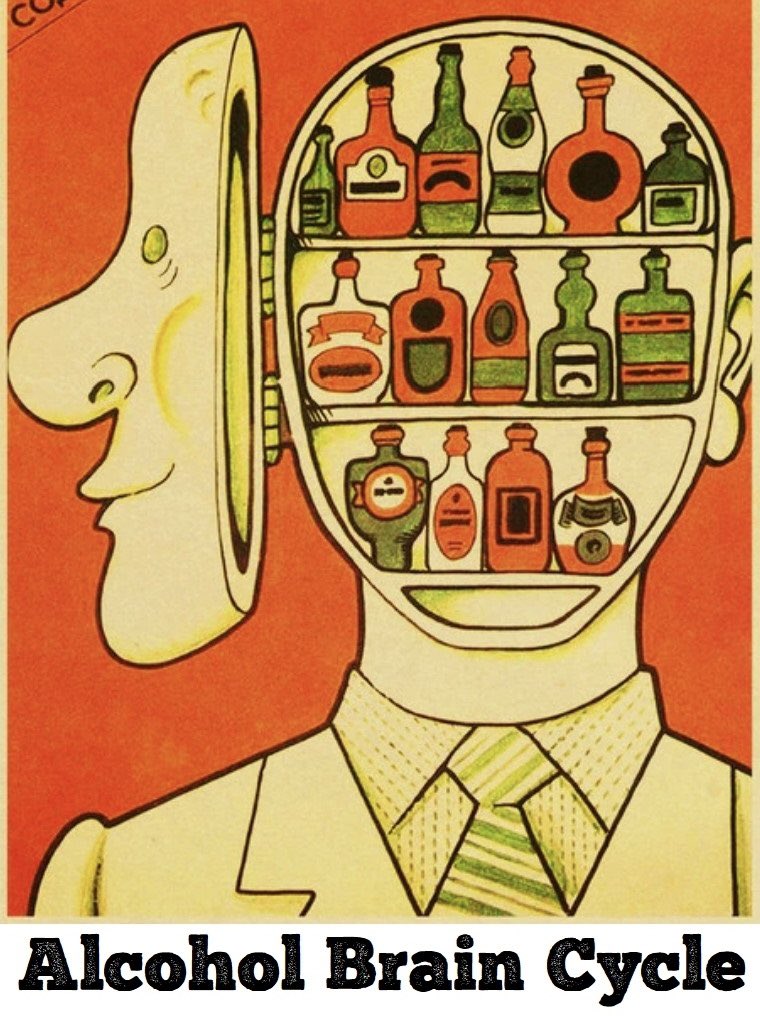
Binge drinking is fueled by a vicious cycle of brain injury, suggests this 2023 prospective MRI study:
pubmed.ncbi.nlm.nih.gov/3732…
Binging on #alcohol raises cortisol, shrinking brain regions that manage stress and self-control, leading to more binging.
#soberliving #alcoholism
4
13
43
2,786
Fermata retweeted
14 Jul 2024
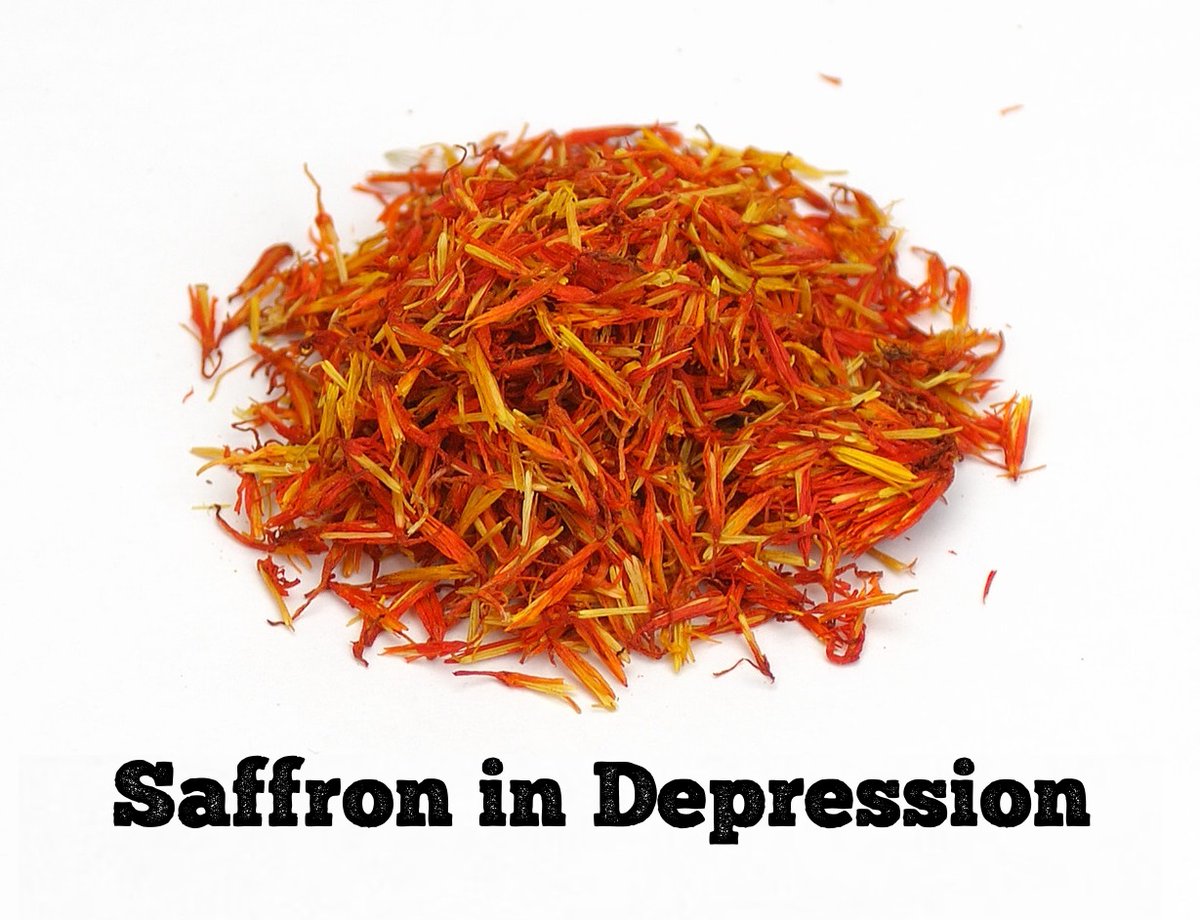
Saffron worked just as well as SSRI #antidepressants for #anxiety and #depression in this analysis of 4-8 trials:
pubmed.ncbi.nlm.nih.gov/3891…
But before we get too excited, these are small trials, and SSRIs have small effect sizes anyway.
How to use saffron:
chrisaikenmd.com/supplements
12
17
85
12,175
Fermata retweeted

Hey readers...I'm a best selling new author.
My book, "inessential pharmacology" is...
#1 pharmacology
#1 depression
#1 humor: Doctors and Medicine
On New releases charts on Amazon right now.
amzn.to/3RXn03G
3
4
14
2,475
30 Mar 2024
While we mainly specialize in neuromodulation at our practice, we are fans of doing what works, especially for refractory mental illness. Please check out the work of this org and others like @GeorgiaEdeMD and @ChrisPalmerMD on this #WorldBipolarDay
30 Mar 2024

"Long story short, this last ditch effort saved my life."
-- Mia Mendez, #WorldBipolarDay
Ketogenic Therapy (medical keto) is helping people around the world with even severe bipolar illness reclaim their mental and physical health. On World Bipolar Day 2024, all of us at our non-profit are grateful to the five generous, resilient individuals who've shared their stories of #BipolarRemission in this 6-minute video.
Psychiatric medications have their place, but for some people, #KetogenicTherapy is a helpful complement, or even a replacement, over time, for pharmaceutical treatments. As the results of the first clinical trials of ketogenic therapy for #BipolarDisorder are being published, we take this day to celebrate the clinicians, researchers and individuals who are making this new #BipolarTreatment a reality.
Thank you to so many, including @DyaneHarwood, @MsMiaMendez, @robynrdobbins, @Chloe_mrng, @ChrisPalmerMD, @GeorgiaEdeMD, @ShebaniMD, @IainCampbellPhD, @KetoCounselor, @EllenhornPACT, @loricalabresemd and @KaniaZupec!
Visit our website and YouTube channel for free resources at the intersection of metabolism and mental health, including Hannah Warren's latest blog post: bit.ly/3IZCHlV
1
5
221
Fermata retweeted

23 Mar 2024
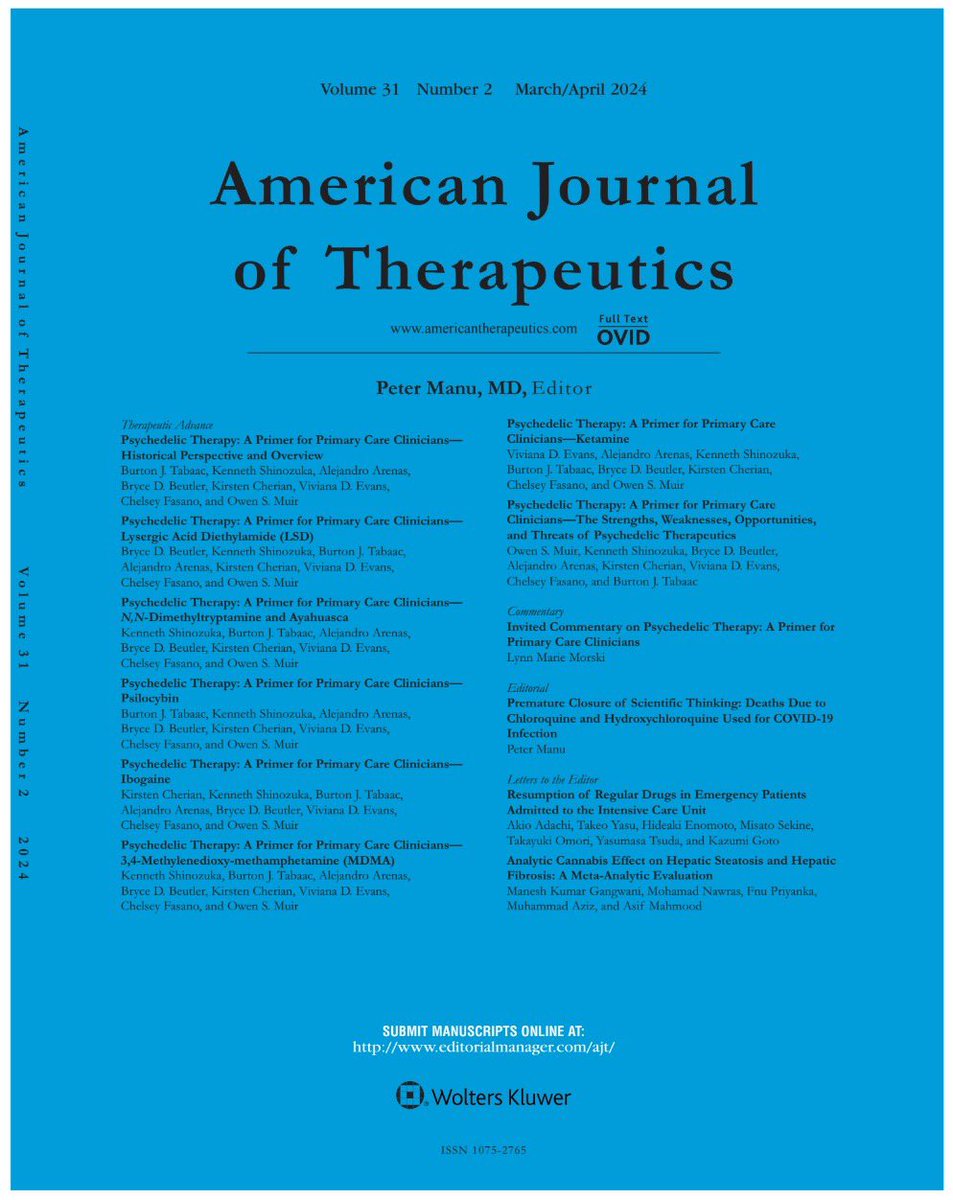
I am very excited to share that The American Journal of Therapeutics has published our Special Issue on Psychedelic Therapy: A Primer for Primary Care Clinicians! These articles are aimed to educate physicians & clinicians on psychedelics as therapeutics
lnkd.in/gRbAeZA6
16
22
43
11,324
Fermata retweeted
23 Mar 2024
The sections:
Historical Perspective & Overview
Lysergic Acid Diethylamide (LSD)
N,N-Dimethyltryptamine & Ayahuasca
Psilocybin
Ibogaine
3,4-Methylenedioxy-methamphetamine (MDMA)
Ketamine
The Strengths, Weaknesses, Opportunities, & Threats of Psychedelic Therapeutics
2
1
8
161
Fermata retweeted
23 Mar 2024
This comprehensive work was written by an accompaniment of coauthors from:
@UniofOxford @uwsomwwami @KECKSchool_USC @StanfordMed @IcahnMountSinai @Columbia @unrmed @FermataHealth @AcaciaClinics
1
1
8
191
Fermata retweeted

13 Feb 2024
Superbowl Sunday at Stanford’s Experimental Therapeutics Hub
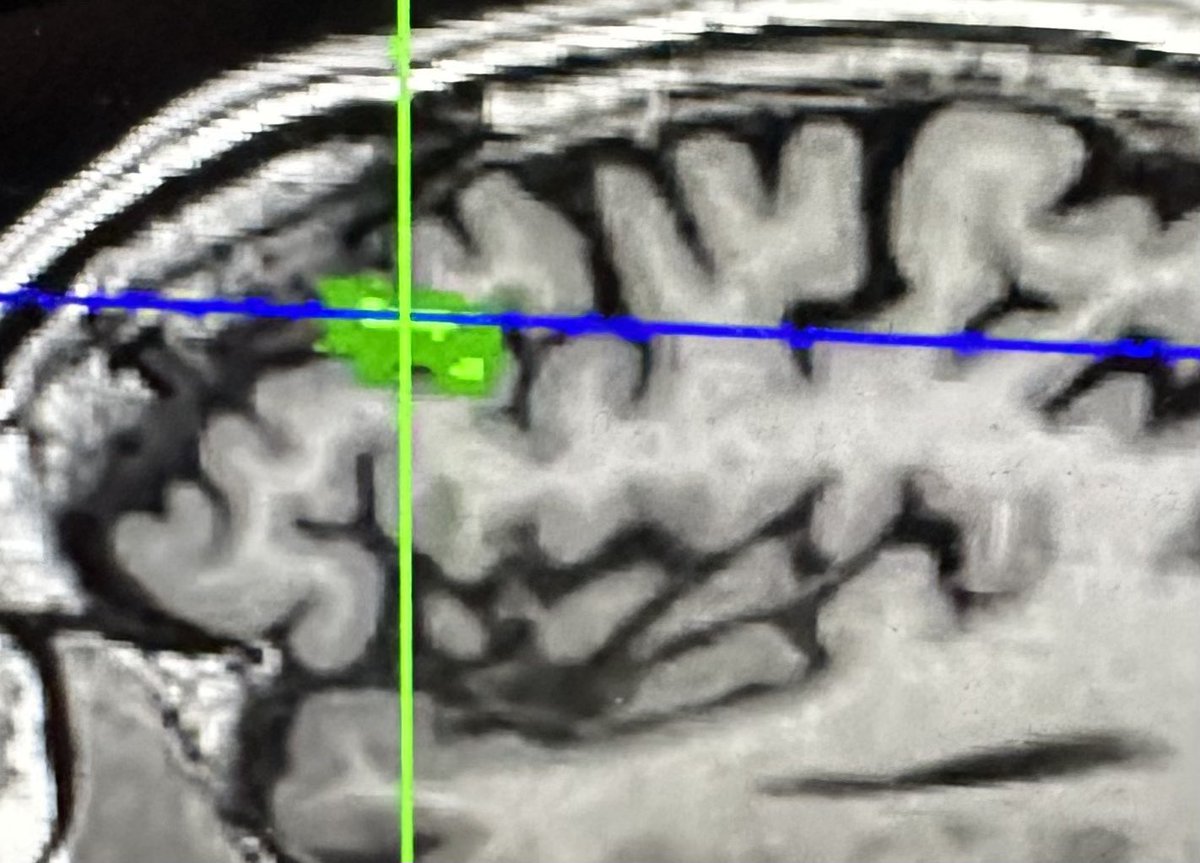
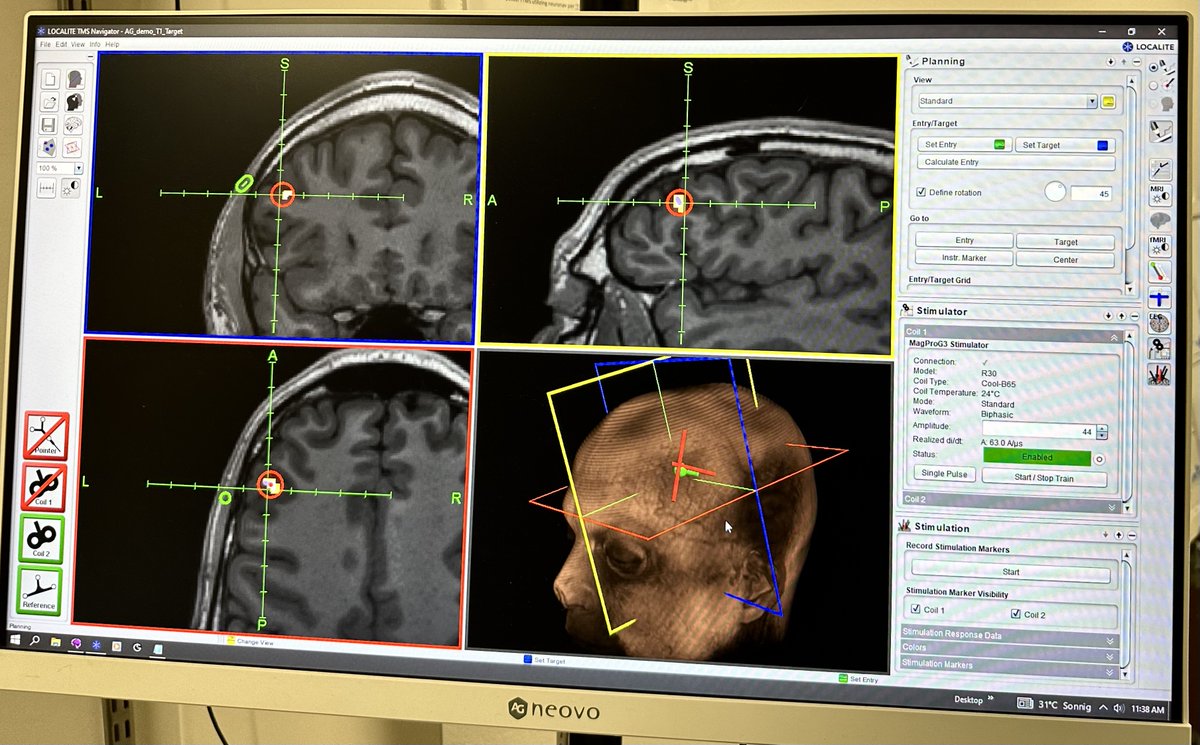
1) Making our hands twitch: A demo of SAINT – the rapid TMS protocol, personalized by prior fMRI analysis, making it much more rapid and efficacious than previous generations of Transcranial Magnetic Stimulation (TMS). They are FDA-approved and seeing 90% remission rates from treatment-resistant depression after an average of 2.6 days of treatment. More: ncbi.nlm.nih.gov/pmc/article…
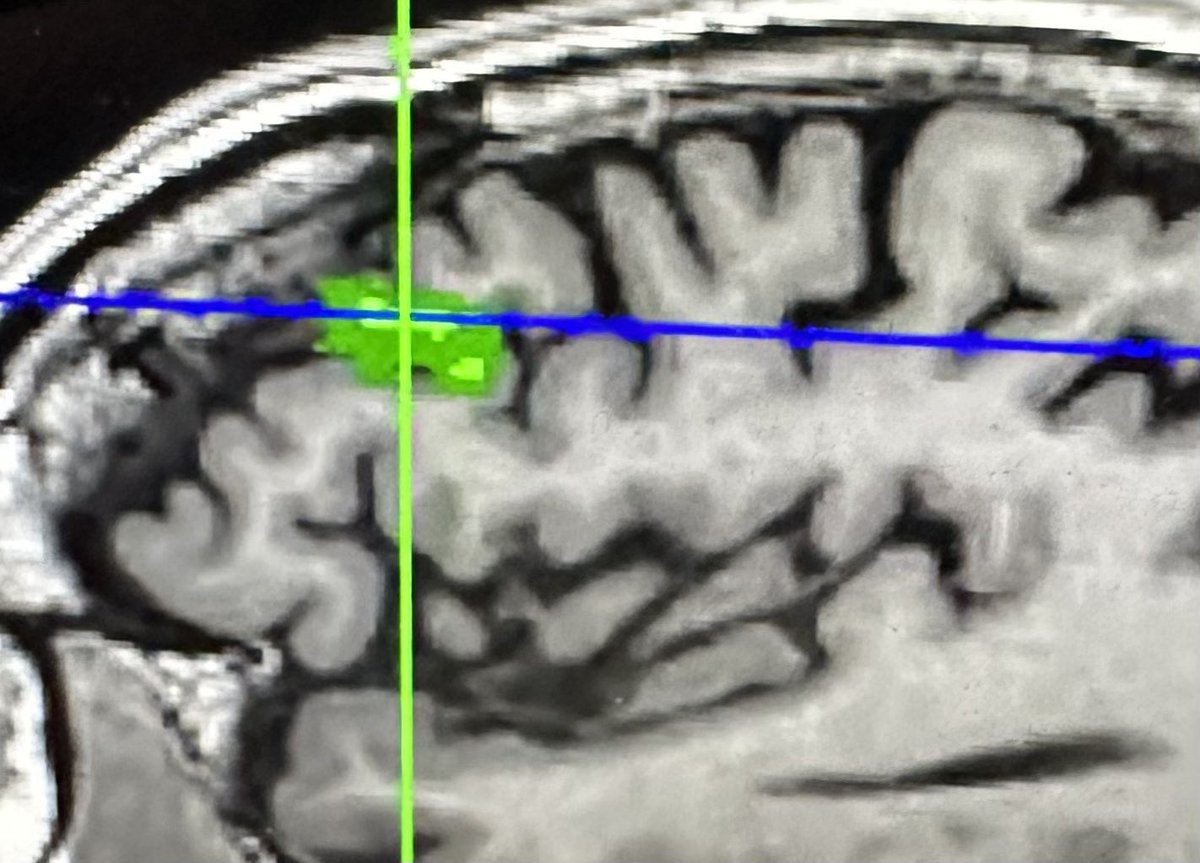
2) The brain scan on the screen guides the focal point of the magnetically induced activation, and the three retroreflectors on forehead and instrument provide registration, like the virtual filming rig we saw on the Avatar set: flic.kr/p/G6atX8
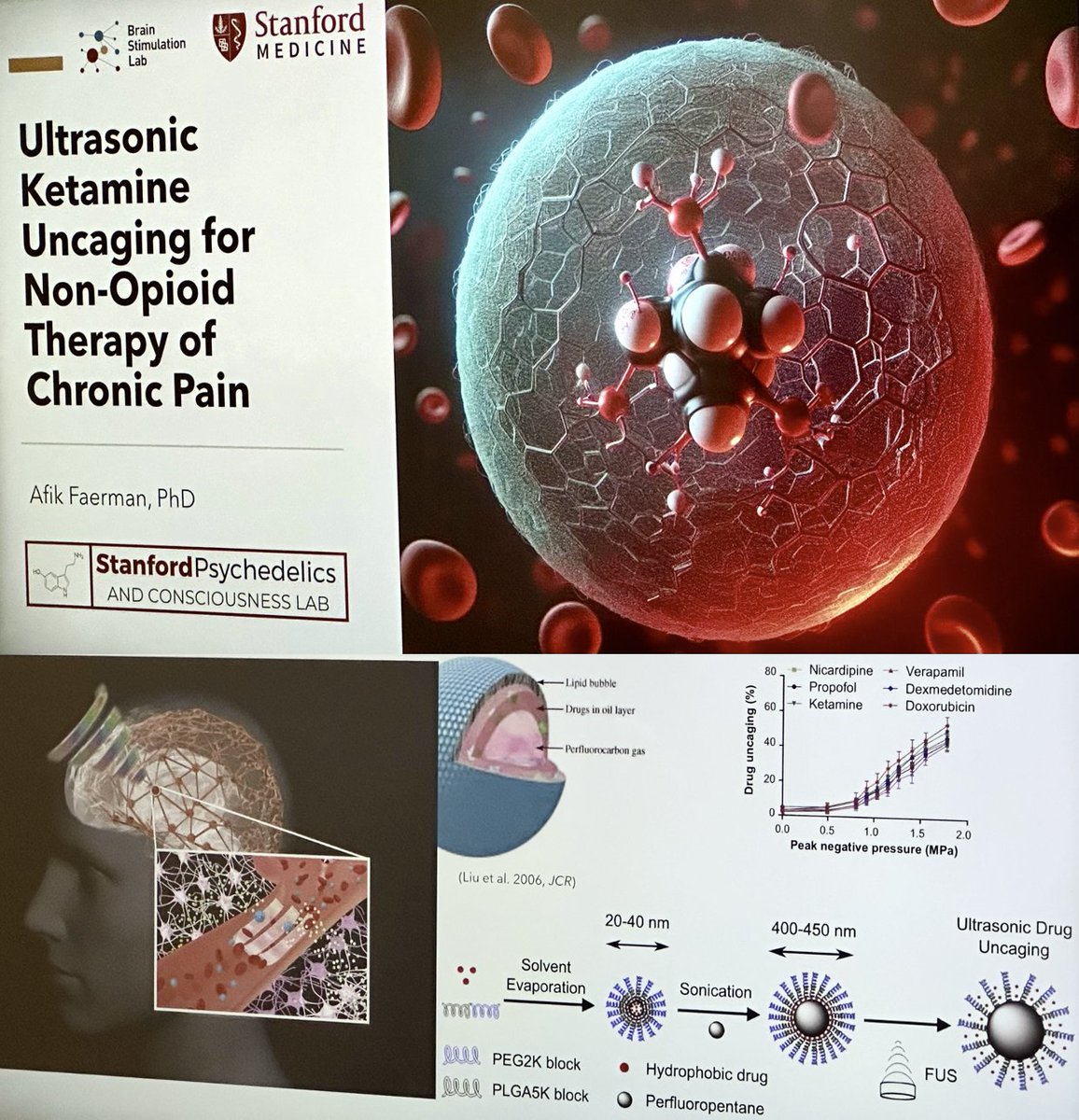
3) “Ultrasonic Ketamine Uncaging for Non-Opioid Therapy of Chronic Pain” — the next study. They have used focused Ultrasound (tFUS) to unlock an engineered molecular cage carrying a small-molecule drug so that the drug is only released in a precise region of the brain (to millimeter-scale). This can verify the mechanism of action in that particular brain region while avoiding systemic exposure and its side effects. They have shown this to work in animal models, delivering higher doses than systemic ketamine administration, and just to the targeted brain region.
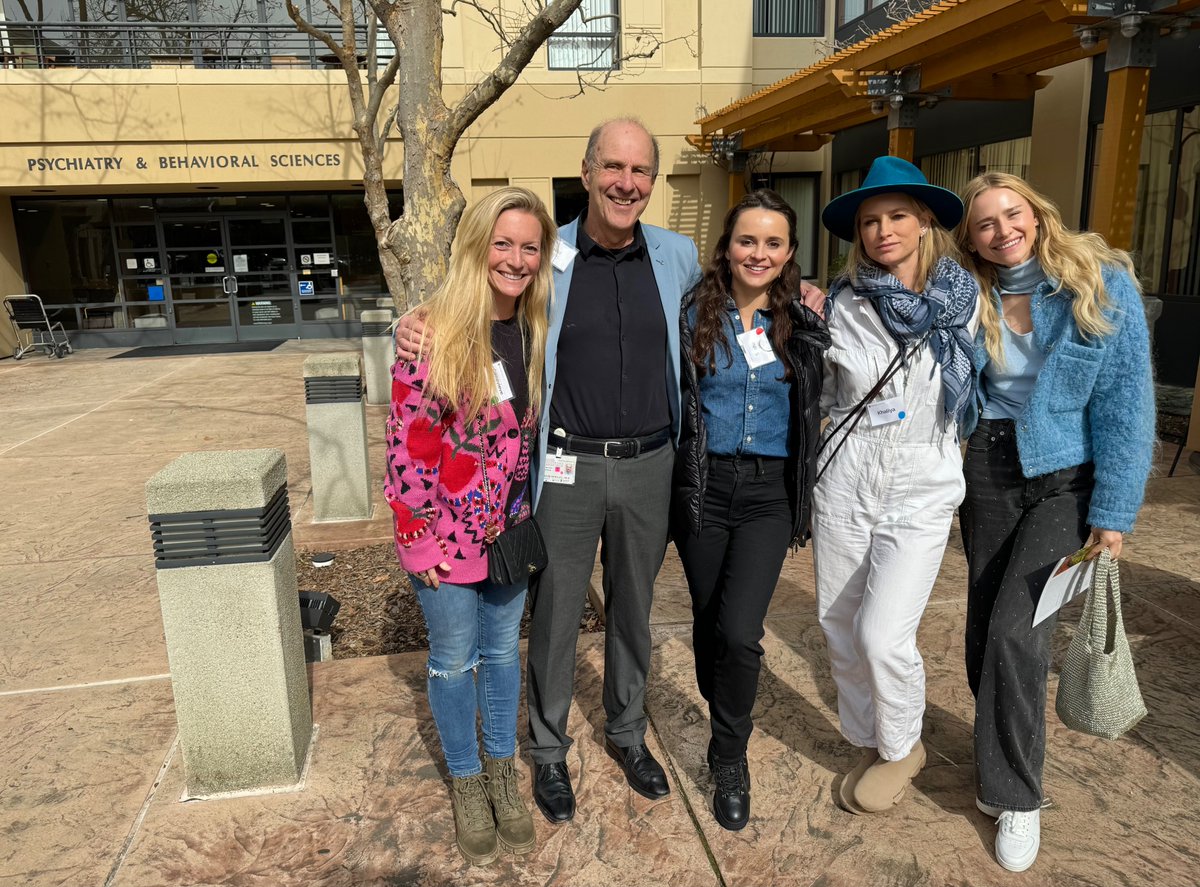
4) Self-Hypnosis: We are most hypnotizable at the age of 6-10 years old (a developmental critical period). As adults, about 20% of us are highly hypnotizable and 20% are resistant. We had a similar distribution in Dr. Spiegal’s impromptu test of our crew (the outdoor photo). While we have genetic markers for hypnotizability, there are few correlates with other measurable traits — other than the subjective ability to be imaginative and disassociate from distraction. Hypnosis therapy has been effective for many disorders from anxiety to addiction (e.g., 20% cessation of smoking). You can take the 3-minute self-test here: reveri.com/hypnotizability-t…
They have shown that they can increase responsiveness to hypnosis treatments with the SAINT TMS. And I suspect the same will be found in an upcoming study of psilocybin, given its potential to reopen critical periods (ref. Gül Dölen’s work: x.com/FutureJurvetson/status…)
5 Oct 2023

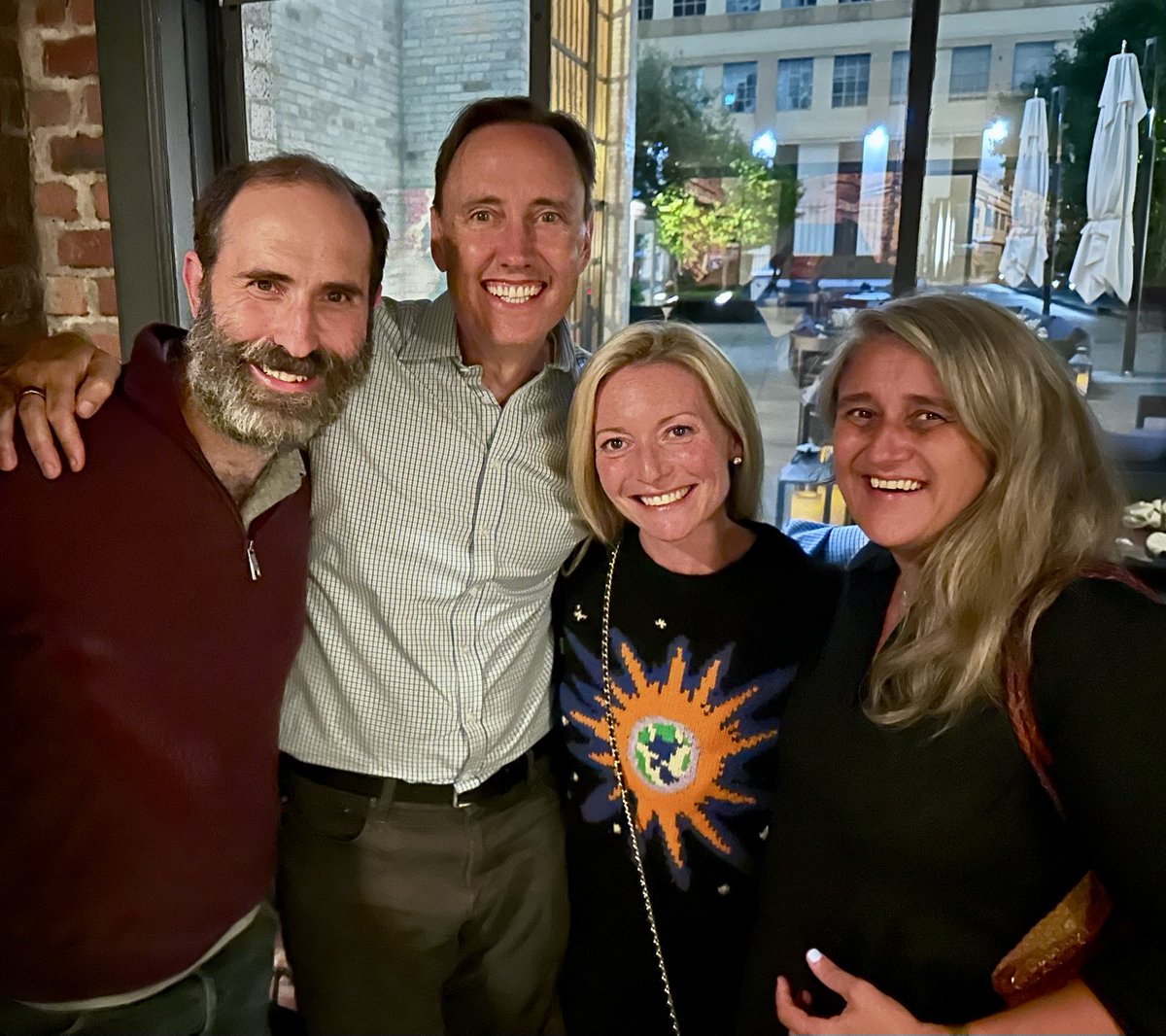
Never a dull dinner with Gül Dölen 💊🐙🧠
She is the researcher who gave MDMA to octopuses and noted the pro-social effects. Why? She wanted to study an intelligence as alien to ours as we could find on earth. If psychedelics had similar effects as in humans, perhaps some mechanisms of action lay outside the common themes of the Serotonin 2A receptors or activity in certain cortical regions — as the octopus does not have a cerebral cortex or amygdala at all. They have a donut-shaped brain wrapped around the throat with 50 different brain lobes. Our common evolutionary ancestor is a tubule so ancient, neither brains nor eyes yet existed.
So, might there be something more primitive still that explains the common effects across species… and across medicines that seem so very different (MDMA, ketamine and the classic psychedelics)?
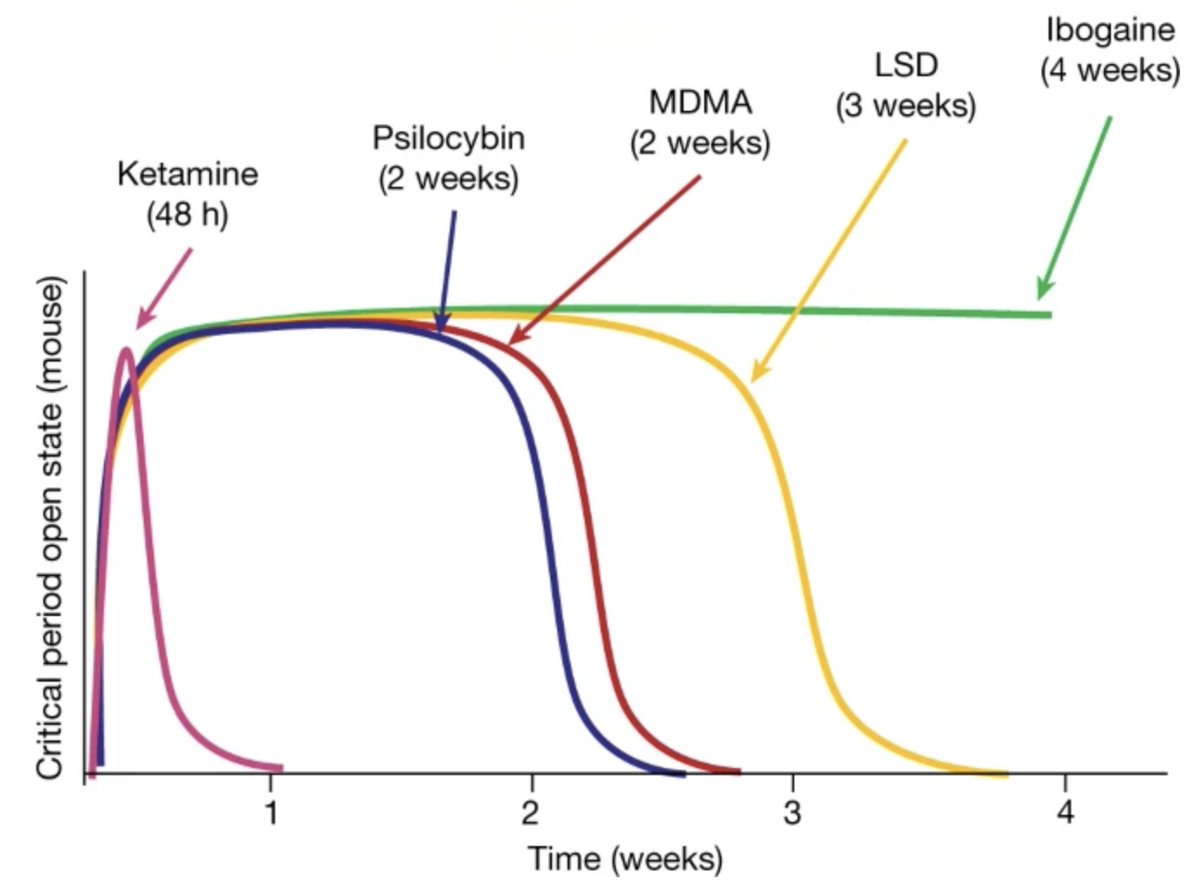
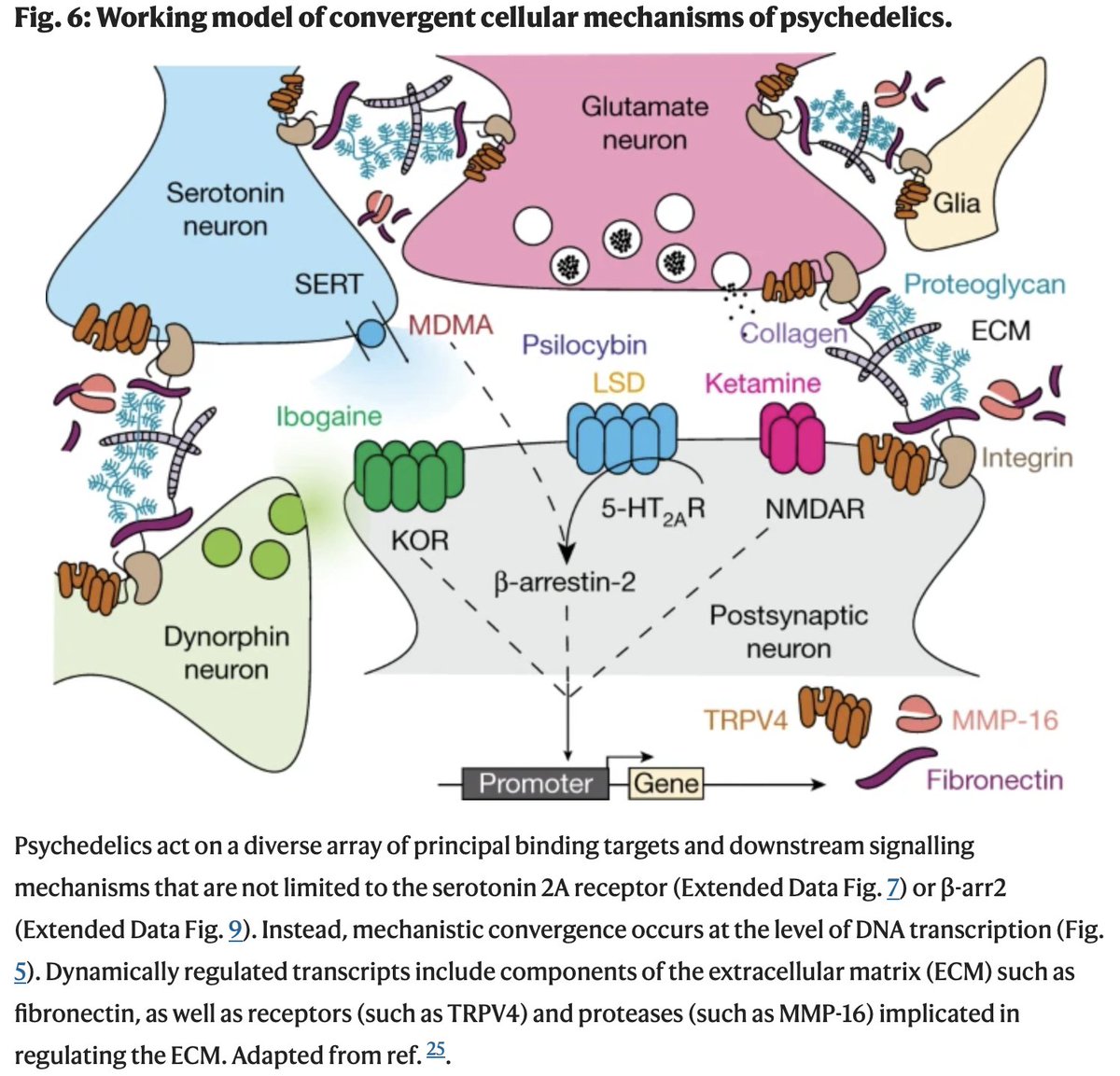
Her recent Nature paper presents a radically different hypothesis: these medicines reopen our critical periods of learning, and they do so by relaxing the extra-cellular matrix (ECM) that embeds the neurons in our brain. Let’s pause to let that sink in. A master switch for critical periods… outside of the neuron.
1) Critical Periods: This is the period of time after birth where the brain boots up a bunch of functionality that is not encoded in our DNA – like the vision system and the ability to discriminate phonemes (and thus learn a new language without an accent). This period shuts down in adulthood, and rarely reopens (with interesting exceptions after extreme events, like a stroke).
2) ECM: Every cell type produces a unique ECM, and they become fibrotic in some diseases of aging. Relaxing the ECM in the brain may be the mechanism for enhanced meta-plasticity underlying critical periods. And it lasts for weeks after each use of psychedelics in mouse models. This explains the importance of a post-treatment integration period to see therapeutic benefits.
Notably, psychedelics induce metaplasticity (the plasticity of synaptic plasticity) rather than hyperplasticity (common to the drugs of addiction: cocaine, amphetamines, alcohol, opiates) and are used to cure addiction.
So, her work suggests that psychedelics act on a diverse array of binding targets to trigger a change in gene expression that leads to activity-dependent degradation of the ECM, which in turn is the permissive event that enables the metaplasticity seen in critical periods.
Her conclusion: “psychedelics could serve as a ‘master key’ for unlocking a broad range of critical periods. Indeed, recent evidence suggests that repeated application of ketamine is able to reopen the critical period for ocular dominance plasticity by targeting the ECM. This framework expands the scope of disorders (including autism, stroke, deafness and blindness) that might benefit from treatment with psychedelics; examining this possibility is an obvious priority for future studies.”
And thanks to Jeeshan Chowdhury for organizing the dinner last night.
• Dolen’s Nature paper on the ECM: nature.com/articles/s41586-0…
• My summary post on octopus intelligence: flic.kr/p/2mZGrT5
• Summary of her octopus MDMA study: newscientist.com/article/218…
• Lab: dolenlab.org
8
21
68
12,927
10 Feb 2024
Submit an inquiry on our website if you are interested in learning more!
1
2
285
29 Jan 2024
Know someone who could benefit from accelerated TMS? We accept referrals from all over the world for treatment in our Brooklyn NYC office. Our founders talked all about it in this informative piece, including how @ScottMuirMD was helped personally by TMS in 2015.
1
1
233
22 Jan 2024
We are so excited to be able to offer this to our patients!
22 Jan 2024

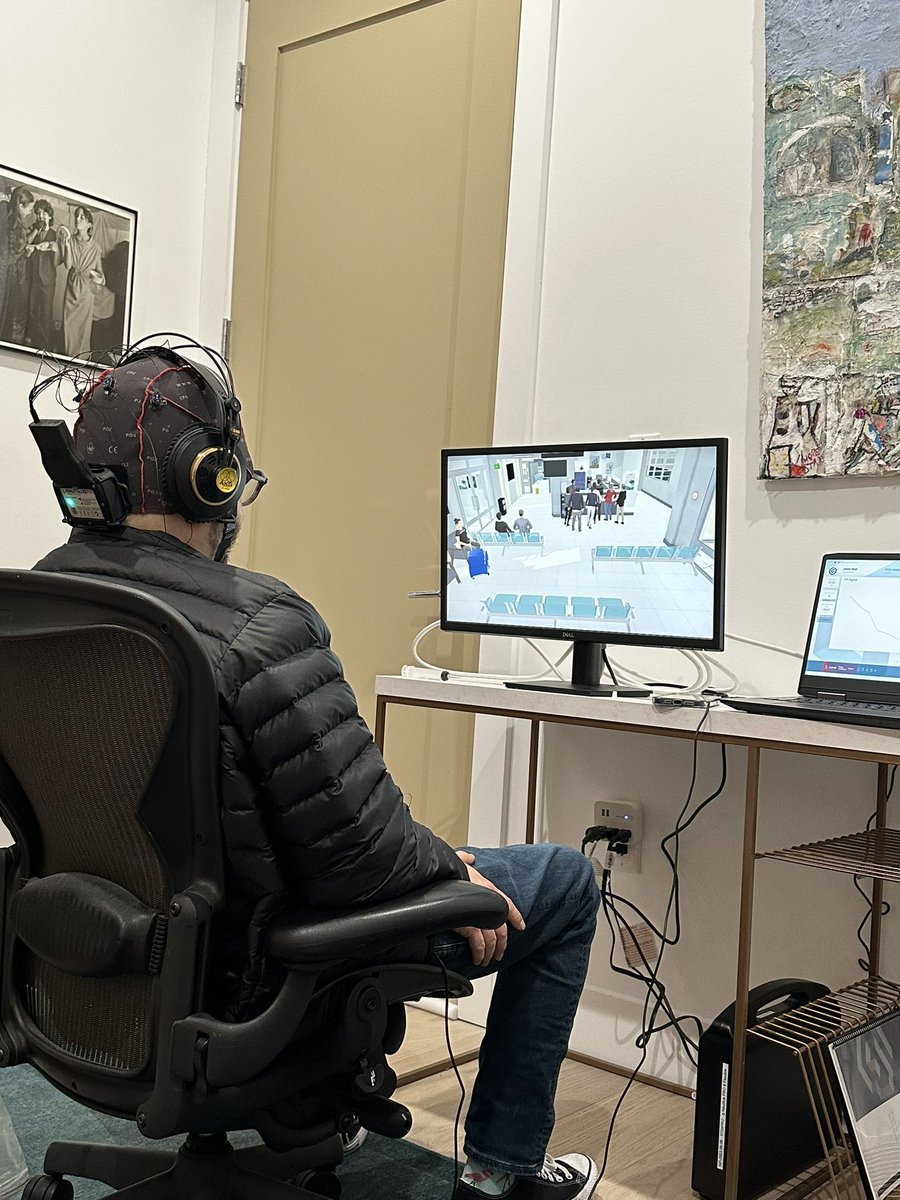
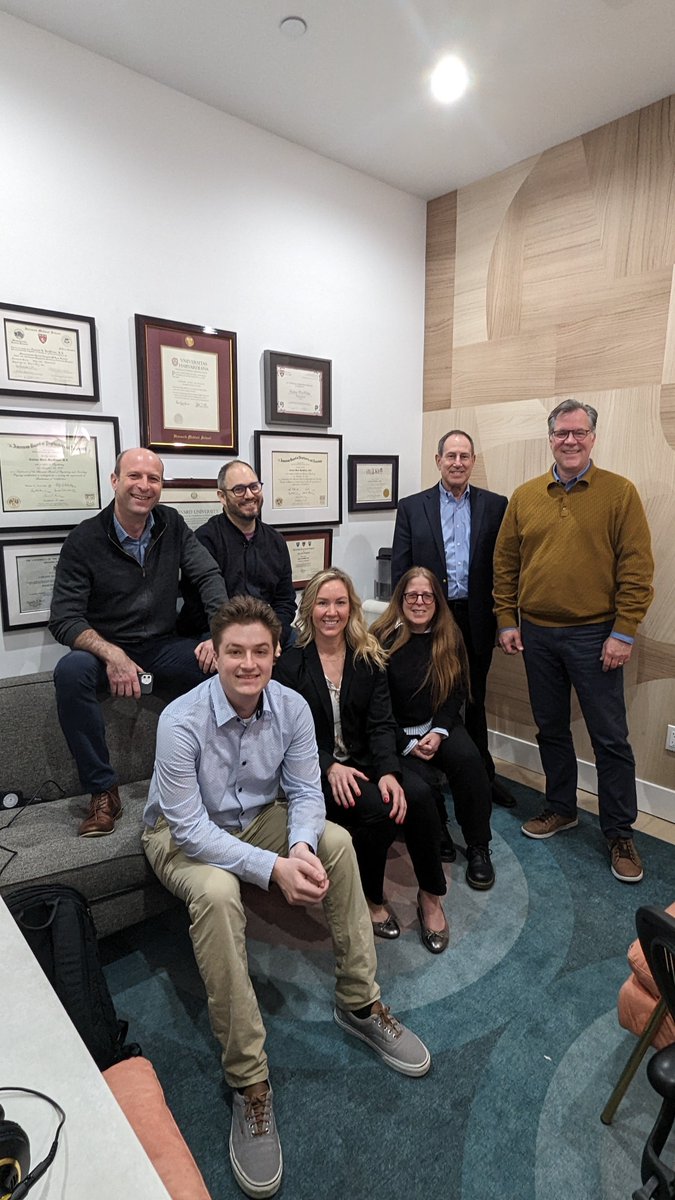
Welcome, @FermataHealth, to the Prism for PTSD community! 🧠✨ After installation and training by our team, Fermata is now ready to offer this innovative, neuroscience-based #PTSD treatment to their patients.
Together, we’re reimagining how mental healthcare is delivered.
1
69
20 Jan 2024
Check out this new self-neuromodulation system for PTSD that uses biomarkers referred to as EEG-fMRI-patterns. Ours is one of the first in the U.S. to offer it! Inquire on our website. PTSD therapy without reliving PTSD experiences!

1
1
1
793
18 Jan 2024
#stalking happens to doctors, especially psychiatrists, and as it's National Stalking Awareness Day, here are resources to help you navigate the problem
1
1
92