
#Fibroids #PatientFeedback #EVBM 💜UK @Fibroidsupport #PatientExperience #Fibroid 🌎 Research #Mesh #Events #UroGyn #PatientSafety #QOLY Outcomes #NHS
Joined March 2017
- Tweets 112,887
- Following 7,392
- Followers 3,166
- Likes 236,784
2,292 Photos and videos
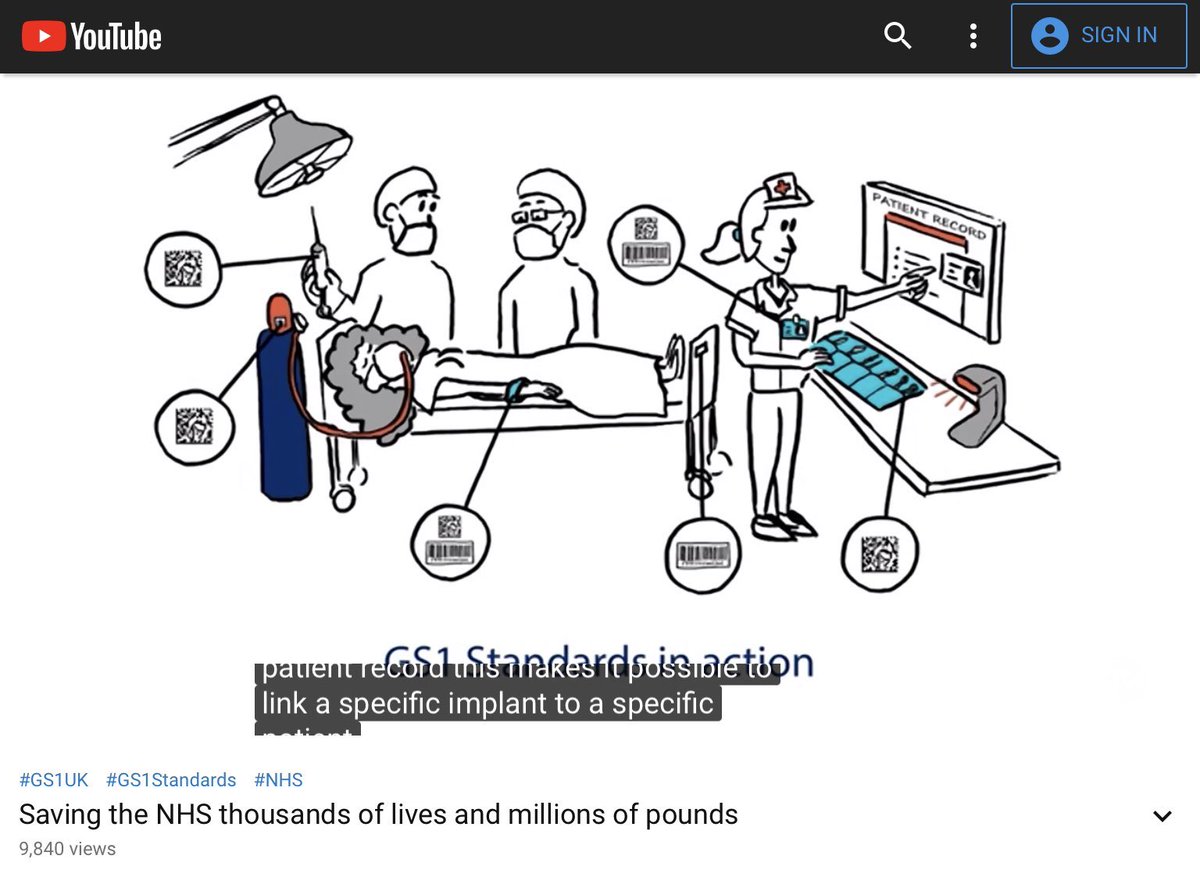
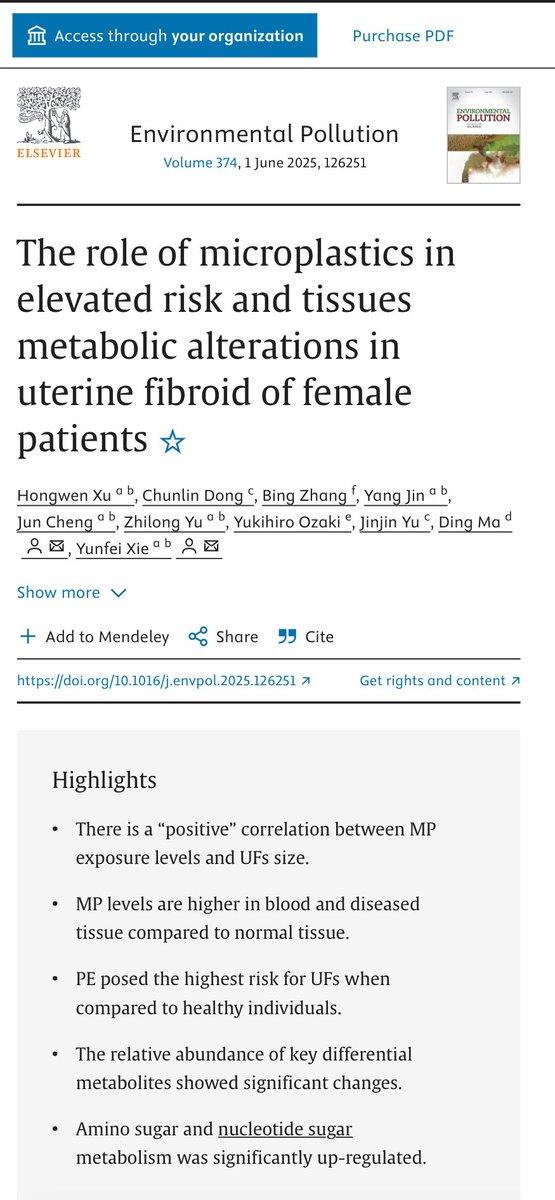
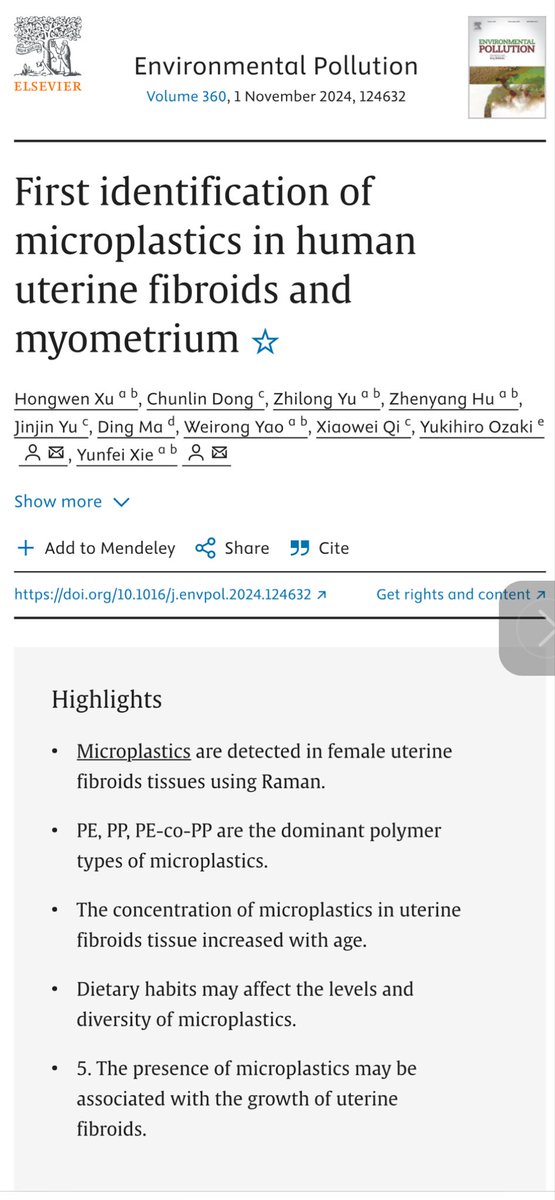
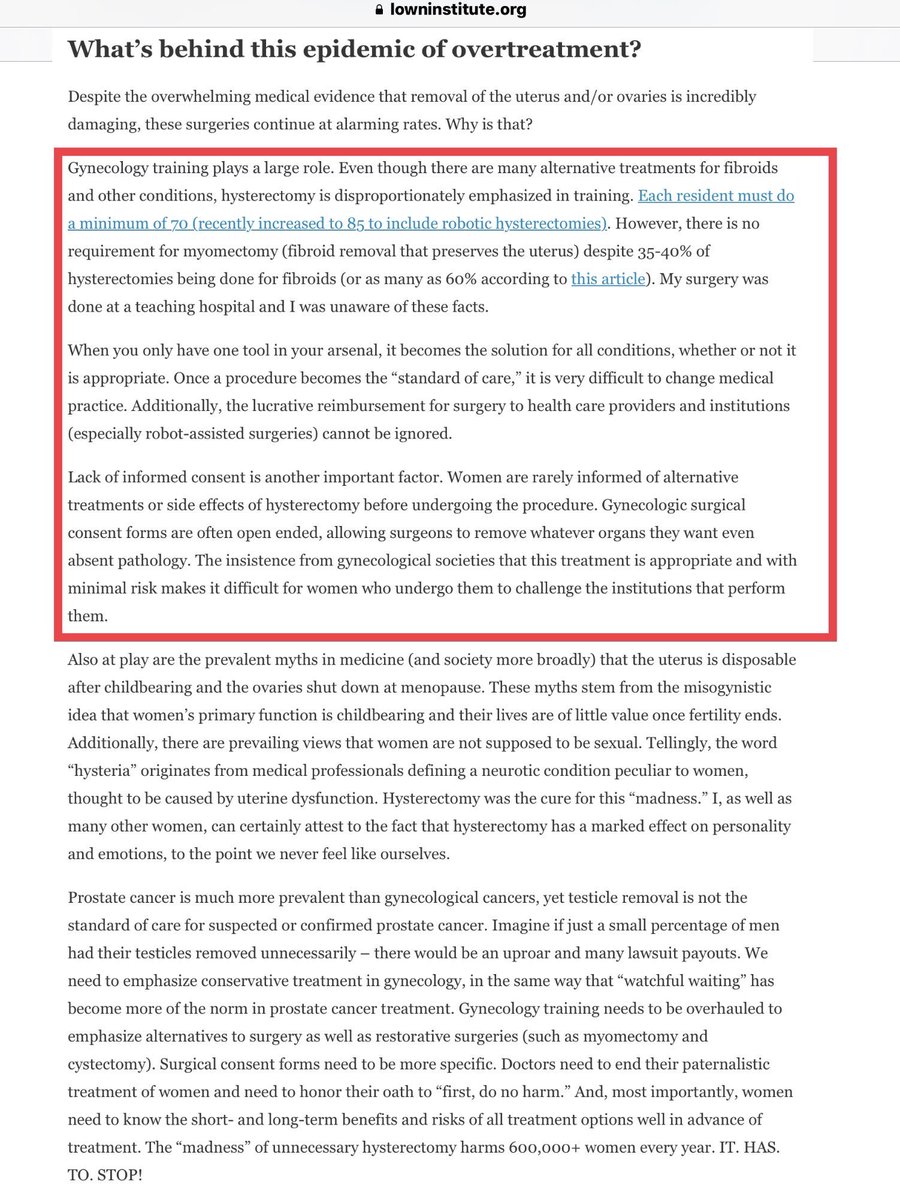
Pinned Tweet

21 Sep 2019
#Mesh Complications in UK🇬🇧🇦🇺🇸🇪🇧🇪🇺🇸🇳🇱🇪🇸🇮🇱🇿🇦🇰🇼🇨🇭🇪🇸🇮🇪🏴🇳🇿🇫🇷🇮🇳🇯🇵🇨🇦Poor Healthcare Regulations/Reporting 🌏@10DowningStreet
#IWasntWarned
#PatientsOverProfit
#Chronicpain
#Patientsafety
@OwenSmith_MP @EmmaHardyMP @IMMDSReview @MeshCampaign @sharonhodgsonMP x.com/skynews/status/9207037…

"It's ruined my life": This woman says a vaginal mesh implant has left her with no sex life and in chronic pain. She wants them banned
20
69
92
Fibroid New Research retweeted

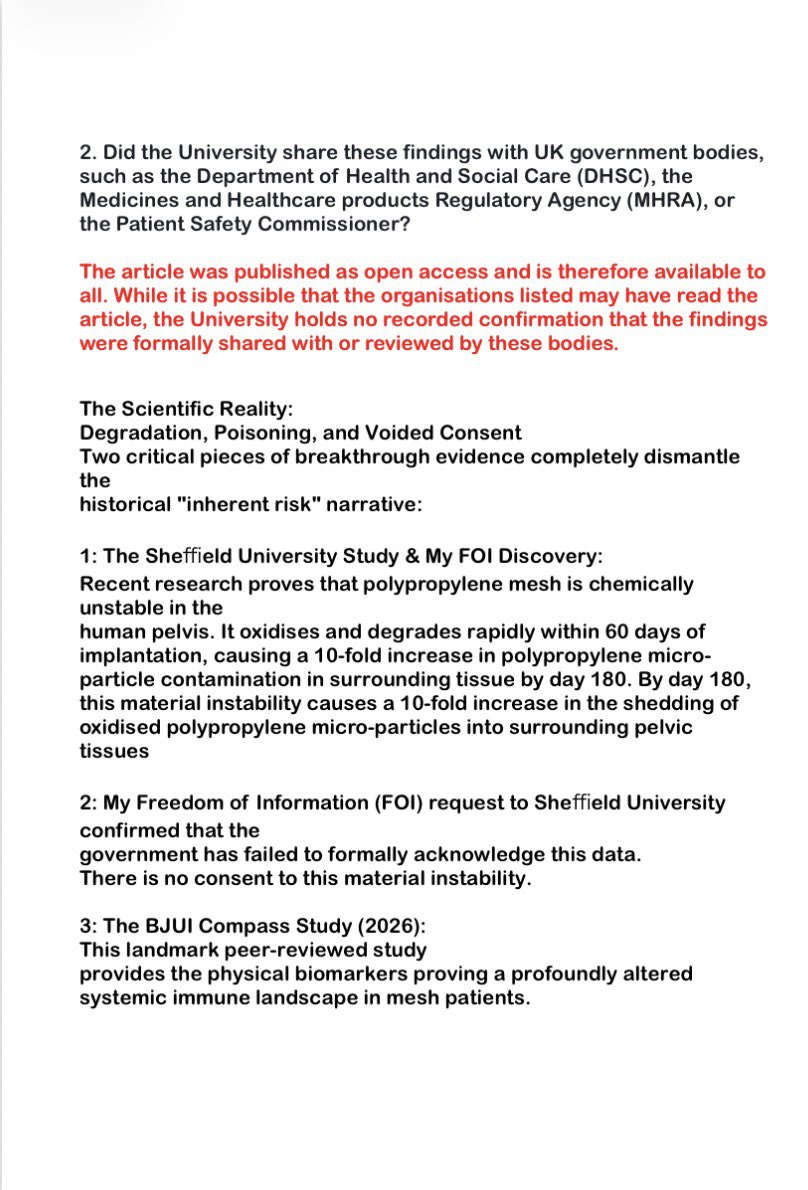
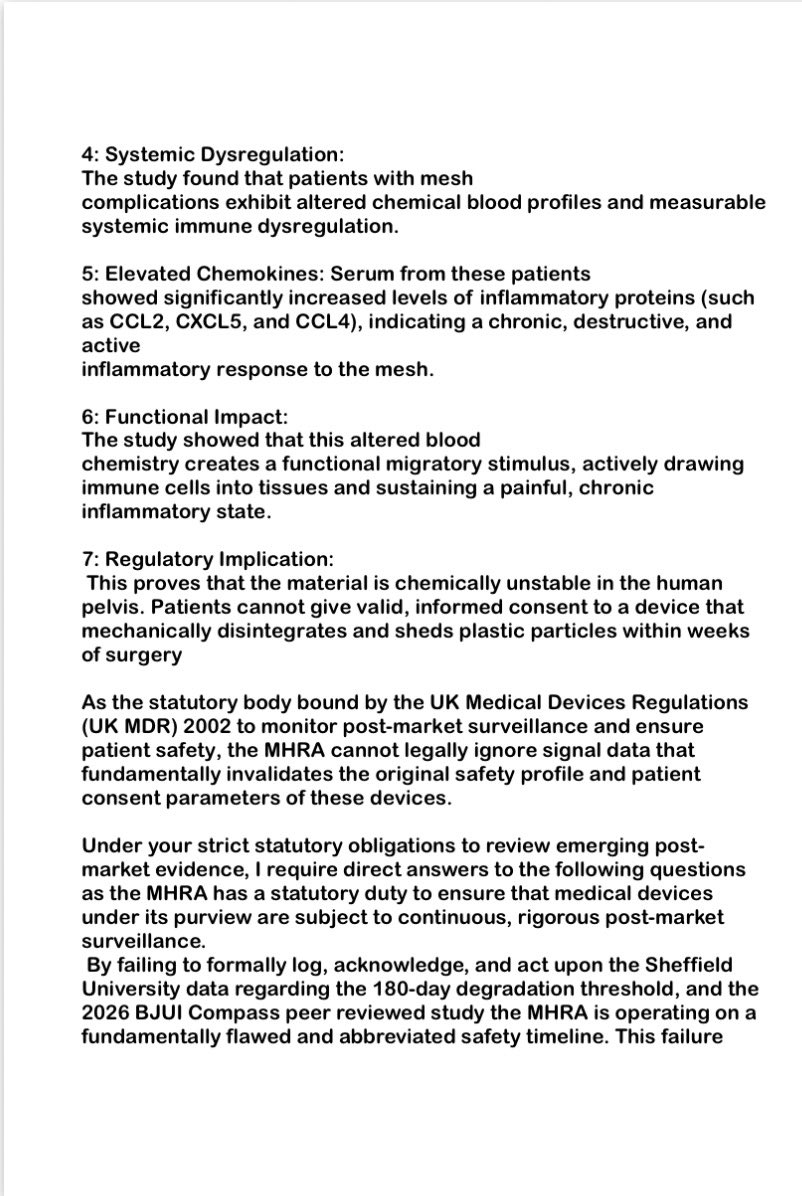
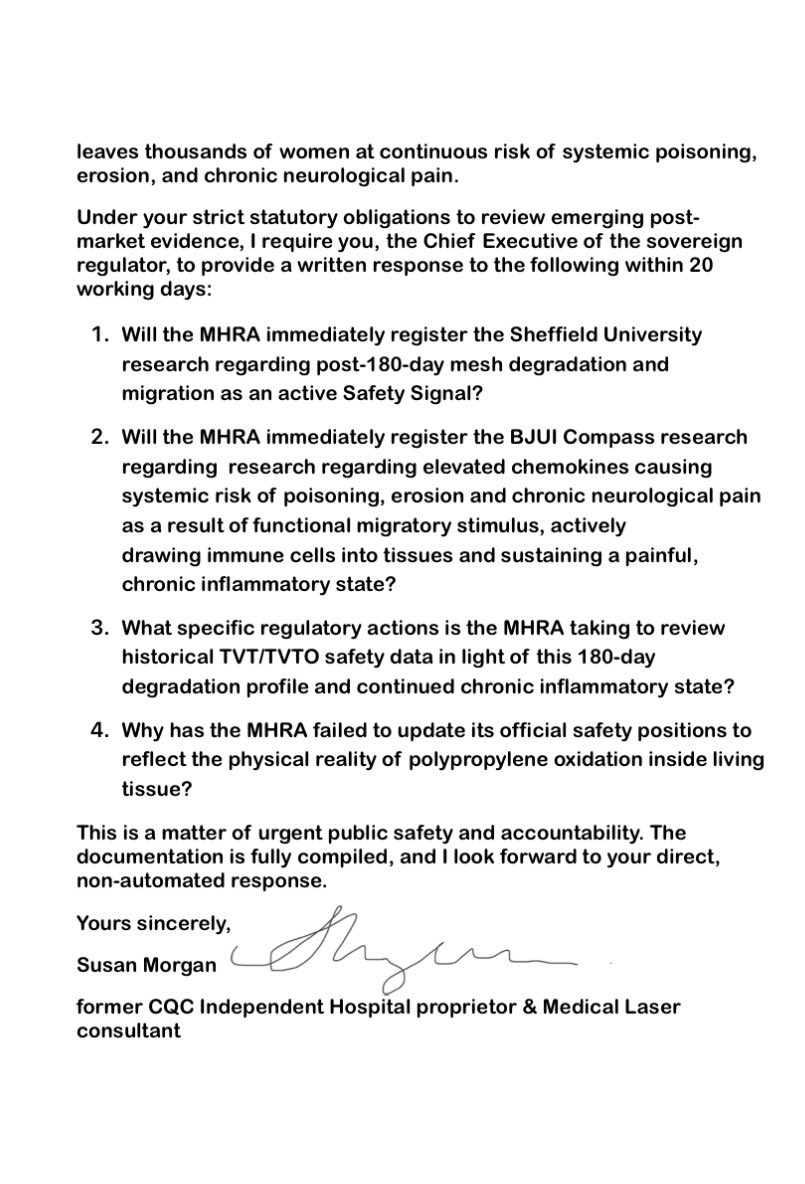
🔷 I first wrote to the MHRA on the 11th April - their duty is to monitor safety - 2 months have passed & I have not heard back
🔷As the statutory body bound by the UK Medical Devices Regulations
(UK MDR) 2002 to monitor post-market surveillance and ensure
#patientsafety, the #MHRA cannot legally ignore signal data that
fundamentally invalidates the original safety profile and patient
consent parameters of these devices
🔷The Sheffield University research identified degrading mesh at 60 days after implant
🔷The April 2026 BJUI Compass peer reviewed study identified toxicity
🔷 I have now written to the CEO and it is in the interest of public safety this new evolving research regarding the full picture of harm from #polypropylene #plastic #mesh must be acknowledged and not swept under the carpet
@MHRAgovuk @jamesmurray_ldn @PSCommissioner @ptsafetylearn @shartles1 @ShaunLintern #meshredress
1
3
8
69
Fibroid New Research retweeted
Deseo recibas pronto esa respuesta, todas las mujeres dañadas por las mallas merecen ser escuchadas
1
2
2
16
Fibroid New Research retweeted

31 Mar 2025
Las mujeres a las que nos pusieron esas mallas hemos sido cobayas para la industria que las fabrican y para los cirujanos que nos las implantaron, destrozando la salud y la vida a miles de mujeres en el mundo
@STOPMallaTOT @sanidadgob
31 Mar 2025

The article, published in The BMJ on December 7, 2017, discusses the issues surrounding transvaginal mesh implants, which have been used to treat pelvic organ prolapse and stress urinary incontinence in women. bmj.com/content/359/bmj.j551…
The key points are:
🔷Widespread Complications:
Transvaginal mesh devices have led to significant complications for many women, 🔸including chronic pain,🔸 infection, 🔸organ perforation, and 🔸psychological distress.
🔷 These problems emerged years after the devices were introduced, highlighting a failure in pre-market testing and post-market surveillance.
🔷Regulatory Failures:
The article critiques the regulatory process for #medicaldevices, particularly in the UK and EU, where many #mesh products were approved based on equivalence to older devices rather than rigorous clinical trials. In the US, the FDA initially classified these devices as 🔸moderate risk but later reclassified them as 🔸high risk in 2016 after reports of harm.
🔷Delayed Response:
Despite early warnings from patient groups and some clinicians, regulatory bodies and manufacturers were slow to act. Bans or restrictions on #mesh use came only after significant harm had already occurred, with some countries like the UK issuing a temporary ban in 2018 (after this article's publication).
🔷Lessons for Improvement:
The authors argue for stricter #Regulation of implantable devices, including:
🔸Mandatory clinical trials before approval.
🔸Improved post-market monitoring to detect problems earlier.
🔸Greater transparency from manufacturers about risks and adverse events.
🔸Centralized registries to track patient outcomes.
🔷Patient Impact:
The article emphasizes the human cost of these failures, with many women left with life-altering injuries and a sense of being dismissed by the #healthcare system.
2
7
12
4,510

Pessimism on @NHSEngland productivity is a result of ignorance of its causes: If the NHS focused on removing ‘failure activity’, it could transform its productivity, writes @sib313
hsj.co.uk/daily-insight/the-…
4
2
245
Fibroid New Research retweeted

Devastated to hear about this loss - another reason that patients need to be provided with full information about any risk.
Jun 12

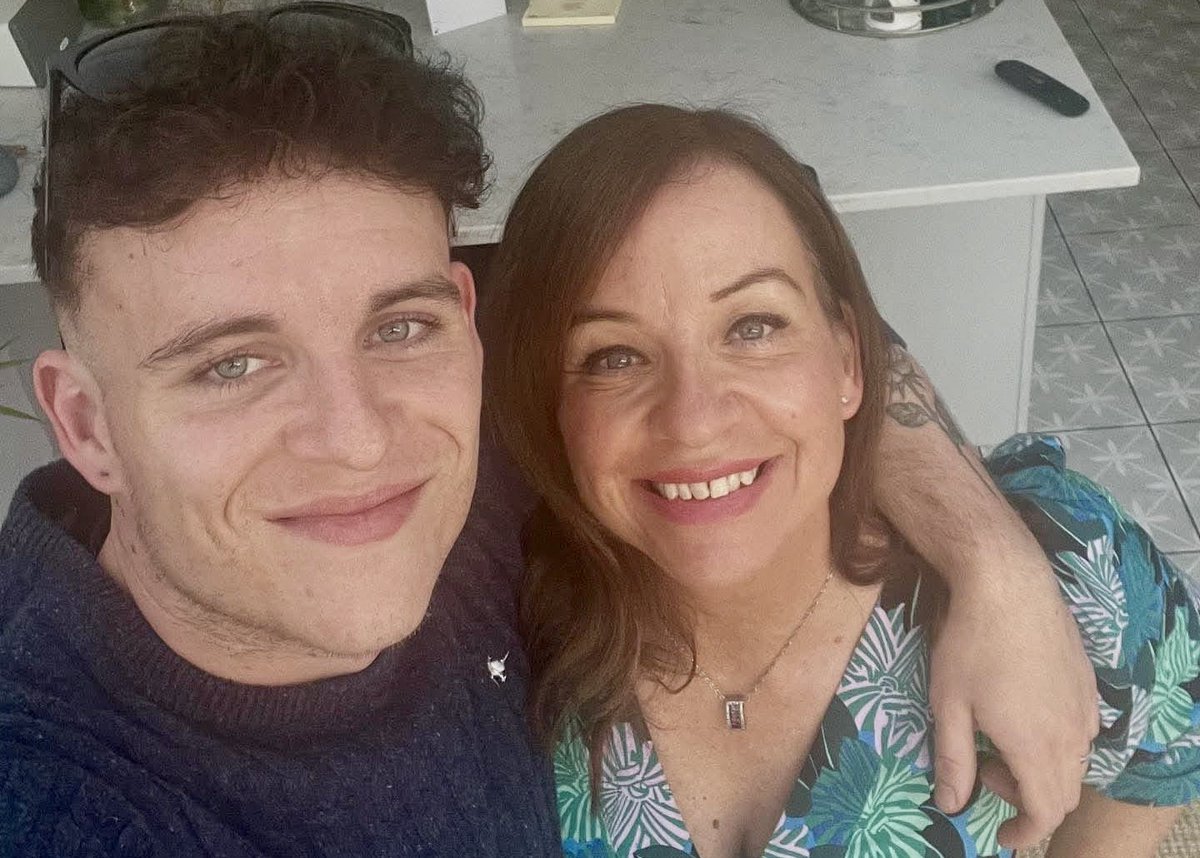
Jacob Sunley was just 20 when he died. He was started on sodium valproate for epilepsy and was seizure-free for nearly three years. He changed from sodium valproate during the time that new restrictions for prescribing it to men and boys began.
2
3
182
Fibroid New Research retweeted

What would have made me feel safe is a midwife listening to my concerns and not ignoring me because I was a young first time mother.
There were at least 4 opportunities to save Grace, and every midwife ignored me.

'Doctors have taken over maternity, and they're not doing it very well.'
Former president of the Royal College of Midwives, Caroline Flint, is 'distraught' by the news of further maternity failings in the NHS.
3
19
100
10,702
Fibroid New Research retweeted

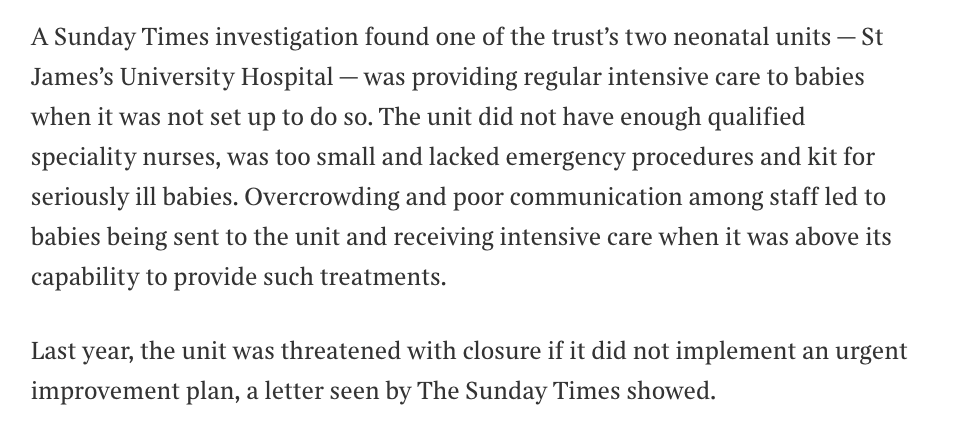
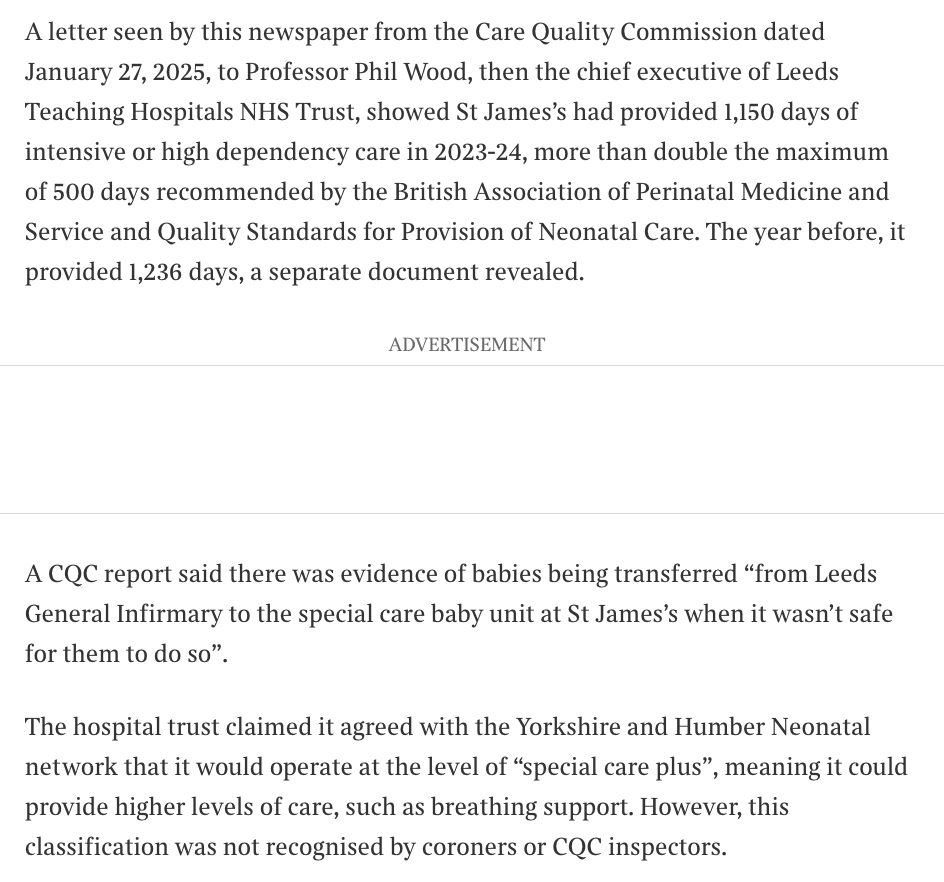
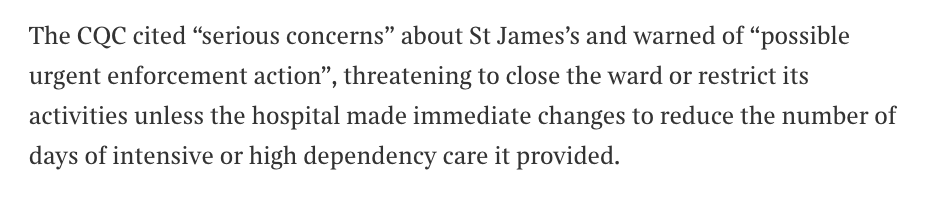
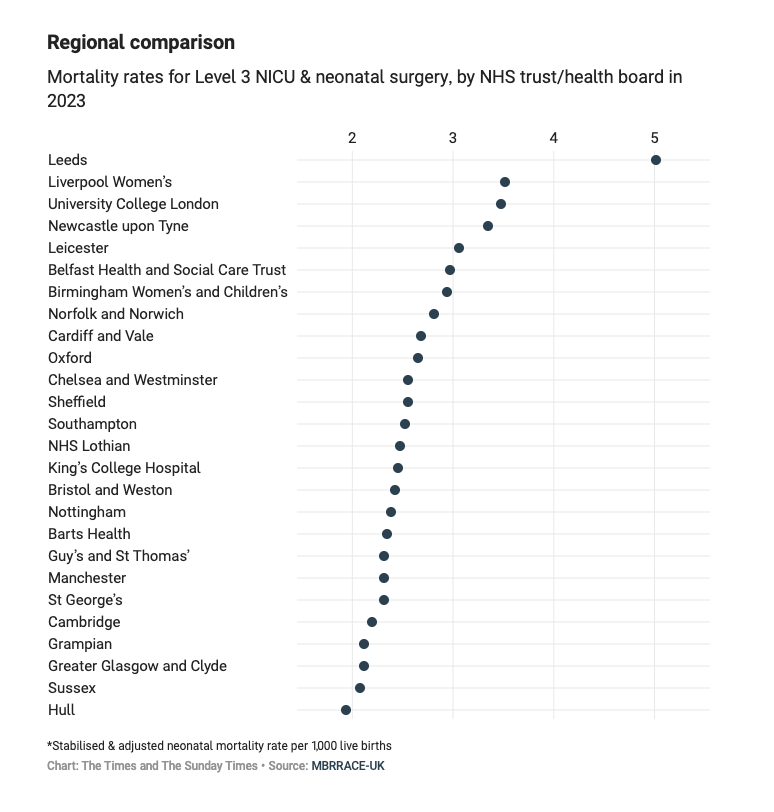
The Times has obtained a CQC warning letter to Leeds Teaching Hospitals NHS Trust threatening urgent enforcement action over the trust's unsafe use of an unsuitable unit for neonatal intensive care
thetimes.com/uk/healthcare/a…
1
25
28
5,928
Fibroid New Research retweeted

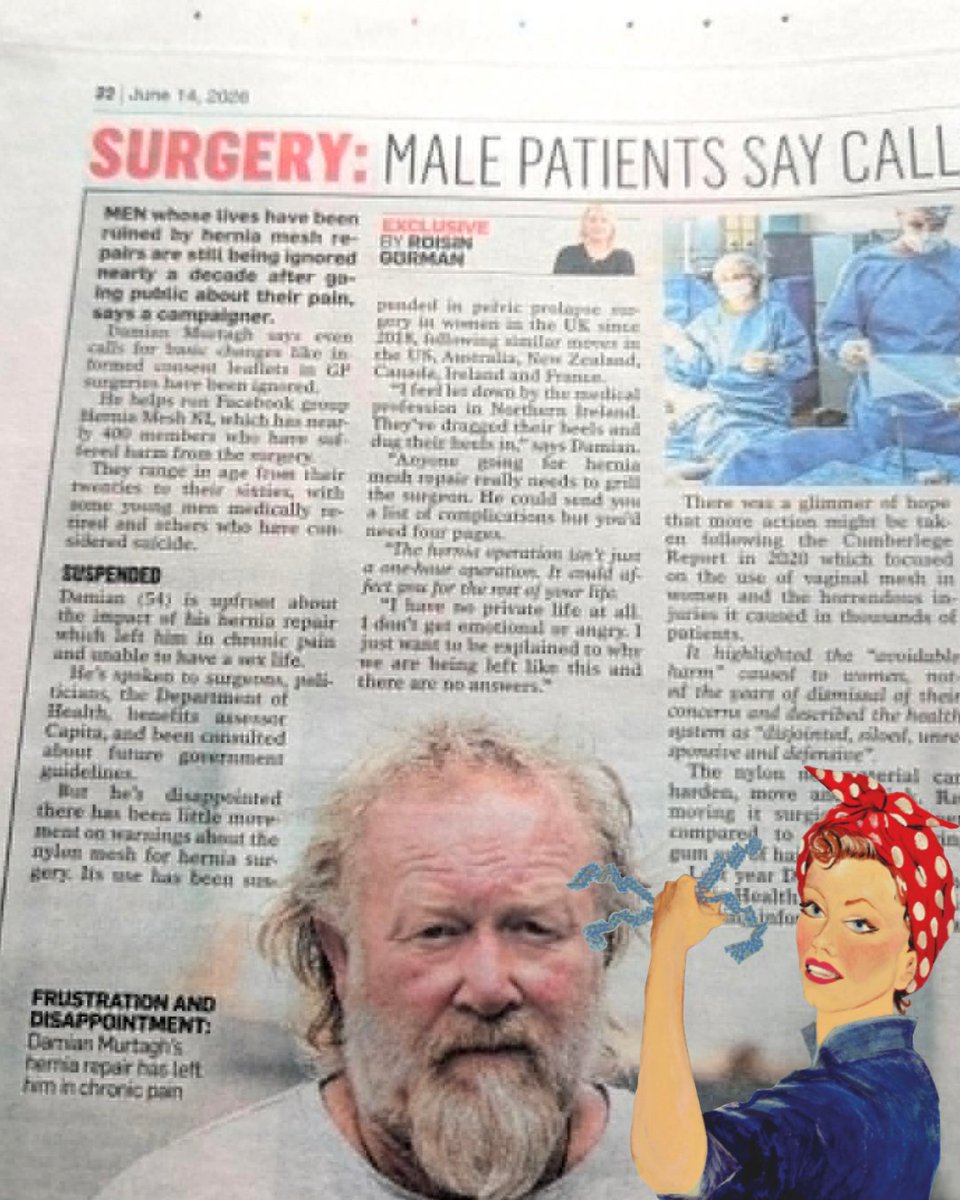
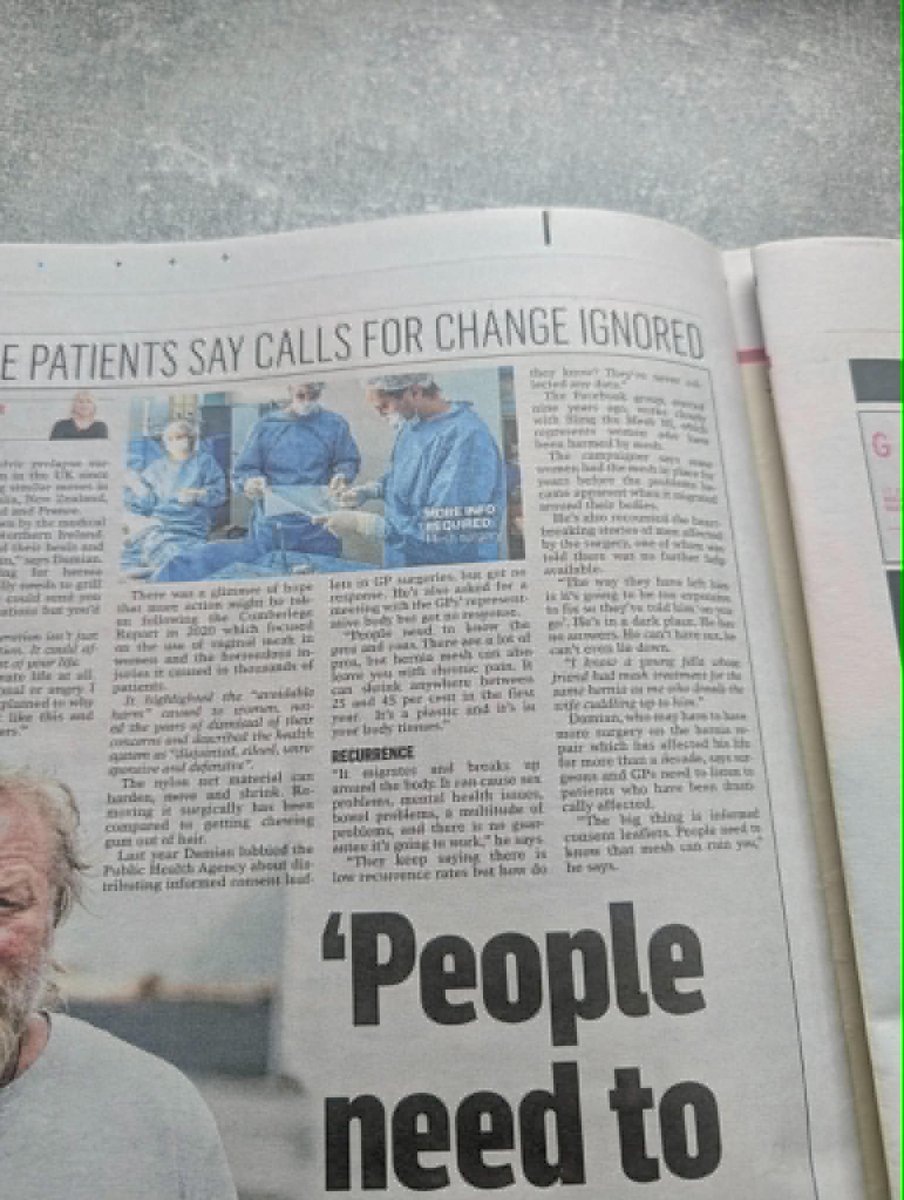
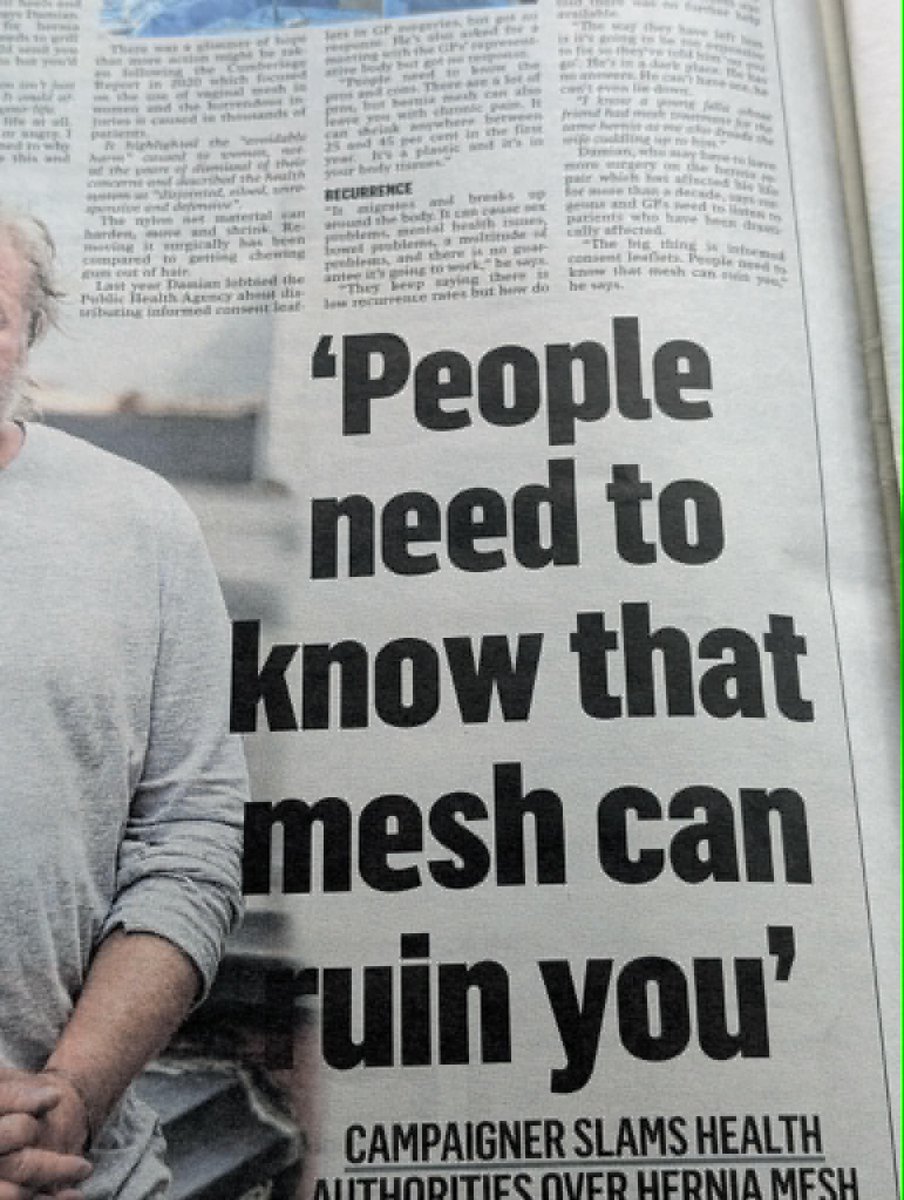
Huge thanks to Damian Murtagh for continuing the #hernia #mesh fight for awareness and improved #patientsafety. His calls for informed consent and leaflets in GP surgeries are falling on deaf ears.
13
18
214
Fibroid New Research retweeted
facebook.com/share/1CFQoFJZ6…
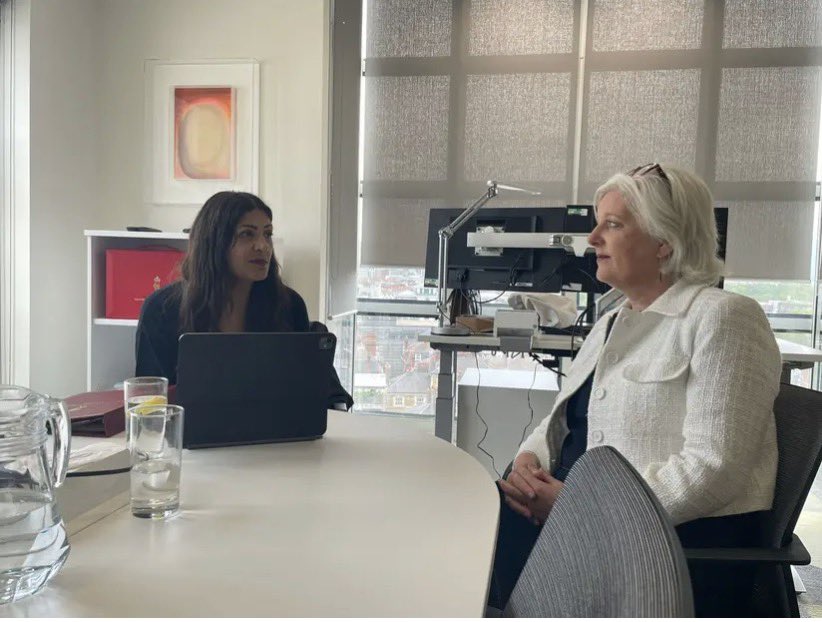
Thank you to my MP @carolinevoaden for her unwavering support for the mesh injured victims
Quote my MP “…..I met with the newly appointed Health Minister Preet Gill and my constituent Susan, who suffered horrific, unimaginable, lifelong injury from a pelvic mesh implant.
Back in March, I raised Susan's case with the Prime Minister, where I urged him to finally respond to the Hughes Report. That report unequivocally recommended an urgent redress scheme for victims of this scandal.
But more than TWO years on from its publication, the government hasn't replied. And that's not the first time they've let victims of this scandal down.”
#meshscandal #redress
9
16
318
Fibroid New Research retweeted
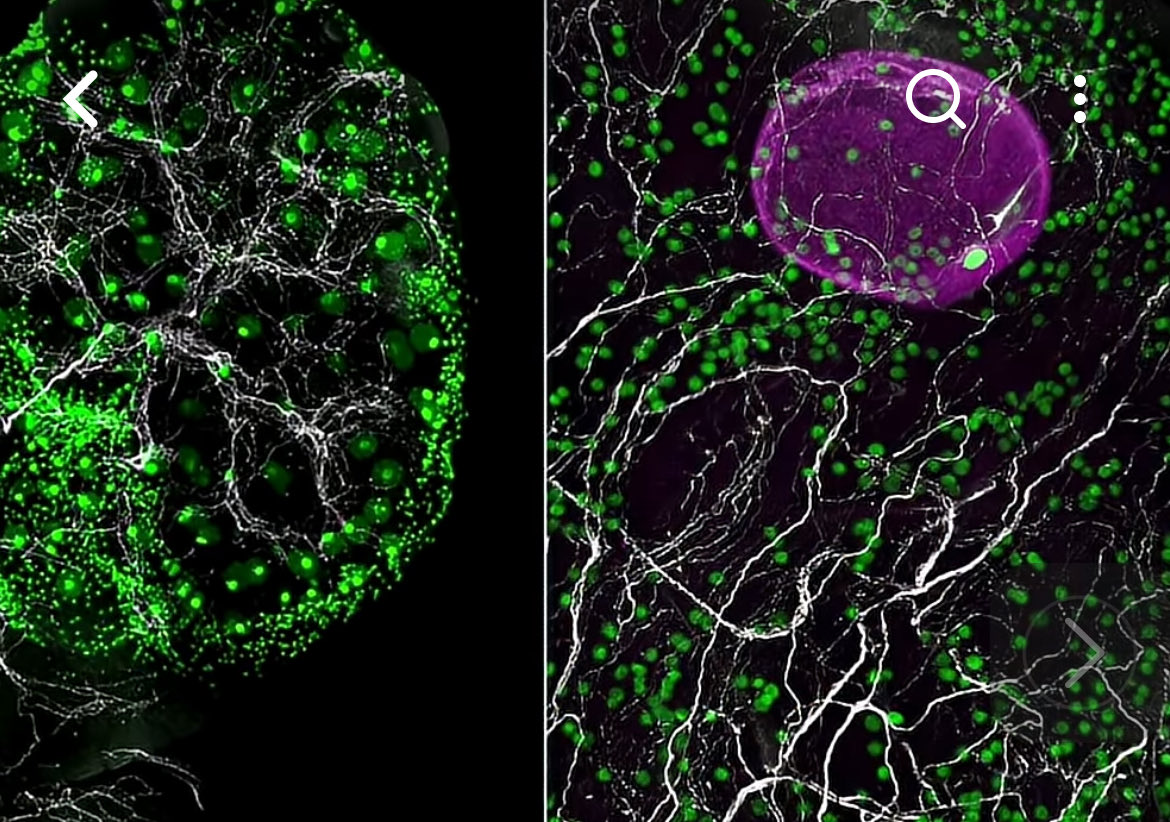
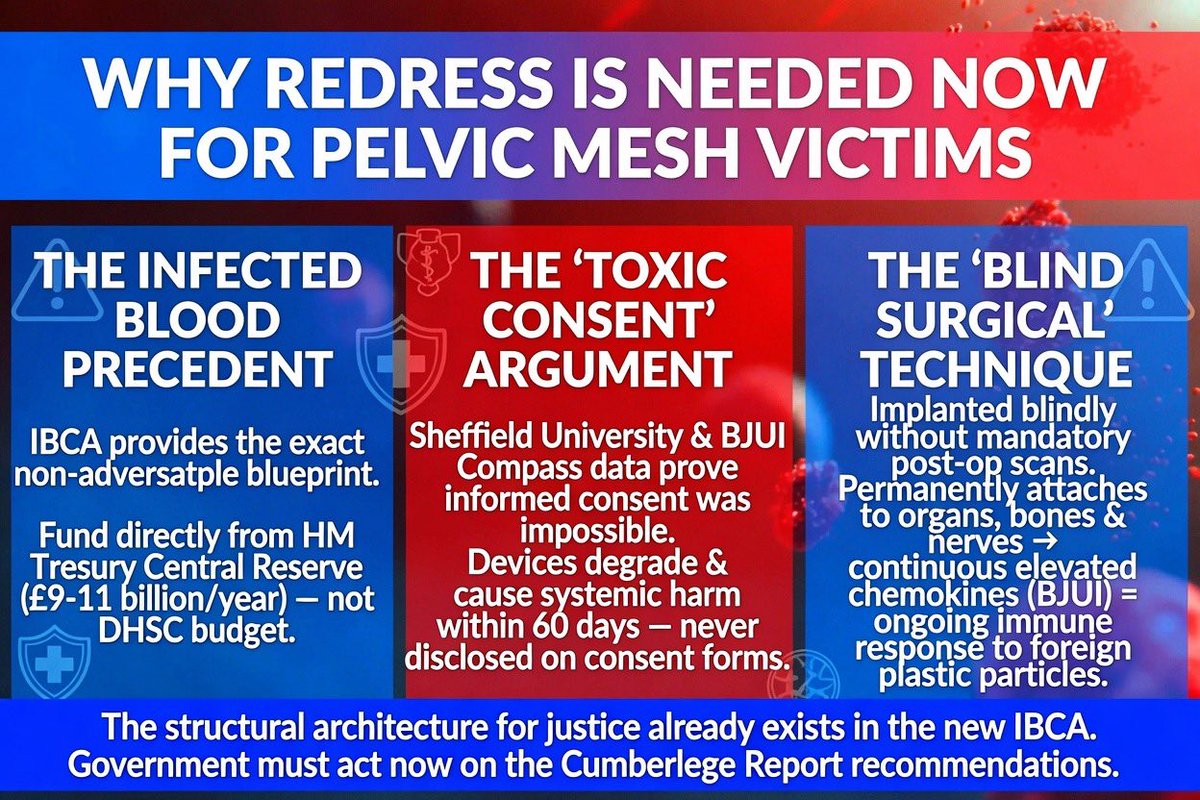
🚨 #toxic #mesh blindly inserted through the vaginal canal dragged lethal bacteria into the pelvic cavity
🔷There was a small window of time that the wrongly placed mesh could have been removed
🔷after 2 weeks it was too late
🔷after 60 days the plastic was degrading
🔷after 180 days the plastic was migrating
🔷Our bodies went into overdrive trying to rid itself of a foreign body
🔷 foreign body giant cells reaction means illness for life
#mesh #redress #women #patientsafety #Saturday
13
13
395
Could this be Britain’s worst maternity scandal?
@NHSEngland chiefs in @LeedsHospitals were warned against splitting neonatal care over two sites, The @thetimes has found. Sources fear up to 3,000 cases of possible harm via @davidcollinsST
thetimes.com/uk/healthcare/a…
2
8
17
1,178
Fibroid New Research retweeted

Jun 12
A JUDGE CALLED IT A TOTALITARIAN REGIME.
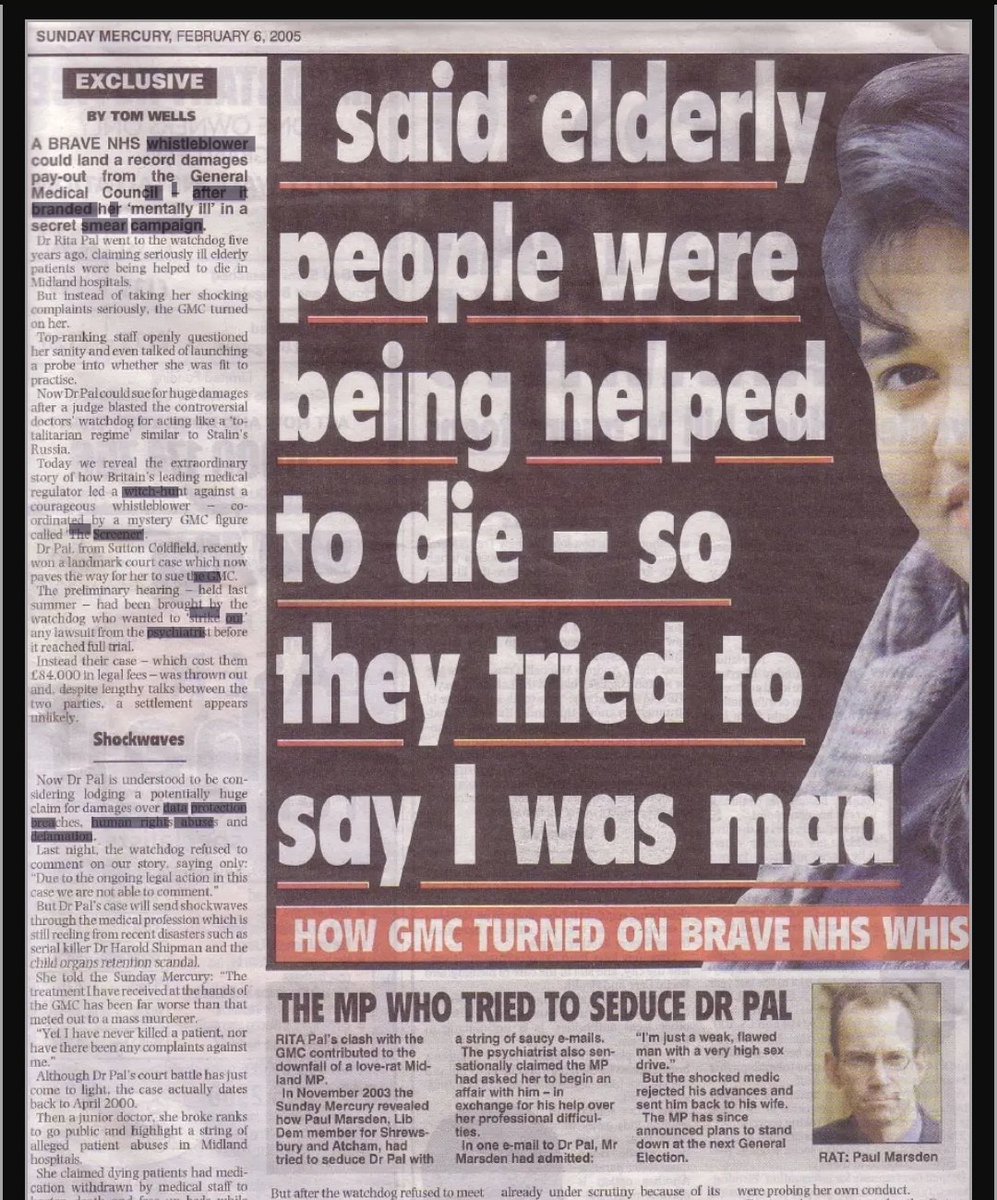
In 1998, Dr Rita Pal (@dr_rita39) was a junior psychiatrist working in the NHS in North Staffordshire. She walked onto Ward 87 at University Hospital of North Staffordshire NHS Trust and saw elderly patients having medication withdrawn.
People dying who did not have to die.
She raised the alarm with the Department of Health in 1999 and 2000.
The Sunday Times put her story on the front page on 2 April 2000. The headline was Elderly Helped to Die.
Nobody in authority did anything useful with it.
The General Medical Council (@gmcuk) opened investigations into Dr Pal instead.
Then more investigations.
A decade of them.
Every single one eventually dropped. She was cleared each time.
The GMC later issued a formal apology for the distress caused to her.
A High Court judge reviewing one of those cases compared the GMC's conduct to a totalitarian regime, awarded her £18,000 in costs, and said the expenses racked up against her were near impossible to justify.
She could not hold a permanent NHS post. Character assassination had made that impossible. She survived on short locum contracts, leaving each hospital the moment the rumour mill started.
That is how a UCL-trained doctor spent nearly a decade of her medical career.
She also brought the first civil whistleblower litigation of its kind against the GMC using Data Protection, Defamation and Human Rights law.
The profession's response was to brand her a serial litigant.
The Mid Staffordshire Inquiry concluded in 2010. Different trust, different hospital, 25 miles away. But both fell under the same strategic health authority.
Dr Pal argued that if her warnings had been acted on, the same oversight body could have caught Stafford earlier. Nobody tested that theory.
Dr Pal later described to The Guardian the long-term personal damage NHS whistleblowing inflicts, and how it can leave a doctor effectively unemployable in medicine.
Sources:
@thesundaytimes
@guardian
@HuffPostUK
@gmcuk
9
247
453
8,798
Fibroid New Research retweeted
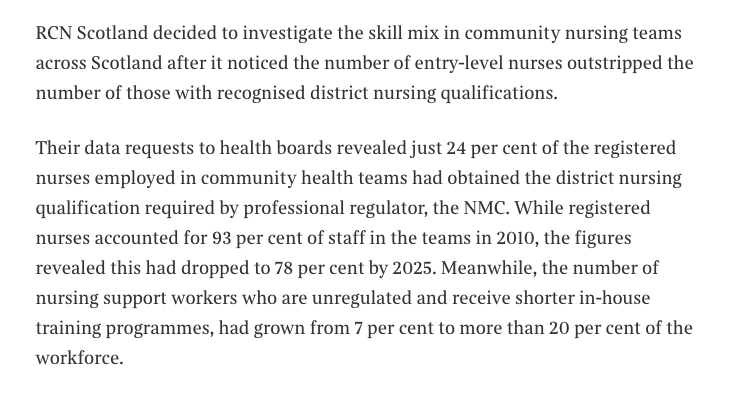
Rising numbers of support workers, falling numbers of qualified nurses in community nursing teams across Scotland
thetimes.com/uk/scotland/art…
2
16
19
882
Fibroid New Research retweeted
Jun 12
HE WARNED THEM IN 2014. POLICE ARRIVED IN 2023.
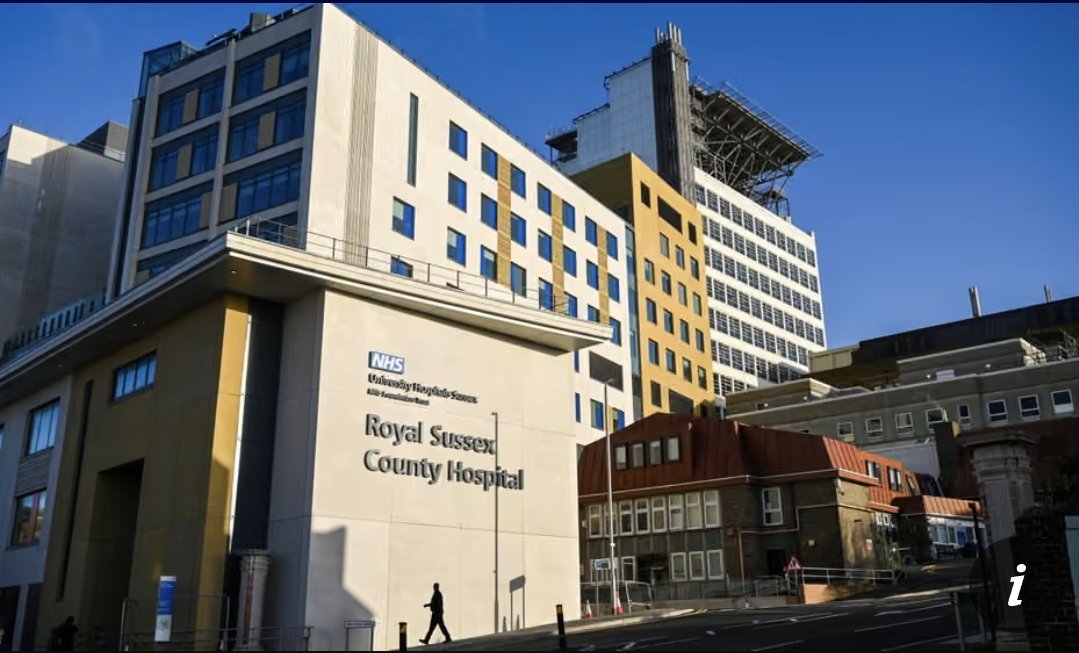
If you came in as an emergency at the Royal Sussex County Hospital in Brighton and you waited, or you were turned away, or someone you love did not get the care they needed in time, this is why.
The on-call surgeons were treating private patients instead.
A consultant neurosurgeon named James Akinwunmi saw it happening. He also saw colleagues fraudulently billing the NHS for pay they had no right to. He reported all of it.
Rather than act on his concerns, managers launched a disciplinary process against him.
False complaints were submitted to police alleging he had threatened colleagues.
Police took no further action. The trust never told him that.
They then accused him of unauthorised absence during an approved sabbatical and dismissed him in October 2014.
He took them to an employment tribunal. He won.
The Employment Appeal Tribunal upheld the unfair dismissal finding in 2017.
Then in December 2023, with a live police investigation already running at the hospital, the then-CEO of @UHSussex sent staff an email urging them to have the courage to raise concerns.
Akinwunmi told @guardian the email was laughable. He said whistleblowers including himself had done exactly what the email was encouraging and they were sacked for it.
Operation Bramber, launched by @sussex_police in June 2023, is now a criminal investigation covering over 200 cases of alleged surgical negligence at the same hospital.
More than 90 are being treated as possible manslaughter. The force had to request extra Home Office resources just to cope with the scale of it.
The Care Quality Commission separately downgraded @UHSussex from Outstanding to Requires Improvement. Inspectors found safety concerns had become normalised.
Sources: @guardian @BBCNews @MirrorOnline
@sharmilaxx
20
514
818
15,690
Fibroid New Research retweeted

Jun 12
I needed to have my gallbladder out urgently. I had an appt @ Taunton hosp with surgeon who said there was a x amount of years waiting list and then proceeded to give me is business card for private work. Luckily I’d also been referred to Yeovil who operated days later on the NHS
1
3
17
577

Fibroid New Research retweeted

They ignore complaints, take months to reply by which time it is too late to learn from their mistakes.
1
3
160
Fibroid New Research retweeted
Men taking Valproate - 'In light of remaining uncertainties and pending the results of the ongoing study in 2028, PRAC agreed that the precautionary measures introduced in 2024 should remain in place.'
ema.europa.eu/en/news/meetin…
1
1
35
Fibroid New Research retweeted
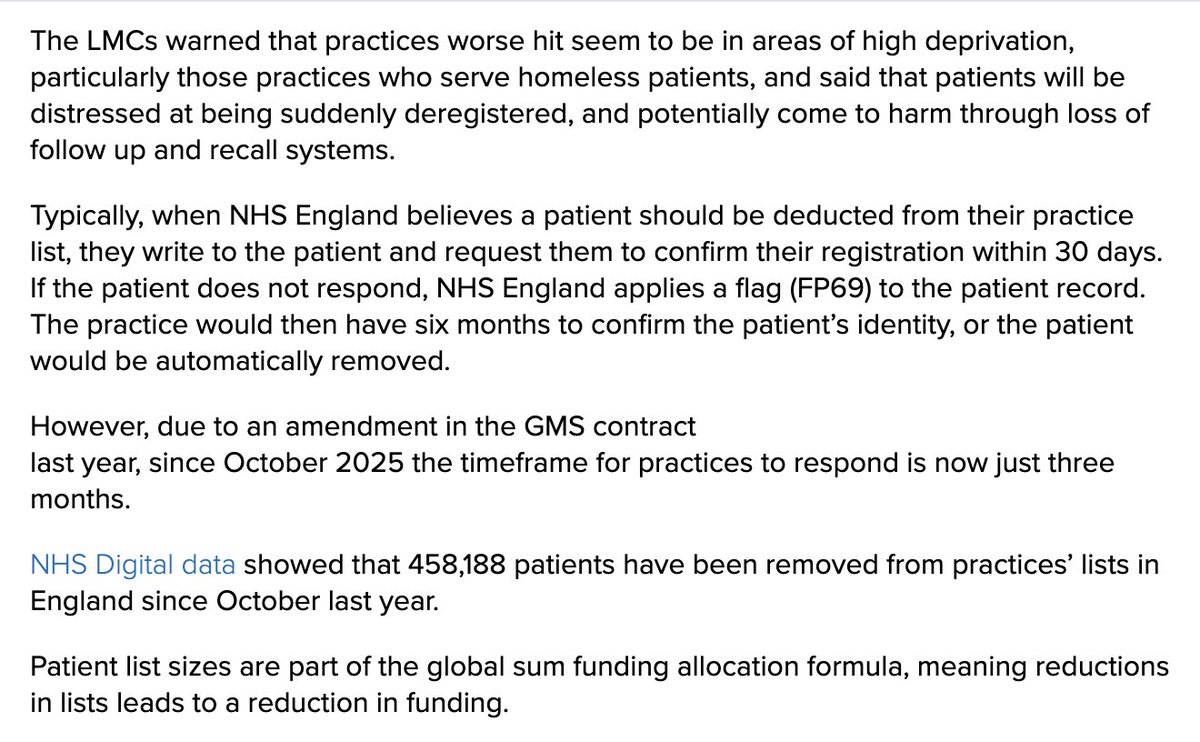
NHS England has been "cleansing" patients from GPs' lists - 458,188 people removed since October 2025
A bit like the hospital waiting list opt in - you have to actively confirm in order to stay on the list
Most deprived areas hardest hit
pulsetoday.co.uk/news/practi…
3
49
57
2,137
Fibroid New Research retweeted
Jun 12
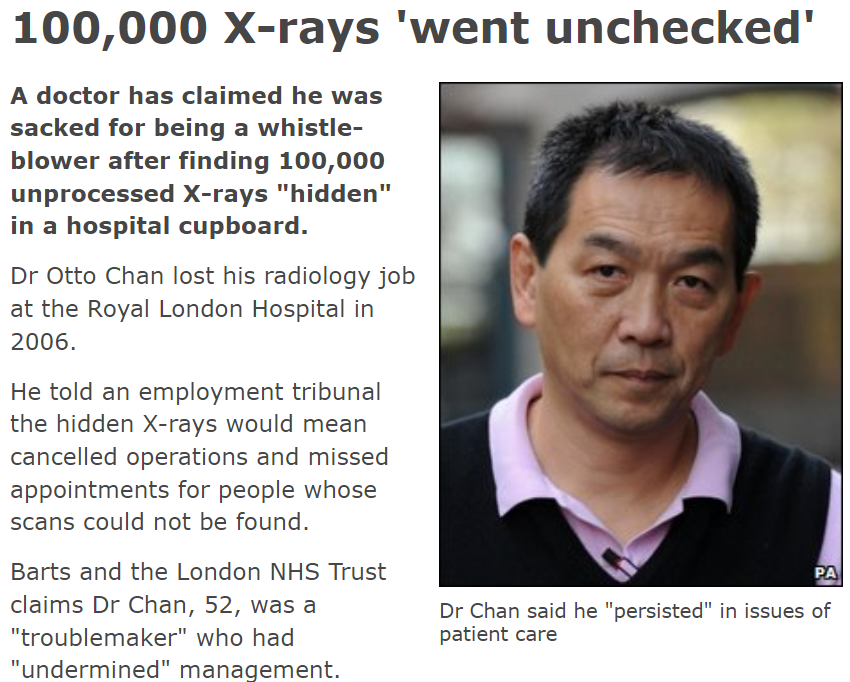
NHS MANAGERS HID 100,000 PATIENT SCANS IN CAR BOOTS
One hundred thousand patients.
One hundred thousand people went to hospital, trusted the NHS with their bodies, had X-rays and scans taken, and were never told what those scans showed.
Some of those images showed cancer. Some showed serious illness that needed urgent treatment.
The films sat in corridors and store rooms, rotting and unchecked, for years. Nobody looked at them. Nobody picked up the phone. Nobody told a single patient.
This happened. At the Royal London Hospital. In the heart of London. In the 21st century.
When health inspectors were due to arrive and see the chaos for themselves, managers locked the backlog in a storeroom so it would stay hidden.
Consultants physically stuffed patient X-ray films into their car boots to keep them out of sight during official visits. The inspection came and went. The tick boxes were filled in. The patients stayed in the dark.
Dr Otto Chan was a consultant radiologist at the hospital. A decorated, respected, senior doctor with 23 years of service.
He found this scandal and he refused to stay quiet. He reported the hidden scans. He flagged that junior doctors were being pushed to perform procedures they had never been trained for, unsupervised, on real patients.
He went to the British Medical Association. He went to the medical press. He did every single thing the system tells you to do.
Barts and The London NHS Trust @NHSBartsHealth responded by sacking him for gross misconduct in June 2006.
At the employment tribunal, the Trust did not apologise. They did not express concern for the 100,000 patients left in the dark. They told the judge that Dr Chan was not a whistleblower at all. He was a troublemaker running a campaign to damage the organisation.
His concerns were pure fantasy. That was the official position of an NHS Trust about a man who found 100,000 unread patient scans hidden in a car boot.
Half of those scans were never reviewed by a specialist. Ever. Those patients, and their GPs, will go to their graves not knowing what was on those films.
Nobody was prosecuted. Nobody was struck off. The people who hid the evidence kept their jobs. The doctor who found it lost his.
SOURCES: @guardian @NHSBartsHealth @EastLondonLines
56
1,138
1,647
22,898