
Joined February 2009
- Tweets 8,793
- Following 1,599
- Followers 6,861
- Likes 9,642
262 Photos and videos

Pinned Tweet

20 Sep 2023
We put together a V1 Handbook for how to design and build large-scale websites.
Grounded in our work on countless websites for large organizations like like Sweetgreen, Palantir, Galaxy, Color, Ogilvy, Glossier, Bose, Samsung, and Microsoft.
Hope you find it useful.

5
37
287
63,986
"I remember when it was called machine learning." is quickly becoming the way to pretend you were early to AI.
198
May 18
What about this one? x.com/willthomson__/status/2…

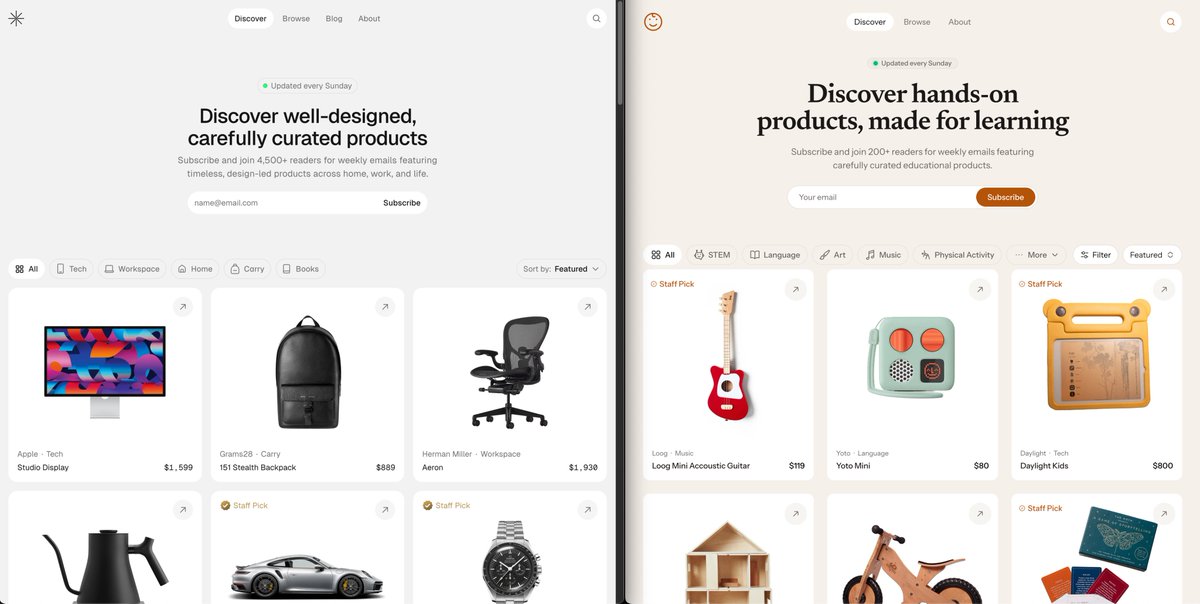
another day another "someone stole my generic looking directory website layout".
the content of the site is the point, both sites are just generic af
1
1,208
May 18
This feels like an accelerating trend. I guess "taste" is just copying.
May 18

Another day, another website launch that's a sick theft of a well-known designer's popular site
Curated Supply by @justinmfarrugia had its entire design and concept stolen by husband-wife team @karelvuong and @samjvuong while they take credit in the replies 🤮
Bring back shame
2
1
20
5,648
Apr 22
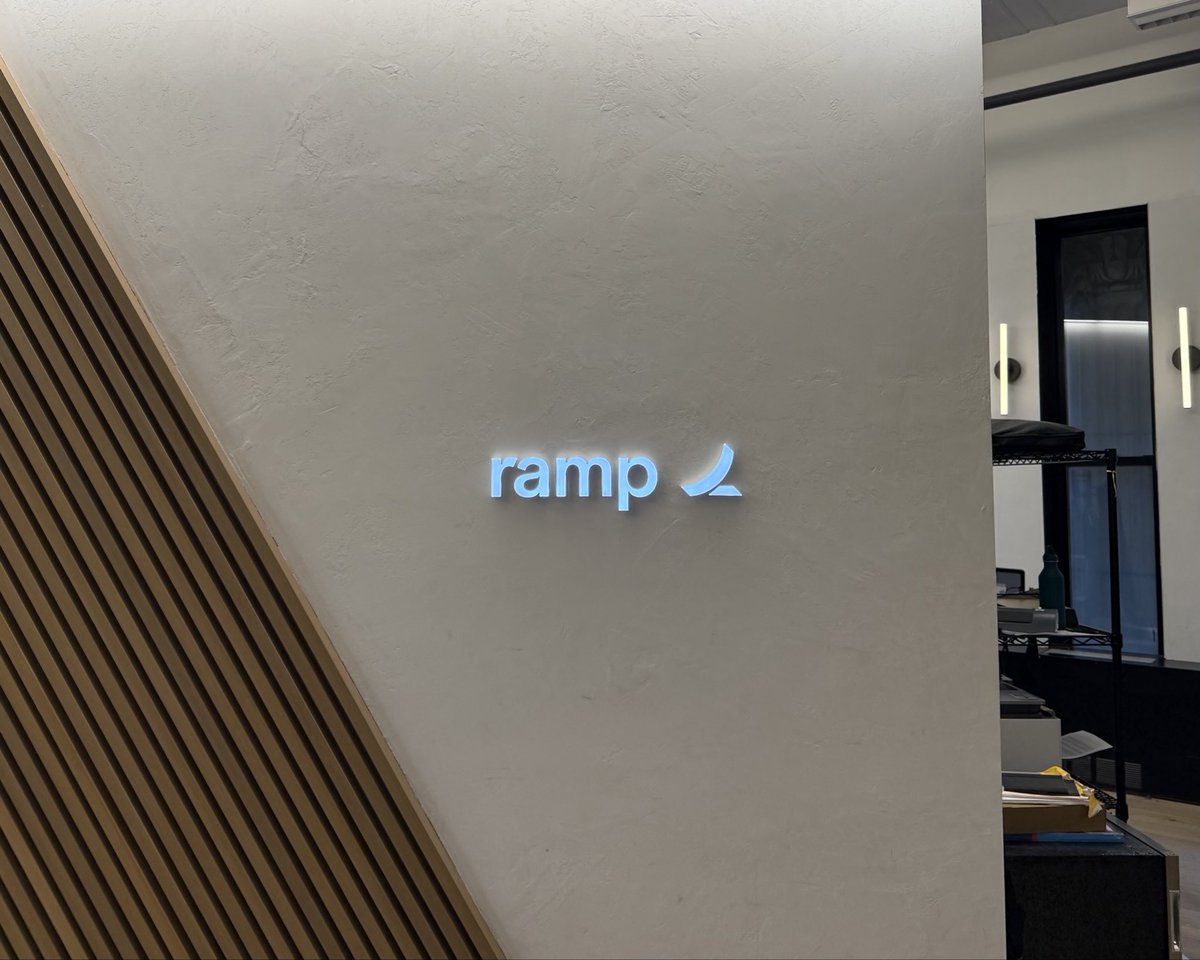
Rebranding to Halfpipe.

2
16
4,870
Apr 21
Apple has reportedly been working on an AI Steve Jobs to come back replace Tim Cook. Will be interesting to see what an AI reality distortion field is like.
3
285

Apr 21
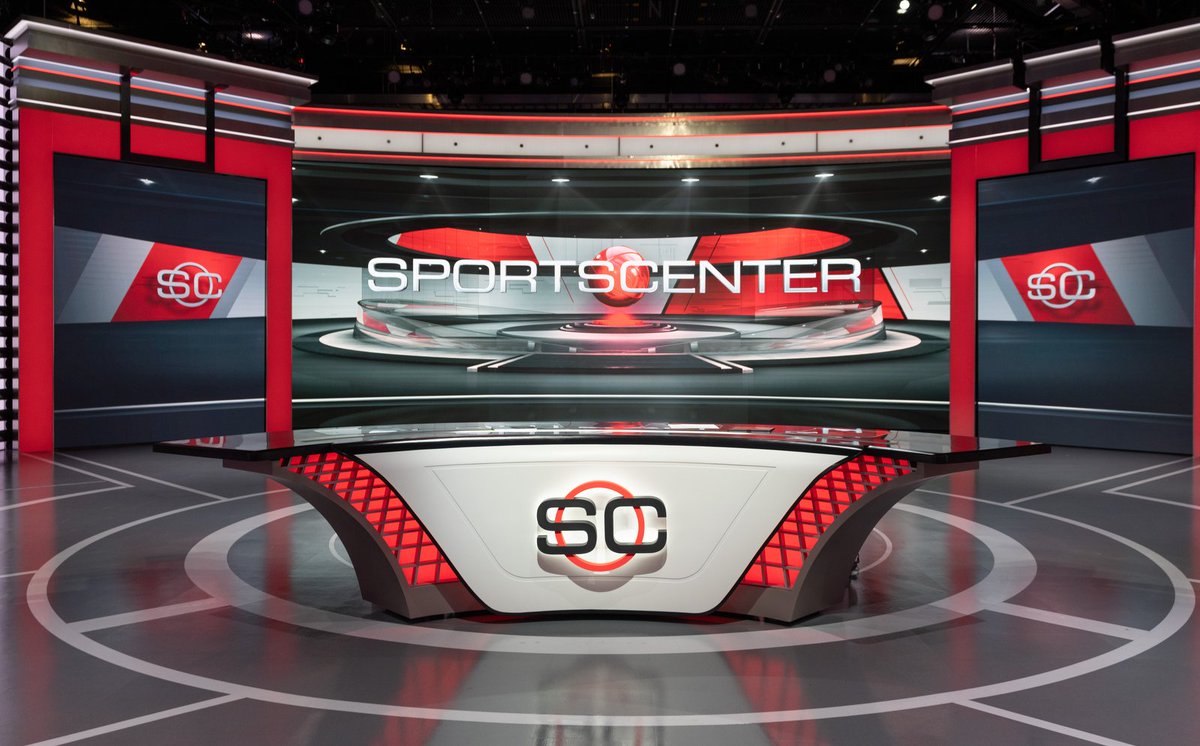
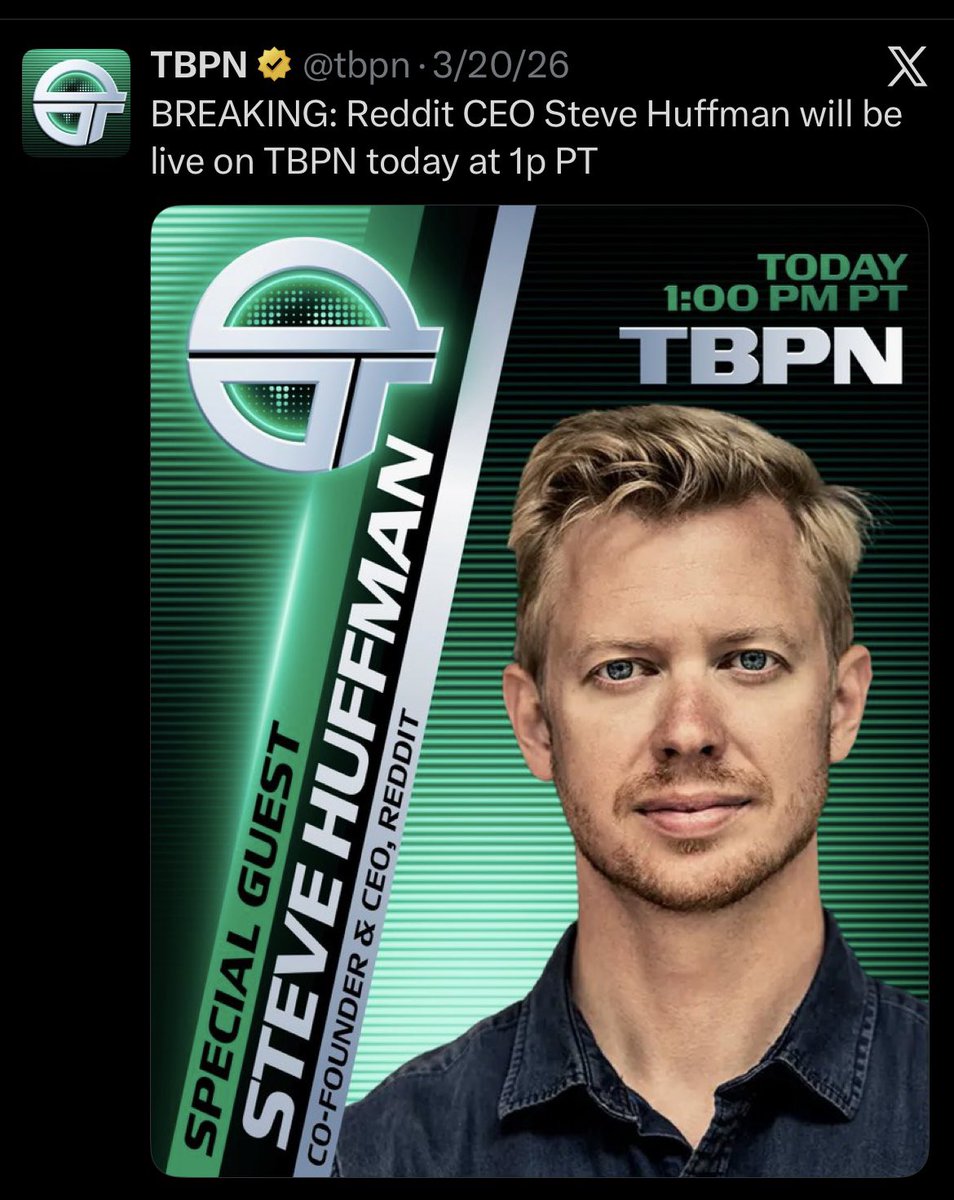
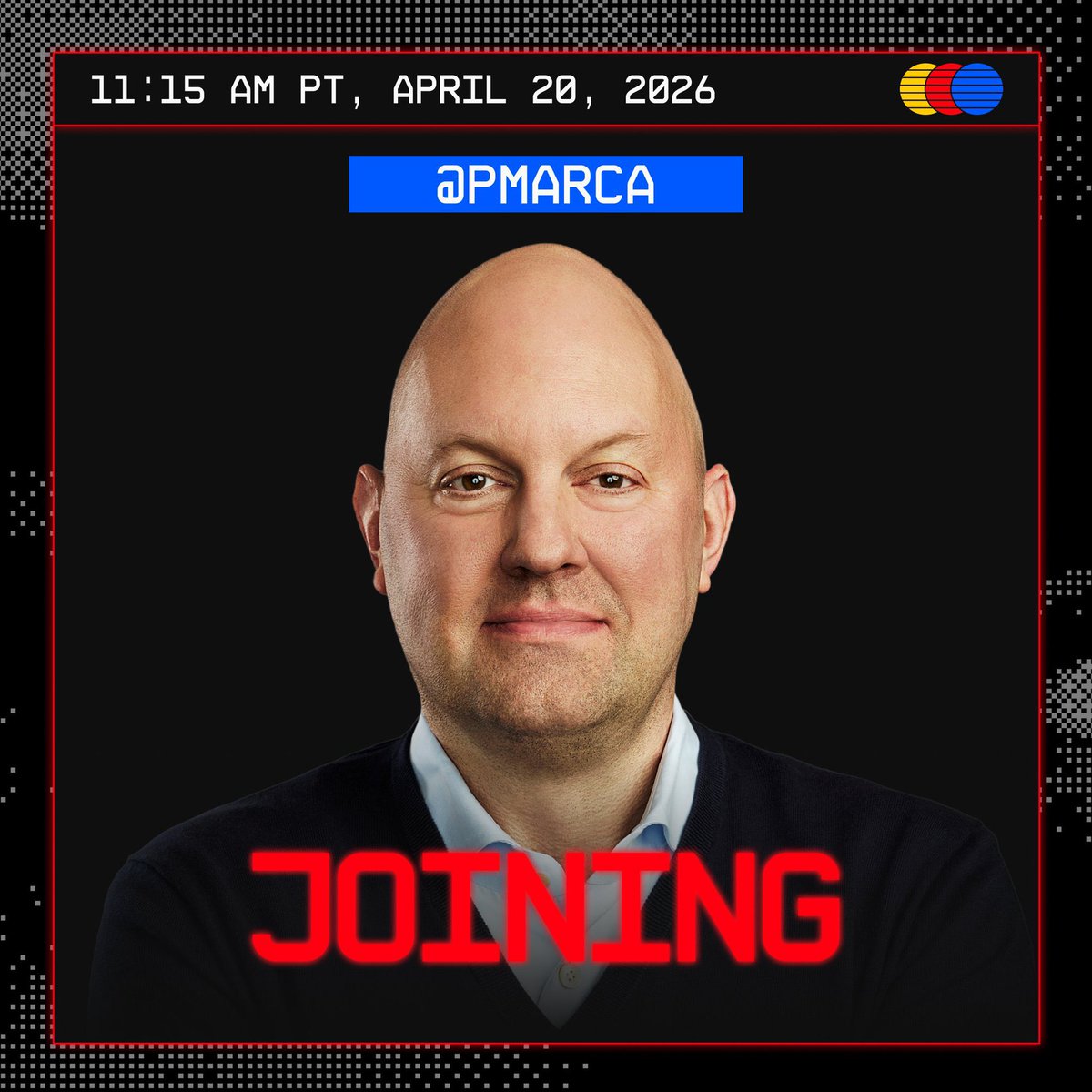
One group came up with something novel. Others are copying it. At least give the credit where credit is due.


1
3
1,110
Cameron Koczon retweeted

Apr 17
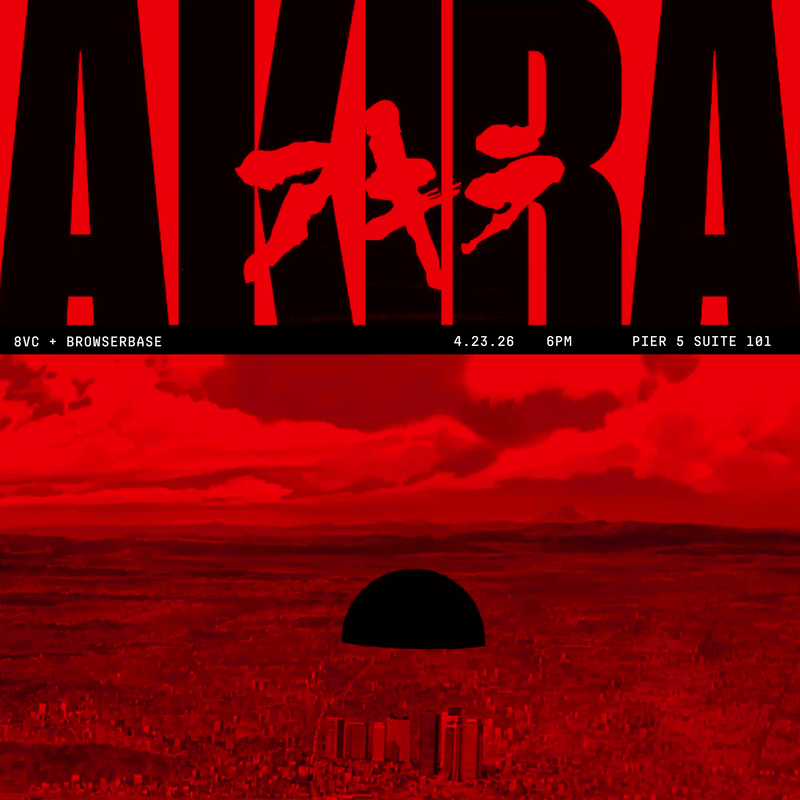
8VC and Browserbase will be partnering for our 5th iteration of design film night next thursday to show Akira! excited for us to show the pivatol movie that paved the way for so many other cyberpunk films. dm @liammatteson @DrCapsoul or i for an invite!
cover art by: @DrCapsoul
1
9
413
Cameron Koczon retweeted

Apr 14
Free Agency Season 3: Ideas matter.
An eight-week ideas residency in our New York office. Summer 2026.
Select, refine, and pressure-test a startup idea before you start the company. Applications now open.
5
7
85
26,239
Cameron Koczon retweeted
Apr 1
FREE AGENCY SEASON THREE is coming soon, this time from Terrain’s New York office.
Free Agency is an 8-week idea residency w/ resources, workshops, and 1:1 partnership to select and pressure-test your idea. More details to come.
Apply early here: terrain.com/application
2
11
68
12,220
Mar 31
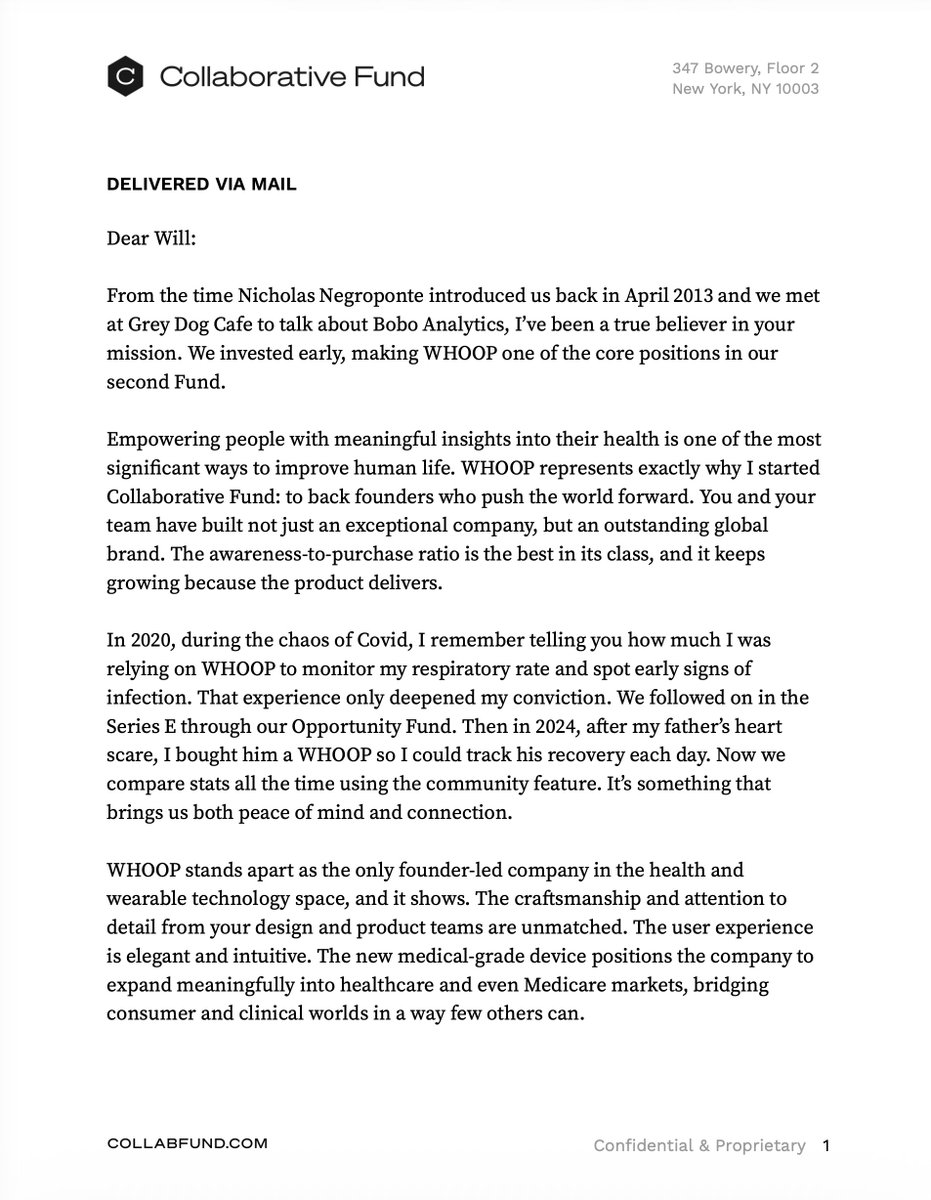
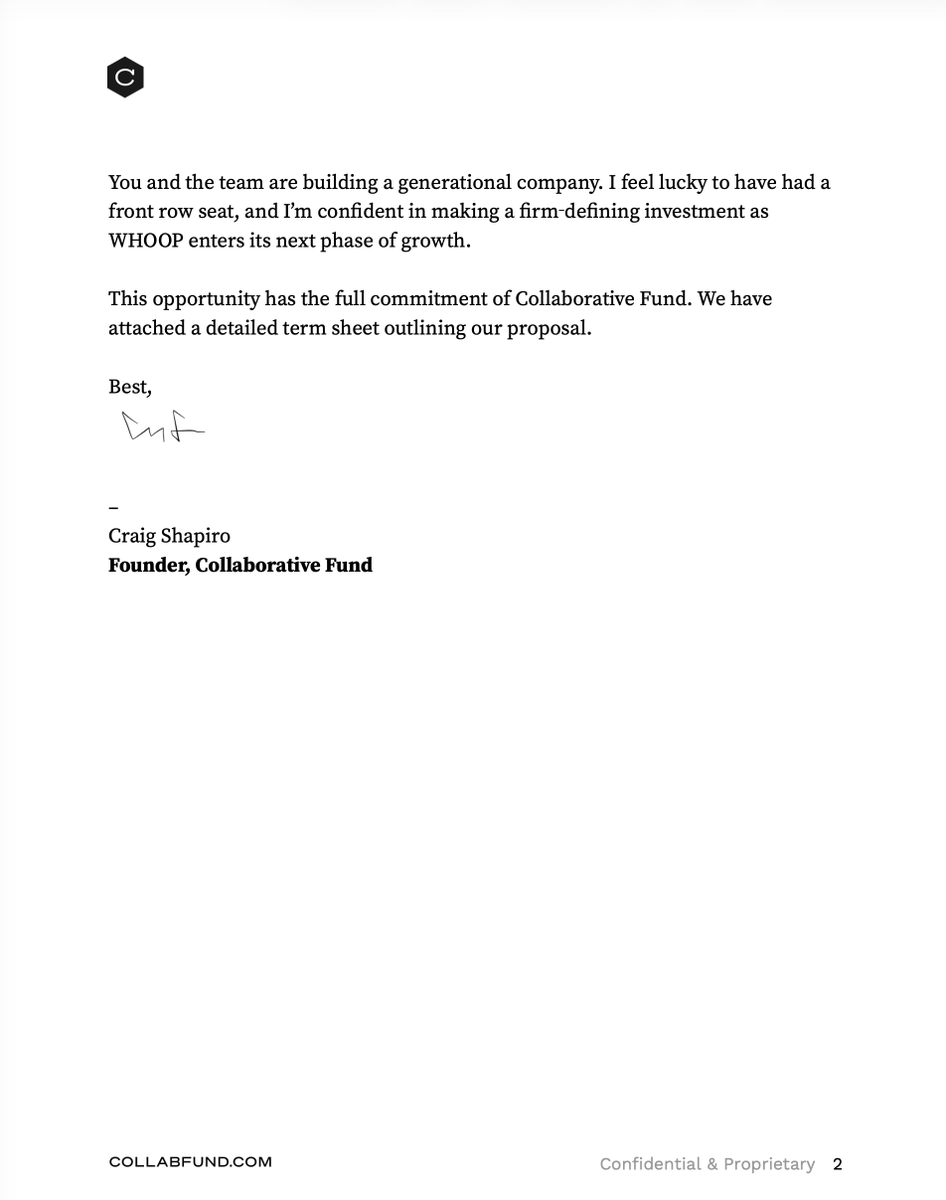
They didn't just do this round. They backed the Seed round 13 years ago. A great non-consensus bet by Craig / Collaborative Fund.
Mar 31

Today Collaborative Fund is leading a $575M Series G in WHOOP, our largest investment ever.
This is the cover letter I attached to our term sheet:
4
596
Cameron Koczon retweeted

allow me to present...
💫 WE ALL MAKE a PLATFORMER 💫
play it now: wamp.land
I AM SO EXCITED TO SEE WHAT YOU ALL BUILD.
read more about it or watch my explainer video👇
22
27
166
34,752
Mar 19
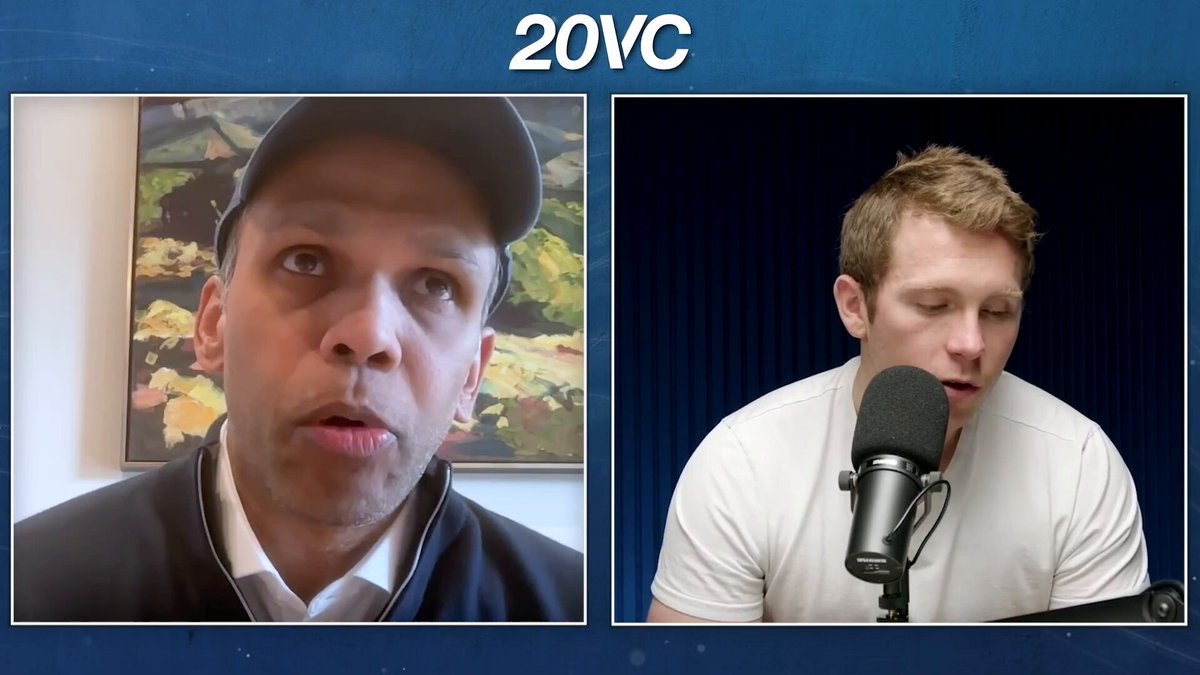
Silicon Valley has been engineering-led for so long, they've forgotten what Brand really is.
Gokul: "Brand is no longer a strong moat."
Harry: "I thought brand was the most important as technology commoditizes things."
Gokul: "I slightly disagree because..." and then he goes on to describe how software will be commoditized right down to pixel by pixel copying.
The industry still sees Brand as what something looks like. A shiny coat of paint.
The companies that truly understand brand will be the ones to survive in a world where anyone can build or copy anything.
1
2
17
2,688
Cameron Koczon retweeted
Mar 6
THE BLEAKNESS OF THE BRAND AGE...
PG’s essays on builders and innovation are some of the clearest thinking about the startup world. They are essential. But when he writes about art and design, he tends to apply an engineer's lens that flattens the subject.
In this piece he frames design as something to solve and brand as something like the decorative facade constructed when real innovation runs out... He goes on that at the end of golden ages we are met with a bleak reality that the hollowness of brand is all we can compete on. Early industries compete on technological advancement. Later, when products become indistinguishable, companies compete on brand. He frames it as a cosmetic layer applied to otherwise solved problems. He makes a similar move in his essay How Art Can Be Good, resolving artistic quality as something judged objectively by an audience rather than as personal expression (I find this take particularly jarring given his background studying painting at RISD, one of the more intuitively-driven art schools.).
The premise assumes that the only meaningful axis of improvement is technical performance. Once precision, efficiency, or cost reach a plateau, the remaining differentiation is treated as superficial, or worse, as a distortion.
But value rarely evolves that way...
In most product categories, value tends to evolve in layers. At first, the question is functional: does it work at all? Then it becomes experiential: how well does it work, and how does it feel to use? Eventually the frontier becomes cultural: what does this object express, and who does it belong to?
Engineering dominates the first phase. Design often shapes the second. Brand emerges in the third, when products begin to carry shared meaning.
As industries mature, competition shifts toward these cultural and human needs: what identity a product signals, what kind of world it helps create. As makers, we start by solving the functional problem. Over time the work moves up the ladder of human needs. Those dimensions are often symbolic rather than purely functional, but they are not trivial. They are where design often differentiates.
PG is right that brand can become hollow: his account of Patek Philippe cynically creating an asset bubble through artificial scarcity is convincing, and the "comb-over effect" of individually rational steps producing something freakish is well observed (see: Richard Mille). But he makes the mistake of treating this endpoint as the definition of brand itself. Brand at its best is not manufactured scarcity or centrifugal weirdness. It is what happens when product, design, and point of view become coherent to people and begin to signal shared meaning.
The watch example he builds the entire essay around actually illustrates the shift.
Once quartz solved the problem of precision, watches didn't become irrelevant, their significance as cultural objects was enhanced. They became artifacts of craftsmanship, history, identity, and taste. The engineering problem was solved, but the human one remained. PG sees this transition and concludes that the remaining activity is empty. A designer sees it and recognizes a different kind of problem being solved.
His strongest claim, that branding is “centrifugal” while design is “centripetal,” deserves a direct response. It's true that good design often converges.
But convergence on what exactly?
PG assumes it converges on functional optima: the thinnest case, the most accurate movement. Design converges on human optima: on how something communicates, on the relationship between an object and the person holding it.
Brian Eno (whose writing on creative practice is akin to PG’s for startups) has a useful frame here called axis thinking. Most fields get stuck optimizing along a single axis, and the real leap comes from shifting to a different axis entirely. That's what happens when watches move from precision to cultural meaning. It's moving to a different center. That center is just as real, even if it can't be measured with a chronometer. When PG writes that “there's no function for form to follow” in the brand age, he's defining function too narrowly. Expressing identity, signaling values, triggering emotions, these are very real functions. They're just not engineering functions.
If his interpretation were correct, if everything beyond technical performance were decorative, whole domains of human creation would stop making sense.
Why design new chairs once ergonomics are understood?
Why design new garments when we have ones that work perfectly well?
Why open new restaurants when we already know how to cook?
The answer is that these fields serve a hierarchy of needs that extends well beyond the functional, and the work of addressing those higher needs is not lesser work.
This matters now more than it has in decades. As AI compresses the cost of building software toward zero, we are entering a new version of the quartz crisis: one that affects nearly every product built on code.
PG's framework would predict that what follows is a rather bleak brand age: superficial differentiation over commoditized technology.
But if value evolves in layers, what actually follows is a design age, a period where the human dimensions of product become the primary frontier. When done well, design, taste, point of view, brand, and cultural meaning won't be regarded as decoration applied after the engineering is done, but rather be the work that matters most.
Engineering solves problems. Design and brand determine what those solutions mean to people.
Mar 5

The Brand Age: paulgraham.com/brandage.html
23
32
297
52,918
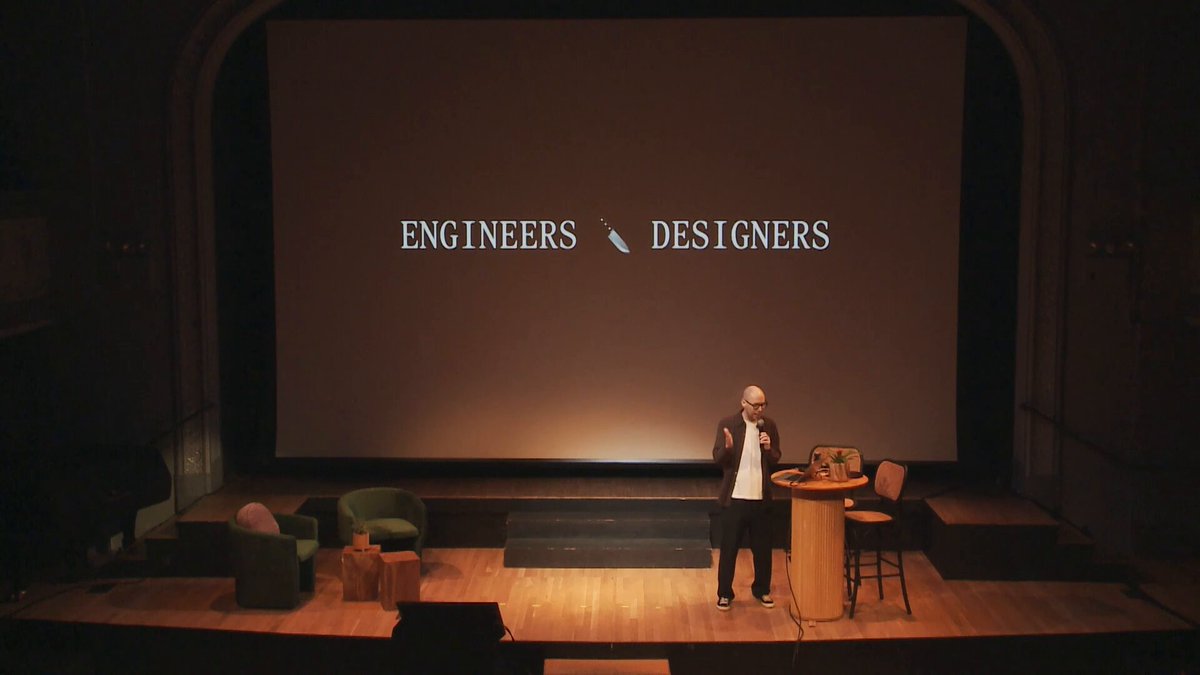
If you are thinking about / working with AI you just have to watch @frank_chimero's absolutely fantastic Kinference talk.
1
6
26
2,615
Feb 24
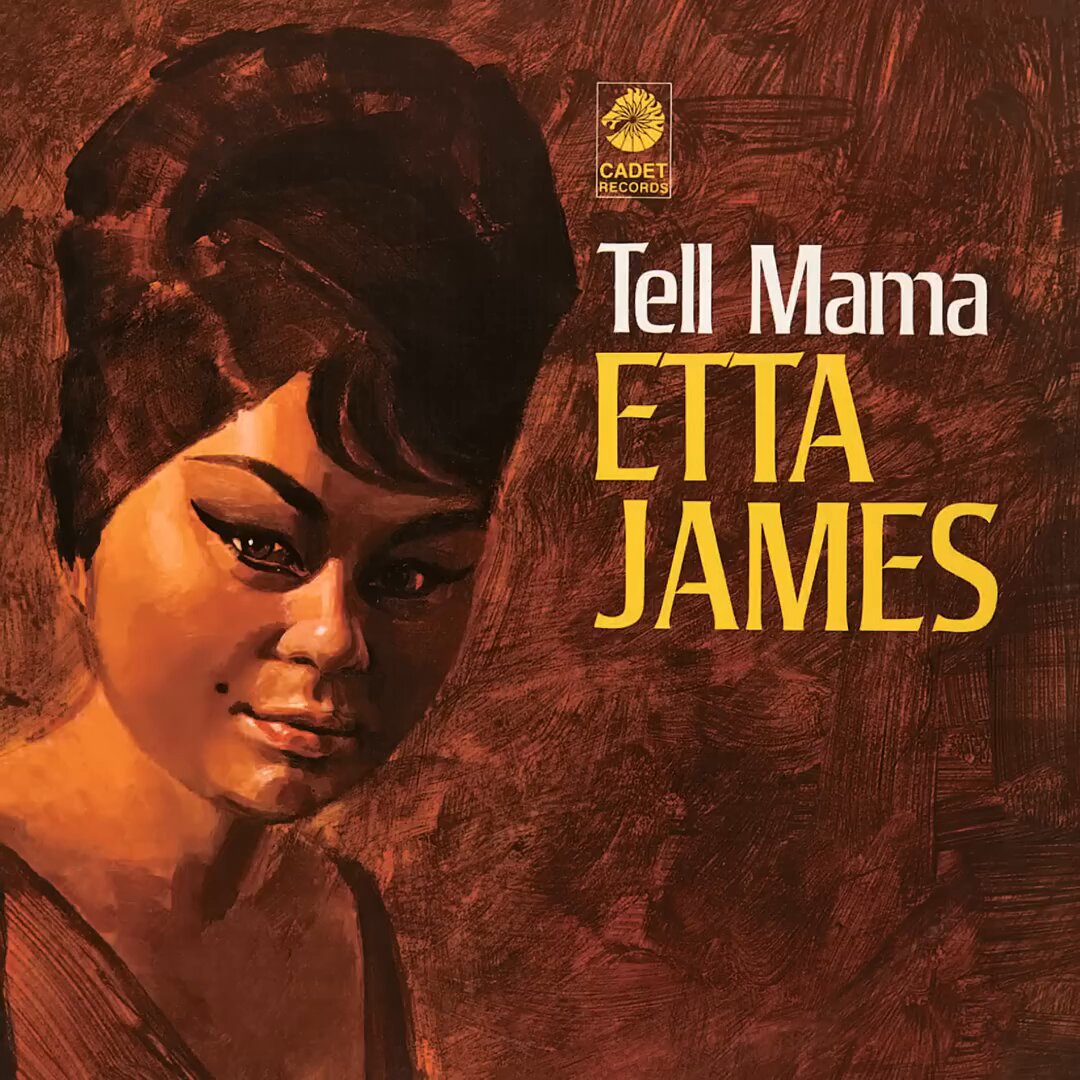
Look. I like this song. But it's crazy to me how similar it is to I'd Rather Go Blind by Etta James. It's basically just new lyrics on the same song. Listen below.
1
2
265
Feb 12
Need inspiration to build that idea you've been thinking about forever?
Jonnie Hallman (@destroytoday) gave an extremely inspiring talk at Kinference that you would be silly not to watch.
1
1
25
2,957
Feb 12
Come have dinner with me and @vanlancker!
Feb 12

Hosting the next founding designers event in a few weeks, this time in icy New York.
Sign up below for updates and to request an invite.
3
24
4,347
Feb 10
Frenemy Identification Software.
I really love this line from @frank_chimero's Kinference talk.
3
1
32
2,356