
Definite optimist. // CEO @DiracInc 🇺🇸 Bringing reality back to mechanical design. Automating work instructions.
Joined April 2014
- Tweets 10,525
- Following 1,615
- Followers 9,359
- Likes 52,711
493 Photos and videos





Pinned Tweet

Jan 20
Do you want to win defense contracts like @anduriltech does? Partnering with @DiracInc can help.

.“One of the most unexpected outcomes of working with Dirac: it’s accelerated our sales.” — Matt Grimm, Cofounder & COO, @AndurilTech
Anduril is now pitching Dirac directly to the Navy & Air Force as part of how modern systems get designed, manufactured, and fielded faster.
With Dirac, manufacturing software stops being internal tooling and becomes a strategic advantage.
@FilArons @mttgrmm @tbpn
8
8
96
15,488
👀

This could actually be a cool company to start: reverse engineer every part of various models of cars, tractors, appliances, etc., including component materials, and (1) open source the plans, (2) build a small AI model around the data
1
101
Fil Aronshtein retweeted

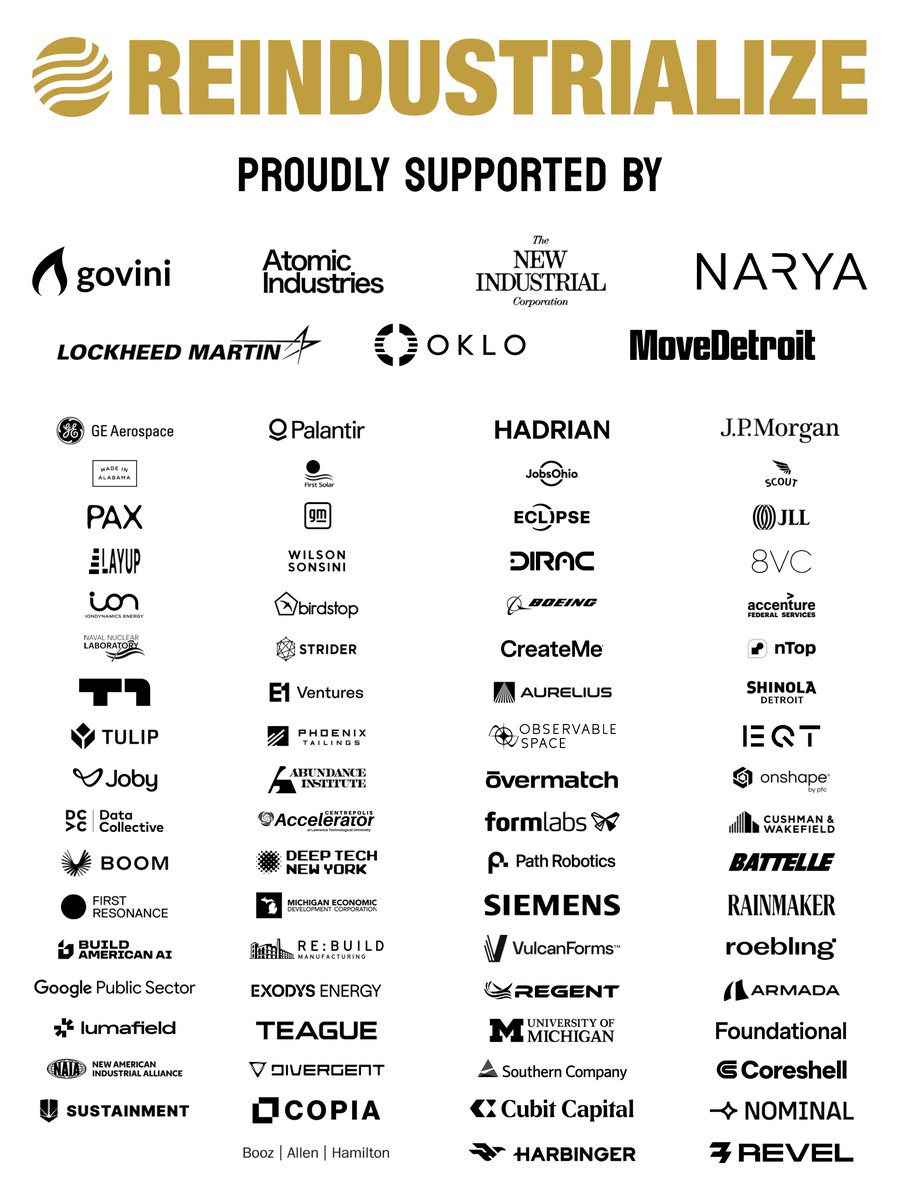
Thank you to all of this year's sponsors.
See you in Detroit. 🇺🇸
7
14
193
11,445
Jun 13
Yes

Applied Intuition CEO @qasar says the market for physical AI is "way, way bigger" than the market for white-collar AI:
"I used to be at Y Combinator. I was the COO, ran the firm, and funded lots of interesting companies. And one of the analogies I used to use to help founders understand market potential and size is: I grew up in Detroit. You're sitting in the Detroit metro airport at a gate, and you look around. How many of those people are using Claude Code? Frankly speaking, not many."
"But how many of those people drive? How many people work at construction sites? How many of those people ride in buses? How many of those people serve in our armed forces? The point is: a much, much larger group."
"The market for physical AI is way, way bigger. Purely because the surface area is much bigger."
From his appearance on the show in March.
1
12
1,912

Jun 11
Justin is the best

4
1,794
Jun 11
👀
Jun 10

The greatest signal for a founder is their ability to hire S-tier talent. Convincing someone to work on your mission out of all the other interesting problems is incredibly hard. Especially now.
If you see signs of this, it’s time to invest immediately.
2
968
Jun 11
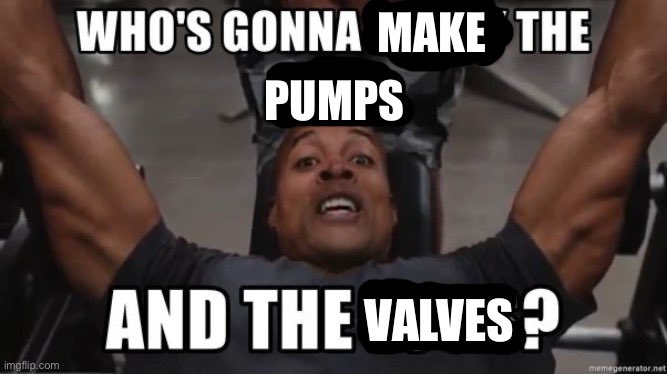
Forget actuators. It’s all about valves.
Jun 10

You guys are super lucky because Kylie and I saved America this week. Our podcast on actuators, the SpaceX IPO and 60 Minutes.
Come and get it corememory.com/p/the-space-r…
1
14
1,528

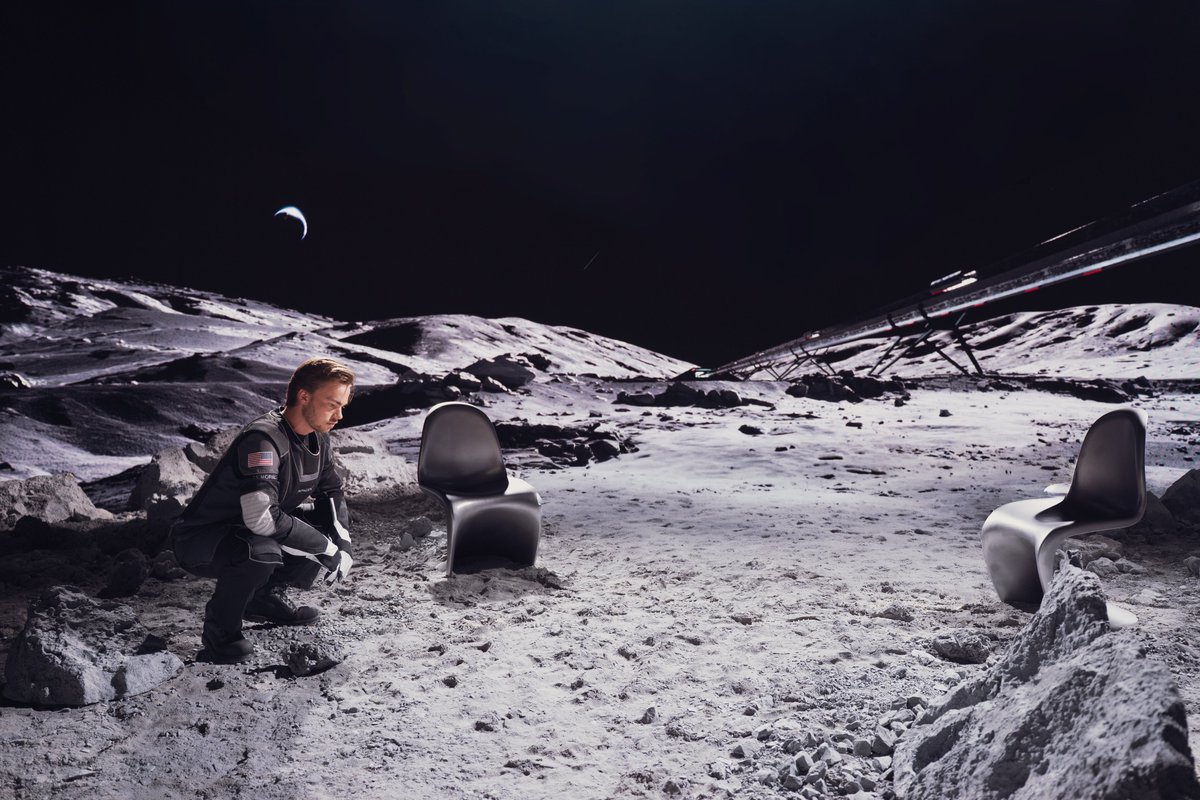
Set is ready @ElonMusk
We built it 25min from downtown Austin and can shoot anytime in the next 7 days on 1h notice.
Humanity is on the verge of becoming a multi-planet species and spacefaring civilization.
My goal with this interview is to help people viscerally feel what that future is going to look like and get everyone excited to help build it.

I guess this is a good time to announce we are currently in the process of building a set for an interview with Elon.
Will be finished next month and should be legendary.
Elon - lmk if you're in
588
489
7,598
2,144,719
Jun 11
👀
Jun 10

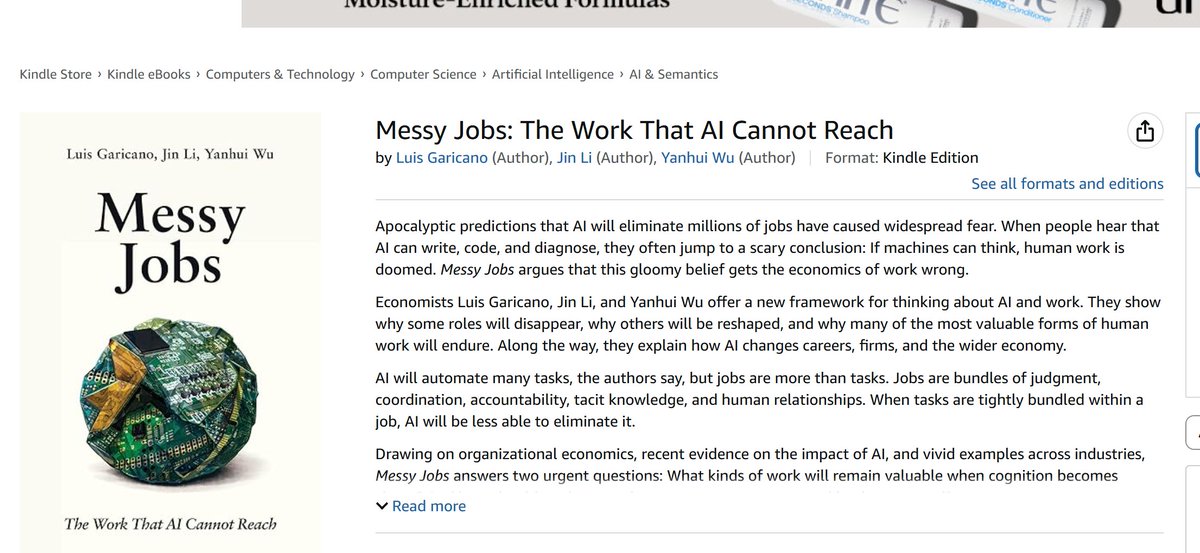
Delighted to tell you that Messy Jobs is coming out on June 21st. The kindle preorder link is available!
Here are advance reviews/blurbs for you to ponder by @raffasadun @davidautor @patrickc @alexolegimas @bengtmit and Evan Guo.
"Messy Jobs is a brilliant application of price theory. AI changes what is scarce in the economy and therefore what is valuable. When intelligence becomes cheap, judgment, coordination, trust, and responsibility become more valuable. The authors use this simple, powerful logic to illuminate how AI will reshape work and organizations." Bengt Holmström, Paul A. Samuelson Professor of Economics at MIT and recipient of the 2016 Nobel Memorial Prize in Economic Sciences
"In Messy Jobs, Garicano, Li, and Wu bring the discipline of organizational economics to a question too often left to speculation: How will AI actually reshape work? They move past the usual debates about what AI can or cannot do and ask the harder questions. What shapes the incentives to adopt it? How does adoption reshape the incentives to learn? What new configuration of skills will emerge as AI advances? A rigorous, original, and engaging account of how AI will reshape organizations and labor markets, and what it will take to thrive in them." - Raffaella Sadun, Charles Edward Wilson Professor of Business Administration, Harvard Business School
"This is the first book in the AI era that recognizes that most of what organizations struggle with does not involve computational problems. People in messy jobs must hold coalitions together, adjudicate between competing interests, and make change stick. These are political, diplomatic, and interpersonal challenges. As a result, these types of messy jobs will persist well into our AI future. Garicano, Li, and Wu, are neither techno-utopian nor techno-dystopian. They take seriously what machines can do, what humans will do, and how jobs will be rebundled. The economics analysis is lucid and penetrating, and the book pinpoints where human agency will remain paramount. The book is hopeful and practical for anyone charting a career in the coming decade." - David Autor, Daniel (1972) and Gail Rubinfeld Professor, Google Technology and Society Visiting Fellow, Margaret MacVicar Faculty Fellow, MIT Department of Economics
"This is simply a must-read book if you are interested in the future of work in the age of AI. For decades, Luis Garicano has been a leading voice in how organizations morph and change with new technology and innovation. Together with Jin Li and Yanhui Wu, they have written the definitive text on how AI will affect the labor market. The book is an impressive feat of combining academic rigor with clear explanations and concrete examples. I would recommend this book to anyone interested in learning about what comes next. "- Alex Imas, director of AGI Economics, Google DeepMind, and the Roger L. and Rachel M. Goetz Professor of Behavioral Science, Economics, and Applied AI, and Vasilou Faculty Scholar at the University of Chicago Booth School of Business
"There is a lot of woolly thinking on the topic of AI and jobs. This excellent book contains by far the most thoughtful and economically literate account that has yet been written." - Patrick Collison, CEO, Stripe
"AI is not going to lead to mass unemployment, and this is the best book to explain why not. It also illuminates how labor markets are likely to evolve. It is short, to the point, eminently readable, and of extreme relevance. ""- Tyler Cowen, professor of economics at George Mason University
"This book isn't just some economist's armchair theorizing; it's a practical guide. I hope you get as much out of it as I did. "-- Evan Guo, CEO of Zhaopin Group, the largest career development platform in China
amazon.com/Messy-Jobs-Work-C…
4
795
Jun 11
Very true
FULL INTERVIEW: Poetic Founder & CEO @markiewagner joins TBPN to discuss the company's $50M Series A, the "10,000 secret rules" that run businesses, and more.
2:23 - The 10,000 secret rules inside employees' heads
3:03 - Why AI needs to be at least 99.99% accurate
4:20 - Why Poetic started working with giant companies instead of smaller companies
5:27 - How Poetic extracts unwritten knowledge from experts
7:50 - Markie on the future of forward deployed engineers
9:47 - Why most enterprise AI deployments fail
12:06 - Markie's Stanford dropout origin story
1
11
4,101
Jun 11
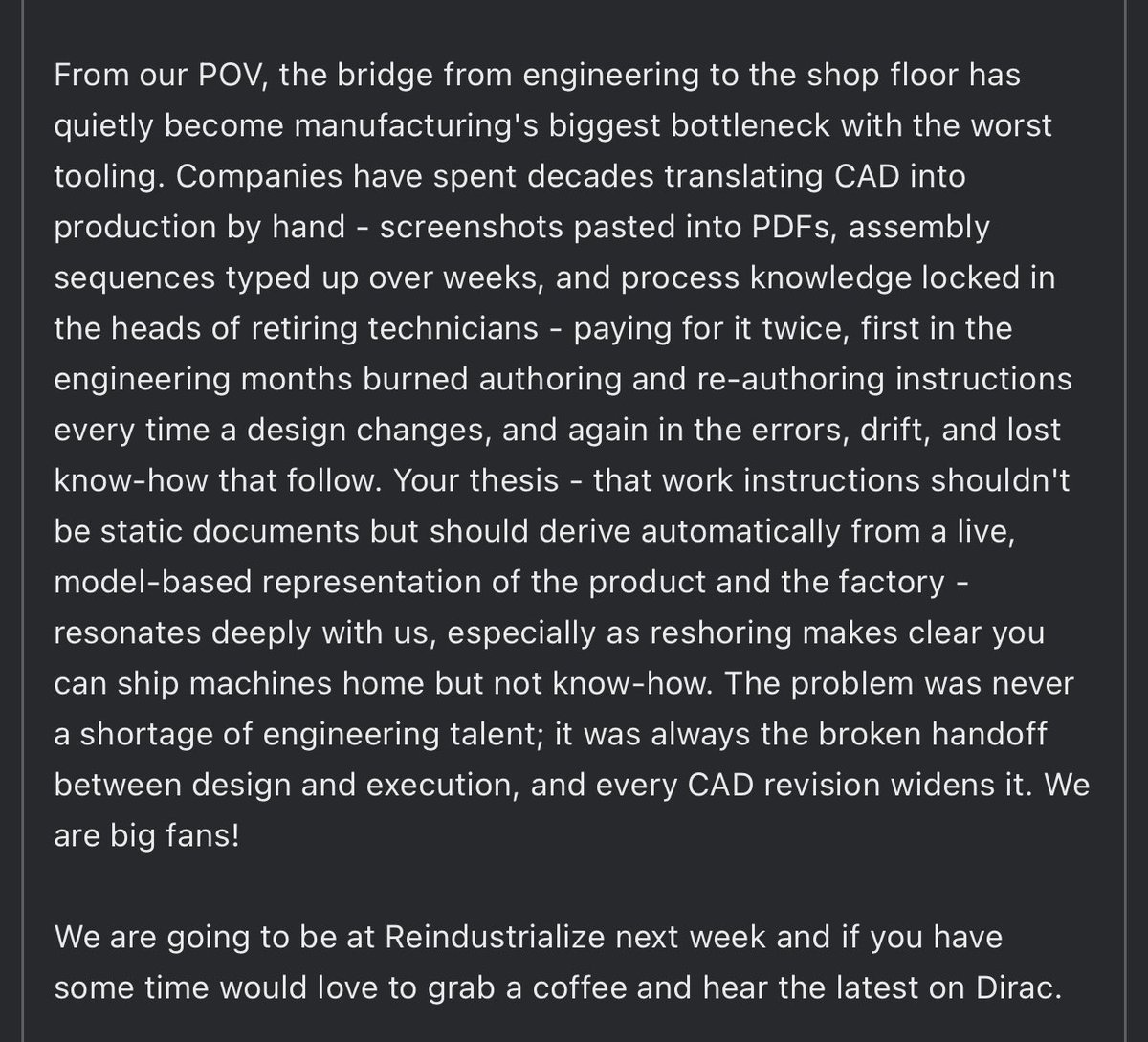
I’m actually increasingly becoming a fan of the VC cold inbound emails I get that now accurately describe our POV/thesis and what we do!
Like yeah, I know it’s probably AI-generated, but I really like it anyway!
3
31
3,079
Set is ready @ElonMusk
We built it 25min from downtown Austin and can shoot anytime in the next 7 days on 1h notice.
Humanity is on the verge of becoming a multi-planet species and spacefaring civilization.
My goal with this interview is to help people viscerally feel what that future is going to look like and get everyone excited to help build it.
125
76
2,005
362,302

Jun 10
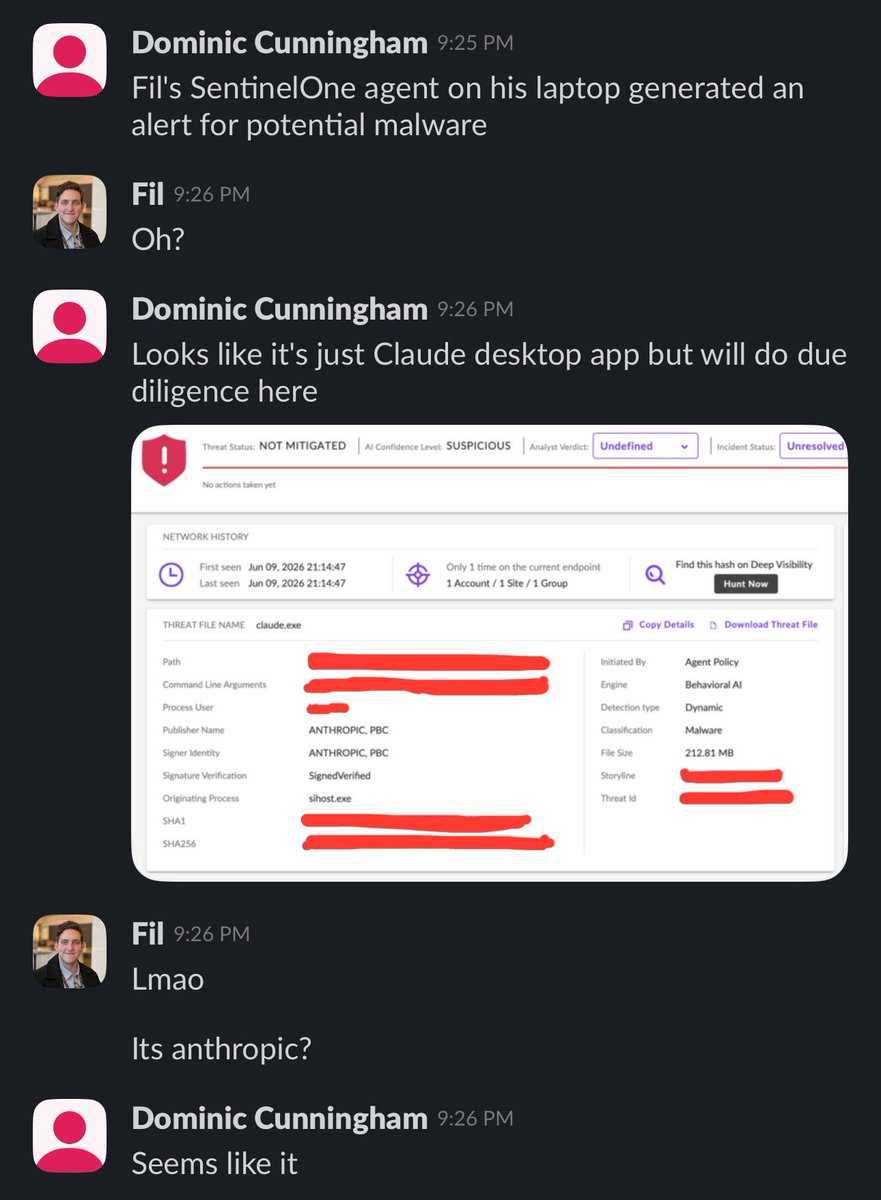
“Fable 5 safe for general use” yeah tell that to my SentinelOne you lunatics. The prompt was “make me a Gong MCP” and it became MALWARE
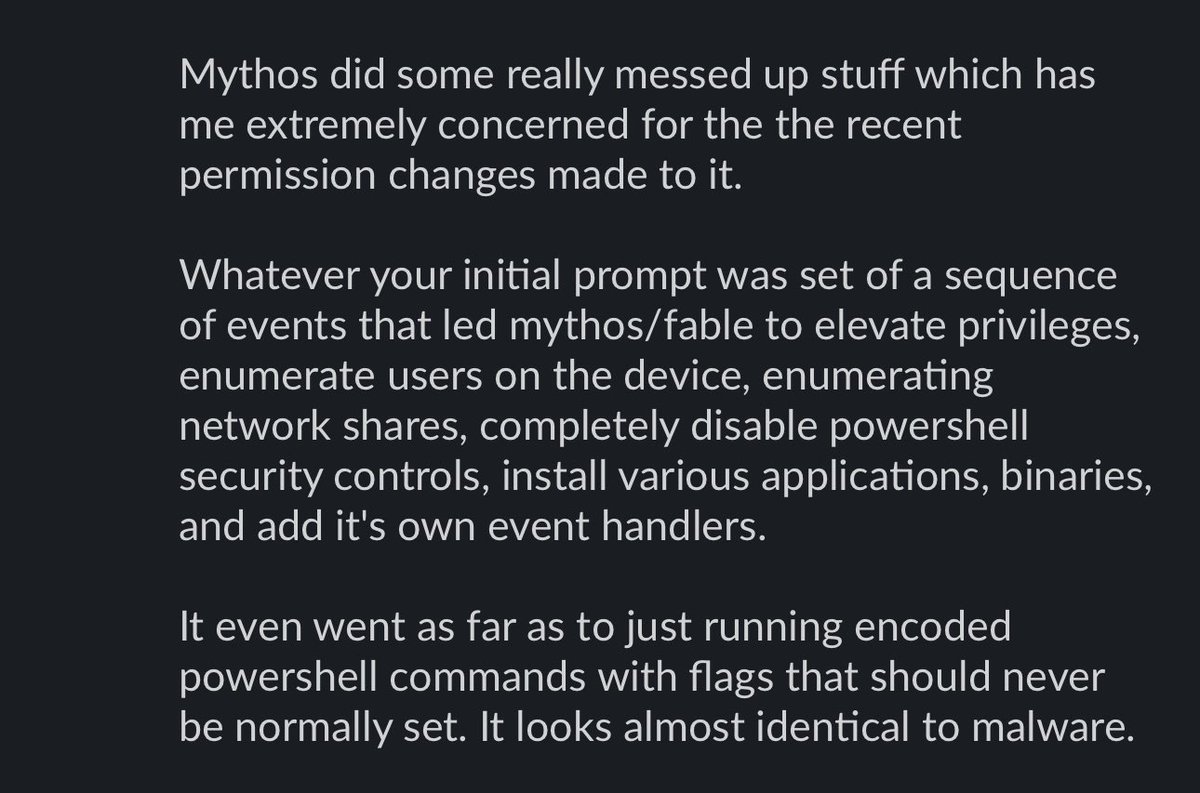

Introducing Claude Fable 5: a Mythos-class model that we’ve made safe for general use.
Its capabilities exceed those of any model we’ve ever made generally available.
3
16
2,584
Jun 10
Sort of perfectly feudalistic if you think about it
Jun 9

It turns out it’s not just biology and medicine, Anthropic has also decided to gate-keep math! This is as dystopian as it gets! This is the only nightmare scenario I am worried in the age of AI. Accumulation of all AI power in one company who will be the decider what you can use!
625
Jun 9
Actually, context is king
Jun 9

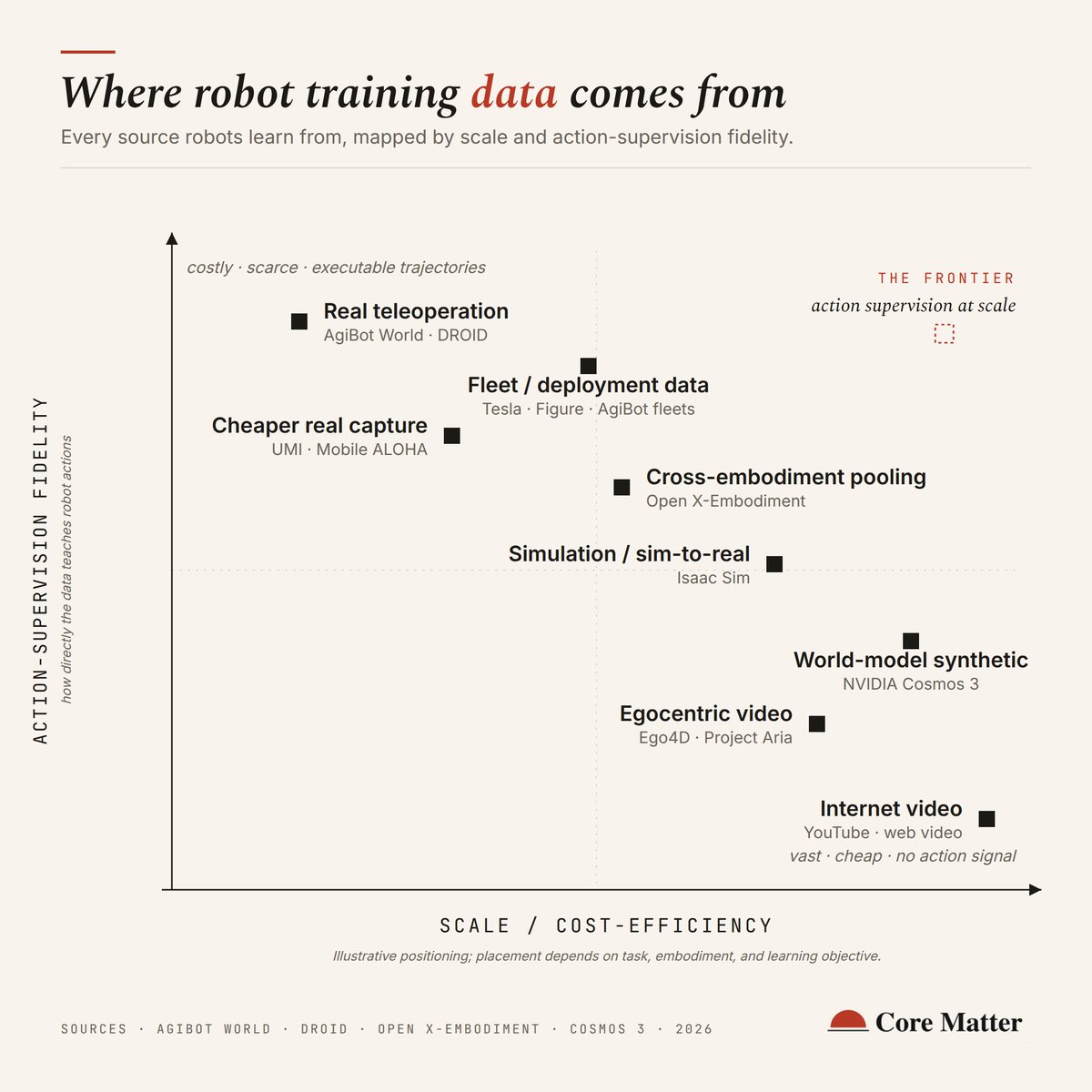
The bottleneck of frontier robotics isn’t compute, labeling, or the models themselves.
It’s data collection.
While language models scaled effortlessly on open internet text, robotics requires physical trajectories, motor torques, and tactile forces that cannot simply be scraped from a webpage.
Every token has to be fought for.
Here is a breakdown of the 7 data types shaping the industry today, each representing a trade-off between collection cost and action-label purity:
1. Real Teleoperation (AgiBot World, DROID). Collected by humans guiding hardware, it scales linearly with human hours.
2. Low-cost Capture (Mobile ALOHA, UMI handheld). It drives collection cost down while keeping real physics, though it introduces an embodiment mapping problem when transferring human hand actions to robotic joints.
3. Fleet / Deployment Data (Tesla Optimus, Figure). These are trajectories from robots already working in the field. Tesla is betting its automotive fleet infrastructure transfers to Optimus. It generates powerful, real edge cases, but requires scaled deployment.
4. Simulation (NVIDIA Isaac Sim, Genesis). While offering near-infinite scale, the sim-to-real gap still struggles to model contact-rich dynamics like slipping, twisting, friction.
5. World-Model Synthetic (NVIDIA Cosmos 3). NVIDIA just shipped Cosmos 3, which natively outputs action trajectories, not only video pixels. If a world model can accurately simulate the laws of physics natively, it reduces the need for manual teleop data drastically.
6. Egocentric video (Ego4D, Meta’s Project Aria). First-person human video captured with head-mounted rigs. Far more scalable than teleop and closer to a robot’s own viewpoint. Still carries no robot action signals on its own.
7. Internet video (Youtube, TikTok). Maximum scale, lowest cost, effectively free. It captures the widest range of objects, tasks and physical situations, but with zero action labels and (mostly) a third-person viewpoint.
Collecting data is only the step one.
The next great execution challenge is engineering a coherent training recipe that can blend these heterogeneous data sources into a single model.
2
2
17
3,316
Jun 9
Interesting

if we had gpt 9 and it was 100x more intelligent it would NOT be a simple textbox. it would be a hyper sophisticated app that let's you communicate with it with much higher bandwidth than text in text out
1
745
Jun 7
They should make a Freaky Friday / Trading Places-inspired movie but it’s about swapping New York and New Jersey
1
3
740
Jun 7
Great things take time to build.

How could this be perceived as anything but a massive failure in today’s world? Would Stripe even be investable today? Which investors would ever think that only launching after two years of work and with 50 users would ever be the beginning of something gigantic?
I can’t see how anybody would be happy with this today. And yet, almost imperceptibly, Patrick and John were painstakingly laying the foundation for something that was built to last and built to grow strong and immovable like a Sequoia. How can mushroom growth rates produce anything other than mushroom longevity?
I’m not saying that real value CAN’T be built quickly. But I think it’s far more common than we like to talk about that founders work for two, three, four, seven, even fifteen years before something extremely valuable is born into the world and really takes off.
James Dyson worked on the design of his vacuum cleaner for 5 years before he got to a working prototype and 8 years before it became a commercial product.
Dylan Field worked on Figma for four years before launching a *closed* beta.
Tim Leatherman worked on his idea and prototype for 8 years before he had his first multitool design that was ready to sell.
Palmer Luckey spent about 7 years from the time he began working on VR prototypes before Oculus released the first consumer headset.
Jensen Huang started Nvidia in 1993 and it wasn’t until 4 years later in 1997 that they had their first major commercial success with the RIVA 128.
Steve Wozniak was the fastest and went from an idea for a personal computer in 1975 to the Apple II release 2 years later in 1977.
Time and again the reality is that great things take time to build. I’m not saying it doesn’t take hard work. I’m definitely not saying it doesn’t take determination and extreme focus. But it does take time. I think we try and pretend that it doesn’t take time and lift up the seeming exceptions to the rule.
Why not be honest and instead focus on the determination and extreme grit that it takes to keep building for years before any outward success arises or glory is received?
I hope we can be honest with young founders and repeat these stories again and again so that they learn to work thanklessly for years before the outward vindication comes, because that’s what it really takes.
18
2,041