Official channel of Film Secession, your home for film and the arts. Join now to discover our shared heritage and to help reimagine the future.

Joined February 2024
290 Photos and videos
Pinned Tweet
Official trailer for Film Secession (filmsecession.com), an immersive 3D museum without walls that continually opens up new connections between different filmmakers, periods, & art forms. Join now!
15
54
21,925
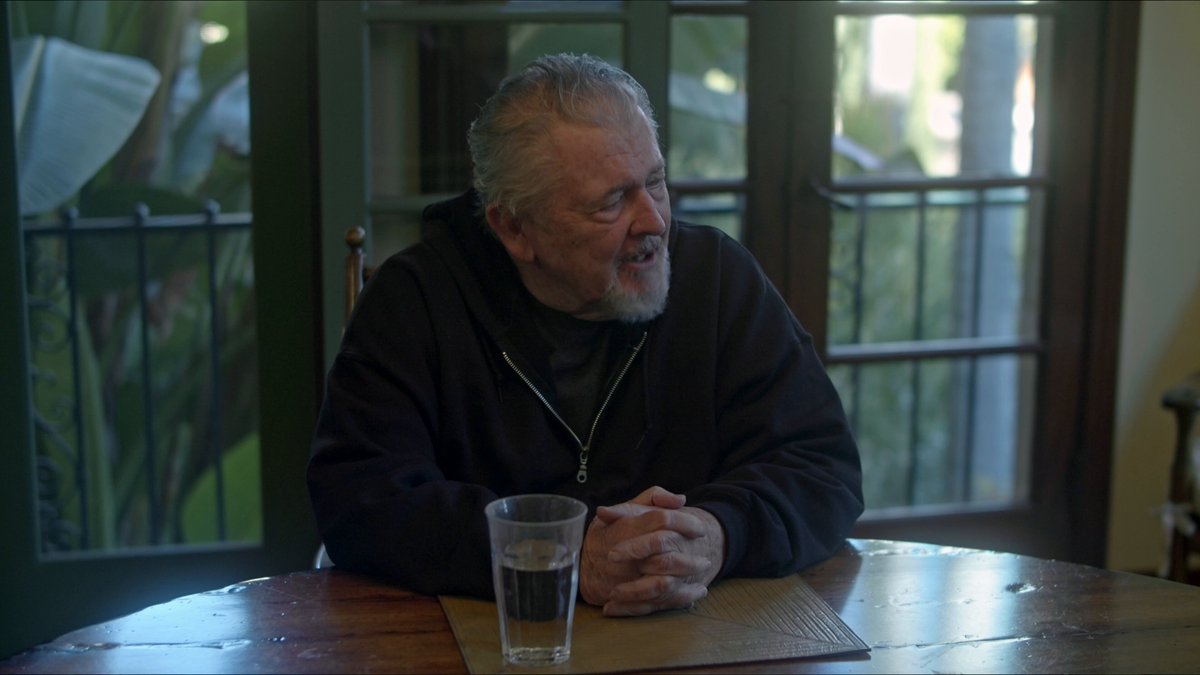
Vigorous and incomparably kinetic, Walter Hill’s films have revitalized the defining genres of American cinema. Explore Walter Hill’s work through our two-part portrait film (DREAM WORLDS and PRINT THE LEGEND) and our new Exhibition (including OLD AND NEW HOLLYWOOD, CHARACTER AND MYTH, INVITATION TO THE DANCE, GHOSTS OF WAR, and COWBOY ILIADS). The Exhibition is accompanied by an extensive Film Program: "Walter Hill and the Art of Motion." Follow the links below to begin exploring. Walter Hill Exhibition: filmsecession.com/exhibition… Walter Hill and the Art of Motion: filmsecession.com/cinema/ove… Film Secession: filmsecession.com About Film Secession: filmsecession.com/about-us All films below by Walter Hill: 1. Streets of Fire (1984) 2. Southern Comfort (1981) 3. The Long Riders (1980) 4. Hard Times (1975) #filmsecession #walterhill #movement #composition #cameramovement #filmstyle #cinematography #filmcolor #westerns #dance #longtake #montage #streetsoffire #arthistory #filmmusic #filmschool
2
10
41
1,531
Here is a preview for our new Exhibition on director-writer-producer Walter Hill. In our two-part portrait film (DREAM WORLDS and PRINT THE LEGEND), Hill speaks with candor and insight about John Ford, Raoul Walsh, John Huston, Sam Peckinpah, and his singular approach to the genres that have defined American cinema. Follow the links below to watch the portrait film and begin exploring. Walter Hill Exhibition: filmsecession.com/exhibition… Film Secession: filmsecession.com About Film Secession: filmsecession.com/about-us #filmsecession #walterhill #movement #composition #cameramovement #filmstyle #johnford #raoulwalsh #sampeckinpah #johnhuston #cinematography #filmstyle #arthistory #filmmusic #filmschool
2
15
59
3,176
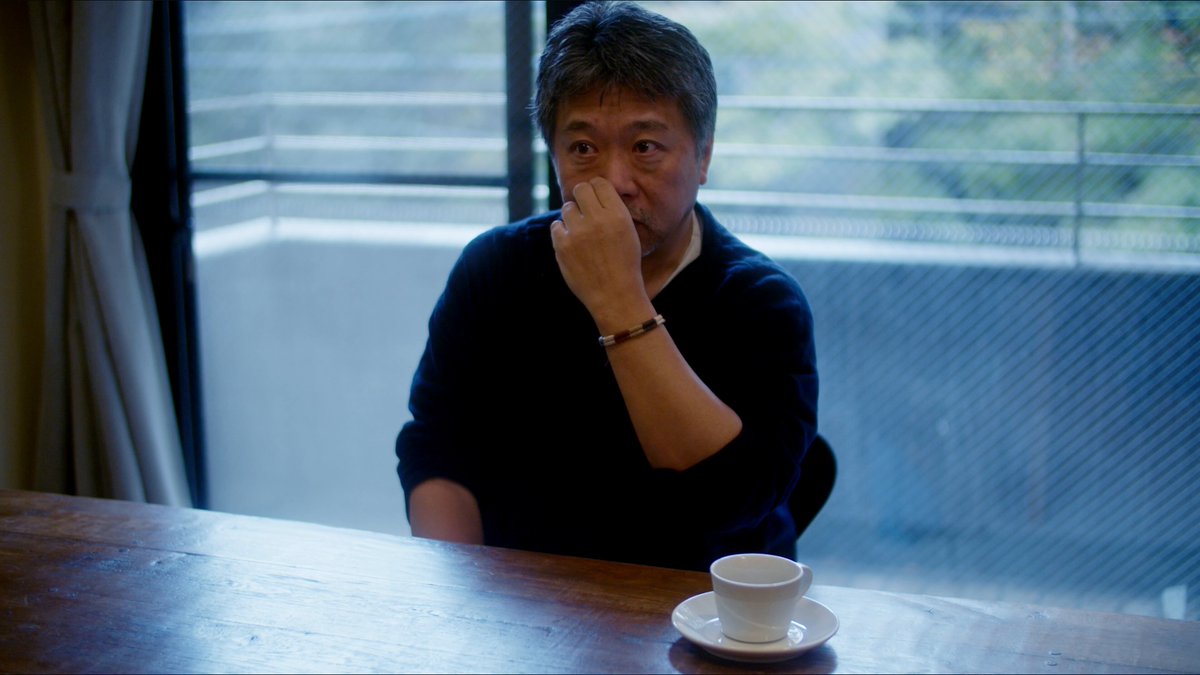
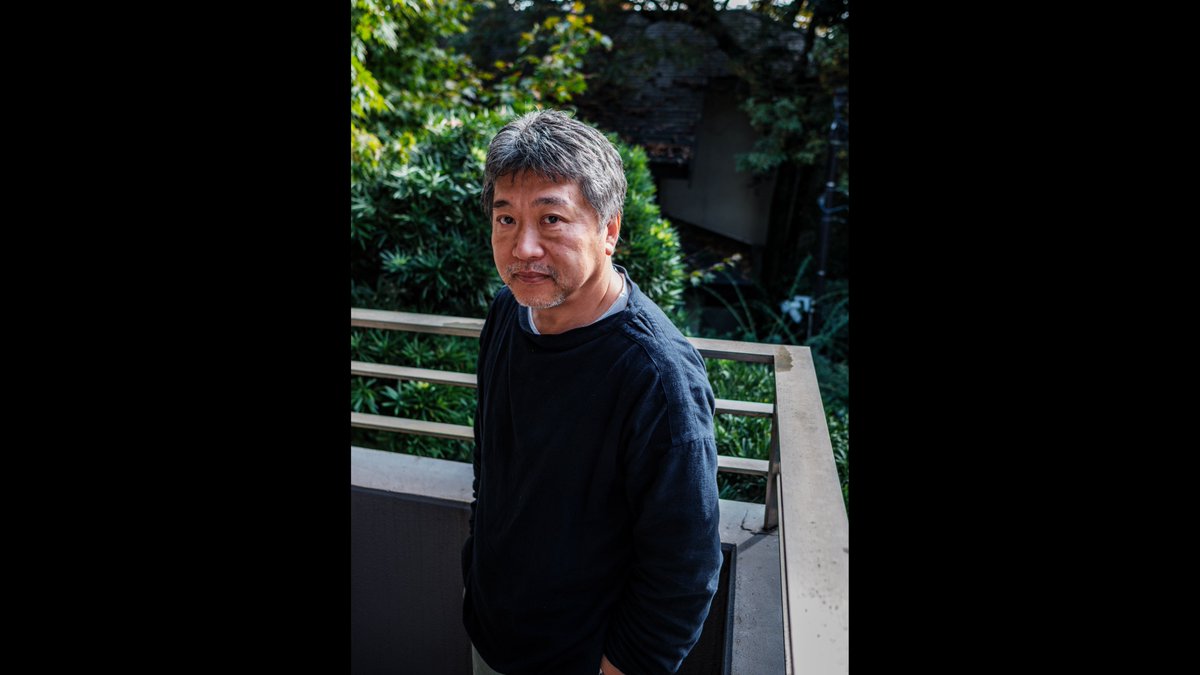
With quiet precision, Hirokazu Kore-eda has helped to reinvigorate the approaches to space, movement, family, and light that have long distinguished Japanese cinema. Explore Kore-eda’s work through our portrait film and our new Exhibition (including FLOATING CLOUDS, DUST IN THE WIND, FAMILY TIES, DOMESTIC SPACES, THE SENSE OF AN ENDING, and MYSTERIOUS LIGHT). In our extensive portrait film, Kore-eda speaks in great detail about his film style, his obsession with light, practical aspects of film direction, classical Japanese masters like Yasujirō Ozu and Mikio Naruse, the approaches of contemporary filmmakers like Jūzō Itami and Kiyoshi Kurosawa, and the powerful influence of critic Shiguéhiko Hasumi. Follow the links below to begin exploring: Hirokazu Kore-eda Exhibition: filmsecession.com/exhibition… About Film Secession: filmsecession.com/about-us Film Secession: filmsecession.com #filmsecession #hirokazukoreeda #mikionaruse #yasujiroozu #juzoitami #kiyoshikurosawa #filmlighting #cinematography #cinemaofjapan #japanesefilm #japanesecinema #miseenscène #filmhistory #arthistory #filmschool
1
7
221
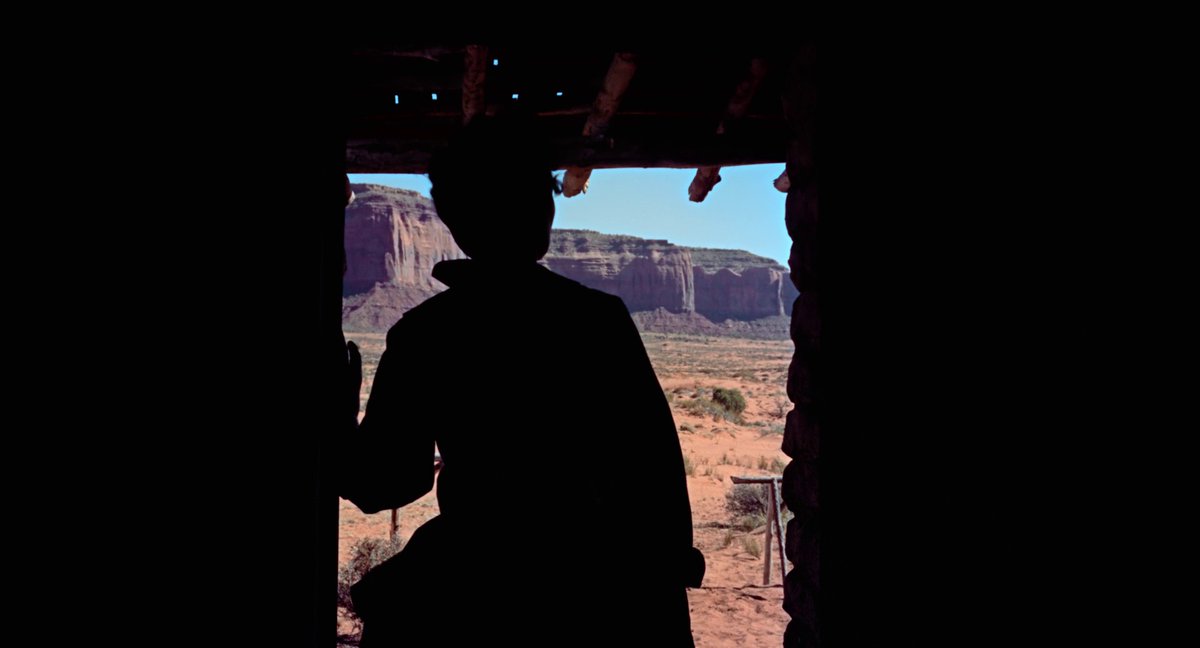
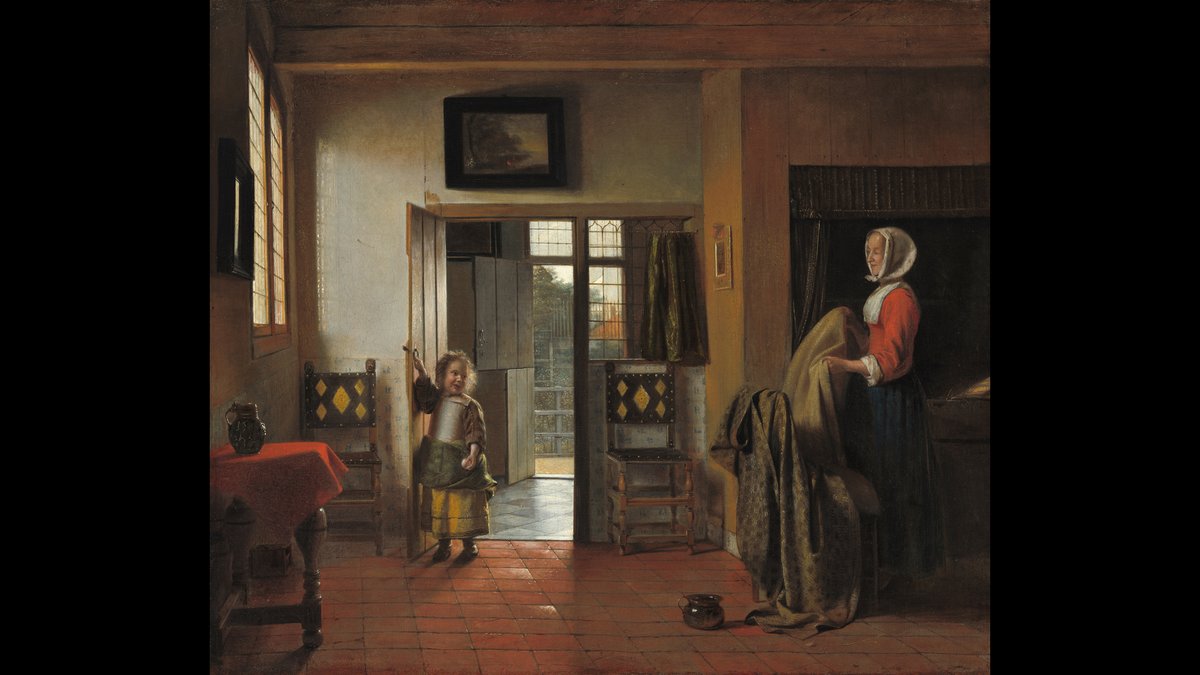
What is most striking about this extraordinary sequence from Paul Thomas Anderson’s The Master (2012, clip 1) is an elliptical and tantalizingly enigmatic form of montage. The four-shot sequence registers as spatiotemporally coherent because of a series of matches and variations, with the right-to-left movement of camera, dolly, and figure in the second shot matched by the left-to-right movement in the third, the shift from lateral to tunnel space in the first shot echoed in the third, and the fourth shot reworking these micro-movements. We briefly lose the ability to distinguish camera and object, figure and ground at the beginning of the final shot, which gives added resonance to the play with point-of-view in the third. What seems to be a straightforward, over-the-shoulder setup becomes, in motion, something rather different. The repeatedly racked focus serves as a psychological correlate to the protagonist’s yearning for clarity and stability. Anderson also strongly evokes the work of John Ford, concluding the first shot with a dolly through a doorway much like the one that both opens and closes The Searchers (1956, image 2). Ford was the cinema’s great poet of passageways, liminal spaces, and transitions, and he gave a strong cinematic inflection to a visual tradition that was rooted in the conventions of Northern European genre painting (image 3). In My Darling Clementine (Ford, 1946, clip 4), these tropes are brought together in a beautiful, if tentative, synthesis connecting the constitutive elements of social life with emblems – the flags and the church steeple - of a nation undergoing tumultuous change. Anderson encourages a complementary meditation in The Master by having his flag pass at twilight underneath San Francisco’s Golden Gate Bridge, a different but equally charged icon in our technologically saturated age. Like Ford, Anderson links depictions of the past, here 1946 as seen from the perspective of 2012, to anxieties about the present, as if he were trying to locate the roots of our contemporary malaise. 1. The Master (Paul Thomas Anderson, 2012) 2. The Searchers (John Ford, 1956) 3. The Bedroom (Pieter de Hooch, 1658-1660, National Gallery of Art, Washington D.C.) 4. My Darling Clementine (John Ford, 1946) Learn more in our Montage Exhibition: filmsecession.com/exhibition… Anderson on Film Secession: filmsecession.com/exhibition… About Film Secession: filmsecession.com/about-us #filmsecession #montage #paulthomasanderson #johnford #themasterfilm #arthistory #filmhistory #filmstyle #cameramovement #iconography #genrepainting #pieterdehooch #filmschool
4
9
794
Discover some of the bold ways adventurous editing has been used to transform space, change perceptions, and introduce new creative possibilities in our Montage Exhibition. Follow the direct link below to begin exploring and learn more (including THE ALL-SEEING EYE, THE CREATIVE HAND, THE CLASSICAL HOLLYWOOD SYSTEM, OZU AND THE MYSTERIES OF THE VASE, MYSTERY AND MECHANISM IN BRESSON AND DREYER, THE CREATIVE GEOGRAPHIES OF THE GODFATHER, ABEL GANCE’S POLYVISION, GODARD’S MONTAGE IMAGES, TARKOVSKY’S MIRRORS, and MONTAGE, MOVEMENT, AND THE SPACES OF MEMORY). Montage Exhibition: filmsecession.com/exhibition… About Film Secession: filmsecession.com/about-us 1. The Man with a Movie Camera (Dziga Vertov, 1929) 2. Napoleon (Abel Gance, 1927) 3. The Godfather, Part II (Francis Ford Coppola, 1974) 4. In the Mood for Love (Wong Kar-Wai, 2000) #filmsecession #montage #filmediting #dzigavertov #abelgance #napoleon #yasujiroozu #francisfordcoppola #thegodfather #wongkarwai #filmstyle #arthistory #filmhistory #filmmusic #filmschool
1
5
7
275
In the culminating sequence of Close-Up (1990, clip 1), Abbas Kiarostami transforms what could be an infinitely recurring mise-en-abîme into an extraordinary movement towards deeper understanding. Neorealist pioneer Roberto Rossellini famously said, "To get at reality, you need tricks." For Kiarostami, this means using gaps in sound recording and clearly staged shifts in camera angle to create an impression of spontaneous discovery. In our portrait films, both Apichatpong Weerasethakul and Ryūsuke Hamaguchi describe Kiarostami as one of two contemporary Asian filmmakers to exert a formative influence. The other is Taiwanese director Hou Hsiao-hsien. With varying degrees of acknowledgment, both Hou and Kiarostami reworked the paradigms of Italian Neorealism, treating the work of directors like Rossellini as models to be worked through rather than simply emulated. Hou's greatest films interrogate the complex history of Taiwan and the ruptures created by the Second Sino-Japanese War and the Chinese Civil War, which radically transformed the history of the region. In this respect, the under-rated Good Men, Good Women (1995, clip 2), a documentary/fiction hybrid about the creation of a fictional film derived from the narrated experiences of 1940s resistance fighters, is representative. Hou regards both the leftist idealism of the 1940s and the materialist narcissism of the 1990s with equanimity, using formal devices (camera position and movement, alternations between black-and-white and color) to set up distinctions that are blurred by the mirroring structure of the narrative. In Syndromes and a Century (2006), Apichatpong combines elements of both approaches, and of the methods of the Surrealists, in a new way. The enigmatic ending (clip 3) once again demonstrates that it is the difficulty of capturing an always shifting reality that creates opportunities for renewal. Discover the films, watch the portraits, and learn more on Film Secession. Follow the links below. About Film Secession: filmsecession.com/about-us Hamaguchi on Hou: filmsecession.com/exhibition… Apichatpong Weerasethakul Exhibition: filmsecession.com/exhibition… 1. Close-Up (Abbas Kiarostami, 1990, Iran) 2. Good Men, Good Women (Hou Hsiao-hsien, 1995, Taiwan/Japan) 3. Syndromes and a Century (Apichatpong Weerasethakul, 2006, Thailand/Austria) #filmsecession #abbaskiarostami #houhsiaohsien #apichatpongweerasethakul #ryusukehamaguchi #robertorossellini #neorealism #filmhistory #arthistory #documentary #fiction #surrealism #filmstyle #filmschool
1
2
6
201
Josef von Sternberg's debut feature The Salvation Hunters (1925) already demonstrates the meticulous composition, gestural rhymes, graphic tension, and plastic force that would soon make him one of cinema's preeminent stylists. Made independently for $5,000 and shot on location throughout the Los Angeles area, the film received the backing of United Artists after Charles Chaplin and Douglas Fairbanks were cajoled into a private screening (lead actress Georgia Hale would co-star in The Gold Rush the next year). The Salvation Hunters was celebrated at the time for unadulterated realism, but it now seems like a unique synthesis of pictorialist atmosphere, Symbolist psychology, and Expressionist space. Its mood and sensibility anticipate the postwar filmmaking of Stanley Kubrick and David Lynch. We are honored to present this beautiful restoration for the film’s centenary, courtesy of our partners the UCLA Film and Television Archive @UCLAFTVArchive and the Austrian Film Museum. The soundtrack originates from the debut performance of Dreamscope Trio at Il Cinema Ritrovato in Bologna @cinetecabologna on June 24, 2025. It was mixed by Eduardo Raon. Dreamscope Trio is a newly formed ensemble consisting of Matti Bye, Laura Naukkarinen, and Eduardo Raon, three internationally acclaimed silent film musicians who, after decades of accompanying the classics of cinema, have come together to explore new artistic territory. This special presentation of The Salvation Hunters is available to all on Film Secession through the direct link below: filmsecession.com/cinema/fil… About Film Secession: filmsecession.com/about-us #filmsecession #josefvonsternberg #filmstyle #charleschaplin #stanleykubrick #davidlynch #georgiahale #pictorialism #symbolistart #cinematography #filmrestoration #silentfilm #filmhistory #arthistory #filmmusic #filmschool #dreamscopetrio
1
8
20
2,967
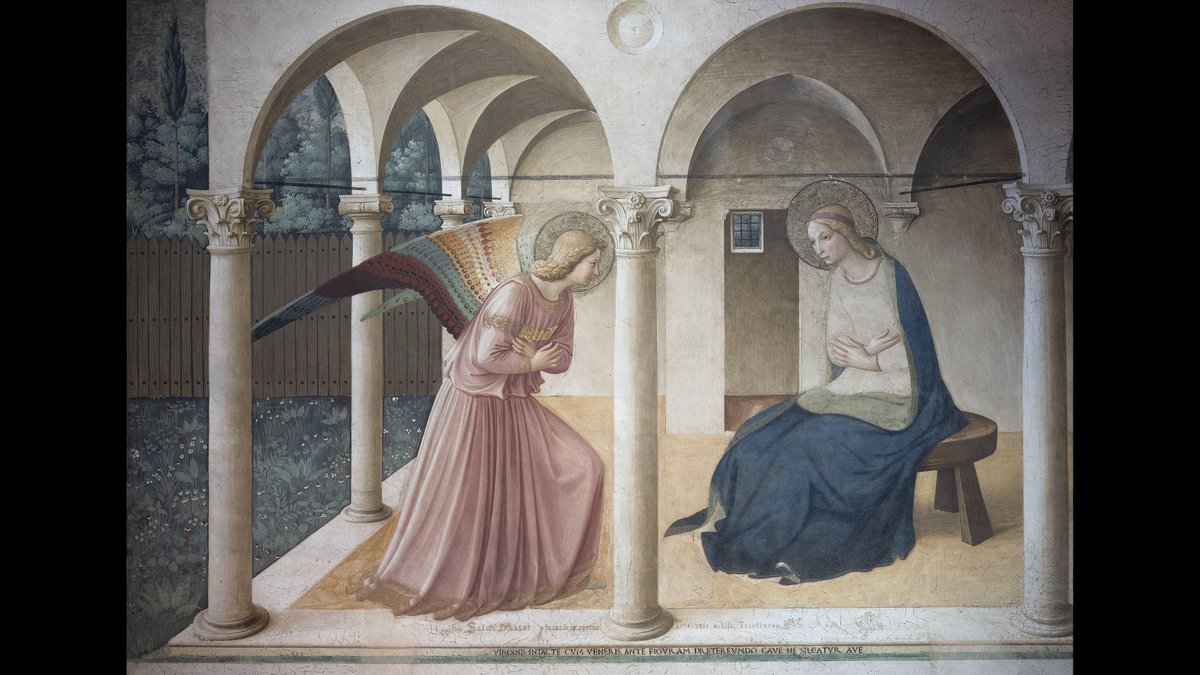
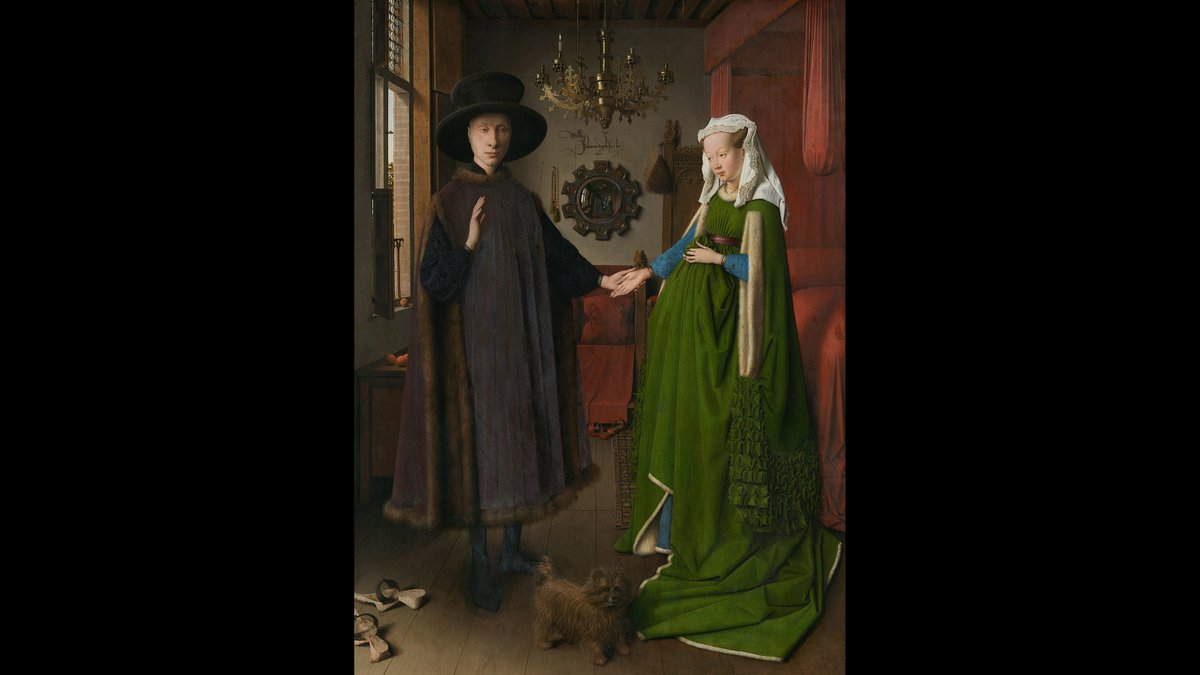
This past summer, we traveled with director Arnaud Desplechin to the Royal Museum of Fine Arts, De Cinema, and other venues in Antwerp to discuss “Cinematic Legacies of Flemish Art.” The four films that resulted are available to all on Film Secession through the direct link below (clip 1). Desplechin grow up in Roubaix, in French Flanders, and his Flemish artistic inheritance is openly acknowledged in his breakthrough film My Sex Life… (1996), which opens with a memory montage of a childhood visit to Bruges. Two decades later, Ismael's Ghosts (2017, clip 2) includes a comic scene in which the filmmaker protagonist tries to connect two perspectival approaches developed north and south of the Alps in the middle of the fifteenth century. What most distinguishes Fra Angelico's painting of The Annunciation at the Convent of San Marco in Florence (1437-1445, image 3) is the adoption of a perspectival system based on a central vanishing-point, recessional lines, orthogonals, and partitions. The alternative system developed by Bruges-based painter Jan Van Eyck appears to have been derived largely from direct observation. Van Eyck's system, epitomized by The Arnolfini Wedding Portrait (1434, image 4), corresponds closely with the mathematically-based Italian version, as evidenced by the lines of the floorboards at the bottom and the beams at the top. Unlike most of his Italian contemporaries, however, Van Eyck had training as a miniaturist. His painting, much smaller than Fra Angelico's, is full of precisely rendered details that suggest a deeper level of reality that can only be intuited through reflections (as if seen "through a glass darkly"). The mirror in the center, which reflects back more than the viewer can otherwise see, is emblematic. Learn more on Film Secession (available to all): filmsecession.com/exhibition… 1.From Van Eyck to Rubens (Film Secession, 2025) 2.Ismael’s Ghosts (Arnaud Desplechin, 2017) 3.The Annunciation (Fra Angelico, 1437-1445, Convent of San Marco, Florence) 4.The Arnolfini Wedding Portrait (Jan Van Eyck, 1434, National Gallery, London) #filmsecession @KMSKA #arnauddesplechin #arthistory #flemishart #janvaneyck #fraangelico #painting #renaissanceart #perspective #filmstyle #filmart #filmhistory #filmschool
2
2
6
307
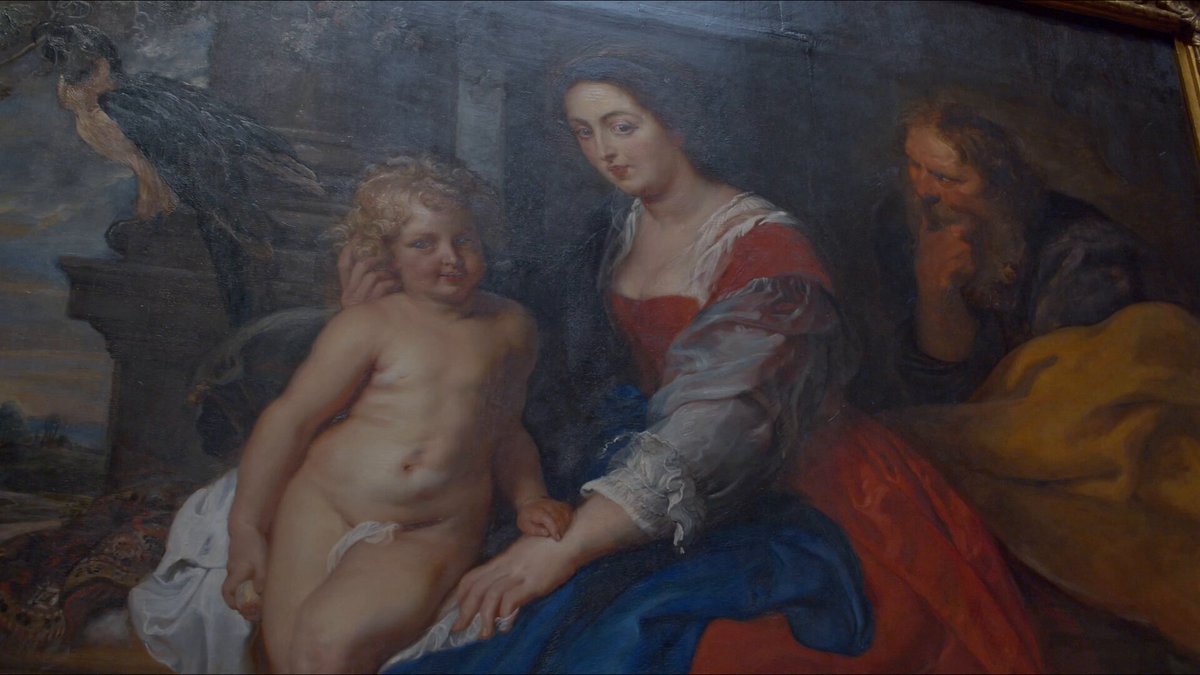
Here is an extract from "Cinematic Legacies of Flemish Art," our four-part conversation with director Arnaud Desplechin in Antwerp, Belgium. Discover the history, significance, and lasting influence of Flemish art through our films shot in Antwerp’s Royal Museum of Fine Arts and De Cinema (INTIMATE JOURNEYS, THE FLEMISH BAROQUE, FROM VAN EYCK TO RUBENS, and ON A CHRISTMAS TALE). "Cinematic Legacies of Flemish Art" is available to all through the direct link below: filmsecession.com/exhibition… It is the first in a continuing series. We would like to thank our partners: Cinea Belgium, De Cinema @decinema_, and the Royal Museum of Fine Arts, Antwerp @KMSKA . Paintings from the Royal Museum of Fine Arts, Antwerp discussed here: 1. The Holy Family with a Parrot (Peter Paul Rubens, 1614-1633) 2. The Baptism of Christ (Peter Paul Rubens, 1604-1605) 3. Jacopo Pesaro being presented by Pope Alexander VI to Saint Peter (Titian, 1503-1504) #filmsecession #arnauddesplechin #peterpaulrubens #painting #flemishart #baroque #flemishpainting #royalmuseumoffineartsantwerp #titian #filmart #filmstyle #arthistory #flanders #antwerp #filmschool
2
7
143
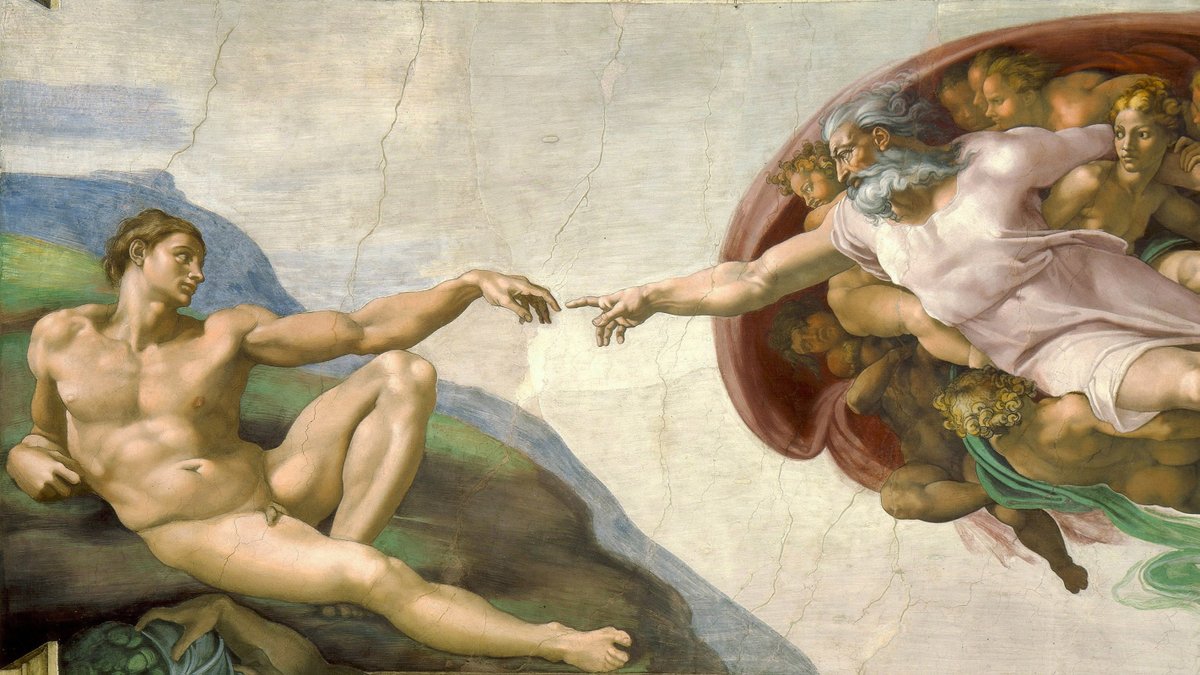
“Humanism does not consist in saying: 'No animal could have done what we have done,' but in declaring: 'We have refused to do what the beast within us willed to do, and we wish to rediscover Man wherever we discover that which seeks to crush him to the dust.' True, for a religious-minded man this long debate of metamorphosis and rediscoveries is but an echo of a divine voice, for a man becomes truly Man only when in quest of what is most exalted in him; yet there is beauty in the thought that this animal who knows that he must die can wrest from the disdainful splendor of the nebulae the music of the spheres and broadcast it across the years to come, bestowing on them messages as yet unknown. In that house of shadows where Rembrandt still plies his brush, all the illustrious Shades, from the artists of the caverns onwards, follow each movement of the trembling hand that is drafting for them a new lease of survival – or of sleep.” - André Malraux, The Psychology of Art (1947) “The true condition of man is to think with his hands,” Swiss writer Denis de Rougemont declared in a seminal Personalist text of 1936. Hands are also the conduits for creative acts, and Michelangelo’s The Creation of Adam (1508, image 1) is the locus of the association. André Malraux beautifully distills the tradition in the passage above. As these clips demonstrate, one of Marcel Ophuls's most striking contributions to documentary form was his versatile and obsessive focus on hands, as cinematic variations on spatial repetition, expressions of singular human personalities, and constitutive parts of comparative montage clusters. Throughout The Sorrow and the Pity (1969, clip 2) and The Memory of Justice (1976, clips 3-4), his epic about the Nuremberg Trials, Ophuls uses subtle gestural rhymes to elicit comparisons between modes of physical expression and thought. These repeated shots of hands also help to provide what Ophuls aptly calls "a sense of structure" in the final chapter of our four-part portrait film. Follow the links below: Marcel Ophuls Exhibition: filmsecession.com/exhibition… Our Marcel Ophuls Portrait Film: filmsecession.com/exhibition… About Film Secession: filmsecession.com/about-us 1. The Creation of Adam (Michelangelo, 1508, Sistine Chapel, Vatican) 2. The Sorrow and the Pity (Marcel Ophuls, 1969) 3-4. The Memory of Justice (Marcel Ophuls, 1976) #filmsecession #marcelophuls #andremalraux #michelangelo #creationofadam #hands #documentaryfilm #painting #nurembergtrials #nuremberg #montage #filmhistory #arthistory #filmschool
1
1
7
178
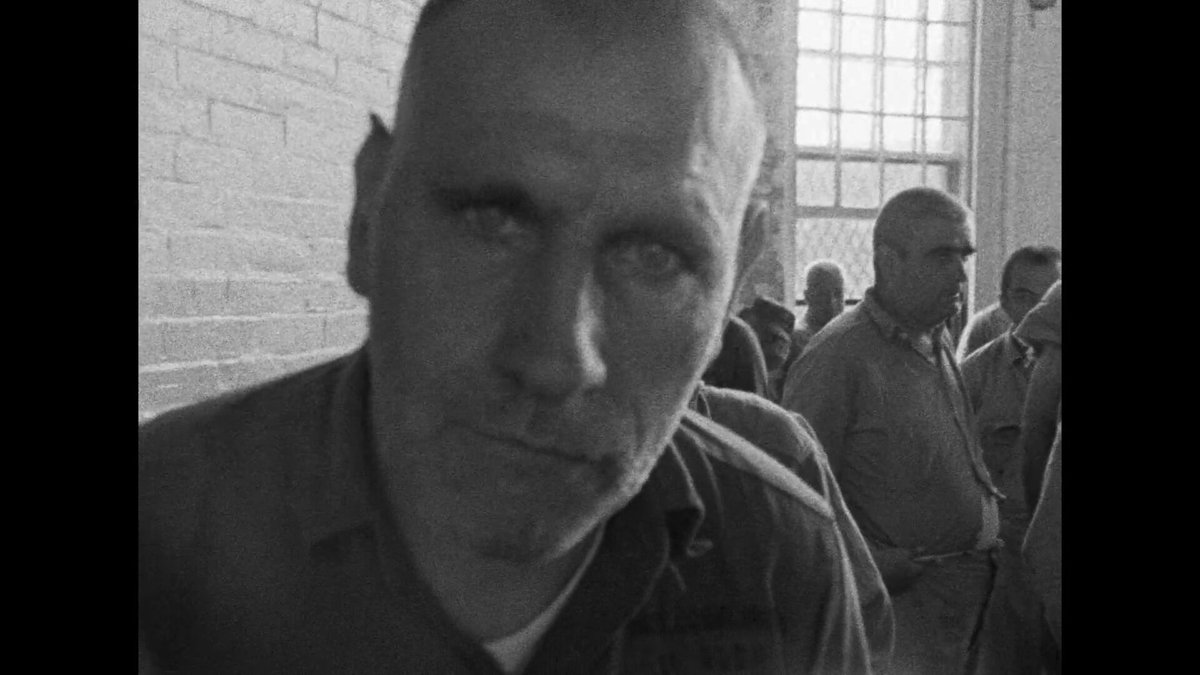
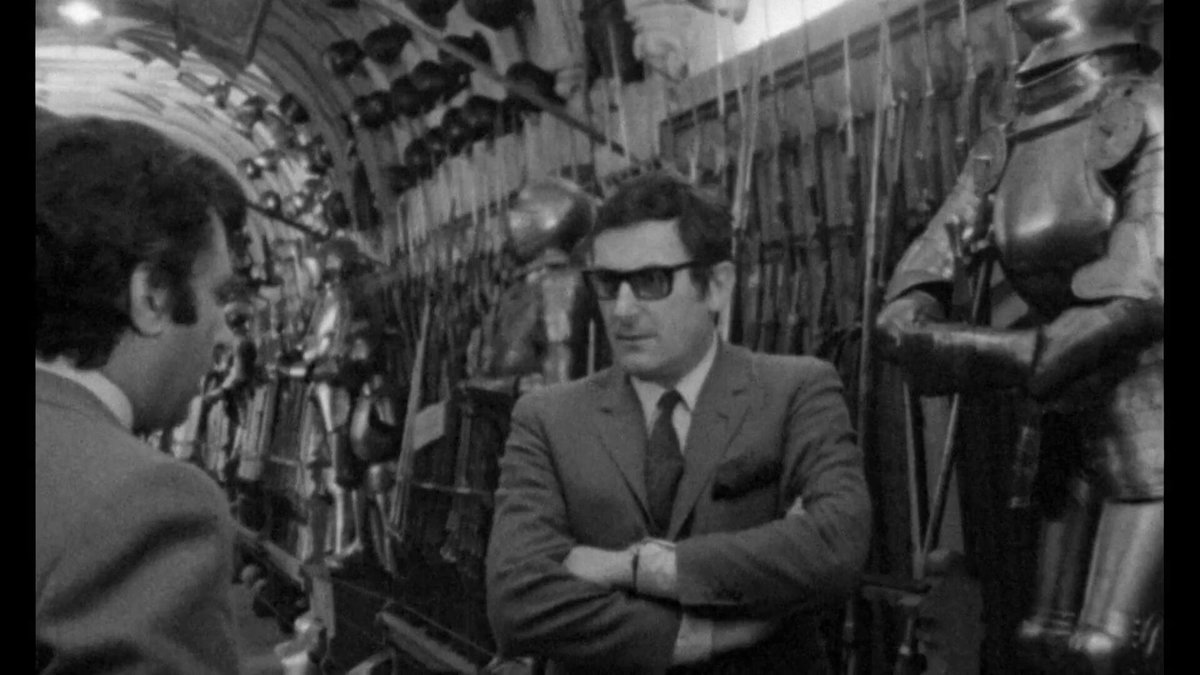
In the 1960s, there was a widespread debate about the meaning, ethics, and function of "cinema vérité.” The phrase was coined by sociologist Edgar Morin as a direct translation of Soviet pioneer Dziga Vertov’s "Kino Pravda," but it quickly became an umbrella term encompassing a number of documentary approaches. The most prominent strand, centered in North America, advocated a minimum of authorial intervention. Transforming the camera into a sort of objective witness would purportedly allow more immediate access to reality and cinematic truth. As Marcel Ophuls (clip 2) explains in Chapter Four of our portrait film, both he and his contemporary Frederick Wiseman detested the term because of the presumption that truth applies only to documentary forms. In this extraordinary sequence from Wiseman's first film Titicut Follies (1967, clip 1), the filmmakers adapt while the camera is rolling when it becomes clear that the most compelling part of the "scene" is audible but not yet visible. This emphasis on process and discovery is in the spirit of Morin and cinema vérité, but the logic of Wiseman's framing and montage also extends the traditions of narrative cinema. Unlike Wiseman, Ophuls often inserted himself in his own productions. The sequence from Hotel Terminus (1988, clip 2) begins in true Lumière fashion (clip 3), with surprised observers turning to look at a camera in a public space. It quickly shifts to integrates multiple levels of staging and performance as Ophuls confronts an obfuscating speaker. A clear rebuttal of cinema vérité ideals of invisible observation, it demonstrates why Ophuls exerted such a profound influence on a more interventionist strain of documentary epitomized by Errol Morris, Kazuo Hara, and Werner Herzog. Follow the links below: Marcel Ophuls Exhibition: filmsecession.com/exhibition… Our Marcel Ophuls Portrait Film: filmsecession.com/exhibition… Documentary on Film Secession (available to all): filmsecession.com/exhibition… 1. Titicut Follies (Frederick Wiseman, 1967) 2. Hotel Terminus (Marcel Ophuls, 1988) 3. The Arrival of the Train at the Station (Louis and Auguste Lumière, 1895-1897) #filmsecession #marcelophuls #frederickwiseman #documentary #documentaryfilm #cinemaverite #lumières #dzigavertov #wernerherzog #errolmorris #16mm #filmsound #filmhistory #filmschool
3
9
201
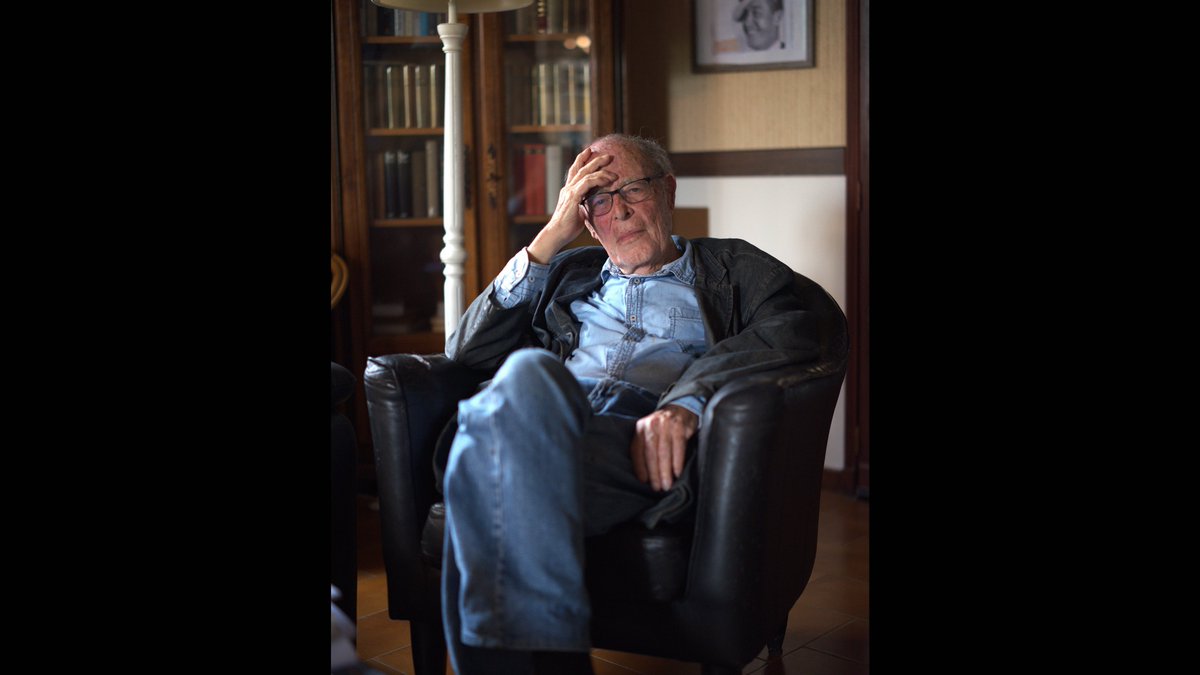
The expansive and absorbing documentary films of Marcel Ophuls (1927-2025, image 2) open up new perspectives on the complexities of history and the perennial challenges of justice and memory. For his seminal film about life in Occupied France, The Sorrow and the Pity (1969, clip 1), the perspectives of political luminaries like Anthony Eden are juxtaposed with those of small shopkeepers. The results are often surprising and belie easy judgment. With Christian de La Mazière, a volunteer in the French Charlemagne Division of the Waffen SS, Ophuls stumbled upon such a rich subject that he structured the second half of his four-hour film around the choice described here (clip 1). The castle mise-en-scène is surreal and vaguely absurdist, but the responses are so profoundly disarming that all presumptions are thrown off and the viewer gains new insight into the human morass that was the filmmaker's great subject. Explore Ophuls's work and legacy through our four-part portrait film (JOURNEYS, STORYTELLER, QUESTIONS OF STYLE, and A SENSE OF STRUCTURE) and our new Exhibition (including THE NAME ABOVE THE TITLE, ULTIMATE CONCERNS, SPACES AND MOVEMENTS, CINEMA VÉRITÉ AND ITS DISCONTENTS, THINK WITH YOUR HANDS, and CHOICES AND JUDGMENTS). Marcel Ophuls Exhibition on Film Secession: filmsecession.com/exhibition… About Film Secession: filmsecession.com/about-us #filmsecession #marcelophuls #documentaryfilm #secondworldwar #worldwar2 #occupiedfrance #cinemaverite #maxophüls #frankcapra #alfredhitchcock #billywilder #stanleykubrick #frankcapra #filmhistory #arthistory #filmschool
1
4
11
4,342
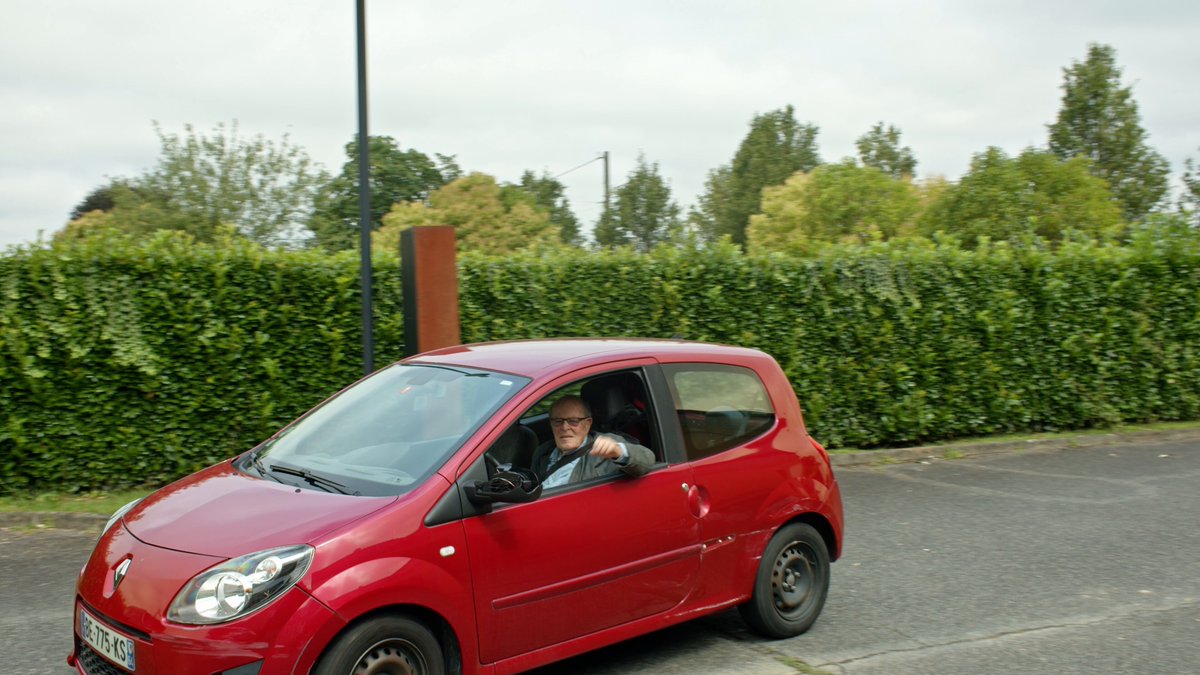
Marcel Ophuls (1927-2025) agreed to a Film Secession interview us as soon as Covid restrictions eased and international travel became possible again. We journeyed halfway across France to a space he had specified in the French Pyrenees, and spent the night in a remote mountain village. He communicated only by fax and did not arrive as expected, so we began looking everywhere and contacting everyone, including the local mailwoman and the mayor. After hours of waiting, we decided to make a new film, "À la recherche du Marcel perdu" (Searching for Marcel). Then he suddenly appeared. Once we finally arrived at his home - after more than thirty minutes of the driving shown here - the conversations continued well into the evening. Stay tuned for our new Exhibition on this major filmmaker and supreme raconteur. In our four-part portrait film, Ophuls speaks in depth about his landmark films and the people he knew, ranging from his father Max and Bertolt Brecht to Hollywood directors Frank Capra, Billy Wilder, Alfred Hitchcock, and Stanley Kubrick. About Film Secession: filmsecession.com/about-us Film Secession: filmsecession.com #filmsecession #marcelophuls #maxophuls #maxophüls #documentaryfilm #bertoltbrecht #frankcapra #billywilder #alfredhitchcock #stanleykubrick #leplaisir #frenchnewwave #classichollywood #worldwar2 #filmhistory #filmschool
4
17
795
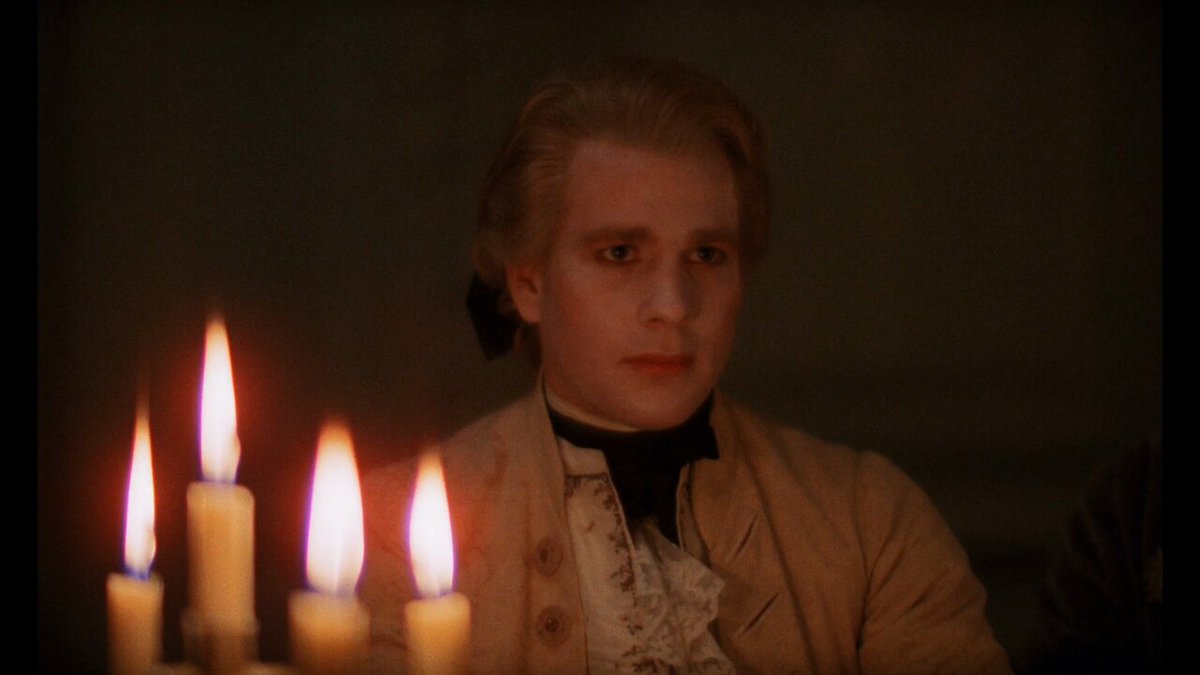
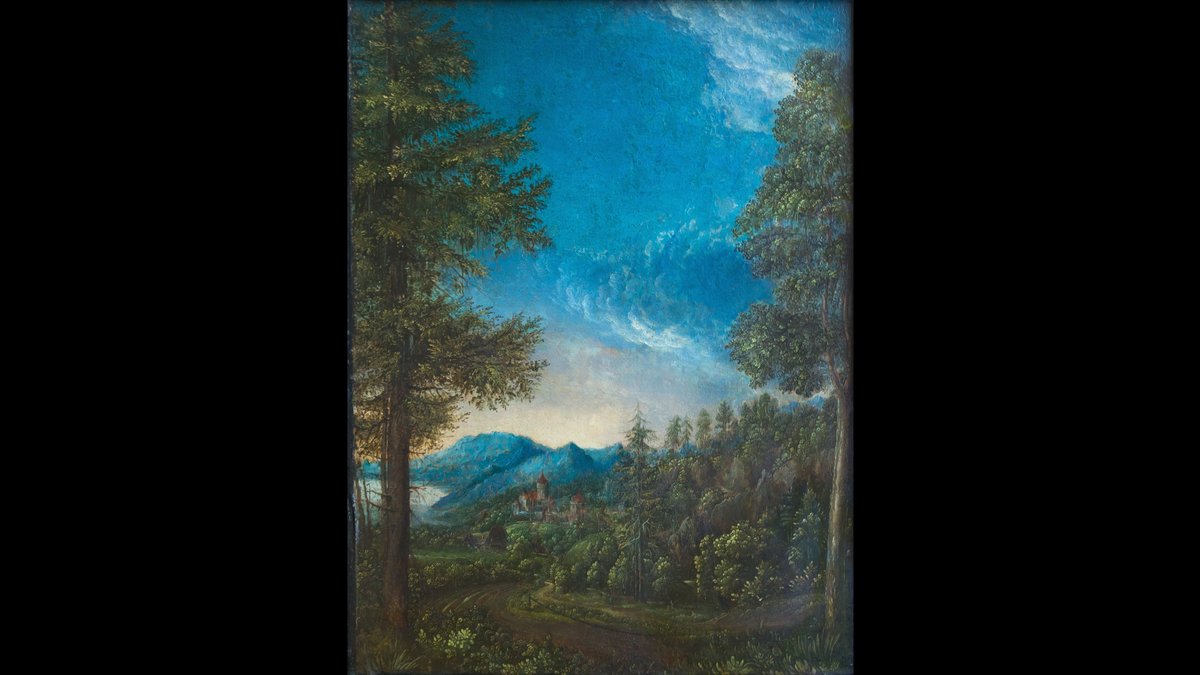
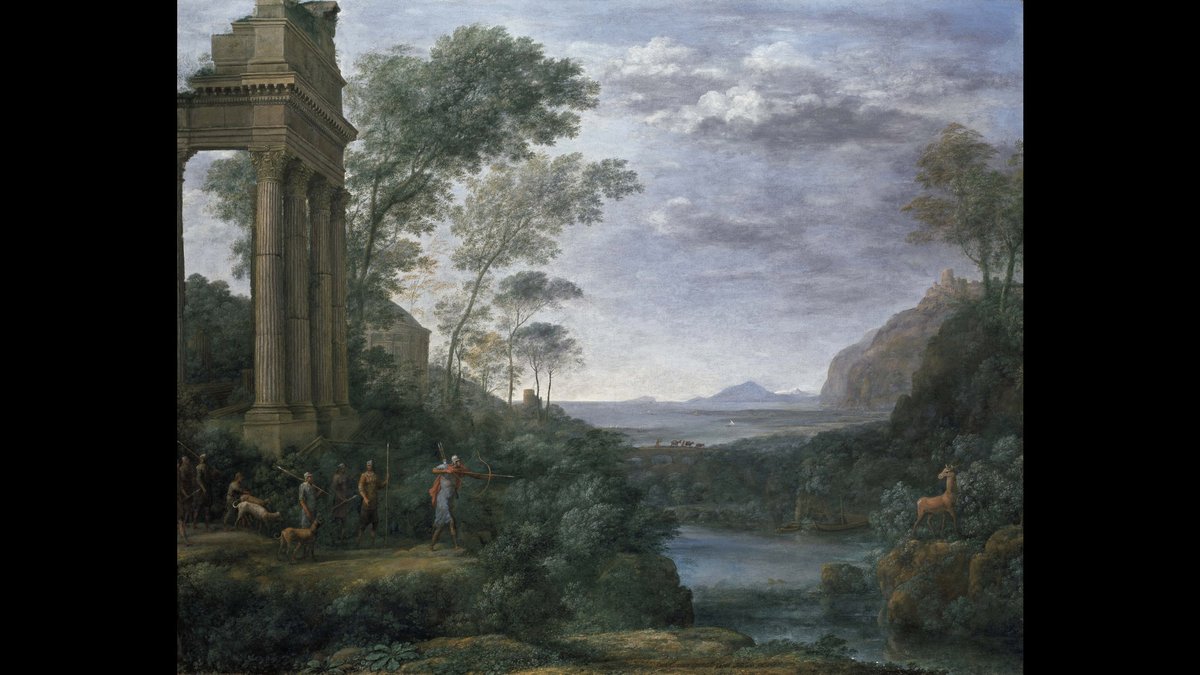
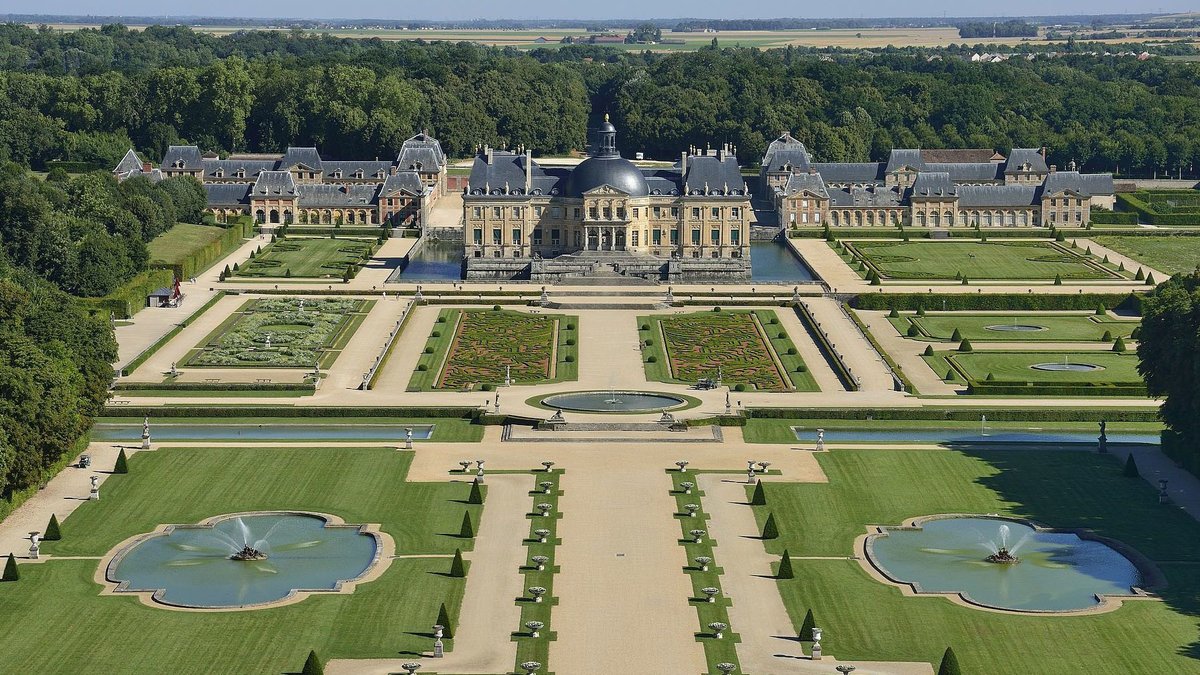
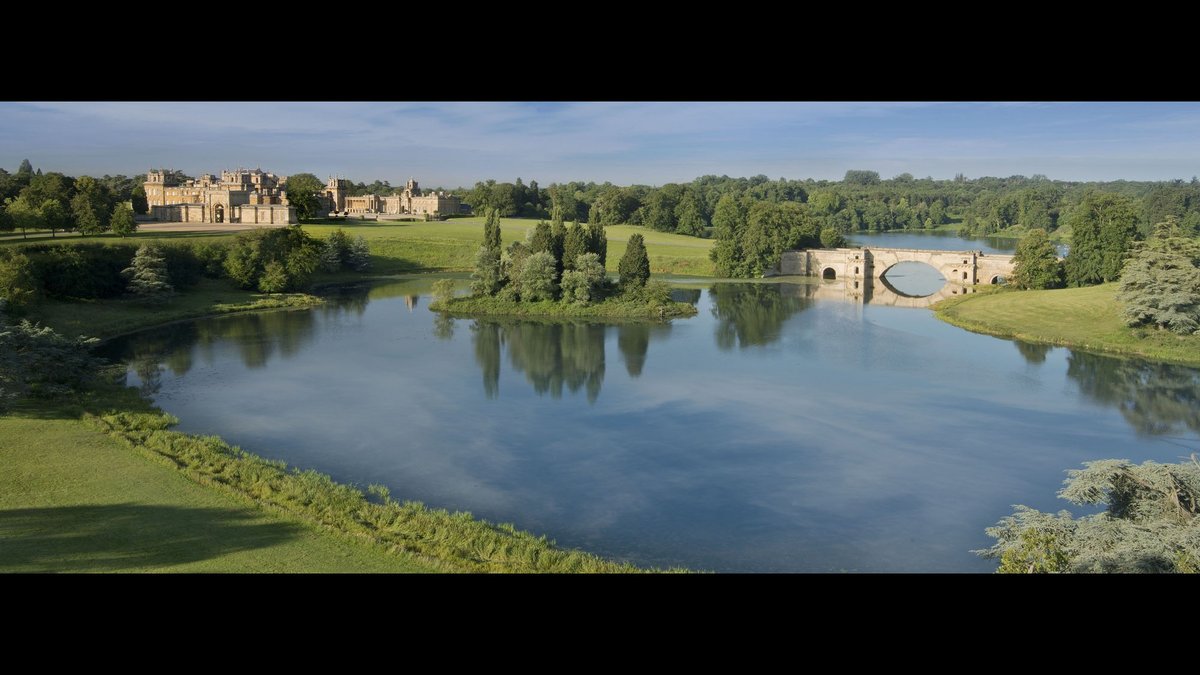
1/2 Stanley Kubrick’s extraordinary Barry Lyndon (1975, clips 1 and 5-7) is the greatest cinematic exploration of 18th century aesthetics. The “Grand Manner” advocated by Joshua Reynolds and Britain’s Royal Academy of Art (1768-) fused the approach to topographical precision introduced by painters of the Northern Renaissance (image 2) with the spatial idealization of 17th century France (images 3-4). The French emphasis on rationalized order manifested itself in both the balanced Arcadian landscape paintings of Claude Lorrain (1600-1682) and the physical gardens designed by André Le Nôtre during the long reign of King Louis XIV. Claude’s paintings (image 3) are remarkable for their focus on shifting qualities of light and the use of both natural features and human figures as compositional devices that draw the viewer’s eye gracefully into the distance. By comparison, the structuring of physical space in Le Nôtre’ gardens at Vaux-le-Vicomte (1661, image 4), and even more grandly at Versailles (1685), was overtly theatrical and predicated upon a proto-cinematic play with optical illusion. While ambling along demarcated paths, the viewer simultaneously takes in a series of shifting vistas and becomes part of the larger design. In this sequence, Kubrick combines these approaches, merging several actual spaces into a composite that filters the eighteenth century through its own artifice. The sequence begins with the formal garden at Compton Acres (clip 1) and ends with a view of the lake constructed at the Palace of Blenheim by “Capability” Brown (1773, clip 7 and image 8). Throughout, acts of looking and being seen are connected to both the conventions of optical point-of-view and to the paradigmatic formal device of the 1970s: the zoom lens. By slowly collapsing planes together, Kubrick highlights the confluence of presentation, perception, position, and power. The layered illusionism is deepened by the anachronistic use of Franz Schubert’s Romantic music - Piano Trio in E-Flat, Op. 100 (1827) - which draws out the deep wells of emotion lying beneath the refined surface of characters that are, like us, prisoners of time. Follow the links in post 2 below to learn more. #filmsecession #stanleykubrick #barrylyndon #franzschubert #18thcentury #claudelorrain #andrelenotre #painting #architecture #gardendesign #northernrenaissance #louisxiv #filmhistory #arthistory #filmmusic #filmschool
1
4
8
320
2/2 Kubrick and Film Music: filmsecession.com/exhibition… On Chiaroscuro: filmsecession.com/exhibition… On Camera Movement: filmsecession.com/exhibition… On Barry Lyndon and Space: filmsecession.com/exhibition… #filmsecession #stanleykubrick About Film Secession: filmsecession.com/about-us Clips 1, 5-7. Barry Lyndon (Stanley Kubrick, 1975) Image 2. Danube Landscape with Wörth Castle (Albrecht Altdorfer, 1520, Alte Pinakothek, Munich) Image 3. Ascanius Shooting the Stag of Sylvia (Claude Lorrain, 1682, Ashmolean Museum, Oxford) Image 4. André Le Nôtre’s garden at the Château de Vaux-le-Vicomte (1661) Image 8. Lancelot “Capability” Brown’s constructed lake at the Palace of Blenheim (1773)
1
7
183
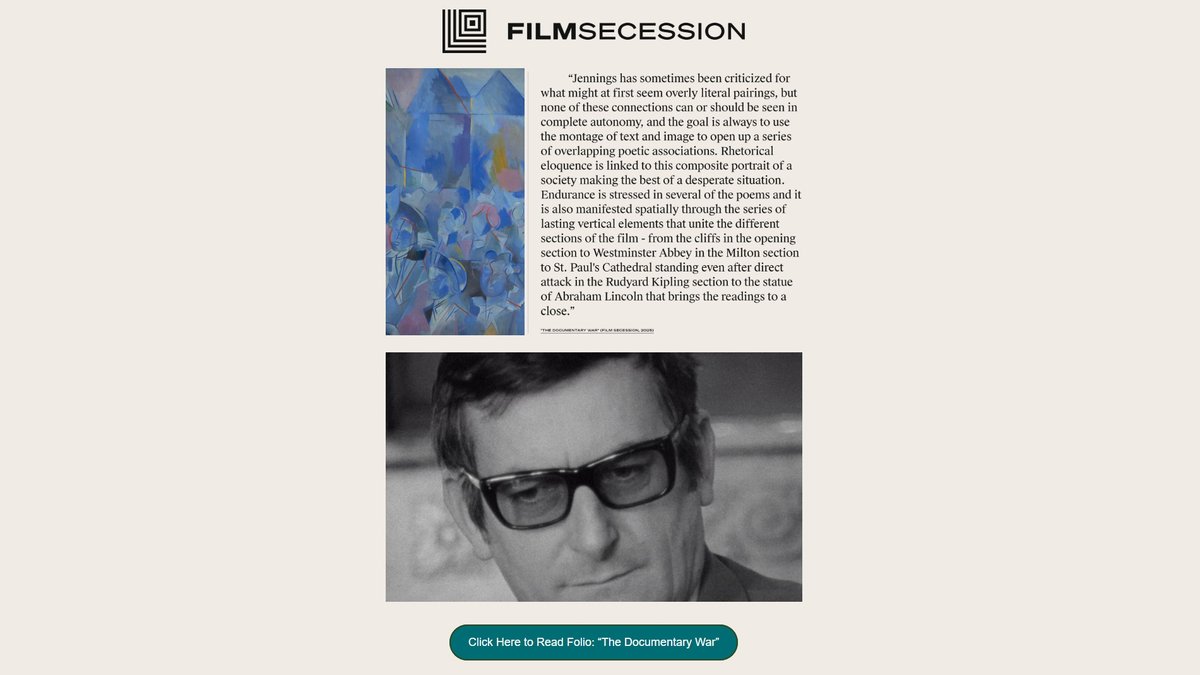
We are excited to announce the launch of Film Secession Folio! This is a new way for us to highlight the broad range of themes and ideas explored on the site. In anticipation of our upcoming Exhibition on Marcel Ophuls (1927-2025), the focus this time is on documentary filmmaking and the Second World War. Please join the newsletter or click the link in our bio to access the full folio (image 5). The most underrated of the wartime films of Humphrey Jennings, Words for Battle (1941, clips 1 and 4) is a montage documentary largely shot at the height of the Blitz in 1940. The final section begins, surprisingly, with the statue of Abraham Lincoln in London's Parliament Square (clip 1). Among other things, the extraordinary sequence responds to Leni Riefenstahl's Triumph of the Will (1935, clip 2). In Riefenstahl's film, historic statues from the center of Nuremberg are shown in the round and from approximately the point-of-view of Hitler's moving car, as if to suggest that the German Renaissance has been revived by his presence. American filmmaker Frank Capra was shaken by his first viewing of Riefenstahl's film. Struggling to find a way to communicate the urgency of the Second World War to a skeptical American public, he produced counter-propaganda by taking found footage from existing newsreels, re-editing it, and adding explanatory narration in an "everyman" idiom. Walter Huston's speech in part 4 of Why We Fight (1943, clip 3) is exemplary. Jennings instead presents a montage of vantage points of the Lincoln statue and connects it to the most august possible rhetoric. In clip 4, Laurence Olivier's voiceover transitions from Winston Churchill's "Darkest Hour" speech (1940) to Lincoln's "Gettysburg Address" (1863). Words for Battle ends, however, not with speech, but with a forty-second montage of interlinked horizontal movements. These are elegantly synchronized with Handel's Water Music (1717), and the grandeur of both the music and the recited texts is passed on to the many individual men and women united in common purpose. At this moment of greatest possible national crisis, the unique possibilities of cinema were being rediscovered and reinvented. Clips 1 and 4. Words for Battle (Humphrey Jennings, 1941) 2. Triumph of the Will (Leni Riefenstahl, 1935) 3. Why We Fight: The Battle of Britain (Frank Capra, 1943) 5. Film Secession Folio: "The Documentary War" (Below) #filmsecession #documentaryfilm #secondworldwar #humphreyjennings #leniriefenstahl #frankcapra #marcelophuls #blitz #winstonchurchill #abrahamlincoln #statues #sculpture #handel #london #filmhistory #arthistory #filmmusic #filmschool
1
3
9
179
Read Film Secession Folio "The Documentary War" filmsecession.com/exhibition… About Film Secession: filmsecession.com/about-us
1
5
93