
Photos and videos

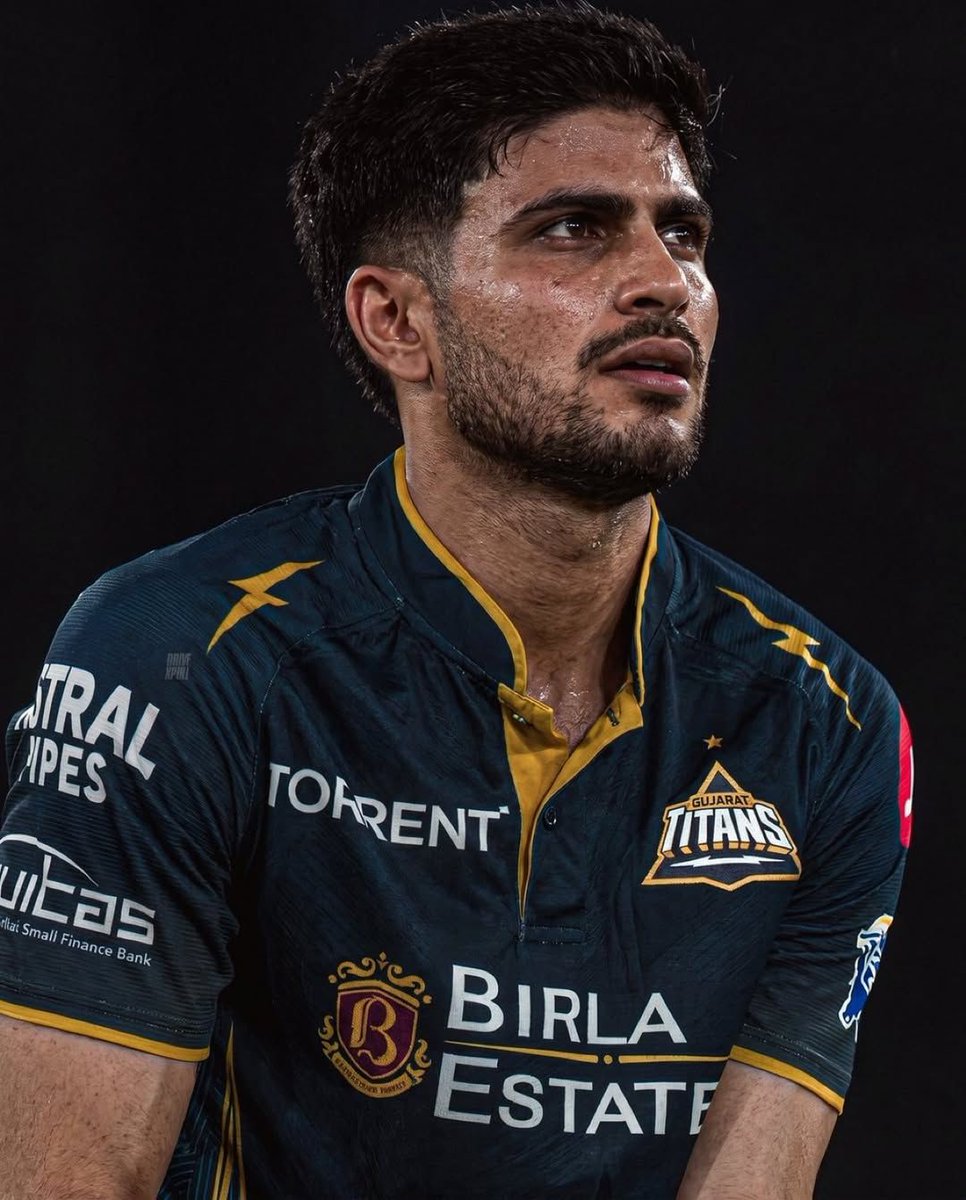
Shubman Gill, the poster boy of Gillette, is growing a beard.
But why is the face of India’s biggest shaving company refusing to shave?
Because the beard actually protects him from the biggest risk to his brand:
Being trapped as a youth icon.
Youth icons are valuable, but they are also replaceable.
Every few years, a younger, cuter, more explosive player arrives. And brands naturally start moving towards them.
Gillette itself did that by going after Abhishek Sharma while Gill was already their ambassador.
Which reveals the real problem.
“Clean-shaven young Indian star” is not an identity.
It’s a category.
And categories are replaceable.
This is the exact trap Gill wants to escape.
For years, Gill has been perceived as the future Indian captain. So much so that now when he’s actually entering that era, people don’t feel emotionally overwhelmed by it anymore.
Because audiences already consumed that fantasy years ago.
That’s why Gill cannot compete on freshness anymore.
Freshness is crowded.
There will always be another young batter with a viral innings, sharper social media presence, and newer aura.
Gill instead has to compete on stature.
And stature requires a completely different visual psychology.
The clean-shaven Gill looked like potential.
The bearded Gill looks like responsibility.
The beard adds so much authority apart from the visible visual difference.
For the first time, Gill looks less like Indian cricket’s “next big thing” and more like someone expected to carry Indian cricket itself.
And this transition matters far more than style.
31
27
576
188,052
IPL is beating the English Premier League, La Liga, & every other football league in the world by a huge margin.
But is that even possible when football has over 4 billion viewers and cricket has less than 2 billion?
Take a look at the per-match broadcasting rights value of the major sporting leagues in the world.
The NFL leads the list at $36.8 million per match, but right behind it sits the IPL at $16.8 million per match, nearly 70% higher than the English Premier League's $9.9 million per match, despite football being the world's most popular sport.
The gap becomes even more striking when you look at the other major football leagues. La Liga generates $5.2 million per match, while the Bundesliga brings in $4.6 million.
Even globally followed American leagues like the NBA ($1.1 million) and MLB ($0.8 million) are nowhere close.
Evidently so, IPL is beating the most-watched football league in the world — EPL (English Premier League).
Football has over two billion more viewers than cricket worldwide.
But the reason why IPL outpaces all other sporting leagues except one is not population.
Upon his encounter with the IPL, Trevor Birch, former Chelsea CEO, came with an outsider’s perspective.
He pointed to the league’s success as a standalone brand. Now, as Indians, this seems the norm for us.
But in other nations, individual teams like Man City and Chelsea are far bigger brands than the EPL.
So what did the IPL do differently? The unique player auction.
In football, player deals are uncapped and independent of the league. This allows wealthy clubs to stack top talent with ease.
But in the IPL, teams operate under a strict purse cap, ensuring a level playing field.
The mega auction every three years further reshapes squads, preventing long-term dominance.
The last one in 2025 incentivized franchises to scout young prospects like Vaibhav Suryavanshi, fostering fresh talent.
A true IPL enthusiast knows the unpredictability of the infamous points table.
This creates an interest for THE GAME, not just a specific team. The IPL’s compact 60-day schedule creates a fast-paced tournament.
This sustains fan excitement and maximizes engagement.
This sets it apart from longer leagues that suffer viewer fatigue. But when you look at the EPL, you see that the league was established in 1992.
Yet certain clubs like Manchester United have existed since 1878. That’s why the club structure ruled the football world.
So when the IPL launched in 2008, it smartly adopted the franchise model.
It learnt from global leagues to balance commercial viability with centralized control.
This ensured the IPL functioned as a cohesive, league-driven product, unlike club models that prioritize team autonomy over centralized coordination.
6
11
72
14,861
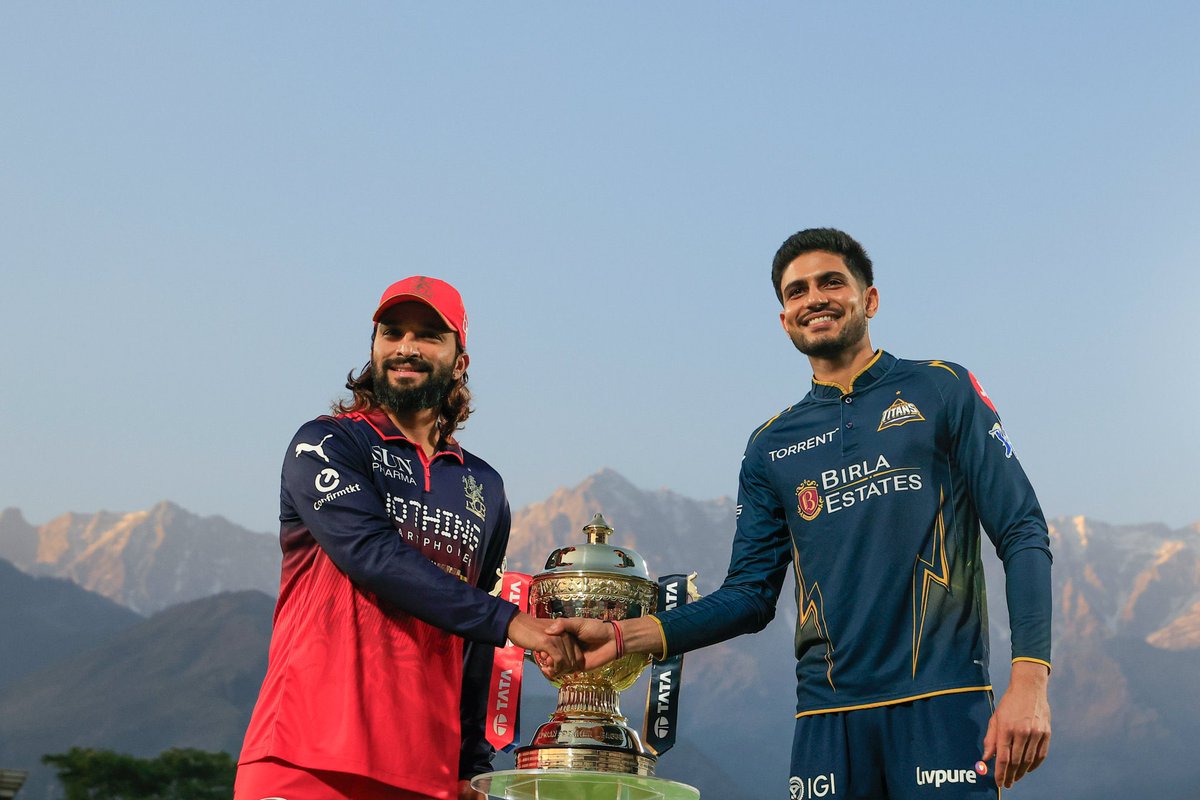
Shubman Gill, the poster boy of Gillette, is growing a beard.
But why is the face of India’s biggest shaving company refusing to shave?
Because the beard actually protects him from the biggest risk to his brand:
Being trapped as a youth icon.
Youth icons are valuable, but they are also replaceable.
Every few years, a younger, cuter, more explosive player arrives. And brands naturally start moving towards them.
Gillette itself did that by going after Abhishek Sharma while Gill was already their ambassador.
Which reveals the real problem.
“Clean-shaven young Indian star” is not an identity.
It’s a category.
And categories are replaceable.
This is the exact trap Gill wants to escape.
For years, Gill has been perceived as the future Indian captain. So much so that now when he’s actually entering that era, people don’t feel emotionally overwhelmed by it anymore.
Because audiences already consumed that fantasy years ago.
That’s why Gill cannot compete on freshness anymore.
Freshness is crowded.
There will always be another young batter with a viral innings, sharper social media presence, and newer aura.
Gill instead has to compete on stature.
And stature requires a completely different visual psychology.
The clean-shaven Gill looked like potential.
The bearded Gill looks like responsibility.
The beard adds so much authority apart from the visible visual difference.
For the first time, Gill looks less like Indian cricket’s “next big thing” and more like someone expected to carry Indian cricket itself.
And this transition matters far more than style.
31
27
576
188,052
Kolkata was once supposed to be India’s Silicon Valley, not Bengaluru.
The city had everything going for it:
Indian Statistical Institute in Kolkata ran India’s first electronic computer in the 1950s, Webel was building an electronics hub by the 1980s, and the city already had colonial‑era advantages like early electricity, telegraphs, railways and a major port backing a dense belt of elite colleges and industry.
On paper, this should have been the place where India’s tech story took off. Instead, Bengal’s politics went to war with computers.
The CPM government spent the 70s and 80s backing protests against computerisation in banks and offices because they feared computers would eliminate jobs.
The message to business was very clear:
if you bring technology here, you will face resistance.
While this fear was driving policy in Bengal, Bengaluru and Hyderabad were opening their doors to the same companies.
So the big IT parks, global tech campuses, startup activity, and serious capital flowed there, not to Kolkata.
And once that happens, it is very hard to catch up.
Regions that resist new technology suffer from what economists call “technology diffusion failure”:
early adopters keep getting compounding benefits from knowledge spillovers, while laggards fall further and further behind.
When an ecosystem settles in places like Bengaluru, network effects and skills start to lock in those advantages, and late entrants face higher costs, weaker local talent pools, and capital quietly moving elsewhere.
TMC arrived promising to correct this.
And some IT investment did come in; the state talks of around ₹14,000 crore in IT and new parks in Salt Lake and New Town.
But Bengal still did not become the first choice for large product companies or global tech hubs, because the deeper issue remained: investors had seen how politics could suddenly turn against a project.
The best example of that is Singur, where Mamata Banerjee’s agitation forced the Tata Nano plant out of Bengal.
That is exactly what can finally change now.
When Tata left Singur, Gujarat under Narendra Modi showed what a pro-industry state can do by turning the same project into a showcase at Sanand.
If the newly forming BJP government brings that same investor-friendly mindset to Bengal, the pitch to companies changes in a very practical way.
1
6
51
6,752
Zero-posting is signalling higher status than someone who is too much out there.
When everyone is an influencer, nobody is.
That exclusivity and less posting is also being rewarded by the algorithm apparently. Someone who is posting a lot is getting okayish reach.
But someone who seldom posts is more sought after.
This goes against traditional thinking of consistency on socials.
Just a few insights we collected from our own Insta and our some of the brands we work with.
2
1
63
19,337
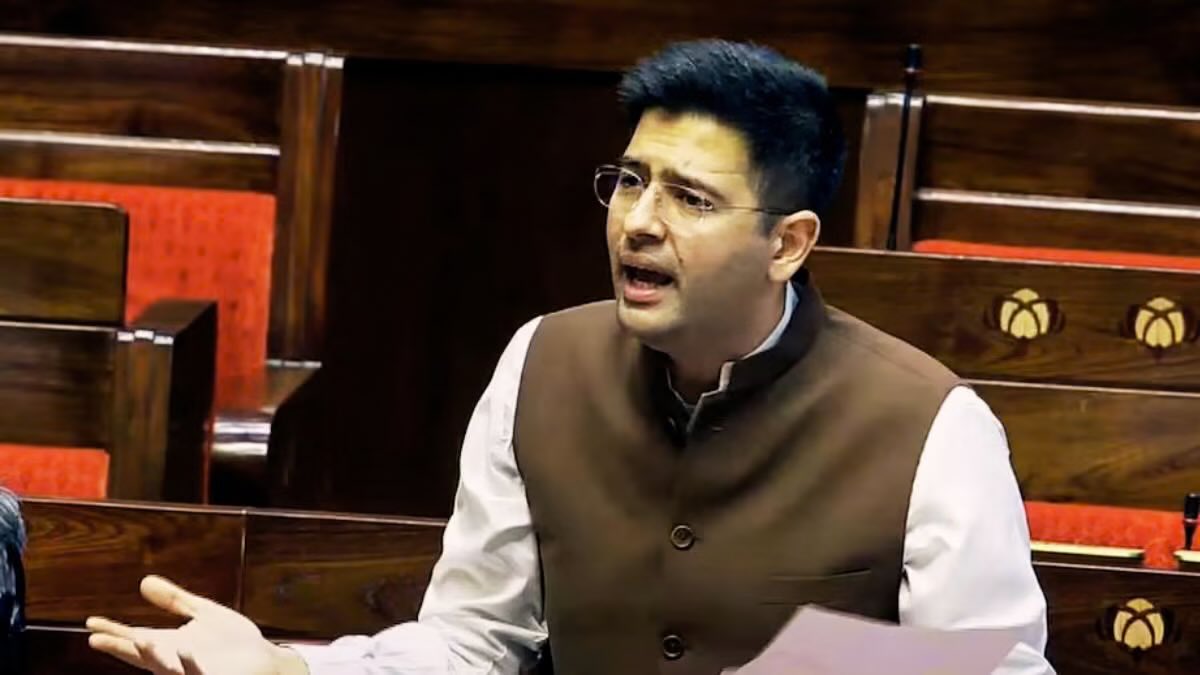
Raghav Chadha never wanted to join BJP!
Because he was so close to cracking something no other politician was able to do in the last 15 years.
He saw that if a country elects someone as Prime Minister thrice, they really have to love him.
If they are getting him in power again and again, he has to be doing something right.
Now, if you criticize everything he’s doing,
It's a pattern that voters will ultimately see through.
And once they do, they'll take the opposition to be destructive.
This happens because the current opposition focuses entirely on Position issues.
These are highly debatable topics, that have a for the motion and an against the motion.
But these issues polarisé.
And hence, they shrink the audience.
Like Kejriwal’s brand of politics divides the voters.
You either hate him or love him.
So Raghav devised a very strategic plan countering exactly this dilemma.
He focused on something called as Valence issues
These are issues that have consensus from all sides.
Like better working conditions for Blinkit & Zepto riders.
These issues bring people together.
For the first time in 15 years, someone was able to create a worthy opposition against PM Modi.
27
8
248
96,252
People are really pissed with Ranbir Kapoor’s Ramayan
Because its first look was launched in Los Angeles USA, instead of India
But why are we appeasing foreigners for our own heritage?
If you combine India’s biggest films Dhurandhar 1 and 2’s collection, you’d see till date it's earned around Rs 3000 crore.
Whereas Ramayana alone carries a ₹4000 crore budget.
So was LA just to recover this cost?
Well, not completely.
As Indians, Ramayan is our heritage.
But not for the rest of the world.
So this Ramayan was designed for the world from day 1.
Because for the longest time,
India has been a consumer of global cinema.
But Ramayana is an attempt to make the world consume our history.
That’s why they brought in Hans Zimmer,
and built the VFX to match films like The Avengers and Avatar.
So that when the entire world watches India’s legacy,
it doesn’t feel like just another regional movie.
It becomes India's answer to Avatar and Marvel.
And to get the world to buy a ticket, you have to give them a reason to care.
The test screening in LA was that reason.
This is the same place where even Marvel test their films.
A controlled room filled with distributors and theatre chains watching early footage and giving feedback,
Hence creating the initial buzz it needs.
3
6
39
11,125
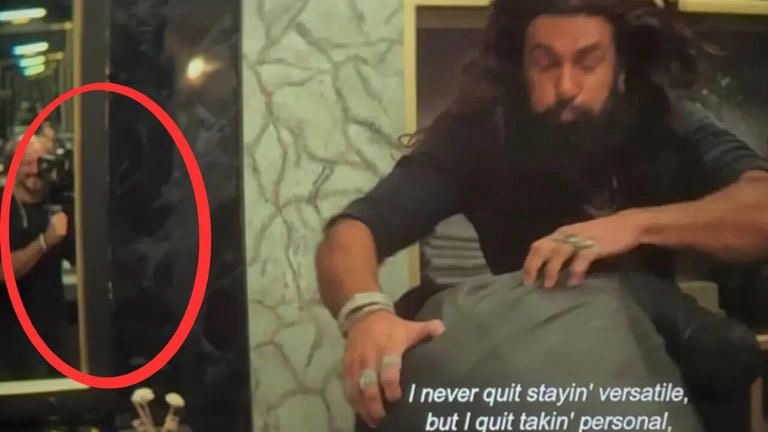
A cameraman is clearly visible in this shot from Dhurandhar the Revenge
But how could the King of Peak Detailing, Aditya Dhar, make such a silly mistake?
You can see the same thing in The Dark Knight.
Or in the Matrix.
And even in Harry Potter.
These are mistakes that deliberately stayed in.
The question is why?
Aren’t directors like Nolan, and even Dhar, obsessed with removing imperfection?
Actually, NO.
See, films aren’t products where polishing every edge makes them better.
When you enter a theatre, you know whatever’s being shown is an illusion,
Yet to make you feel it’s real,
The film has to preserve something deeper than visual neatness.
It's capturing the moment and preserving the integrity of that moment first.
Authenticity is true perfection for filmmakers.
Dhar could have easily reshot the scene from another angle.
But thank god he didn’t!
Because that preserved the raw build-up of emotions between Jassii and Pinda.
Fixing a micro-second glitch meant risking to dilute that lived-in feeling.
And who knows, this might not be a mistake at all,
But the artist’s’ flair
And a subtle homage by Aditya Dhar, the king of peak detailing!
To another master of the craft, Christopher Nolan.
If you want more such pieces on your feed, follow @FinFloww.
5
6
104
29,289
When asked about buying an IPL franchise in Nikhil Kamath’s podcast, Kumar Mangalam Birla said he’s not really into it because it’s a question of capital allocation. There’s better opportunities elsewhere.
Probably what changed is the fact that RCB’s brand at the $2 B mark might be a great value buy.
2
3
123
30,262
RCB might have to change its name.
Because the name Royal Challengers Bengaluru was supposed to promote the Royal Challenge Whiskey sold by its current owner Diageo.
But now RCB is on sale.
And whoever buys it next will end up in a dilemma.
It's the legacy trap Vijay Mallya set at the start of the IPL.
If the new owners keep the name Royal Challengers Bengaluru, they’ll basically be running a free marketing campaign.
That too for an alcohol brand they don’t even own.
But if they change it, they risk a steep collapse in brand value.
Because you can’t recreate the same connection fans built with the original name.
At least not that fast.
But there’s a way around this problem.
See, most people relate with the abbreviation RCB.
So why not retain that but change the full form to Royal Champions of Bengaluru.
It’ll take away the explicit connection with Royal Challenge whiskey.
And it's actually the perfect way to describe the team’s journey.
Because when they are already the reigning champions of IPL, there’s no better time for Royal Challengers to become the Royal Champions of Bengaluru.
10
13
307
42,277
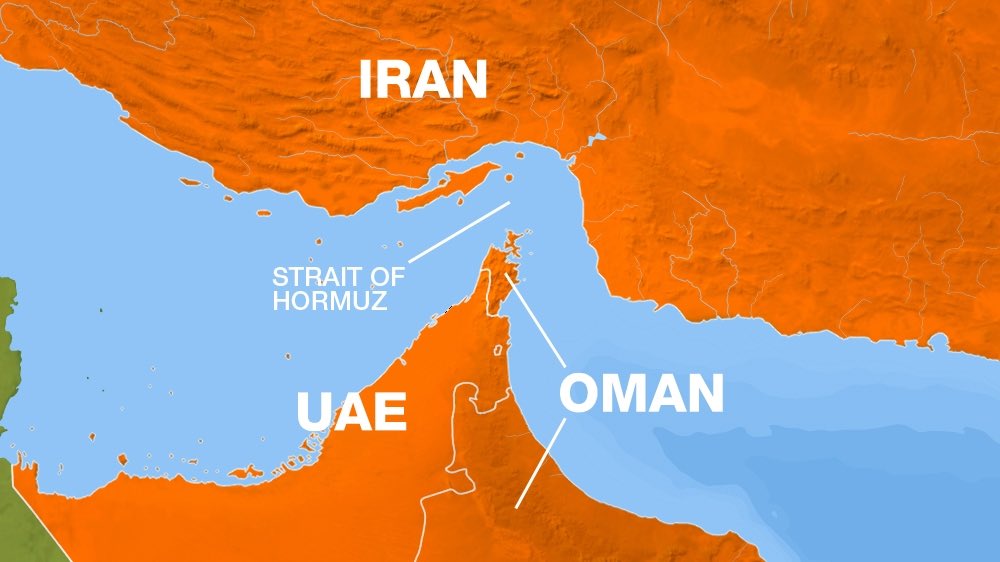
Iran just blocked the busiest oil highway on Earth,
Strait of Hormuz.
To put that in context, 20% of the world’s oil and gas move through this narrow lane every day.
And because there is no real alternative route if it gets blocked, energy agencies rightfully call it one of the world’s most critical chokepoints.
But why should you care?
Because oil is unlike any other commodity.
It affects petrol, diesel, electricity generation, manufacturing, transport, food prices and even government budgets.
If supply through Hormuz slows or stops, prices jump instantly because markets price in risk before shortages even happen.
For India specifically, nearly half of India’s crude imports move through this route.
So when prices go up:
• Fuel becomes more expensive
• Goods cost more to produce and transport
• Food and travel inflation rise
• Governments have to spend more on oil imports
Follow along @FinFloww for more updates on how this new-age gulf war will affect you.
2
14
173
20,888
FinFloww retweeted

Feb 28
Suddenly tax season doesn’t feel that bad anymore.
1
2
55
7,802
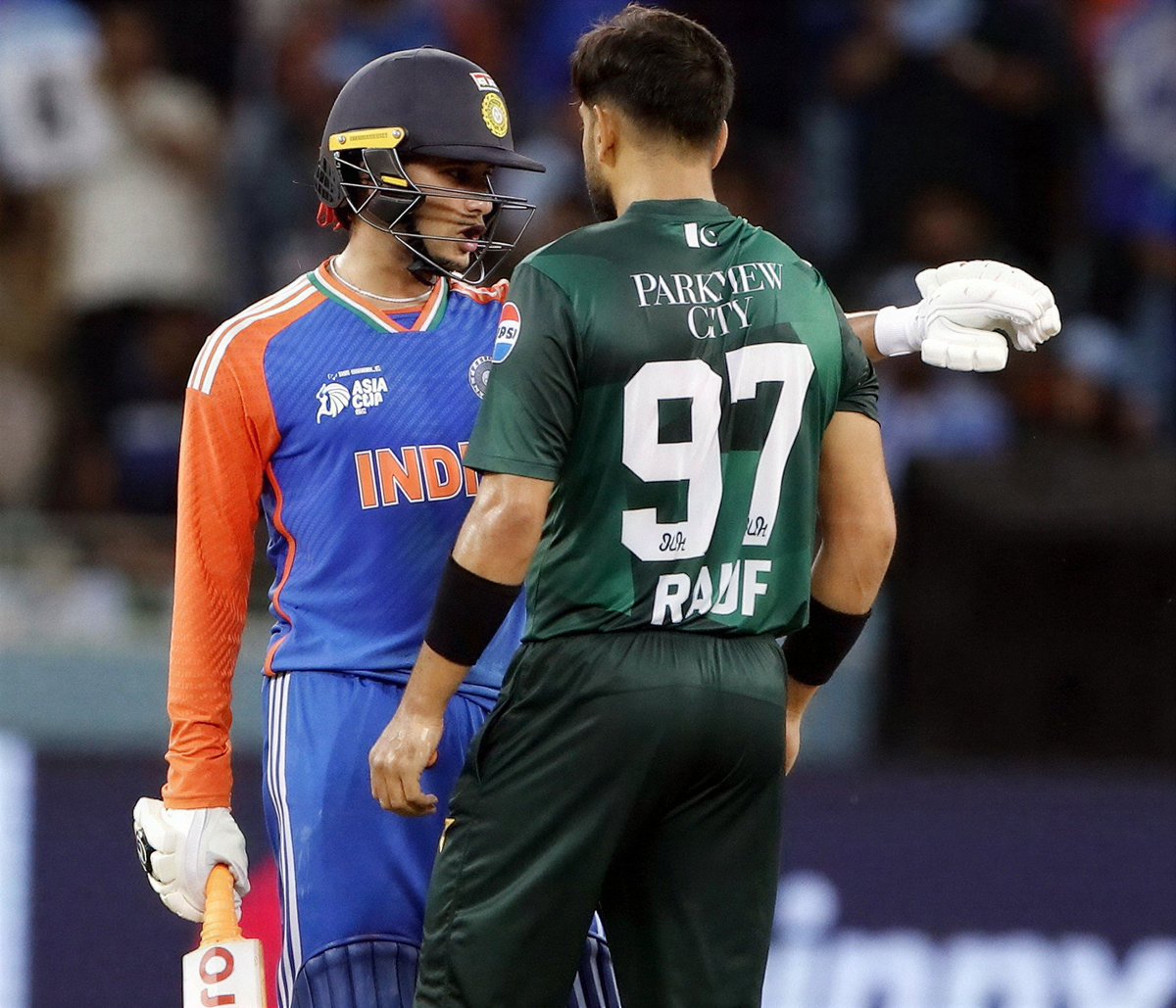
This T20 World Cup without Rohit and Virat is already more successful!
We are not saying this, the data is.
JioHotstar saw an 81% increase in its unique viewers from the 2024 edition.
But when most people think this T20 World Cup has no hype and the 2 year cycle has killed its charm, then how is it doing so well?
A few years ago, ICC saw that even though the hype for their world cup was high, it was limited to major clashes like India VS Pakistan.
Not the tournament as a whole, like the FIFA World Cup.
So, to make the Cricket World Cup truly a World Cup, they first had to increase the participating nations in the tournament.
But with the big teams dominating, wouldn’t most games become one-sided?
That’s why they chose the T20 World Cup for global expansion.
Because at its core, T20 as a format is intrinsically volatile.
Which means a USA beating Pakistan or a Zimbabwe beating Australia is highly probable.
That volatility makes even the viewers who’d only watch their home matches expect upsets and follow the entire World Cup.
This converts high-attention markets like India into broadcast revenue,
and reinvests that capital to grow cricket in the emerging nations, creating more exciting matches.
And having it every 2 years instead of 4 makes this global expansion of cricket even faster.
4
10
153
19,527
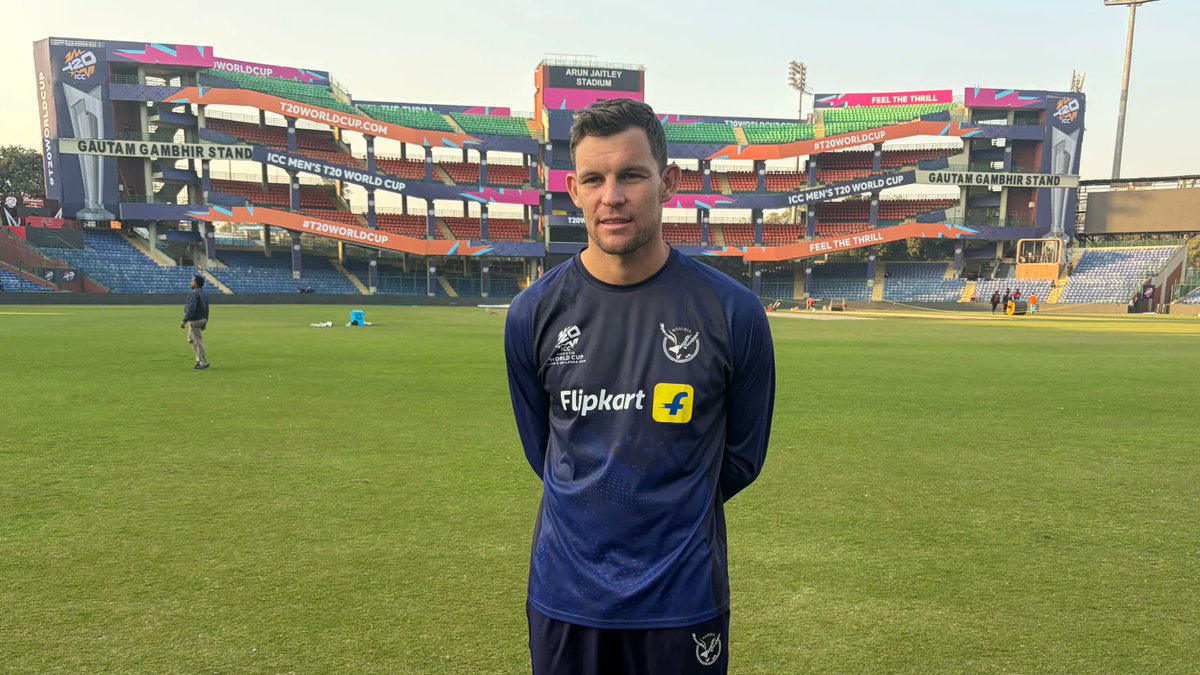
Flipkart is sponsoring Namibia’s jersey in this T20 World Cup
But why is a local Indian e-commerce company sponsoring the jersey of a nation where it doesn’t even operate?
You see, 90% of cricket viewers are Indians.
Most people who’ll watch the T20 World Cup will be Indians, even if it’s some other country’s match.
So to be in front of them, you don’t need to buy the super expensive jersey slot of the Indian team.
You can simply buy any other country’s jersey slot which is much cheaper.
In fact, it’s better for Flipkart.
Indians are more drawn to companies that are global brands.
So when we see their logo on the Namibia’s jersey, it would cement a local brand as a global brand in our minds.
That’s brilliant because it’s like ek teer se do nishane.
This has actually happened before with Nandini Dairy sponsoring Ireland and Amul sponsoring USA’s jerseys.
And it's definitely not a coincidence that all of them very smartly sponsor teams that are in India’s group.
If you want more such pieces on your feed, follow @FinFloww for more.
19
46
1,151
150,828
FinFloww retweeted
Feb 1
Budget is incomplete without this banger
2
16
204
24,066
Indian government bans 10 min delivery!
And Blinkit has quickly dropped the service with most other companies joining them soon.
So, what will happen now?
What most people couldn’t understand is that the 10 min model is an internal model of most these companies to be able to setup bases or dark stores perfectly in data driven ways that it’s possible for delivery in 10 minutes.
This was supposedly (as per claims from the companies itself) not a direction or incentive on the rider itself to deliver in 10 minutes or fastest he can.
If you want to compare the model, you can compare this to the McDonald’s model.
Yes, the food there is being made faster than most other restaurants combined, but it’s not like they are pushing their chefs and cooks to cook faster, it’s just that the processes and SOPs (standard operating procedures) have been laid in a way that it ensures food in a few minutes or as soon as you order.
What happens now to Blinkit, Zepto, Swiggy Instamart, Flipkart Minutes, Amazon Now, Big Basket?
They’ll basically not be banning the service but removing the 10-min or ultra fast delivery claim.
All other things will work as it is because when you order, they’re not going to delay the delivery even if they can deliver fast right?
But how does that move change anything?
If certain companies have been internally putting pressure on their riders to fulfil the order in 10 minutes or faster (instead of strengthening their dark-store network) to compete with already established players, they’ll perish.
But most importantly we think it’ll remove the unreal expectation from certain consumers who don’t think of riders as human.
What do you think will happen?
14
12
247
53,458
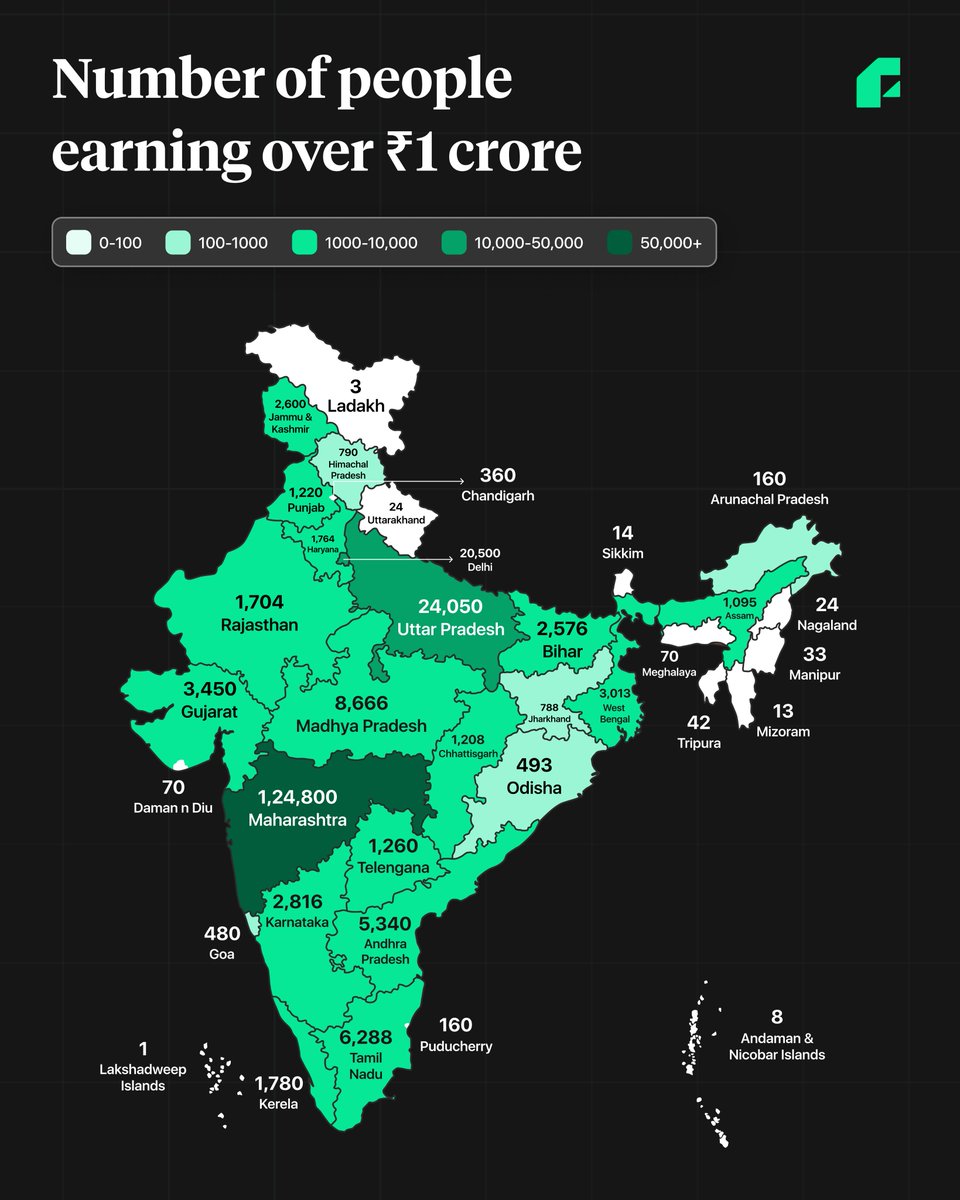
Uttar Pradesh ranks 2nd in India in the number of people earning over ₹1 crore per annum!!
But why do you think UP has more crore-plus earners than Karnataka (home to India’s Silicon Valley Bengaluru) & Gujarat ( India’s business hub) combined?
In fact, more than every other state except Maharashtra??
22
15
158
29,829