
$TSLA Bull ⚡️Living Each Day With Optimism ⚡️Integrity ⚡️Curiosity ⚡️Love Adventure and Nature 🌊 Bitcoin ⚡️Stock Market Invester⚡️
Joined February 2021
- Tweets 46,779
- Following 3,144
- Followers 5,997
- Likes 83,088
8,325 Photos and videos







Japan also has high speed bullet trains.
Amazing culture.
I love Japan. ❤️

Blue bags up.
Japan 2, Netherlands 2 — an absolute thriller in Arlington. And then the real show started.
The Japanese end pulls out thousands of bright blue bags. First they wave them like flags, bouncing and chanting until the whole section is one giant wall of blue. Then — same bags, new mission. They fan out across the stands and scoop up every bottle, wrapper and cup till the seats look brand new.
And who's right in the middle of it, grinning with a bag in his hand? Jameis Winston. Giants QB. Heisman winner. Out there cleaning up with the Samurai Blue like it's the best gig of his summer.
No chore. No lecture. Just a party that cleans up after itself.
Best fans on the planet. 🇯🇵💙

1
45
Incredible!

After Japan battled the Netherlands to a 2-2 draw, the Japanese fans stayed behind and cleaned up every single piece of trash from their section at Dallas Stadium after the game.
You LOVE to see it 🇯🇵
25
Got 20% of what I pre ordered!!!

1
31
Some people are so clueless drinking heavily during a pregnancy and documenting everything on YT.
Seriously warning people about the dangers of pregnancy and drinking.
Bringing a life into the world should be prepared for.
Stop drinking and get healthy.

Cruise influencers drinking for years then getting pregnant.
Your baby has Down syndrome.
How are you an influencer?
21
Cruise influencers drinking for years then getting pregnant.
Your baby has Down syndrome.
How are you an influencer?
1
35
Super hyped and I am in!

2
51



Fintechatoshi 🪐Sharkamoto retweeted

Jun 7
Billionaire investor Ron Baron says he placed a $1B order for $SPCX IPO shares and has no plans to sell in his lifetime.
He believes SpaceX can grow to ~$20T over the next 10-15 years with Starlink alone potentially doing $1T in annual revenue.
219
249
2,811
496,487
More footage of the damage in the Philippines from 7.8 Earthquake.
x.com/rapidreport2025/status…
Jun 8

WATCH: Mall crumbles in General Santos City (Gensan) after major earthquake in Philippines
1
143
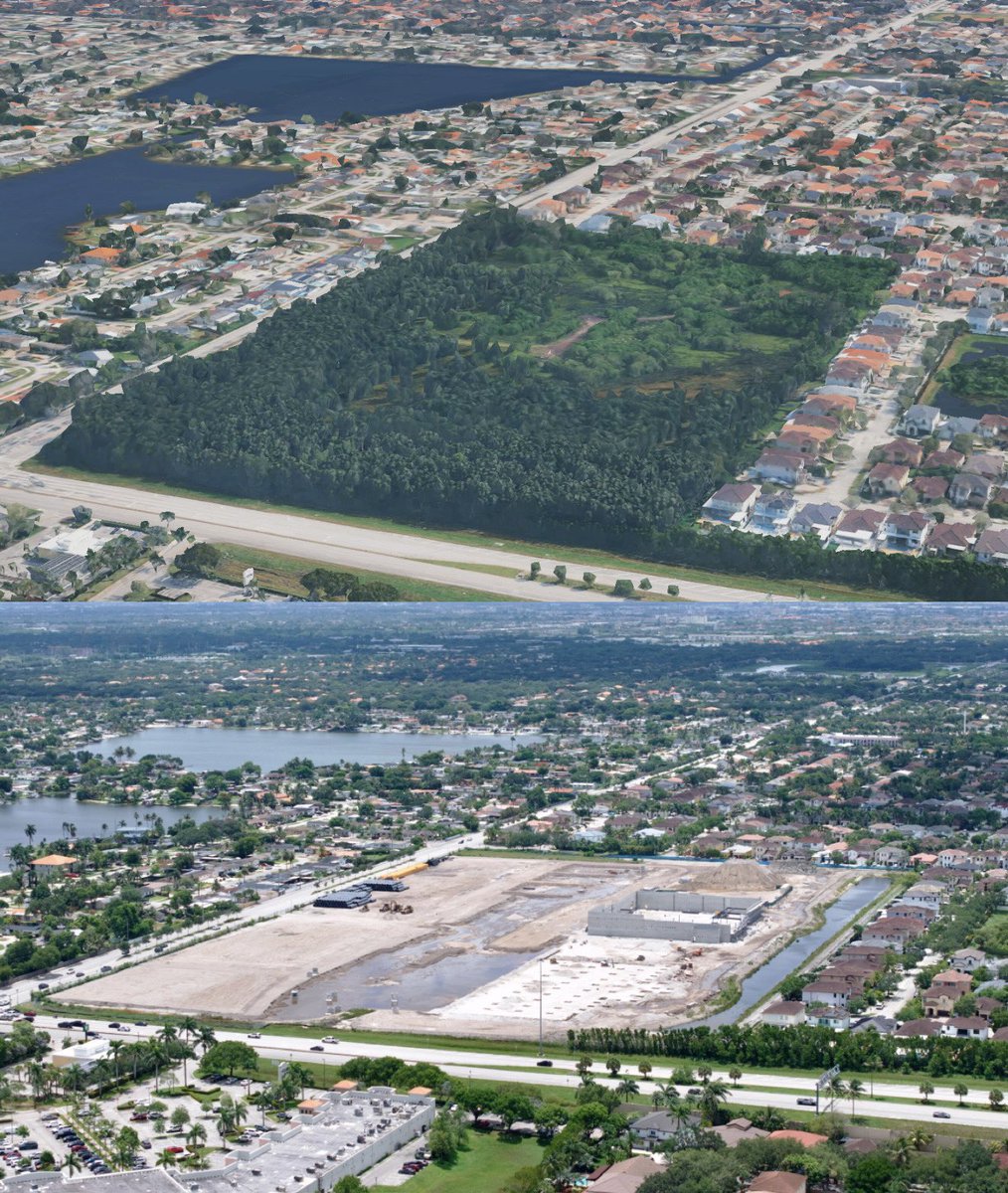
Florida land will be dedicated to another Publix. 😭
Jun 7

The last undeveloped land immediately east of I-75 off Miami Gardens Drive is being turned into a shopping center called Palm Springs Square.
It’ll have Publix, Five Below, Burlington, Ross, Chase, CVS when completed in spring 2027.
37
When Elon Musk has push back with Ashley
You know the economy is F——
We know this and we deserve a different economy.
Traveling to Mars in a uber might work for Elon but it doesn’t work for Americans.
We demand more and a working economy in the USA.
Or go GFYY fr 🤩
This message is brought to you by the people of the USA🇺🇸
2
47
How many?


68
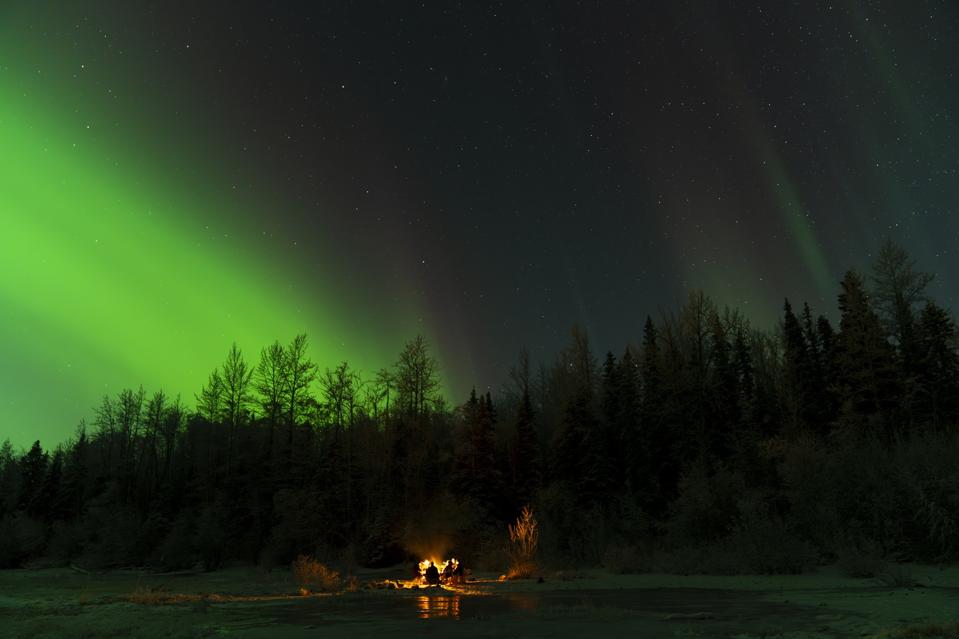
Have you ever seen the Northern Lights? 🥰

Northern Lights Saturday Forecast: 8 States May See Aurora Borealis
go.forbes.com/a1OjUK
60
Alaska Northern Lights!!!
May 17

A man in Alaska filmed the northern lights from his cabin and it is unbelievable.
4
79
Northern Lights 🤩
May 17

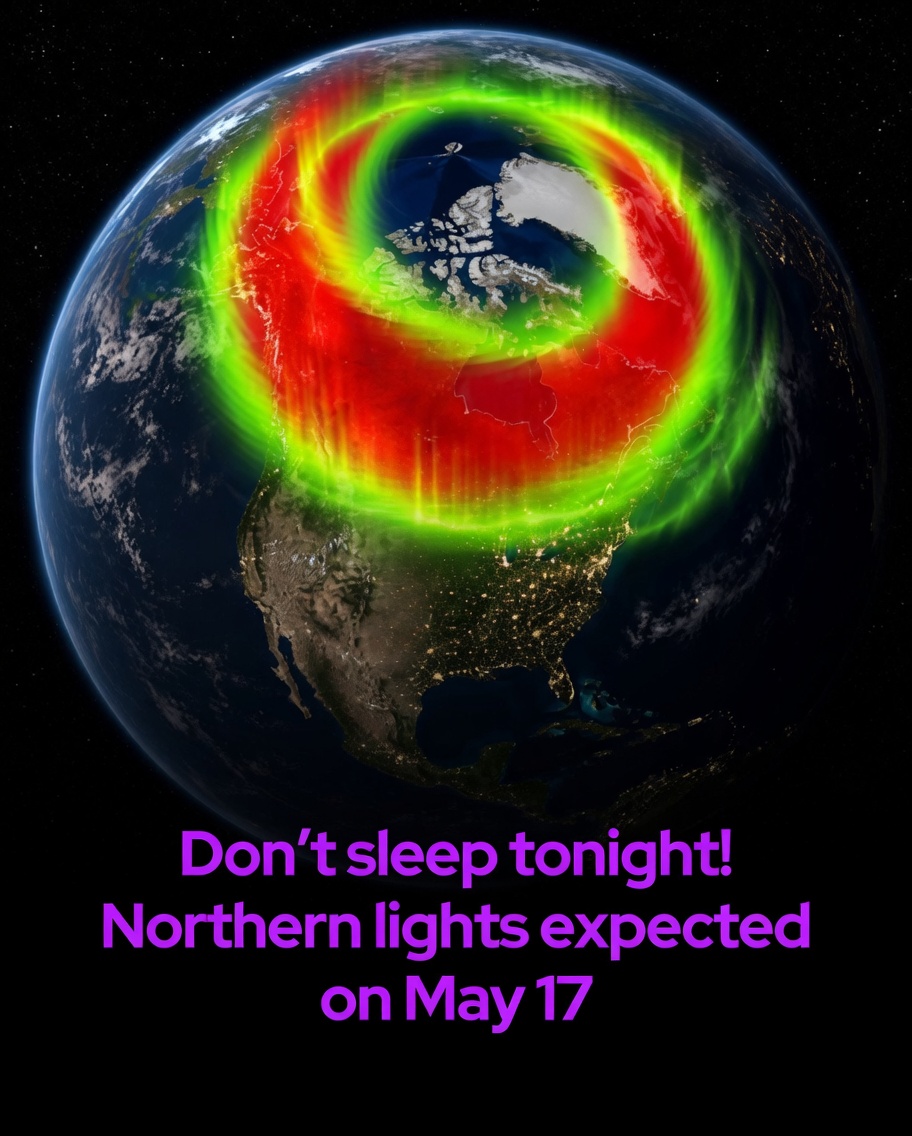
The northern lights (aurora borealis) could appear much farther south than usual across parts of the United States this weekend.
According to NOAA’s Space Weather Prediction Center, a fast-moving stream of solar wind originating from a large coronal hole on the Sun is expected to trigger geomagnetic storm conditions. If the forecast holds, auroras may become visible in northern states including Alaska, North Dakota, Minnesota, Wisconsin, Michigan, and Maine.
The best viewing window is predicted between 11 p.m. and 2 a.m. EDT. The event is expected to produce a G1-level geomagnetic storm, classified as minor on NOAA’s scale. Even modest storms can occasionally push the aurora farther south than normal.
Auroras occur when charged particles from the Sun collide with Earth’s magnetic field and interact with gases in the upper atmosphere, creating glowing displays of green, purple, and red light. This particular activity is being driven by a coronal hole, a region on the Sun where open magnetic field lines allow high-speed solar wind to stream into space.
Scientists emphasize that auroras remain highly unpredictable. Success depends on factors such as cloud cover, light pollution, and the strength of Earth’s magnetic response. Even if the lights are too faint for the naked eye, smartphone cameras often capture them surprisingly well.
For the best chance of seeing the display, experts recommend finding a dark location with a clear view of the northern horizon shortly after sunset.
1
66
Vote for Spencer Pratt for Mayor of LA!!!
#SaveCalifornia
2
103
Florida standing up to all the shenanigans.
Thank you for your service to all the hardworking people protecting the citizens.

Florida cops didn’t play, rushed in, helicopter overhead, and pummeled those thug “teen takeover” clowns in Tampa until order was restored.
Two dozen arrested, guns and drugs seized, throwing the full book at them.
Hold the parents accountable!
1
81
Captain Smug who trolls everyone with missions to Mars.
Because Mars is such a big beautiful planet that needs to be the center of attention.
All you lame Earthlings can a buy a Tesla and pay $500 a year to get trolled by Elon bots on X.
1
92
Fintechatoshi 🪐Sharkamoto retweeted
In the past decade the flight attendants are hit or miss.
Flight attendants were excellent at one point.
Now a flyer has to proceed with caution not to trigger some liberal lunatic hyper ready to kick you off a flight for wearing a shirt, hat or harboring some other uncomfortable made up insecurity.
My distrust of flight attendants is at an all time high these days unfortunately.
This situation has the vibe of another DEI hire trying to cash in and create unnecessary problems.
The airlines need higher standards for hiring people that won’t sell out or be disrespectful to passengers.
There is a very good chance this is a person that is attempting to cash in for hype with an ulterior motive.
1
1
67