Movement Disorders Neurologist; Professor of Neurology Leiden University Medical Centre. #deepbrainstimulation #movementdisorders
Joined January 2014
- Tweets 173
- Following 272
- Followers 819
- Likes 483
24 Photos and videos



5 Oct 2025
30 Sep 2025

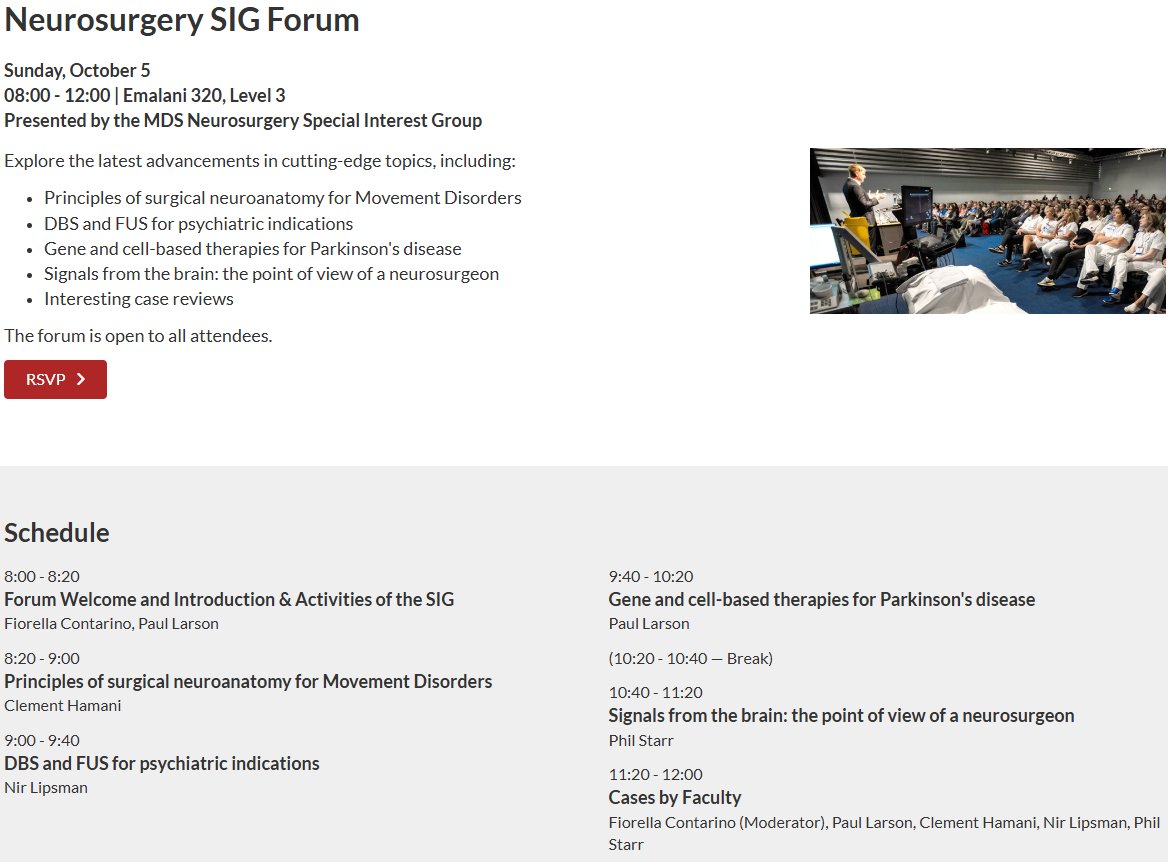
📣 Sunday morning in #Honolulu.
Attending #MDS2025? Join us for an exciting update on stereotactic procedures! Learn what's new, talk to experts, meet colleagues from all over the world, make connections...
Free, but RSVP appreciated.
Neurosurgery SIG Forum
@movedisorder
2
149
30 Sep 2025
📣 Sunday morning in #Honolulu.
Attending #MDS2025? Join us for an exciting update on stereotactic procedures! Learn what's new, talk to experts, meet colleagues from all over the world, make connections...
Free, but RSVP appreciated.
Neurosurgery SIG Forum
@movedisorder
1
230
26 Aug 2025
📣 Focused ultrasound (#FUS) for #movementdisorders: who? how? when? BIlateral? Side effects?
World leaders discuss how they do it in an interactive webinar by the Neurosurgery SIG
Fri, Aug 29 7:00 CDT/8:00 EDT/14:00 CEST/22:00 AEST
🆓 for MDS members, student&residents link👇
14 Aug 2025
Focused ultrasound for movement disorders (#FUS): ever wondered how do the experts do it? Join us for this interactive webinar organized by the Neurosurgery Special Interest Group!
Fri, Aug 29, 2025 7:00 CDT/8:00 EDT/14:00 CEST/22:00 AEST.
@movedisorder
education.movementdisorders.…
1
1
2
288
26 Aug 2025
How Do I Do It? Focused Ultrasound: Indications, Patient Selection - OverView
56
14 Aug 2025
Focused ultrasound for movement disorders (#FUS): ever wondered how do the experts do it? Join us for this interactive webinar organized by the Neurosurgery Special Interest Group!
Fri, Aug 29, 2025 7:00 CDT/8:00 EDT/14:00 CEST/22:00 AEST.
@movedisorder
education.movementdisorders.…
1
4
7
1,045
14 Aug 2025
(Free for MDS members; and MDS membership is free for student&resindents)
1
86
8 Aug 2025
Please join us at the 1st Forum of the #Neurosurgery Special Interest Group at the MDS congress in Honolulu!
Topics:
- #Movement Disorders neuroanatomy
- #DBS & #FUS in psychiatry
- Gene & cell-based therapies
- #Neurophysiology
- Cases
@movedisorder
mdscongress.org/Program/Even…
1
4
289
23 Jun 2025
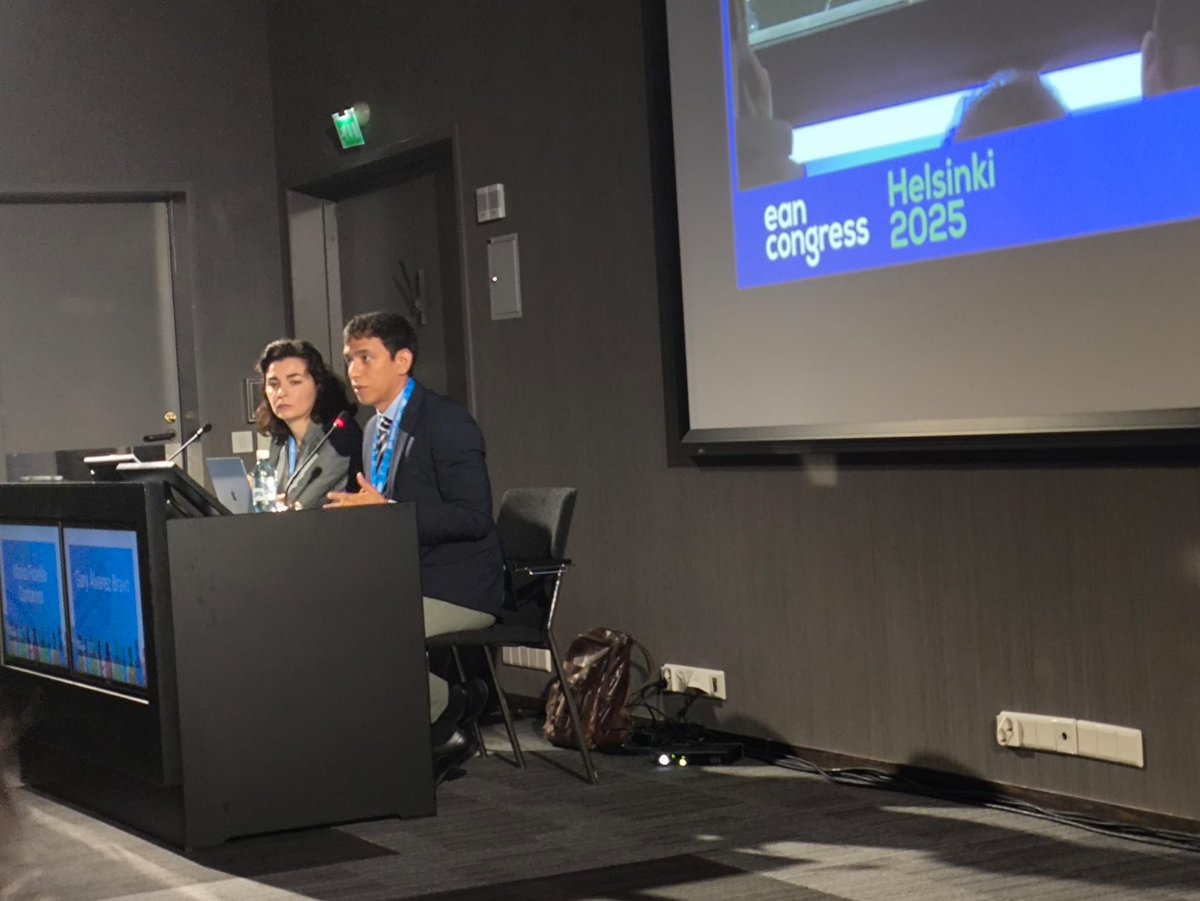
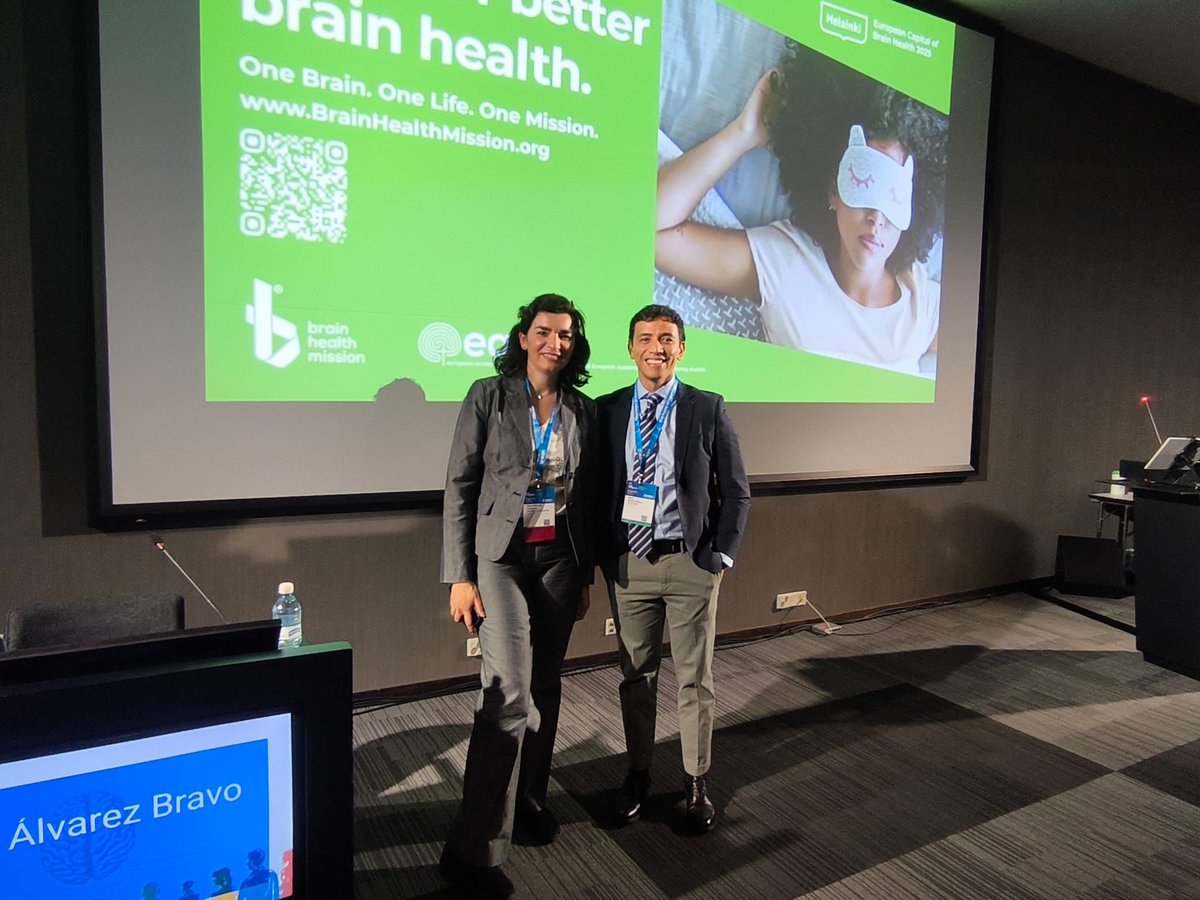
It was great pleasure to share a session with Gary Alvarez on the important topic of emergencies in #movementdisorders at #EAN2025! Sorry if you could not enter the full room and for the 30 people who watched on video in the hall. The content is available on-demand! #MDSatEAN
2
11
581
Fiorella Contarino retweeted

22 Jun 2025
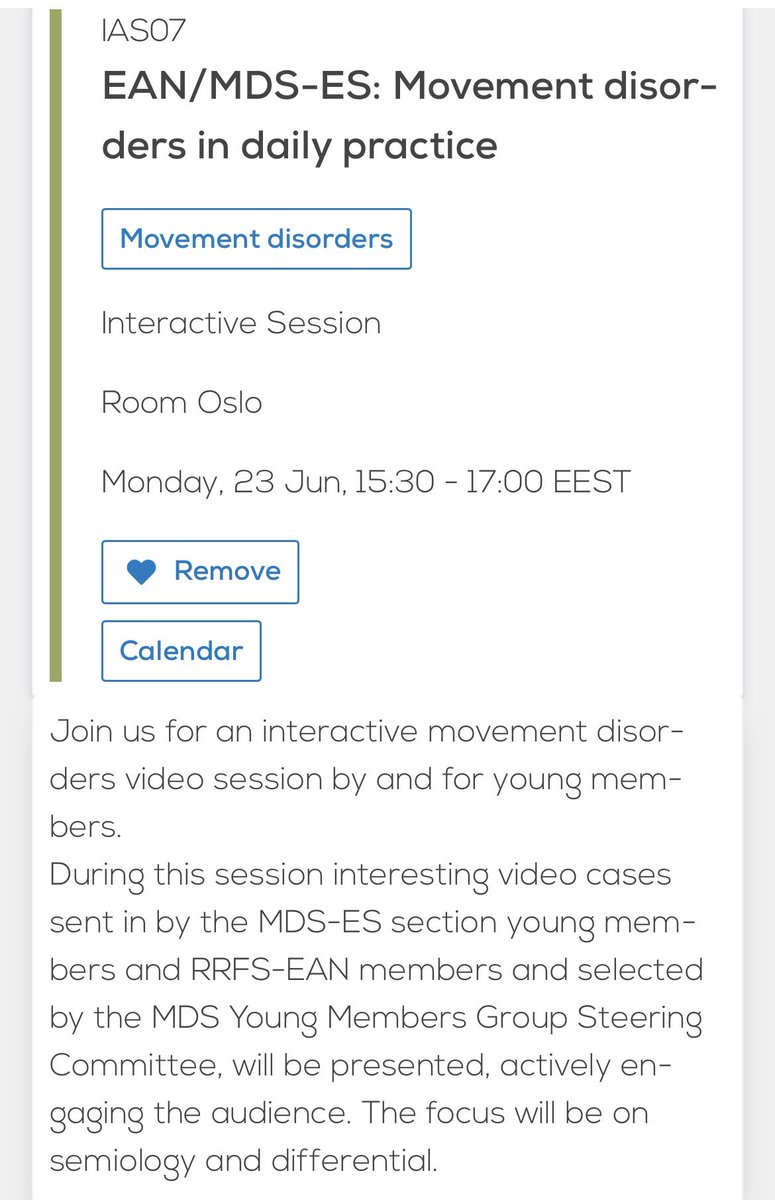
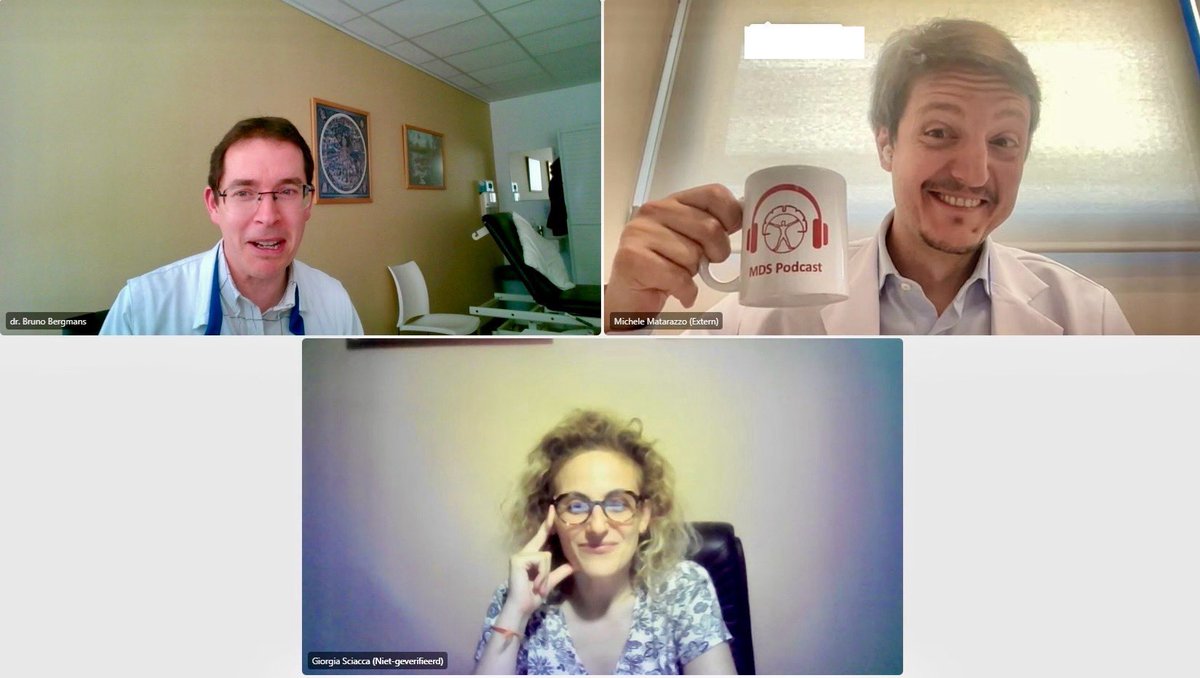
Many preparatory meetings later we are happy to invite you to the Movement Disorders in Daily Practice interactive video session on Monday 23rd June at 3.30pm in room Oslo with @matarazzomd as chair and Giorgia Sciacca
#MDSatEAN #EAN2025 🧵(1/3)
1
3
3
313
Fiorella Contarino retweeted

12 May 2025
Controversies, hands-on skills workshops, and the always-popular European Basal Ganglia Club award lectures and case video series — catch it all at the #MDSatEAN sessions at the EAN Congress. loom.ly/e5kV1u8
1
5
534
2 Oct 2024
Looking back at a great #mdscongress, stared with this session on management of advances #parkinson disease,together with 4 wonderful colleagues @BrainMDmiyasaki @a_schrag @maricruzrodrigues @onanongphokaew
28 Sep 2024

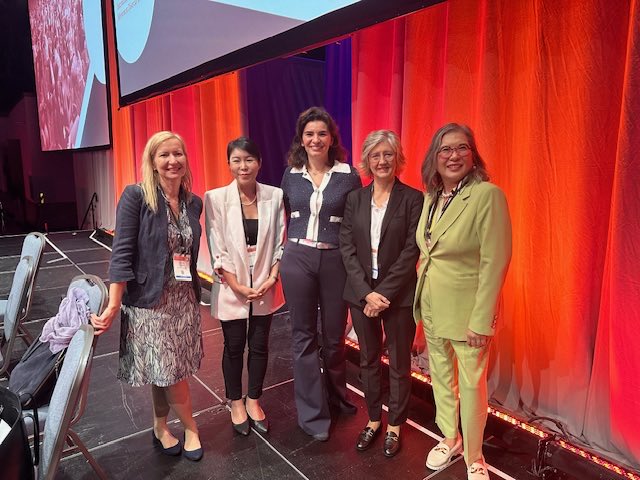
A great opening plenary day w Annette Shrag, Onanong Phokaewvarangkul, Maria Fiorella Contarino, Maria Rodriguez-Oroz and me @movedisorder Treating advanced #parkinsondisease w technology and holistic care.
9
397
Fiorella Contarino retweeted

28 Sep 2024
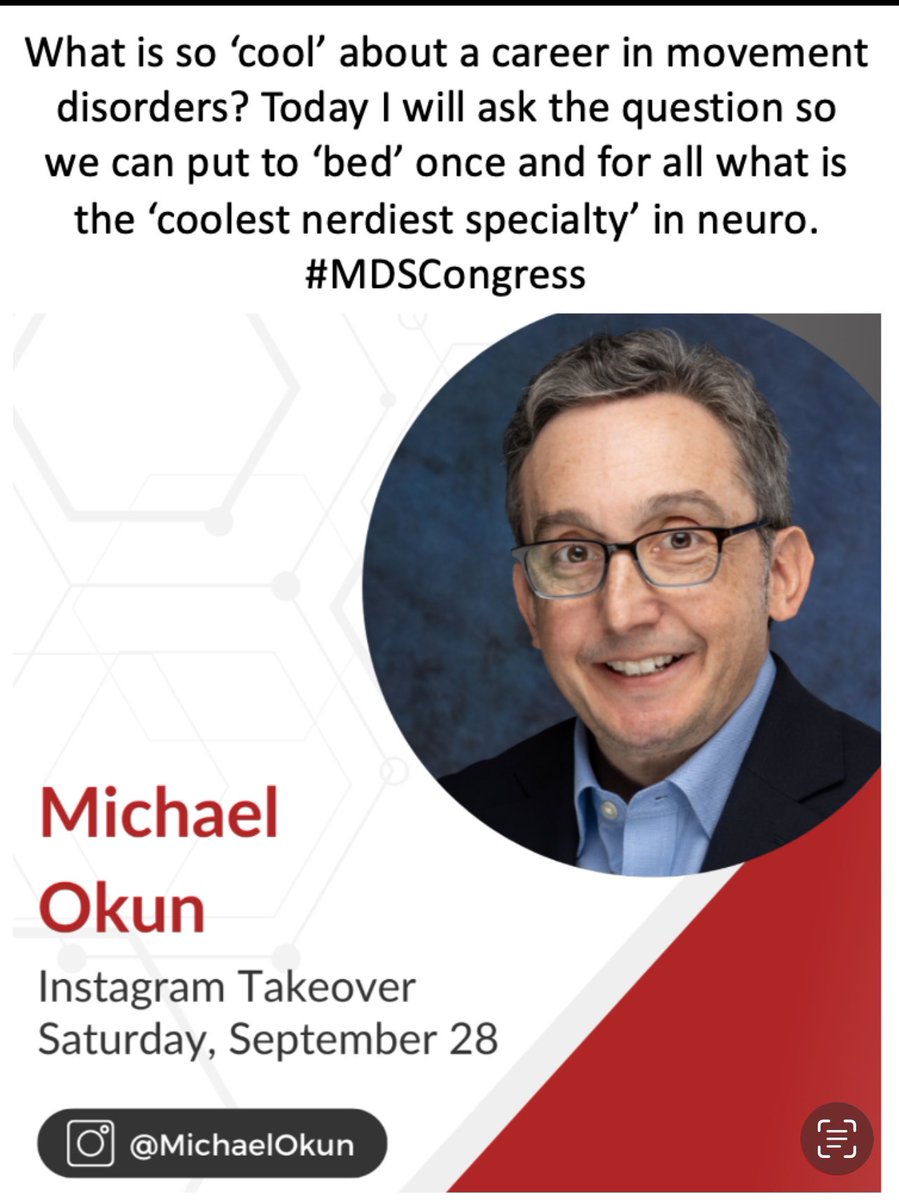
If you are considering a career in movement disorders check out the @movedisorder movement disorders society Instagram where I will try to convince you TODAY with a series of videos why this is the nerdiest, but coolest specialty. Sorry @DGlaucomflecken
15
83
4,892
24 Jun 2024
The @movedisorder #MDS #Neurosurgery SIG Webinar "How do I do it: What is the optimal target for #tremor and how do you target it?" is scheduled for tomorrow, Tuesday, June 25 at 1:00 pm UTC.
Join us! education.movementdisorders.…
1
216
17 Jun 2024
Zonder ons onderzoek minder betaalbare medicijnen!
De aangekondigde bezuinigingen op de wetenschap hebben forse impact op ons onderzoek. Zonder ons onderzoek geen oplossingen voor (maatschappelijke) problemen. Dat mogen we niet laten gebeuren. Stop de bezuinigingen op wetenschap
1
2
4
503
17 Jun 2024
Doe ook mee aan deze actie, kijk op nfu.nl/laat-wetenschap-werke…
#onderzoek #wetenschap #laatwetenschapwerken #stopdebezuinigingen #hoofdlijnenakkoord
@nfu @umc
1
1
186
11 Jun 2024
Ever wondered how to target the #Vim? How does the #PSA look like? how to do #DBS surgery for #tremor? Join @ClementHamani Keyoumars Ashkan and Stephen Tisch during the 2nd online event of the series "How do I do it" organized by the #Neurosrugery SIG of MDS @movedisorder (link)
2
2
210
Fiorella Contarino retweeted
23 May 2024
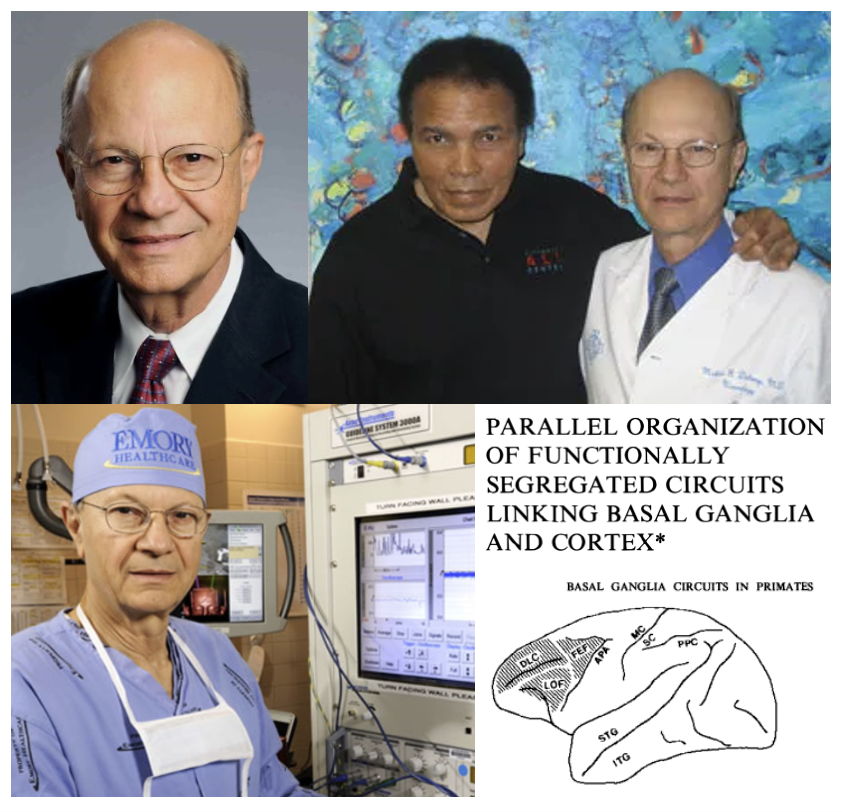
Mahlon DeLong (1938-2024) was the GOAT in his long-running career as a combined neurologist and neuroscientist. He took great care of the world's GOAT (Ali), however this is one title (GOAT neurologist-neuroscientist) that belongs to him, and him alone. It is with a heavy heart that I pen this message. He was a father to me when my dad passed, and a father for many others in neurology and beyond. He was a father to the new field of neuromodulation. He was a father to a generation of great neurologists, neurosurgeons and neuroscientists who are now growing the next generation. Mahlon DeLong was more than an empathetic person, he oozed kindness and compassion. RIP Mahlon, you have impacted countless lives all over the world, and your science has alleviated much suffering for this generation and the next.
Mahlon Robert DeLong, M.D. passed away peacefully at home on May 17, 2024, at the age of eighty six, with his loving family around him. His medical career spanned over fifty years with notable achievements that contributed to foundational science, pioneering treatments and research for the challenging diseases of Parkinson's, Dystonia, and other movement disorders, and decades of patient care. He was known for his humility, generosity, caring nature, and intense interests across a wide and diverse spectrum of topics, which he shared freely with all those around him. Mahlon was born in 1938 in Des Moines, IA, and spent his early childhood there and in Kansas. He soon headed west to Balboa Island in Newport Beach, CA, where he attended the Newport Harbor Union High School, beginning his life-long love for swimming in and being near the ocean. He graduated cum laude from Stanford University in 1961, during which he spent a year abroad at the Free University of Berlin, Germany. After a year in graduate school at Stanford University, he then traveled east and graduated cum laude from Harvard Medical School in 1966. After finishing an internship and the first year of his residency at Boston City Hospital in 1968, he moved south to work at the National Institutes of Health in Bethesda, MD. There he was a Research Associate at the Laboratory of Clinical Science, serving as part of the Reserve Corps in the U.S. Public Health Service. He continued as a Staff Fellow in the Laboratories of Clinical Science and Neurophysiology where he began his life-long passion for and focus on movement disorders, specifically focused on parts of the brain called the basal ganglia. At the time, while it was known that the basal ganglia were generally involved in movement, there was little known about the specifics. Mahlon and colleagues significantly advanced the knowledge about how circuits and networks related to the basal ganglia interacted with the rest of the brain and movement. He then moved to Baltimore, MD, where after completing his residency in Neurology in 1976 he joined the faculty of Johns Hopkins Hospital and School of Medicine. He became a full professor of Neurology and Neuroscience in 1986. During this time, he led intense and deep research into the basal ganglia and the associated brain circuits involved in movement, emotions, and cognition. In 1990, Mahlon was recruited by Emory University to serve as the Chair of the growing Neurology Department and served in that capacity until 2003. Under his leadership, the Department grew substantially, both in size and national and international impact. Among his many accomplishments, he and his team refined a ground-breaking neurosurgical procedure that brought profound relief to patients suffering from the debilitating symptoms of Parkinson's disease. Mahlon was elected to the National Academy of Medicine in 2004 and the American Academy of the Arts and Sciences in 2009. In 2014 he received the Breakthrough Prize in Life Sciences for his pioneering work in the basal ganglia and his development of a life-changing procedure for those affected by Parkinson's disease. He was likewise recognized for this work, along with his colleague Dr. Benabid, with the 2014 Lasker-DeBakey Clinical Medical Research Award. Throughout his career Mahlon held leadership positions and served on dozens of national and international foundations, associations, and advisory boards, including the American Association for the Advancement of Science, the American Neurological Association, the Society for Neuroscience, the Dystonia Medical Research Foundation, and the American Parkinson Disease Association. He published hundreds of papers and gave hundreds of lectures and symposiums to national and international audiences. He was a mentor to and fostered the career development of a whole generation of neurologists, many of whom have become leaders around the globe. Mahlon retired in 2019 as Professor Emeritus and spent time with family and friends, enjoying trips to the shore as he had throughout his life, ranging from the Pacific to the Atlantic - from Nova Scotia to South Carolina, and abroad. He was known for his endless curiosity, his care and love for those around him, and his passion for and love of gardening and dogs, many of whom he rescued throughout his life. He is survived by his wife, Mary DeLong; his children Bryan DeLong (Toni), Ariane DeLong (Roger Chalmers), John DeLong (Melissa), and Laura Aspey (Stuart). He was Grandpa to Sarah, Sam, Alex, Zack, Ella, Rosie, Will, Mary, and Abigail. He was also brother, uncle, cousin, and relative to many and an "adopted father" to a key few – always willing to help those in need around him. His concern for others, willingness to listen, and calm nature will be deeply missed. There will be a celebration of life at a later date. Mahlon was closely involved with a number of organizations including the Emory University Parkinson's Disease and Movement Disorder Center, the Dystonia Medical Research Foundation, and the American Parkinson Disease Association. A tribute in his memory can be made with a donation in his name to one or more of these organizations or another of your choice.
legacy.com/us/obituaries/nam… #parkinson #dystonia #basalganglia
A Handful of key papers to give you a flavor of the quality of his scientific contributions:
PARALLEL ORGANIZATION OF FUNCTIONALLY SEGREGATED CIRCUITS LINKING BASAL GANGLIA AND CORTEX (1986, over 10,000 citations)
annualreviews.org/docserver/…
Primate models of movement disorders of basal ganglia origin (1990, more than 4500 citations)
meded.ucsd.edu/neu232/secure…
Reversal of experimental parkinsonism by lesions of the subthalamic nucleus (1990, over 2000 citations)
jstor.org/stable/pdf/2878195…
9
47
205
31,538
21 May 2024
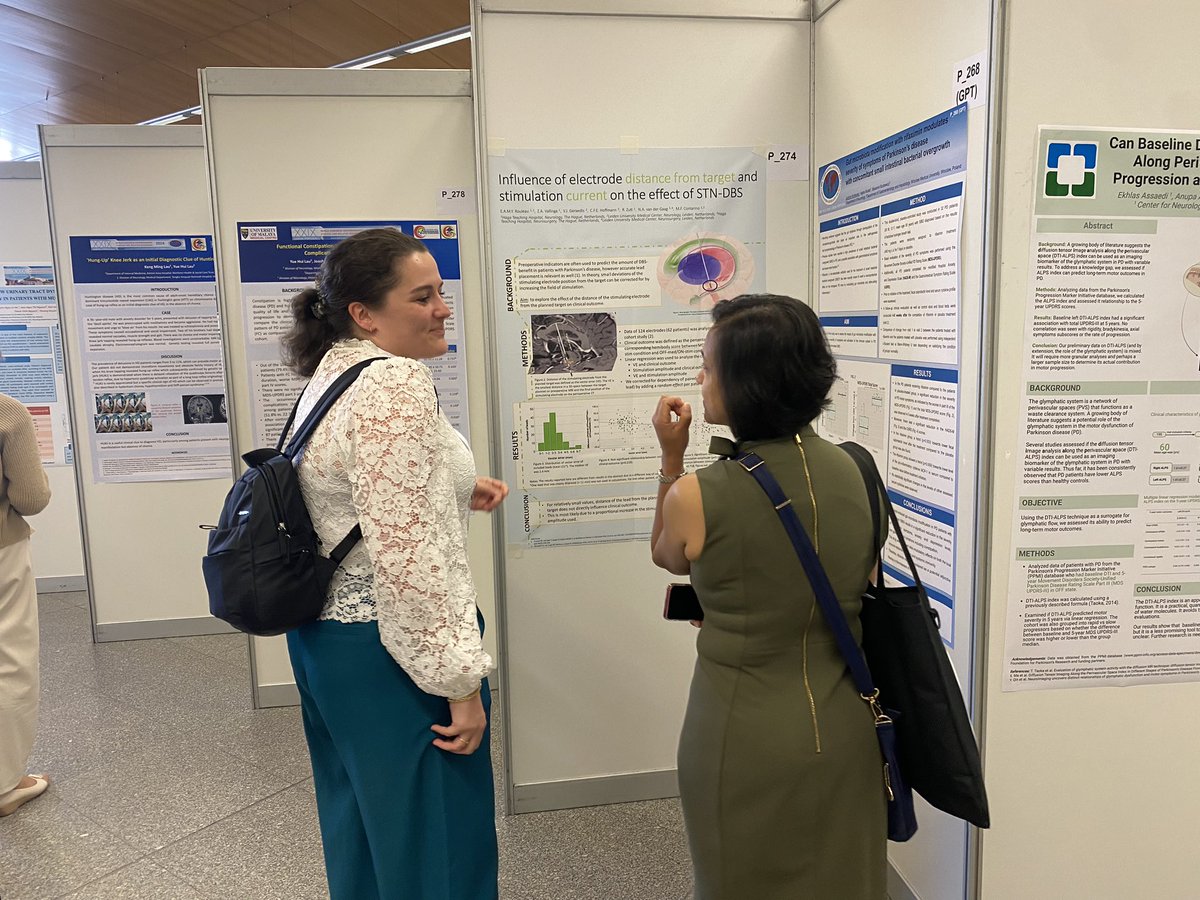
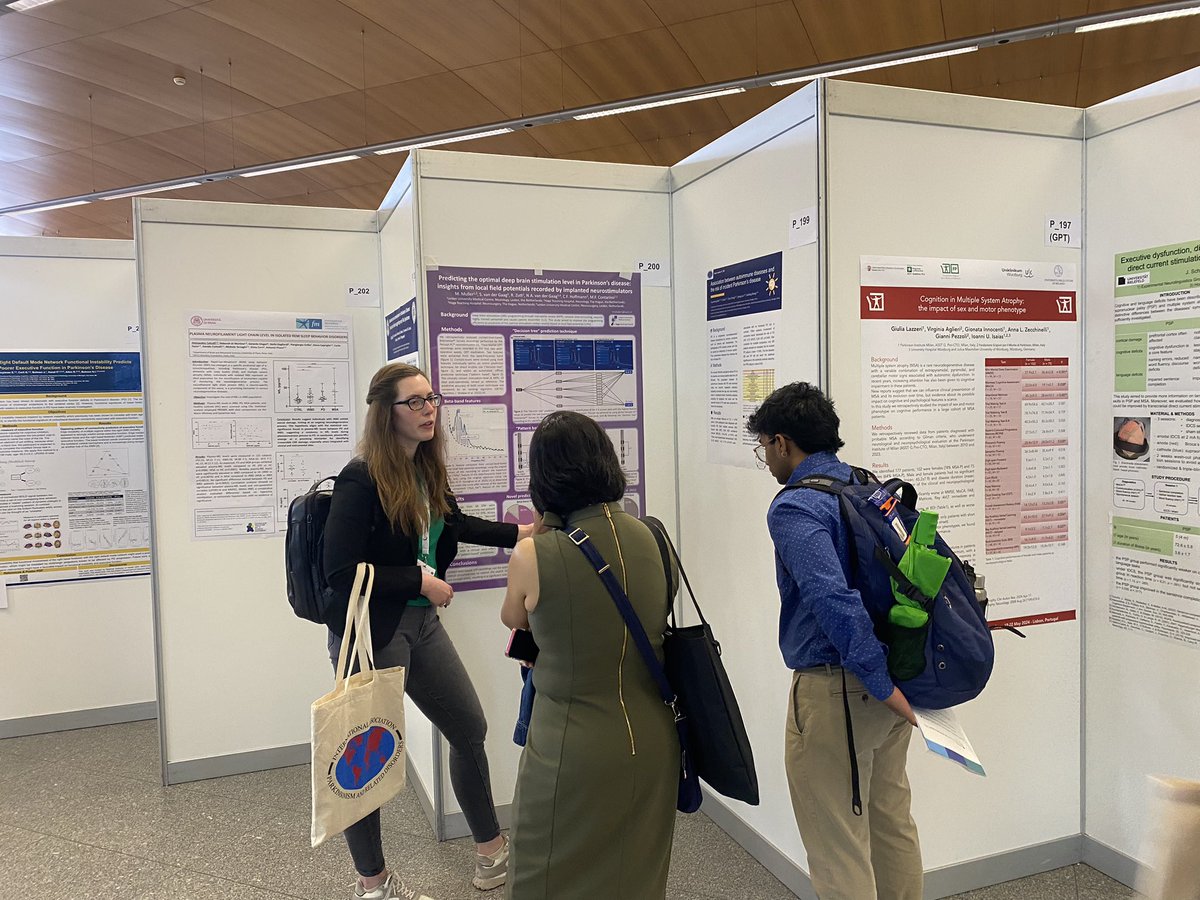
A lot of interest for the work of Eline Rouleau, Marjolein Müller and @VOChernova (@LUMC_Leiden @HagaZiekenhuis) on #DBS accuracy, DBS #LFPs and fecal #microbiota transplantation at the #IAPRD2024 Congress! Good job 👍🏻

2
9
371