
Joined November 2024
- Tweets 2,993
- Following 2,935
- Followers 1,504
- Likes 5,161
216 Photos and videos


Pinned Tweet

Jun 1
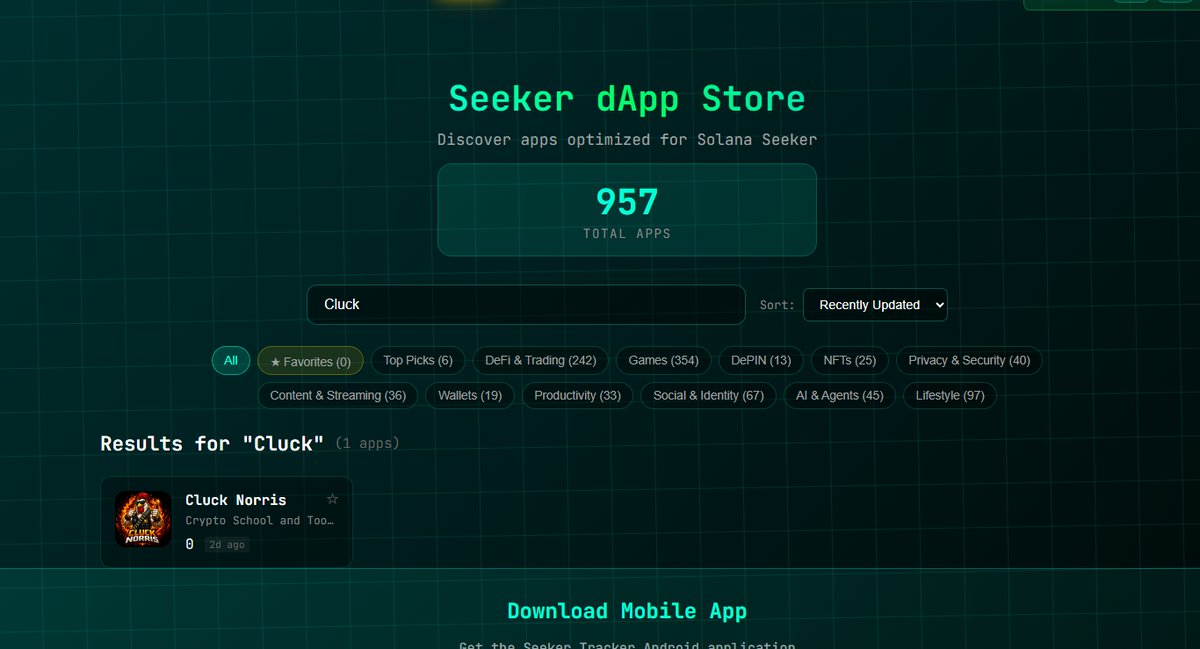
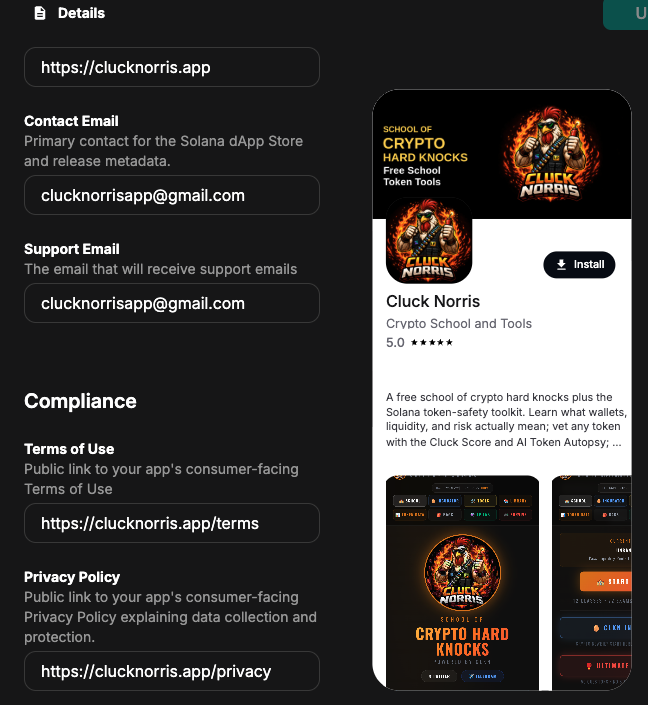
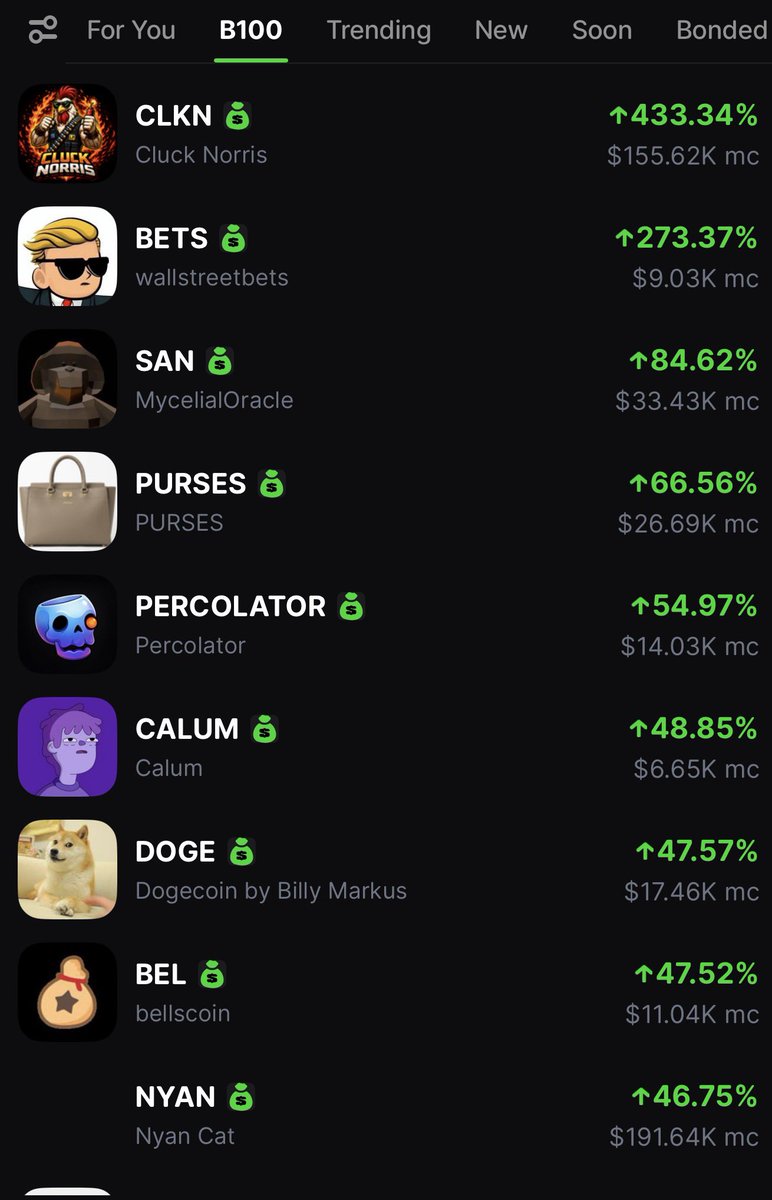
guess who is live on the Solana dApp store @BagsHackathon @BagsApp @RicoMoneybags @PulswitchApp @CryptoLifer33
3
5
15
249
When hunting for a token's real contract address, always start with the official project website or verified social media accounts—never click links from random Discord messages or search results. Cross-check the address on the blockchain explorer (Solscan for Solana, Etherscan for Ethereum) to confirm it matches the creator's announcement, and look for verified checkmarks or official communications. One mistake here and you're holding a worthless counterfeit, so this homework is no yolk.
Do your detective work first, trade second.
3
2
81
🛠 Run a free Token Autopsy on any mint → clucknorris.app/autopsy
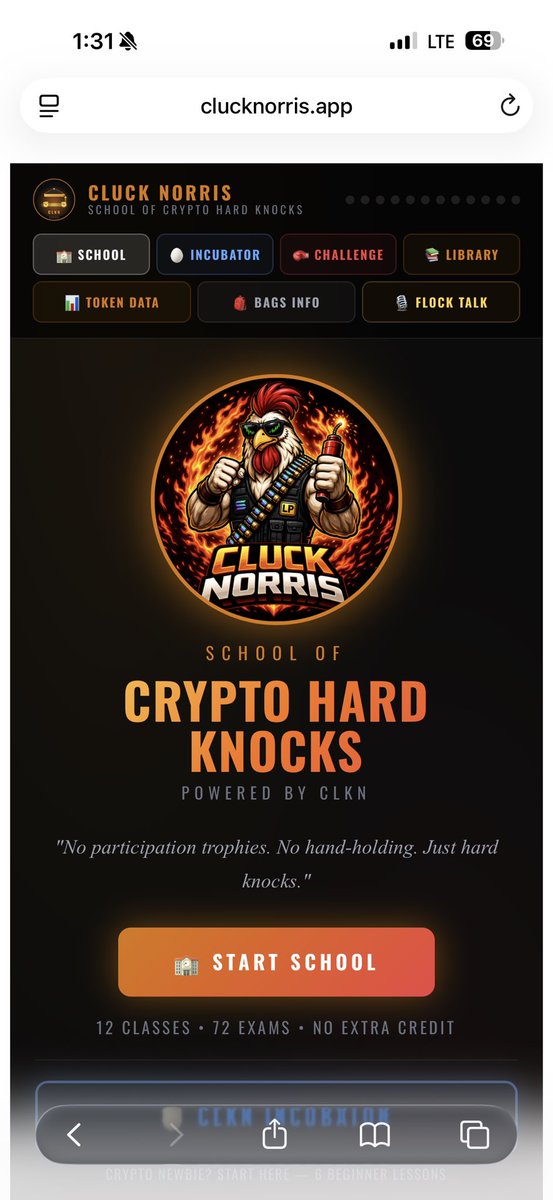
📚 Full school free token tools → clucknorris.app
📊 CLKN chart: dexscreener.com/solana/64wxk…
💬 t.me/FireChicken007
2
1
16
DexScreener shows liquidity pools, but not all pools are created equal—a brand new pool with tiny volume can look promising on the chart but evaporate faster than a chicken in a rainstorm. Check the pool creation date, total liquidity locked, and trading volume over time, not just the price action; if volume spiked once then disappeared, that's often a red flag. Real adoption shows consistent daily trading activity and genuine price discovery across multiple timeframes.
Don't let a chart's shape fool you into thinking a token has legs—verify the fundamentals under the hood.
1
39
🛠 Run a free Token Autopsy on any mint → clucknorris.app/autopsy
📚 Full school free token tools → clucknorris.app
📊 CLKN chart: dexscreener.com/solana/64wxk…
💬 t.me/FireChicken007
2
25
🎓 On-chain NFT diplomas are coming to Cluck Norris — the School of Crypto Hard Knocks.
One rule: you earn it by GRADUATING the full 12-lesson course. Not by passing a test — by doing the work, lesson by lesson. Finish the school and your diploma mints on-chain, straight to your Solana wallet.
Permanent. Verifiable. Earned, not bought. 🐔
The school is free — no paywall, no wallet-connect to learn. All you spend is time and grit.
Already graduated and left your wallet? We're minting for everyone who finished — yours is coming too.
Free to learn. Yours to own.
👉 clucknorris.app
Built on Solana · forged at Bags 🎒
25
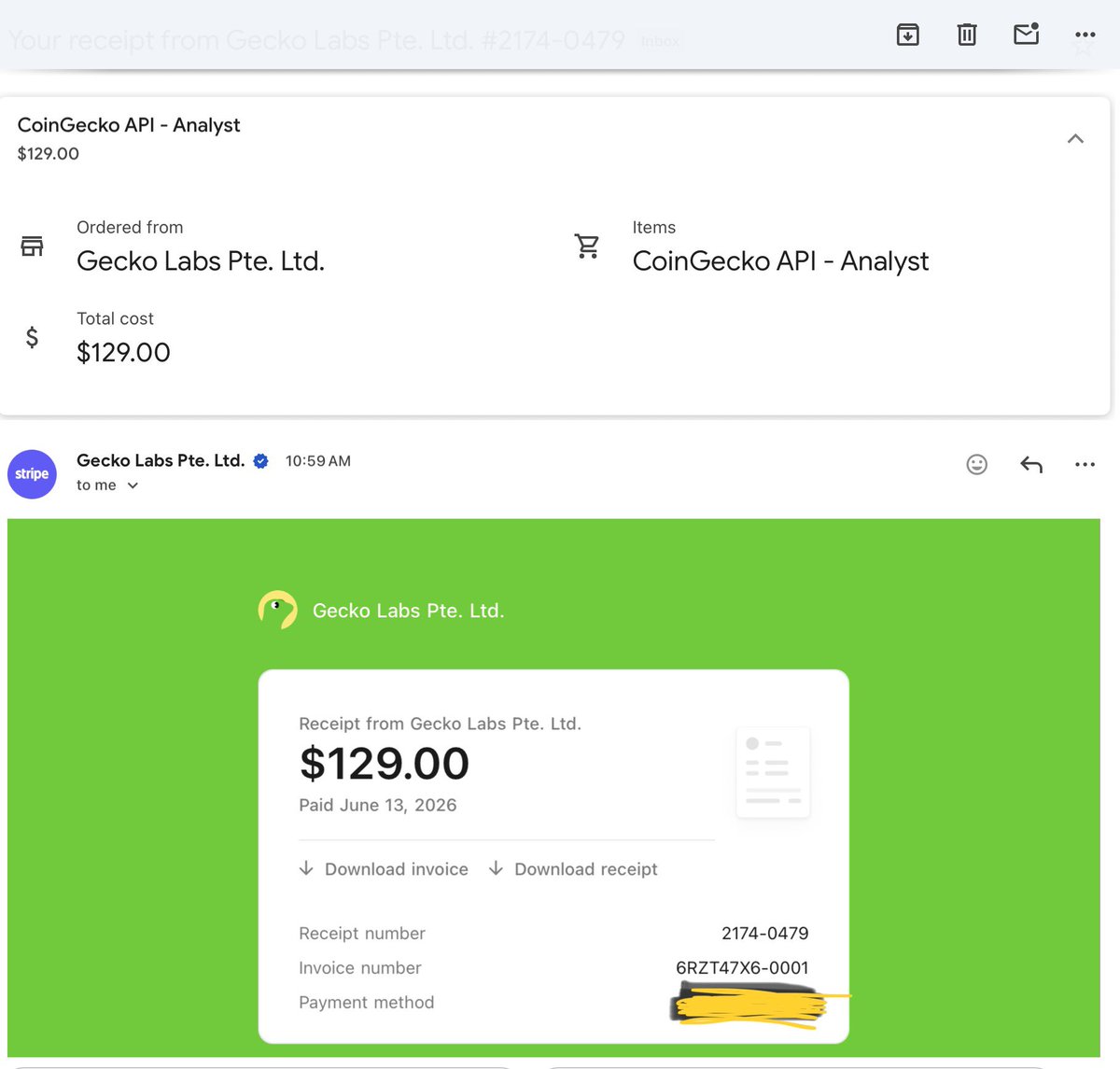
Lots of upgrades coming for Cluck Norris.... Helius upgrade earlier this week or last, coin gecko API upgrade to analyst this morning.... better school, better tools, more features coming. Don't miss out @BagsApp @BagsHackathon @StuuBags @finnbags @BagsFund
2
4
6
104
A bridge lets you move assets from one blockchain to another by locking them on the source chain and minting a wrapped token on the destination. When you bridge Bitcoin to Solana as wrapped BTC, the real Bitcoin sits in a smart contract vault while you hold a Solana-based token that represents your claim. Sounds simple, right?
Here's where things get ruffled: that vault is only as secure as the bridge's code and the people or systems protecting it. If the bridge gets hacked, the wrapped tokens become worthless because there's no Bitcoin backing them anymore. This happened to real bridges—Poly Network lost $611 million, and Wormhole lost $325 million—so these aren't theoretical risks.
The wrapped asset itself also depends on the bridge maintaining a 1:1 reserve. If the bridge operator disappears or the code has a flaw, you might be able to unwrap your token, but you could find the vault is empty or locked. Always ask: who controls the bridge? Is the code audited? Is there insurance?
Wrapped tokens give you access to liquidity across chains, but you're essentially trading security for convenience.
1
1
153
📚 Full school free token tools → clucknorris.app
📊 CLKN chart: dexscreener.com/solana/64wxk…
💬 t.me/FireChicken007
15
Jun 13
Wrapped SOL is native SOL locked in a smart contract and converted to an SPL token standard (WSOL), letting it move freely on decentralized exchanges and liquidity pools where raw SOL can't go. You'll encounter it when swapping on DEXs like Jupiter or Raydium, or providing liquidity—most won't cluck in and out, but the conversion is usually seamless and reversible. WSOL ≠ SOL in your wallet, so make sure you unwrap it if you need to stake or transfer off-chain.
Wrapped tokens solve a real problem: they unlock liquidity, but always verify you
1
38
Jun 13
📚 Full school free token tools → clucknorris.app
📊 CLKN chart: dexscreener.com/solana/64wxk…
💬 t.me/FireChicken007
21
Jun 12
Position sizing means risking only a small percentage of your total capital per trade, typically 1-5%, so one bad move doesn't wipe you out. Stop-losses are predetermined exit points that cut losses before they spiral—set them based on technical levels or your risk tolerance, not emotion. These two tools keep you in the game long enough for winners to outnumber losers.
Stay in the coop long enough to collect the wins that matter.
5
1
79
Jun 12
🛠 Practice with $1K fake money in the Survival Simulator → clucknorris.app
📚 Full school free token tools → clucknorris.app
📊 CLKN chart: dexscreener.com/solana/64wxk…
💬 t.me/FireChicken007
1
1
23
Jun 12
A bonding curve is a smart contract that automatically sets token prices based on supply. As more people buy, the price goes up; as people sell, it goes down. This creates a continuous market without needing a traditional order book.
The curve works because buys and sells directly interact with a reserve pool of funds, usually stablecoins. Each transaction moves you along the curve, determining your exact entry or exit price. The math behind it is straightforward: more supply means higher price per token.
Token graduation happens when a project decides to leave the bonding curve and move to a decentralized exchange like Raydium or Orca. At that moment, the project typically migrates liquidity from the curve's reserve pool into an AMM (automated market maker). This gives holders the ability to trade on an open, decentralized market instead of being locked into the curve's formula.
The tradeoff is real: bonding curves provide predictable pricing and continuous liquidity, but graduation offers more trading freedom and exposure to broader markets. Not all projects graduate successfully, and migration mechanics matter—bad execution can create slippage or price chaos.
Bonding curves let projects bootstrap liquidity, but graduation is where the training wheels come off.
1
3
74
Jun 12
🛠 Watch live Bags launches & graduations → clucknorris.app/bags
📚 Full school free token tools → clucknorris.app
📊 CLKN chart: dexscreener.com/solana/64wxk…
💬 t.me/FireChicken007
10
Jun 11
A block explorer is your receipt for on-chain truth. Search your wallet address or transaction hash, then check three things: the "from" and "to" addresses (did tokens go where you meant?), the value transferred (is the amount correct?), and the token contract address (are you dealing with the right asset, not a fake?). Most explorers show gas fees, timestamps, and whether the transaction succeeded or failed—all immutable proof of what actually happened on the blockchain.
Use a block explorer before trusting anyone's word about whether a transaction went through.
1
2
67
Jun 11
🛠 Trace any wallet × token history yourself (free) → clucknorris.app/trace
📚 Full school free token tools → clucknorris.app
📊 CLKN chart: dexscreener.com/solana/64wxk…
💬 t.me/FireChicken007
1
34
Jun 11
An automated market maker is a decentralized exchange that uses a mathematical formula instead of an order book to set prices. The most common formula is xy=k, where x and y are the quantities of two tokens in a liquidity pool, and k is a constant number.
Here's how it works: when you trade, you add tokens to one side of the pool and remove tokens from the other. The formula ensures that x times y always equals the same k value. If you add more of token A, the pool must adjust by giving you fewer of token B to keep k constant. That adjustment is your price.
The bigger your trade relative to the pool size, the worse your price gets because you're moving the ratio further from balance. A tiny trade in a huge pool gets a near-constant price, but a large trade in a small pool can slip significantly. This built-in slippage mechanism actually protects liquidity providers by making massive trades expensive.
One note: some AMMs use different formulas like xy*z=k for three-asset pools or concentrated liquidity models, but the core principle stays the same—math sets the price, not a middleman.
When the formula shifts, the market listens.
1
34
Jun 11
🛠 Practice in the free interactive LP Lab → clucknorris.app
📚 Full school free token tools → clucknorris.app
📊 CLKN chart: dexscreener.com/solana/64wxk…
💬 t.me/FireChicken007
18
Jun 11
Verifying our @coingecko listing request for Cluck Norris ($CLKN) 🐔
Request ID: CL1106260002
GeckoTerminal: geckoterminal.com/solana/tok…
A free Solana crypto school on-chain research tools. clucknorris.app
1
73