
Ask a dermatologist and get an answer within hours. 250k users. iOS: apple.co/2nmWwME Android: bit.ly/2oaIPiK Derm AI: bit.ly/DermAI
Joined November 2013
- Tweets 5,564
- Following 2,548
- Followers 2,180
- Likes 1,512
2,776 Photos and videos








12 Nov 2024
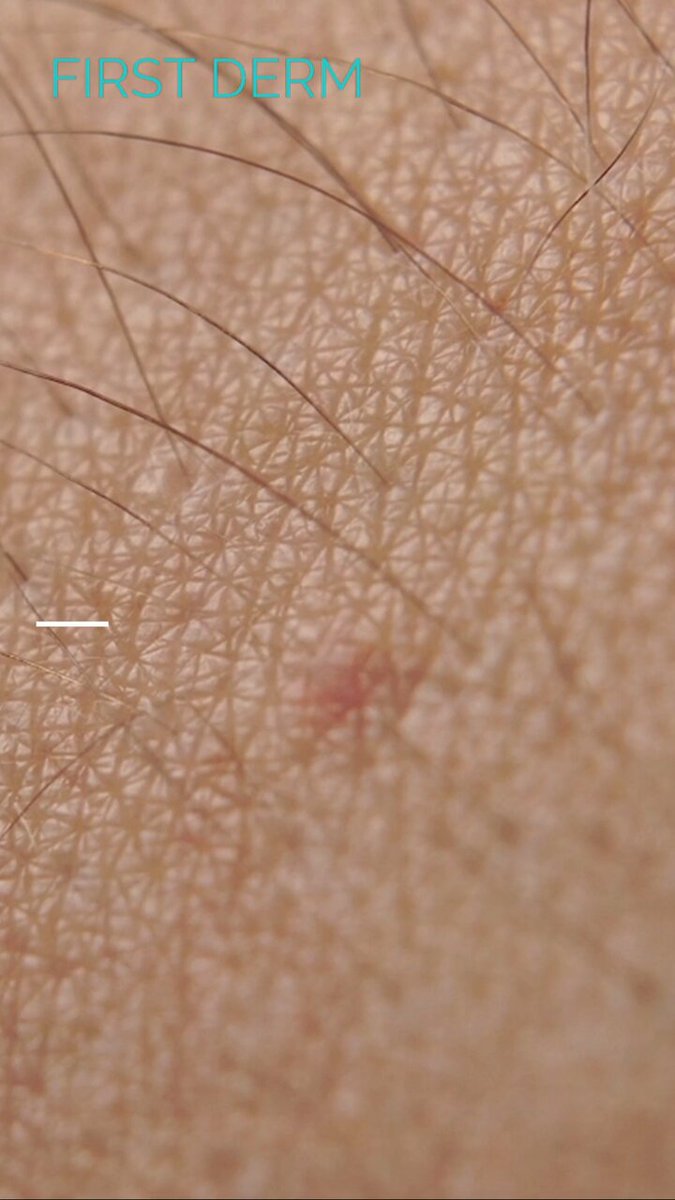
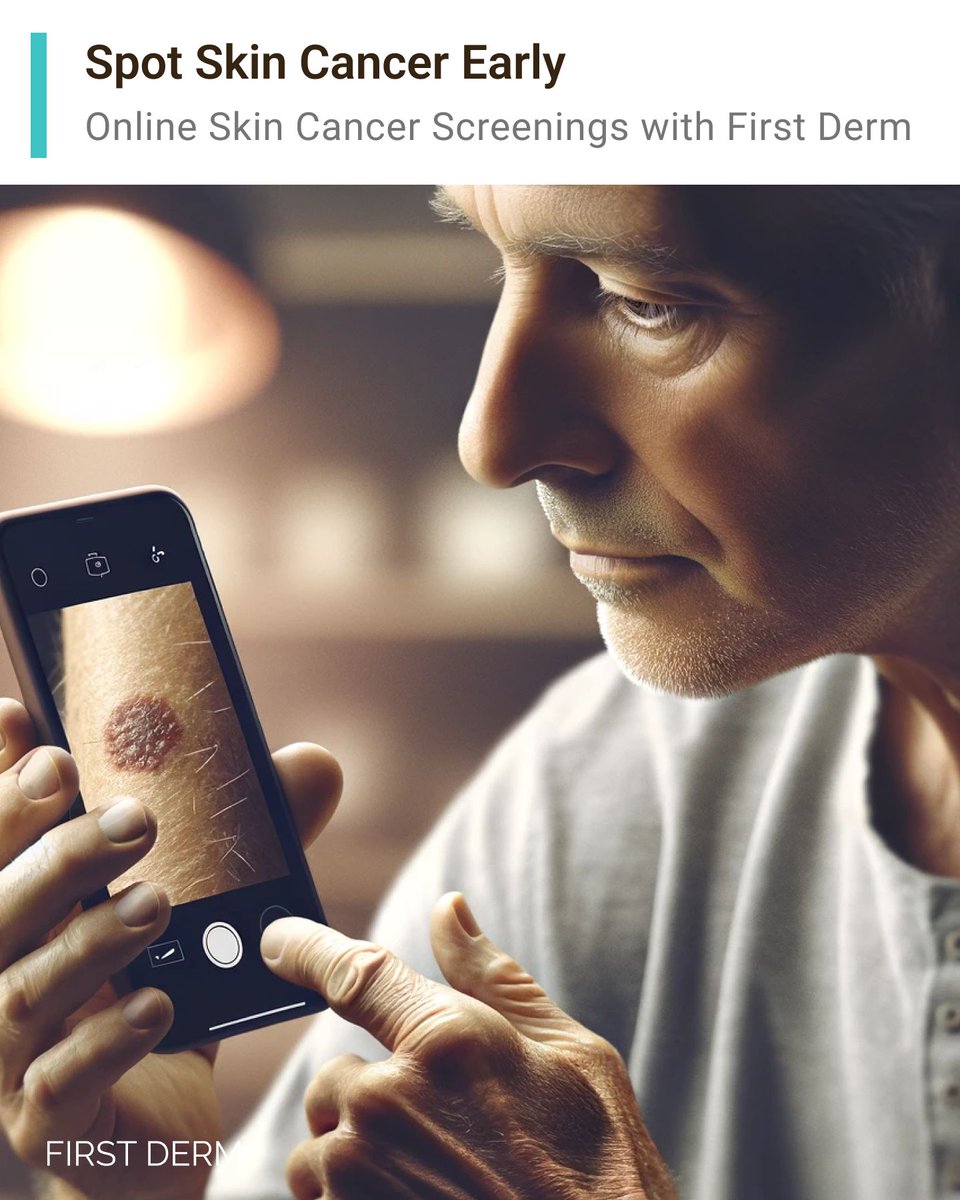
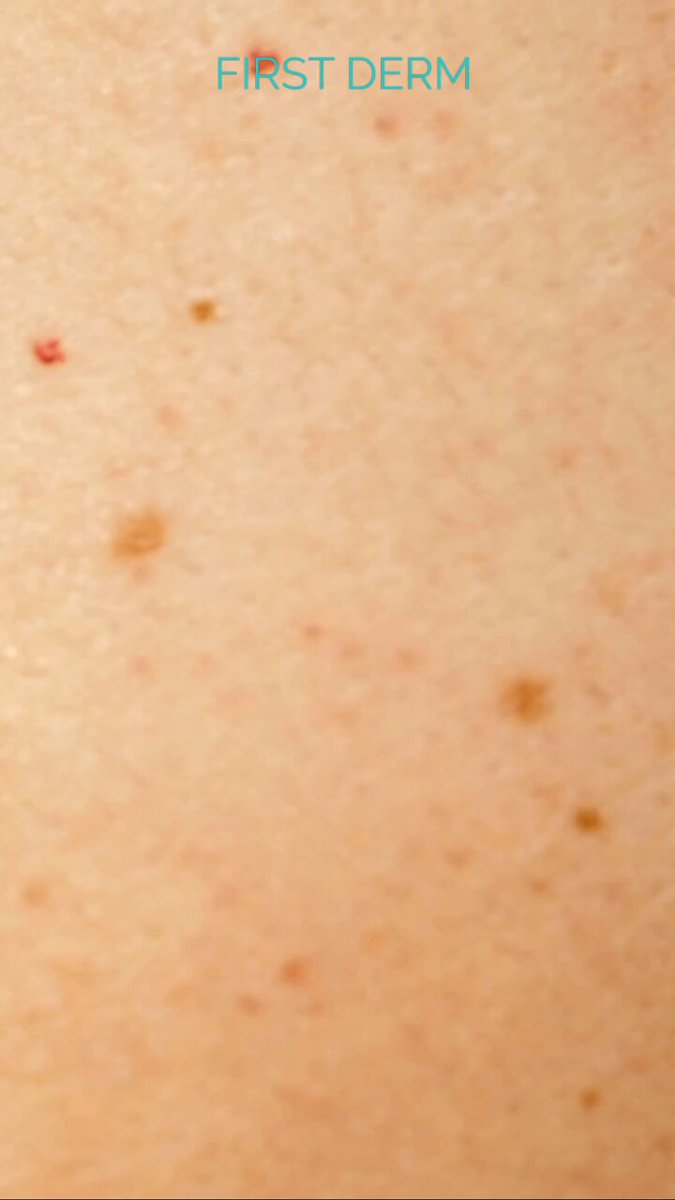
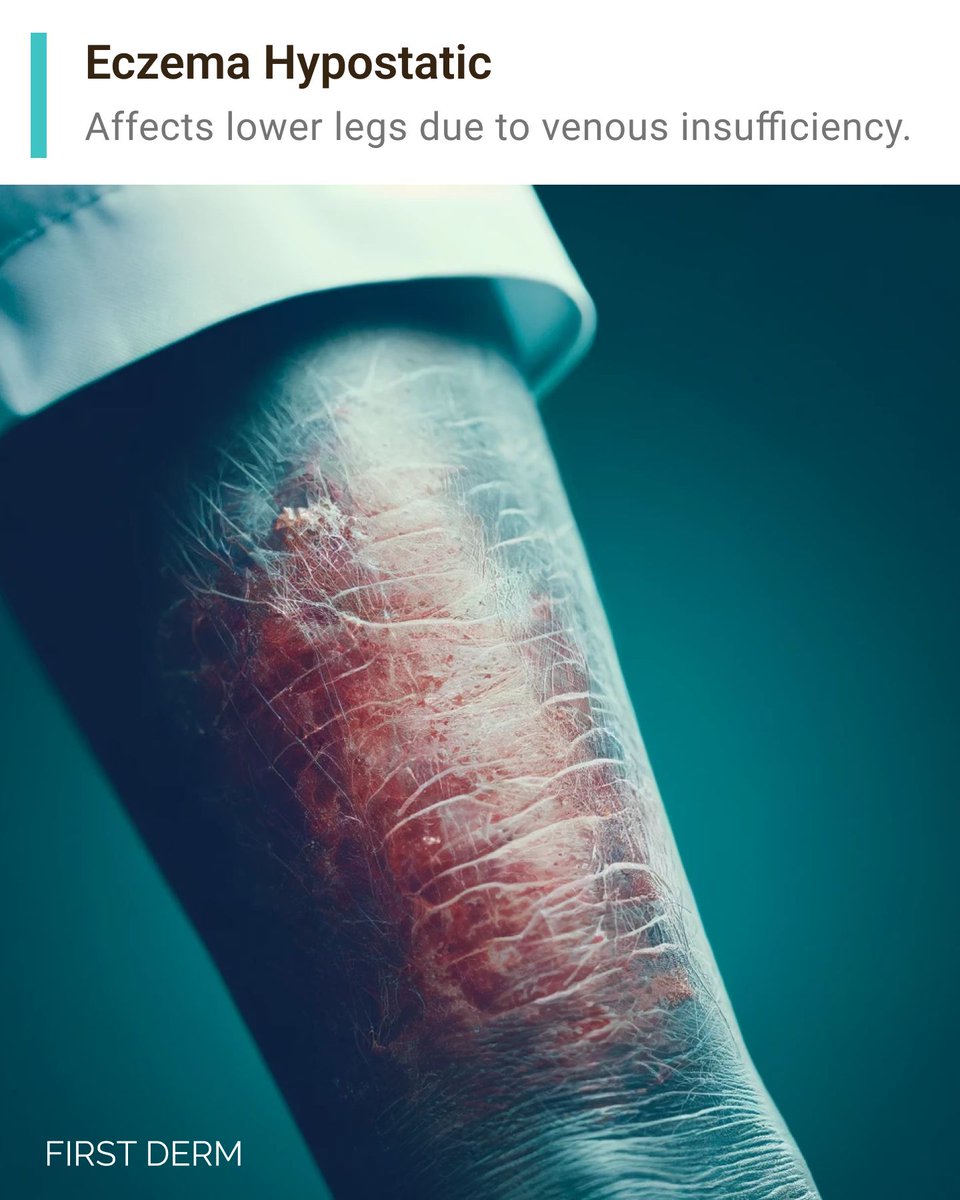
Female genital sores can result from various causes, including sexually transmitted infections (STIs), inflammation, or simple irritation. Fortunately, most of these causes are benign and pose little to no serious health risks.
bit.ly/4epHp9Y
#VulvarUlcers #womenshealth
74
8 Nov 2024
Connect instantly with a board-certified dermatologist for professional skin advice—anytime, anywhere. Get quick peace of mind within hours.
Access via Web: bit.ly/36LExDd
iOS App: apple.co/4hGnMgv
Android: bit.ly/3YYwiAn
#dermatologist
1
1
79
19 Aug 2024
Struggling with Vaginal Itching?
Vaginal itching can be uncomfortable and often indicates conditions like vaginitis. Discover the causes and find effective treatments to ease your discomfort.
🔗 Learn more: bit.ly/3AF7S4T
#Vaginitis #Dermatology #FirstDerm
98
9 Aug 2024
Is Your Child's Skin in Danger?
Many kids' makeup products contain toxic ingredients that can irritate young skin or cause long-term damage.
Learn more about the risks and how to choose safer options for your little ones:
bit.ly/4cmaqST
#KidsMakeup#OnlineDermatology
2
1
116
30 Jul 2024
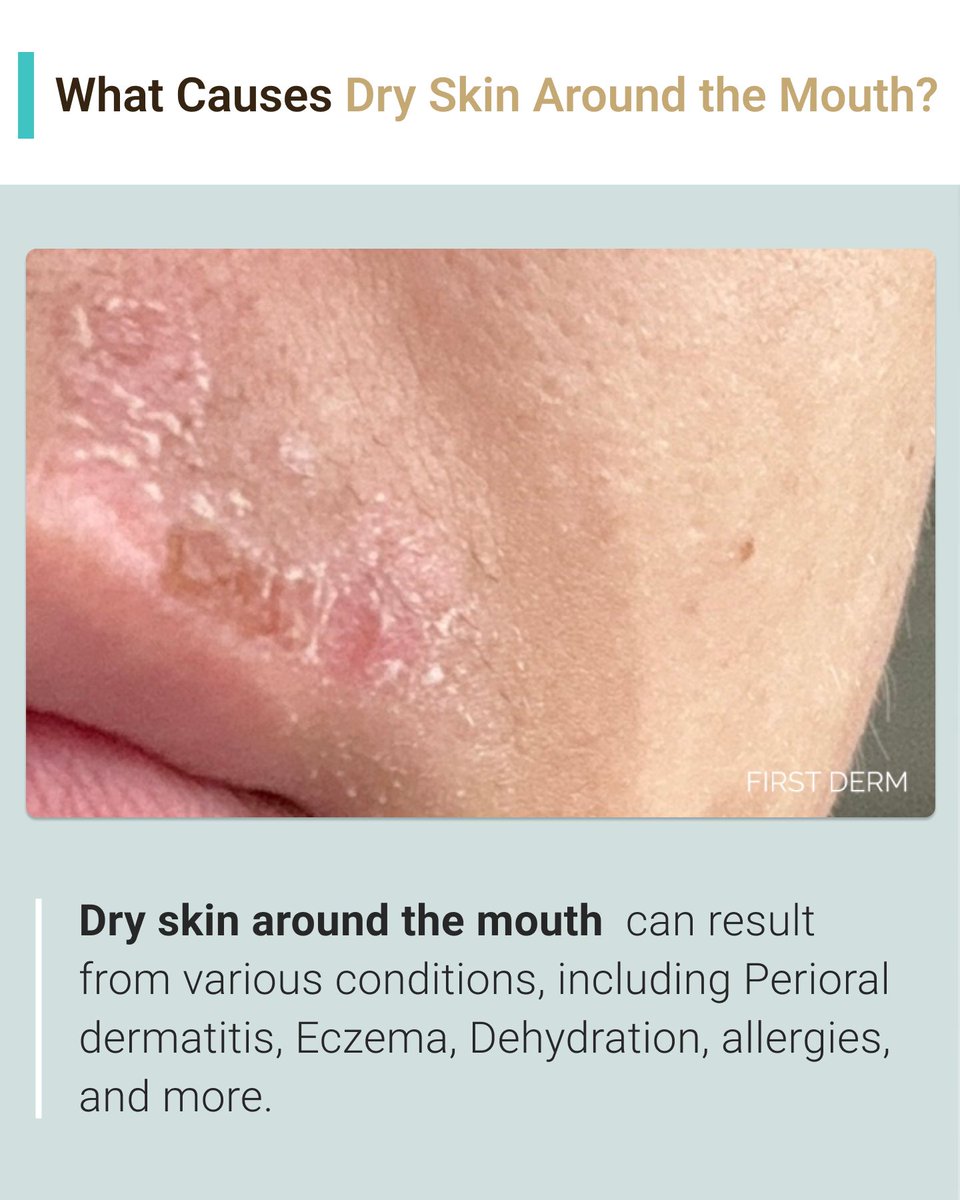
Experiencing dry skin around your mouth? It could be due to conditions like perioral dermatitis, dehydration, or allergies. Look out for symptoms like redness, flaking, and itching.
Learn more about the condition: bit.ly/4c3EItu
#DrySkinRelief #PerioralDermatitis
1
1
190
24 Jul 2024
Wondering which STIs cause itching? Our latest article explores common sexually transmitted infections that lead to itching, their symptoms, and the importance of testing and treatment.
Read more: bit.ly/4c1papU #SexualHealth #STIs #Itching #HealthAwareness #FirstDerm
1
1
56
12 Jul 2024
Discover the top 10 skin conditions reported on First Derm, including acne, eczema, and skin cancer. Learn symptoms and when to seek help through teledermatology consultations
bit.ly/4bFDh4d
#Dermatology #SkinHealth #FirstDerm #SkinCare #Health #Teledermatology #Acne
1
1
61
3 Jul 2024
Do you struggle with eczema that gets worse when you sweat? You’re not alone! Eczema, especially atopic dermatitis, can flare up with common triggers like sweat, but there are ways to manage it.
Read the full article here: bit.ly/3LegDF2
#SweatAndEczema #FirstDerm
1
1
64
24 Jun 2024
Protect Your Skin from Eczema Flare-Ups!
Do you know which skincare ingredients can trigger eczema? Avoiding the wrong products can make a world of difference.
Read more: bit.ly/3REBCEK
#EczemaCare #FirstDerm #Dermatologist
51
18 Jun 2024
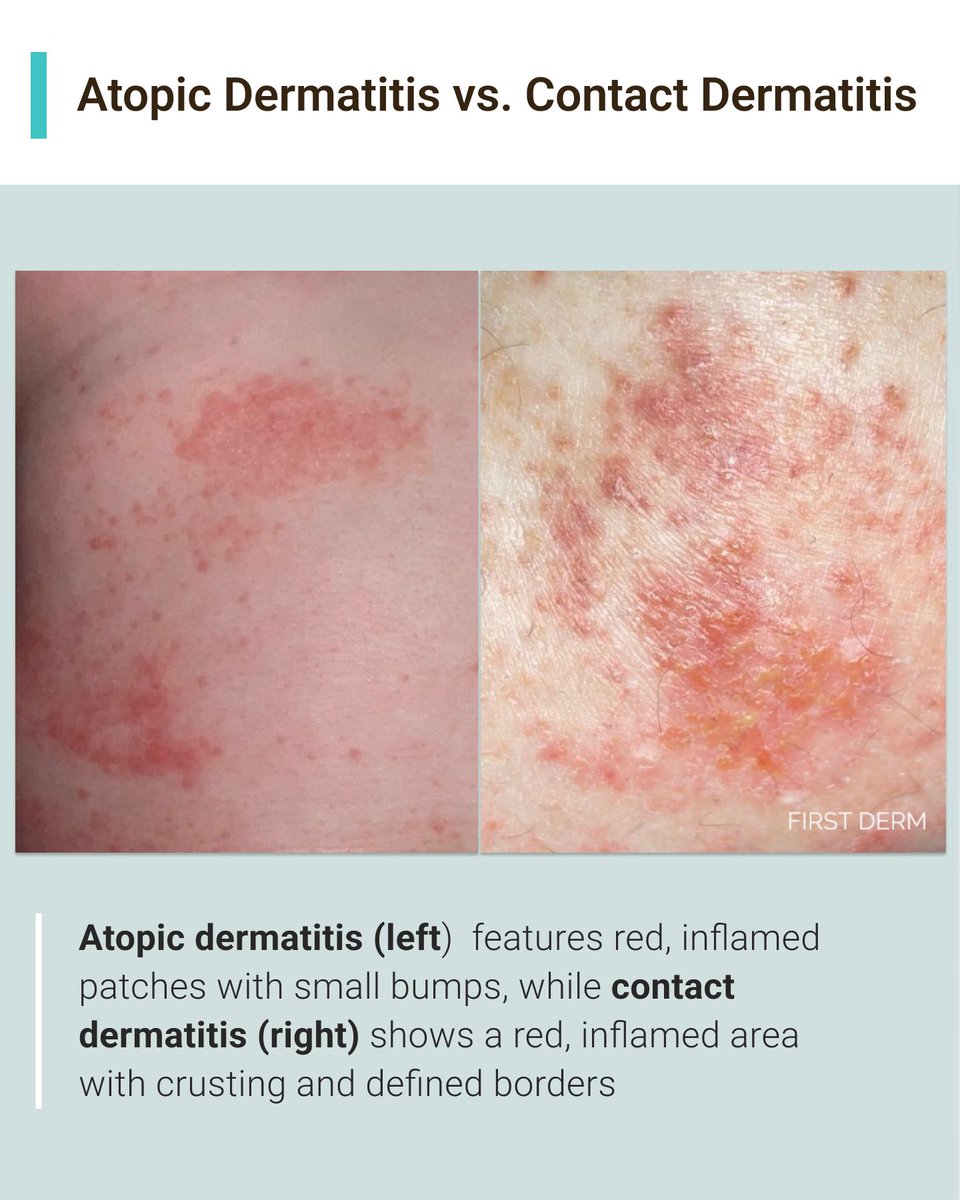
Atopic Dermatitis vs. Contact Dermatitis: What’s the Difference?
Atopic dermatitis (left) features red, inflamed patches with small bumps, while contact dermatitis (right) shows a red, inflamed area with crusting and defined borders
Learn more: bit.ly/3VMhfrF
2
1
63
7 Jun 2024
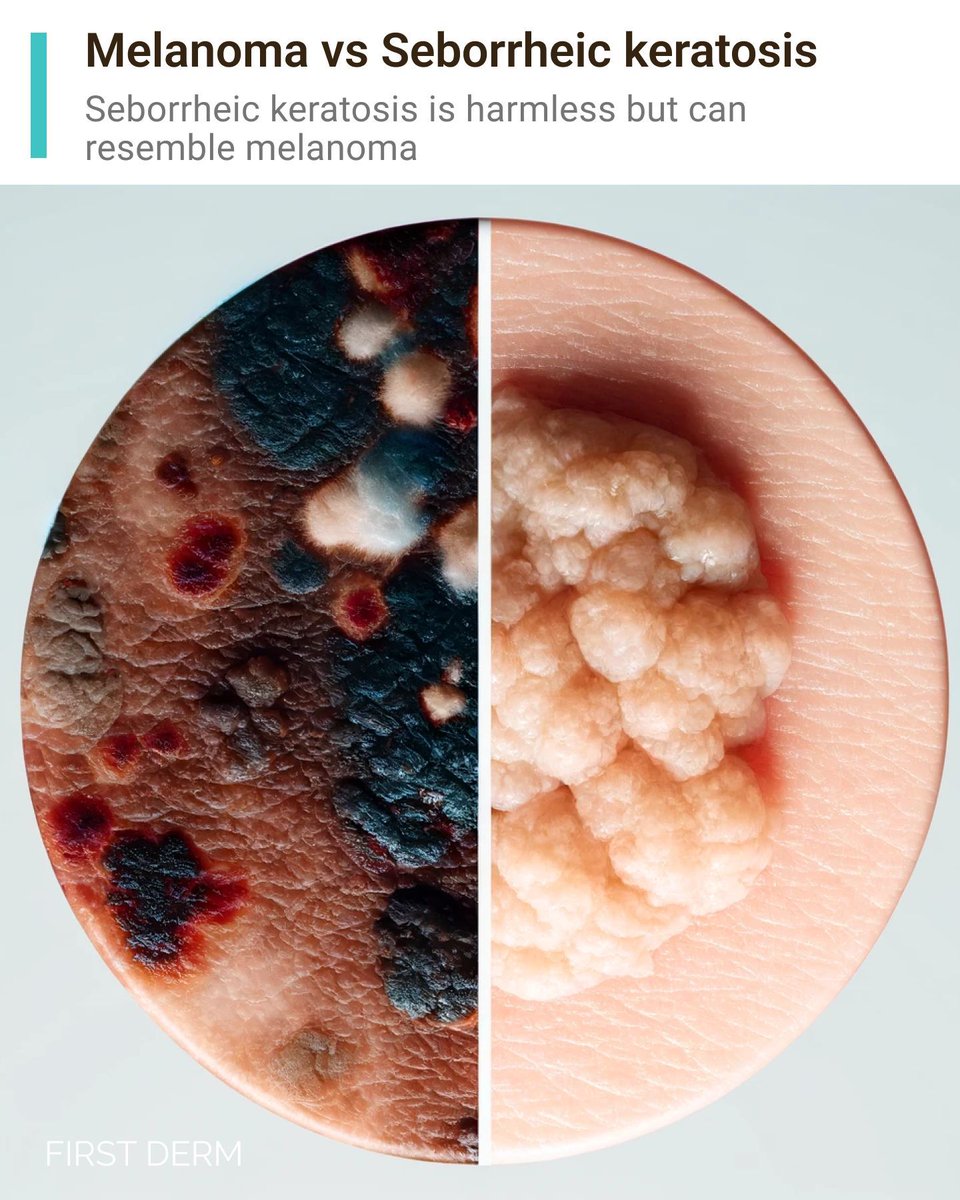
Seborrheic keratosis is a noncancerous condition that can look like a cancerous melanoma.
Read more: bit.ly/3yOggOK
#EarlyDetection #Melanoma #SeborrheicKeratosis #Dermatologist
1
1
96
28 May 2024
Squamous Cell Carcinoma (SCC): Skin Cancer caused by the cumulative exposure of the skin to UV light. When caught early, most SCCs are curable.
Squamous cell carcinoma (SCC) is the second most common type of skin cancer in the United States.
Read more: bit.ly/3X0ZaHo
41
20 May 2024
Keep an eye out for any new moles or blemishes, especially after age 21. Check if they change in color, shape, size, or texture. Look for unusual spots that itch, hurt, crust, or bleed for over 3 weeks. Stay vigilant!
bit.ly/3viKiEa
#SkinHealth #EarlyDetection #Melanoma
1
1
151
6 May 2024
Using First Derm’s online screenings, with just a few clicks, you can get a professional assessment of your skin, helping you spot any potential trouble early on.
Read more about this initiative: bit.ly/4bs3Lqi
#MelanomaUK #SkinCancerScreening #FirstDerm #Dermatology
1
1
46
2 May 2024
Learn how to spot a cancerous mole.
Unfortunately, new moles are often overlooked, and ones that you’ve had your whole life can change without you realizing it. And change is a major indicator of skin cancer.
#skincancer #melanoma
Learn more here: bit.ly/3b02dGg
1
1
115
1 May 2024
Skin Concerns and STDs: Is Dermatology Advice on Online Communities Worth the Risk?
Get a consultation from a board-certified dermatologist today.
bit.ly/36LExDd
First Derm App
App Store: apple.co/3JKdqwy
Google Play: bit.ly/3QpGjlj
#FirstDerm
51
25 Apr 2024
Eczema hypostatic is a type of eczematous rash you get most commonly in your legs.
Manifest as blistered, dry, or scaly skin, often accompanied by distinctive orange-brown pigmentation and white scars.
bit.ly/3WgcAPn
#Eczema #Dermatology #FirstDerm #Dermatologist
1
1
57
22 Apr 2024
Did you know that your risk of developing potentially deadly melanoma doubles if you've had 5 or more sunburns?
No matter how mild, every burn is a sign of injury to your skin that can result in premature aging and skin cancer.
bit.ly/3vR8any
#SunBurn #SkinCancer
1
1
31
19 Apr 2024
Sexually Transmitted Infections (STIs) are preventable!
It's all about practicing safer sex.
No matter where you are, First Derm is there for you with the STD information, guidance and resources you need. Read more here: bit.ly/4b3PUWD
#STDPrevention #STIAwareness
55
15 Apr 2024
Risk factors can raise your chance of developing skin cancer, but good news—many can be managed by you. Stay informed and proactive.
Learn more: bit.ly/3UeT1We
#SkinCancer #EarlyDetection #healthyskin #FirstDerm #OnlineDermatologist #Dermatology #SkinCancerRisk
37