Fish Evolution Lab @Scripps_Ocean @UCSanDiego led by @arciladk and @R_BetancurR. Fish evolutionary biology and phylogenetics.
Joined August 2019
- Tweets 225
- Following 219
- Followers 948
- Likes 287
47 Photos and videos


Fish Evolution Lab retweeted

Apr 17
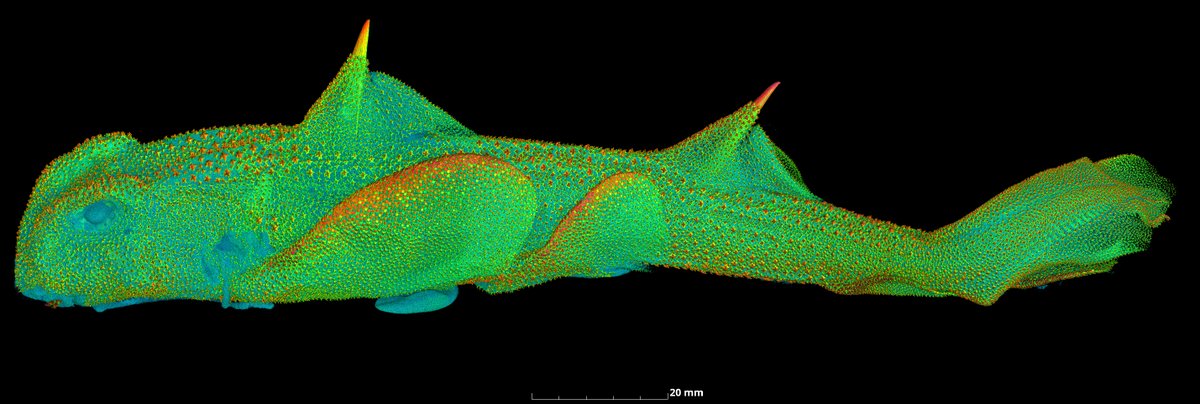
The most exquisite CT scan I've seen - by @Ella_Nicklin w/ @FloridaMuseum. The entire body of a hatchling Californian Horn Shark (Heterodontus francisci); showing the early coverage of skin teeth of different shape and size, with very prominent fin spines (aka the horns)!🦈
1
16
84
2,235
Fish Evolution Lab retweeted

🌊 🤝🏽 🐘 Scripps Oceanography & @sandiegozoo Wildlife Alliance are teaming up through a new initiative to supercharge global conservation through innovative technology, sharing knowledge and training future leaders. Learn more about the partnership. ⤵️
scripps.ucsd.edu/news/scripp…
2
4
549
Fish Evolution Lab retweeted

Mar 20
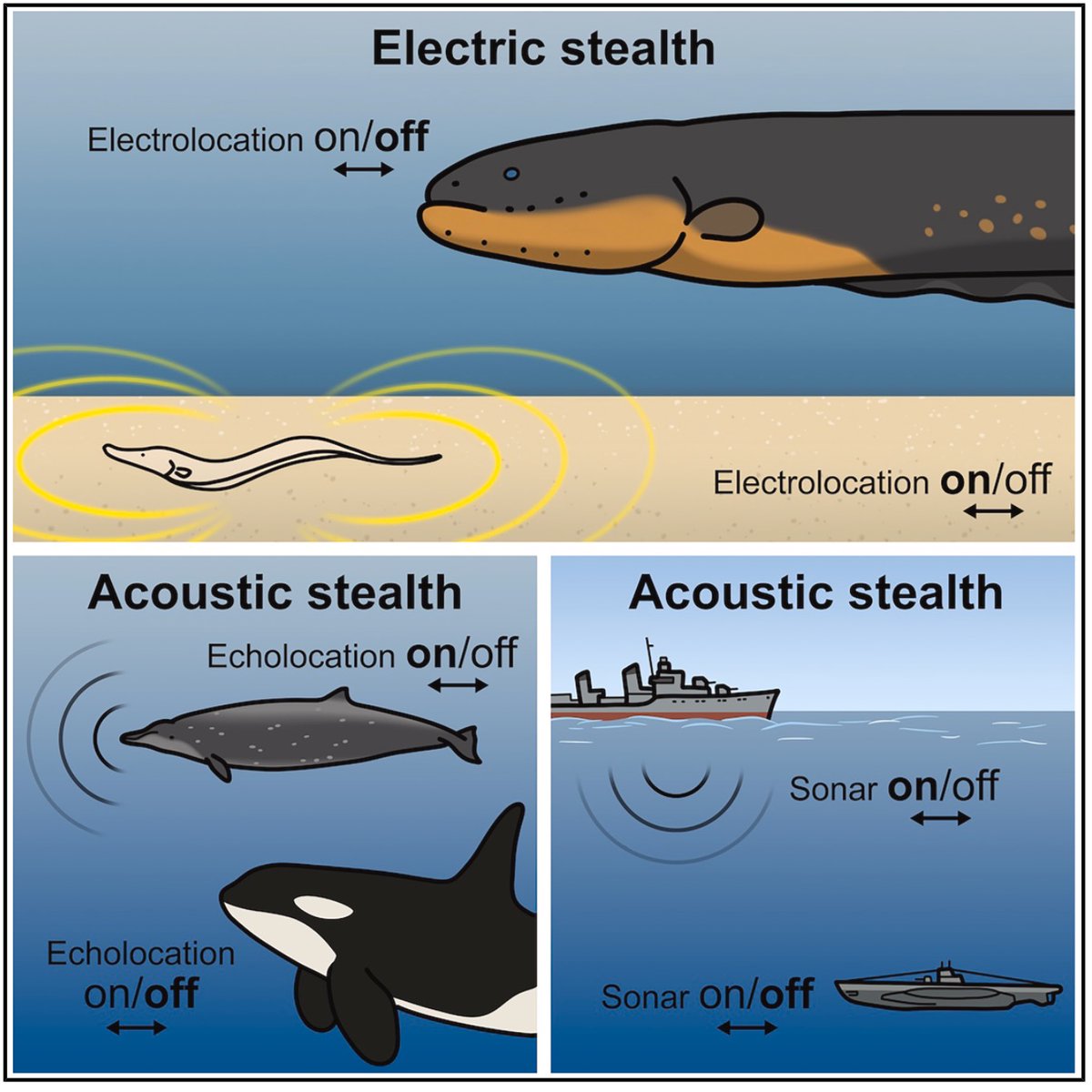
A great week for e-fish papers. In this one Poon & Crampton show that electric eels predators suppress their low-voltage electrolocation EODs when hunting weakly electric gymnotiform prey which in turn suppress theirs to hide from the eels. Cool stuff! doi.org/10.1016/j.cub.2026.0…
14
65
2,833
Fish Evolution Lab retweeted

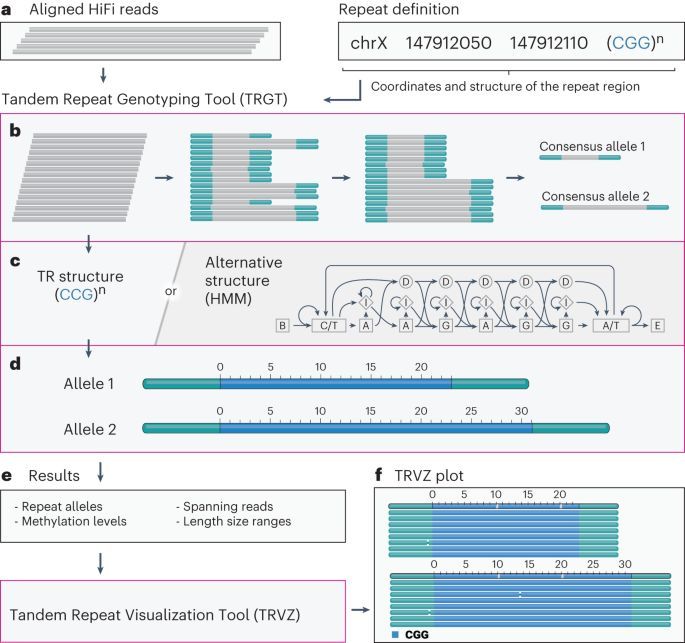
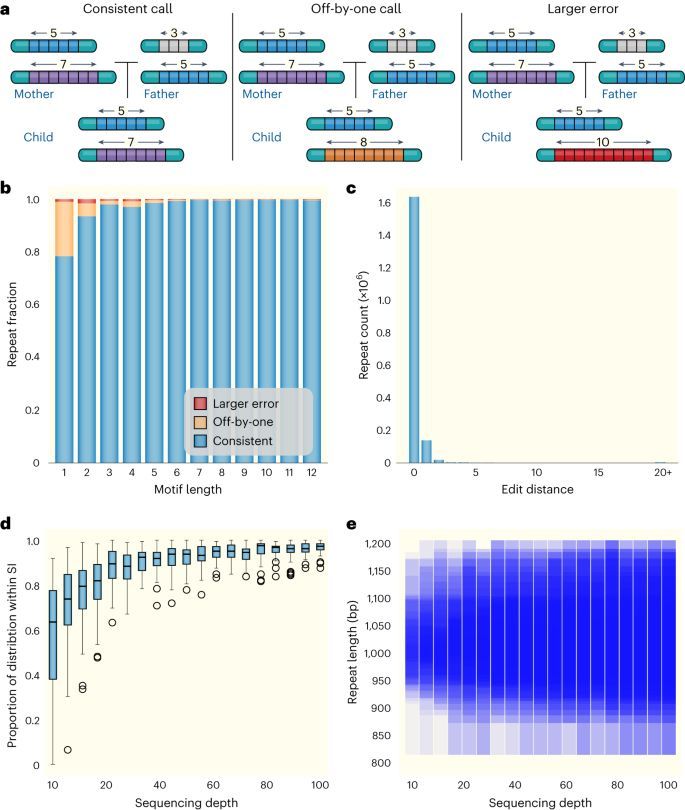
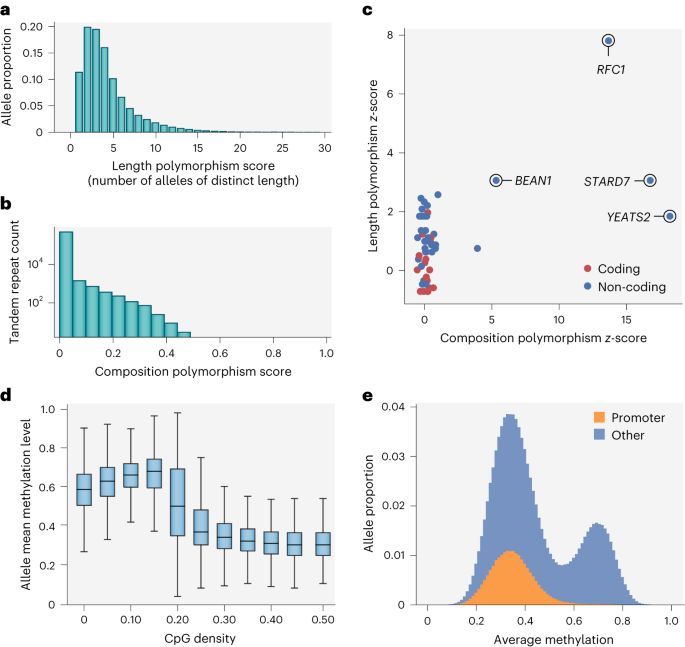
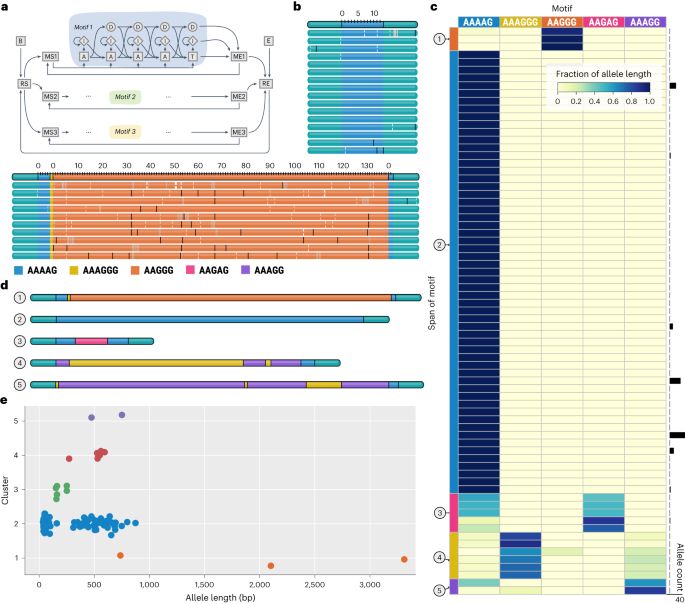
Characterization and visualization of tandem repeats at genome scale - Nature Biotechnology nature.com/articles/s41587-0… (read free: rdcu.be/dZh3Z)
Tandem repeat genotyping tool: github.com/PacificBioscience… 🧬🖥️
17
71
4,699
Fish Evolution Lab retweeted
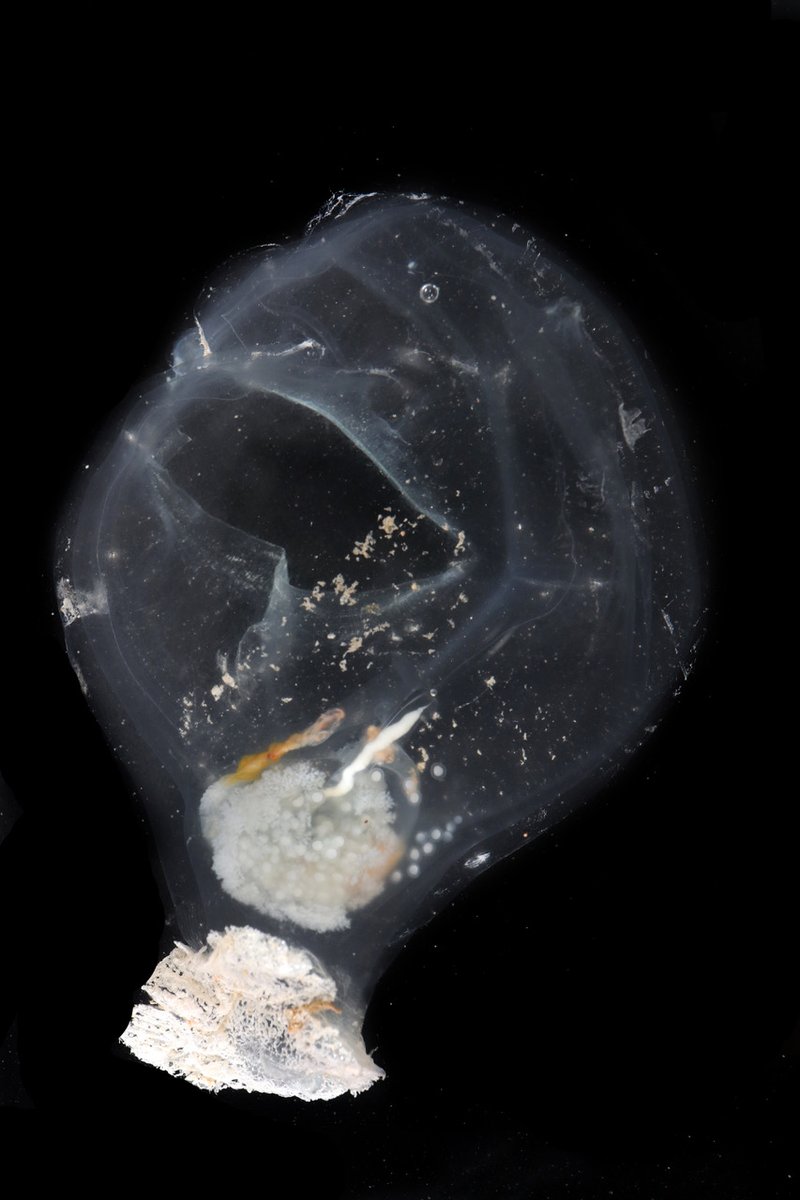
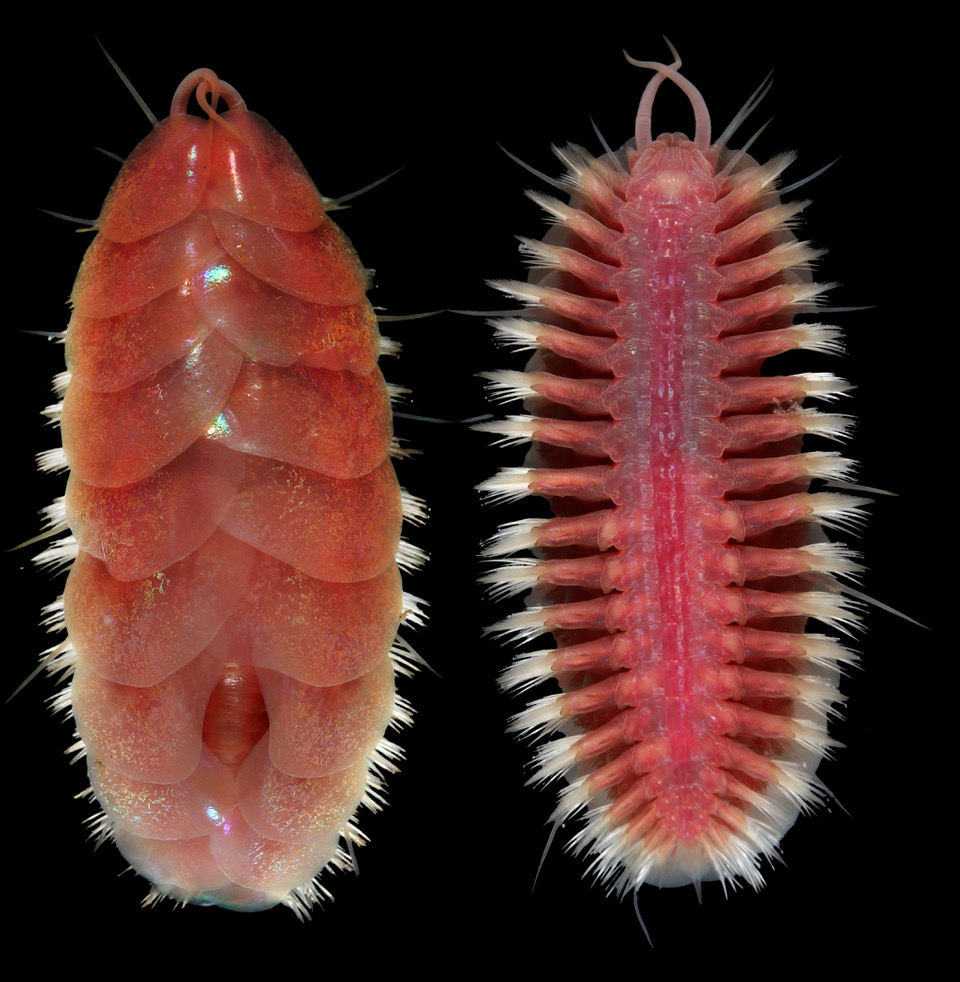
2️⃣ species described by Scripps Oceanography scientists landed on the Top 10 New Marine Species list from @WRMarineSpecies, announced today on #TaxonomistAppreciationDay! 🪱 Meet Iskra’s glitter worm and Elven abyss tunicate. ⤵️
scripps.ucsd.edu/news/two-sc…
1
13
27
1,103
Fish Evolution Lab retweeted
❤️ Blind gobies (Typhlogobius californiensis) are finding love in an intertidal place. ❤️ Researchers with the @FishEvoLabSIO study how these fish have evolved unique adaptations that provide insight into evolution, biodiversity and more. ⤵️
youtube.com/watch?v=hhsjNv0v…
1
7
1,097
Fish Evolution Lab retweeted

Feb 10
❤️ Valentine’s from the intertidal zone:
Blind gobies (Typhlogobius californiensis) form long-term pair bonds, and we study their evolution through genomics and field research. Interested in supporting our work? Watch the video and help share our research
youtu.be/hhsjNv0v0zE
1
1
4
632
Fish Evolution Lab retweeted
🐠 📈Researchers with @FishEvoLabSIO dive into how ancient ocean temperatures shaped the evolution of fish body size, focusing on the wonderfully weird world of tetraodontiform fishes. Dive into this video to learn more! ⬇️
youtube.com/watch?feature=sh…
1
3
757
Fish Evolution Lab retweeted

Feb 2
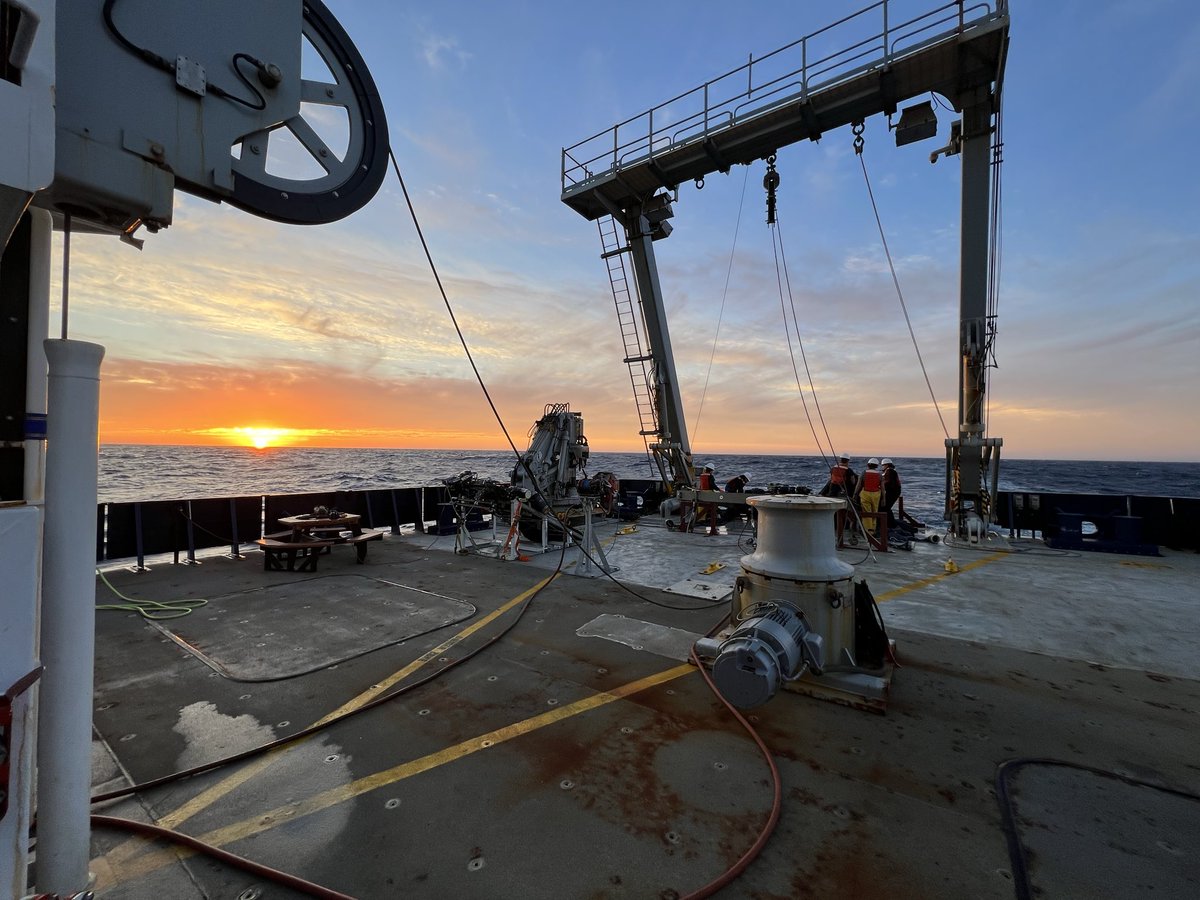
Back in October 2023, @Scripps_Ocean Professor @anelachoy invited me on a research cruise hundreds of miles off California to study open ocean Goodwin’s. I helped ID deep-sea fishes collected via a MOCNESS net system (opening–closing trawl with known capture depths)
1
4
19
633
Fish Evolution Lab retweeted
🐠 Thanks to @NSF support & a partnership between @uprm and Scripps Oceanography, thousands of marine specimens were saved, conserved & integrated into a world-class research collection, fueling discoveries in evolution, biogeography & conservation. 🔬
youtube.com/watch?v=tjjqdKJr…
5
7
1,539
Fish Evolution Lab retweeted
20 Nov 2025
Behind every specimen there’s a story, and sometimes a rescue mission.
youtube.com/watch?v=tjjqdKJr…
When the fish collection in Puerto Rico was at risk, the National Science Foundation stepped in to help preserve decades of scientific work 1/5 @Scripps_Ocean @NSF @betanricar @Frable
1
4
3
556
Fish Evolution Lab retweeted
6 Nov 2025
New video explaining the PhD work of Fernando Melendez and research by @arciladk and the @FishEvoLabSIO at @Scripps_Ocean
youtu.be/2QnwZy5tQHk
2
5
309
Fish Evolution Lab retweeted
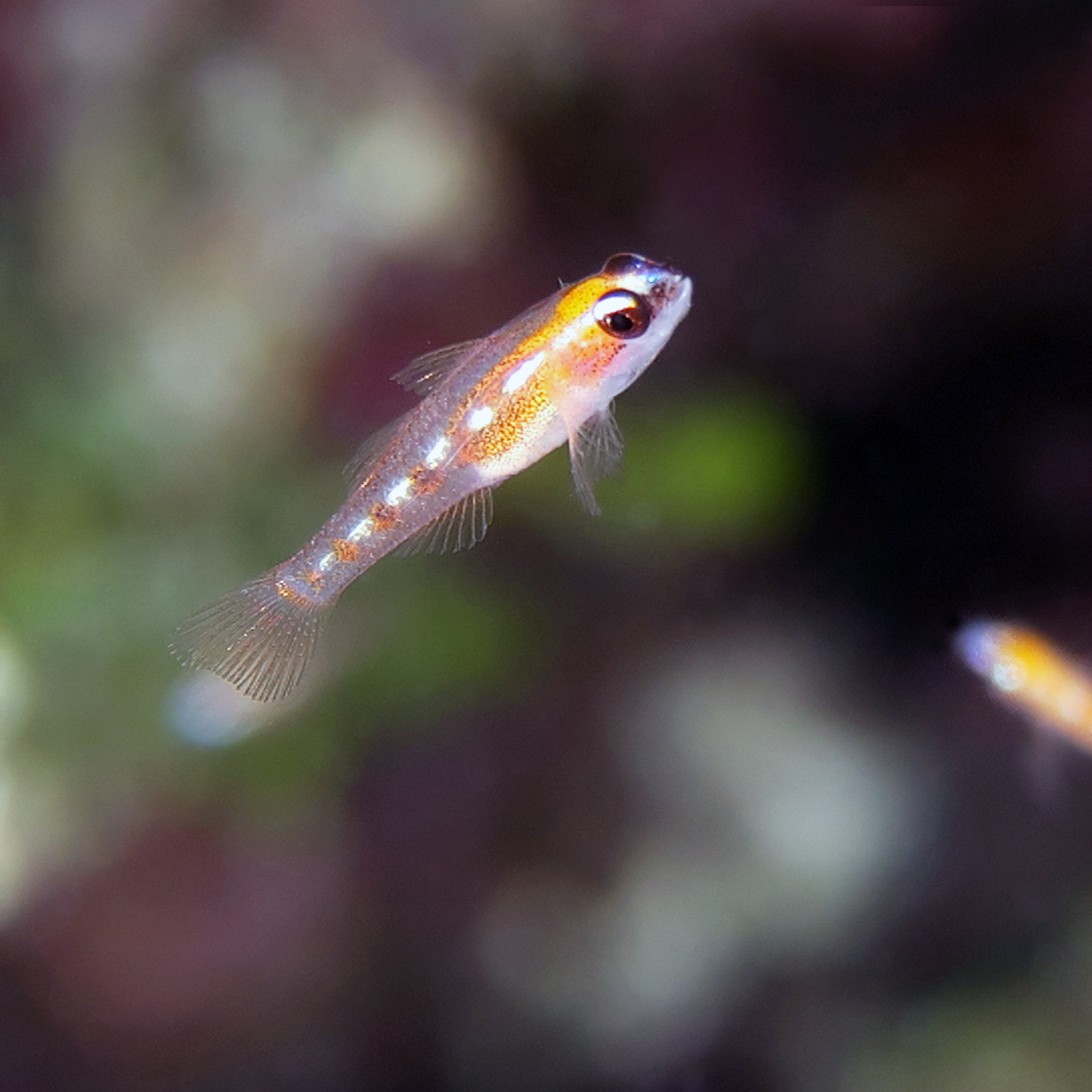
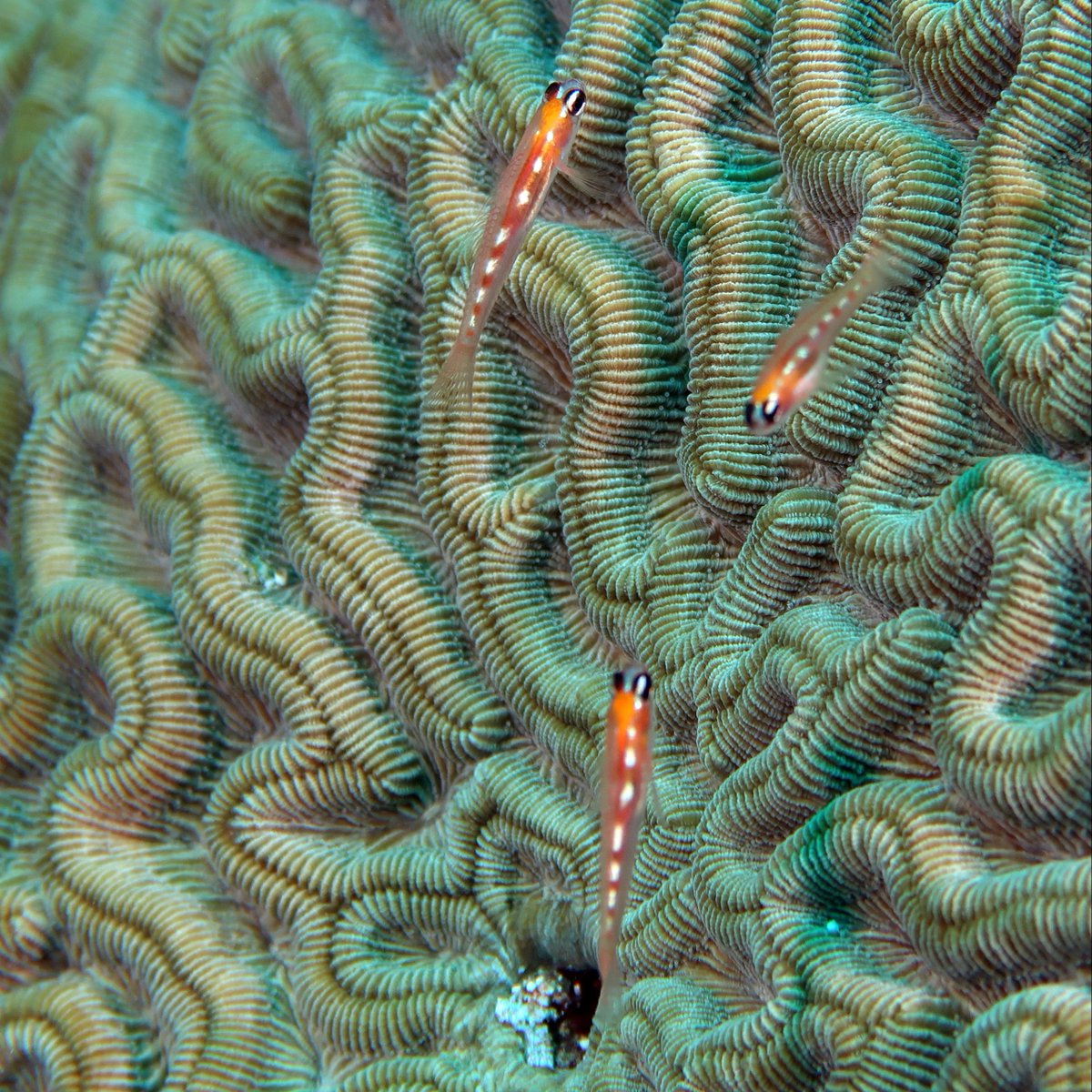
🐠 Tiny but mighty! New research on goby fishes, supported by Scripps Oceanography scientists, reveals how some of the smallest vertebrates on Earth control their body size at the genetic level, offering clues to the incredible diversity of life on Earth. pnas.org/doi/10.1073/pnas.25…
3
8
663
Fish Evolution Lab retweeted
🐟 Not all fish are cold-blooded! Tunas, marlins, opahs, and butterfly kingfish rewrote the rulebook with warm-bloodedness. New research from @FishEvoLabSIO explores how ecological interactions evolutionary innovation reshaped life in the ocean. 🌊
youtube.com/watch?v=2QnwZy5t…
2
2
6
1,469
Fish Evolution Lab retweeted

2 Sep 2025
Press for our recent paper! I had fun talking with UM News about weird #fish jaws. @UMichPaleo
news.umich.edu/bite-by-bite-…
6
29
886
Fish Evolution Lab retweeted
2 Sep 2025
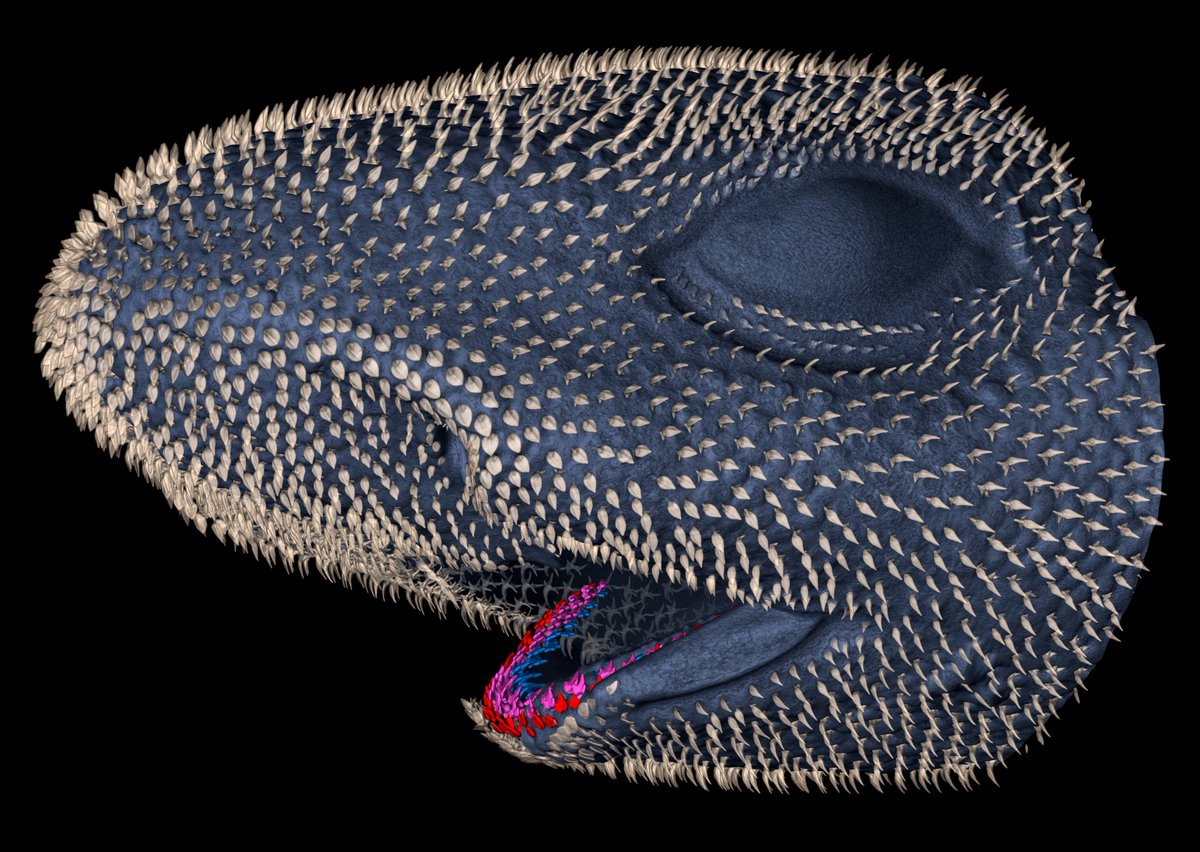
Ever wondered how #sharks produce an unlimited supply of teeth? Our new preprint uncovers the genes within the dental stem cell niche driving lifelong tooth development. "Shark tooth regeneration: RNAseq reveals genes for unlimited dental renewal" 🦈🦷
bit.ly/47kkRHL
1
47
208
6,218
Fish Evolution Lab retweeted
🌅 We love a good #Scrippshenge timelapse 😍
@UCSanDiego photographer @ErikJepsen was recently on the scene to capture the glorious event where the sunset aligns perfectly with #ScrippsPier. If you can't catch it tonight, try again in May 2026!
6
22
2,399
Fish Evolution Lab retweeted
Scripps Oceanography's Ben @Frable joins the Batiquitos Lagoon Foundation to share more about the fascinating deep-sea specimens known as #oarfish, and why they're washing up on California beaches.
📅 July 19
🕙 10 AM
📍 Batiquitos Lagoon Nature Center
sandiegouniontribune.com/202…
4
3
1,055

1 Jul 2025
Congrats to @FMelendez28494 and all coauthors! @aglucaci @averyselberg Julien Clavel, Melissa Rincon-Sandoval, @aintzane11 William T. White @DaniDrabeck Giorgio Carnevale @EmanuellDuarteR @mwestneat
30 Jun 2025

1/8
Excited to share our new paper in Science Advances! We investigated the evolution of endothermy in ray-finned fishes by integrating phylogenomics, ecomorphology, fossil occurrence, and comparative genomics across 205 marine vertebrates.
👉 science.org/doi/10.1126/scia…
1
4
346
1 Jul 2025
Even more coauthors for this great paper! Carole C. Baldwin, Guillermo Ortí, Lily C. Hughes, Sergei L. Kosakovsky Pond, @R_BetancurR and @arciladk
Congrats all!! 👏👏
3
4
247