
main quest hella long so u need to be patient
Joined April 2018
- Tweets 5,837
- Following 1,059
- Followers 413
- Likes 10,616
2,593 Photos and videos
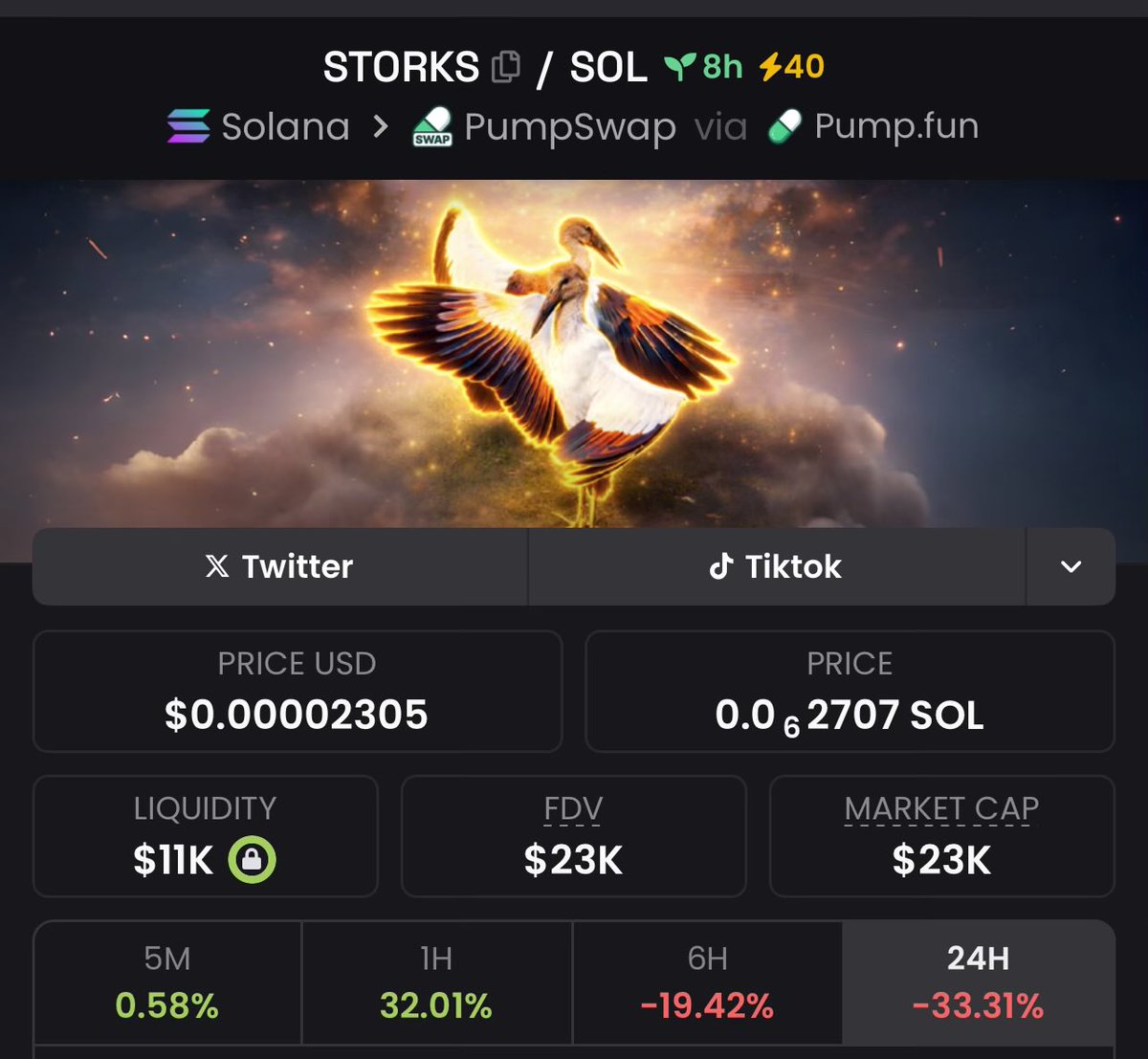

15m views and 4m likes across all socials.
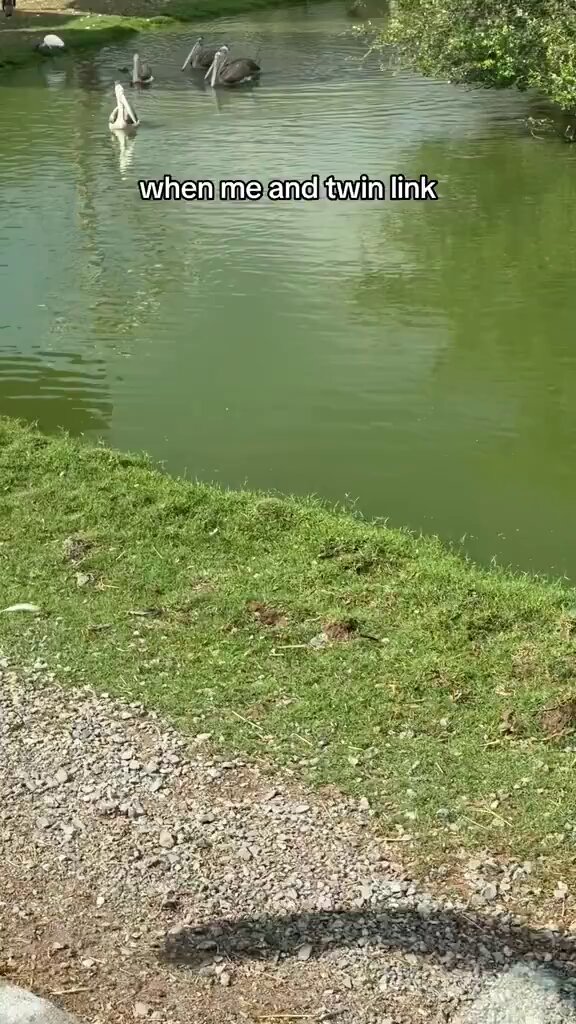
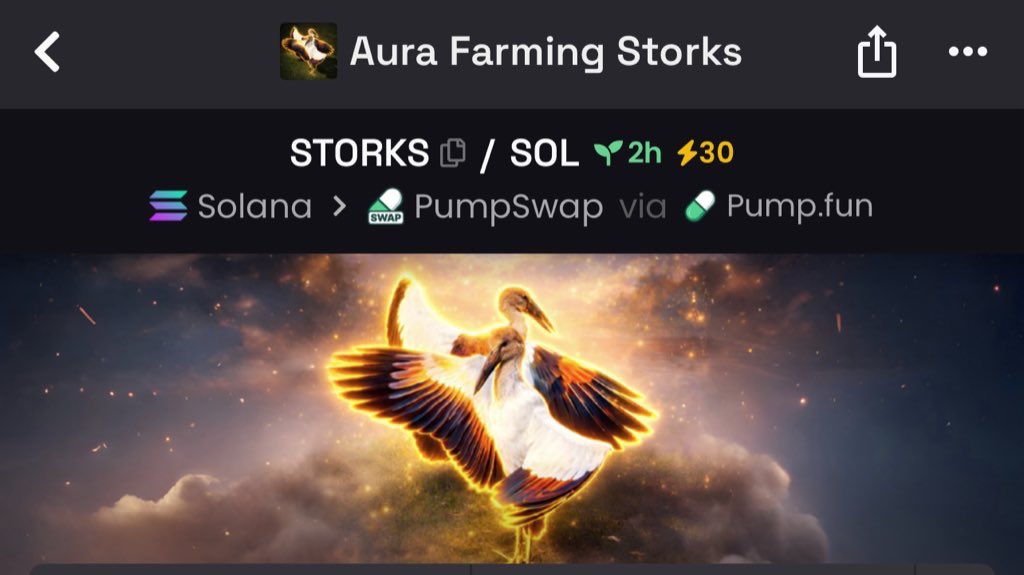
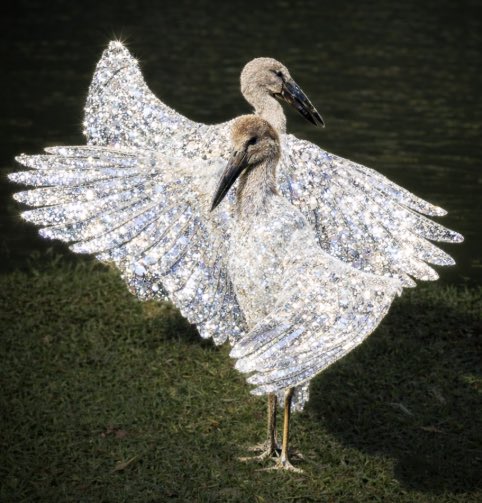
These storks are going viral on all socials for aura farming like crazy. Just look at the pose, look at the grace, look at THE AURA.
$STORKS checks all boxes needed for a giga runner:
- viral af
- cool animals
- aura included
- "twin" coded
- great community with active members
- stable bottom
- shareable & memeable
The next catalysts will be a huge X account to post the video and more KOLs to join our comm, as well as staying active as a community.
TikTok: tiktok.com/@anya.tisdale/vid…
Instagram: instagram.com/reel/DVXugrHgU…
8
15
62
5,940
OHIYO retweeted

Eiichiro Oda has written the secret behind the ONE PIECE Treasure on a piece of paper sunk to the bottom of the ocean.
Once the series ends, the truth will be revealed.
906
10,586
87,338
9,269,334
OHIYO retweeted

Mar 2
This is why I worked on One Piece.
101
756
7,058
420,681
OHIYO retweeted

Feb 28
Millennials living through 2 economic recessions, 9/11, a global pandemic, 8 stock market crashes, jobs replaced by AI, and WW3 before hitting 43
581
7,858
35,078
2,069,030

OHIYO retweeted

Feb 20
Every retweet of this post will equal a dollar given to children with Leukemia.
2,010
60,608
73,438
2,538,775


OHIYO retweeted

Feb 14
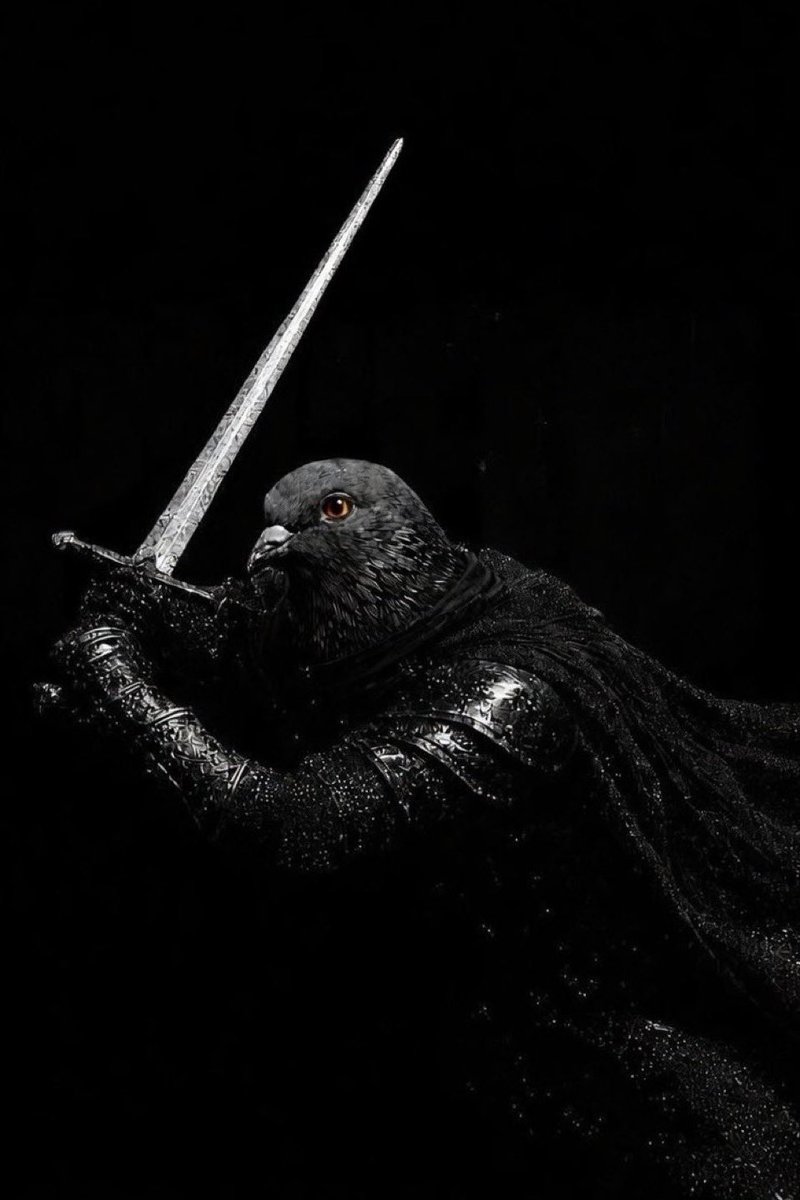
I have a feeling we are gonna see something legendary with $Pigeon
@level941 is a successful trader and og to the space who also famously called the 15k bottom on BTC back in 2022 defending it w his wall of pigeons, and has now CTOd his own likeness token (and is running it like a masterclass atm)
Hard to bet against someone like him imo
Dyor but calling bottom here at 500k
4fSWEw2wbYEUCcMtitzmeGUfqinoafXxkhqZrA9Gpump
11
21
97
10,622


Instead of taking the creator rewards and cashing them out, which would have created bad optics and looked like a dump, or using them to market buy the token and print a massive green candle, Pigeon chose a different approach.
If Pigeon had market bought with size in a thin TOKEN/SOL liquidity pool, the buy would have caused significant slippage and produced a large visible candle. In low-liquidity meme markets, that kind of candle often becomes exit liquidity for early holders, insiders, bots, and opportunistic traders. A sudden spike in price can give sellers the exact window they need to distribute into strength.
Rather than creating that event, Pigeon provided liquidity to the TOKEN/SOL pool.
When sellers dumped tokens into the pool, they drained the SOL side and pushed price down along the AMM curve. The slippage occurred on their side. As selling continued, the pool became SOL-light and token-heavy.
Because Pigeon owned a large share of the LP tokens, Pigeon effectively owned a proportional share of whatever assets were inside the pool. After sellers had rebalanced the pool toward tokens, Pigeon redeemed the LP position. That redemption returned mostly tokens and less SOL.
Pigeon did not execute a massive market buy. No artificial pump candle was printed. No obvious distribution event was created.
Instead, Pigeon absorbed supply through AMM mechanics by allowing sellers to move the pool and then withdrawing liquidity once the reserves had shifted.
There was no removal of slippage from the system. Slippage still occurred. It was simply experienced by the sellers rather than created by a large public buy.
Checkmate.
We won.
941.
PIGEON IN CONTROL
37
52
267
43,320

the whole concept of coins needing to be "claimed" or "endorsed" for them to run has definitely shifted the vibe of memecoins
some of the biggest memecoins in history were never endorsed: PEPE, PNUT, CHILLGUY, MOODENG, TROLL, PENGUIN, and many more...
99.99% of the time, the only way a coin runs is if the creators claim fees, and even when they do, it's not enough for "trenchers"
the people trading expect constant tweets, support, and "catalysts" from the creators
it was arguably way better when there wasn't one person in charge of a meme, and the community pushed it forward themselves
bring back the days where people rallied behind coins without needing catalysts and tracked kol wallets to tell them that a coin is good or not
80
31
207
17,434
OHIYO retweeted

CT: I fucking hate Solana. We need to reset the entire culture. It’s very cancerous thanks to these endless rotations and PvP bs.
Also CT: Fuck this retarded, unfunny butt coin. It’s been deployed a million times already and it’s going straight to zero.
Fellas, do you even realize you’re the one feeding that same cancerous culture? If no memecoin ever breaks the 1B MC ceiling again, there won’t be another real meme season. EVER.
Just be honest for once:
“I only want a billion mc runner… as long as it’s the one I hold the biggest bag in.”
50
7
125
11,253
OHIYO retweeted

Jan 22
An example of how rotations have been:
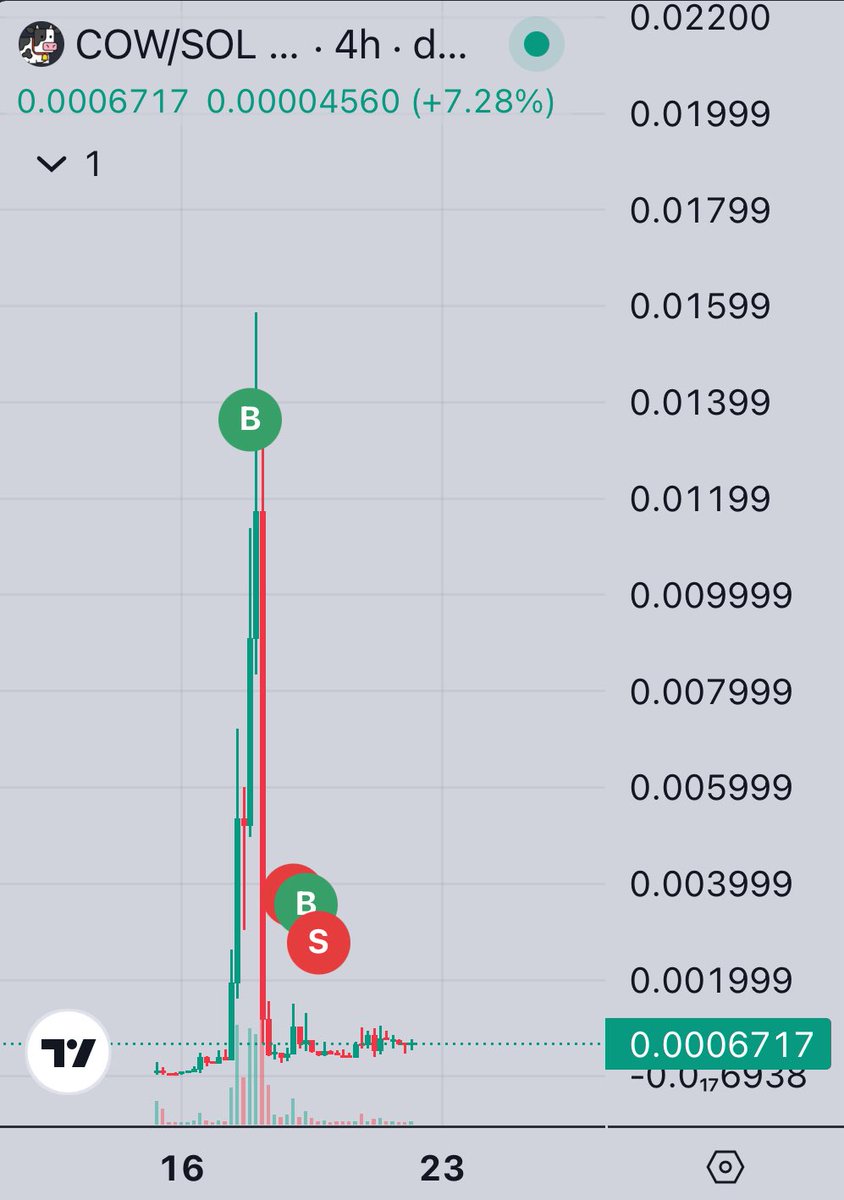
4 days ago this guy sold 4M $Wojak to top blast $Cow. It rugged and he lost everything
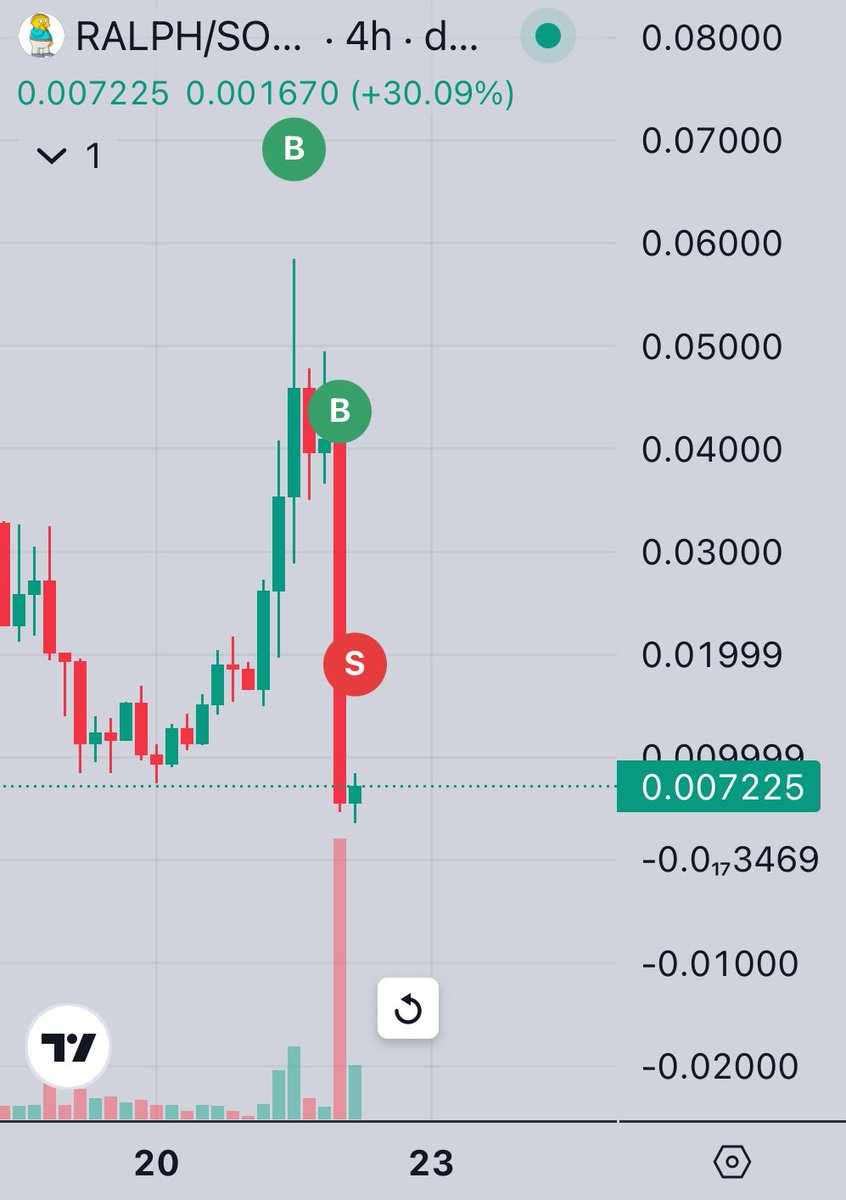
Yesterday, the same guy sold the rest of his wojak (5M) to top blast $Ralph, it rugged. He sold for $6k earlier today
This is not a “dunk”, this is not a “sell shame” moment as it’s a free market and I encourage everyone to continue doing as they please
I’m bringing this to the forefront because I don’t think people realize the magnitude of sell pressure that happens across the board when tokens are running to tens of millions instantly just to lose it all. That money doesn’t flow back into the ecosystem, it’s gone forever
I’ve seen people create baseless fud surrounding good coins when in reality people are creating sell pressure to top blast rugs and blowing their ports
$115k gone in an instant because of fear of missing out
I want anyone who has read this, whoever this message has reached to stick to your own convictions
Things might feel “slow”, everyone hates the “boring” parts, but your coins are not linear. They do not just go up in a straight line because we’ve seen instances of it in the past like a Pepe or Bome for example.
Every coin has their own journey, their own story. Before you think about selling your conviction bags, remember why you bought in the first place. It could quite literally save your portfolio
I’m not telling you that you can’t buy the flavor of the day/week meme, you absolutely can and there’s lots of money to be made out here. Simply find more money or just miss out completely
ITS OKAY
You do not have to be in everything, trust me! The key to making it is simply being at the right place at the right time and having the capital to bid the unicorn opportunity when it arises
You didn’t have to be a day one insider to make money from spx, popcat, wif, etc. All you had to do was survive until the opportunity presented itself
If you’ve read this far, I’m telling you to survive until the opportunity presents itself. There’s a common misconception that the next billion dollar coin has to be a week old pair, that couldn’t be further from the truth
When the next multi billion dollar coin starts moving you’ll know it when you see it. All I ask is that you trust your gut when that day comes
98
69
517
75,624
OHIYO retweeted

If you see this in the dexscreener page of a coin
Run as far away as you can.
102
44
613
63,078
this space has put so much emphasis and power into the hands of launchpads, for literally no reason
back when memecoins were going insane on ETH back in 2023, no one cared what "launchpad" a coin came from
you know why that was the case?
because there were no launchpads, devs had to go out and put effort into deploying a smart contract for a coin
back then it was always about:
1) how good were the people pushing the coin
2) how good was the narrative
3) how good was the community
sounds simple enough, right? yep, those were the good old day
these days, the collective hive mind has decided that the launchpad where a coin is a KEY factor to the success of the coin
how many times have you heard "yeah this coin belongs on (insert launchpad here)"
if the coin, meme, idea.. are good enough then it shouldn't matter where it's being launched
why do you care what launchpad a coin comes from when you should actually care about WHO deployed the coin and what their intentions are?
is the deployer going to push the coin, or are they just farming launchpad creator fees?
coins only used to go to $100 million because the intention of the people who launched the coin was to push it to 9 figures
now coins top at $10K because the intention of deployers is to just spam
the fact that people care about where a coin was launched, more than the idea and intentions of the team pushing the coin, tells you how much the game has changed
32
11
109
6,452
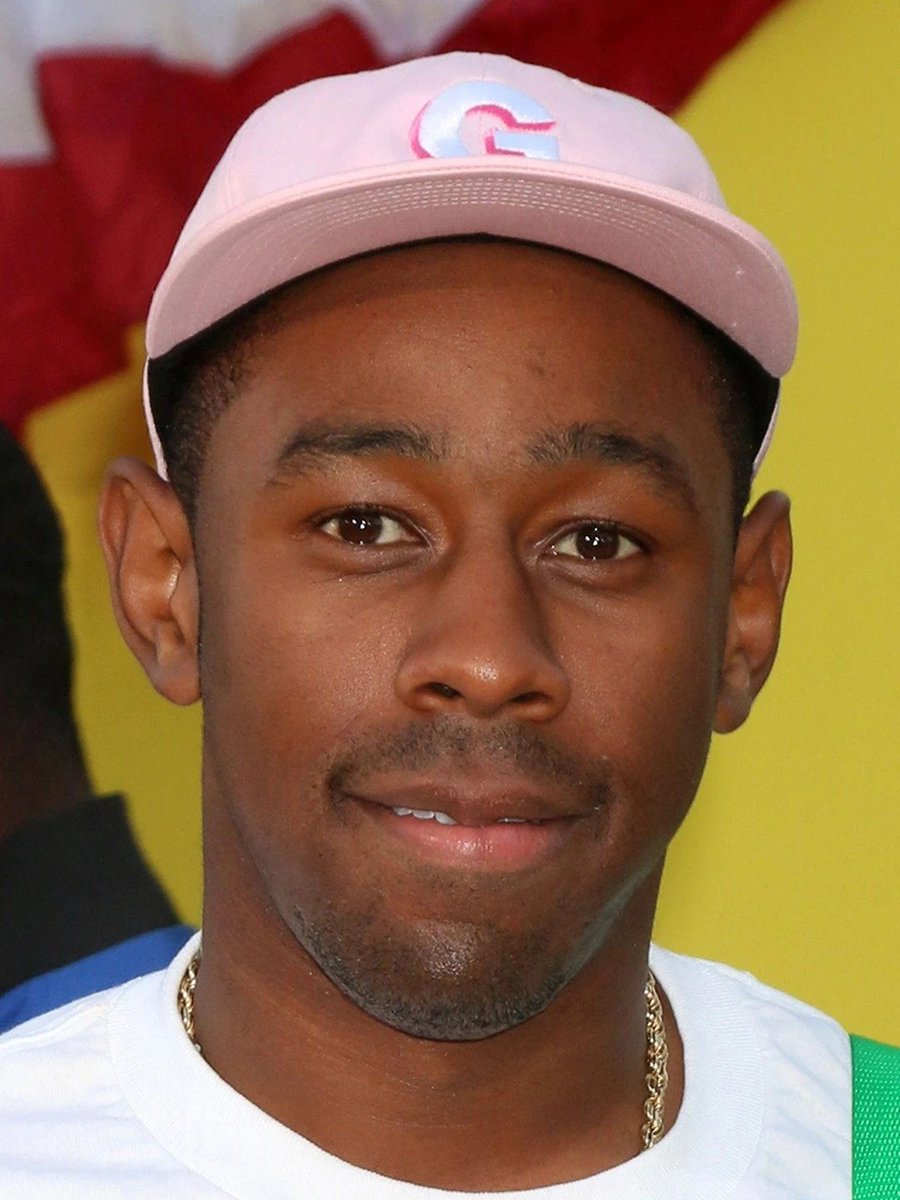
Tf is Tyler doing on this post ?😂
Jan 8

EU officials warns the US: "If you take Greenland, we will take all US bases in Europe."

43