
plants and buttons
Joined February 2026
- Tweets 224
- Following 274
- Followers 235
- Likes 351
38 Photos and videos








Pinned Tweet

Mar 5
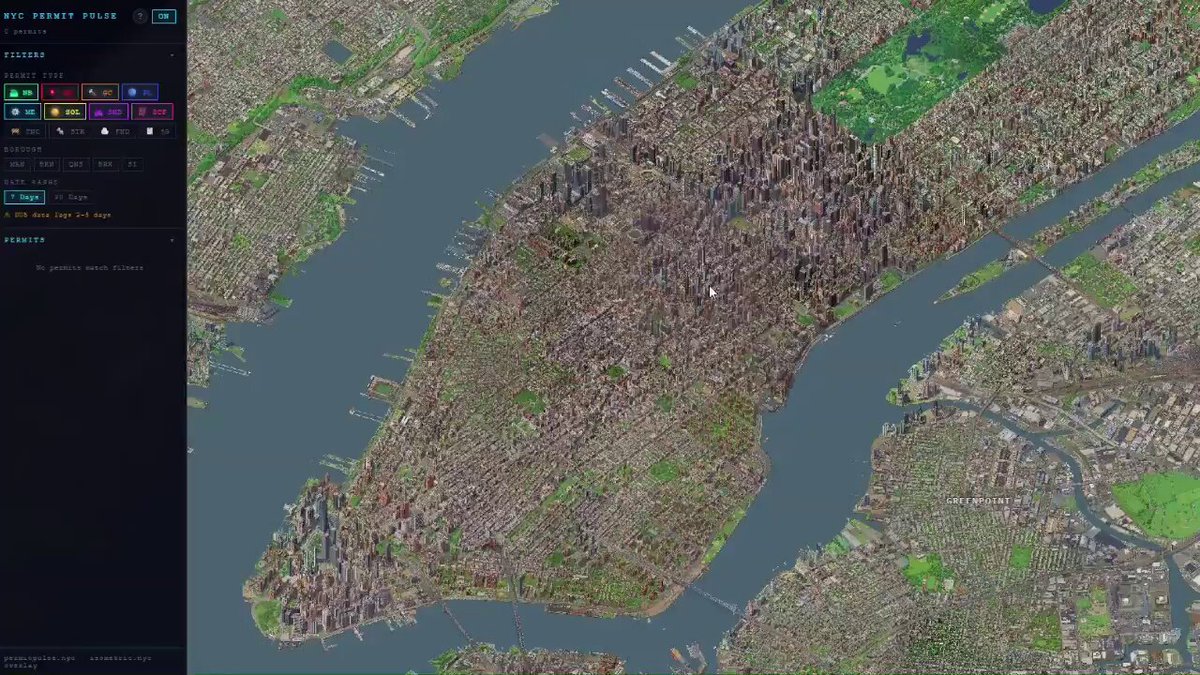
Built a live NYC building permit map on top of @_coenen’s awesome isometric pixel-art
color-coded by permit type — demolitions, new buildings, plumbing, mechanical, solar. Click any dot for full details.
~1,000 fresh permits every day
35
100
1,099
148,751
Jun 12
some first fable reactions are
1. I do nothing important and therefore get to just enjoy the tools
2. My token spend seems to be way lower than before because there’s so little back and forth. Clearly communicating intentions and criteria and the output basically works. Switch to codex or opus for final edits as needed.
3. One shotting apps is weird - there’s something fundamental about this that isn’t obvious yet. Friction is structural - lose friction and the entire structure needs to change….lets see
4. the list of things that are more difficult than making complex applications is growing and it’s getting bizarre. I can make an interactive game faster than I can make myself lunch. I could build an interactive web platform to present my work faster than putting together a deck in indesign.
34
Jun 10
is openclaw just waving the white flag by not integrating fable yet?
39
Jun 10
human meat computers operating high speed vehicles on highways will seem like one of the most barbaric behaviors of this bizarre high-tech/pre-agi era
1
19
Jun 7
big weekend in Austin, very proud of the mvva team for the years of work leading to this opening
Jun 7

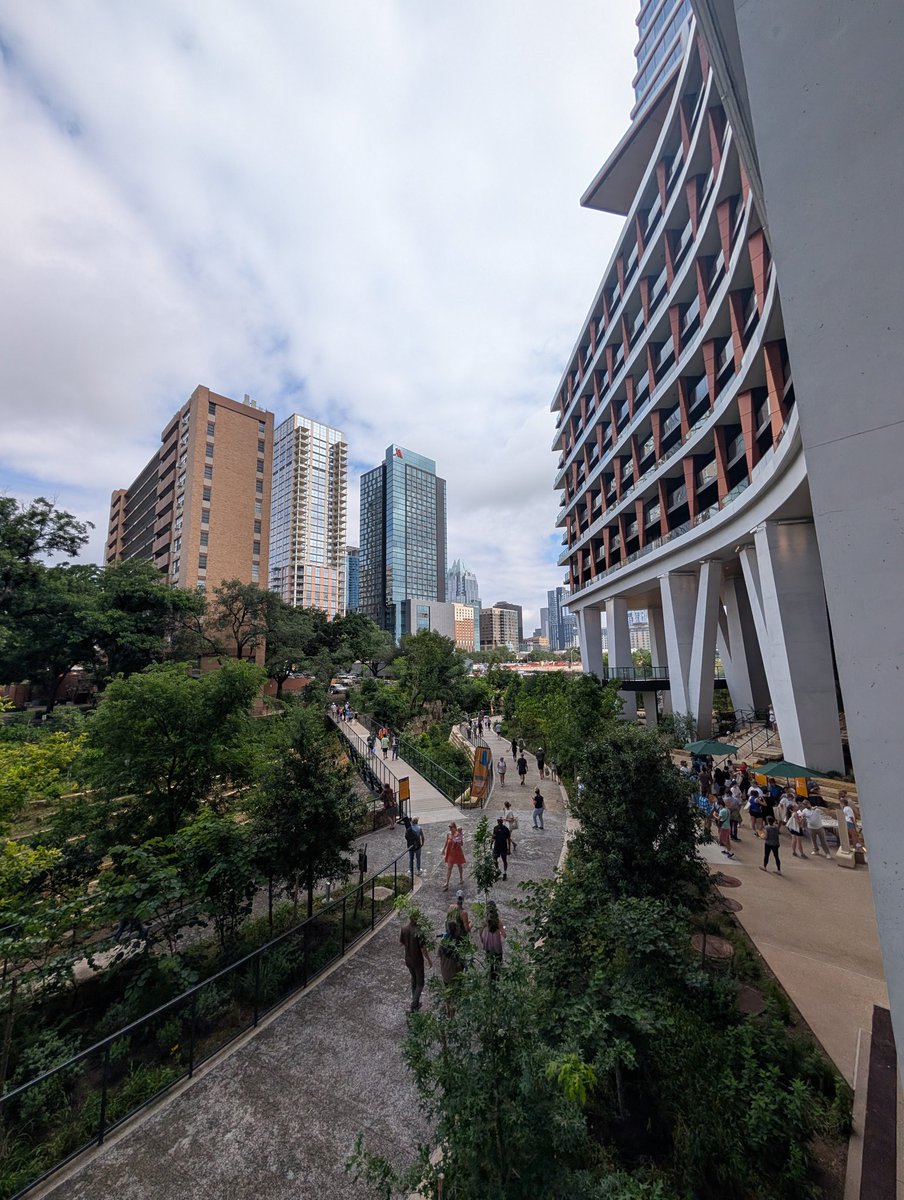
the freshly-opened confluence portion of waterloo greenway near rainey st is incredible



1
4
1,440
May 20
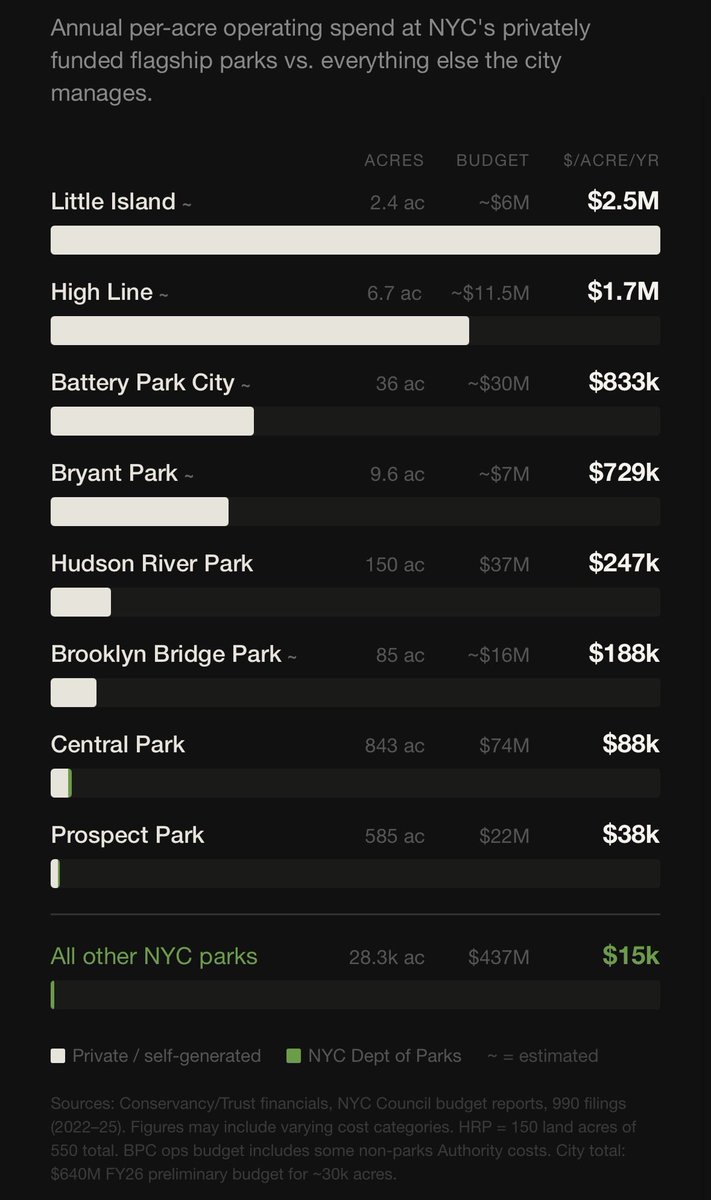
ai philanthropy should fund the creation of world class public parks. AI is individualized, resource-intensive, and virtual. Public parks are the structural opposite on every axis - communal, environmentally beneficial physical spaces for life
public parks could be to the AI era what Carnegie’s libraries were to the industrial era
May 19

New blog post: The third wave of American philanthropy
Hundreds of billions of dollars in new philanthropic capital will soon become liquid. The OpenAI Foundation holds 26% of OpenAI, worth about $220B at today’s valuation. Anthropic’s seven co-founders have pledged to give away 80% of their wealth and have instituted the most aggressive donor matching program for employees in tech history.
How much does this all add up to? And how meaningful is that in the context of philanthropy today?
I was doing some simple napkin math to wrap my head around the scale of what’s coming, and radicalized myself in the process. I had dramatically underappreciated the scale of the philanthropic capital that’s about to become available and the corresponding gap in talent and organizations that will be needed to make the most of it.
This piece aims to directionally sketch the scale of what’s coming, the gap in operational capacity needed to absorb it, and what we can do to fill it.
(Link to full post in reply)
1
4
13
1,592
May 15
some quick particle experiments - choreographing 32,000 particles with three js
93
May 3
“Magic is just someone spending more time on something than anyone else
might reasonably expect." - Teller
2
34
Apr 14
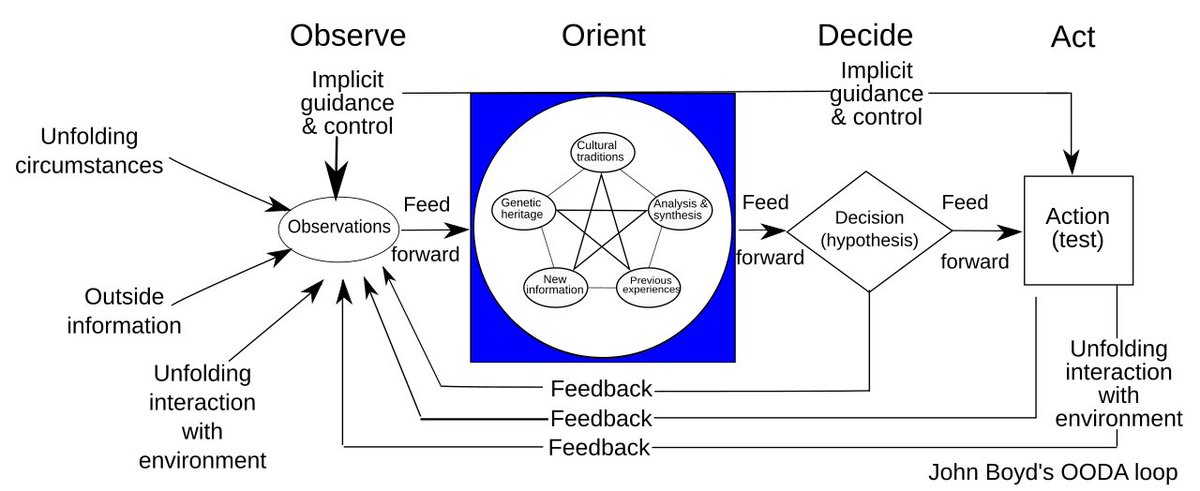
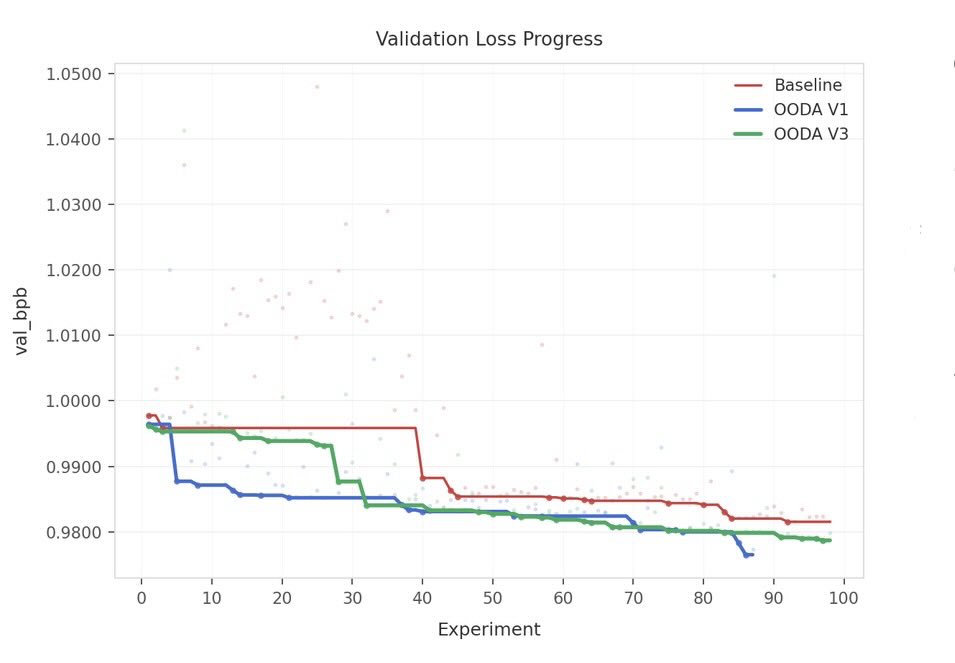
I integrating a cold war fighter pilot's decision framework into @karpathy's autoresearch.
The result was 92% keep rate, better validation loss, same wall clock time. Fully autonomous.
Here’s how it works and what I’ve learned so far (all open sourced, gist included below)
Concept:
Karpathy's autoresearch is a memoryless hill-climber: try a change, keep if better, repeat. No context for why things worked or failed.
I wanted to know how the system would work with a realtime mental model so I built one based on John Boyd’s OODA decision-making model:
observe → orient → decide → act
Orientation is the Key:
The implementation is a 40-line orient.md living document that the agent rewrites after every experiment.
It tracks what works, what's closed (with specific experiment citations), the current best model, and ranked hypotheses for what to try next.
More like a map than a log. More like intuition than a memory system.
This is Boyd's key insight: Orient isn't just memory, it's a compiled mental model that shapes what you observe and decide next.
Most Al agent loops skip this. They either have no memory, or they have a flat log the agent can't reason about efficiently.
orient.md is the middle path.
Caveats:
These were single runs, ~9.5hrs each on an H100 - not claiming settled science. But the signal is consistent and promising.
Modest val_bpb improvement margins, but a nearly 2x keep rate suggests decision quality can significantly improve with orientation. There’s more to find here.
Misc. Architecture Insights :
Several unique Boyd concepts shaped the architecture:
Thin orient - maintaining experiment loop speed is essential to Boyd’s core argument that iteration rate is of utmost importance. The 40 line constraint explicitly eliminates orientation bloat.
Deep orient - permission to unlearn is critical to learning so every 10 experiments automatically triggers tearing down and rebuilding the orient model from the full log. Boyd called this “destruction and creation” and it’s essential to preventing premature closure.
Fingerspitzengefühl - German for “fingertip feeling” is a military concept that a good strategist needs a feel for the entirety of a situation rather than allowing their focus to narrow. Maintaining an awareness of architectural context also encourages broad exploration.
Some Open Questions:
- Does a 40-line compressed orient.md stay effective at 1000 experiments?
- Does OODA improve exploitation at the cost of exploration?
- Might a thicker orientation layer or even an in-the-loop tiered memory system be appropriate for certain types of research (at the cost of speed)?
1
12
3,713
Apr 14
Everything is open source. Drop it into Karpathy's autoresearch and run/remix it yourself.
Gist → gist.github.com/ziggy2socks/…
Repo → github.com/ziggy2socks/ooda-…
If anyone runs it, it would be great to hear about what you find. Still a lot of unexplored terrain here.
5
177
Apr 12
very helpful overview. Also presents a clear framework for understanding some of anthropic’s recent positioning toward openclaw

1
4
2,680
Apr 8
“pulls from real conversations across our apps”
Apr 8

6/ muse spark powers a meta ai that sees and understands the world around you, pulls from real conversations across our apps, and reasons through complex questions in health, science, and math. built for the 3 billion people already using our apps every day.
92
Apr 8
coining a term for 2026 / our future
an inevitable symptom of the human condition while transitioning to coexistance with ai
Apr 8

Chronodysphoria: disorientation from existing in multiple incompatible time rhythms simultaneously - a persistent sense that different parts of the world are running on timelines that do not align.
Symptoms: temporal vertigo, timeline dissociation, clock anxiety, tempo drift
1
87
Apr 8
Chronodysphoria: disorientation from existing in multiple incompatible time rhythms simultaneously - a persistent sense that different parts of the world are running on timelines that do not align.
Symptoms: temporal vertigo, timeline dissociation, clock anxiety, tempo drift
237
Apr 8
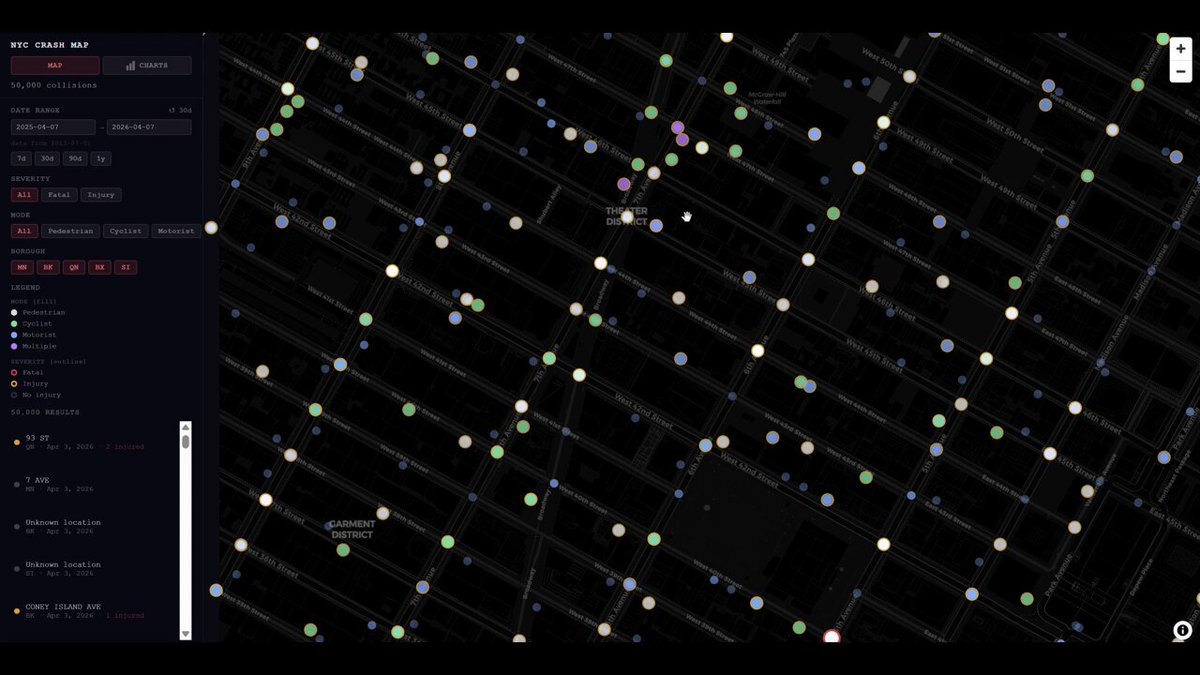
2,012,724 crashes have occurred in NYC since 2012. Mapped and sorted by severity and mode.
One major trend that I never knew about: crash volume dropped in half during COVID and never returned. Curiously the fatality volume was not impacted by the drop in total crashes.
1
2
124
Apr 8
live → datamap.nyc/crashes
Part of an ongoing project to make the cities public data more legible/accessible.
It’s very much a work in progress that I will continue adding to and improving on
28