
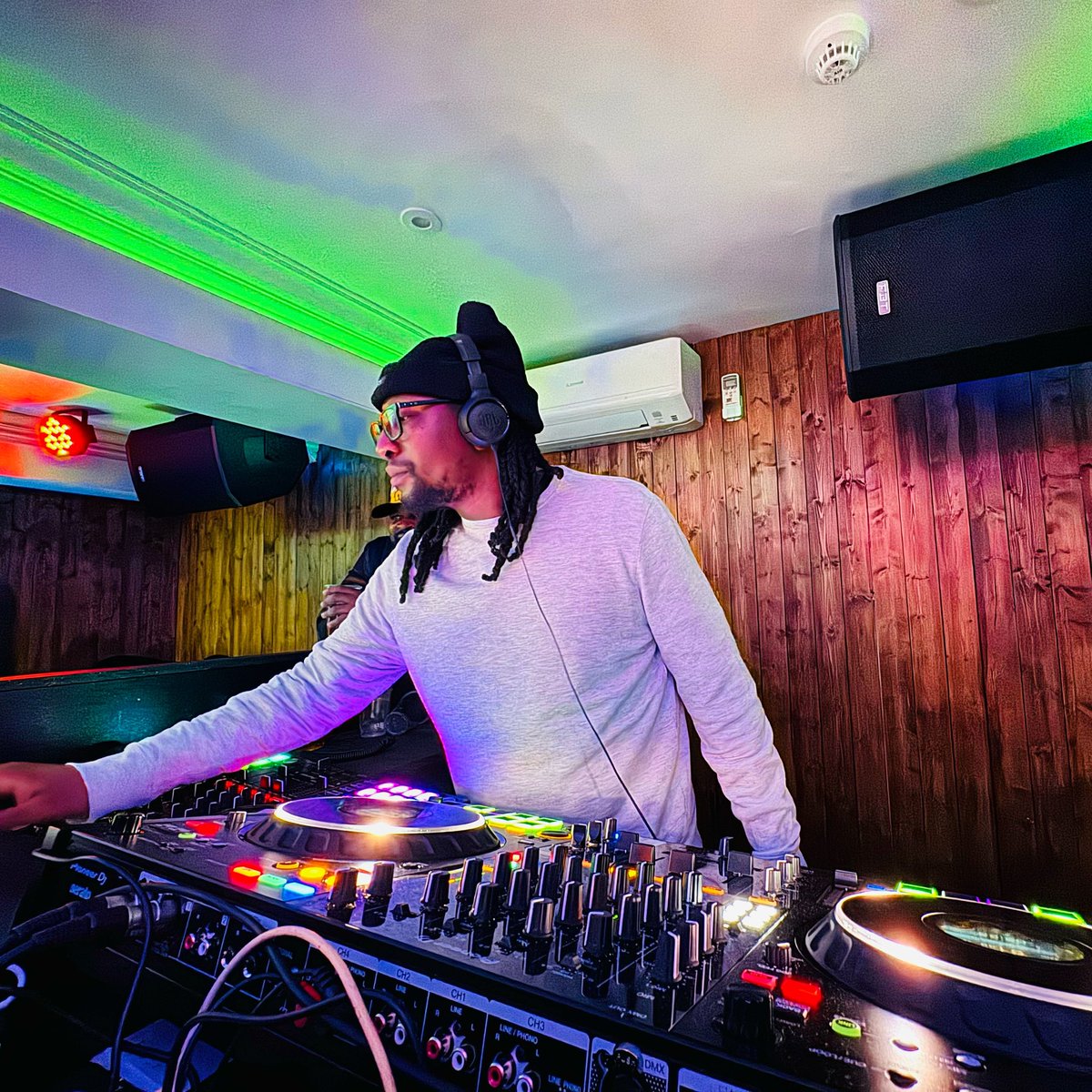
Dj Flevah The Next Big Thing.. #TrustTheProcess sundaymail.co.zw/dj-flevah-f…
Joined February 2010
- Tweets 7,935
- Following 1,100
- Followers 16,212
- Likes 1,393
161 Photos and videos





Dj Flevah ZiFM retweeted

May 25
GAFA PREZHA PARTY 🔥🔥🔥
Blessed Africa day maGafa.
118
284
1,937
45,666
Dj Flevah ZiFM retweeted
Big hearts and even bigger speeds this Valentine’s.
Sign up for any unlimited FibroniX package this month and enjoy a free modem, a little gift from us to your home.
Choose your perfect match:
Infinity 99 – $99.00/month for 500Mbps
Infinity 128 – $129.00/month for 750Mbps
Infinity 169 – $169.00/month for 1000Mbps
And yes, it comes with all the love:
1) Free installation
2) Unlimited data
3) Blazing-fast speeds
Sign up today and feel the difference: loom.ly/OX_DhAA

2
6
652
Dj Flevah ZiFM retweeted
21 Dec 2025
Birmingham, New Bingley Hall-thank you for an unforgettable night. On a cold 20 Dec you filled the venue,braved the weather, after patiently moving through security just to share that moment with me. Your love and loyalty never be taken for granted. 🙏
37
215
1,529
42,280
Dj Flevah ZiFM retweeted

28 Nov 2025
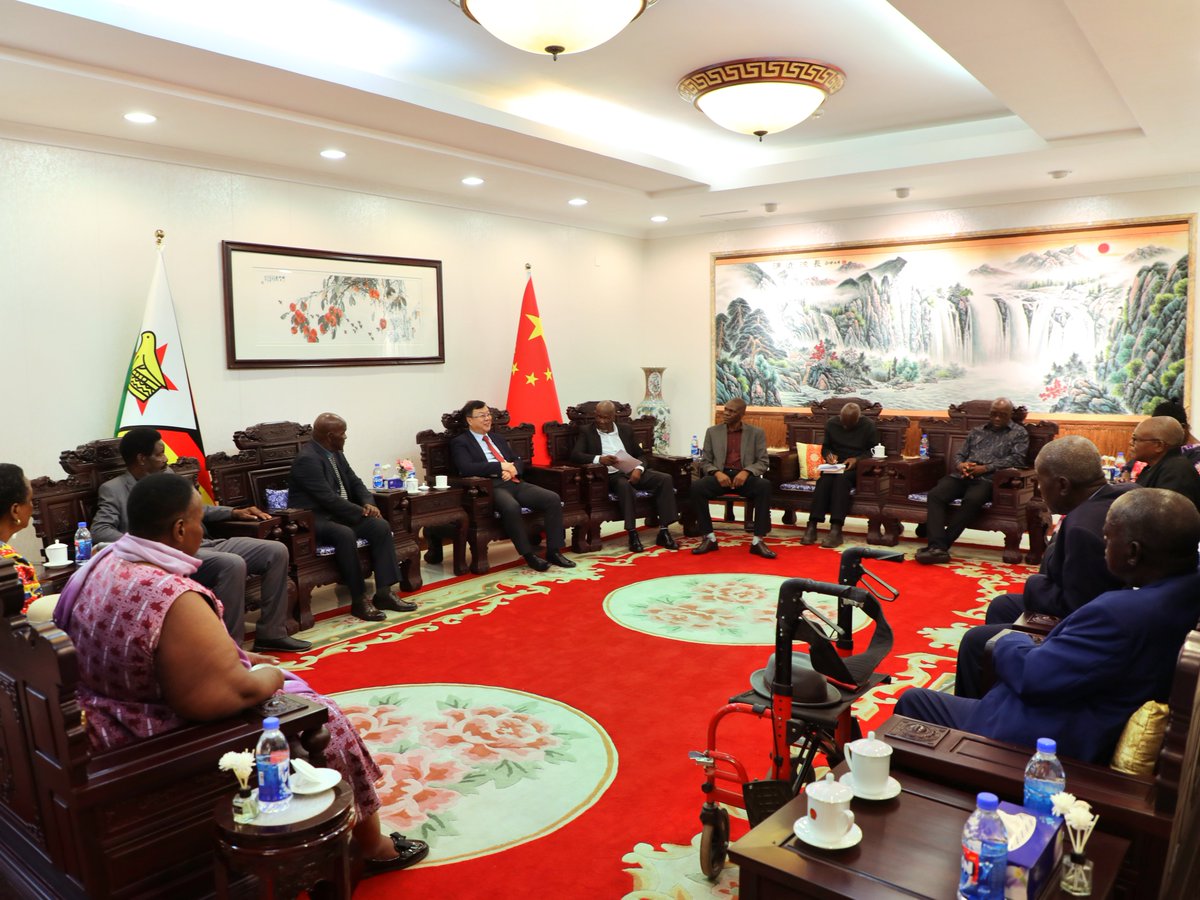
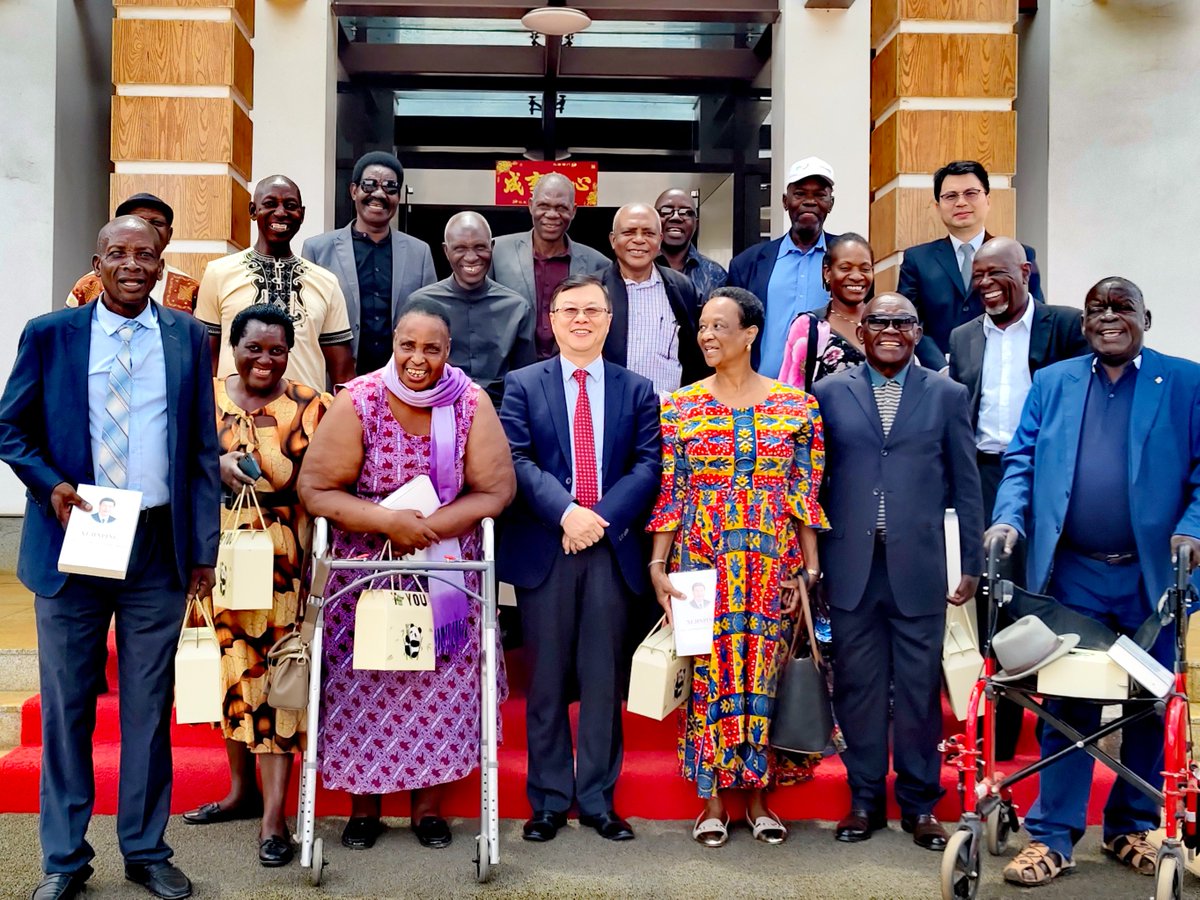
It was my profound honor to host 18 Zimbabwean war veterans who received Chinese training during Zimbabwe’s liberation struggle, both in China and in camps across Tanzania, Zambia in the 1960s and 70s.
They shared vivid memories of their training, their battles, and the profound friendship with their Chinese comrades. Deeply moved by their stories of gallantry and sacrifice, and by their enduring gratitude for China's critical material and military support. This sentiment was powerfully echoed in the eye-opening article by Lt. Col. Humphrey Makuyana (Rtd) - Kidd, which left me deeply touched. Lest we forget! 🇨🇳🇿🇼
Acknowledging and Recognising the Contribution of the Chinese People to Zimbabwe’s Liberation Struggle: A War Veteran’s Perspective — Lest We Forget By Lt. Col. Humphrey Makuyana (Rtd) - Kidd
History is not merely a record of events; it is a sacred testament of sacrifice, solidarity, and the forces that shape a nation’s destiny. For Zimbabwe, whose birth was midwifed by the sweat and blood of liberation fighters, the struggle for independence stands as a defining chapter. Yet, the story of that struggle is incomplete without acknowledging the unwavering support of the People’s Republic of China. As a war veteran who lived through the brutalities and triumphs of the liberation war, it is both a duty and moral obligation to honour those who stood with us when the world was divided—and when freedom was costly. This is not political rhetoric. It is historical truth. Lest we forget.
1. China’s Training Institutions: The Crucible of Revolutionary Leadership
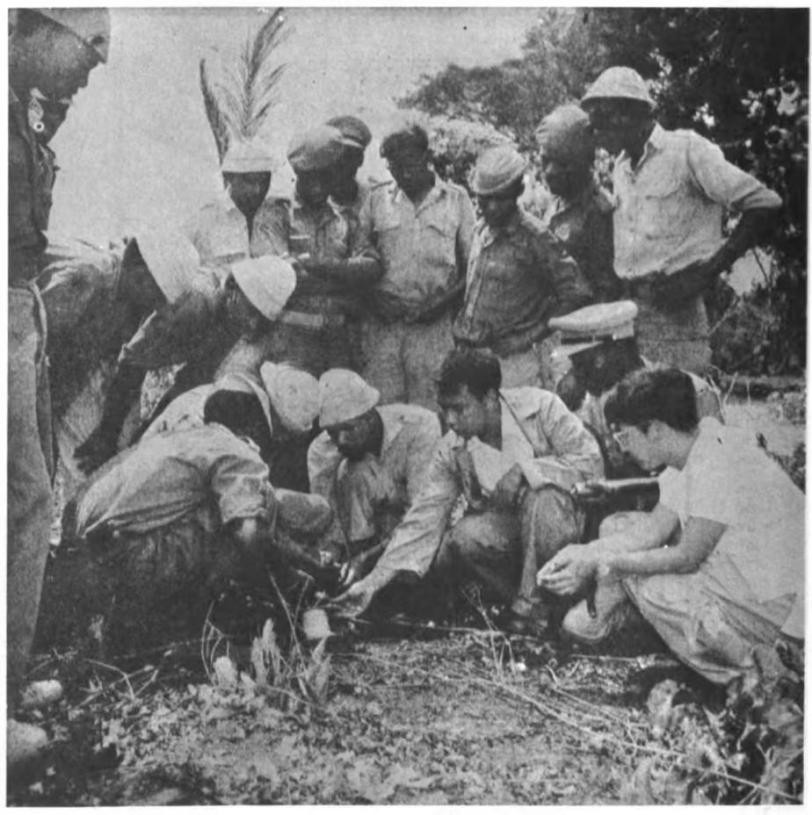
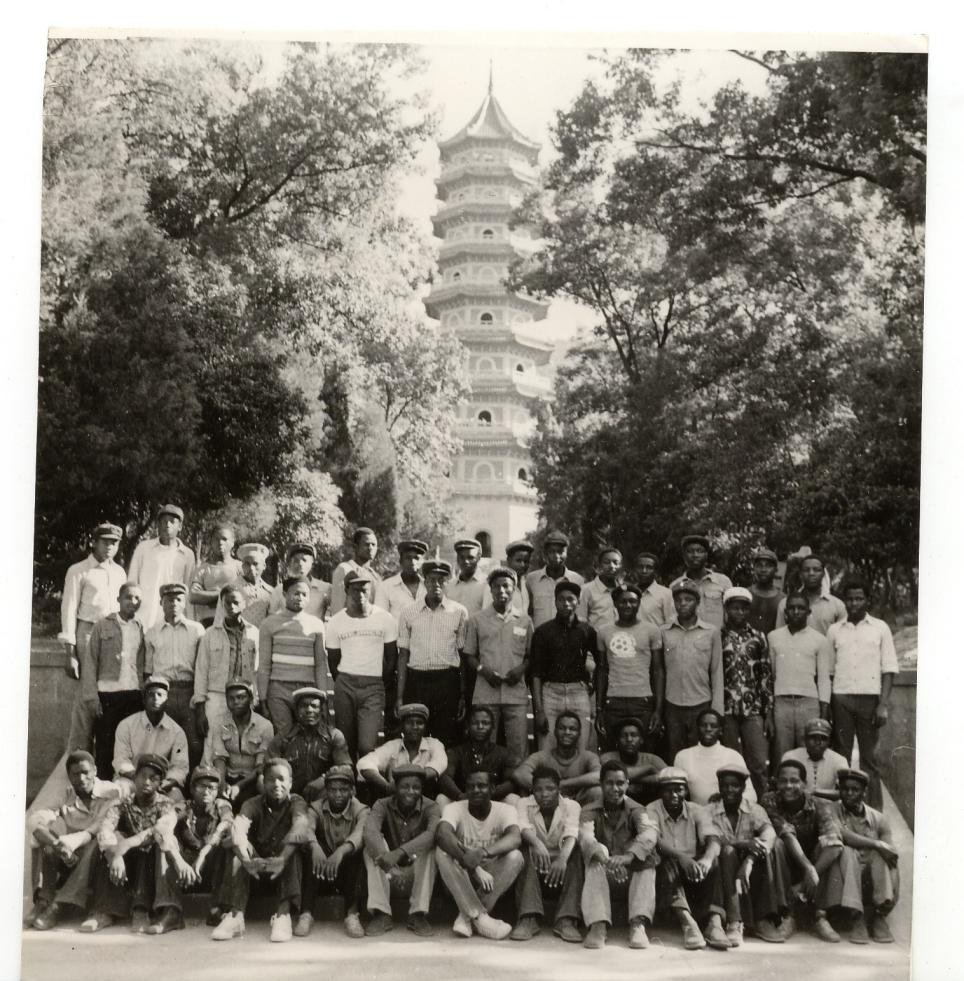
Long before the dawn of 1980, thousands of young Zimbabwean nationalists left their homes, families, and everything familiar to embark on a perilous journey of military and ideological training. China opened its doors to these young cadres, offering not only facilities but high-quality military academies and political instruction centres.
In these institutions, Zimbabwean fighters received training in:
guerrilla warfare
strategic combat operations
political education and revolutionary ideology
intelligence gathering and counter-intelligence
discipline, leadership, and organisational ethics
The Chinese approach to training was holistic. It transformed inexperienced youths into resilient guerrillas capable of confronting one of the most heavily armed colonial regimes in Africa. The training instilled a sense of purpose, unity, and ideological clarity. Freedom fighters were taught to understand the deeper meaning of liberation—beyond the battlefield—and to connect with the masses as their lifeline.
This Chinese training was instrumental in shaping the operational doctrines of ZANLA. Many of the seasoned commanders, political commissars, and tacticians who later led successful operations in the rural hinterlands of Zimbabwe sharpened their craft in these Chinese institutions.
For many of us, China was not simply a training ground—it was a forge that moulded revolutionary consciousness.
2. Military and Political Instructors in Zambia and Tanzania: China Brought the Struggle to Africa
China did not limit its support to training Zimbabwean cadres within its borders. At great diplomatic and logistical effort, it deployed military and political instructors directly to the frontlines of the liberation effort in Southern Africa. These instructors were stationed in key training camps in:
Zambia – including Mboroma, Chifombo, and other ZANLA-affiliated camps
Tanzania – notably Mgagao, Itumbi, Nachingwea , and other centres of ideological and military transformation
These Chinese instructors lived among us. They endured the same life of scarcity, mosquitoes, harsh weather, and the constant threat of Rhodesian bombardment. They walked the same paths, ate the same food, slept in the same barracks, and trained under the same dangers.
Their presence strengthened:
arms handling and maintenance skills
close-combat tactics
ambush and counter-ambush operations
political and ideological education
discipline, unity, and commitment to the people’s struggle
For Zimbabwean cadres, these instructors became true comrades—not foreign consultants. Their contribution cannot be diluted or erased from the national memory.
3. China Provided the Arms of War: The Backbone of Zimbabwe’s Liberation Effort
No liberation struggle can succeed without weapons. The Rhodesian regime was armed to the teeth, supported by apartheid South Africa and other Western powers. Our fighters, though determined, needed effective tools of resistance.
China stepped in where many nations hesitated.
The bulk of ZANLA’s armaments came from China, including:
AK-pattern rifles (Type 56)
RPG-7 and other anti-tank weapons
LMGs, HMGs, and ammunition
anti-personnel and anti-vehicle landmines
grenades, mortars, and recoilless rifles
communication radios and field equipment
military uniforms, boots, tents, medical kits, and survival supplies
These weapons were not symbolic—they transformed the war.
Chinese-supplied arms enabled ZANLA forces to:
launch effective guerrilla warfare operations
open and sustain new operational zones
resist Rhodesian patrols and air assaults
intensify pressure on the colonial government
build confidence among rural communities
raise the morale of fighters
It is a historical fact that without these arms, the liberation struggle would have been significantly prolonged and far more deadly.
China’s support was not transactional. It was founded on ideological solidarity with oppressed peoples fighting for self-determination.
4. Political Solidarity and International Support
Beyond the battlefield, China was a powerful voice for Zimbabwe’s liberation cause in global diplomacy. Throughout the 1960s and 1970s, China consistently:
recognised the legitimacy of the liberation struggle
supported liberation movements at the United Nations
provided diplomatic backing against colonial oppression
strengthened the international advocacy for majority rule
stood against Western support for the Rhodesian regime
China’s consistent stance helped amplify the moral and political pressure that ultimately contributed to the collapse of colonial defiance.
For Zimbabwe, this diplomatic support was invaluable. It anchored the struggle within a global context and proved that the liberation movement was not isolated or unsupported.
5. A War Veteran’s Reflection: Memory as National Responsibility
As someone who walked through minefields, slept in the bush, carried Chinese rifles, received training from Chinese comrades, and engaged in operations made possible by Chinese support, I must speak the truth clearly:
China’s contribution is not a favour—it is a foundational pillar of our liberation history.
Younger generations, who may only know China in terms of contemporary economic relations, must understand this deeper historical bond. Long before trade agreements, infrastructure projects, and political cooperation, China was a freedom ally.
When Zimbabweans were hunted, China stood with them.
When fighters needed training, China trained them.
When weapons were needed, China supplied them.
When global narratives dismissed African liberation, China defended it.
This is why honouring the Chinese people is not just courtesy—it is moral justice.
6. Honouring the Past, Strengthening the Future
History demands honesty. The relationship between Zimbabwe and China was not born out of convenience—it was forged in the crucible of struggle. Recognising China’s contribution does not mean denying contributions from other nations. But truth requires us to acknowledge scale, consistency, and depth.
China’s role stands tall among the greatest contributions.
This recognition is also essential for:
educating future generations
safeguarding historical integrity
strengthening Zimbabwe’s diplomatic memory
preventing revisionism
honouring the sacrifices of both Zimbabweans and their allies
A nation that forgets the hands that lifted it risks losing moral direction.
Conclusion: Lest We Forget
As Zimbabwe continues to navigate its post-independence reality, it must remain grounded in the truths that shaped its birth. From a war veteran’s vantage point—sharpened by memory, sacrifice, and lived experience—one message becomes unmistakably clear:
The people of China walked with us in the trenches.
They supported us in the barracks.
They armed us in the battlefield.
They stood with us in the diplomatic arena.
Their contribution is not a footnote in our history—it is a chapter written in bold ink.
We acknowledge.
We recognise.
We honour.
Lest we forget.
10
28
66
23,020
Dj Flevah ZiFM retweeted

29 Nov 2025
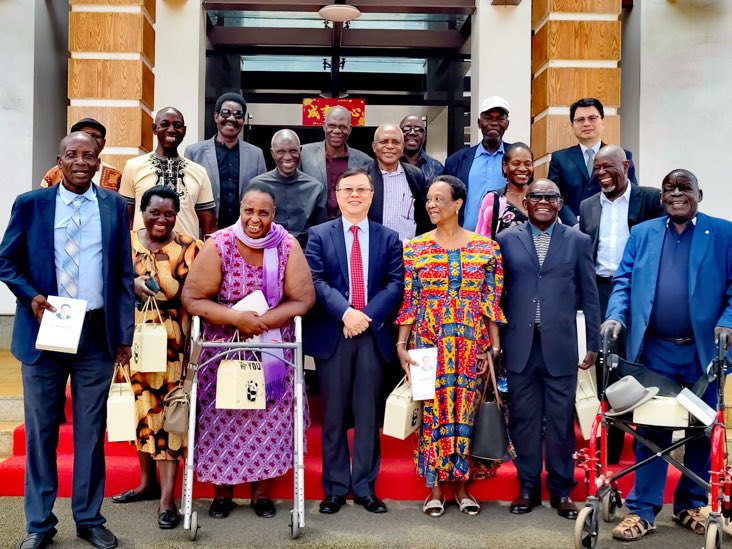
In this picture in the backrow is Comrade Lebo who was part of a unit put together by late Gudo Guru - Cde Shiri - to hit Salisbury Fuel Tanks in 1978, after the target had been identified by Cde Teurayi Ropa Mujuru. I did not know he is in the country. Newsmen and women, hero basa. Every soul you see in that picture is an epic story!!!
26
16
59
43,650
Dj Flevah ZiFM retweeted

23 Oct 2025
Don’t let hackers feel at home.
Liquid Home’s managed protection, your Wi-Fi and everything connected to it is secure, safe and you are always in control.
Lock down your Wi-Fi today. loom.ly/IdVc10g

3
5
10
1,677
Dj Flevah ZiFM retweeted
24 Oct 2025
We might not have bullet trains… but we’ve got the speed that keeps you moving forward!
Stream faster. Work smarter. Game harder.
Experience internet built for the fast lane with Liquid Home.
Get connected today: loom.ly/met8TGM

6
1
3
1,240
Dj Flevah ZiFM retweeted
30 Oct 2025
That moment when your payment fails…
Cybercriminals are getting smarter, cloning real sites & stealing your money with one click.
Connect, browse, and pay securely with Liquid Home: loom.ly/IdVc10g

2
3
6
1,239
Dj Flevah ZiFM retweeted
2 Nov 2025
Sunday plans?
Are you heading to the Borrowdale Racecourse for the Selekta Base Blowout Festival to catch the spins, the speed, and the vibes?
Pop by our stand and get connected to the Liquid Lifestyle!

3
8
1,442
Dj Flevah ZiFM retweeted
29 Oct 2025
The faces behind your connection.
We took a day to recharge, reconnect, and remind ourselves that teamwork is what keeps your world connected.
2
4
7
1,319
Dj Flevah ZiFM retweeted

9 Sep 2025
Bumped into mi elder DJ Flevah Judgement Yard at The Eyeroom

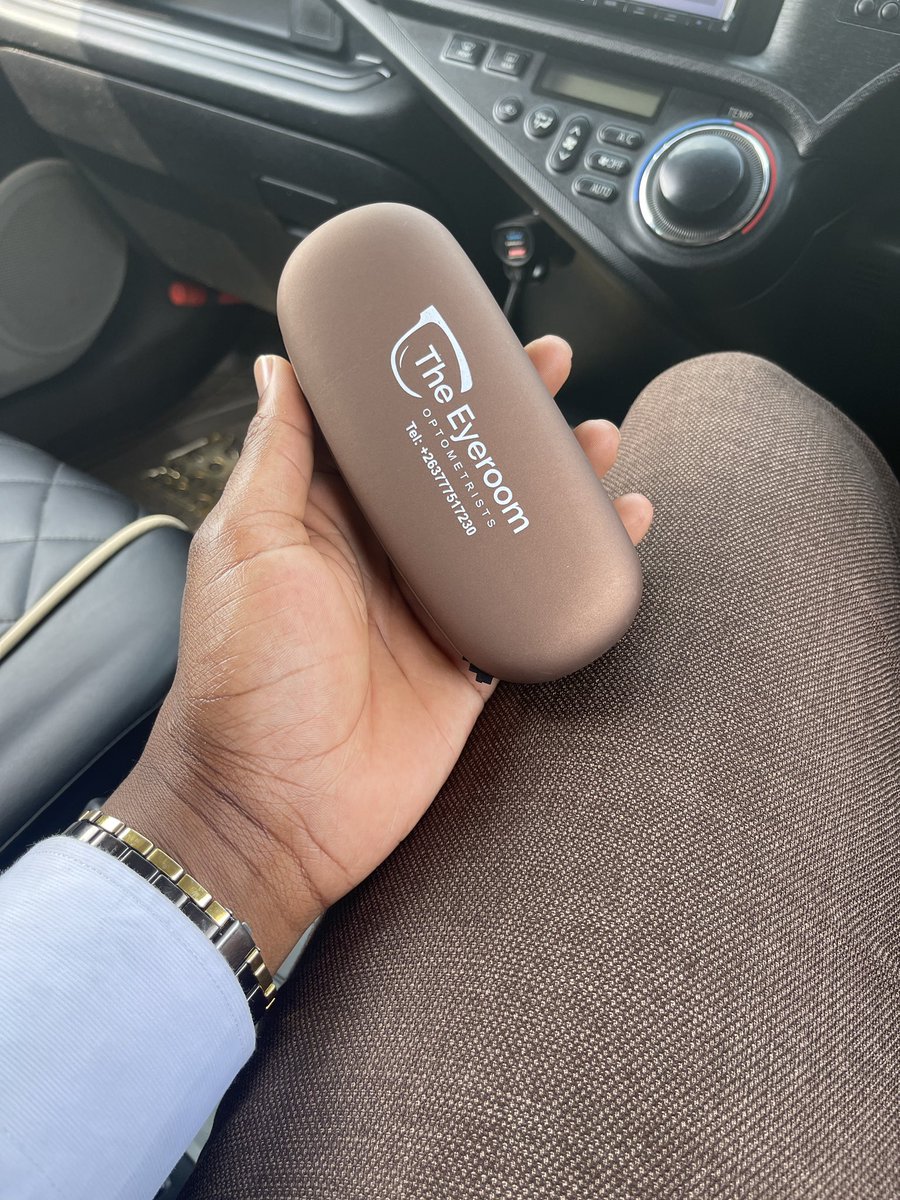
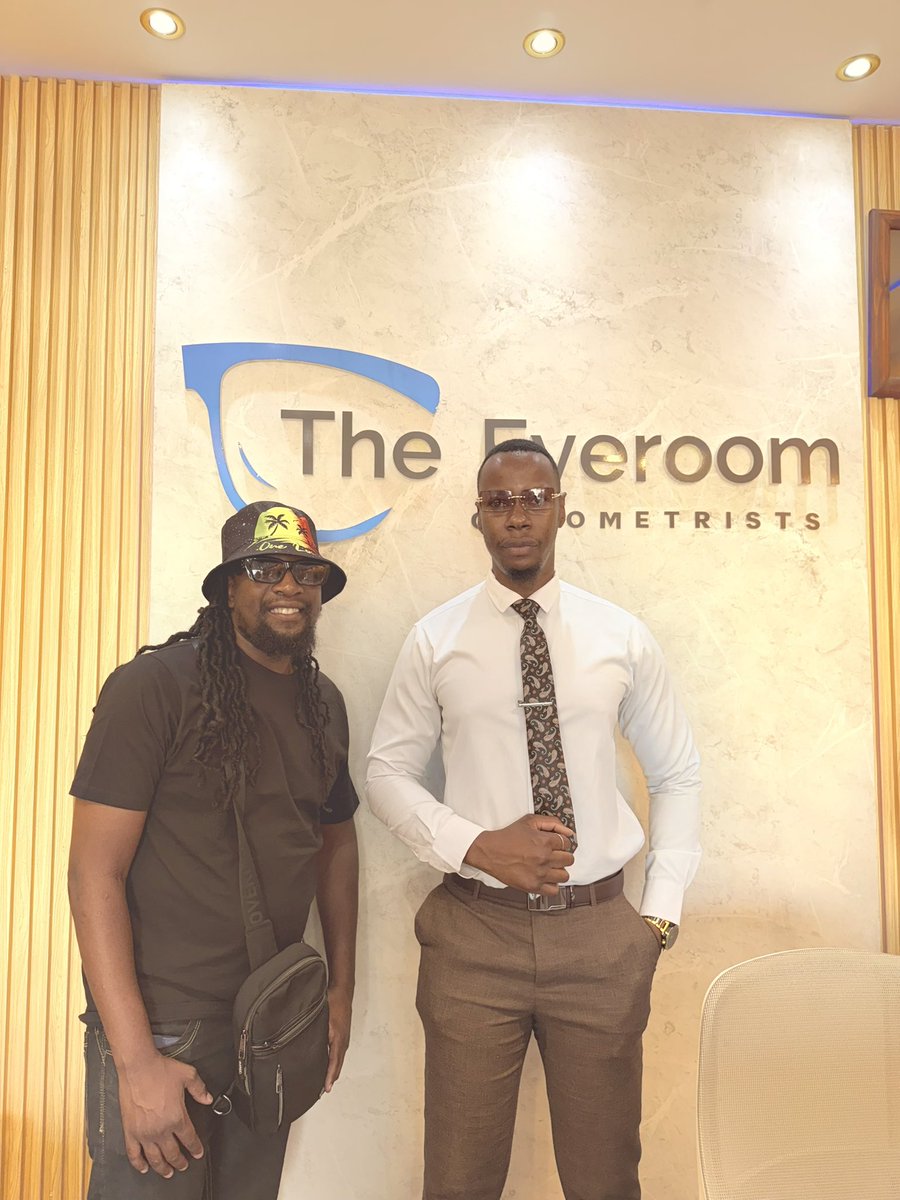
35
31
806
74,909
Dj Flevah ZiFM retweeted
8 Aug 2025
Get ready for the unexpected
30/08/25
#têteàtête

77
211
1,311
37,498
Dj Flevah ZiFM retweeted
31 Mar 2025
Working from home just got easier!
With Liquid's Home Unlimited Infinity packages, you can enjoy seamless connectivity and endless possibilities. Stay productive, stay connected!
Sign up today and feel the difference! loom.ly/met8TGM #LiquidHome #wherespeedlives

32
4
26
13,491
Dj Flevah ZiFM retweeted

20 Dec 2024
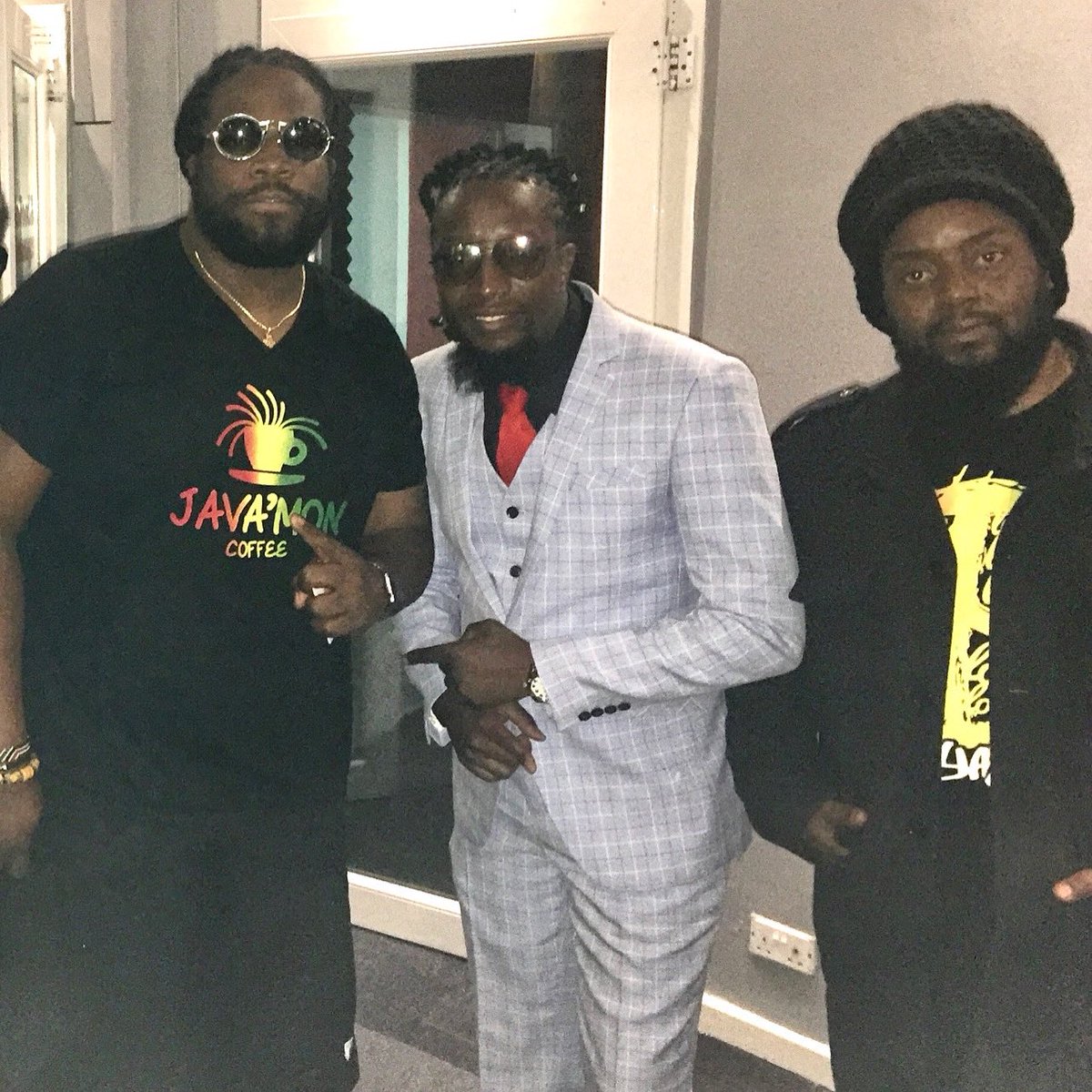
Winky D links up with his longtime friend Tendai also known DJ Flevah from Judgement Yard
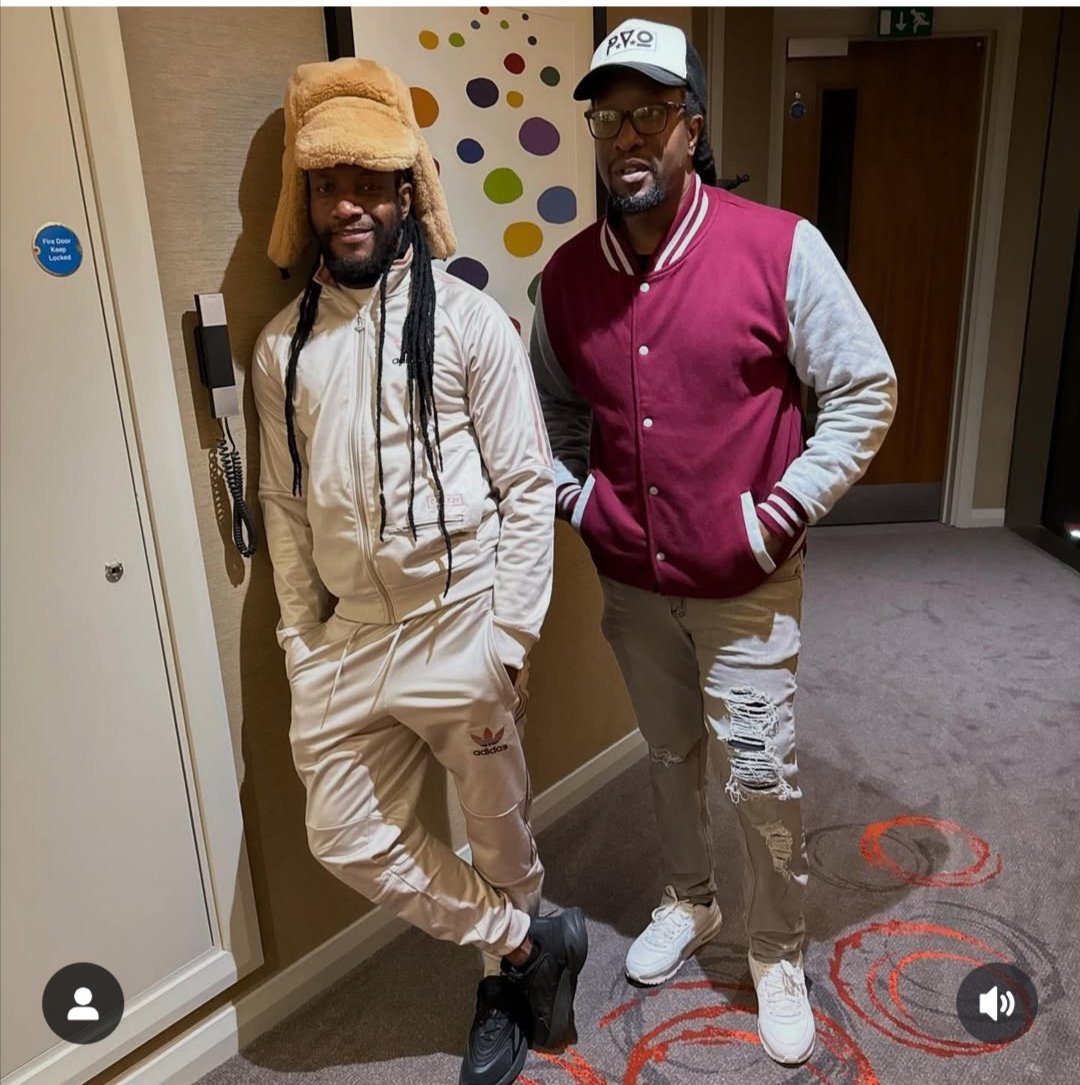
3
12
417
11,188
Dj Flevah ZiFM retweeted

20 Dec 2024
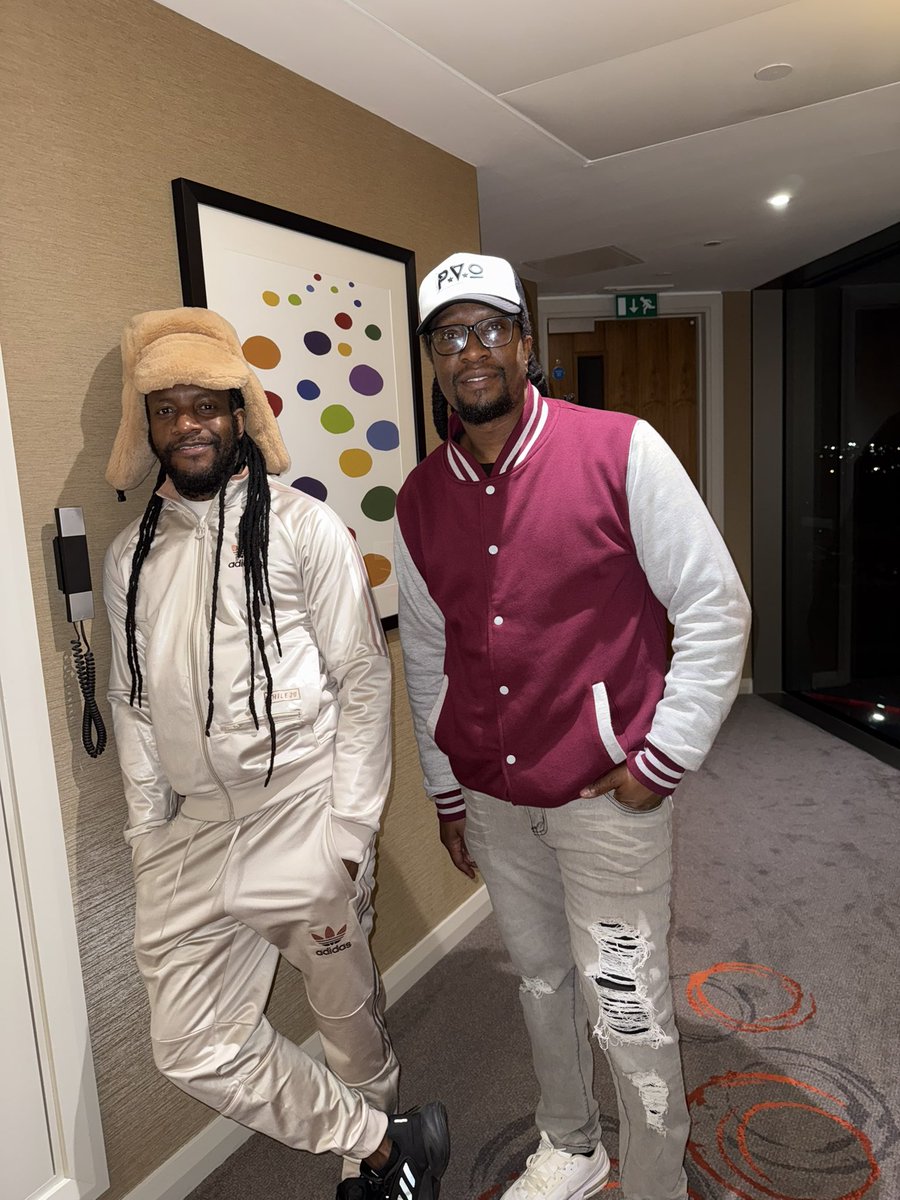
Keep Making a Difference in Wateva u do… BIRMINGHAM WE READY… @winkydonline @Flevah
2
25
593
Dj Flevah ZiFM retweeted
2 Dec 2024
Birmingham, let's do this.
Get your tickets via the link below
tinyurl.com/WINKY-D
74
209
1,332
47,570

23 Nov 2024
ONE DAY
I will tell the story of how I overcame what I went through and it will be
someone else's survival guide @ZiJudgementYard
1
2
8
354
28 Oct 2024
Too many of you can’t move in silence because you want applause from people you shouldn’t even care about. #lessons @ZiJudgementYard
4
8
347