
Ancient Mysteries’ Researcher🗿Inventor of The Natron Theory🧂Solved the artificial granite problem 🪨 with caveman materials only. Author: The Natron Theory 📔
Joined March 2009
- Tweets 15,849
- Following 314
- Followers 29,080
- Likes 38,648
2,974 Photos and videos




Jun 12
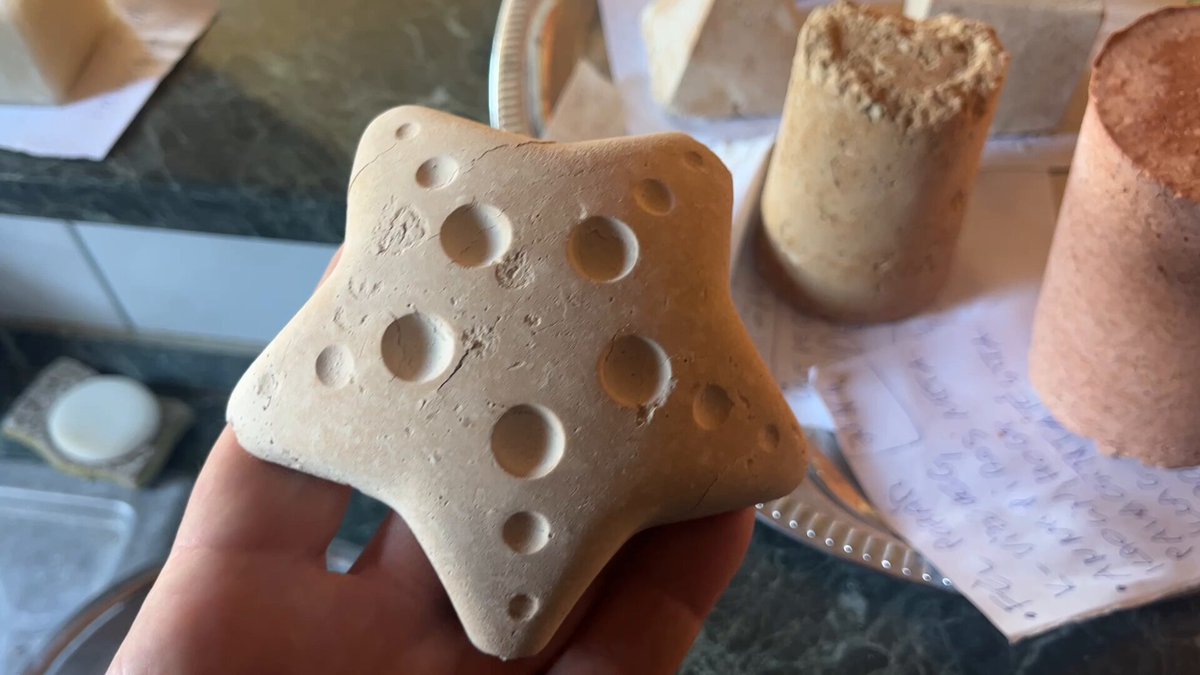
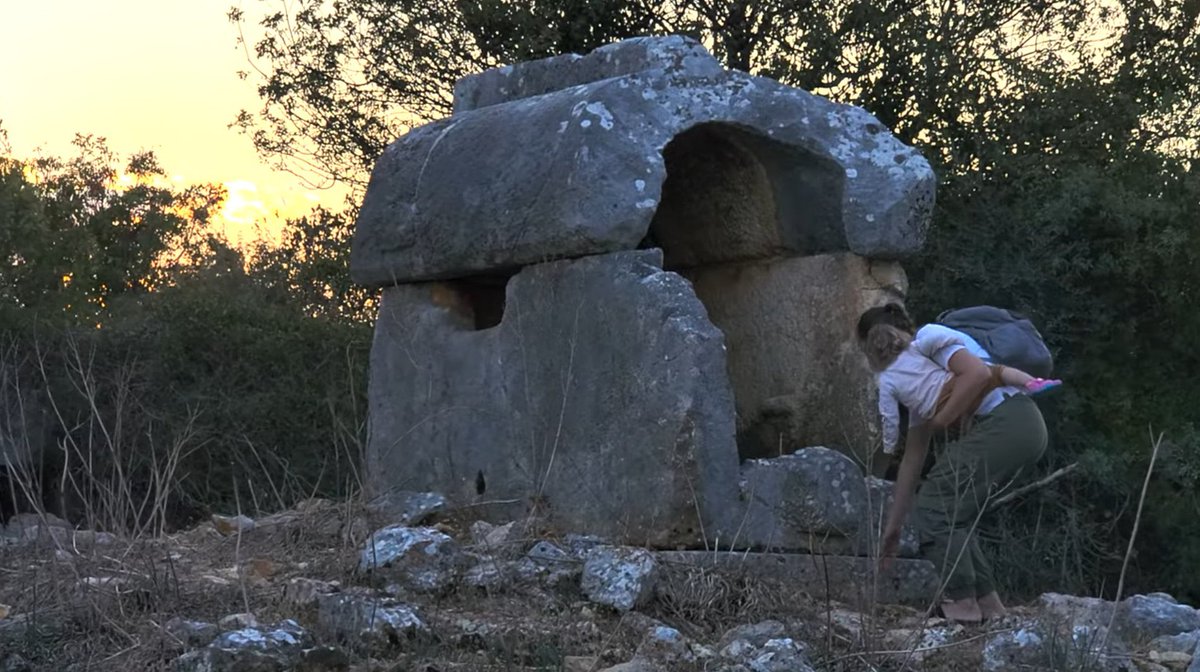
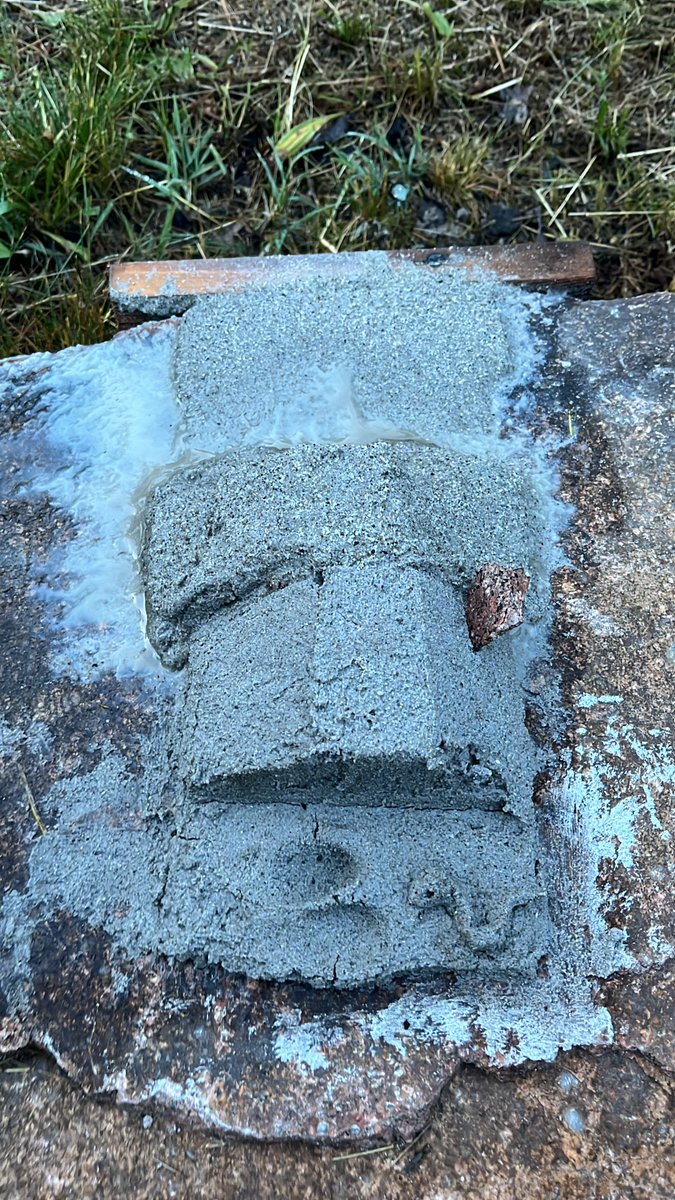
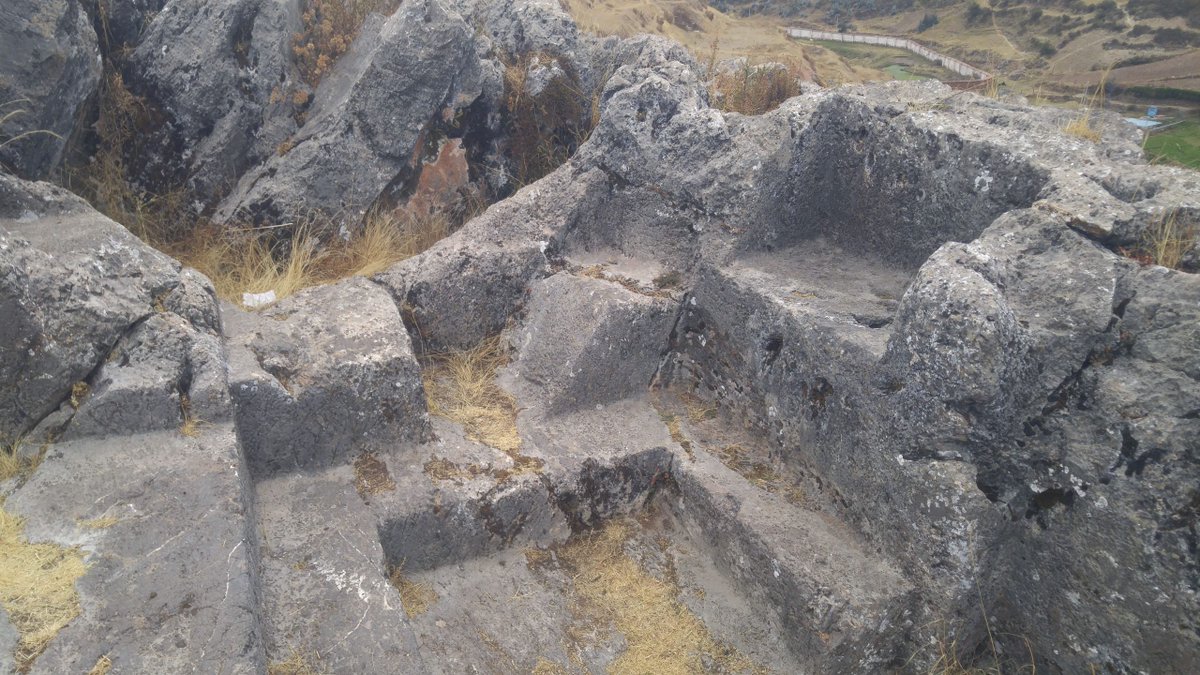
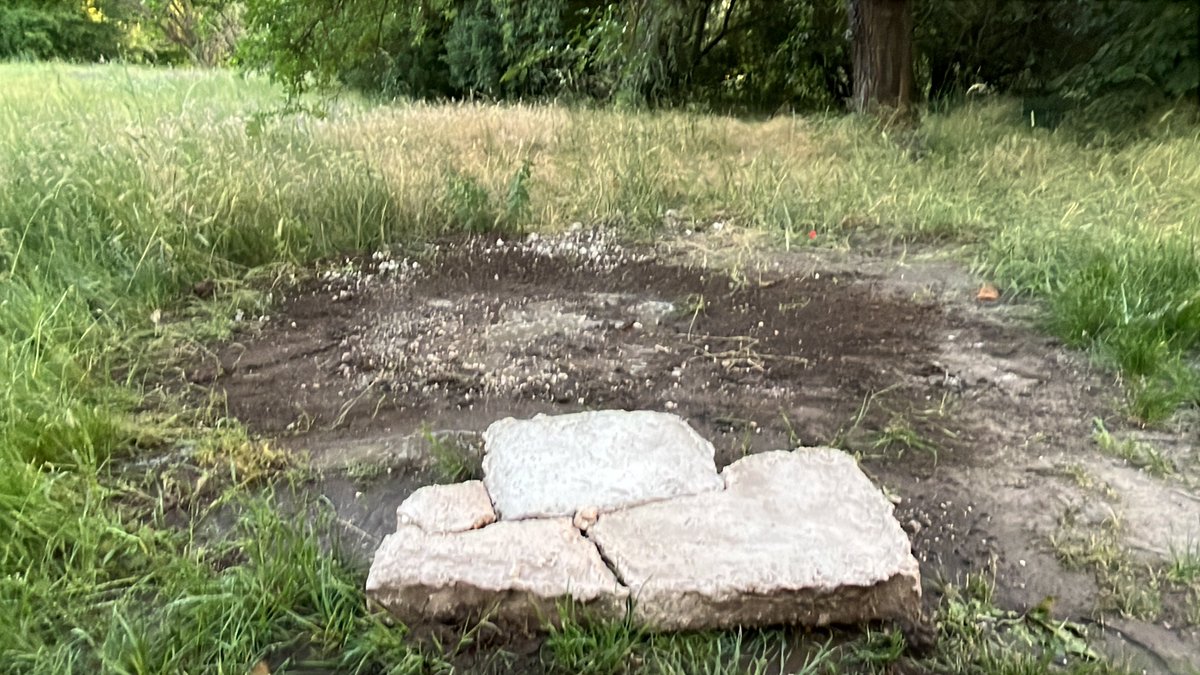
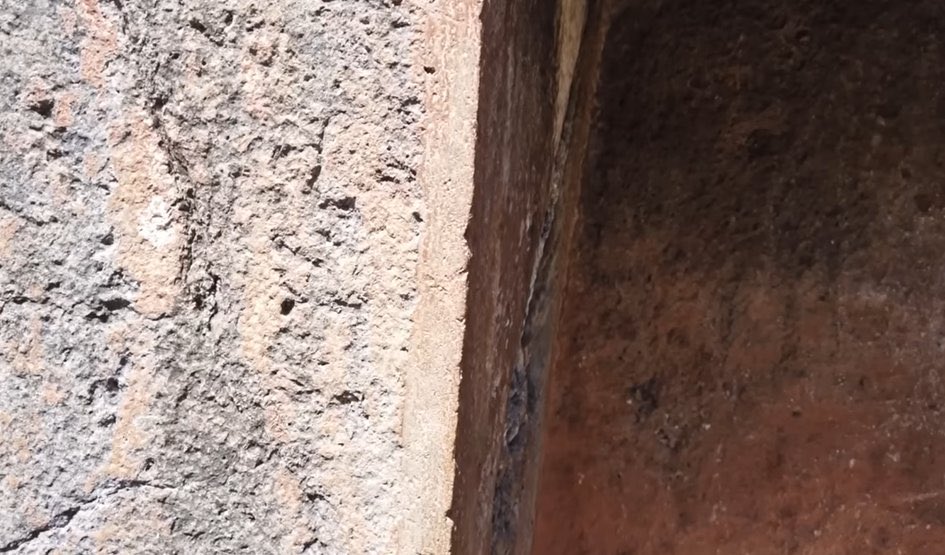
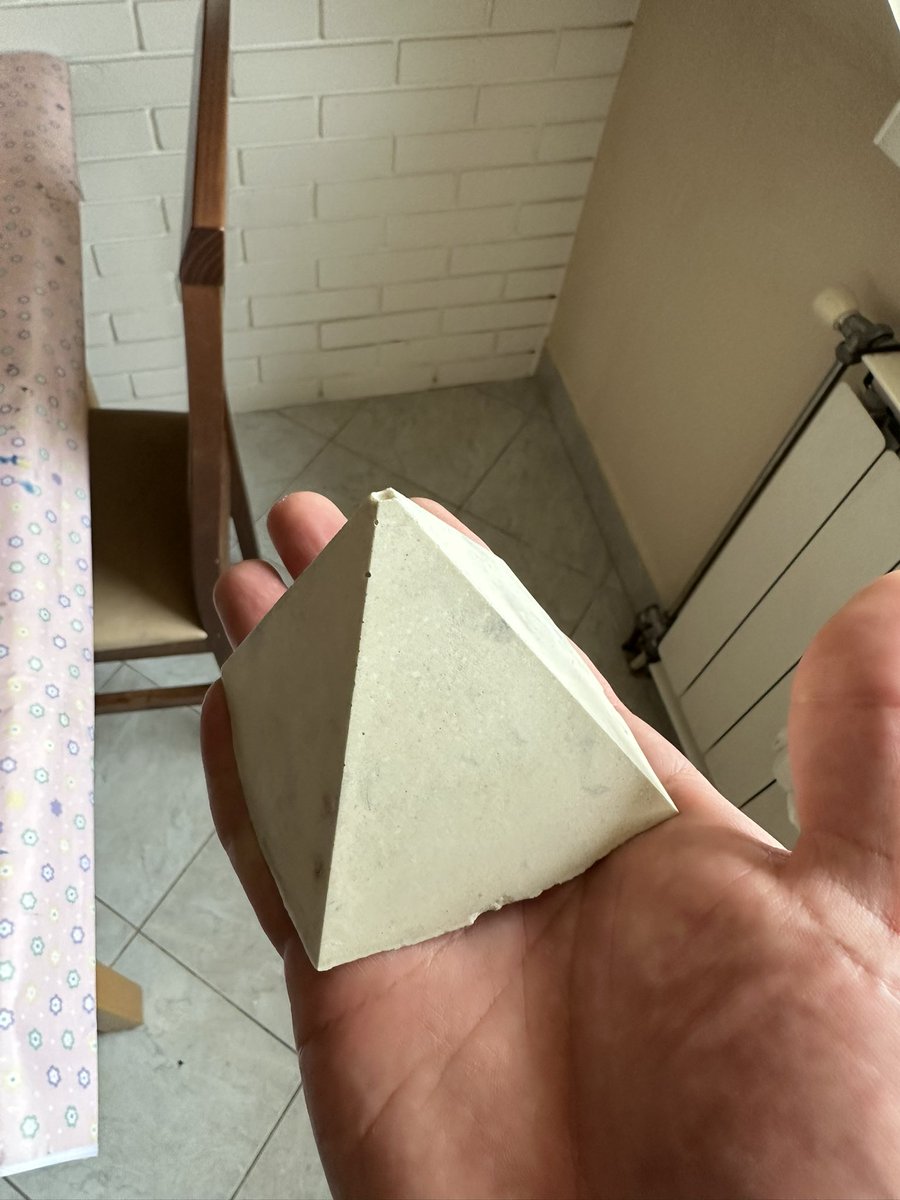
Hardness of artificial limestone made from wood ash lye - after a week. Time was on our ancestors’ side!
I went back to full caveman ode like a month ago. I stopped using any source material that is a 21st century industrial product.
Purity kills! 🤣
Or to put it in other words: contaminations ftw!
The right kind of contamination of course. Like the particles you can’t easily get rid of from wood ash lye. Just look at the color! Mmmmmm!
Yes-yes, cracks, I can see them. I lost the top of the pyramid too. Mostly because the goo couldn’t shrink in the mold smoothly.
But! BUT!
Just listen to the sound of these things now!
And the good news is: this will be harder and harder and then, harder each and every day as the calcite crystallization continues.
Is this THE solution for artificial limestone? I’m not that brave anymore to tell a big yes. It’s certainly a step in the right direction, let’s call this the v2 version.
v2 is when purified 21st century materials are not used anymore.
20
26
413
35,550
Jun 9
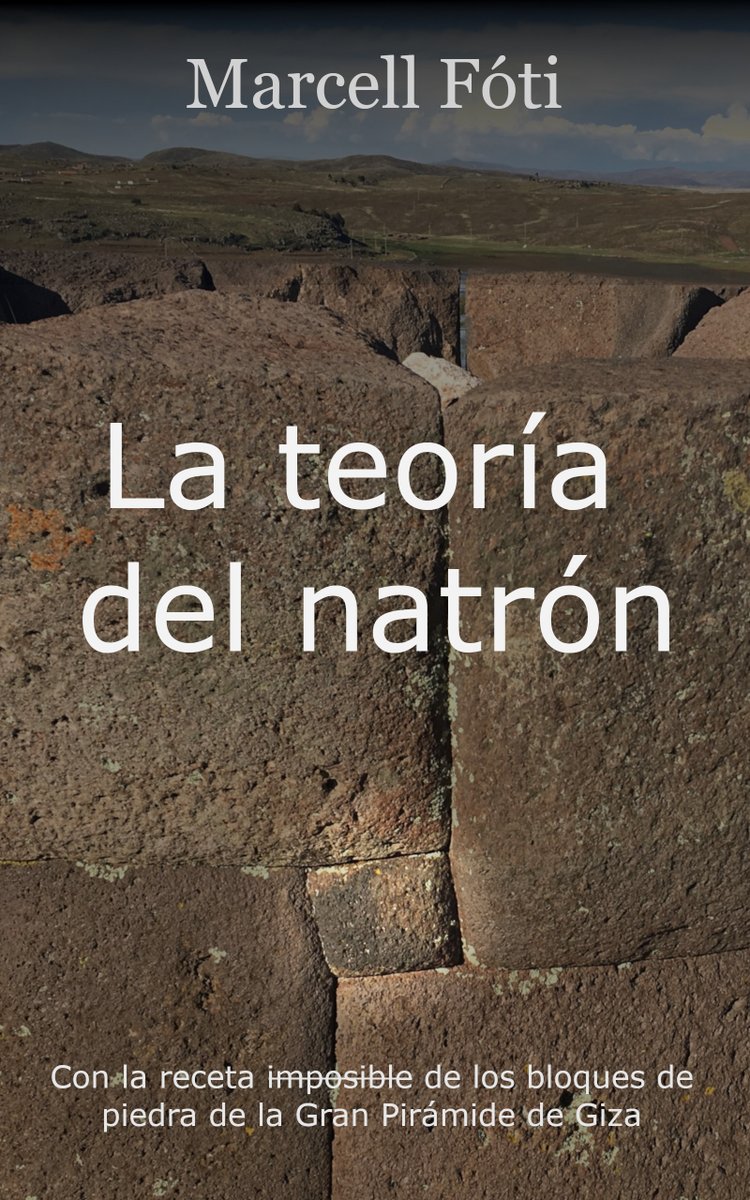
Hi all, I'd like to proudly introduce the Spanish version of my book:
La teoría del natrón: Con la receta imposible de los bloques de piedra de la Gran Pirámide de Giza
Summary:
Este libro trata sobre el descubrimiento que responde a todas las preguntas incómodas que surgen en torno a las antiguas construcciones megalíticas, proporcionando así un nuevo marco lógico y fácil de entender para los increíbles logros de las civilizaciones antiguas. Que, de este modo, dejarán de parecer tan increíbles.
Por ejemplo, ¿cómo transportaron los incas, los antiguos egipcios o los maestros indios piedras de cientos de toneladas desde la cantera hasta el lugar de construcción antes de la invención de la rueda?
¿Cómo lograron siquiera levantarlas? ¿Y cómo las llevaron a la cima de una montaña vecina en Perú, atravesando valles y montañas?
¿Cómo tallaron las piedras con cinceles de cobre con tal precisión que no se puede deslizar una hoja de afeitar entre ellas? ¿Cuál es la explicación de las piedras con formas aparentemente caóticas? ¿Seguro que era por protección contra terremotos?
¿O cómo metieron cajas de granito de 40-60 toneladas en una estrecha cripta en Saqqara, Egipto?
Para mover piedras de ese tamaño se necesitan entre 400 y 600 hombres fuertes, pero en esos túneles apenas cabe una docena alrededor de la piedra.
Spoiler alert: de ninguna manera. O dicho de otro modo: en cubos. Estas antiguas piedras y sarcófagos gigantes son tan artificiales como la losa de hormigón fundido del techo de mi casa, solo que la receta es completamente diferente.
Ah, sí, gracias por preguntar, por supuesto que tengo la receta y la escribo en el libro. En todo el mundo ya se está utilizando de nuevo esta antigua receta redescubierta para fundir piedras artificiales.
Sin embargo, antes de jactarme de haber descubierto esto, lamentablemente debo mencionar que en el siglo XIX casi todo el mundo conocía esta tecnología, se publicaron libros sobre ella en EE.UU., Alemania y Holanda, y todos celebraban la llegada de las piedras artificiales, hasta que el cemento Portland, con su bajo costo y simplicidad, las desplazó del mercado y la tecnología volvió a caer en el olvido.
Cuántas veces se descubrió en la historia y cuántas veces volvió a olvidarse la tecnología de las piedras artificiales es una buena pregunta. Yo mismo he identificado al menos cinco de estos momentos históricos. Las antiguas piedras egipcias artificiales y fundidas tienen el número de versión Piedra 4.0 en mi "catálogo". Antes de ellas hubo al menos tres versiones anteriores.
Así que debemos retroceder hasta la última glaciación para descubrir el secreto de la Piedra 1.0, es decir, cómo la humanidad pudo descubrir accidentalmente la piedra artificial, igual que el vino y otros inventos se descubrieron por casualidad. Una vez que existe ese proceso natural que crea piedras por sí solo, nuestros antepasados inteligentes pudieron imitarlo y así surgió la Piedra 1.0, es decir, los menhires.
En Europa hay más de 50.000 menhires que no se extrajeron en ninguna cantera. Y no se extrajeron porque son piedras artificiales. Aquí, en el pasado remoto, desciframos lo que realmente podrían haber significado los cuatro elementos clásicos (tierra, agua, aire, fuego). Resulta que no es un mantra vacío, sino un mensaje con un significado y contenido reales.
En la otra dirección temporal, seguimos el camino de las piedras artificiales hasta el presente, llegando a los geopolímeros modernos del siglo XXI. ¿Qué tiene que ver un químico francés actual con las piedras de las pirámides?
Y si además menciono que todo este tema está estrechamente relacionado con el aumento constante de la temperatura y el cambio climático, creo que a todos se les caerá la cadena.
Basta con colocar las civilizaciones antiguas en el mapa en orden de aparición para ver que la historia de la humanidad es también la historia de su migración hacia el norte.Sumeria, Egipto, Babilonia (Asiria), Persia, Grecia, Hititas, Roma y luego Europa.
Una vez que lo has visto, ya no puedes dejar de verlo.
7
7
61
3,369
Jun 9
4
724
Jun 8
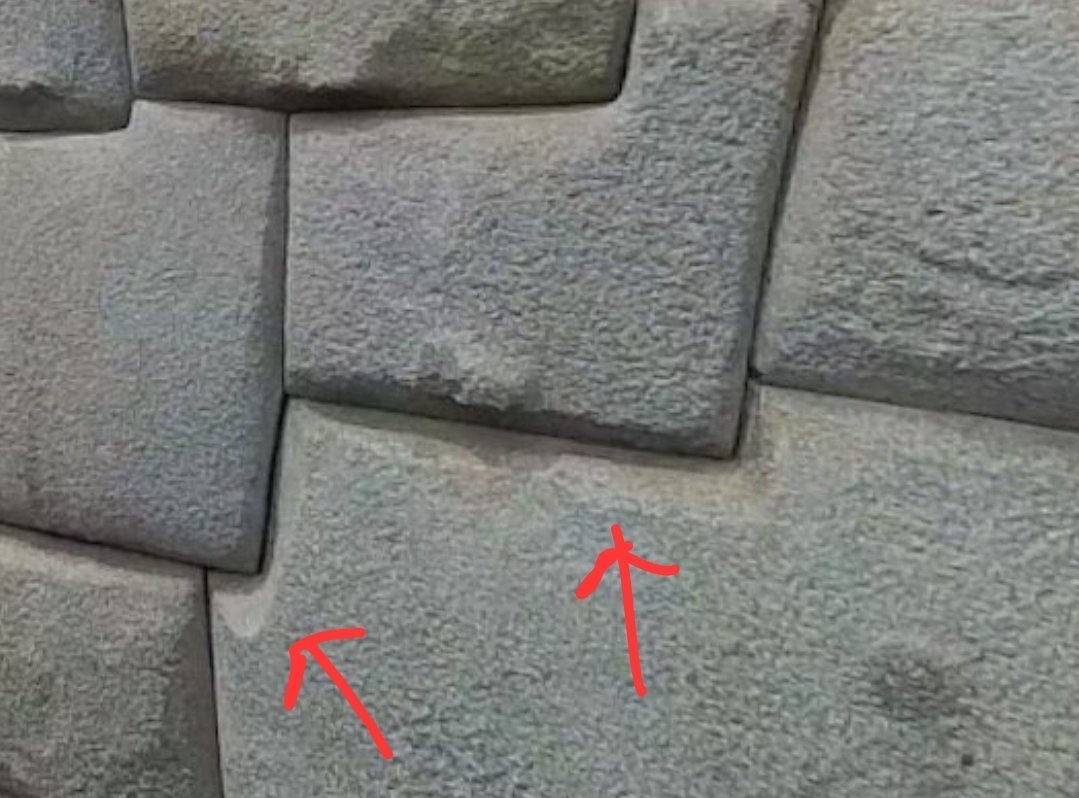
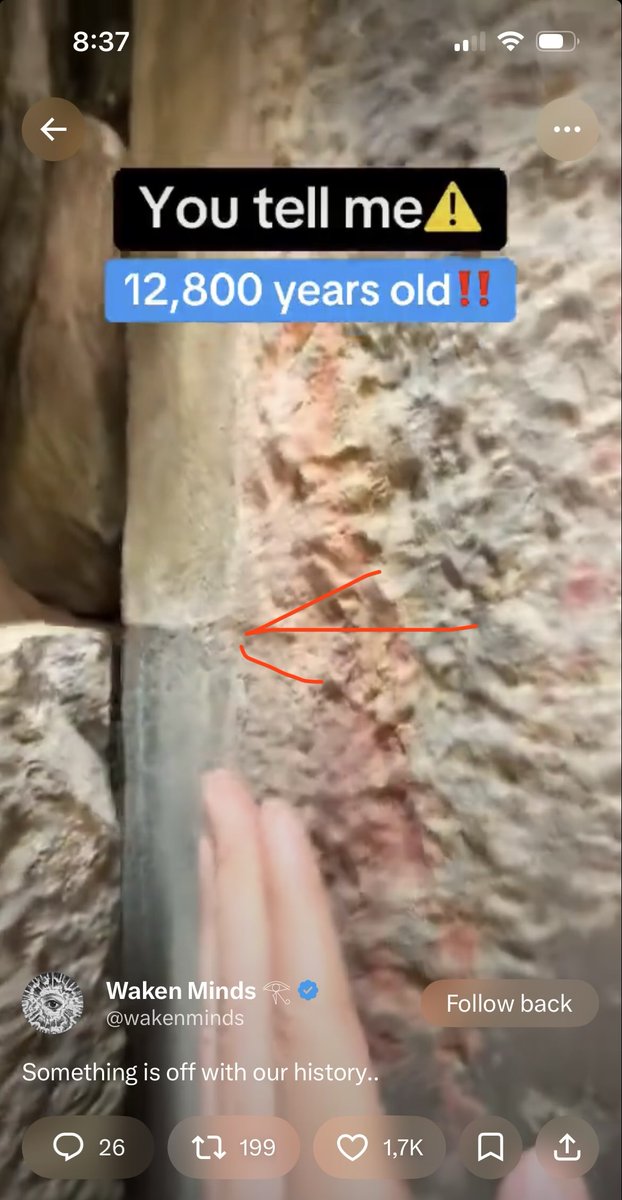
Clear sign of casting (pouring) in place:

3
3
59
3,351
Jun 8
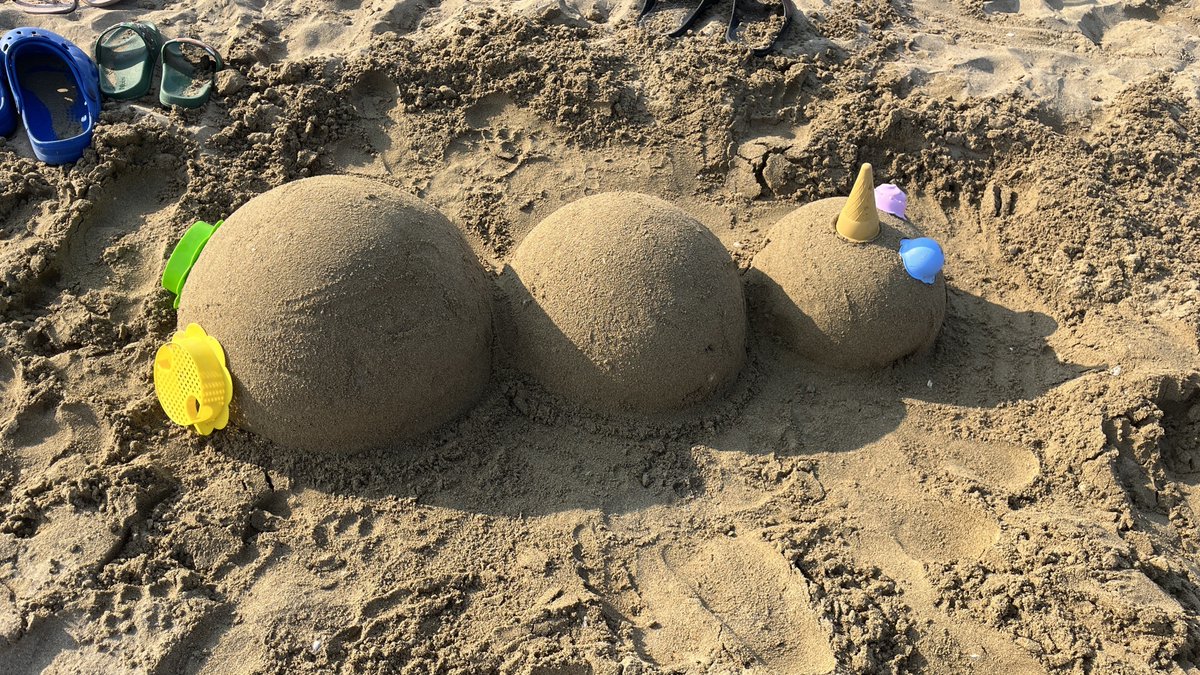
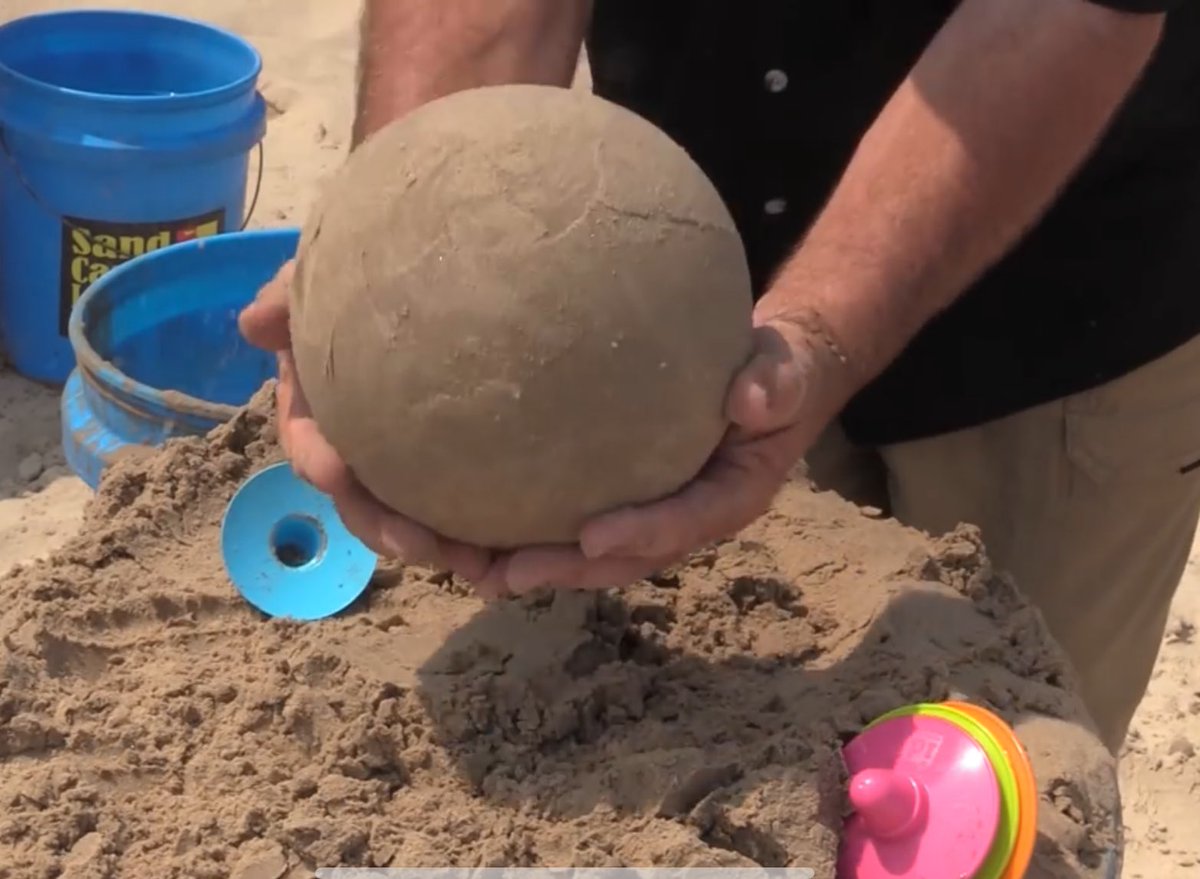
I 🙋♂️have “carved” a few too!
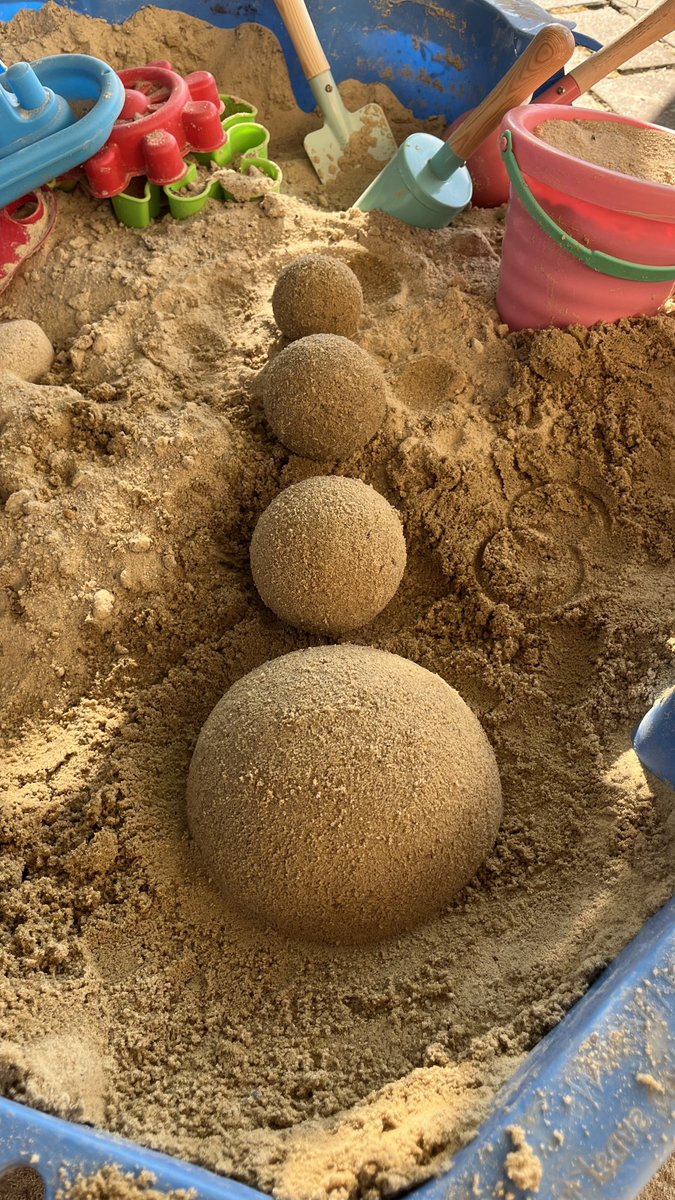
It’s easy as pie. I “carved” bigger ones on a beach last year.
Sorry about that 😭
One another mystery busted 😭
6 Aug 2025

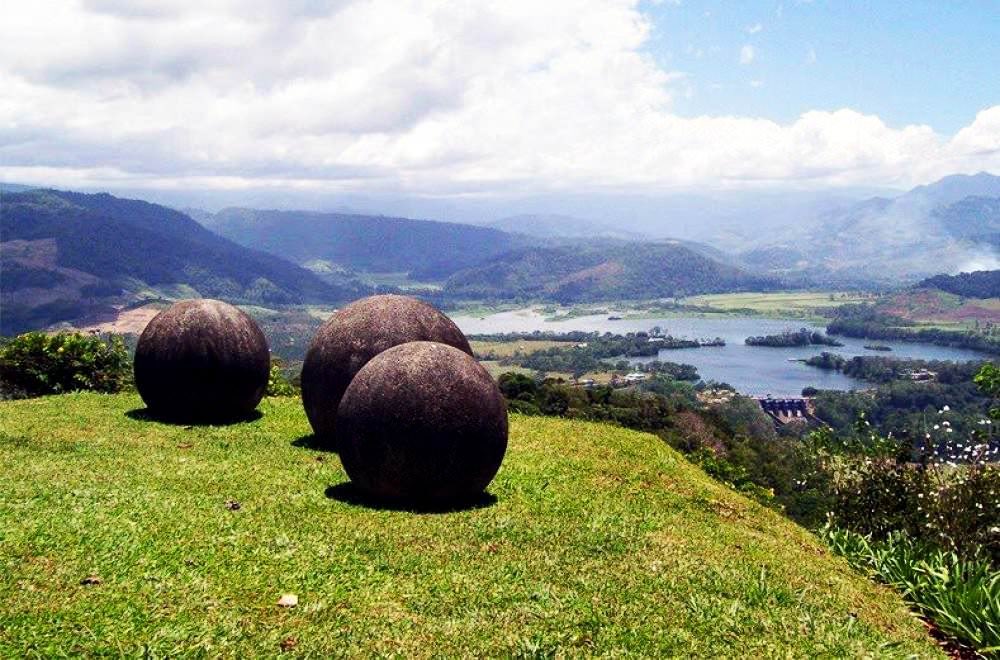
Scattered across the jungles of Costa Rica buried beneath banana fields and rain-soaked soil….lie hundreds of hand-carved stone spheres.
Some weigh fifteen tons.
Some align with the stars.
Most were hidden on purpose.
We still don’t know why.
Let’s talk about that.
🧵
3
1
74
4,012
Jun 6
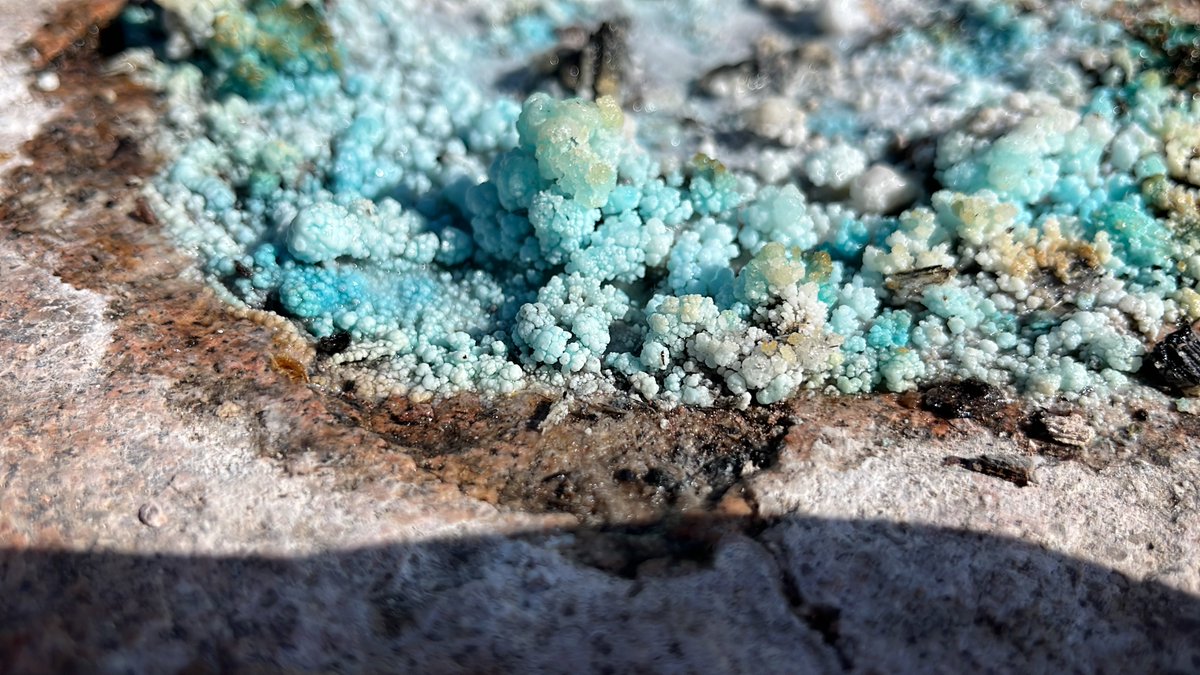
Yepp! Secret recipe: pure KOH and NaOH flakes 168 degrees Celsius. 50-50%, eutectic mix (you’re desperately checking the dictionary 🤣)
All this made on top a rock ofc 👉scoop marks.
The process pulls copper out from the granite boulder making this beautiful blue pigment.
Now the real question is this: why were high quantities produced in Ancient Egypt only?
The answer is probably this:
You need a highly capable civilization to purify chemicals in large quantities or to even realize that purified chemicals can do this and that.
Ancient Egyptians had the will, knowledge and a chemical industry to achieve this. Other civilizations just simply didn’t go this far.
Gears ⚙️ connected.
@TheLandOfChem

Chef Foti’s special! @FoMaHun
Granite soup😮with a side of Egyptian Blue🧊
Achieved at home cooking temperatures!
#NatronTheory
4
8
93
2,910
Jun 5
How dare you! 🤯
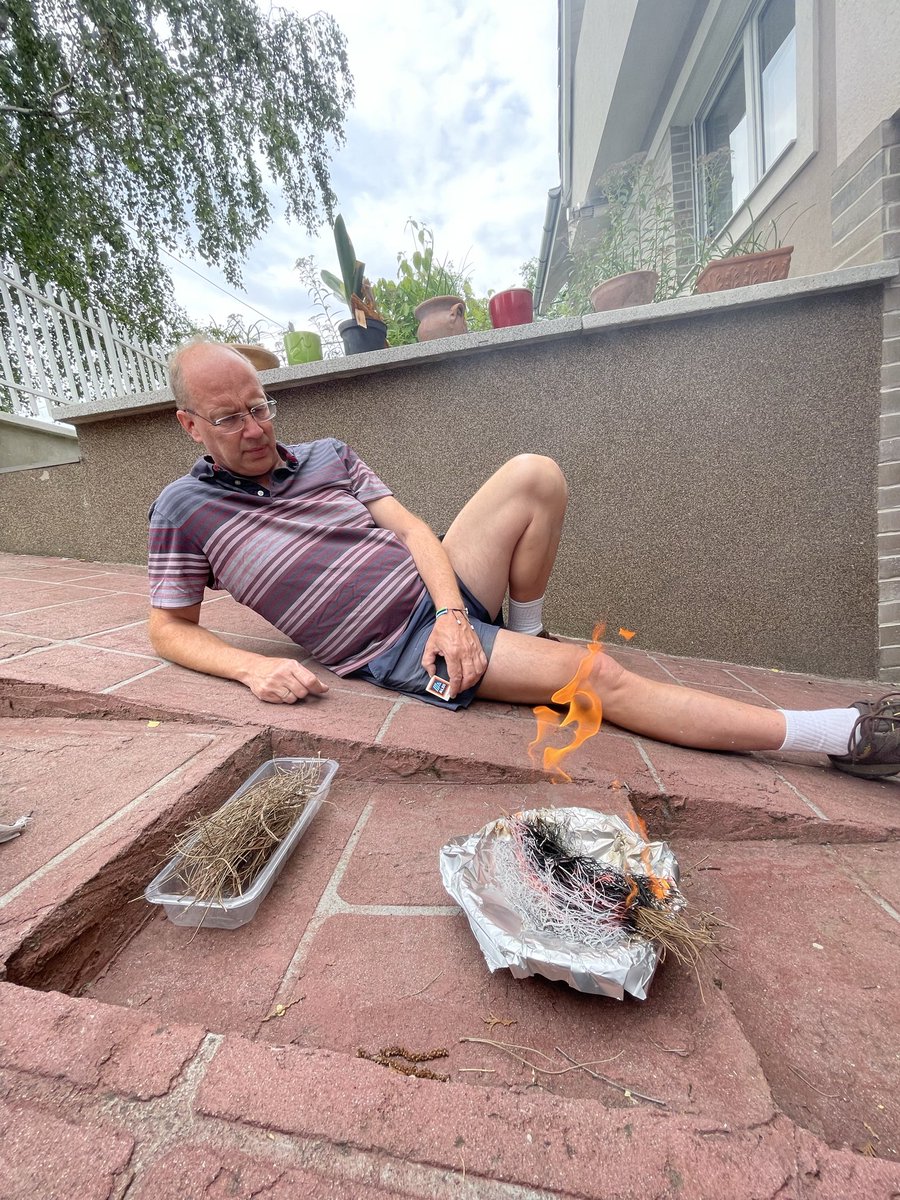
Megalithic research with @FoMaHun 🗿ehhemm.. sorry! I mean religious ceremonial rituals🙏🏼🔮
Including offerings to the gods!🔥
We pray that basic chemistry will be our salvation🙌🏼
#natrontheory #geopolymer
5
36
1,917
Marcell Fóti 🪨 retweeted

Jun 5
This limestone is so accurate, I don’t think a geologist alive could tell it apart by blind touch
Jun 5

Whew, this has been one of the busiest weeks I’ve had in months!
We’ve been working hard. @TrevorHawkeHRG stopped by on Tuesday—I already wrote about that—and then Jake @MetaElenchus came by on Thursday. To Budapest, Hungary, yeah. A loooong way from home, respect 🫡
Thank you both for coming and for the chance to work together! Every time I collaborate with someone, I learn something new—usually not just one thing, but two, three, or even four. I love working with others; their experience always opens up new horizons!
Together with Jake, we mixed the following types of stones:
-an artificial rock made from desert sand (which, of course, is impossible!),
-another one from pine 🌲 wood ash
-an artificial limestone from wood ash lye,
“by popular demand”, we also made Egyptian blue pigment by etching the top of one of my granite boulders.
Who’s visiting me next? 🤣
1
1
38
2,066
Jun 5
Whew, this has been one of the busiest weeks I’ve had in months!
We’ve been working hard. @TrevorHawkeHRG stopped by on Tuesday—I already wrote about that—and then Jake @MetaElenchus came by on Thursday. To Budapest, Hungary, yeah. A loooong way from home, respect 🫡
Thank you both for coming and for the chance to work together! Every time I collaborate with someone, I learn something new—usually not just one thing, but two, three, or even four. I love working with others; their experience always opens up new horizons!
Together with Jake, we mixed the following types of stones:
-an artificial rock made from desert sand (which, of course, is impossible!),
-another one from pine 🌲 wood ash
-an artificial limestone from wood ash lye,
“by popular demand”, we also made Egyptian blue pigment by etching the top of one of my granite boulders.
Who’s visiting me next? 🤣
10
6
90
3,758
Jun 3
Home made Peruvian precision cut Hanan pacha, well, it’s a casting, or more precisely, plastering with artificial stone, directly from the pot I created the waterglass, on top of a boulder representing the bedrock.
Bonus decoration (a snake and fingerprints) by @TrevorHawkeHRG
And then, a thunderstorm ⛈️ strike on the thing. Standard Peruvian weather - in Budapest this time. But luckily, this part of the casting turned to be waterproof super fast, so the snake 🐍 is still alive!
You can see the second batch (behind) falling apart because of the heavy rain.
To summarize: it was cast in two batches, then the storm started, and only the first batch survived, but that one is in perfect condition!
Why? Pine 🌲 wood ash made it waterproof almost instantly!
11
6
84
2,076
Jun 3
Huh, busy days behind us! Thanks @TrevorHawkeHRG for visiting me in Budapest, Hungary and working together on such a great number of projects!
Trevor has recently released a scientific paper titled “Evidence of geopolymer concrete in megalithic architecture of Cusco, Perú”, link in the first comment.
You know, the guy with the “magic torch” (UV light). I really didn’t know that my own creations are glowing in the dark!
Check this out! (videos)
Am I really making artificial stones? Who would have thought that?
What we accomplished together? A short list, just to make you jealous:
1. Casting artificial limestone, starting from wood ash lye (!!!)
2. Creating some Egyptian Blue pigments, caveman style
3. Burning some Stone 🪨 Pine and sending its peculiar wood ash to a laboratory for analysis
4. Classic Peruvian masonry work: Hanan pacha (second comment)
5. Casting huge stone slabs using a secret method
What else? It was so much fun and so much work I felt asleep immediately after he left 🤣
9
12
82
2,305
Jun 3
Today’s Egyptian Blue
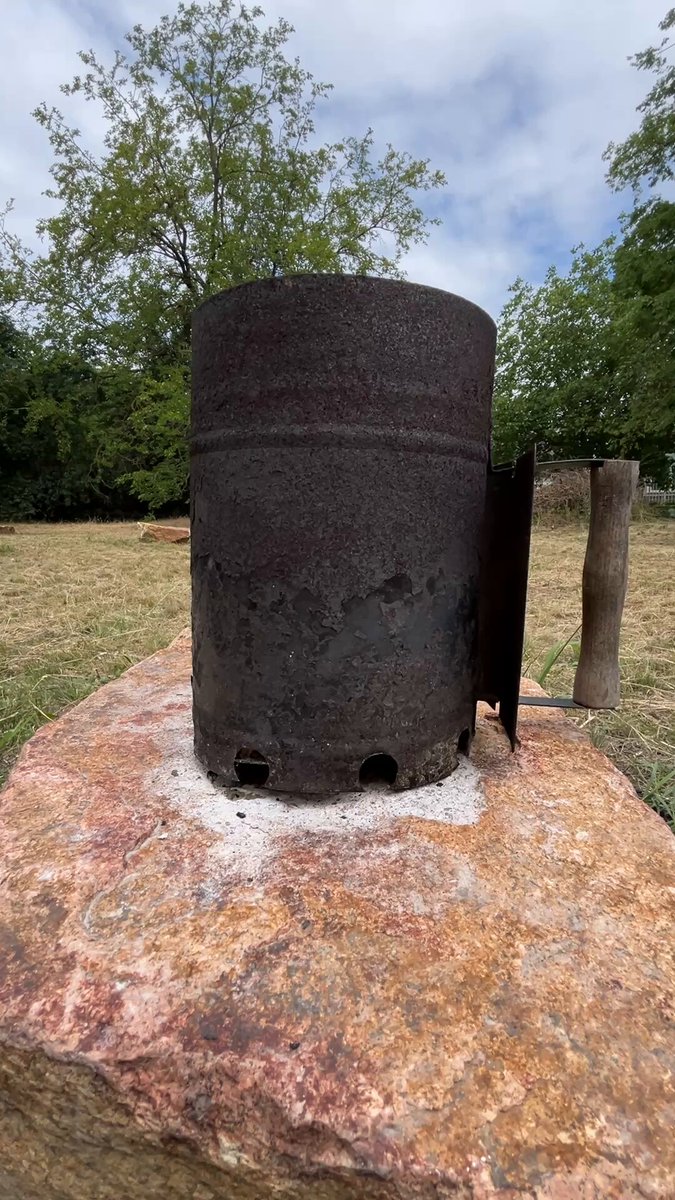
Even idiots can see the granite rock is bubbling not because of the heat, which is low (around 200 C, kitchen temp) but because of the “secret” chemistry I revealed a dozen times already.
The blue pigment starting to show up at the rim of the charcoal chimney and as the reaction progresses, the whole surface area will become blue.
1
1
11
551
May 29
Nothing serious. Just a few “precision carved”, I mean cast arificial limestone blocks in my backyard.
I have just found them.
Who created them? I have no clue! 🤣
12
2
88
2,830
May 27
WFT is this? 😮
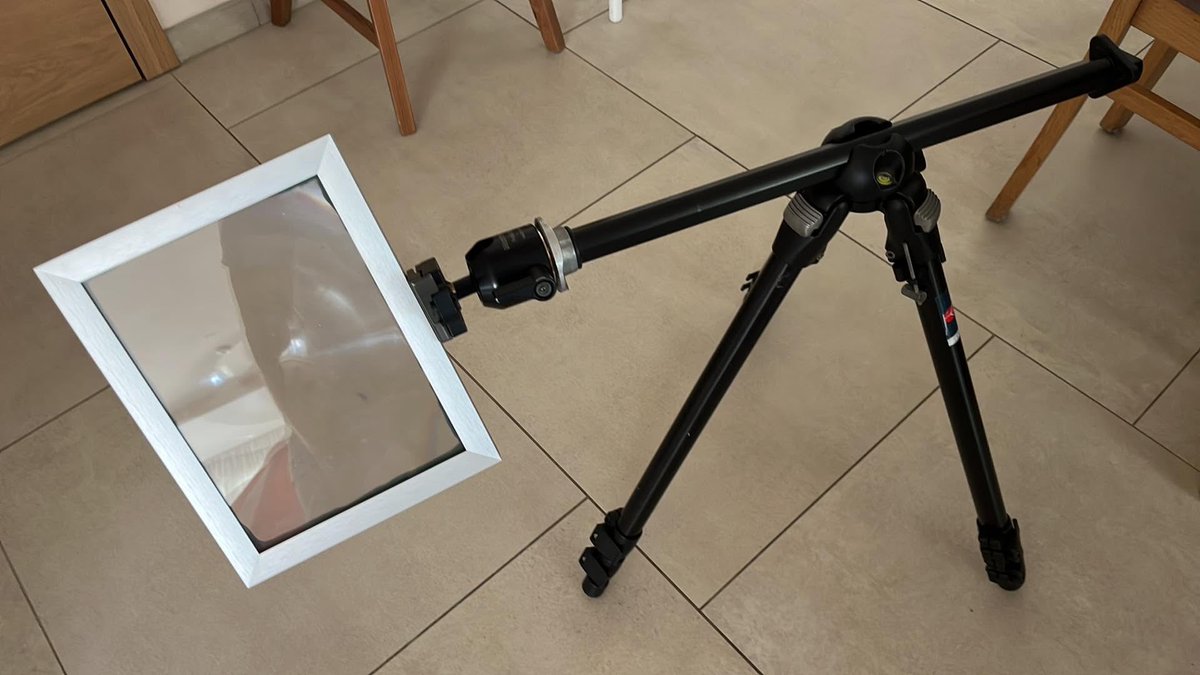
This is my brand new, not-so-ancient-tech Fresnel lens Manfrotto stand 🤣
Let’s buuuurn eeeeeverything!
Fireeeee 🔥🔥🔥
9
70
3,531
May 27
This is for naysayers: yes, I’m a chatbot only, but you know, physics is physics and that piece of wood ignited IMMEDIATELY!
Now you can analyze my 6th finger 🤣 (naysayers are idiots)
5
57
2,506
May 27
Tested it out. It ignites a piece of wood instantly, but it doesn’t heat the stone surface enough—or more accurately, only at a single spot. It boils water at one point. Fresnel lens is too small.
2
12
738