
Research, collections, and scholarly events from the Folger Shakespeare Library.
Joined January 2011
- Tweets 6,381
- Following 144
- Followers 8,563
- Likes 1,602
1,679 Photos and videos





28 Jun 2024
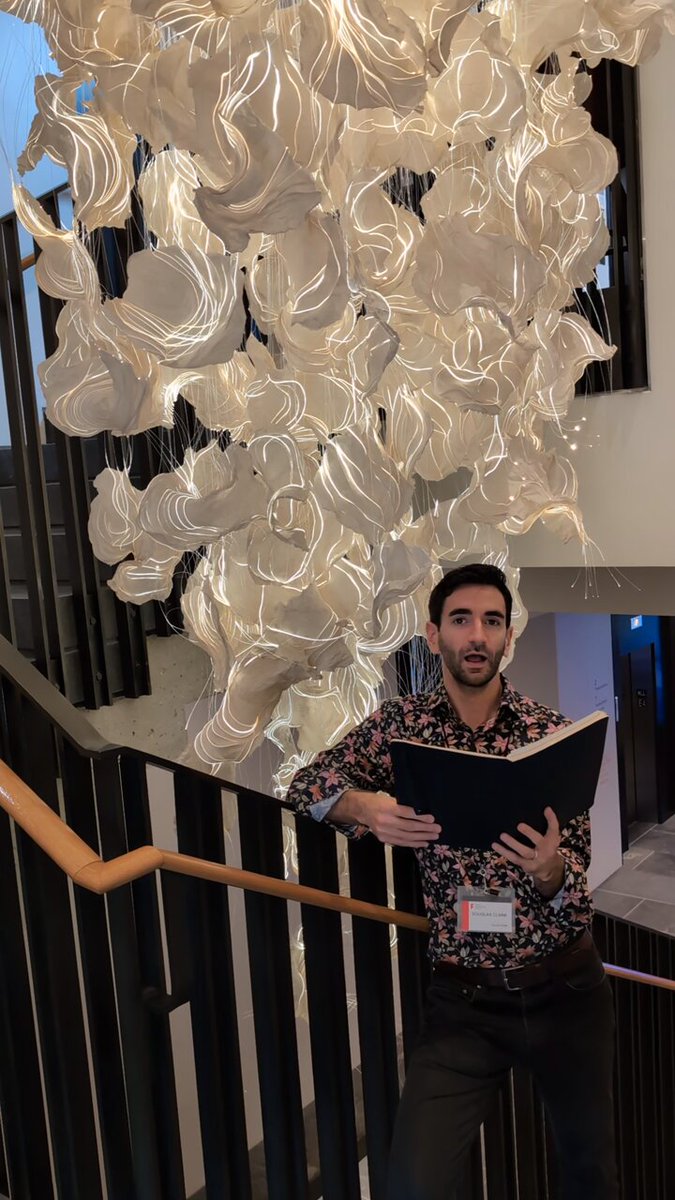
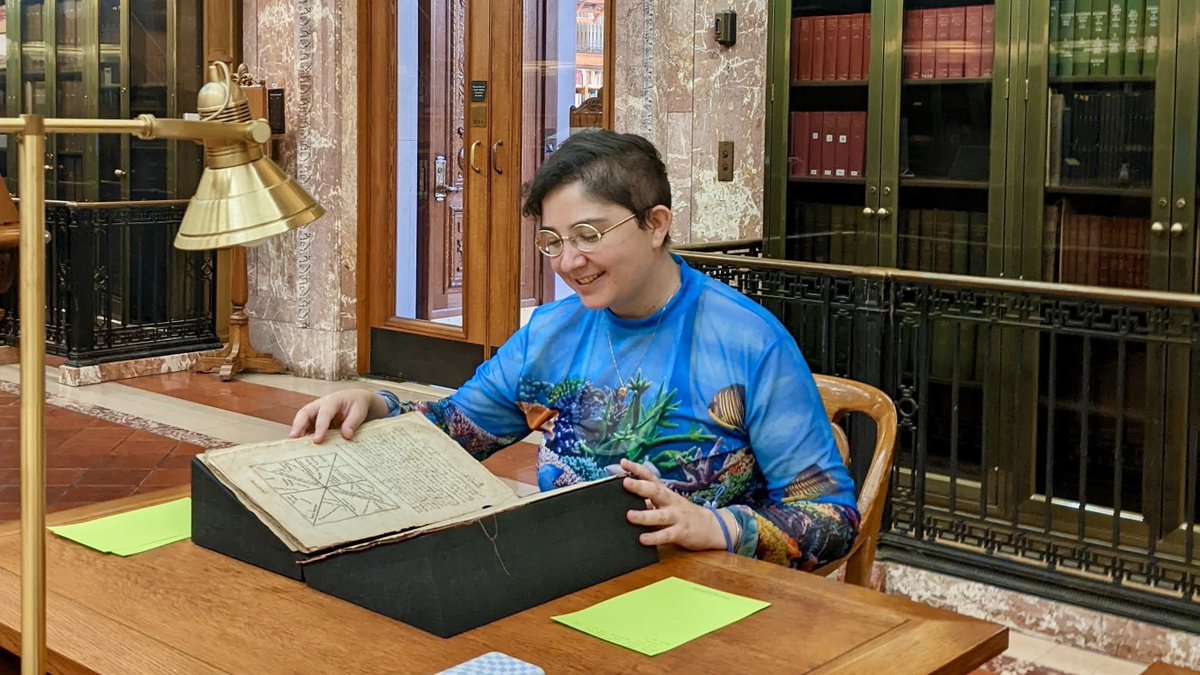
#FolgerFellow Douglas Clark (@disfordiscourse) is documenting the wealth of 16th & 17th c. English literary #manuscripts whose contents have not yet been explored in detail.
1
11
856
28 Jun 2024
Clark’s project aims to record, analyze, and share the poetic material by both recognized and unknown or anonymous writers in these texts. #FellowsFriday #poetry #poets
1
4
569
28 Jun 2024
A few weeks ago, Clark recorded a reading of one of these short #earlymodern poems from our collection @FolgerLibrary!
1
5
527
14 Jun 2024
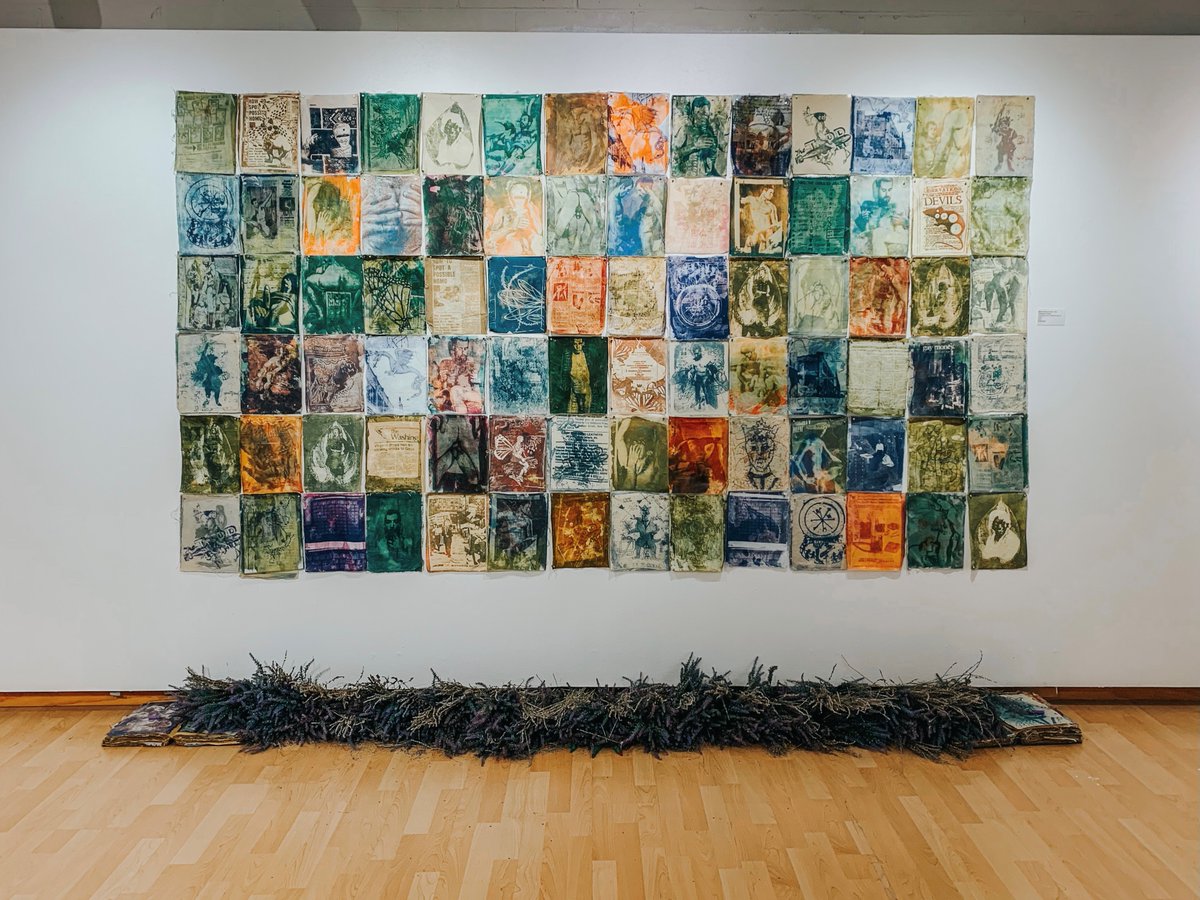
#FolgerFellow Vanessa Corredera’s (@vicorredera) in-progress 2nd monograph examines Shakespearean adaptations, appropriations, and performances created by Black Indigenous People of Color.
1
3
29
4,717
14 Jun 2024
She interrogates their usage of the canon, a longstanding tool of harm, to confront and redress the legacies and painful impact of domination. #FellowsFriday
1
7
395
7 Jun 2024
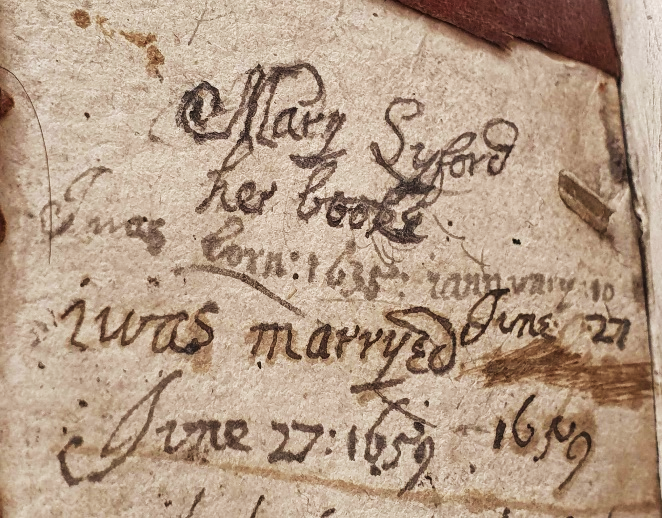
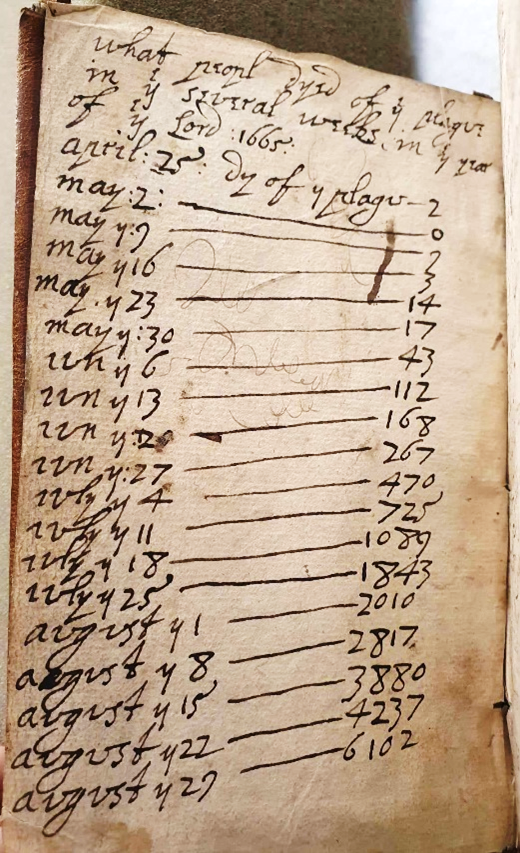
#FolgerFellow Emma Marshall (@earlymodernemma), a historian @YorkHistoryDept, examines recipe books to learn about health/wellbeing, family, emotions, and class. Her recent PhD explored experiences of illness and care in English gentry families, c.1630-1750. #FellowsFriday
2
12
83
3,459
Folger Research retweeted

Looking forward to talking (online) about my new book Female Servants in Early Modern England with @TheNACBS in conversation with Prof Julie Hardwick @DrJulieHardwick and Prof Steve Hindle. Join us! Sign up below👇
📆 Thurs 30 May
⏰9am PT/noon EDT/5pm BST
nacbs.org/event-details/fema…
1
25
55
10,226
20 May 2024
Congratulations to one of our 2023-24 #FolgerInstitute Fellows!

Female Servants in Early Modern England is out now! And it’s open access! Order here or download for free👇
global.oup.com/academic/prod…
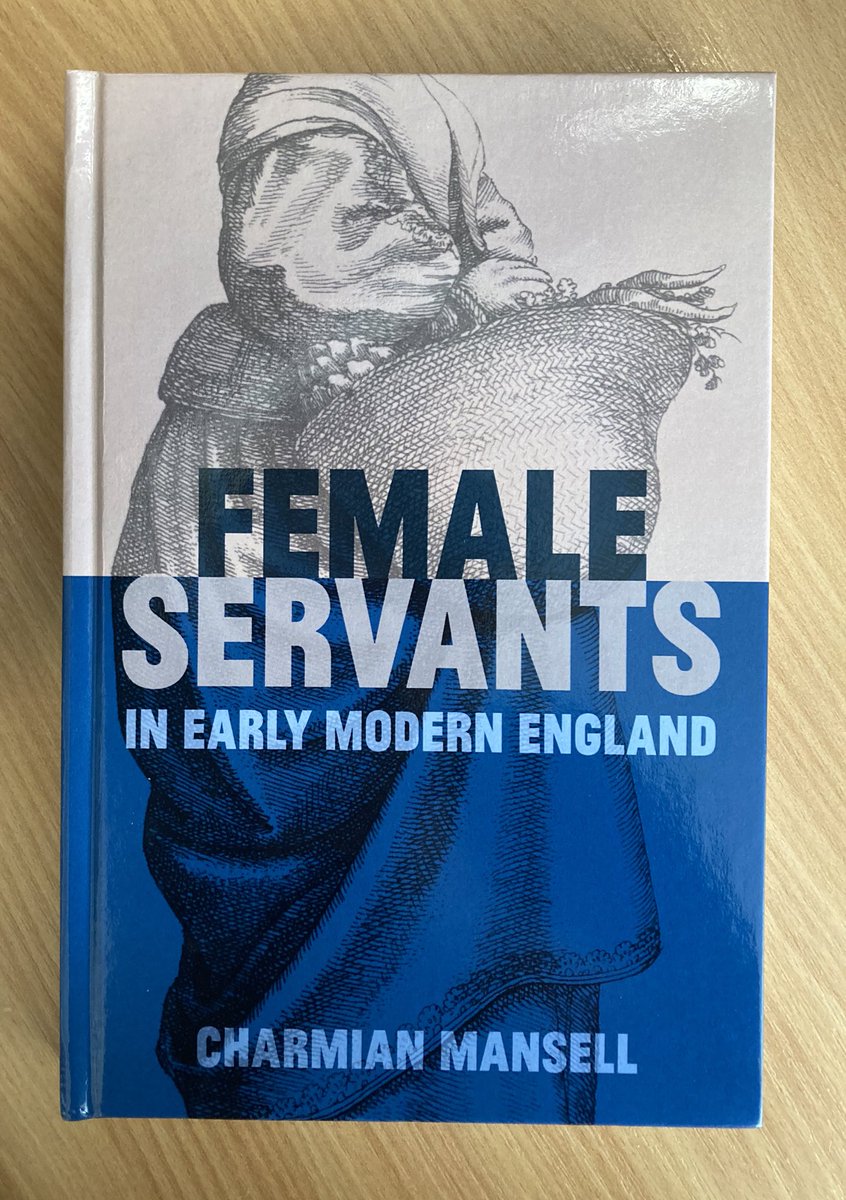
ALT Book image (Female Servants in Early Modern England)
3
586
29 Apr 2024
Tune in on Zoom or @librarycongress on May 2 for a talk by current #FolgerFellow Lauren Beck-- "Extractive Place Naming Practices in Early Modern North America." Registration and more info: bit.ly/3wcxZ1k
491
Folger Research retweeted
18 Apr 2024
Join us in person or live on YouTube on April 27 @FolgerLibrary for the annual #Shakespeare's Birthday Lecture! #FolgerInstitute Director Patricia Akhimie (@pakhimie) will present "The Goodness of the Night: Editing 'Othello.'" Learn more bit.ly/3Jpcopt
8
7
1,998
19 Apr 2024
By the late 17th c. enslaved people outnumbered English at most tropical sites in the E & W Indies. For this #FellowsFriday Justin Roberts (@KUHitsoryDept) uses a new geographical framework- the tropical empire- to explore the role of slavery in expanding the early British empire
5
600
12 Apr 2024
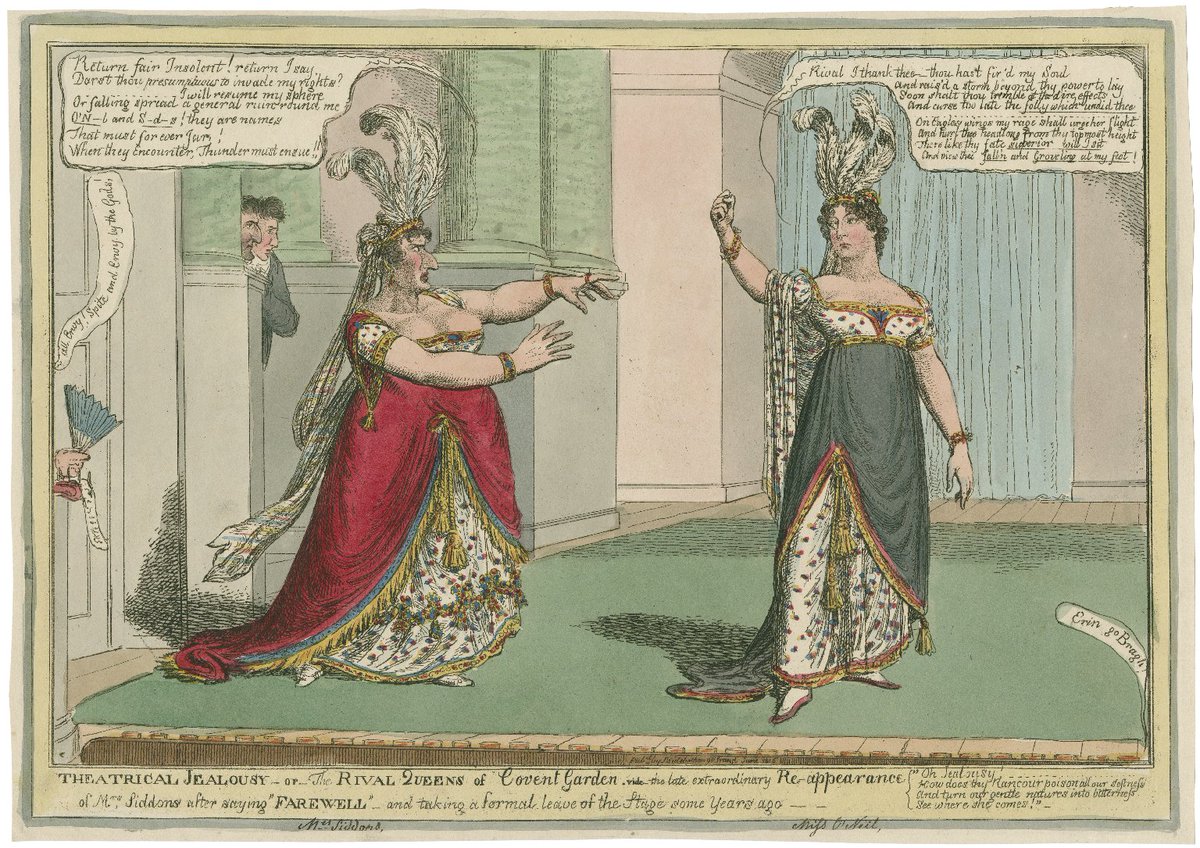
#FolgerInstitute fellow @CoraCJames explores 18thcentury theatre’s expansion from a tightly controlled duopoly to a nationally enjoyed pastime #FellowsFriday
1
16
1,051
12 Apr 2024
In her project “Training and Trading” Dr. James considers how the extensive network of migratory professionals that fueled the British and Irish stages, as well as the dynastic stage families, oversaw this change.
1
3
281
12 Apr 2024
Charles Williams, 'Theatrical Jealousy; or, the rival queens of Covent Garden', 1816 (London: J. Sidebotham) luna.folger.edu/luna/servlet…
236
5 Apr 2024
In 1682 the ambassadors of the Sultan of Bantam, Java, to London, England, attended a performance of the operatic “Tempest.” #FellowsFriday
1
1
446
5 Apr 2024
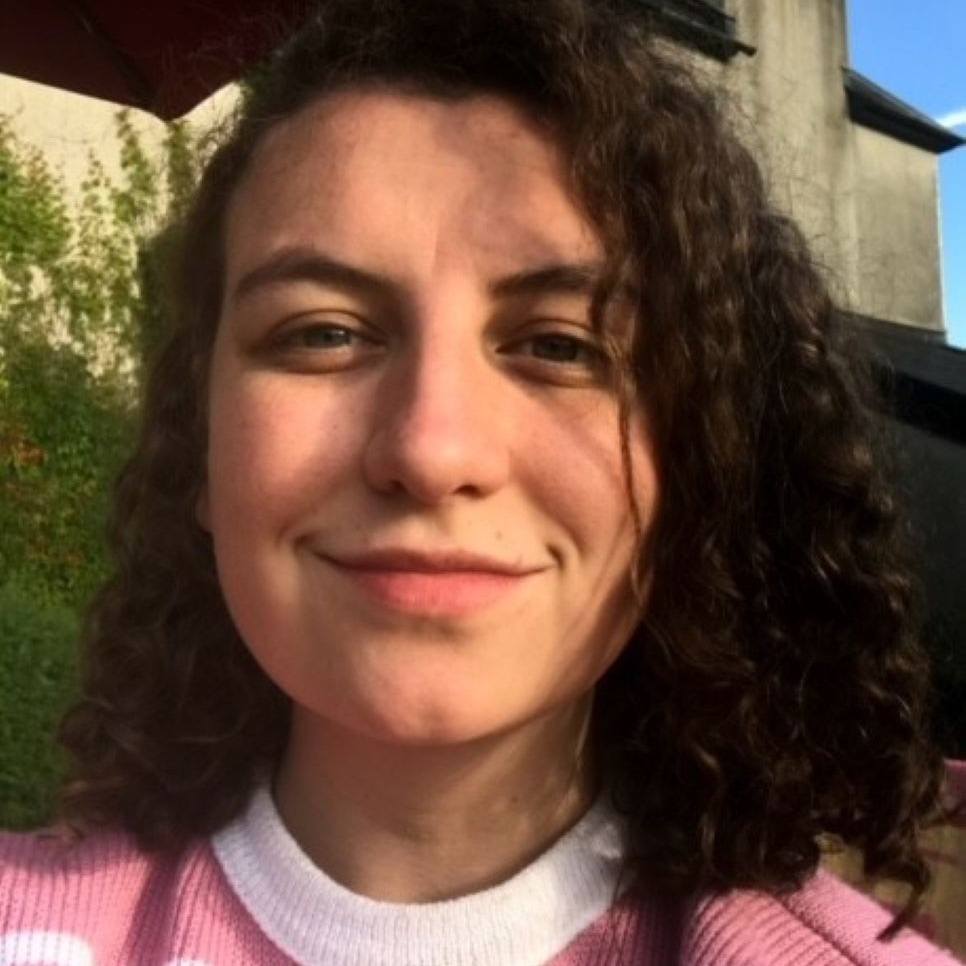
Long-term #FolgerFellow Su Fang Ng (@VTenglish), in her project “Brokering with Caliban,” examines how East India Company trade diplomacy shaped dramatic representation of English relations with the East Indies.
ALT Su Fang Ng
1
2
251
5 Apr 2024
@FolgerLibrary, Dr. Ng will consider representations such as Ben Jonson’s allusion to Bantam and John Dryden’s play set in Amboyna, Indonesia.
1
219
15 Mar 2024
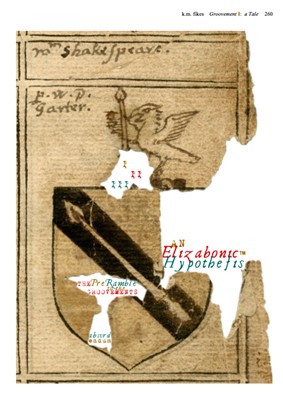
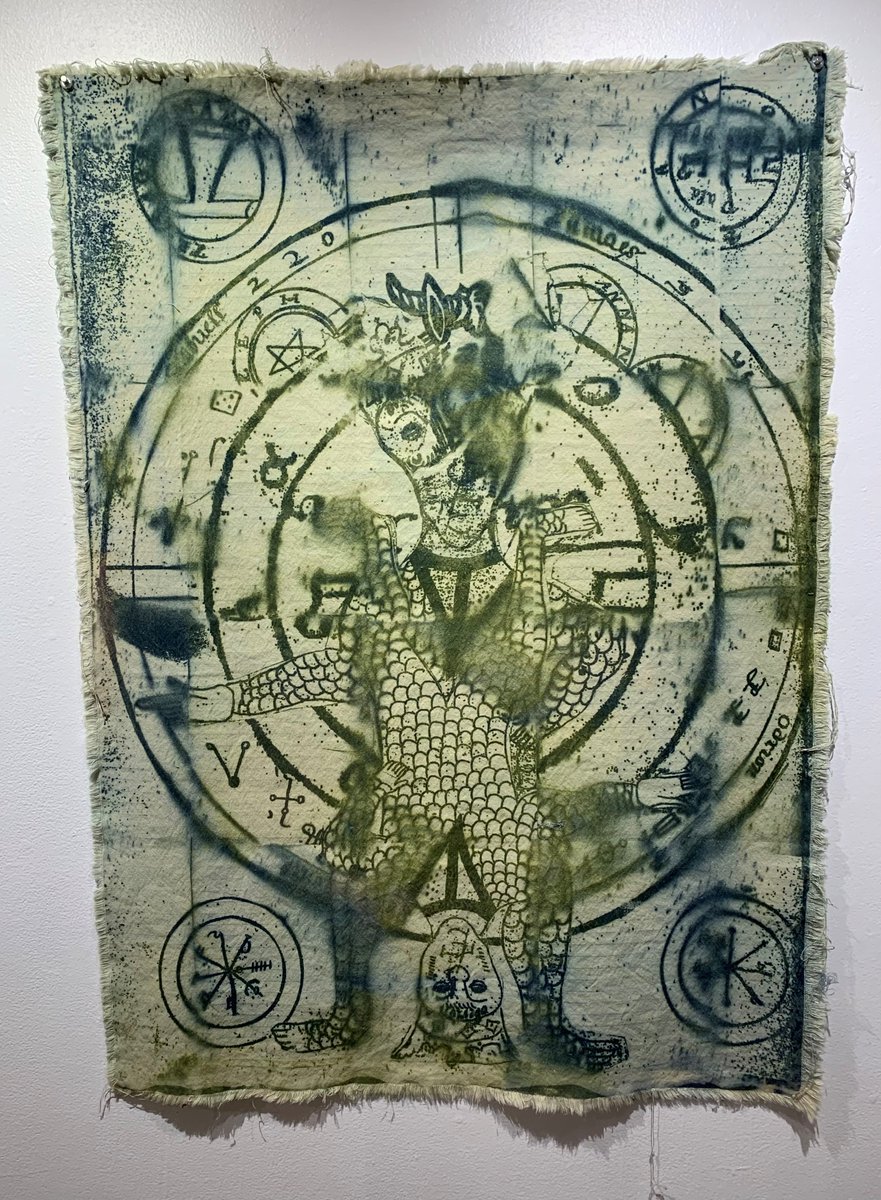
What is Elizabonics? Fellow KM Fikes (@H2Omeoncholy) is creating a phantom dialect for her project “A Moft High Cotton Epic Poem In III Groovements Or A Moft High Cotton Trilogy (An Elizabonic Hypothefis)” #FellowsFriday
1
2
630
15 Mar 2024
This project will upon an otherwise sovereign tongue, interchangeably utter American Ebonics & Elizabethan English, to constructively challenge our notions of 'correct' speech. Learn more: kmfikes.wixsite.com/-kmf
2
279