internist - primary care - assistant professor | - (Salary 233k RVU bonus) - no other COI

Joined June 2009
83 Photos and videos
Pinned Tweet
Living thread of lessons learned after attempting primary care academic medicine since 2013--🧵
3
5
20
The fact he took the time to read what I wrote is one of my proudest moments. RIP
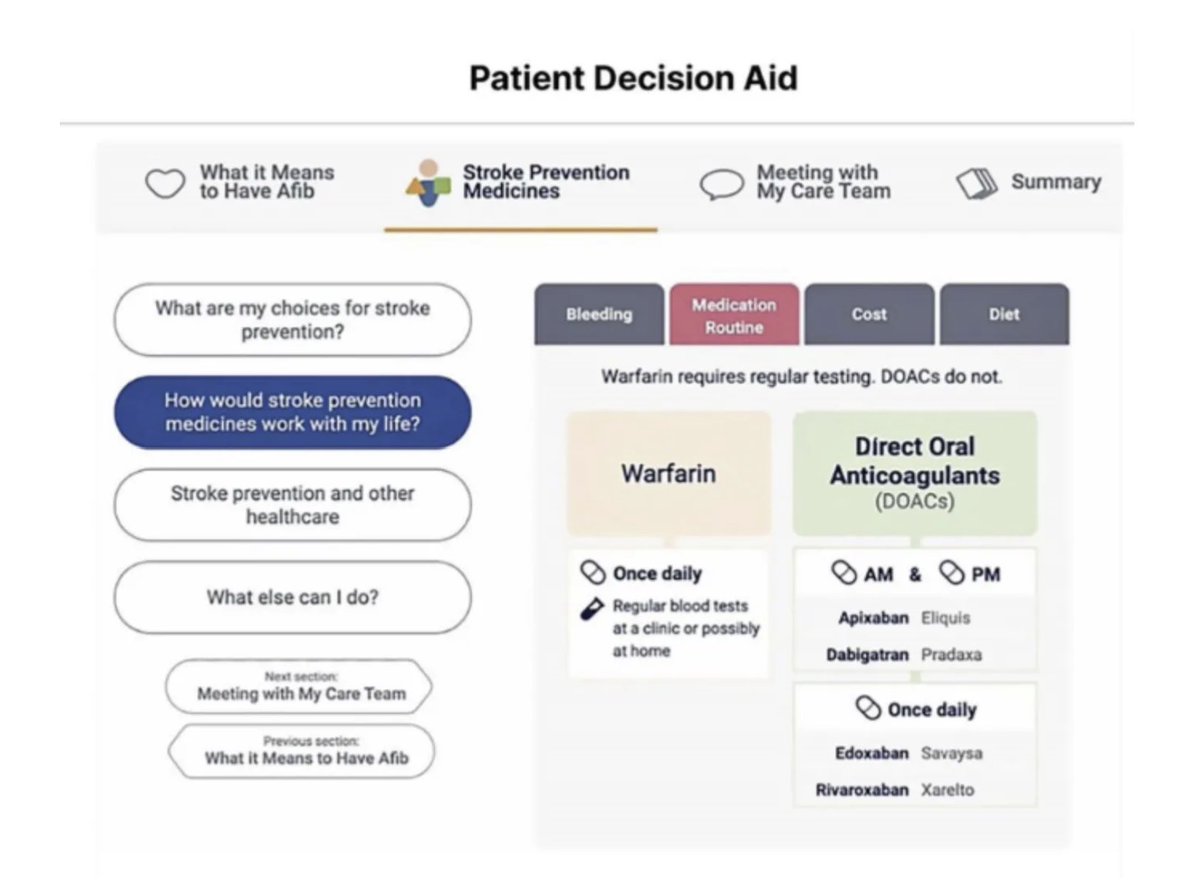
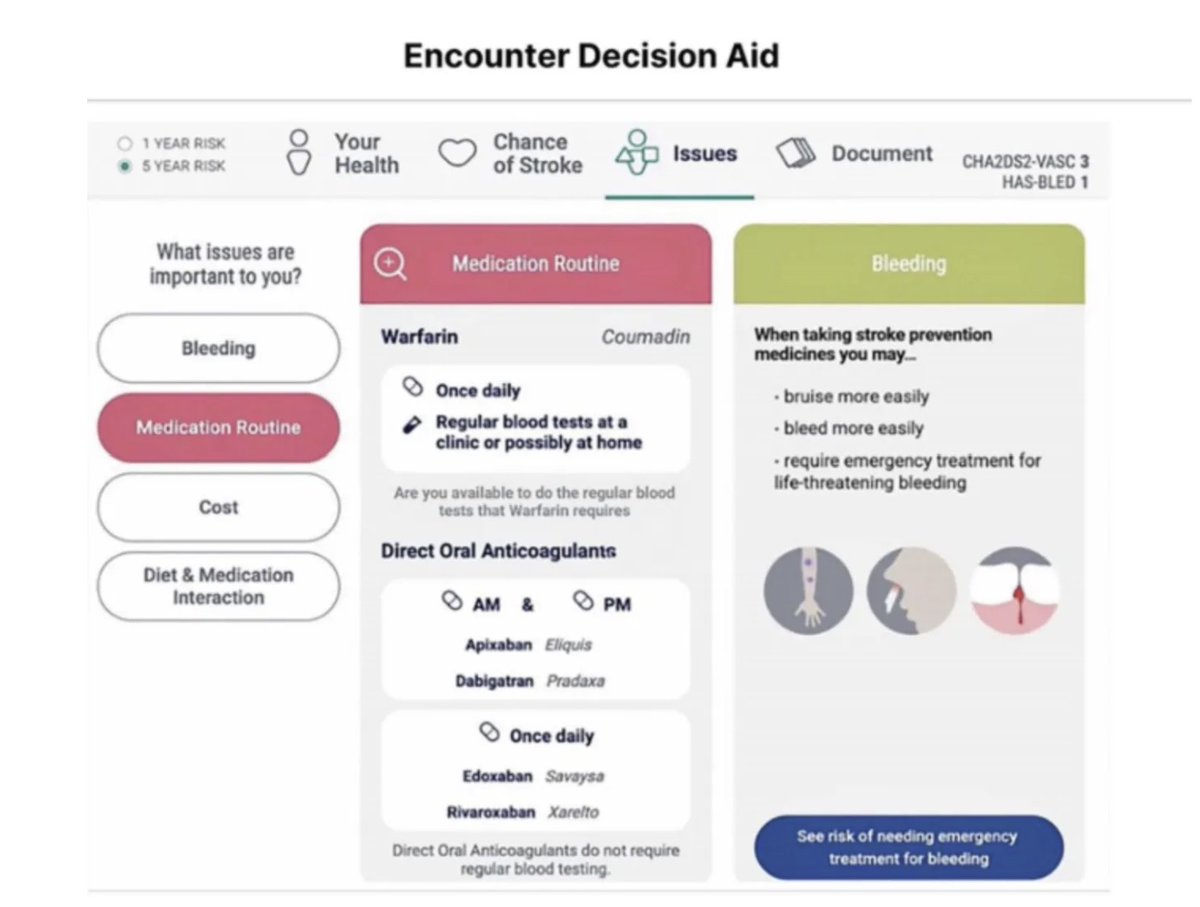
This truly nails it. Shared decision making is a mirage without shared understanding and a relational context. I gave up believing it possible until the arrival of generative AI. The BMJ triadic care Analysis articles explain how it might be achievable. @crblease
36
ā€œNot caring about their healthā€ is such a superficial understanding of how complex we all are, not to mention a system stacked against them.
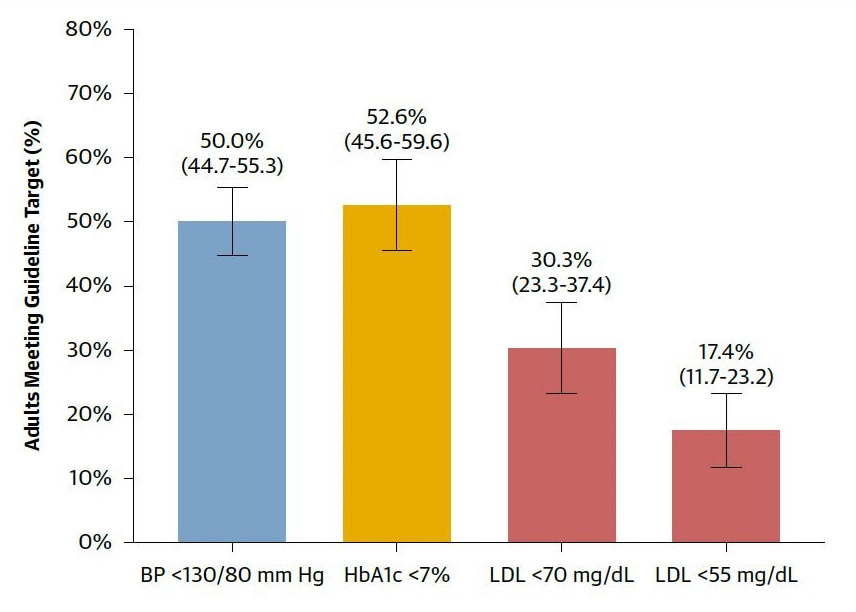
This is a poignant reminder about patient motivation. Even *a literal heart attack* is not enough to get most patients to care about their health, and these aren't particularly hard targets to reach! I bet if this chart added obesity, it would look even worse.
27
Living thread of lessons learned after attempting primary care academic medicine since 2013--🧵
3
5
20
ā€A jack of all trades is a master of none, but oftentimes better than a master of one."
1
38
ā€œThe best medicine is the one they will takeā€ā€”a phrase that runs counter to shared decision making.
11
Caspian Kuma Folmsbee MD retweeted
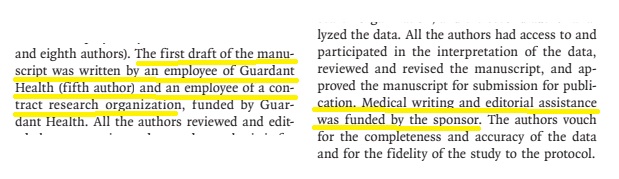
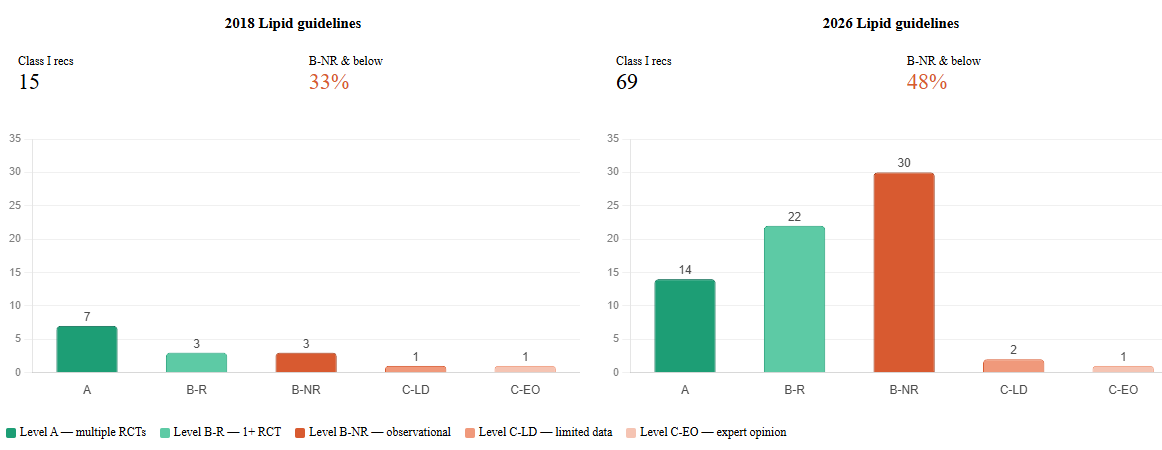
2018 vs 2026 Lipid guidelines compared. The visually striking thing is the number of recommendations made in 2026 vs. 2018 : more than 4x as many recommendations, and observational-evidence recommendations replaced RCTs as the foundation. The COI story is interesting🧵
2
17
77
39,463
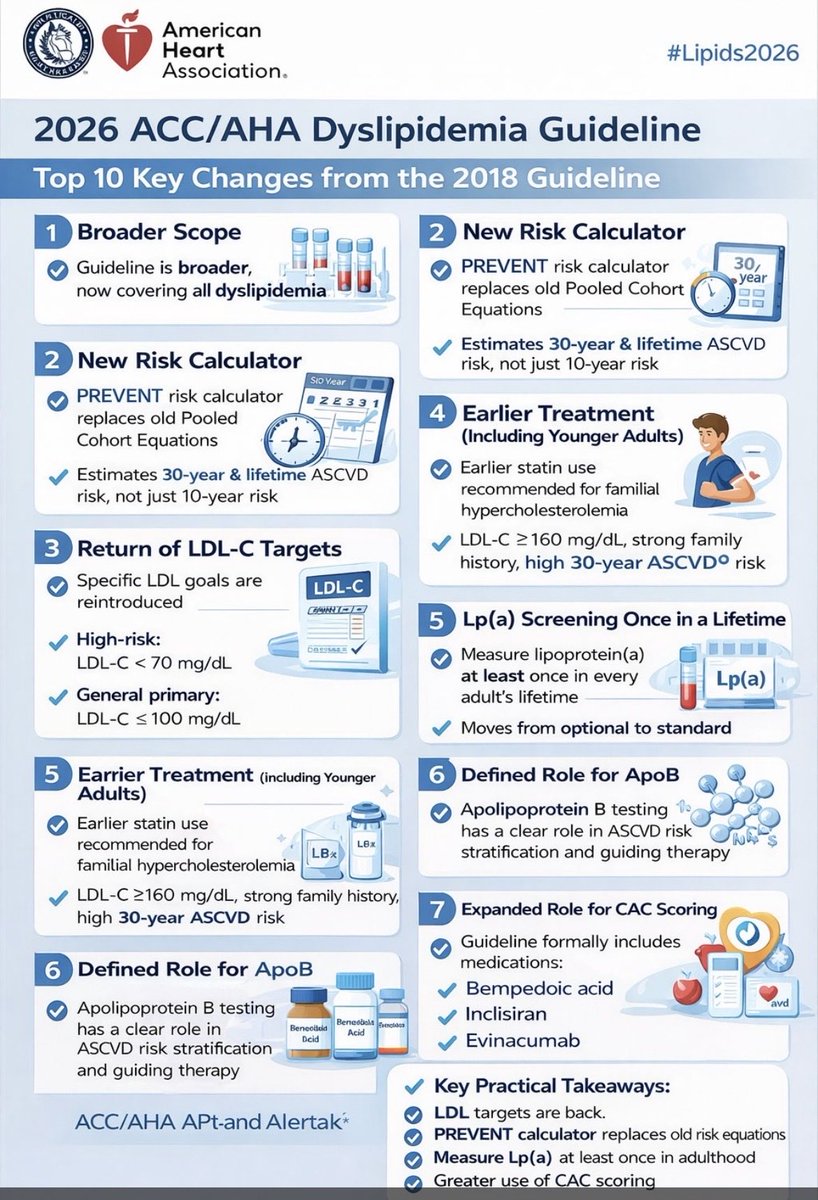
AI is making us worse. Repeated bullet points. CAC point talks about meds? Do we even care what we share anymore?
Great summary by ACC/AHA/Multisociety Dyslipidemia/Prevention GL ā€˜26
95
More nuanced and low value. Perfect for AI.
I genuinely disagree with this. More and more nuanced management flow charts mean that we are getting closer and closer to the ideals of precision medicine: matching the right patient to the right treatment. It means our understanding of disease and risk mitigation is getting more nuanced. (Caveats here about evidence tiers for some recommendations.) Is it a pain? Sure. But that's the job.
68
Publishing Class I recommendations while studies are still incomplete threatens recruitment of those studies and seeds distrust
It’s going to be very embarrassing to have to downgrade the recommendations after Corcal and ROBINSCA.
1
54
Why does everyone assume brainstorming with an LLM is helpful? Wouldn’t it just feed you other people’s ideas and limit your own creativity?
27
Caspian Kuma Folmsbee MD retweeted
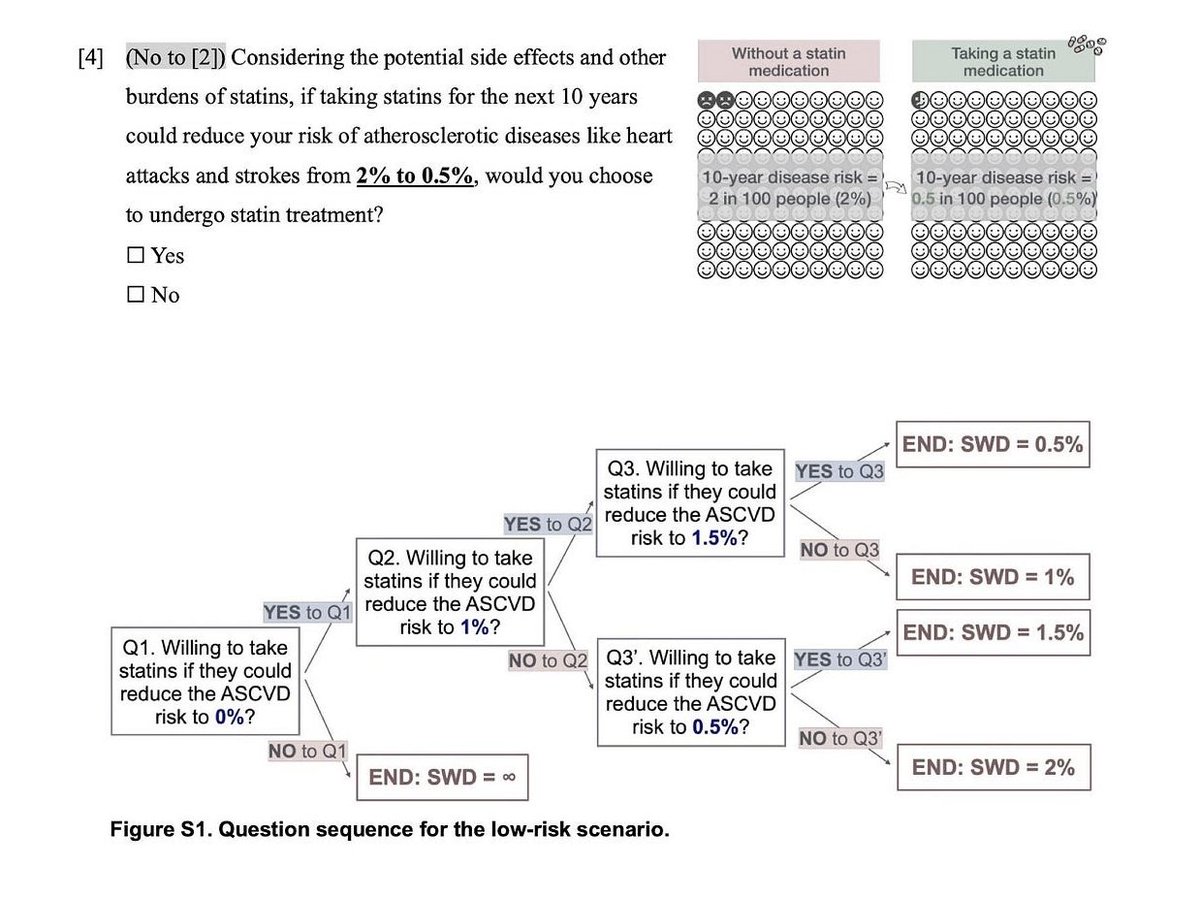
To statin or not to statin unrelentingebm.substack.com/… via @KumaFolmsbee
1
6
9
1,011
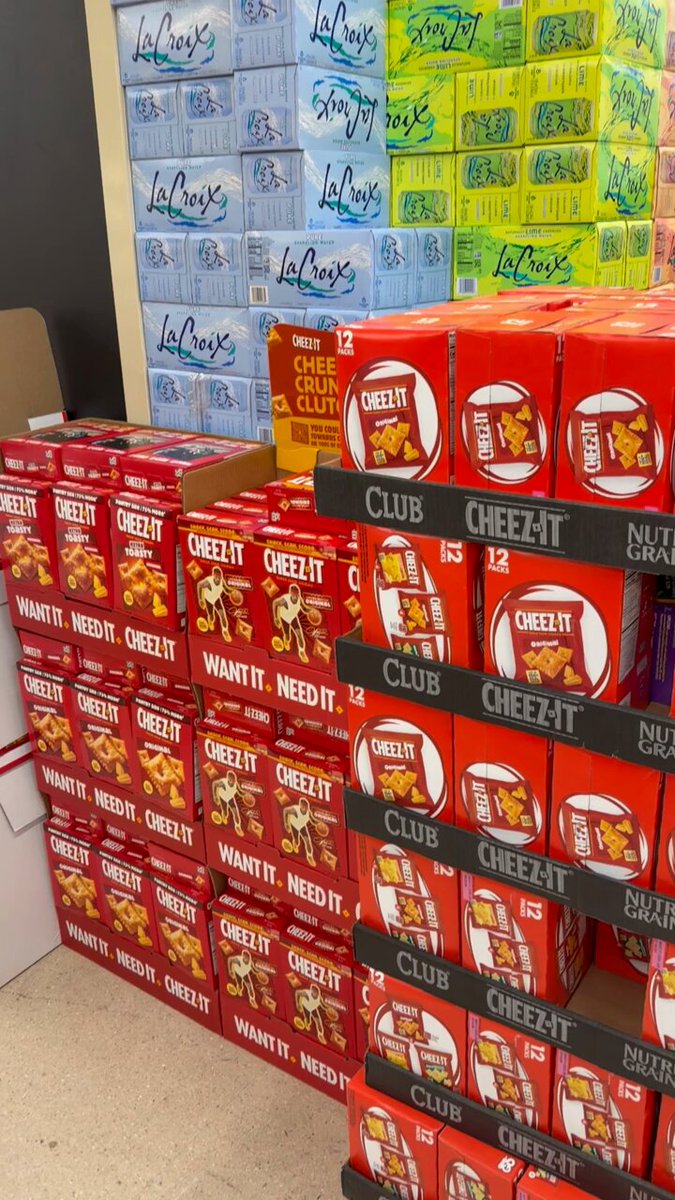
The end caps of my local grocery store. We are cooked.
25
How about restricting its use to primary care only…
54
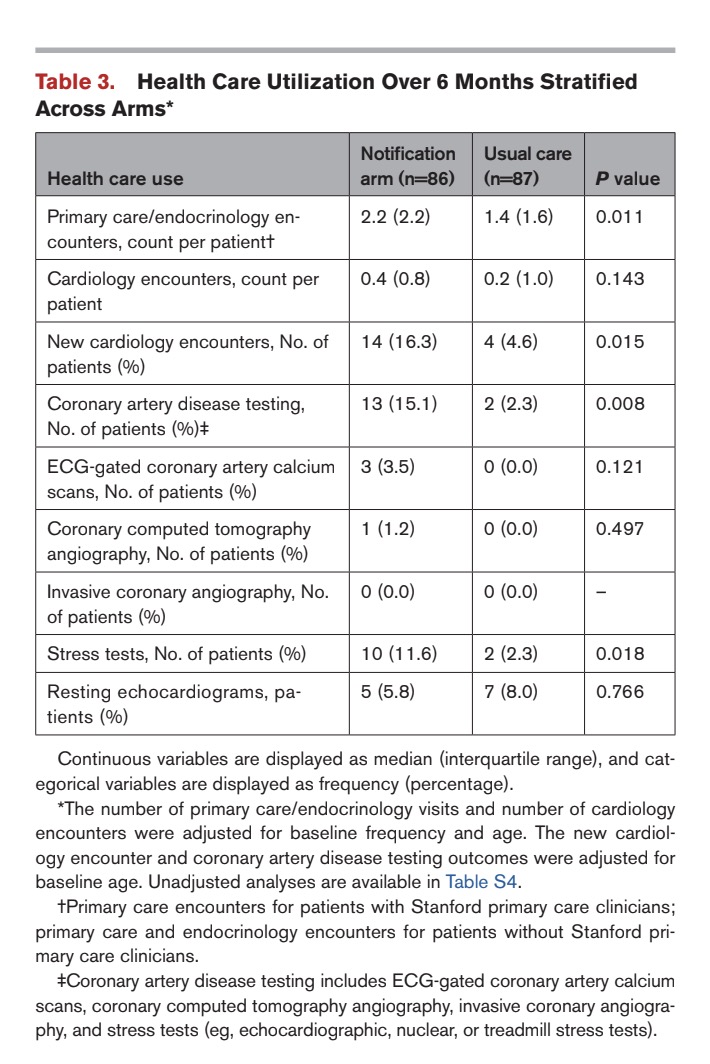
Took a deeper dive into LIBERATE-D after listening to your episode. Less practice changing and more guideline nudging? @adamcifu @drjohnm open.substack.com/pub/unrele…

1
68
Is #NEPHJC going to cover LIBERATE-D? Or do you think we already know the answer (less is more). @kidney_boy @hswapnil open.substack.com/pub/unrele…

1
2
1,465
Caspian Kuma Folmsbee MD retweeted
Jan 31
4
13
3,377
Replying to @drjohnm
@drjohnm Appreciated your thoughts on SURPASS-CVOT - I dug around re: inferiority vs superiority. The decision to do it was based on FDA rule that DM drugs NOT have 30% increase in CV events, so bar is set nonsensically low. So I blame the design on rigid overregulation.
1
1
56
The TL:DR of SURPASS-CDOT Trial— Medicaid is right to only cover Dulaglutide
1
1
44
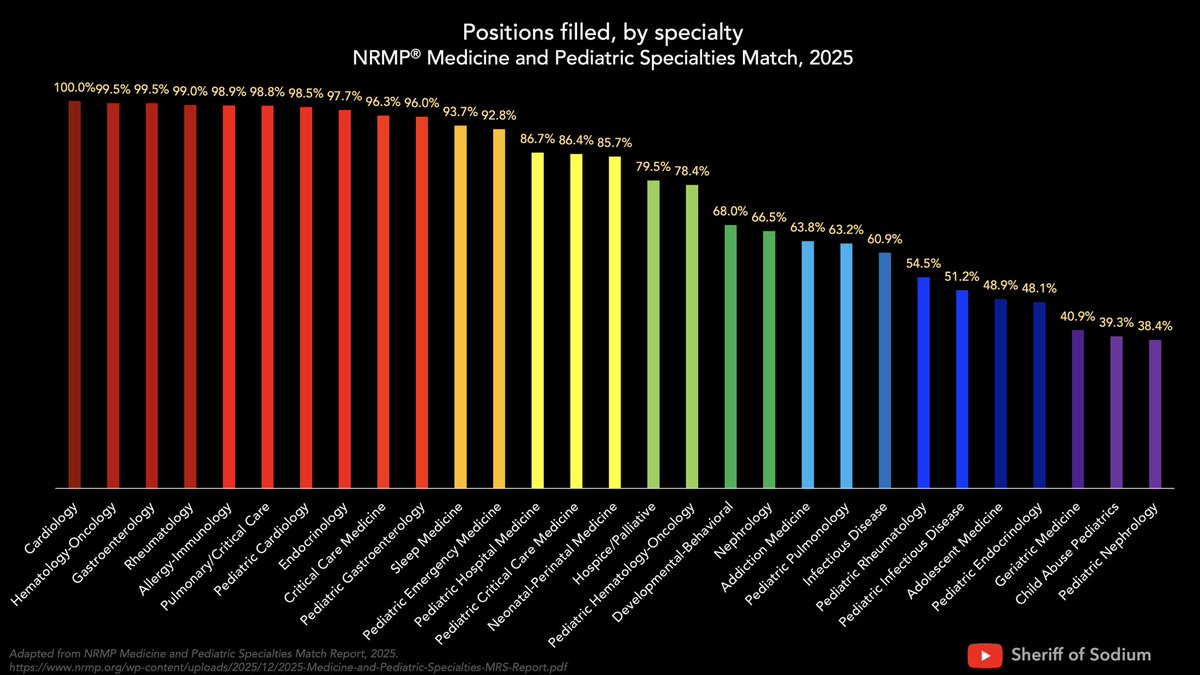
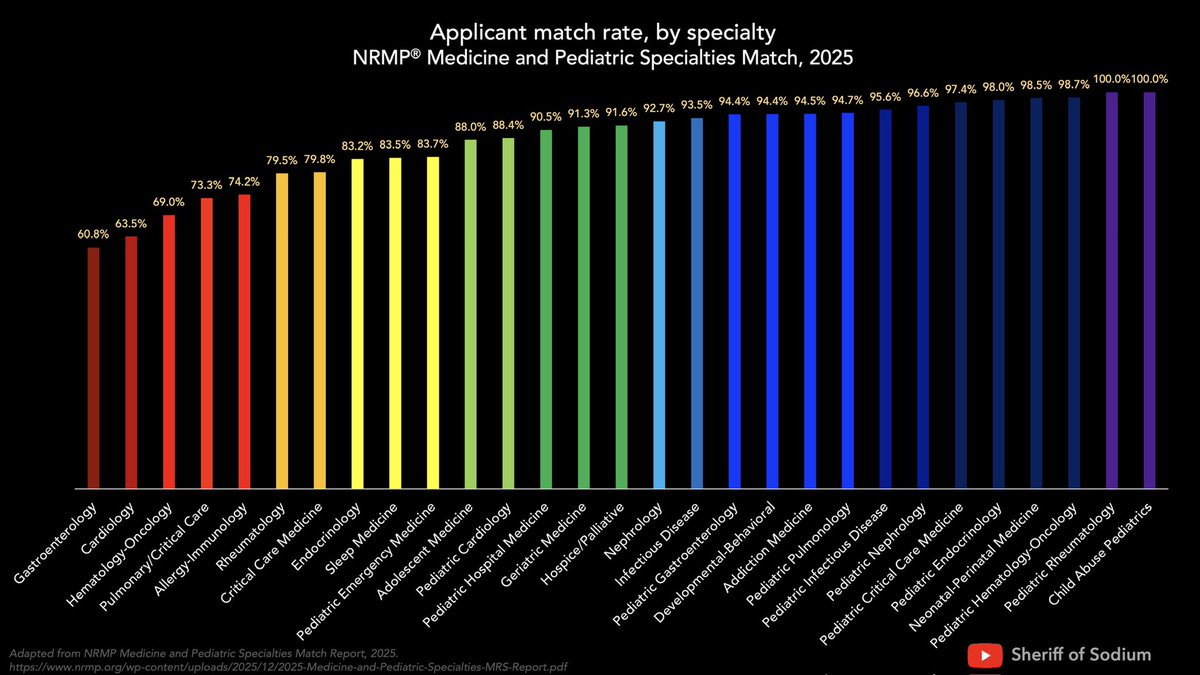
Sad. those poor unmatched residents will have to consider such lowly jobs as primary care.
Positions filled and match rates for the 2025 NRMP Medicine and Pediatric Specialties Fellowship Match
2
132
Agree about poor sens and spec but improving it requires dedicated independent feedback which is not done nor practical. Also, HPI >>> PE, especially with continuity care.
If the physical exam were a lab or image test, we’d never order it. Not sensitive or specific enough. Yet there are those that hold onto these quaint ideas about the exam. And I do an exam. Focused. I won’t be counting moles or look at your pubic hair distribution. But. For the exam to improve sensitivity and specificity you need clinical experience and expertise. Variables we all know exist but people don’t want to talk much about here because it seriously changes the calculus on predictability and magnitude of effect. We like things neater and tidier. Medicine also generally abhors intuition or admitting that those with good intuition have a style that should be developed and nurtured. The best clinicians are either HIGHLY intuitive (rare) or they have all the details and data points memorized (uncommon). I don’t have any problems with the detail memorizers. I understand how and why they exist. But they seem to despise my style of intuitive approach because they can never understand it. I can tell a lot about you from the door when you show up in my ICU. And that’s totally fine. It’s not an argument against using an exam. And you often need an exam of some limited capacity. Sometimes more. The skin can tell you a lot. And it’s also probably the trickiest. I’ll never pretend to be Superman skin diagnostician. Maybe the most important reason to do an exam. Especially in clinic. Patients like it. Expect it. Think it means more than it does. Assign a value to it much higher than it deserves because they don’t understand the bigger contexts. And many are not sophisticated enough to understand the nuance discussed here. That just is. It’s not good or bad.
1
106