Professor of Biology @uindy and a spider taxonomist / ecologist specializing in Linyphiidae.

Joined June 2016
513 Photos and videos
Sci-comm at its finest! @sderkarabetian and I just published a systematic study of arachnids in the Magic: The Gathering card game (@wizards_magic). We discuss the evolution of spiders and other arachnids across the multiverse! Check it out: virginianaturalhistorysociet…

4
6
17
2,439
Marc A. Milne retweeted
5 Nov 2024
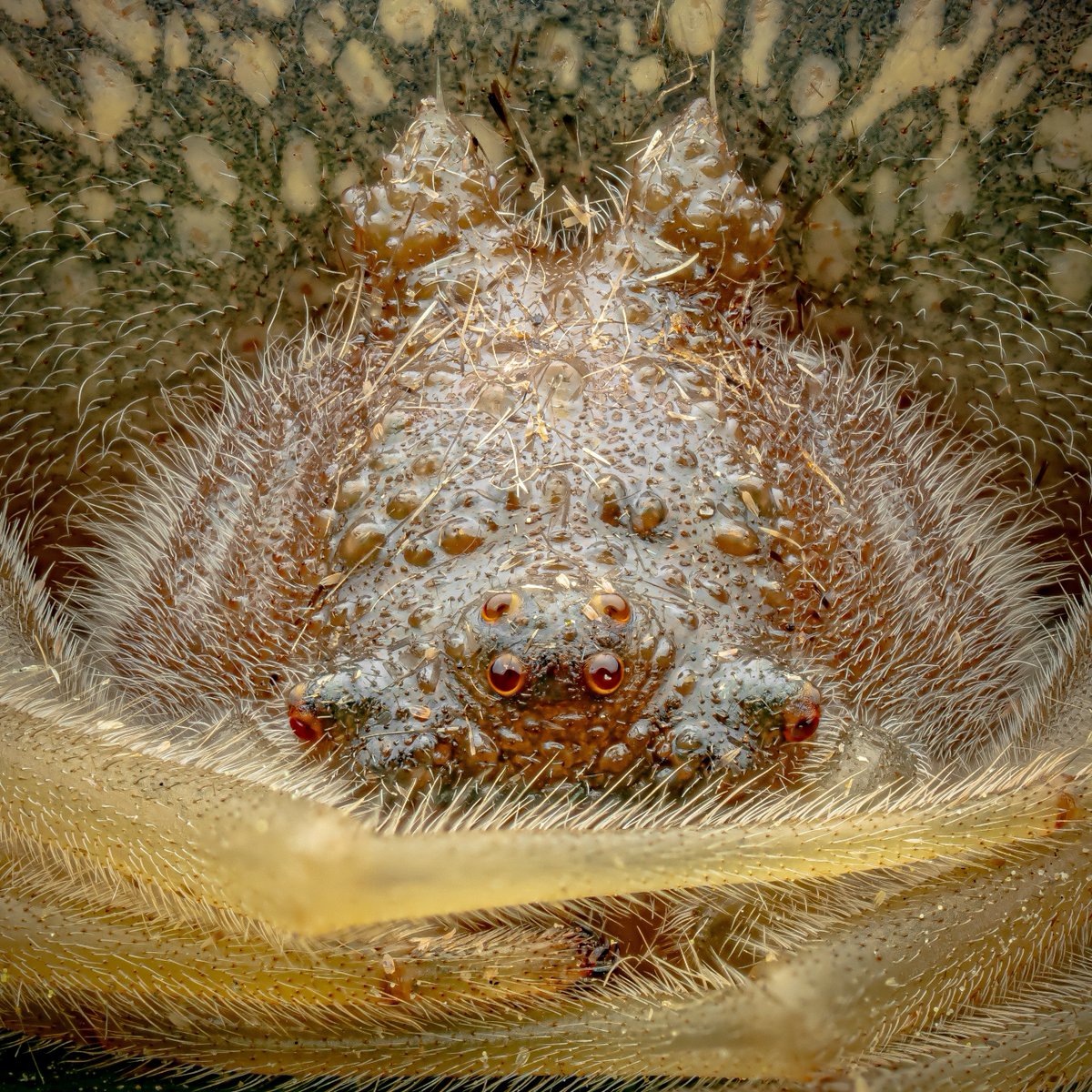
Look 👏 at 👏 her 👏! 😍 That beautiful face belongs to Mastophora stowei, a bolas spider. During the day she’ll curl up and sit on a leaf, which is how I photographed her here. They rely so heavily on their disguise as bird poop (or galls?) that they won’t move even when prodded
8
34
994
I was lucky enough to sit down with @ProtectSpecies at the @IndianapolisZoo to talk about spider conservation for a few minutes. It was a fun time, and I encourage you to give it a listen!
New episode! This week, we talk with Dr. Marc Milne (@ForTheSpiders) about spiders. The web of life is complex, and spiders are a key part! Whether predator or prey, all ecosystems need spiders. Listen to @ProtectSpecies wherever you get your podcasts. 1/
1
6
17
823
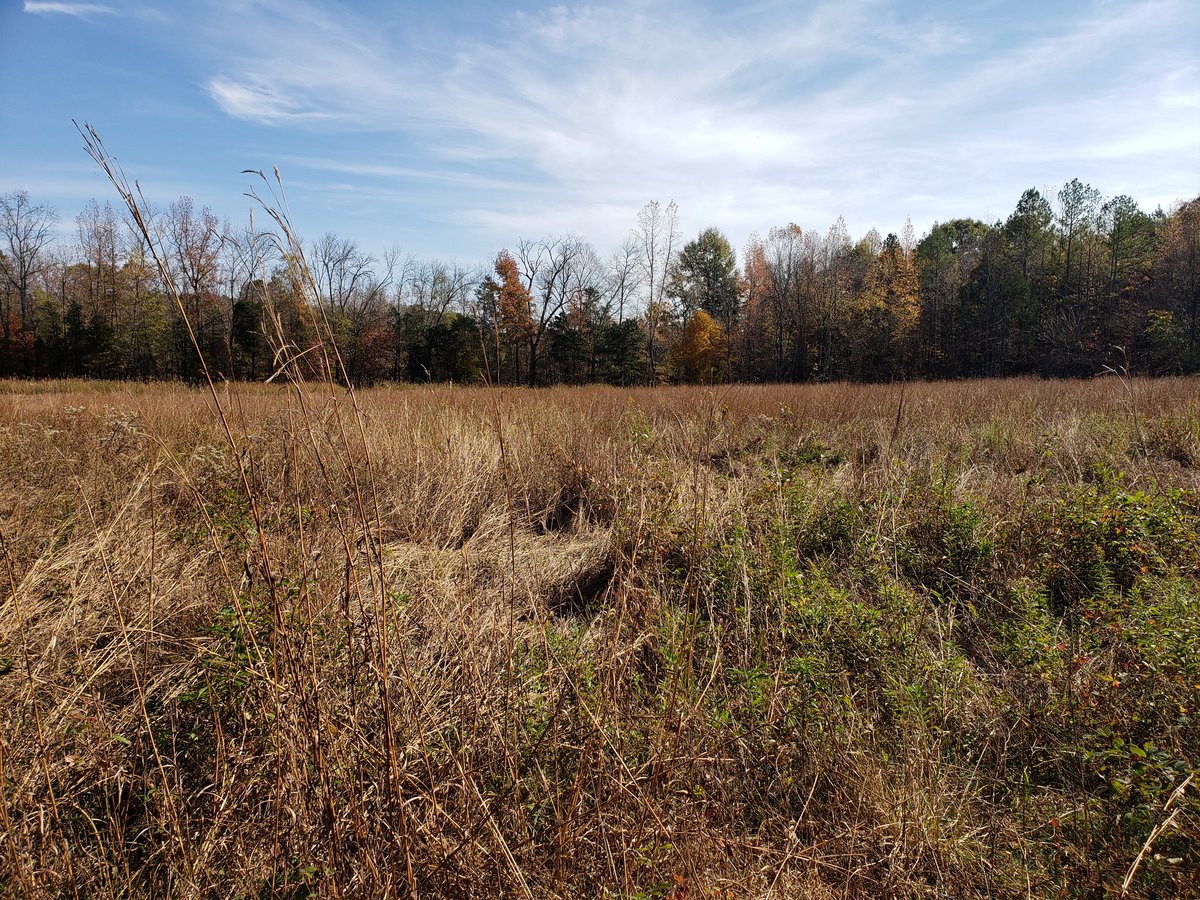
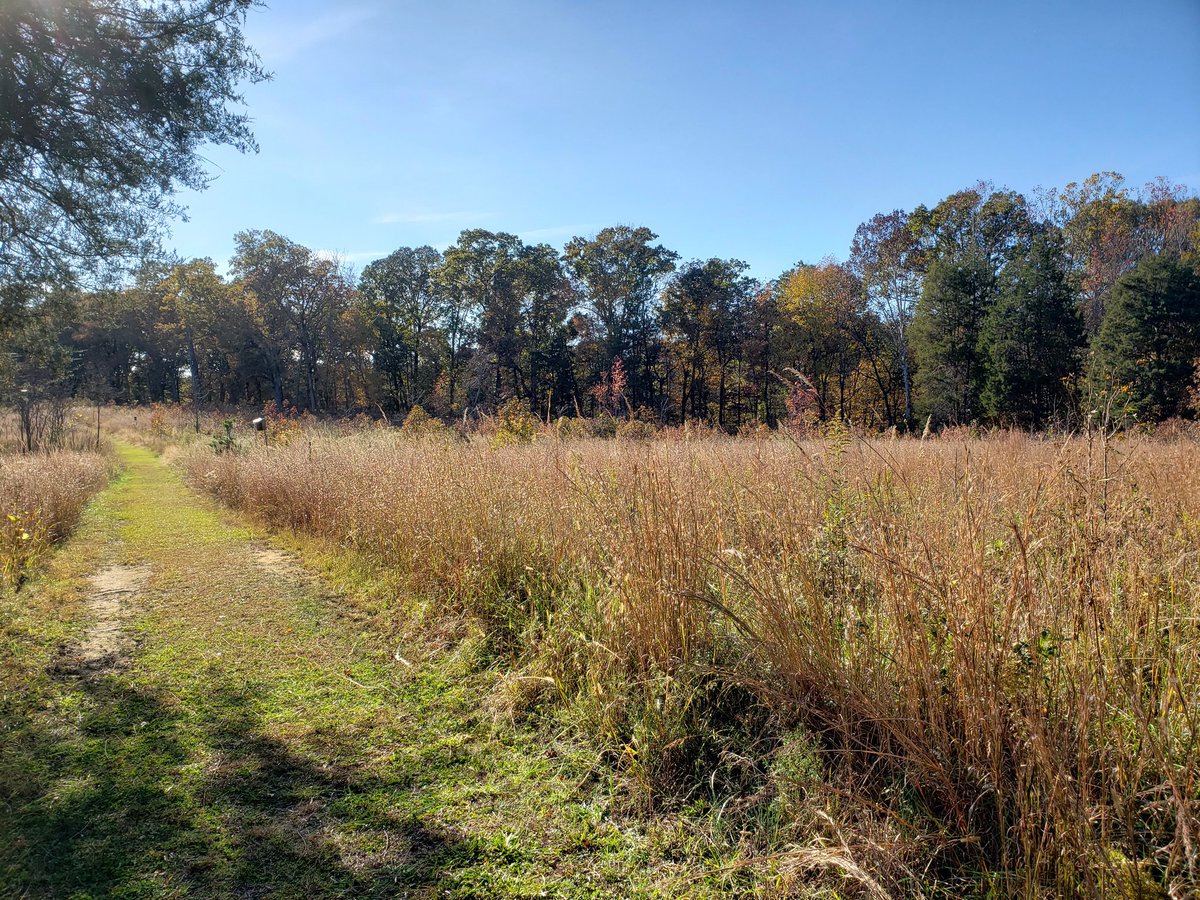
Today I collected spiders at Suther Prairie near Charlotte and then at Penny's Bend NP near Raleigh, NC. Suther is pristine. Never plowed and stayed in one family since the 1700's! Now it's under a conservation easement and is a true North Carolina treasure.
21
806
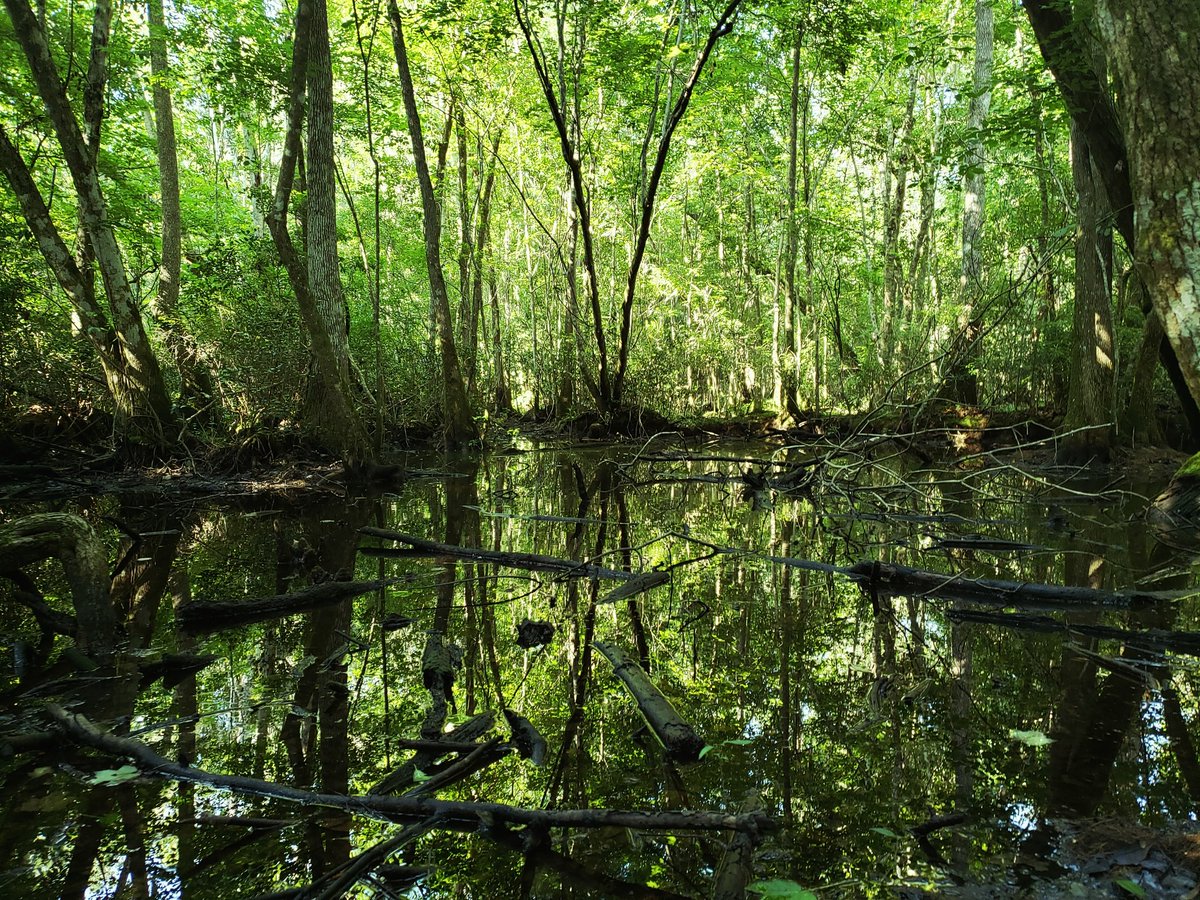
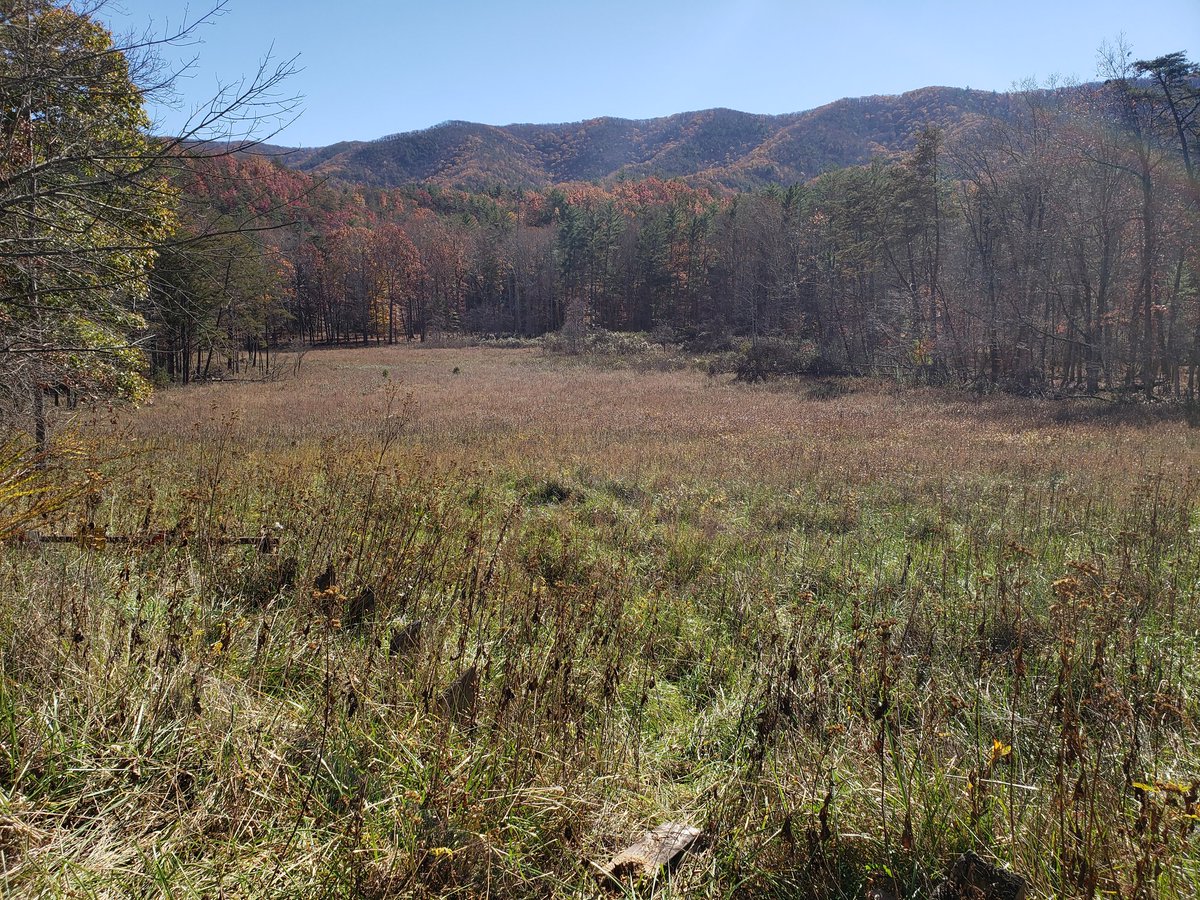
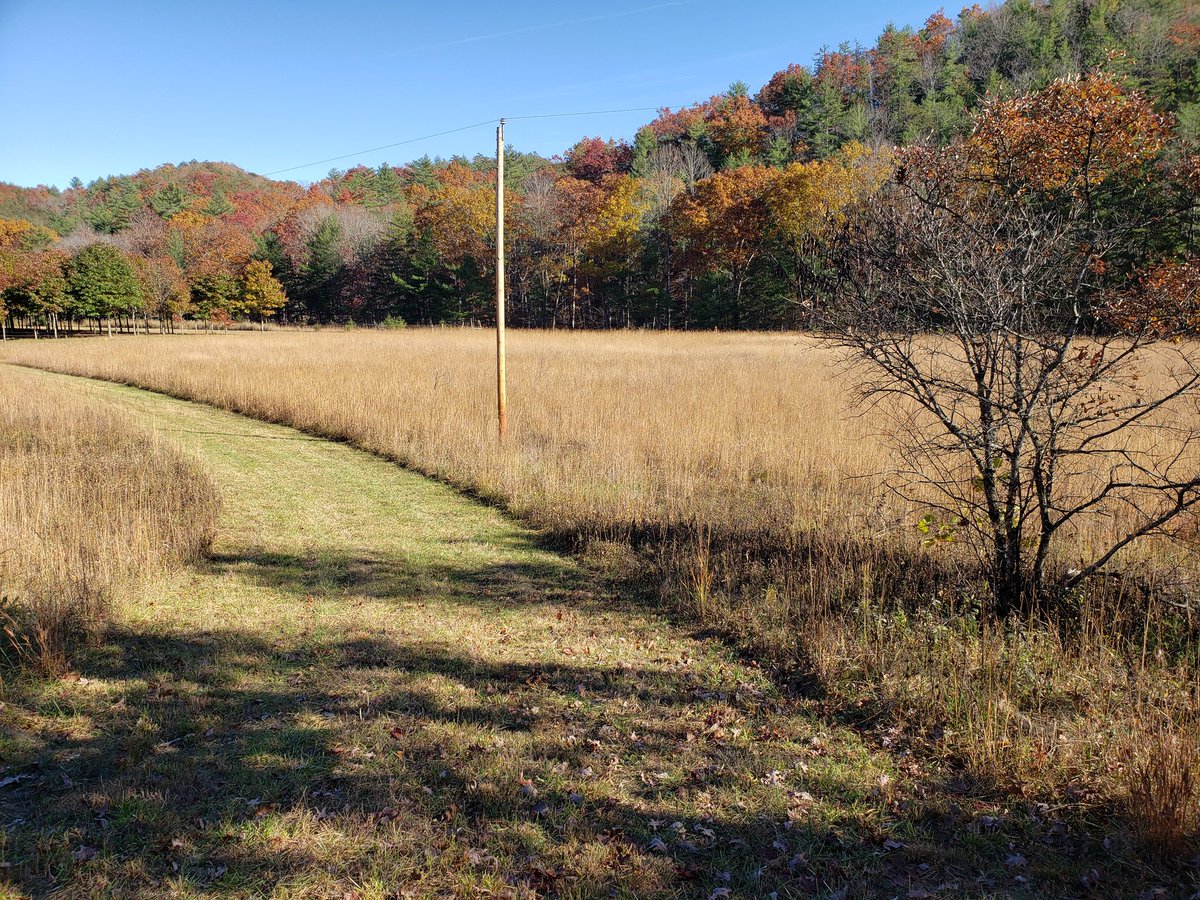
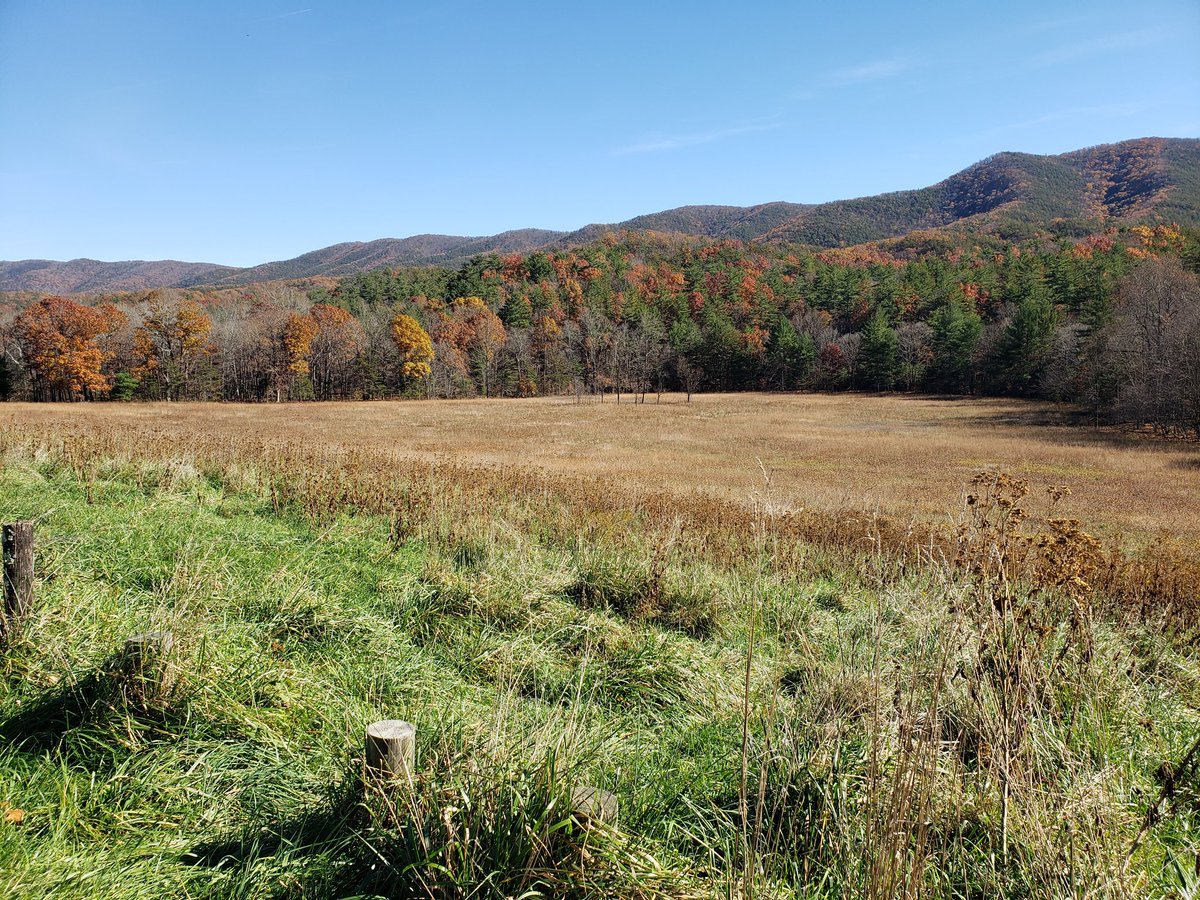
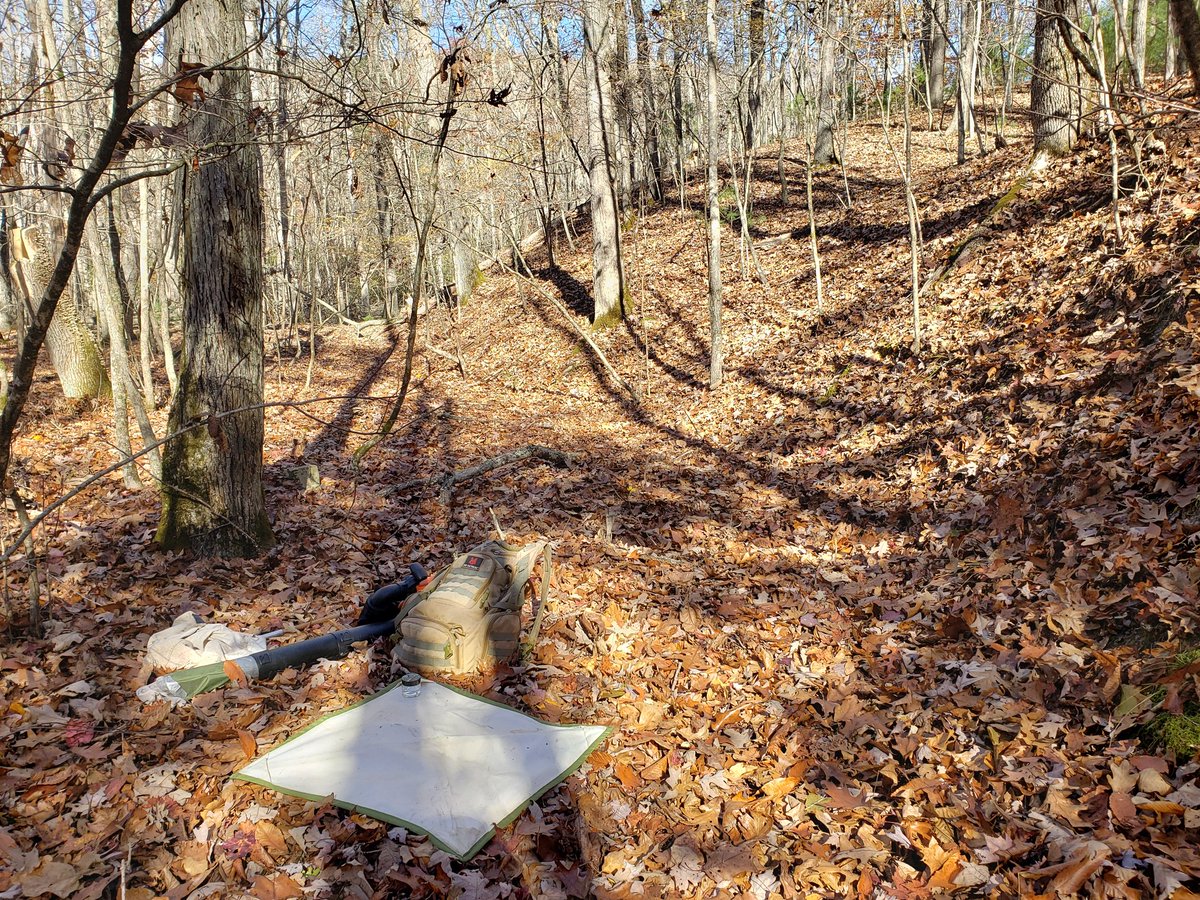
Traveled to just outside of Blacksburg, VA today to sample Jefferson National Forest for a lost species of prairie spider, Goneatara eranistes. This is day 1 of 5 days of sampling NC and VA to try and find this elusive species that hasn't been seen in 101 years!
2
14
376
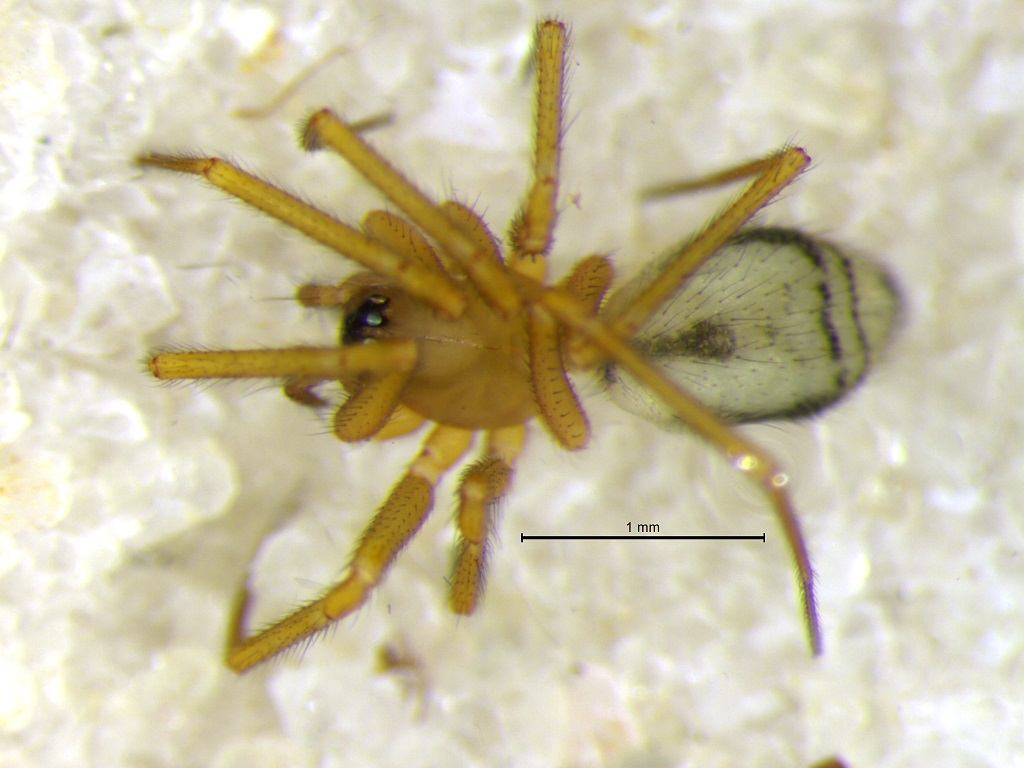
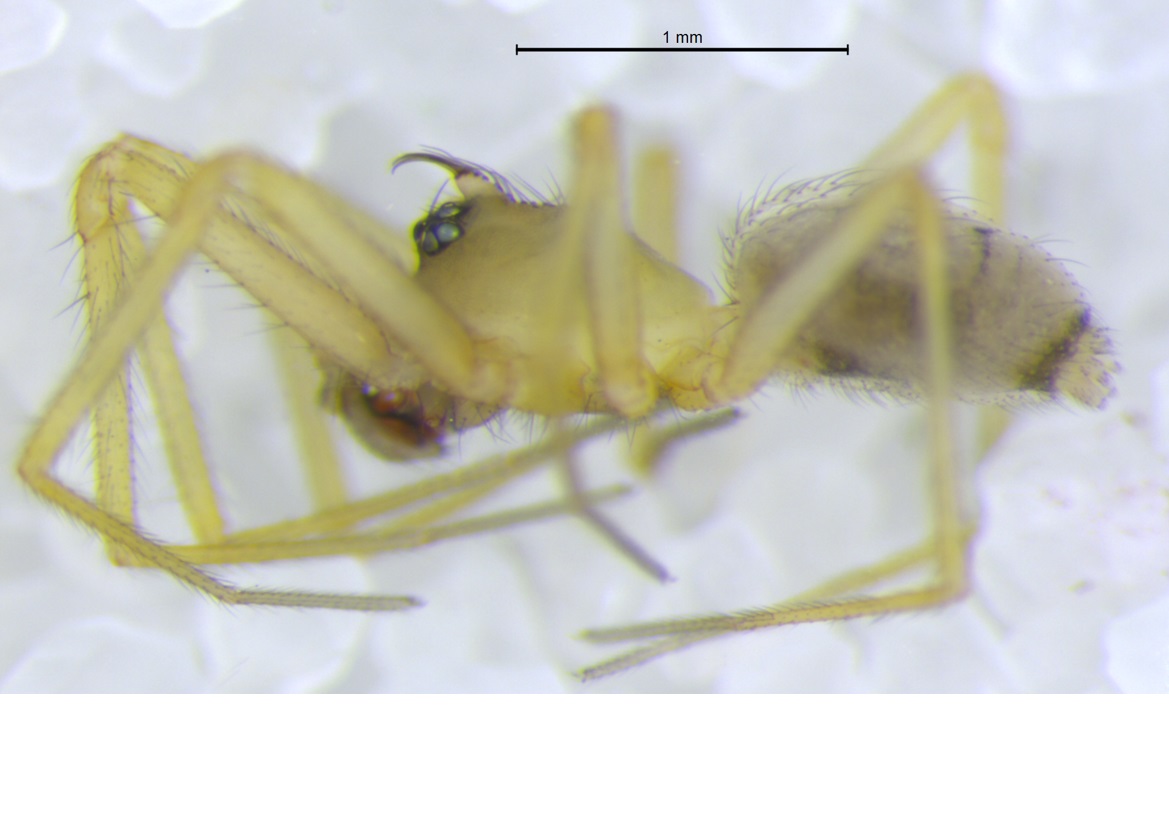
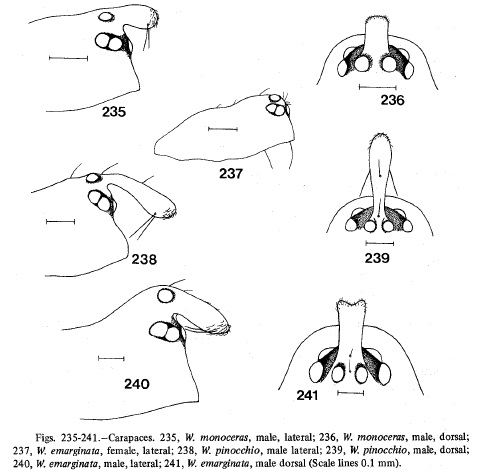
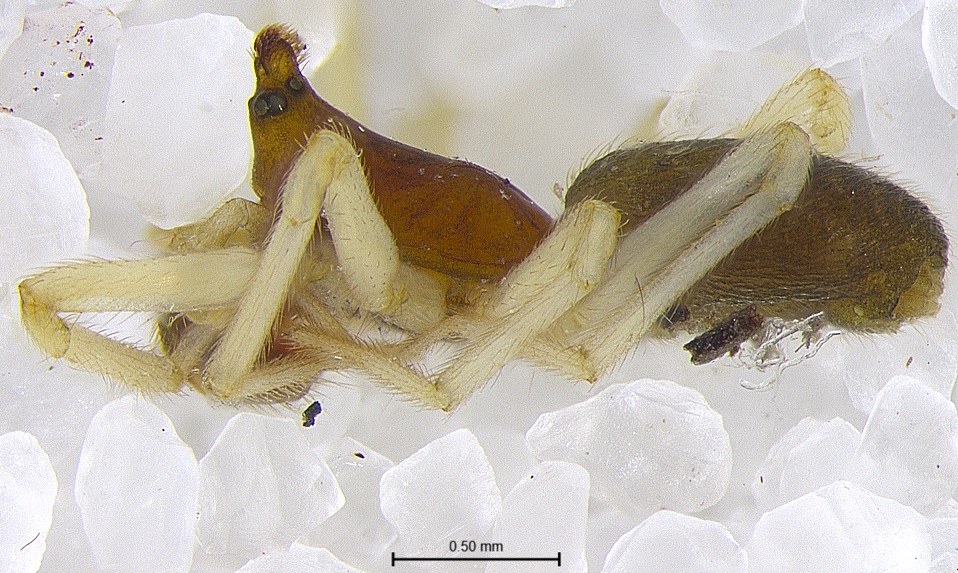
For the last day of #Arachtober, let's talk about Wubana. Wubana is one of those interesting linyphiid genera that - even though it's not an erigonine - has significant male carapace modifications, mainly a large, forward-facing macrosetae just behind the eyes.
1
2
20
585
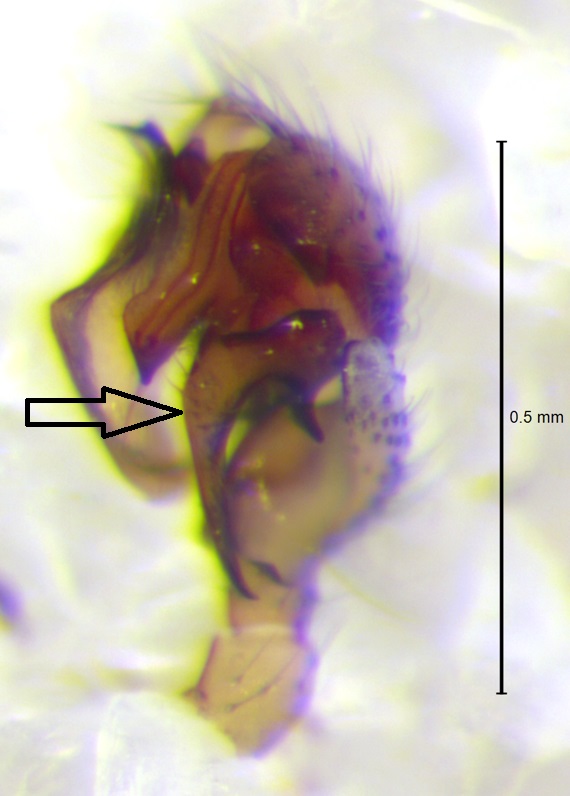
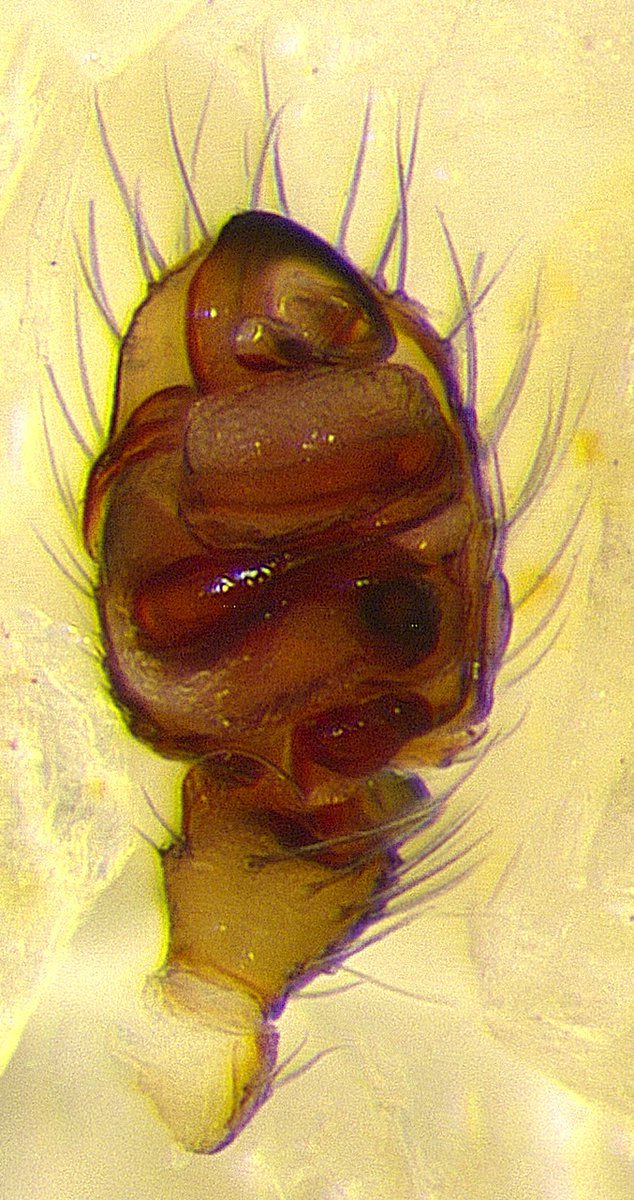
While all of the species are North American, five of the seven are strictly western while only two (W. drassoides and (ironically) W. pacifica) also exist in the east. In addition to the weird head shapes, males have one of the largest and strangest paracymbia in Linyphiidae.
1
4
119
This post closes out my linyphiid #Arachtober. I hope it was an informative and interesting series of posts for you. There's always more to explore and discover! If you want to learn more, consider joining the AAS at @AAS_arachnology!
1
2
116
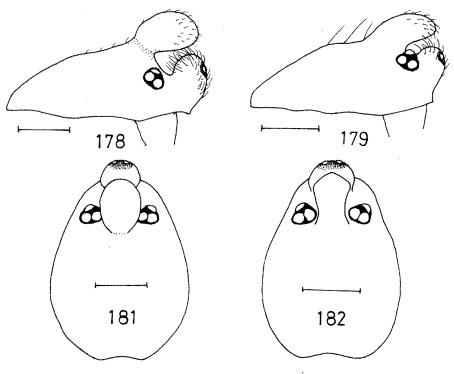
#Arachtober 30th is Walckenaeria day, so get ready! Walckenaeria is a the second largest linyphiid genus in North America, with 68 species. There are 199 species in the world! As you can imagine, there are many diverse forms in Walckenaeria. I'll explain a few.
1
3
21
1,700
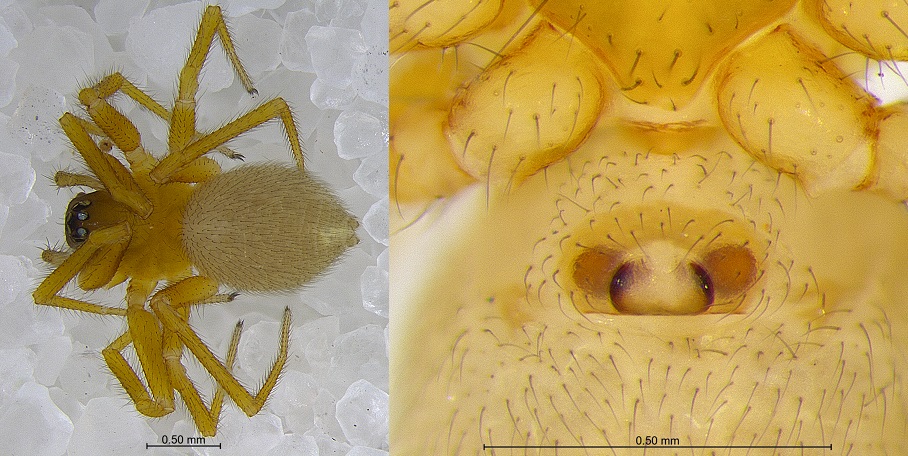
Females are quite difficult to tell apart. Sometimes - according to Millidge (1983) - they can't be segregated at all! Most of the time, females possess an epigynum with two lateral spermathecae and a lateral median lobe of some kind. Dissection is almost always needed for ID.
1
4
129
Once again, the reason we know so much about Walckenaeria is thanks to a revision of the genus by Millidge (1983). While I don't like everything about his work (why use right palps!?), I am eternally grateful for the selflessness and dedication of past taxonomists like him.
2
5
149
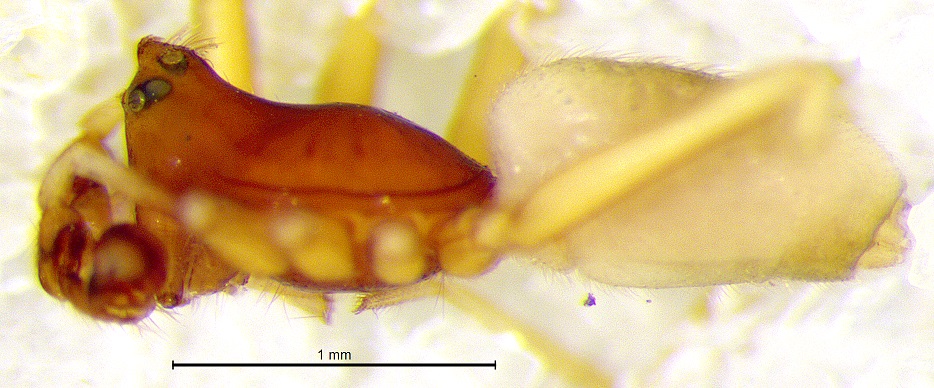
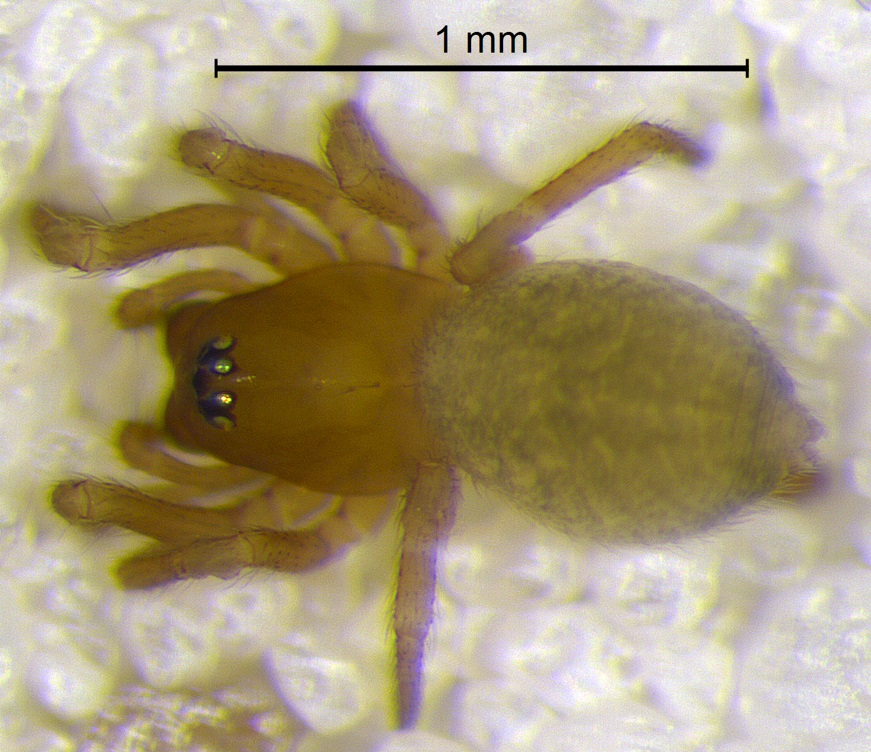
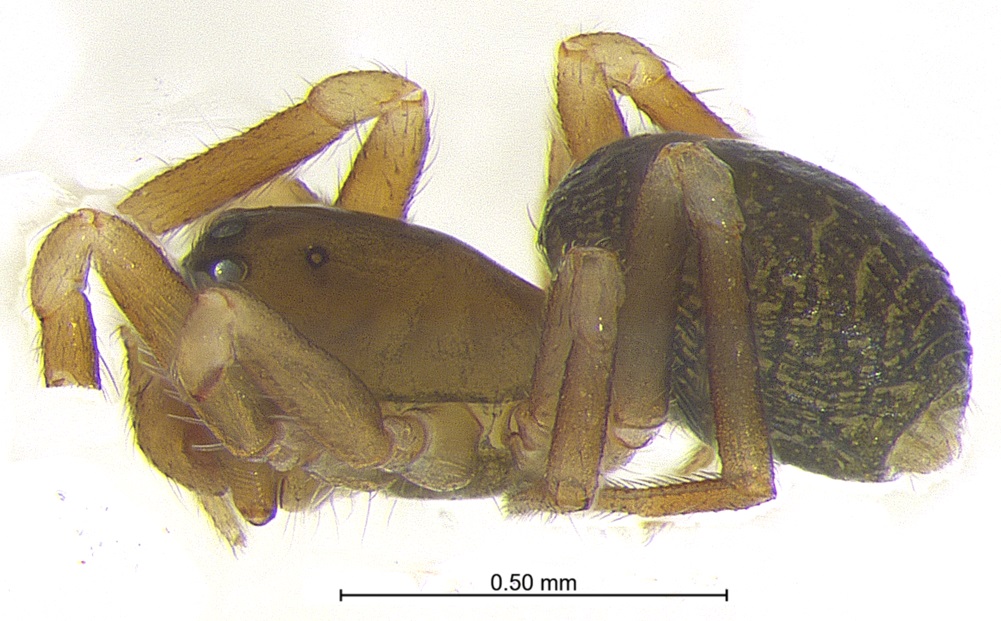
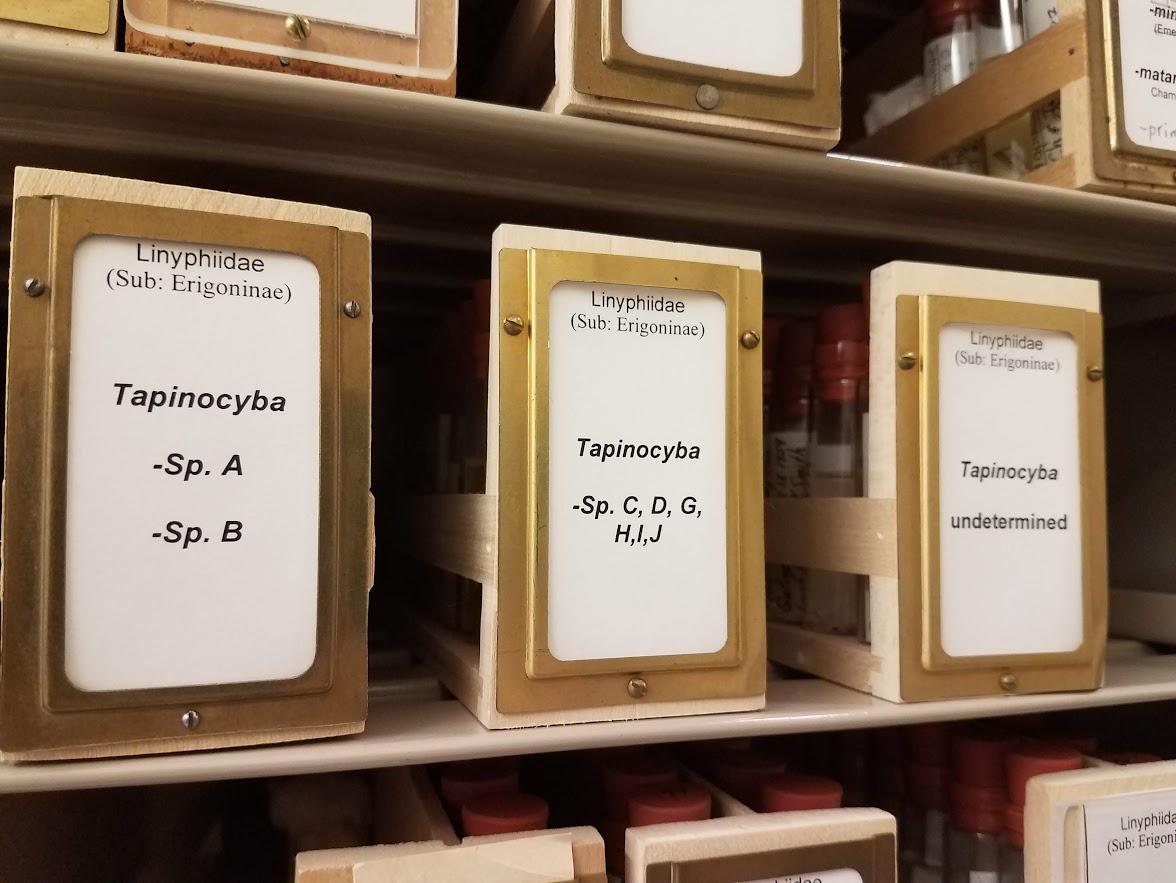
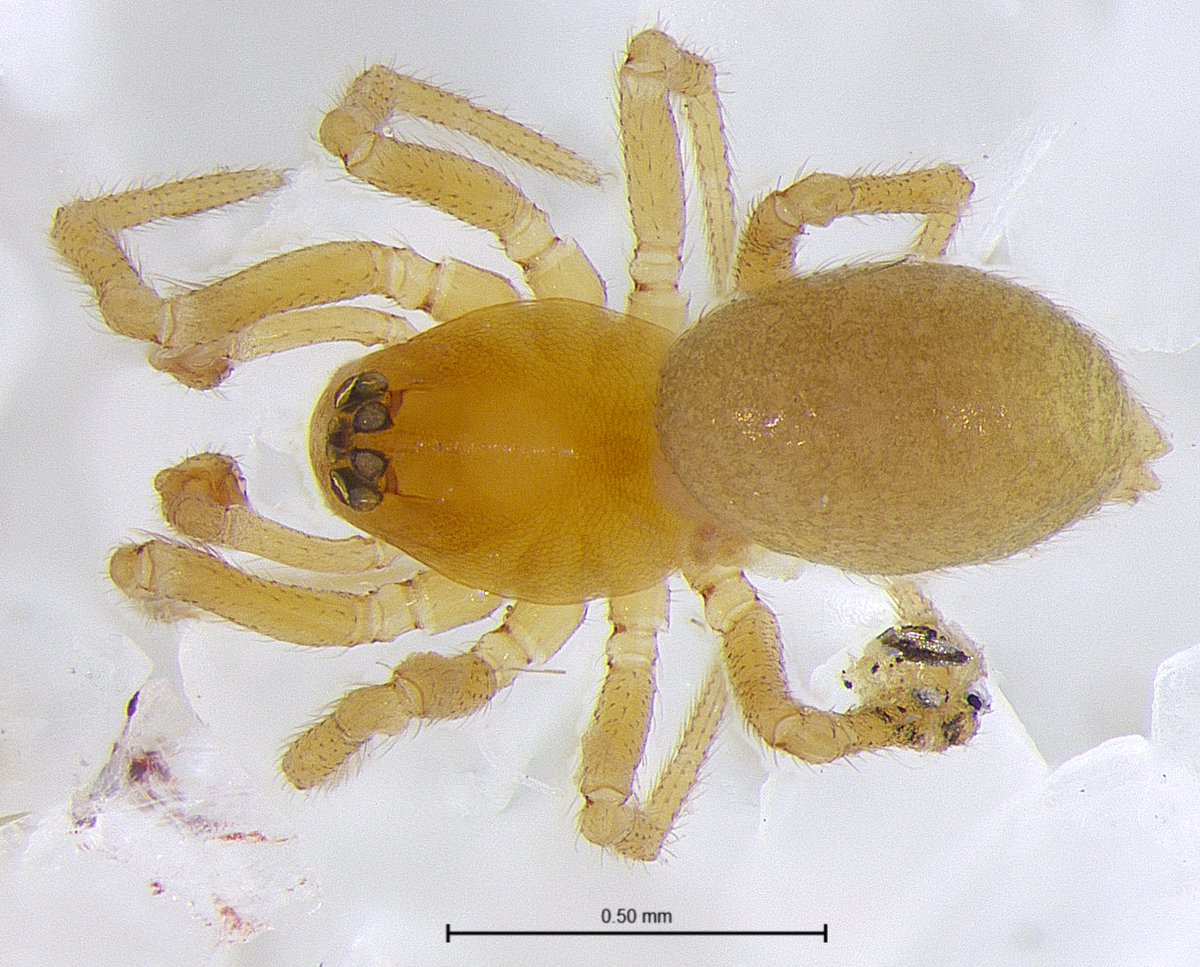
On #Arachtober 29th, I must speak to you about Tapinocyba. What a beast of a genus. Tapinocyba are tiny (1-2mm), forest leaf-litter and wetland dwelling spiders that are commonly cream or light brown colored. Males often have carapace modifications and females are hard to ID.
2
2
18
609
I remember collecting spiders in Indiana in 2016 and coming across tons of tiny Tapinocyba emertoni. So many, in fact, I couldn't keep them all! These were from a temperate deciduous forest in the southern part of the state. I then happened to speak to Rich Bradley from Ohio...
1
2
104
He said that he had been searching for T. emertoni for years trying to find the undescribed female and I had just been tossing them in the trash since I had 100 of them! Turns out this species' range was just a bit more western than the Ohio forests he was searching in.
4
97