Forensics Expert|Researcher|From Crime Scene to Courtroom testimony 🧬🔬#CSI|©fitness🏋️fanatic® Advancing #forensics 🧬💀☠️ in Zim🇿🇼 & Globally
- Tweets 1,301
- Following 1,985
- Followers 1,061
- Likes 2,637


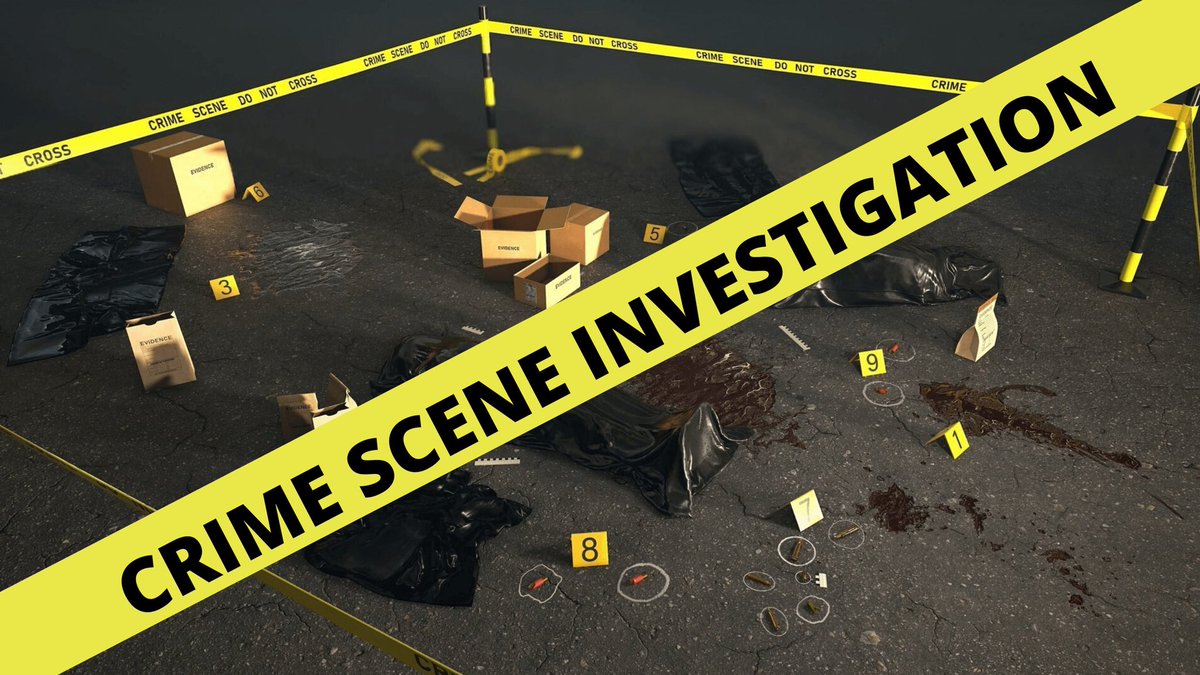
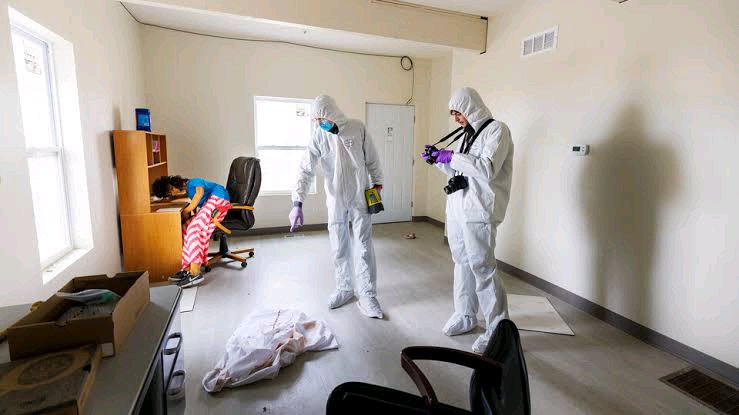



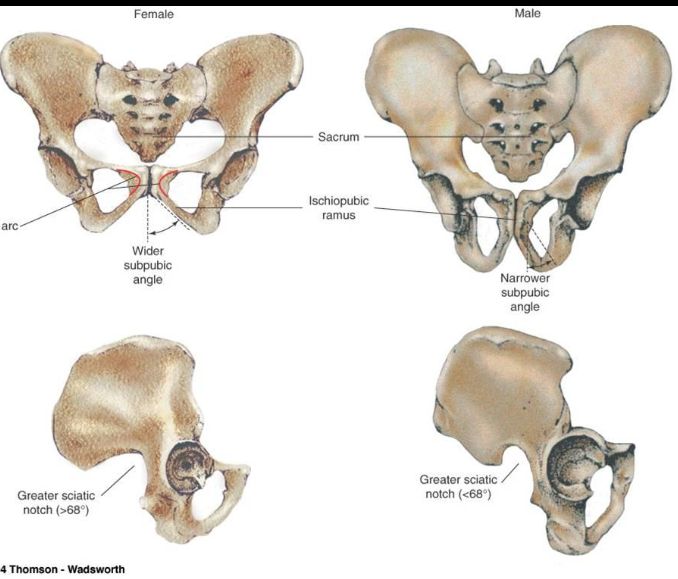
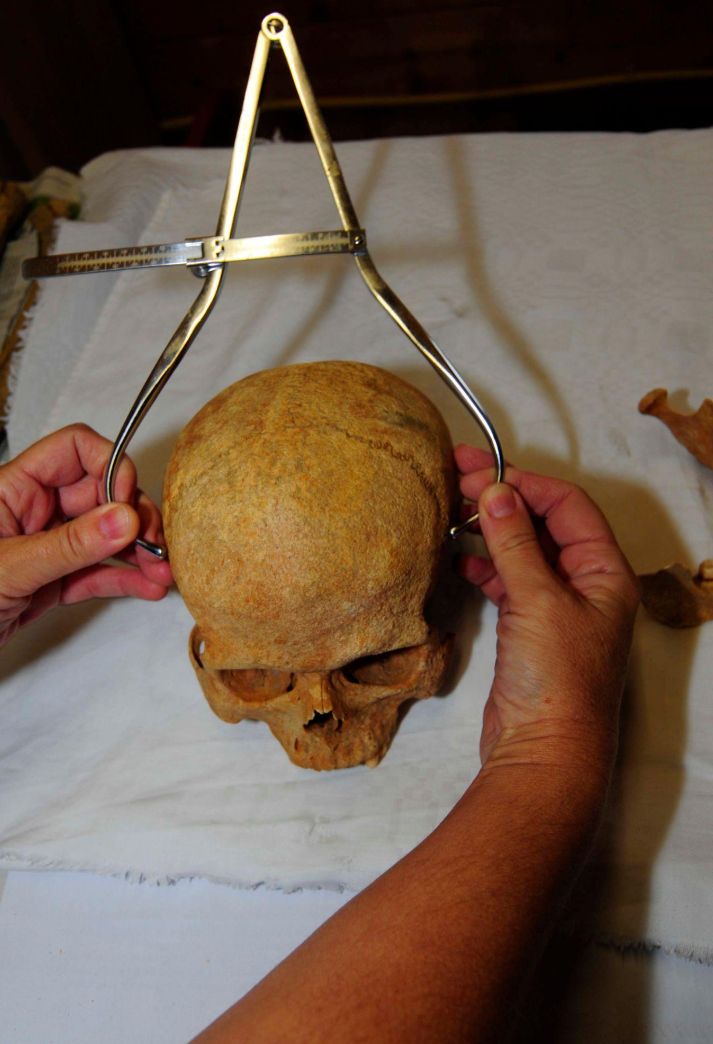
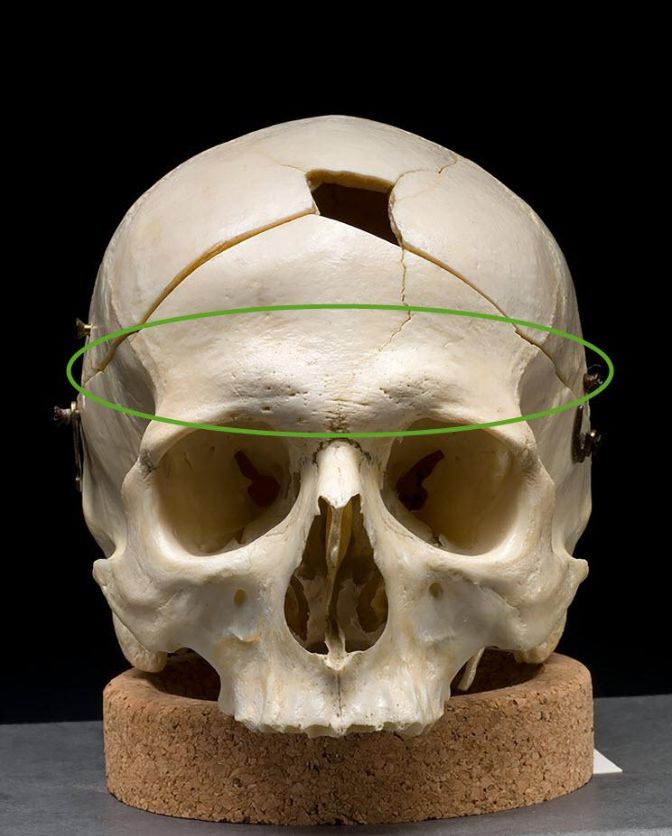

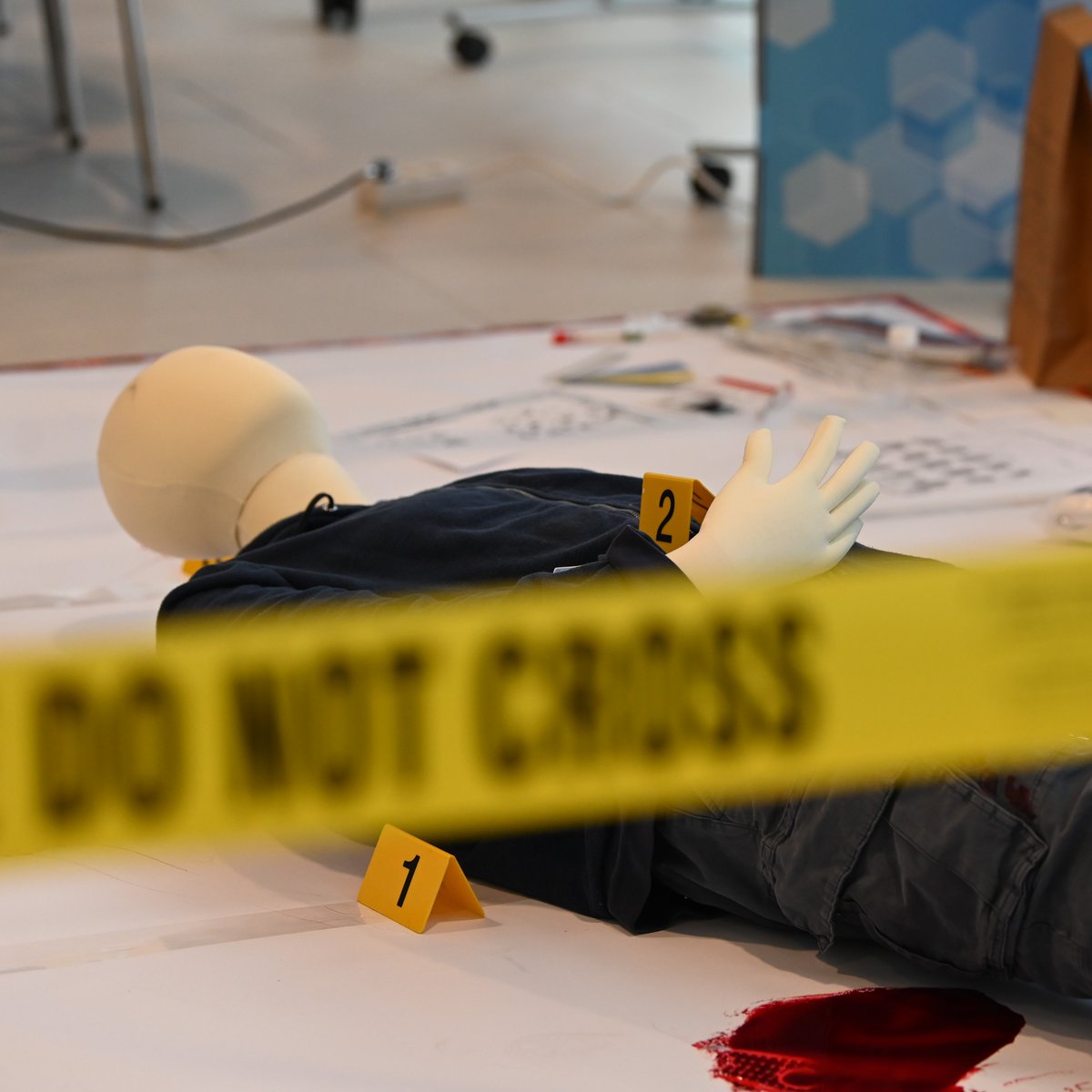
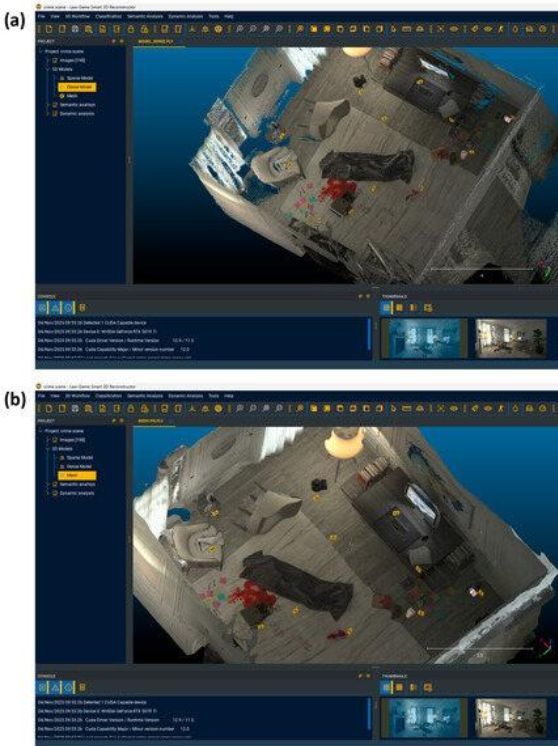
ALT the image shows a crime scene training setup with a mannequin lying on the floor surrounded by evidence markers and a pool of fake blood behind police tape.
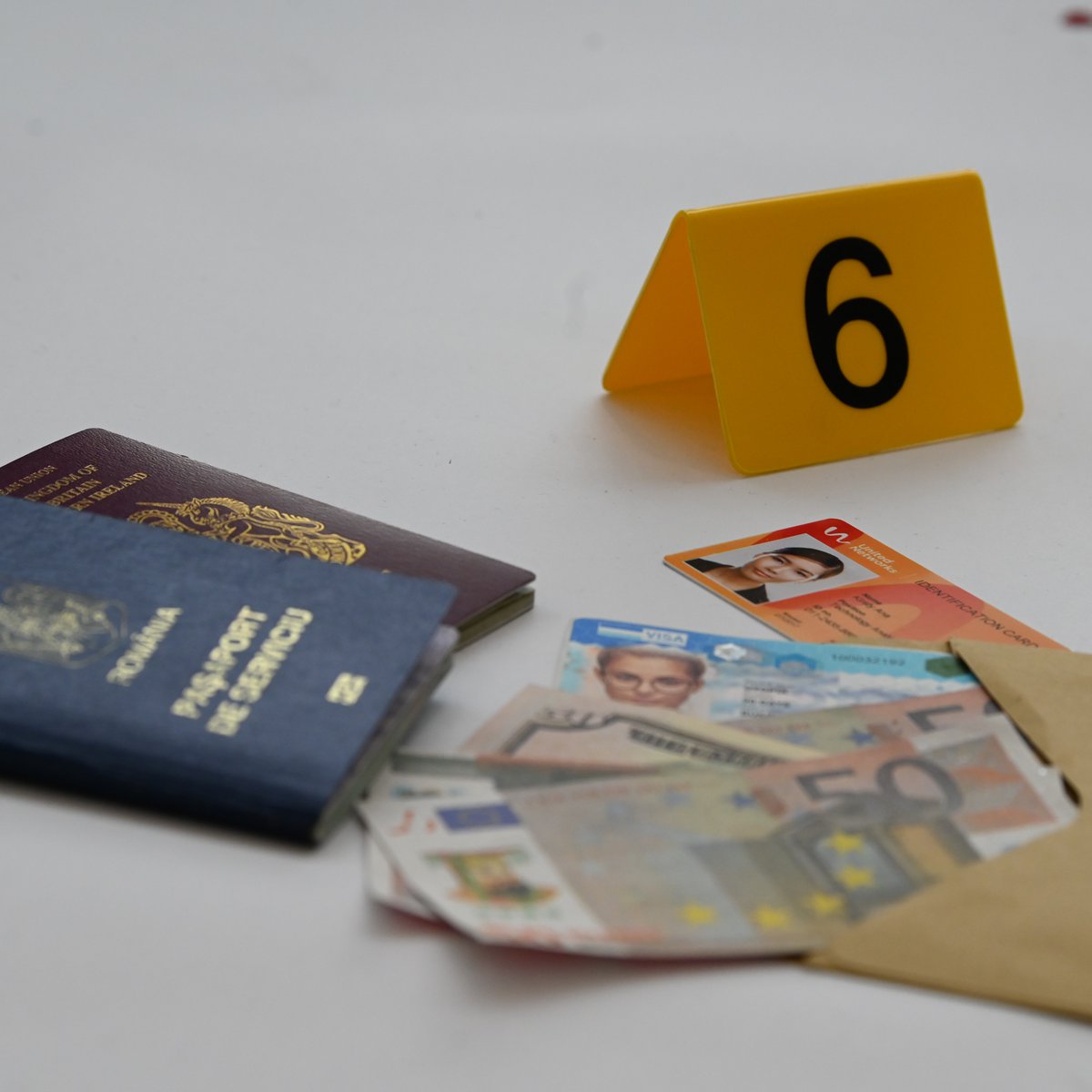
ALT The image shows a crime scene with two passports, assorted Euro banknotes, and identification cards next to a yellow evidence marker on the floor, numbered 6.
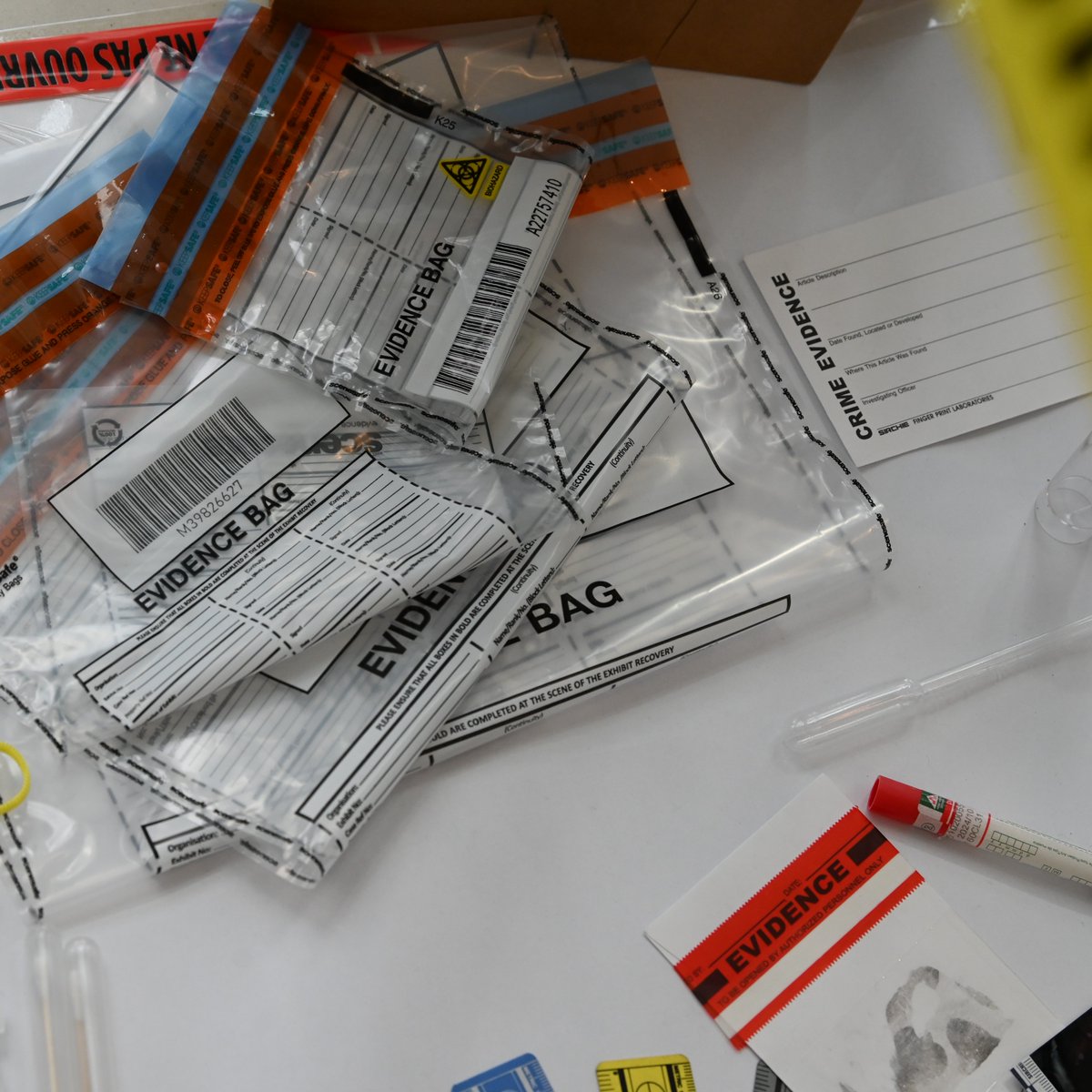
ALT the image shows clear plastic evidence bags with barcodes and labels scattered on a white surface, alongside a fingerprint card and a red-capped marker.
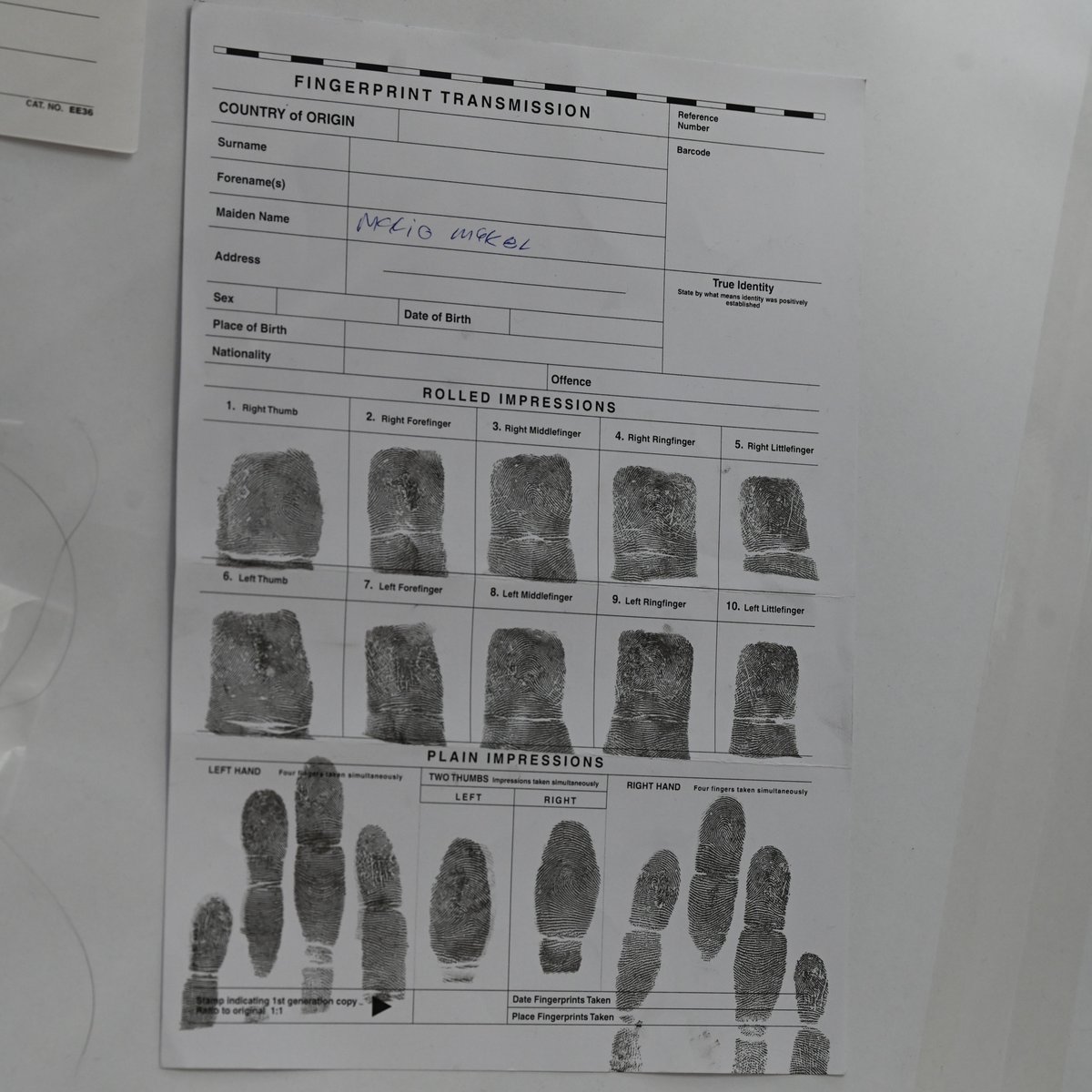
ALT the image depicts a fingerprint transmission form showing rolled and plain impressions of all fingers with handwritten surname and personal details fields.