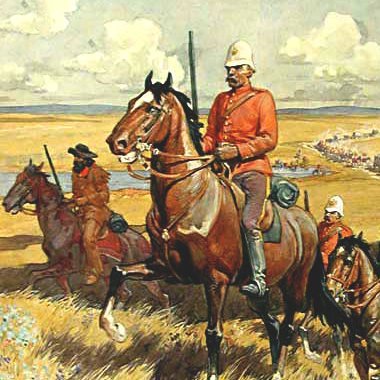
Outpost of the North-West Mounted Police located near the meeting of the Bow & Elbow rivers.
Joined November 2013
- Tweets 31
- Following 83
- Followers 9
- Likes 10
8 Photos and videos


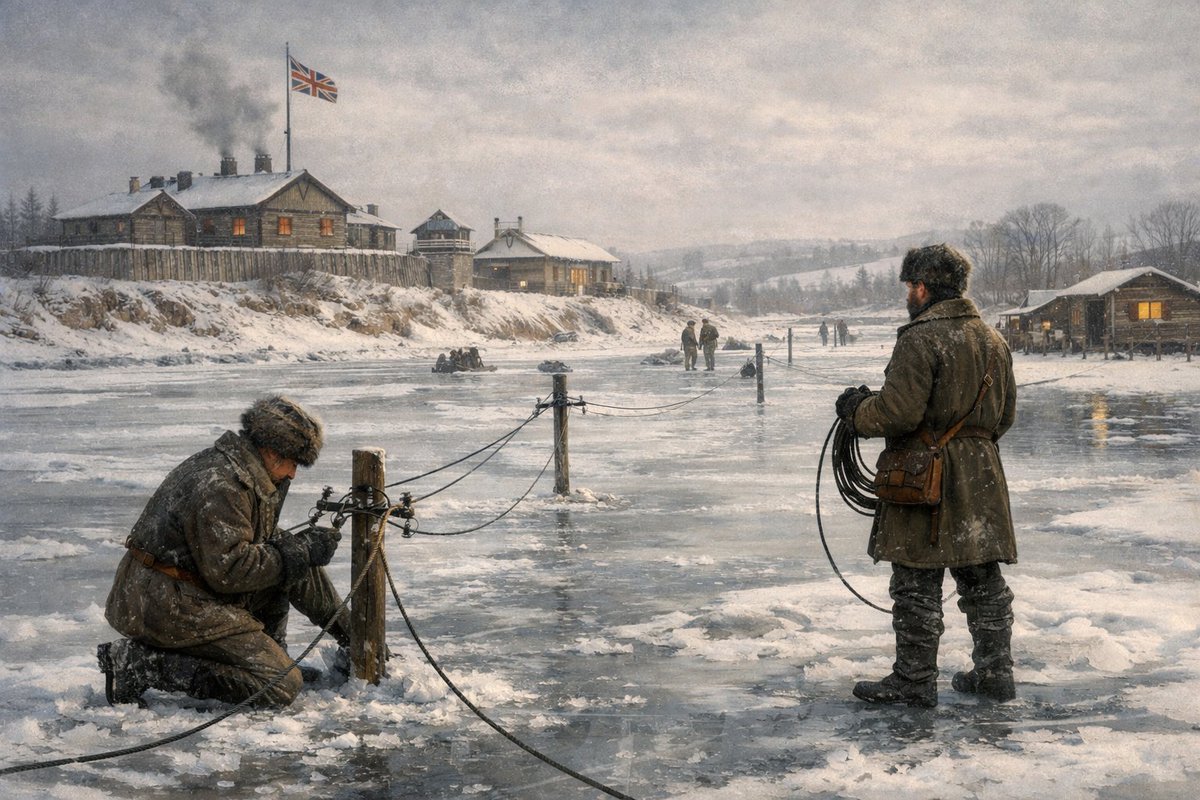
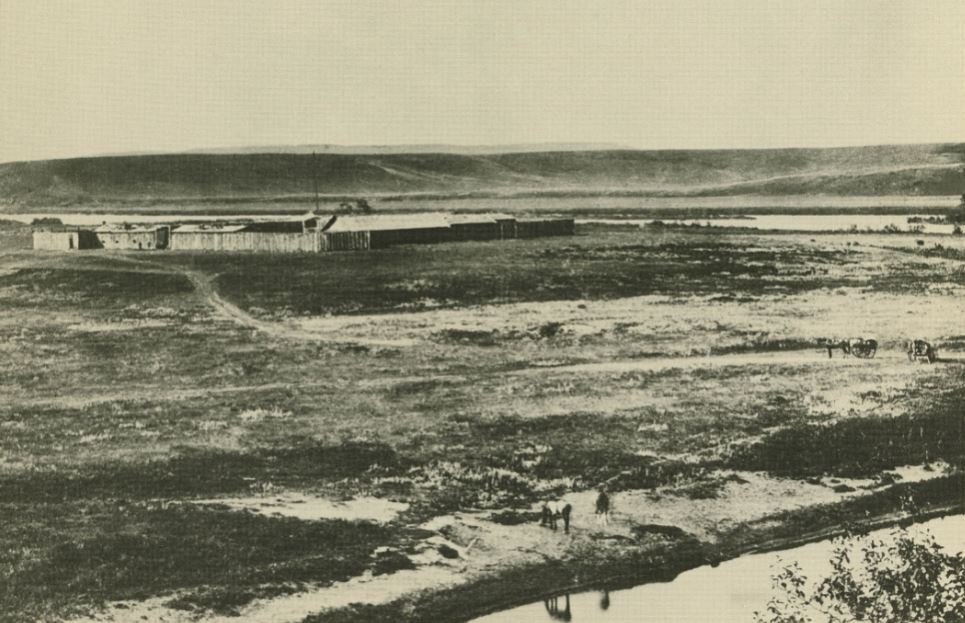
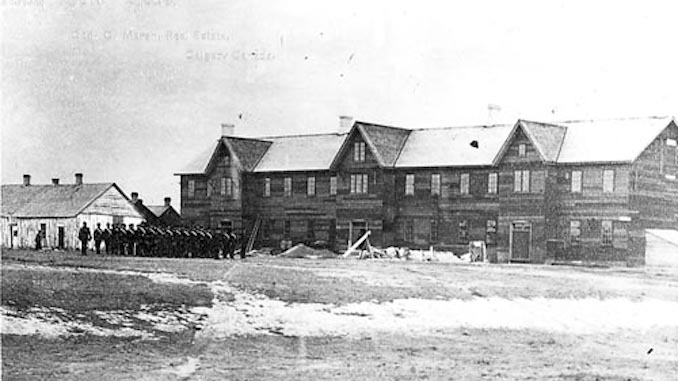
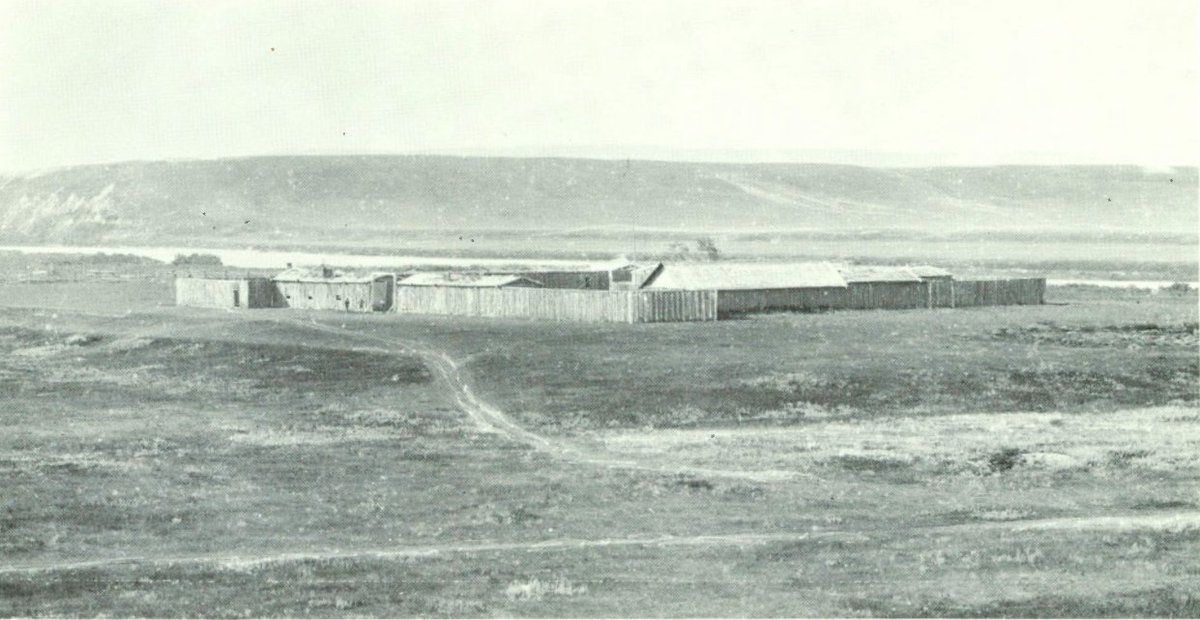
Fort Calgary was briefly used in the 1890s as a winter telegraph relay station, where operators would string temporary lines along the Bow River ice to keep messages moving when overland routes were cut off by snow.
39
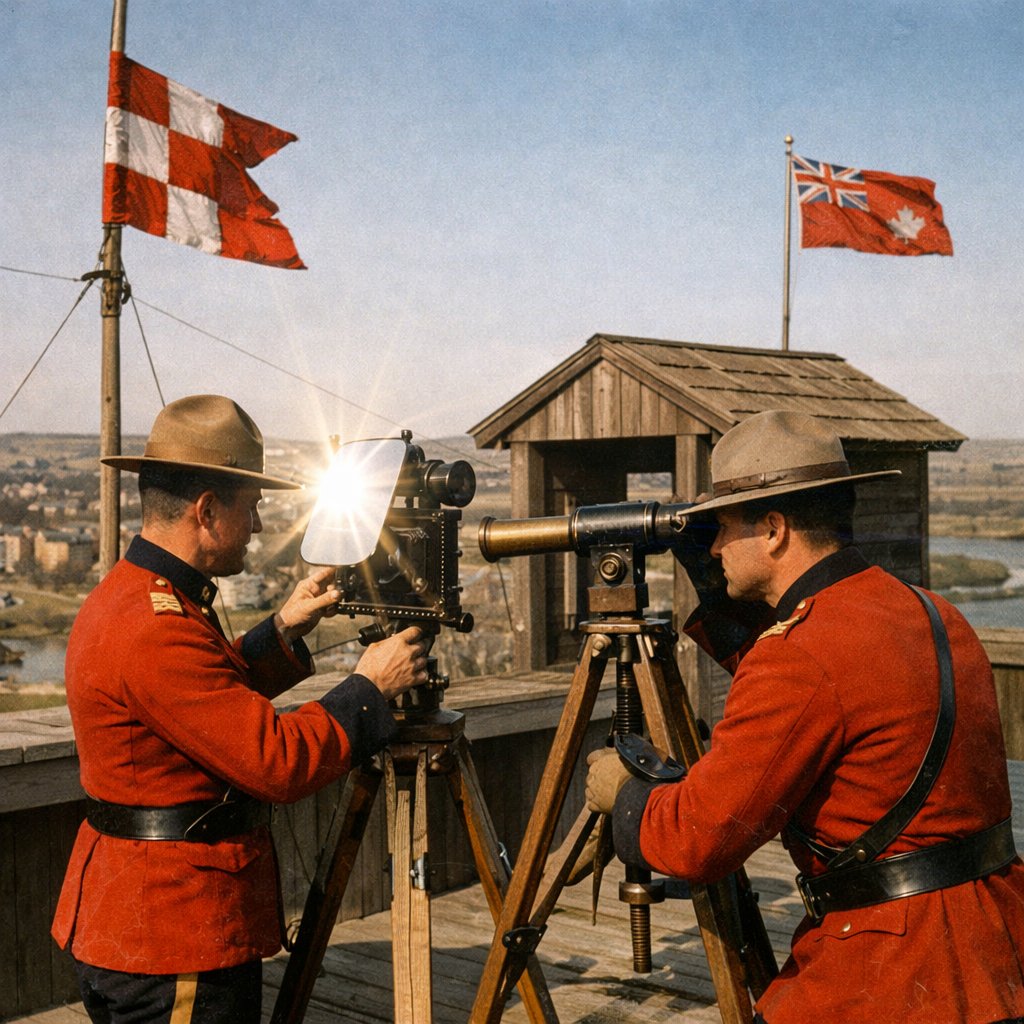
Fort Calgary once maintained a small rooftop heliograph station, and for three years in the 1890s it held the unofficial record for the fastest long-distance message relay in the Canadian West, beating the telegraph by a few minutes on clear days.
39
Did you know? The original Fort Calgary contained a stable that burned down.
42

19 Nov 2025
Artifacts recovered from the Fort Calgary site include buttons, tools, pottery, and personal items — everyday traces of the NWMP that built the region.
31
Fort Calgary Historic Site retweeted

26 May 2024
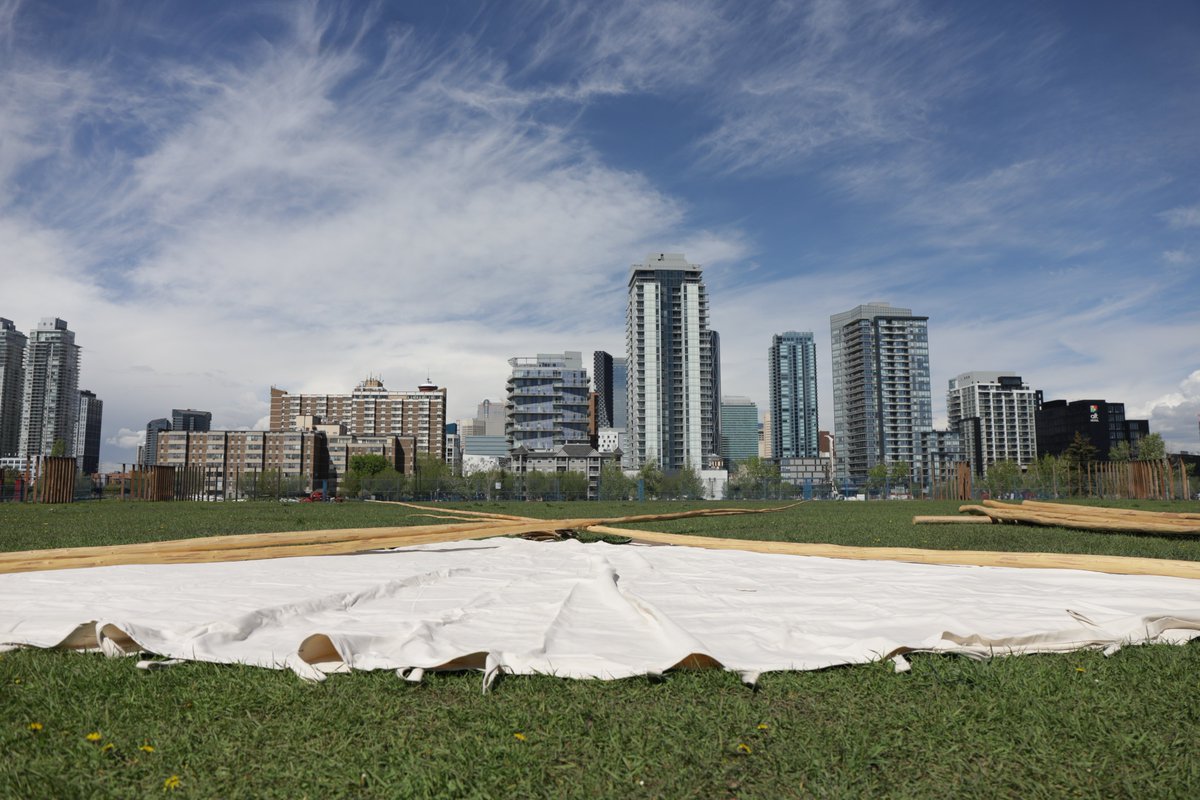
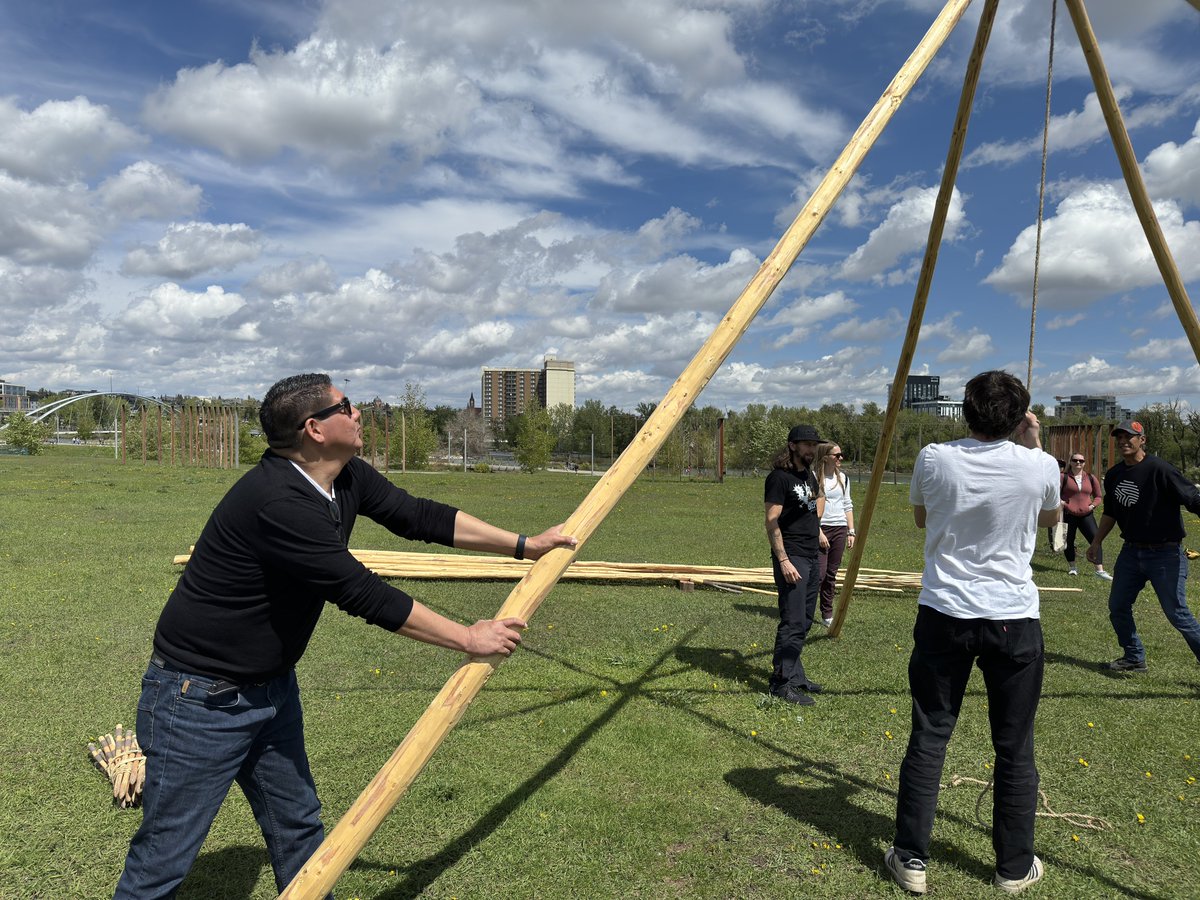
Spent the afternoon at @confluence_yyc helping to take some pictures and videos of their opening today. They were formerly “Fort Calgary” now renamed to the Confluence as they’re at the confluence of the Bow and Elbow rivers. Garret Smith from Piikani performed the tipi raising.
5
11
62
3,128
Fort Calgary Historic Site retweeted

11 May 2024
"Pretty cheesy": Calgarians react to Fort #Calgary name change 🧀🙊
dailyhive.com/calgary/calgar…
2
1
284
Fort Calgary Historic Site retweeted

5 May 2024
#LISTEN: Fort Calgary has a new name, and Calgary fire crews sprang into action dousing a house fire in Marlborough. Nadia Moharib has these and more with CityNews 660 this Sunday. calgary.citynews.ca/audio/
1
1
1,259
Fort Calgary Historic Site retweeted

4 May 2024
"Fort Calgary, no longer. In an act of reconciliation and rebranding, the museum and event centre that sits at the birthplace of modern-day Calgary will henceforth be known as Confluence Historic Site and Parkland."
#yyc #yyccc
calgaryherald.com/news/local…
9
3
6
1,260
Fort Calgary Historic Site retweeted

3 May 2024
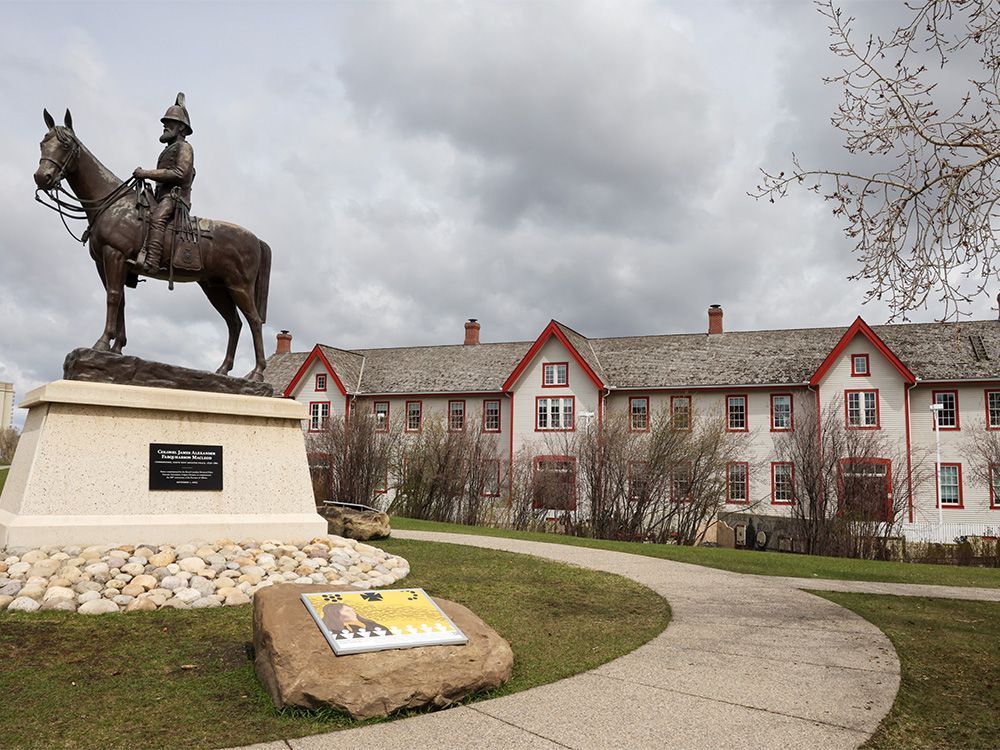
'More stories of history': Fort Calgary rebrands as the Confluence Historic Site and Parkland #yyc calgaryherald.com/news/local…
3
3
3
2,623
3 May 2024
Fort Calgary had a lively history. In 1875, only months after its construction, the Fort was attacked by members of the infamous Dubois Gang.
82
Fort Calgary Historic Site retweeted

3 May 2024
Fort Calgary has revealed its new name and brand identity: “The Confluence: Historic Site & Parkland.”
READ MORE: trib.al/qTzoXq3
trib.al/qTzoXq3
47
6
34
21,187
Fort Calgary Historic Site retweeted

2 May 2024
When the RCMP established Fort Calgary in 1875, he relocated the post across the Elbow River and eventually became Manager of the post in 1878.
1
1
1
367
2 May 2024
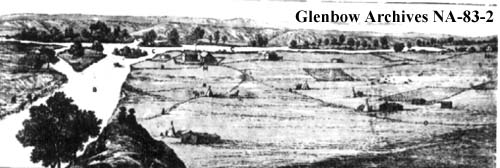
Fort Calgary, Niitsitapi Territory, 1881.
It would be another two years before the Canadian Pacific Railway would reach the area, and three years before Calgary would be incorporated as a town in the North-West Territories.
1
90