
Celtic-Med pretender / Rada Bursary. Up next: World Premier of Ava Pickett’s Manningtree Witches imbd.me/gavinfowler
Joined June 2014
- Tweets 1,585
- Following 533
- Followers 731
- Likes 6,875
28 Photos and videos










Gav Fowler retweeted

Prolonged water fasting also treated seizures effectively long before this, but you’ll die if you do it forever, so the Mayo Clinic invented the ketogenic diet in 1929 as a way to achieve the same effect while keeping someone well fed.
The keto diet works by raising GABA levels in the brain but doesn’t *force* synaptic GABA effects like the drugs do, so it didn’t make people as zombified as phenobarbital, a barbiturate, the then-leading treatment for seizures.
Mayo invented the keto diet as an alternative to phenobarbital.
In the 1970s barbiturates were largely replaced with benzodiazepines, which have a lower side effect profile, have a lower risk of fatal overdose, and are less zombifying.
Big Pharma got the keto diet reclassified as for “refractory epilepsy” meaning it is the last resort when all the drugs fail, but that is not why it was invented.
Keto diets likely have broad efficacy where fasting and GABAergic drugs have efficacy.
They have downsides and limitations and not everyone is a good candidate for them but they are profoundly under-utilized in psychiatry.
May 2

In the 1950s, Yuri Nikolaev, a Russian psychiatrist, started treating mentally ill patients with prolonged water fasting.
He went on to treat over 8,000 people. Reports suggest that over 70% of patients showed significant improvement, with many returning to normal functioning and work.
Nikolaev’s work was documented by Western doctors, such as Dr. Allan Cott, who visited the Soviet Union to study these methods and later published findings that hailed the results as an "unparalleled achievement".
28
67
559
53,505
Gav Fowler retweeted

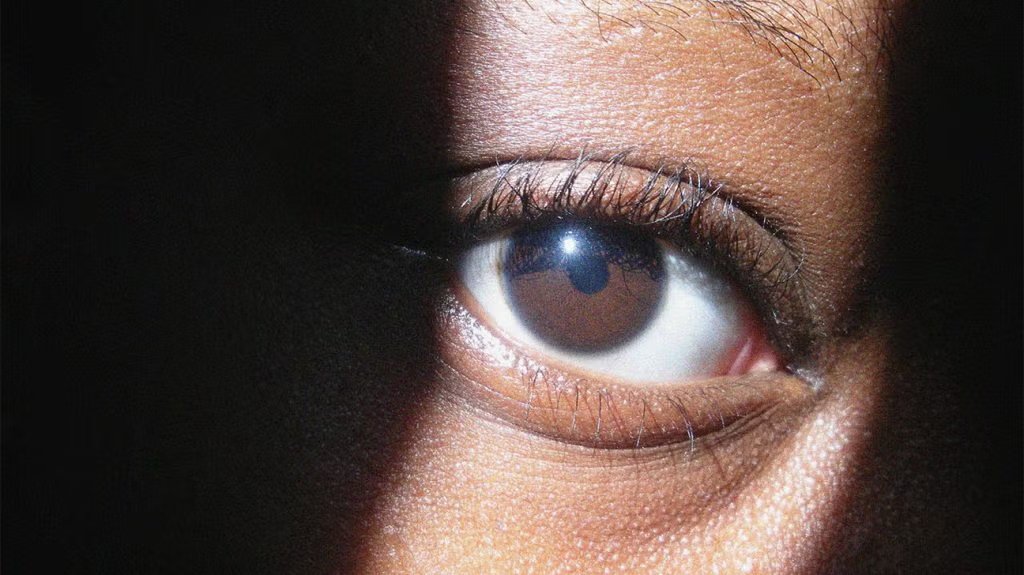
>1938: Melanin identified as photoprotective
>1974: shown to absorb broad-spectrum electromagnetic radiation
>1984: confirmed as an amorphous semiconductor
>2001: proven to convert radiation into usable chemical energy
>2007: fungi at Chernobyl found using melanin to harvest gamma radiation
> gamma radiation
> the most destructive ionizing energy on earth
> melanin turned it into food
>2014: synthetic melanin patented for “novel EMF shielding applications”
>2024: paper confirms melanin outperforms every lab-made EMF shield on the planet
86 years of published science
and the medical consensus is still
AVOID THE SUN & WEAR SPF-50
>the one input your body needs to build this shield is the one thing they told you to avoid
>THEY KNEW
4 Aug 2025

This paper proves it.
Melanin outperforms every lab-made EMF shield on the planet
They just spent millions engineering what your skin naturally produces in sunlight
Not to block radiation but to absorb it and convert it into usable energy
Nature had it figured out all along

19
217
826
80,792

23 Jan 2025
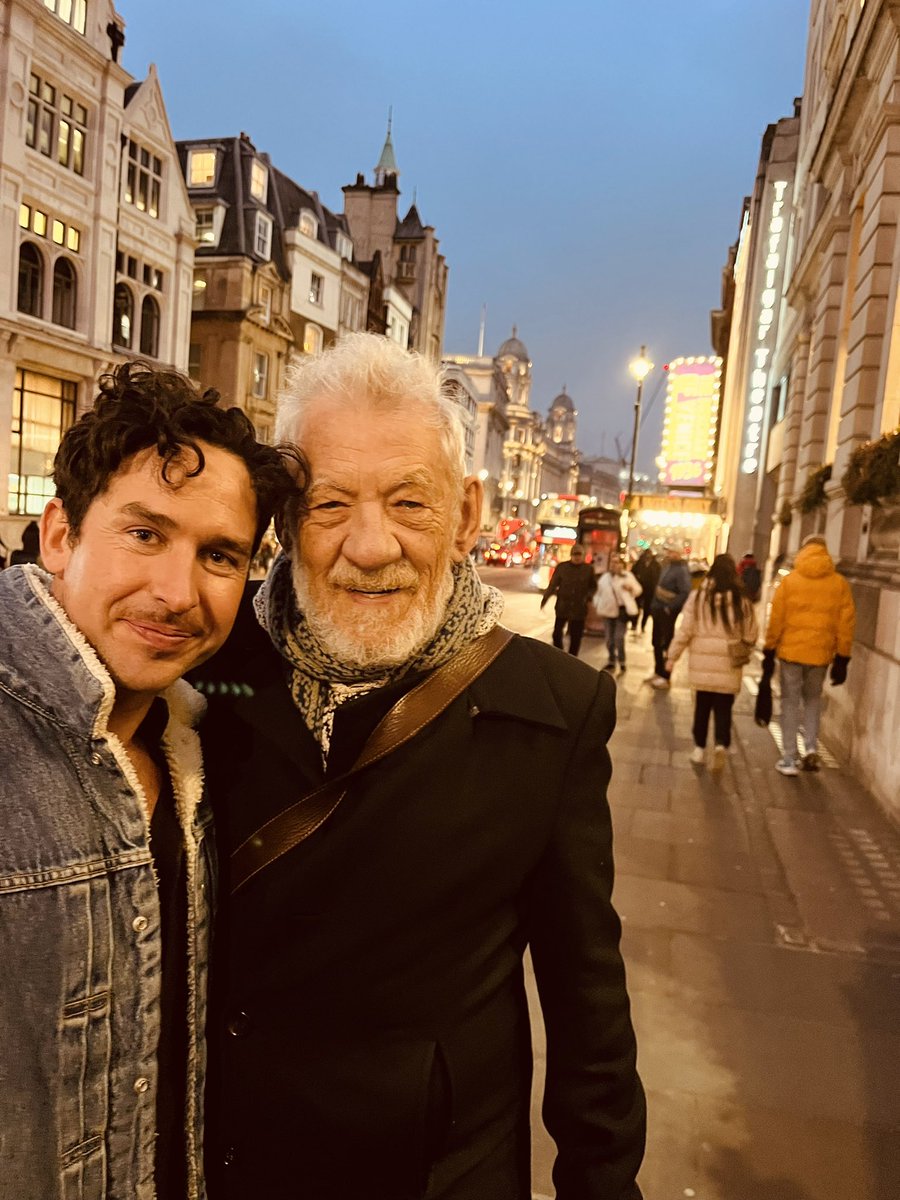
Had a very special person and dear friend see the show yesterday in our final week before we head out on tour ♥️🙏🏻
#ianmckellen #westend #shakespeare
2
16
329
Gav Fowler retweeted

9 Jan 2025
Sleep also washes away glutamate, which accumulates throughout the day through normal energy metabolism, and even moreso when cognitive fatigue is high by end of day, via the Glymphatic system.
8 Jan 2025

Sleep Loss Weakens Brain’s Ability to Block Unwanted Memories
Sleep deprivation impairs the brain's ability to suppress unwanted memories, a function critical for maintaining mental health.
In a study, well-rested participants could engage the prefrontal cortex to block intrusive thoughts, while sleep-deprived individuals struggled.
The hippocampus, responsible for memory retrieval, showed reduced activity during suppression in rested participants but remained overactive in those deprived of sleep.
REM sleep played a key role in restoring the brain's memory suppression mechanisms.
These findings help explain why poor sleep is linked to conditions like anxiety, depression, and PTSD.
Researchers suggest targeting sleep improvement as a potential therapy for enhancing mental resilience.
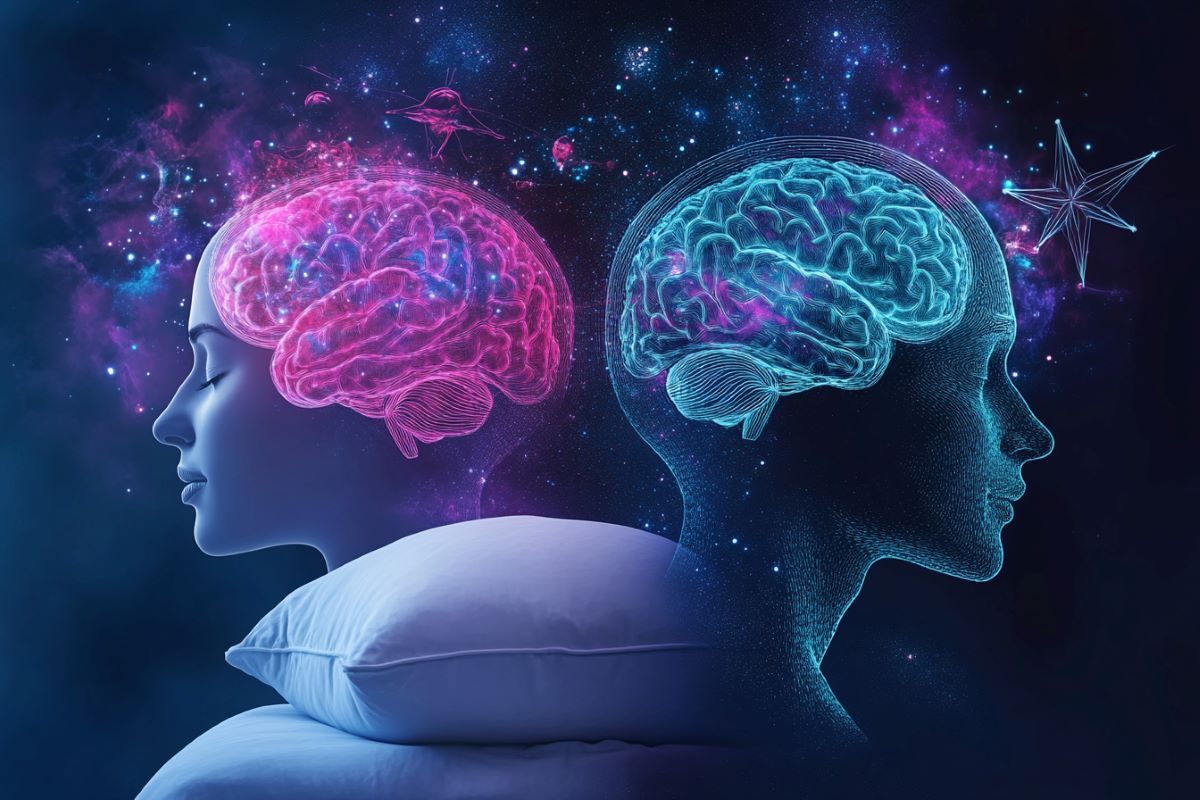
ALT This shows two people sleeping.
3
28
210
40,090
Gav Fowler retweeted

10 Jan 2025
Depression/anxiety is the early stage/s of neurodegenerative disease
This is supported by the most cutting edge understanding/research of and in neuroscience.
If unaddressed these “mood disorders” can be the first step in a cascade towards neuroinflamation, cognitive decline, and eventually life threatening diseases like Alzheimer’s and Parkinson’s. (S/O to my friend @Grimhood who has been talking about this on this platform for yrs)
Don’t believe me?
Depression and chronic stress/anxiety are associated with an increase in inflammatory cytokines in the brain. The same cytokines (IL-6, TNF-a etc.) that are elevated in Alzheimer’s, Parkinson’s, MS and directly implicated in neuronal damage and impaired synaptic function.
Depression/common mood disorders are a low grade neuroinflamatory condition. The longer this inflammation persists the higher the risk of neurodegeneration…
In addition to this there are many other direct links/similarities in the pathology of mood disorders and severe neurodegenerative diseases including:
Dopaminergic dysfunction (common to depression/anhedonia and Parkinson’s),
Mitochondrial dysfunction (I’ve told you guys this is related to every major chronic disease and it’s true here as well),
Circadian dysregulation (implicated in depression/anxiety and Alzheimer’s/MS/other serious end stage neurodegenerative disorders),
Impaired neuroplasticity/neurogenesis and resulting hippocampal atrophy (depression and anxiety both lead to/are caused by deficits in BDNF and other neurotrophic factors and as a result lead to hippocampal shrinking over time; the hippocampus is one of the first brain regions to degenerate in Alzheimer’s as well and is implicated in the severe memory deficits of this disorder).
So hopefully you are convinced/realize that these are not just “mood disorders” but instead and early warning sign that your brain is in distress and should be treated as such (similarly to how you would treat high blood pressure as an early warning sign of cardiovascular disease risk/progression).
Want a High-Performance Brain Optimization Plan?
If you’re struggling with low motivation, anxiety, brain fog, or mood swings it’s not just “in your head”- your brain is very likely signaling a deeper issue.
Mainstream solutions focus on bandaiding over symptoms (at best/in those they help at all) but real longterm performance, wellbeing, and mental resilience require addressing:
✅ Neuroinflammation and mitchondrial function
✅Neurotransmitter balance and neurogenesis/synaptic plasticity
✅Circadian dysregulation and stress resilience
If you’ve been spinning your wheels with generic solutions and want to actually find and address the root cause I offer 1:1 remote consultations to build a customized health optimization/biohacking strategy tailored to your specific biology/context/lifestyle.
No fluff or one size fits all protocols- just high level science backed optimization.
DM me or book here: buy.stripe.com/bIY4jYcnbeRP7…
5
13
83
11,616
28 Dec 2024
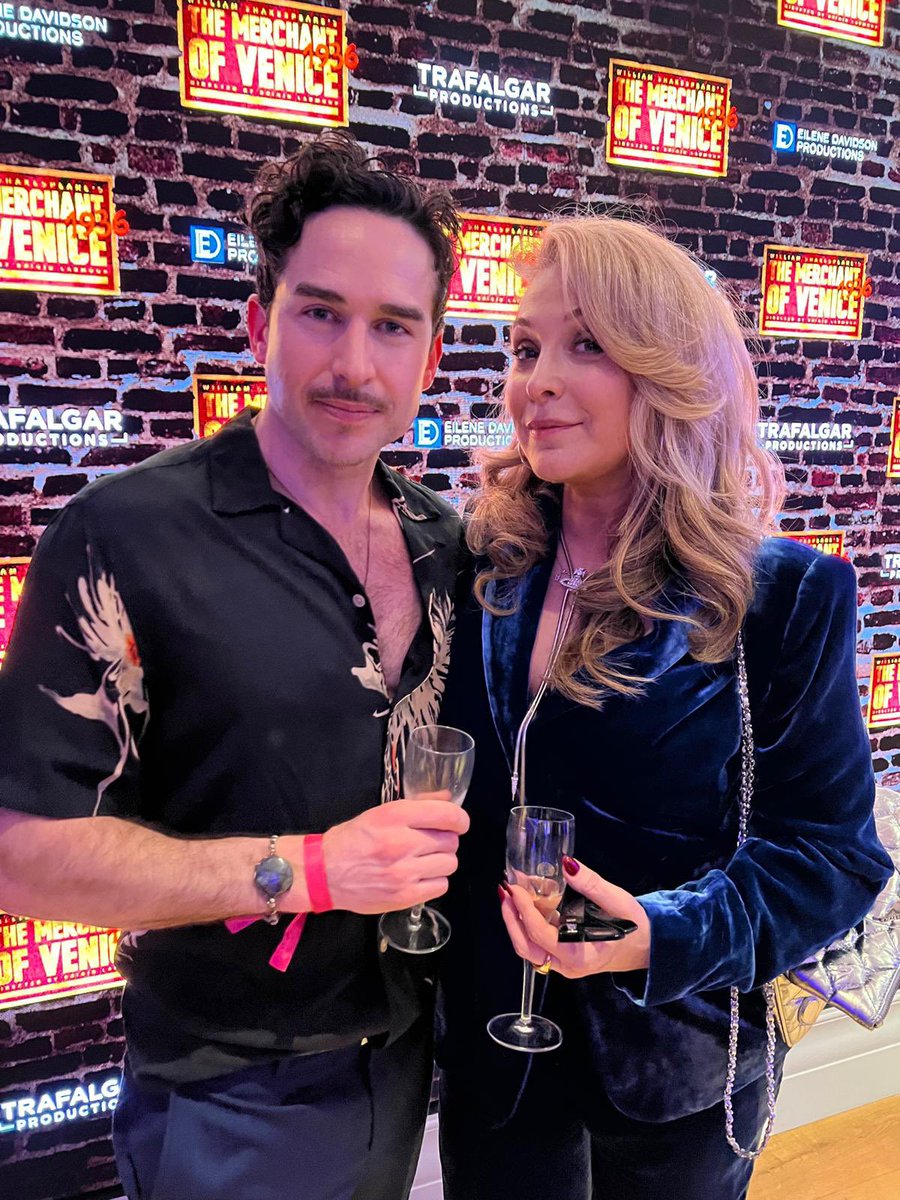
We open tonight after reimagining and re-examining scenes with a freshness that make this piece ALIVE more than ever before - it feels very exciting to be bringing this to @TrafTheatre - catch us on the west end this month 💥🥳
1
10
216
Gav Fowler retweeted

11 Oct 2024
📰 The press reviews for FILUMENA are in, and it’s safe to say this show has truly stolen the spotlight! With such enthusiastic feedback, it’s evident that this is a must-see production!
📅 NOW - Sat 19th Oct
📸 Jack Merriman
🎫 theatreroyalwindsor.co.uk/fi…




7
19
1,524
10 Oct 2024
We are officially OPEN - come couch us over the next 6 weeks 🥳♥️
10 Oct 2024

🎭 REVIEW 🎭 ⭐️⭐️⭐️⭐️ 🎭
FILUMENA at the Theatre Royal Windsor
📖 thespyinthestalls.com/2024/1…
“There are complex emotions and issues on show here, that are delivered with warmth and humour – and at times with quite a punch”
#RecommendedShow #Filumena
📷Jack Merriman

1
3
12
1,118
Gav Fowler retweeted

26 Sep 2024
The most powerful drug in the world is your mind
Alexander shulgin was serving in the Navy During WW2
While at sea, he had suffered a thumb injury that required surgery
They did not have morphine, but they didn't tell him that
A nurse handed him a glass of orange juice
He looked at the bottom of the glass and noticed undisclosed crystals
Assuming it was drugs, he drank the juice and fell asleep for the entire surgery
It was later revealed that it was just sugar
A fraction of a gram of sugar had rendered him unconscious
so what happened?
His mind believed he was sedated and this caused a release of endorphins (endogenous morophine), enkalephins, and GABA
On a chemical level, he was on morphine
Neither the body or the mind can tell the difference
Your thoughts create electrical impulses and chemical reactions that can mimick any drug out there
This can help you, or hurt you because the reverse is also true
Negative thoughts and expectations lead to physical harm and illness
One study noted patients receiving an epidural analgesic injection experienced more pain when warned it would "feel like a bee sting" compared to being told it would create a "numbing sensation"
Another study noted that simply using the word "pain" instead of "cool sensation" when describing a procedure made patients perceive it as more painful
You don't think the mind has anything to do with these "idiopathic", chronic mystery diseases? Get real
Everything happens for a reason. Every thought leads to a physical change in the body.
On a positive note, does anyone think the well documented cases of "spontaneous remission" in stage 4 cancer didn't have anything to do with the patients will to survive and heal?
Of course it did
I'm not saying that mindset is everything and you can just manifest your reality and heal yourself with your thoughts
What I'm saying is you must be consistently mindful and aware of your thoughts because they WILL be influencing your health and performance whether you like it or not

28
117
805
96,955

Gav Fowler retweeted

10 Jul 2024
Accolade – @RichmondTheatre "I have no hesitation in saying that this is a very powerful play that deserves to be seen, especially when it is as well acted as it is here." @johngro26162901
londontheatre1.com/reviews/a…

2
3
467
5 Jun 2024
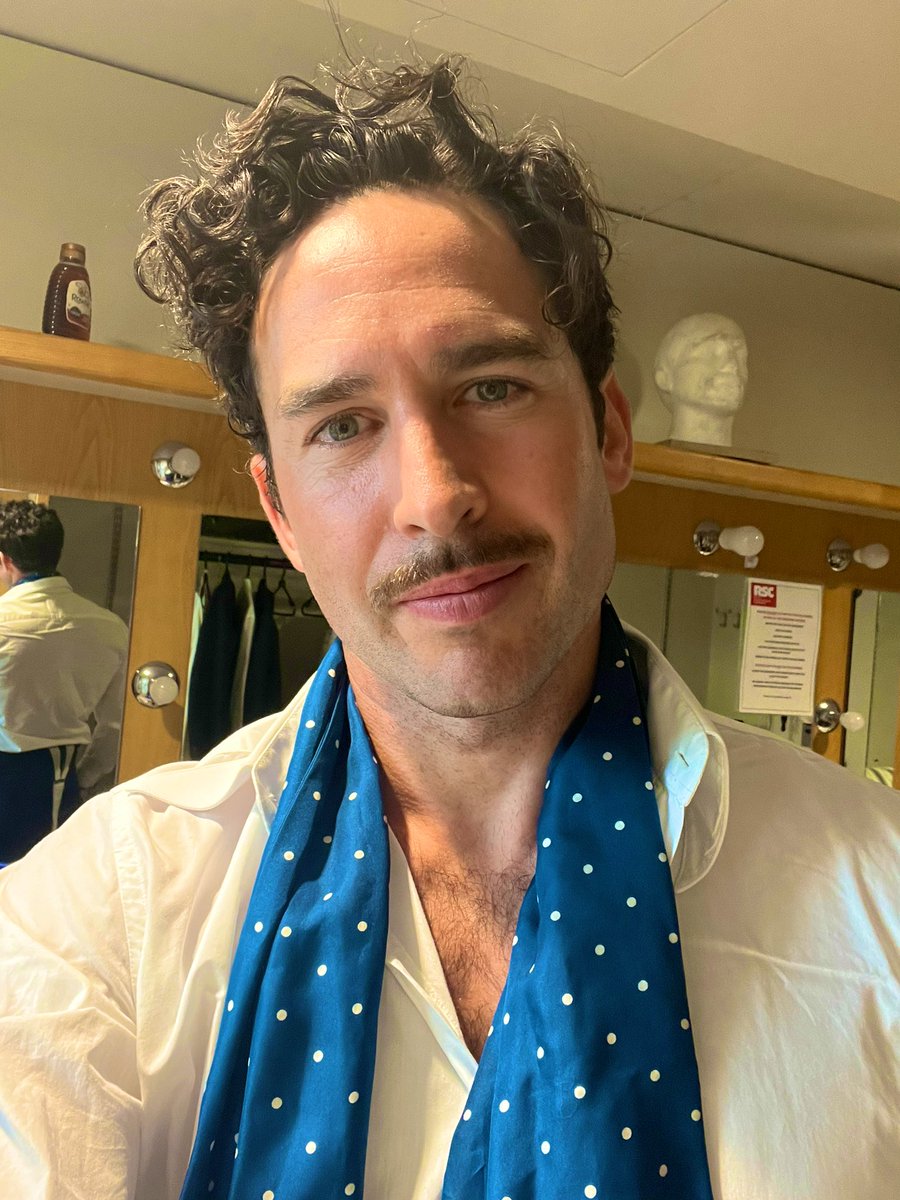
Really enjoying working with this brilliant team and great cast of humans.
And bringing the tash back, obvs 🥸
Catch us on in Windsor, Richmond and a short tour 💥
5 Jun 2024

Wishing Gavin Fowler (@Fowler8Gavin) and cast of Accolade a wonderful Press Night tonight.
@BKL_Productions
@TheatreWindsor
#Accolade #UKTour


8
590
Gav Fowler retweeted

5 Jun 2024
Wishing Gavin Fowler (@Fowler8Gavin) and cast of Accolade a wonderful Press Night tonight.
@BKL_Productions
@TheatreWindsor
#Accolade #UKTour
1
3
7
1,656
9 May 2024
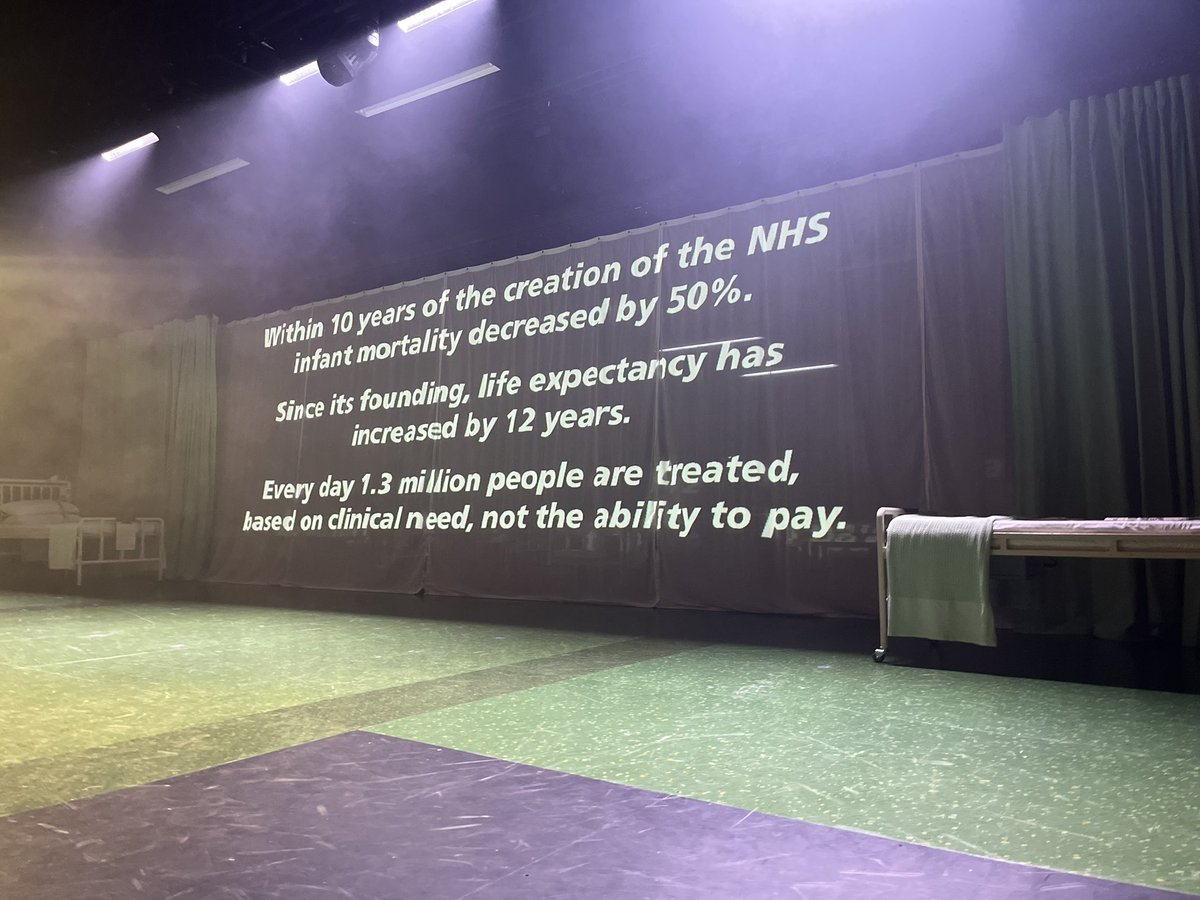
So glad to have caught Nye last night into its final week: brilliantly playful, imaginative and moving work by the whole cast, showing arguably our proudest moment as a country.
Proud mate and proud of what theatre can do.
My heart was full ♥️ 👊🏻 #NHS
1
7
387
9 May 2024
Also love the fact @IanMcKellen can mooch in the foyer in his flat cap unnoticed by most. Never change Ian 😂♥️
3
124
18 Apr 2024
Very excited to be joining the brilliant Sean Mathias again and giving ma first cockney in too long in this 1950’s gem of a play by Emlyn Williams 🤩👊🏻
More casting still to be announced…
9 Apr 2024

📣 JUST ANNOUNCED: Felicity Kendal to star in Sean Mathias' 2024 Season of plays, plus initial casting announced for ACCOLADE, as well as UK Tours for ACCOLADE and FILUMENA.
theatreroyalwindsor.co.uk/sm…
@BKL_Productions
2
20
737
Gav Fowler retweeted

9 Apr 2024
Both Accolade and Filumena will take to the stage at @TheatreWindsor prior to limited UK tours, under the directorship of award-winning director Sean Mathias.
🎟️ kenwright.com/



4
5
1,179
Gav Fowler retweeted
17 Apr 2024
The truth will always out.
Catch the brand new production of Emlyn Williams' ACCOLADE in Windsor from 31 May.
🎟 theatreroyalwindsor.co.uk/ac…
@BKL_Productions
1
11
20
2,221