Orthopaedic Trauma Surgeon @ Harborview Medical Center
Joined January 2009
- Tweets 6,540
- Following 645
- Followers 4,721
- Likes 5,682
752 Photos and videos



Robert Dunbar, MD retweeted

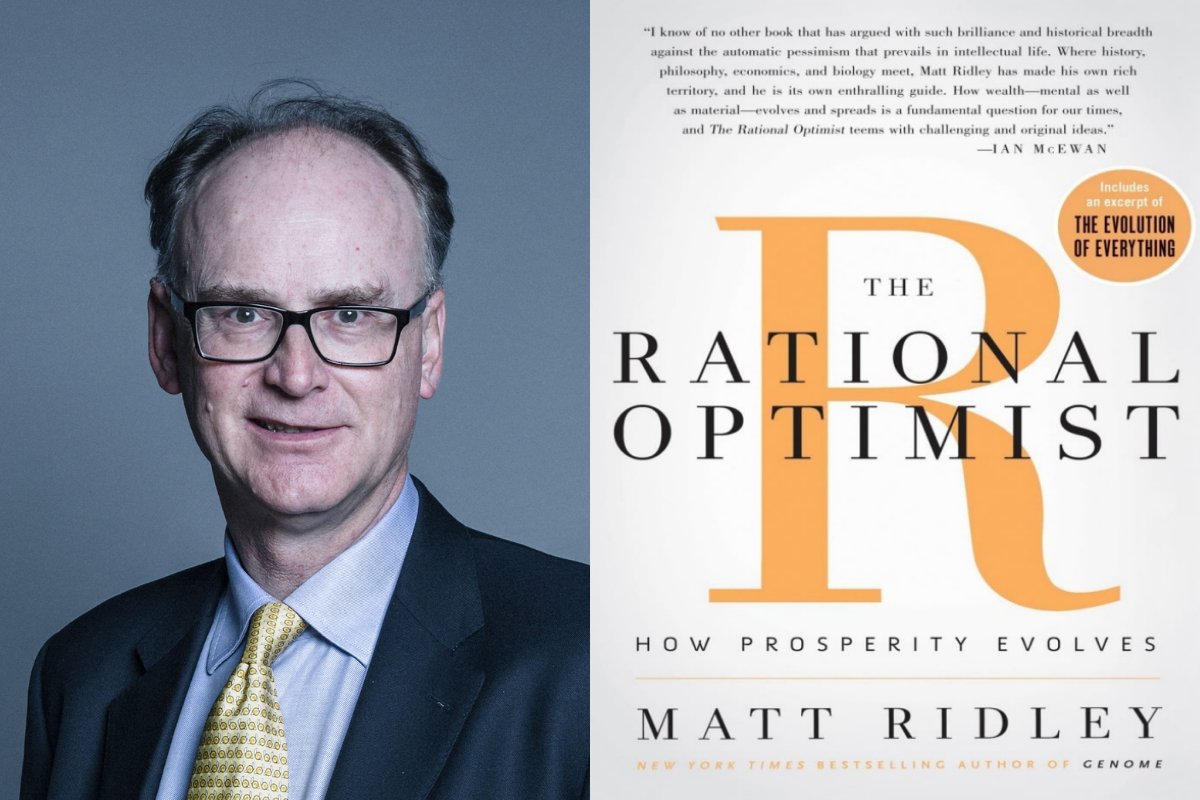
A British biologist looked at 200,000 years of human history and found that the entire reason humans broke out of poverty was not intelligence, not language, not even agriculture, but one mechanism so simple a 6-year-old could explain it.
His name is Matt Ridley.
He is a zoologist by training, an evolutionary biologist by career, and in 2010 he wrote a book called The Rational Optimist that quietly argued the most important fact about human progress had been hiding in plain sight for the entire history of economics.
Naval Ravikant has been telling people to read everything Ridley has ever written for the last 15 years. The reason is the argument inside this one book.
For 200,000 years, anatomically modern humans walked around with the same brain you have right now. Same skull size. Same neural architecture. Same raw capacity for language, planning, and abstract thought.
For roughly 190,000 of those years, almost nothing happened. Generation after generation lived and died inside the same Stone Age toolkit their great-great-grandparents had used. Then somewhere around 50,000 years ago, the line on the chart of human progress started to tick upward. Then it bent. Then it exploded.
The question Ridley spent years on was the only question that mattered. What changed.
It was not the brain. The brain had been the same for 190,000 years. It was not language, which had existed long before the takeoff. It was not even agriculture, which arrived only 10,000 years ago and was actually preceded by the upward bend, not the cause of it.
What changed was that humans started trading with strangers.
This sounds too small to be the answer. Ridley argues that it is the answer to almost everything. The moment one human exchanged a useful object with another human from a different group, something happened that no other species on earth had ever done.
Two ideas that had developed in isolation came into contact. The flint knapper learned what the spear maker had figured out. The fisherman from the coast learned what the hunter from the forest had figured out. The two pieces of knowledge fused into something neither side could have produced alone.
Ridley calls this ideas having sex. The phrase sounds frivolous and it is meant to. The point is that ideas, like genes, get better when they combine with other ideas from different lineages.
An idea sitting inside one head, no matter how brilliant the head, eventually hits a ceiling. The same idea exposed to ten thousand other ideas does something genes do under sexual reproduction. It mixes. It recombines. It produces offspring nobody planned.
The cleanest proof of this argument is the most uncomfortable case study in the book. Tasmania.
Around 10,000 years ago, rising sea levels cut Tasmania off from mainland Australia. A population of roughly 4,000 humans was now isolated on an island, with no possibility of contact with the rest of humanity. They had the same brains. The same language. The same starting toolkit as their cousins 150 kilometers north. The natural experiment was now running.
What happened next is something no economist or geneticist had ever predicted.
The mainland Australians kept inventing. Boomerangs. Spear-throwers. Fishing nets. Bone needles for sewing fitted clothes. Watercraft with paddles. Their technology compounded slowly across the centuries.
The Tasmanians went the other way. They did not just fail to invent the new tools their cousins were developing. They started losing the tools they already had. Fishing was abandoned within a few thousand years. Bone tools disappeared. Fitted clothing disappeared. They forgot how to make fire from scratch and started carrying lit firebrands from camp to camp instead, relighting their fires from a neighbor's whenever their own went out.
By the time European explorers arrived in the 17th century, the Tasmanians had the simplest toolkit of any human society ever recorded. Their material culture had gone backward for 8,000 years.
The archaeologist Rhys Jones called it a slow strangulation of the mind.
Joseph Henrich at Harvard later proved with formal mathematical models that there was nothing wrong with Tasmanian brains. There was something wrong with their network. A toolkit requires a critical mass of people exchanging skills to maintain itself.
The act of teaching a skill is imperfect. Every generation loses a small percentage of what the last generation knew. If your population is large enough and trading widely enough, those losses get caught and corrected by someone else who still remembers.
If your population shrinks below a certain threshold and stops mixing with outsiders, the small losses compound until entire technologies disappear.
This is the part that should haunt anyone reading this in 2026.
Intelligence is not a property of the individual brain. Intelligence is a property of the network the brain is connected to. A genius in isolation will produce less than a mediocre thinker inside a dense exchange of other mediocre thinkers.
The thing your ancestors needed in order to break out of 190,000 years of stagnation was not better brains. It was better connections between brains they already had.
The implication for any individual is direct and uncomfortable. If you are smart and isolated, you will be outproduced by people half as smart who are connected.
The most successful people in any field are almost never the smartest people in it. They are the ones positioned at the intersection of the most idea flows. They are reading more authors than their competitors. They are talking to more people from more disciplines. They are in the rooms where ideas from different lineages bump into each other.
Ridley ends the book on the line that sounds optimistic but is actually a warning its this "The future will be invented by people who connect ideas, not by people who guard them."
268
2,034
7,500
849,270

I am an asst coach for a great lacrosse program in my hometown, Mercer Island, WA. Matt Cooper @mdc5023 has put together a podcast about the values our program holds, called The Long Game. Here is an interview w/me interviewed. Kudos to Matt for helping me sound almost coherent.
1
4
320

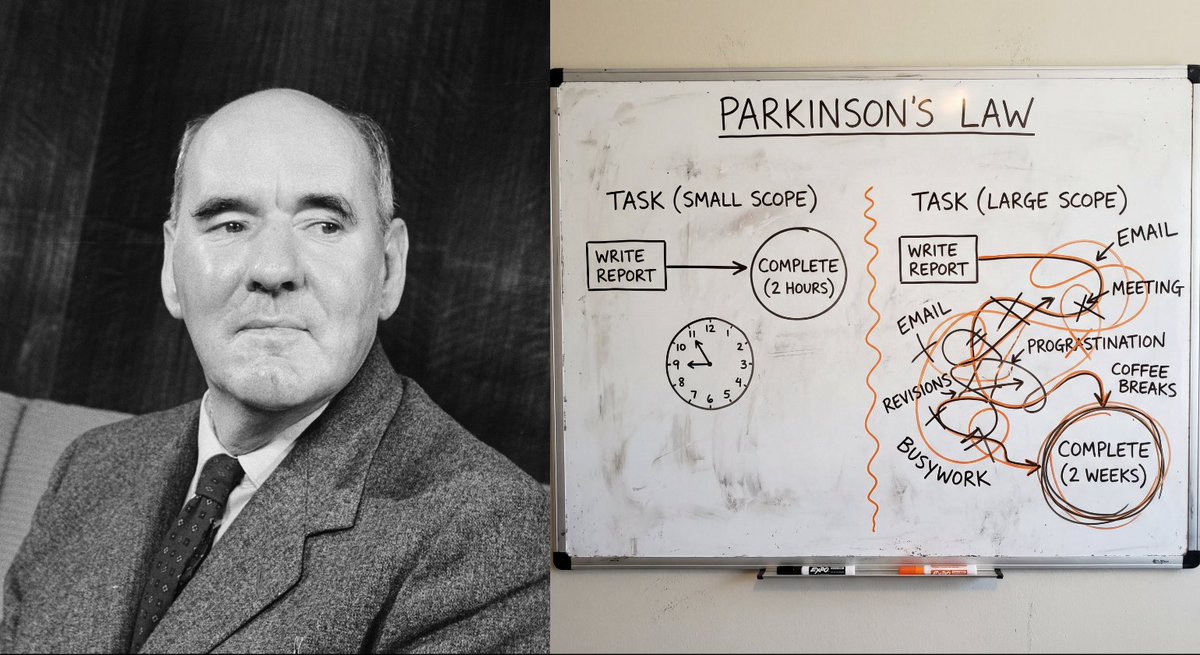
In 1955, a British civil servant noticed a mathematical impossibility inside the Royal Navy.
Between 1914 and 1928, the number of active Navy ships dropped by 67 percent. The number of sailors dropped by 31 percent.
But the number of desk officials managing them? It increased by 78 percent.
He spent years studying this absurdity. What he found is now the silent trap destroying tech careers in the age of AI.
His name was Cyril Northcote Parkinson. He realized that the amount of actual work being done had zero correlation with the number of people doing it. He proved that bureaucracy creates its own internal work just to keep itself busy.
He published a single sentence that changed organizational psychology forever.
"Work expands so as to fill the time available for its completion."
If you have two hours to write a report, it takes two hours. If you have two weeks for the exact same report, it takes two weeks. The brain creates artificial complexity, requests unnecessary meetings, and invents new subtasks to justify the allocated time.
This is not a flaw in human motivation. It is a feature of survival in a corporate structure. Looking busy is historically how you keep your job.
In the modern world, this is the most dangerous vulnerability for anyone working in tech.
AI did not just speed up work. It collapsed the timeline entirely. Tasks that took four days now take four minutes.
Most people handle this completely wrong. They fall straight into the Automation Trap.
You use an AI agent to automate your workflow. You finish a 40 hour sprint in 10 hours. You proudly show your manager exactly how efficient you are. You assume this massive increase in productivity will guarantee a promotion.
Leadership does not see a genius. They see a specific role they can easily eliminate to save budget.
Or worse, Parkinson's Law kicks in. They do not give you a raise. They give you three more projects of equal low-level value to fill your remaining 30 hours. You did not gain leverage. You just increased your output for the exact same pay. You automated your own workflow, and six months later, they realize they do not need you.
Here is how you actually survive the shift.
Stop broadcasting your AI efficiency. If you automate your job, keep the timeline the same. Deliver the work on the original deadline. You protect your baseline income and job security.
Take the hours you just saved and upskill aggressively. Do not use that time to scroll online. Study system architecture. Build new data models. Solve the higher-level business problems that management actually cares about.
Stop attaching your worth to manual execution. Syntax and repetitive tasks are commodities now. Detach your professional identity from the labor that can be automated. Attach it firmly to business results.
Parkinson published his law in 1955. The paper sat in academic literature for decades.
The Navy bureaucracy he studied is long gone.
But the mechanism he discovered is the exact reason why working harder is now a losing strategy.
Every time you optimize a manual task.
Every time you brag about saving your boss three hours.
Every time you ask for more busywork to fill your Friday.
It is the same exact trap.
The secret to tech survival? Stop competing with the machine. Become the director of the system.
45
516
1,757
160,536
Robert Dunbar, MD retweeted

Apr 4
10 @TedLasso leadership lessons:
1 believe in yourself
2 winning is an attitude
3 all people are different people
4 see good in others
5 forgive first
6 stay teachable
7 be curious
8 optimists do more
9 be honest
10 doing right thing is never wrong thing
2
43
168
19,677
Robert Dunbar, MD retweeted

John Locke's argument for tolerance hits different when you realize it's rooted in humility:
"We don't really know all that much. We're wrong about a lot. So we're not justified in forcing our views on others."
11
90
337
25,201
Robert Dunbar, MD retweeted

Mar 17
In 2018, Stanford professor Matt Abrahams gave a masterclass on why most people fail to communicate well.
He broke down:
- The structure every message needs
- Why audiences stop listening
- The psychology of attention
15 lessons that'll make your communication unforgettable:
54
1,525
6,990
1,010,215
Robert Dunbar, MD retweeted

Mar 10
Did you know 😏
He rubbed lemon juice on his face. Robbed two banks. Smiled at the cameras. Got caught in an hour. And changed psychology forever.
In 1995, McArthur Wheeler walked into two banks in Pittsburgh and robbed them with no mask, no disguise, and lemon juice on his face. He believed that because lemon juice works as invisible ink on paper, it would make his face invisible to cameras. He smiled directly into the security cameras. Police aired the footage on the evening news and arrested him within an hour.
When shown the tape, Wheeler stared at the screen and said, "But I wore the juice." He had tested the theory with a Polaroid selfie and didn't appear in the photo — because lemon juice got in his eyes and he aimed the camera at the ceiling.
His case inspired Cornell psychologists David Dunning and Justin Kruger to publish their 1999 paper defining the Dunning-Kruger Effect — the cognitive bias where people with low ability drastically overestimate their own competence.

2,215
13,928
149,784
13,114,518
Robert Dunbar, MD retweeted

Feb 20
126
555
2,058
870,318
Robert Dunbar, MD retweeted

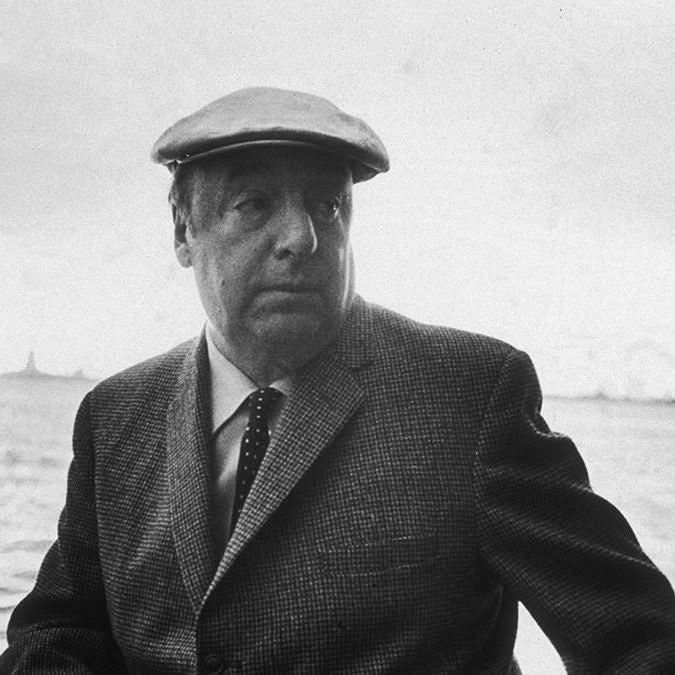
"Il meurt lentement", très beau texte de Pablo Neruda :
"Il meurt lentement
Celui qui ne voyage pas,
Celui qui ne lit pas,
Celui qui n’écoute pas de musique,
Celui qui ne sait pas trouver grâce à ses yeux.
Il meurt lentement
Celui qui détruit son amour-propre,
Celui qui ne se laisse jamais aider.
Il meurt lentement
Celui qui devient esclave de l’habitude
Refaisant tous les jours les mêmes chemins,
Celui qui ne change jamais de repère,
Ne se risque jamais à changer la couleur
De ses vêtements
Ou qui ne parle jamais à un inconnu.
Il meurt lentement
Celui qui évite la passion
Et son tourbillon d’émotions
Celles qui redonnent la lumière dans les yeux
Et réparent les cœurs blessés.
Il meurt lentement
Celui qui ne change pas de cap
Lorsqu’il est malheureux
Au travail ou en amour,
Celui qui ne prend pas de risques
Pour réaliser ses rêves,
Celui qui, pas une seule fois dans sa vie,
N’a fui les conseils sensés.
Vis maintenant
Risque toi aujourd’hui !
Agis tout de suite !
Ne te laisse pas mourir lentement !
Ne te prive pas d’être heureux !"
48
850
2,637
97,528
This Is Water David Foster Wallace Commencement Speech - YouTube youtube.com/watch?v=DCbGM4mq…
2
4
630
I found this compelling. I am trying to adjust my default settings. I don’t always succeed, but I continue to try.
2
6
286
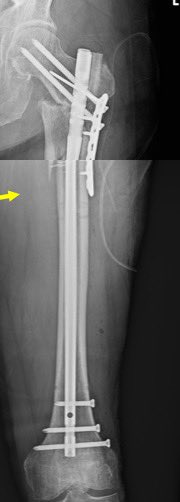
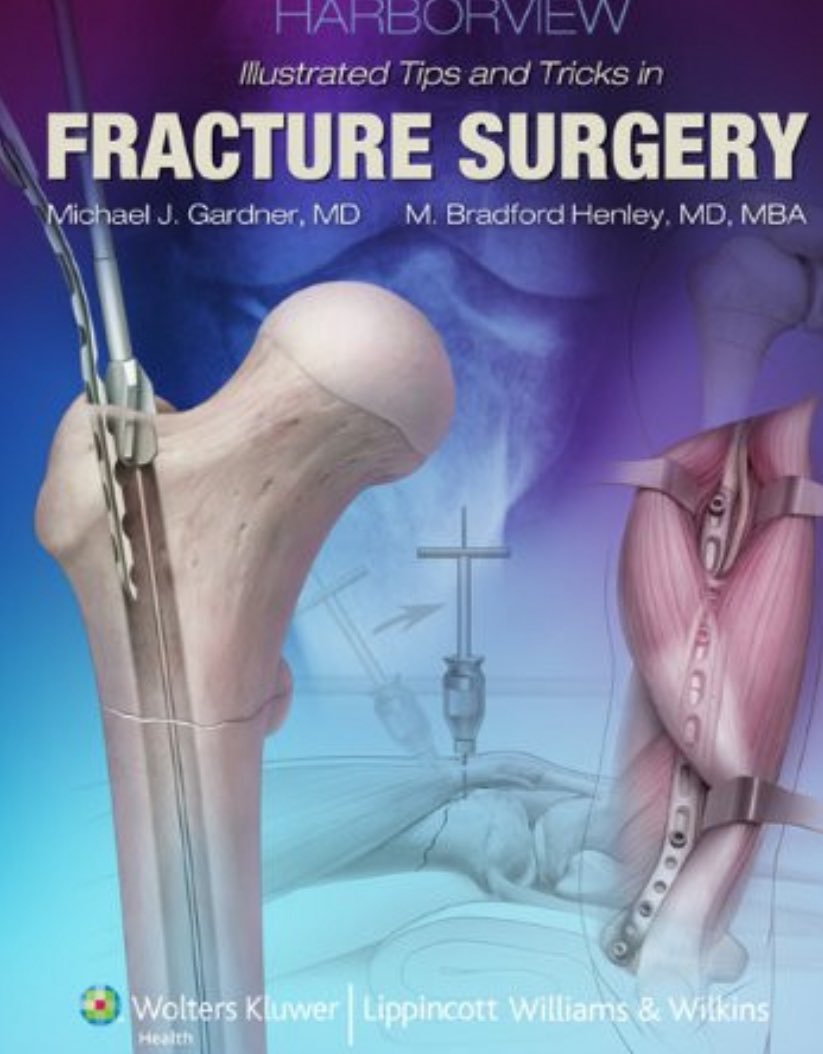
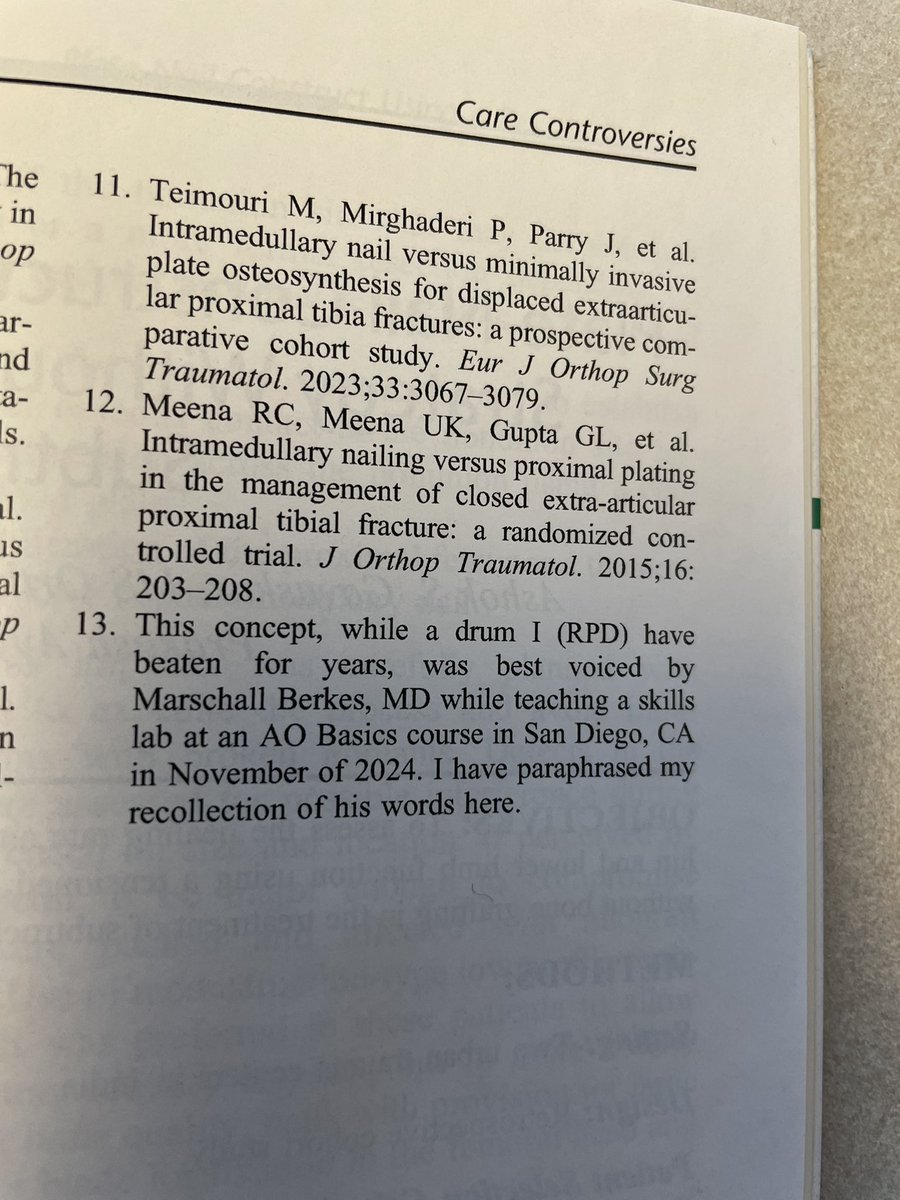
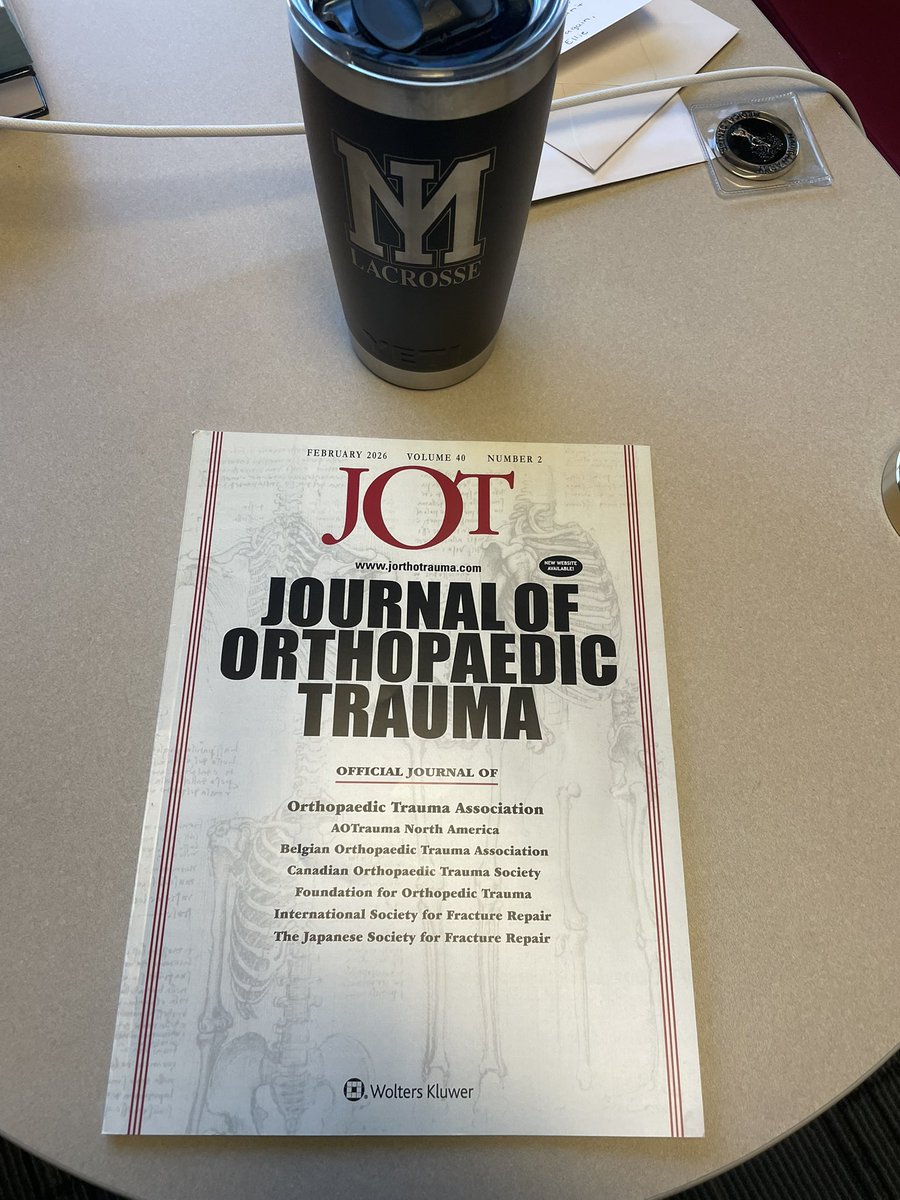
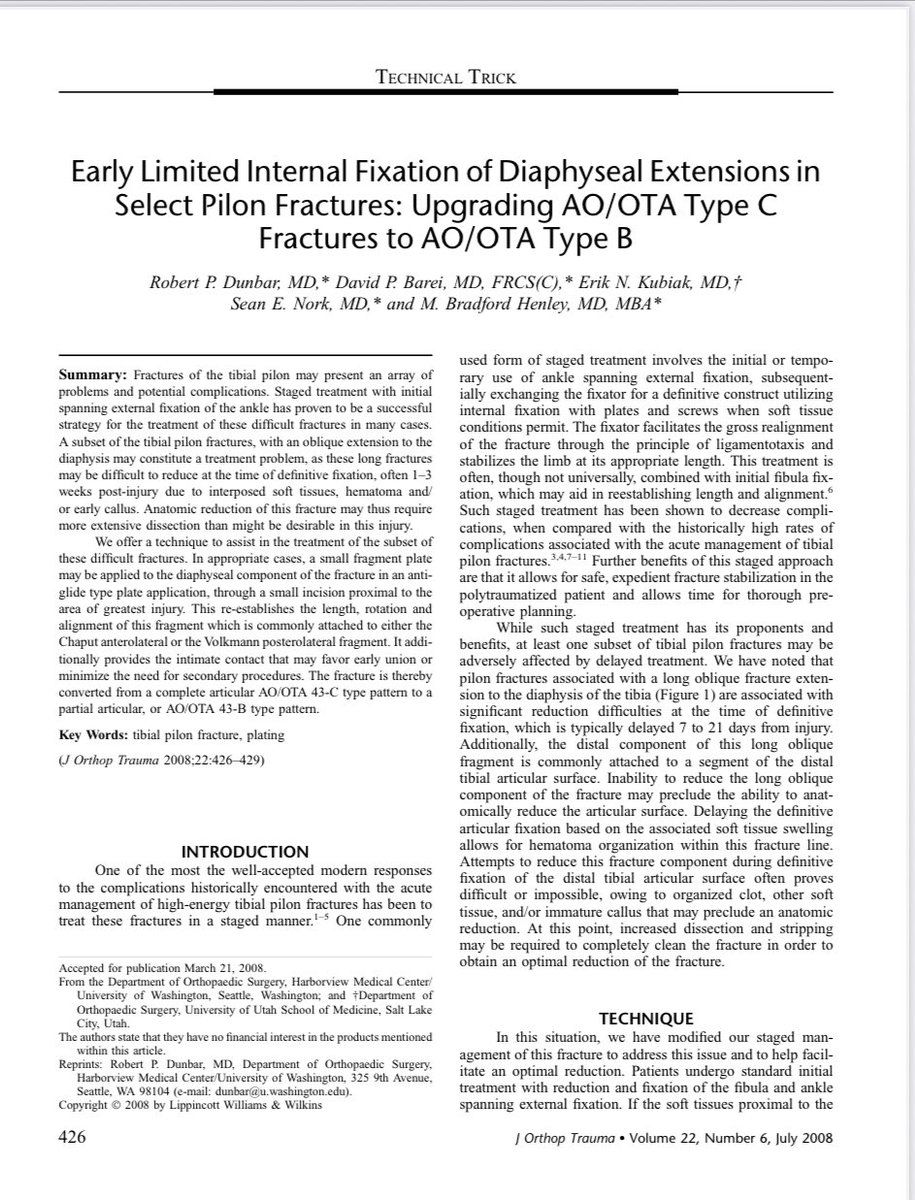
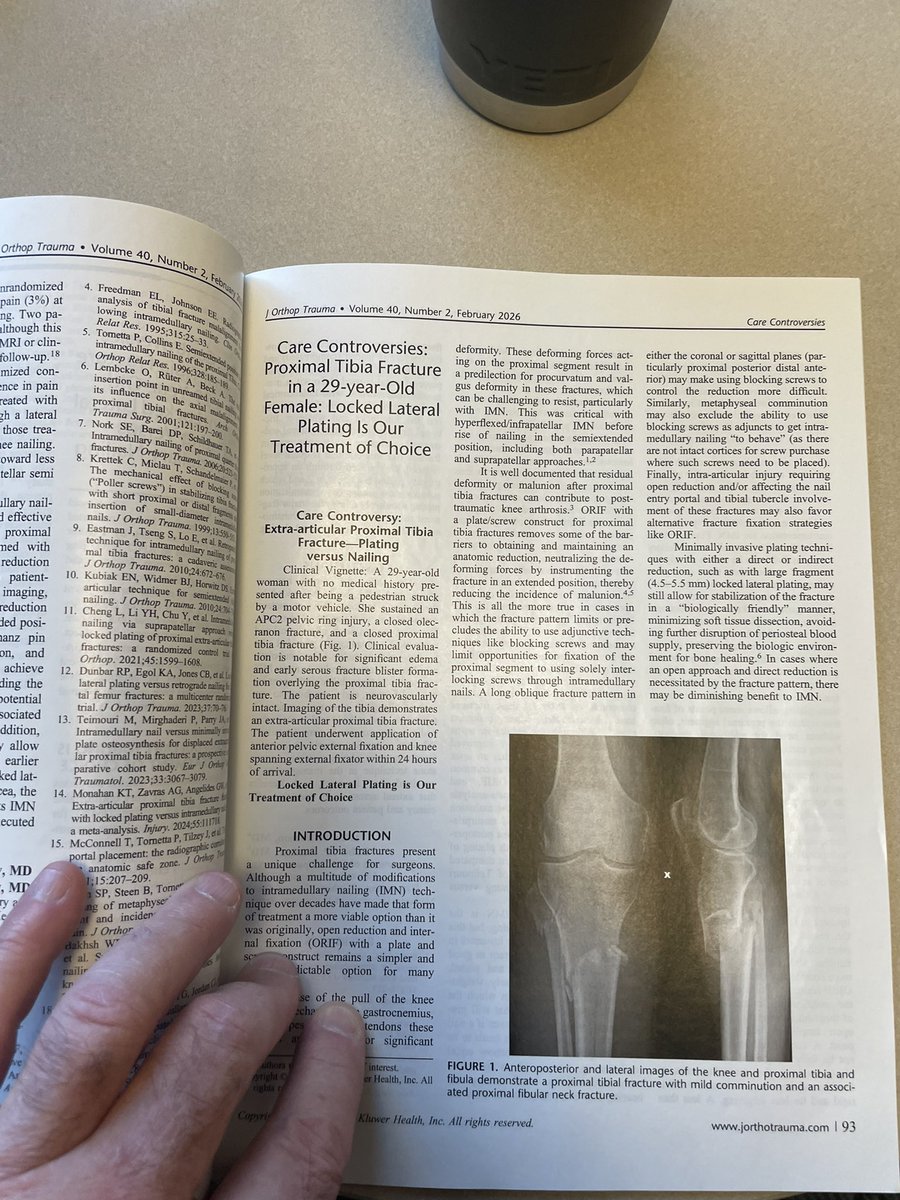
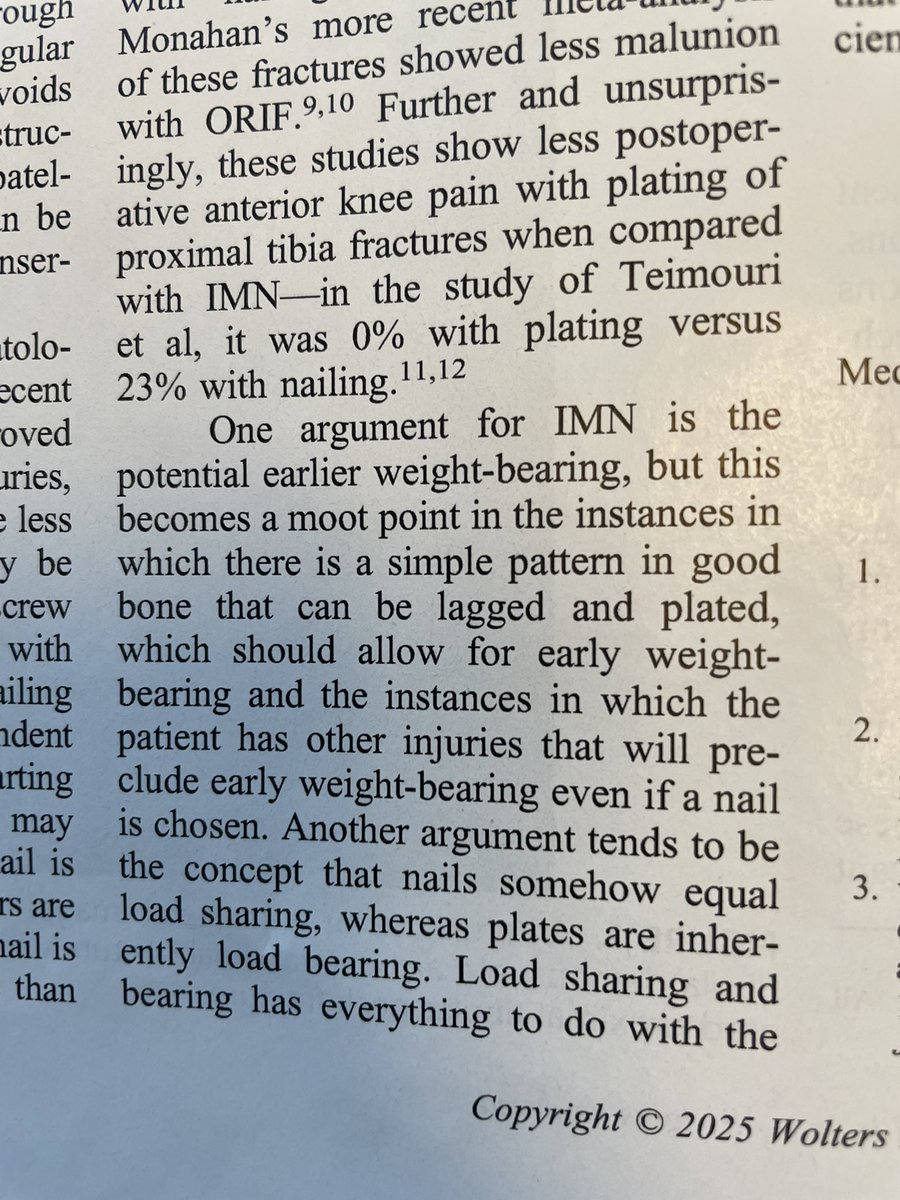
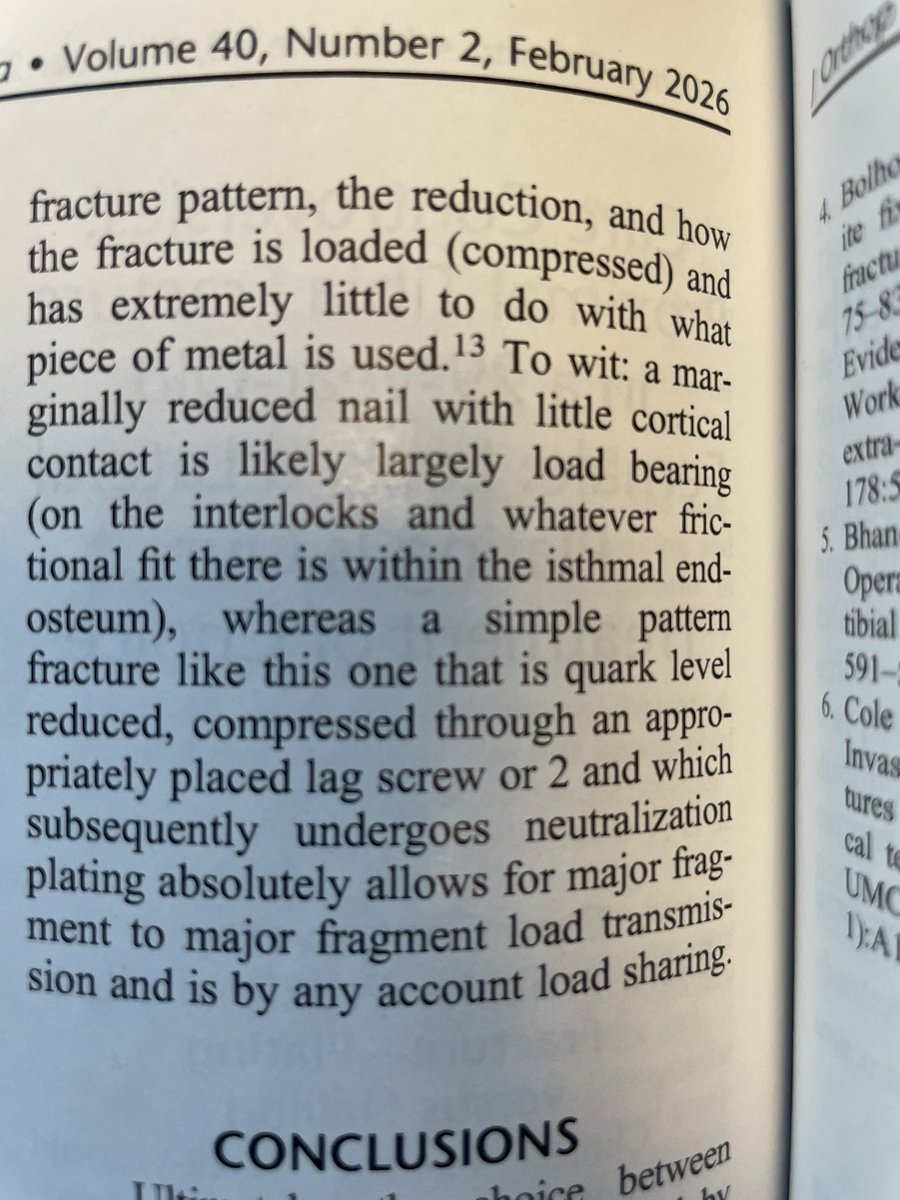
So, the whole Nail = load sharing & plate = has always seemed like b.s. to me but I never saw it written anywhere (maybe I just couldn’t find). So I wrote it (w/LS). Generations of residents (& attendings) have parroted this. No more.
14
16
124
11,758
My favorite part is the reference that they let us keep
1
21
837
I am not arguing with the (many) merits of nailing, including in these fractures, which we do very often.
1
9
629
Robert Dunbar, MD retweeted

Jan 9
Someone recreated “Lose Yourself” by stitching together 187 random movie clips to form the lyrics.
594
12,117
55,445
1,962,902
Robert Dunbar, MD retweeted
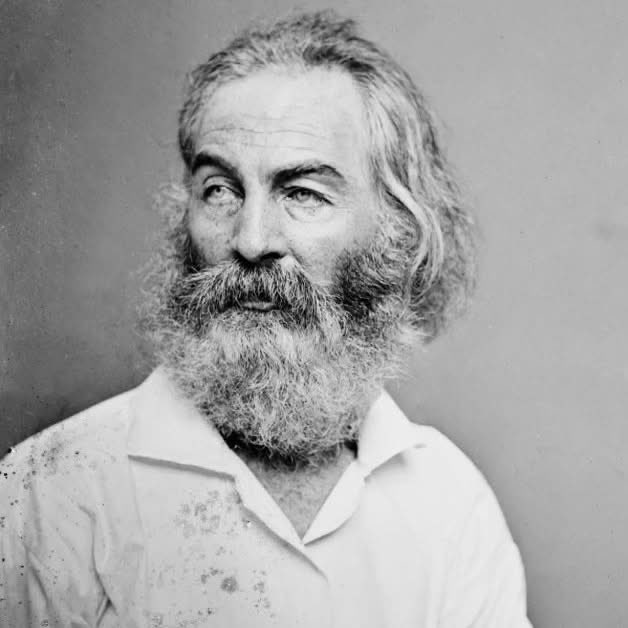
"Carpe Diem", le magnifique poème de Walt Whitman, une ode vibrante à vos rêves :
"Ne laisse pas le jour finir sans avoir grandi un peu,
Sans être heureux, sans avoir atteint tes rêves.
Ne te laisse pas vaincre par la déception.
Ne laisse personne t’enlever le droit de parler, c’est presque un devoir.
N’abandonne pas le désir de faire de ta vie quelque chose de spécial.
Crois bien que les mots et la poésie peuvent changer le monde.
Quoi qu’il advienne, notre être profond reste intact,
Nous sommes pleinement des êtres de passion.
La vie est désert et oasis.
Nous tombons, nous avons mal, nous apprenons, nous sommes les acteurs de notre histoire,
En dépit des vents contraires, ce travail puissant continue,
Tu peux en écrire une strophe.
Ne cesse jamais de rêver, parce que dans son rêve, l’homme est libre
Ne t’abandonne pas à la pire des fautes, le silence.
La plupart des hommes vivent dans le silence. Echappe-toi !
Apprécie la beauté des choses simples.
Tu peux écrire des poèmes sur des choses simples
Mais on ne peut voguer contre soi-même
Cela fait de la vie un enfer.
Aime la peur qui te fait aller de l’avant
Vis intensément, sans médiocrité
N’oublie pas que tu es le futur et aborde cette tâche avec fierté, sans crainte,
Apprends de ceux qui peuvent t’instruire
Ne laisse pas la vie s’écouler sans vivre cela."
25
587
1,651
83,976
Robert Dunbar, MD retweeted

30 Dec 2025
BAMBI MEETS GODZILLA is a 1969 student shot by Marv Newland. It was listed 38th in the book The 50 Greatest Cartoons.
75
263
1,362
86,485
Robert Dunbar, MD retweeted

26 Dec 2025
Carl Sagan wrote "The Demon-Haunted World" in 1995. We should have paid attention.
173
4,980
15,780
467,424