Framing social issues using empirically-based communications research. Follow us on LinkedIn and Instagram for more regular updates. #FrameOn
Joined September 2010
- Tweets 6,416
- Following 1,666
- Followers 11,085
- Likes 4,018
1,662 Photos and videos







Pinned Tweet

21 Jun 2024
Attn: FrameWorks is moving away from X (formerly Twitter).
We hope you’ll stay in conversation with us on LinkedIn, Instagram, and YouTube where we will continue sharing research updates, new resources, and framing tips!
12
1,589
5 Jun 2024
Have you checked out this awesome podcast from our friends at B4 Community Storytellers?
It focuses on building storytelling habits to talk about early childhood development.
Listen now to episode 1 with FrameWorks Institute CEO, @NatKendallT: apple.co/3UNgcaA
3
5
691
29 May 2024
Great examples of framing for change in this working paper from the National Scientific Council on the Developing Child!
Read it HERE: bit.ly/3Wy3jT8
1
410
24 May 2024
You are NOT your audience.
It's easy to fall into the trap of overestimating how much other people think like we do, so it's important that we do the explanatory work to help people understand what we mean and why it matters.
#OnFrameFridays
2
7
449
22 May 2024
What does it mean to start a #WorkShift?
Understanding the assumptions that people rely on to think about work and labor can illustrate how existing thinking must undergo a paradigm shift in order to create lasting, structural change.
Learn more: bit.ly/3UEbnAk
1
1
413
17 May 2024
If we want to build public support for policy change, we can’t just describe the problems we’re facing.
We need to explain what works, what doesn’t, and how we can fix it together.
#OnFrameFridays
1
9
517
16 May 2024
Child sexual abuse is preventable and the way we talk about prevention can make a difference.
Take a look at these new resources to learn more about how our framing choices can help us build a better narrative: buff.ly/3QKRzsA
1
2
343
14 May 2024
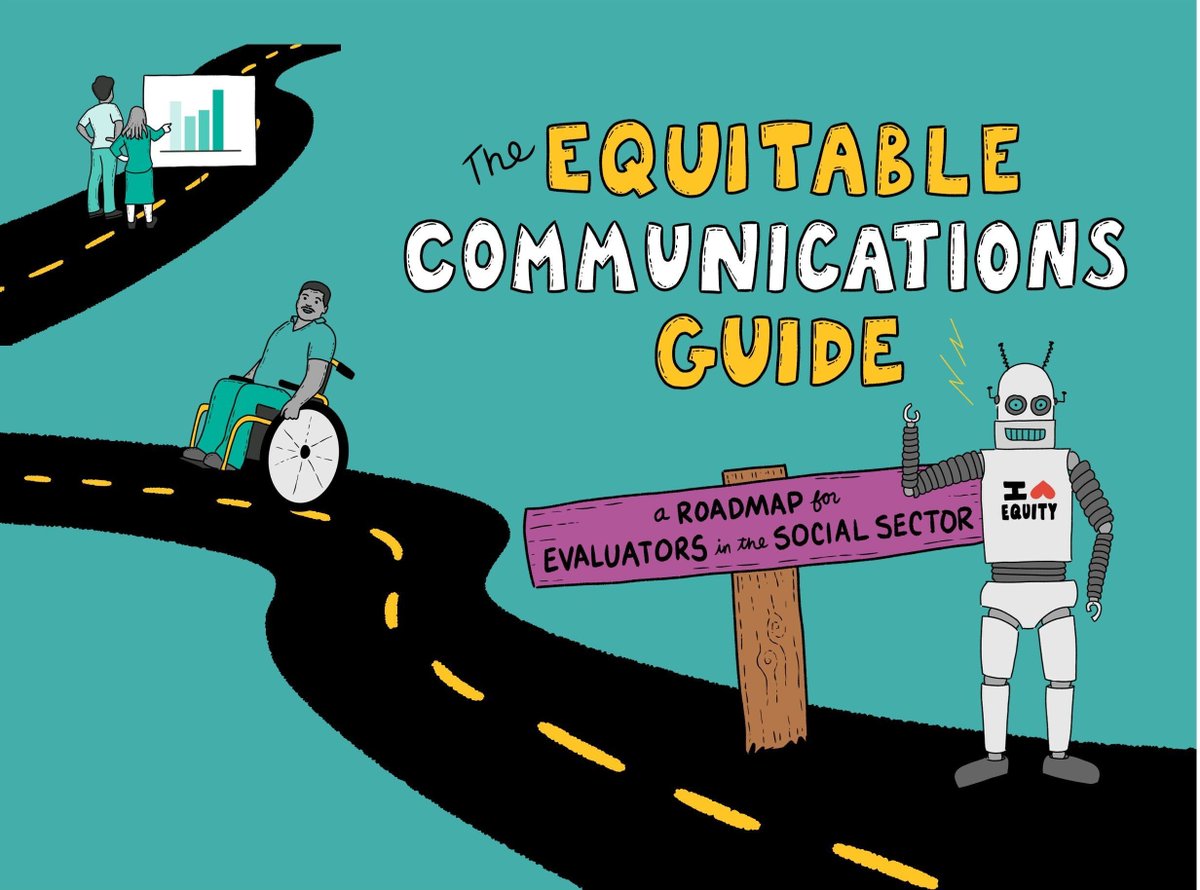
Great new resource from the team at Innovation Network, including important guidance for disrupting injustice through our communications.
It's useful for folks across various fields aiming to center equity in their work!
Check it out: bit.ly/3Uu5K6t
1
4
513
10 May 2024
Our systems are designed...and they can be redesigned.
When we explain access disparities and highlight the structural factors at play, we demonstrate that our systems are designed and they can be redesigned for the better.
#OnFrameFridays
1
8
599
9 May 2024
Update from the Culture Change Project:
From the role of AI to thinking about government and individual leaders, the way Americans are thinking about the future has implications for those working toward systems change.
READ THE FULL BLOG POST: bit.ly/3wkcyvh
2
284
7 May 2024
Are you passionate about using framing to transform culture and systems?
WE'RE HIRING a Digital Communications Strategist/Senior Digital Strategist and a Quantitative Researcher/Senior Quantitative Researcher.
Learn more about open positions HERE: bit.ly/3ya5D8A
2
1
462
6 May 2024
The folks at @YouthRepro are hosting a webinar tomorrow to launch their new report supporting evidence-based policies on sexual and reproductive health for adolescents of all ages, their families, and their communities. There's still time to register now!
1
490
6 May 2024
The way Americans think about work shapes the reality of our labor systems.
Take a look at these new resources from the WorkShift project to learn more about public mindsets and how they can help us create change: bit.ly/4a0nxb8
#WorkShift #CultureChange
2
3
400
3 May 2024
It's important to frame with solutions, but it can be tricky in practice.
The four C's can help:
1) Credible
2) Causal
3) Conceivable
4) Contextual
When the solutions we're talking about have these features, we help our audiences see that change is possible.
#OnFrameFridays
1
1
6
498
FrameWorks Institute retweeted

2 May 2024
It’s time to #Reframe the conversation about work and labor. These insights from the new #WorkShift project at the @FrameWorksInst illustrate the ways that existing thinking must undergo a paradigm shift in order to create lasting, structural change. frameworksinstitute.org/work…
1
1
1
250
1 May 2024
From just compensation to work-life balance, building a better labor system starts with understanding how people are thinking about work and worker power.
Check out these new resources to learn more about how, together, we can create a #WorkShift: bit.ly/4becX12
1
2
1,209
26 Apr 2024
Data doesn’t talk.
When we let data stand alone, people often fill in the gaps with existing biases.
But when we accompany it with clear explanation and interpretation, we can help our audiences better understand what it means and why it matters.
#OnFrameFridays
2
4
452
25 Apr 2024
It’s #CareWorkersRecognitionMonth and it’s time to talk about how we talk about care.
From describing working conditions to explaining systemic racism in the care sectors, the framing we use can help build support for the care workforce.
Learn more: bit.ly/4b6Ydkx
233
24 Apr 2024
The stories we tell about adversity, trauma, and resilience make a difference.
Our latest brief offers strategies to help build broad support for trauma-informed approaches in policies, programs, and public agencies.
Learn more: bit.ly/49T2tTY
1
5
307