
A Canadian economist interested in history, data, demographics, politics and culture.
Joined February 2022
- Tweets 358
- Following 229
- Followers 61
- Likes 1,373
13 Photos and videos


29 Jul 2023
Change in real GDP per capita from 2019Q4 to 2023Q1:
🇺🇸 5.1%
🇮🇹 4.0%
🇦🇺 3.8%
🇯🇵 2.8%
🇫🇷 0.1%
🇩🇪 -1.9%
🇨🇦 -2.0%
🇬🇧 -2.1%
Canadian GDP per capita was 85% of the U.S. in 1990, 77% in 2019, and is now in free fall.
#Canadaisbroken
1
2
5
876
6 Jul 2023
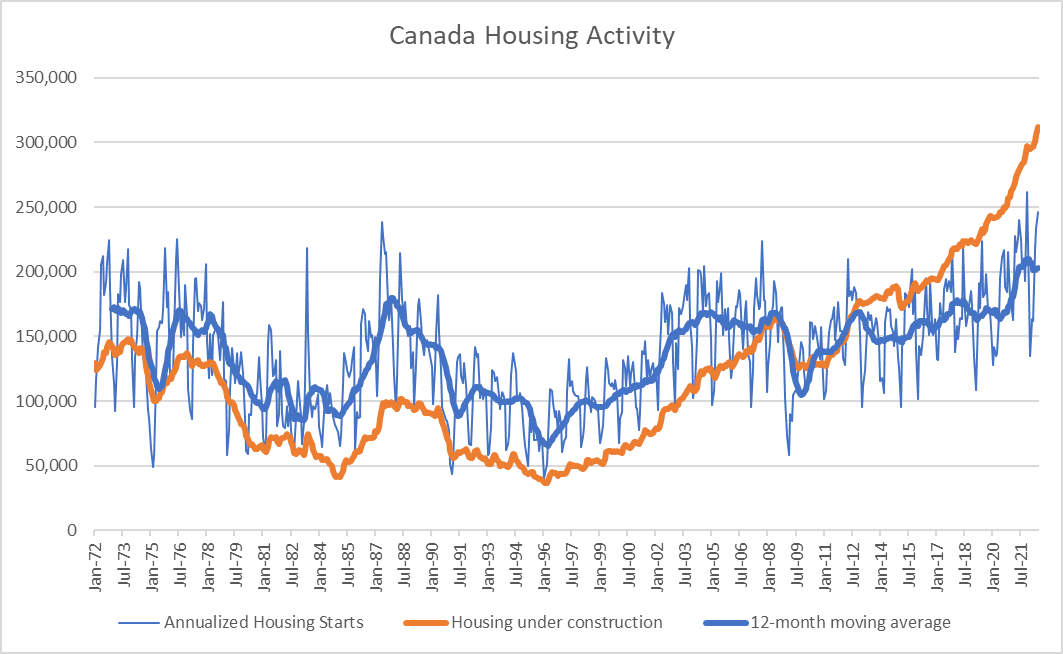
One of our biggest problems in Canada is how we've elevated policy choices to sacred values. This means we can't make, or even contemplate, trade offs. It makes us stupid. We seem to care more about what our government's actions say about us than if they are sensible or effective
1
1
205
6 Jul 2023
Every political argument in Canada in 2023:
Person 1: It looks like [sacred policy choice X] is having [bad consequence Y], maybe we need to make changes.
Person 2: But [sacred policy choice X] is essential! Are you saying we shouldn't do it?!
1: No, but we can change things!
1
126
6 Jul 2023
2: The real answer is [nice sounding non-solution Z]
Try it out.
X = immigration, Y = housing crisis, Z = tax the rich and build a smattering of social housing
or
X = "compassionate" crime policies, Y = rising crime rates, Z = gun confiscations.
85
12 Dec 2022
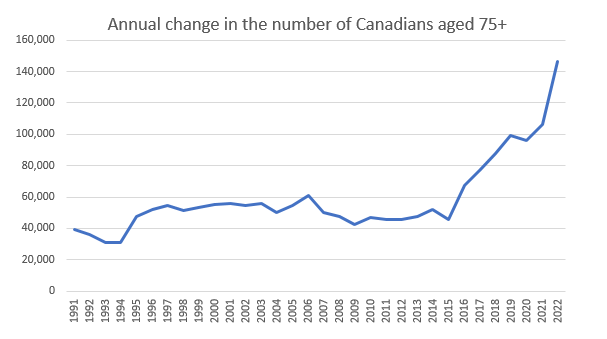
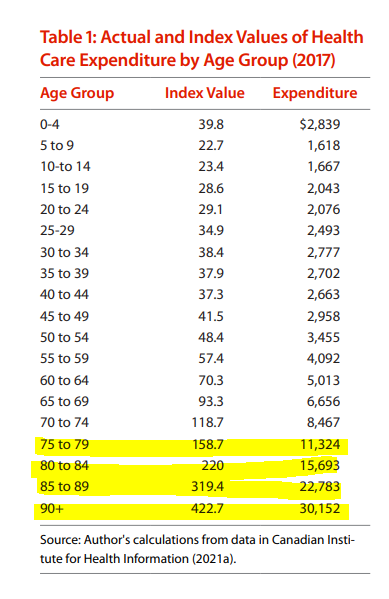
Critical context for Canada's distressed health care system: Boomers getting older.
1
1
29 Sep 2022
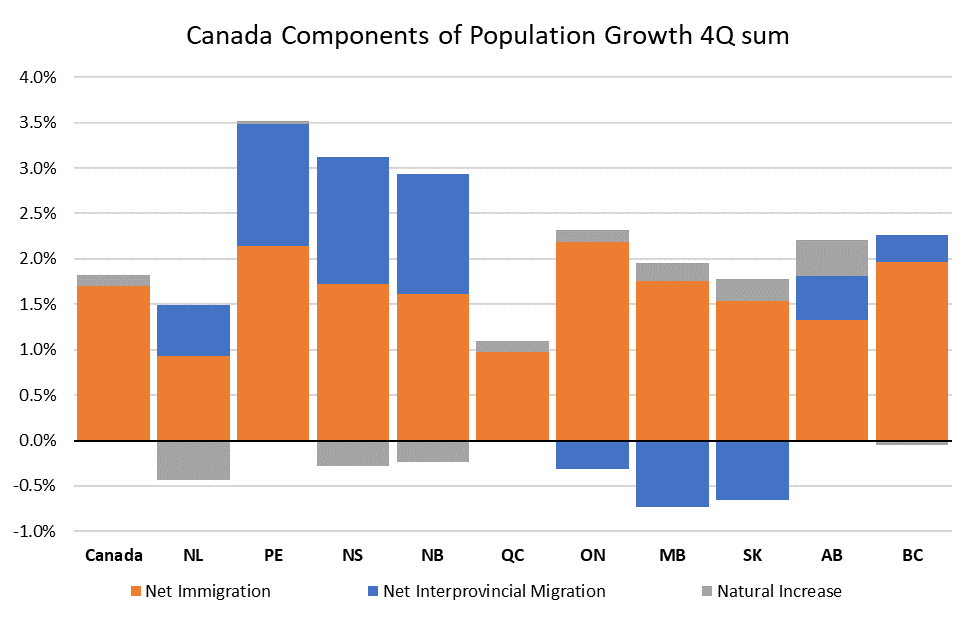
If Prince Edward Island was a country its population growth rate would be top 5 in the world. No wonder no one can afford a house there anymore.
1
26 Aug 2022
Jerome Powell at Jackson Hole:
- The U.S. economy is slowing but it shows strong momentum, the labour market is strong and demand for workers is way ahead of supply.
- Policy stance is near neutral, but there is no reason to stop at neutral when inflation is this high.
1
26 Aug 2022
- Another unusually large rate hike in September may be appropriate but will depend on the totality of the data.
- At some point it will be appropriate to slow the pace of hikes, but the historical record cautions strongly against premature ends to hiking cycles.
1
26 Aug 2022
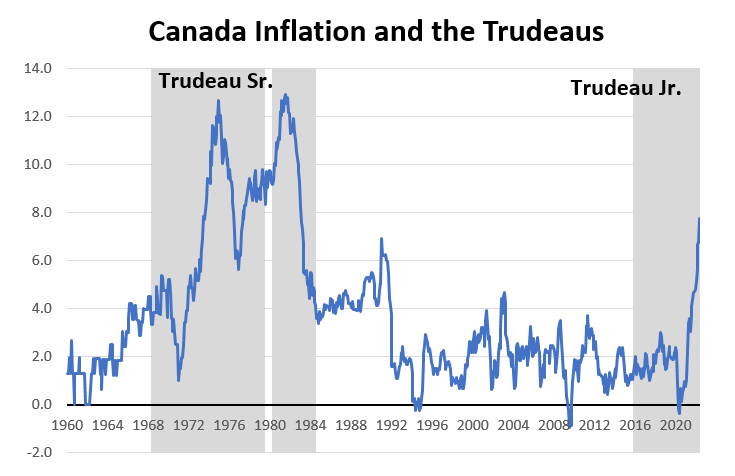
- Lots of references to the 1970s.
- "The job is not done. We will keep at this until its done."
And now we watch the markets tumble for the rest of the day.
18 Aug 2022
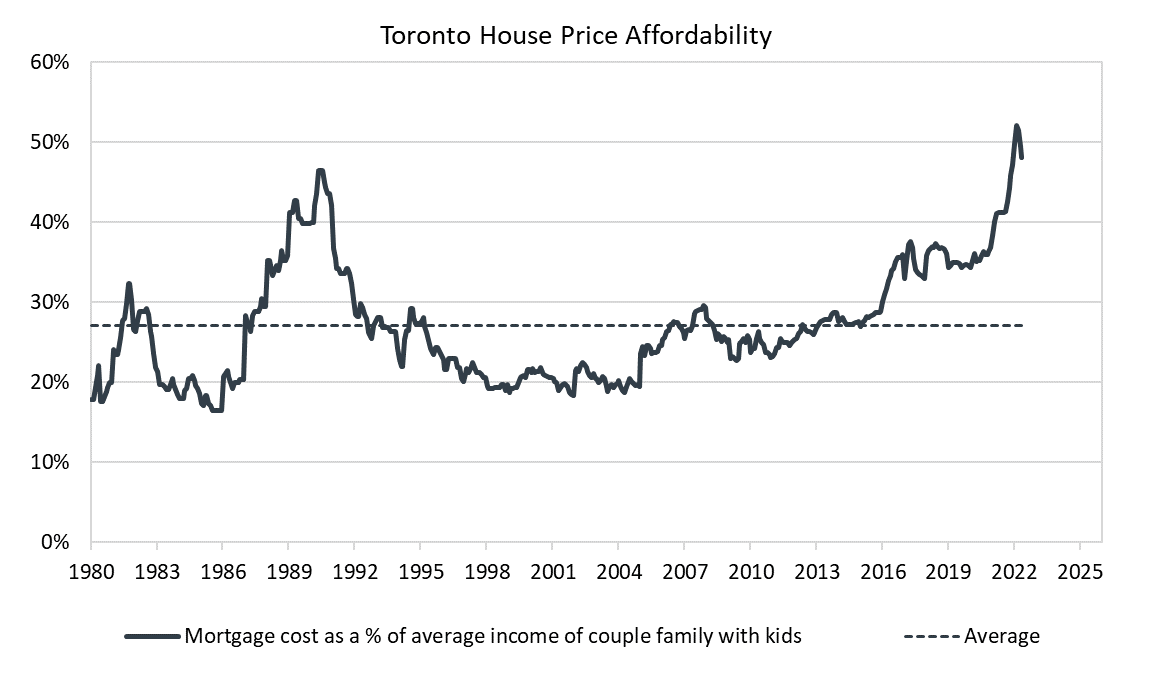
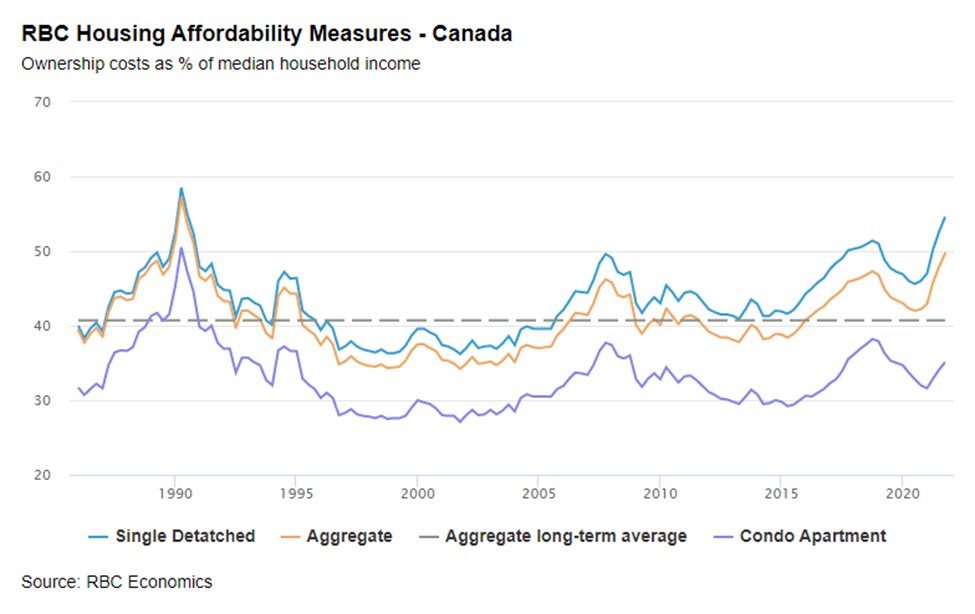
I don't think the latter is likely; the city has changed a lot compared with the 1980s-1990s. However, a correction to 2019 affordability seems probable. Wages are growing (roughly 5% a year), so the nominal price decline will be smaller than the real one.
1
18 Aug 2022
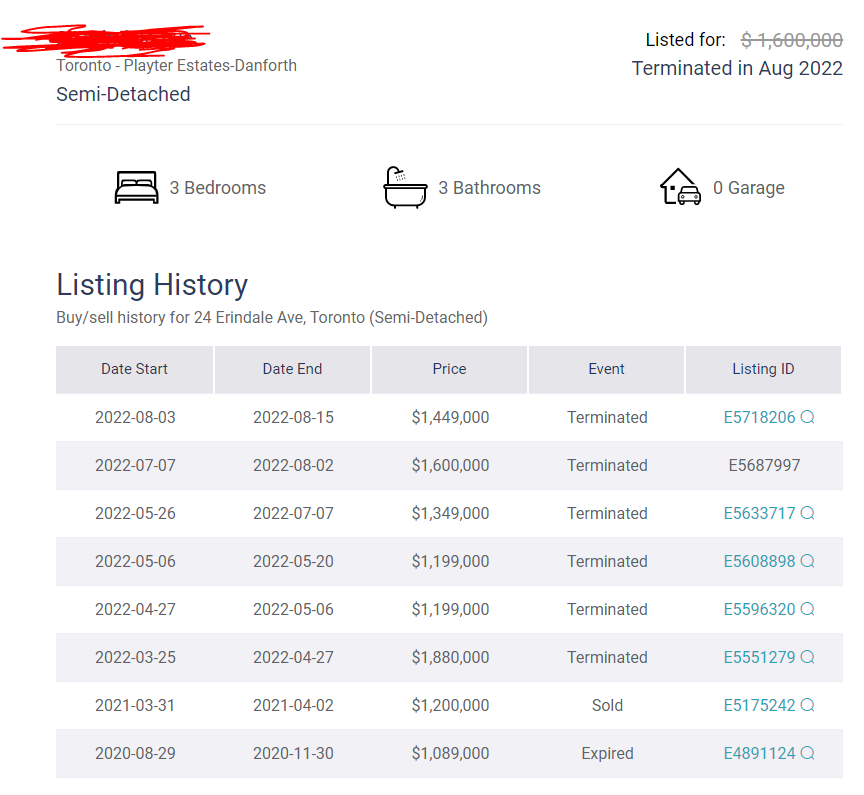
So my call is: Absent a big recession and if nothing changes, the best guess is nominal price decline of 15-20% across the GTA from here. If rates rise more than anticipated though, it could easily be a lot more.
1
1
15 Aug 2022
Markets are rallying because they think central banks will take their feet off the gas as a result of economic hiccups. But the hiccups, and more, are the objective: rates will continue to rise.
15 Aug 2022

We keep talking about inflation becoming “entrenched.” What does that mean?
The more people believe inflation will continue to increase and the longer they believe it will last, the more likely it is to remain high.
👇 Keep reading to learn more. #CdnEcon #AskTheBoC
1/7