
Joined June 2012
- Tweets 23,375
- Following 407
- Followers 9,898
- Likes 28,100
543 Photos and videos





Pinned Tweet

30 Nov 2024
Just to reiterate, I am NOT on Facebook. If you come across (or are approached by) a Facebook account pretending to be me, they're an imposter. They should be distrusted and reported.
1
16
2,281
THE FOREST OF A THOUSAND EYES is on the Bank Street College of Education's list of the best books published in 2025!
instagram.com/p/DZezm4eox2m/
3
110
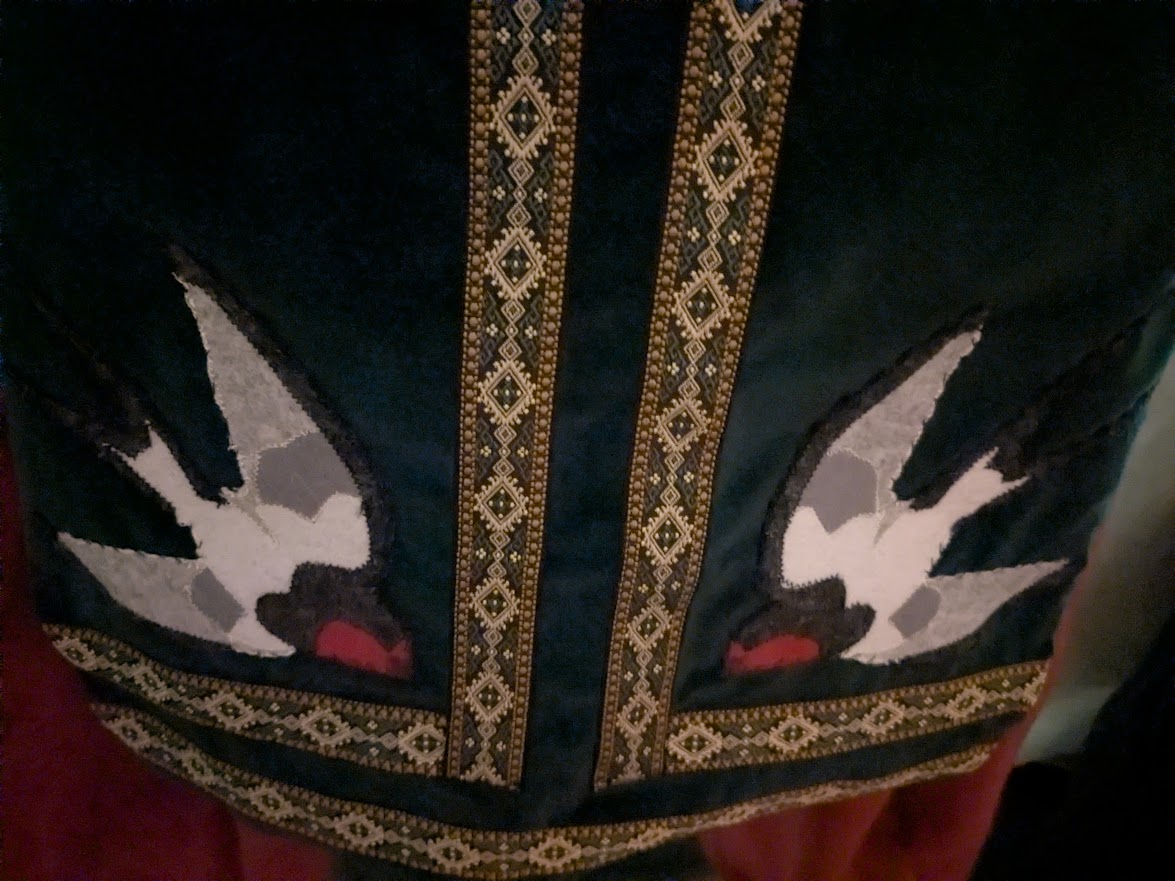
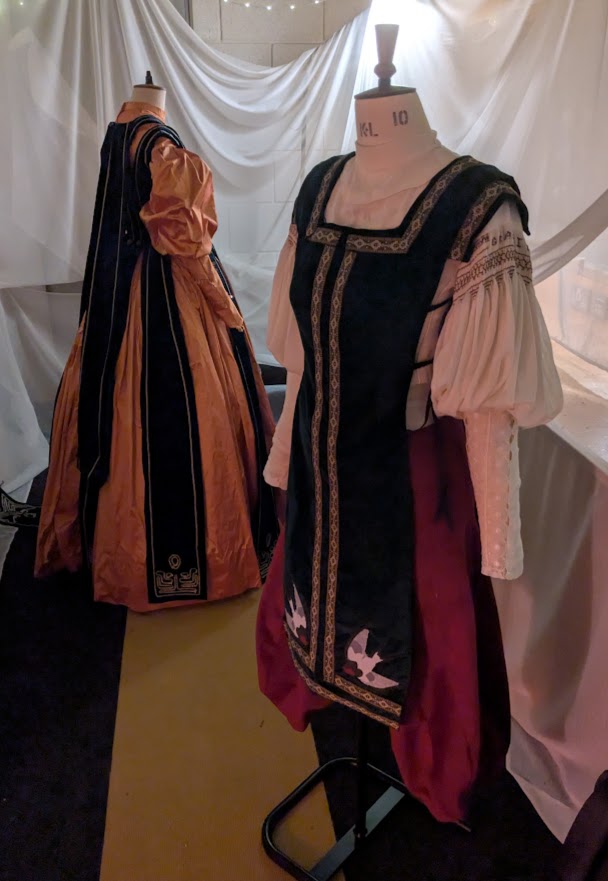
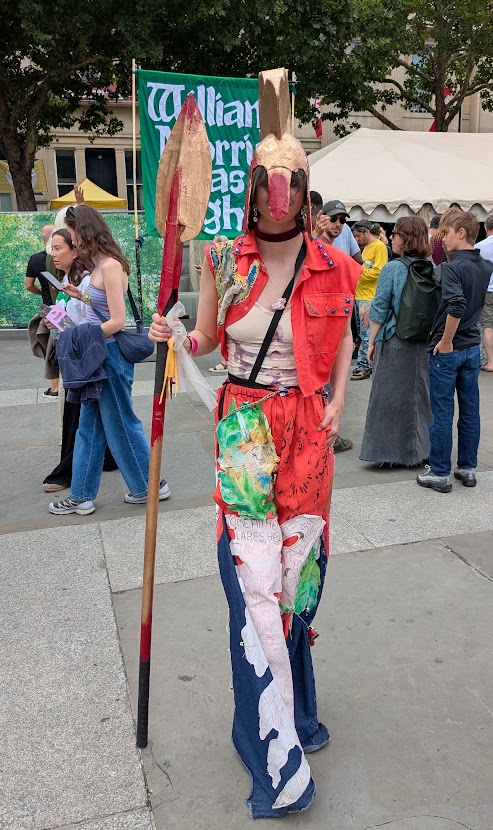
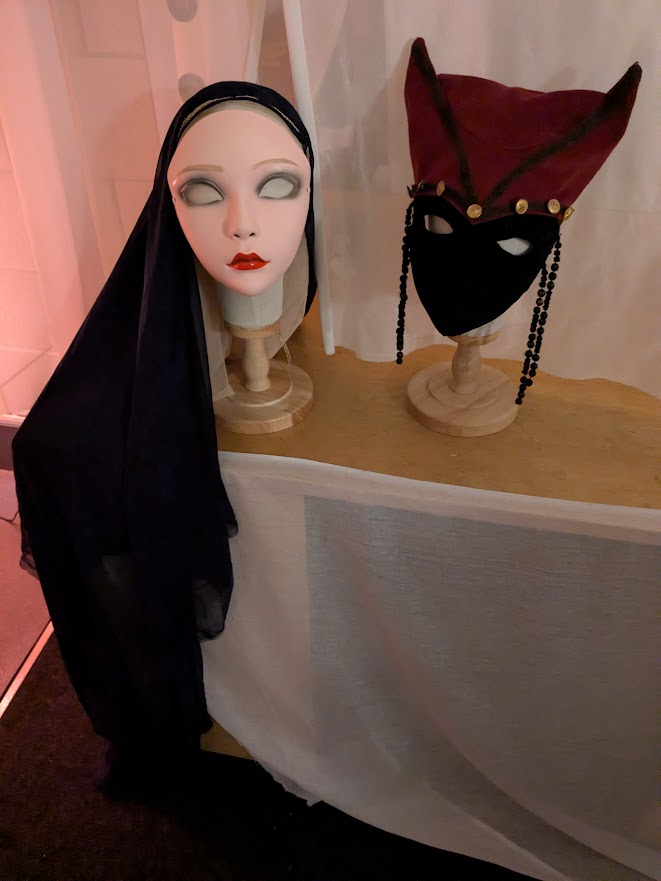
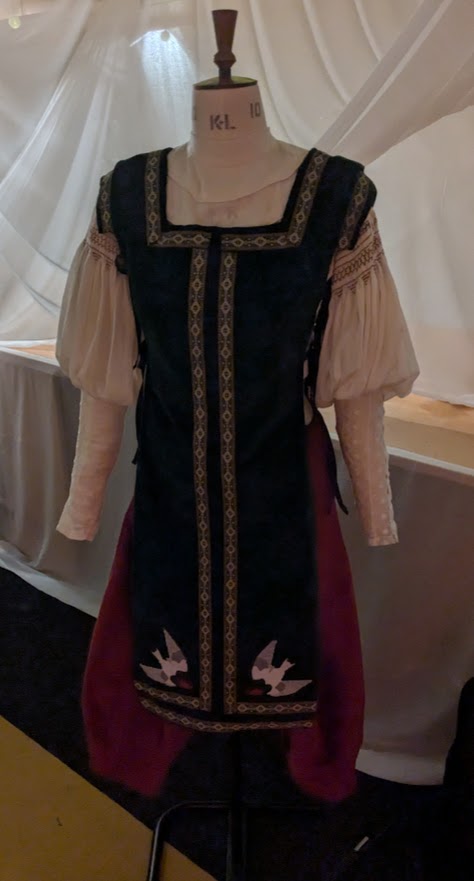
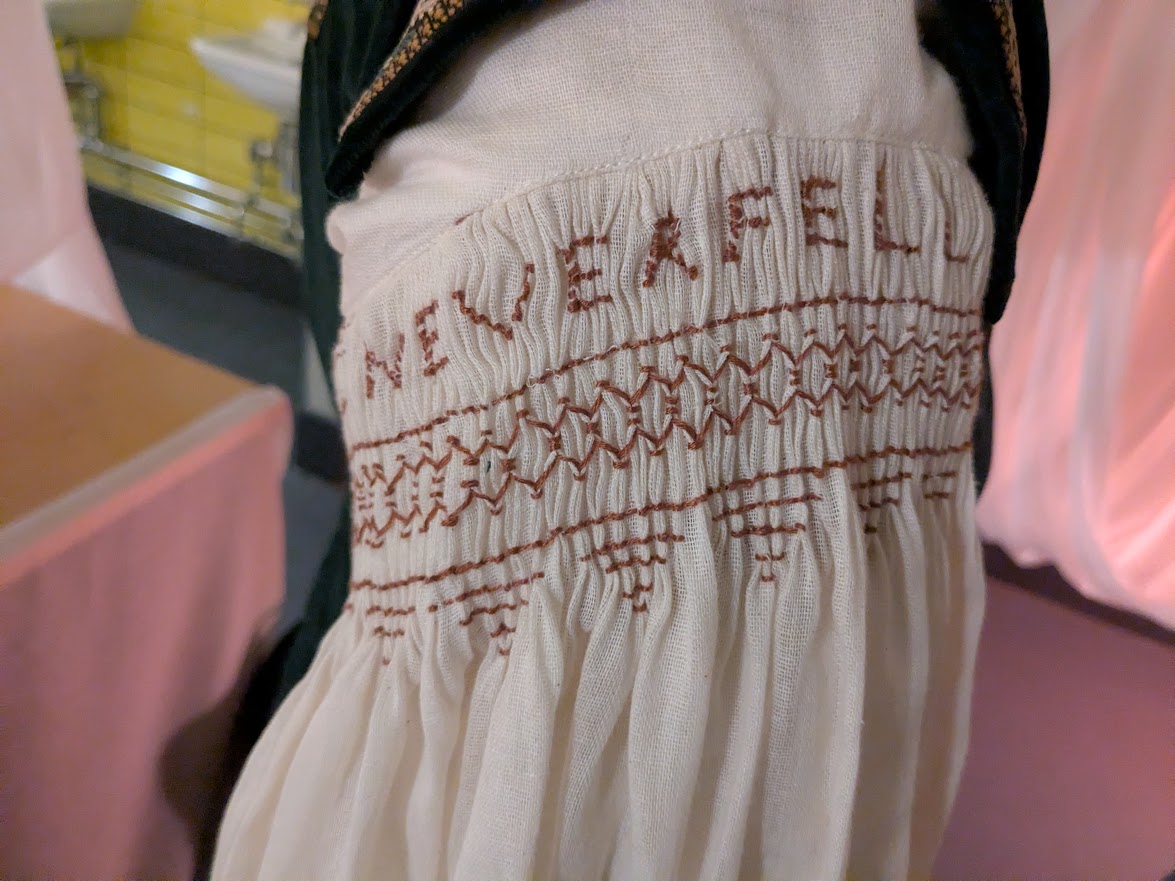
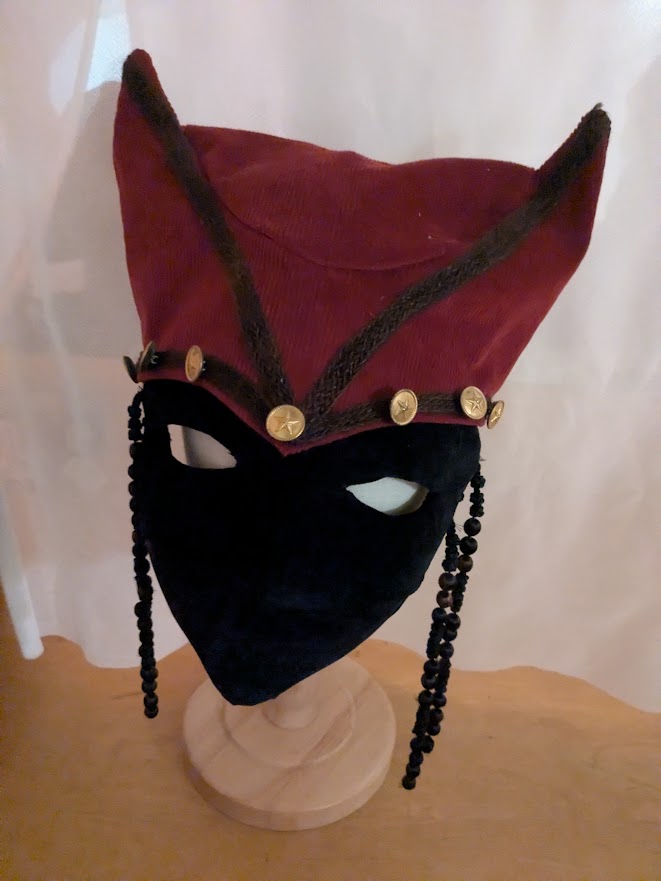
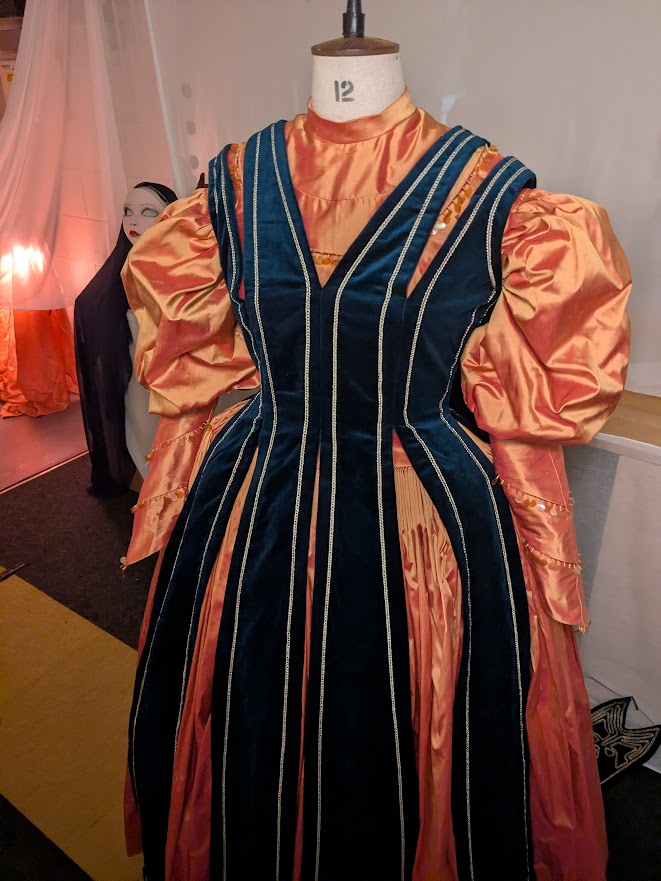
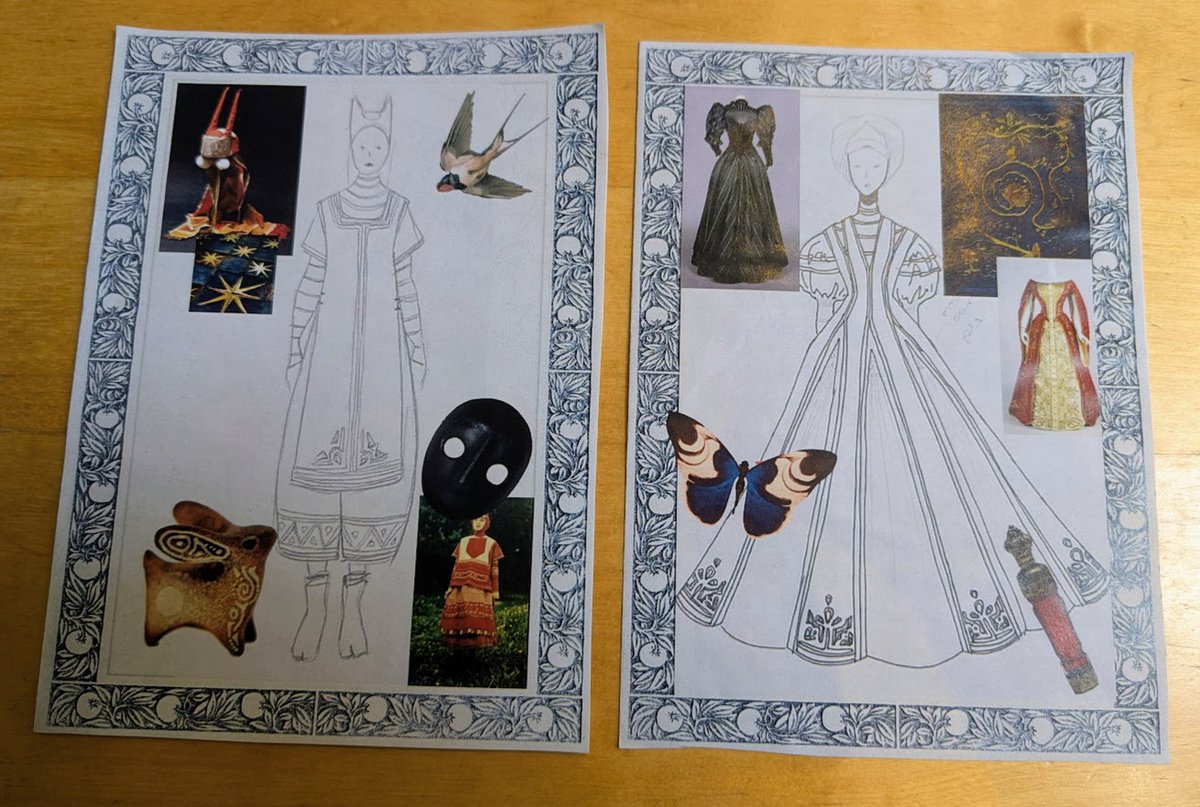
Today I visited the Guildhall School of Music and Drama to see this amazing graduation project by Koren Little - costumes she designed and made for Neverfell and Madame Appeline from A FACE LIKE GLASS! (My photos don't really do them justice.)
2
7
68
2,977
I was stunned by how much thought had gone into every detail - finding ways to express character, draw on various cultural sources and incorporate subterranean motifs, while also considering how the characters would move, and how the clothing would catch the light in motion.
8
210
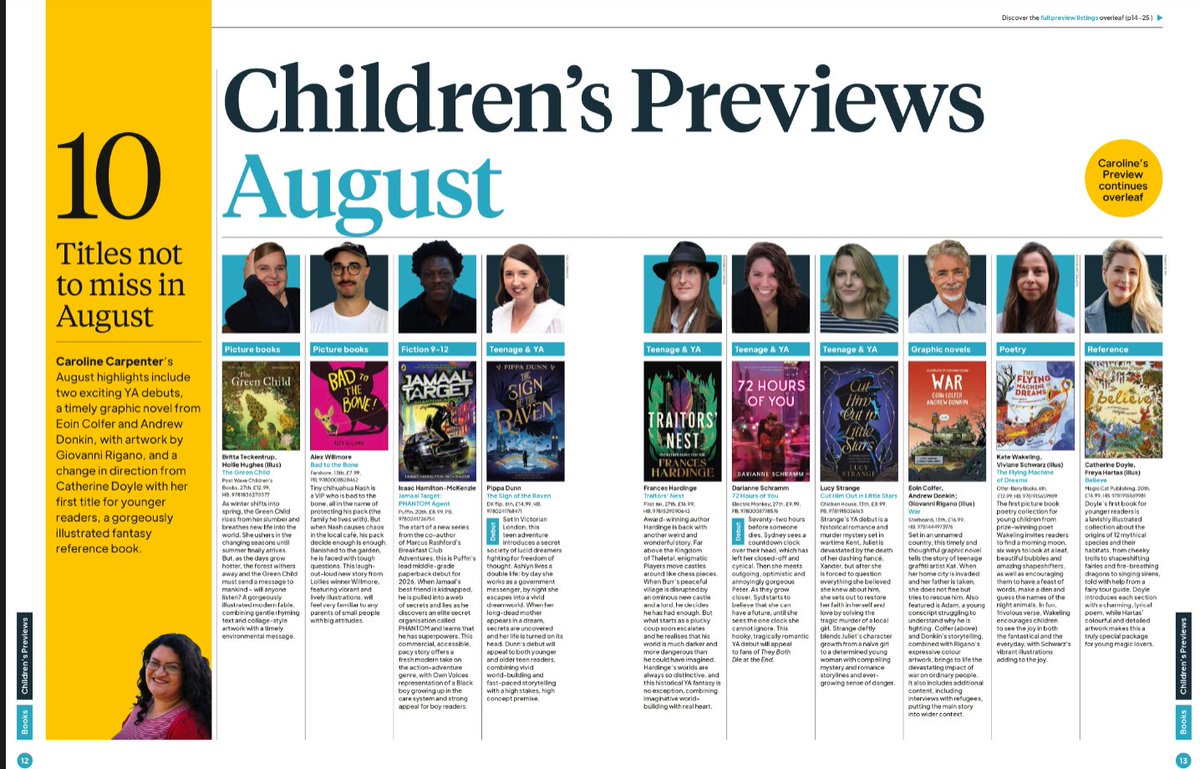
TRAITORS' NEST is in the @thebookseller's Children's Preview list of Top 10 Titles not to miss in August!
'Hardinge's worlds are always so distinctive, and this historical YA fantasy is no exception, combining
imaginative world-building with real heart.'
1
2
7
214
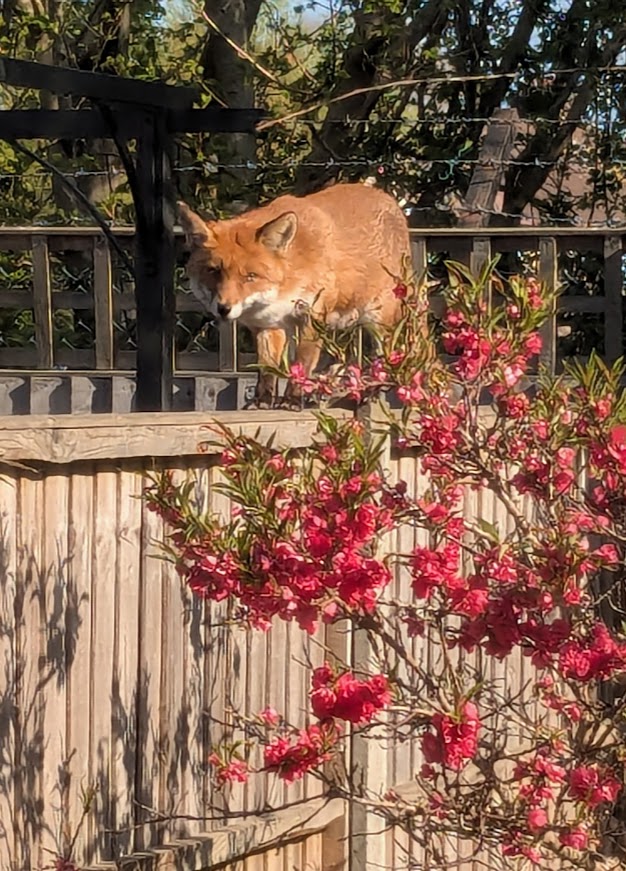
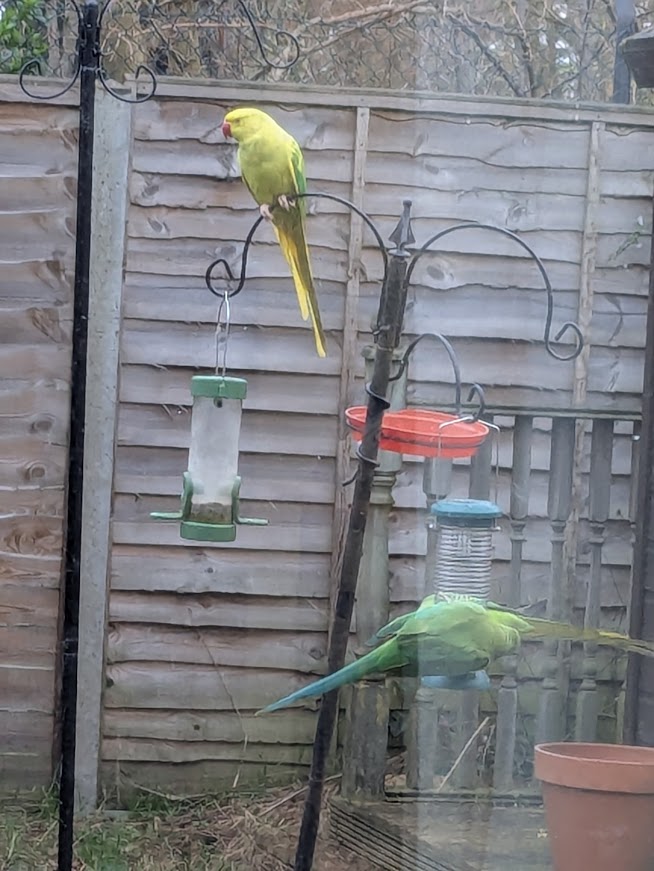
The five bowls of fresh water out in my garden are getting a lot of bird-traffic today.
5
165
A wonderful starred review of TRAITORS' NEST in @KirkusReviews!
"Layered and lush; an expertly woven tapestry."
kirkusreviews.com/book-revie…
1
9
215
TRAITORS' NEST has a lovely starred review in Publishers Weekly!
publishersweekly.com/9781419…
"...spirited tale of derring-do that’s a triumph and a joy from start to finish."
@PublishersWkly
2
8
188
The School Library Journal Day of Dialog is happening today, and there's still time to register!
slj.com/event/school-library…
I'll be appearing in the panel 'A YA Sampler' at 10.05am ET, 3.05pm BST, with @DustiBowling, Sami Ellis, @beckkubrick, Kara Storti and moderator Jesse Sanders!
2
6
195
Frances Hardinge retweeted

May 6
This is a monarch butterfly migration arriving in the oyamel fir forests of central Mexico. None of these butterflies has ever been here before.
Their great-great-grandmothers left this exact grove in March. By July those grandmothers were dead. The butterflies you're watching are four to five generations downstream, born somewhere between Texas and Ontario, and they just flew up to 3,000 miles to a tree none of their parents ever saw.
The brain doing the navigation is smaller than a grain of rice.
The mechanism is a sun compass time-compensated by a circadian clock running in the antennae. Cut the antennae and the monarch loses orientation within hours. The clock corrects for the sun's position drifting across the sky as the day moves. Add iron-bearing magnetite particles for magnetic field detection on cloudy days, and a 0.5 gram insect is running redundant inertial guidance.
The destination is more specific than the navigation.
They cluster on a few dozen oyamel fir groves in the Sierra Madre at 9,000 to 11,000 feet. The microclimate has to sit between 32 and 41°F. Below freezing kills them. Above 41°F burns the fat reserves they need to survive five months without feeding. The right band exists a few hundred meters thick on a few specific mountains. Outside it, the migration ends.
One generation each year is built differently from the rest. Summer monarchs live two to six weeks. The fall generation lives eight months. It postpones reproduction, fattens up, and carries the entire round trip in a single body.
The map is genetic. Nobody has fully decoded how.
A monarch hatched in a backyard in Toronto in September has never seen a mountain, never smelled a fir, never met an ancestor. It flies south for ten weeks, picks the right peak, and lands on the tree its bloodline has been returning to for tens of thousands of years.
The forest knows the families that come back.
69
895
2,935
95,036
Frances Hardinge retweeted

May 7
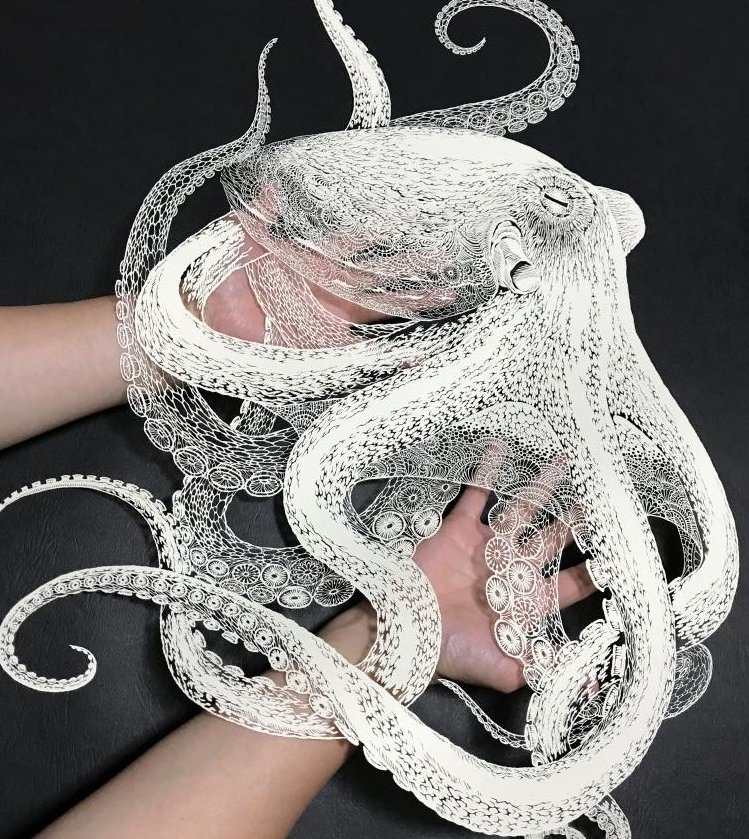
Masayo Fukuda, contemporary master of kirie, or Japanese paper-cutting, crafting hyper detailed creatures from single sheets of paper #womensart
8
216
889
15,661
A lot of you know this already, but if you're a new/aspiring author and an established author contacts you out of the blue praising your book... make sure it's actually them and not a scammer.
writerbeware.blog/2025/11/14…
2
1
10
418
Sadly, these scammers also sometimes impersonate editors:
writerbeware.blog/2026/03/27…
and book clubs offering the author's book a 'spotlight':
writerbeware.blog/2025/09/19…
Remember, if anybody approaches you, praises your book, then asks for money, the correct answer is "HAHAHAHAHA no".
1
3
170
(For the record, I've been approached by scammers trying the 'book club offering a spotlight for money' approach. I was actually pretty polite when I told them to bog off.)
2
126
Frances Hardinge retweeted

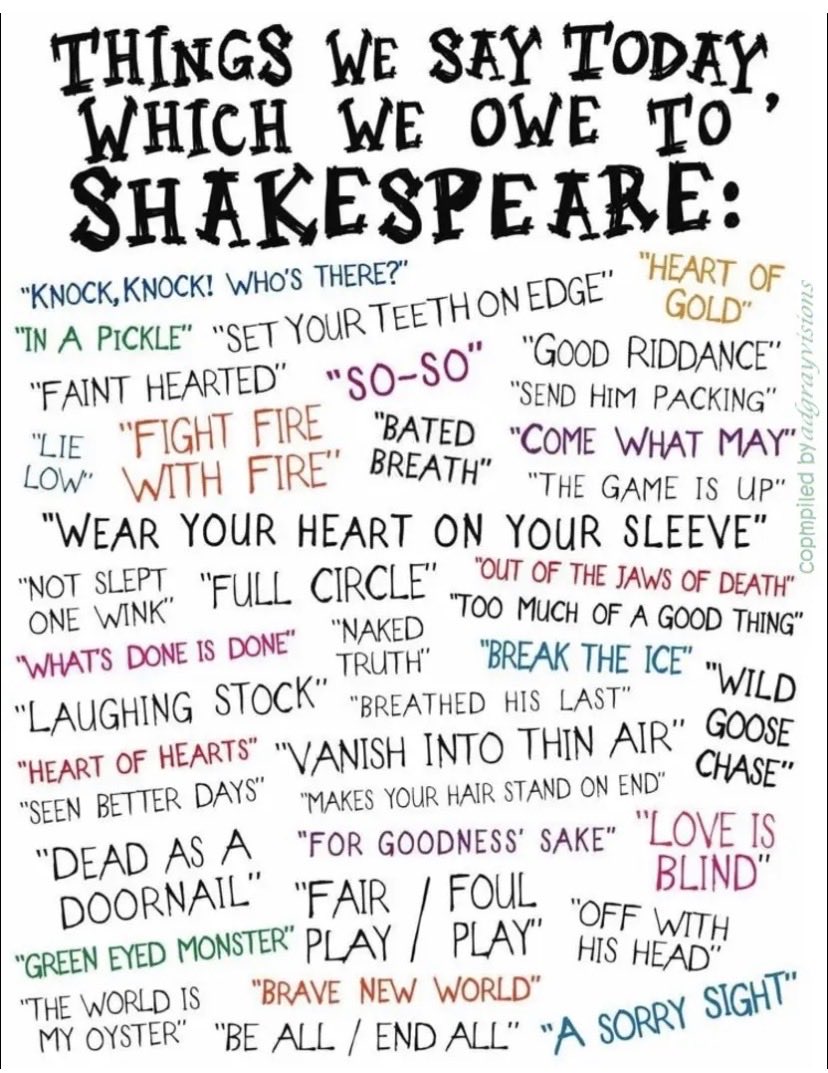
Shakespeare mind cloud created by Allysa Gray.
66
2,013
8,215
193,678
Frances Hardinge retweeted

Apr 20
Incredible starling murmuration gracing the Italian skies over Sassari, Sardinia. 🇮🇹
227
2,246
11,617
697,910
Frances Hardinge retweeted

Apr 20
A certified poet from Slough,
Whose methods of rhyming were rough,
Retorted, ‘You'll see
That the letters agree,
And if that’s not sufficient, I’m through’
PUNCH, 1935
5
69
633
41,157
Frances Hardinge retweeted

Apr 16
Incredible send off ! 🌷 🌷 🪿 🪿 😮
On this day last year, thousands of snow geese took off from a field near McLean Rd. Their migration starts around the first of April, but we got lucky in the middle of the month with tulips in bloom. The way they lift off above the colors is breathtaking. #wawx #pnw #nature
55
500
2,419
35,912
Frances Hardinge retweeted

Apr 6
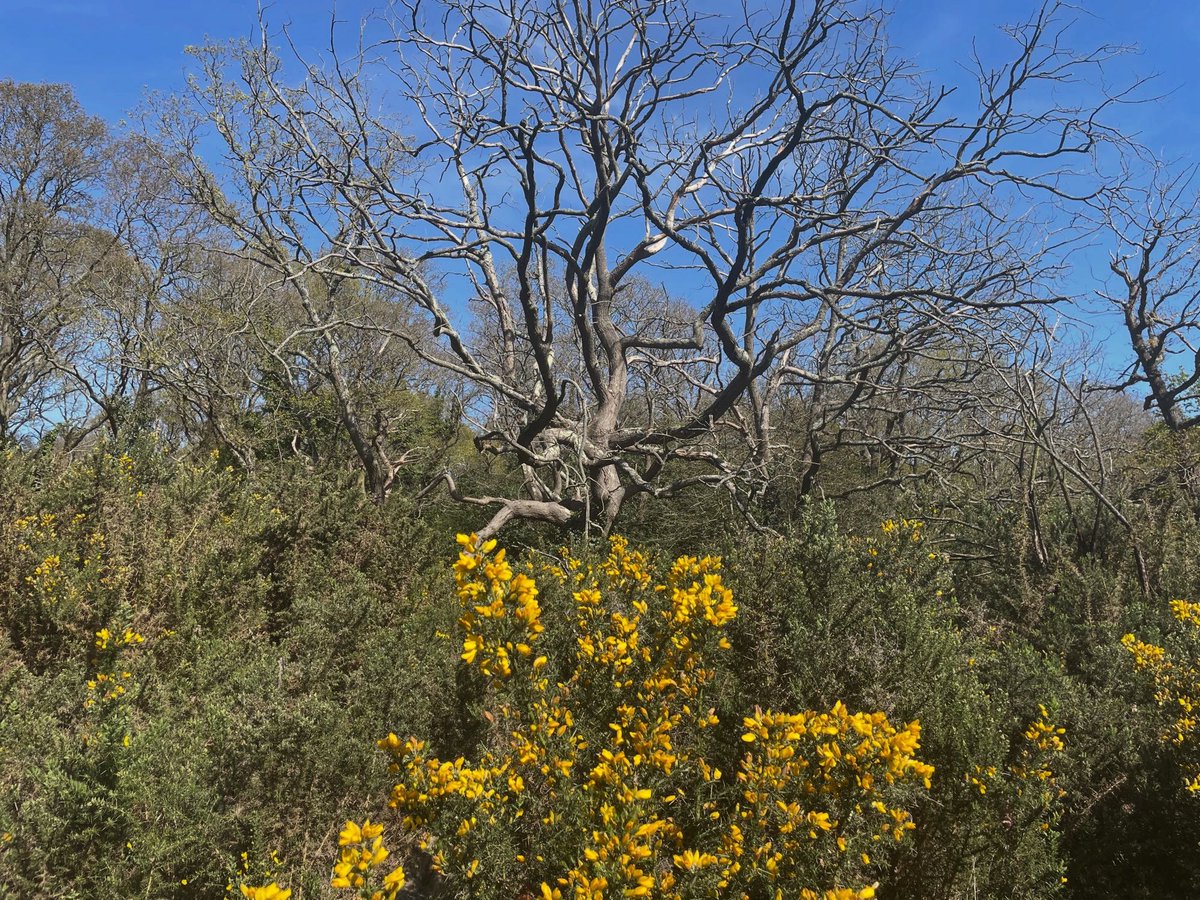
The land wakes in green gowning, golden gorse. The land wakes in tangle, scratch and a constancy of call. Woodpecker, blackcap and even greenfinch’s wheezing song delight the ears. Joy rides tides of blood. Hope cracks the armoured earth. Spring walks the way. - #EmilyCBanting
5
25
175
1,820
ICYMI, today is the cover reveal for TRAITOR'S NEST! Look at the beautiful cover that Emma Pidsley has created! The book is coming out on 26th August.
2
17
405
Frances Hardinge retweeted

Apr 7
From @FrancesHardinge comes a visionary YA historical fantasy in which 16 year old Burr takes on The Great Game which sees castles move about the realm like chess pieces, and people like him used as mere pawns. Preorder Traitors' Nest now: waterstones.com/book/traitor…
3
15
2,361