
Viral AI & tech that converts. Trusted by 200 founders. Collabs & reviews: 📩 askfreyalawson@gmail.com
Joined March 2018
- Tweets 61,216
- Following 3,960
- Followers 79,823
- Likes 96,623
6,718 Photos and videos







Pinned Tweet

Mar 22
Nvidia CEO Jensen Huang:
"AI will create more millionaires in 5 years than the internet did in 20."
But he didn't stop there...
He revealed exactly how it'll happen and how you can capitalize on it:

97
327
2,609
459,556
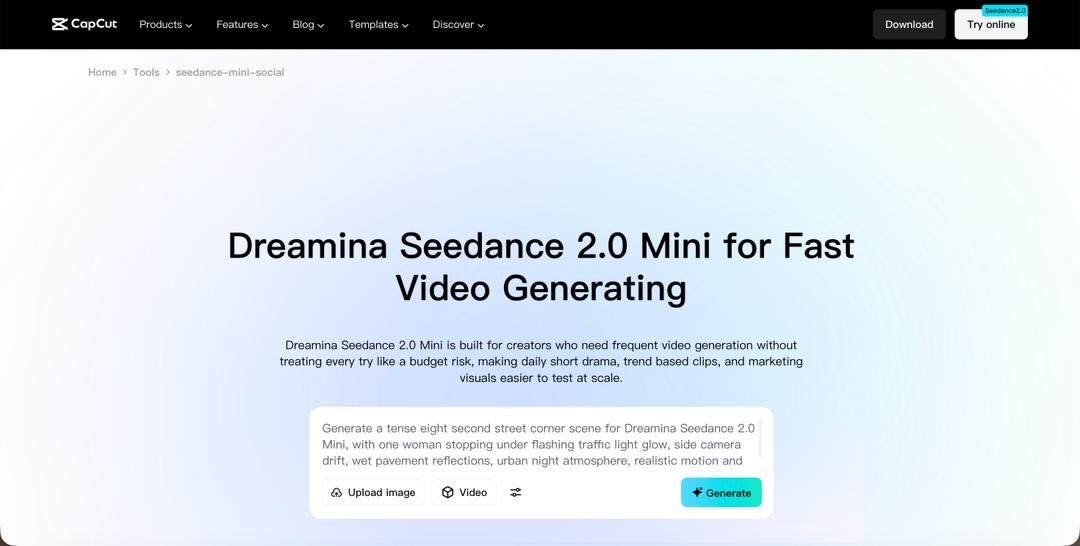
CapCut is about to launch a new Seedance 2.0 model.
⚡ Faster
💰 Cheaper
🎬 Comparable quality to Seedance 2.0
If that's true, are AI video models entering an era where speed and cost matter more than quality?
5
10
22
8,826
Jun 13
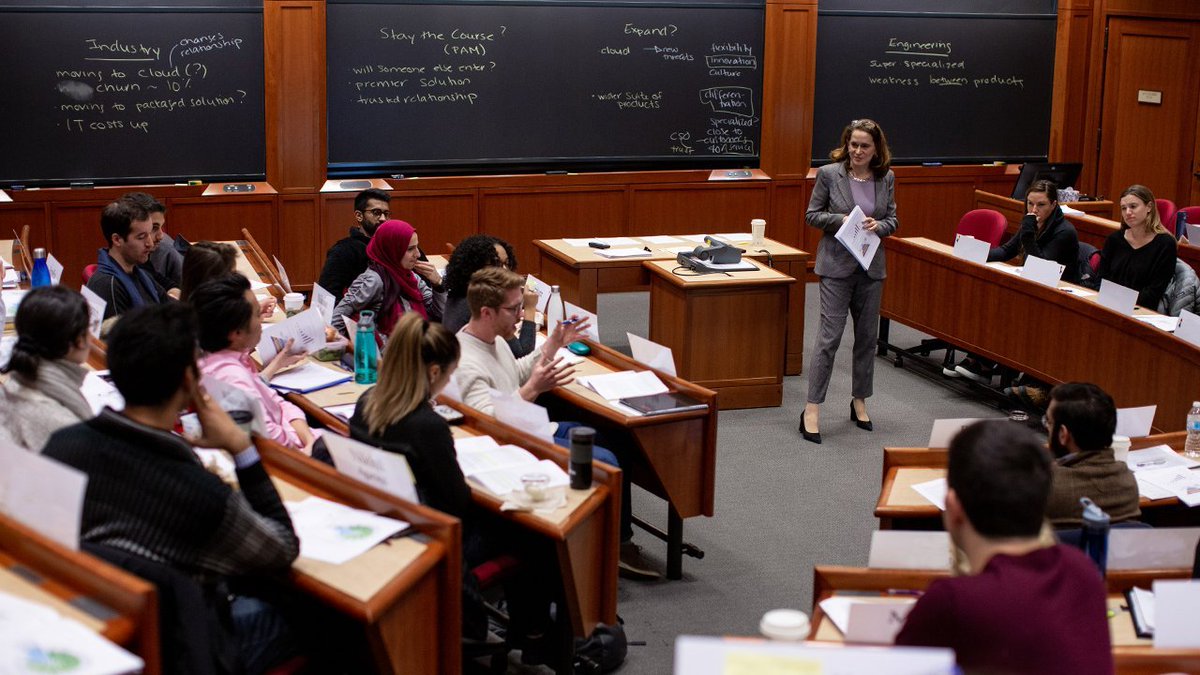
I accidentally discovered how to read a complete book in 30 minutes.
A Harvard student showed me the workflow. Here's exactly what he does.
He doesn't open a book and start reading from page one.
He said that's the slowest, most inefficient way to absorb a book ever invented. You read linearly, your brain has no context for what matters, and by chapter four you've already forgotten chapter one.
He does something different.
He uploads the entire book into NotebookLM first.
Then he runs one prompt before touching a single page.
"What is the single central argument this book is making? What does the author believe that most people don't? And what are the 5 most important ideas I need to understand before everything else makes sense?"
That prompt does something most people don't realize. It gives your brain a skeleton before the flesh goes on. You are no longer reading to discover what the book is about. You already know. Now every page you read is confirming, extending, or challenging something you already hold in your head.
That is a completely different cognitive experience.
The second prompt is the one that saves the most time.
"Which chapters or sections contain the core ideas? Which ones are examples, case studies, or repetition of things already said?"
Most nonfiction books are 60 to 70 percent padding. Not because the authors are dishonest. Because publishers want 250 pages, not 80. The actual argument usually lives in four or five chapters. The rest is illustration.
NotebookLM tells him exactly which four chapters to read. He reads those. He skips the rest.
He is not missing anything. He is cutting everything that was never the point.
The third prompt is what separates this from summarizing.
After reading the core chapters, he goes back and asks: "What questions does this book not answer? What would a hostile critic say is wrong with the central argument? Where does the evidence feel weakest?"
This is the move that most people never make. They read. They absorb. They move on. They have opinions given to them by the author and they carry those opinions around as if they built them themselves.
He stress-tests the book before he closes it. He knows where it holds and where it doesn't. That is not reading. That is thinking with the book as a sparring partner.
The final prompt is the one I use every time now.
"If I had to explain this book's core idea to a smart 14-year-old in three sentences, what would I say? And what is the single most actionable thing the author wants the reader to do differently after finishing?"
That prompt forces compression. And compression forces understanding. You cannot compress what you do not actually understand.
I read four books last month this way.
I retained more from each one than I have from any book I read cover to cover in the last two years.
The average person reads a 300-page book in six hours and forgets most of it within a week. He reads the same book in 30 minutes and can still argue its central thesis six months later.
The book didn't change. The interface did.
Most people are reading books the way they were designed to be sold.
He reads them the way they were designed to be understood.
17
36
1,906
Jun 12
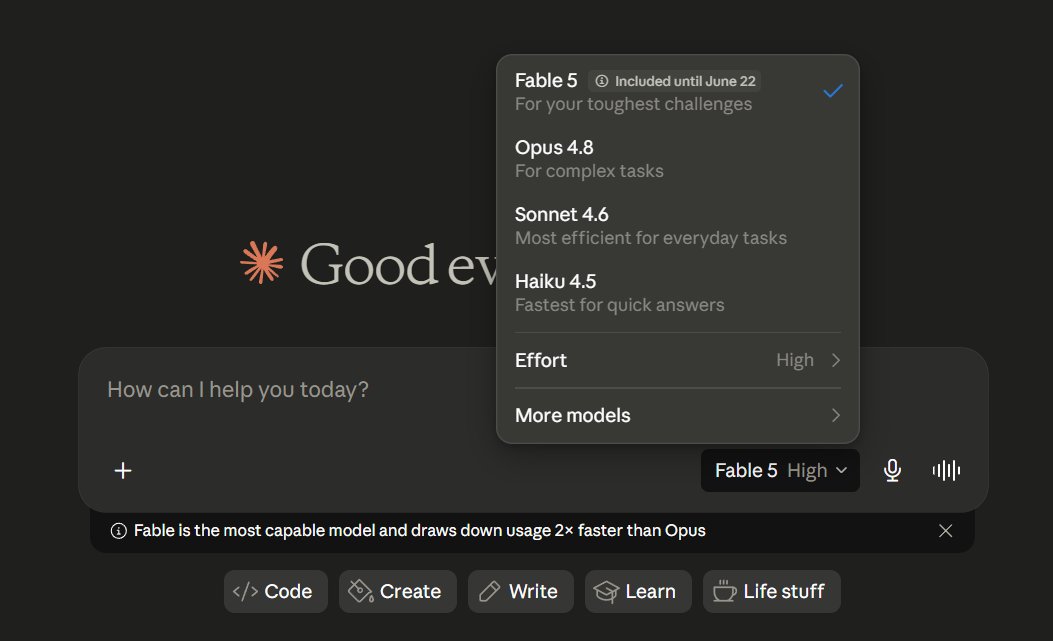
OpenAI should be worried.
Claude Fable 5 dropped 72 hours ago and people are doing things GPT can't touch.
10 examples:
10
28
93
18,961
Jun 12
10. Claude passed a Boeing 747 benchmark
People are calling it AGI-level.
Jun 9

Fable has done AGI-level job on on the Boeing 747 benchmark... it's almost scary 👀
1
574
Jun 12
I hope you've found this thread helpful.
Follow me @Freyabuilds for more.
Like/Repost the quote below if you can:
Jun 12

OpenAI should be worried.
Claude Fable 5 dropped 72 hours ago and people are doing things GPT can't touch.
10 examples:
487
Jun 11
one thing i always look for in AI tools: does it solve a real problem or is it just a demo
this one passes the test
being able to fix a few words in a voiceover without starting over is genuinely useful. videos, podcasts, tutorials, course content, all of it
no more scrapping a whole take because of one flubbed line
great app, worth checking out
Jun 11

🎙️ Edit only what matters.
Why regenerate an entire voiceover when you only need to change a few words?
With ViiTor TTS, you can edit specific parts of your audio while maintaining seamless voice consistency across the whole recording.
✅ Precise voice editing
✅ Consistent speaker identity
✅ Faster content updates
✅ Open-source on GitHub
Perfect for creators, developers, and AI voice applications.
Voice is becoming the interface layer of AI.
🚀 Officially live. ViiTor TTS is built for that future.
Explore ViiTor TTS:
viitor.com/models/tts
6
9
4,264
Jun 9
NVIDIA charges you $19.99 a month to stream games you already own.
And starting January 2026, they cap you at 100 hours.
One engineer from New Zealand built the free version with no cap.
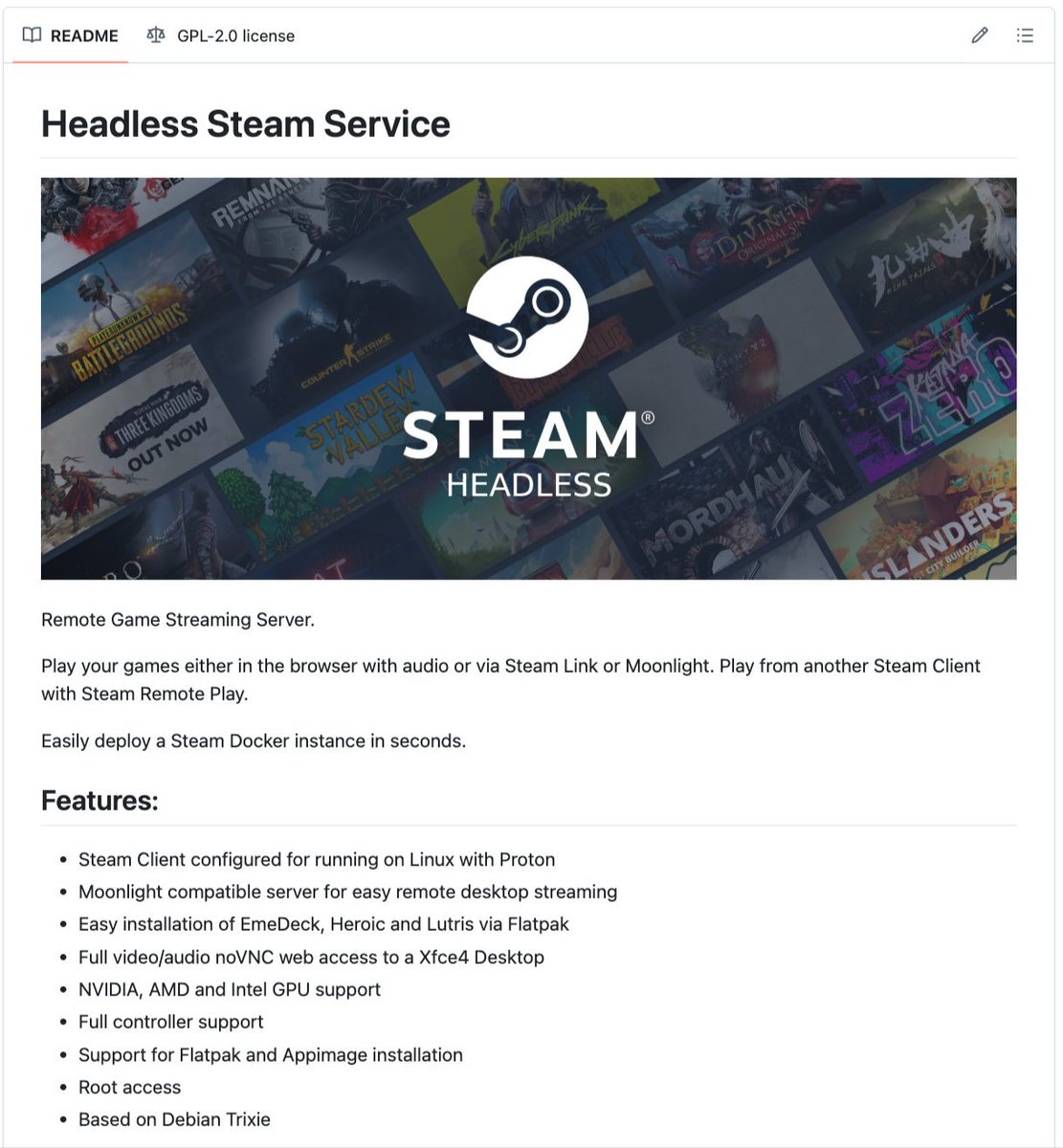
It is called Steam Headless. 3,177 stars on GitHub. GPL-2.0.
Built by Josh Sunnex. 225 commits. The next contributor has 16. He has done more work than everyone else combined.
It is a Docker container that turns any spare PC, server, or NAS into your own personal cloud gaming machine.
Install Steam inside it. Mount your games folder. Open a browser on your phone, your laptop, your tablet, your TV.
Your games are right there. Streaming. From your own hardware. To anywhere in the world.
It supports NVIDIA, AMD, and Intel GPUs.
It streams over Moonlight, Steam Link, or straight to a web browser.
It runs Proton so Windows games work on Linux.
It installs Heroic, Lutris, and EmuDeck with one click for your non-Steam games.
It runs on Debian Trixie, Unraid, Ubuntu Server, or Docker Compose.
Last update: April 20, 2026. Still maintained. Still by one man from New Zealand.
Now compare the math.
GeForce NOW Ultimate: $19.99 a month. $239.88 a year. Forever. Capped at 100 hours per month. Run out? Pay $5.99 for another 15 hours.
Xbox Game Pass Ultimate: $22.99 a month. $275.88 a year. Forever. You stream Microsoft's games on Microsoft's hardware on Microsoft's terms.
Steam Headless: $0. Forever. Your hardware. Your games. Your network. No hour cap. No queue. No throttle.
Buy a used GPU once. Run this container. Stream your entire Steam library to any device on the planet.
That is the entire pitch.
But DO NOT install it. We should all keep paying NVIDIA and Microsoft to play the games we already bought.
100% Open Source. (Link in the comments)
1
8
9
974
Jun 9
242
Jun 8
Nvidia CEO Jensen Huang:
"AI will create more millionaires in 5 years than the internet did in 20."
But he didn't stop there...
He revealed exactly how it'll happen and how you can capitalize on it:
8
12
32
10,717
Jun 8
Social media is the best industry to take advantage of this…
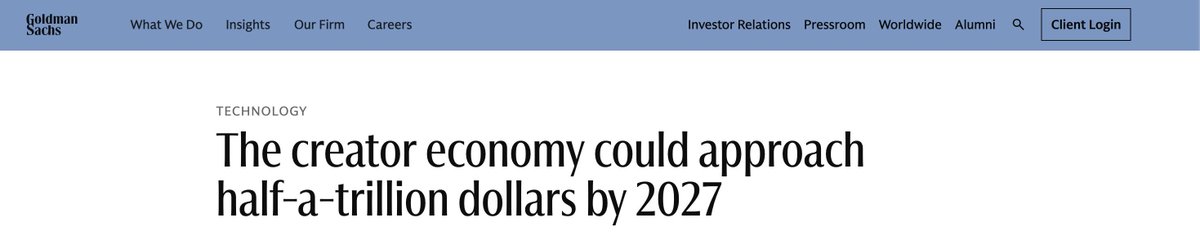
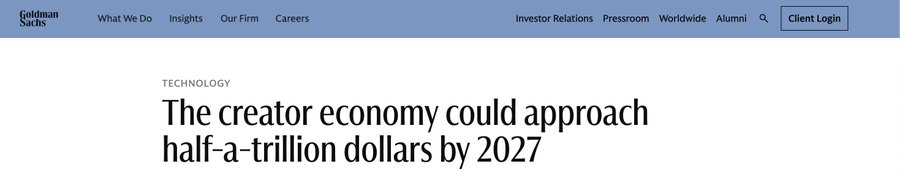
Due to the AI boom, Goldman Sachs predicts its industry to skyrocket to half a trillion dollars by 2027:
& now for the first time in history, regular people can profit from it too…
Without having to show themselves, create any videos, or be an influencer.
2
557
Jun 8
I hope you've found this thread helpful.
Follow me @Freyabuilds for more.
Like/Repost the quote below if you can:
Jun 8
Nvidia CEO Jensen Huang:
"AI will create more millionaires in 5 years than the internet did in 20."
But he didn't stop there...
He revealed exactly how it'll happen and how you can capitalize on it:
1
775