
A friendly Lead Practitioner of Maths. GCSE success rate higher than the hunting success rate of a pack of African Wild Dogs. Experience-led approach.
Joined July 2023
- Tweets 403
- Following 96
- Followers 57
- Likes 98
22 Photos and videos











Pinned Tweet
2
2
181
Top 20 topics required to sit Higher Edexcel GCSE Maths… Go!
30
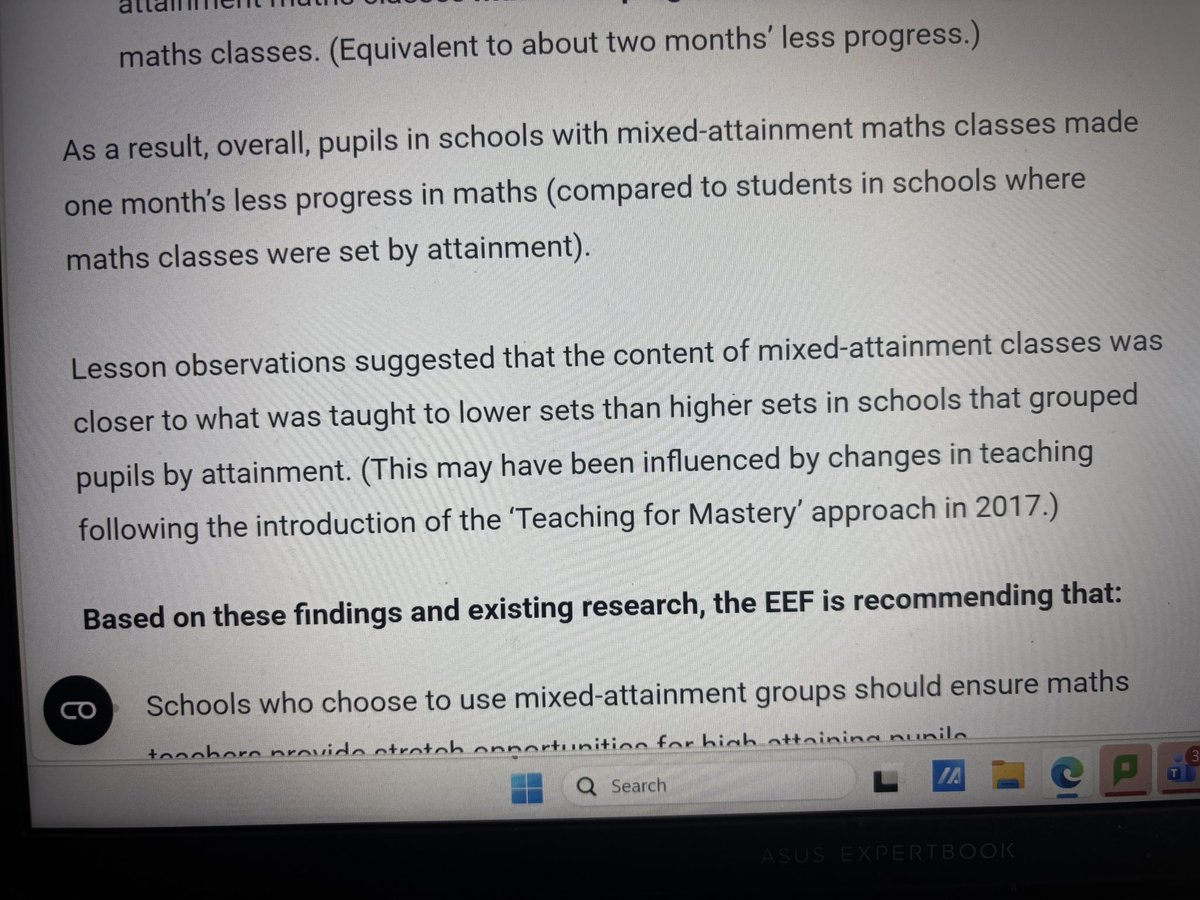
So teaching students in mixed-ability sets and deliberately slowing the exposure of more challenging topics under the guise of “mastery” actually reduces progress? Who would ever have thought it? 🤷🏻♂️
1
67
Friendly Maths Teacher retweeted

You know what doesn't work? Differentiation
Recent studies show no noticeable gains, especially compared to simple classwide explicit instruction
It spreads teachers thin, drives burnout
It's a buzzword backed by popcorn science
So scrap it. And simplify
#differentiation
32
62
480
16,098
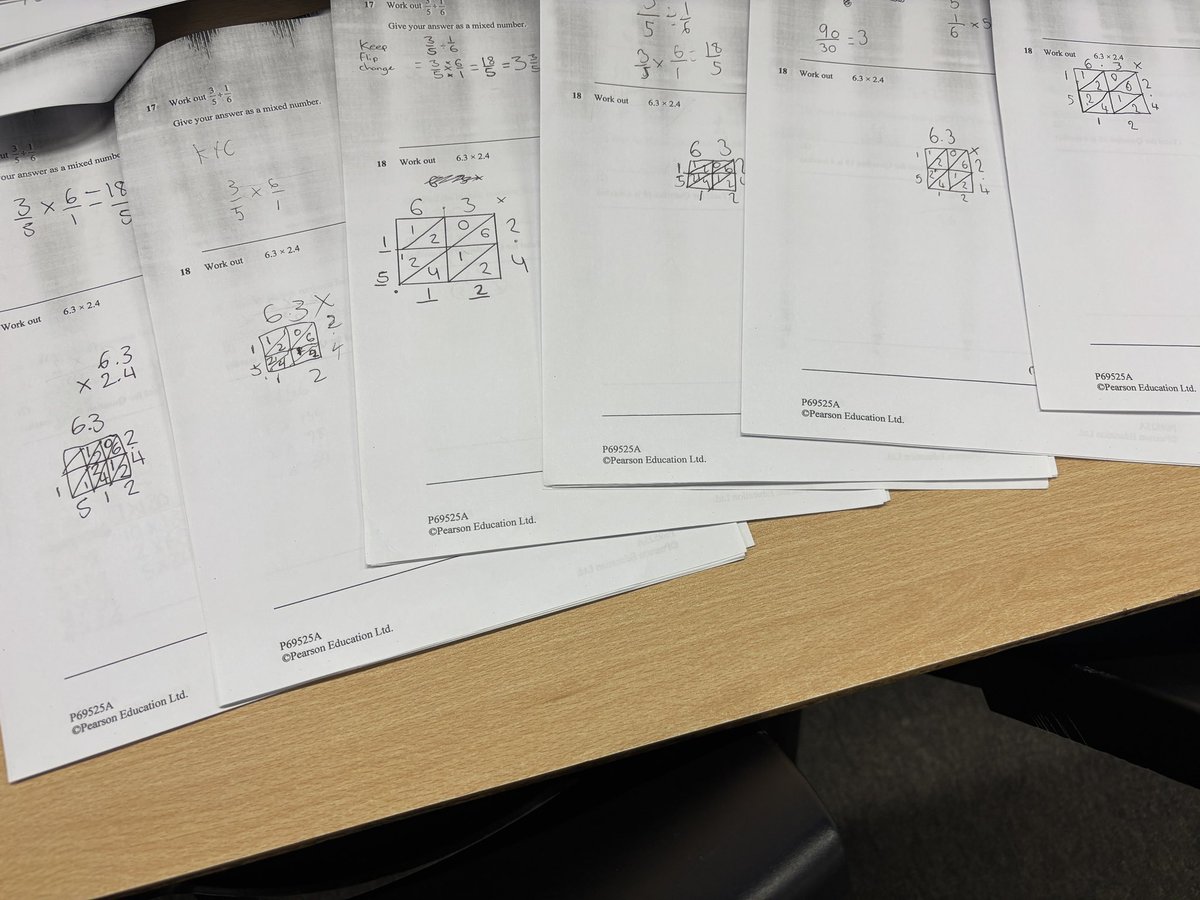
For context. This is a group of Foundation Year 11 students who, first lesson of Year 11, couldn’t multiply two decimals together.
After a one hour lesson in September, and occasional starters, one student dropped one mark (put 3 x 8 = 21), and the rest of the group were 100%.
1
70


10 Nov 2025
Agree with the full thread. 🙌🏼
8 Nov 2025

Let’s talk about academies, the biggest structural change to England’s education system in a generation.
They were sold as “freedom for schools.” In reality, they shifted billions in public assets into private trusts.
214
30 Oct 2025
Unfortunately that poor boy is one of many.
28 Oct 2025

‘Pastoral’
theguardian.com/education/20…
1
235
21 Aug 2025
Sisra when more than 5 people try to log-in at the same time.
1
23
1,216
25 Jun 2025
Could we have a look at a few of the other big MATs up in the north-east too please? 🙏🏻

175
Friendly Maths Teacher retweeted

1 May 2025
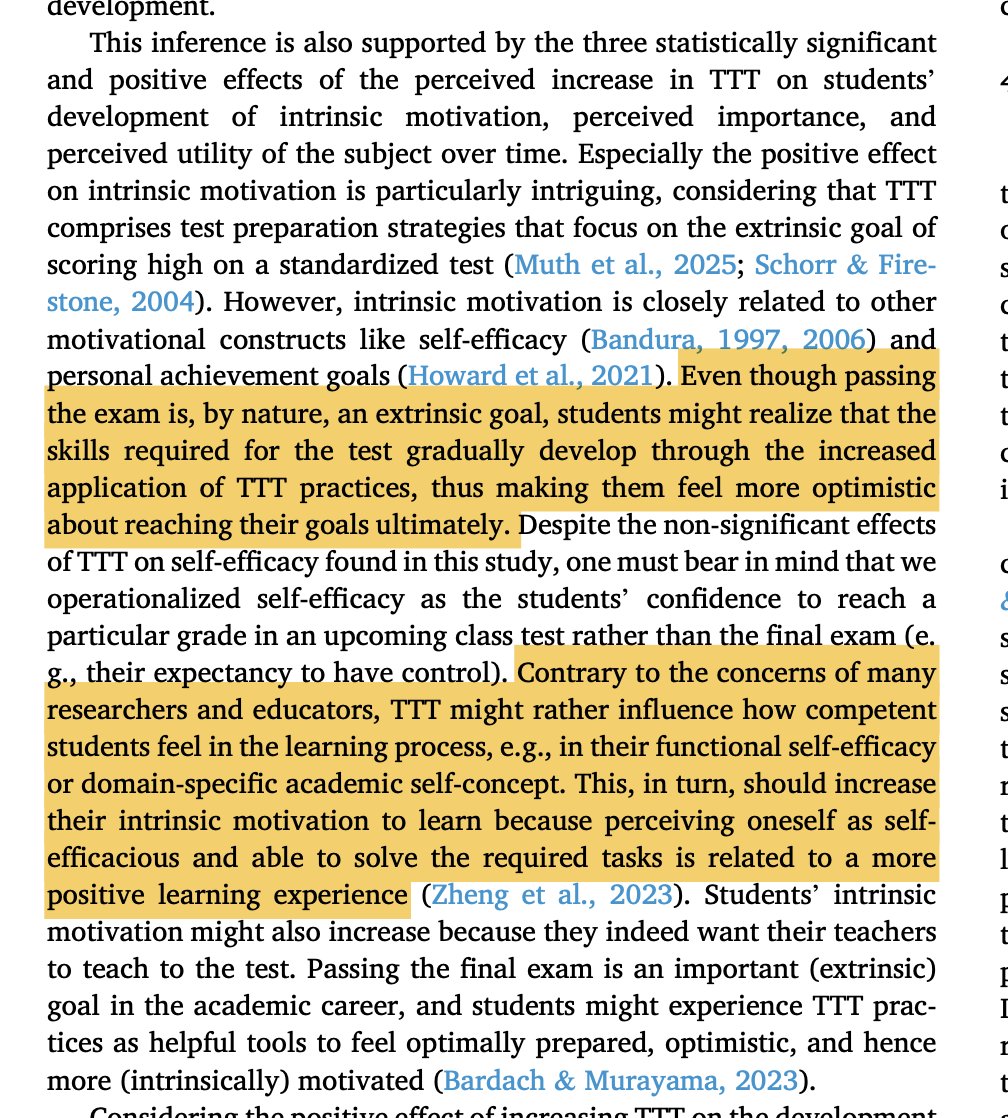
New study challenges the idea that "teaching to the test" (TTT) damages student motivation. In fact, it may actually increase it when used strategically.
There is clearly a broader ethical issue here in the sense that learning is obviously more than easily testable/ decontextualised content but this does challenge negative assumptions about test preparation.
Full paper here: sciencedirect.com/science/ar…
8
37
129
29,525
Friendly Maths Teacher retweeted

22 Apr 2025
You don’t need a PhD to be a great teacher. It’s not about titles: it’s about knowing your course and teaching it well. A passionate BA can outshine a distracted doctorate any day.
Know your subject. Teach it well.
Read more: richardjamesrogers.com/2018/…
#EduTwitter
#TeachingTips
1
1
1
139
30 Apr 2025
Can we start looking at a few other Academy Trusts please. 🙏🏻
30 Apr 2025

The Press joined parents, teachers, staff and other members of the local community on the picket line outside a York school this morning. Read the full story here: yorkpress.co.uk/news/2512659…

1
163
Friendly Maths Teacher retweeted

16 Apr 2025
We often overcomplicate teaching because we've lost touch with the power of simplicity.
3
2
231
2 Feb 2025
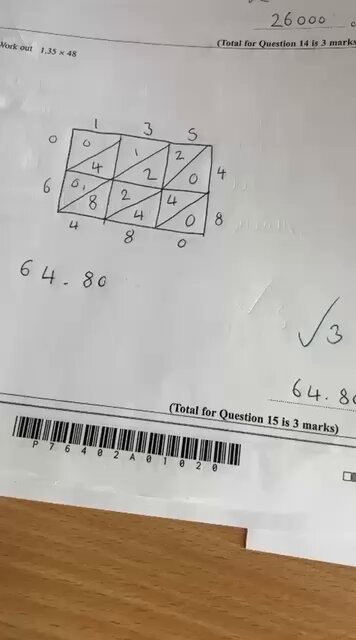
Multiplication - Why Napier’s Bones is, by far, the most efficient and leads to the most correct answers.
A short thread comparing the three most commonly used methods.
1
1
778
2 Feb 2025
The main argument against this method is that it doesn’t work in other areas like expanding brackets etc.
But using a clearly inefficient method to multiply numbers because you can apply it to algebra is nonsensical to me.
Students can still expand in a grid if you want.
1
189
2 Feb 2025
Give it a try.
I’ve found it gives lower set students a chance after they’ve been hammered with the column method since KS2 - it can be a huge boost for students who’ve struggled for years to see that they can do it.
Higher students tend to favour it because it is faster too.
150