
Australia’s national frog count! Download the FrogID app, record frog calls and help save Australia's frogs. An @Austmus initiative.
Joined September 2017
- Tweets 2,545
- Following 1,071
- Followers 3,424
- Likes 2,763
1,077 Photos and videos
Pinned Tweet

Mar 30
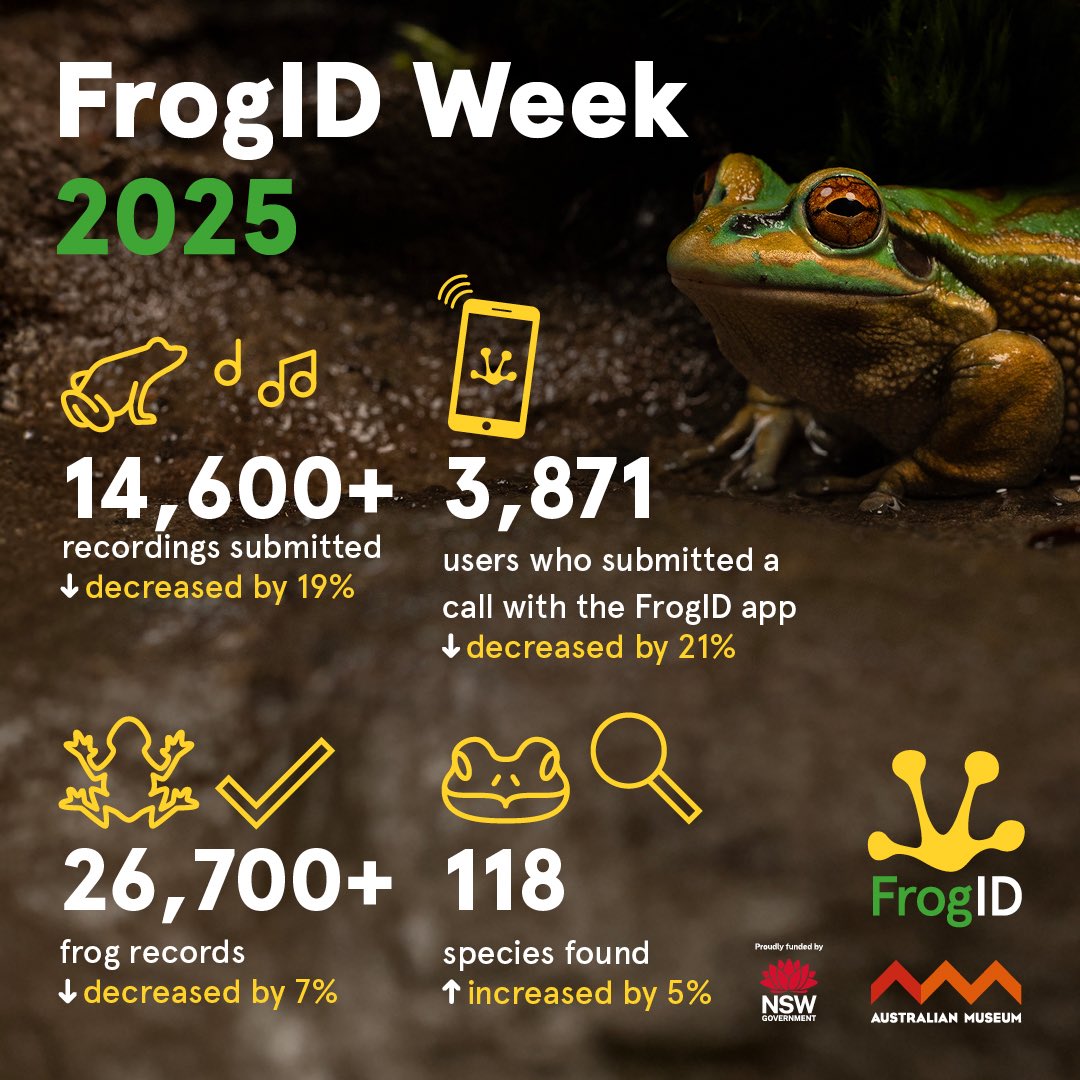
We’re excited to share the results of our eighth annual #FrogIDWeek! 🎉
🐸 14,600 submissions received
🐸 26,700 frog records added
Read more: australian.museum/blog/amri-……
Thank you to everyone who took part – your #FrogID recordings make a real difference!
2
10
311
Jun 11
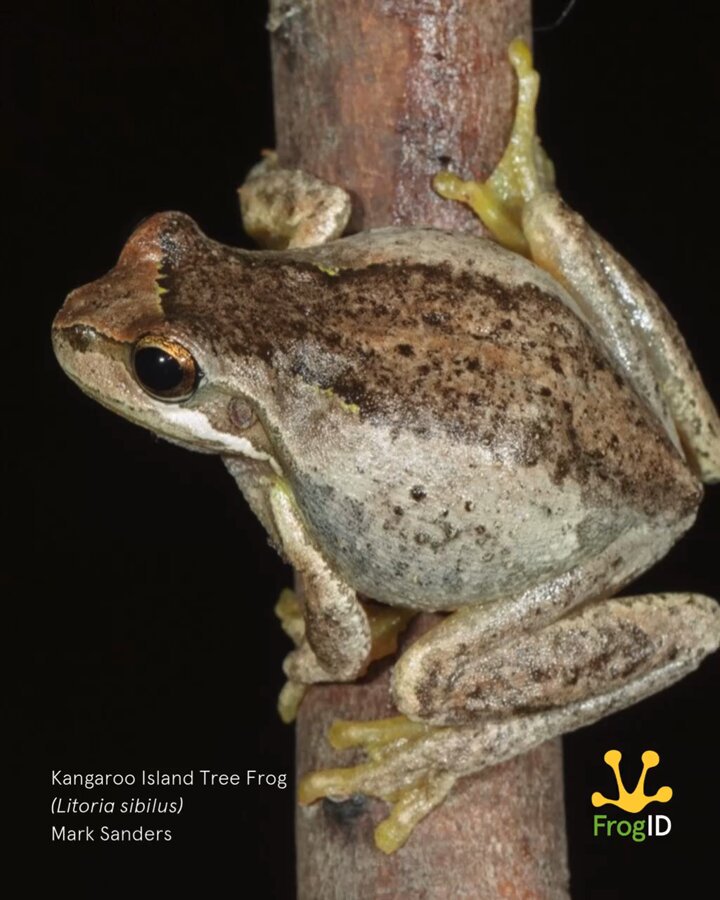
Calling in South Australia are the Kangaroo Island Tree Frog (Litoria sibilus) and South Australian Tree Frog (Litoria calliscelis) 🐸. Until early 2024, these frogs were thought to be part of the widely distributed Litoria ewingi).
Learn more: australian.museum/blog/amri-… #FrogID
3
5
221
Jun 8
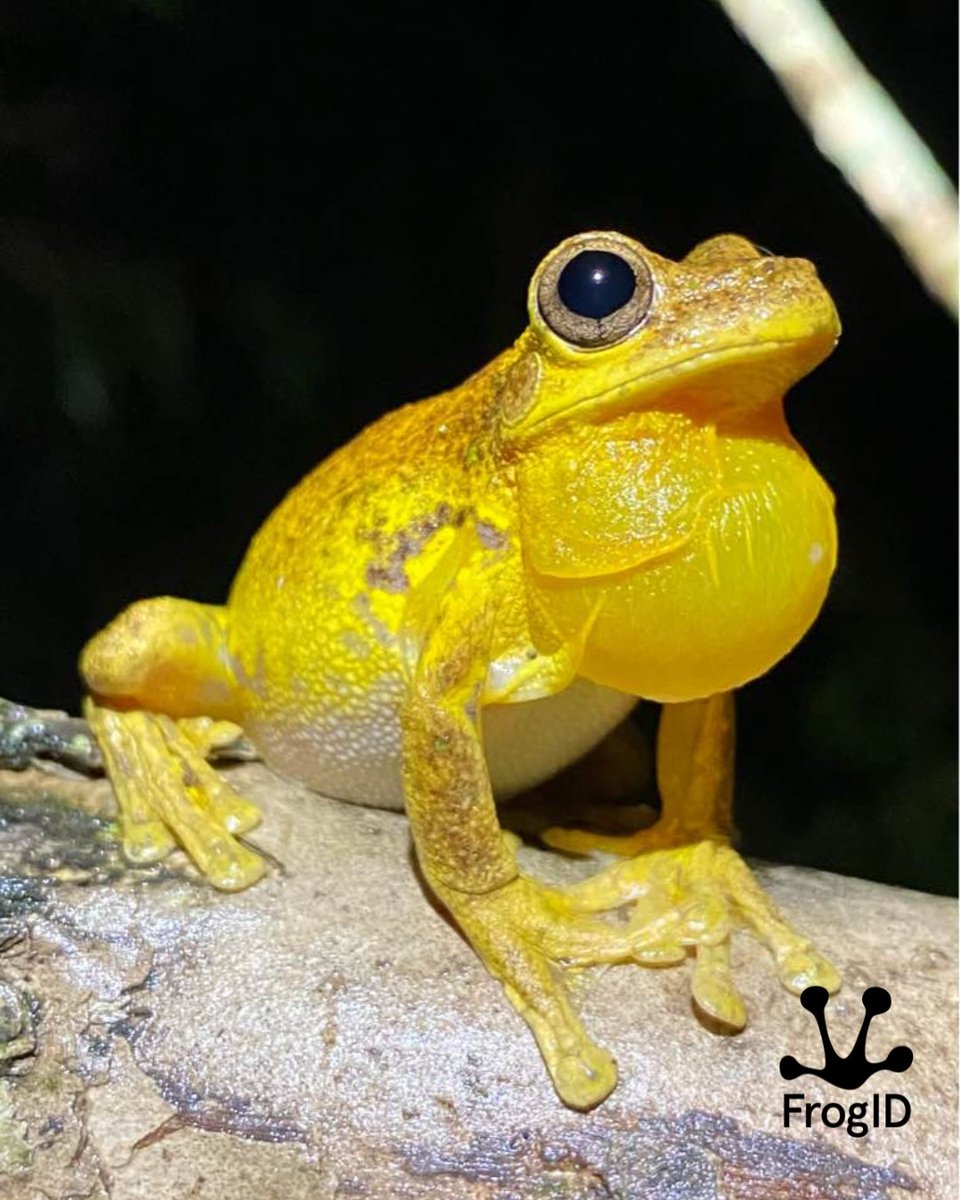
Thanks for your patience as our team works through a backlog of submissions. We’ve received incredible frog calls from across the country. Corine captured this Tyler’s Tree Frog (Litoria/Pengilleyia tyleri) from QLD - a fantastic photo alongside their #FrogID submission.
1
3
58
Jun 5
Did you catch our Frog of the Month in the May #FrogID eNewsletter? 🐸
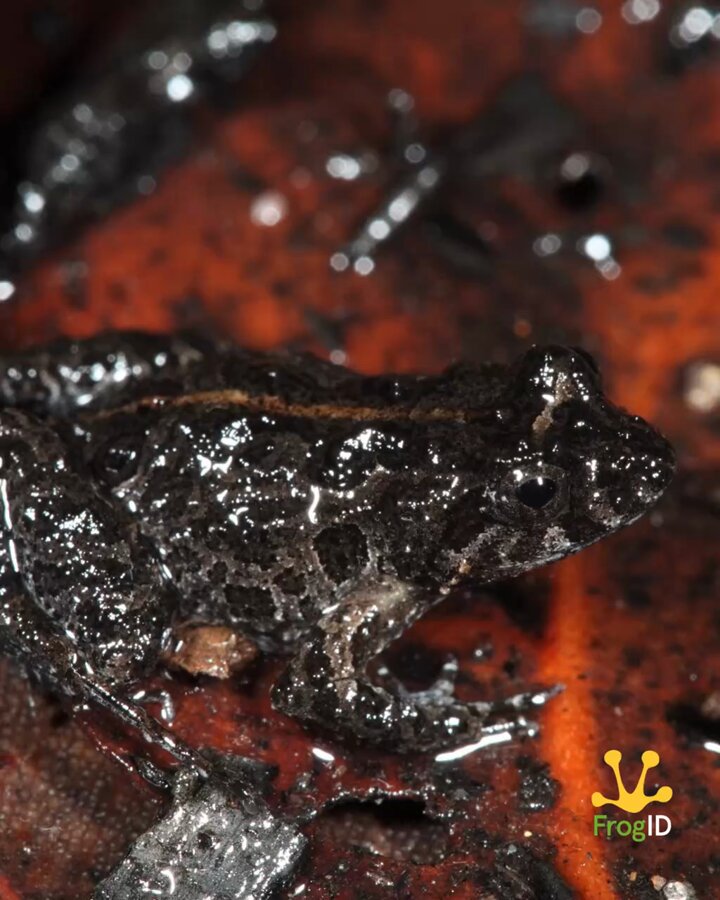
The Rattling Froglet (Crinia glauerti) is a common species across southwest WA. Active from winter through to summer.
Not receiving our eNewsletter? Subscribe here: australian.museum/learn/news…
1
2
55
Jun 1
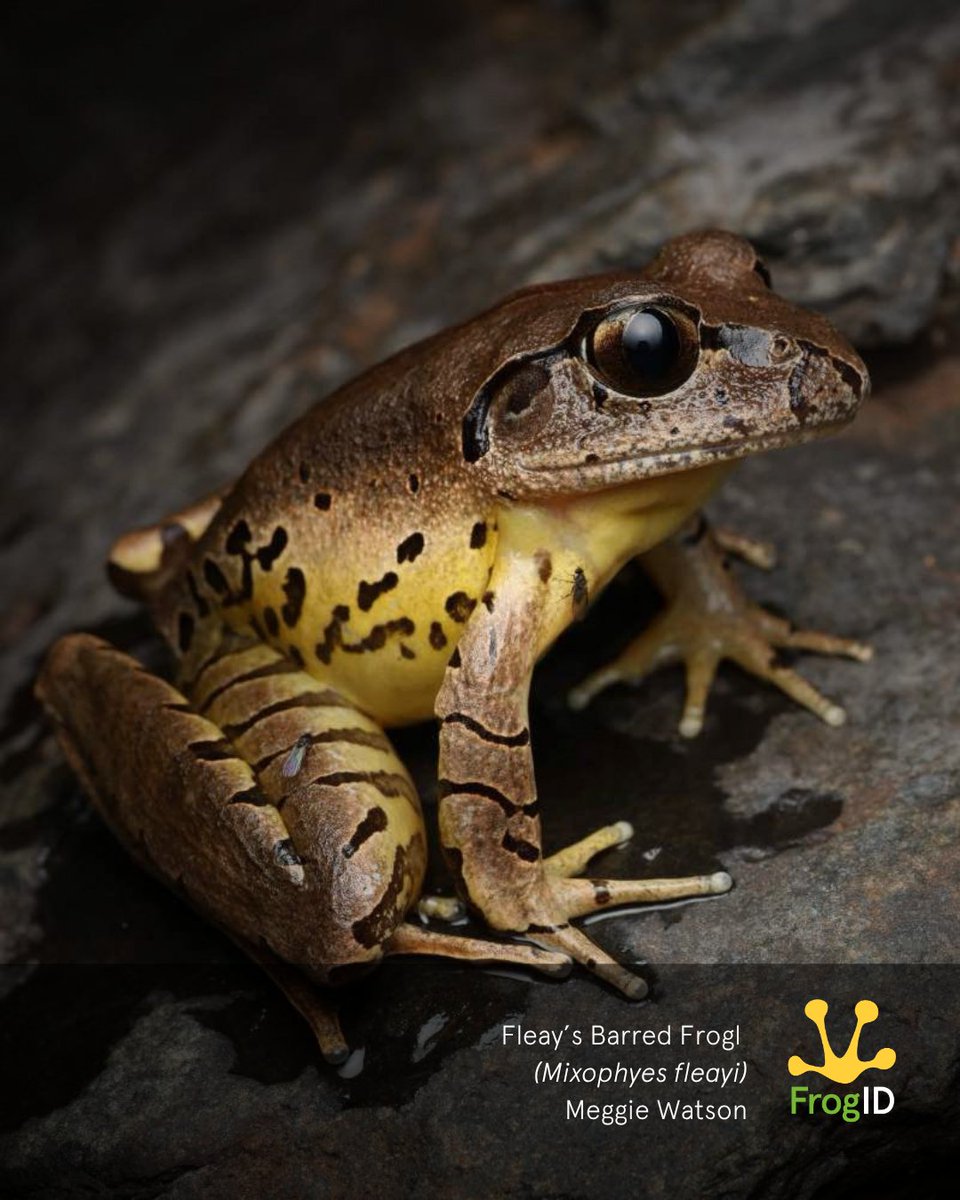
Meggie spotted the Endangered Fleay’s Barred Frog (Mixophyes fleayi) while recording their calls with #FrogID in QLD. Found in patches of suitable habitat across southeast QLD and northern NSW, this striking frog faces threats from the amphibian chytrid fungus and habitat loss.
1
4
103
May 28
Frogs are small but mighty - they help keep ecosystems balanced from water to land.
Here in Australia, 1 in 5 frogs are at threatened with extinction and at least four species have already gone extinct. Recording frog calls with #FrogID helps fill data gaps to support research 🐸
5
71
May 14
We love hearing the high-pitched honking call of the Marbled Frog. This recording by Alice from Far North Queensland captures this northern species, which is commonly found across savanna woodlands and grasslands. Its distinctive honks are often heard after wet weather.
1
8
41
974
May 11
What a great submission of the New England Tree Frog from the Northern Tablelands of NSW - thank you, Brett!
Now with over 60 records in the #FrogID database, ongoing recordings like these, alongside field studies, are improving our understanding of this threatened species
1
4
97
May 7
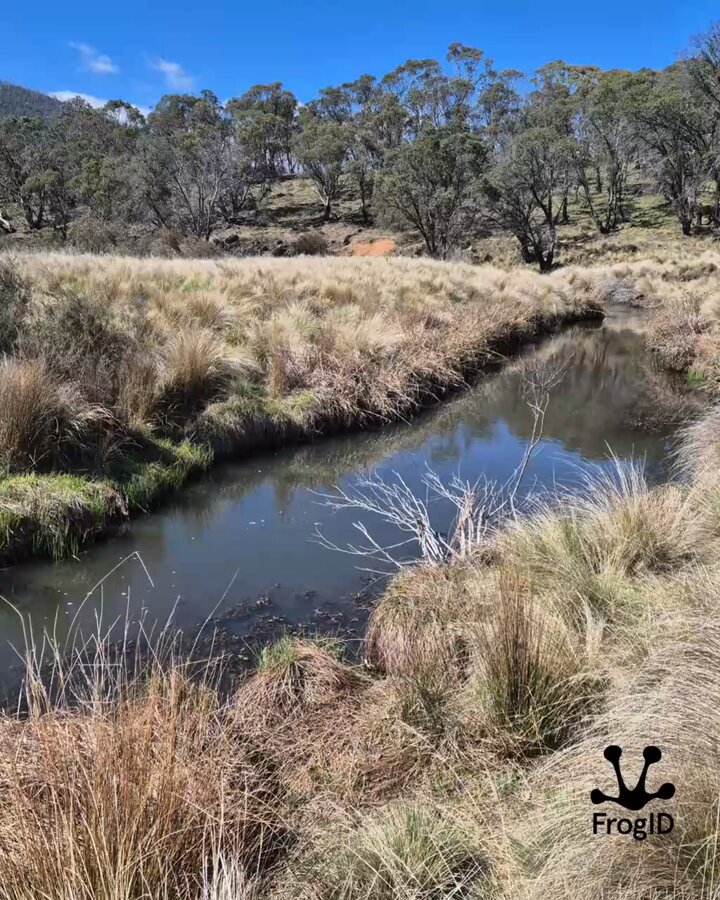
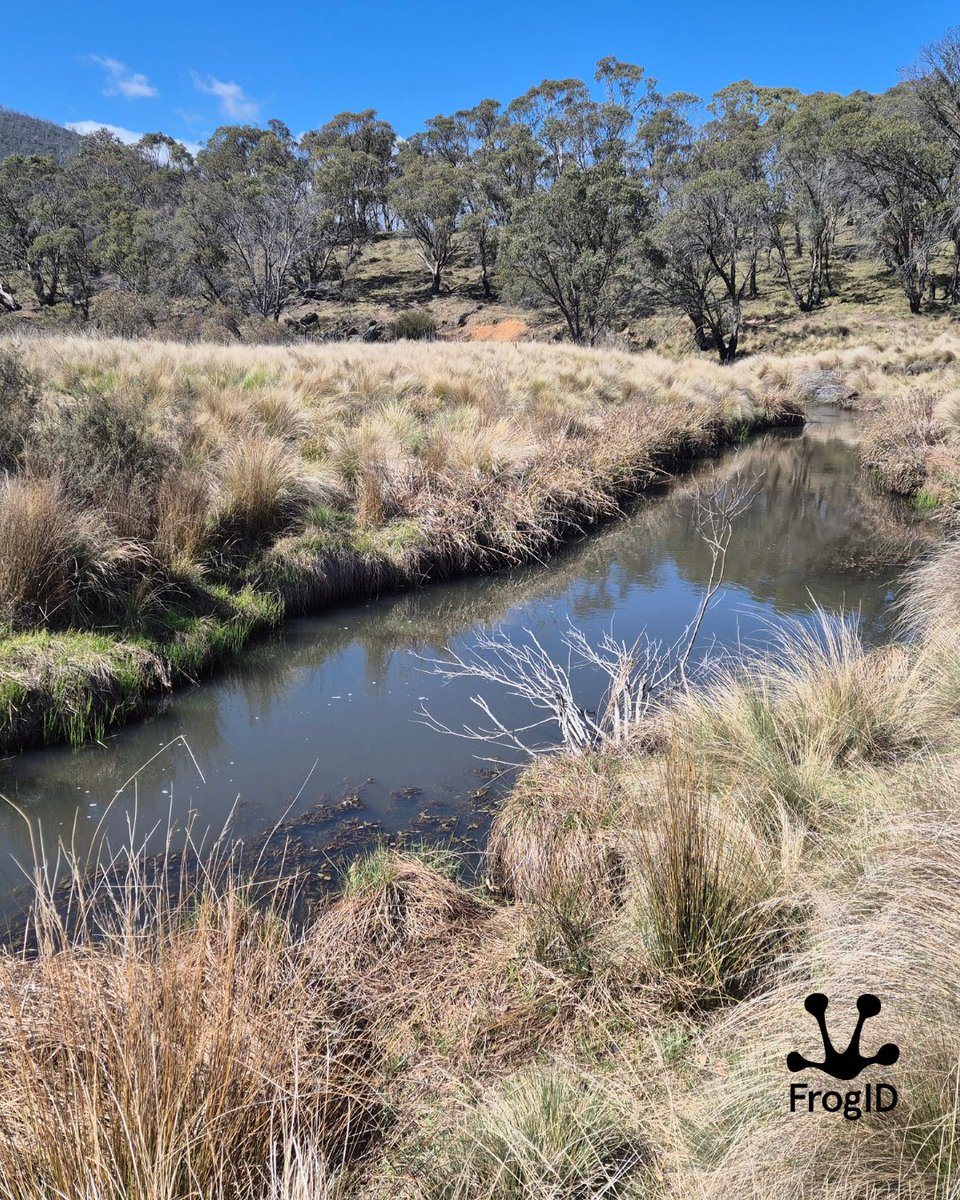
We love receiving habitat photos from where you record with #FrogID. A big thank you to Jace for this wonderful submission of Eastern Banjo Frogs calling from the high‑country tussock grasslands of Namadgi National Park in the ACT.
Image and audio: Jace Emberg
1
3
93
May 4
We’re excited to receive more #FrogID submissions of the Critically Endangered Kroombit Tree Frog, found only in Kroombit Tops in southeast Queensland. A big thank you to contributors like Melanie Halcoop for capturing excellent recordings like these.
3
10
176
Apr 30
Thanks to #FrogID contributors, frogs have now been recorded in 44% of grid cells across Australia. This Northern Spadefoot was submitted by Alice McGlashan from an area of western QLD with no previous frog records.
Help us reach over 50% of Australia: frogid.net.au/spatial-covera…
1
2
7
136
Apr 23
Zahra’s first #FrogID submission was from Cradle Mountain National Park in Tasmania, when it was dusted with snow and Tasmanian Froglets were calling. Thank you for your patience as our team works through a high number of FrogID submissions from across Australia!
8
120
Apr 23
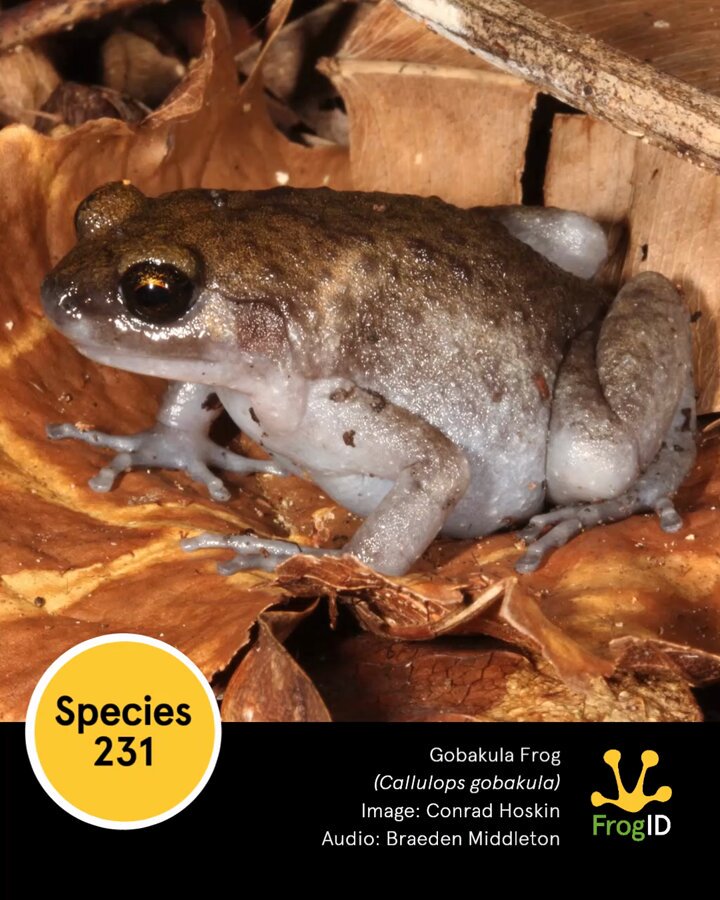
🐸 The FrogID species count has risen to 232!
Thanks to Braeden Middleton, two microhylid frog species have been recorded from boulder field habitats on Dauan Island, Torres Strait - the Gobakula Frog (Callulops gobakula) and Koeypad Frog (Choerophryne koeypad).
2
8
252
Apr 20
A rare sound to capture!
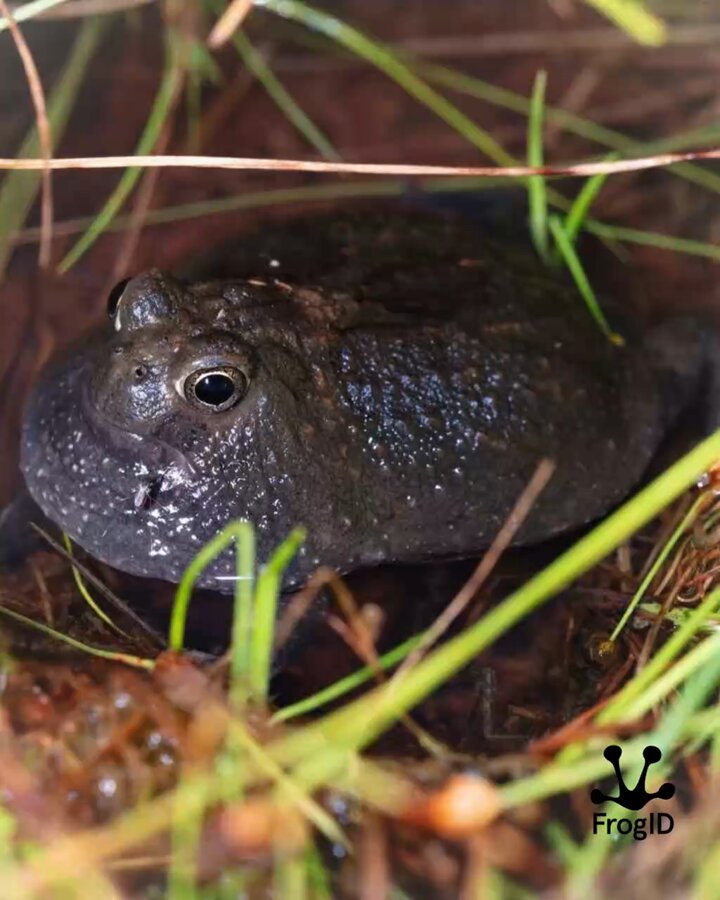
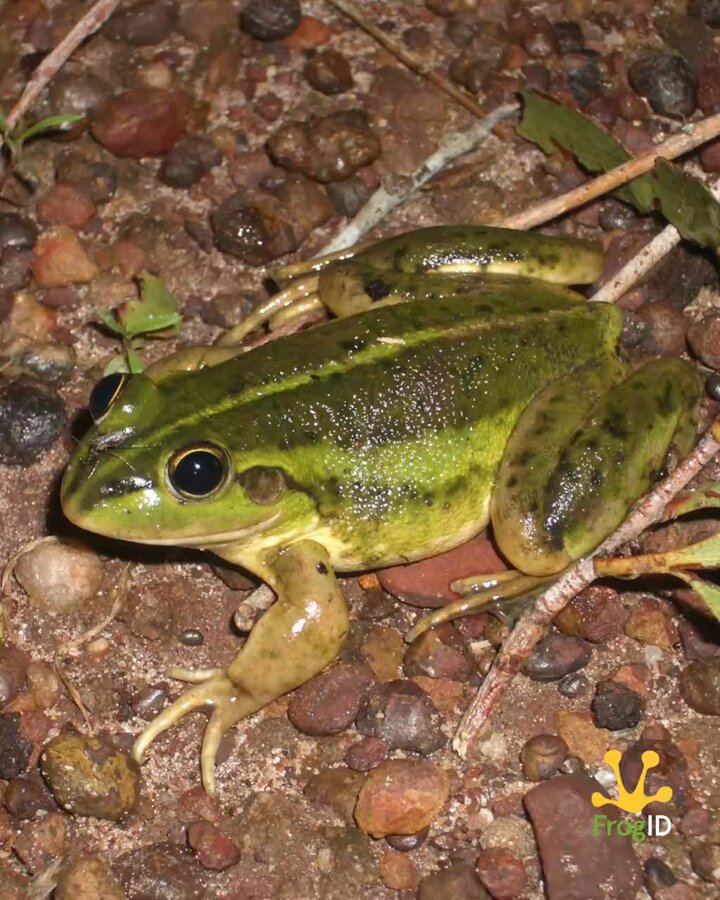
Thank you to Samantha for this recent #FrogID submission of Dahl’s Aquatic Frog a species rarely heard calling due to its mostly aquatic lifestyle, heard here alongside Green Tree Frog and Western Desert Tree Frog in the Northern Territory.
2
6
161
Apr 16
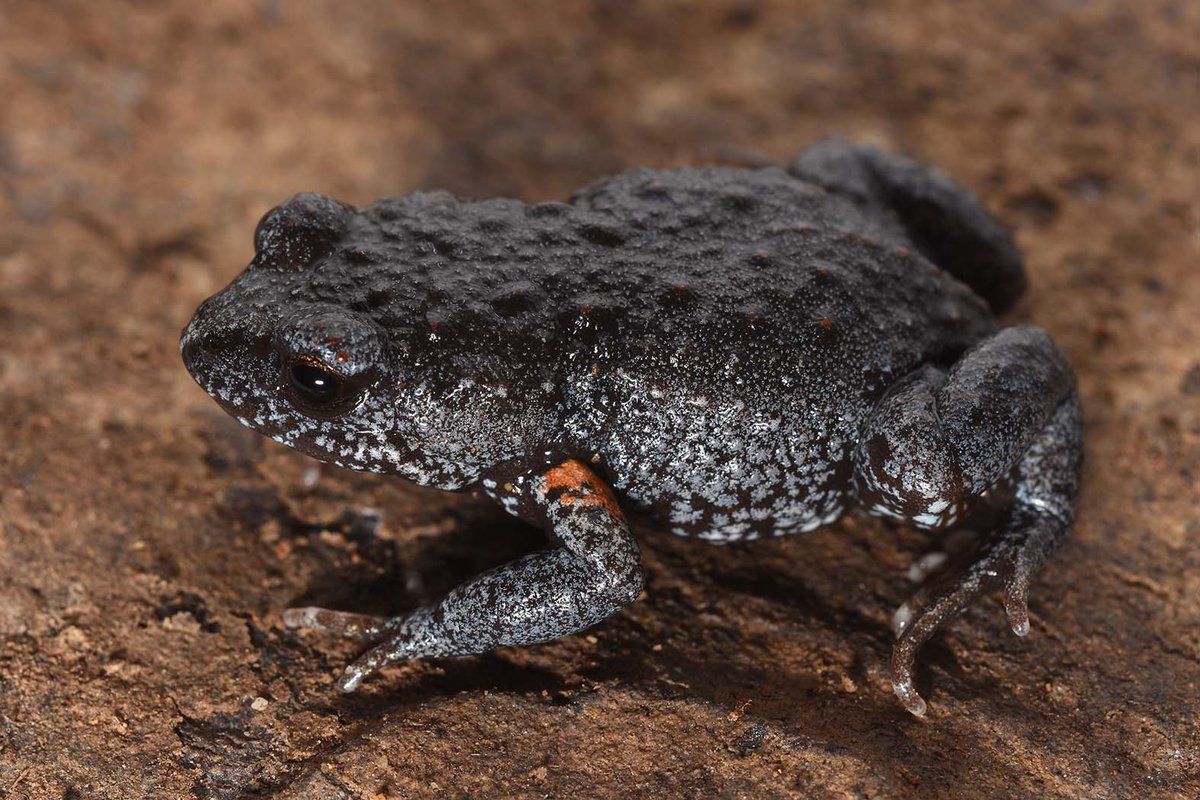
At this time of year, it’s possible to hear the Southern Toadlet (Pseudophryne semimarmorata) in TAS, VIC and SA. If you’re spending time outdoors this #CitizenScienceMonth, keep an ear out, and don’t forget to record any frog calls using the free #FrogID app.
📷: Jodi Rowley
1
6
128
Apr 15
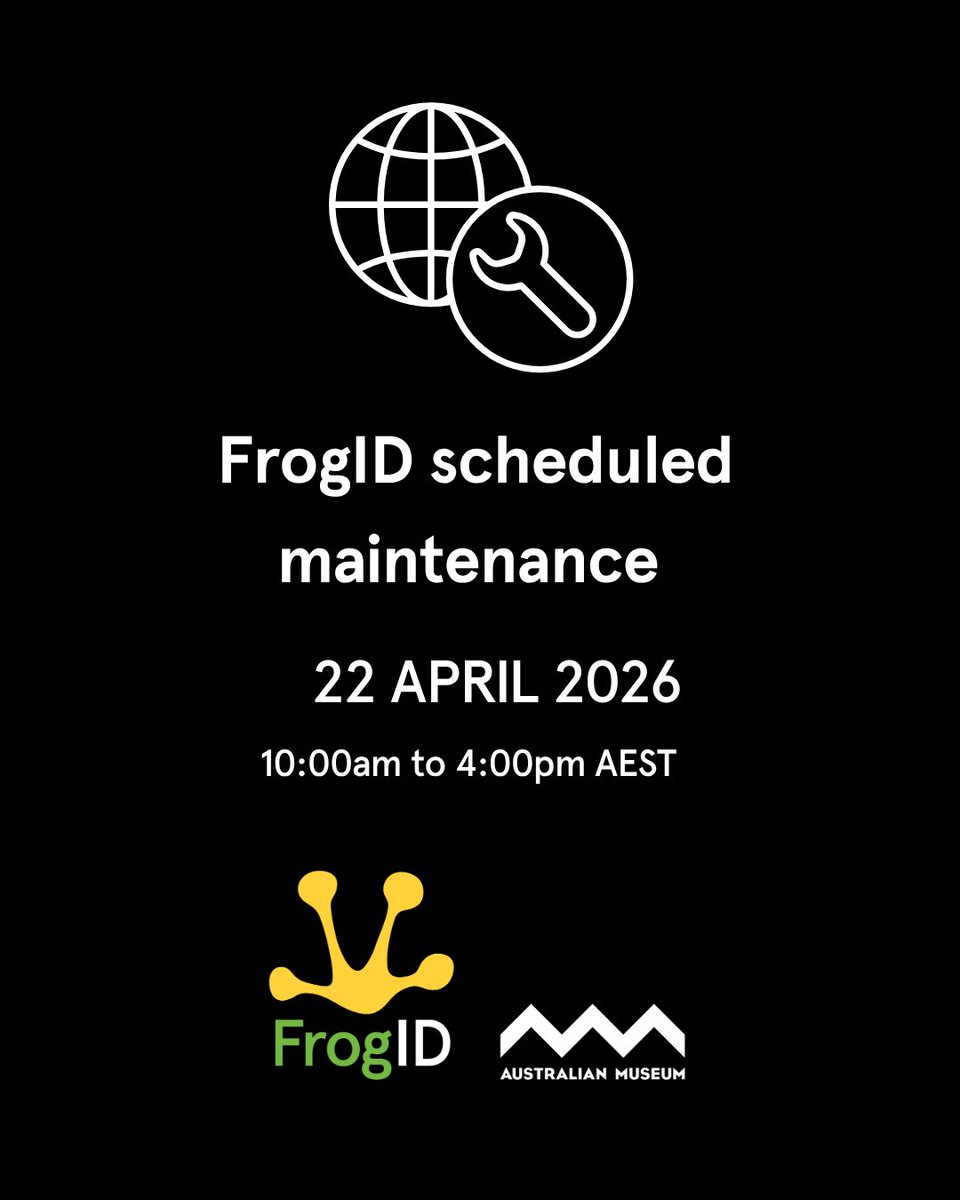
🔧 We’re giving the #FrogID website another tune-up!
Scheduled downtime: Wednesday, 22 April, 10am–4pm AEST.
You can keep recording frog calls in the app - these will save on your device and can be submitted later. Thanks for your patience while we make improvements!
1
65
Apr 14
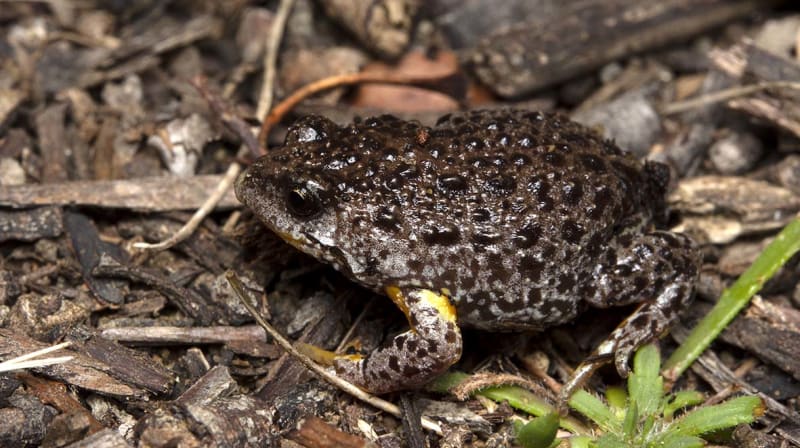
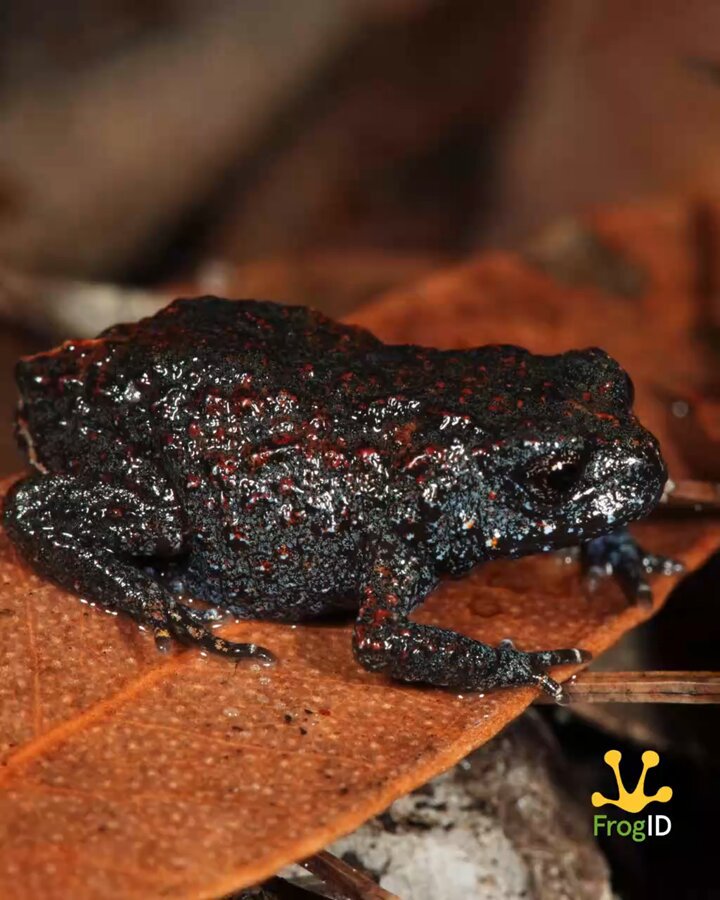
Meet the Forest Toadlet (Metacrinia nichollsi), a small frog from the eucalypt forests of southwest WA. We’d love to receive more #FrogID submissions of this unique species - every call helps improve our understanding of where they occur.
📷: Stephen Mahony | 🔊: Dale Roberts
10
21
526
Apr 6
Bibron’s Toadlet (Pseudophryne bibronii), also known as Brown Toadlet, is a species of conservation concern that can often be heard calling from leaf litter after rain at this time of year. They occur in forests, heathland and farmland 🍂 Please record their calls with #FrogID!
2
8
175
Apr 1
#CitizenScienceMonth is a great time to record frogs, especially across northern and western Australia right now, where recent wet weather means high activity.
If it's safe to, please use the free #FrogID app to record any frog calls you hear.
Learn more: frogid.net.au/spatial-covera…
5
6
143
Mar 23
With wet weather moving through northern Australia, frogs are calling across the landscape. If it’s safe to do so, please record any frog calls you hear using #FrogID.
Big thanks to Alice for recent submissions from outback Far North QLD!
Learn more: frogid.net.au/spatial-covera…
3
5
121