
Science-backed tips for men over 40 on nutrition, strength & longevity. Fuel for busy dads & executives. No $500 miracle stacks or gym-sweat hype. No BS. 🧬🍳💪
Joined March 2026
- Tweets 274
- Following 40
- Followers 53
- Likes 23
79 Photos and videos




Pinned Tweet
Man in the Kitchen🧑🍳
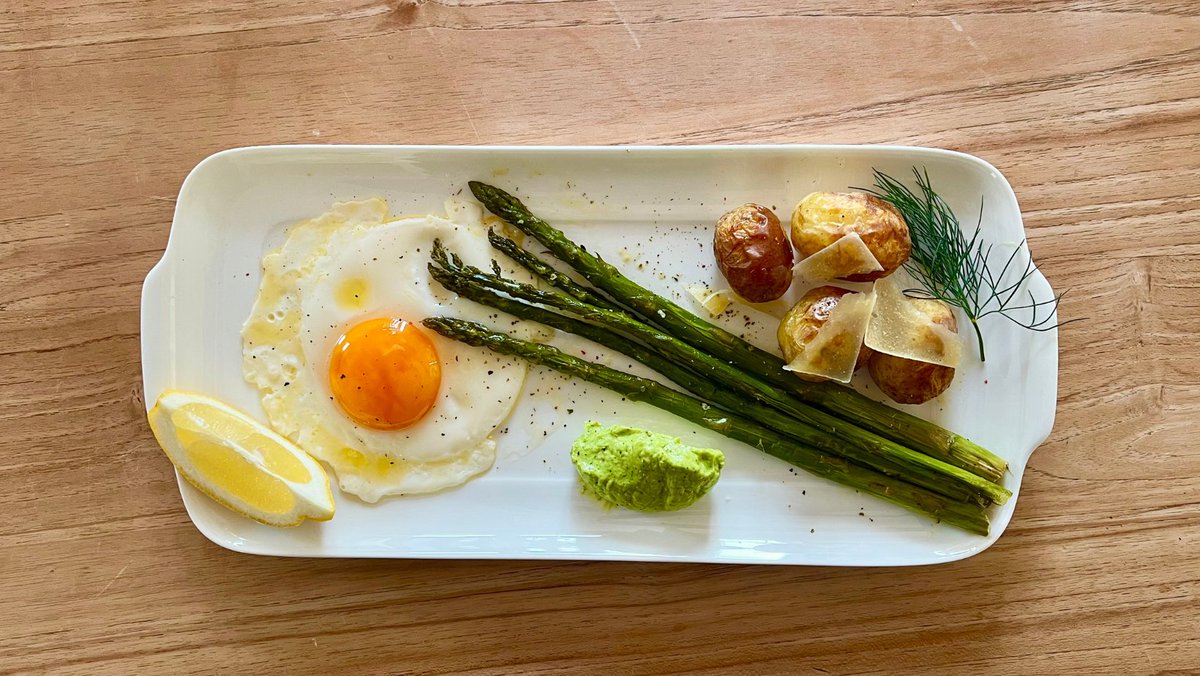
This one turned out seriously good - Simple Oven-Baked Asparagus with Crispy Potatoes and Fried Egg.
Super clean, ridiculously tasty, and ready in about 30 minutes. The asparagus gets sweet and tender, the potatoes crisp up nicely with the skin on, and that pan-fried egg with sumac brings everything together.
Quick method:
Preheat oven to 220°C.
Toss thin asparagus and small unpeeled potatoes with good olive oil, salt and pepper.
Roast everything together for 15 minutes.
Transfer to a long plate: asparagus in the center, potatoes on one side sprinkled with parmesan shavings and fresh dill.
On the other side, a perfectly pan-fried egg finished with salt, pepper and sumac.
Finish the plate with a squeeze of fresh lemon quarter - the juice mixes beautifully with the roasted oil, salt and pepper.
Simple ingredients, maximum flavour. Feels like a restaurant plate but almost zero effort.
Would you try this one?
1
22
Man in the Kitchen🧑🍳
This one turned out seriously good - Simple Oven-Baked Asparagus with Crispy Potatoes and Fried Egg.
Super clean, ridiculously tasty, and ready in about 30 minutes. The asparagus gets sweet and tender, the potatoes crisp up nicely with the skin on, and that pan-fried egg with sumac brings everything together.
Quick method:
Preheat oven to 220°C.
Toss thin asparagus and small unpeeled potatoes with good olive oil, salt and pepper.
Roast everything together for 15 minutes.
Transfer to a long plate: asparagus in the center, potatoes on one side sprinkled with parmesan shavings and fresh dill.
On the other side, a perfectly pan-fried egg finished with salt, pepper and sumac.
Finish the plate with a squeeze of fresh lemon quarter - the juice mixes beautifully with the roasted oil, salt and pepper.
Simple ingredients, maximum flavour. Feels like a restaurant plate but almost zero effort.
Would you try this one?
1
22
Ingredients (serves 1 generously, easy to scale):
- 5-8 thin asparagus spears
- 150 g small fresh potatoes (unpeeled)
- 1 egg
- Good quality olive oil
- Salt & freshly ground black pepper
- Parmesan cheese (shaved)
- Fresh dill
- Sumac (for the egg)
- ¼ lemon (for squeezing at the end)
Tips:
- Season the asparagus and potatoes with oil, salt & pepper before roasting - that’s key.
- The lemon juice at the end adds bright acidity that cuts through the richness and mixes perfectly with the roasted flavours.
- Don’t overcrowd the tray so the potatoes get nicely crispy.
Total time ~30 minutes. Proper elevated food that couldn’t be simpler.
What would you add or change - maybe some chilli flakes, different herbs, or another vegetable?
19

Jun 12
Friday Reset☀️
Another week done.
This week we focused on simple, high-leverage practices that strengthen both body and mind:
- Monday – Homemade Lamb Meatball Ramen. Nourishing, creative, and built on real bone broth.
- Tuesday – Deliberate cold showers. Not for hype, but for building mental toughness and training your nervous system to handle stress better.
- Wednesday – Heat Shock Proteins (HSPs). The hidden “repair crew” inside your cells that explains why men who regularly use heat, cold, or hard training often age better.
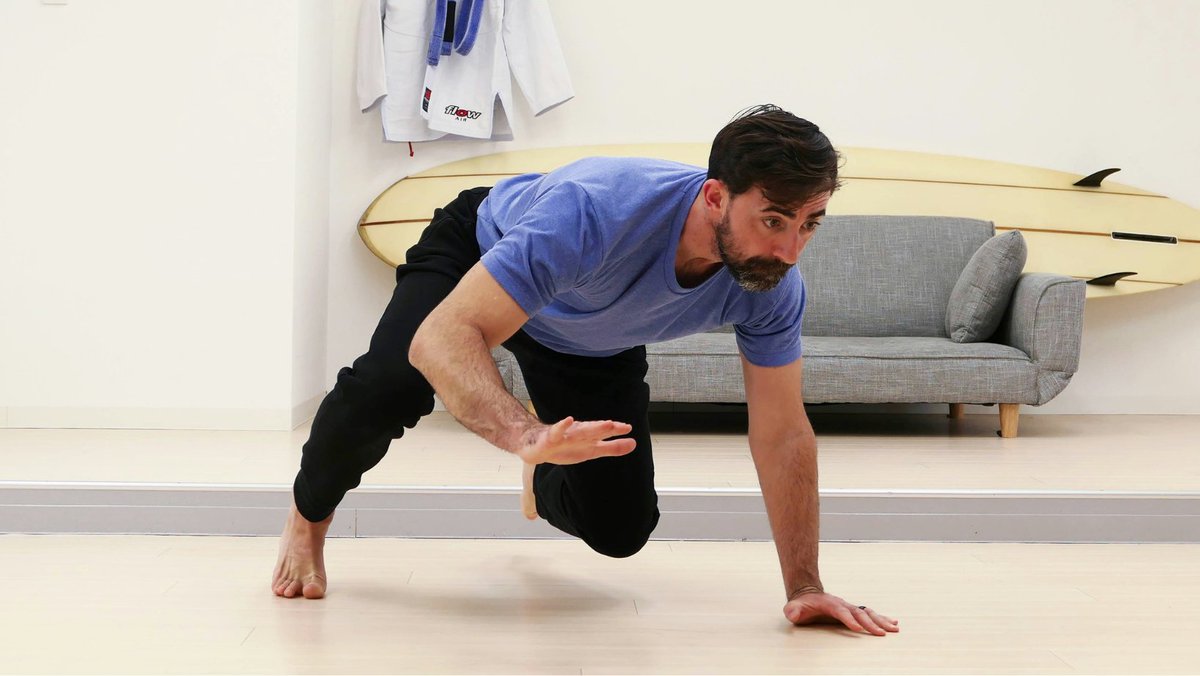
- Thursday – Deep Core & TVA work. Strengthening the natural weight belt that protects your lower back and improves posture.
The common thread?
Real progress after 40 isn’t always about doing more. It’s about adding small, consistent stressors and maintenance habits that make your body and mind more resilient over time.
This weekend, pick one thing and actually do it:
- Take a proper cold shower (even 60 seconds) and focus on your breathing
- Run through the deep core sequence 2–3 times
- Book a sauna session if you have access
- Or accelerate in the last 15 minutes of your Zone 2 walk
Small, repeatable upgrades compound faster than occasional big efforts.
What’s one thing from this week you’re carrying into the weekend? Drop it below 👇
28
Jun 11
Body Part Maintenance🛠️: Deep Core & VAT
The deep core - especially the Transversus Abdominis (TVA) - is your body’s natural weight belt. It wraps around your spine like a corset and is responsible for stabilizing your lower back and pelvis during movement.
Most men in their 40s have a “sleeping” or weak deep core from years of sitting, shallow breathing, and training mostly the visible six-pack muscles. When it’s strong, you get better posture, fewer lower back issues, a tighter midsection, and more efficient power transfer in daily life and training.
Quick self-check:
- Can you gently draw your belly button toward your spine and hold that tension while breathing normally for 20–30 seconds?
- Do you lose core stability or feel your lower back take over when you stand up from a chair or pick something off the floor?
Daily maintenance (5–7 minutes):
- Stomach vacuums – 4–5 holds of 15–30 seconds (on exhale)
- Dead bugs – 2 sets of 10–12 reps per side (very slow and controlled)
- Bird dogs – 2 sets of 8–10 reps per side
- Hollow body hold – 3 holds of 20–40 seconds
- VAT breathing activation while walking (gentle draw-in on every exhale)
Quick relief when your lower back feels off:
Do 2–3 rounds of stomach vacuums dead bugs. It often calms things down quickly.
A strong deep core is one of the best investments you can make for long-term back health and a more athletic-looking midsection (even if body fat isn’t super low).
How’s your deep core strength these days - solid or could definitely use some work?
35
Jun 10
Science Check🧬
Do you know why men who regularly use sauna, cold showers, or push themselves in training often feel like they’re ageing better than their peers?
Their cells are literally better at repairing themselves - thanks to Heat Shock Proteins (HSPs).
These are your body’s internal “emergency repair crew.” When cells experience controlled stress (heat, cold, intense exercise), they ramp up production of HSPs. These special proteins act like molecular bodyguards: they refold damaged proteins, prevent harmful clumps, reduce inflammation, and protect cells from dying under pressure.
The surprising part:
Regular HSP activation appears to slow down several hallmarks of ageing at the cellular level. Research links it to better insulin sensitivity, improved muscle recovery, clearer thinking (by helping remove misfolded proteins), and stronger cardiovascular resilience.
Best ways to trigger them after 40:
- Sauna or hot bath (the most powerful trigger)
- Cold showers (like yesterday’s hack - contrast training is especially effective)
- Heavy or intense strength sessions
- Pushing the pace at the end of your Zone 2 walk (last 5–10 min pushing harder)
You don’t need to go extreme. Consistent, moderate activation 3–5 times per week seems to deliver the best long-term results.
This is one of those behind-the-scenes mechanisms that gives some men a noticeable edge in how they look, feel, and perform as the years go by.
Have you been using heat, cold, or hard training to trigger HSPs? What differences have you noticed?
44
Jun 10
Longevity Hack
One of the most useful practices I’ve added in the last year is ending my morning shower with cold water.
Not because it’s trendy - but because it quietly builds something very valuable for men in their 40s: stress resilience and mental toughness.
What actually happens when you step into cold water:
Your body releases a big surge of norepinephrine (up to 530% in some studies) and dopamine (around 250%). This creates a sharp increase in alertness and motivation that can last for several hours. More importantly, repeatedly choosing to stay in that uncomfortable cold water trains your nervous system to handle stress better in real life.
It’s like doing daily “discomfort reps.” Over time, you get better at staying calm when work pressure, tough conversations, or unexpected problems hit.
Some people also notice it helps take the edge off background anxiety and makes them feel more grounded during the day. The effect isn’t dramatic “superhuman energy” - it’s more like a subtle upgrade in how you handle pressure.
Practical way to start:
- Finish your normal shower with 30–60 seconds of cold water (as cold as you can handle while breathing calmly).
- Build up gradually if you want, but even 1 minute most days is enough to get the benefits. No need to waste a lot of water.
It costs nothing, takes almost no extra time, and the mental toughness benefit compounds nicely.
Have you tried consistent cold showers?
35
Jun 8
Man in the Kitchen👨🍳
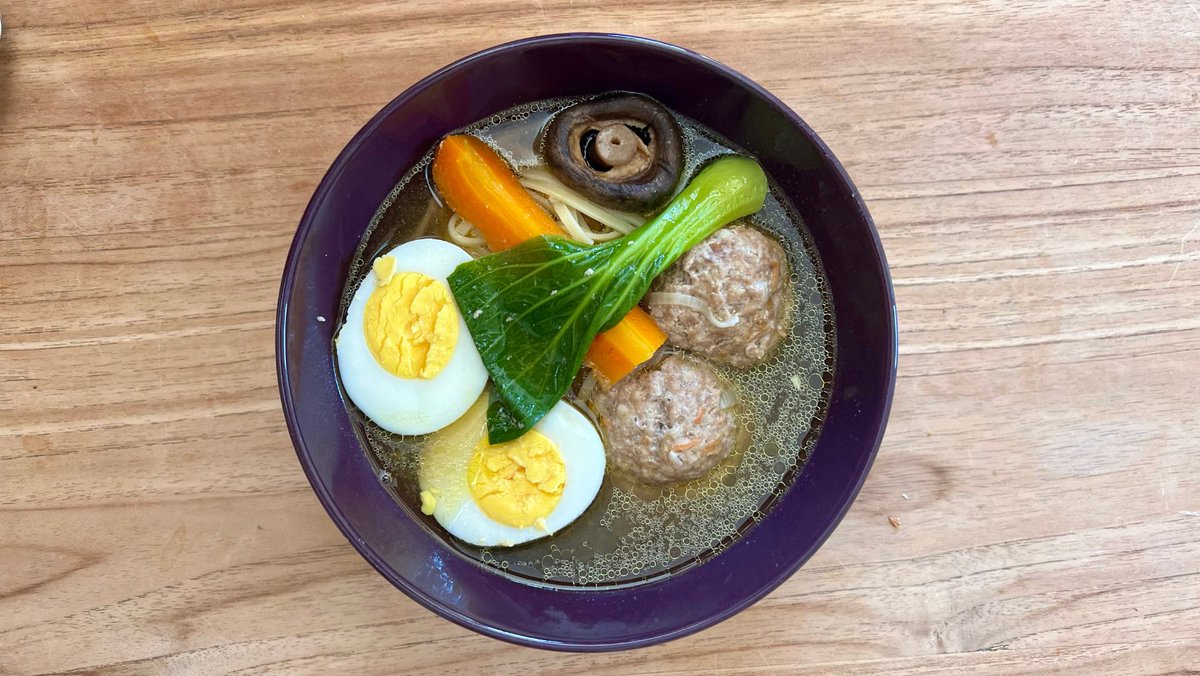
This one turned out seriously good - Homemade Lamb Meatball Ramen.
Rich, comforting, and deeply flavourful. I used my chicken bone broth as the base with a couple of spoons of miso for that beautiful umami depth. The lamb meatballs are the star - juicy, aromatic, and a nice change from the usual pork or chicken.
Quick method:
Make the meatballs: mix minced lamb with fried onion, carrot strips, egg, bread soaked in milk, salt and pepper. Form into small balls and boil them gently until cooked.
Build the bowl: chicken-miso broth, ramen noodles, the lamb meatballs, sautéed mushrooms, a whole cooked carrot, half a hard-boiled egg, and bok choi.
It’s hearty, nourishing, packed with collagen from the broth, and tastes like something from a good ramen shop - but made at home with real ingredients.
Would you try this version?
1
135
Jun 8
Ingredients (serves 2 generous bowls):
Broth:
- 1–1.2 litres good chicken bone broth
- 1–2 tbsp miso paste (white or red, to taste)
Lamb meatballs:
- 400–500 g minced lamb
- 1 small onion, finely fried
- Small carrot, cut into thin strips
- 1 egg
- 1–2 slices bread soaked in milk
- Salt & pepper
In the bowl
- Ramen noodles (cooked)
- Mushrooms (champignon de Paris or whatever you have), sautéed
- 1–2 whole carrots, cooked until tender
- 2 soft or hard-boiled eggs, halved
- Sautéed bok choi (or spinach) leaves
Tip: The bread soaked in milk keeps the lamb meatballs incredibly juicy. Don’t skip the miso in the broth - it completely transforms the flavour.
Hearty, healthy, and surprisingly easy to put together. Real comfort food done right.
What would you add or change in your own version - extra spice, different greens, or another type of meat?
51
Jun 5
Friday Reset☀️
Another week done.
This week was all about enjoying good food while staying smart about how your body handles it:
- Monday – Yogurt Blueberry Muffins. Light, delicious, and naturally high in protein from real food.
- Tuesday – How to upgrade desserts and sweet treats after 40 so they work with you instead of against you.
- Wednesday – Satiety hormones (leptin & ghrelin). Why protein-rich meals and desserts keep you fuller for longer compared to high-carb versions.
- Thursday – Hip flexors & psoas. Simple maintenance to undo sitting, improve posture, make walks feel better, and protect your lower back.
The common thread this week?
You don’t have to choose between pleasure and progress. You can enjoy satisfying food (even desserts), understand how your body actually works, and maintain the parts that matter - all without extremes.
This weekend, pick one small upgrade and run with it:
- Bake a batch of those Yogurt Blueberry Muffins (or another high-protein treat)
- Try one meal or dessert with extra protein fiber and notice how long you stay full
- Do the hip flexor sequence 2–3 times
- Or simply take a proper post-meal walk after a good dinner
Small, consistent upgrades in how we eat, move, and maintain ourselves create the biggest difference after 40.
What’s one thing from this week you’re taking into the weekend? Drop it below 👇
1
46
Jun 4
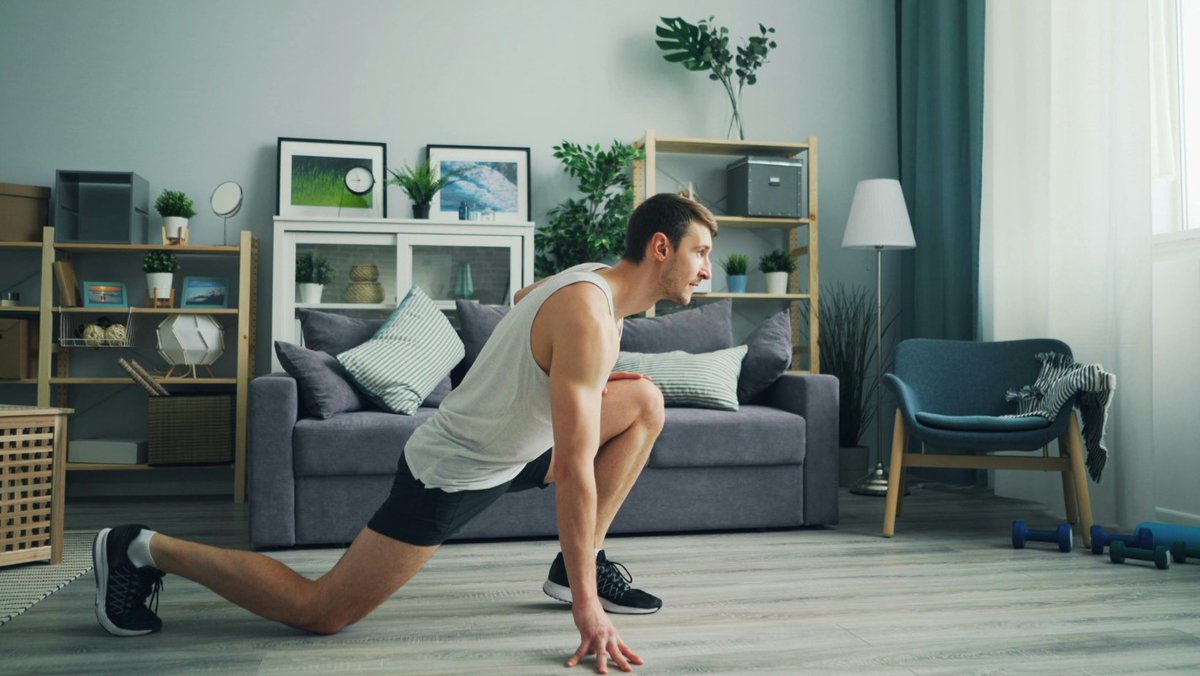
Body Part Maintenance 🛠️: Hip Flexors & Psoas
Hip flexors are a group of muscles at the front of your hip that allow you to lift your legs toward your torso (think knee raise or marching). The psoas is the main one in this group and runs deep from your lower spine to your thigh bone.
If you feel tight in the front of your hips when you stand up after sitting, notice lower back discomfort after walks, or struggle to fully extend your hips, these muscles are likely asking for attention.
Years of desk time combined with lots of forward-moving activity (walking, running, cycling) can leave them short and overworked. When tight, they pull the pelvis forward and put extra stress on the lower back.
Quick self-check:
- Can you stand tall with your glutes squeezed and feel a gentle stretch in the front of your hips?
- When lying on your back, does one knee fall outward less than the other, or do you feel tightness pulling your lower back off the floor?
Daily maintenance (6–8 minutes):
- Kneeling hip flexor stretch (with posterior pelvic tilt) – 60–90 seconds per side
- Couch stretch (deeper version) – 45–60 seconds per side
- Pigeon pose or figure-4 stretch – 60 seconds per side
- Supine knee-to-chest with opposite leg extended – 60 seconds per side
- Glute bridges (single-leg variation) – 2 sets of 10–12 per side
Quick relief when things feel locked up:
- Gentle hip flexor stretch foam roll quads/IT band
- 5-minute slow walk with exaggerated hip extension (big strides)
Looser, healthier hip flexors improve your posture, make your Zone 2 walks feel smoother, and reduce lower back stress.
How are your hip flexors feeling lately?
61
Jun 3
Science Check🧬
One of the biggest advantages of eating higher-protein meals and desserts after 40 is how they affect your satiety hormones - specifically leptin and ghrelin.
- Ghrelin => your “hunger hormone” - it rises to tell your brain it’s time to eat.
- Leptin => your “fullness hormone” - it signals that you’ve had enough.
With age, this system becomes less sensitive. Ghrelin stays higher longer and leptin response weakens, which is why many men in their 40s get hungry again just a couple of hours after eating.
How protein compares to fibre-rich foods:
Protein is the clear winner for hormonal satiety. High-protein meals (30g ) significantly suppress ghrelin and boost satiety hormones like CCK, GLP-1 and PYY more effectively than high-carb meals of the same calories. This effect can last 4–6 hours.
Fibre (especially from berries, vegetables, nuts, etc.) is excellent too - it works through physical fullness and slower digestion. But protein has a stronger direct impact on the actual hunger hormones.
Best approach? Combine both.
Monday’s Yogurt Blueberry Muffins are a great example: Greek yogurt delivers solid protein while the blueberries bring fibre. That combination keeps you satisfied much longer than traditional sugary muffins.
This is one of the quiet reasons men who upgrade their treats to real-food, higher-protein versions often manage cravings and body composition better without feeling deprived.
Have you noticed that meals or desserts higher in protein keep you full longer than the high-carb versions?
23
Jun 2
Longevity Hack
You don’t have to give up desserts and sweet treats after 40 - you just need to make them work for you instead of against you.
Yesterday’s Yogurt Blueberry Muffins are a perfect example: high protein from real food, light, satisfying, and genuinely delicious. The key is shifting from empty-calorie sweets to versions built around quality ingredients that deliver protein, fiber, and better blood sugar response.
Why this matters more after 40:
Your body becomes less efficient at handling big glucose spikes, and we naturally lose some muscle (which helps clear sugar from the blood). High-protein desserts made with real foods help blunt those spikes, keep you fuller for longer, support muscle maintenance, and reduce evening cravings.
Practical ways to upgrade your desserts:
- Use Greek yogurt, skyr, or cottage cheese as the base (excellent natural protein creaminess)
- Add fresh or frozen berries for fiber and natural sweetness
- Incorporate eggs and good-quality dairy
- Add nuts, seeds, or nut butters for healthy fats and extra satiety
- Keep portions satisfying but reasonable - enjoy them fully
Simple high-protein sweet ideas using real food:
- Yogurt Blueberry Muffins (like yesterday)
- Greek yogurt bowl with berries, dark chocolate shavings and almonds
- Cottage cheese cinnamon apple slices walnuts
- Baked ricotta with honey and berries
- Skyr mixed with frozen berries and a drizzle of tahini
The rule is simple: If you’re going to have something sweet, make it count by using real, nutrient-dense ingredients.
This way you can enjoy life’s pleasures without the guilt or metabolic backlash.
What’s your favourite high-protein real-food dessert or sweet treat at the moment?
31
Jun 1
Man in the Kitchen🧑🍳
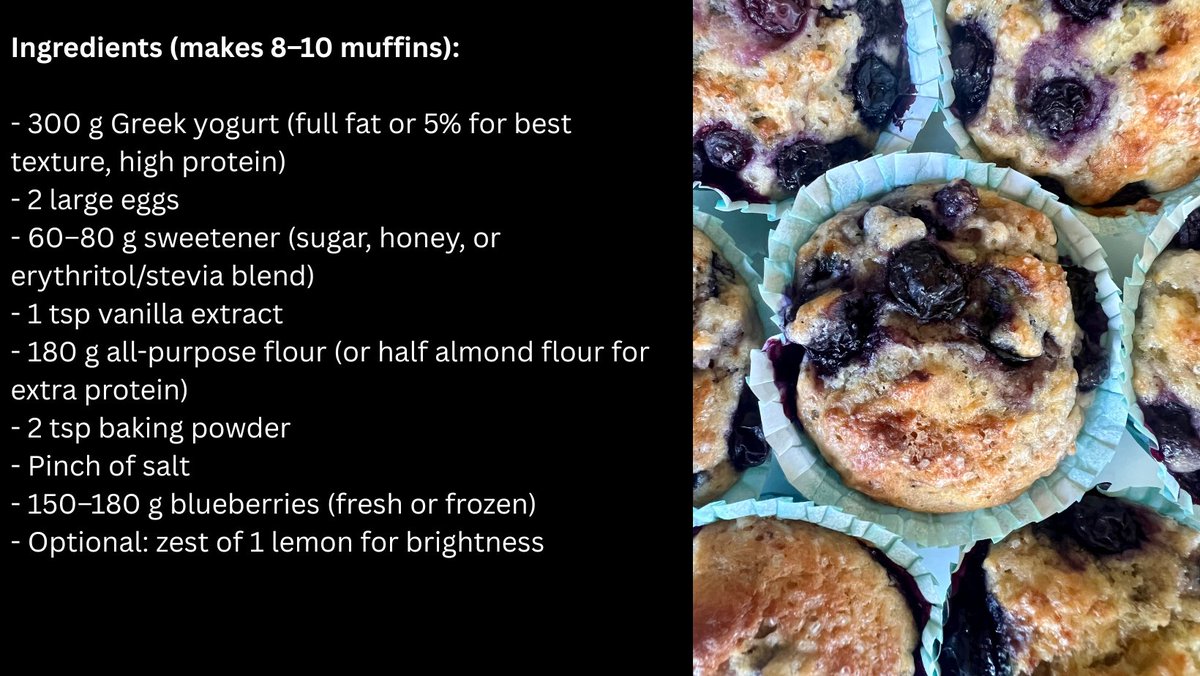
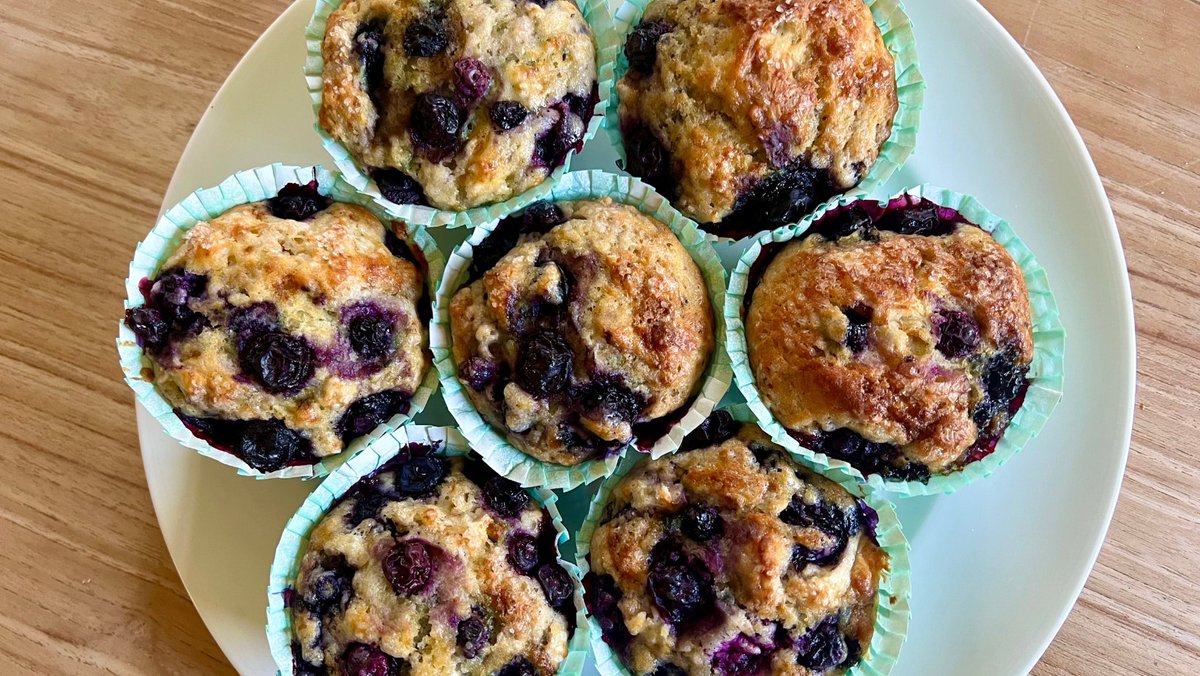
This one turned out seriously good - High-Protein Yogurt Blueberry Muffins.
Light, fluffy, naturally sweet from the blueberries, and way more satisfying than regular muffins. They’re basically a high-protein dessert you can feel good about. Perfect with morning coffee or as a post-workout treat.
Quick method:
Mix Greek yogurt, eggs, a touch of sweetener, and vanilla until smooth.
Add dry ingredients (flour, baking powder, pinch of salt), stir gently until just combined.
Fold in fresh or frozen blueberries.
Spoon into muffin tins and bake until golden and springy.
They come out beautifully moist thanks to the yogurt and have a nice protein boost. Zero guilt, maximum enjoyment.
Would you try these?
1
30
Jun 1
Extra tips:
- Don’t overmix the batter (a few lumps are fine)
- Bake at 180°C / 350°F for 18–22 minutes until golden
- Let them cool slightly before removing from the tin
Super easy, one-bowl recipe, and they stay moist for days. Great way to use up that extra Greek yogurt in the fridge.
Which do you prefer - warm straight from the oven or cooled with a bit of butter?
27
May 29
Friday Reset ☀️
Another week done.
This week we kept things practical and focused on enjoying good food while protecting the body that carries us:
- Monday – Crispy Vienna-style chicken cotlet with that excellent sautéed radish, onion, garlic & spinach upgrade. Real food that tastes better than the classic.
- Tuesday – The post-meal walk. The smart cheat code around the old “15 seconds of pleasure, 60 minutes of sweat” saying. Enjoy the plate, then give your body 10–15 minutes to handle it properly.
- Wednesday – Advanced Glycation End-products (AGEs). Why glucose spikes matter more after 40 and how that short walk helps slow the process.
- Thursday – Knees maintenance. Simple daily work to keep them strong, especially when old sports injuries from our 20s and 30s start reminding us they’re still there.
The common thread this week?
You don’t have to choose between enjoying life and staying strong. Eat well, move smart, maintain what needs maintaining, and the results compound quietly.
This weekend, pick one thing and actually do it:
- Cook something nice and take a proper post-meal walk afterwards
- Run through the knee maintenance sequence 2–3 times
- Or simply protect one dinner as a calm, screen-free ritual
Small, consistent moves beat big dramatic efforts every single time - especially after 40.
What’s one thing from this week you’re carrying into the weekend? Drop it below 👇
13
May 28
Body Part Maintenance 🛠️: Knees
If your knees feel stiff when you stand up after sitting for a while, ache going up or down stairs, or complain during or after your morning walks - you’re not alone.
Years of desk work, Zone 2 walking, occasional running, plus old sports injuries from your 20s and 30s often start resurfacing in your 40s as nagging knee discomfort.
The good news? Consistent, smart maintenance can significantly reduce that discomfort and keep your knees strong for decades.
Quick self-check (very relevant for men in their 40s):
- Do your knees feel stiff or creaky when you stand up after sitting for 30 minutes?
- Can you walk up a flight of stairs without holding the railing or feeling discomfort?
- Can you perform a bodyweight squat to parallel without pain, knees caving in, or compensating with your back?
If any of these feel off, your knees deserve some targeted attention.
Daily maintenance (6–8 minutes):
- Terminal knee extensions – 2 sets of 12–15 reps per leg
- Single-leg balance – 30–60 seconds per side (progress to eyes closed)
- Step-ups (low step or stair) – 2 sets of 10 per leg, slow and controlled
- Hamstring stretch quad stretch – 60 seconds each side
- Wall sit or isometric hold – 20–45 seconds
Quick relief when knees feel grumpy:
- Gentle knee circles (seated) – 10 each direction
- Hamstring and calf stretch
- Roll quads and IT band with a foam roller or tennis ball
- Finish with a short 5-minute flat walk
Strong, stable knees make your morning walks more enjoyable and protect your lower back and hips. Most men notice meaningful improvement within 2–3 weeks of consistent work.
Your knees carry you through life - give them the maintenance they deserve, especially if old sports injuries are starting to speak up.
How are your knees feeling these days - generally solid or starting to complain?
16
May 27
Science Check🧬
One of the quieter drivers of accelerated ageing after 40 is something called AGEs - Advanced Glycation End-products.
What are they?
AGEs are harmful compounds that form when sugars in your blood react with proteins, fats, or DNA. Think of them as sticky, damaged molecules that accumulate in tissues over time.
They are formed through the Maillard reaction (the same process that browns toast or sears steak). When blood glucose spikes after a meal, glucose molecules bind to proteins and fats in a non-enzymatic way. This creates early unstable compounds that eventually turn into permanent, irreversible AGEs. The higher and more frequent the glucose spikes, the faster this process runs.
Once formed, AGEs promote chronic inflammation, oxidative stress, and protein cross-linking. They stiffen arteries, damage collagen (in skin, joints, and blood vessels), and are strongly linked to heart disease, neurodegeneration, kidney issues, and faster overall ageing.
Glycemic variability (i.e. how much your blood sugar swings up and down) appears to drive AGE formation more aggressively than high average blood sugar alone. This is now measured reliably with Continuous Glucose Monitors (CGM), which show the real-time peaks and valleys that standard HbA1c misses.
That short 10–15 minute walk after eating (from yesterday's post) isn’t just “nice to have.” It meaningfully blunts those glucose spikes, reduces insulin demand, and slows AGE accumulation. Research shows post-meal walking is surprisingly effective at lowering both peak glucose and overall glycemic variability.
After a satisfying meal like Monday’s crispy cotlet, you can enjoy it fully - then give your body this simple tool to clean up the metabolic aftermath.
This is one of those high-leverage habits that compounds quietly in your favour over the years.
18
May 26
Longevity Hack
You know that old saying… “15 seconds of pleasure, 60 minutes of sweat”?
Eat the cake (or the big portion) and then pay for it with a brutal workout.
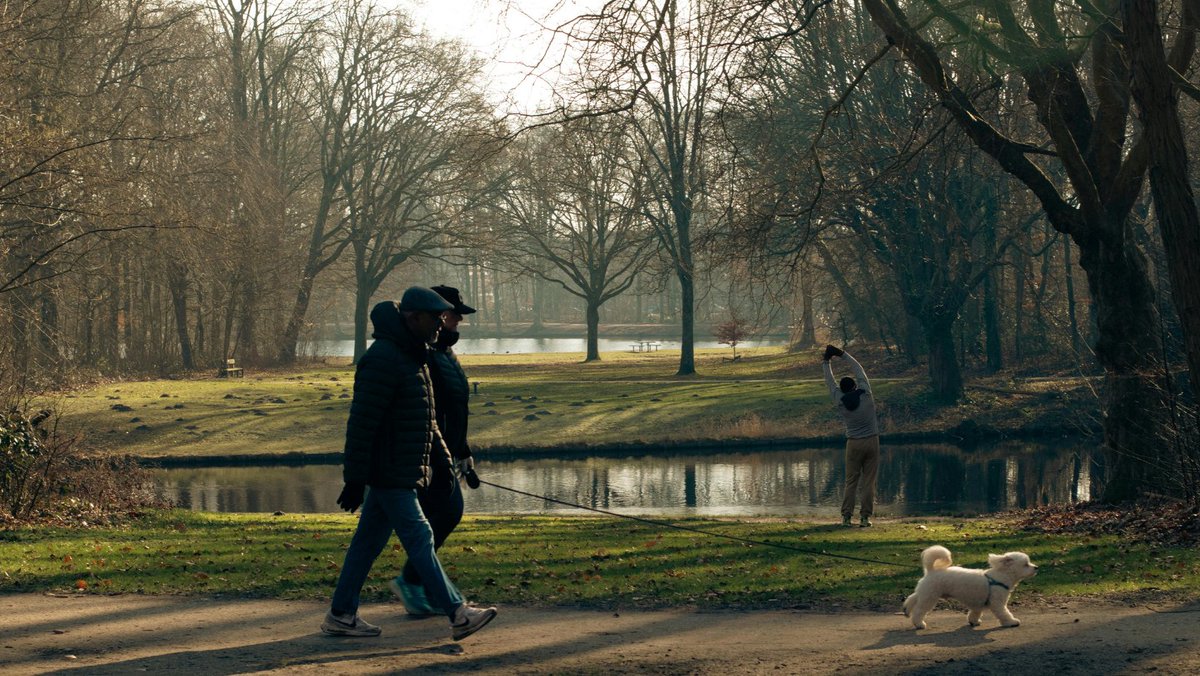
Well, there’s a much better cheat code: a short walk after eating.
You can enjoy real food, full plates, and even a nice dessert now and then - as long as you protect this one simple habit.
Why it works so well:
Even a relaxed 10–15 minute walk after a meal significantly reduces blood glucose spikes, improves insulin sensitivity, speeds up digestion, and lowers the amount of fat your body stores from that meal. The science is clear: this short post-meal movement is surprisingly effective - often more useful than one long workout earlier in the day.
Simple way to do it:
- After lunch or dinner, step outside for 10–15 minutes (easy pace, you should be able to talk)
- Bonus points if you do it with family or just clear your head
- After yesterday’s crispy chicken cotlet with that caramelised radish-spinach? Perfect excuse for a nice evening stroll.
You don’t have to be perfect with every meal. Eat well, enjoy it, then give your body this small assist. Much smarter than the old “sweat it off” mentality.
Have you tried adding a short post-meal walk? How does it change how you feel afterwards?
26
May 25
Man in the Kitchen🧑🍳
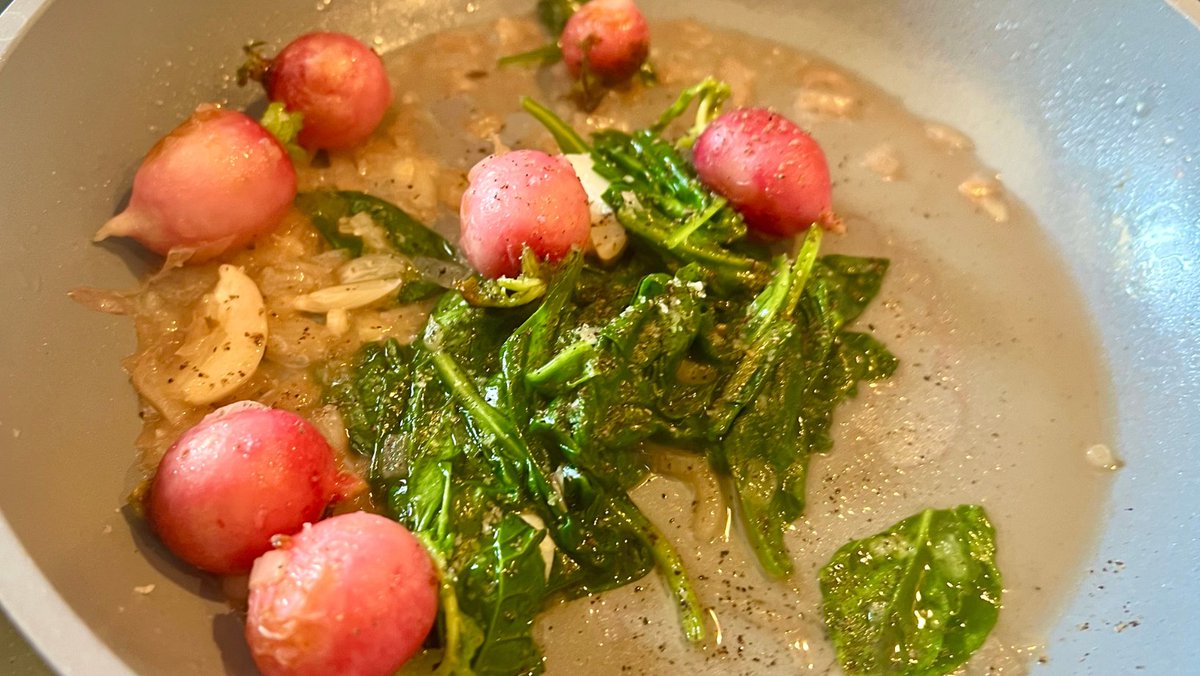
This one turned out seriously good - a nice elevated version of a classic: Crispy Chicken Cotlet (Vienna style) with Mashed Potatoes and Sautéed Radish & Spinach.
The star is the pan-fried radish. It brings colour, gentle sweetness, and a surprising depth that makes the whole plate far more interesting than the standard version.
Quick method:
First make the radish topping
Sauté 100 g radish in olive oil until they start to caramelise. Add finely diced onion and two crushed garlic cloves. Once lightly glazed, toss in a big handful of spinach leaves, a splash of bouillon, and a little white wine. Let it reduce until the spinach is just al dente and the sauce is beautiful. Season with salt and pepper.
Pan-fry a large, thin chicken breast in classic Vienna style (egg breadcrumbs) until golden and crispy. Serve with buttery mashed potatoes, pile the warm radish-spinach mix on top, and spoon over some of the reduced pan sauce.
Looks impressive, tastes even better, and turns a simple classic into something special.
Would you try this radish upgrade?
1
31
May 25
Ingredients (serves 2 generously):
For the radish-spinach topping:
- 100–150 g fresh radishes
- 1 small onion, finely diced
- 2 garlic cloves, crushed
- Big handful of fresh spinach leaves
- 1–2 tbsp olive oil
- Splash of chicken bouillon (or good stock)
- Splash of white wine (demi-sweet works great)
- Salt & pepper
For the rest:
- 2 chicken breasts, pounded thin
- Egg breadcrumbs for breading
- Butter milk/cream for mashed potatoes (4–5 medium potatoes)
- Salt, pepper, and a little flour if needed for the cotlet
Tip:
Don’t overcook the spinach - keep it bright green and with a bit of bite. The slight bitterness of the radish caramelising balances the crispy chicken and creamy potatoes perfectly.
Simple ingredients, one clever upgrade, and the plate looks and tastes restaurant-level.
Which part are you most tempted by - the crispy cotlet, the creamy mash, or that caramelised radish topping?

27