
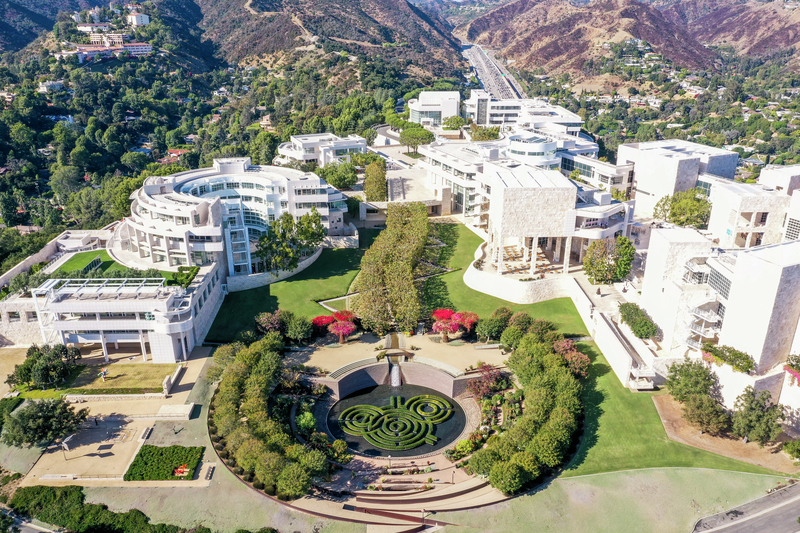
We’re working to preserve the world’s cultural heritage with partners across the globe. Our home is the Getty Center in Los Angeles.
Joined October 2010
- Tweets 5,339
- Following 749
- Followers 10,515
- Likes 1,229
2,462 Photos and videos
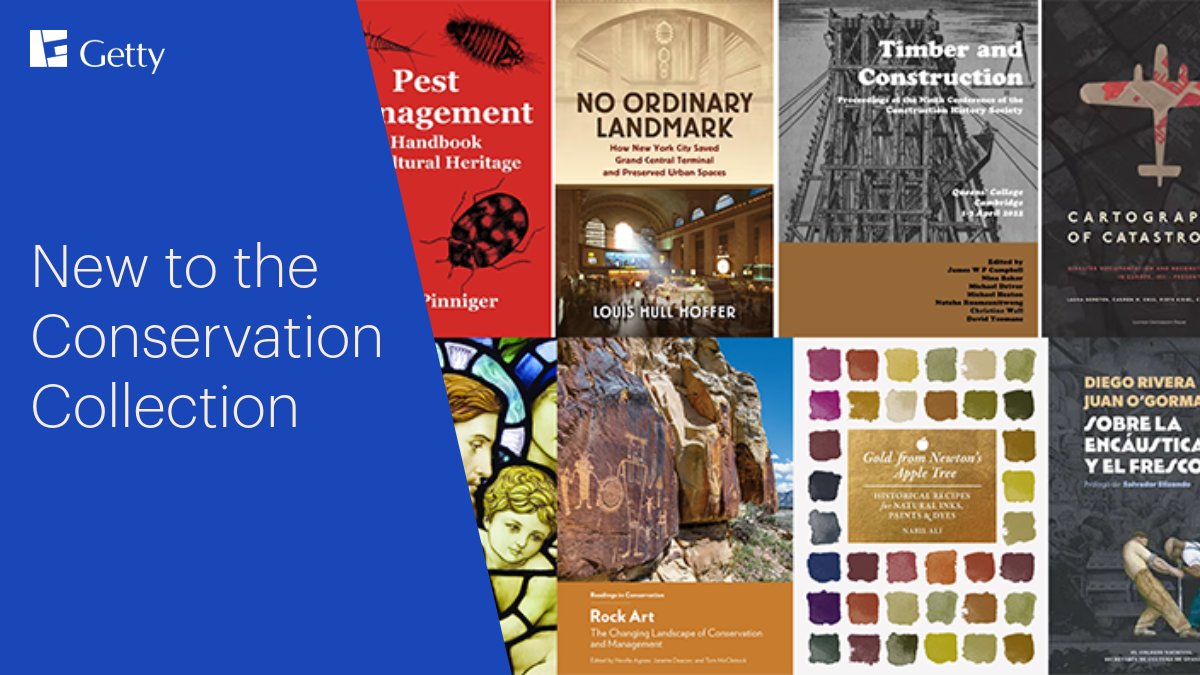

📚 New to the Conservation Collection 📚
Recent additions include books on the history of timber in construction, recipes for natural inks and dyes, pest management for cultural heritage, the preservation of New York’s Grand Central Station, material research on plasters and stucco, disaster documentation, highlights from the stained glass museum, conservation and management of rock art sites, and Mexican muralism.
See the full list (PDF): gty.art/3S3GNkG
2
78
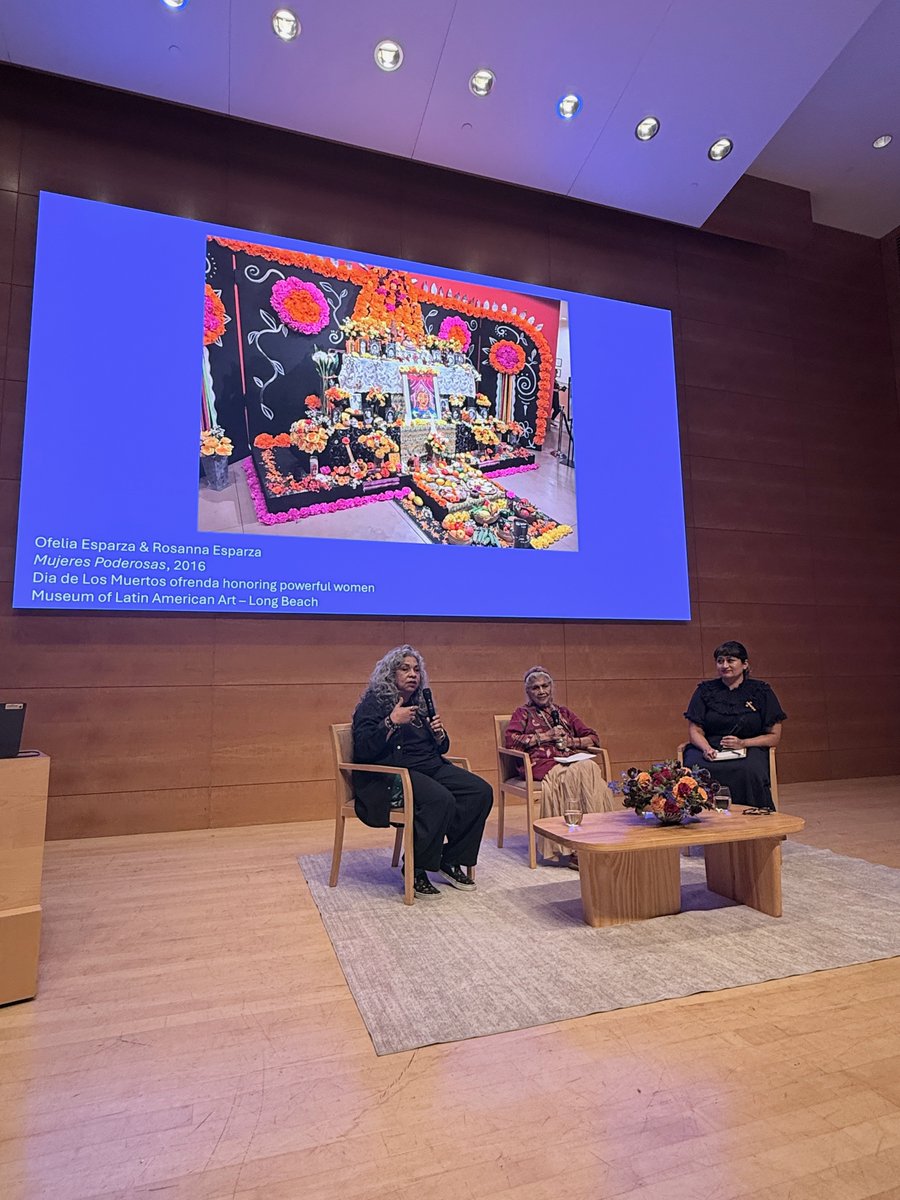
This past Saturday, we premiered "Ofelia and Rosanna Esparza: Made to Remember," the newest short film in our Artist Dialogues Series, which highlights the practices and conservation philosophies of Los Angeles–based artists.
The Esparza family are multi-generational altar makers who have brought and sustained Día de los Muertos traditions in Los Angeles through hundreds of intricate public ofrendas.
The screening was followed by an engaging artist Q&A led by Laleña Vellanoweth, conservation and collection manager for the Los Angeles County Department of Arts and Culture.
Both Ofelia and Laleña are featured in our exhibition Alta / A Human Atlas of a City of Angels, on view at ReflectSpace at the Glendale Central Library until July 12.
ALT Rosanna and Ofelia Esparza in conversation with Laleña Vellanoweth
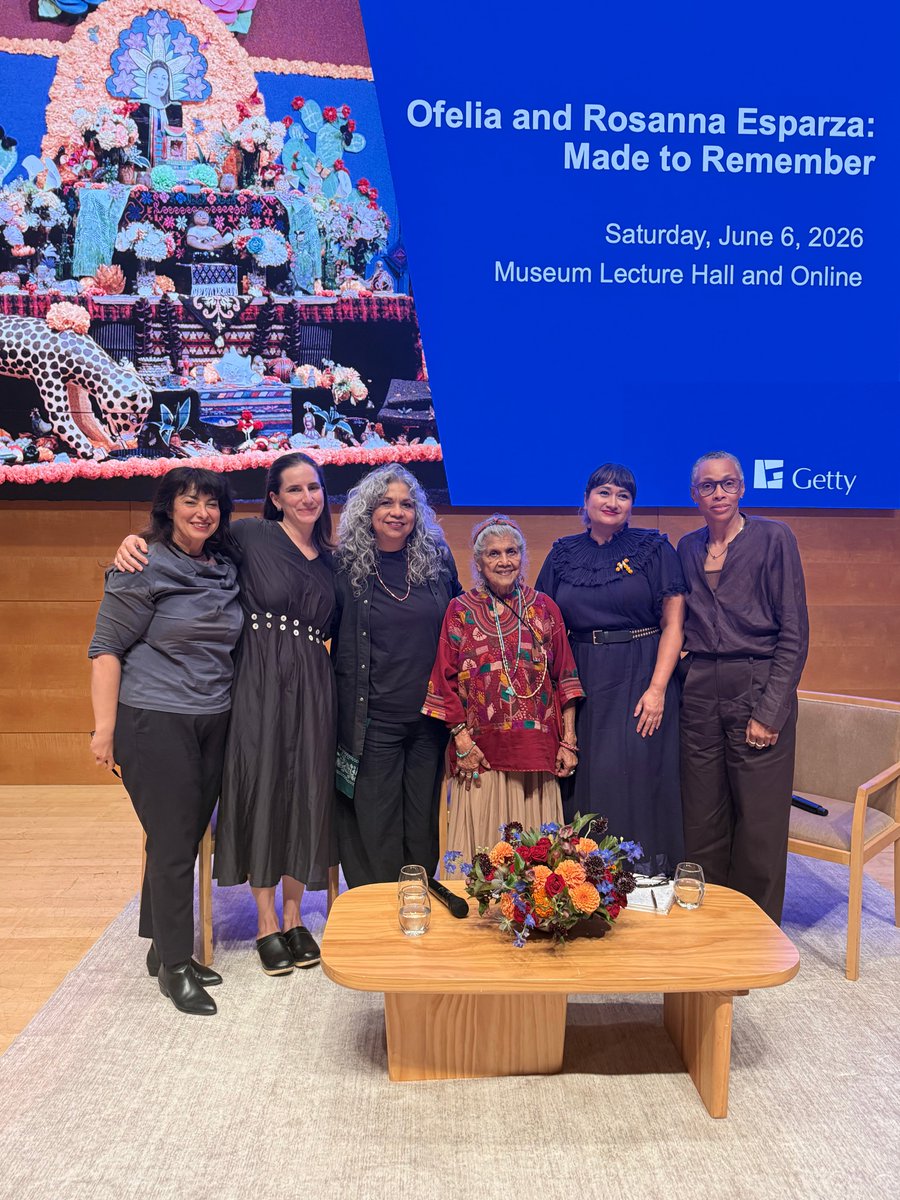
ALT From left to right, Stavroula Golfomitsou, Conservation Institute's head of Collections, Ellen Moody, conservator, Rosanna Esparza, Ofelia Esparza, Laleña Vellanoweth, and jill moniz, consulting arts programmer.
1
1
112
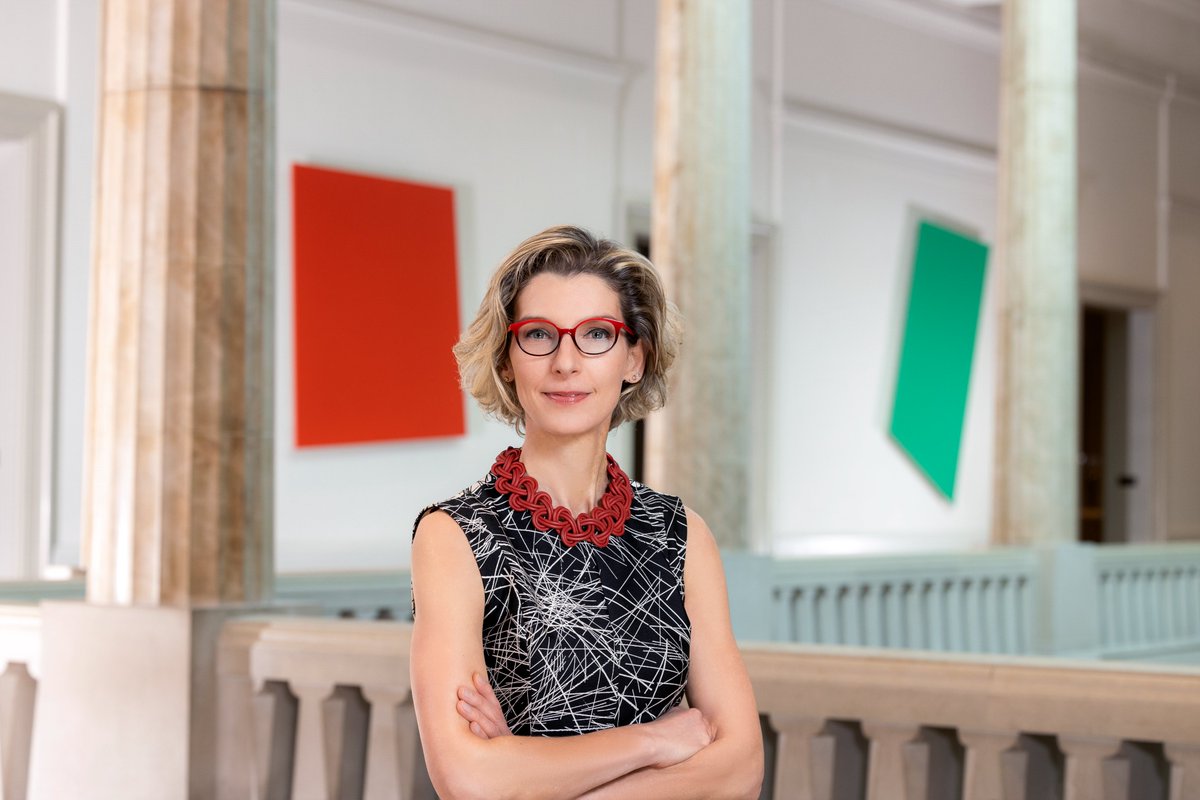
We are very pleased to share that Francesca Casadio has been appointed the next John E. and Louise Bryson Director of the Getty Conservation Institute. She currently serves as vice president and Grainger Executive Director of Conservation and Science at the Art Institute of Chicago (@artinstitutechi).
Casadio will be responsible for the Institute's strategic vision, initiating and implementing key initiatives and research to continue to improve cultural heritage conservation practice globally. She will begin at Getty in early fall 2026.
Read the press release gty.art/4fB8qeM
3
157
Join us for a free webinar: Shifting Perspectives on Damage, Change, and Value
📅 Thursday, June 11
⏰ 9:00–10:30 AM (PST)
🎟️ Registration required: gty.art/3Pza4D0
Hosted by the American Institute for Conservation's Microfading Tester International Discussion Group and Preventive Care Network, this webinar explores the boundaries between material change, damage, and value, revealing how museum policies can shift from the reduction of risk for material loss at all costs to the creation of value through increasing object access, visibility, and connection.
While scientific tools offer more precise ways to detect material change, recognizing that damage is a value-based judgment, rather than an objective outcome, becomes critical.
This webinar extends the discussion from the session of the same name at the 2026 AIC/CAC-ACCR annual meeting.
🔗 Learn more: bit.ly/3RAQ7w9
100
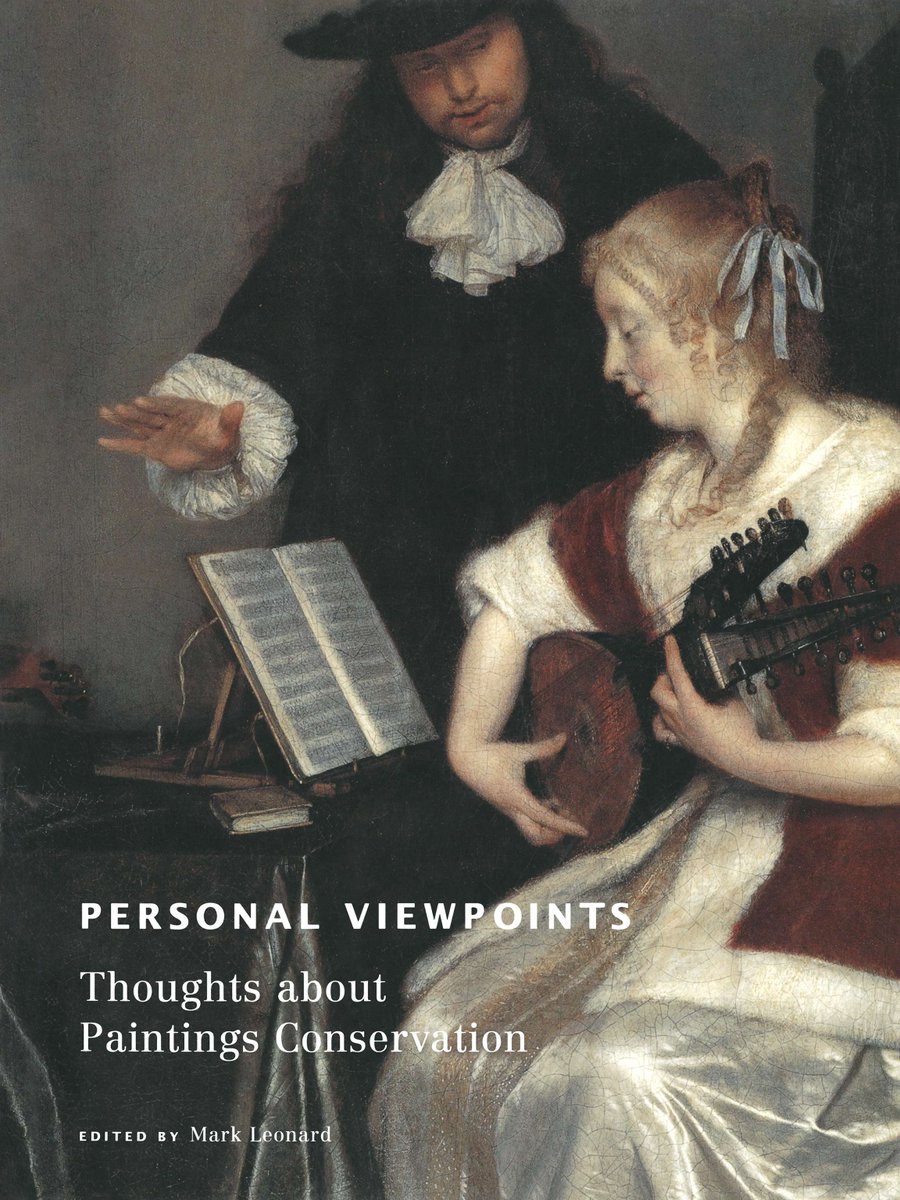
It's #FreeFriday! In 2001, we co-organized a seminar w/ @GettyMuseum and #GettyResearchInstitute to explore the values, assumptions, and goals that shape the work of paintings conservators. The resulting papers contain candid reflections and lively discussion gty.art/3TW4B73
1
100
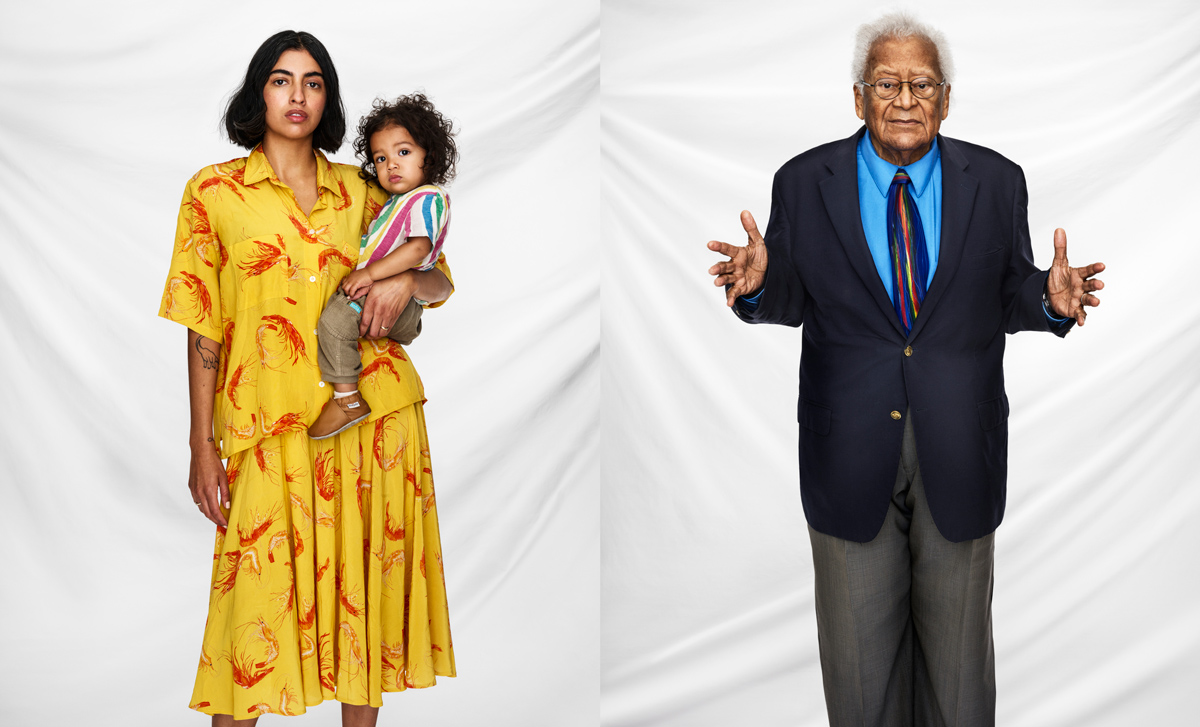
What does Los Angeles look like through the lives of 100 Angelenos?
Alta / A Human Atlas of a City of Angels is now on view at Glendale Central Library.
Originally created for PST ART: Art & Science Collide, this exhibition weaves portraiture, personal narratives, and ancestral DNA data into a layered map of LA, conveyed through 100 Angelenos who have made significant contributions to the city.
View Alta at ReflectSpace at the Glendale Central Library now through July 12, 2026.
Details, opening hours, and parking: gty.art/4eAvEkF
📸 Marcus Lyon
137
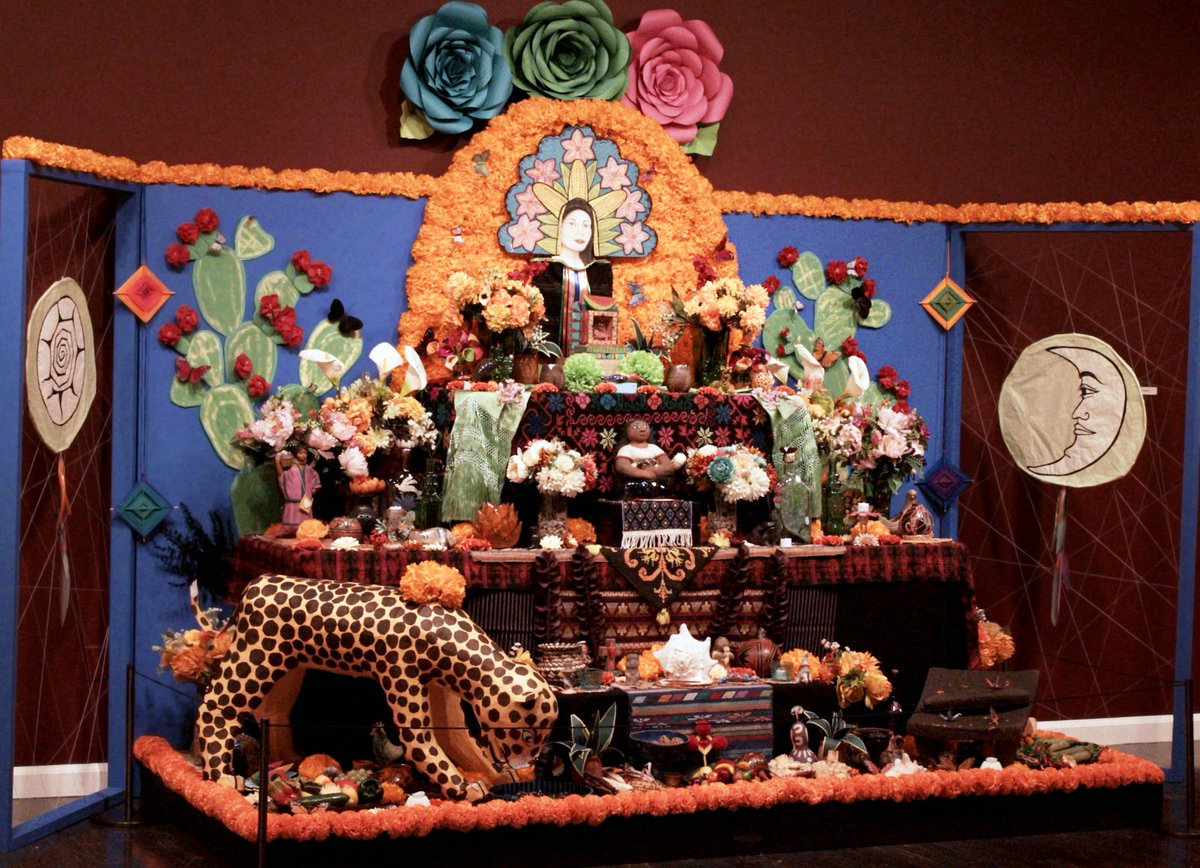
Only a few more days to RSVP for our *free* film screening and Q&A with Ofelia and Rosanna Esparza!
🗓️ Saturday, June 6, 2026
🕒 3:00 pm
📍Getty Center and Online
🔗 RSVP to attend in person or online: gty.art/4umwXsz
Long recognized for their role in helping establish and sustain Día de los Muertos traditions in the city, Ofelia Esparza and her daughter, Rosanna Esparza Ahrens, have shaped the practice of creating ofrendas, or altars, as both a communal ritual and a contemporary art form.
In the short film, "Ofelia and Rosanna Esparza: Made to Remember" (11:55 min), they reflect on the ofrenda as both cultural obligation and art: a bridge between the living and the dead, and between the stories of generations past and those yet to come.
Following the screening, Ofelia and Rosanna Esparza will join Los Angeles County's Civic Art Conservation and Collections Manager Laleña Vellanoweth for a conversation on the conservation of their work and audience Q&A.
This film is part of the Artist Dialogues series.
🖼️ "Raíces Cósmicas" (Cosmic Roots) by Ofelia Esparza, 2018.
📸 Courtesy of the Artist and the Vincent Price Art Museum
109
Earlier this year, we brought together 11 experts from across North America to explore nature-based pest deterrents for museums and cultural heritage institutions. Among them was Madeline Corona, conservator and “resident pest detective” at the Getty Museum. See how her work helps protect our galleries!
Apr 24

Meet the Getty Museum's resident pest detective, Madeline Corona.
Every museum in the world deals with pests, they're just a fact of life. Here's what we do to keep our galleries safe from pests that might want to snack on our works of art.
2
4
187
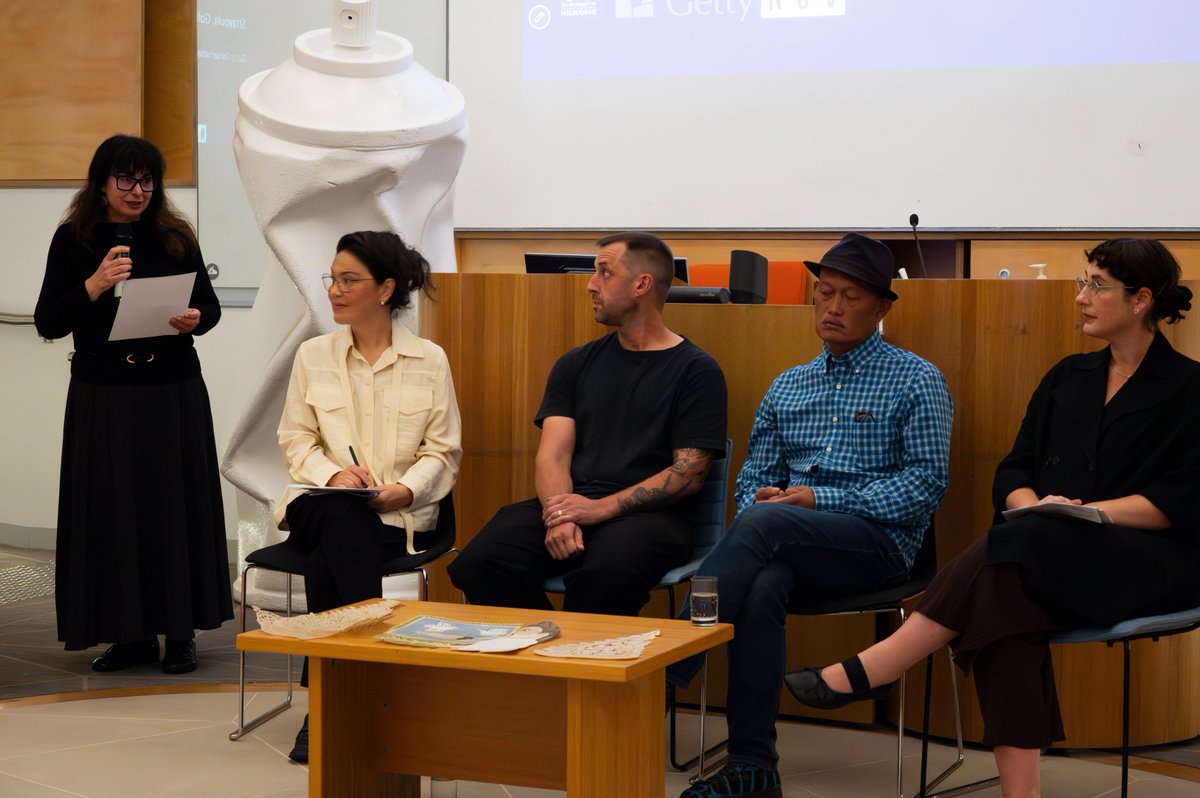
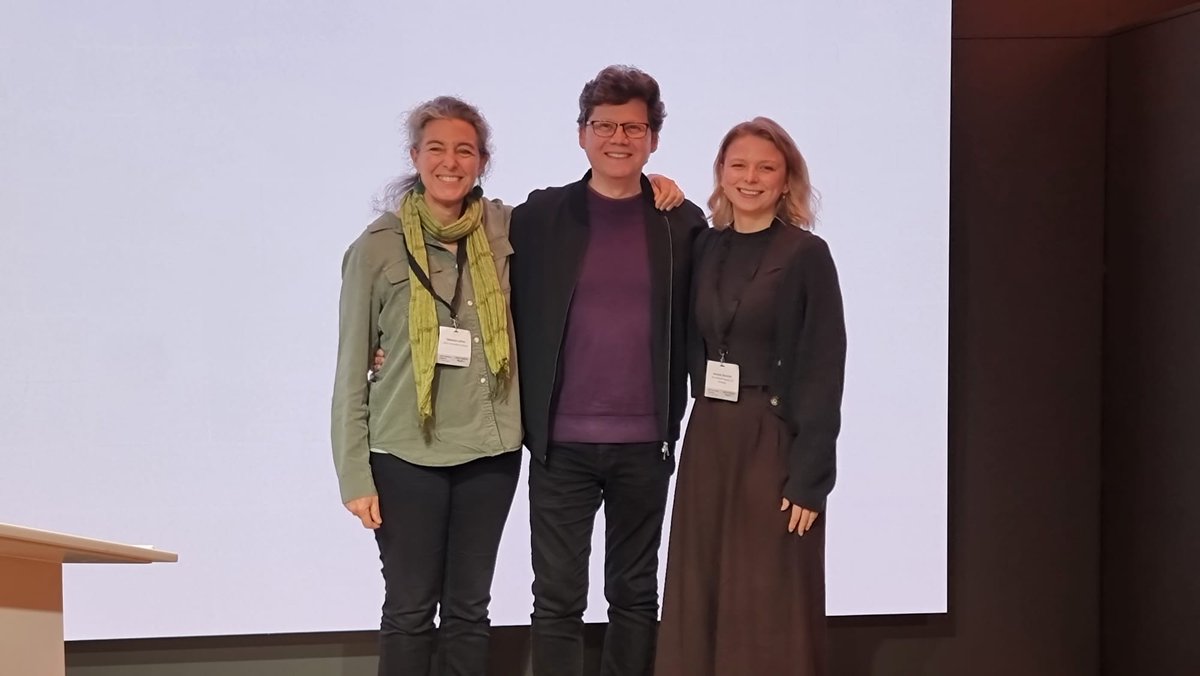
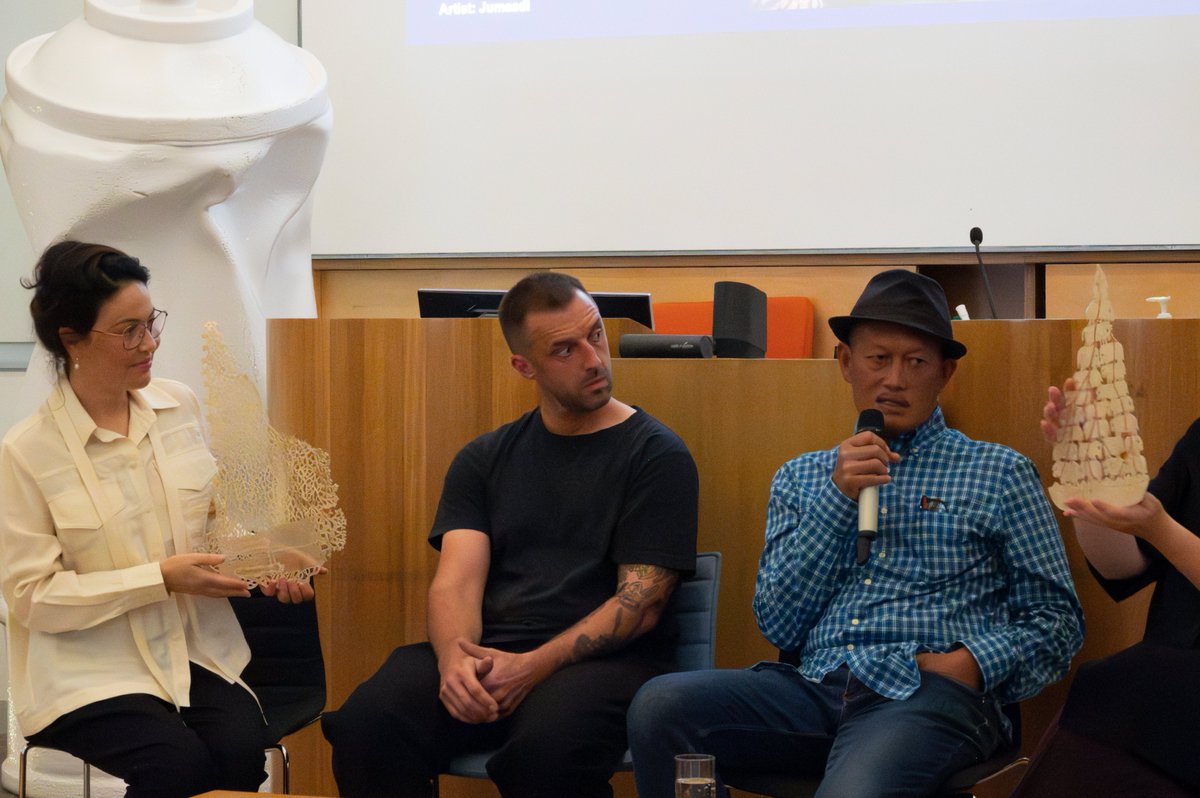
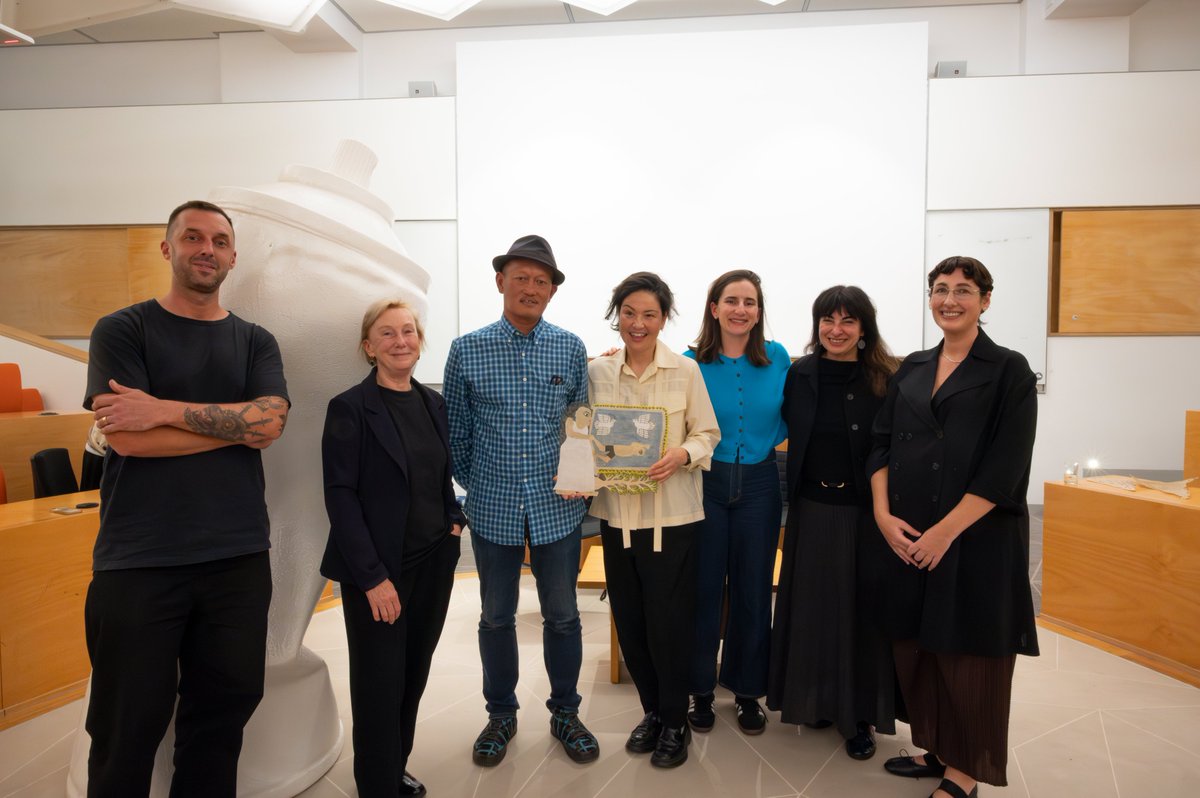
The Treatment Strategies for Painted Outdoor Sculpture workshop concluded with a public panel at the University of Melbourne, featuring Indonesian‑Australian artist Jumaadi and Melbourne‑based artist Ling. Both artists shared their perspectives on the conservation of their work, addressing issues such as delegated fabrication and how tolerances for change can evolve once works are installed outdoors.
Centering artists’ voices enriched the conversation and opened it to a wider community, highlighting the vital role of long‑term care and maintenance in sustaining outdoor sculpture.
📸 Photos by Stamatina Hasiotis
1. Conservation Institute Head of Collections Stavroula Golfomitsou opening the panel
2. Jumaadi describing the shift from his preferred buffalo hide to painted steel to adapt his work for outdoor display
3. From left to right: Artist Ling, his sculpture "Crushed Can - Proof of Concept," Robyn Slogget (Cripps), artist Jumaadi, Caroline Kyi (Cripps) holding Jumaadi’s smaller scale work, Ellen Moody, Stavroula Golfomitsou (Conservation Institute) and Eliza O’Donnell (Cripps)
1
108
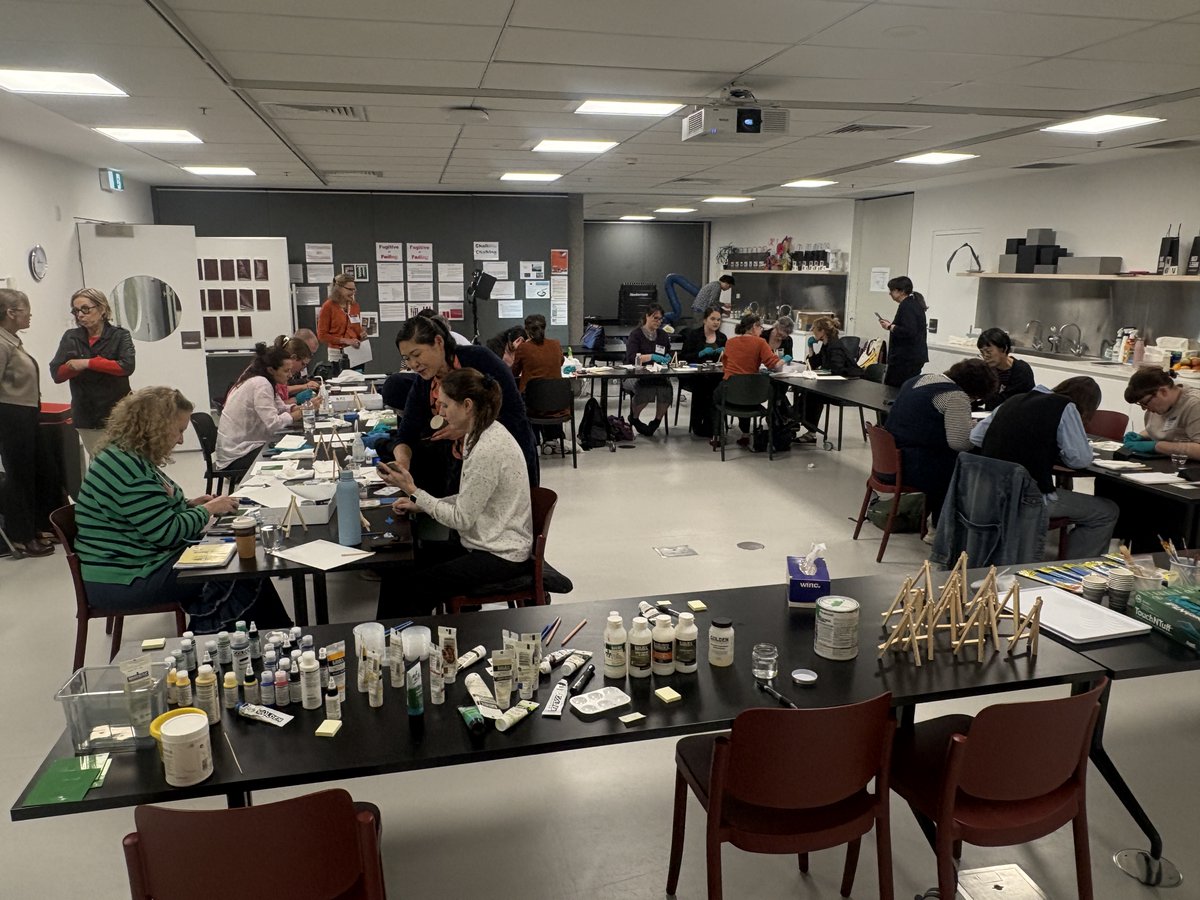
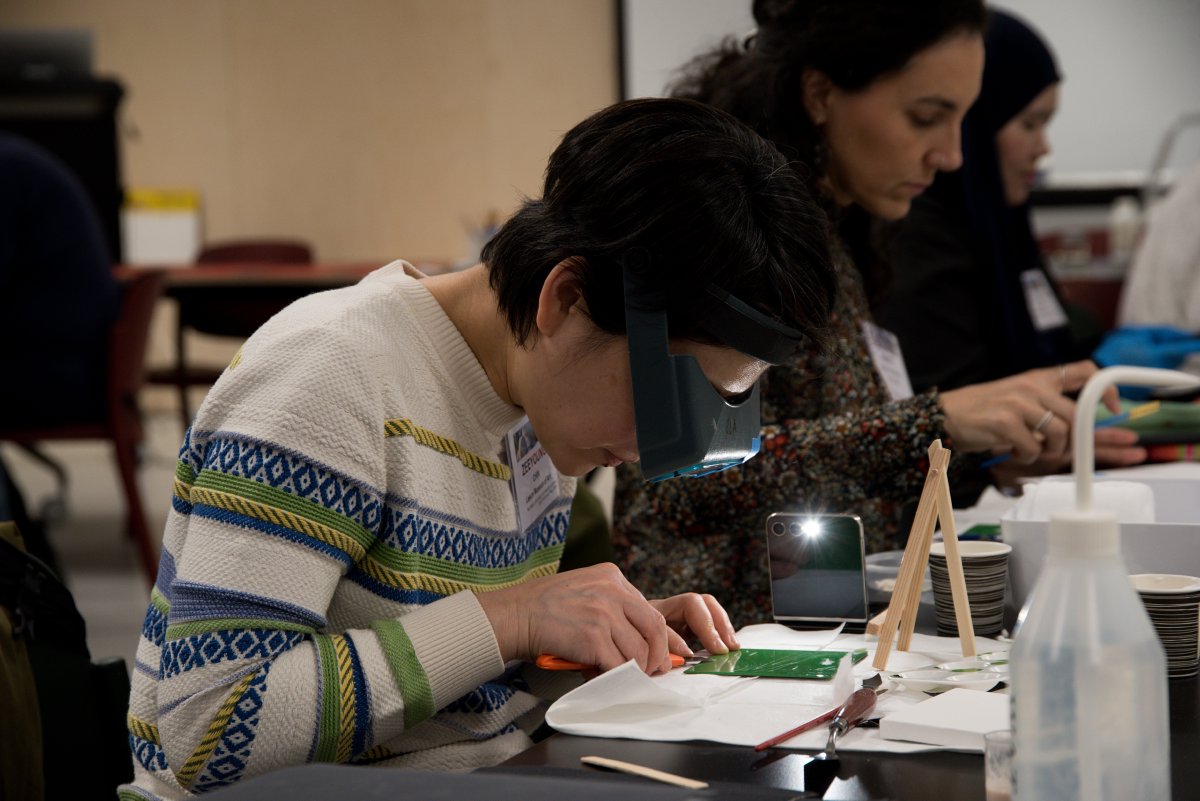
Painted outdoor sculpture poses unique challenges when surfaces are damaged or vandalized: uniform finishes are especially unforgiving to repair. The Treatment Strategies for Painted Outdoor Sculpture workshop addresses these issues through targeted, hands‑on activities that share practical tips and techniques.
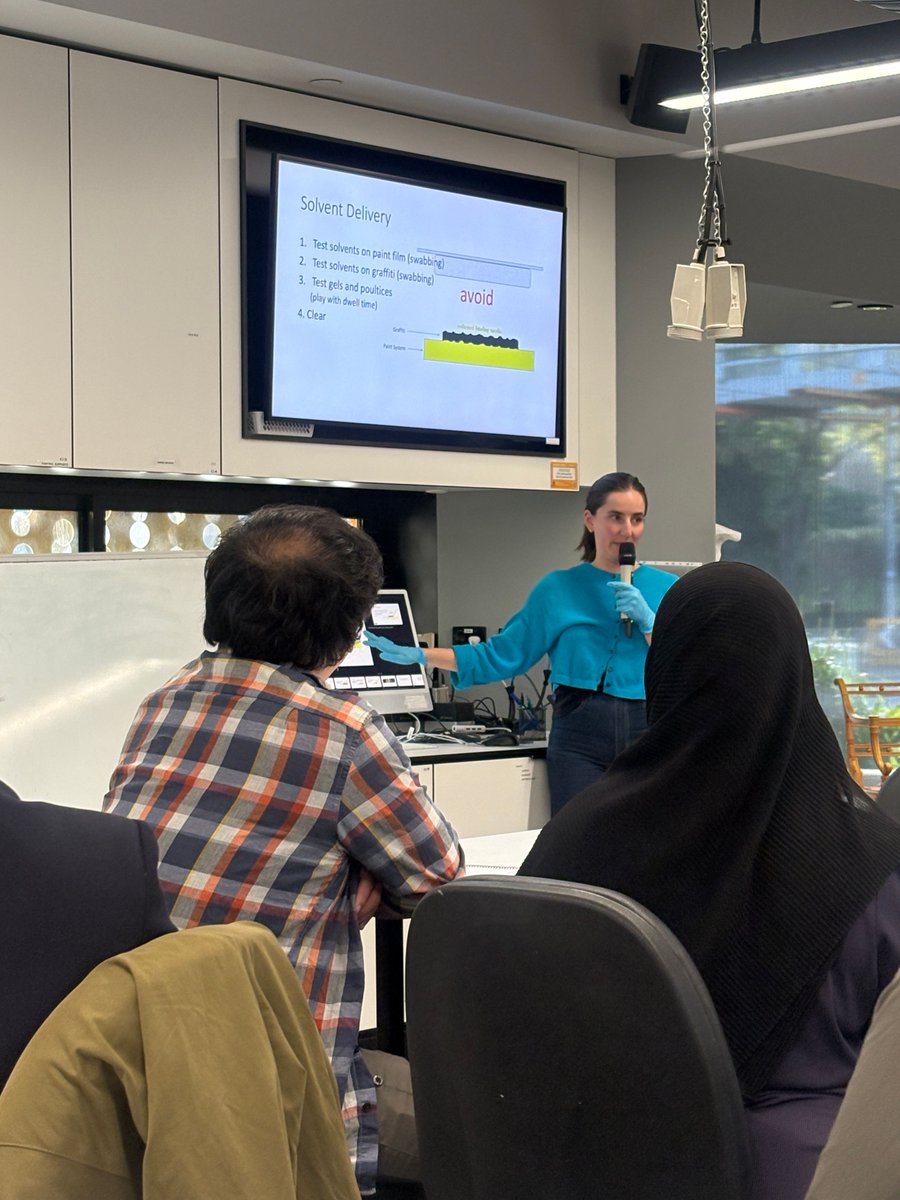
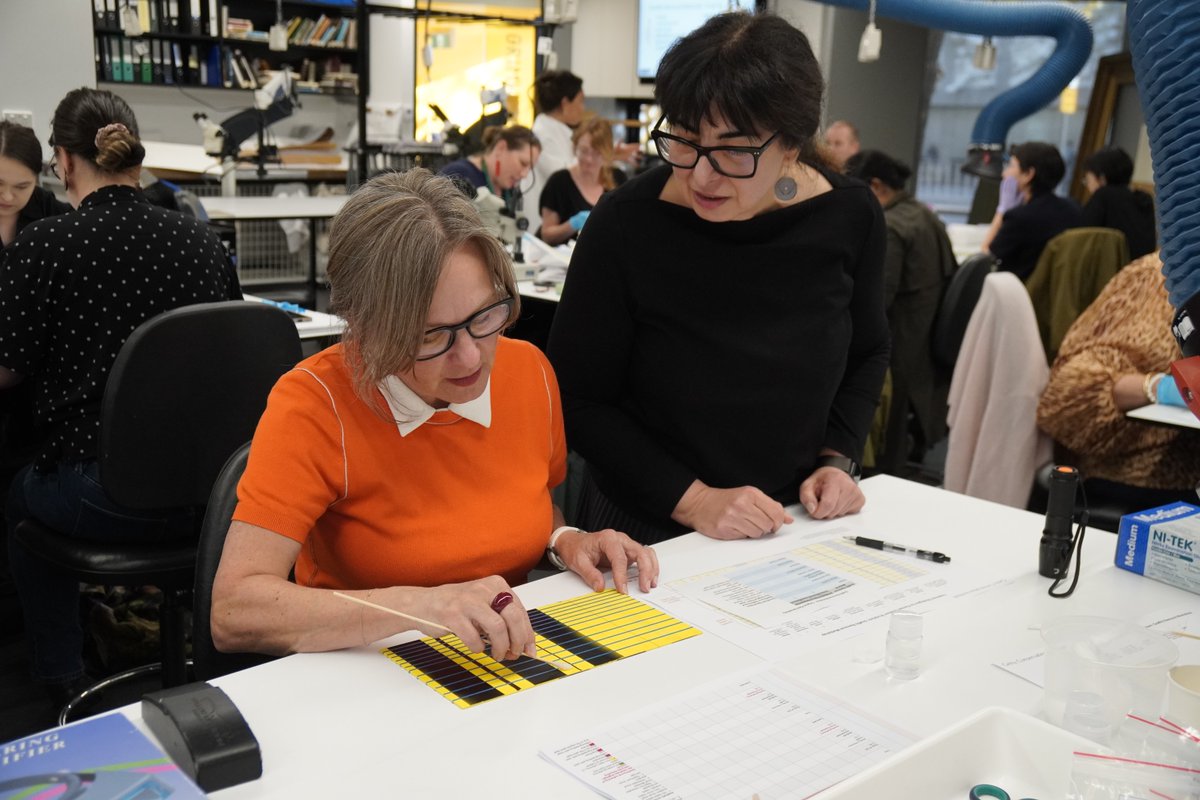
In the first session, participants practiced local retouching, testing a range of fills, inpainting media, and polishing compounds to navigate repairs from shallow scratches to deep gouges. The second hands‑on session focused on graffiti removal, with samples marked by spray paint, Sharpies, stickers, and more. Participants experimented with dry methods, solvents, hydrogels, and poultices, learning how to remove unwanted materials while preserving the painted surface beneath.
📸:
1. Retouching activity in action (photo credit: Susanne Rawson)
2. A participant carefully removing loose paint around a loss on a coupon for retouching (photo credit: Gary Sommerfeld)
3. Conservation Institute conservator Ellen Moody presenting on graffiti removal (photo credit: Susanne Rawson)
4. Conservation Institute Head of Collections Stavroula Golfomitsou and workshop instructor Abigail Mack testing approaches for graffiti removal
1
138
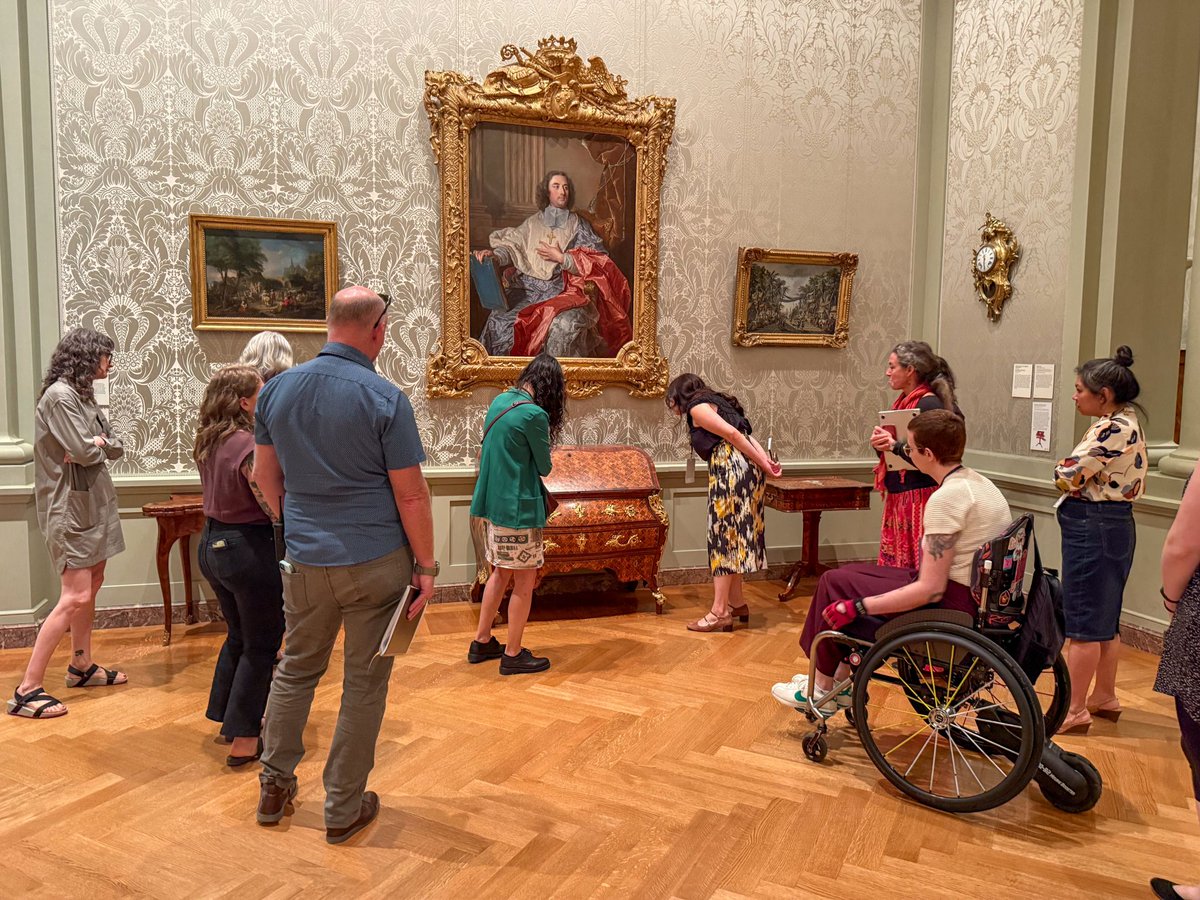
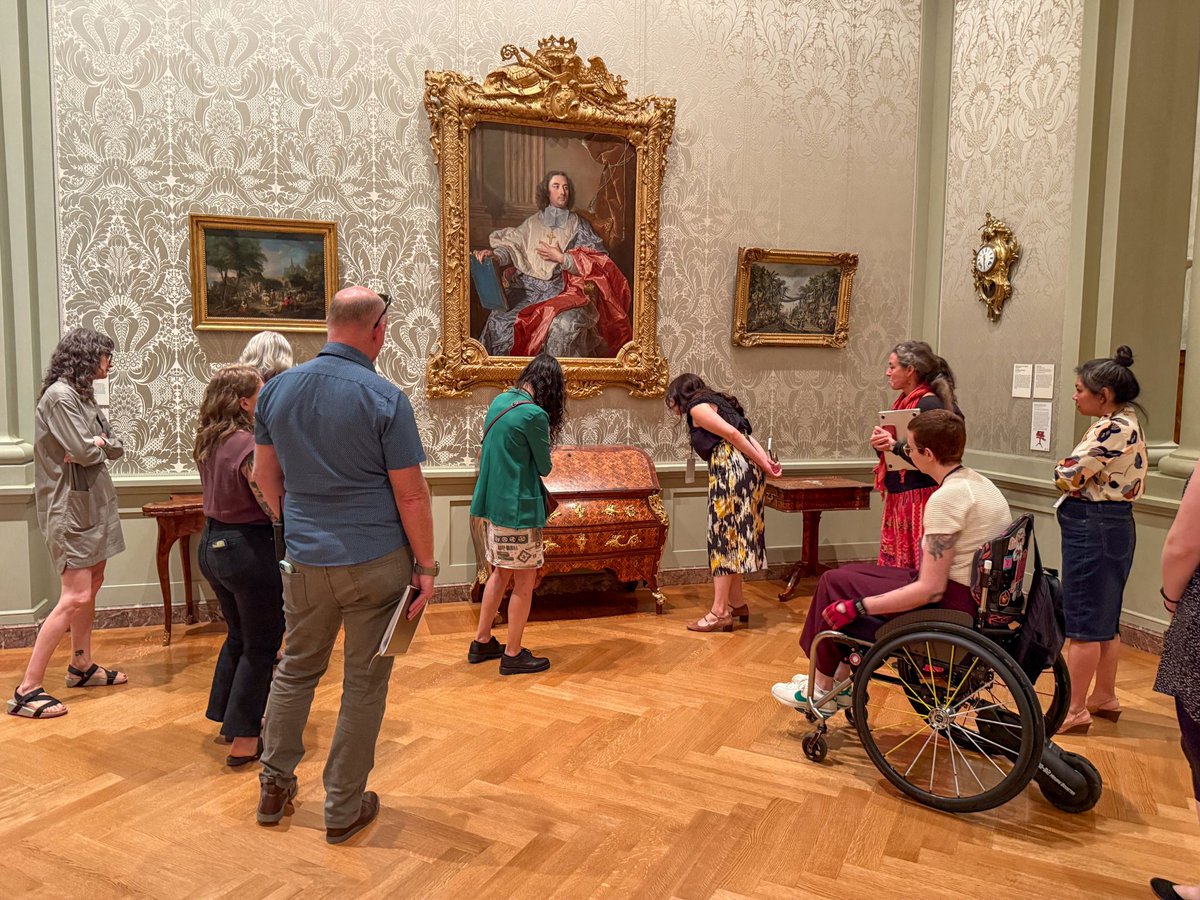
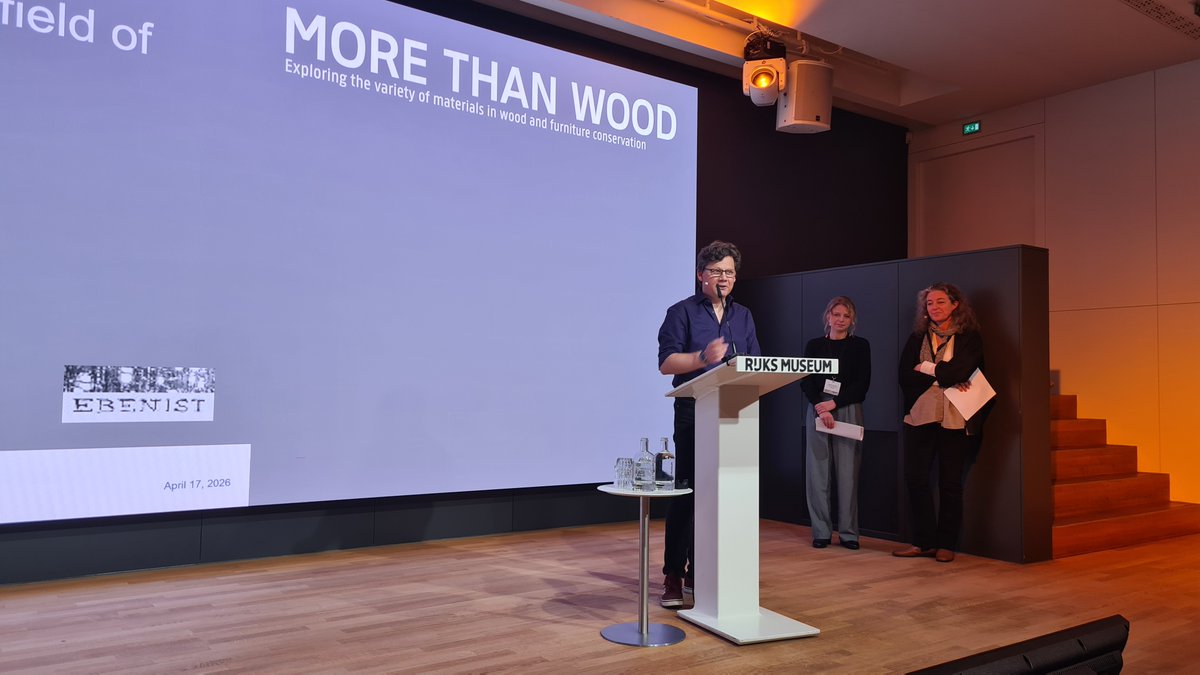
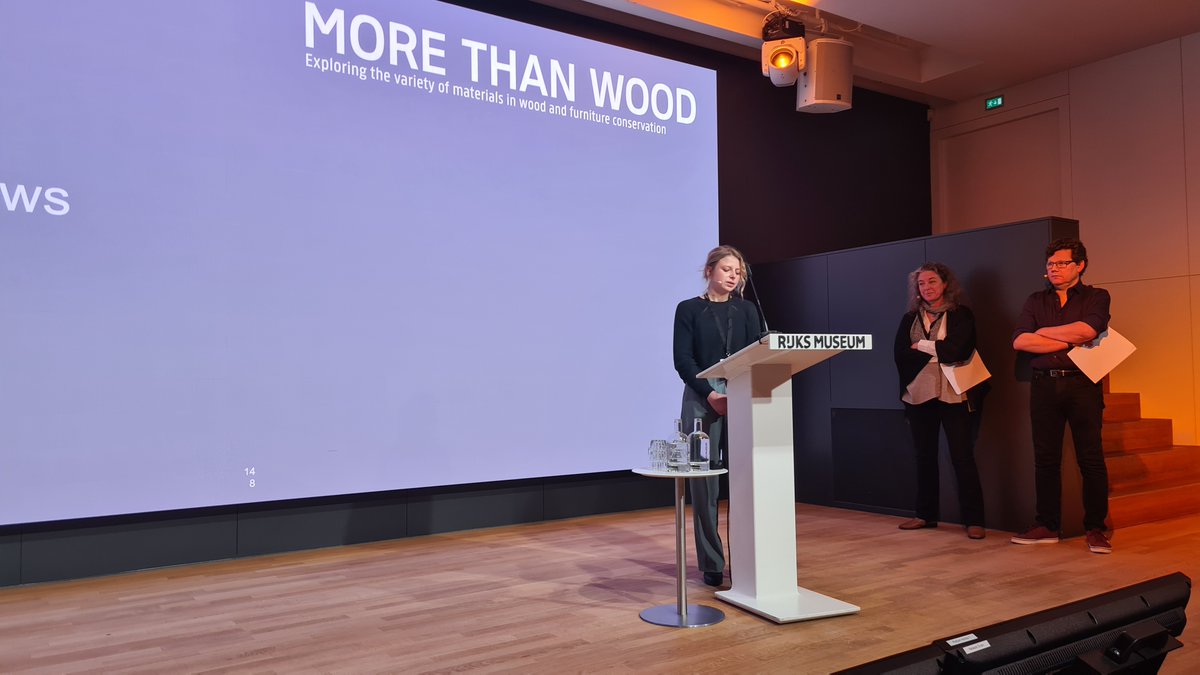
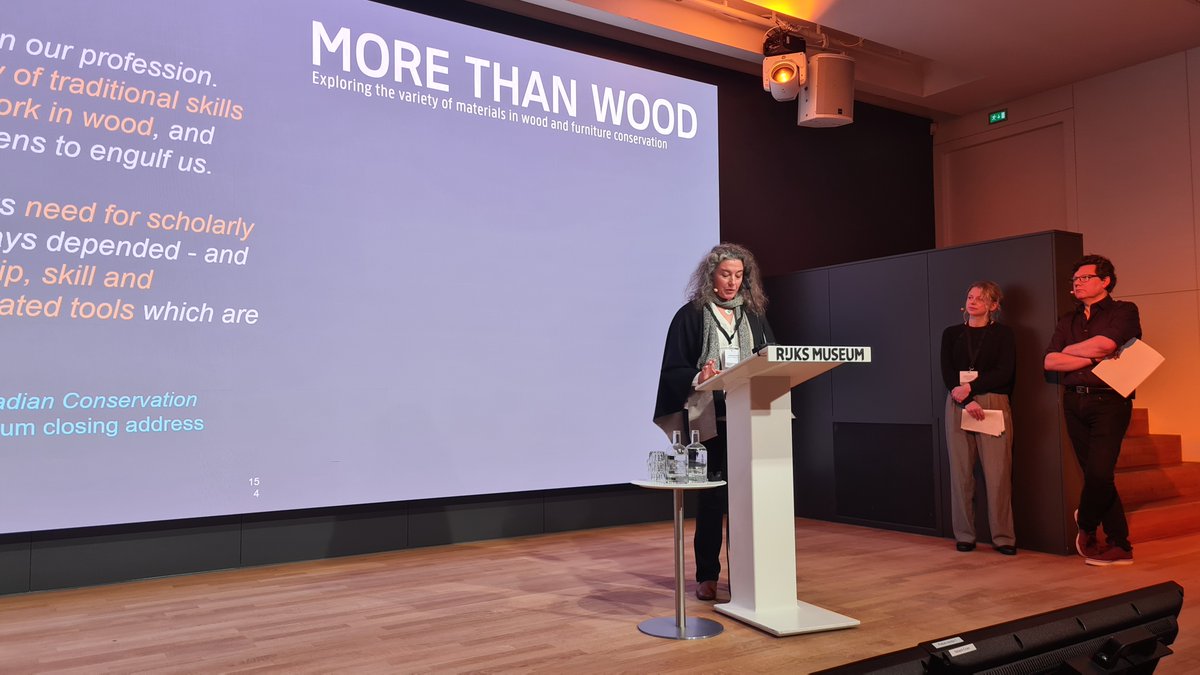
Last month, the 17th International Symposium on Wood and Furniture Conservation—organized by Stichting Ebenist and the Rijksmuseum—brought together leading professionals in the field. Furniture conservator Stéphanie Auffret (Getty Conservation Institute) presented alongside Yannick Chastang (private practice, UK; former Getty Scholar) and wooden object conservator Antonia Gerstner (Nationalmuseet, Denmark; former Conservation Institute Graduate Intern).
The field of furniture conservation has evolved from craft-based training to academic study, leading to changes in practices and knowledge, and a perceived generational divide.
Their paper, “Perspectives on the Evolution of the Field of Furniture Conservation,” draws on conversations with more than 25 professionals across France, the UK, and Germany, with additional insights from Asia, where craftsmanship remains highly valued.
Together, they reflected on changes in the field of furniture restoration-conservation, what caused these changes (including evolution of training), and how differences in conservation approaches across regions and over time can inspire us to bridge past and current practices for a stronger future.
2
153
Join us for a free webinar: Shifting Perspectives on Damage, Change, and Value
📅 Thursday, June 11
⏰ 9:00–10:30 AM (PST)
🎟️ Registration required: gty.art/3Pza4D0
Hosted by the American Institute for Conservation's Microfading Tester International Discussion Group and Preventive Care Network, this webinar explores the boundaries between material change, damage, and value, revealing how museum policies can shift from the reduction of risk for material loss at all costs to the creation of value through increasing object access, visibility, and connection.
While scientific tools offer more precise ways to detect material change, recognizing that damage is a value-based judgment, rather than an objective outcome, becomes critical.
This webinar extends the discussion from the session of the same name at the 2026 AIC/CAC-ACCR annual meeting.
🔗 Learn more: bit.ly/3RAQ7w9 See less
102
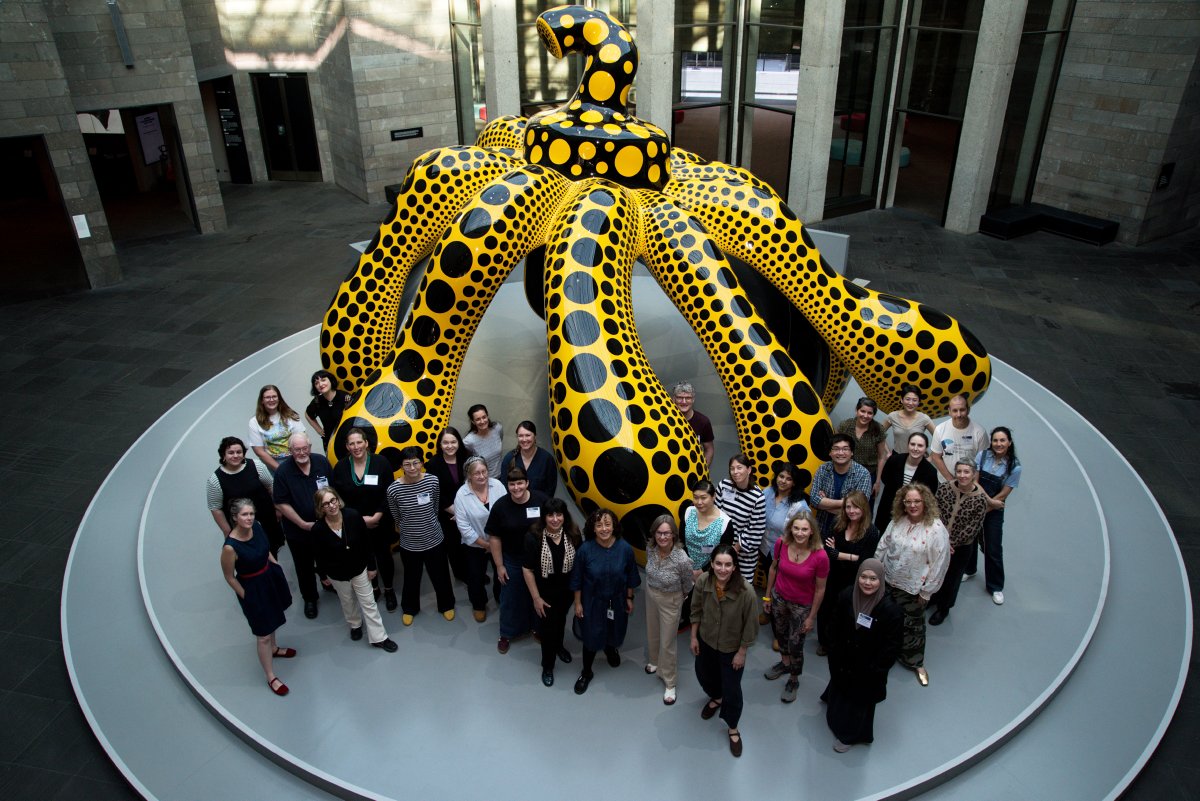
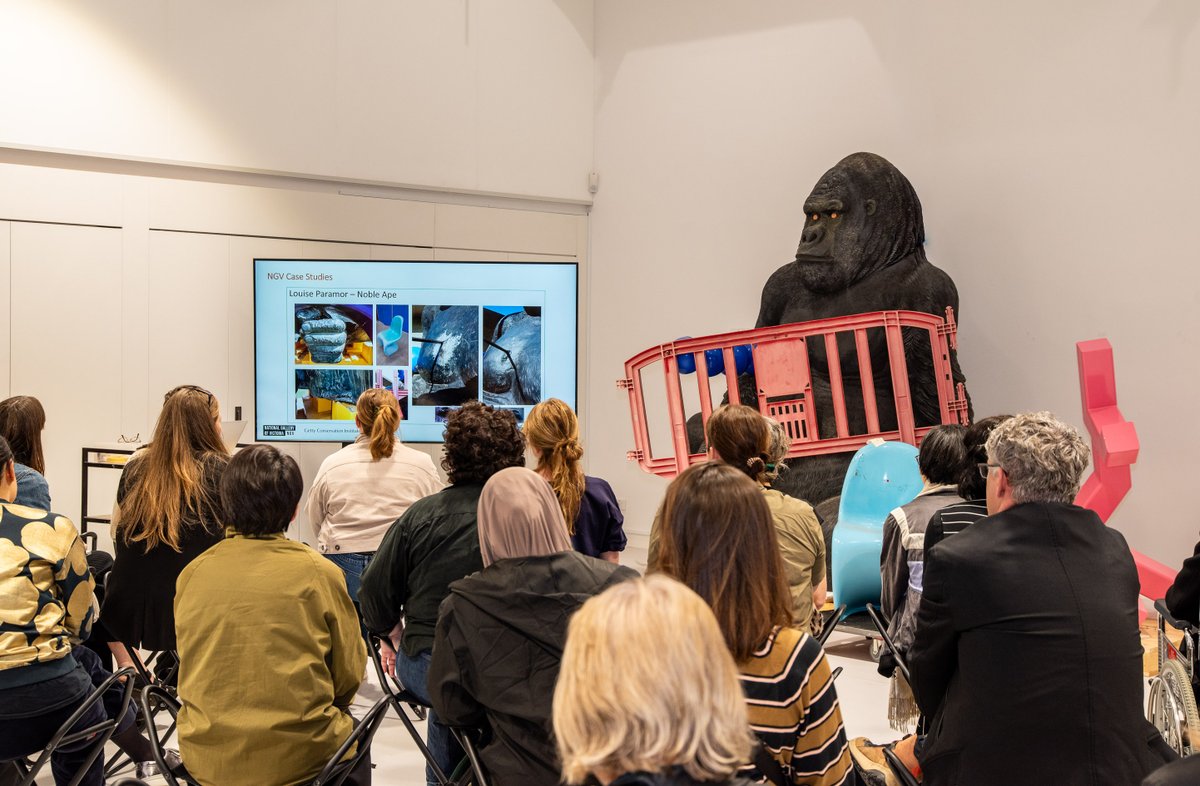
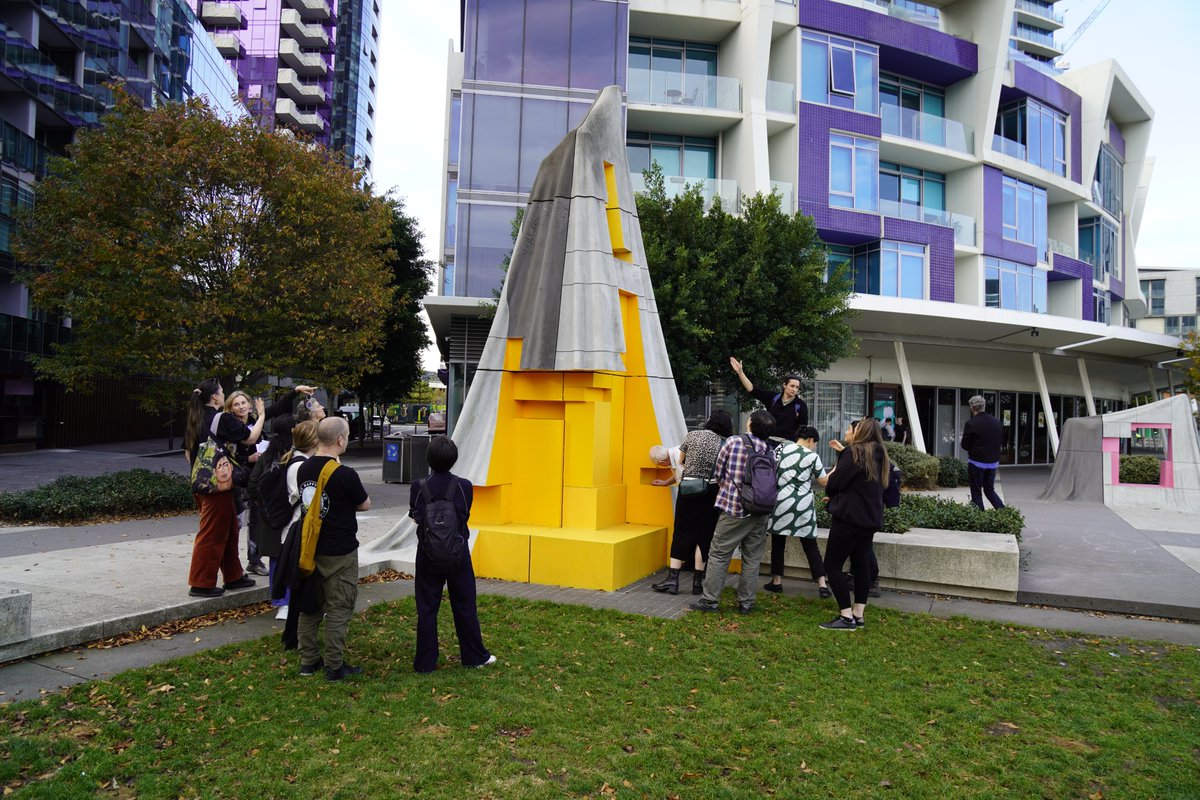
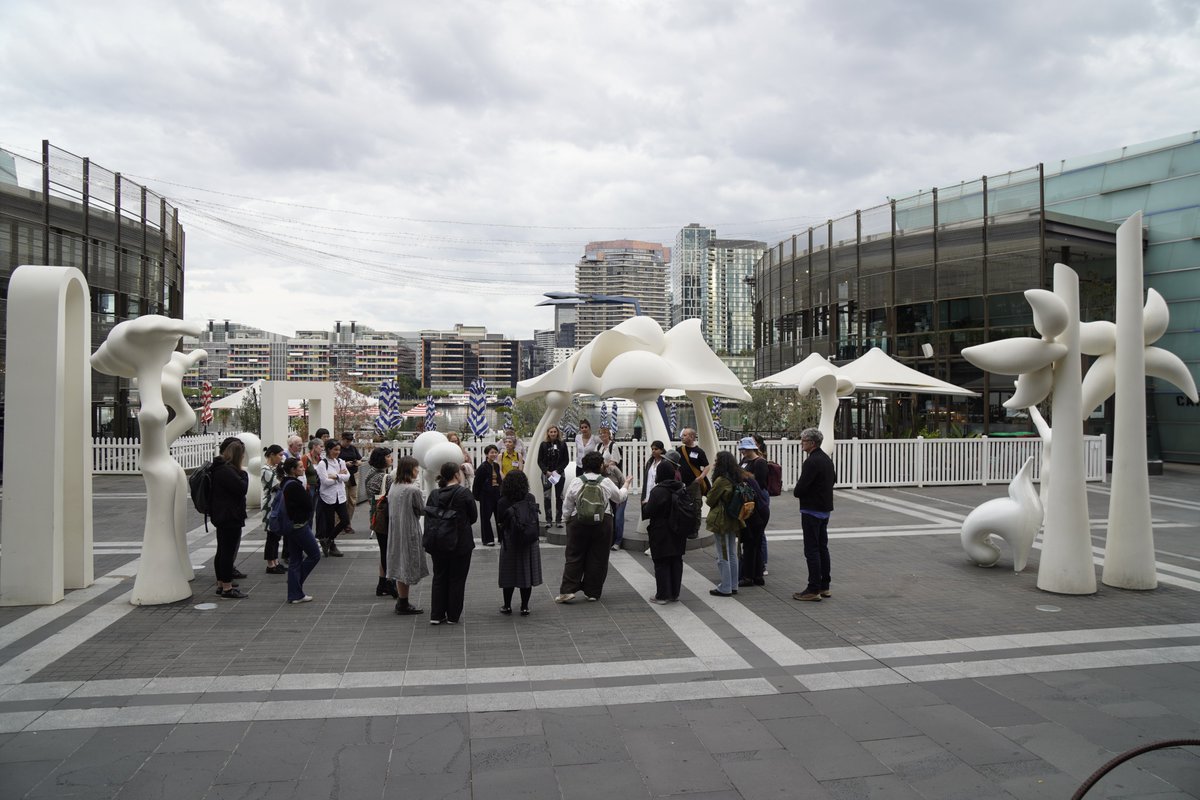
Late last month, 24 conservation professionals gathered in Melbourne for Treatment Strategies for Painted Outdoor Sculpture, a five‑day workshop presented with the National Gallery of Victoria and The University of Melbourne. Now in its third iteration, the course brought together an international cohort and instructors from the US and across Australia to tackle the complex challenges of painted outdoor sculpture, combining technical expertise with critical observation.
The week began with close looking: touring NGV’s sculpture collection and public artworks in the City of Melbourne to sharpen participants’ ability to spot and diagnose artwork conditions caused by weathering, the method of paint application, and site environment.
📷🖼️:
1. The workshop cohort under Yayoi Kusama’s monumental painted bronze, Dancing Pumpkin, 2020. Photo credit: Predrag Cancar. Courtesy of Yayoi Kusama Inc.
2. Participants learn about the history of NGV's mixed media sculpture Noble Ape by Louise Paramor during a lecture by conservator Di Whittle in the museum’s conservation labs. Photo credit: Garry Sommerfeld. Courtesy of Louise Paramor.
3. Examining painted elements of the public concrete sculpture Monument Park by Callum Morton. Courtesy of City of Melbourne.
4. Discussing a potential maintenance plan for the public fiberglass sculpture Silence by Aidan Mauriks. Courtesy of City of Melbourne.
1
118
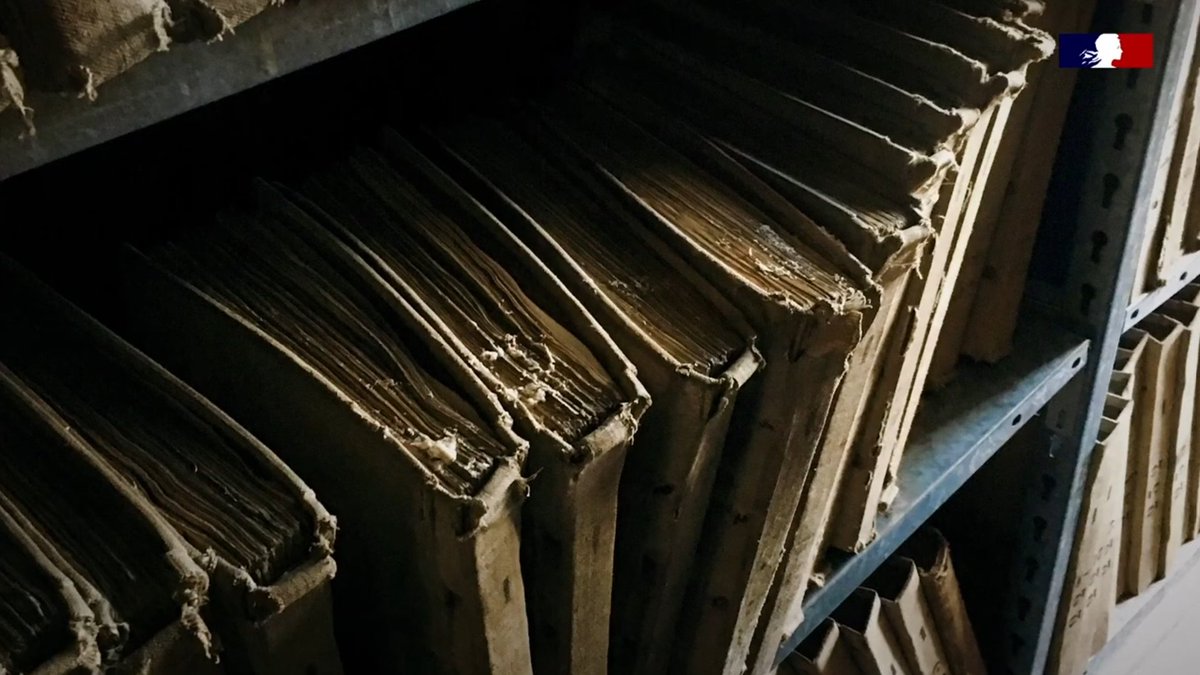
It's time for another free #DigitalResource in conservation! From @FranceArchives and @C2RMF, 12 tutorial videos in English on the preventive conservation of archive, library and museum collections gty.art/4dV6Amv
2
1
86
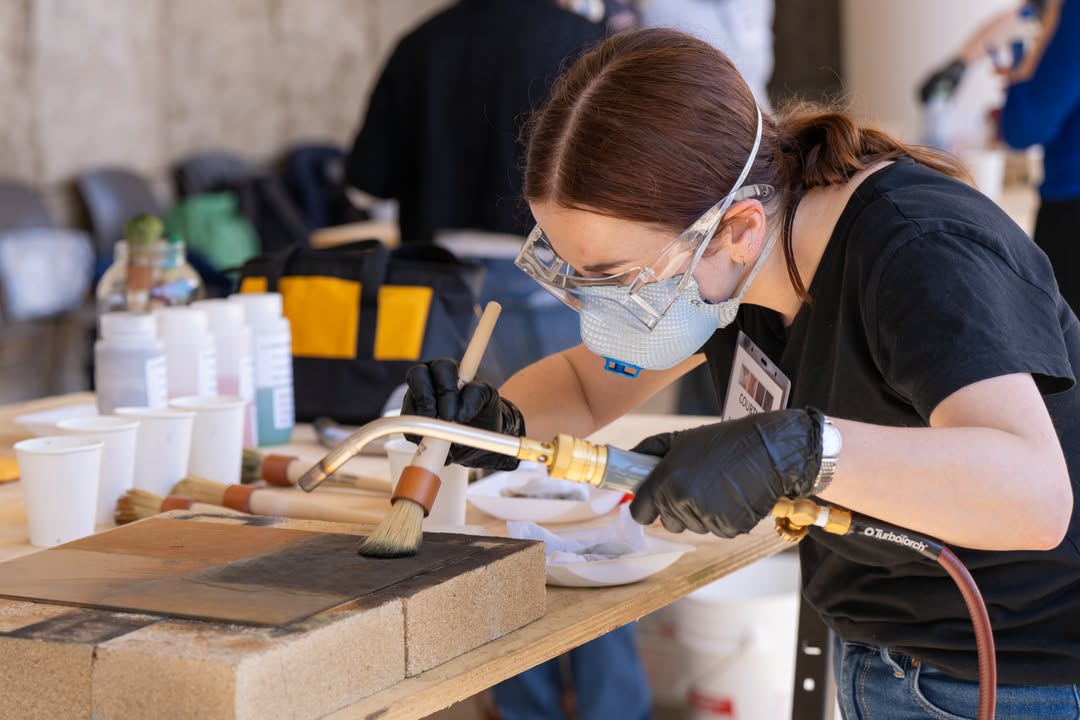
🚨 This is the last week to apply for our workshop on the patination of bronze sculpture!
Applications due by May 31, 2026. gty.art/4cBQKOg
The third-iteration of this four-day workshop equips conservators with the practical skills and knowledge needed to better understand chemical patinas and their application and to effectively communicate with artists and fabricators about patination when necessary.
It will be held October 27–30, 2026, at the Getty Center in LA.
Photo by Karen Du. © 2025 J. Paul Getty Trust
2
3
195
Join us in welcoming nine new residents to our Conservation Guest Scholars program! 🎉
Recipients are in residence at the Conservation Institute for a three-month or six-month term, in which they pursue their own projects free from work-related obligations, make use of research collections at the Getty Center and Getty Villa, and participate with other Getty scholars, fellows, and interns in the intellectual life of Getty.
Learn more about their backgrounds and upcoming work: gty.art/4e58sdr
1
3
120
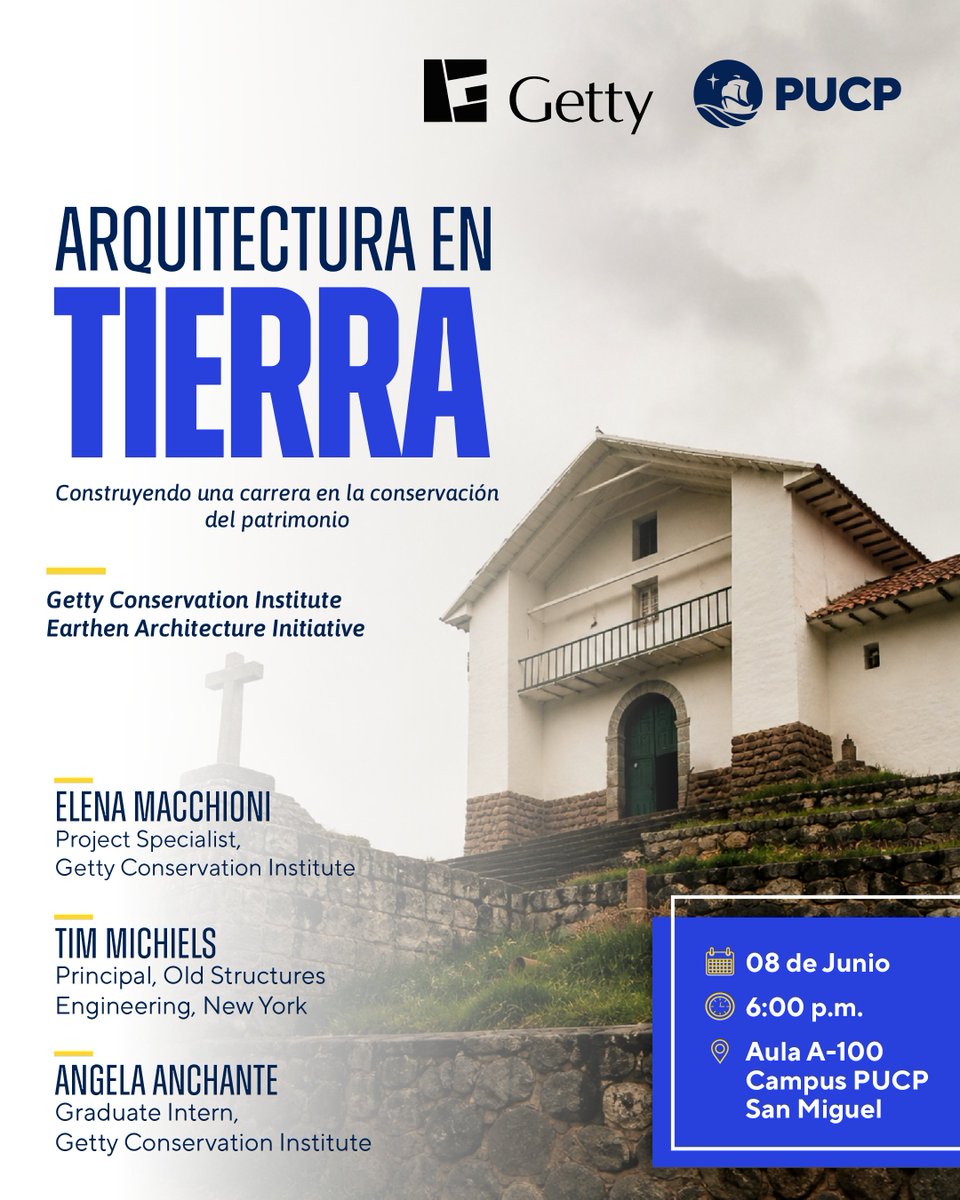
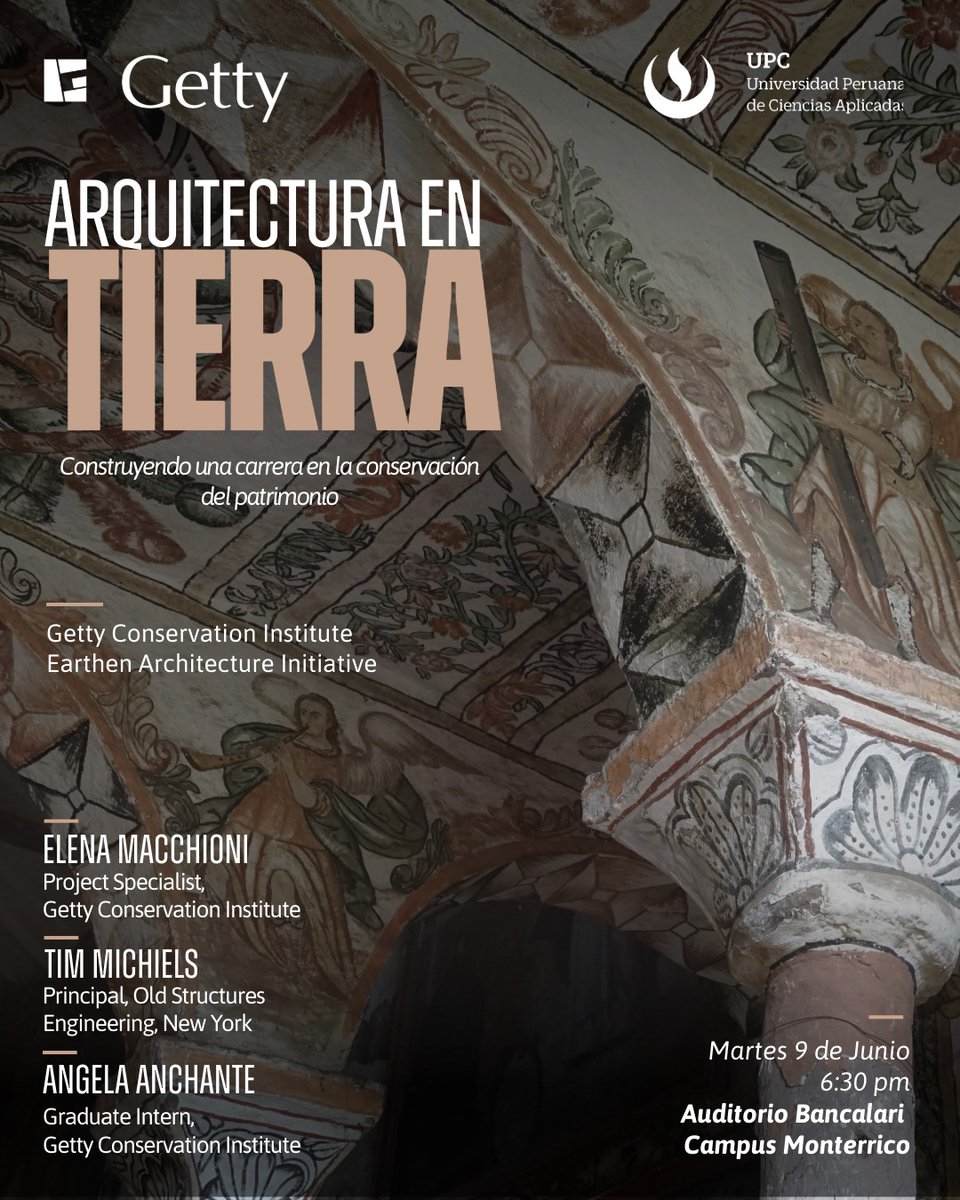
Calling graduate students in Peru!
Join us at the Pontificia Universidad Católica del Perú (PUCP) or the Universidad Peruana de Ciencias Aplicadas (UPC) for an opportunity to learn about our work in heritage conservation.
Learn about the Earthen Architecture Initiative, our Seismic Retrofitting Project in Peru, and hear from both former and current Conservation Institute Graduate Interns who have contributed to this work. You’ll gain insights into how to build a career in earthen architecture conservation.
📆 June 8, 2026
🕕 6:00 PM
📍Aula A-100, PUCP, San Miguel
📆 June 9, 2026
🕡 6:30 PM
📍Auditorio Bancalari – Campus Monterrico, UPC, Lima
See the flyers below for more details.
1
1
123
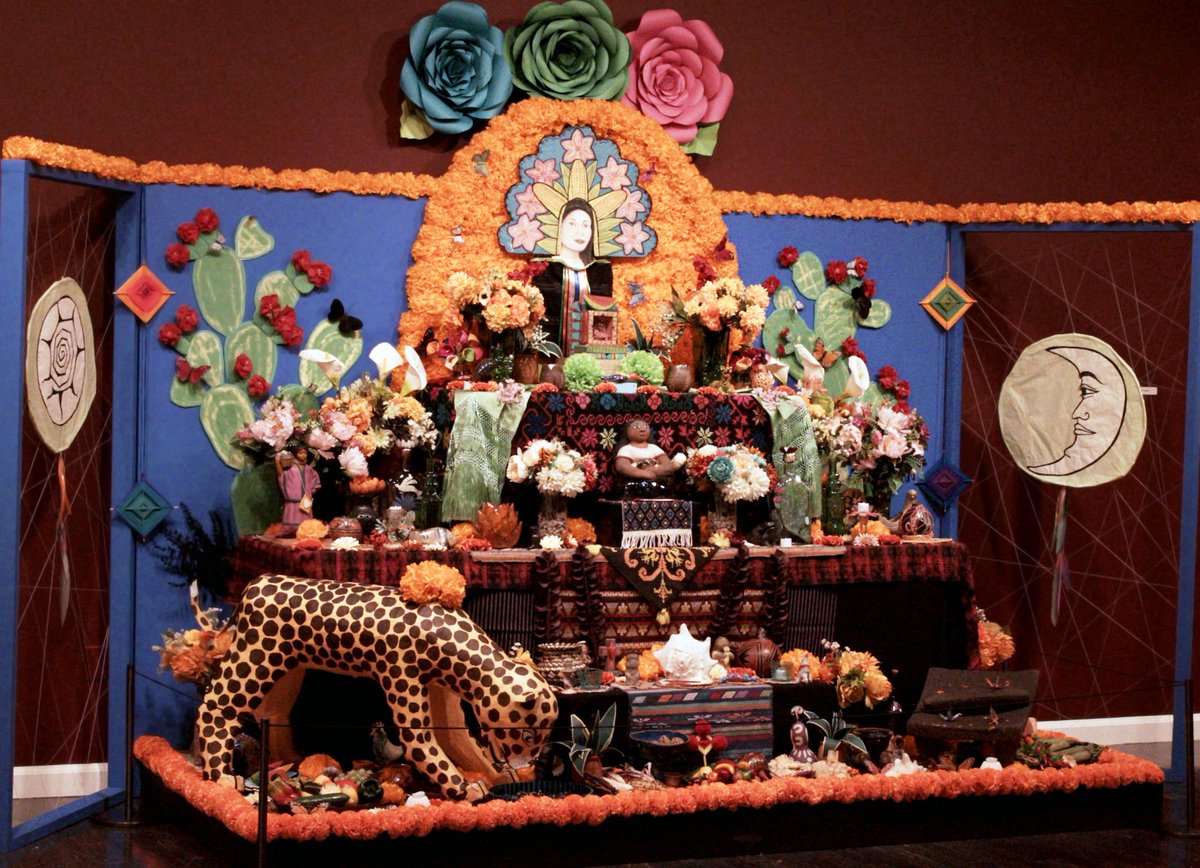
Join us for a *free* film screening and Q&A with Ofelia and Rosanna Esparza!
🗓️ Saturday, June 6, 2026
🕒 3:00 pm
📍Getty Center and Online
🔗RSVP to attend in person or online: gty.art/4umwXsz
Long recognized for their role in helping establish and sustain Día de los Muertos traditions in the city, Ofelia Esparza and her daughter, Rosanna Esparza Ahrens, have shaped the practice of creating ofrendas, or altars, as both a communal ritual and a contemporary art form.
In the short film, "Ofelia and Rosanna Esparza: Made to Remember" (11:55 min), they reflect on the ofrenda as both cultural obligation and art: a bridge between the living and the dead, and between the stories of generations past and those yet to come.
Following the screening, Ofelia and Rosanna Esparza will join Los Angeles County's Civic Art Conservation and Collections Manager Laleña Vellanoweth for a conversation on the conservation of their work and audience Q&A.
This film is part of the Artist Dialogues series.
🖼️ "Raíces Cósmicas" (Cosmic Roots) by Ofelia Esparza, 2018.
📸 Courtesy of the Artist and the Vincent Price Art Museum
86
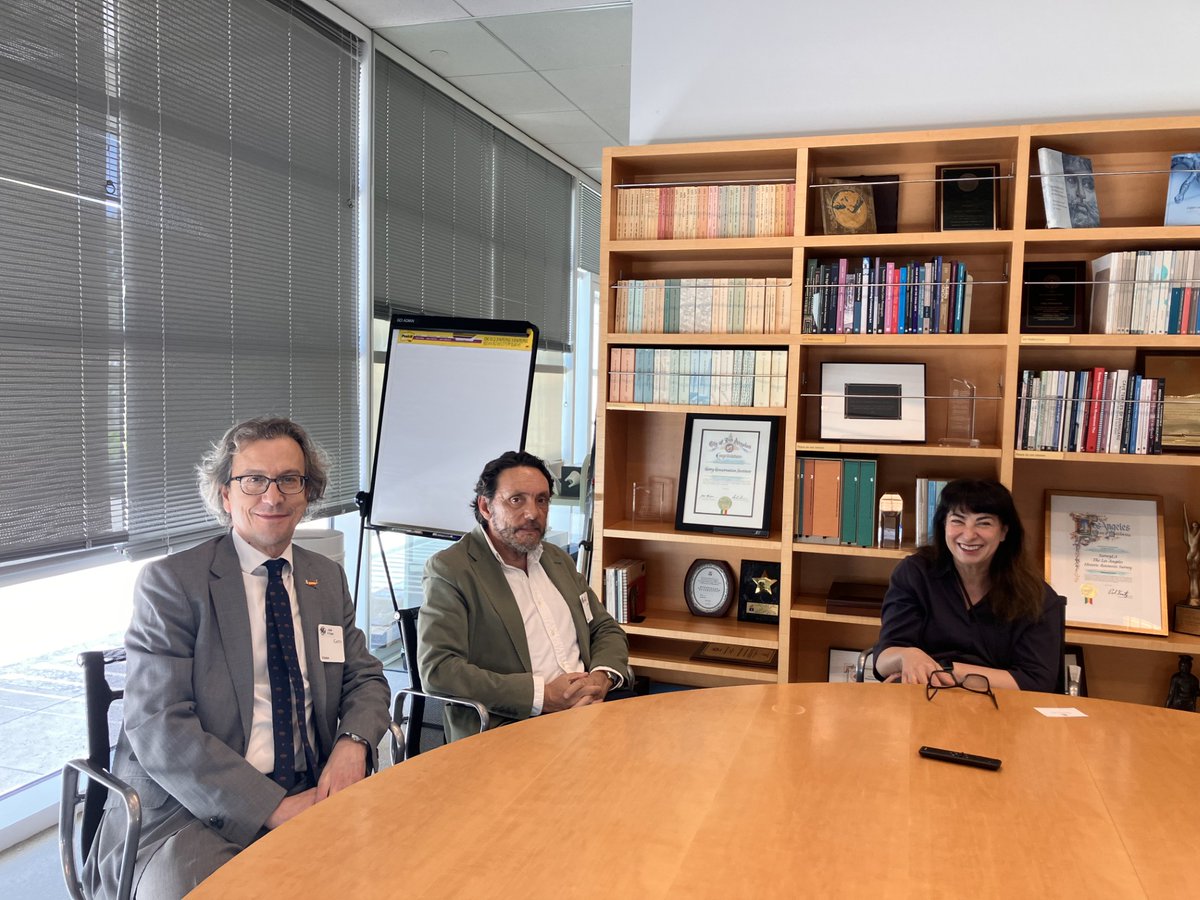
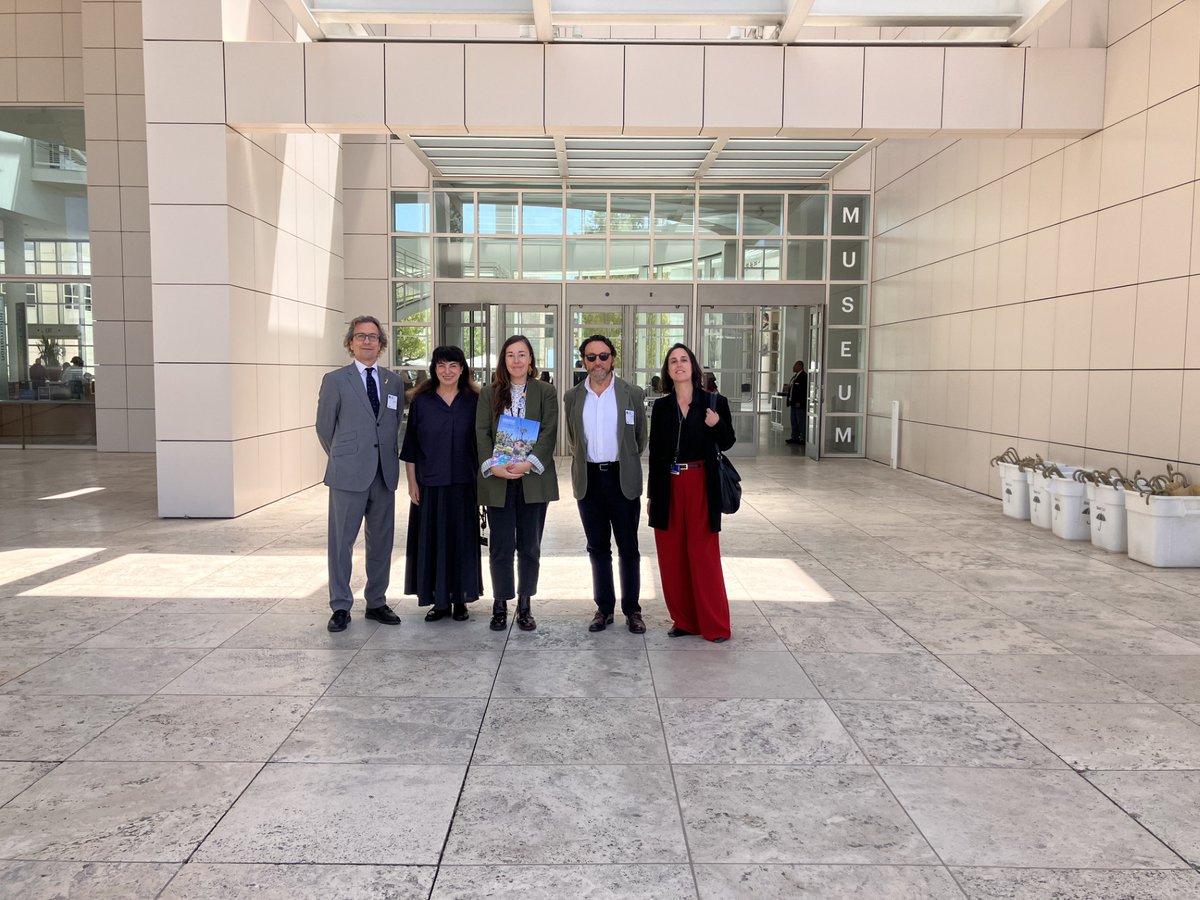
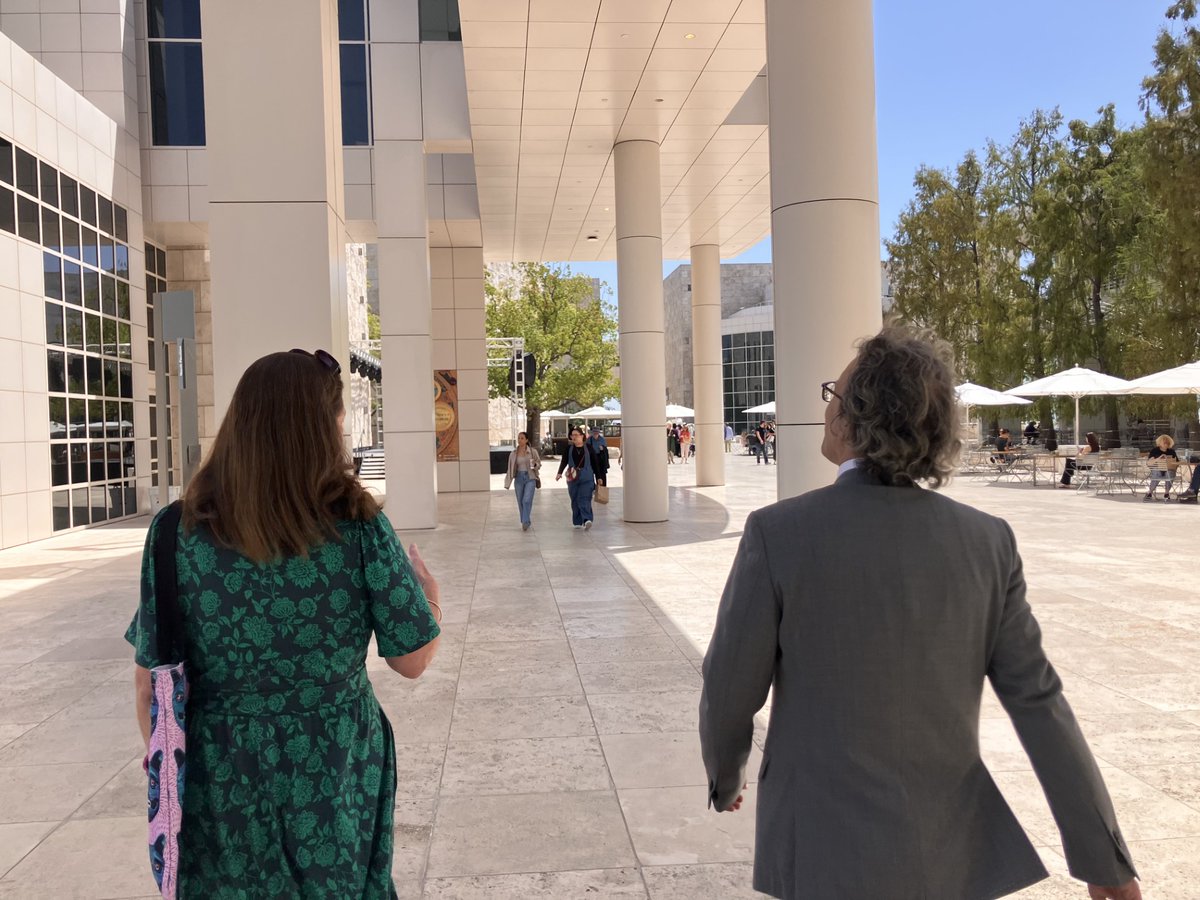
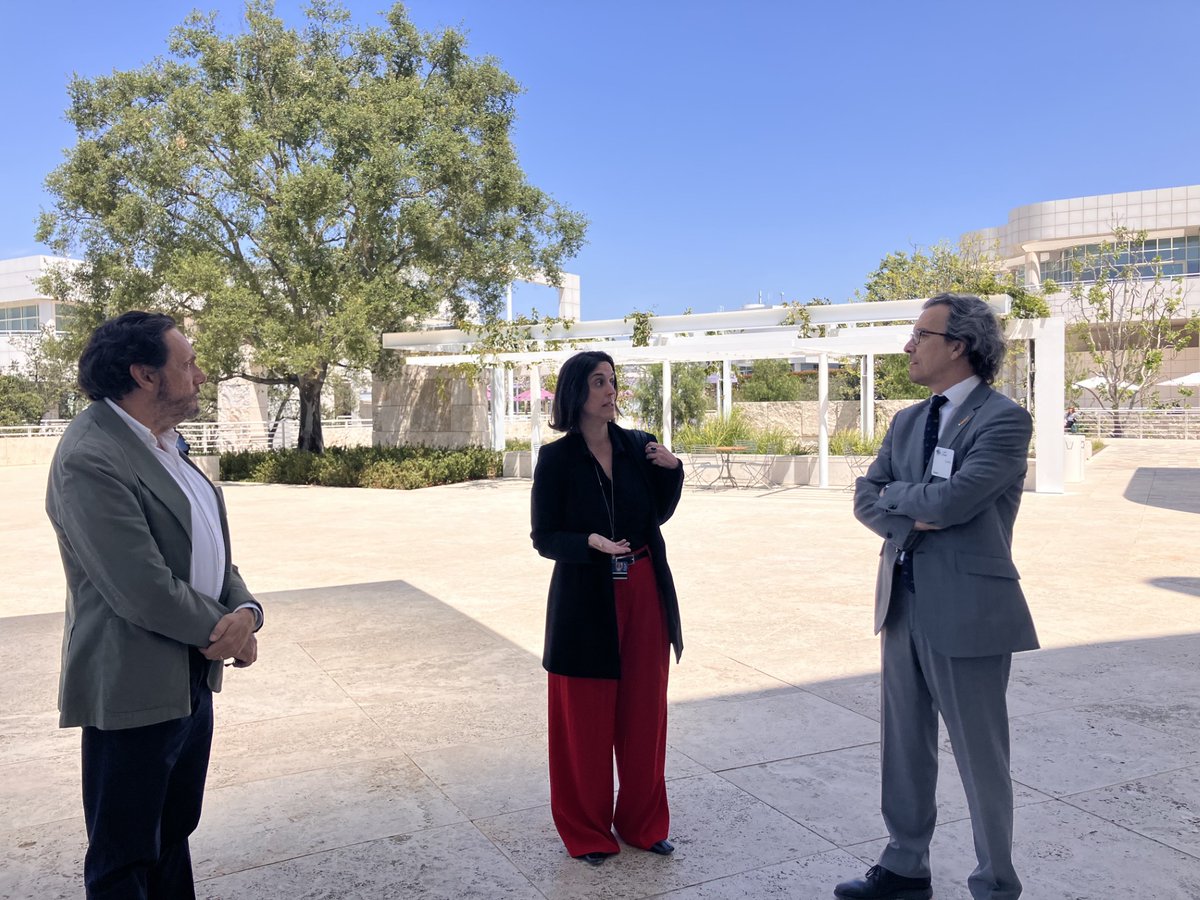
The General Consul of Spain in Los Angeles, Mr. Gerardo Fueyo Bros, together with the Cultural Counselor of Spain, Mr. Antonio Álvarez Barthe, visited the Getty Center last month.
They began their visit at the Conservation Institute, touring our facilities with Stavroula Golfomitsou, head of our Collections department, and Ana Pastor Pérez, senior archaeologist. This was followed by a visit to the Getty Research Institute, accompanied by Idurre Alonso, head of Modern and Contemporary Collections, and a tour of the Getty Museum led by education specialist Liz Andres.
The purpose of the visit was to learn about the artifacts of Spanish origin held by Getty, discuss partnerships with Spanish institutions, and explore ways to strengthen ties and develop new avenues of collaboration. It also provided an opportunity to highlight the value of our human and social capital, as well as the role our institutions play on the international stage.
2
152