
Joined August 2014
- Tweets 193
- Following 157
- Followers 304
- Likes 358
13 Photos and videos

23 Sep 2024
Revision to our Extinction Potential Metric for IAS preprint posted online. Some acknowledgements to the origin of the methods used to compute extinction probabilities were missing, and a more comprehensive scientific background has been added. biorxiv.org/content/10.1101/…
1
7
476
4 Sep 2024
1/4 I am super happy to share the link to our new preprint presenting our novel Extinction Potential Metric (EPM), assessing the ecological impacts of invasive species as the number of native species that are expected to go extinct within 50 years. biorxiv.org/cgi/content/shor…
1
7
25
2,481
4 Sep 2024
3/4 We also propose EPM-U, a version of EPM that accounts for the evolutionary history of the impacted native species.
1
133
4 Sep 2024
Co-led by @Mart1P1, and with collaborators @u_arbieu, @ecoalok, @ross_cuthbert, Piero Genovesi, @SKumschick, @arman_pili, @HannoSeebens, @WangShengyu14
2
184
12 Aug 2024
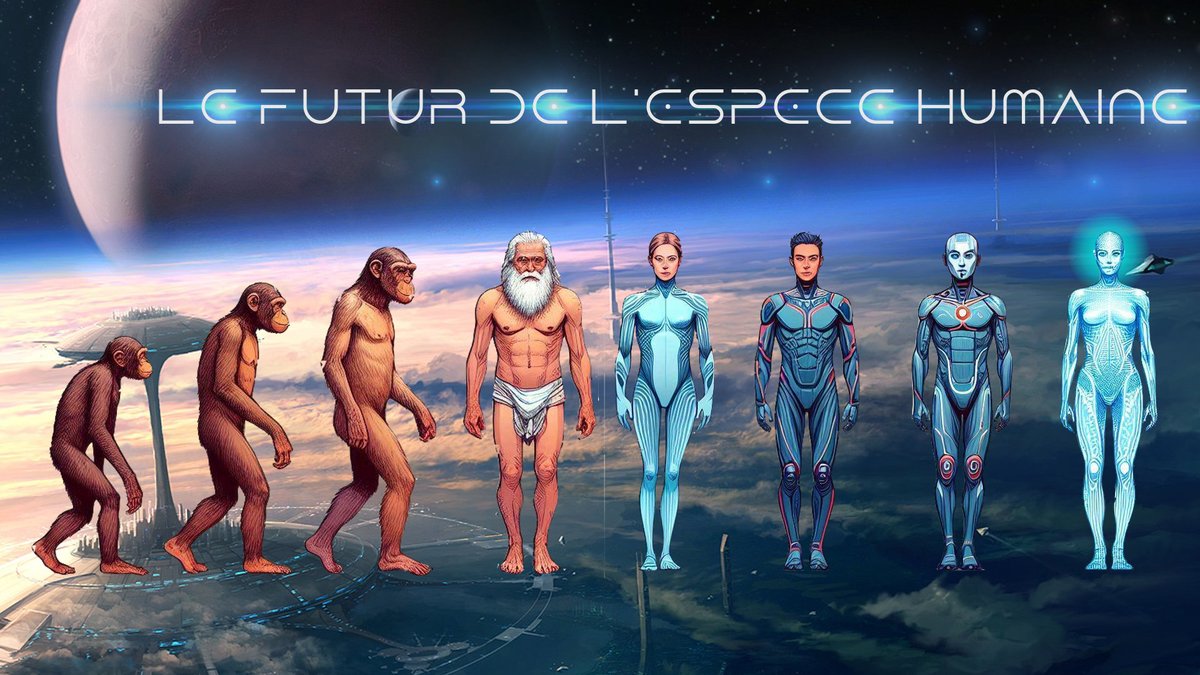
‼️ Nouvelle vidéo YouTube: "Vers une future espèce humaine ?" tinyurl.com/37c88ma8
On refait des parallèles entre science et sci-fi, mais cette fois en utilisant cette dernière pour parler d'évolution.
Subtitles in English available as usual!
100
28 May 2024
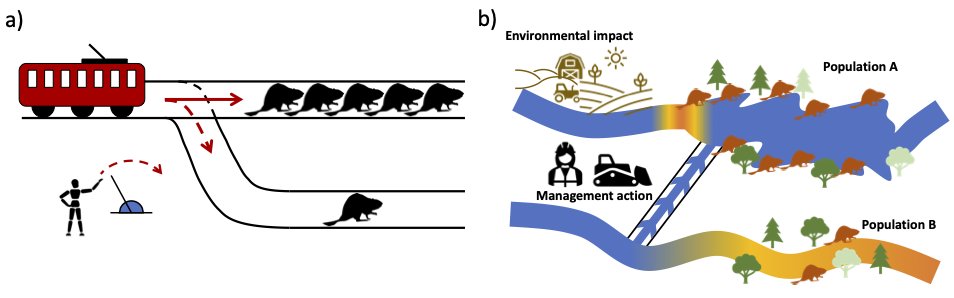
All these variations can be combined at different levels, in different context. We think that using thought experiments may allow to examine these issue in a systematic, less emotional fashion. If the trolley problem is convenient, more ecological metaphors could be developed.
1
75
28 May 2024
Great collaboration with @u_arbieu, @SvenBacher, @Stefano_Canessa, @franckcourchamp, Stefan Dullinger, @FranzEssl1, Michael Glaser, @IvanJaric, @Bernd_le_, Anna Schertler and John R. U. Wilson
1
93
28 May 2024
The second is uncertainty: can we act if there is a chance that consequences may be more dire than not active?
1
63
28 May 2024
Finally, and probably the least acknowledged: the causality and direct implication of stakeholders. Using a natural enemy may feel more acceptable than direct lethal management. Is that still the case if one species is responsible for the demise of the other?
1
64
28 May 2024
New "out-of-the-box thinking paper" - Ethical dilemma in conservation: a trolley problem thought experiment. doi.org/10.32942/X2DP54
We use the well-known trolley problem to break-down factors that matter when making a conservation decision from an ethical perspective.
2
8
14
903
28 May 2024
The first one is asymmetry:
- asymmetry of numbers (how many individuals or species)
- asymmetry of victims (species may be valued differently)
- asymmetry of impact (not all individuals will be impacted similarly)
- spatio-temporal asymmetry (impacts may occur now or later)
1
60
28 May 2024
When a conservation action may affect different groups of individuals, species, etc., than those affected by doing nothing, many factors can make us decide to act or not
1
50
Guillaume Latombe retweeted

1 Mar 2024
🐈 Biological invasions costs benefits -> check out our new paper!
3
8
593
27 Feb 2024
‼️ If you study functional or trait diversity, I hope you will like the new approach for computing trait turnover we develop in our new paper in @MethodsEcolEvol with @PaulBoittiaux @CangHUI_Ecology @MelodieAM doi.org/10.1111/2041-210X.14…
(quick summary below 👇)
2
14
41
3,557
27 Feb 2024
2/3 We show how some overlooked details when computing the kernels are crucial to get accurate indices. What is an accurate index? An index that reflects what we expect when comparing theoretical assemblages for which we can control trait distribution across species.
1
1
89
27 Feb 2024
3/3 We also applied our method to real data (plant traits data in French Polynesia), and showed that conclusions can be quite different depending on the method!
1
80
4 Dec 2023
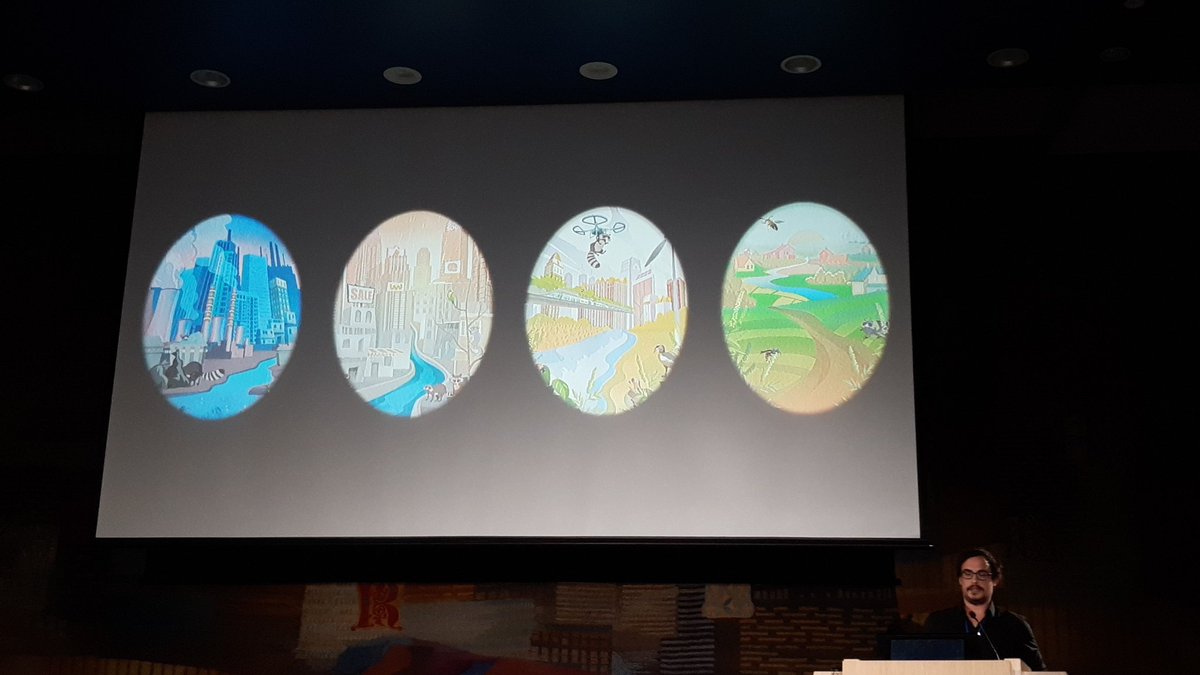
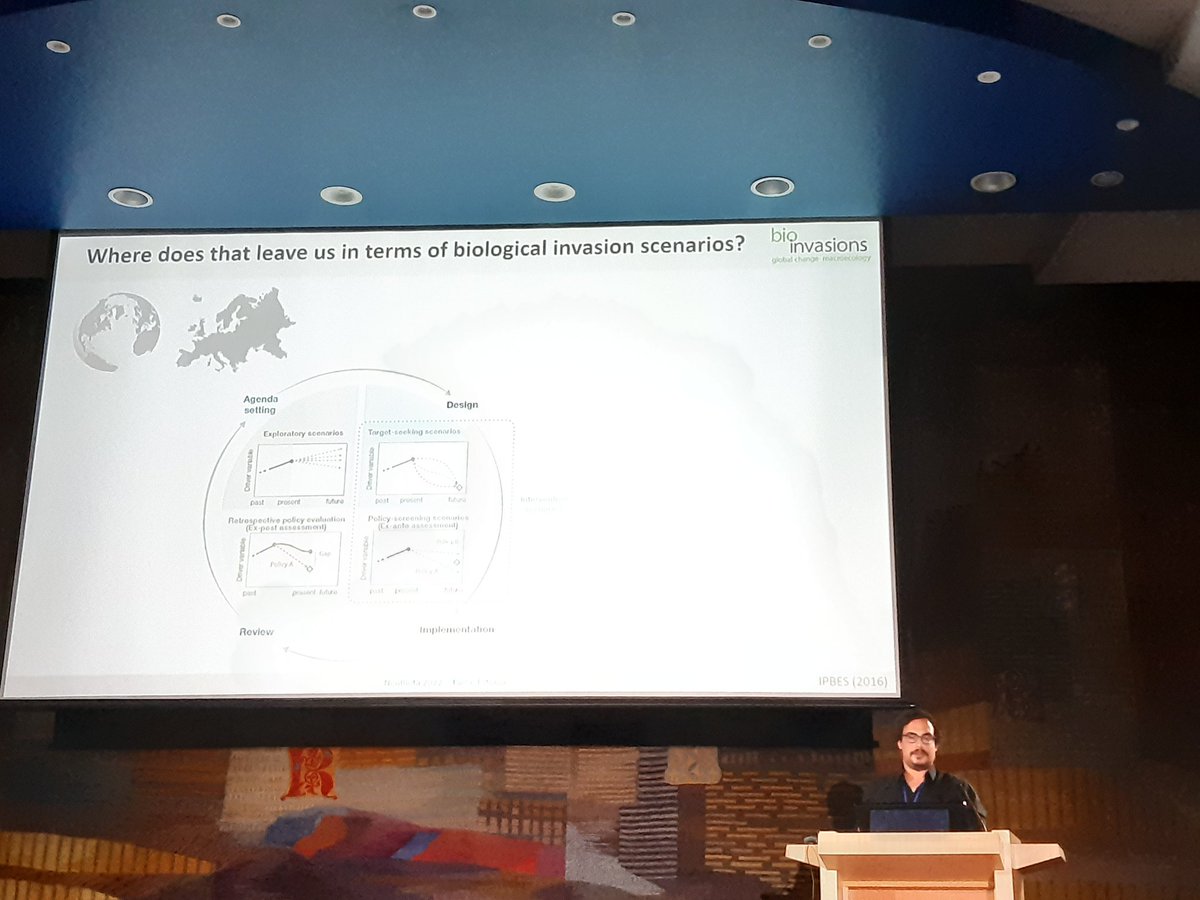
Super excited to see this new paper on #Futures #scenarios on #biologicalinvasions for #Europe published in @PaN_BES, and feeling privileged to be part of such a great team @AlienScenarios
1
6
17
2,296